
Butterflies and Moths
Order Lepidoptera
The Butterflies and Moths (Order Lepidoptera) includes 11,813 species across 112 families and 2,787 genera in our directory.
About Butterflies and Moths
Lepidoptera includes approximately 180,000 described species of butterflies and moths. Moths outnumber butterflies roughly 10:1. The monarch butterfly's eastern population has declined by more than 80% since the mid-1990s, and the western population by over 95% since the 1980s. The IUCN lists the migratory monarch as Vulnerable.
Economic Impact
Lepidoptera are critical pollinators. In Europe, grassland butterfly species have declined by almost 50% since the early 1990s. In the UK, three-quarters of butterflies are in decline. In the U.S., five butterfly species have gone extinct since 1950, with 29 listed as endangered.
Ecological Role
Butterflies and moths are essential indicators of ecosystem health. As caterpillars, they are a primary food source for birds - a single nest of blue tit chicks requires ~10,000 caterpillars. Adult moths pollinate many night-blooming plants.
Families in Lepidoptera (112)
Species in Lepidoptera (11,813)
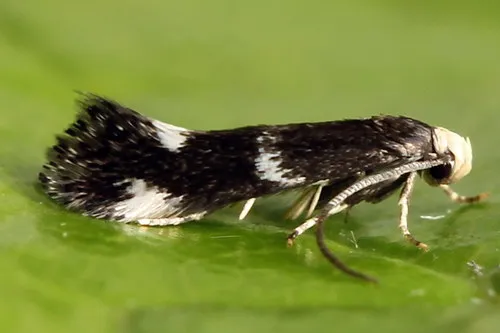
Elachista albifrontella
Elachista albifrontella
Wingspan about 10 mm. Named after the noticeably whitish forehead, the most likely confusion species is E. apicipunctella , which however has an additional white spot in the apical area of the forewing. There are other very similar species in this ge
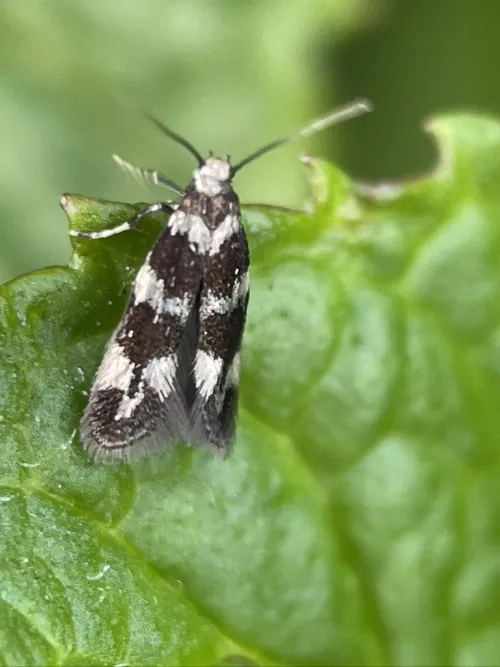
Elachista apicipunctella
Elachista apicipunctella
Wingspan 10-11 mm. The adult moth can be identified by its white head and in particular the extra white subapical spot on the forewing beyond the costal and tornal spots. Woodland clearings and well wooded areas. The adult moths emerge in a single ge
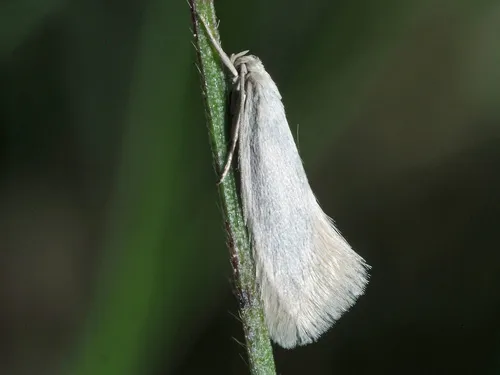
Elachista argentella
Elachista argentella
Wingspan 11 to 12 mm. This is a small, all-white species. It occurs in grassy habitats, flower meadows etc. The adults are on the wing mostly in June and July, and fly from evening onwards, being attracted to light after darkness. They can be disturb
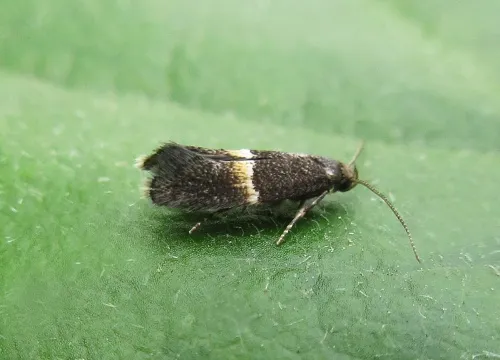
Elachista bisulcella
Elachista bisulcella
Areas where the larval foodplants occur. Adult moths can be found on the wing between May and September in the south, probably in two generations, and in July and August further north. The larva feeds on Tufted Hair-grass (Deschampsia cespitosa) and
Elachista brachyelytrifoliella - Hodges#1132
Elachista brachyelytrifoliella
Identification: Adult : The basal third of the FW is gray, shading to dark blackish brown outwardly. A white line follows the costal margin from near the base of the costa, diverging from the costa as a short streak ending just within the dark brown
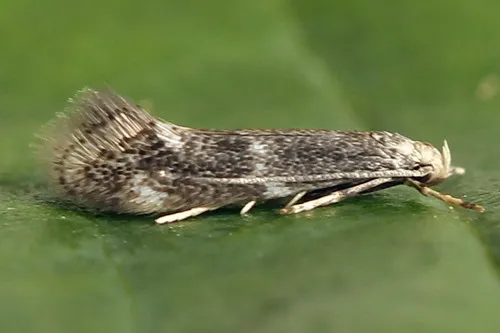
Elachista canapennella
Elachista canapennella
Wingspan 8 to10 mm. The males of this species are relatively plain greyish brown with indistinct darker mottling. The females are quite different, being smaller with much more distinctive dark grey ground colour with white markings. Various habitats
Elachista epimicta - Hodges#1081
Elachista epimicta
Identification: Decription of Elachista epimicta Braun, is available online in the print references. Specimen identified by DNA analysis (BOLD).
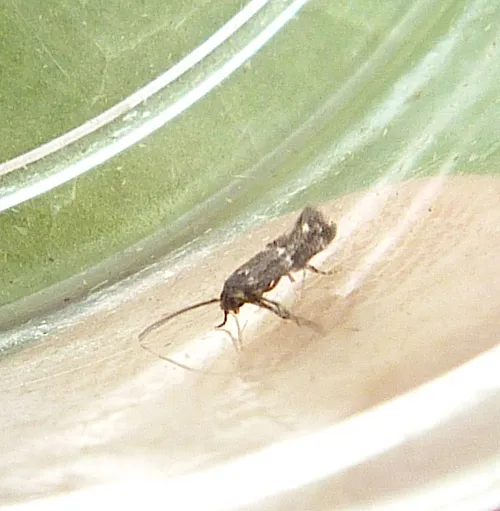
Elachista freyerella
Elachista freyerella
Wingspan about 8 mm. This diminutive species varies in the intensity of the grey ground colour; some individuals are quite dark with distinct whiter fasciae, some have rather less contrasting markings. Please provide a photograph. Determination by ge
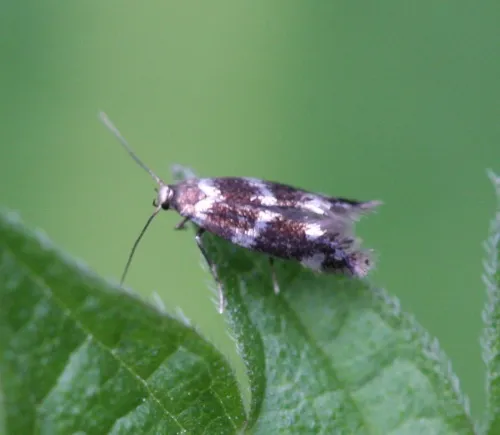
Elachista gleichenella
Elachista gleichenella
Wingspan about 9 mm. This small but attractive species has a slight metallic sheen to the yellowish-white fasciae on the forewing. Inhabiting shaded woodland habitats and areas with sedges. There is a single, fairly protracted generation, with moths
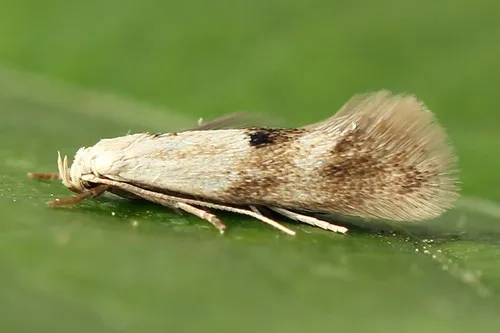
Elachista maculicerusella
Elachista maculicerusella
Wingspan 10 to 12 mm. The small white and dark blotched adult is quite distinctive. Damp habitats such as river and canal banks and marshes. Flies between May and August in one or two broods depending on latitude. The larvae mine the stems of Reed Ca
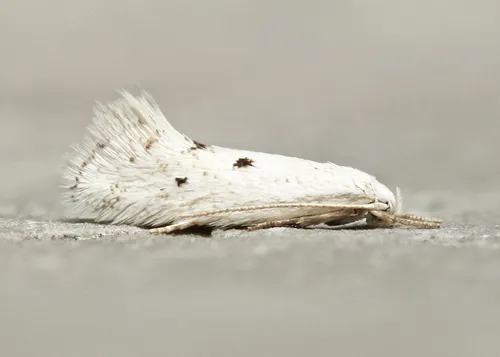
Elachista orestella - Hodges#1083
Elachista orestella
Identification: Elachista orestella forewing is white with a black spot near the middle of the forewing and at the 2/3 of the wing. The basal 1/6 of the costa is grey. (Kaila 1997). Kaila (1997) reported the members of the genus are not often attract
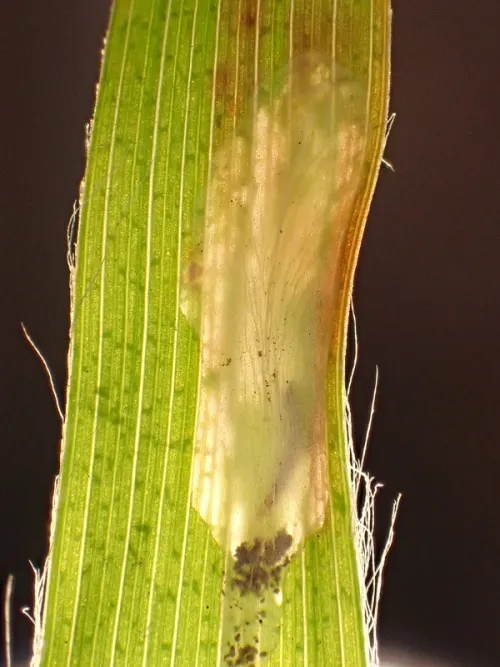
Elachista regificella
Elachista regificella
Wingspan about 9 mm. A rather attractive little species, sporting silvery metallic fasciae against a dark fuscous forewing, the central fascia being a (sometimes broken) elongated spot. The larva mines the leaves of Wood-rush species forming a bliste
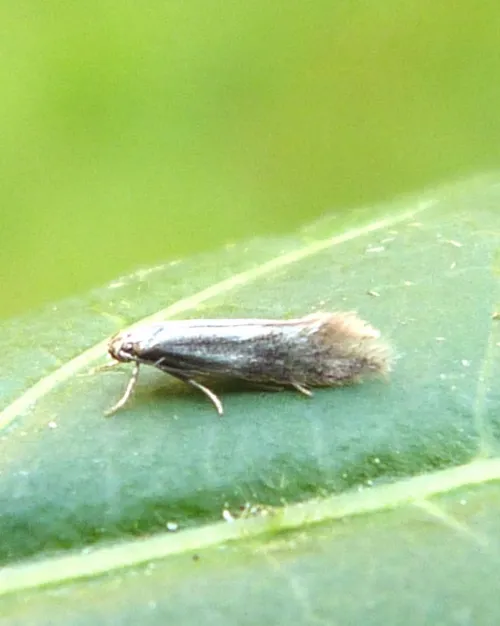
Elachista rufocinerea
Elachista rufocinerea
Wingspan 10 to11 mm. A fairly distinctive member of the genus Elachista , with its white ground colour speckled with reddish or buff, sometimes giving rise to a streaky appearance. A species of grassland areas, the larvae feed on a range of grasses,
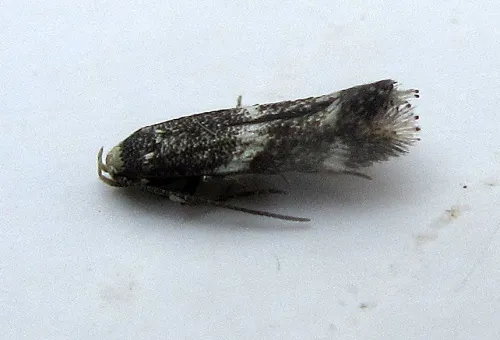
Elachista stabilella
Elachista stabilella
Wingspan 7 or 8 mm. Forewing dark with distinct white fasciae, however specimens can show less contrasting markings. The head and neck-tufts are white in this species. Unless identified by a recognised expert, a photo is required and the species shou
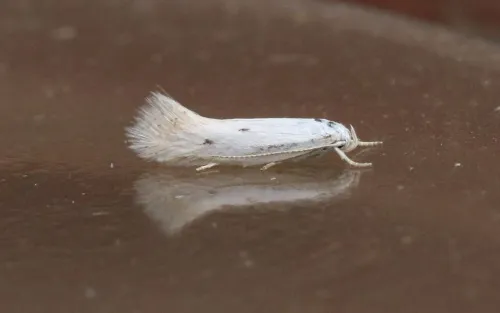
Elachista triatomea
Elachista triatomea
Elachistidae Wingspan 8 or 9 mm. One of several similar whitish, the specific name triatomea describes the three darker specks on the pale forewing. Grassland, where the larvae mine blades of fescue grasses (Festuca sp.). It is distributed from south
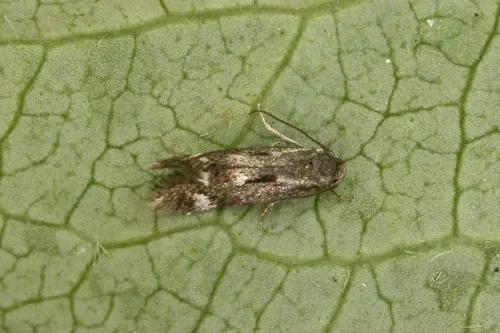
Elachista utonella
Elachista utonella
Wingspan 8 to 9 mm. Can be reliably separated from other similar Elachista species only by dissection of the genitalia. Wet and boggy areas where sedges (especially Carex species) are found. Larva mines the leaves of various sedges especially certain
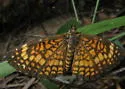
Elada Checkerspot - Hodges#4513
Microtia elada
Identification: Most like Microtia dymas , differing in having an orange margin along the edge of the lower hind wing, and without a whitish spot near the middle of the front edge of the front wing. [or, sometimes with most of the median spot band p
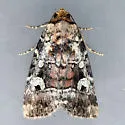
Elaphria cornutinis - Hodges#9681.2
Elaphria cornutinis
Identification: Saluke & Pogue, original description is online. - Specimen identified by DNA analysis (BOLD).
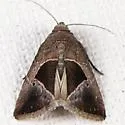
Elaphria deltoides - Hodges#9679.1
Elaphria deltoides
Identification: Adult: forewing medium brown with large dark brown patch along inner margin, extending more than halfway to costa; patch shape somewhat triangular, resembling a shark's dorsal fin (anterior margin a convex arc; posterior margin slight
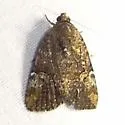
Elaphria trolia - Hodges#9682.2
Elaphria trolia
" Elaphria trolia (Dyar, 1914), stat. n., was described and previously treated as a Central American subspecies of Elaphria exesa (Guenée, 1852), but differs from it in barcodes (3.5%) and male genital characters. So, it is revised to the status of v
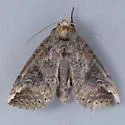
Elasmia cave - Hodges#7950
Elasmia cave
Identification: The Elasmia cave forewing is dark brown gray with weak transverse lines compared to the gray-blue to gray color of Elasmia packardii . Genitalia: ♀ ♂
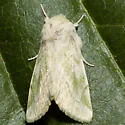
Elder Moth - Hodges#9816
Zotheca tranquilla
Identification: Adult: forewing pale yellowish with light green median band and thin wavy basal and postmedial lines; hindwing white Larva: body with middorsal line of yellow circles bordered in black; subdorsal band pale purple; lateral-ventral area
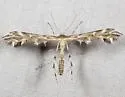
Eleaner’s Plume Moth - Hodges#6097.1
Oxyptilus eleanerae
Identification: See the species account in Matthews . Oxyptilus eleanarae adults have: a well developed outer margin on the forewing second lobe, unlike in Dejongia , Megalorhipida , Buckleria , and Trichoptilus . a gray ground color, unlike the tawn
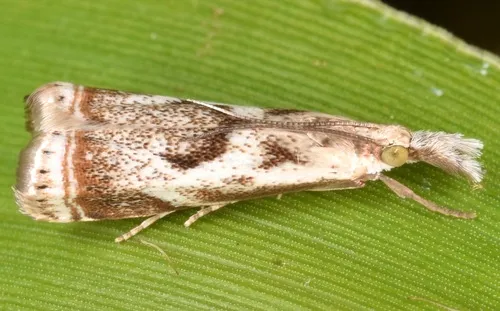
Elegant Grass-veneer
Microcrambus elegans
Microcrambus elegans, the elegant grass-veneer moth, is a moth of the Crambidae family. It is found from Ontario, Quebec and Maine to Florida, west to Texas, north to Kansas and Illinois.
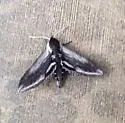
Elegant Sphinx - Hodges#7805
Sphinx perelegans
Identification: The larva has a shield on the first thoracic segment, which is of the same color as the body and which forms a tight-fitting hood over the vertex of the head. This hides a pair of glossy black spots on top of the head, which are revea
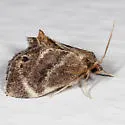
Elegant Tailed Slug Moth - Hodges#4661
Packardia elegans
Identification: Adult : The forewings are peppery grey with indistinct white lines. ST line is marked with two black dots.
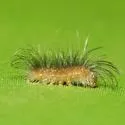
Elegant Tussock Moth - Hodges#8237
Euchaetes elegans
Identification: Adult - sexually dimorphic. In males the dorsal abdomen is entirely crimson while in females the last segment is white.
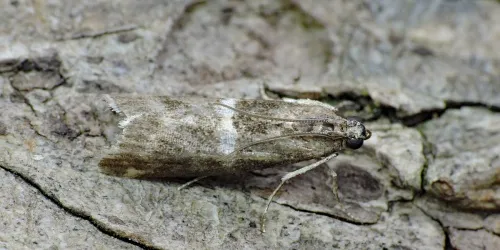
Elegia similella
Elegia similella
Wingspan 19 to 22 mm. A distinctive species with its very dark forewings and broad white cross-line.G In view of the scarcity of this species in VC55 any records should be supported by photographs. It inhabits old, mature woodland and parkland, and s
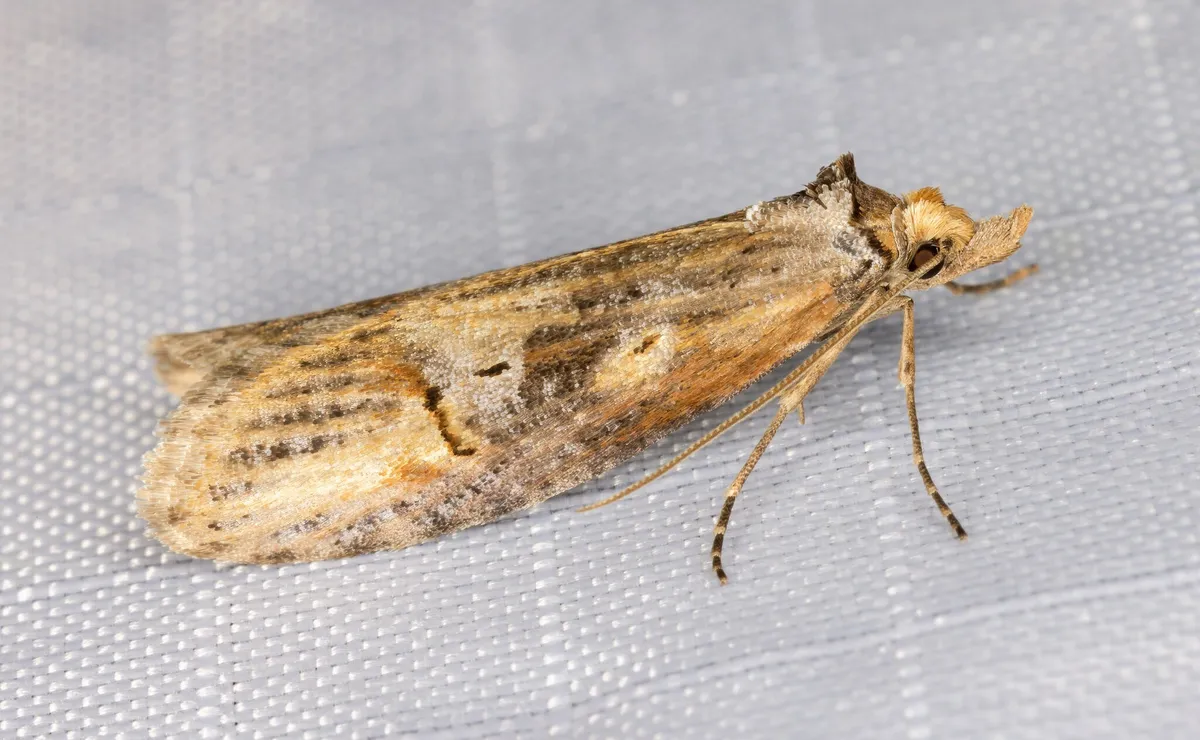
Ellabella johnstoni - Hodges#2349.2
Ellabella johnstoni
Identification: Adult - dark FW base, otherwise similar to bayensis Genitalia: ♀ ♂
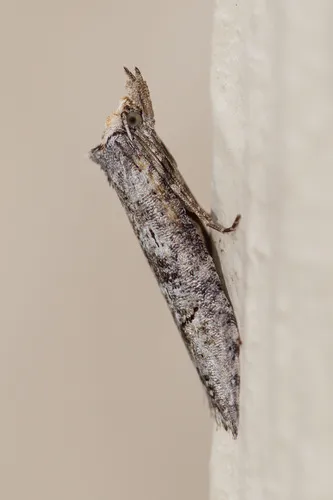
Ellabella melanoclista - Hodges#2349
Ellabella melanoclista
Identification: Original description is online as Probolacma melanoclista Meyrick. ,
Elliot's Plume Moth - Hodges#6204
Hellinsia elliottii
Identification: Both Hellinsia homodactylus and H. elliottii have a pure white ground color on the wings, thorax, and abdomen, without the pale yellow, buff, or tan shading of many related species. For photo records, one must ensure that the midleg t
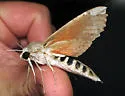
Ello Sphinx - Hodges#7834
Erinnyis ello
Identification: Sexually dimorphic. ♂ ♀ Larva: Horn reduced to a low point, arising from an elevated angular hump. In the last instar, the horn is reduced to a nub. Eyespot over the third thoracic segment is hidden in the resting caterpillar. Ornatel
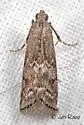
Elm Leaftier Moth - Hodges#5926
Canarsia ulmiarrosorella
Identification: The Heinrich (1956), and Hulst (1890) descriptions are available online in the print references.
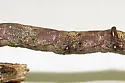
Elm Spanworm - Hodges#6798
Ennomos subsignaria
Identification: "Pure white except for yellow branches on bipectinate antennae. [of the males] Easily separated from other all-white species by angled outer margin of FW." [description by Charles Covell ] Some individuals have a significant amount of
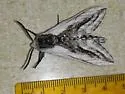
Elsa's Sphinx - Hodges#7792
Sagenosoma elsa
Identification: The forewing has a distinctive wide white band along the costa from the base to the apex.
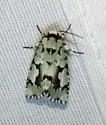
Emarginea dulcinea - Hodges#9719
Emarginea dulcinea
Identification: Specimen identified by DNA analysis:
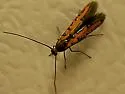
Embola ciccella - Hodges#2498
Embola ciccella
Identification: Adult : FW pale orange with rather strongly raised lead-colored spots along the costa and dorsal margin, extended as a bar the length of the termen. [cite:1179096]
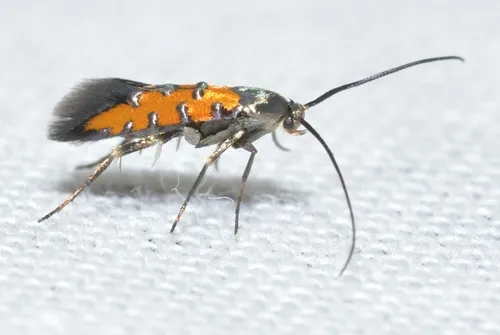
Embola ionis - Hodges#2500
Embola ionis
Identification: Thorax: Metallic gray to black. Wings: Forewing, except base entirely orange. Base metallic gray to black, with an irregular border, sometimes appearing as an additional metallic gray spot. Five raised metallic gray oblong spots along
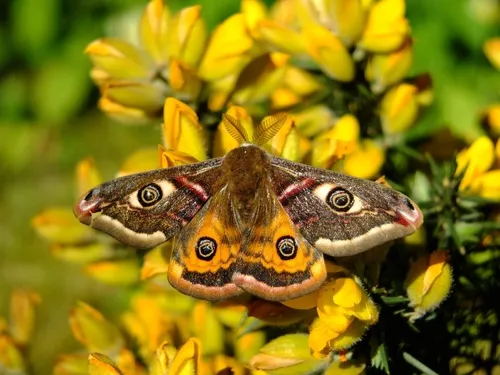
Emperor Moth
Saturnia pavonia
Wingspan 40 to 60 mm. The spectacular Emperor Moth is Britain's only resident member of the Saturniidae family. The males, which have bright orange hindwings, fly during the daytime in search of the greyer females, which fly at night. A good photogra
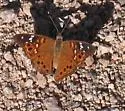
Empress Leilia - Hodges#4561
Asterocampa leilia
Identification: Distinguished from Hackberry Emperor by the present of two solid cell bars and two submarginal eyespots on the forewings. Perches on the ground more often than conspecifics which overlap its range. Tawny Emperor also shows two solid
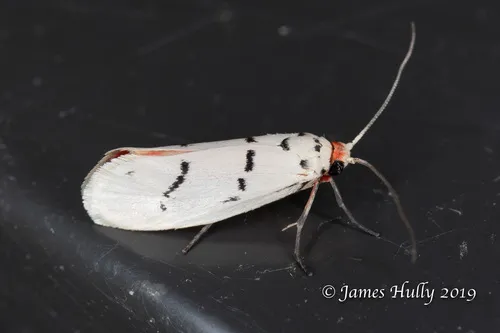
Enaemia atrolinea - Hodges#2403
Enaemia atrolinea
Identification: The original description as Mieza atrolinea Barnes & McDunnough, is available online at the link in the print references below. A redescription including larval characteristics can be found in Matson, Wagner, & Miller, 2019. The only
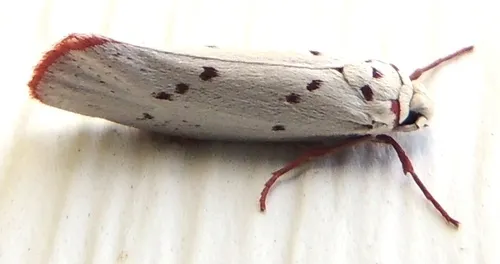
Enaemia basistriga - Hodges#2404
Enaemia basistriga
Identification: White without speckling, an antemedial line of three red spots forming a slight arc and a postmedial line of four red spots forming a chevron. Lacks dorsal red scales on the tegula (patch of scales covering the wing base) and has shor
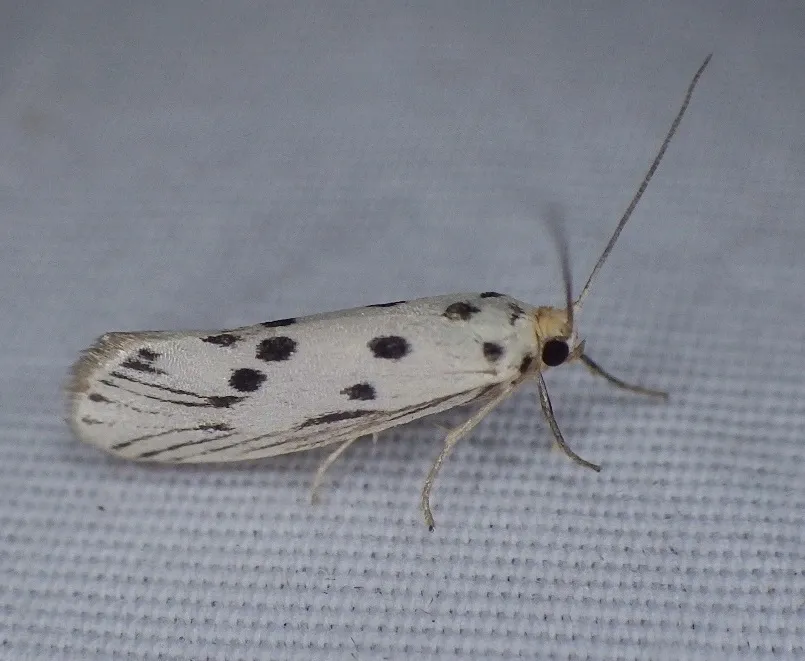
Enaemia pupula - Hodges#2405
Enaemia pupula
Identification: Adult: forewing white with several black streaks in upper half, and several black oblong spots in lower half; hindwing rosy pink to dark orange.
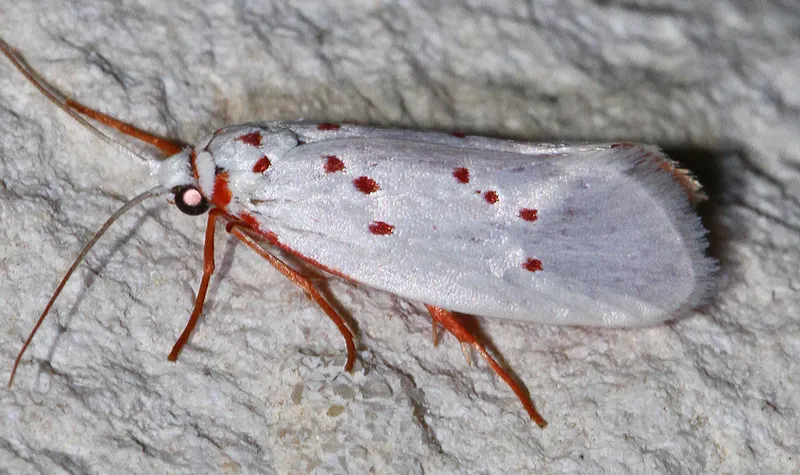
Enaemia rubritegula - Hodges#2404.1
Enaemia rubritegula
Identification: See . " Lactura rubritegula can be easily distinguished from its closest relative L.basistriga by the presence of red tegulae. It lacks the red subcostal dash that can be found in most forms of L. basistriga and the scattered flecking
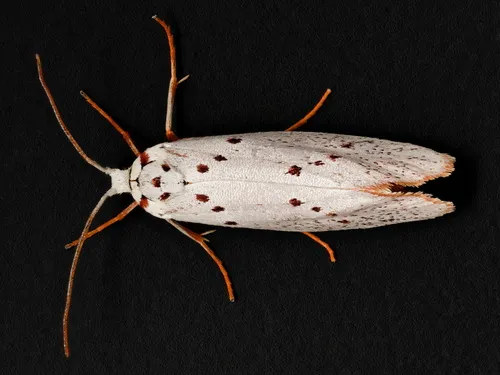
Enaemia subfervens - Hodges#2407
Enaemia subfervens
Identification: Specimen identified by DNA analysis (BOLD). ( 3 ) Extremely variable. Ann Hendrickson per Matson/Wagner publication. Det. A. Hendrickson, 2018 Paraphrasing by Ann Hendrickson: The recent publication by Matson and Wagner referenced be
Enargia fausta - Hodges#9550.2
Enargia fausta
Identification: "Forewing with black spot at base of reniform that is distinctly darker than other forewing markings. Forewings yellow ochre to orange ochre with contrasting dark markings, never unicolourous grey or brown; AM and PM lines distinct, s
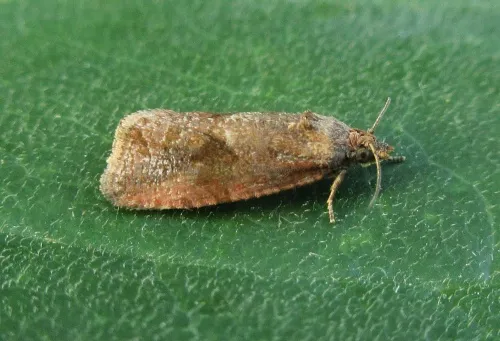
Endothenia ericetana
Endothenia ericetana
A photograph is required. This is a rarely recorded species in our area and the County Recorder has asked for the specimen to be retained if you are submitting a record. Endothenia ericetana inhabits meadows and fields and also occurs in farmland. It
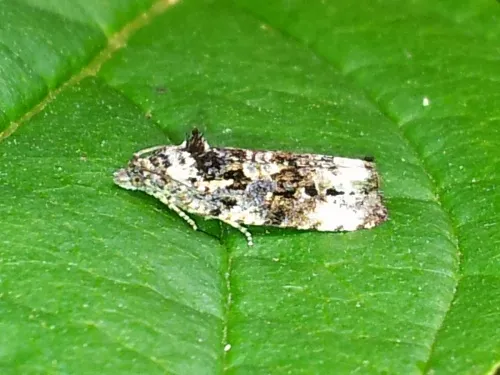
Endothenia gentianaeana
Endothenia gentianaeana
Wingspan 15 to19 mm. This is one of several species of Endothenia in which the adults closely resemble each other, and require dissection of the genitalia for accurate identification. Adults fly in June and July, usually in the vicinity of teasel (Di
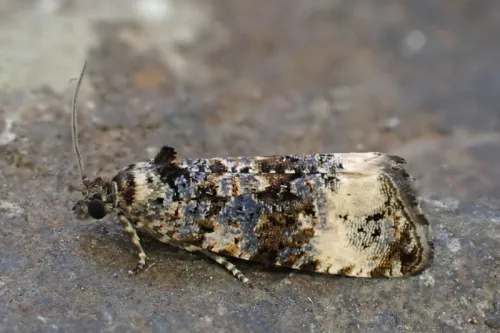
Endothenia marginana
Endothenia marginana
The males of this species have noticeably whitish hindwings which help distinguish it from similar species but the females have darker hindwings and are more difficult. Adults of this and several similar Endothenia species require dissection of the g
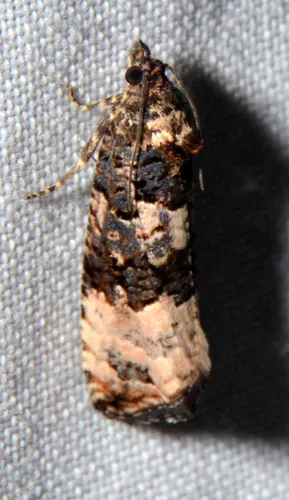
Endothenia melanosticta - Hodges#2736
Endothenia melanosticta
Endothenia melanosticta - Hodges#2736 (Endothenia melanosticta) is a species in the family Tortricidae, commonly known as tortricid moths, belonging to the order Lepidoptera (Butterflies and Moths). It is classified within the subfamily Olethreutinae
Endothenia montanana - Hodges#2732
Endothenia montanana
Identification: The Heinrich (1926) revised description is available online in PDF. ( 5 ) Specimen identified by DNA analysis (BOLD). ( 6 ) Genitalia: The genus is closely related to Bactra and the placement has been debated several times. ( 10 )
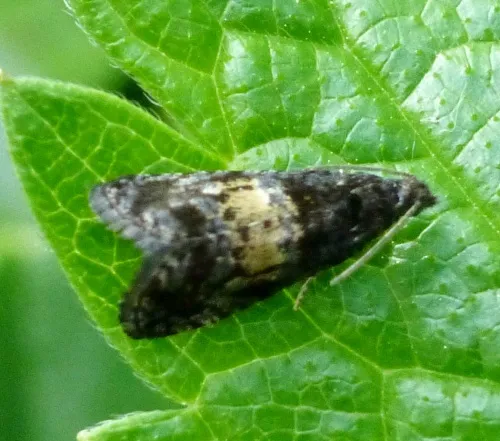
Endothenia nigricostana
Endothenia nigricostana
Wingspan about 13mm. The adults are quite distinctive, typically with a yellow or ochreous blotch on the dorsum, although this can be less obvious on darker examples. It inhabits woodland margins and embankments. The adults fly in June and are active
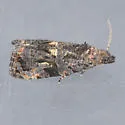
Endothenia nr. infuscata - Hodges#2742.85
Endothenia nr-infuscata
Endothenia nr. infuscata is represented at BOLD by BIN groups AAF8214 and AAH5569. It is possible that one of these two cryptic species may refer to "true" E. infuscata or E. conditana . Both of those species are closely related to E. montanana . DNA
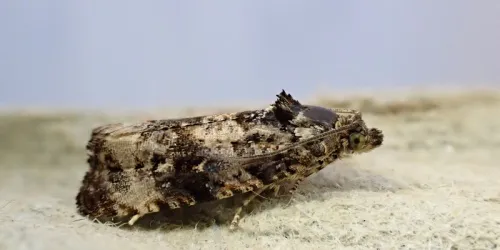
Endothenia oblongana
Endothenia oblongana
Wingspan 13 to 15 mm. Resembles a medium-sized E. gentianaeana but distinguished by the more broadly suffused apical area, which reduces or narrows the band of whitish ground colour beyond the median fascia, the more strongly dilated subterminal fasc
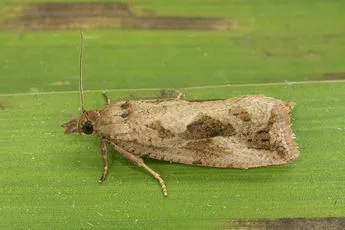
Endothenia quadrimaculana
Endothenia quadrimaculana
Wingspan 18 to 22mm. The moth is larger, generally paler and more distinctly marked than the similar E. ericitana with which it shares the same foodplant. It prefers places such as damp meadows and hedgerows and probably riverbanks. The moth hides lo
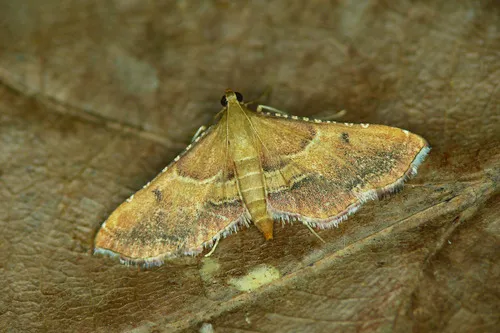
Endotricha flammealis
Endotricha flammealis
Wingspan 18 to 23 mm. Another species which has an unusual resting posture. The front part of the body is raised up on the forelegs, and the wings held at an angle, with the edges touching the resting surface. Various habitats with hedges and bushes.
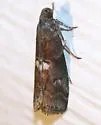
Engel's Salebriaria - Hodges#5773
Salebriaria engeli
Identification: The Dyar original description as Salebria engeli is online in the print references below. The Heinrich revised description of Salebriaria engeli is in PDF. Adult: forewing dark brownish-gray with prominent white patch mid-way along in
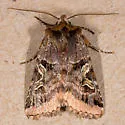
Enigmatic Dart - Hodges#10995.2
Cerastis enigmatica
Identification: Adult: forewing reddish-brown with pale yellowish-red subterminal area; orbicular and reniform spots fused together to form a large white-rimmed V-shaped spot; dark brown patches border three sides of fused spot; fringe pinkish; thora
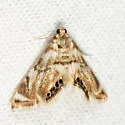
Eoparargyractis plevie - Hodges#4787
Eoparargyractis plevie
Identification: Small, with triangular wings usually held tent-like over body. Has the typical pattern for the subfamily with brown bands across white ground color on both wings and dark speckliing in the outer half; a series of brown, white, and ora
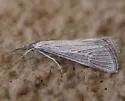
Eoreuma callista - Hodges#5497
Eoreuma callista
Eoreuma callista - Hodges#5497 (Eoreuma callista) is a species in the family Crambidae, commonly known as crambid snout moths, belonging to the order Lepidoptera (Butterflies and Moths). It is classified within the subfamily Crambinae, tribe Haimbach
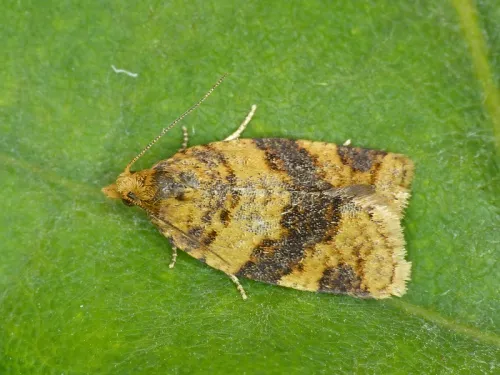
Epagoge grotiana
Epagoge grotiana
Flies during June and July, especially around dawn and at dusk. The larvae feed on the leaves of various trees and shrubs including Oak, Hawthorn and Bramble. Widely distributed over much of the British Isles this species becomes scarcer further nort
Epauletted Pitcher-plant Moth - Hodges#9021
Exyra fax
Identification: Original description online as Xanthoptera fax Grote. ,
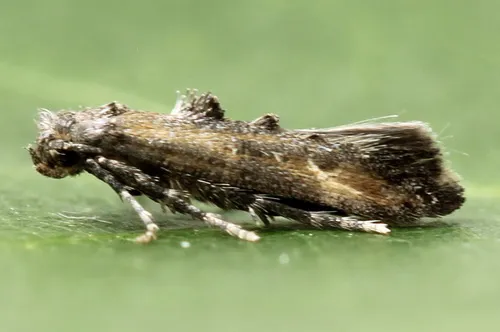
Epermenia chaerophyllella
Epermenia chaerophyllella
Wingspan 12 to14 mm. A rather variable but distinctive species, with its raised triangular scale-tufts visible when at rest. The moth is a mixture of blackish, chestnut and white in variable amounts. Larval stages: photogrpah leaf mine and caterpilla
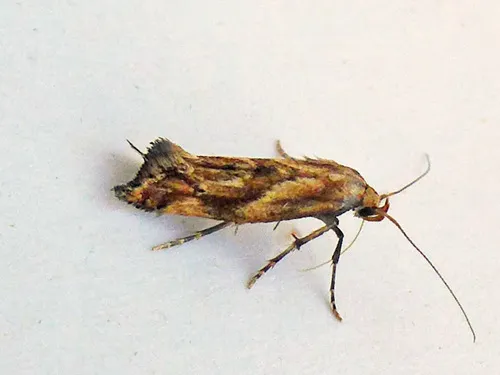
Epermenia falciformis
Epermenia falciformis
Wingspan 9-11 mm. A fairly distinctive and well-marked species being patterned in buffs and browns with odd dark marks. Note the tufts along the back. Preferring moist habitats, marshes and water margins. The adult moths are on the wing in two genera
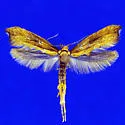
Epermenia imperialella - Hodges#2325
Epermenia imperialella
Identification: Busck (1906) original description is in the print references. Determined by Terry Harrison.
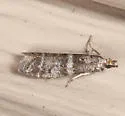
Ephestia columbiella - Hodges#6020.1
Ephestia columbiella
Identification: Adult : FW fuscous to pale brown; base dusted with white ● AM and PM moderately distinct, white (formed by white-tipped scales) ● Medial area lightly dusted white ● Discal spots brown to black, indistinct ● terminal area lightly duste
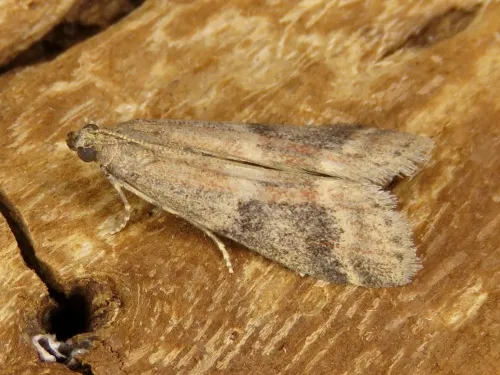
Ephestia woodiella
Ephestia woodiella
Unlike most of its congeners, this species is not a pest of dried foods in warehouses and kitchens, and occurs out-of-doors. Flying between June and September, when it can be attracted to light. Most probably feeding on dried leaves and other plant m
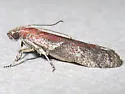
Ephestiodes erythrella - Hodges#6002
Ephestiodes erythrella
Identification: "Forewing vinous red, dusted with whitish gray in the basal area and with some faint blackish dusting along costa and on the veins..." .
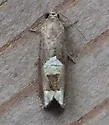
Epiblema boxcana - Hodges#3171
Epiblema boxcana
Identification: The Kearfott original description as Eucosma boxcana is available online in the Print References.
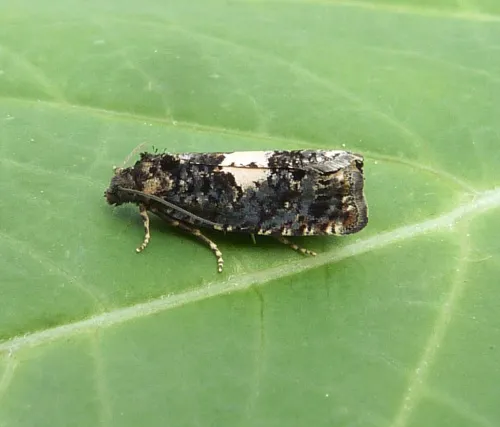
Epiblema cirsiana
Epiblema cirsiana
Wingspan 12-23mm. Part of a difficult species group. It is necessary to examine the genitalia structure to be certain of identification. When this detailed examination has not taken place records should be submitted as Epiblema scutulana agg. Epiblem
Epiblema coracinana - Hodges#3198.1
Epiblema coracinana
Identification: Typically very dark, blackish. The only member of the walsinghami group with blue-gray scaling in the interfascial spot and in the ocellus.
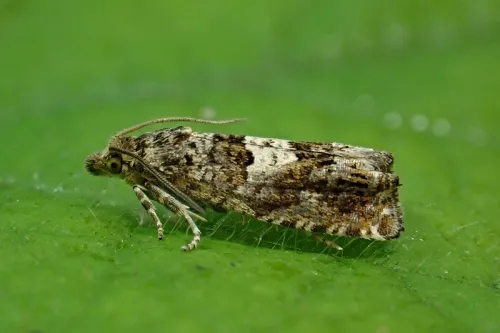
Epiblema costipunctana
Epiblema costipunctana
Wingspan 13 to 18 mm. A well marked moth with reddish brown patterning and a broad pale blotch. This species can be found on open uncultivated and waste ground and similar habitats, especially where ragwort is present. The moths are bivoltine in the
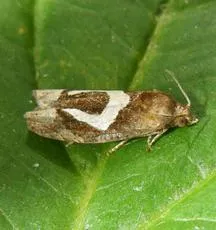
Epiblema foenella
Epiblema foenella
Wingspan 17 to 26 mm. One of the more distinctive Epiblema species, with its diagnostic angular whitish marking on a dark brown ground colour, although the shape and colour of this mark does vary. The adults fly from late afternoon into the evening,
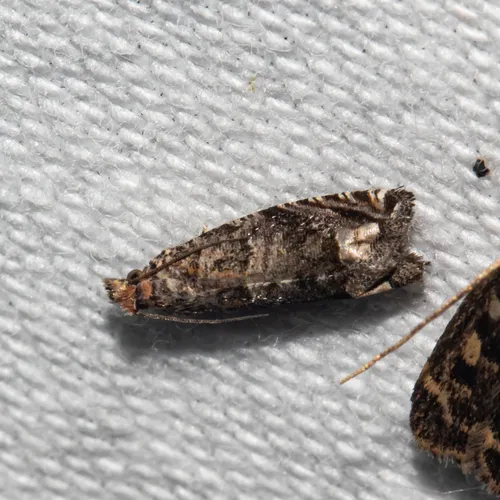
Epiblema glaseri - Hodges#3183.1
Epiblema glaseri
This page includes images of specimens which may refer to the Florida variant with "reddish suffusion in the forewing (e.g., Plate Q:46e)" of Epiblema glaseri Wright & Gilligan, 2023 mentioned in the comments in the original description for that spec
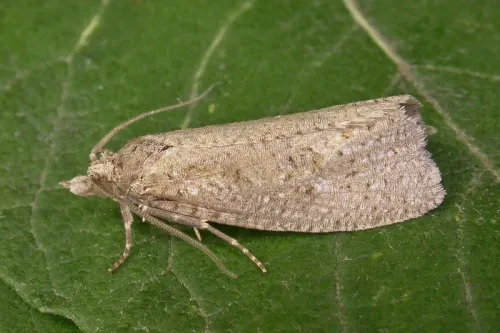
Epiblema grandaevana
Epiblema grandaevana
Wingspan 21 to 30 mm. One of the largest of the British Tortricidae . The larvae feed on the roots of plants such as Coltsfoot. This is quite a rare species. It was formerly established on the coast of north-east England until around 1910. Since then
Epiblema luctuosissima - Hodges#3174.1
Epiblema luctuosissima
Identification: Blanchard original description as Epiblema luctuosana is available online.
Epiblema macneilli - Hodges#3207
Epiblema macneilli
Epiblema macneilli - Hodges#3207 (Epiblema macneilli) is a species in the family Tortricidae, commonly known as tortricid moths, belonging to the order Lepidoptera (Butterflies and Moths). It is classified within the subfamily Olethreutinae, tribe Eu
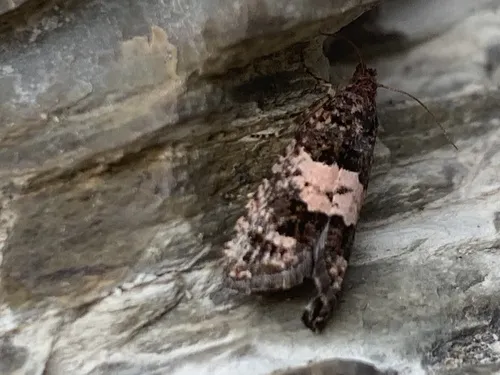
Epiblema periculosana - Hodges#3197
Epiblema periculosana
Epiblema periculosana - Hodges#3197 (Epiblema periculosana) is a species in the family Tortricidae, commonly known as tortricid moths, belonging to the order Lepidoptera (Butterflies and Moths). It is classified within the subfamily Olethreutinae, tr
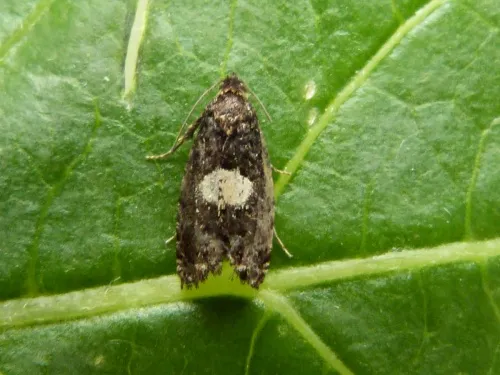
Epiblema scutulana
Epiblema scutulana
Wingspan 18-23 mm. Part of a difficult species group. It is necessary to examine the genitalia structure to be certain of identification. When this detailed examination has not taken place records should be submitted as Epiblema scutulana agg. Epible
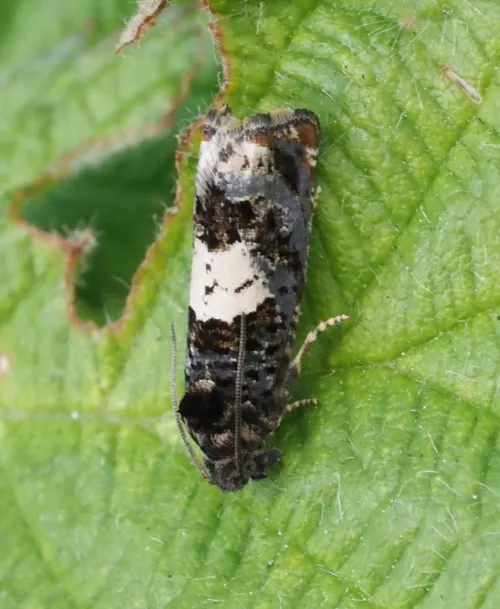
Epiblema scutulana agg.
Epiblema scutulana agg.
Epiblema scutulana, Epiblema sticticana and Epiblema cirsiana form a difficult species group. It is necessary to examine the genitalia structure to be certain of identification. When this detailed examination has not taken place records should be sub
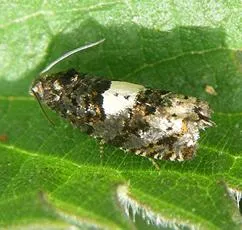
Epiblema sticticana
Epiblema sticticana
Wingspan 15-20 mm. Part of a difficult species group. It is necessary to examine the genitalia structure to be certain of identification. When this detailed examination has not taken place records should be submitted as Epiblema scutulana agg. Epible
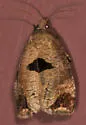
Epiblema tandana - Hodges#3204
Epiblema tandana
Epiblema tandana - Hodges#3204 (Epiblema tandana) is a species in the family Tortricidae, commonly known as tortricid moths, belonging to the order Lepidoptera (Butterflies and Moths). It is classified within the subfamily Olethreutinae, tribe Eucosm
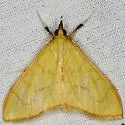
Epicorsia oedipodalis - Hodges#4938
Epicorsia oedipodalis
Identification: Identified by Jim Hayden, Curator of the Florida State Collection of Arthropods, McGuire Center for Lepidoptera and Biodiversity, Gainesville. Thanks to Bob Patterson who was kind enough to forward the photo for the ID help. Abdomen h
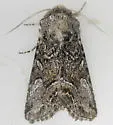
Epidemas obscurus - Hodges#10003
Epidemas obscurus
Identification: According to PNW Moths, this is a dimorphic species in which female forewing orbicular/reniform spots are considerably larger and more white filled that those of the males.
Epidromia lienaris - Hodges#8585
Epidromia lienaris
Identification: Lafontaine & Dickel describe the three know North American species in the genus Epidromia
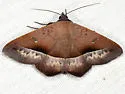
Epidromia pannosa - Hodges#8585.2
Epidromia pannosa
Identification: Solis distinguishes Epidromia pannosa from E. fergusoni . Lafontaine & Dickel describe the three know North American species in the genus Epidromia
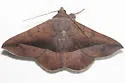
Epidromia rotundata - Hodges#8585.3
Epidromia rotundata
Identification: Adult: forewing brown with purplish tint (which may disappear with age); median area with large dark triangular patch in male (patch reduced or absent in female); patch begins near base of AM line, and extends to PM line near costa; r
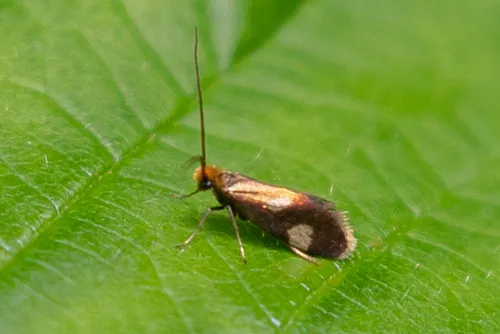
Epimartyria bimaculella - Hodges#0001.1
Epimartyria bimaculella
Identification: "Adults of Epimartyria bimaculella most resemble those of E. pardella in possessing dark fuscous forewings marked by pale golden spots. A total of two yellowish spots occur in bimaculella , with only a single large costal spot present
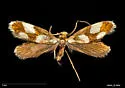
Epimartyria pardella - Hodges#0002
Epimartyria pardella
Identification: Head: Head light orangish-brown, long-haired or scaled. No proboscis but functioning mandibles, mouth pale brown to brownish-yellow. Antenna: Base (scape) and pedicel light orangish-brown. Segments dark brownish-gray with golden hairs
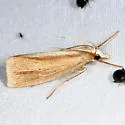
Epina alleni - Hodges#5469
Epina alleni
Identification: The cream colored hindwing has a dark brown terminal line that ends before reaching the anal angle.
Epina dichromella - Hodges#5468
Epina dichromella
Identification: See description of Diatraea differentialis Fernald, 1888, in "Print References" below. Note that females are described as brownish yellow and males as seal brown. These specimens ( 3 ) and ( 4 ) were identified by James E. Hayden, Ph.
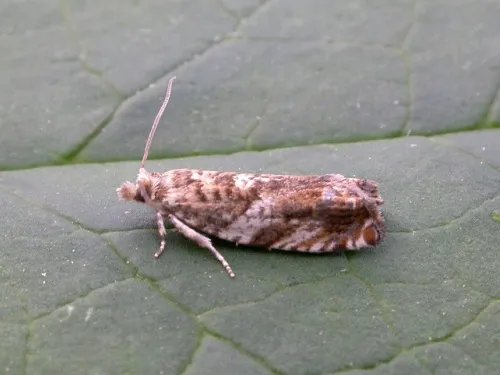
Epinotia abbreviana
Epinotia abbreviana
Wingspan 12 to 16 mm. E. abbreviana varies greatly in the strength of its markings and darkness of colour. Wherever Elms occur on lowland sites. During daylight, it often sits exposed on foliage or trunks. It flies in June and July at dusk and night
Epinotia albicapitana - Hodges#3296
Epinotia albicapitana
Identification: Adult - see original description in Print References.
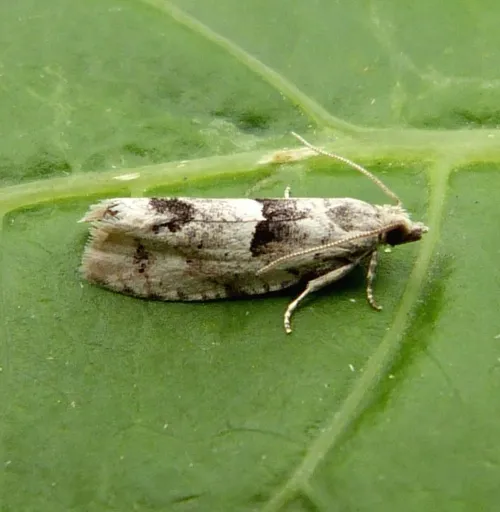
Epinotia bilunana
Epinotia bilunana
Wingspan 13-17 mm. Fairly distinctive with its creamy or pale greyish ground colour and diffuse blackish markings. Birch woodland and other areas where Birch is present. The adult flies during June and July and like most of its close relatives, is ac
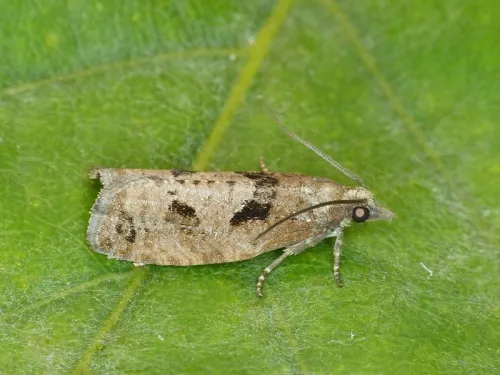
Epinotia brunnichana
Epinotia brunnichana
Wingspan 18-22 mm. A fairly variable species, though usually showing a pale blotch on the dorsal area, sometimes edged with darker. Well wooded areas containing the larval foodplants. The moths fly in July and August, from dusk onwards, when it can b
Epinotia celtisana - Hodges#3291
Epinotia celtisana
Identification: Adult - see original description in Print References.
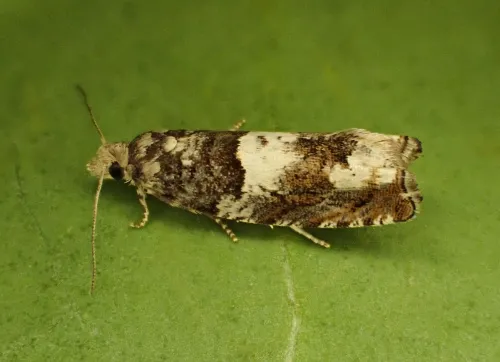
Epinotia demarniana
Epinotia demarniana
E. demarniana inhabits woodland, heathland and damper habitats such as fens and bogs. The adult moths fly in a single generation during June and July, when they can be attracted to light. The larvae feed within the catkins of birch, alder and goat wi
Epinotia emarginana - Hodges#3323
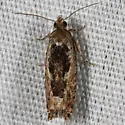
Epinotia emarginana
Identification: Adult - Highly variable. Walsingham described and illustrated five varieties in the original description.
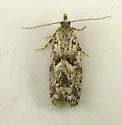
Epinotia hopkinsana - Hodges#3297
Epinotia hopkinsana
Identification: Adult - see original description in Print References. Larva - See description at Natural Resources Canada.
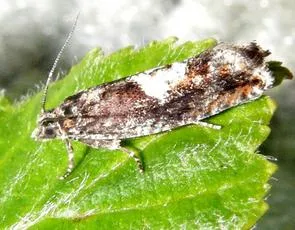
Epinotia immundana
Epinotia immundana
Wingspan 12-14 mm. The species is quite variable, with the paler diamond-shaped patch on the dorsal area sometimes obscured, yet sometimes contrasting strongly. It inhabits woodland, heathland and river banks. The moths fly in spring from April to Ju