
Butterflies and Moths
Order Lepidoptera
The Butterflies and Moths (Order Lepidoptera) includes 11,813 species across 112 families and 2,787 genera in our directory.
About Butterflies and Moths
Lepidoptera includes approximately 180,000 described species of butterflies and moths. Moths outnumber butterflies roughly 10:1. The monarch butterfly's eastern population has declined by more than 80% since the mid-1990s, and the western population by over 95% since the 1980s. The IUCN lists the migratory monarch as Vulnerable.
Economic Impact
Lepidoptera are critical pollinators. In Europe, grassland butterfly species have declined by almost 50% since the early 1990s. In the UK, three-quarters of butterflies are in decline. In the U.S., five butterfly species have gone extinct since 1950, with 29 listed as endangered.
Ecological Role
Butterflies and moths are essential indicators of ecosystem health. As caterpillars, they are a primary food source for birds - a single nest of blue tit chicks requires ~10,000 caterpillars. Adult moths pollinate many night-blooming plants.
Families in Lepidoptera (112)
Species in Lepidoptera (11,813)
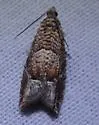
Epinotia miscana - Hodges#3314
Epinotia miscana
Identification: See also Epinotia terracoctana , silvertoniensis , and huroniensis
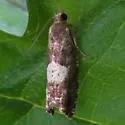
Epinotia momonana - Hodges#3312
Epinotia momonana
Identification: Adult - see original description in Print References. ( 3 )
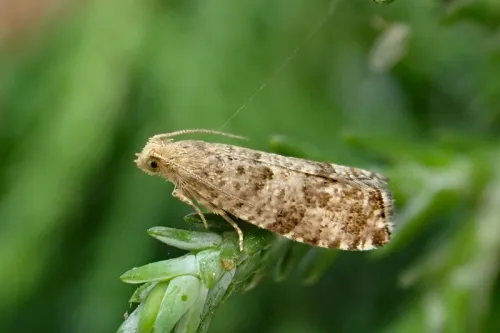
Epinotia nanana
Epinotia nanana
Wingspan c.10 mm. This very small Tortrix is delicately marked in close up, but typically looks all dark from any distance. It frequents coniferous woodland, parks and gardens where its foodplants, Norway spruce (Picea abies) and Sitka spruce (P.sitc
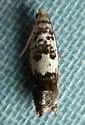
Epinotia nigralbana - Hodges#3319
Epinotia nigralbana
Identification: Adult - Head grayish fuscous, face and palps white ● Antennae greyish fuscous ● Forewings more than twice as long as wide, with the costa slightly arched ● Apical half of the wing is divided into three areas: 1st an oblique ferruginou
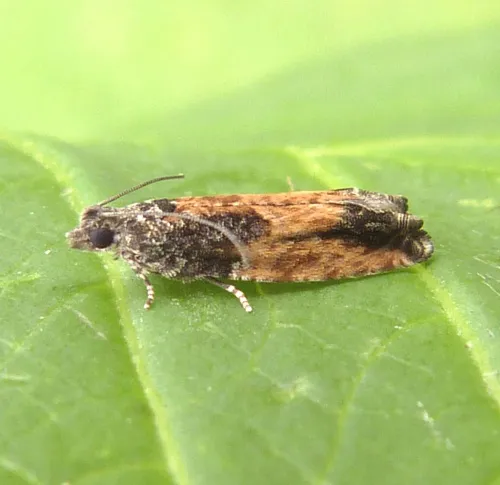
Epinotia nisella
Epinotia nisella
Wingspan 12 to17 mm. This is a very variable species. There are many variations, though one of the more distinctive is f. decorana , which shows an orange area over the mid-part of the forewing. In areas where the larval foodplant is common. The larv
Epinotia nonana - Hodges#3335
Epinotia nonana
Identification: Adult - forewing variably pale to medium gray with dark gray to blackish markings; short dark streaks of varying width along length of costa; dark irregular blotch near inner margin in AM area, and smaller blotches in subapical and me
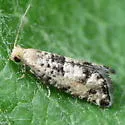
Epinotia normanana - Hodges#3336
Epinotia normanana
Identification: Adult - See original description in Print References.
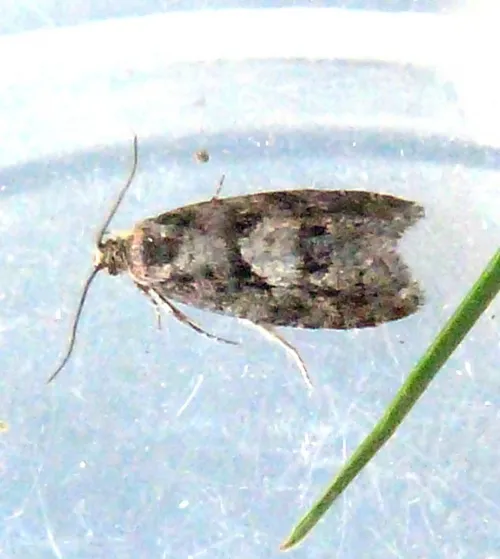
Epinotia pygmaeana
Epinotia pygmaeana
Wingspan 12 to 14 mm, the adults are similar to E. subsequana, but have a noticeable whitish patch on the inner area of the hindwing. Males can further be distinguished by their comb-like antennae. Occurs around coniferous forests and plantations. Th
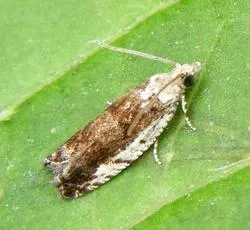
Epinotia ramella
Epinotia ramella
Wingspan 13-16 mm. The typical form of this moth has a dark triangular patch on the forewing but a fairly common variation is Epinotia ramella var. costana , which has an all dark forewing with a pale edge on the costa. Well wooded areas containing t
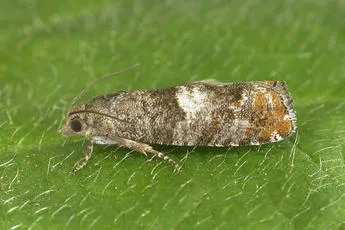
Epinotia rubiginosana
Epinotia rubiginosana
Areas where the larval foodplants are present. Flying in June, the adults can sometimes be seen flitting around the tops of pine trees in the late afternoon sunshine, but will come to light after dark. The larvae feed between spun needles of Scots Pi
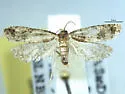
Epinotia sagittana - Hodges#3322
Epinotia sagittana
Identification: Specimen determined by DNA analysis (BOLD).
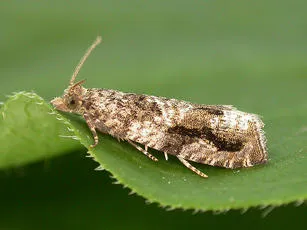
Epinotia signatana
Epinotia signatana
Wingspan 15mm. Rather obscurely-marked brownish species. Flying in a single generation, moths are on the wing in June/July. The larvae feed on Prunus, particularly Blackthorn but also other related foodplants occasionally. This is relatively uncommon
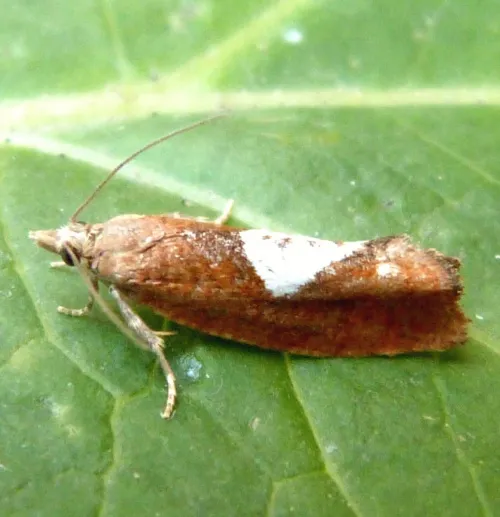
Epinotia solandriana
Epinotia solandriana
Wingspan 16 to 21 mm. Although quite variable in colour, the contrasting dorsal blotch is often present, sometimes darker and other times paler than the ground colour. The typical form has a yellowish brown or reddish brown forewing with a large dors
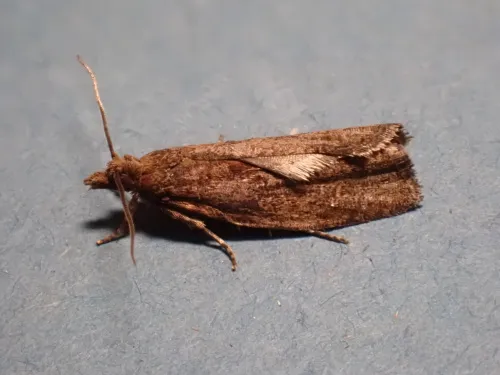
Epinotia sordidana
Epinotia sordidana
Wingspan about 20 mm. Rather plain in appearance, but often showing a slightly paler tornal blotch. Inhabits damp habitats, along streams, river banks and lakesides where the foodplant, alder grows. The adult moths fly from August to October. The lar
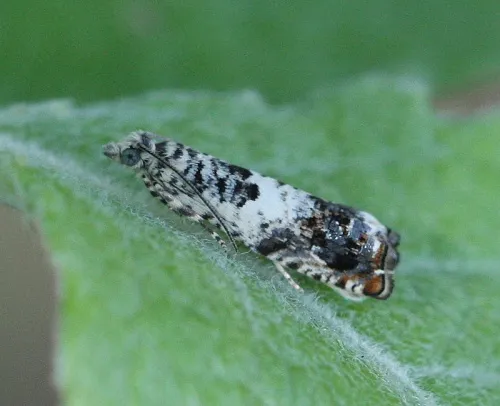
Epinotia subocellana
Epinotia subocellana
Wingspan 10 to14 mm. A largely white and grey species, but with a splash of orange near the wing tips. It inhabits wooded and damp areas where the foodplant occurs. The adults are on the wing during May to July, flying from dusk onwards, and are attr
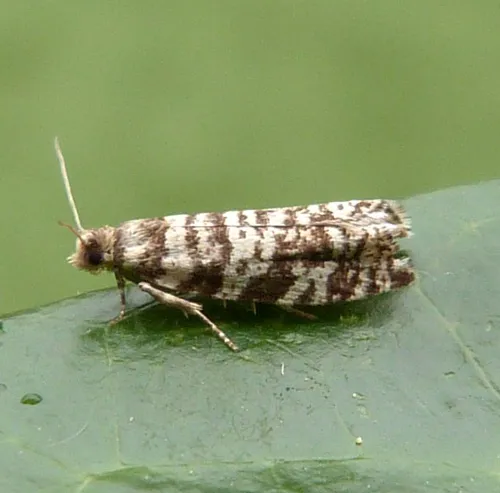
Epinotia tedella
Epinotia tedella
Wingspan 10 to 13 mm. An attractively-marked species with noticeably pale labial palps. Occupying woodland where its foodplant, Norway spruce (Picea abies) occurs. The moths fly in May and June and are attracted to light. The larvae feed among the ne
Epinotia tetraquetrana
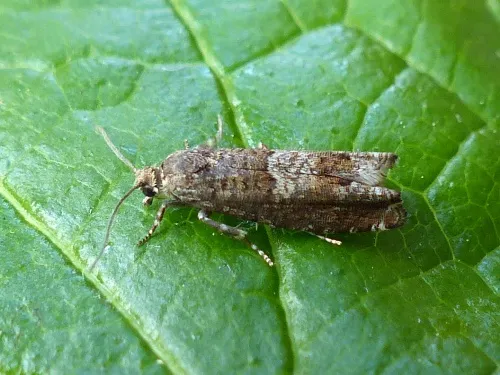
Epinotia tetraquetrana
Wingspan 12 to 16 mm. Although quite variable in intensity, this species generally has a distinguishing pale square blotch on the dorsum visible at rest, often inwardly edged darker, and with a single dark spot beyond. It can resemble E. immundana, w
Epinotia zandana - Hodges#3294
Epinotia zandana
Identification: Adult - forewing variably dark grayish-brown peppered with variable number of white or white-tipped scales, white scales usually forming a longitudinal sinuate line on inner marginal half; some specimens have narrow brown subbasal and
Epione Underwing - Hodges#8773
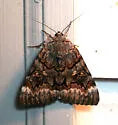
Catocala epione
Identification: Hindwings sooty black with sharp white fringes. On forewings, the outer (reniform) spot is smudged and inconspicuous, the inner (subreniform) spot elongated and teardrop-shaped with the sharp end pointed posteriorly. Fairly active; re

Epipagis disparilis - Hodges#5148
Epipagis disparilis
Identification: Distinguished from all others of the genus by the distinctive heavy and continuous antemedial (AM) line of the hind wing
Epipagis fenestralis - Hodges#5147
Epipagis fenestralis
Identification: The antemedial (AM) line of the hindwing is broken and does not extend all the way across the wing
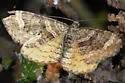
Epirrhoe plebeculata - Hodges#7395
Epirrhoe plebeculata
Identification: Adult: forewing brown with white lines and dark yellowish or gold bands in AM and PM areas (some specimens all brown); median area darker, sometime blackish; discal spot oval, black; AM line slightly curved, almost straight; PM line i
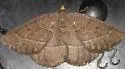
Episemasia cervinaria - Hodges#6714
Episemasia cervinaria
Identification: Ground color is typically reddish brown but can vary from pale pinkish buff, to dull gray brown, to dark purplish brown; median area sometimes slightly darker; all wings commonly peppered with black scales. Narrow AM and PM lines com
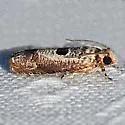
Episimus augmentana - Hodges#2702
Episimus augmentana
Identification: "This species is distinguished by its ochreous head vertex and the dark reddish-brown forewing markings, including a half-circular dorsal margin mark" .
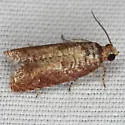
Episimus nesiotes - Hodges#2702.3
Episimus nesiotes
Identification: Adult - see original description in Print References and Heppner re-description. ,
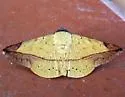
Epitausa coppryi - Hodges#8581.1
Epitausa coppryi
Identification: Specimen identified by DNA analysis (BOLD).
Epitausa prona - Hodges#8581
Epitausa prona
Brou stated "Apparently, the first record of this species in the United States was made by Andre Blanchard who captured one male in Welder Wildlife Refuge, San Patricio County, near Sinton, Texas on November 14, 1968."
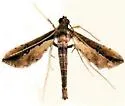
Ercta vittata - Hodges#5111
Ercta vittata
Identification: Specimen identified by DNA analysis (BOLD).
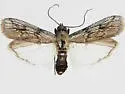
Eremberga insignis - Hodges#5986
Eremberga insignis
Identification: Eremberga insignis is distinguished from the other members of the genus by the bold discal spot. Genitalia:
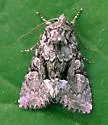
Eremobina leucoscelis - Hodges#9398
Eremobina leucoscelis
Eremobina leucoscelis - Hodges#9398 (Eremobina leucoscelis) is a species in the family Noctuidae, commonly known as owlet moths, belonging to the order Lepidoptera (Butterflies and Moths). It is classified within the subfamily Noctuinae, tribe Apamei
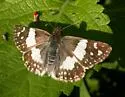
Erichson's White-skipper - Hodges#3970
Heliopyrgus domicella
Identification: Underwings are brownish with a broad dark margin and off-white median band. Upperwings have a continuous white median band across both wings, extending to the leading edge of the forewing; dark wing bases, and dark margins with many w
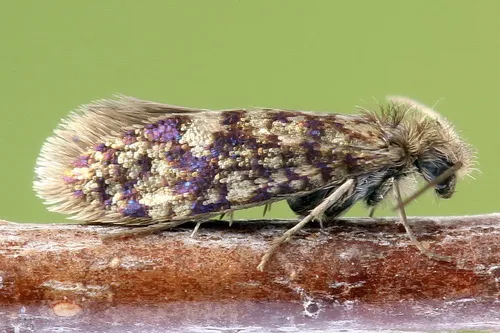
Eriocrania cicatricella
Eriocrania cicatricella
Wingspan 11mm. This is a tiny but quite beautiful little moth, its wings being a mix of metallic golds and purples when seen in the right light. All Eriocraniidae leafmines have spaghetti-like frass, in long threads. The larvae usually feed communall
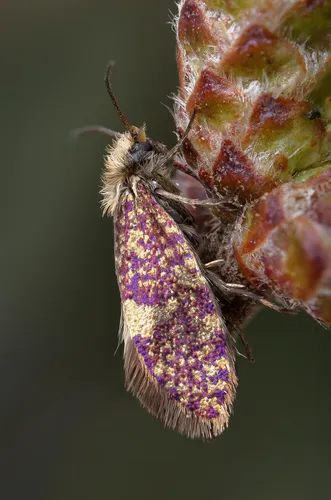
Eriocrania salopiella
Eriocrania salopiella
Wingspan about 10 mm. The adults are golden, marked with purplish, with a distinct pale tornal triangular spot, and a smaller costal spot. The head is covered with yellowish hairs. All Eriocraniidae leafmines have spaghetti-like frass, in long thread
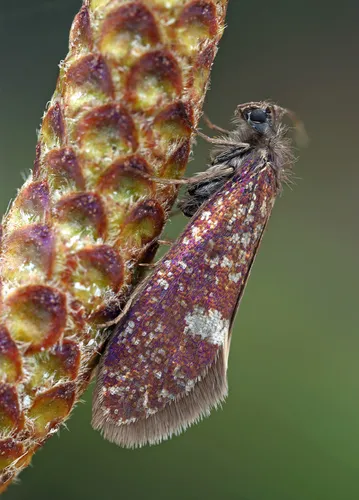
Eriocrania sangii
Eriocrania sangii
Wingspan 9 to 14 mm. A small purple and gold moth, there are similar species and detailed examination is required for a safe id. All Eriocraniidae leafmines have spaghetti-like frass, in long threads. The larva of Eriocrania sangii is unusual in bein
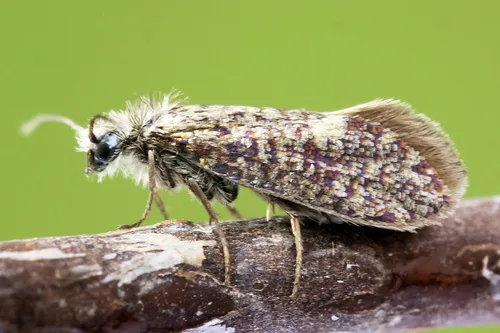
Eriocrania semipurpurella
Eriocrania semipurpurella
Wingspan 10 to 16 mm. The adults are difficult to distinguish from Eriocrania sangii without reference to the genitalia structure. All Eriocraniidae mines have spaghetti-like frass in long threads. The larvae live a blotch mine at the leaf margin whi
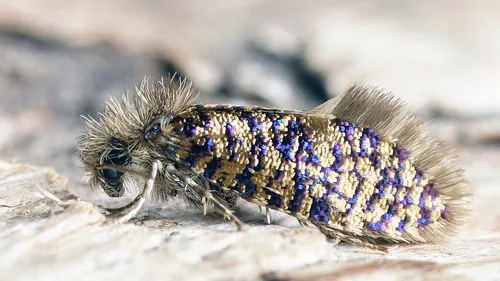
Eriocrania sparrmannella
Eriocrania sparrmannella
Wingspan 10 to 13 mm. The adult moths are very attractive when viewed closely, having a metallic golden ground colour, intensely speckled with purple and blue. There is also a golden tornal spot. Like related species, the larva mines a leaf of the fo
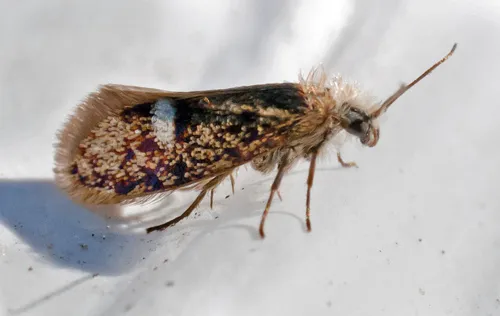
Eriocrania unimaculella
Eriocrania unimaculella
Wingspan 10mm. This species has a silvery, rather than golden, tornal spot which can help distinguish it from similar species; however the adults can be very difficult to tell apart and it is best to rear from larvae or to refer to genitalia for iden
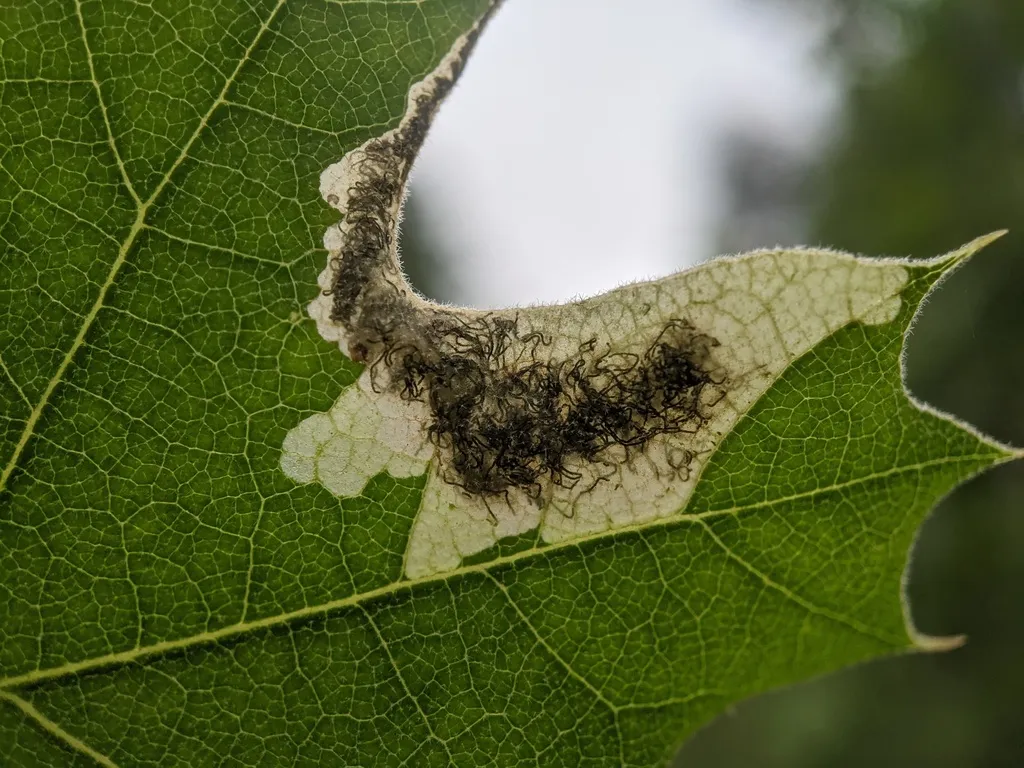
Eriocraniella aurosparsella - Hodges#0007
Eriocraniella aurosparsella
Identification: Davis (1978) revised description of the adult and larva available in PDF. ( 3 ) Forewings have a light purplish iridescence.
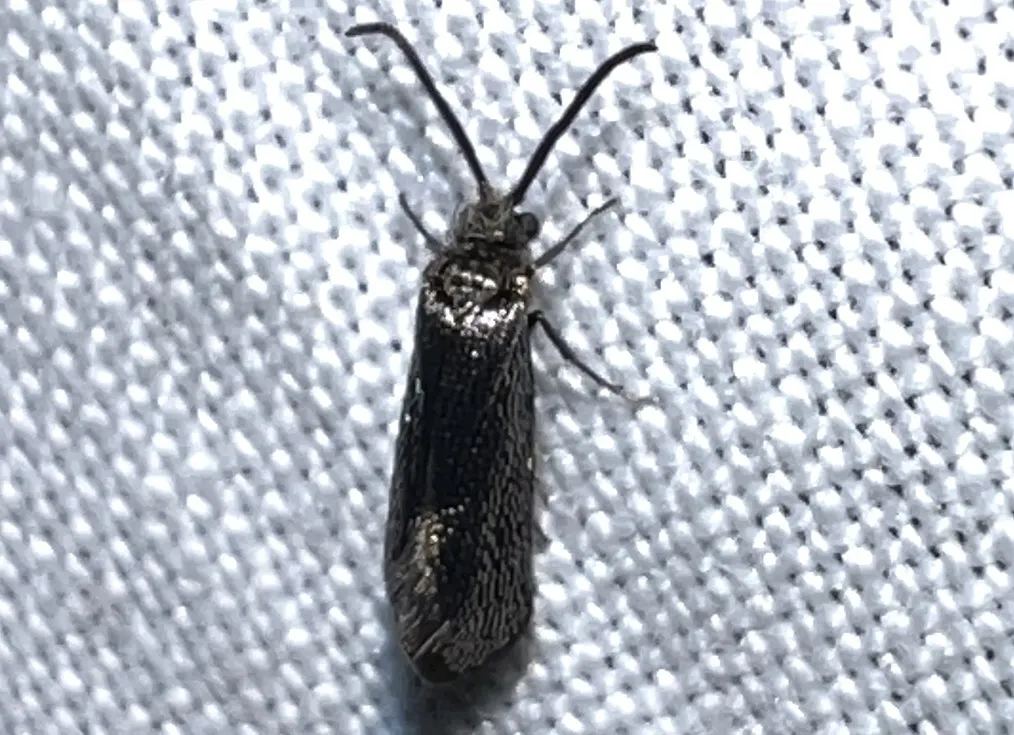
Eriocraniella mediabulla - Hodges#0013.1
Eriocraniella mediabulla
Identification: Adult : Antennae approximately 0.5 the length of FW (29-34 segmented) ● Pronotum shiny black to dark fuscous. Venter sparsely covered with buff to grayish white scales ● FW uniformly black with a distinct golden to sometimes bluish lu
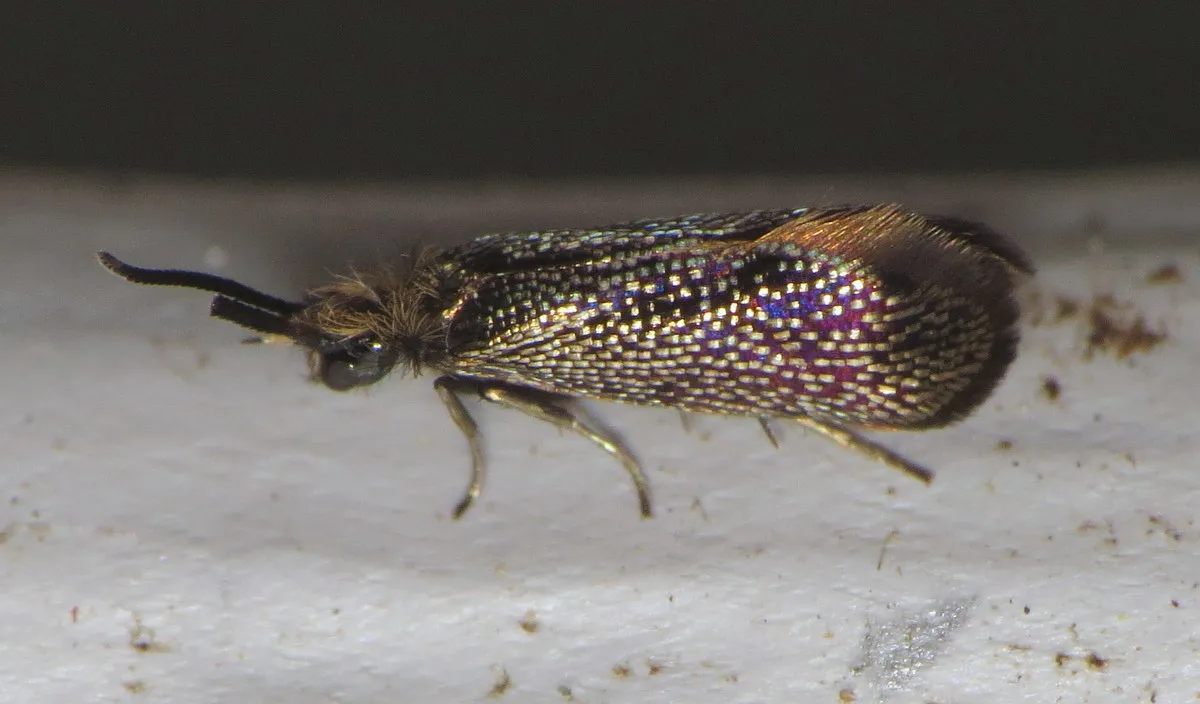
Eriocraniella platyptera - Hodges#0010
Eriocraniella platyptera
Identification: Adult : FW relatively broad and immaculate dark fuscous with a prominent golden brassy to blue green iridescence. HW much paler, grayish fuscous with a slight purplish luster. The scales are moderately broad. Genitalia:
Eriopyga (prov. plcmt.) crista of authors - Hodges#10605
Eriopyga crista
"This is actually a misidentification, but the true identity of this AZ species is unknown (Lafontaine & Schmidt 2010)." “Eriopyga” crista - A synonym of this species (“Eriopyga” dissimilis) was nominally described from Arizona. However, the species
Eriplatymetra grotearia - Hodges#6854
Eriplatymetra grotearia
Identification: Specimens identified by DNA analysis (BOLD).
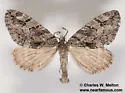
Ersephila grandipennis - Hodges#7280
Ersephila grandipennis
Identification: Hulst original description is available in PDF and online in the print references.
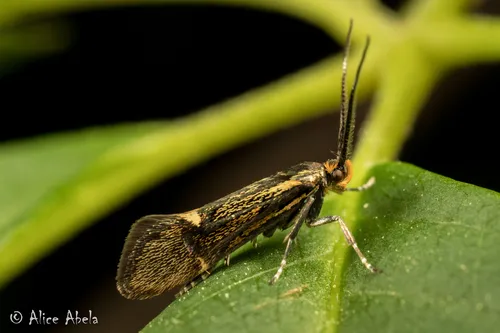
Esperia sulphurella
Esperia sulphurella
Wingspan 12-16 mm. A tiny, chocolate-brown moth, marked with lemon-yellow. It rests with its antennae held forward. The antennae are marked with white about two-thirds along their length. It flies during the day in May and June. Fairly frequent throu
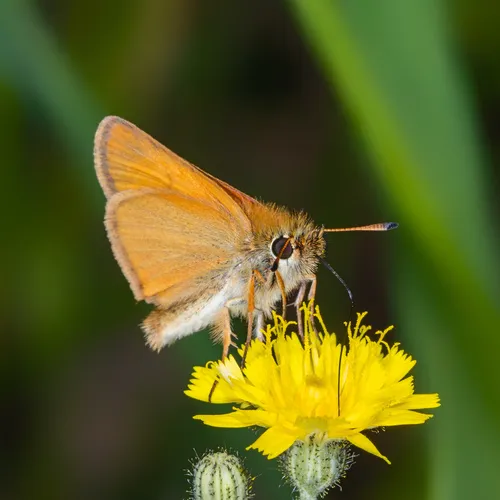
Essex Skipper
Thymelicus lineola
This species is very similar in appearance to the Small Skipper. The main distinguishing feature of the Essex Skipper is that the tips of its antennae are completely black, as if they have been dipped in ink. The male is distinguished from the female
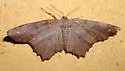
Esther Moth - Hodges#6655
Hypagyrtis esther
Identification: Similar to H. unipunctata ( One-spotted Variant ), but wings evenly violet-gray, not mottled. Beyond postmedian line they are reddish brown. Melanic individuals are a chocolate brown.
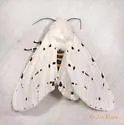
Estigmene albida - Hodges#8132
Estigmene albida
Identification: The original description as Leucarctia albida Stretch, is available online using the link in the print preferences below.
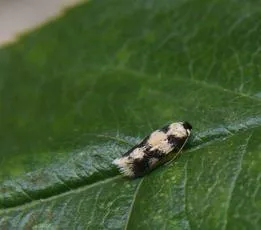
Etainia decentella
Etainia decentella
Wingspan 5 to 8 mm. This well-marked moth is one of the few of this group recognisable by forewing markings alone. Leafmine occurs in the keys of Sycamore and certain other Acer species. https://bladmineerders.nl/parasites/animalia/arthropoda/insecta
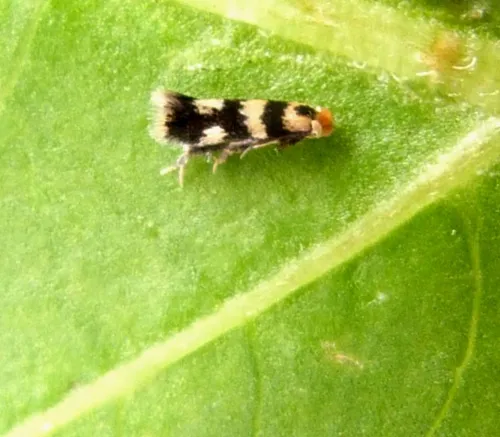
Etainia louisella
Etainia louisella
Wingspan approx 7 mm. The species has a black ground colour with creamy yellow markings and a reddish head. Adults need to be identified by genitalia examination. The larva mines the 'keys' of Field Maple. Ectoedemia sericopeza is very similar but ha
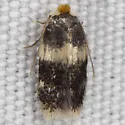
Etainia ochrefasciella - Hodges#0037
Etainia ochrefasciella
Identification: Adult - see Braun's description ( 201 ).
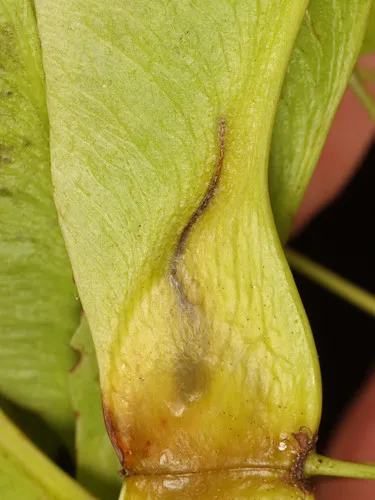
Etainia sericopeza
Etainia sericopeza
Wingspan 6 to 8 mm. The adult moths, though tiny, are relatively strongly patterned for a Nepticulid. The larva mines the seeds, or samara, of Norway Maple, forming a short gallery from the wing into the seed itself. Good quality photographs required
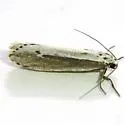
Ethmia albicostella - Hodges#1001
Ethmia albicostella
Identification: "Narrow forewings which are evenly divided by a straight, longitudinal line, brownish gray on costal, white on dorsal half" .
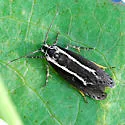
Ethmia albistrigella - Hodges#0973
Ethmia albistrigella
widespread in the mountains of Western North America
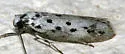
Ethmia apicipunctella - Hodges#0978
Ethmia apicipunctella
Identification: Annika Salzberg used the presence of these features to determine her identification (A) Four black spots grouped closely together (B) Apical black spot that doesn’t extend to edge of wing (this rules out E. longimaculella coranella) (
Ethmia arctostaphylella - Hodges#0979
Ethmia arctostaphylella
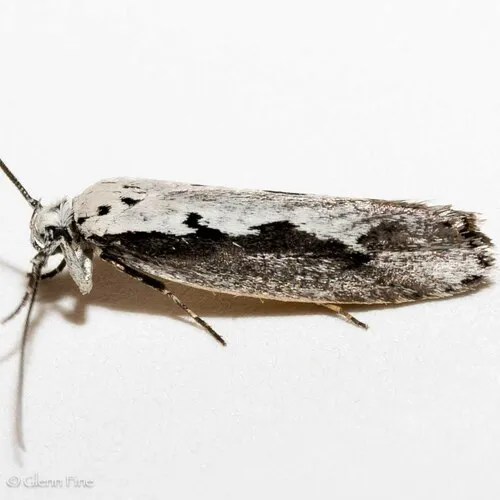
Ethmia arctostaphylella is a moth in the family Depressariidae. It is found in the United States and Mexico from southern Oregon and northern California, southward to the Sierra San Pedro Martir in Baja California and eastward in southern Nevada (Mou
Ethmia bittenella - Hodges#0994
Ethmia bittenella
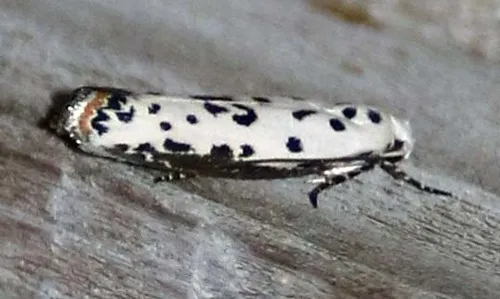
Ethmia bittenella is a moth in the Depressariidae family. It is found in the United States from southern Texas to southern and central Mexico (Chiapas and Guerrero) and then northward along the west coast to Sinaloa and Sonora. It is also found in no
Ethmia dodecea
Ethmia dodecea
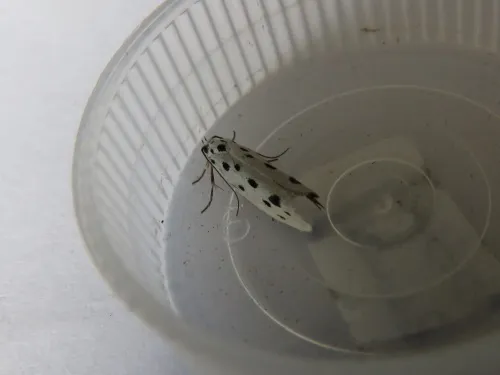
Wingspan 17 to 21 mm. This striking species bears a superficial resemblance to the 'Ermines' (Yponomeuta spp.), but the black dots are larger and fewer. The habitat preference is scrubby or chalky downland. The larvae feed on Common Gromwell (Lithosp
Ethmia epileuca - Hodges#0977
Ethmia epileuca
Identification: Detailed description can be found in Powell at link in citations below.
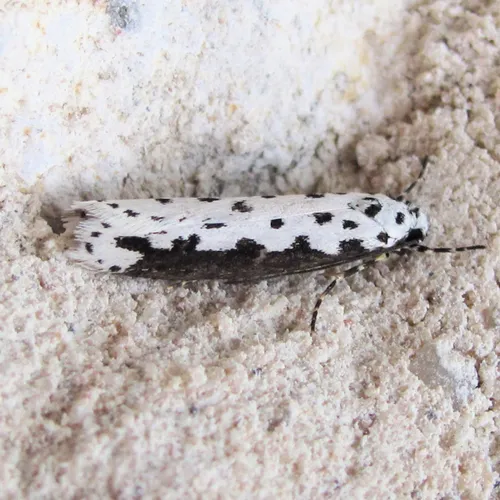
Ethmia hagenella - Hodges#0989
Ethmia hagenella
Ethmia hagenella is a moth in the family Depressariidae. It is found in the United States in Texas and New Mexico.
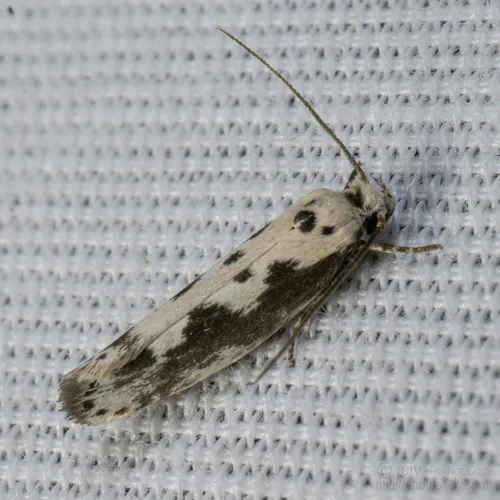
Ethmia hodgesella - Hodges#1005
Ethmia hodgesella
Ethmia hodgesella is a moth in the Depressariidae family. It is found in the United States in Texas, Arizona and California, extending along the two sides of the central cordillera of Mexico.
Ethmia macelhosiella - Hodges#0982
Ethmia macelhosiella
Identification: Narrow gray forewings having a wide irregular black streak from base to apex. Hindwing is pale brown to dirty white. ( 3 )
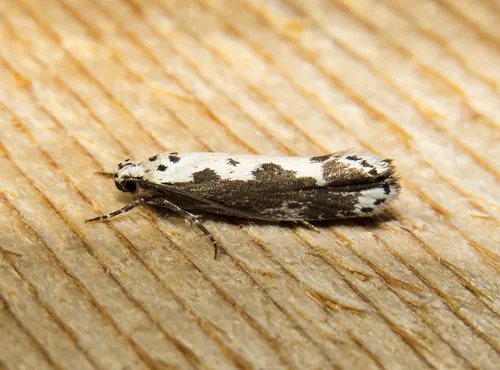
Ethmia marmorea - Hodges#1004
Ethmia marmorea
Ethmia marmorea is a moth in the family Depressariidae. It is found in North America in the lower parts of the Great Basin mountain ranges and the Rocky Mountains from south-eastern British Columbia and the eastern parts of the Pacific states to nort
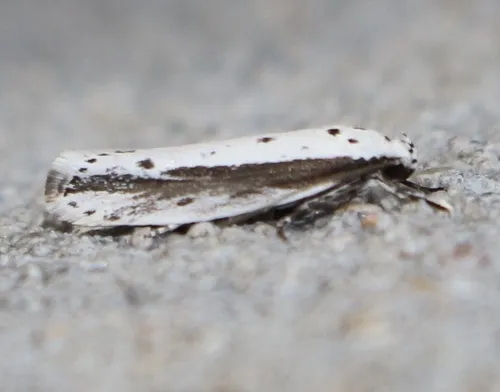
Ethmia mirusella - Hodges#1002
Ethmia mirusella
Ethmia mirusella is a moth in the Depressariidae family. It is found in the United States from Kansas and Oklahoma to central and western Texas.
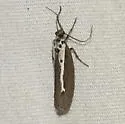
Ethmia nadia - Hodges#0974
Ethmia nadia
Identification: Detailed description by Powell can be found at link in citations below.
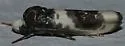
Ethmia nivosella
Ethmia nivosella
This is the species treated as nivosella by Powell (1973). Powell had not seen the type of the species and considered it likely to prove a senior synonym of scythropa (Walsingham, 1912), making the species shown on this page undescribed. In that case
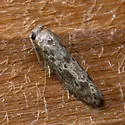
Ethmia nr. piperella - Hodges#0985.5
Ethmia nr-piperella
The Ethmia piperella group was erected by Powell in his monograph on New World Ethmiinae to accommodate a single species, Ethmia piperella , he described from specimens from Jamaica and Cuba.
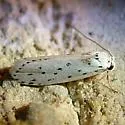
Ethmia prattiella - Hodges#1007
Ethmia prattiella
Ethmia prattiella - Hodges#1007 (Ethmia prattiella) is a species in the family Elachistidae, commonly known as grass miner moths, belonging to the order Lepidoptera (Butterflies and Moths). It is classified within the subfamily Ethmiinae, superfamily
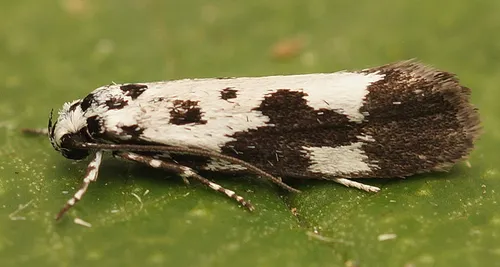
Ethmia quadrillella
Ethmia quadrillella
Wingspan 15 to 19 mm. A distinctive moth with black and white patterning. This is a rare moth in our area, and a photograph is required please to suport your record. Areas where Comfrey or Lungwort are present. Flying between May and July, the adults
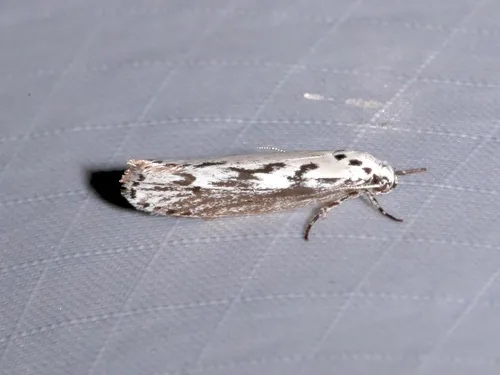
Ethmia semitenebrella - Hodges#0981
Ethmia semitenebrella
Ethmia semitenebrella is a moth in the family Depressariidae. It is found in North America from Colorado, Utah, New Mexico and Nuevo León in Mexico to Arizona and southern and eastern California.
Ethmia trifurcella - Hodges#1003
Ethmia trifurcella
Identification: The original description as Anesychia trifurcella Chambers, is available online in the print references below.
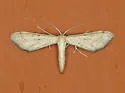
Euacidalia sericearia - Hodges#7087
Euacidalia sericearia
Identification: Identification of this image as Euacidalia sericearia based solely on distribution, sericearia being the only Euacidalia species found in Kentucky or anywhere east of Texas, as of February 2008.
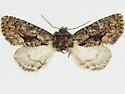
Euamiana adusta - Hodges#9807.1
Euamiana adusta
Identification: Specimen identified by DNA analysis (BOLD). ( 4 )
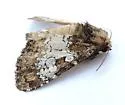
Euamiana contrasta - Hodges#9807
Euamiana contrasta
Identification: Barnes & McDunnough (1910) stated "This species, easily recognizable by the broad white central area..."
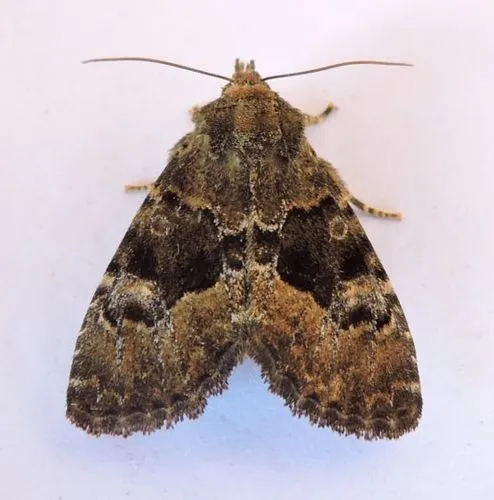
Euamiana dissimilis - Hodges#9808
Euamiana dissimilis
Identification: See Noctuidae of North America (nearctica.com)
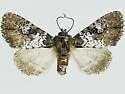
Euamiana endopolia - Hodges#9806.1
Euamiana endopolia
Robert W. Poole states "I examined a specimen of the type series prior to its description by Blanchard and Knudson and failed to recognize it as equal to the Mexican species Amiana endopolia Dyar. Therefore the responsibility for this synonymy is min
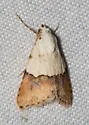
Euaontia semirufa - Hodges#8567
Euaontia semirufa
Identification: Barnes & McDunnough (1910) original description is online in the print references.
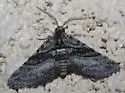
Eubarnesia ritaria - Hodges#6520
Eubarnesia ritaria
Identification: Adult - see Rindge's description. Larva - generally greenish white. See plates 11 and 12 and read online the Comstock & Dammers description. Larvae can be secured by bending a leafed-out ocotillo stalk and tapping sharply with a stick
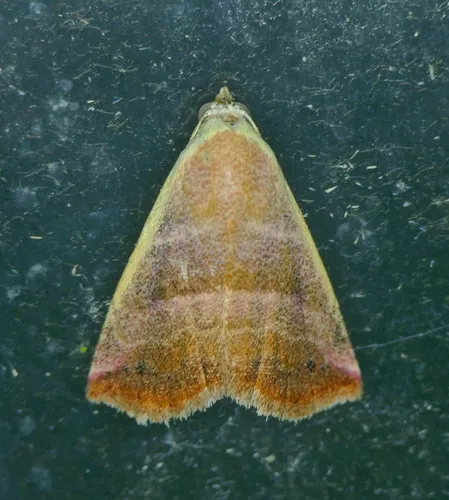
Eublemma cinnamomea - Hodges#9077
Eublemma cinnamomea
Identification: The revised description by Hampson (1910) is available online in the print references below.
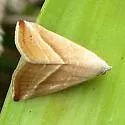
Eublemma recta - Hodges#9078
Eublemma recta
Identification: Adult: forewing light brown with dark brown straight PM line running diagonally from mid-way along inner margin to near apex, bordered distally by white; 3-6 black dots or flecks in subterminal area; subterminal line either reddish an
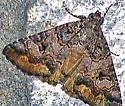
Eubolina Moth - Hodges#8720
Eubolina impartialis
Identification: Adult: forewing light gray with greenish tint; subterminal line black, wavy, diffuse, varying in width from thick to thin, bordered distally by brownish scales; PM line black, irregular, with large lobe-like jog in upper half; renifor
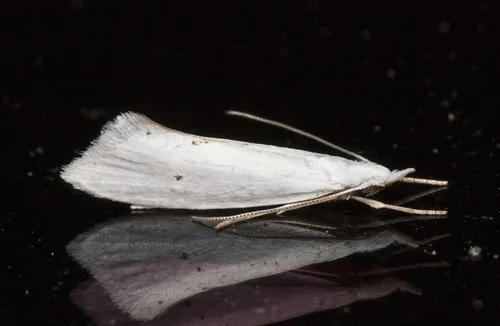
Eucalantica polita - Hodges#2350
Eucalantica polita
Eucalantica polita is a moth in the family Yponomeutidae. It is found at the Pacific side of the coastal regions of Canada (British Columbia) and the United States (Washington, Oregon and California).
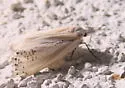
Eucaterva variaria - Hodges#6918
Eucaterva variaria
Identification: Specimens identified by DNA analysis: Larva - typical Geometrid shape; two forms, one mauve on the dorsal half and the other blue-green (Comstock & Dammers, 1932).
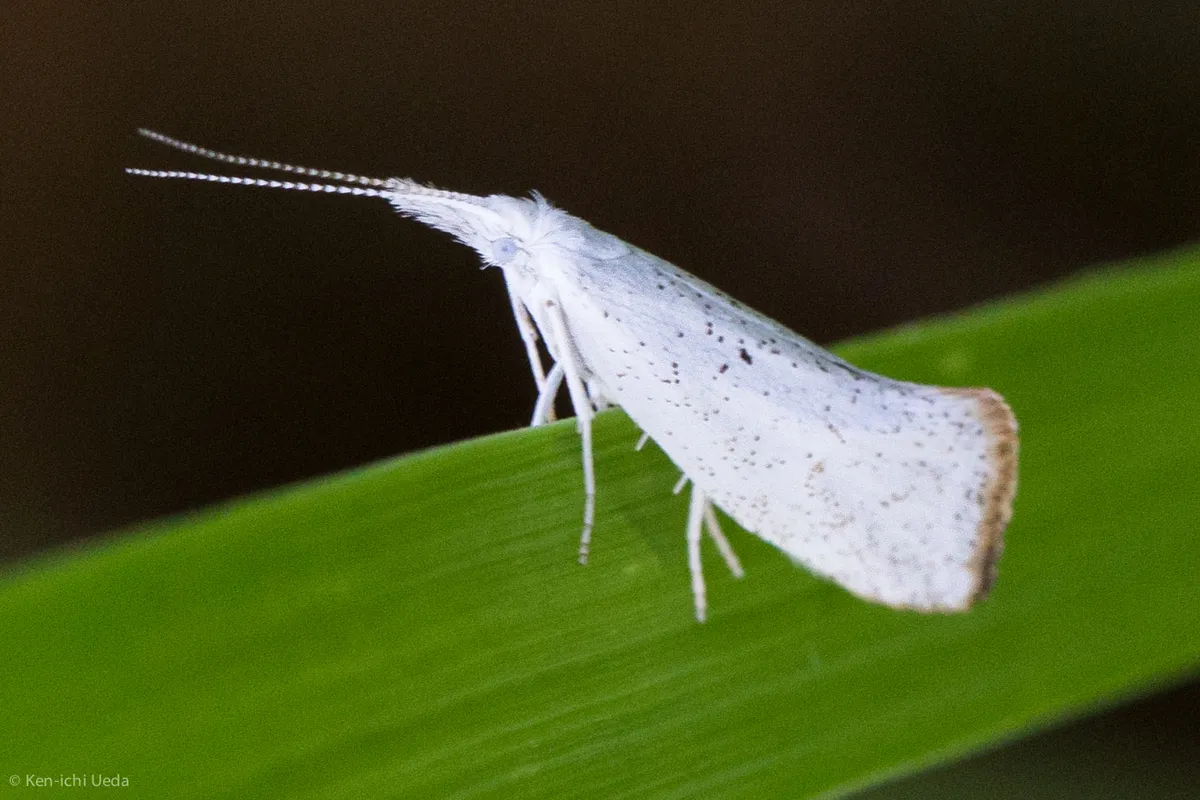
Euceratia castella - Hodges#2351
Euceratia castella
Identification: According to Sohn & Nishida , E. castella can be differentiated from the similar Eucalantica polita in that, in E. castella , there is no dorsal patch on the forewing, and white annulations are present on the antenna (dorsal patch pre
Euchaetes bolteri - Hodges#8241
Euchaetes bolteri
Identification: male......................female species page created based on this photograph identified by Ed Knudson, Texas Lepidoptera Survey
Euchaetes perlevis - Hodges#8233
Euchaetes perlevis
Identification: Adult - see original description in Print References. Euchaetes have been extensively studied by chemical ecologists and behaviorists for their use of courtship ultrasound.
Euchaetes polingi - Hodges#8240
Euchaetes polingi
Identification: Adult description adapted from Cassino (1928). Forewing is dark gray with no markings; costa has a white edge. Hindwings are also dark gray but often slightly lighter. Underside of both wings a dark gray. Head is black, with a few
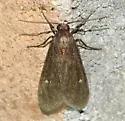
Euchaetes zella - Hodges#8232
Euchaetes zella
Identification: Larva - not unlike its cogeners. See Comstock & Dammers. Type locality: "Hot Springs", Arizona.
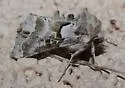
Euchalcia albavitta - Hodges#8903
Euchalcia albavitta
Identification: Ottolengui original description as Autographa albavitta is available in PDF or read online at the link in the print references.
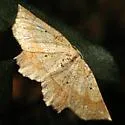
Euchlaena deplanaria - Hodges#6732
Euchlaena deplanaria
Identification: According to Rindge (1956), this species has single extradiscal lines on all wings, very prominent discal dots, inconspicuous veins, and tends not to have a well-defined patch at apex of FW.
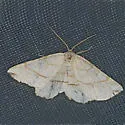
Euchlaena mollisaria - Hodges#6730
Euchlaena mollisaria
Identification: Determined by Bob Patterson. Genitalia:
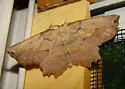
Euchlaena muzaria - Hodges#6725
Euchlaena muzaria
Identification: Genitalia: "muzaria - sacculus with broad spine patch, less than twice as long as wide; apical part of valve broader. obtusaria - spine patch more slender, more than twice as long as wide, and more nearly confined to dorsal part of sa
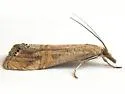
Euchromius californicalis - Hodges#5455
Euchromius californicalis
Identification: Resembling E. ocellea Hodges#5454 in color and maculation but with the whitish patch adjacent to blackish terminal dots somewhat broader; and the thin brownish line within, closer to termination of irrorated area than to the terminal
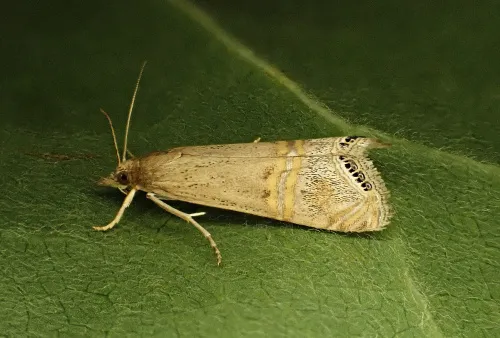
Euchromius ocellea
Euchromius ocellea
Wingspan 16 to 27 mm. Distinguished by a row of white-edged black spots along the outer edge of the forewing. Very rare in our area - records must be supported by a clear photograph. A migrant species, which may sometimes be imported with grain produ
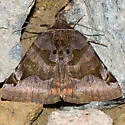
Euclidia ardita - Hodges#8732
Euclidia ardita
In flight Euclidia greatly resemble skippers of the genus Erynnis ; they flush from the ground and fly rapidly for 20 meters or so before dropping back to the ground (E.H. Strickland Entomological Museum)
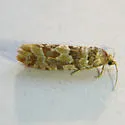
Eucopina bobana - Hodges#3067
Eucopina bobana
Identification: Adult : FW tan with bands of rust-red markings and pale portions yellow. HW light tan brown. ( 5 ) Larva : The larvae are pinkish and have a distinct dorsal shield on the first thoracic segment widely separated from the head. ( 5 )
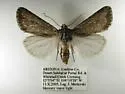
Eucoptocnemis dollii - Hodges#10643
Eucoptocnemis dollii
Identification: Adult: forewing grayish-brown with no discernible lines; diffuse dusting of lighter and darker scales show little contrast against ground color; reniform spot indistinct; slightly darker grayish shading in terminal area, along costa n
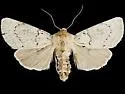
Eucoptocnemis nr. rufula - Hodges#10696.89
Eucoptocnemis nr-rufula
Don Lafontaine (pers., comm., 03/16/2018) advises that E. rufula is not known outside of AZ and NM. Similar examples from Texas likely represent a new undescribed species near rufula . Specimens of this taxon are currently shown shown at BOLD in BIN,
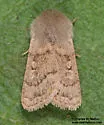
Eucoptocnemis rufula - Hodges#10696.1
Eucoptocnemis rufula
Don Lafontaine (pers., comm., 03/16/2018) advises that E. rufula is not known outside of AZ and NM. Similar examples from Texas likely represent a new undescribed species near rufula. Specimens of the undescribed taxon are currently shown shown at BO
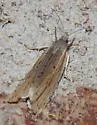
Eucosma ambodaidaleia - Hodges#3004.1
Eucosma ambodaidaleia
Identification: Adult : FW ground color is creamy white, most evident between the costa and radial vein. Between the radial and cubital veins, it has brownish ochreous longitudinal streaks extending from the base outward through the cell. From the di
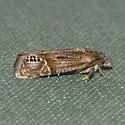
Eucosma amphorana - Hodges#2922
Eucosma amphorana
Identification: "Forewing color varies from gray to yellow with numerous intermediate forms, some featuring both yellow and gray in the interfascial areas and variable hoary white overscaling" ( 3 ) .