
Butterflies and Moths
Order Lepidoptera
The Butterflies and Moths (Order Lepidoptera) includes 11,813 species across 112 families and 2,787 genera in our directory.
About Butterflies and Moths
Lepidoptera includes approximately 180,000 described species of butterflies and moths. Moths outnumber butterflies roughly 10:1. The monarch butterfly's eastern population has declined by more than 80% since the mid-1990s, and the western population by over 95% since the 1980s. The IUCN lists the migratory monarch as Vulnerable.
Economic Impact
Lepidoptera are critical pollinators. In Europe, grassland butterfly species have declined by almost 50% since the early 1990s. In the UK, three-quarters of butterflies are in decline. In the U.S., five butterfly species have gone extinct since 1950, with 29 listed as endangered.
Ecological Role
Butterflies and moths are essential indicators of ecosystem health. As caterpillars, they are a primary food source for birds - a single nest of blue tit chicks requires ~10,000 caterpillars. Adult moths pollinate many night-blooming plants.
Families in Lepidoptera (112)
Species in Lepidoptera (11,813)
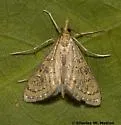
Daulia arizonensis - Hodges#5296
Daulia arizonensis
Identification: The original description of Daulia arizonensis Munroe, is available online in the print references below.
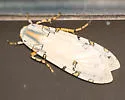
Davis' Tussock Moth - Hodges#8205
Halysidota davisii
Identification: Adult - forewing variably whitish to light brown with scattered dark markings along the costa - distinctly different than the complete bands extending across the wing in other species of Halysidota ; hindwing similarly colored but wit
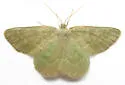
Day Emerald - Hodges#7085
Mesothea incertata
Identification: Adult: wings uniformly yellowish-green to dusky green; PM line slightly wavy, indistinct (sometimes absent), often the only visible marking. The area between the antennae base is green compared to white in Hethemia pistasciaria . Larv
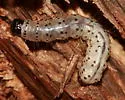
Dead-wood Borer Moth - Hodges#8514
Scolecocampa liburna
Identification: Adult : Straw-colored FW, with fragmented AM and PM lines reduced to rows of brown dots. Tiny black basal and orbicular spots are black. Hollow reniform spot is outlined brown. Dotted ST has dusky blotch beyond midpoint. Larva :
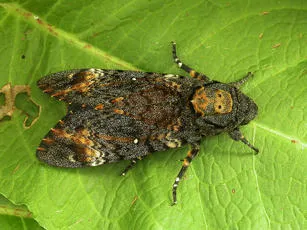
Death's-head Hawk-moth
Acherontia atropos
Wingspan 80 to 120 mm. The largest moth to appear in Britain, sporting a wingspan of up to 12 or 13cm, this is a striking species, though it is not native. Its English name is derived from the pattern resembling a skull on the back of its head. Good
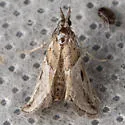
Decaturia pectinalis - Hodges#5650
Decaturia pectinalis
Identification: See Print References below for the original description. Note, females are lager and have simple antennae and long rostriform labial palps whereas males have pectinate antennae and short labial palpi.
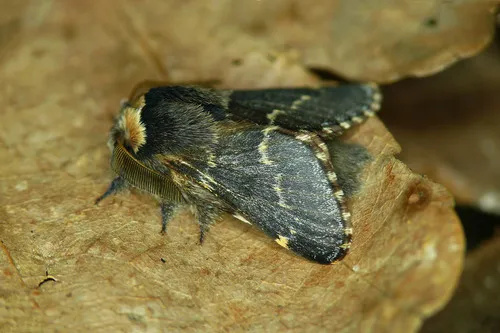
December Moth
Poecilocampa populi
Wingspan 30-45 mm. The makings are fairly constant with a creamy white band across a browny charcoal forewing and also a creamy white head. The female is much larger than the male. Mainly in woodland but also in scrub, hedgerows and gardens. In fact
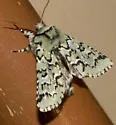
Deceptive Sallow - Hodges#10006
Feralia deceptiva
Identification: Adult: forewing dark green with black AM and PM lines, bordered medially by white; reniform and orbicular spots filled with ground color and rimmed with black and white; fringe checkered black and white. hindwing dark gray with even d
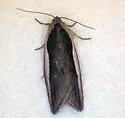
Decodes bicolor - Hodges#3577
Decodes bicolor
Identification: Obraztsov & Powell original description is online and in PDF.
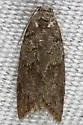
Decodes fragariana - Hodges#3574
Decodes fragariana
Identification: Busck (1919) original description is available online in the print references.
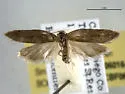
Decodes helix - Hodges#3579.1
Decodes helix
Identification: Specimen determined by DNA analysis (BOLD).
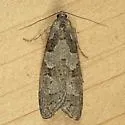
Decodes horariana - Hodges#3580
Decodes horariana
Identification: See print references below. Decodes horariana is a member of a species complex along with D. tahoense and possibly a few undescribed species. Their biology, variation, and species status have not been adequately assessed.
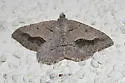
Decorated Granite - Hodges#6389
Digrammia decorata
Identification: Adult: forewing medium gray or brownish-gray with black AM and PM lines, and distinct dark discal spot; lower portion of AM line bold/conspicuous but upper portion faint/absent; PM line strongly curved, S-shaped, interrupted by short
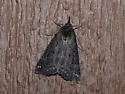
Decorated Hypena - Hodges#8463
Hypena decorata
Identification: Smith (1884) original description is available online in the print references. Sexually dimorphic species. The forewing of the males have two white dots near the apex. ( 4 ) Females have a small patch of raised dark scales in the med
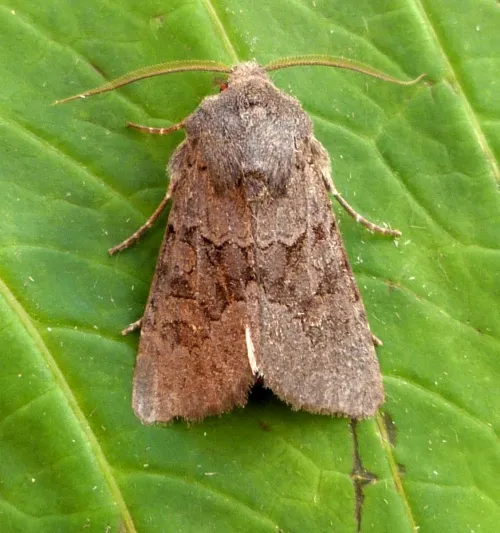
Deep-brown Dart
Aporophyla lueneburgensis
Wingspan 36 to 44 mm. A very dull brown moth sometimes with rather inconspicuous markings, but with very white underwings. A taxonomic review established that Aporophyla lutulenta is the same species as Aporophyla lueneburgensis . The adults are on t
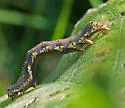
Delightful Bird Dropping Moth - Hodges#9146
Tarache delecta
Identification: Adult: forewing white with brown and blue shading in basal and subterminal areas; these two areas sometimes merge; hindwing yellow with broad gray terminal band (sometimes incomplete) and yellow fringe
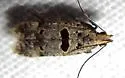
Deltophora glandiferella - Hodges#1927
Deltophora glandiferella
Identification: Species page created based on this image determined by Ed Knudson, Texas Lepidoptera Survey, Houston:
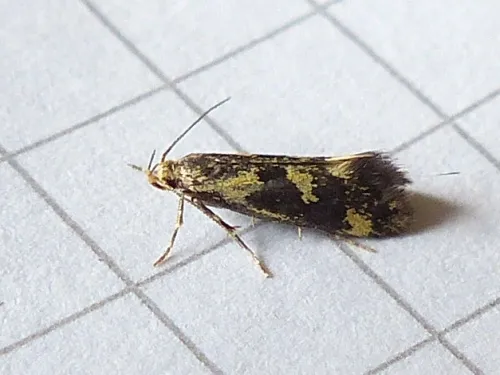
Denisia similella
Denisia similella
Wingspan: 12 to 16 mm. It has a dark maroon-brown forewing sometimes almost black, and being darker in the female, thinly scattered with yellowish scales and with four, variably shaped, yellow blotches. Moths are on the wing from June to early August
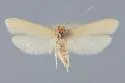
Deoclona yuccasella - Hodges#2311
Deoclona yuccasella
Identification: Adult - uniformly tan head, thorax, and forewing. Hindwing white. See original description in Print References. Genitalia: Rarely seen in the field, apparently not attracted to lights and may be diurnal.
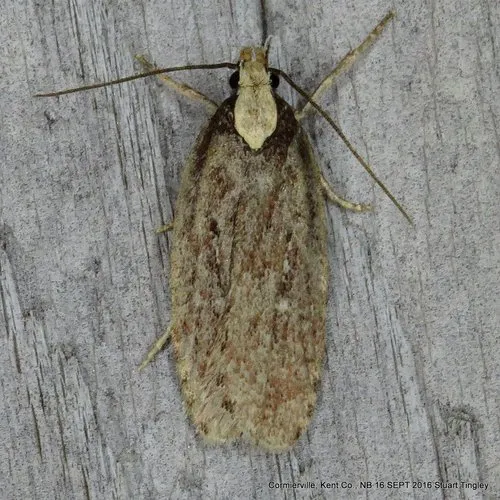
Depressaria alienella - Hodges#0926
Depressaria alienella
Identification: Adult: forewing dark brownish-gray with faint pale discal spot; indistinct blackish marks along outer half of costa, at base, and along main (cubital) vein of wing; hingwing pale gray with light brownish shading in outer half; top of
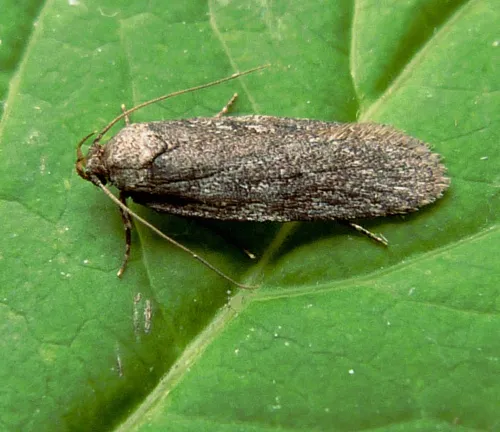
Depressaria badiella
Depressaria badiella
This species prefers dry, sandy or chalky ground. The adult moths fly in a single generation between July and September, and come to light. The larvae occur from May to July and feed on Cat's ear (Hypochoeris radicata), Perennial Sow-thistle (Sonchus
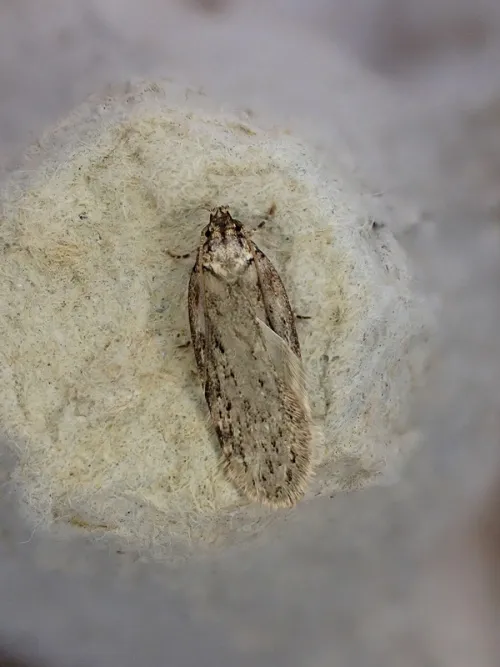
Depressaria chaerophylli
Depressaria chaerophylli
Wingspan 19 to 22 mm. A well-marked member of the Depressariinae. Fresh, well-marked specimens may be identifiable from a good photograph, but worn individuals may need to be confirmed by reference to the genitalia. For adults, a photo is required an
Depressaria cinereocostella - Hodges#0921
Depressaria cinereocostella
Identification: Similar to Depressaria radiella but: "Side-by-side the moths are fairly easy to separate. Depressaria cinereocostella is much smaller and has conspicuous silvery-gray scaling, esp. along the costa (hence the name) as well as the head/
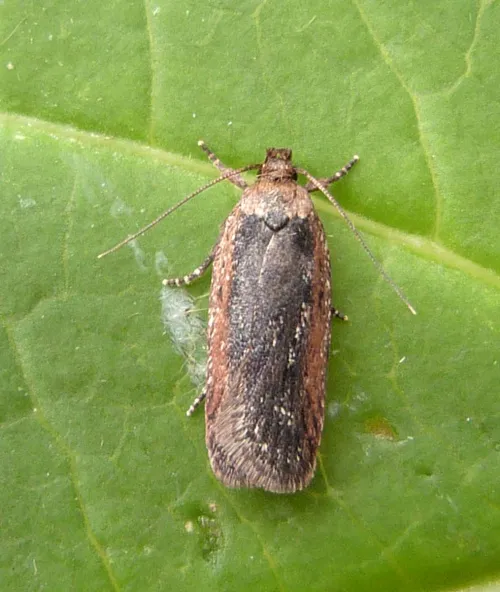
Depressaria pimpinellae
Depressaria pimpinellae
Wingspan about 18mm. This species is rather similar to a number of other, more common species in the sub family Depressariinae and detailed examination by an expert is necessary. Areas where the larval food plants are found. Adult moths generally eme
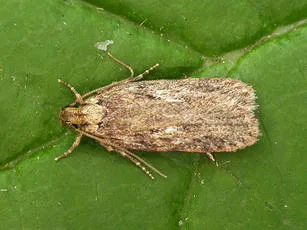
Depressaria ultimella
Depressaria ultimella
Wingspan 16 to 21 mm. The adults are similar to D. daucella but the larval stages are quite different. Wet places, often near ditches and small streams. The flight period is from August, overwintering and reappearing the following spring. The main la
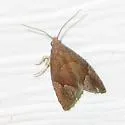
Derelict Pelochrista - Hodges#3120
Pelochrista derelicta
Identification: Adult - forewing has diagonal line from mid-costa to anal angle, with dark brown shading on proximal side, and light brown on distal side (some individuals have a tooth mid-way along the line); many fine squiggly lines cross the wing;
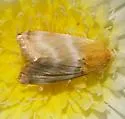
Desert Marigold Moth - Hodges#11155
Schinia miniana
Identification: Adult: forewing light brownish-yellow with broad pale AM and PM lines; AM line almost straight, PM line gently sinuous; reddish line or shading often present in subterminal area and sometimes in median area; hindwing gray with variabl
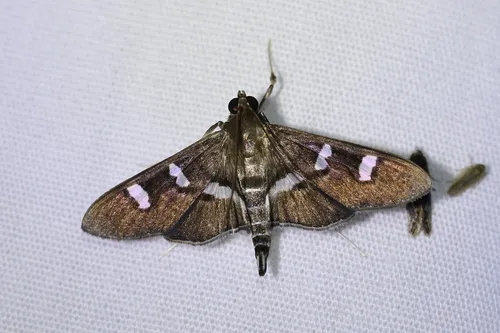
Desmia ploralis - Hodges#5167
Desmia ploralis
Hampson (1912) described deploralis as sexually dimorphic with HW white median band of females divided by a black line vs. a solid line in males. It would seem that ploralis is sexually dimorphic too though this seems contradicted by the description
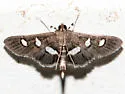
Desmia subdivisalis - Hodges#5161
Desmia subdivisalis
Identification: Grote original description of Desmia subdivisalis is available online in the print references. From Brian Scholtens: The fringes on the wings are completely white and there is a slight dark halo around the spots. This species tends to
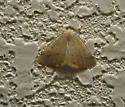
Destutia oblentaria - Hodges#6882
Destutia oblentaria
Identification: See original description by Grote here .
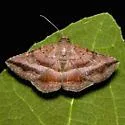
Detracted Owlet - Hodges#8651
Lesmone detrahens
Identification: Adult: forewing dark purplish-gray to brown with pointed apex; lines darker but often inconspicuous; PM line fine, sharply bent just below costa; ST line broad, dark gray, straight on basal side, irregular on outer side with broad too
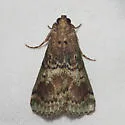
Deuterollyta majuscula - Hodges#5582
Deuterollyta majuscula
Deuterollyta majuscula - Hodges#5582 (Deuterollyta majuscula) is a species in the family Pyralidae, commonly known as pyralid moths, belonging to the order Lepidoptera (Butterflies and Moths). It is classified within the subfamily Epipaschiinae, supe
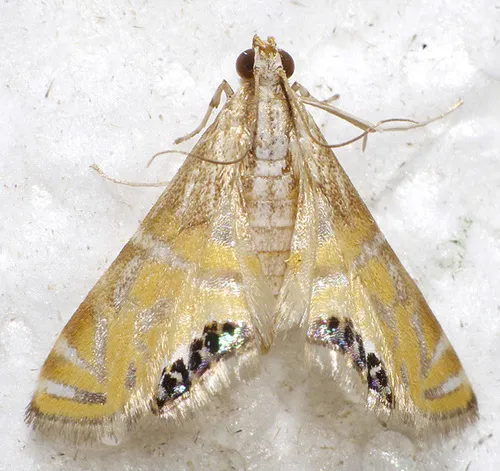
Devil's River Petrophila - Hodges#4771
Petrophila daemonalis
Identification: Recognized as a Petrophila by the "V" shaped white bands on the outer part of the forewings with adjacent orange bands, along with a series of black/metallic terminal spots on the hindwings. The forewing and hindwing both have more ye
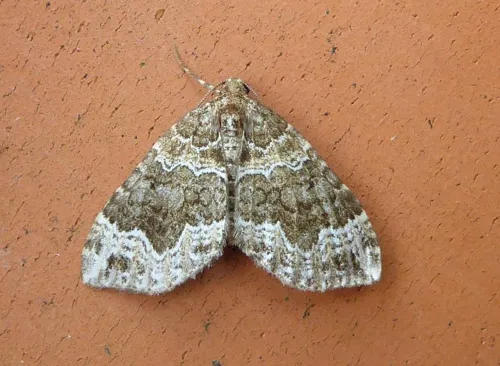
Devon Carpet
Lampropteryx otregiata
Damp and marshy areas where the larval foodplants occur. There are two generations, with adults on the wing in May and June, then again in August and September. The caterpillars are brown with paler buff markings, and feed on Marsh Bedstraw ( Galium
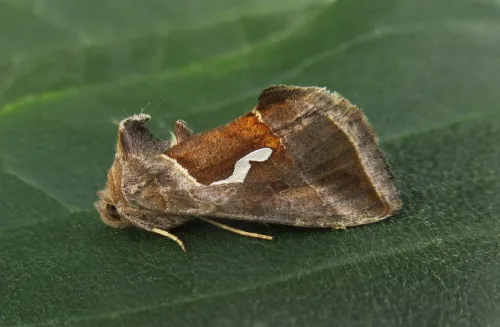
Dewick's Plusia
Macdunnoughia confusa
On the continent it is double-brooded, and the larvae feed on a range of plants, most commonly nettle (Urtica dioica). This was formerly a very rare migrant to the UK, but has colonized and quickly spread during the last decade. In addition, the intr
Dewy Leafcutter - Hodges#4785
Eoparargyractis irroratalis
Identification: Small, with triangular wings usually held tent-like over body. Has the typical pattern for the subfamily with brown bands across white ground color on both wings and dark speckliing in the outer half; a series of brown, white, and or
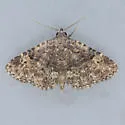
Diabolical Fungus Moth - Hodges#8503
Metalectra diabolica
Identification: Barnes & Benjamin original description can be viewed online or in PDF. Determined by Ed Knudson, Texas Lepidoptera Survey. Specimen identified by DNA analysis (BOLD).
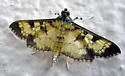
Diacme mopsalis - Hodges#5145
Diacme mopsalis
Identification: Female: Pale yellow, whitish beneath, slender. Head beneath and fore part of the pectus pure white. Palpi brown, porrect, short, moderately broad, white beneath; joints indistinct. Thorax slightly fawn-color in front. Abdomen extendin
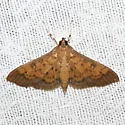
Diacme phyllisalis - Hodges#5144
Diacme phyllisalis
Identification: "Fawn-colour, whitish beneath. Palpi short, broad, porrect, brown above, white beneath. Abdomen cinereous. Tibiae somewhat dilated, partly brown. Wings narrow, lanceolate, with three irregular undulating brown lines, purplish cinereou
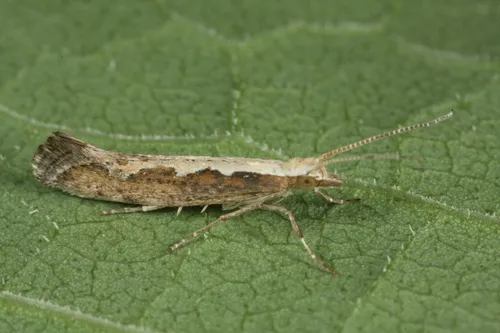
Diamond-back Moth
Plutella xylostella
Wingspan 13-15 mm. A distinctive moth with a "diamond" like pattern along the length of its back. In all types of habitat throughout the British Isles, becoming established under favourable conditions when occasionally reaching plague proportions on
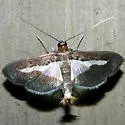
Diaphania Moth - Hodges#5205
Diaphania modialis
Type locality: Mexico, Cuernavaca It seems unclear as to whether modialis was ever formally elevated to species and some authors treat it as a subspecies of Diaphania infimalis .
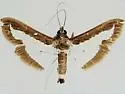
Diaphania elegans - Hodges#5207.1
Diaphania elegans
Identification: The brown outer band of the forewing has an enlarged area at the inner margin.
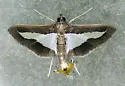
Diaphania infimalis - Hodges#5206
Diaphania infimalis
Type locality: French Guiana, Cayenne D. infimalis is still on most lists however, per Capps in Kimball , specimens of Diaphania modialis have been misidentified as D. infimalis which is not found in NA. However, it seems unclear as to whether modial
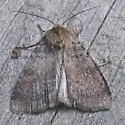
Diarsia dislocata - Hodges#10918
Diarsia dislocata
Identification: Smith (1904) original description is available in the print references .
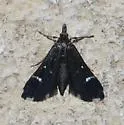
Diasemiodes nigralis - Hodges#5173
Diasemiodes nigralis
Identification: Original description is online as Pyrausta nigralis Fernald. (link below) -
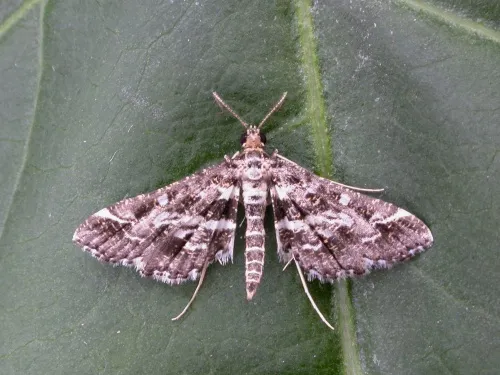
Diasemiopsis ramburialis
Diasemiopsis ramburialis
Wingspan 17 to 22 mm. It is easily confused with Diasemia reticularis and care should be taken when identifying either species. Only known as a migrant species in Britain. Encountered mainly on the southern coasts between June and October. A scarce m
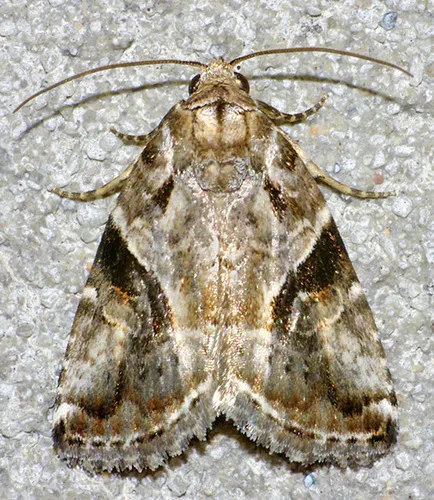
Diastema cnossia - Hodges#9068
Diastema cnossia
Diastema cnossia - Hodges#9068 (Diastema cnossia) is a species in the family Noctuidae, commonly known as owlet moths, belonging to the order Lepidoptera (Butterflies and Moths). It is classified within the subfamily Condicinae, tribe Leuconyctini, s
Diastema leo - Hodges#9067.1
Diastema leo
Troubridge (2020) could not find any consistent external morphological differences between Diastema leo and D. tigris . However, the two are separable by range; in the US, leo is known from FL and GA and tigris only from TX.
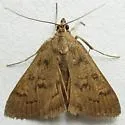
Diastictis caecalis - Hodges#5261
Diastictis caecalis
Identification: "Forewing chocolate brown with an irregular, darker postmedial, transverse line; hindwing milk chocolate brown to ochreous brown with a postmedial line extended to anal margin" .
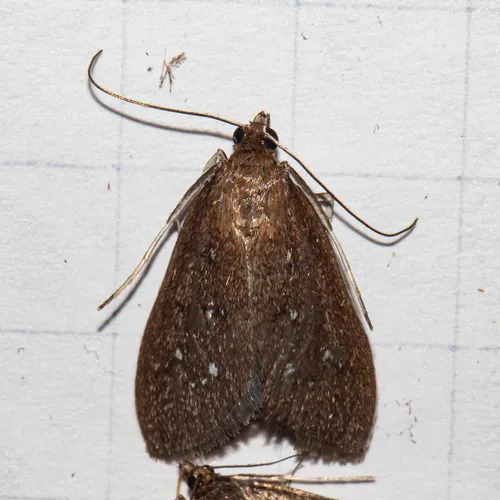
Diastictis pseudargyralis - Hodges#5254
Diastictis pseudargyralis
Identification: Closely similar to argyralis ; silvery spots on average smaller and rarely dark margined; posterior spot of submarginal row less strongly displaced basad. Munroe also described genitalia differences.
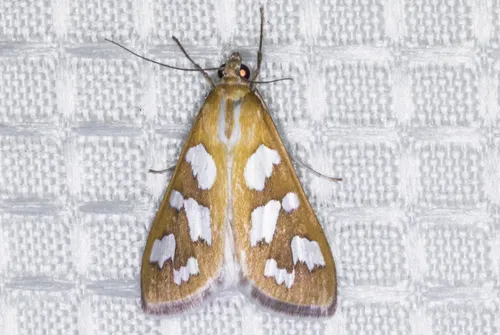
Diastictis robustior - Hodges#5259
Diastictis robustior
Identification: Larger and more robust than other species of the genus; large silver spots as follows: large broad spot below and extending into the cell near the base; small round or quadrate spot near outer end of cell; anvil-shaped spot below oute
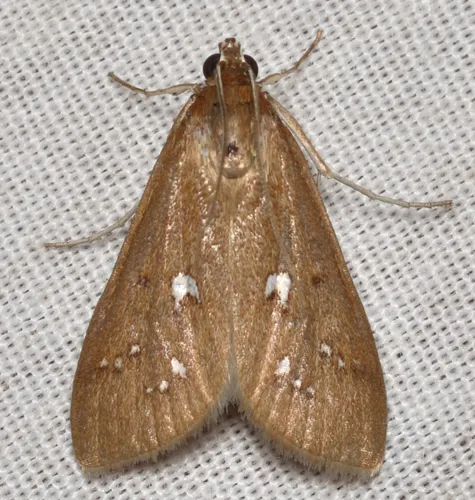
Diastictis ventralis - Hodges#5255
Diastictis ventralis
Identification: Adults - Similar in external appearance to D. argyralis , but with the antemedial spots absent, the outer cell-spot often absent, and the postmedial, submarginal, and subapical spots small or minute. Ground color varying from orange-y
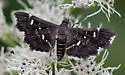
Diathrausta harlequinalis - Hodges#5175
Diathrausta harlequinalis
Identification: Diathrausta harlequinalis and D. reconditalis can not be distinguished reliably from photos. Genitalia: Type locality: Mexico: Tehuacan
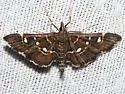
Diathrausta reconditalis - Hodges#5174
Diathrausta reconditalis
Identification: Diathrausta harlequinalis and D. reconditalis can not be distinguished reliably from photos. Range can be used in some regions Genitalia:
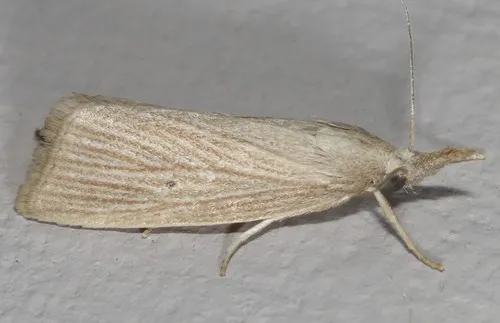
Diatraea evanescens - Hodges#5478
Diatraea evanescens
Identification: Introduced into Florida from Brazil in 1914. Has spread north. Not cold-hardy but can take light frost. Head: Large eyes, no hair. Palpi very long, beak-like, 2 to 3 times longer than head. Antenna: Simple, reaching to mid wing. Wings
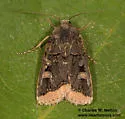
Dichagyris kyune - Hodges#10880
Dichagyris kyune
Identification: See original description in print references below .
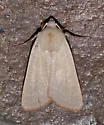
Dichagyris lobato - Hodges#10884
Dichagyris lobato
Identification: Barnes (1904) description is available online in the print references. The legs are whitish inside turning reddish on the outer side. Forewing fringe has a faint brown wavy line at the base. Hindwing is white and the inner margin has
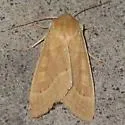
Dichagyris madida - Hodges#10885
Dichagyris madida
Identification: Adult: forewing light pinkish-brown with slightly darker median area; orbicular and reniform spots large, pale; PM line yellowish, with small dark streaks near middle where veins cross; hindwing has pale rosy sheen and distinct veins
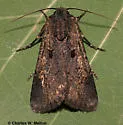
Dichagyris proclivis - Hodges#10871
Dichagyris proclivis
Identification: Smith (1887) original description as Agrotis proclivis is available in the print references. Specimen identified by DNA analysis (BOLD). ( 3 )
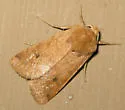
Dichagyris variabilis - Hodges#10889
Dichagyris variabilis
Identification: Forewing is a pale yellowish brown to pale pinkish orange with dark orbicular and reniform spots. Reniform spot is somewhat flattened. Hindwings are whitish.
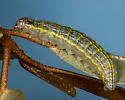
Dichogama amabilis - Hodges#4791
Dichogama amabilis
Identification: Forewings dirty white to gray with red spot at apex. See Dyar for a detailed description of the larva .
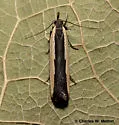
Dichomeris barnesiella - Hodges#2290
Dichomeris barnesiella
Identification: Busck description is available online in the print references below.
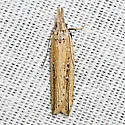
Dichomeris bipunctellus - Hodges#2274
Dichomeris bipunctellus
Identification: Determined by Sangmi Lee and Bob Patterson.
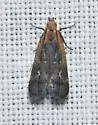
Dichomeris copa - Hodges#2291.2
Dichomeris copa
Identification: Adult - forewing dark gray with yellowish-brown basal patch that extends about halfway along costa as a tapering streak; median area with two small pale spots and a larger irregular-shaped spot arranged in a triangle; hindwing whitish
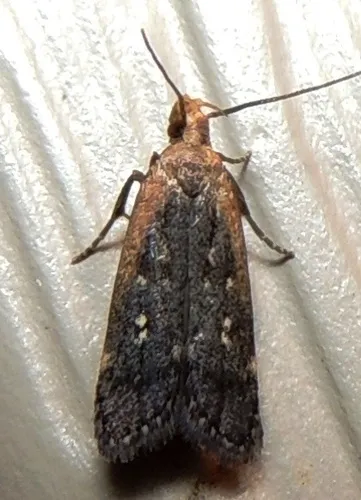
Dichomeris costarufoella - Hodges#2293
Dichomeris costarufoella
Identification: Adult: forewing dark gray to black with yellowish-brown basal patch that extends about halfway along costa as a tapering streak; median area with several small pale spots and a larger irregular-shaped spot in postmedial area; subtermi
Dichomeris georgiella - Hodges#2277
Dichomeris georgiella
Identification: Detailed description can be found in MONA Fascicle 7-1 at link in citations below.
Dichomeris isa - Hodges#2301.2
Dichomeris isa
Identification: Adult - forewing dark gray or blackish with broad white stripe along costa, stopping short of apex; inner edge of stripe has 2 small oblique "teeth" pointing toward outer margin; fringe scales dark. Hindwing medium gray with wide frin
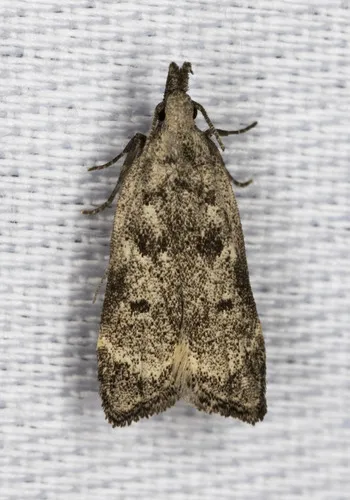
Dichomeris kimballi - Hodges#2310.1
Dichomeris kimballi
Identification: Dichomeris kimballi has a dark mid-costal mark. The DNA tested specimen below by Mark Dreiling is in a BIN group, BOLD:AAE7515 , with specimens from OK, TX, LA and FL identified as both species, but all have the costal mark and the BI
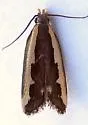
Dichomeris mimesis - Hodges#2297.5
Dichomeris mimesis
Identification: Original description can be found in MONA Fascicle 7.1 at link in citations below.
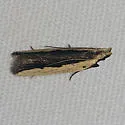
Dichomeris pelta - Hodges#2297.1
Dichomeris pelta
Identification: Described in The Moths of America North of Mexico : Fascicle 7.1. -
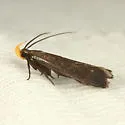
Dichomeris purpureofusca - Hodges#2308
Dichomeris purpureofusca
Identification: Adult : Labial and maxillary palpi are all bright orange. Head and FW deep purplish fuscous, with a brownish or more ochreous tinge when worn. The head and fringes in some lights have a bronzy-grey metallic sheen. . HW brownish fuscou
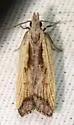
Dichomeris scrutaria - Hodges#2291.3
Dichomeris scrutaria
Identification: Description can be found in MONA Fascicle 7-1 at link in citations below. Key to species in MONA Fascicle 7-1 notes "Terminal, dark-gray part of forewing separated from pale area by black line..". It should be noted that scrutaria is
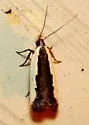
Dichomeris serrativittella - Hodges#2301
Dichomeris serrativittella
Identification: Specimens identified by DNA analysis (BOLD). ( 3 )
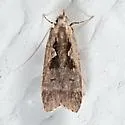
Dichomeris setosella - Hodges#2302
Dichomeris setosella
Identification: Mark Dreiling’s specimen DNA supported to species Dichomeris setosella Larva - Greenish white. See Chambers (1972) under Ypsolophus eupatoriella in Print References.
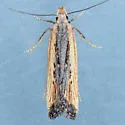
Dichomeris simpliciella - Hodges#2303
Dichomeris simpliciella
Identification: The original description as Trichotaphe simpliciella Busck, is available online in the print references below or PDF.
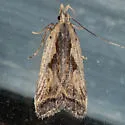
Dichomeris stipendiaria - Hodges#2304
Dichomeris stipendiaria
Identification: Larva - pale whitish tinted green or grey. Head and first thoratic segment shiny black, second thoratic segment velvety black, anterior half of third segment white with five black longitudinal dashes (Braun, 1925).
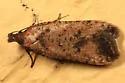
Dichomeris vacciniella - Hodges#2286
Dichomeris vacciniella
Identification: Detailed description can be found in MONA Fascicle 7-1 at link in citations below. ( 3 ) According to MONA Fascicle 7-1, adults do not come to light readily. This species can be quite variable with some specimens an even dark reddish
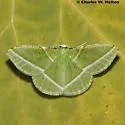
Dichorda consequaria - Hodges#7054
Dichorda consequaria
Identification: Edwards original description as Geomerra iridaria var. consequaria , and other descriptions are available online in the print references below. Adult: , Wide white transverse lines are straight and often have white shading. Forewing o
Dichorda illustraria - Hodges#7055
Dichorda illustraria
Identification: The original description as Geometra illustraria Hulst, is available online at the link in the print references below. Specimens identified by DNA analysis:
Dichorda rectaria - Hodges#7056
Dichorda rectaria
Identification: Similar to Dichorda iridaria and Dichorda consequaria but lacks any whitish suffusion in the median area. Transverse lines are rather bold and fairly straight. Specimen identified by DNA Analysis:
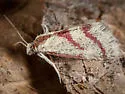
Dichozoma parvipicta - Hodges#4809
Dichozoma parvipicta
Dichozoma parvipicta - Hodges#4809 (Dichozoma parvipicta) is a species in the family Crambidae, commonly known as crambid snout moths, belonging to the order Lepidoptera (Butterflies and Moths). It is classified within the subfamily Odontiinae, tribe
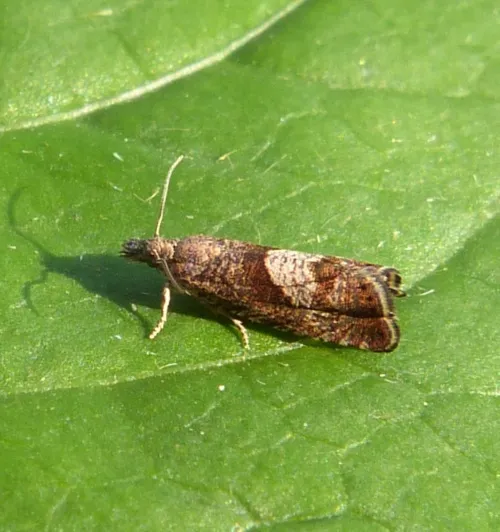
Dichrorampha acuminatana
Dichrorampha acuminatana
Wingspan 10-15 mm. This species at first glance appears rather nondescript but, when viewed closely, has a subtle mix of sub metallic and chestnut markings. Grassland containing the larval foodplants Oxeye Daisy and Tansy. Occurs on the wing in two g
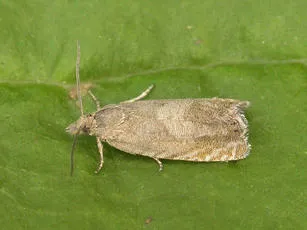
Dichrorampha aeratana
Dichrorampha aeratana
Wingspan about 14mm. Several of the Dichrorampha species are very alike in outward appearance, and it is often necessary, as with the present species, to examine the genitalia to be sure of identification. Various habitats, especially near to flower
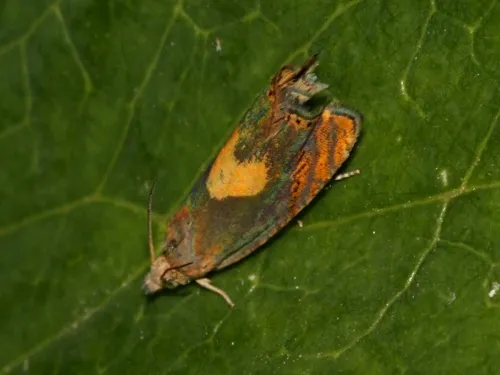
Dichrorampha alpinana
Dichrorampha alpinana
Wingspan about 14mm. Dichrorampha alpinana is externally very similar to D. flavidorsana and the two species are best separated by genitalia dissection. In flower rich grassland, especially where Oxeye Daisy is present. The moths fly, often during th
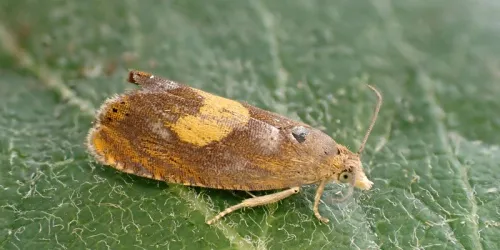
Dichrorampha flavidorsana
Dichrorampha flavidorsana
A very similar species to D. alpinana, the present species having a narrower dorsal blotch among other subtle differences, it is however best to refer to the structure of the genitalia for confirmation. This species needs to be confirmed by examinati
Dichrorampha incanana - Hodges#3407
Dichrorampha incanana
Identification: Adult - Dark gray head with white palpi. FW dark brown, varied with whitish along inner margin towards the base, with a slender, irregular dark brown line on its middle and 1-2 spots on dorsal edge of wing. Costa is streaked with whit
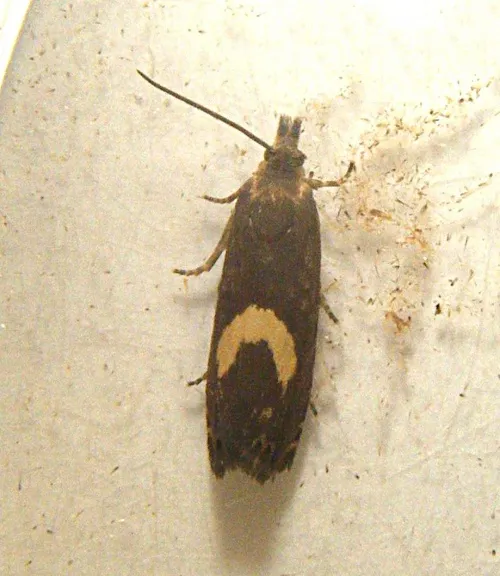
Dichrorampha petiverella
Dichrorampha petiverella
Wingspan 10 to 13 mm. A colourful species with a very clearly defined pale crescent. There are similar species and care is needed with identification with microscopic examination usually required. Inhabits meadows, rough pastures and hedgerows. The a
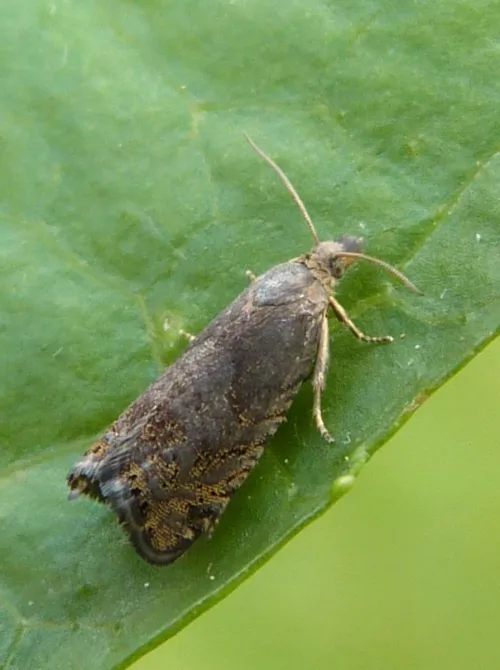
Dichrorampha plumbana
Dichrorampha plumbana
Wingspan around 13 mm. On first appearance, this rather small species appears dull and uninspiring, but on closer inspection, it can be seen to have an attractive pattern of chestnut, metallic grey and black. There are other similar members of the ge
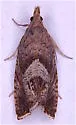
Dichrorampha radicicolana - Hodges#3409
Dichrorampha radicicolana
Dichrorampha radicicolana - Hodges#3409 (Dichrorampha radicicolana) is a species in the family Tortricidae, commonly known as tortricid moths, belonging to the order Lepidoptera (Butterflies and Moths). It is classified within the subfamily Olethreut
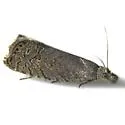
Dichrorampha sedatana - Hodges#3412
Dichrorampha sedatana
Identification: Dichrorampha sedatana was formerly confused with the european species Dichrorampha plumbana Scopoli, 1763, a European species. It lacks the dorsal patch found if many other species in the genus. It has thin median and post median line
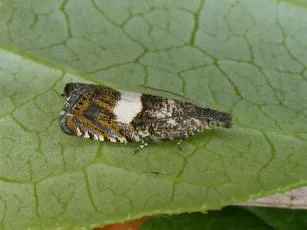
Dichrorampha sequana
Dichrorampha sequana
Wingspan about 10 mm. This is one of the smaller Dicrorampha species and can be distinguished by the broadly rectangular cream-coloured dorsal blotch. It prefers unkept verges and embankments, where Yarrow is common. Flies in the afternoon and toward
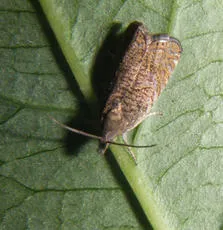
Dichrorampha simpliciana
Dichrorampha simpliciana
Wingspan 12 to16 mm. One of the more nondescript members of the Dicrorampha genus. Areas where the larval foodplant is present. The flight period is from July to September, when it is most active just before dark. The larvae feed within the roots of
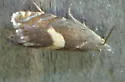
Dichrorampha simulana - Hodges#3404
Dichrorampha simulana
Identification: The dorsal patch can vary from distinct to absent. There is a row of dark dots at base of fringe.
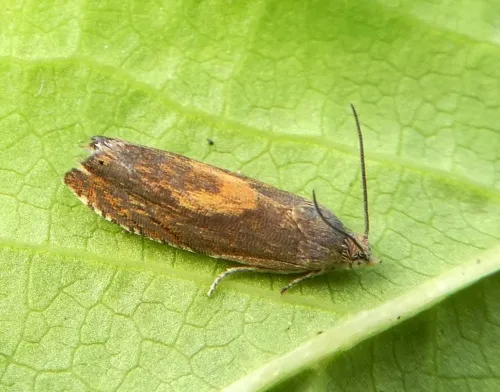
Dichrorampha vancouverana
Dichrorampha vancouverana
The adults fly in June and July, during the afternoon and towards sunset. The larvae feed in the rootstock of Yarrow (Achillea millefolium) and Tansy (Tanacetum vulgare). Distributed widely throughout England, but quite local in many places, and beco
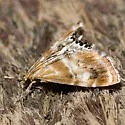
Dicymolomia metalliferalis - Hodges#4892
Dicymolomia metalliferalis
Identification: Adult: fine black wavy lines on hindwing are diagnostic
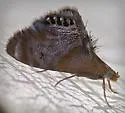
Dicymolomia opuntialis - Hodges#4891
Dicymolomia opuntialis
Identification: The original description is available online in the print references below.
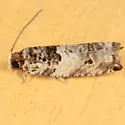
Dietz's Rhopobota - Hodges#3277
Rhopobota dietziana
Identification: Adult - see original description in Print References. Genitalia: ♀ ♂
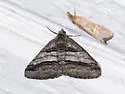
Digrammia atrofasciata - Hodges#6368
Digrammia atrofasciata
Identification: Det. Ed Knudson, Texas Lepidoptera Survey, Houston:
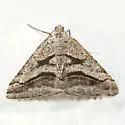
Digrammia curvata - Hodges#6370
Digrammia curvata
Identification: Adult: forewing AM line thick, black, does not reach costa but often merges with median line to form V-shaped mark projecting from inner margin; PM line a smooth black curve, usually interrupted near costa; hindwing dappled gray with
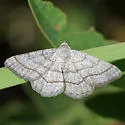
Digrammia equivocata - Hodges#6357.1
Digrammia equivocata
Identification: Gray-brown with three nearly parallel, almost straight, evenly spaced lines on the forewing; two lines on hindwing. Somewhat elongated discal spot above median line of FW and faint darker subterminal band sometimes present.