
True Bugs, Cicadas, Hoppers, Aphids and Allies
Order Hemiptera
The True Bugs, Cicadas, Hoppers, Aphids and Allies (Order Hemiptera) includes 7,349 species across 120 families and 1,727 genera in our directory.
About True Bugs, Cicadas, Hoppers, Aphids and Allies
Hemiptera (true bugs) includes over 80,000 described species across cicadas, aphids, leafhoppers, shield bugs, and bed bugs. Aphids alone cost global agriculture an estimated $2.5 billion annually in crop losses.
Economic Impact
The brown marmorated stink bug (Halyomorpha halys) caused $37 million in apple crop losses in a single year in the U.S. Mid-Atlantic region. Bed bug infestations in the U.S. increased by 500% between 2001-2010, costing the hotel industry hundreds of millions annually.
Ecological Role
Many Hemiptera are essential food sources for birds and predatory insects. Cicadas provide massive nutrient pulses during emergence events - a single Brood X emergence can involve trillions of individuals across 15 states.
Families in Hemiptera (120)
Species in Hemiptera (7,349)
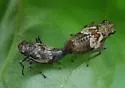
Hylaius oregonensis
Hylaius oregonensis
Rare and very primitive leafhoppers that are mostly found on grand fir in undisturbed habitats. --Andy Hamilton
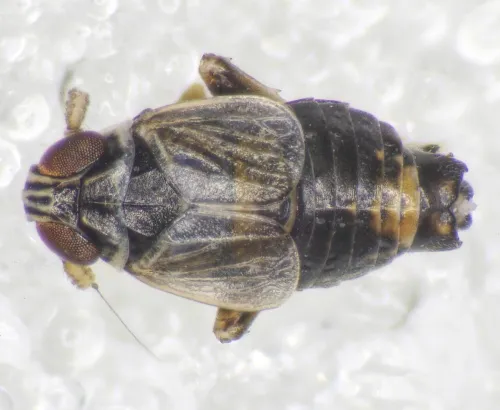
Hyledelphax elegantula
Hyledelphax elegantula
Length 2.5 to 3.5 mm. Usually brachypterous. Head and pronotum pale with some darker markings in male. Pale whitish forewings, and a dark frons with prominaent white keels. Sexually dimorphic; males have a dark scutellum with a white tip and darker a
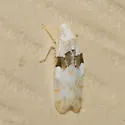
Hymetta balteata
Hymetta balteata
Identification: whitish overall with distinctive pattern of grayish-brown blotches and banding on wings
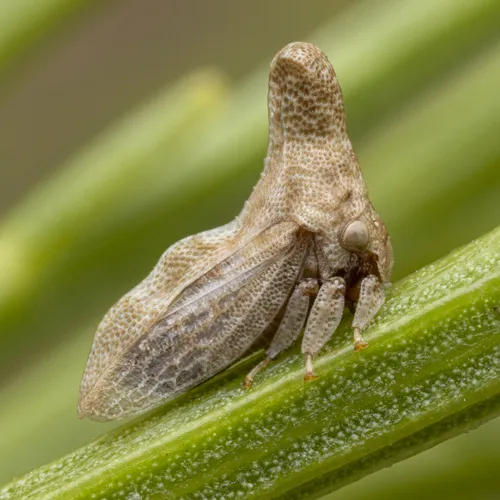
Hypsoprora nogolata
Hypsoprora nogolata
Identification: "A small straw-colored species with brown mottling. The pronotum long slender and strongly bisinuate, the dorsal process short, nearly upright, much inflated. As seen from the front the dorsal process is slightly more constricted abov
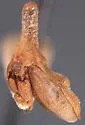
Hypsoprora simplex
Hypsoprora simplex
Identification: "Allied to anatima [sic] Fowl., but with the dorsal horn simple and the posterior process bisinuate. Head as long as wide including eyes, apex truncate, sides sinuate below the eye. Dorsal process suberect, a little compressed lateral
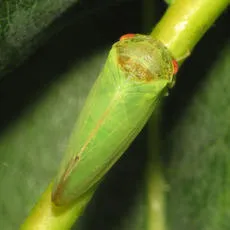
Iassus lanio
Iassus lanio
A large leafhopper, 6.5 to 8 mm, on oak, with a broad head. The forewings range from green to pale brown and the vertex, pronotum and scutellum are spotted and mottled with brown. Good photographs taken in the field, or from a specimen; you must note
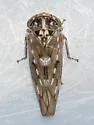
Idiocerus albolinea
Idiocerus albolinea
Identification: "This species resembles the eastern I. alternatus , the western I. freytagi Hamilton and the northern I. striolus Fieber, but differs from these in the length of the apical stylar setae (Figs. 17-20). Its head is also broader and only
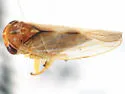
Idiocerus amabilis
Idiocerus amabilis
Identification: "Resembling amoenus [sic] in form and general appearance, but much stouter and more highly coloured. Pale fulvous brown, with light markings along the median line, and greenish margins to the elytra. Vertex and face broad and flat; ne
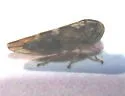
Idiocerus apache
Idiocerus apache
Identification: "Resembling alternatus Fh. but much more definitely marked and ornamented. Head, three large spots on pronotum, most of scutellum, and elytral saddle ivory. Form of alternatus nearly, more robust with a longer vertex. Size of morosus
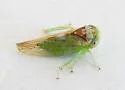
Idiocerus balli
Idiocerus balli
Identification: "Resembling amoenus [sic] in general appearance, but larger, not as highly marked, and with distinctly different genitalia. Vertex evenly rounded, nearly same length in middle as near eyes. Postclypeus longer than wide; anteclypeus lo
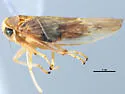
Idiocerus bovinus
Idiocerus bovinus
Identification: "Resembling ramentosus (Uhler), with form and white cross nervures of monoliferae O. and B., but narrower and more obscurely marked. Pale olive cinereous. Head narrower than in monoliferae , the lower portion of face paralleling the c
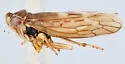
Idiocerus cabotti
Idiocerus cabotti
Identification: "This species keys to I. distinctus (Hamilton 1980: 827-828) but resembles I. alternatus in its more strongly arched head margins and darker, unbanded colour pattern. Idiocerus femoratus Ball, I. glacialis n. sp. and I. xanthiops have
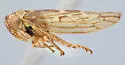
Idiocerus canae
Idiocerus canae
"This unique specimen resembles weakly patterned individuals of Idiocerus musteus Ball and I. utahnus Ball & Parker, to which species it runs in the key (idem: 830-831). However, the more strongly arched head of canae resembles those of the alternatu
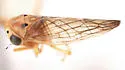
Idiocerus catalinus
Idiocerus catalinus
Identification: "Smaller than rotundens DeL. and C., the smallest American species in the genus. Vertex pale, usually without spots, elytra pale with a rusty brown band across the middle and similar marking in the claval area basally. Form of rotunde
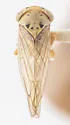
Idiocerus cephalicus
Idiocerus cephalicus
Identification: "Form of verrucosus Ball, nearly, but with a more sloping face. Resembling rotundens DeL. and C. in size and color but without male antennal disc. Soiled creamy white with spots on vertex and very large triangles on scutellum. Antenna
Idiocerus cinctus
Idiocerus cinctus
Identification: "Resembling formosus but smaller, paler in color with two conspicuous transverse bands and with simple antennae in the male. Vertex almost transverse, longer next the eyes than length at middle. Male antennae simple, without discs. Co
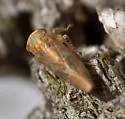
Idiocerus cingulatus
Idiocerus cingulatus
Identification: "Size and form of rufus nearly, the elytra slightly longer and narrower, giving the insect, especially the females, much more of a wedge-shaped appearance. Colour: female, face and vertex pale yellow, with rufous markings; pronotum ru
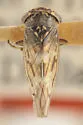
Idiocerus coconinus
Idiocerus coconinus
Identification: "Larger, darker than morosus Ball with the markings much less distinct. Male antennal discs longer and narrower and ultimate segment of male longer. Form of morosus , larger with a longer and more inflated vertex in the male, and a br
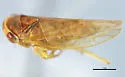
Idiocerus concinnus
Idiocerus concinnus
Identification: "Size and general appearance of brunneus , more highly coloured, resembling rufus , but larger, broader, and with antennal discs. Vertex and face moderately broad, much less inflated than in brunneus , margins of genae but slightly ro
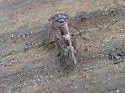
Idiocerus couleanus
Idiocerus couleanus
Identification: "Size and form of femoratus Ball, nearly. The male face broader and definitely transversely convex with dark markings on the median line. Color dull, smoky brown, not as dark as in femoratus , large spots on vertex, irregular markings
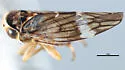
Idiocerus delongi
Idiocerus delongi
Identification: "Resembling productus in general appearance, but vertex of male not produced, antennal disc larger, and with distinctly different genitalia. Vertex evenly rounded, nearly same length in middle as near eyes. Postclypeus little longer t
Idiocerus depictus
Idiocerus depictus
Identification: "Size and form of [ Idiocerus amoemus ] nearly, female ovipositor longer and narrower. Male antennal plates slightly smaller. Colour: female rich creamy yellow; eyes rufous; pronotum, scutellum and narrow scutellar margin to elytra te
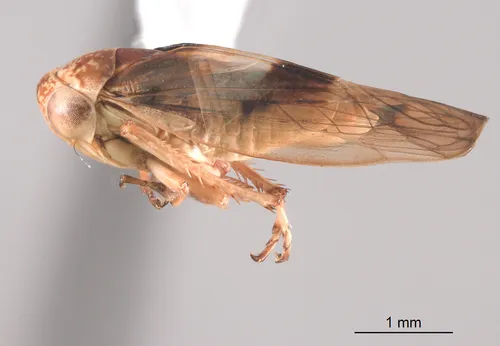
Idiocerus distinctus
Idiocerus distinctus
Identification: "Female: Form that of a small and slender alternatus . Face a little less than one-eighth wider than long; clypeus two-fifths longer than broad, broadest at base; lorae a little longer than clypeus, and two-thirds as broad; genae rath
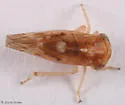
Idiocerus ensiger
Idiocerus ensiger
Identification: "Size and form of alternatus nearly, slightly longer, but with a remarkably long ovipositor in the female. Colour pale chestnut and white. Face moderately convex, retreating from the narrow vertex, front short, broad, sharply angulate
Idiocerus exilus
Idiocerus exilus
Identification: "Resembling catalinus in general appearance, but lighter in color, male antennal disc long, and with distinctly different genitalia. Vertex evenly rounded, nearly same length in middle as near eyes. Postclypeus longer than wide; antec
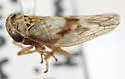
Idiocerus femoratus
Idiocerus femoratus
Identification: "Resembling alternatus , larger and darker; female with a shorter ovipositor and a longer segment, male with the middle femora greatly inflated, more than five times as large as the anterior ones. Head very broad; vertex distinctly cu
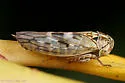
Idiocerus freytagi
Idiocerus freytagi
Identification: "Adults of freytagi closely resemble those of cedrus , but differ in the shape of the tergal apodemes and the narrowness of the sternal apodemes. Their hosts are also different: freytagi feeds on willows, cedrus on cedars. Adults of f
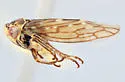
Idiocerus glacialis
Idiocerus glacialis
Identification: "This species is closely related to I. xanthiops , with which it was confused when the latter was described, and to which species it runs in the key (idem: 827-828). However, the darkly patterned male face and large antennal discs are
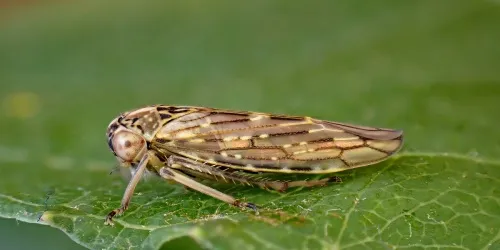
Idiocerus herrichi
Idiocerus herrichi
Length 6 to 7 mm. The forewings are whitish/greyish,veins that have alternate light/dark sections. The broad pale band down the pronotum, the scutellum markings of 3 triangles and a horseshoe shape, and the pattern of spots on the face can be diagnos
Idiocerus huachucae
Idiocerus huachucae
Identification: "Larger and darker than amoenus [sic] Van D., with spots on the vertex, a longer clypeus and smaller antennal discs. Tawny above and below with the pronotum and scutellum dark in the males. Head in profile more acutely angled with th
Idiocerus immaculatus
Idiocerus immaculatus
Identification: "Adults of this species resemble those of I. snowi , but are smaller and less strongly flattened, with smaller and paler coronal spots and quite different male genitalia resembling those of alternatus . Males of this species may be di
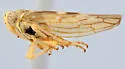
Idiocerus indistinctus
Idiocerus indistinctus
Identification: "The male genitalia and unmodified legs show that this species is closely related to I. distinctus and lo I. cabotti . It runs in the key lo distinctus (Hamilton 1980: 827-828). Its colour pattern is entirely different from those of b
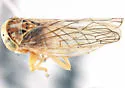
Idiocerus interruptus
Idiocerus interruptus
Identification: "This species is similar to I. ensiger Ball, but has a shorter ovipositor. It runs to iodes Hamilton in the key (Hamilton 1980: 830) but differs in the much paler colour and broader head." - Hamilton, 1985
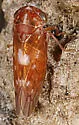
Idiocerus iodes
Idiocerus iodes
Identification: "The even, bright red-brown colour of iodes resembles that of rufus , from which this species may be distinguished by the prominent white tegminal spots and the dark-marked pleura. Adults of iodes also resemble those of cinctus and ci
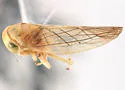
Idiocerus laribaeus
Idiocerus laribaeus
Identification: "Resembing nervatus V. D. but larger with large yellowish triangles on scutellum. Bright green in color rather than pallid. Male antennae banded with black, white and fuscous. Never occurs on willows although the latter grow abundantl
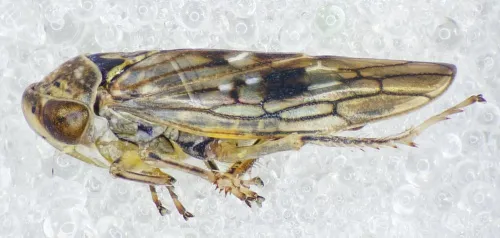
Idiocerus lituratus
Idiocerus lituratus
Length 5.5 to 6.5 mm. The forewing is brownish, mottled with white spots and a faint dark band. The face is mostly light; the distance between ocelli is greater than the distance from ocellus to antennal base. Oher Idiocerinae found on sallows and wi
Idiocerus lucidae
Idiocerus lucidae
Identification: "Adults of lucidae closely resemble those of alternatus , but differ in the distinctly larger antennal disc and the shape of the apodemes. Their hosts also differ; lucidae is monophagous on Salix lucida , which is apparently not among
Idiocerus morosus
Idiocerus morosus
Identification: "Form and general appearance of alternatus nearly, but smaller, darker, and with a deeper head; structure of verrucosus nearly. Male antennae with large, nearly circular plates. Head much deeper than in alternatus , nearly perpendicul
Idiocerus musteus
Idiocerus musteus
Identification: "Typical musteus , the Pacific coastal subspecies, is characterized by the heads of both sexes being marked only by the black coronal maculae. The Cordilleran subspecies verrucosus Ball usually has the heads extensivelv darkened; male
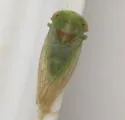
Idiocerus nervatus
Idiocerus nervatus
Identification: Quite uniformly greenish to yellowish in color. Elytra quite hyaline, showing clearly the dark nervures of the under wings.
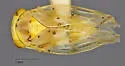
Idiocerus nogalinus
Idiocerus nogalinus
Identification: "Smaller and paler than monoliferae O. and B., with transverse bands on male elytra. Creamy white face and vertex unmarked. Smaller than monoliferae or bovinus , n. sp., with the head narrower and not as deep. Resembling in form cingu
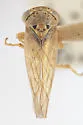
Idiocerus obispanus
Idiocerus obispanus
Identification: "Smaller than ensiger Ball, with the median lobe of the male segment as long as the lateral lobes. Rufous, the male face with a broad median black stripe. Face in profile retreating but rounded and somewhat inflated above in both sexe
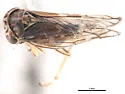
Idiocerus obstinatus
Idiocerus obstinatus
Identification: "Resembling dolosus in form and colour, but smaller. Size of verrucosus nearly, but with broader elytra. Vertex shortest in the middle; face sloping, but slightly convex; elytra inclined to be flaring, narrowing before apex; outer ant
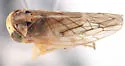
Idiocerus pacificus
Idiocerus pacificus
Identification: "Resembling ensiger Ball in structure but not as definitely marked; resembling musteus Ball in color and markings but the female tawny with a long ovipositor and the male with long lateral lobes on the ultimate segment and obovate ant
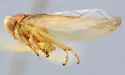
Idiocerus pericallis
Idiocerus pericallis
Identification: "Adults of pericallis resemble those of concinnus and amoenus , but differ from both of these species in the striking contrast between the orange colour of the thorax and the green colour of the abdomen showing through the hyaline teg
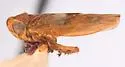
Idiocerus pictus
Idiocerus pictus
Identification: "Differs from [ Idiocerus amoemus ] in being darker in color; vertex and face above marked with brown and irrorate with pale; pronotum and scutelIutn chestnut brown; elytra smoky with a broad whitish transverse band across the middle
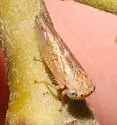
Idiocerus ramentosus
Idiocerus ramentosus
Apparently closely related to the European species Sahlbergotettix salicicola (Flor, 1861) and may belong to that genus.
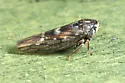
Idiocerus setaceus
Idiocerus setaceus
Identification: "This species is similar to the sympatric I. striolus , to which it runs in the key (idem, 827-828). The single long stylar seta is unique. The stylar setae of I. cedrus Hamilton (Fig. 23) are similar in size and shape, but are always
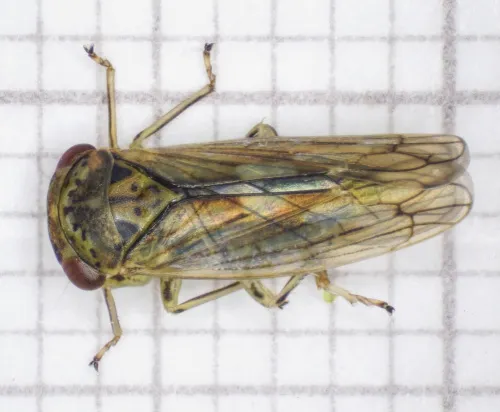
Idiocerus stigmaticalis
Idiocerus stigmaticalis
Length 6-7 mm. Very similar to other species found on Salix, and best identifed from wing venation at the apex of forewing; the apical cell is triangular and the bases of the 3 apical cells are more or less level. Males often show a yellow-orange pat
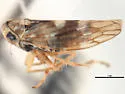
Idiocerus tahotus
Idiocerus tahotus
Identification: "Broad, short, and banded as in distinctus G. and B., but the female with two spots on the scutellum and male with distinct stripes on face. Form of distinctus nearly, but shorter and more robust. Female ultimate segment long, posteri
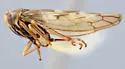
Idiocerus taiga
Idiocerus taiga
Identification: "The type-specimen of taiga most closely resembles cedrus and morosus in size and colour, but has darker facial markings and a distinctly larger antennal disc with a long apical filament. This species has the largest antennal discs re
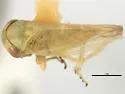
Idiocerus taxodium
Idiocerus taxodium
Identification: "Resembling nervatus in general appearance and coloration but smaller and more robust, dark green with a bright irridescent tinge. Male antennal discs black, elongated, constricted basally and apically, and bearing a flagellum at apex
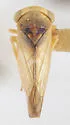
Idiocerus texanus
Idiocerus texanus
Identification: "Resembling amoenus [sic] in general appearance, but not highly marked, male antennal disc smaller, and the male genitalia distinctly different. Vertex: evenly rounded, nearly same length in middle as near eyes. Postclypeus same width
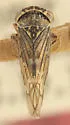
Idiocerus tontonus
Idiocerus tontonus
Identification: "Resembling femoratus Ball, inclined to be broader, paler, and the nervures with setigerous punctures. Male face all light below vertex. Form of couleanus , n. sp., nearly, broad with an exceedingly broad head. The nervures setigerous
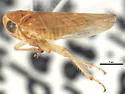
Idiocerus utahnus
Idiocerus utahnus
Identification: "Form of verrucosus Ball nearly, slightly longer and with a slightly less inflated face. Pale tawny with faint spots, the male darker with definite spots and a light face. Face inflated, but not as much as in verrucosus . Nervures in
Idiocerus verticis
Idiocerus verticis
Identification: "The neotype of verticis is mottled brown with an ochre-yellow face, 4.4 mm long (including folded tegmina) and 1.7 mm wide across the eyes. Its tergal apodemes resemble those of nervatus (Fig. 77), while the sternal apodemes resemble
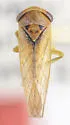
Idiocerus wiyotus
Idiocerus wiyotus
Identification: "Resembling amoenus V. D. but larger, with elongate antennal discs and extensive black markings in the male. Face long as in suturalis Fh. with the genae nearly straightmargined and exceeded by the apically expanded clypellus. Clypeus
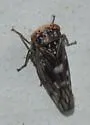
Idiocerus xanthiops
Idiocerus xanthiops
Identification: "Adults of xanthiops resemble femoratus in their enlarged male mesofemora and style bearing a single large apical seta (the latter is also found in the quite dissimilar species distinctus and rufus ). However, xanthiops is distinctly
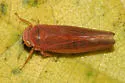
Idiodonus morsei
Idiodonus morsei
Identification: Resembles I. aurantiacus, but has black spots at the tip of the head.
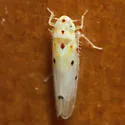
Illinigina illinoiensis
Illinigina illinoiensis
Identification: dark brown wing spots most consistently present comes to lights
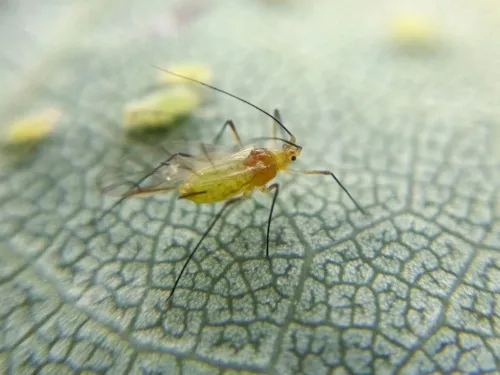
Illinoia liriodendri
Illinoia liriodendri
The body length of an adult Illinoia liriodendri aptera is 1.7 to 2.5 mm. I. liriodendri apterae are spindle shaped and pale green, lightly dusted with wax. There are also yellowish and pink-red forms. For a more detailed description of this species
Ilnacora arizonae
Ilnacora arizonae
Identification: Paraphrasing Knight: Overall appearance similar to I. stali , but first antennomere uniformly black except narrowly pale at the base and apex (in stali , center of the first antennomere is lightened). Structure of the male genitalia,
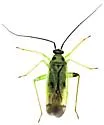
Ilnacora nicholi
Ilnacora nicholi
Identification: Paraphrasing Knight: This is one of the species with larger black spots on the pronotum; and head, thorax beneath, and venter all black. Structure of the male genitalia, especially the right clasper, will conclusively distinguish this
Ilnacora nigrinasi 0
Ilnacora nigrinasi
Identification: color pale green, the green on the elytra segregated, leaving clear places (emphasis added); first antennal joint biannulate with black, the apex of the head conspicuously black (e.a.). The annulated first antennal joint and the remar
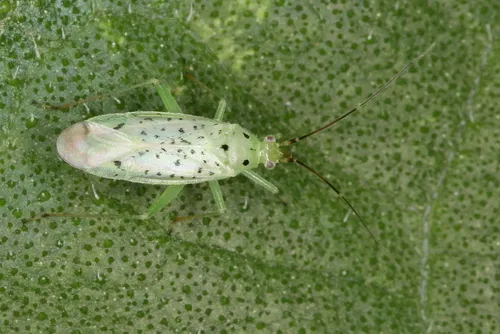
Ilnacora stalii
Ilnacora stalii
Identification: Adult: light green above, with sparse dark green speckling on leathery portion of forewing; pronotum has two black widely-spaced spots on either side of midline; scutellum has small black medial spot at base; cuneus has small dark blo
Ilnacora vittifrons 0
Ilnacora vittifrons
Identification: Paraphrasing Knight: As with I. divisa , this species has a trident pattern of black lines on the frons, but the first antennomere is uniformly black (in divisa , center of the first antennomere is lightened). Structure of the male ge
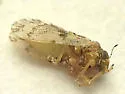
Inquiline Hackberry Leaf Gall Psyllid
Pachypsylla cohabitans
Identification: Morphologically extremely similar to leaf-galling Pachypsylla . Adult females can be distinguished by their green (as opposed to dark brown) abdomen, and males may be be distinguished on the basis of the shape of the paramere (apex of
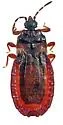
Iralunelus politus
Iralunelus politus
Identification: One of four [aneurine] species in our area with a conspicuous anteromedial callosity on the scutellum (others are leptocerus , minutus , and pygmaeus ). Of these four, two have the second antennal segment longer than the scape and are
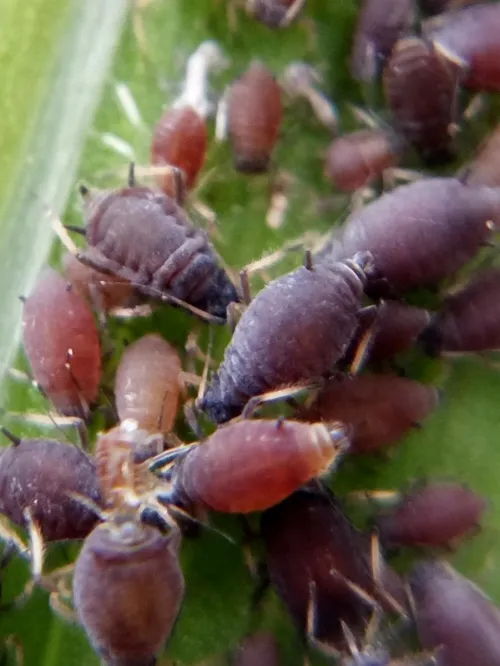
Iris Aphid
Aphis newtoni
The body length of the Aphis newtoni aptera is around 2 mm and they vary from reddish brown to almost black. Please supply images to support your record and, where possible, gain expert confirmation of species identification before submitting the rec
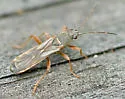
Ischnodemus sallei
Ischnodemus sallei
Ischnodemus sallei (Ischnodemus sallei) is a species in the family Blissidae, belonging to the order Hemiptera (True Bugs, Cicadas, Hoppers, Aphids and Allies). It is classified within the suborder Heteroptera, superfamily Lygaeoidea. This species be
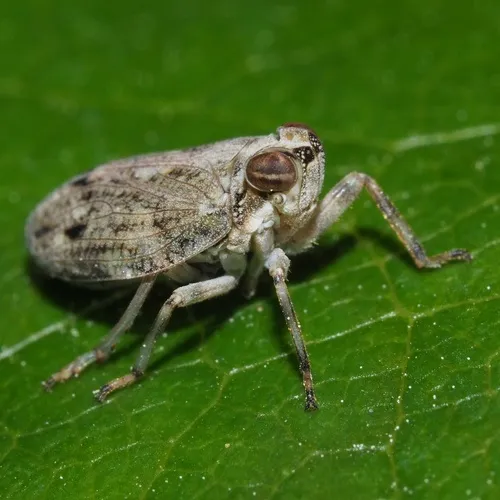
Issus coleoptratus
Issus coleoptratus
A rounded hopper, greyish in colour, with a very prominent and distinctive net-like pattern of veins on the forewings. There are dark markings on the face. The nymph often has a tuft of wax filaments projecting from the rear end, which are secreted f
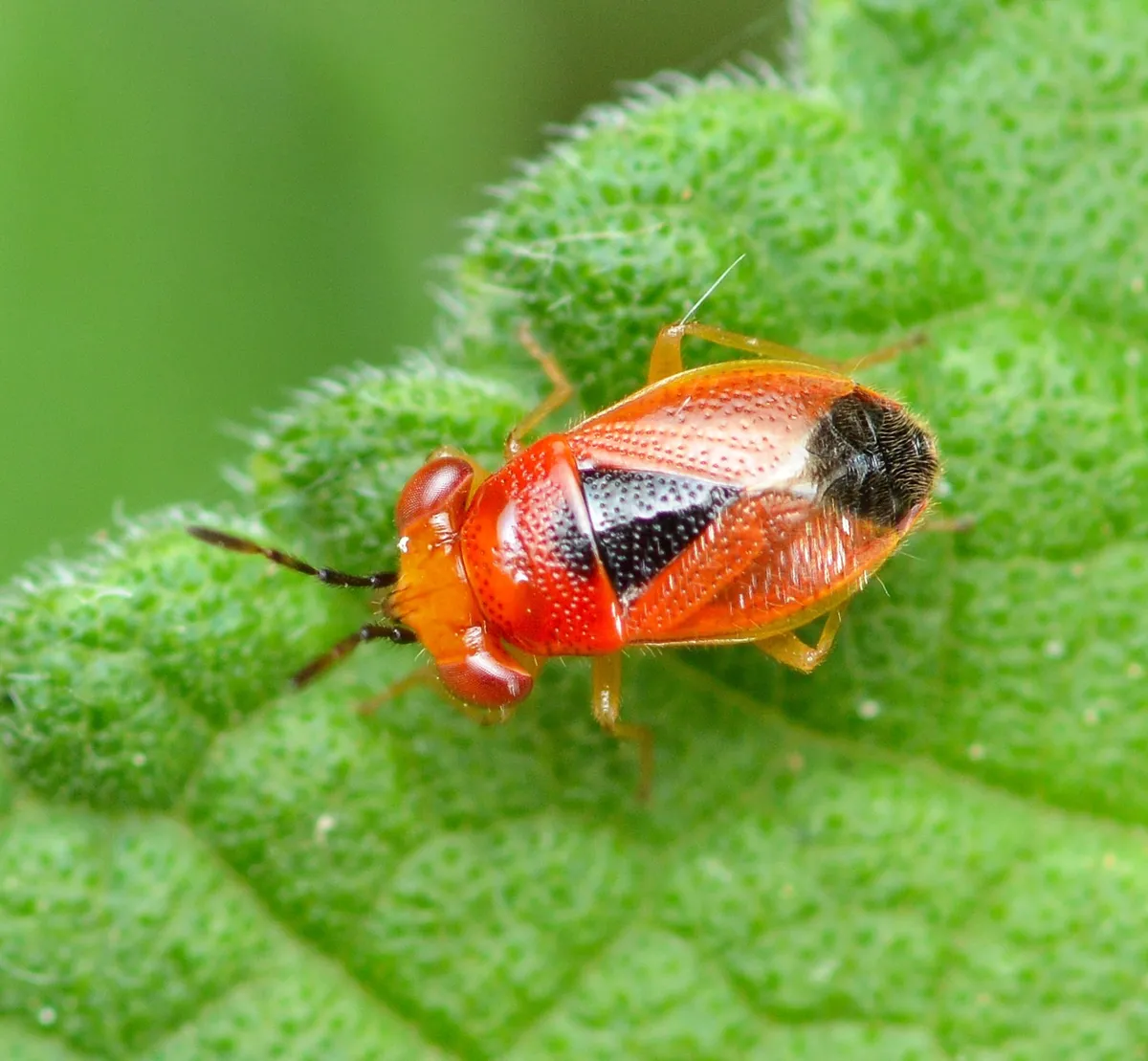
Isthmocoris imperialis
Isthmocoris imperialis
Identification: pronotum with a large emergent impunctate area Type Locality: Guatamala
Isthmocoris slevini
Isthmocoris slevini
Identification: From Brailovsky: "...Easily recognized by having the pronotum shiny black with humeral angles and transverse stripe at anterior margin of pronotum yellowish white to yellowish brown."
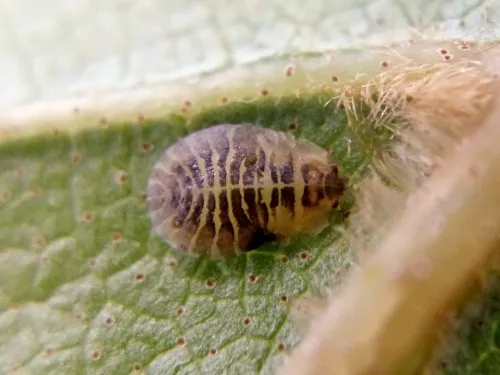
Italian Alder Aphid
Crypturaphis grassii
Crypturaphis grassi is a monophagous species of aphid feeding solely on Italian Alder (Alnus cordata). When Italian Alder (Alnus cordata) is in leaf. Native to southern Italy and Corsica and first recorded in the UK in 1998 its true status is not yet
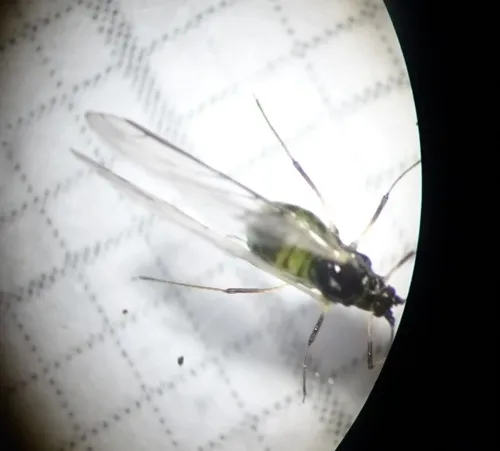
Ivy Aphid
Aphis hederae
The apterae of Aphis hederae are dark greenish. The antennae are mostly pale, only darkened from the middle of segment 5 to the apex. The alate has strong transverse dark bands on most tergites. (see link below for further information) Please provide
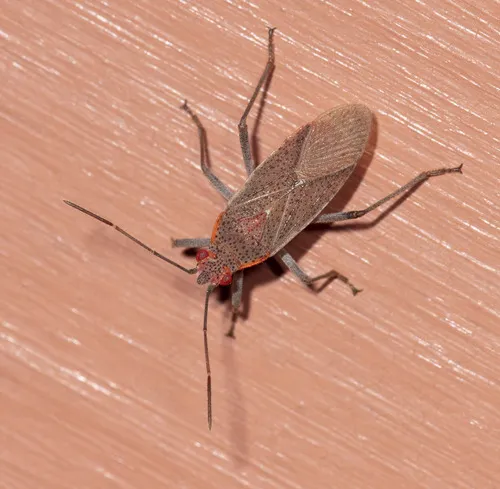
Jadera coturnix
Jadera coturnix
Identification: live images of adults and nymphs See diagram from Soapberry Bugs of the World illustrating placement of ocelli relative to compound eyes. In coturnix ocelli are more than one ocellar diameter from the edge of compound eyes; in hinnule
Jadera hinnulea 0
Jadera hinnulea
some photos identified as J. coturnix may actually show hinnulea
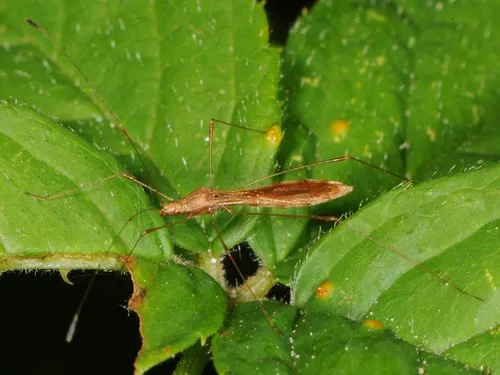
Jalysus spinosus
Jalysus spinosus
Identification: "The best way to tell [the two] apart is to look at the male genital capsule: J. wickhami has a distinct ridge while J. spinosus does not. However, that is not usually visible in photographs. They also differ in that J. wickhami , unl
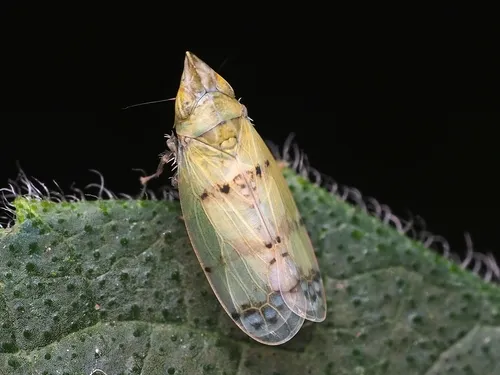
Japanese Maple Leafhopper
Japananus hyalinus
Identification: Det. Andy Hamilton, 2006 earliest record in our area: DC 1897 apparently brought over to the US on imported Japanese maples
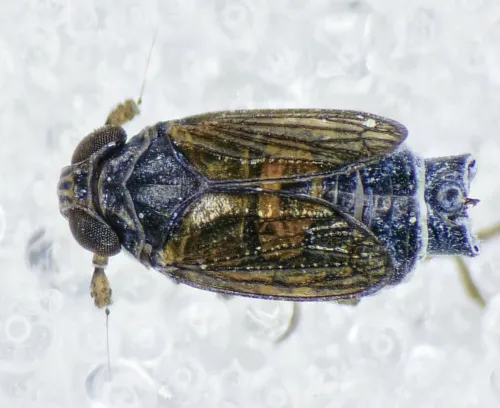
Javesella dubia
Javesella dubia
Length c. 2.5 - 3.5 mm). Both macropterous and brachypterous forms exist, and colouration varies. The forewing is brown, and has an asymmetrical apex. The frons is dark with paler keels. Males tend to be darker than females. Male genital segment at t
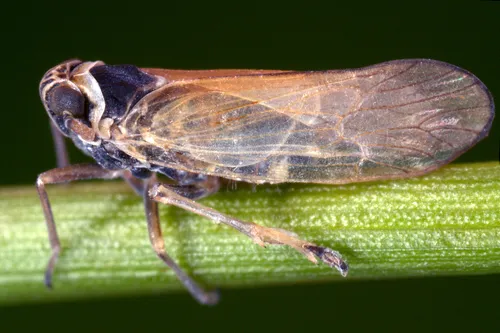
Javesella pellucida
Javesella pellucida
Length 3 mm. Macropterous (long-winged) and brachypterous (short-winged) forms occur, and colouration varies. Males are darker than females. Forewings are translucent, and may be tinged brown or whitish; in macropters they are considerably longer tha
Jikradia brikelos
Jikradia brikelos
Identification: "Characters as in ' Jassus olitorius ' complex (Lawson 1927) but readily differentiated by the facial markings and the shape of the apodemes 2S that differs markedly from those of the other eastern species C. olitoria and C. melanota
Jikradia melanota
Jikradia melanota
"...southeastern species. It has a yellow costal margin and the sides of the body are also pale." --K.G.A. Hamilton, 30.x.2014
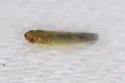
Joruma minuta
Joruma minuta
Identification: The type specimen is from Cameron Co., Texas. The following is the description from Lawson, 1930: "Old gold, tinged on vertex and pronotum with brownish; elytra golden yellow for over half their length, then smoky hyaline in apical ce
Jumping Plant Louse
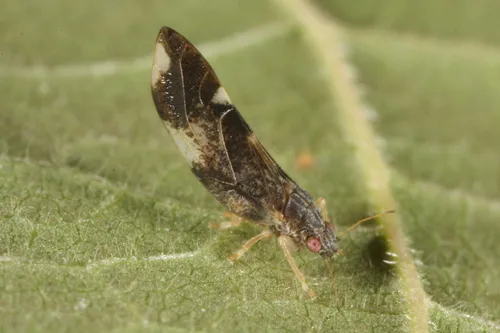
Trichochermes walkeri
The Jumping Plant Louse, Trichochermes walkeri , causes the leaf margin to curl and a gall to be formed on the leaves of Buckthorn. The gall is more likely to be seen than the adult plant louse. Not scarce but rather local and limited by the range of
Juniper Shieldbug
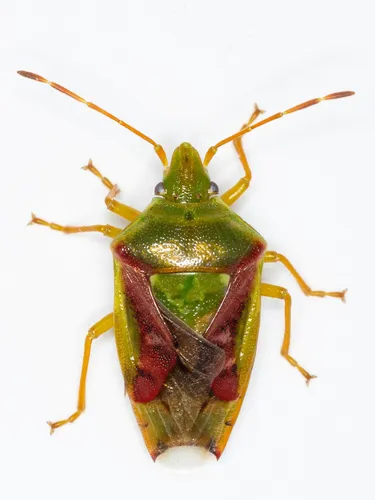
Cyphostethus tristriatus
Length 9-10.5 mm. A fairly large green shieldbug with curved and distinctive pinkish-red markings on the corium. On Juniper and increasingly on Lawson's Cypress. New adults may be found from late August onwards. The species spends the winter as an ad
Kansas Prairie Leafhopper
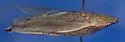
Dorydiella kansana
Identification: Flattened head no longer that it is wide. Pointed wing tips and eyes set far apart.
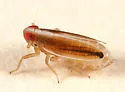
Kelisia axialis
Kelisia axialis
Identification: The thin line down the wings is distinctive [Dr. Hamilton]
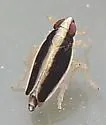
Kelisia flagellata
Kelisia flagellata
Identification: Paratypes Type Locality: Douglas Co., KS
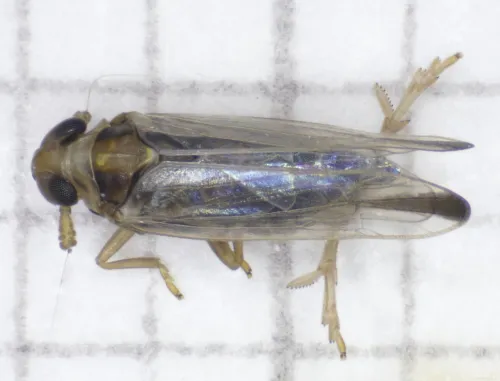
Kelisia guttulifera
Kelisia guttulifera
Length 3 to 4.5 mm. Sub-lateral bands on wings distinct and apex dark. Precise pattern of dark spots on the head is characteristic. Front and middle tibiae with no or pale longitudinal streak. Can only be identified by examination of male internal ge
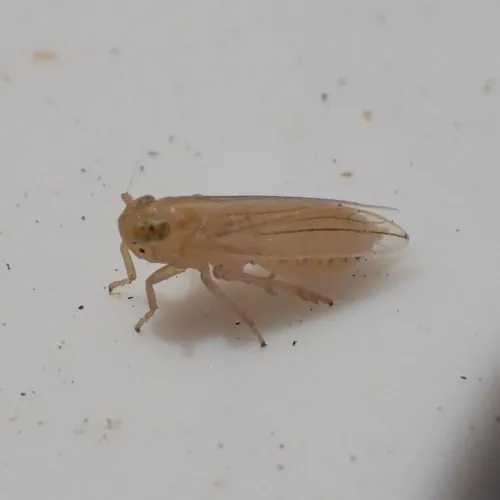
Kelisia punctulum
Kelisia punctulum
The 4-5mm yellowish-brown hopper has a rather narrow shape and has the medial vein of the pale forewings darkened, especially toward the wing-tip. There is some variation however, so other long veins may also be darkened, and one form has a dark spot
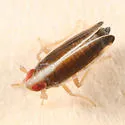
Kelisia spinosa
Kelisia spinosa
Identification: the darkest, most strongly marked member of the genus
Keltonia pallida
Keltonia pallida
Identification: Overall coloration pallid to dull greenish white; clavus and corium uniformly pale, without spots (cuneus and embolium sometimes with a few indistinct spots) Keltonia pallida is one of the most distinct species in the genus and can be
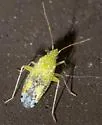
Keltonia tuckeri
Keltonia tuckeri
Identification: 1) Hemelytral spots coalescing to form a conspurcate brown cloud or solid dark area through middle of corium and apex of clavus; 2) Dorsum dull yellow; 3) Femora pale, with small brown spots; and 4) Cuneus, embolium, and corium with d
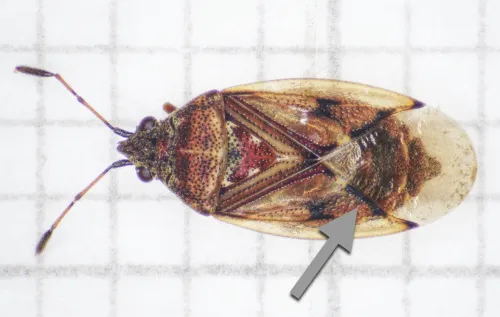
Kleidocerys privignus
Kleidocerys privignus
Very similar to Kleidocerys resedae but feeds on Alder ( Alnus ) and has different pigmentation with a partly darkened clavus and uninterrupted dark streak on the hind margin of the corium. Records of Kleidocerys privignus will be accepted only for s
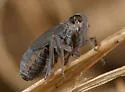
Kosswigianella lutulenta
Kosswigianella lutulenta
Identification: Kosswigianella has a comparatively short and broad (in front view) second segment on the antenna.
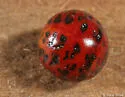
Kuno scale
Eulecanium kunoense
Identification: Adult female is round or oval and has a reddish color with a black pattern. Field characteristics are enough to distinguish this species. It is distinct morphologically from all other N. American soft scales except E. tiliae , which l
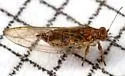
Kuwayama medicaginis
Kuwayama medicaginis
Identification: Genae swollen ventrally into globose lobes, clypeus large and easily visible in anterior view. Male forceps bicuspidate, anal valve large, broad basally, terminating at narrow apical epiphysis; female genital segment moderately long,
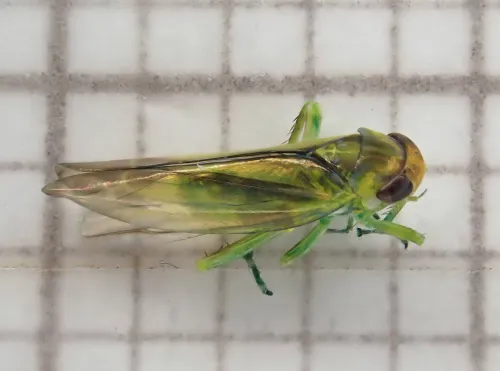
Kybos betulicola
Kybos betulicola
Length 4-5 mm. A distinctively coloured genus with several very similar species. The vertex is distinctly rounded compared to other Typhlocybine hoppers. Identification requires dissection and microscopic examination of males, especially the sternal
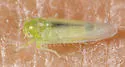
Kybos luda
Kybos luda
Identification: Usually has dark stripes along the diagonal wing folds (the "claval sutures"). --Dr Hamilton first described in the US but may be a Palaearctic species accidentally introduced to North America