
Idiocerus herrichi
This record describes Idiocerus herrichi (species). Recorded family: Cicadellidae. Recorded order: Hemiptera.
Identification and Appearance
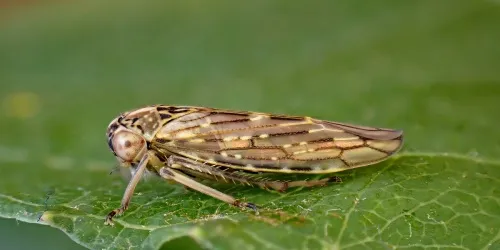
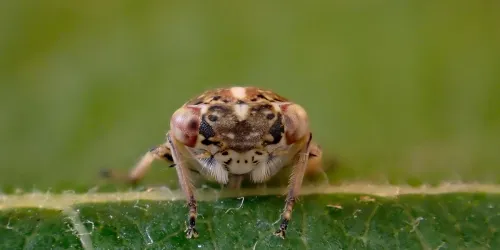
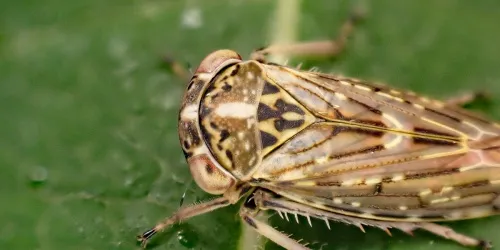
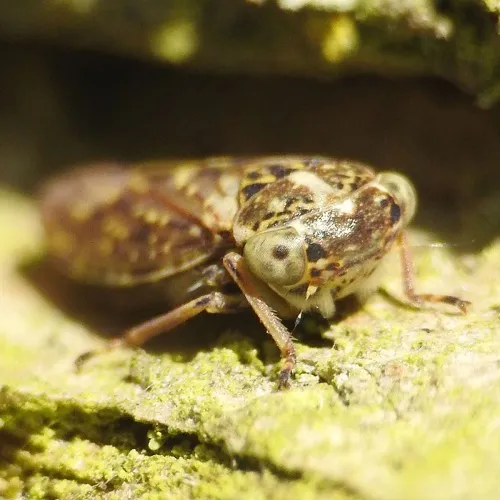
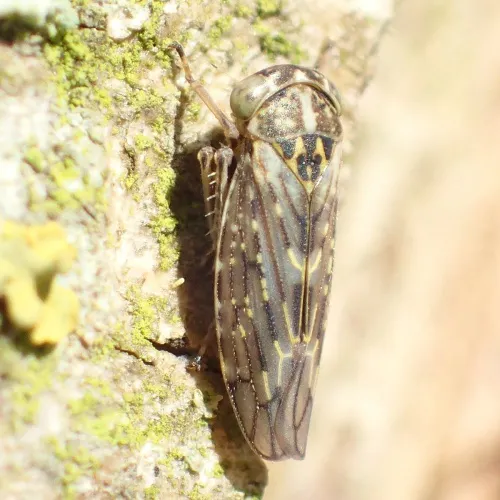
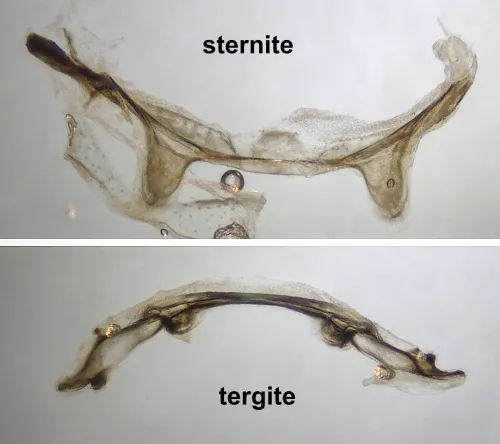
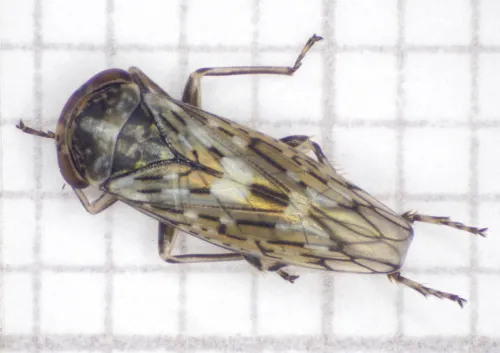
Length 6 to 7 mm. The forewings are whitish/greyish,veins that have alternate light/dark sections. The broad pale band down the pronotum, the scutellum markings of 3 triangles and a horseshoe shape, and the pattern of spots on the face can be diagnostic. The genae ('cheeks') are pubescent - the male has longer, denser hairs. Other Idiocerinae on sallows and willows Detailed examination of the specimen is needed to identify this species. Take photographs of top, side and face, and note host plant Willows ( Salix alba and S. fragilis). May overwinter on evergreens. Adult: August to September sometimes later A previously scarce species found only in southern England, it now appears to be well established and spreading its range. (ref British Bugs webpage for the species; link below) https://www.britishbugs.org.uk/homoptera/Cicadellidae/Idiocerus_herrichi.html
Classification
- Kingdom
- Animalia
- Phylum
- Arthropoda
- Class
- Insecta
- Order
- Hemiptera
- Family
- Cicadellidae
- Genus
- Idiocerus
Imported taxonomy record. Source availability varies; see the source references and editorial policy below.
Habitat and Range
Habitat
Willows (
Seasonal Activity
Adult: August to September sometimes later
Additional species information
Recorded status
A previously scarce species found only in southern England, it now appears to be well established and spreading its range. (ref British Bugs webpage for the species; link below)
About True Bugs, Cicadas, Hoppers, Aphids and Allies: the wider group
Order-level background for Hemiptera, the group containing Idiocerus herrichi. Species-specific details appear above.
Group overview
Hemiptera (true bugs) includes over 80,000 described species across cicadas, aphids, leafhoppers, shield bugs, and bed bugs. Aphids alone cost global agriculture an estimated $2.5 billion annually in crop losses.
Ecological role of the group
Many Hemiptera are essential food sources for birds and predatory insects. Cicadas provide massive nutrient pulses during emergence events - a single Brood X emergence can involve trillions of individuals across 15 states.
Economic and practical significance of the group
The brown marmorated stink bug (Halyomorpha halys) caused $37 million in apple crop losses in a single year in the U.S. Mid-Atlantic region. Bed bug infestations in the U.S. increased by 500% between 2001-2010, costing the hotel industry hundreds of millions annually.
Recorded sources for this group: USDA, EPA, University research. Imported estimates may describe particular regions or reporting periods.
Photos of Idiocerus herrichi (10)

Frequently Asked Questions About Idiocerus herrichi
What is Idiocerus herrichi?
Idiocerus herrichi is a species in the family Cicadellidae, within the order Hemiptera.
How big is Idiocerus herrichi?
6 to 7 mm. The forewings are whitish/greyish,veins that have alternate light/dark sections. The broad pale band down the pronotum, the scutellum markings of 3 triangles and a horseshoe shape, and the pattern of spots on the face can be diagnostic. The genae ('cheeks') are pubescent - the male has longer, denser hairs.
Where is Idiocerus herrichi found?
Habitat: Willows (
When is Idiocerus herrichi active?
Idiocerus herrichi: seasonal activity - Adult: August to September sometimes later.