
Family Water Striders (Gerridae)
Gerridae is a family in the order Hemiptera. Browse 57 named species recorded in this family, or open an individual profile for its available identification and natural-history information.
Species in Gerridae (57)
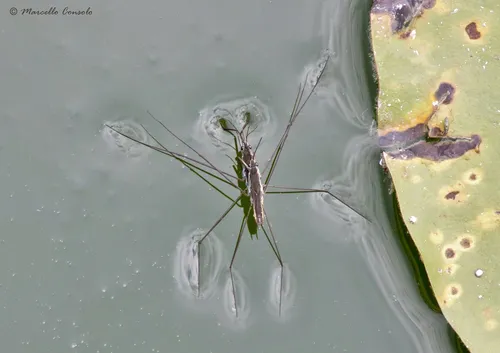
Aquarius paludum
Aquarius paludum
Aquarius paludum (14 to 16 mm) and A. najas (13 to 17 mm) can be distinguished from all other skaters found in England by their larger size. A. paludum is characterised by long abdominal spines that are angled upward and reach the tip of the abdomen,
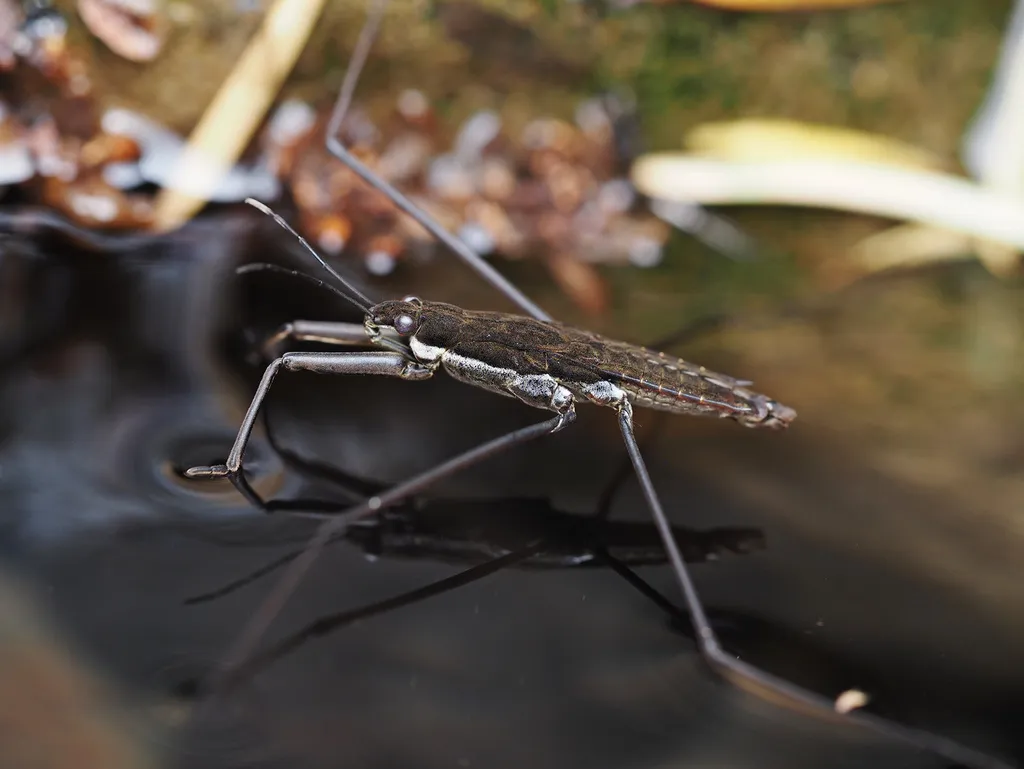
Aquarius remigis
Aquarius remigis
Identification: hind tibia at least 4 times length of first hind tarsal segment; connexival spines prominent; pronotum dull; first antennal segment subequal to combined length of antennal segments two and three; greatest width across mesoacetabula (m
Gerris buenoi
Gerris buenoi
Identification: body grayish-brown; pronotum with pale middorsal line and conspicuous whitish stripe along lateral margins; second antennal segment slightly longer than third, and segments 2 & 3 (combined) slightly longer than segment 1; adults usual
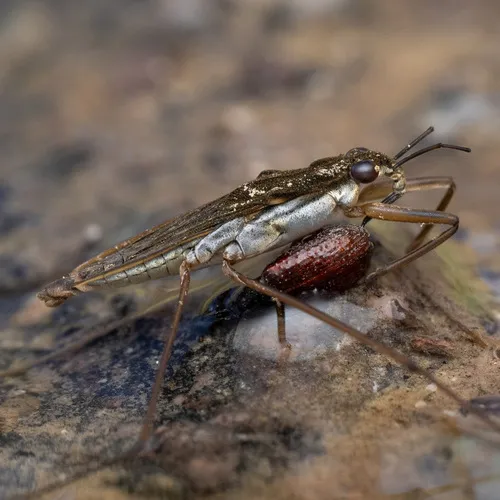
Common Pondskater
Gerris lacustris
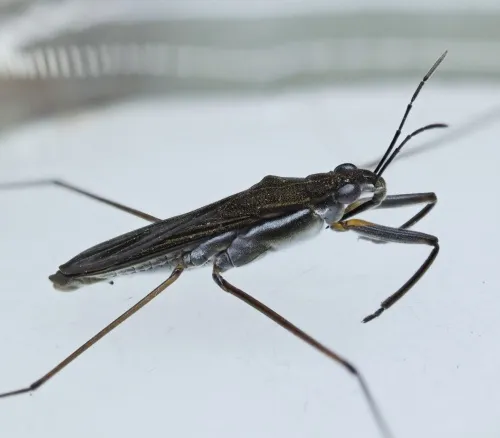
Approximately 8-10mm, generally brown with a black pronotum and black antennae. There are several similar-looking species of pondskaters, of which this is the commonest and most likely to be found in a garden pond, but examination of a specimen is ne
Toothed Pondskater
Gerris odontogaster
Gerris odontogaster is 7 to 9 mm in length and is most easily distinguished in the male, which has two distinct ‘teeth’ on the underside of the 7th abdominal segment, otherwise it is quite similar to the Common Pondskater ( G. lacustris ). A good pho
Gerris thoracicus
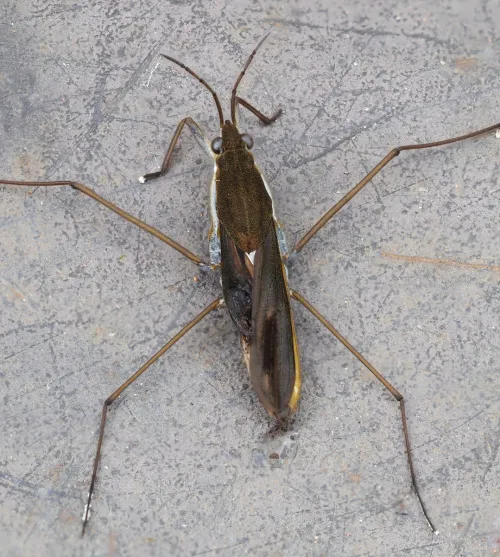
Gerris thoracicus
10-12mm. Similar to the Common Pondskater, Gerris lacustris , but usually with an orange disc in the centre of the thorax. Two other Gerris species have this but Gerris thoracicus is the commonest of these. It is usually fully winged and able to fly.
Limnogonus franciscanus
Limnogonus franciscanus
Identification: Males distinguished by smaller size, often divergent pronotal spots, constricted fore tibia, and shape of vesica sclerites
Limnogonus macroconfusus
Limnogonus macroconfusus
Identification: males distinguished from L. franciscanus by lack of constriction in fore tibia, larger size, never divergent pronotal spots, and shape of vesica sclerites
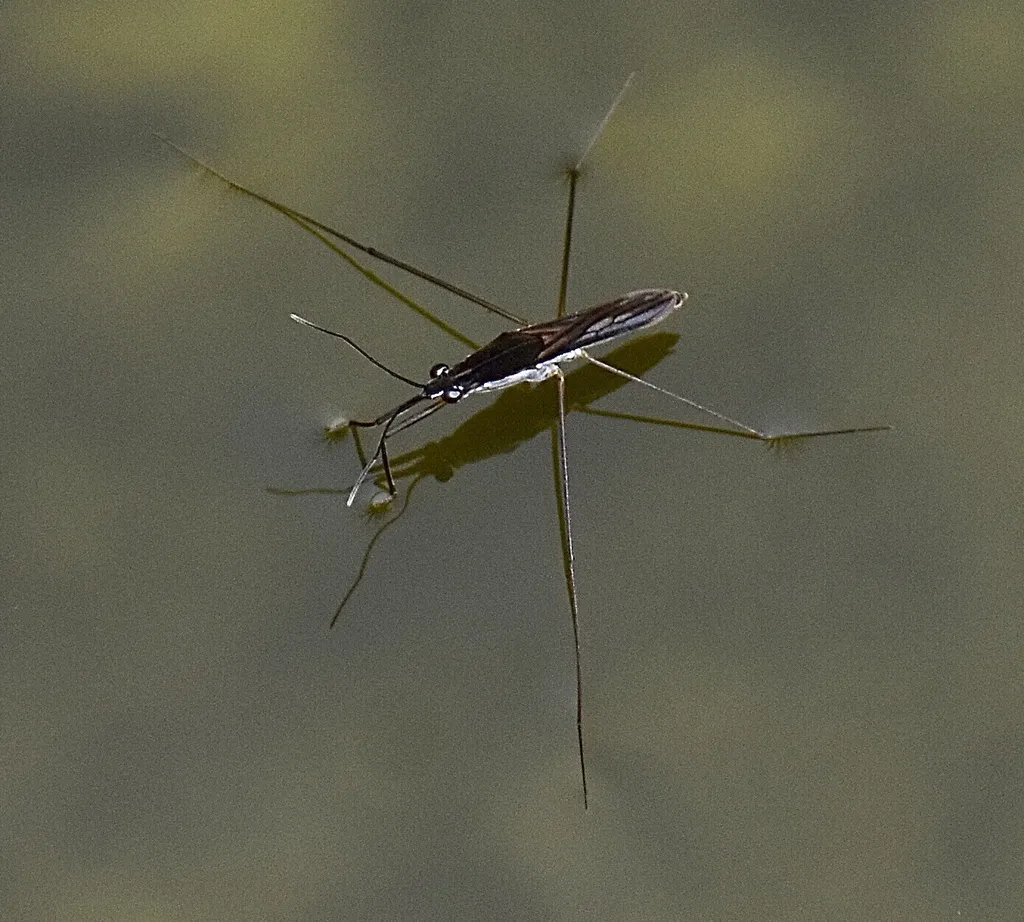
Limnoporus canaliculatus
Limnoporus canaliculatus
Identification: Best separated from other species by body size
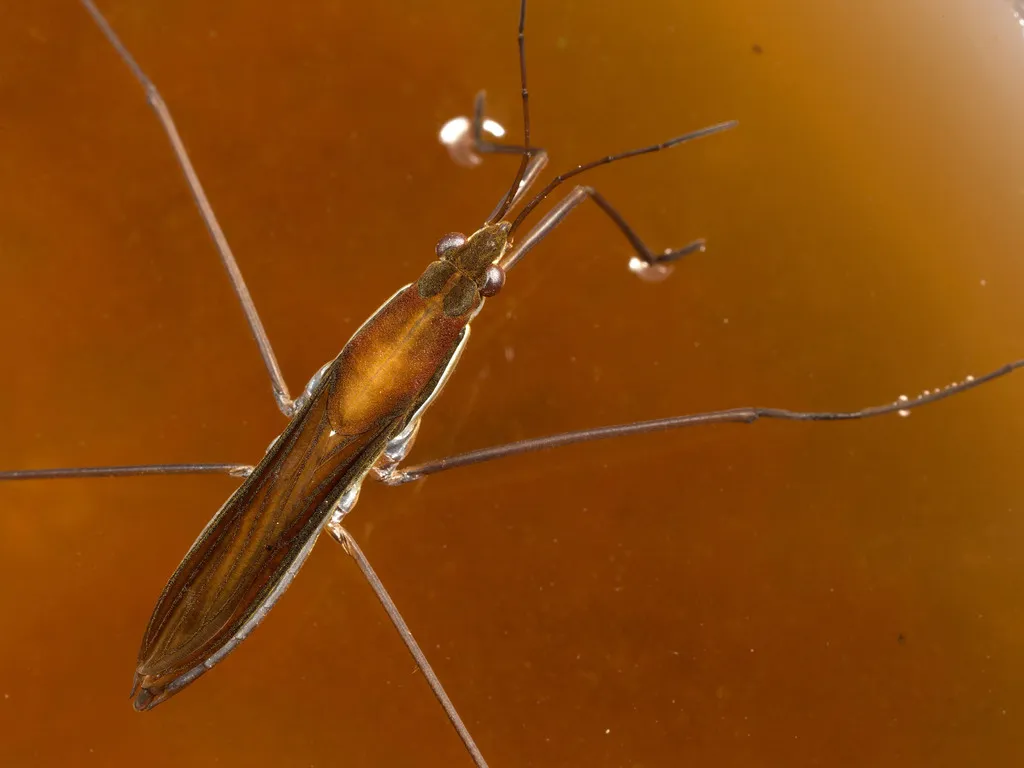
Limnoporus dissortis
Limnoporus dissortis
Identification: Very similar to L. rufoscutellatus and L. notabilis . Easiest to separate based on range, but overlaps and hybridizes with L. notabilis in Rockies
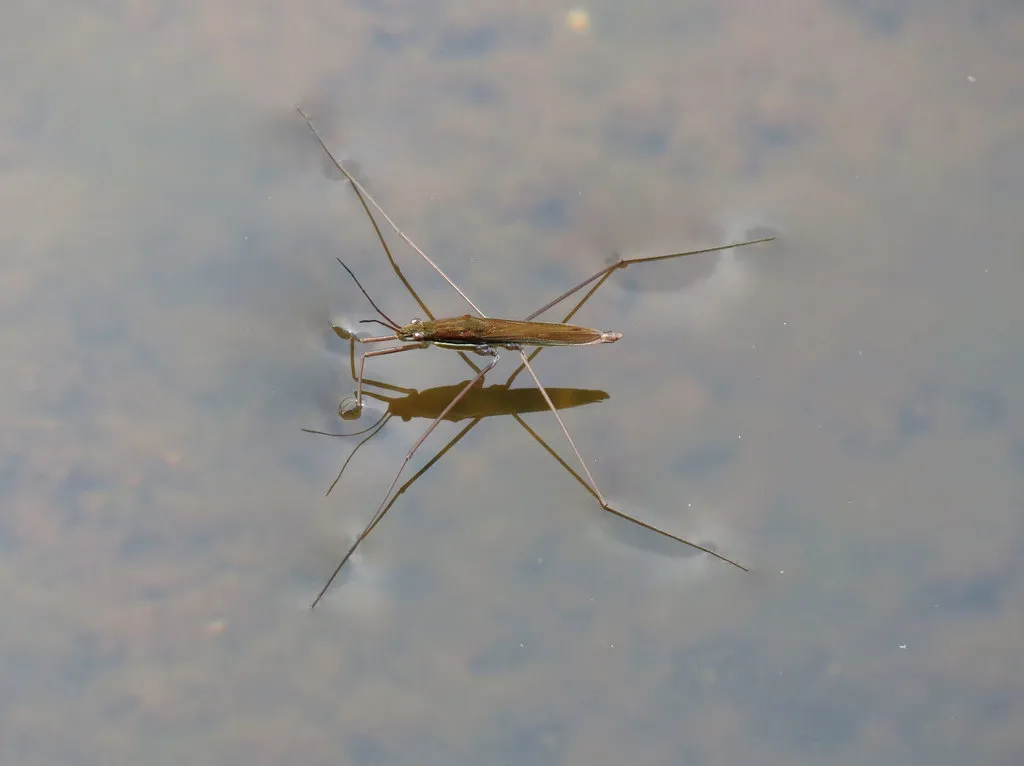
Limnoporus notabilis
Limnoporus notabilis
Identification: Can be separated from other spp. by its large size, but very similar to L. rufoscutellatus ; easiest to separate based on range, but the two overlap and hybridize in Rockies
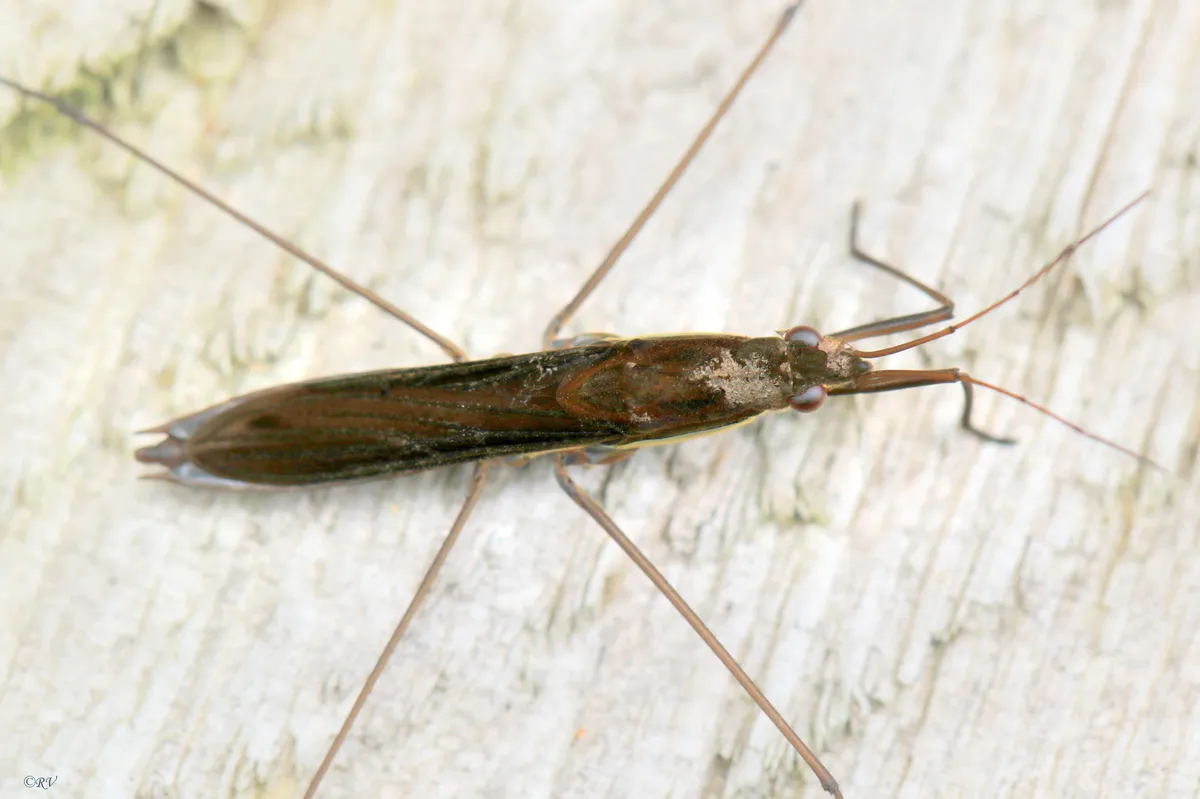
Limnoporus rufoscutellatus
Limnoporus rufoscutellatus
Identification: very similar to L. dissortis and L. notabilis
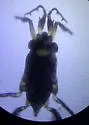
Rheumatobates palosi
Rheumatobates palosi
Rheumatobates palosi (Rheumatobates palosi) is a species in the family Gerridae, commonly known as water striders, belonging to the order Hemiptera (True Bugs, Cicadas, Hoppers, Aphids and Allies). It is classified within the subfamily Trepobatinae,
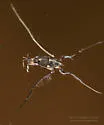
Rheumatobates rileyi
Rheumatobates rileyi
Rheumatobates rileyi (Rheumatobates rileyi) is a species in the family Gerridae, commonly known as water striders, belonging to the order Hemiptera (True Bugs, Cicadas, Hoppers, Aphids and Allies). It is classified within the subfamily Trepobatinae,
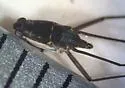
Trepobates floridensis
Trepobates floridensis
Identification: Similar to T. subnitidus but smaller Typically darker in coloration, but can be highly variable
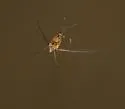
Trepobates pictus
Trepobates pictus
Identification: can be distinguished by the long pale lateral stripe on the mesonotum behind the dark lateral pronotal stripe. The pale stripe extends over the entire length of the segment. Slater and Baranowski considered it "extremely variable." Fr
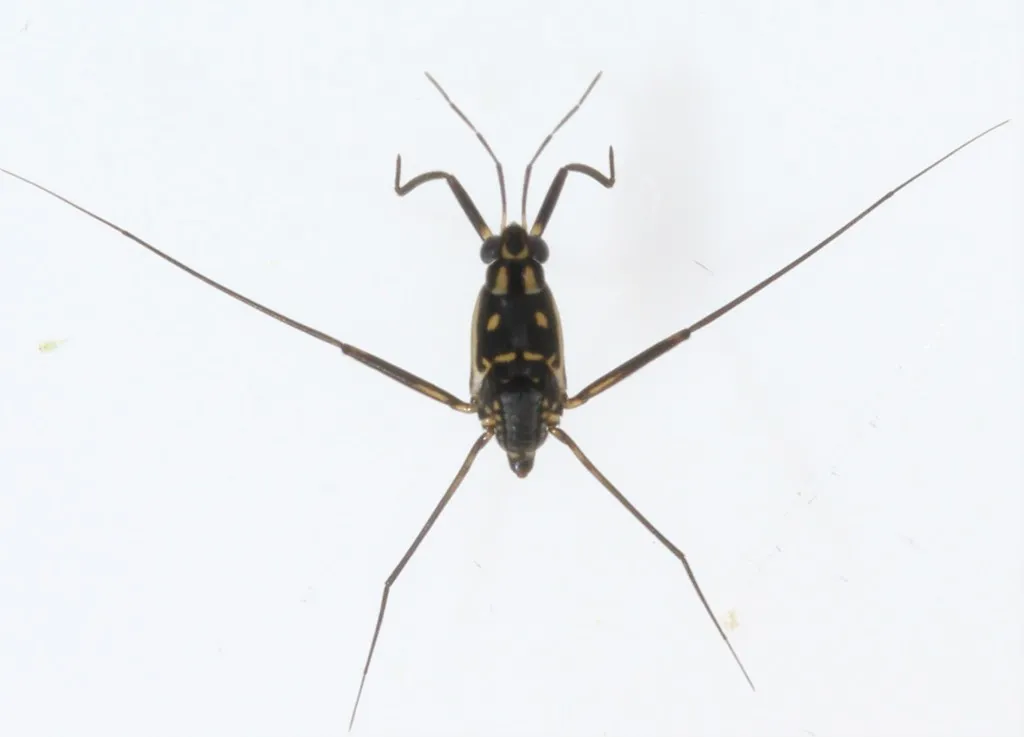
Trepobates subnitidus
Trepobates subnitidus
Identification: no pale lateral stripe on the mesonotum immediately following the dark lateral pronotal stripe
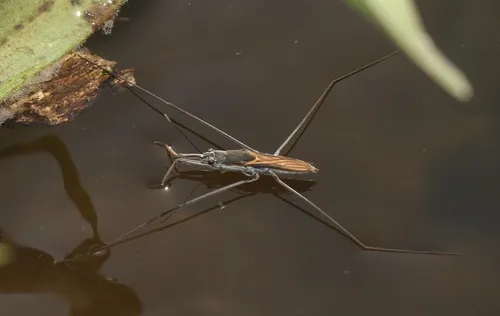
Aquarius adelaidis
Aquarius adelaidis
Aquarius amplus
Aquarius amplus
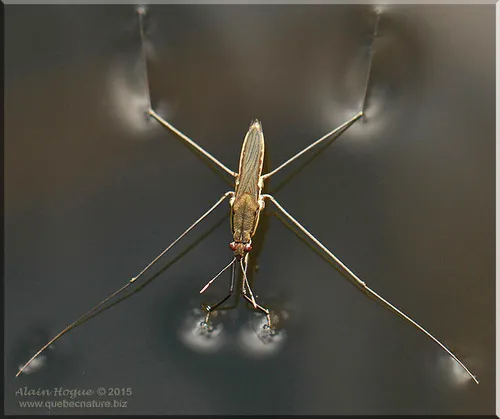
Aquarius conformis
Aquarius conformis
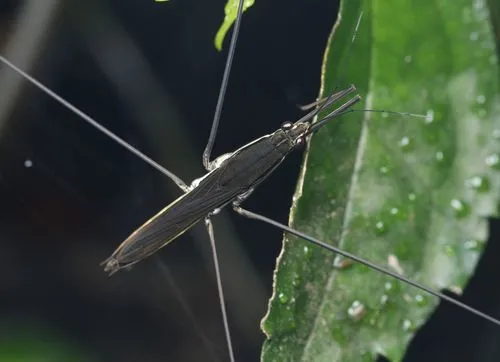
Giant Water Strider
Aquarius elongatus
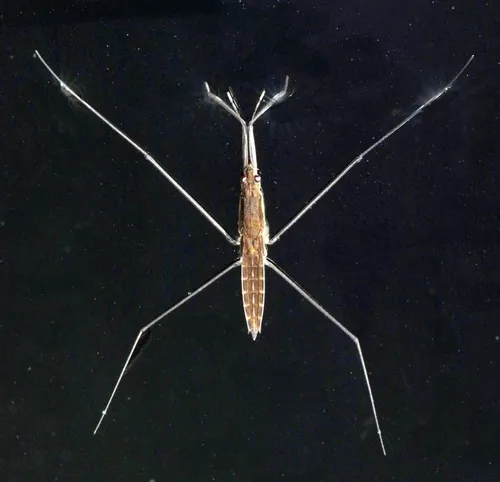
River Skater
Aquarius najas
Aquarius nebularis
Aquarius nebularis
Aquarius remigoides
Aquarius remigoides
Gerris alacris
Gerris alacris
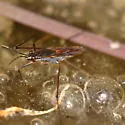
Gerris argenticollis
Gerris argenticollis
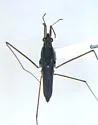
Gerris comatus
Gerris comatus
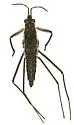
Gerris gillettei
Gerris gillettei
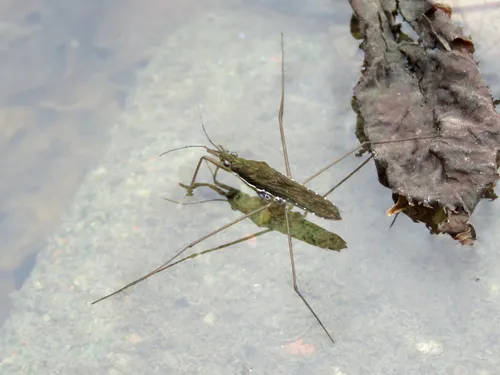
Gerris gracilicornis
Gerris gracilicornis
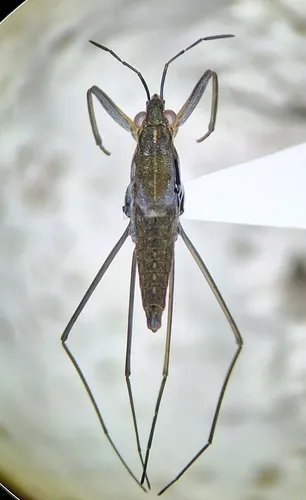
Gerris incognitus
Gerris incognitus
Gerris incurvatus
Gerris incurvatus
Gerris insperatus
Gerris insperatus
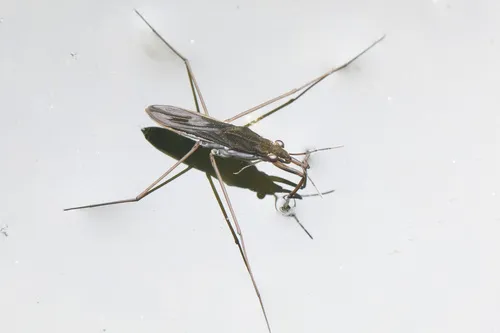
Gerris latiabdominis
Gerris latiabdominis
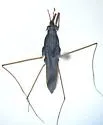
Gerris marginatus
Gerris marginatus
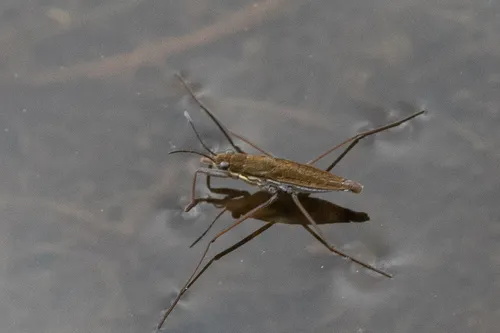
Gerris pingreensis
Gerris pingreensis
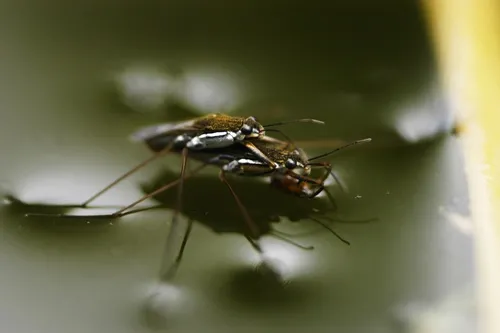
Common Water Strider
Gerris swakopensis
Halobates micans
Halobates micans
Pacific Pelagic Water Strider
Halobates sericeus
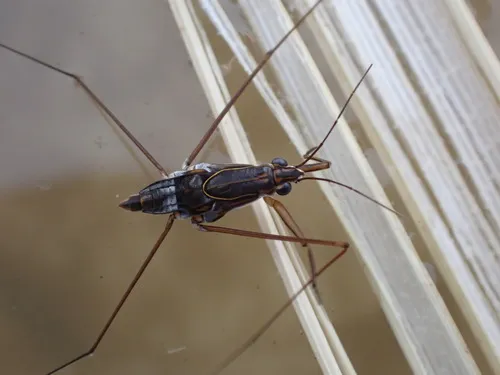
Limnogonus fossarum
Limnogonus fossarum
Limnogonus recens
Limnogonus recens
Metrobates anomalus
Metrobates anomalus
Metrobates artus
Metrobates artus
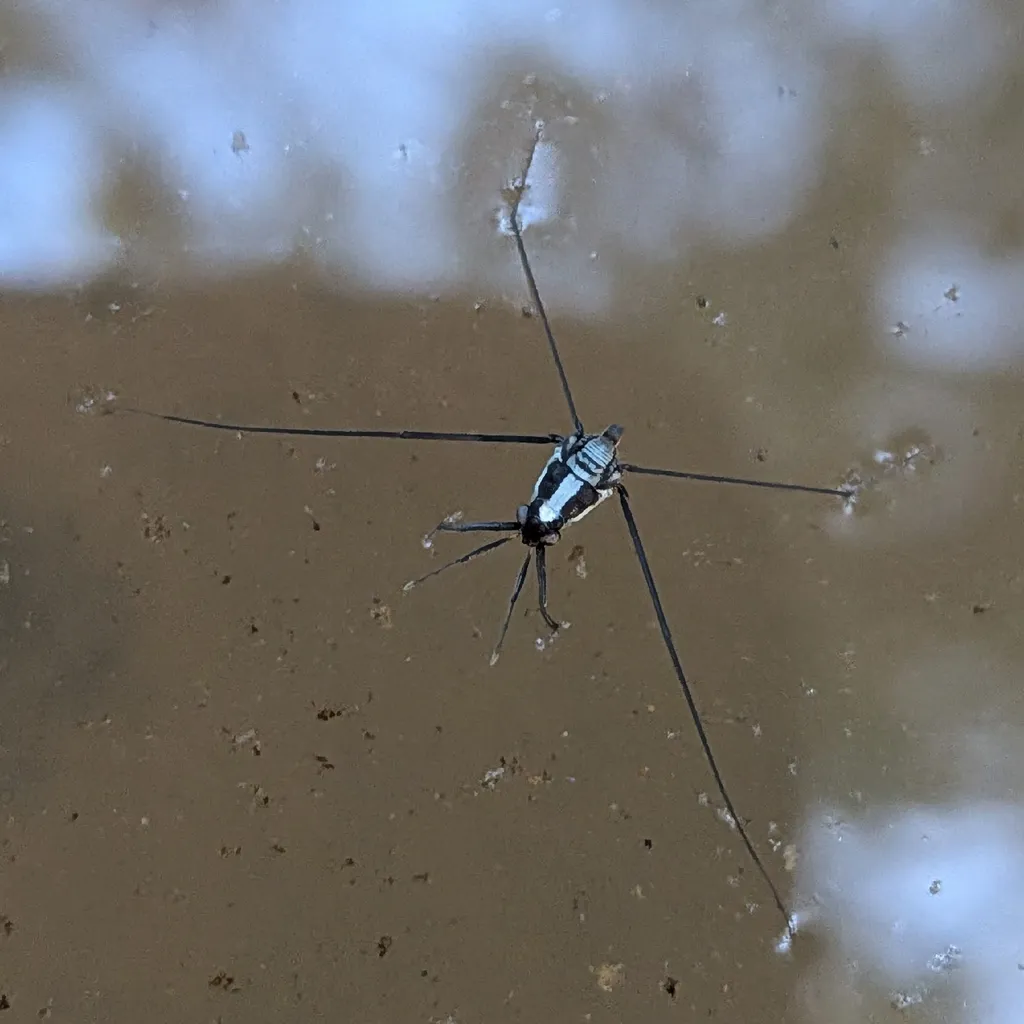
Metrobates hesperius
Metrobates hesperius

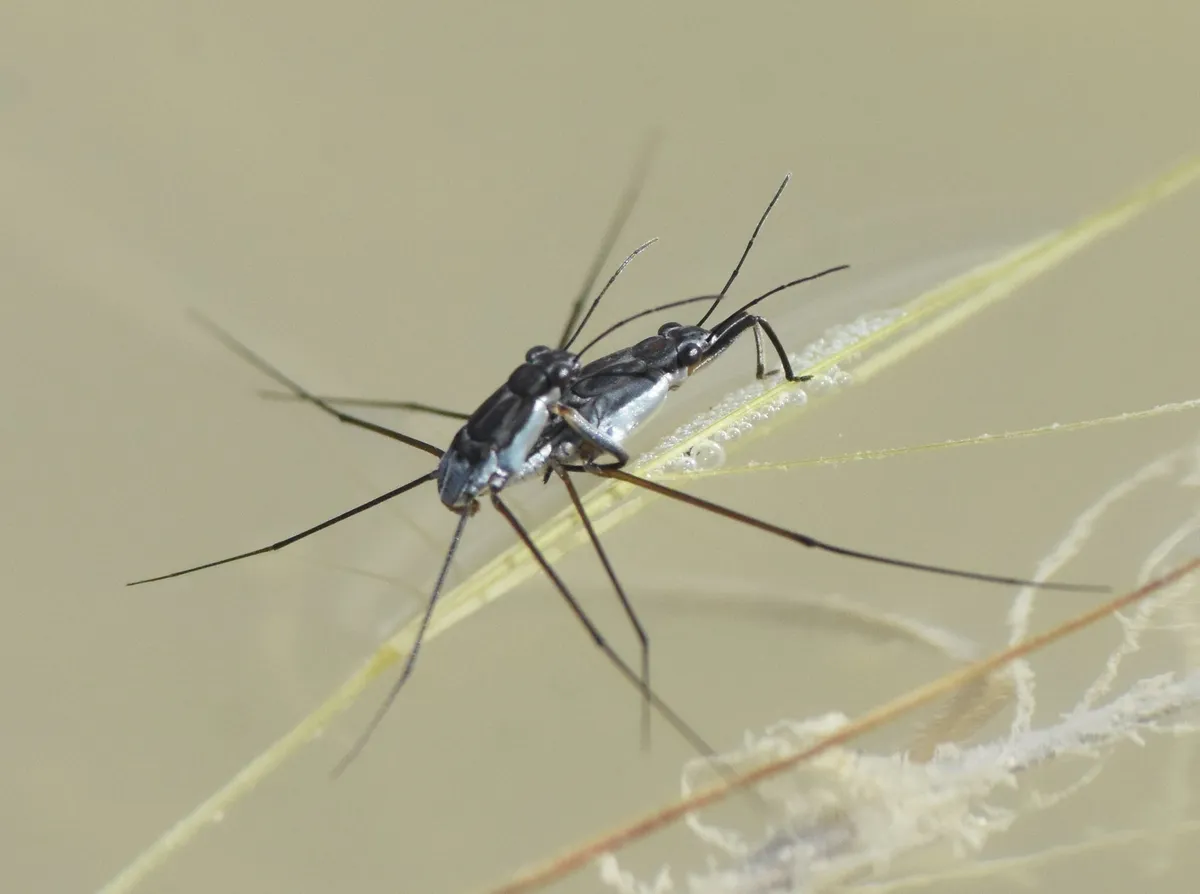
Metrobates trux
Metrobates trux
Neogerris hesione
Neogerris hesione
Rheumatobates clanis
Rheumatobates clanis
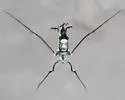
Rheumatobates hungerfordi
Rheumatobates hungerfordi
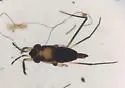
Rheumatobates minutus
Rheumatobates minutus
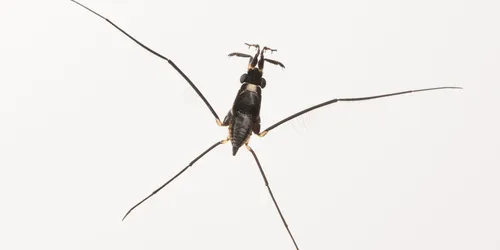
Rheumatobates tenuipes
Rheumatobates tenuipes
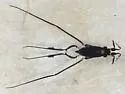
Rheumatobates trulliger
Rheumatobates trulliger
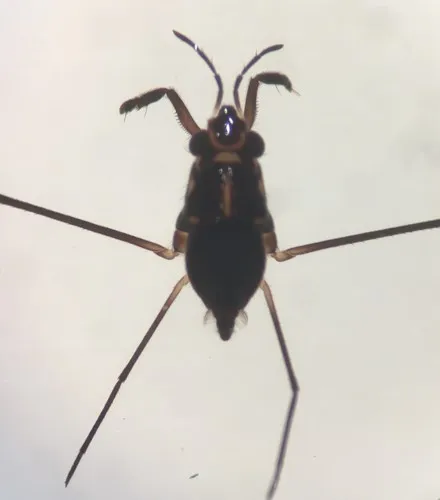
Rheumatobates vegatus
Rheumatobates vegatus
Trepobates becki
Trepobates becki
Trepobates carri
Trepobates carri
Trepobates inermis
Trepobates inermis
Trepobates knighti
Trepobates knighti
Trepobates taylori
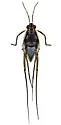
Trepobates taylori
Trepobates trepidus
Trepobates trepidus