
Family Dirt-colored Seed Bugs (Rhyparochromidae)
Rhyparochromidae is a family in the order Hemiptera. Browse 151 named species recorded in this family, or open an individual profile for its available identification and natural-history information.
Species in Rhyparochromidae (151)
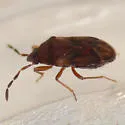
Antillocoris pilosulus
Antillocoris pilosulus
Identification: readily distinguishable by elongate pale hairs on dorsal surface
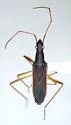
Cnemodus hirtipes
Cnemodus hirtipes
Identification: Femora and tibiae with many hairs (as opposed to having very few hairs in C. mavortius)
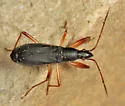
Cnemodus mavortius
Cnemodus mavortius
Identification: Front lobe of pronotum much longer than hind lobe. Lacks thick hair on legs, unlike C. hirtipes . nymph: Active runner on open ground; often brachypterous . Sweet found it be parasitized by a tachinid ( Catharosia sp.)
Cryphula abortiva 0
Cryphula abortiva
Identification: last key couplet: Dorsum pilose; antennae without long setae
Cryphula parallelogramma 0
Cryphula parallelogramma
Identification: Corium without conspicuous transverse fascia; posterior margin of pronotum inconspicuously pale
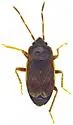
Cryphula subunicolor
Cryphula subunicolor
Identification: last key couplet: Dorsum uniformly castaneous; antennae with long semi-erect setae Very easily distinguished from other members of the genus by reason of its nearly uniform, castaneous color. Type Locality: Tucson Mts., Ariz., Jan. 1,
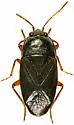
Delochilocoris illuminatus
Delochilocoris illuminatus
Identification: orange legs and antennae see full list of characters here: Det. Iustin Cret, 2019
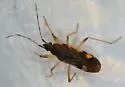
Dieuches armatipes
Dieuches armatipes
Identification: large size and habitus distinctive among NA rhyparochromids has the potential to become a serious pest in n. FL ( Brambila & Halbert 2004 )
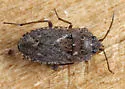
Sand Bug
Emblethis vicarius
Identification: color variable: coarse dark punctures strongly contrasting with pale yellowish or gray ground color, the mix of yellow and blackish spots on a pale background gives an overall medium brown appearance; tips of hemelytra clear or unspot
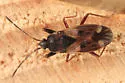
Eremocoris borealis
Eremocoris borealis
Identification: no long erect hairs on hind tibiae, unlike in E. ferus
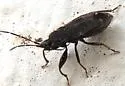
Eremocoris setosus
Eremocoris setosus
Identification: entire body pilose; head, pronotum, & scutellum black
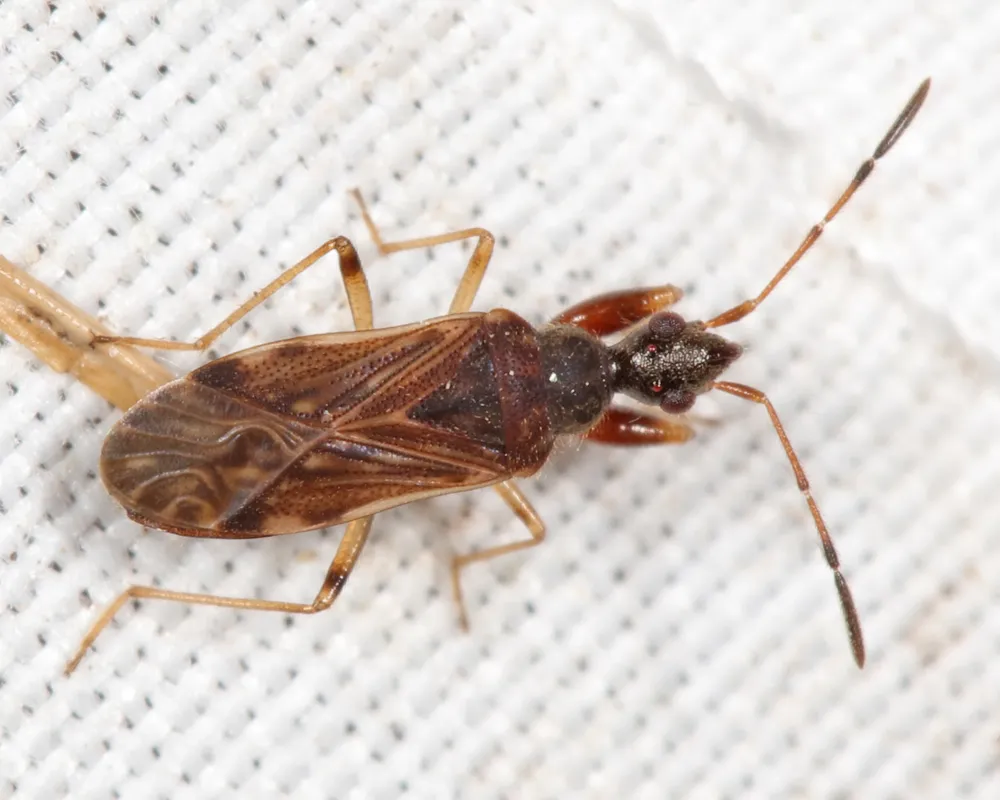
Heraeus plebejus
Heraeus plebejus
Identification: see Dellapé et al. Det. Ken Wolgemuth, 2021 the most widely dist. (common) sp. of Heraeus in the US
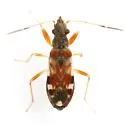
Ligyrocoris barberi
Ligyrocoris barberi
Identification: see Sweet for key. pterygopolymorphic throughout its range Det. V. Belov, 2019 Type Locality: Texas, Brazos Co., College Station, July 25, 1964, M. H. Sweet. While a widespread species, L. barberi is relatively uncommon overall and is
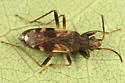
Ligyrocoris sylvestris
Ligyrocoris sylvestris
Identification: Differs from L. diffusus by having a significantly longer labium (beak), which extends to the hind coxae, and short wings (does not extend past abdominal tergum 7). Labial segment 1 is shorter than segment 3.
Malezonotus cf-grossus
Malezonotus cf-grossus
Identification: large size + pale spot near inner apical angle of corium + profemora black except at apex
Banded Long-necked Seed Bug
Myodocha annulicornis
Identification: pale white ring surrounding base of fourth antennal segment distinguishes this species from the similar M. serripes, whose fourth antennal segment is uniformly dark hemelytra are darker than those of M. serripes, and their lateral mar
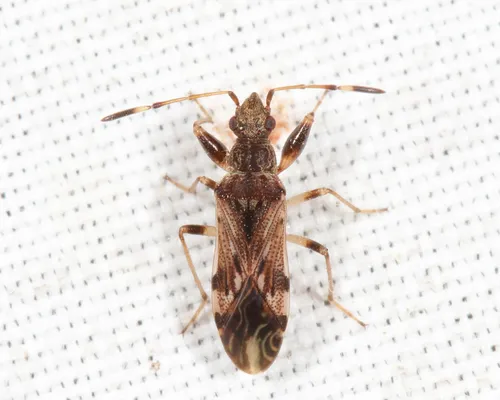
Neopamera albocincta
Neopamera albocincta
Identification: Base of terminal antennomere pale , size under 6 mm, ground color of clavus whitish with brown punctures More common in Florida than in more northerly areas. May be part of a species complex.
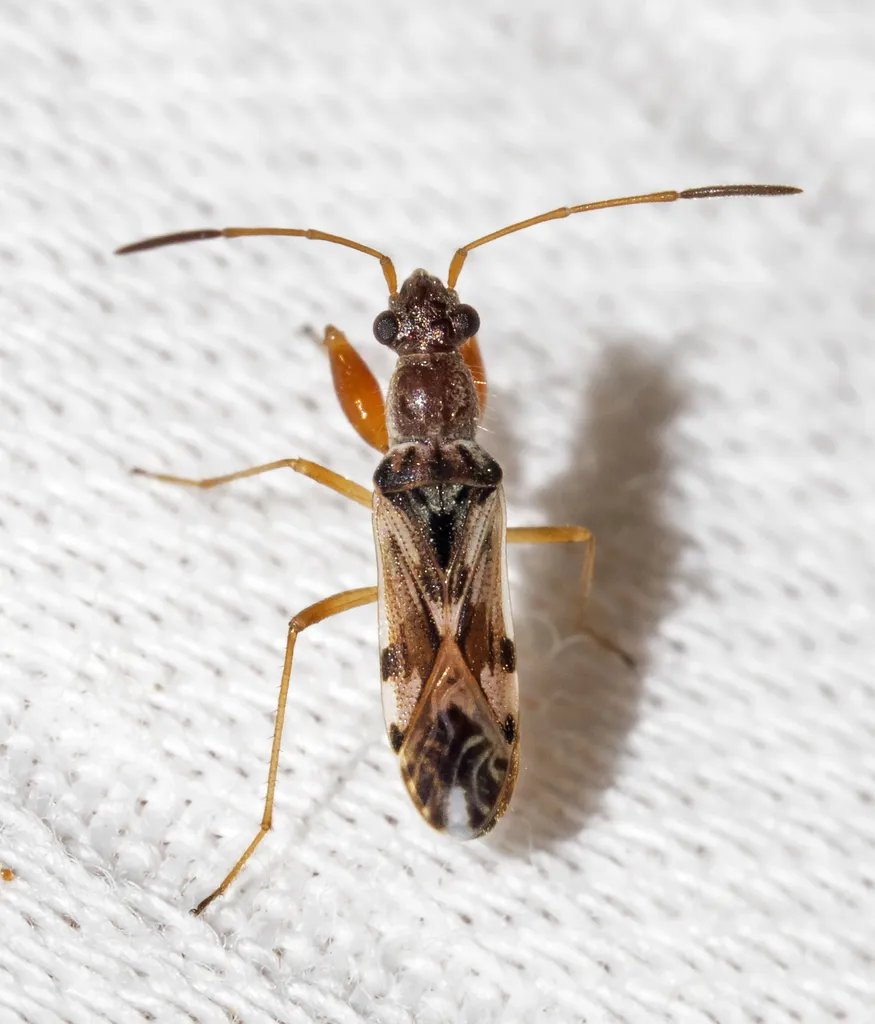
Neopamera bilobata
Neopamera bilobata
Identification: terminal antennomere all dark, and a prominent south-facing white triange in the middle of the wings (the triangle mark is usually visible even if the antennae are blurred.) "one of the commonest insects in the Southern United States"
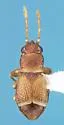
Neosuris castanea
Neosuris castanea
Identification: Det. T. J. Henry, 2014 Type Locality: Huachuca Mountains, Cochise Co., Arizona
Neosuris fulgida
Neosuris fulgida
Described from female Catal. Sprgs., Ariz., July 4, E. A. Schwarz (Type U. S. N. M.), and female Salton, Calif., H. G. Hubbard Collector (Paratype- U. S. N. M.).
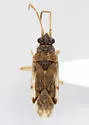
Ozophora maculata
Ozophora maculata
Identification: Within the O. laticephala species group (easy to recognize as a group because they are much smaller than other North Americaon Ozophora ), this species is distinguished by having the "fourth antennomere nearly unicolorous" (no distinc
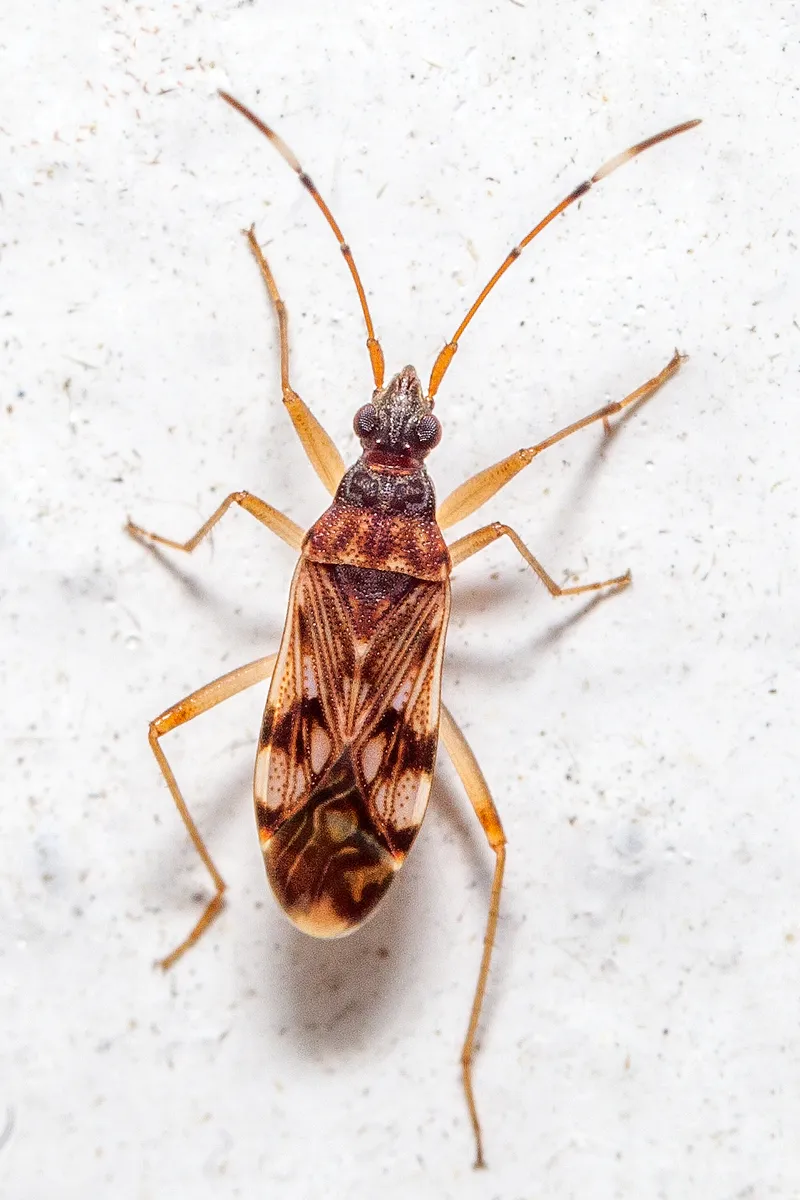
Ozophora picturata
Ozophora picturata
Identification: Basal part of antennomere 4 white . The easiest recognition feature for FL specimens is the distinct crimson streak along the posterior portion of each apical corial margin.
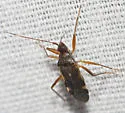
Ozophora trinotata
Ozophora trinotata
Identification: One of only two species of Ozophora in FL with long pubescence dorsally, the other being O. burmeisteri ; unlike the latter, hairs on metafemur longer than the femur's diameter (Note that uses the length of the tibial hairs to disting
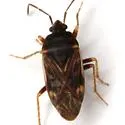
Paragonatas divergens
Paragonatas divergens
the most common lethaeine in the New World (O’Donnell 1986) yet unknown in the US until recently, although it has been intercepted numerous times on imported commodities in FL, TX, CA, and 5 other states (Dobbs & Brambila 2004)
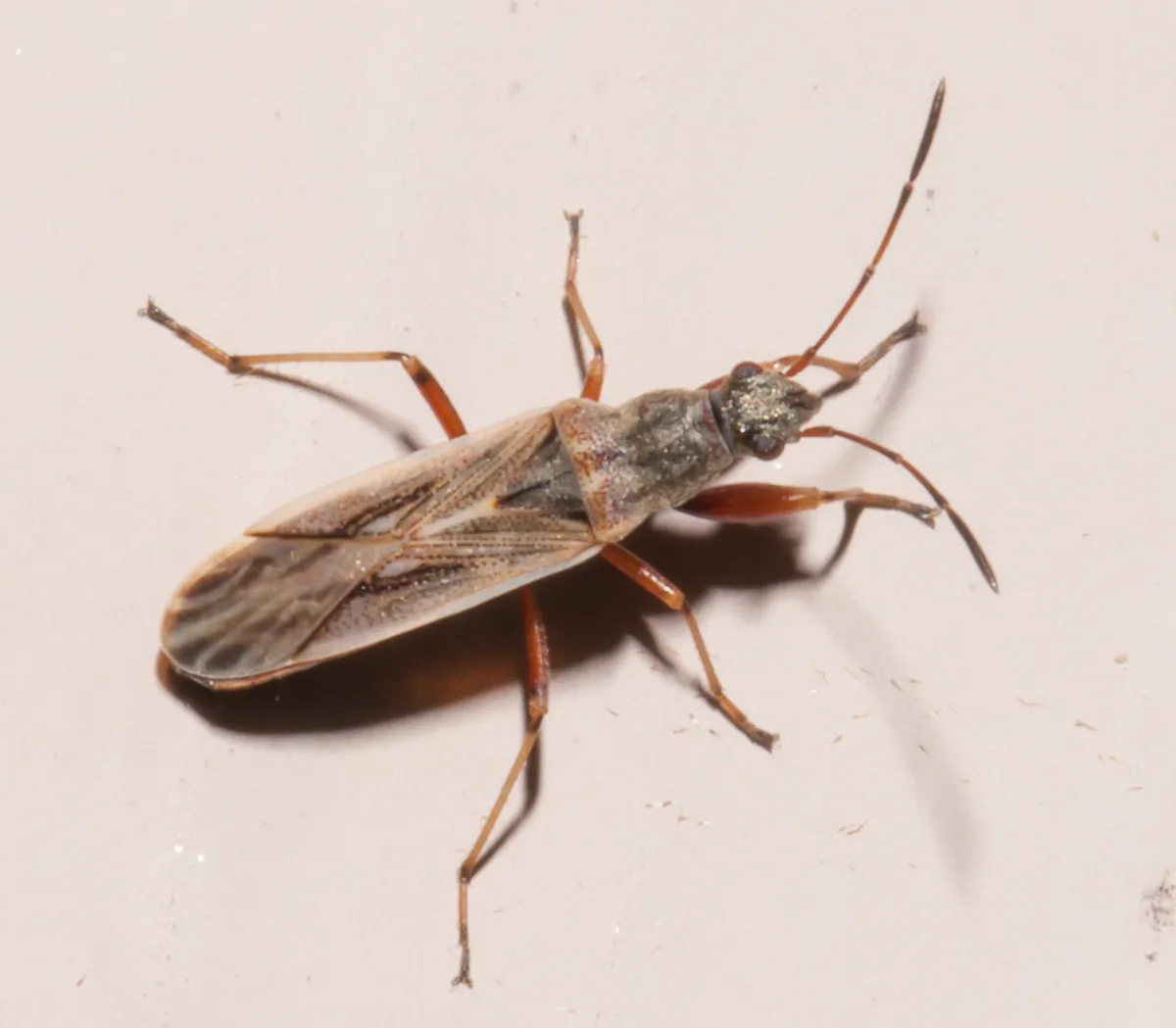
Paromius longulus
Paromius longulus
Identification: elongated parallel-sided seed bug with red legs and enlarged front femora, corium, clavis and posterior pronotal lobe generally paler, tan-colored vs. the remainder of the dorsum which is gray, dark off-parallel stripe through the mid
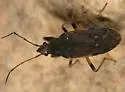
Perigenes constrictus
Perigenes constrictus
Perigenes constrictus (Perigenes constrictus) is a species in the family Rhyparochromidae, commonly known as dirt-colored seed bugs, belonging to the order Hemiptera (True Bugs, Cicadas, Hoppers, Aphids and Allies). It is classified within the subfam
Plinthisus americanus
Plinthisus americanus
Plinthisus americanus (Plinthisus americanus) is a species in the family Rhyparochromidae, commonly known as dirt-colored seed bugs, belonging to the order Hemiptera (True Bugs, Cicadas, Hoppers, Aphids and Allies). It is classified within the subfam
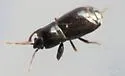
Plinthisus brevipennis
Plinthisus brevipennis
Identification: easily distinguished from the native western congeners by its size and the width of the fore femur, which in P. brevipennis is equal to, or greater than, the width of the vertex earliest record in our area: WA 1964
Plinthisus compactus
Plinthisus compactus
Identification: According to Barber: "Claval suture present. Membrane never wholly absent. Larger species, for the most part dark castaneus [sic] and pilose...Pronotum wider than long; anterior lobe not elevated; anterior angles behind eyes rounded.
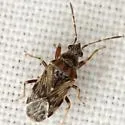
Prytanes confusa
Prytanes confusa
Identification: Det. Brad Barnd, 2022 ID confirmed from specimen, now a photo-voucher. Type Locality: Texas
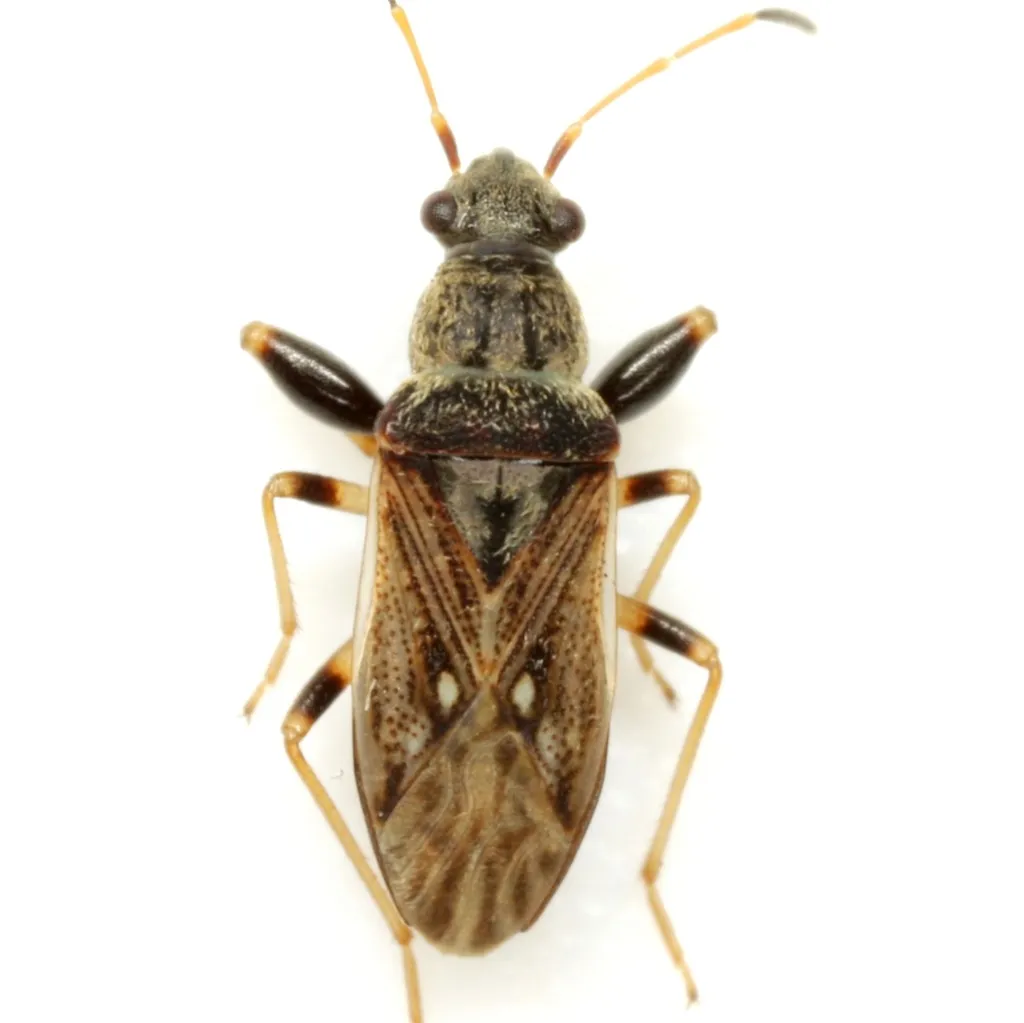
Pseudopachybrachius basalis
Pseudopachybrachius basalis
Identification: Posterior (apical) margin of corium pale or light brown; posterior femora with dark markings. Small, robust, stocky. Lateral corial margins completely pale and corium lacking a distinct post median transverse fascia. Oval pale spot pr
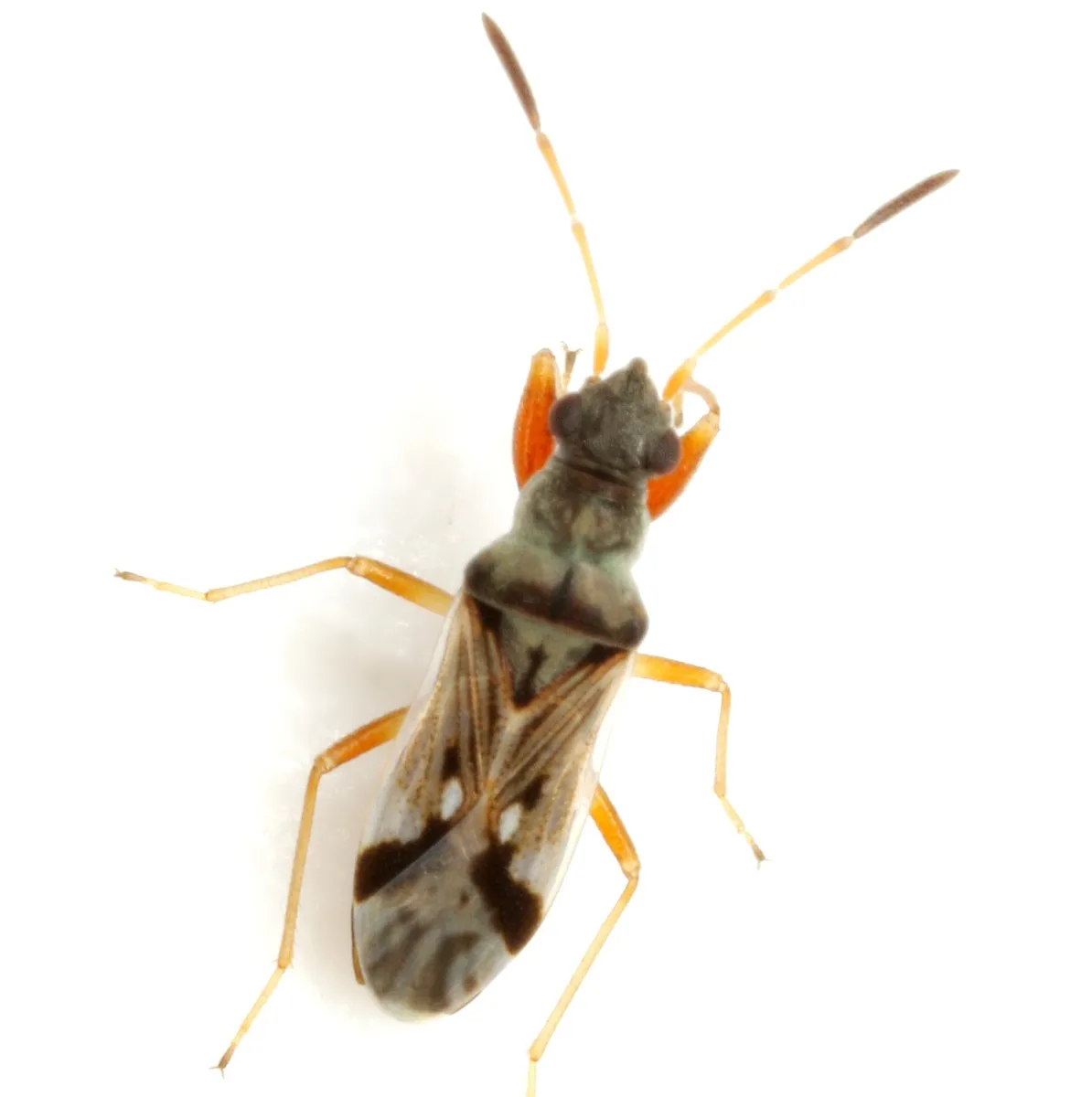
Pseudopachybrachius vinctus
Pseudopachybrachius vinctus
Identification: prominent oblique black lines at the corium-membrane interface Det. M.S. Sweet, 2010 Type Locality: Fla.
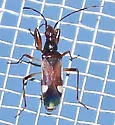
Pseudopamera aurivilliana
Pseudopamera aurivilliana
Identification: elongate, wings (corium) are mostly a uniform brown wash, basal half of apical ant. segment pale, top of white wingspot generally flater, straighter than that of congeners Det. Merrill Sweet, 2010 (1st image)
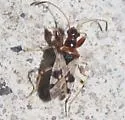
Pseudopamera nitidicollis
Pseudopamera nitidicollis
Identification: shorter length (than congeners), shorter anterior pronotal lobe (than congeners), pale posterior pronotal lobe (just above base of wings), generally dark distal ant. segment, coriun boldly banded Det. Jason Botz, 2023
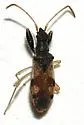
Pseudopamera setosa
Pseudopamera setosa
Identification: other congeners have glossy head, pronotum, scutellum, and front femora Det. Brad Barnd, 2022 (from spmn) Type Locality: Texas
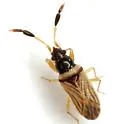
Ptochiomera nodosa
Ptochiomera nodosa
Ptochiomera nodosa (Ptochiomera nodosa) is a species in the family Rhyparochromidae, commonly known as dirt-colored seed bugs, belonging to the order Hemiptera (True Bugs, Cicadas, Hoppers, Aphids and Allies). It is classified within the subfamily Rh
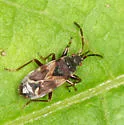
Scolopostethus diffidens
Scolopostethus diffidens
Identification: clavus has more than 3 regular rows of punctures, the terminal two segments and apical part of the second antennal segment are black, and the membrane is fuscous with a distinct round white spot. In macropterous specimens, the veins a
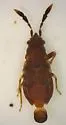
Sisamnes claviger
Sisamnes claviger
Identification: Antennae distinctly clavate, second segment evidently shorter than third; fore tibia of the male unarmed. scarce, usually brachypterous
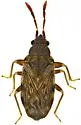
Sisamnes contractus
Sisamnes contractus
Identification: Antennae not so distinctly clavate, second segment of antenna longer than third; fore tibia of male armed with a preapical tooth. Det. Salvador Vitanza, 2022 Type Locality: Guatemala
Slaterobius chisos 0
Slaterobius chisos
Identification: Several of the paratypes differ strikingly in color, but we have been unable to find reliable structural differences. The female from Lost Mine Peak, one female from the Chisos Mts. Basin, and the male from NE of Sanderson are almost
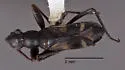
Slaterobius insignis
Slaterobius insignis
Identification: resembles large active ants and moves in an ant-like fashion
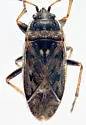
Sphragisticus nebulosus
Sphragisticus nebulosus
Slater (1974) considers S. nebulosus a Holarctic element in the Northeast fauna; in the same list he clearly indicates other species as "introduced". I don't know why he and Dick might have thought otherwise a few years later ( 3 ) . Slater also stat
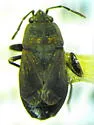
Trapezonotus arenarius
Trapezonotus arenarius
Identification: « the females have entirely black antennae and legs while the males have the fore legs, basal two-thirds of the mid and hind femora and the basal antennal segment orange-brown (ferrugineous). »
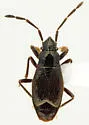
Xestocoris tibialis
Xestocoris tibialis
Identification: Male readily distinguished by the greatly expanded fore tibiae. Based on details in O'Donnell's redescription of both X. tibialis and X. nitens , the females of X. nitens may be distinguished by the more obscure outer border of the cl
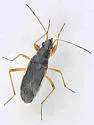
Zeridoneus knulli
Zeridoneus knulli
Identification: darkened, distally thickened (clubbed) penultimate ant. segment Dets. M. A. Quinn Type Locality: male: Gillespie Co., V-7-'46. In collection of The Ohio State University. Entomolgists Josef and Dorothy Knull spent many summers collect
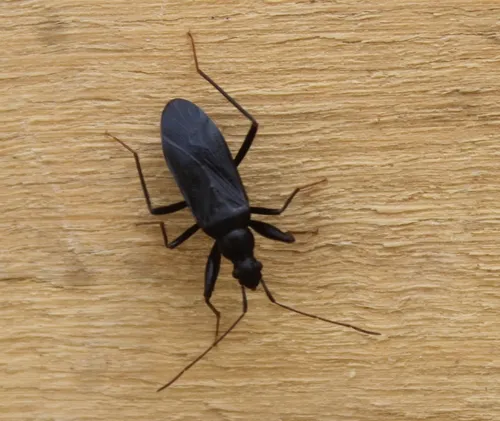
Zeropamera nigra
Zeropamera nigra
Identification: Drawing of female paratype , entire body and the femora black; very nearly nude; antennae, rostrum, tibia and tarsi sordid fusco-testaceous. Holotype: Male, Mt. Wilson, Los Angeles Co., California, February 2, 1940 (Collected by J. R.
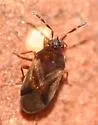
Antillocoris discretus
Antillocoris discretus
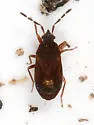
Antillocoris minutus
Antillocoris minutus
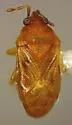
Antillocoris pallidus
Antillocoris pallidus
Ashlockaria diadema
Ashlockaria diadema
Ashlockaria magna
Ashlockaria magna
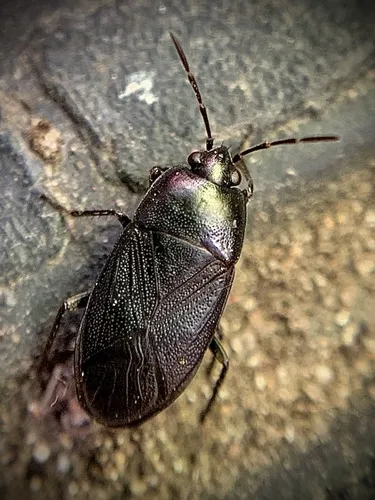
Umbrose Seed Bug
Atrazonotus umbrosus
Balboa ampliata
Balboa ampliata
Botocudo modestus
Botocudo modestus
Caenopamera forreri
Caenopamera forreri
Carpilis barberi
Carpilis barberi
Carpilis consimilis 0
Carpilis consimilis
Cistalia explanata
Cistalia explanata
Cistalia signoretii 0
Cistalia signoretii
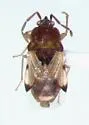
Cligenes distinctus
Cligenes distinctus
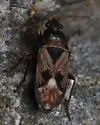
Cordillonotus stellatus
Cordillonotus stellatus
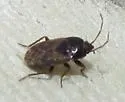
Cryphula nitens
Cryphula nitens
Cryphula trimaculata
Cryphula trimaculata
Delochilocoris caliginosus
Delochilocoris caliginosus
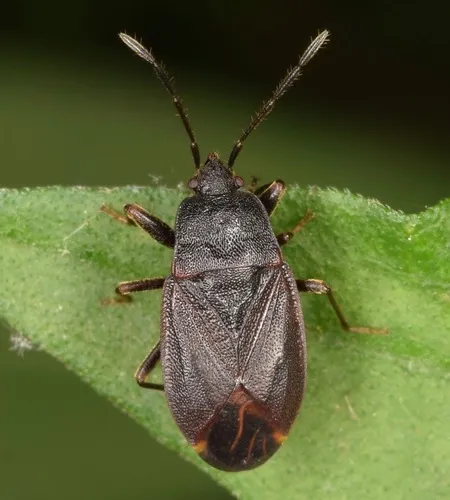
Drymus crassus
Drymus crassus
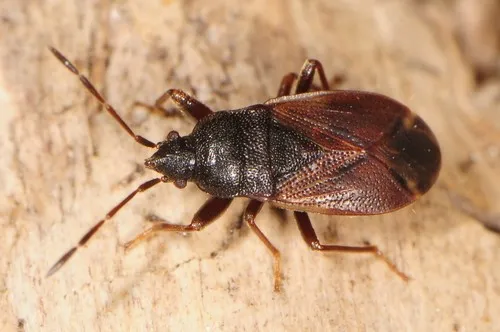
Drymus unus
Drymus unus
Ereminellus arizonensis
Ereminellus arizonensis
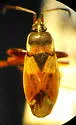
Eremocoris abietis
Eremocoris abietis
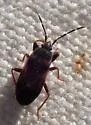
hairy dorsum, Calif.
Eremocoris cf-setosus
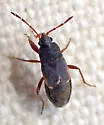
Eremocoris cupressicola
Eremocoris cupressicola
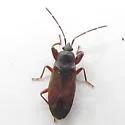
Eremocoris depressus
Eremocoris depressus
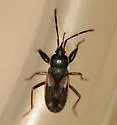
Eremocoris dimidiatus
Eremocoris dimidiatus
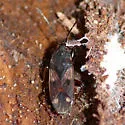
Eremocoris ferus
Eremocoris ferus
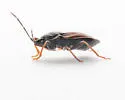
Eremocoris cf. inquilinus
Eremocoris inquilinus
Eremocoris obscurus
Eremocoris obscurus
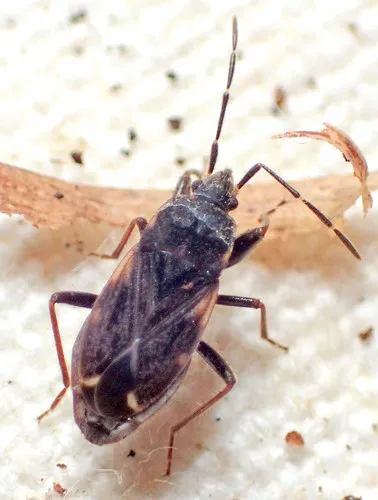
Eremocoris opacus 0
Eremocoris opacus
Eremocoris semicinctus
Eremocoris semicinctus
Eremocoris suspect-undescribed-occ
Eremocoris suspect-undescribed-occ
Froeschneria piligera
Froeschneria piligera
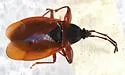
Gastrodes pacificus
Gastrodes pacificus
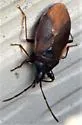
may turn out G. grossipes
Gastrodes walleyi
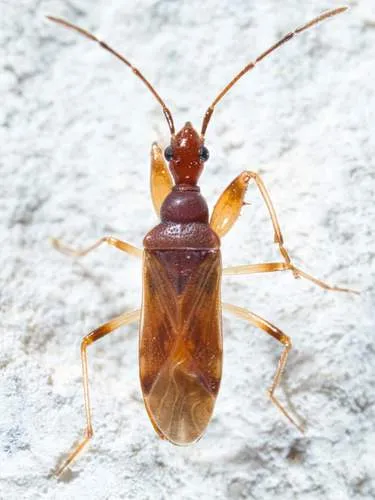
Heraeus cinnamomeus
Heraeus cinnamomeus
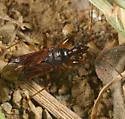
Heraeus coquilletti
Heraeus coquilletti
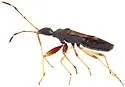
Heraeus new-species-a-az
Heraeus new-species-a-az
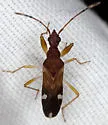
Heraeus triguttatus
Heraeus triguttatus
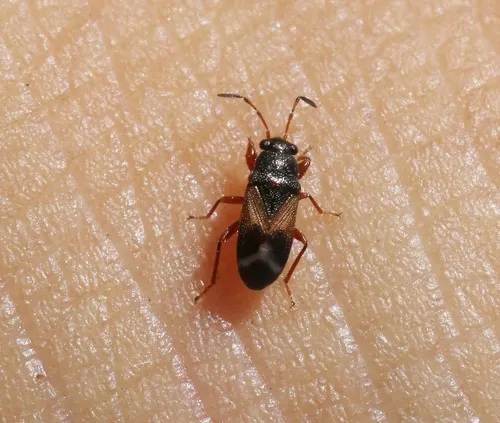
Kolenetrus plenus
Kolenetrus plenus
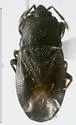
Lamprodema maura
Lamprodema maura
Ligyrocoris caricis 0
Ligyrocoris caricis
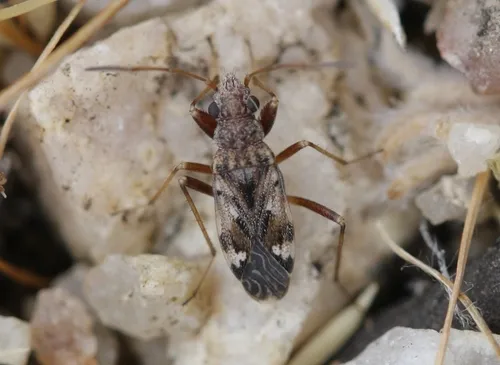
Ligyrocoris delitus
Ligyrocoris delitus
Ligyrocoris depictus
Ligyrocoris depictus
Ligyrocoris diffusus
Ligyrocoris diffusus
Ligyrocoris latimarginatus
Ligyrocoris latimarginatus
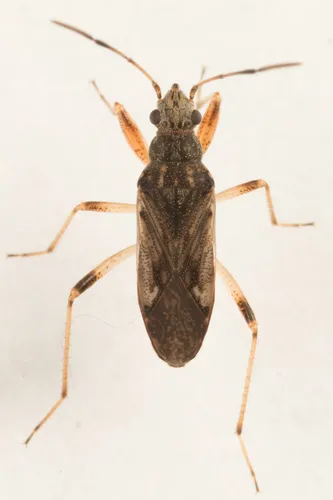
Ligyrocoris litigiosus
Ligyrocoris litigiosus
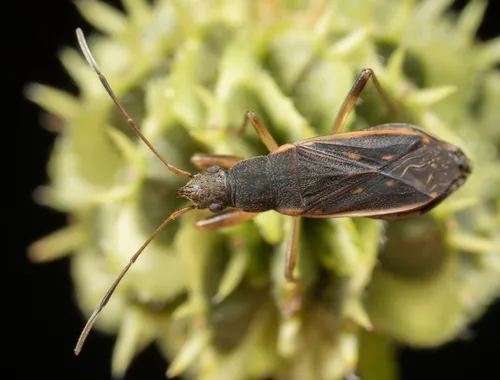
Ligyrocoris obscurus
Ligyrocoris obscurus
Ligyrocoris probably-unnamed
Ligyrocoris probably-unnamed
Malezonotus angustatus
Malezonotus angustatus
Malezonotus fuscosus 0
Malezonotus fuscosus
Malezonotus obrieni 0
Malezonotus obrieni
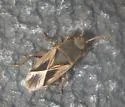
Malezonotus rufipes
Malezonotus rufipes
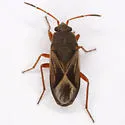
Malezonotus sodalicius
Malezonotus sodalicius