
Idiocerus cingulatus
This record describes Idiocerus cingulatus (species). Recorded family: Cicadellidae. Recorded order: Hemiptera.
Identification and Appearance
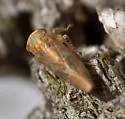
Size and form of rufus nearly, the elytra slightly longer and narrower, giving the insect, especially the females, much more of a wedge-shaped appearance. Colour: female, face and vertex pale yellow, with rufous markings; pronotum rufous, a median line, a few submargiual spots and a pair of larger ones on the disc, white; elytra rufous, subhyaline, with two transverse light bands often obscure, but marked by the white nervures, the anterior band crossing the cross-nervure between the sectors. Male brownish fuscous, the face light, often with a pair of spots on vertex. The subrnairginal spots on pronotum are uniied into a median crescent, and the elytra are brownish fuscous, with two broad light bands. This form has been confused many times with alternatus and its allies, but the short ovipositor and the bright rufous pygofers in the female and the broad plates and simple antennae in the male will readily; distinguish it. (Ball, 1902)
Classification
- Kingdom
- Animalia
- Phylum
- Arthropoda
- Class
- Insecta
- Order
- Hemiptera (True Bugs, Cicadas, Hoppers, Aphids and Allies)
- Suborder
- Auchenorrhyncha
- Superfamily
- Membracoidea
- Family
- Cicadellidae (Typical Leafhoppers)
- Subfamily
- Eurymelinae
- Tribe
- Idiocerini
- Genus
- Idiocerus
Imported taxonomy record. Source availability varies; see the source references and editorial policy below.
Habitat and Range
Geographic Range
Colorado (type localities: Fort Collins and Buena Vista, CO)
Diet and Behavior
Diet: Black cottonwood ( Populus trichocarpa ).
Additional species information
Species notes from the sources
Etymology: Idiocerus cingulatus Ball, 1902 Latin for "belted" from cingulum - "belt or girdle"
About True Bugs, Cicadas, Hoppers, Aphids and Allies: the wider group
Order-level background for Hemiptera, the group containing Idiocerus cingulatus. Species-specific details appear above.
Group overview
Hemiptera (true bugs) includes over 80,000 described species across cicadas, aphids, leafhoppers, shield bugs, and bed bugs. Aphids alone cost global agriculture an estimated $2.5 billion annually in crop losses.
Ecological role of the group
Many Hemiptera are essential food sources for birds and predatory insects. Cicadas provide massive nutrient pulses during emergence events - a single Brood X emergence can involve trillions of individuals across 15 states.
Economic and practical significance of the group
The brown marmorated stink bug (Halyomorpha halys) caused $37 million in apple crop losses in a single year in the U.S. Mid-Atlantic region. Bed bug infestations in the U.S. increased by 500% between 2001-2010, costing the hotel industry hundreds of millions annually.
Recorded sources for this group: USDA, EPA, University research. Imported estimates may describe particular regions or reporting periods.
Photos of Idiocerus cingulatus (4)
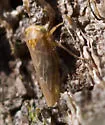
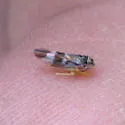
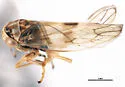
Photo credits: Contributed by Hannah Nendick-Mason; Additional contributions by antarctica
Frequently Asked Questions About Idiocerus cingulatus
What is Idiocerus cingulatus?
Idiocerus cingulatus is a species in the family Cicadellidae, within the order Hemiptera.
How do you identify Idiocerus cingulatus?
Size and form of rufus nearly, the elytra slightly longer and narrower, giving the insect, especially the females, much more of a wedge-shaped appearance. Colour: female, face and vertex pale yellow, with rufous markings; pronotum rufous, a median line, a few submargiual spots and a pair of larger ones on the disc, white; elytra rufous, subhyaline, with two transverse light bands often obscure, but marked by the white nervures, the anterior band crossing the cross-nervure between the sectors. Male brownish fuscous, the face light, often with a pair of spots on vertex. The subrnairginal spots on pronotum are uniied into a median crescent, and the elytra are brownish fuscous, with two broad light bands. This form has been confused many times with alternatus and its allies, but the short ovipositor and the bright rufous pygofers in the female and the broad plates and simple antennae in the male will readily; distinguish it. (Ball, 1902)
Where is Idiocerus cingulatus found?
Range: Colorado (type localities: Fort Collins and Buena Vista, CO)
What does Idiocerus cingulatus eat?
The diet of the Idiocerus cingulatus includes Black cottonwood ( Populus trichocarpa )..