
Family Assassin Bugs (Reduviidae)
Reduviidae is a family in the order Hemiptera. Browse 154 named species recorded in this family, or open an individual profile for its available identification and natural-history information.
Guides
Species in Reduviidae (154)
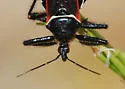
California Bee Assassin
Apiomerus californicus
Identification: Generally black with the corium reddish near the costal margin and fading caudad or uniformly bright red. Posterior pronotal margin and lateral connexival margin usually pale. Easily distinguished from A. cazieri and A. flaviventris
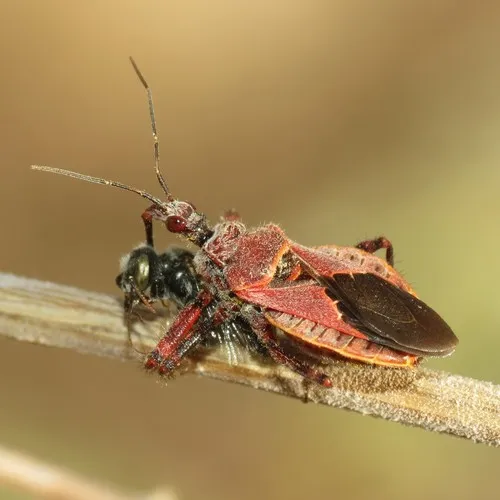
Desert Bee Assassin
Apiomerus cazieri
Identification: Most easily confused with A. spissipes , especially the red form, although the small size of A. cazieri will easily distinguish the two species. Also sympatric with A. californicus and A. montanus but easily separated by color and siz
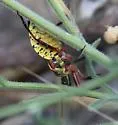
Yellow-bellied Bee Assassin
Apiomerus flaviventris
Identification: Sympatric with the following members of the crassipes group (separated by genitalia): A. californicus , A. cazieri , A. montanus , and A. spissipes . Easily separated from A. californicus and A. montanus by their black coloration. S
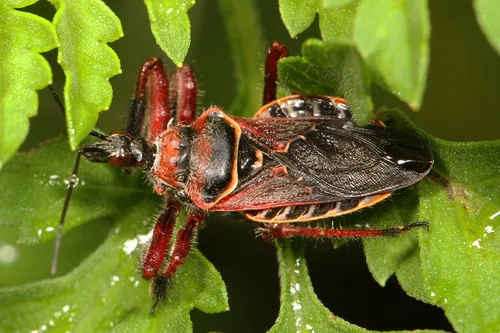
Florida Bee Assassin
Apiomerus floridensis
Identification: Resembles A. spissipes although the two are not sympatric ( A. spissipes may occur in the Florida panhandle). A. crassipes is the only other species found in peninsular Florida and A. floridensis may be distinguished by the reddish co
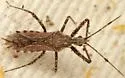
Atrachelus cinereus
Atrachelus cinereus
Identification: Spines present along edge of abdomen. Small size. One of the smallest of North American assassin bugs. Males usually sexually dimorphic, with third antennomere thickened.
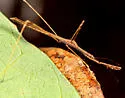
Barce fraterna
Barce fraterna
Identification: unique male genitalia uniform across all forms led Wygodzinsky to lump several described species into Barce fraterna , with several 'races': B. f. fraterna , B. f. annulipes , and B. f. banskii , separated based on shape of pygophore,
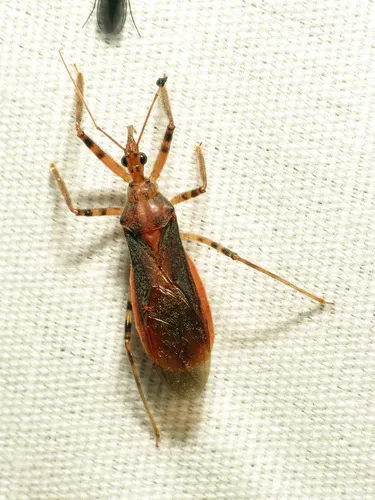
Castolus ferox
Castolus ferox
Identification: There is sexual dimorphism in C. ferox . The two (most obvious) dimorphic structures are the antennae and the connexiva. Regarding the antennae, there are some reduviid genera (harpactorine only?) in which the males have the third seg
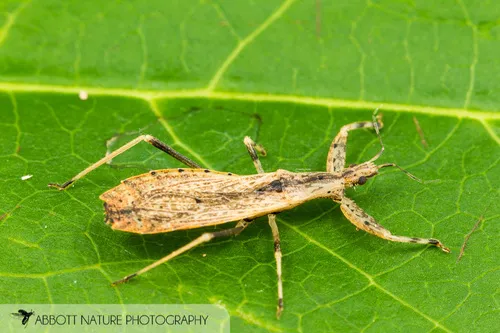
Ctenotrachelus shermani
Ctenotrachelus shermani
Identification: easily distinguished from species of other regional genera ( Oncocephalus, Narvesus, Pygolampis, Stenopoda ) of Stenopodainae by the antennal and femoral characters used in Blatchley’s key , but is further set off by the wide separati
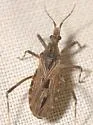
Diaditus tejanus
Diaditus tejanus
Identification: Presence of lamellate setae along the prosternal channel seems to be the best character to separate from T. pictipes . [Dan Swanson, pers. comm.] readily comes to lights. ( 5 )
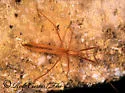
Doldina interjungens
Doldina interjungens
Identification: among Harpactorinae, the long, skinny body (over 5.5-6 times as long as greatest width) is diagnostic. --drswanny
Emesopsis nubilus 0
Emesopsis nubilus
Identification: illustrated description in Sarode et al. (2018) • habitus photo
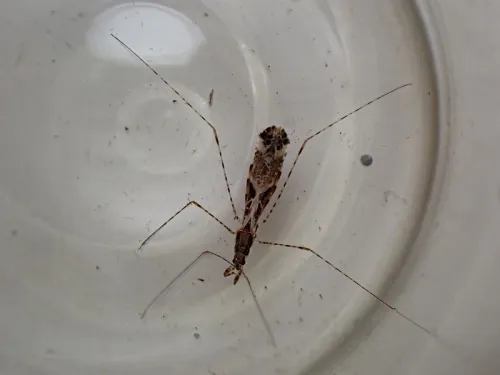
Empicoris culiciformis
Empicoris culiciformis
Length 4.1-5.5mm. Empicoris are delicate-looking insects with raptorial forelegs. There are only 3 UK Empicoris spp., the others being the relatively common Empicoris vagabundus , which is larger and paler, and E. baerensprungi , which is more boldly
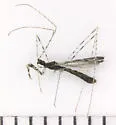
Empicoris errabundus
Empicoris errabundus
Identification: Of the four species found in our area with a prominent posteromedian pronotal tubercle, E. errabundus is separated from E. armatus and E. nudus (both restricted to FL) by possessing distinct spines ( vs just bristles) on the underside
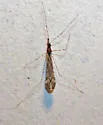
Empicoris orthoneuron
Empicoris orthoneuron
Identification: pterostigma of elytra uniformly darkly pigmented Det. v. belov, 2023
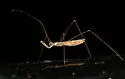
Empicoris pilosus
Empicoris pilosus
my attempts to find information about its native range or even presence in Europe have failed so far; i'll ask around and try to get to the bottom of this species' being considered adventive in NA
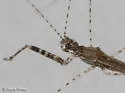
Empicoris rubromaculatus
Empicoris rubromaculatus
Identification: Key to eastern spp. of Empicoris : apical third of elytral costal margin usually marked with red (emphasis added) (first couplet) Key to Virginia spp. of Empicoris : Lateral carina of pronotum abbreviateded, present only at anterior r
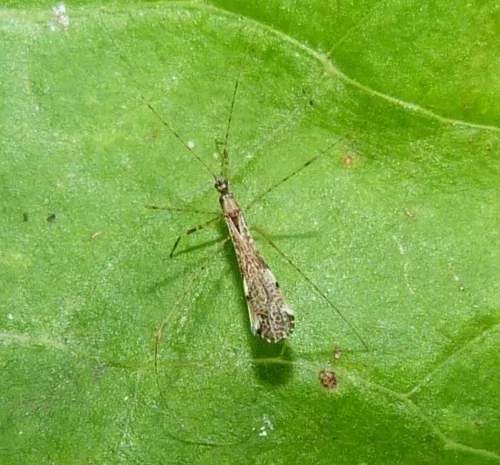
Empicoris vagabundus
Empicoris vagabundus
Length 6-7 mm. Empicoris species are known as thread-legged bugs; although similar to the stilt bugs, they are easily distinguished by the curved rostrum. E. vagabundus is the commonest of the three species, and best identified by its larger size and
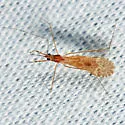
Empicoris winnemana
Empicoris winnemana
Identification: Unique venation: vein closing discal cell of fore wing almost perpendicular to longitudinal axis of wing and cross veins of hind wing forming straight line.
Fitchia aptera
Fitchia aptera
Fitchia aptera (Fitchia aptera) is a species in the family Reduviidae, commonly known as assassin bugs, belonging to the order Hemiptera (True Bugs, Cicadas, Hoppers, Aphids and Allies). It is classified within the subfamily Harpactorinae, tribe Harp
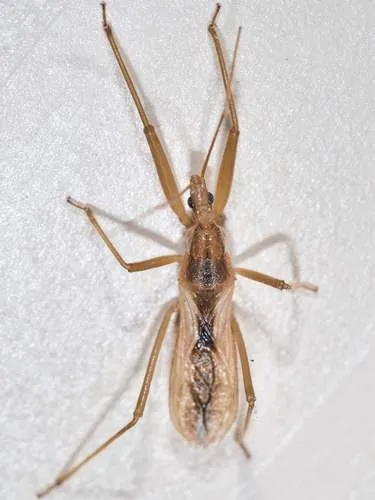
Fitchia spinosula
Fitchia spinosula
Identification: The easiest field character for separating the two species involves the color of the integument surrounding the spiracle: concolorous pale in F. spinosula versus dark brown in F. aptera . Male parameres are distinctly clavate, as opp
Ghinallelia productilis
Ghinallelia productilis
Identification: See remarks under Identification on the genus page.
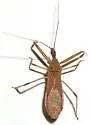
Heza similis
Heza similis
Identification: Mesopleuron plicate as in genus, though smaller. Anterior pronotal disc armed with moderate-sized, blunt tubercles. Posterior pronotal lobe armed with two long discal spines and two long humeral spines. First connexival segment is a
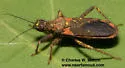
Homalocoris erythrogaster
Homalocoris erythrogaster
Identification: Of the four Homalocoris species potentially found in Arizona, H. erythrogaster is separated from the others by the elongate reddish spots restricted to the posterior lobe of the pronotum. The basal corial spots tend to be smaller in
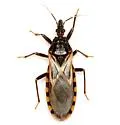
Triatoma neotomae
Hospesneotomae neotomae
Identification: The yellow corium with a black median spot is distinctive among our Triatoma ‒see CDC page found naturally infected with Trypanosoma cruzi ( 4 )
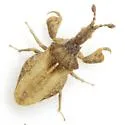
Lophoscutus prehensilis
Lophoscutus prehensilis
Identification: The scutellum is supposedly parallel-sided and roughly punctured throughout whole disc in L. prehensilis whereas the scutellum of L. uhleri is supposedly not parallel-sided and roughly punctured on posterior pronotal lobe and base of
Macrocephalus dorannae
Macrocephalus dorannae
Identification: Two species of Macrocephalus with an arrow-shaped scutellar callus are known from the United States: dorannae Evans and barberi Evans. The former is described from Arizona and the latter is described from California. Given that sever
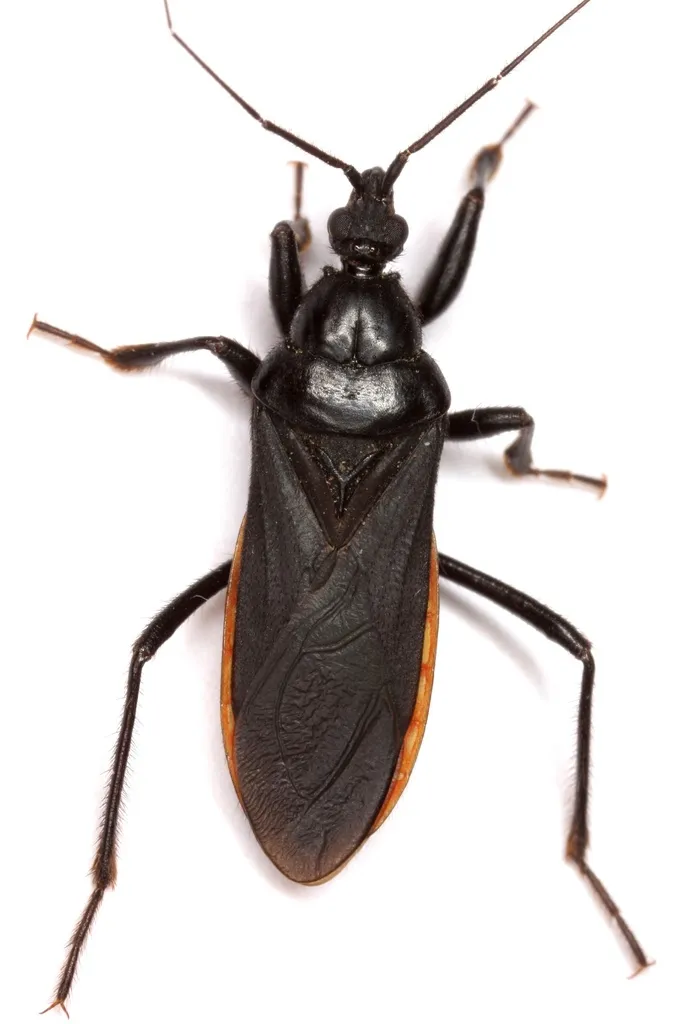
Black Corsair
Melanolestes picipes
Identification: Males macropterous (fully winged); female wings variable, often micropterous Can inflict a painful bite but does not feed on blood and does not transmit diseases.
Microtomus luctuosus
Microtomus luctuosus
Identification: adults have all black hind femora , nymphs share red hind femora with most (all?) members of Microtomus adults come to light
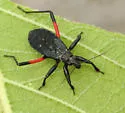
Microtomus purcis
Microtomus purcis
Identification: nymphs and adults w/ red hind femora - uncommon redwing form
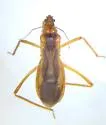
Oncerotrachelus acuminatus
Oncerotrachelus acuminatus
Identification: Det. Ken Wolgemuth, 2021 comes to light ( 4 )
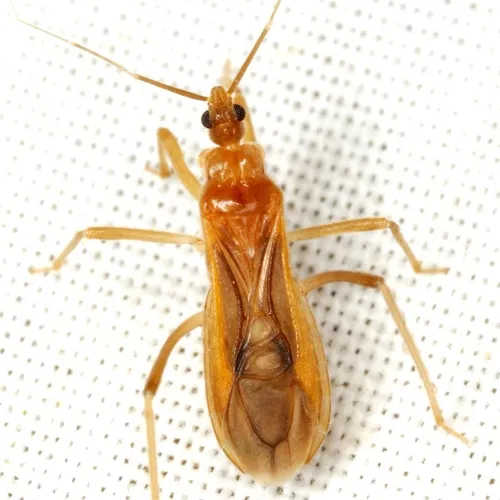
Oncerotrachelus pallidus
Oncerotrachelus pallidus
Identification: Body and appendages are much less hairy than O. acuminatus (which has long hairs especially on legs and antennae) and is a more or less uniform pale brown, lacking dark markings. Compared with 0. acuminatus Say the body parts and appe
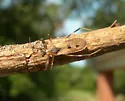
Oncocephalus geniculatus
Oncocephalus geniculatus
Identification: The dark patches inside the cells of the hemelytra and the presence of a lateral tubercle anterior to the transverse constriction of the pronotum separate this species from O. nubilus and O. variabilis . It is difficult to separate t
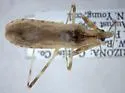
Oncocephalus nubilus
Oncocephalus nubilus
Identification: characteristics that separate this from both O. geniculatus and O. apiculatus : [1] hemelytra membrane without dark patches and [2] the posterior angle of the anterior pronotal lobe lacking a tubercle. ~D.r.swanny
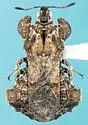
Phymata noualhieri
Phymata noualhieri
Identification: One of three Phymata species found in the US with anastomosing (reticulate) veins in the hemelytral membrane. P. luxa is easily separated from the two other species by the smaller size (5-7 mm) and by lacking the ultraconnexivum of th
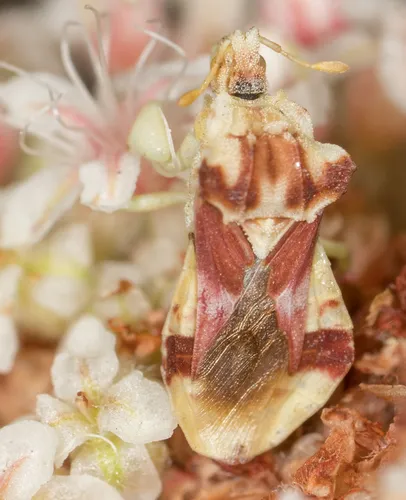
Phymata pacifica
Phymata pacifica
Identification: This is one of only three species recorded from California. Phymata salicis has the abdominal outline rounded whereas in P. pacifica the posterolateral connexival angles are more salient. Phymata arctostaphylae has the fourth connexiv
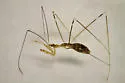
Ploiaria aptera
Ploiaria aptera
Identification: One of two wholly apterous species of Ploiaria in the United States. In P. aptera , the large spines of the profemoral posteroventral series are separated by 2-3 short processes, with both series essentially linear. Furthermore, the
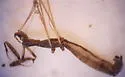
Ploiaria denticauda
Ploiaria denticauda
Identification: In the United States, two species of Ploiaria have a medial, caudally-projecting spine on the back of the head: P. denticauda and P. hirticornis . The former has the ultimate tergite with a longer medial projection in both sexes and
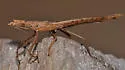
Pnirontis brimleyi
Pnirontis brimleyi
Identification: scape very short, unarmed; mandibular plates very short
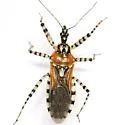
Pselliopus inermis
Pselliopus inermis
Identification: humeri completely unarmed Type Locality: Mexico
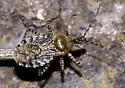
Pselliopus latifasciatus
Pselliopus latifasciatus
Identification: The only eastern Pselliopus with tubercles on pronotum. The recurved humeri and upcurved foliaceous scutellar apex are also distinctive in the East. Otherwise, this species shares some similarities with the western P. spinicollis . T
Pselliopus punctipes 0
Pselliopus punctipes
Identification: distinctive spinose not listed for the US in ( 3 )
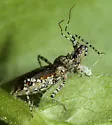
Pselliopus spinicollis
Pselliopus spinicollis
Identification: Only two Nearctic Pselliopus have tubercles on pronotal lobes. Of those, P. latifasciatus is more eastern and is only recorded as far west as Colorado. The speckles, in addition to the rings, on the femora are supposedly indicative as
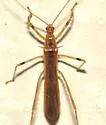
Pseudosaica florida
Pseudosaica florida
Identification: may be separated from two other very similar saicine species by color and number of wing cells: Saica apicalis is vermilion red and has 3 cells in the wing membrane; S. elkinsi is uniformly yellow-brown and has 2 cells in the wing mem
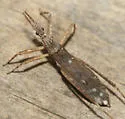
Pygolampis pectoralis
Pygolampis pectoralis
Identification: antennomere 1 almost twice as long as anteocular area (head area anterior to the eyes) (vs subequal in P. sericea ); front femora lack spines; beak segment one almost as long as segments two and three combined; apex of head at base of
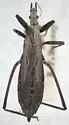
Pygolampis sericea
Pygolampis sericea
Identification: The swollen profemora and first antennal segment subequal to anteocular area separate it from P. pectoralis . (Dan Swanson's comment )
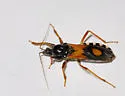
Rasahus biguttatus
Rasahus biguttatus
Identification: "Very similar to hamatus ; the chief differences as in key. Color variable, the head and pronotum often reddish-brown, sometimes with front half of latter black and hind one brown. Membrane blackish with a large oval or rounded yellow
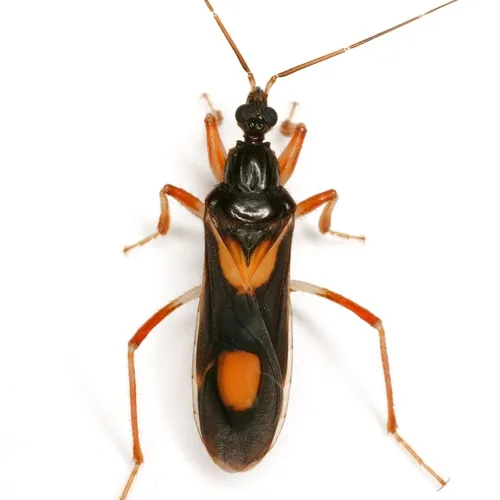
Rasahus hamatus
Rasahus hamatus
first US report by Barber (1906) near Brownsville, TX: "Twelve specimens. I can find no record of this species having been taken in the United States." ( 4 )
Rasahus scutellaris 0
Rasahus scutellaris
Identification: Rasahus scutellaris (Fabricius, 1787) Type Locality: French Guiana
Reduvius sonoraensis
Reduvius sonoraensis
Identification: see ; may be macropterous or brachypterous (brachypters not known in other congeners of our fauna)
Reduvius vanduzeei
Reduvius vanduzeei
Identification: Within the senilis group, this species may be recognized by the larger size (the others <12 mm) and the distinctly bicolorous pronotum. The dark corial spots are shared with R. senilis .
Red Bull Assassin Bug
Repipta taurus
Identification: Note projecting spines on thorax, thoracic pattern Type Locality: "Carolina"
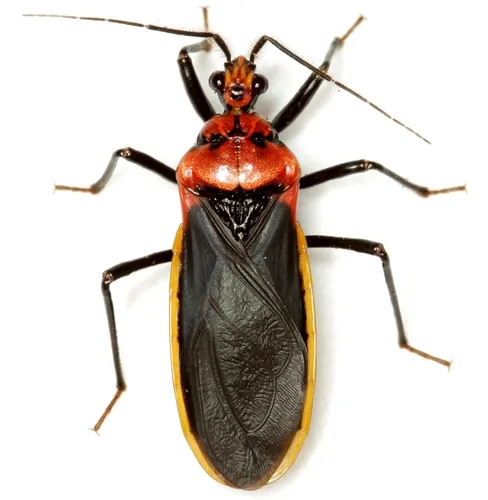
Rhiginia cinctiventris
Rhiginia cinctiventris
Identification: The concolorous black legs, the lack of a black trapezoidal pronotal spot and the large size will separate this species from R. cruciata . There seems to be geographic variation in the color pattern and size of this species. Western
Rhynocoris ventralis
Rhynocoris ventralis
Identification: For separation from Apiomerus , see the genus page . R. ventralis is easily separated from R. leucospilus by range (latter a Palearctic species known in NA only from Sitka, Alaska) and by the red or testaceous coloration of the hemely
Rocconota annulicornis
Rocconota annulicornis
Identification: Stout, elongate-oval, reddish to yellowish, covered with fine yellowish hairs; four prominent spines on pronotum; antennomere 1 has two broad brown bands, with only a short acute spine behind each antennal base. Profemora incrassate.
Saica elkinsi
Saica elkinsi
Identification: may be separated from similar saicine species as follows:
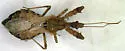
Sinea complexa
Sinea complexa
Identification: The only Sinea of the Southwest with spines on both lobes of pronotum and fore femur strongly swollen distally. S. incognita from the Midwest will also match this description and is most easily separated by range. S. integra from Mexi
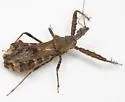
Sinea coronata
Sinea coronata
Identification: The most distinctive feature is the shape of the abdomen, abruptly widening in the S4-6 range
Sinea integra
Sinea integra
Identification: One of three species with distinct spines on both the anterior and posterior pronotal lobe. Of these three, it is the most slender, particularly in the profemora.
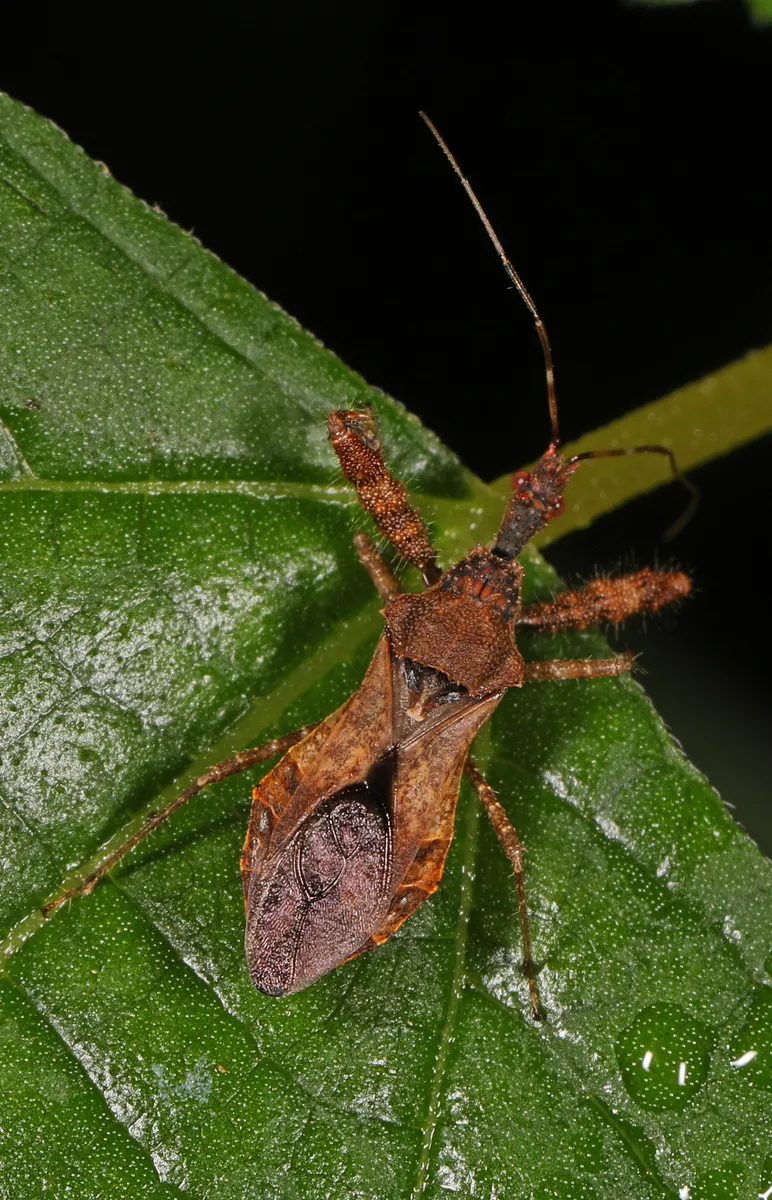
Spiny Assassin Bug
Sinea spinipes
Identification: Adult similar to adult S. diadema , but anterior pronotal lobe with blunt tubercles only (no spines) : Also, this character applies to keying adults only--nymphs cannot be keyed to species, in general. Important note: adult Sinea diad
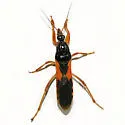
Sirthenea carinata
Sirthenea carinata
Identification: Oblong, black with orange "saddle"; legs are solid red or orange
Sirthenea stria
Sirthenea stria
Identification: Oblong, black with orange "saddle"; legs are pale with contrasting dark sections on the femora and tibiae.
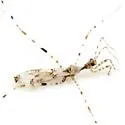
Stenolemus schwarzii
Stenolemus schwarzii
Identification: Abdomen without submedian spines on venter; posterior discal cell bisected longitudinally by a distinct vein: basal and apical bands on hind femur brownish, the middle one deep black and very conspicuous (ephasis added) middle ring of
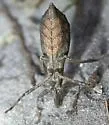
Stenopoda spinulosa
Stenopoda spinulosa
Identification: Very large, straw-colored/grayish. Note these features : "...lurks about the branches and twigs of trees, watching for caterpillars and other insects upon which to leap and transfix with the curved acute rostrum, and while holding one
Tagalis inornata
Tagalis inornata
Identification: www2.nrm.se/en/het_nrm/i/tagalis_inornata.html
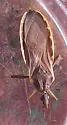
Triatoma rubida
Triatoma rubida
Identification: See CDC triotomine bug page Type Locality: Mexico
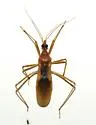
Zeluroides americanus
Zeluroides americanus
Identification: Easily separated from the other United States reduviines by the testaceous coloring and large size.
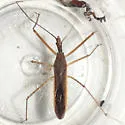
Zelus cervicalis
Zelus cervicalis
Zelus cervicalis (Zelus cervicalis) is a species in the family Reduviidae, commonly known as assassin bugs, belonging to the order Hemiptera (True Bugs, Cicadas, Hoppers, Aphids and Allies). It is classified within the subfamily Harpactorinae, tribe
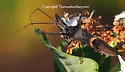
Zelus janus
Zelus janus
Identification: coloration extremely variable, immatures pale w matching leg banding recent addition to our fauna, not treated in Henry & Froeschner (1988) ( 5 ) , regularly recorded in s. TX since 2016 ( 4 )
Zelus nugax
Zelus nugax
second record , also from the Sabal Palm Sanctuary ( 3 )
Acholla ampliata
Acholla ampliata
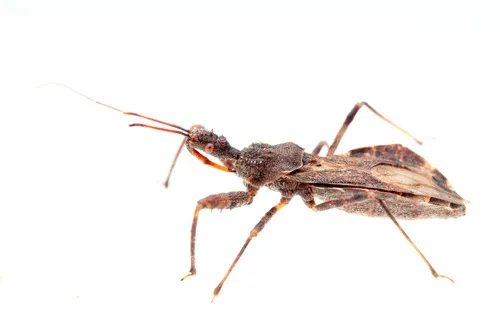
Acholla multispinosa
Acholla multispinosa
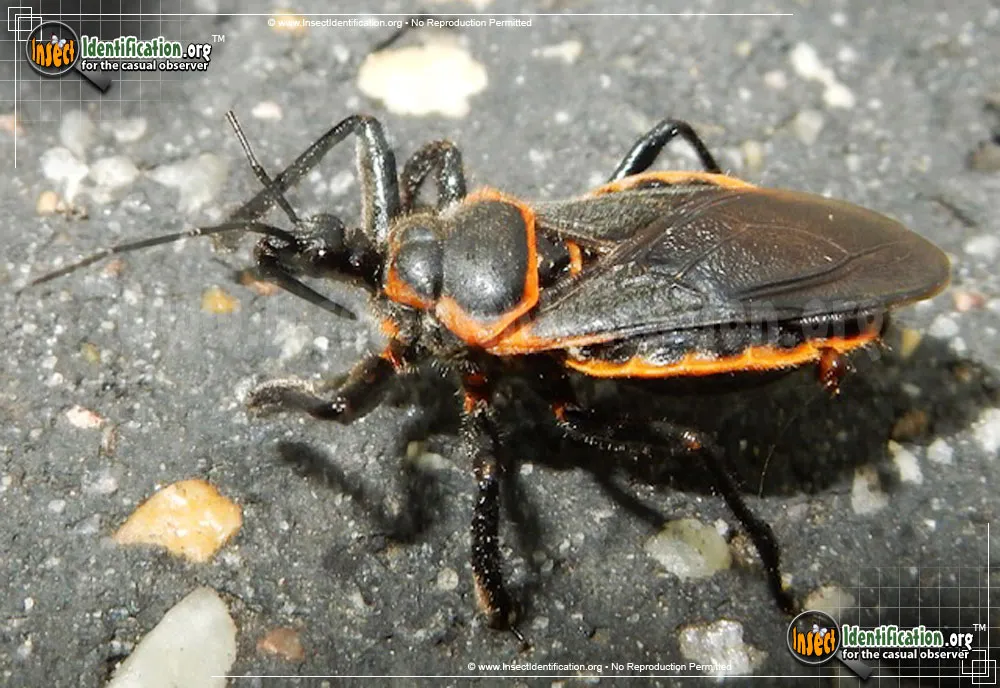
Bee Assassin Bug
Apiomerus crassipes
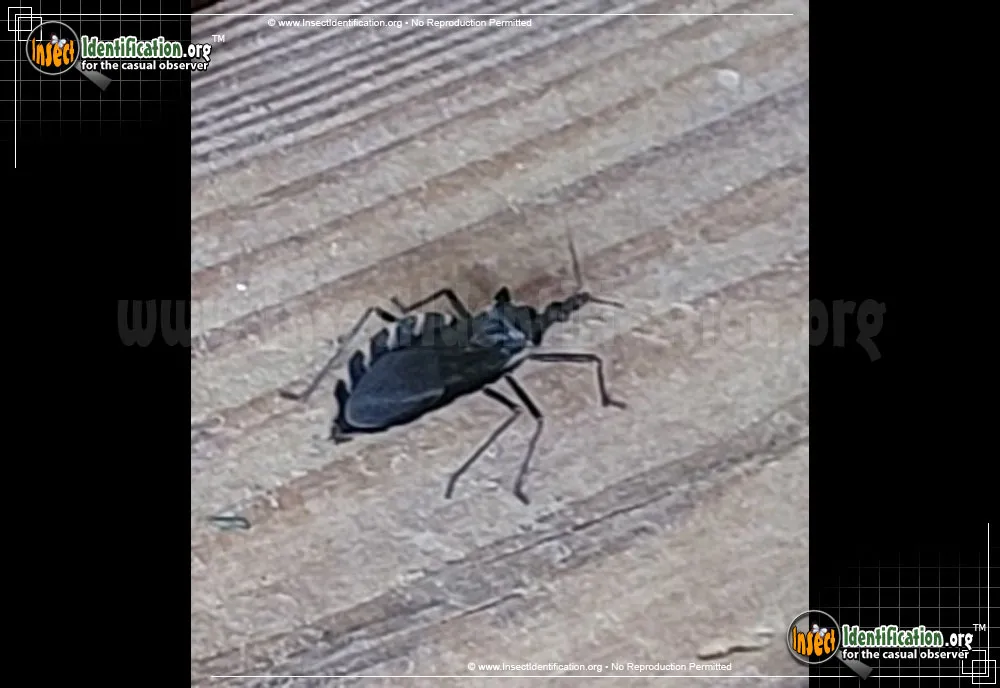
Black Bee Assassin Bug
Apiomerus longispinis
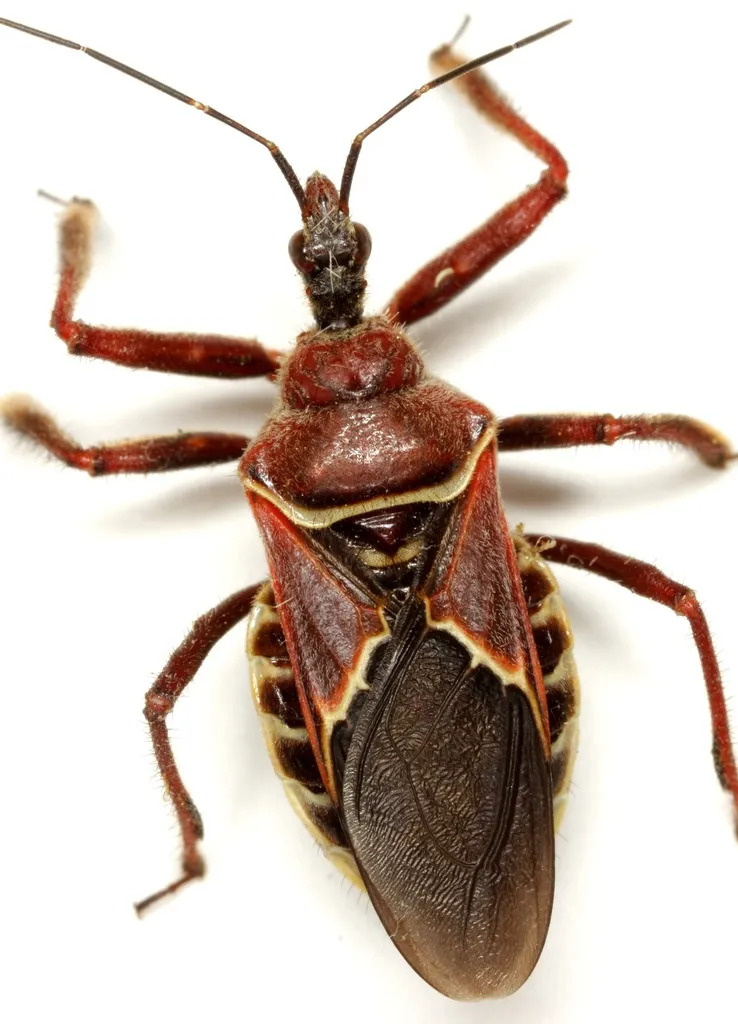
Montain Bee Assassin
Apiomerus montanus
Plains Bee Assassin
Apiomerus spissipes
Arenaeocoris enervatus
Arenaeocoris enervatus
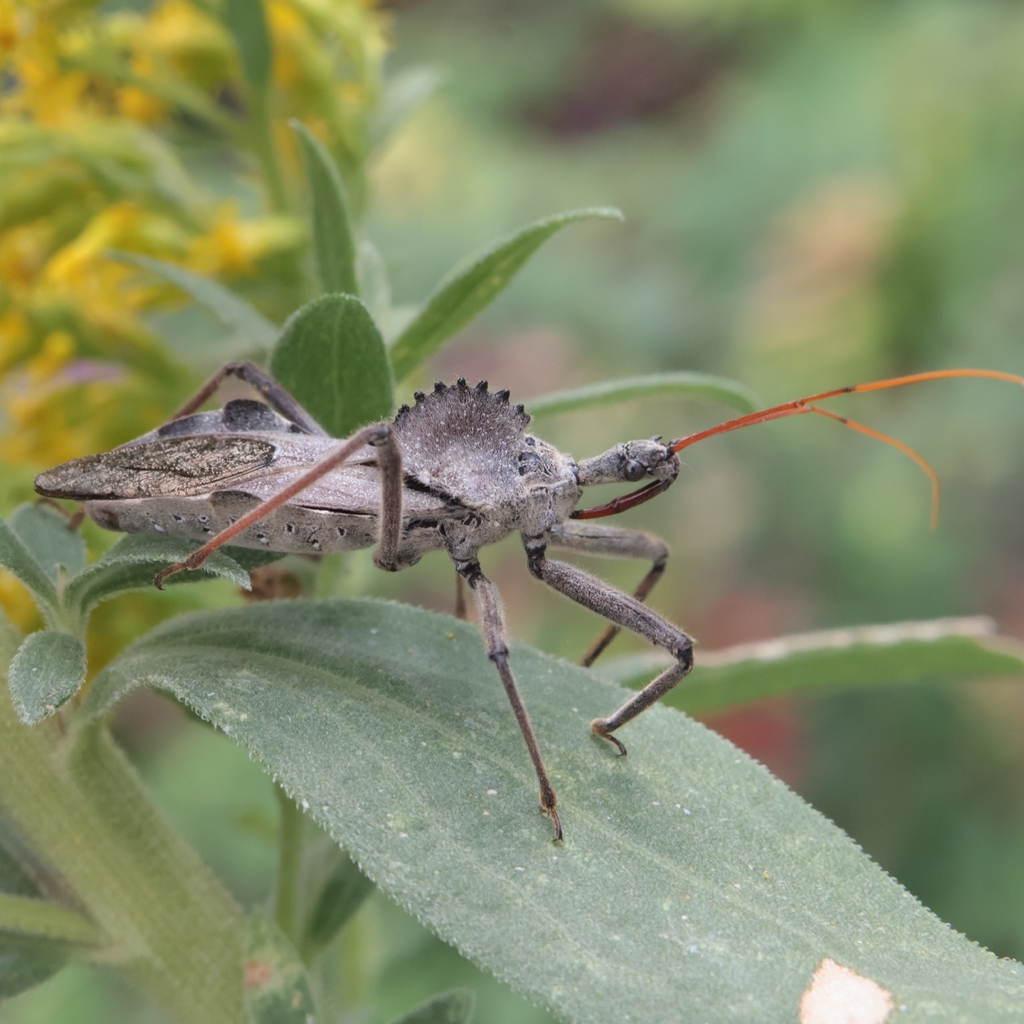
Wheel Bug
Arilus cristatus
(c) Shinobu, some rights reserved (CC BY)
Bactrodes spinulosus
Bactrodes spinulosus

Barce aberrans
Barce aberrans
Barce cf-husseyi
Barce cf-husseyi
Barce uhleri
Barce uhleri
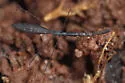
Barce werneri
Barce werneri
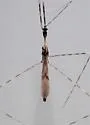
Emesa annulatus
Emesa annulatus
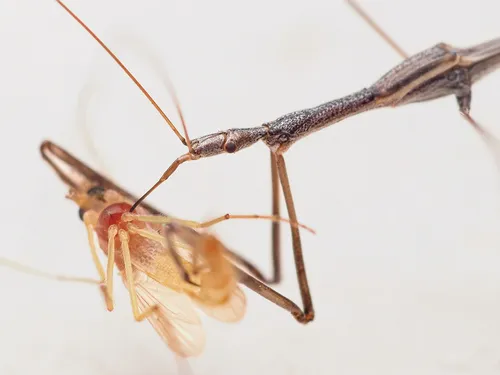
Thread-legged Assassin Bug
Emesaya brevipennis
Empicoris parshleyi
Empicoris parshleyi
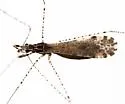
Empicoris subparallelus
Empicoris subparallelus
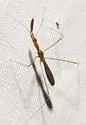
Gardena elkinsi
Gardena elkinsi
Gardena poppaea
Gardena poppaea
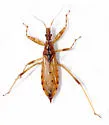
Gnathobleda litigiosa
Gnathobleda litigiosa
Triatoma incrassata 0
Hospesneotomae incrassata
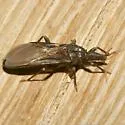
Western Conenose
Hospesneotomae protracta
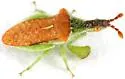
Lophoscutus uhleri
Lophoscutus uhleri
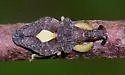
Macrocephalus cimicoides
Macrocephalus cimicoides
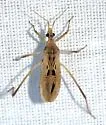
Narvesus carolinensis
Narvesus carolinensis
Oncocephalus apiculatus 0
Oncocephalus apiculatus
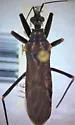
Opisthacidius mexicanus
Opisthacidius mexicanus
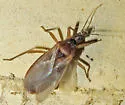
Paratriatoma hirsuta
Paratriatoma hirsuta
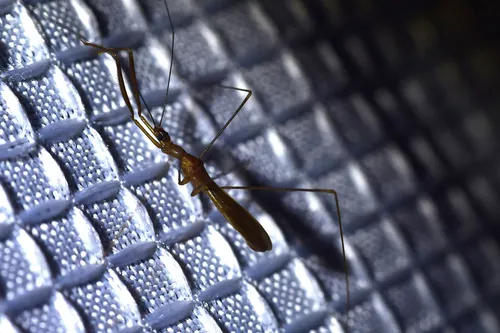
Phasmatocoris labyrinthicus
Phasmatocoris labyrinthicus
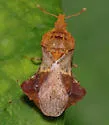
Phymata albopicta
Phymata albopicta
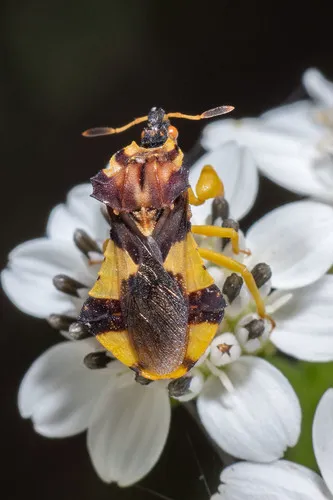
Jagged Ambush Bug
Phymata americana