
Family Minute Pirate Bugs (Anthocoridae)
Anthocoridae is a family in the order Hemiptera. Browse 62 named species recorded in this family, or open an individual profile for its available identification and natural-history information.
Species in Anthocoridae (62)
Acompocoris pygmaeus
Acompocoris pygmaeus
Identification: dorsal habitus earliest record in our area: NB 1965 ( 4 )
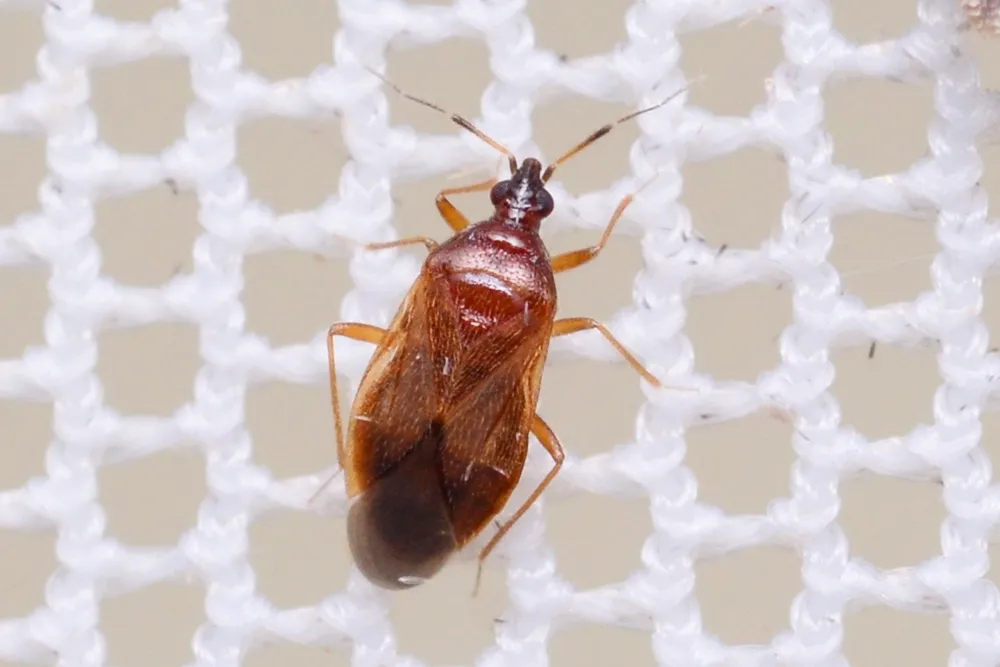
Amphiareus obscuriceps
Amphiareus obscuriceps
Identification: It looks similar to Lasiochilus dorsally but tends to be more glossy across the hemelytra, and in Lasiochilus the dorsal hairs appear to be more erect and abundant. (comment by Steve Paiero) Key characters: Earliest record in NA: MD 1
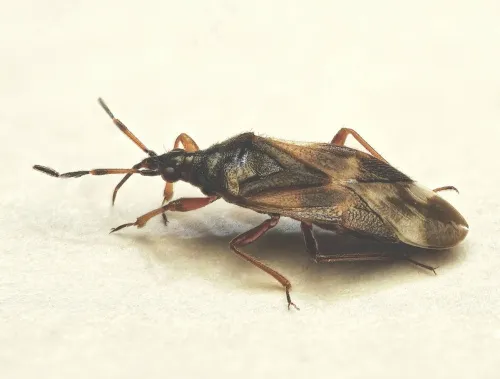
Anthocoris butleri
Anthocoris butleri
A small bug only about 3 or 4 mm. Very similar to other members of the genus. When identifying the species, the length of the second antennal segment should be compared with the head width across eyes for separation of Anthocoris butleri and nemorali
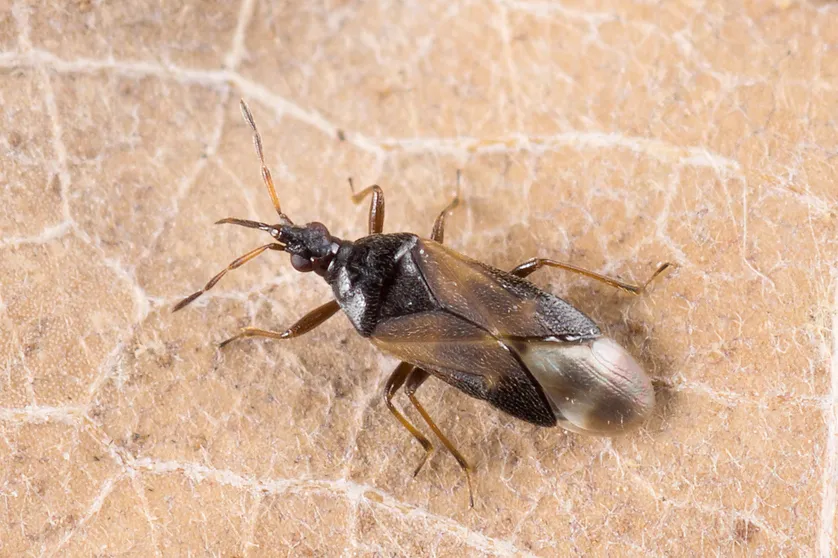
Oak Flower Bug
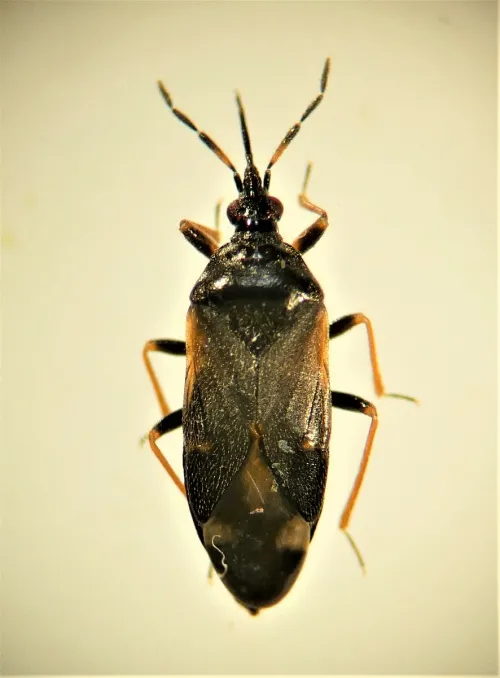
Anthocoris confusus
Brown or blackish ground colour. Antennae about as long as the head and pronotum, brownish, ant2 broadly ferruginous in the middle. Hemelytra elongated with parallel edges; dull above except on outer edge of exocoria and outer half of cuneus, which a
Anthocoris gallarum-ulmi
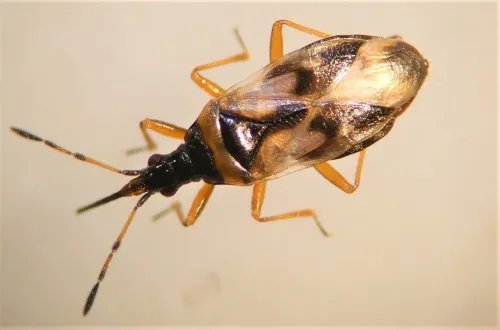
Anthocoris gallarum-ulmi
A. gallarum-ulmi is distinguished from other Anthocorids by its shiny hemelytral integuments and the shape of the paramere. Brown-black ground color but pattern variable, sometimes entirely light brown with only the cuneus darkened; membrane bearing
Anthocoris limbatus
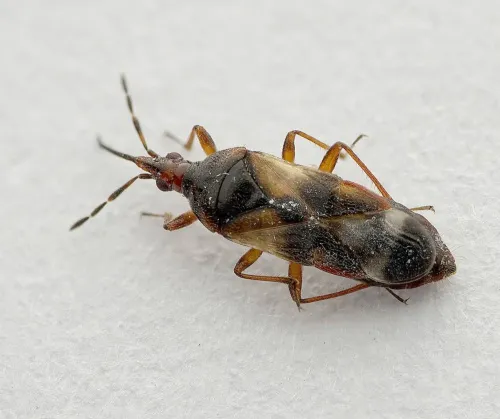
Anthocoris limbatus
Length 3 to 3.5 mm. One of the easier flower bugs to identify. The antennae are relatively long and the forewings are entirely shiny, but unlike A. nemorum , the pronotum is clearly yellow/brown in the posterior half ( A. nemorum may occasionally hav
Poplar Gall Bug
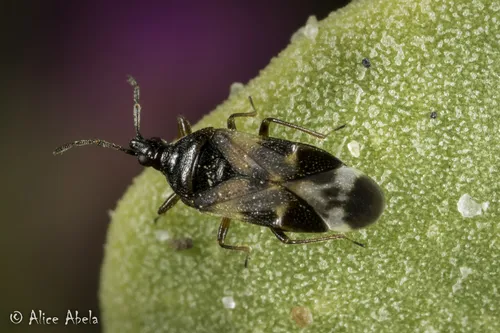
Anthocoris minki
Ground colour reddish-brown. Antennae reddish brown with spots and at least the basal half of ant2 lighter, and also frequently the base of ant3 and ant4. Pronotum brownish, darkened in its basal region; scutellum darker, black. Hemelytra with very s
Anthocoris nemoralis
Anthocoris nemoralis
Length 3-3.4mm. Flower bugs are a very difficult group and this species is amongst the hardest to identify. Images contained in a red box denote that they are only likely to be this species and are typical of the species but have not been examined in
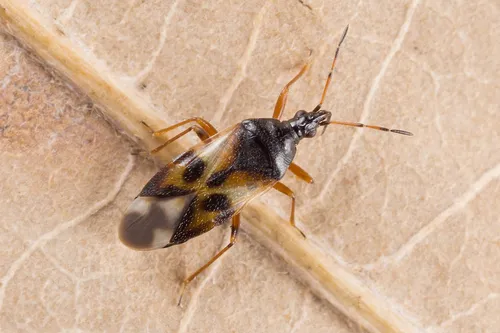
Common Flower Bug
Anthocoris nemorum
Length 3.5-4.5mm. Probably the most common species of this difficult genus. The forewings are entirely reflective and the pronotum entirely black. The legs are mostly orange-brown, with variable development of small dark patches near the tip of the f
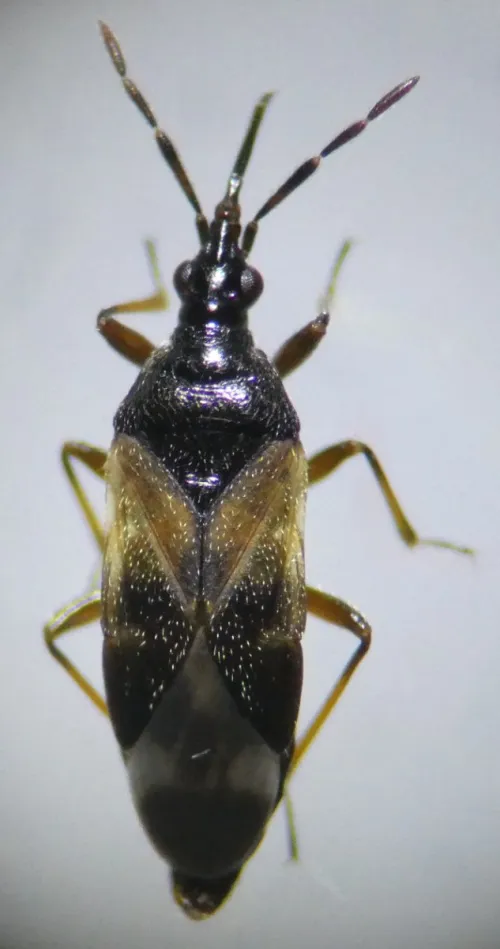
Anthocoris sarothamni
Anthocoris sarothamni
Length 3 to 4 mm. Although one of a very difficult group, this flower bug is among the more easily identified due to its comparatively dark appearance. The mid and hind femorae are typically very dark, as well as the antennae, but each antennal segme
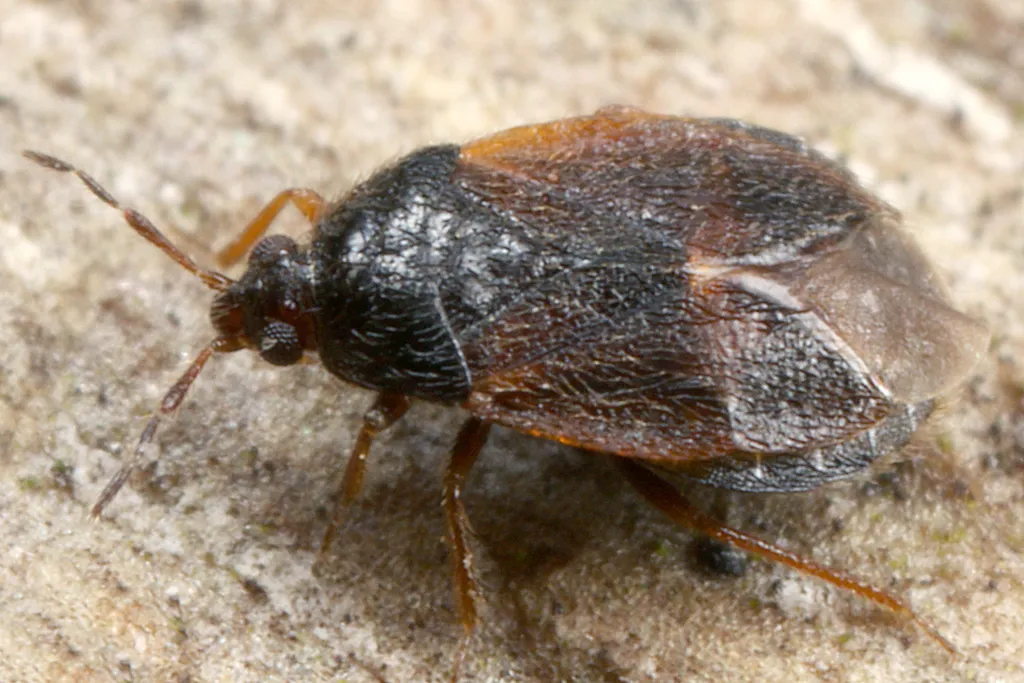
Brachysteles parvicornis
Brachysteles parvicornis
Identification: adult images: [A] | [B] earliest record in our area: NJ 1925
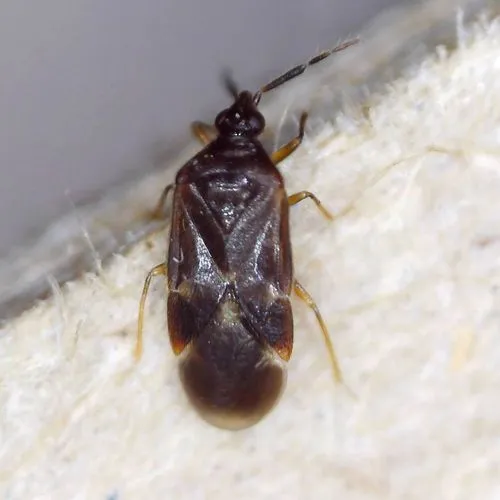
Buchananiella continua
Buchananiella continua
A small (approx. 2.5 mm) brown, or reddish brown bug. Macropterous, shiny and covered with a rather long pale pubescence. Antennae longer than head and pronotum combined, brownish with ant2 paler at least in its basal half. Legs slender, pale, the ba
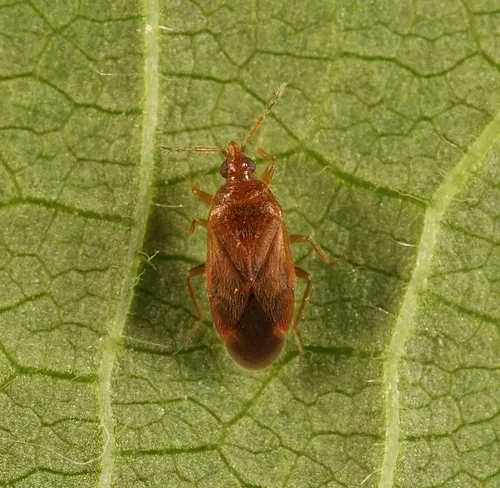
Cardiastethus fasciiventris
Cardiastethus fasciiventris
A small (2-2.4mm) orange-brown bug. Antennae slightly longer than width of rear of pronotum; ant2 entirely pale. Front wings with the clavus lacking punctures and densely covered with pale hairs. Inner edge of anterior tibiae of male furnished with 2
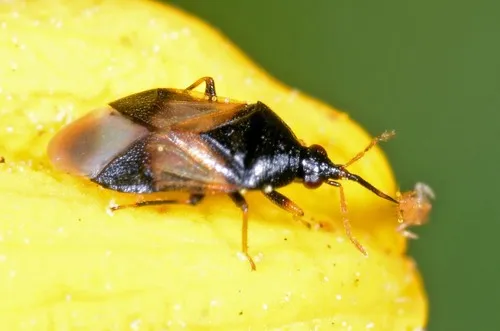
Orius insidiosus
Orius insidiosus
Identification: Early nymphs have slight yellowish tinge, getting progressively darker in each successive instar. Adults are mahogany color. by far the commonest anthocorid in the entire eastern & central part of the continent ; important predator of
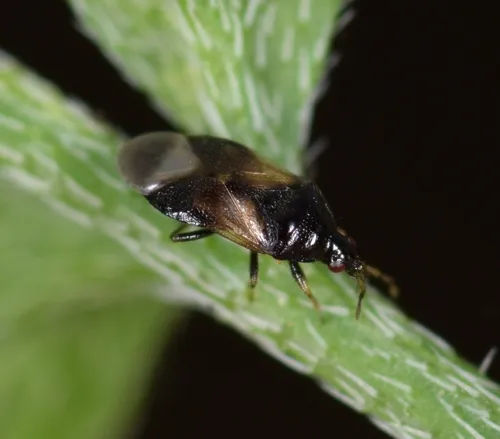
Orius laevigatus
Orius laevigatus
Length 2.2 to 2.5 mm. Front and rear angles of pronotum each with a long hair; mid-tibia pale brown; dorsal body surface not entirely black. Microscopic examination and/or dissection required. Can be found on various plants where it searches for prey
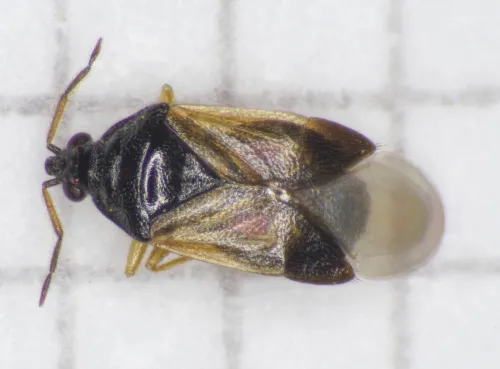
Orius laticollis
Orius laticollis
Length 1.9-2.5mm. Angles of pronotum without long hairs. Paramere distinctive - flagellum long, blade narrow, tooth of paramere closer to internal than to external margin. Not known. Few records exist, but probably under-recorded due to difficulty of
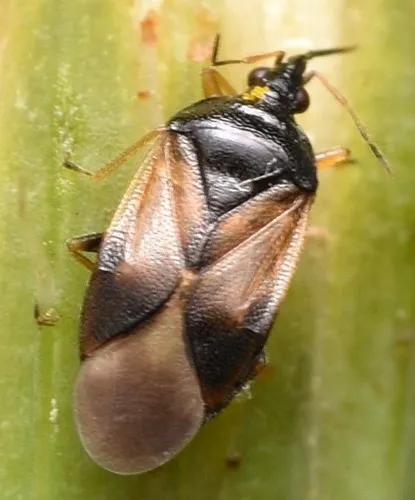
Orius majusculus
Orius majusculus
Length 2.5-2.7mm. Angles of pronotum without long hairs. Blade of paramere broad, rather abruptly narrowed and angled apically, flagellum a little longer than the blade. Microscopic examination and dissection required. No additional images available
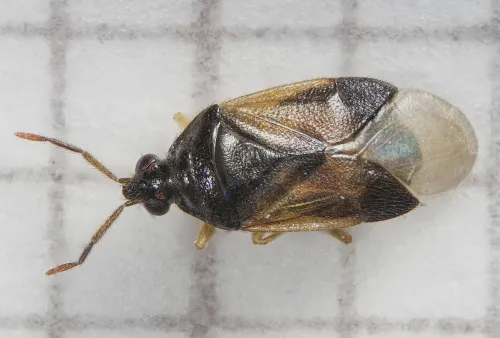
Orius vicinus
Orius vicinus
Length 2.0-2.6 mm. Small Flower Bug, sometimes called a Pirate Bug. Body more or less parallel, somewhat wider at abdomen in female. Head, pronotum, and scutellum dark brown or blackish; hemelytra yellowish brown, more rarely darker at cuneus. Head w
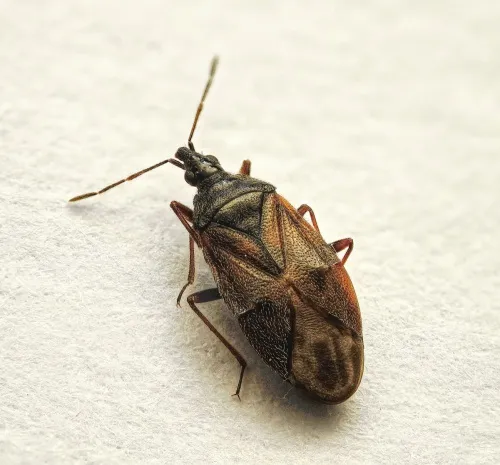
Tetraphleps bicuspis
Tetraphleps bicuspis
Length 3.3 to 4 mm. Forewings (hemielytra) shiny, brown to black ground colour with short whitish-grey hairs (pubescence). Head extended in front of the eyes, anteocular part nearly 0.7 times as long as the width of the head across the eyes. Reddish-
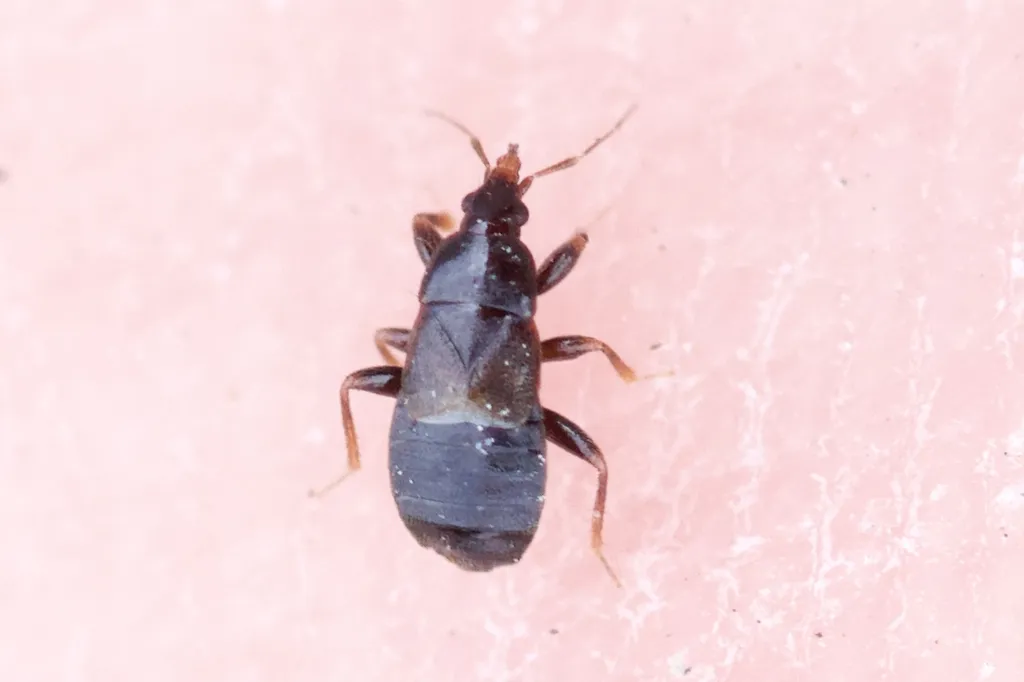
Xylocoris cursitans
Xylocoris cursitans
Identification: Both macropterous (winged) and brachypterous (reduced wings) forms known listed as native to Canada and the US in ITIS ( 3 )
Xylocoris sordidus 0
Xylocoris sordidus
Identification: dorsal habitus photo (Santos et al. 2020) • holotype earliest record in our area: TX 1871
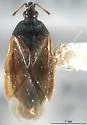
Acompocoris lepidus
Acompocoris lepidus
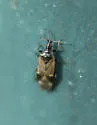
Anthocoris antevolens
Anthocoris antevolens
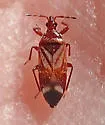
Anthocoris bakeri
Anthocoris bakeri
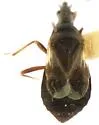
Anthocoris dimorphicus
Anthocoris dimorphicus
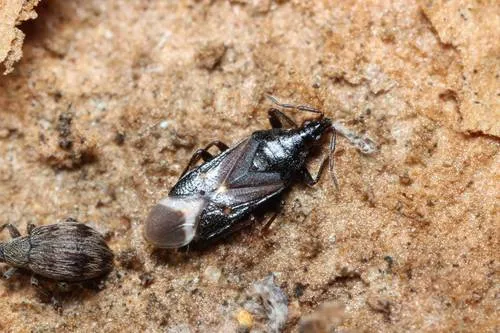
Anthocoris japonicus
Anthocoris japonicus
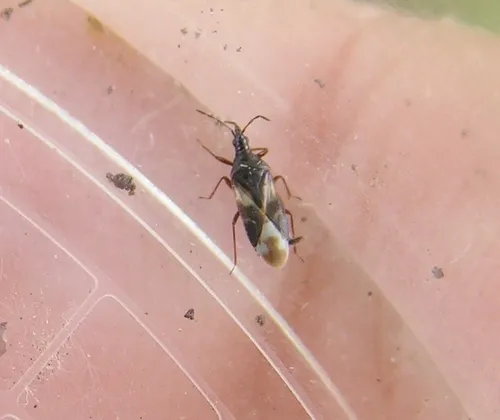
Anthocoris musculus
Anthocoris musculus
Anthocoris tomentosus
Anthocoris tomentosus
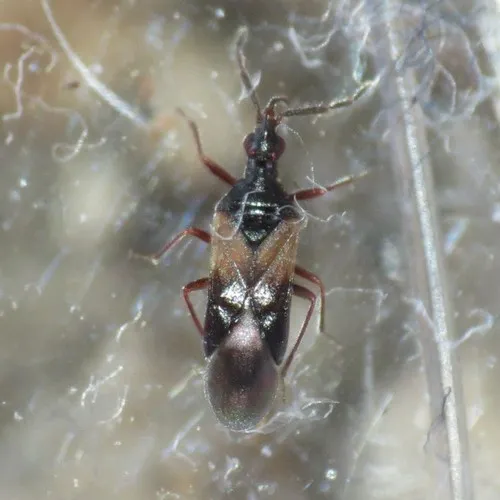
Anthocoris whitei
Anthocoris whitei
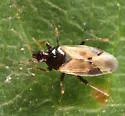
Calliodis temnostethoides
Calliodis temnostethoides
Cardiastethus borealis
Cardiastethus borealis
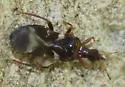
Coccivora californica
Coccivora californica
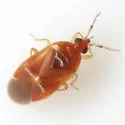
Dasyleistes assimilis
Dasyleistes assimilis
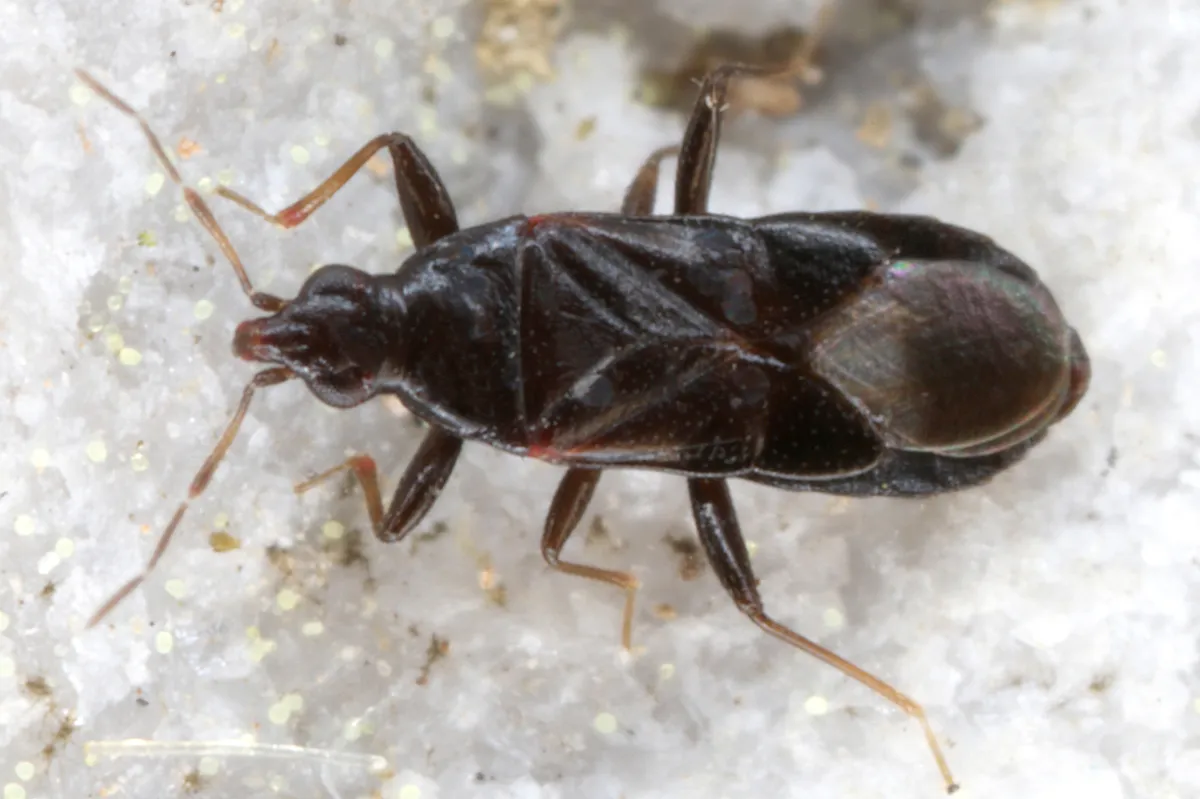
Dufouriellus ater
Dufouriellus ater
Elatophilus brimleyi 0
Elatophilus brimleyi
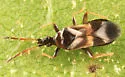
Elatophilus inimicus
Elatophilus inimicus
Elatophilus pullus
Elatophilus pullus
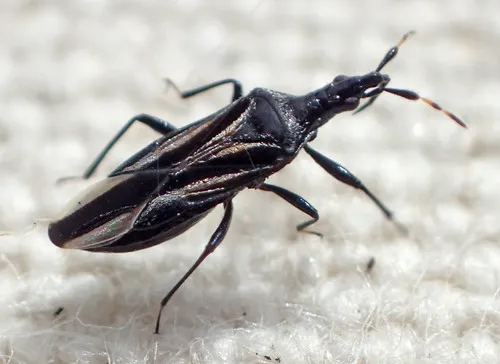
Macrotrachelia nigronitens
Macrotrachelia nigronitens
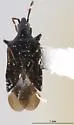
Macrotracheliella nigra
Macrotracheliella nigra
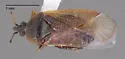
Melanocoris longirostris
Melanocoris longirostris
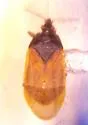
Melanocoris nigricornis
Melanocoris nigricornis
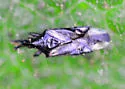
Montandoniola confusa
Montandoniola confusa
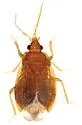
Nidicola engys
Nidicola engys
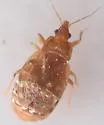
Nidicola jaegeri
Nidicola jaegeri
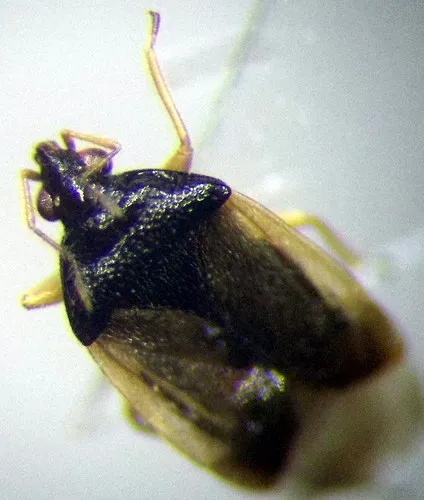
Orius minutus
Orius minutus
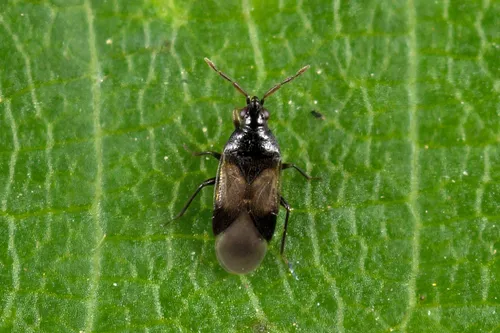
Orius niger
Orius niger
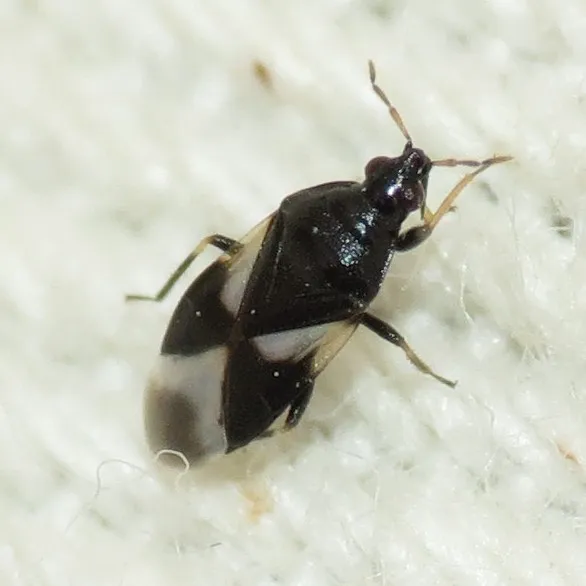
Orius tristicolor
Orius tristicolor
Paratriphleps laevisculus
Paratriphleps laevisculus
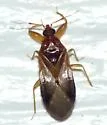
Physopleurella mundula
Physopleurella mundula
Scoloposcelis basilica
Scoloposcelis basilica
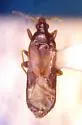
Scoloposcelis flavicornis
Scoloposcelis flavicornis
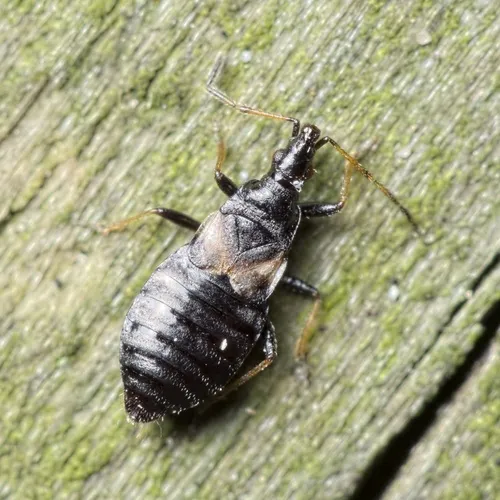
Temnostethus gracilis
Temnostethus gracilis
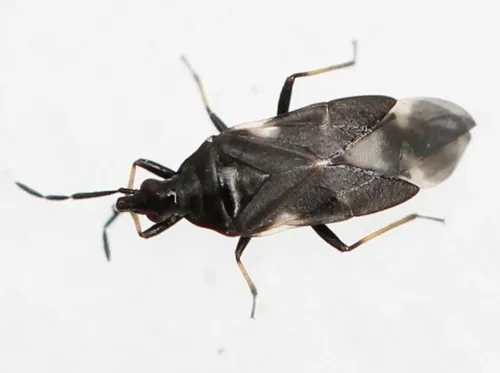
Temnostethus pusillus
Temnostethus pusillus
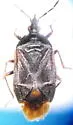
Tetraphleps canadensis
Tetraphleps canadensis
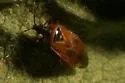
Tetraphleps latipennis
Tetraphleps latipennis
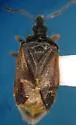
Tetraphleps pilosipes
Tetraphleps pilosipes
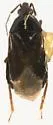
Xylocoris californicus
Xylocoris californicus
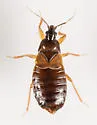
Warehouse Pirate Bug
Xylocoris flavipes
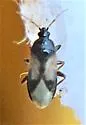
Xylocoris galactinus
Xylocoris galactinus
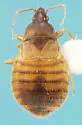
Xylocoris hirtus
Xylocoris hirtus
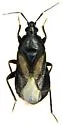
Xylocoris pilipes
Xylocoris pilipes
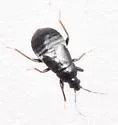
Xylocoris umbrinus
Xylocoris umbrinus