
Family Liviidae
Liviidae is a family in the order Hemiptera. Browse 22 named species recorded in this family, or open an individual profile for its available identification and natural-history information.
Species in Liviidae (22)
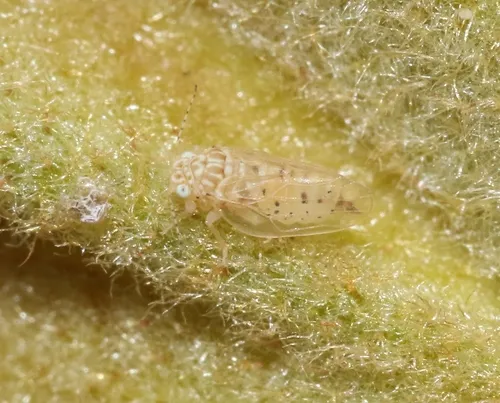
Diclidophlebia fremontiae
Diclidophlebia fremontiae
Identification: Pale greenish-yellow in color with white markings on head and thorax; last 8 antennae segments black-tipped. Genae short and rounded; wing venation unique among nearctic psyllids.
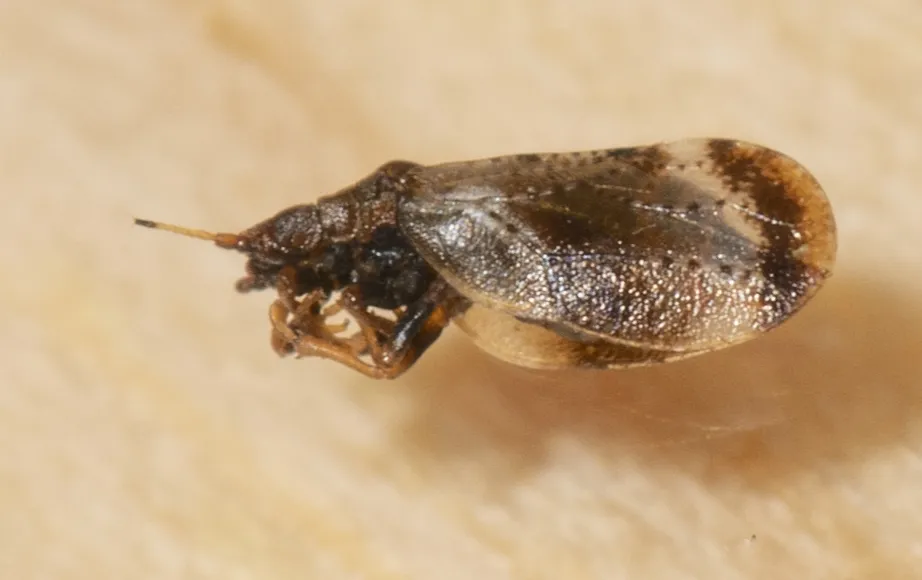
Livia bifasciata
Livia bifasciata
Identification: Forewings with dark spots along veins, a dark apical band and a broad dark medial transverse band; head long, deeply cleft anteriorly, and with antenna segment 2 elongate.
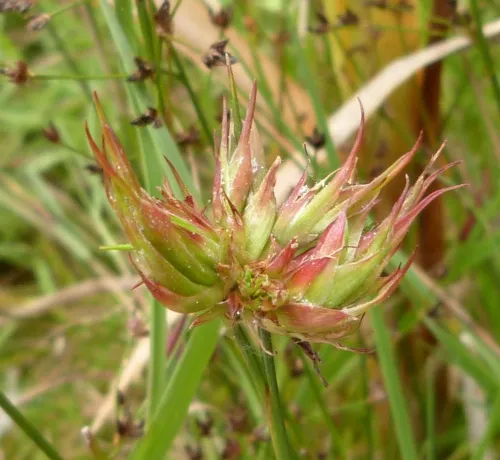
Livia juncorum
Livia juncorum
Livia juncorum is a small (2.5 mm) brown jumping plant louse that causes galls to form on certain Juncus rush species. The shoots become shortened and thickened and bunch into a mass up to 8 cm long including the flowers whose parts become leafy and
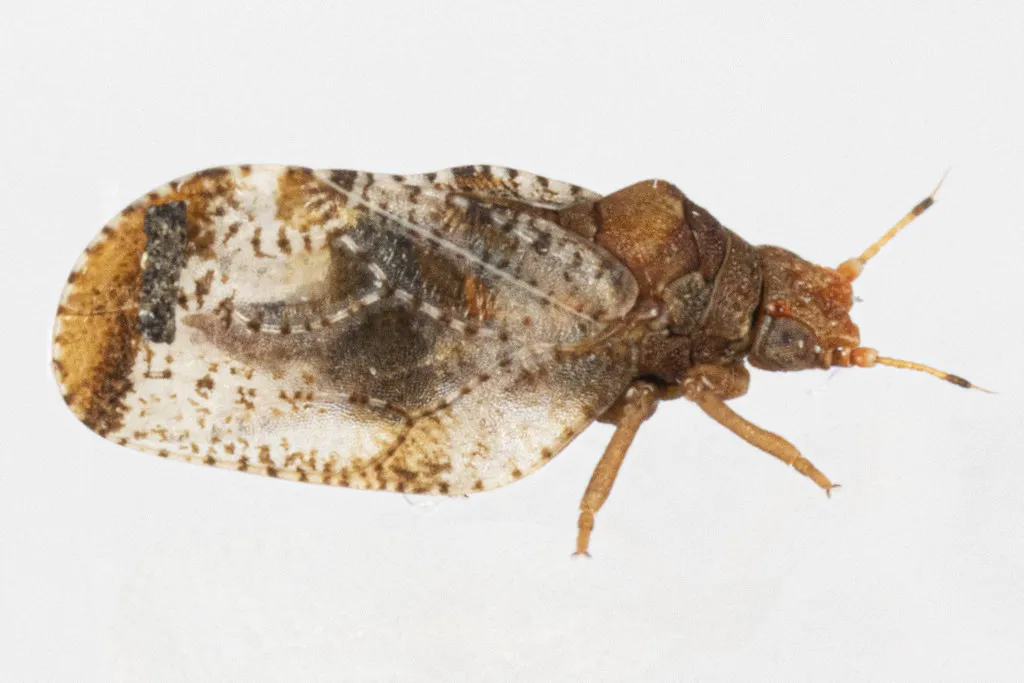
Livia maculipennis
Livia maculipennis
Identification: Forewings rhomboidal with dark spots along veins, a dark apical band and a dark medial transverse band; veins M and Rs strongly arched. Head short, weakly-notched anteriorly, and with antenna segment 2 short.
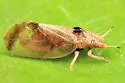
Livia saltatrix
Livia saltatrix
Identification: Forewings with irregular brown band along the apical and anal wing margins; head with lobes of vertex broadly rounded; antenna segment 2 not particularly swollen; male paramere slender, tapering to a conspicuous anteriorly-directed ho
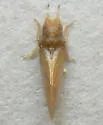
Livia vernaliforma
Livia vernaliforma
Identification: Forewings unpatterned, elongate & narrow, with straight costal margin
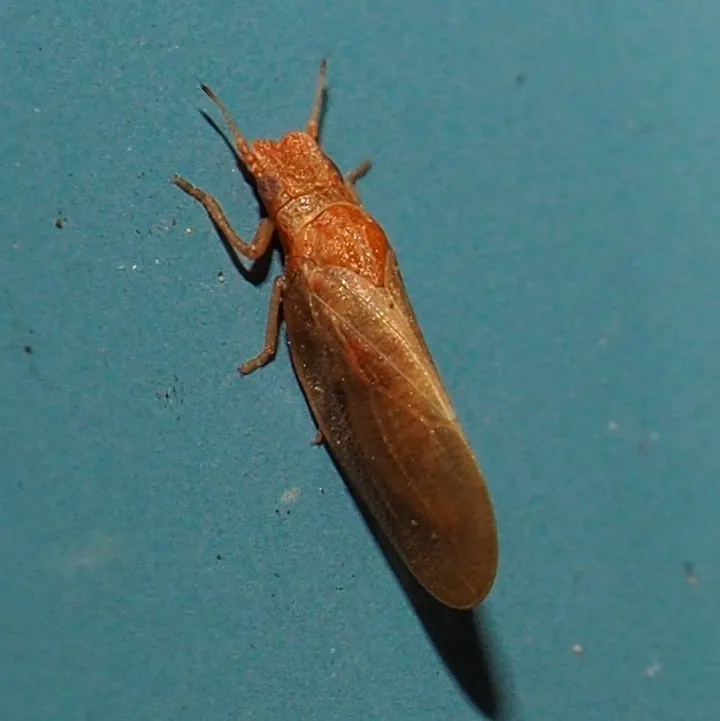
Livia vernalis
Livia vernalis
Identification: Wings unpatterned, oblong-oval; head with vertex lobes broadly rounded; male paramere distinctly hooked anteriorly midway
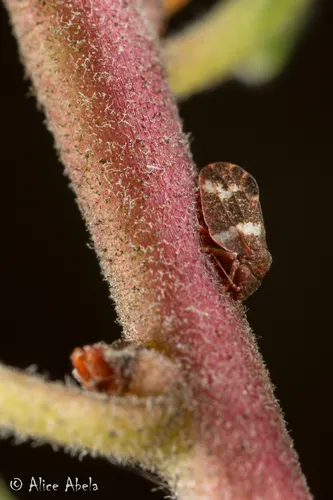
Manzanita Psyllid
Neophyllura arctostaphyli
Nymphs occur on the ventral surface of leaves in cells constructed from white cottony wax secretion. In severe infestations they may also be found on the upper surface of leaves as well as the branches and buds of younger growth ( 3 )
Neophyllura bicolor
Neophyllura bicolor
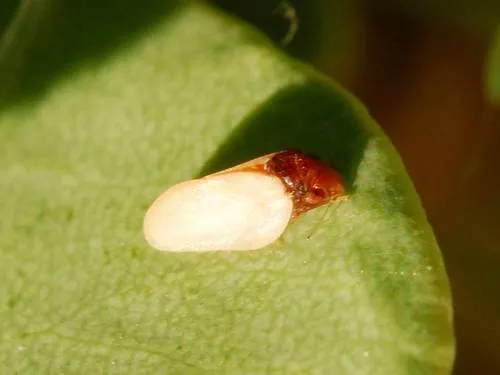
Identification: General color yellow, thorax red; forewings opaque, cream-colored

Cottony Ash Psyllid
Psyllopsis discrepans
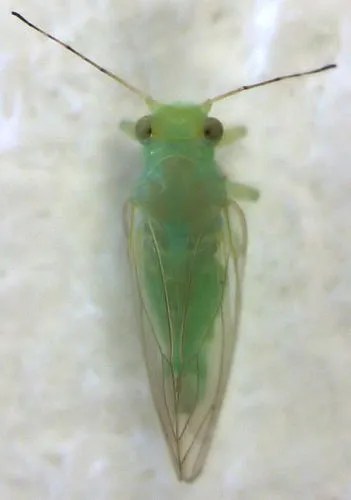
Length 3-4mm. Very similar to P. fraxini but with less intense wing markings. It causes marginal leaf-fold galls on ash leaves, which are pale with reddish/violet marking; the galls cannot be distinguished from others in the Psyllopsis fraxini specie
Psyllopsis fraxinicola
Psyllopsis fraxinicola
An inquiline in galls of Psyllopsis fraxini agg. on ash. The nymphs are green without black markings No additional images available for this species.
Strophingia ericae
Strophingia ericae
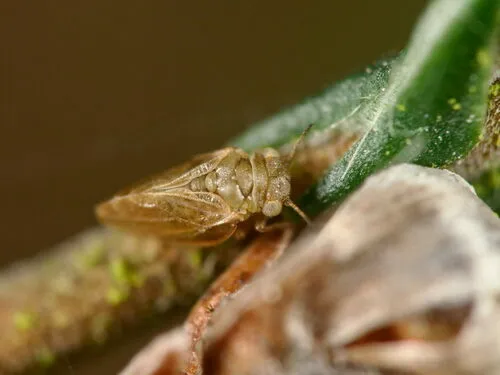
A very small greenish or brown psyllid associated with heather, Calluna vulgaris . Wing venation is reduced, and there are no genal cones. The forewings are mottled, rounded and oval, and have a leathery appearance, Strophingia cinereae is similar, b
African Olive Psylla
Euphyllura longiciliata
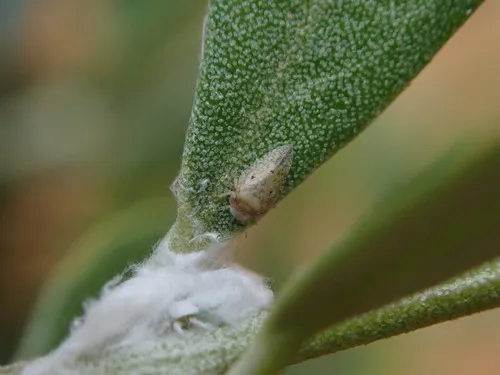
Olive Psyllid
Euphyllura olivina
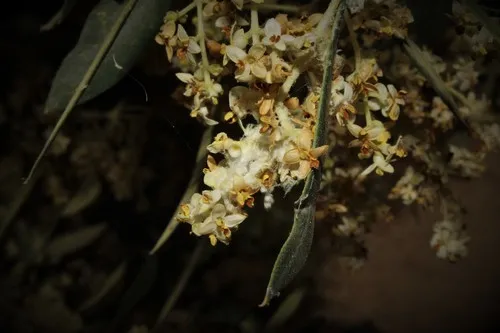
Euphyllura phillyreae
Euphyllura phillyreae
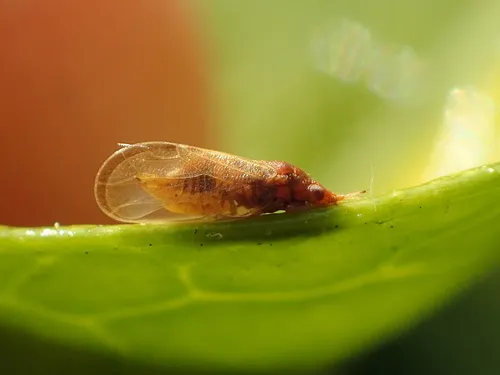
Livia caricis
Livia caricis
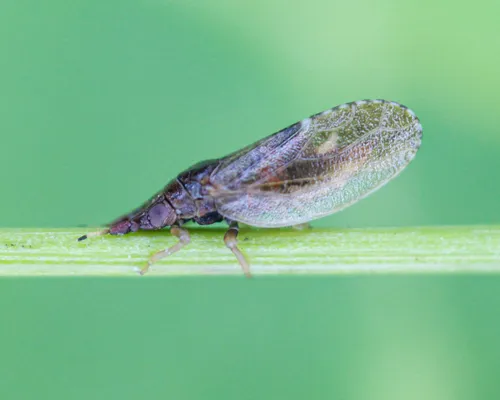
Tassel Gall
Livia junci
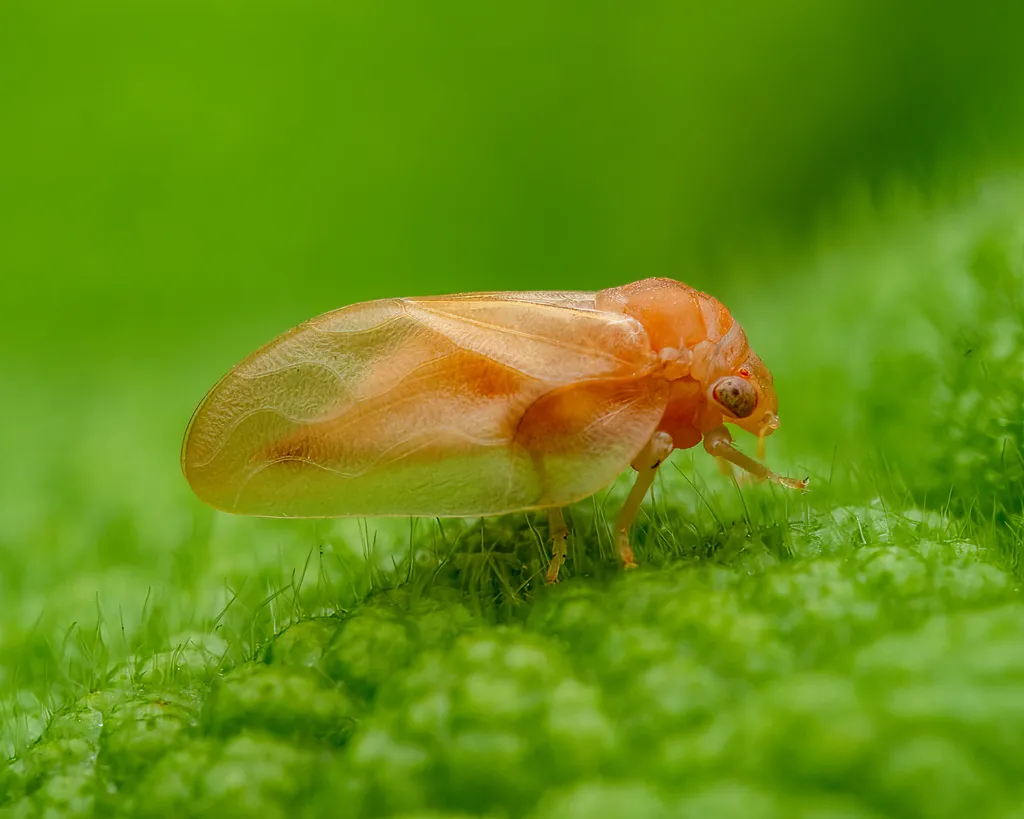
Neophyllura arbuti
Neophyllura arbuti
Neophyllura arbuticola
Neophyllura arbuticola
Neophyllura pruinosa
Neophyllura pruinosa
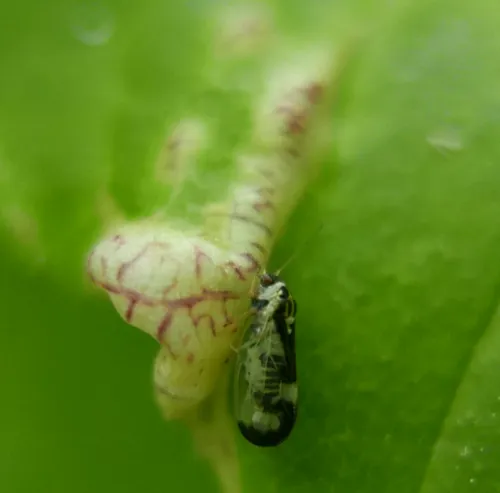
ash psyllid
Psyllopsis fraxini
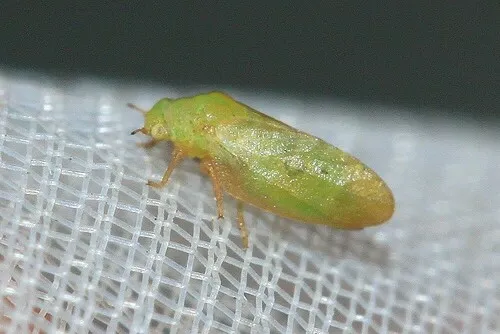
Strophingia proxima
Strophingia proxima