
Family Delphacid Planthoppers (Delphacidae)
Delphacidae is a family in the order Hemiptera. Browse 333 named species recorded in this family, or open an individual profile for its available identification and natural-history information.
Species in Delphacidae (333)
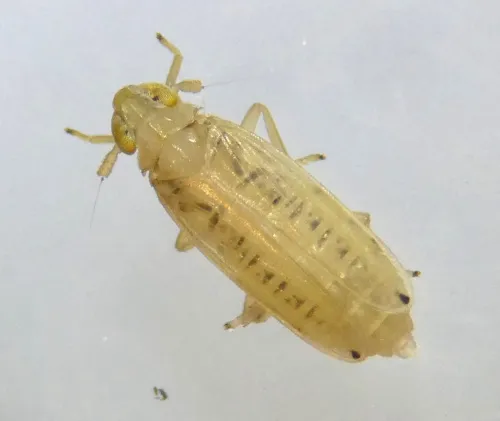
Anakelisia fasciata
Anakelisia fasciata
A very variable species associated with sedges in wetlands. The forewings range from pale and almost unmarked to almost entirely dark or black. There may be a small dark mark at the wing apex. The sides of the face (genae) have a small black spot. Go
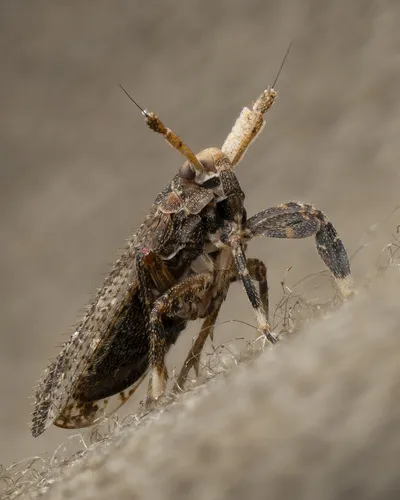
Asiraca clavicornis
Asiraca clavicornis
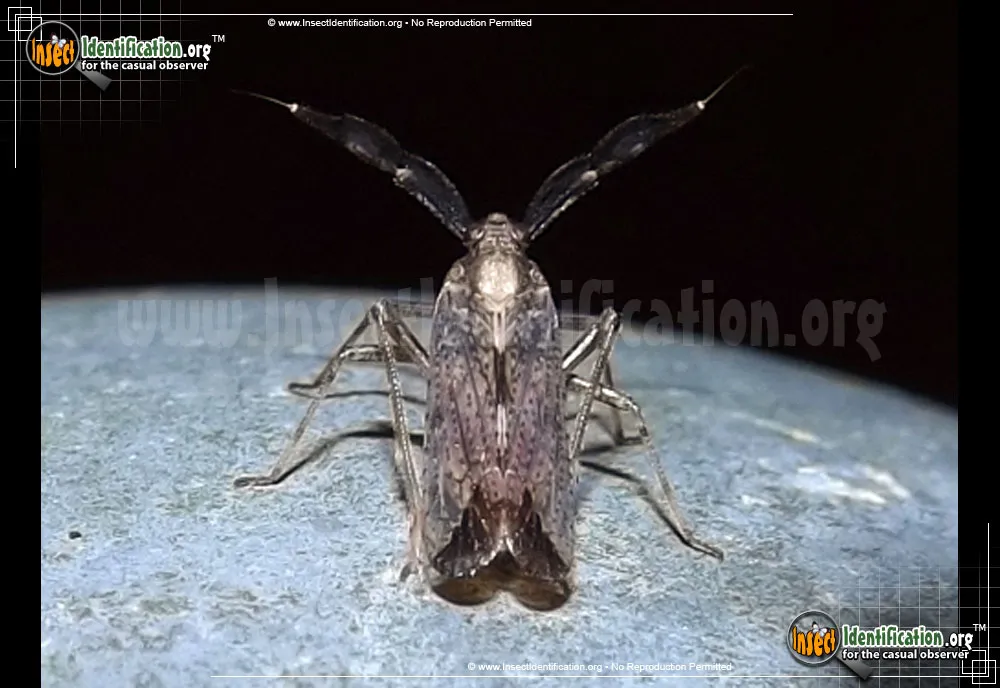
Length 3 to 4 mm. An unmistakeable species with extraordinary antennae and expanded leaf-like front legs. Photographs required please, as this species is uncommon in our area. Notable B (ref: UK Auchenorrhyncha checklist 202 1) Believed to be declini
Bostaera nasuta
Bostaera nasuta
Described from 10 spmns collected in south, east and north Colorado (Ball 1902)
Chionomus puella
Chionomus puella
Identification: white collar is distinctive. [but not unique to this sp.]
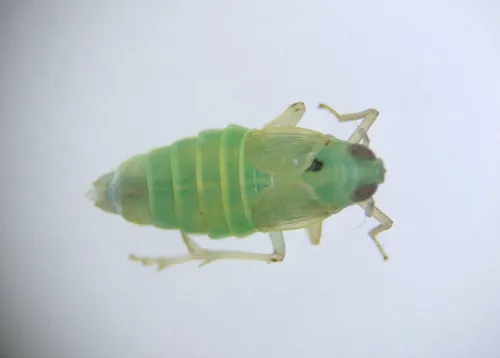
Chloriona glaucescens
Chloriona glaucescens
Length 3-5mm. Bluish-green ("glaucous") or greenish-yellow planthopper. Females are easier to identify than males, by examination of external genitalia. Unless identified by a recognised expert, a photo is required and the specimen should be examined
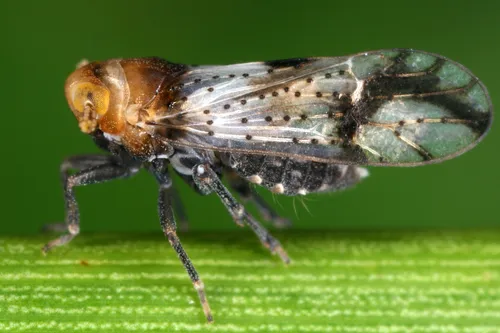
Conomelus anceps
Conomelus anceps
Length 4 mm. The males are distinctive, with reddish-brown ground colour and wings with dark spots on the veins. It is most commonly brachypterous and in these individuals the forewings are darker at the base and tip. Macropters occur less frequently
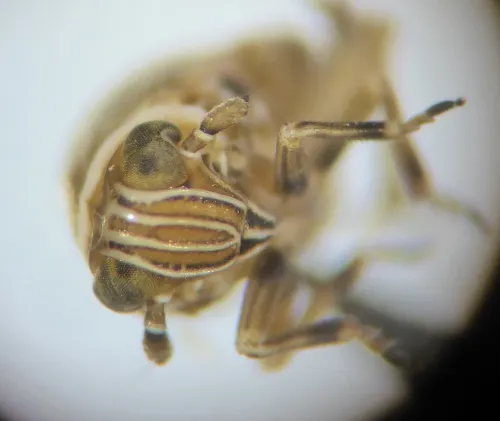
Criomorphus albomarginatus agg.
Criomorphus albomarginatus agg.
Length 2 to 4 mm. This is a difficult genus and examination of male genitalia is needed to separate the 3 species. Criomorphus albomaginatus has a rear genital segment that is approximately triangular in rear view. The frons (face) has 2 median keels
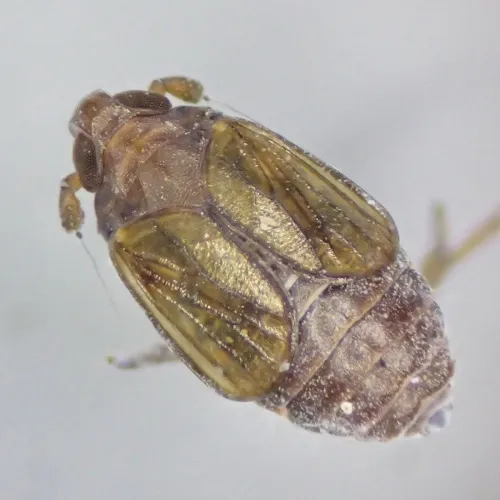
Delphacodes venosus
Delphacodes venosus
Length 1.4-2.5mm for brachypters, 3.0-3.2mm for macropters. A rather plain brown species. Keels of pronotum reach hind margin. First antennal segment as long as thickest part. Frons without pale bar. Abdomen blackish on top. Vertex, pronotum and scut
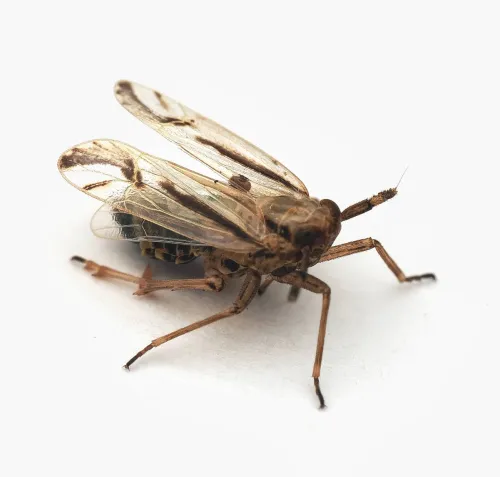
Delphax pulchellus
Delphax pulchellus
Males 5mm, females 8mm. Brachypterous and macropterous forms occur. Males are distinctively pigmented, females brown and could be confused with Asiraca clavicornis , but in this species the anterior tibiae are not flattened. The frons is mostly brown
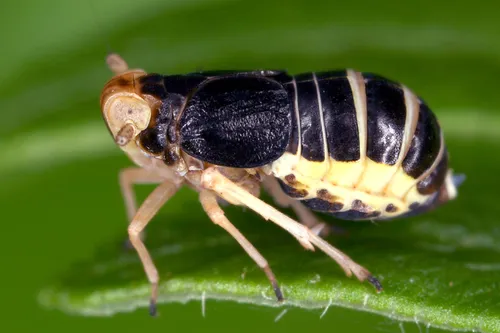
Ditropis pteridis
Ditropis pteridis
Length 3-4 mm. A distinctive planthopper associated with Bracken. The foreparts are yellowish and the wings and top of the abdomen are dark; males are smaller than females, and have longer wings, although almost all are brachypeterous. Common (ref.:
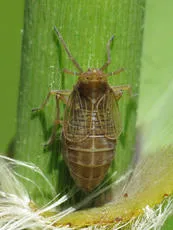
Euides basilinea
Euides basilinea
A large planthopper (5 - 7mm) associated with Common Reed Phragmites australis . Macropterous (long-winged) individuals have a striking wing pattern with a dark stripe at the base of the forewing and a crescent-shaped dark mark at the wing apex, Brac
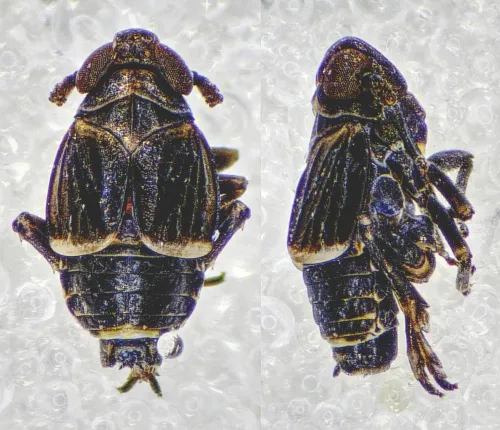
Florodelphax leptosoma
Florodelphax leptosoma
Length 2 to 4 mm, dark forewings with a white apex. Sometimes macropterous. Females have a completely yellow-brown pronotum. Dissection of male genitalia will confirm ID of males. Florodelphax paryphasma. Criomorphus spp . also have white tips to the
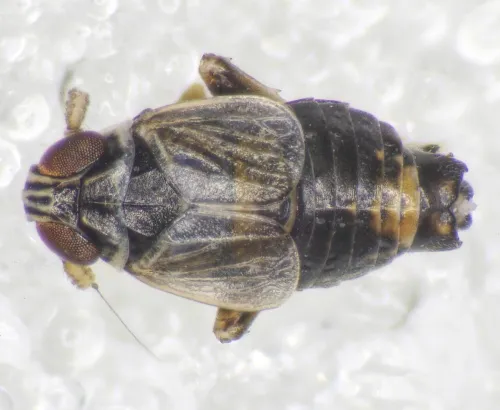
Hyledelphax elegantula
Hyledelphax elegantula
Length 2.5 to 3.5 mm. Usually brachypterous. Head and pronotum pale with some darker markings in male. Pale whitish forewings, and a dark frons with prominaent white keels. Sexually dimorphic; males have a dark scutellum with a white tip and darker a
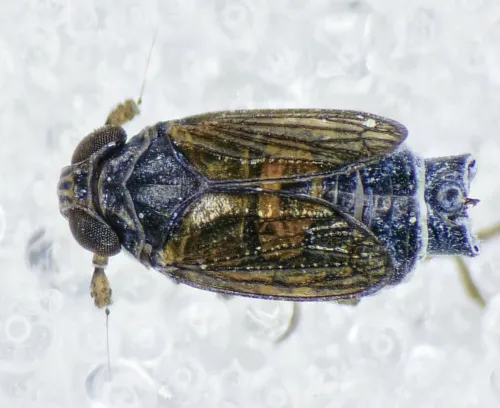
Javesella dubia
Javesella dubia
Length c. 2.5 - 3.5 mm). Both macropterous and brachypterous forms exist, and colouration varies. The forewing is brown, and has an asymmetrical apex. The frons is dark with paler keels. Males tend to be darker than females. Male genital segment at t
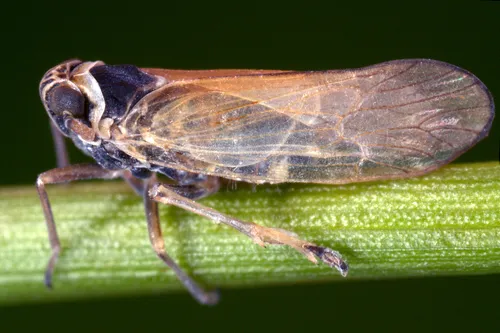
Javesella pellucida
Javesella pellucida
Length 3 mm. Macropterous (long-winged) and brachypterous (short-winged) forms occur, and colouration varies. Males are darker than females. Forewings are translucent, and may be tinged brown or whitish; in macropters they are considerably longer tha
Kelisia axialis
Kelisia axialis
Identification: The thin line down the wings is distinctive [Dr. Hamilton]
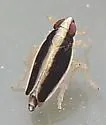
Kelisia flagellata
Kelisia flagellata
Identification: Paratypes Type Locality: Douglas Co., KS
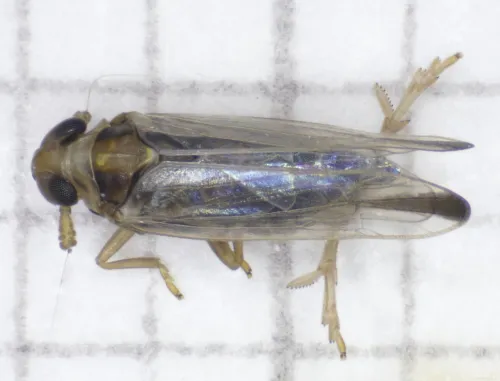
Kelisia guttulifera
Kelisia guttulifera
Length 3 to 4.5 mm. Sub-lateral bands on wings distinct and apex dark. Precise pattern of dark spots on the head is characteristic. Front and middle tibiae with no or pale longitudinal streak. Can only be identified by examination of male internal ge
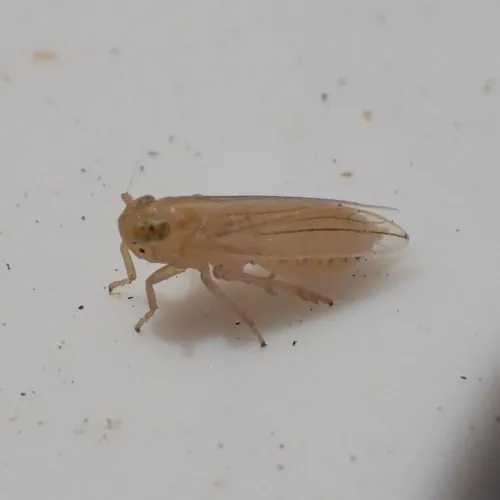
Kelisia punctulum
Kelisia punctulum
The 4-5mm yellowish-brown hopper has a rather narrow shape and has the medial vein of the pale forewings darkened, especially toward the wing-tip. There is some variation however, so other long veins may also be darkened, and one form has a dark spot
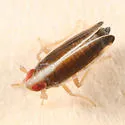
Kelisia spinosa
Kelisia spinosa
Identification: the darkest, most strongly marked member of the genus
Kosswigianella lutulenta
Kosswigianella lutulenta
Identification: Kosswigianella has a comparatively short and broad (in front view) second segment on the antenna.
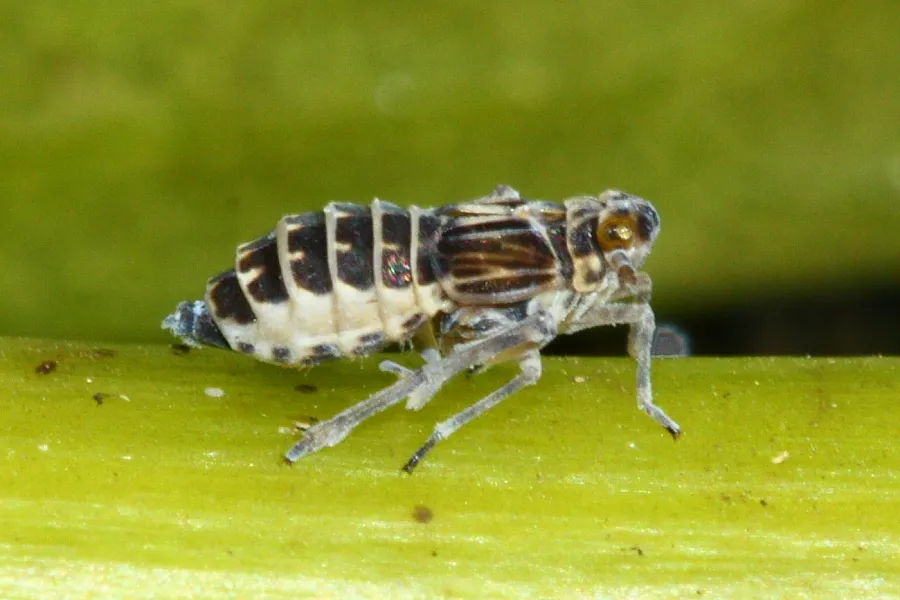
Common Waterlily Planthopper
Megamelus davisi
Identification: Anal processes projecting posteriorly
Metadelphax propinqua
Metadelphax propinqua
Identification: head narrow; wings have a dark mark where they meet over abdomen; large leaflike calcar ("spur") on hind leg [adapted from K.G.A. Hamilton's comments] earliest NA record: CA 1880 ( 3 )
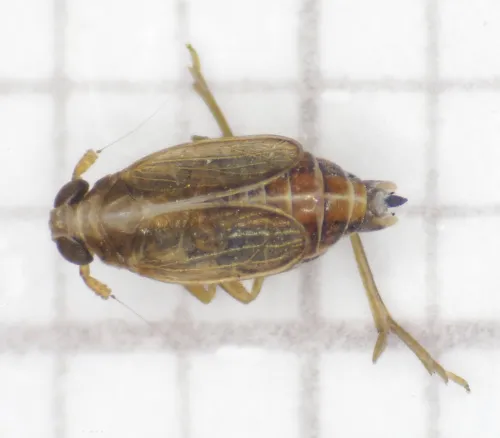
Muellerianella fairmairei
Muellerianella fairmairei
Length 2.5 to 4 mm. Brachypterous (short-winged) and macropterous (long-winged) form occur. A brown planthopper, with a broad pale zone down the central part of the pronotum and scutellum. Females cannot be identifed with certainty; males can be sepa
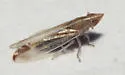
Neomegamelanus elongatus
Neomegamelanus elongatus
Identification: "The species with the shortest head in the genus....Females are short-winged." (Andy Hamilton)
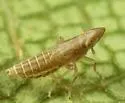
Neomegamelanus lautus
Neomegamelanus lautus
Identification: The head is as long as the eye. Males are mottled black, females are pale. Head about twice as long as wide at base; upper hind corner of anal segment produced into a lobe; a single pair of curved fang-like processes arising from abou
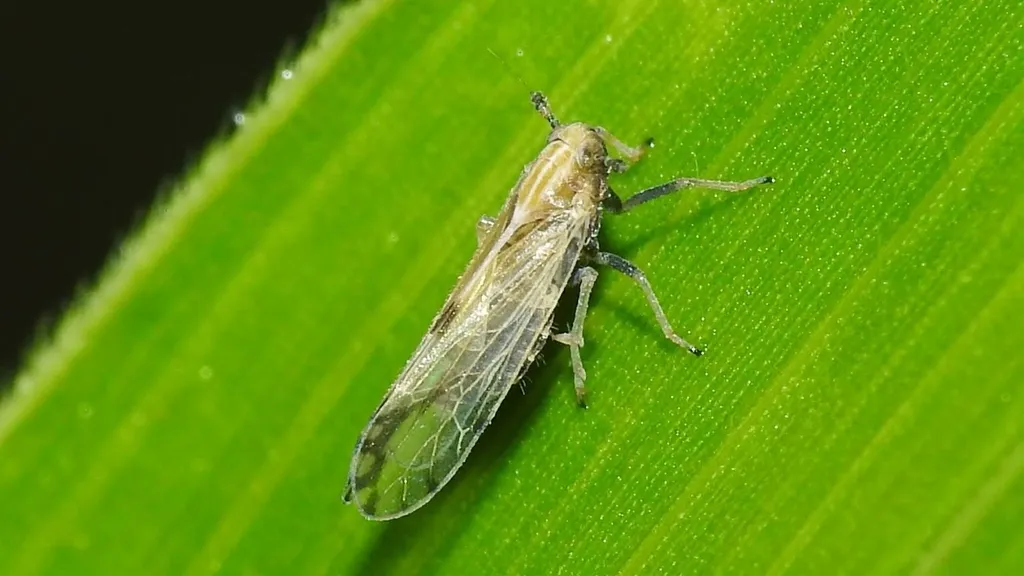
Corn Delphacid
Peregrinus maidis
Identification: distinctive, larger than many delphacids with slightly patterned wings and a pale stripe along the midline of the body; the middle carina of the face is forked well below the top of of the head in frontal view. Also, when viewing the
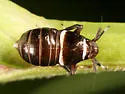
Pissonotus basalis
Pissonotus basalis
Identification: "Two species have a black face and banded upper side, but only this one occurs in the New England states. The other, P. nitens, is found in the SE states around the Gulf." Andy Hamilton
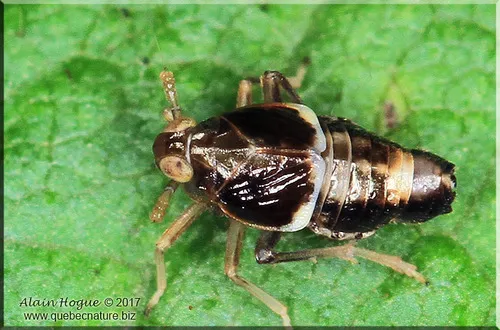
Pissonotus dorsalis
Pissonotus dorsalis
Identification: This species has a pale area on the abdomen[Dr. Andy Hamilton]
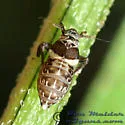
Pissonotus flabellatus
Pissonotus flabellatus
Identification: very wide front legs are characteristic ( P. tesselatus from se. US also has wide legs)
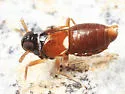
Pissonotus guttatus
Pissonotus guttatus
Identification: The dark head contrasting with the red wings is distinctive, and the wing tips are marked with just white spots instead of a transverse bar.
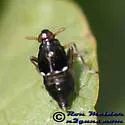
Pissonotus piceus
Pissonotus piceus
Identification: The way the white band across the wing tips is almost interrupted by a black spot is distinctive. [Dr. Andy Hamilton] Males are black, females brown
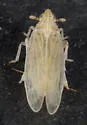
Saltmarsh Delphacid Planthopper
Prokelisia dolus
The face is striped, narrowed at the tip, and shorter than in P. marginata . This is a very common species, especially on the Atlantic coast. [comment by Andy Hamilton] "The commonest species in northern coastlines, on Spartina alterniflora in the ti
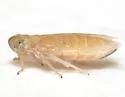
Prokelisia marginata
Prokelisia marginata
The wolf spider, Pardosa littoralis is a predator of this planthopper. ( 3 )
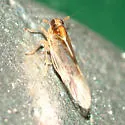
Sogatella kolophon
Sogatella kolophon
"Nobody knows where S. kolophon came from; but the probabilities are palaeotropics. I am treating it as pantropical until further evidence emerges." --K.G.A. Hamilton, pers. comm. to =v= 10.ii.2012
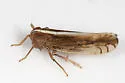
Stenocranus lautus
Stenocranus lautus
Identification: Distinguished from other species with the same color pattern by the hind tarsus, that is as long as the hind tibia (up to its joint with the tarsus). [comment by Andy Hamilton]
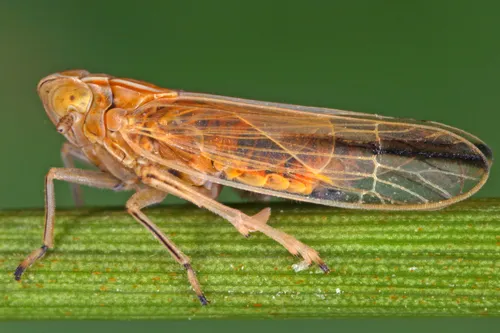
Stenocranus major
Stenocranus major
Length 5.5 to 6.5 mm. A large slender planthopper associated with Reed Canary-grass Phalaris arundinacea . Light brown with paler, orange-edged longitudinal stripe down centre of head, pronotum and scutellum. The forewing has a darker longitudinal ba
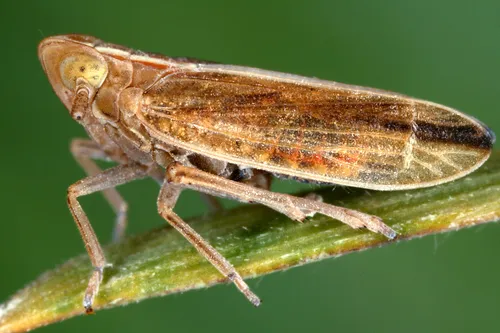
Stenocranus minutus
Stenocranus minutus
Length 5 to 6 mm. A large slender planthopper associated with Light brown with paler, orange-edged longitudinal stripe down centre of head, pronotum and scutellum. The forewing has a darker longitudinal band, which varies in intensity and extent. The
Stenocranus unipunctatus
Stenocranus unipunctatus
Identification: the streak on the wing tips emanating from a dark spot is distinctive --Andy Hamilton
Stobaera tricarinata
Stobaera tricarinata
Identification: wings long, triangular, widest beyond midpoint, mostly clear except for some translucent brown patches; wing veins white with many black dots, giving stippled appearance; legs white to pale brown with several prominent black bands; wi
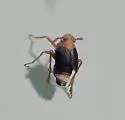
Syndelphax alexanderi
Syndelphax alexanderi
Syndelphax alexanderi (Syndelphax alexanderi) is a species in the family Delphacidae, commonly known as delphacid planthoppers, belonging to the order Hemiptera (True Bugs, Cicadas, Hoppers, Aphids and Allies). It is classified within the subfamily D
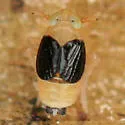
Syndelphax fulvidorsum
Syndelphax fulvidorsum
Identification: Syndelphax - University of Delaware
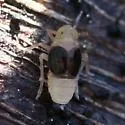
St. Augustine Grass Planthopper
Syndelphax pseudoseminigra
Identification: Syndelphax - University of Delaware In March 2005, a large infestation of the delphacid planthopper, Liburnia pseudoseminigra (Muir & Gifford), was found infesting St. Augustinegrass, Stenotaphrum secundatum , in a commercial sod farm
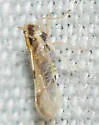
Tagosodes cubanus
Tagosodes cubanus
Identification: tentative det. C. Bartlett, 2022 a vector of Rice hoja blanca tenuivirus (RHBV) ( 3 )
Tagosodes dorsolineatus
Tagosodes dorsolineatus
Identification: boldly marked, see: Genus page - Univ. Del. Type Locality: Brownsville, Texas, June 29, 1938, R.H. Beamer
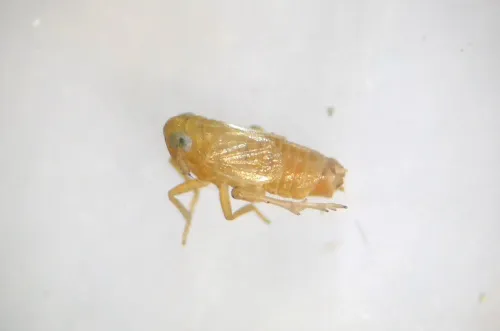
Xanthodelphax straminea
Xanthodelphax straminea
Length 2.5 to 3.5 mm (macropters ~4 mm). Entirely yellow-orange in colour. Examination of genitalia will confirm ID; Male has very short parameres compared to X flaveola. The nationally rare Xanthodelphax flaveola males have longer parameres; not rec
Achorotile angulata
Achorotile angulata
Achorotile coloradensis
Achorotile coloradensis
Achorotile curvata
Achorotile curvata
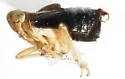
Achorotile distincta
Achorotile distincta
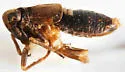
Achorotile pediforma
Achorotile pediforma
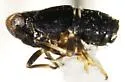
Achorotile stylata
Achorotile stylata
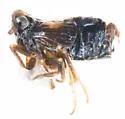
Achorotile subarctica
Achorotile subarctica
Akemetopon inornatum
Akemetopon inornatum
Bakerella angulata
Bakerella angulata
Bakerella bidens
Bakerella bidens
Bakerella bullata
Bakerella bullata
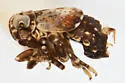
Bakerella cinerea
Bakerella cinerea
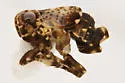
Bakerella cornigera
Bakerella cornigera
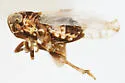
Bakerella fusca
Bakerella fusca
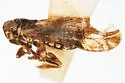
Bakerella maculata
Bakerella maculata
Bakerella minuta
Bakerella minuta
Bakerella muscotana
Bakerella muscotana
Bakerella pediforma
Bakerella pediforma
Bakerella penefusca
Bakerella penefusca
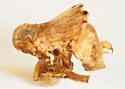
Bakerella rotundifrons
Bakerella rotundifrons
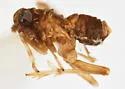
Bakerella spinifera
Bakerella spinifera
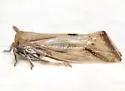
Bostaera balli
Bostaera balli
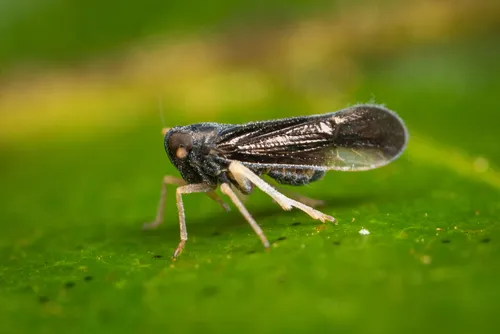
Caenodelphax teapae
Caenodelphax teapae
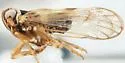
Chionomus balboae
Chionomus balboae
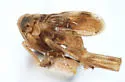
Chionomus bellicosus
Chionomus bellicosus
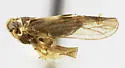
Chionomus cultus
Chionomus cultus
Chionomus dissipatus
Chionomus dissipatus
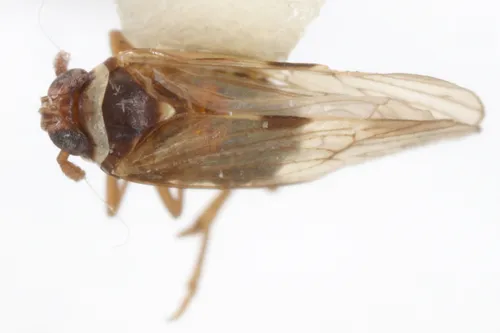
Chionomus havanae
Chionomus havanae
Chionomus herkos
Chionomus herkos
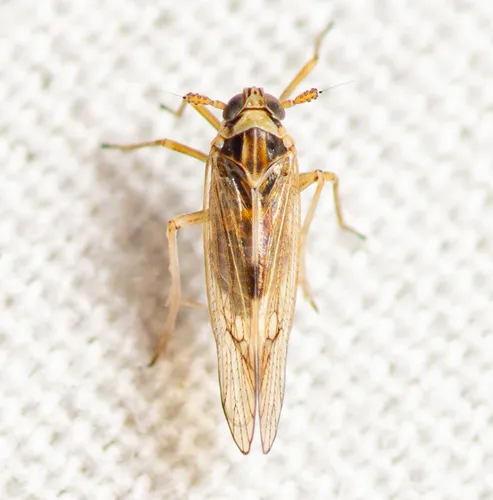
Chionomus pacificus
Chionomus pacificus
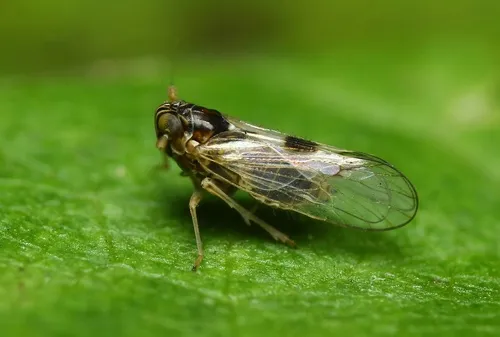
Chionomus puellus
Chionomus puellus
Chionomus quadrispinosus
Chionomus quadrispinosus
Chionomus tenae
Chionomus tenae
Chloriona sicula
Chloriona sicula
Delphacid Planthopper
Copicerus irroratus
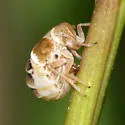
Criomorphus inconspicuus
Criomorphus inconspicuus
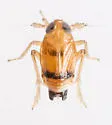
Delphacodes acuministyla
Delphacodes acuministyla
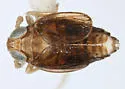
Delphacodes angulata
Delphacodes angulata
Delphacodes anufrievi
Delphacodes anufrievi
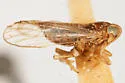
Delphacodes apicata
Delphacodes apicata
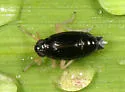
Delphacodes balli
Delphacodes balli
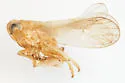
Delphacodes bocana
Delphacodes bocana
Delphacodes curvistyla
Delphacodes curvistyla
Delphacodes furcata
Delphacodes furcata
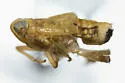
Delphacodes indentistyla
Delphacodes indentistyla
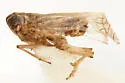
Delphacodes lappae
Delphacodes lappae
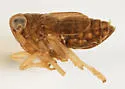
Delphacodes livida
Delphacodes livida
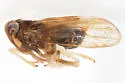
Delphacodes mcateei
Delphacodes mcateei
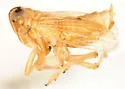
Delphacodes nigrinota
Delphacodes nigrinota
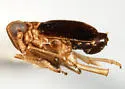
Delphacodes nigripennata
Delphacodes nigripennata
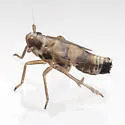
Delphacodes nr-shermani
Delphacodes nr-shermani
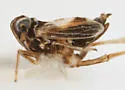
Delphacodes penepuella
Delphacodes penepuella
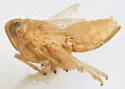
Delphacodes quadridentis
Delphacodes quadridentis
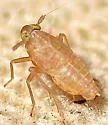
Delphacodes recurvata
Delphacodes recurvata