
Flies
Order Diptera
The Flies (Order Diptera) includes 6,350 species across 141 families and 1,800 genera in our directory.
About Flies
Diptera includes over 150,000 described species of flies, mosquitoes, and midges. Mosquitoes are the deadliest animal on Earth (CDC). Malaria alone causes ~249 million cases and over 608,000 deaths annually, mostly children under 5 (WHO). Vector-borne diseases account for over 17% of all infectious diseases, causing 700,000+ deaths per year.
Economic Impact
In the U.S., vector-borne disease cases tripled between 2004-2016, with over 640,000 cases reported in that period (CDC). Tickborne diseases doubled from 22,000 to 48,000 annual reports. Globally, mosquito-borne diseases cost billions in healthcare and lost productivity.
Ecological Role
Despite their disease impact, flies are critical decomposers and pollinators. Hoverflies alone pollinate hundreds of crop and wildflower species. Flies are also the primary food source for many birds, bats, and fish. Forensic entomology relies heavily on fly species for crime scene analysis.
Families in Diptera (141)
Species in Diptera (6,350)

Archytas californiae
Archytas californiae
Identification: Males can be separated from related species by the shape of sternite 5, the notch being narrow and parallel sided.
Archytas metallicus
Archytas metallicus
Identification: In most of its range (except for the Florida Keys), distinguished by the dark brown calypters. Otherwise, slightly shining and with dark hairs on the side of the face. The abdomen varies from mostly red with a narrow black line to n
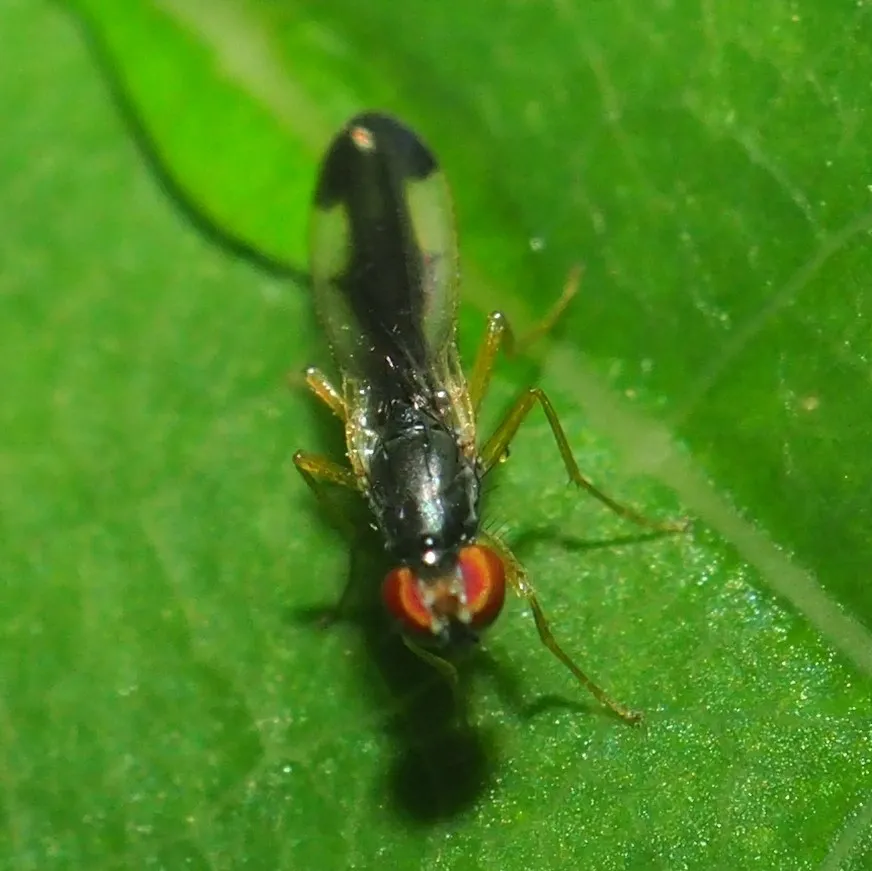
Arganthomyza vittipennis
Arganthomyza vittipennis
Identification: The only species of Arganthomyza with marked wings, but note the very similar pattern in Ischnomyia albicosta .
Argyra calcitrans
Argyra calcitrans
Identification: Legs yellow, base of male abdomen yellow, male hind basitarsus thickened with black bristles.
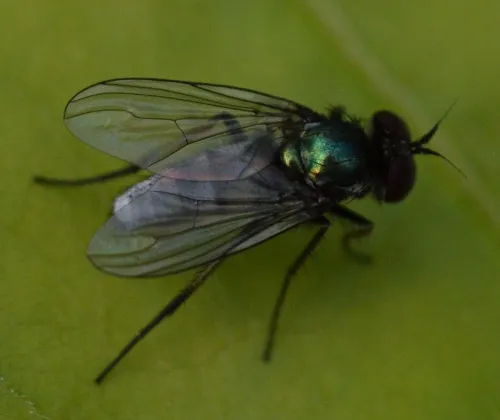
Argyra diaphana
Argyra diaphana
Males have some white on the abdomen and yellow spots on the side of the abdomen. Argyra diaphana can be distinguished from other Argyra species by the fact that the scutellum is hairy and the thorax is not silvery. The frons and face are blackish. U
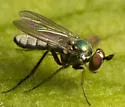
Argyra nigriventris
Argyra nigriventris
Identification: Abdomen without yellow. Fore and mid femora black with yellow tips. Fore and mid tibiae yellow. Hind leg entirely black with long bristles below basitarsus.
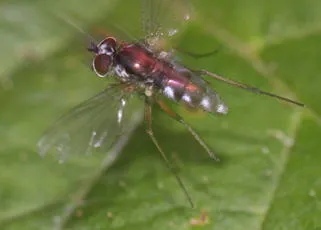
Argyra perplexa
Argyra perplexa
There are a number of similar species in this genus and identification to species level requires detailed examination. Our image is placed in a red box to denote that whilst it is likely to be this species, the image can only be claimed to be represe
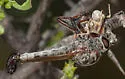
Arizona Club-legged Hammertail
Efferia tagax
Identification: Males are distinguished from other species of the albibarbis group by large size (over 25 mm), enlarged hind tibia, and mystax with mixed black and white hairs.
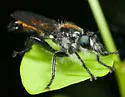
Arrowhead Laphria
Laphria index
Identification: Difficult to impossible to distinguish from L. ithypyga from photographs. Photos that are not conclusively identified should be placed here . Original description here
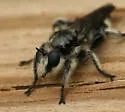
Ashy Laphria
Laphria cinerea
Identification: The legs of this species are covered in dense whitish pile, while the scutum is sparsely-haired, and often looks bare from some angles. This species shows pale pile on abdominal segments 5-6, and black scutellar bristles. Laphria cine
Ashy Sandpirate
Lasiopogon cinereus
Identification: Slender, strongly gray species with medial thoracic stripe (per Rob Cannings).
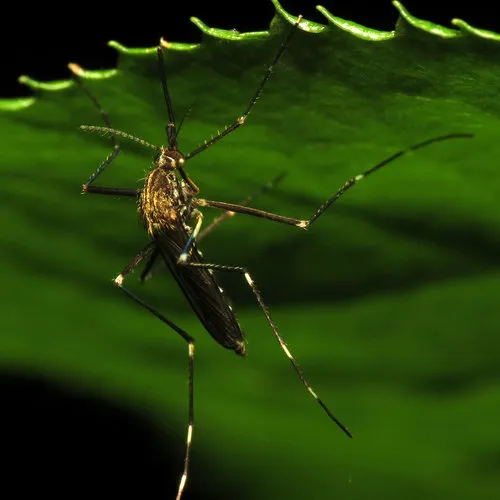
Asian Rock Pool Mosquito
Aedes japonicus
Identification: Larvae: The head is dark colored and the abdomen is creamy colored. Adult Female: The pattern on the scutum is distinctive. There are 5 golden striped scales and the lateral scales are pale and white in a lyre shape. There are also br
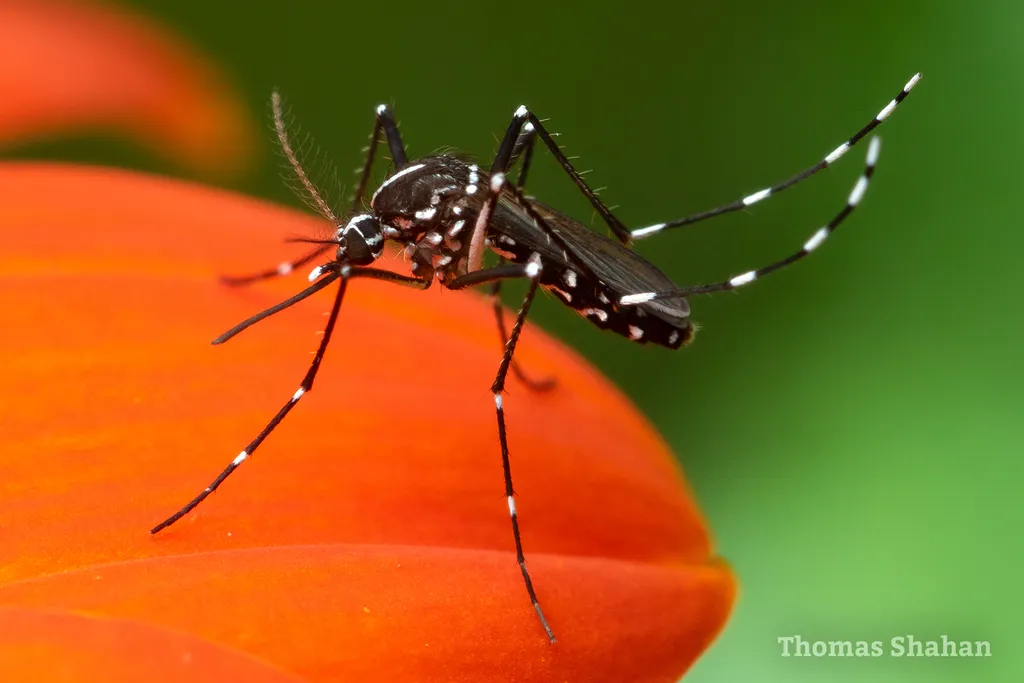
Asian Tiger Mosquito
Aedes albopictus
Identification: recognized by bold black shiny scales and distinct silver white scales on the palpus and tarsi. The scutum is black with a distinctive white stripe down the center beginning at the dorsal surface of the head and continuing along the t
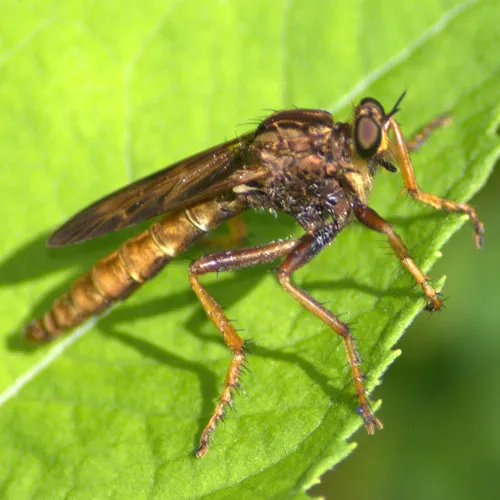
Asilus sericeus
Asilus sericeus
Identification: Head: Covered with golden pile, including behind the eyes. Row of brownish bristles across back of head. Mustache (mystax) has a thin layer of very long brownish-yellow bristles. Antenna: Base segments more brownish-yellow. Segment 3
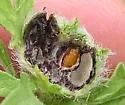
Asphondylia ambrosiae
Asphondylia ambrosiae
Produces multi-celled, fuzzy bud or flower galls on ragweed ( Ambrosia spp.). The larval cells are lined with a white fungus.
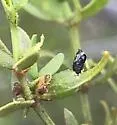
Asphondylia apicata
Asphondylia apicata
Identification: "Galls are green when fresh but turn a chocolate brown with age and have yellow or pale orange projections. Galls measure 7 mm long overall, with the lower swollen segment about 4 mm long by 2 mm in diameter. The thin projection is us
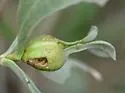
Asphondylia borrichiae
Asphondylia borrichiae
Identification: Induces galls on Borrichia frutescens, Iva frutescens, and Iva imbricata. Galls are composed of swollen bases of leaves forming a globular structure at the apex of stems.
Asphondylia caudicis
Asphondylia caudicis
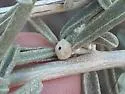
Identification: Induces small, globular galls at the base of leaves of Atriplex canescens. The galls are attached to the leaf petioles, which sometimes makes it seem like there are leaves growing out of the gall.
Asphondylia helianthiflorae
Asphondylia helianthiflorae
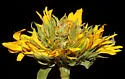
"Bred from apparently unmodified flower heads of Helianthus strumosus " (Felt 1908; also Felt 1958, Insects of Connecticut ). BugGuide photos show two other species of Helianthus . It is possible that these flies are in fact host species-specific a
Asphondylia helianthiglobulus
Asphondylia helianthiglobulus
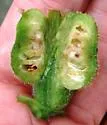
Larvae form globular galls in Helianthus (sunflower), from which the species name. It is possible that similar galls on different species of sunflower are made by different species of midge.
Asphondylia monacha
Asphondylia monacha
Identification: Females of this species and a few relatives have white-banded tarsi. Forms rosette galls on early goldenrod ( Solidago juncea ). The larva develops in a central cell, the inside of which is lined with the white mycelium of symbiotic f
Asphondylia neomexicana
Asphondylia neomexicana
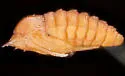
Identification: This midge is most easily identified from its gall. From the genus key of Gagné 1986 , they are detachable dense woolly, white, spherical bud galls on Atriplex canescens about 1 cm in diameter. The four-winged seed of the host can oft
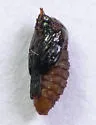
Asphondylia solidaginis
Asphondylia solidaginis
They occur on more than one species of goldenrod but mostly on Solidago altissima . These galls are usually heavily parasitized, and one of the common parasitoids is a species of Galeopsomyia (Eulophidae), which induces “a gall within a gall”, little
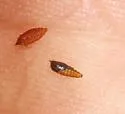
Asphondylia uvarum
Asphondylia uvarum
Eggs are probably inserted in ovaries of grape flowers in spring. Larvae feed and pupate within the developing berries.
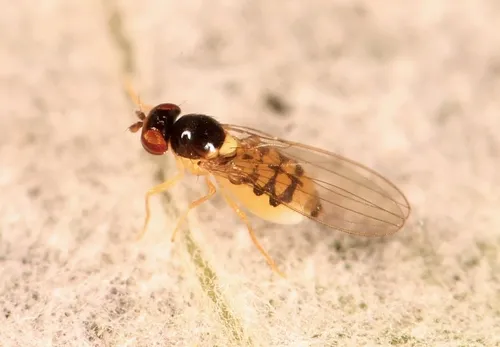
Asteia amoena
Asteia amoena
1.5-2mm. A very small fly with a shining black upper half and a white bar across the lower face. See ID guidance below. Your specimen should have all of these features: Adults overwinter in evergreen vegetation such as Ivy. No additional images avail
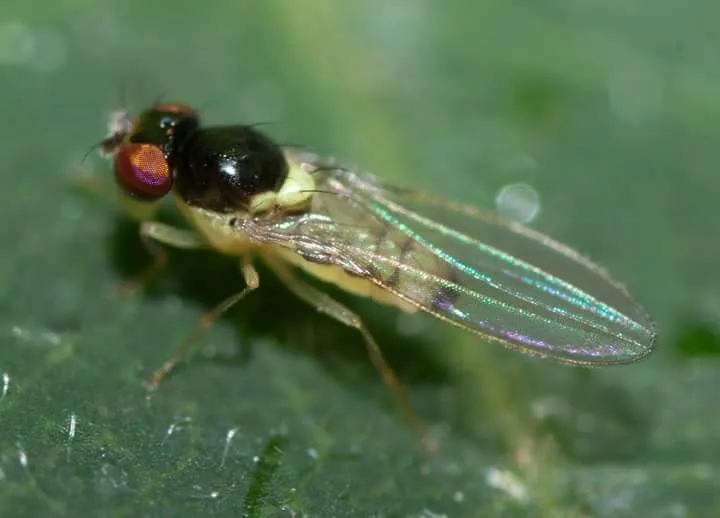
Asteia beata
Asteia beata
Identification: Black, slightly pollinose mesonotum; yellow scutellum; and yellow abdomen with black spots identify this species within its genus.
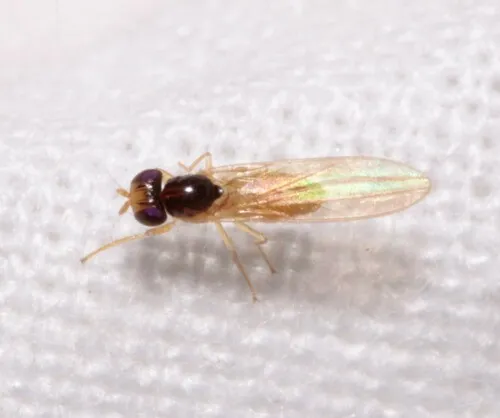
Asteia concinna
Asteia concinna
2-3mm. Mainly yellow but the top of the thorax and the disc of the scutellum shining black. The abdomen is pale yellow without any distinct black markings. Legs are pale and unmarked. Halteres are pale yellow and the face is also pale yellow without
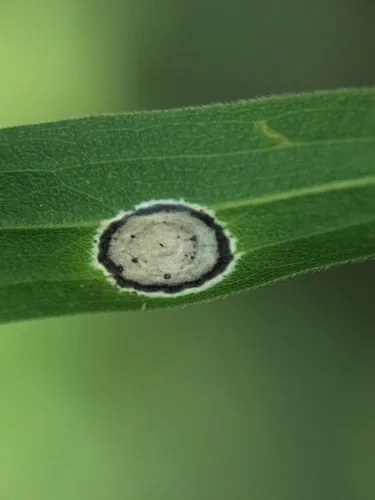
Asteromyia carbonifera
Asteromyia carbonifera
Induces flat, circular galls in the leaves of various goldenrods ( Solidago ). The galls contain a symbiotic fungus, Botryosphaeria dothidea , which the larva apparently does not eat. One to ten or more larvae develop in each gall. Color and size of
Asteromyia chrysothamni
Asteromyia chrysothamni
Identification: This midge induces small, subtle galls on leaves (and occasionally stems) of several Ericameria and Chrysothamnus species. The galls appear as grey discoloration of the leaf, sometimes making a blister. With age they turn black due to
Asteromyia tumifica
Asteromyia tumifica
Larvae develop in swellings on the sides of goldenrod stems. They overwinter and pupate within these galls.
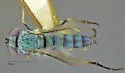
Asyndetus latus
Asyndetus latus
Identification: Male with white face as broad as frons, palps black with strong bristles, and tibiae yellow except for darker tip.
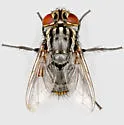
Atacta brasiliensis
Atacta brasiliensis
Identification: Distinguished from other Atacta by abdomen with yellow to orange tip (gray to yellowish gray in other species) and fewer bristles. Known to parasitize Noctuoidea and Sphingidae.
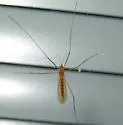
Atarba picticornis
Atarba picticornis
Identification: Adult preserved specimens: wings polished yellow; abdomen yellow with blackened subterminal ring on each segment; antennae elongate, bicolored with pale and dark rings - a distinguishing feature; legs yellow, with terminal tarsal segm
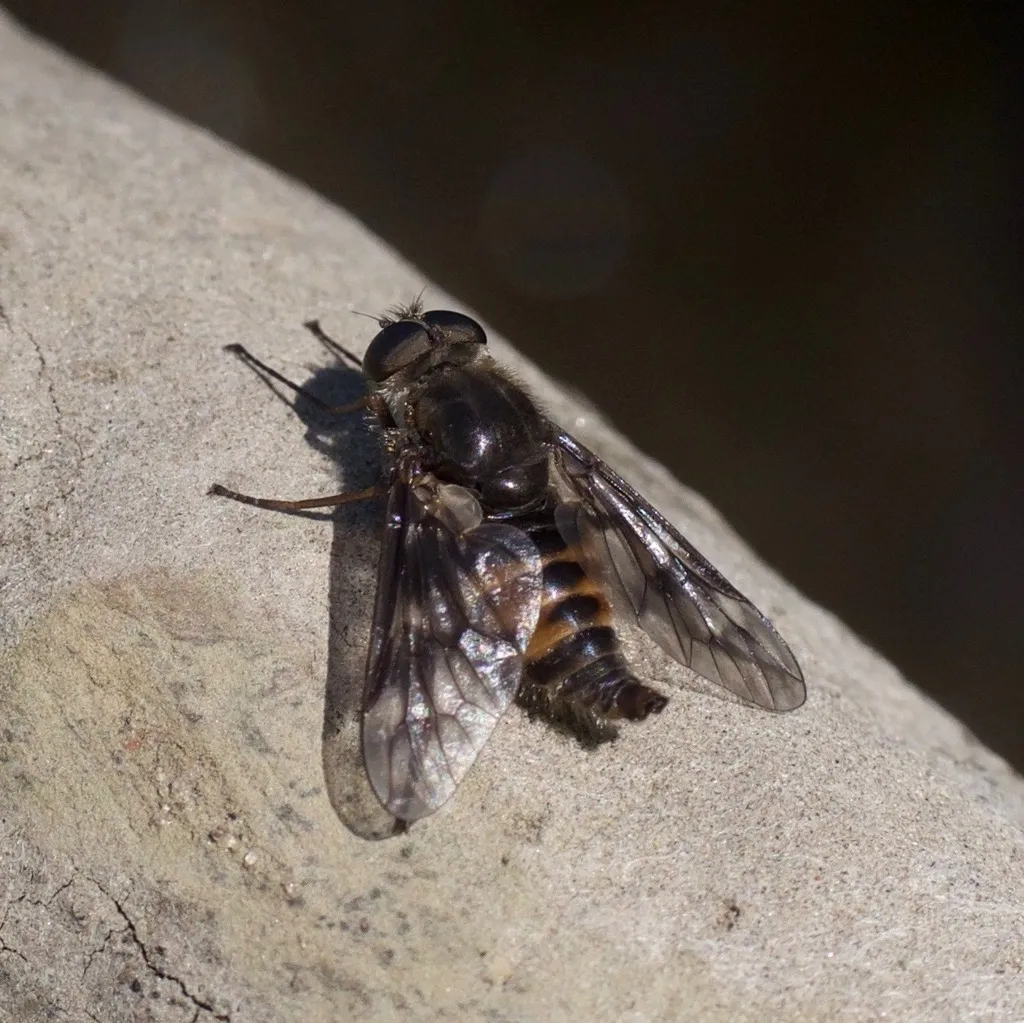
Atherix variegata
Atherix variegata
Identification: Male eyes distinctly separated, vs. separated by less than half width of one ocellus in other North American species.
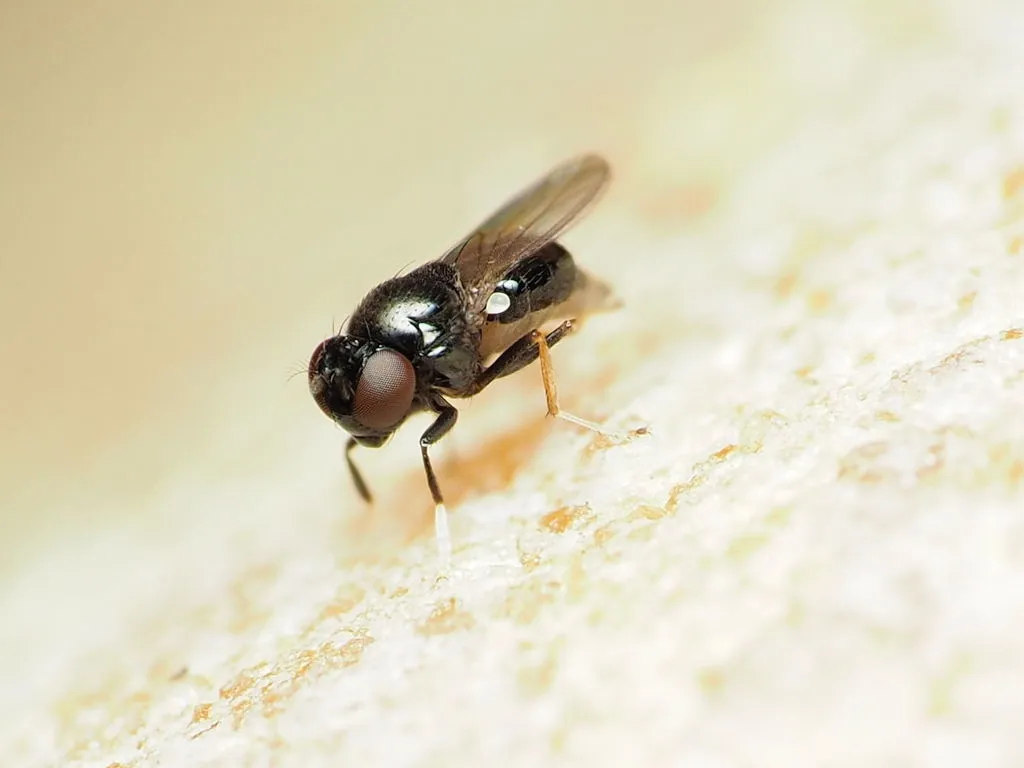
Athyroglossa glaphyropus
Athyroglossa glaphyropus
Identification: The only Eastern species of the genus with white halteres.
Atrichopogon fusculus
Atrichopogon fusculus
Identification: Distinguished from other North American Atrichopogon by the combination of proboscis and palps longer than head, scutellum with four strong marginal bristles, and basal segments of female antenna shorter than broad. Female is general
Atrichopogon levis
Atrichopogon levis
"This is easily the most common ceratopogonid in Ohio. The same is true in Illinois and probably elsewhere in this general region. Adults abound in grassy areas such as lawns, parks, and cemeteries to such an extent that the species has been nickname
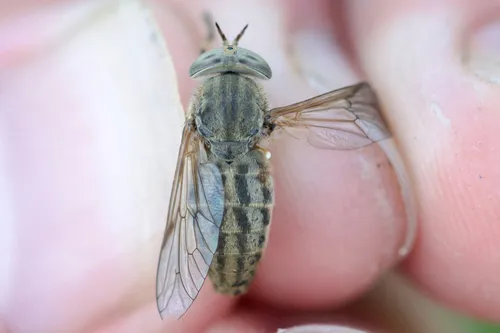
Atylotus calcar
Atylotus calcar
Identification: Female: frons with glossy calli present; body not almost completely white; abdomen not broadly orange laterally; pale hairs of body white to creamy white; abdomen with large median and sublateral white-haired patches on each tergite;
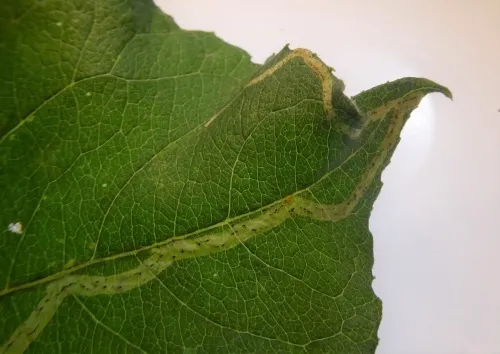
Aulagromyza fulvicornis
Aulagromyza fulvicornis
The larvae mine the leaves of sallows ( Salix ). The mine is a corridor which hardly widens from beginning to end. The frass is in thread fragments in two broken lines. See the National Agromyzidae Recording Scheme website for further details of pupa
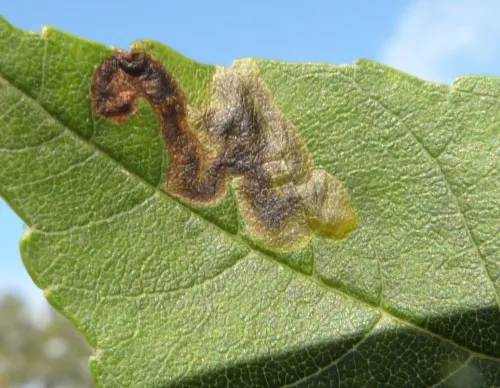
Aulagromyza heringii
Aulagromyza heringii
The larva mines the leaves of Ash producing an upper surface, long corridor or irregular blotch mine, beginning with a small yellowish-brown pustule. See the National Agromyzidae Recording Scheme webpage for this species for further details of pupari
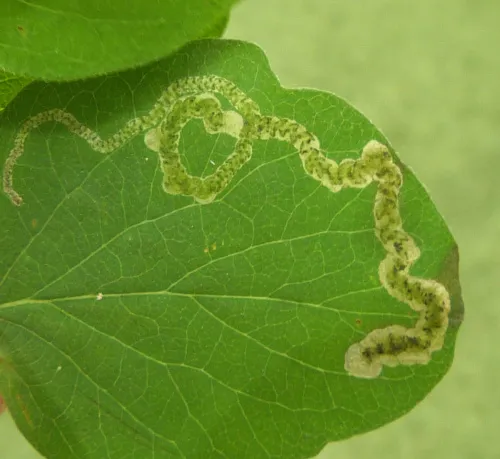
Aulagromyza luteoscutellata
Aulagromyza luteoscutellata
The larvae mine the leaves of Lonicera species ( Honeysuckle) , Symphoricarpos ( Snowberry ) and Leycesteria formosa . The mine is linear, with frass in a broad green band with scattered dark granules. See the National Agromyzidae Recording Scheme we
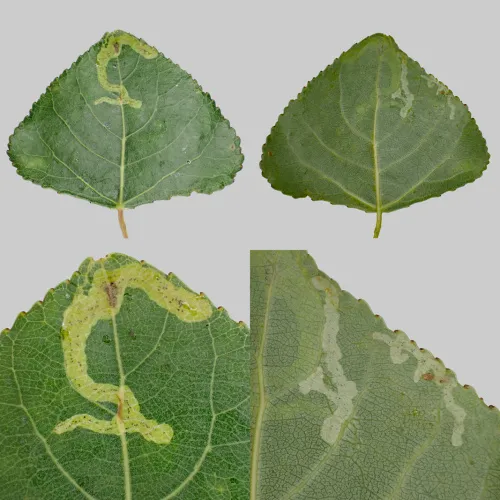
Aulagromyza populi
Aulagromyza populi
The larvae of the fly Aulagromyza populi produce winding leaf mines in the leaves of various Poplar species. The mines are recorded more often than the adult flies. Status in Britain is difficult to determine as the species is poorly recorded.
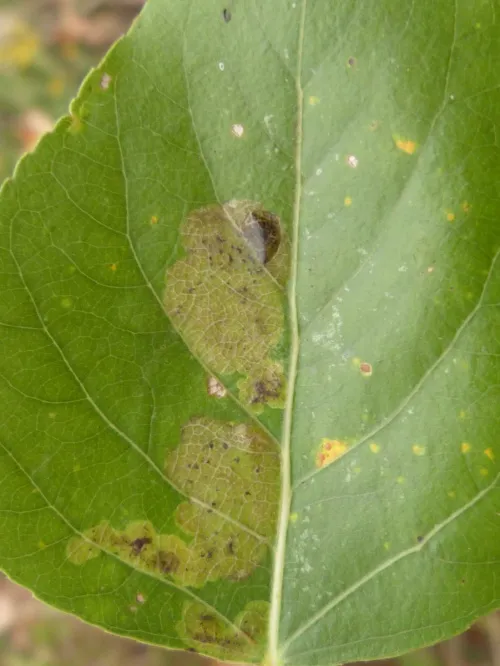
Aulagromyza populicola
Aulagromyza populicola
The larva forms an elongated blotch mine on the leaves of some Poplar species including Lombardy Poplar. The pupation is outside the mine, and the puparium often sticks out of the semi-circular exit slit in the mine. See the National Agromyzidae Reco
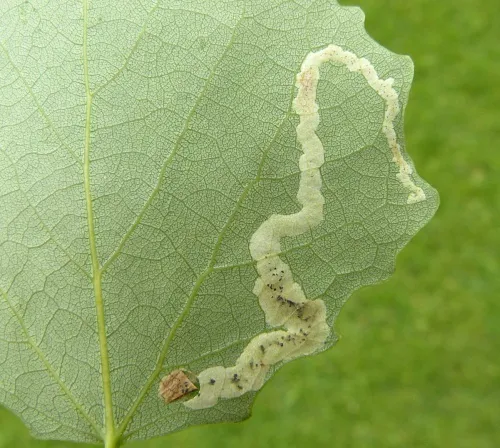
Aulagromyza tremulae
Aulagromyza tremulae
The larvae of the fly Aulagromyza tremulae mine the leaves of Aspen (and possibly Black Poplar). The mine is a long winding gallery on the underside of the leaf . See the National Agromyzidae Recording Scheme webpage for this species for further deta
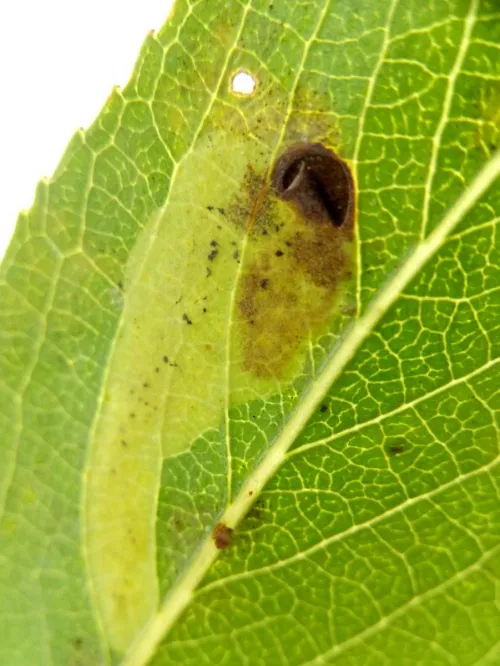
Aulagromyza tridentata
Aulagromyza tridentata
The larva mine the leaves of willows such as Crack-willow and Osier producing an elongated yellowish blotch mine. See the National Agromyzidae Recording Scheme webpage for this species for further details of puparium and adult insect . ref.: Warringt
Autumn Laphria
Laphria affinis
Identification: Fall flight time and the two front yellow legs are pretty diagnostic. Please note that correct spelling of specific epithet is affinis . (BC)
Awkward Clusterfly
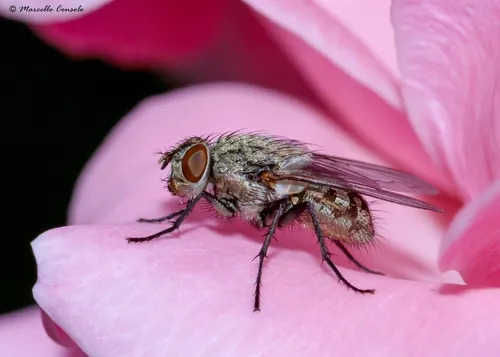
Pollenia rudis
The typical cluster fly Pollenia rudis is about 7 mm long, has short golden-coloured hairs on the thorax and irregular light and dark grey areas on the abdomen. Cluster flies are typically slow moving and pass the winter as adults so are very common
Axymyia furcata
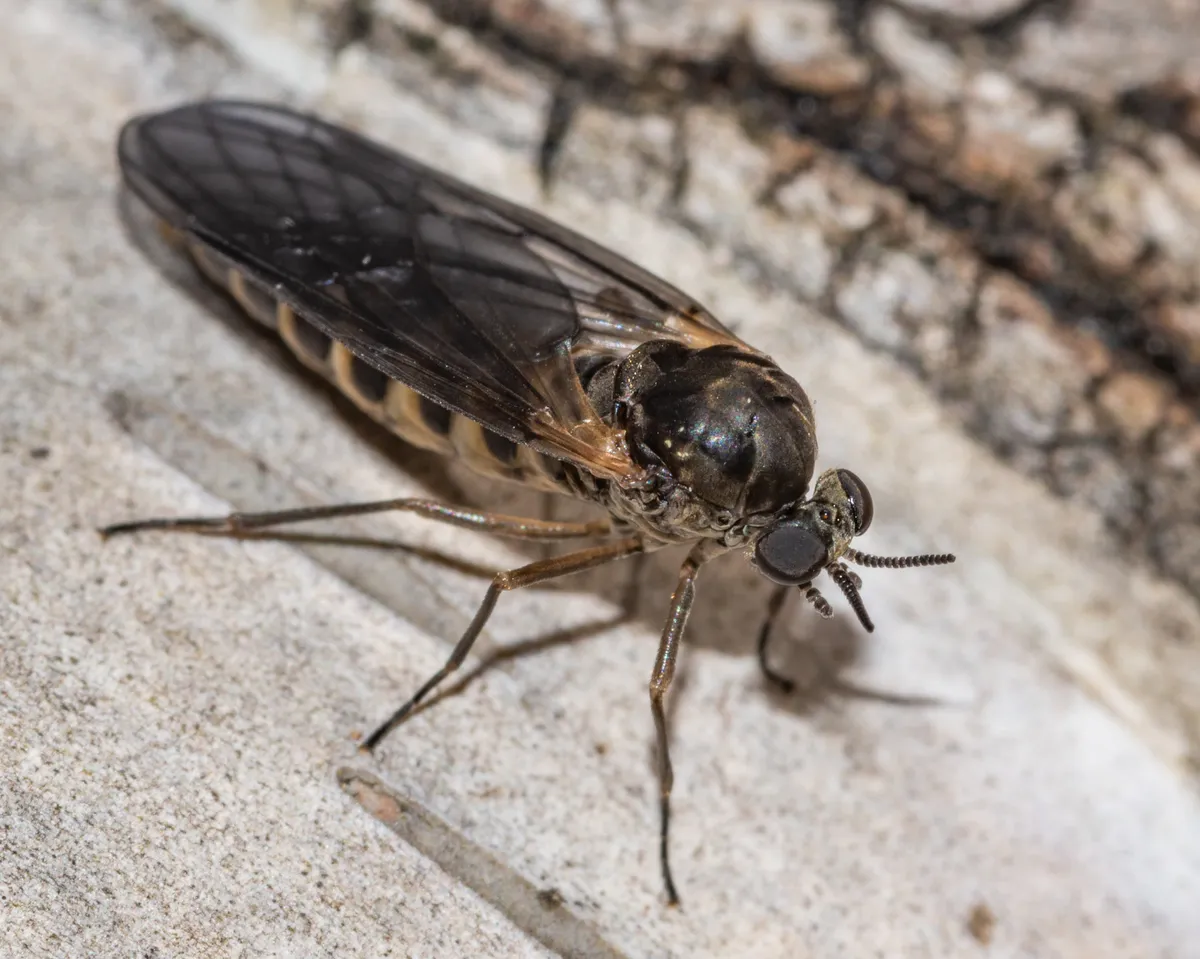
Axymyia furcata
The only described North American species in the family (+one undescribed in West)
Azelia nebulosa
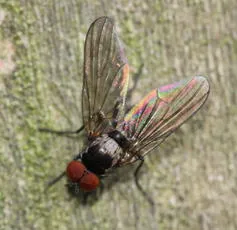
Azelia nebulosa
A small muscid with rounded spots on the abdomen, a pale patch on the hind thorax and a black scutellum. It has a distinct pre-apical bristle on the mid tibia but is lacking another bristle in the middle of the tibia. There are 7 UK Azelia species an
Bald-faced Hornet Fly
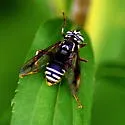
Spilomyia fusca
Identification: Second tergite entirely black, eyes pale, with dark spots and vertical bands
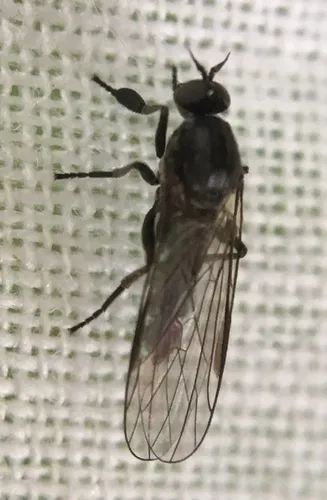
Balloon Fly
Hilara maura
3-4.5mm. Dark grey with few bristles on the thorax and legs. Males have distinctly dilated front tarsi which lack the long hairs seen in some other species. The thorax has three indistinct dark stripes which appear as one broad black stripe when view
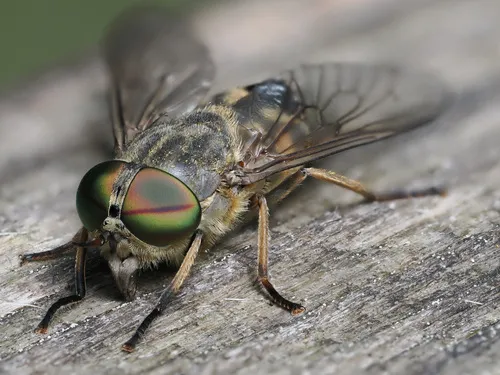
Band-Eyed Brown Horsefly
Tabanus bromius
This species has a body length of a body length of 13 to15 mm. A number of similar, rarer species exist. It is easier to identify live females which have a single strongly-formed coloured eye band (lost in pinned specimens). The abdomen is usually pa
Banded Foul Water Mosquito
Culex stigmatosoma
Identification: Scutum with middorsal acrostichal setae, hindtarsomeres with distinct apical and basal bands of pale scales, proboscis with complete distinct ring of pale scales, anterior of forefemur and tibia without pale striping, oval-shaped dark
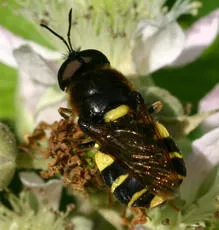
Banded General
Stratiomys potamida
Soldierflies get their name from their bold and bright colours and markings. This is a particularly striking example - looking like a very flat wasp. Unless identified by a recognised expert, a photo is required. If the photo doesn't show the key ID
Barred Snout
Nemotelus uliginosus
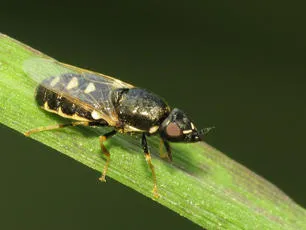
This is a cream and black patterned soldier fly, the males have more of the creamy colour on the abdomen than the females. Females of the species can be distinguished from the similar Nemotelus notatus female by the shape of the white bars on the fro
Basilia boardmani
Basilia boardmani
Identification: Differs from all other Basilia by the presence of a finger-like process on the metanotum of female (behind thoracic membrane). Only species of Basilia known from Myotis austroriparius ; Myotis lucifugus is also a host.
Bathurst Burr Seed Fly
Euaresta bullans
host plants are invasive weeds, but the fly is not an effective control agent
Bellardia bayeri
Bellardia bayeri
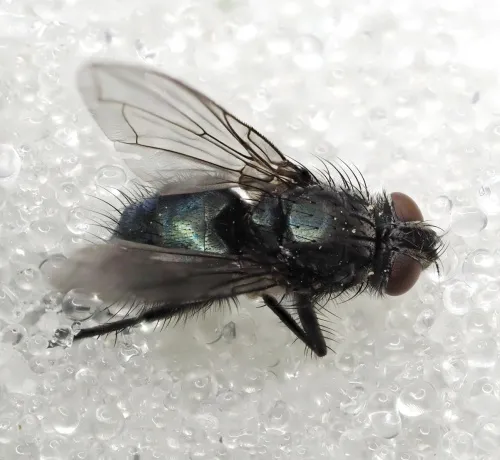
5 to 8 mm. Abdomen metallic green or blue. Thorax black with a dark V behind the head. The lower calypter is hairy. There is a brown spot on the upper parafacial which doesn’t disappear when viewed from different angles. Detailed examination may be n
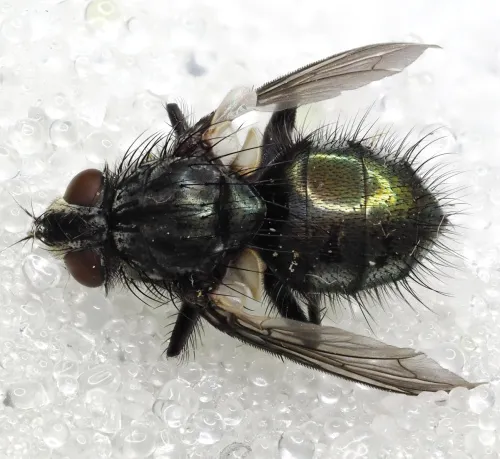
Bellardia vulgaris
Bellardia vulgaris
5-11mm. A typical blowfly with a stocky stature. The abdomen is green and metallic, the thorax is grey. Bellardia as a genus have parafacialia with long hairs, the bend of vein M1 is obtuse and the abdomen is brown, black or green but rarely blue. Mi
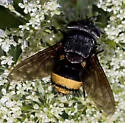
Belvosia bifasciata
Belvosia bifasciata
Identification: Facial ridge setose at least halfway up. Hind tibia described as not being ciliate compared to some other species.
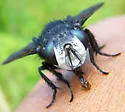
Belvosia borealis
Belvosia borealis
Identification: Black wings and calypters, white cheeks, more than one pair of median margins on T1+2 and T3. Other species in the United States and Canada have at most a single pair of median marginals on these tergites (since B. pollinosa was synon
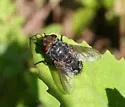
Belvosia unifasciata
Belvosia unifasciata
Identification: 3 postsutural acrostichals spaced for 3
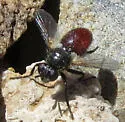
Besseria brevipennis
Besseria brevipennis
Identification: The other North American species have black marks on the abdomen ( anthophila ) or abdomen entirely black ( atra ).
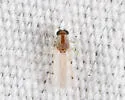
Bezzia glabra
Bezzia glabra
Identification: Part of the bicolor group (see Wirth, W. W. 1983. The North American Predaceous Midges of the Bezzia bicolor Group (Diptera: Ceratopogonidae). The Florida Entomologist, 66, 292–310. https://doi.org/10.2307/3494125)
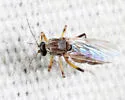
Bezzia solstitialis
Bezzia solstitialis
Diagnosed in Wirth et al. 1984. This species was listed as a synonym of B. circumdata in . A later study (Dominiak & Szadziewski 2018) found that synonymy to be incorrect.
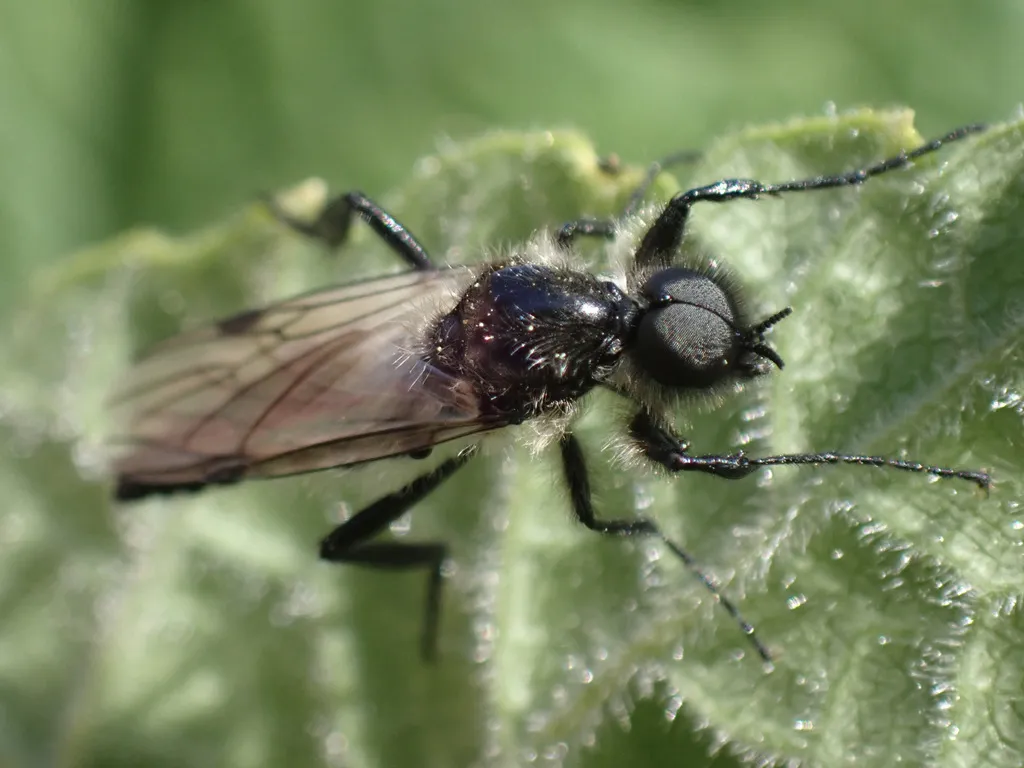
Bibio albipennis
Bibio albipennis
Identification: "This species is readily differentiated from other species of Bibio by the very short r-m crossvein and by the short inner spurs of the front tibiae. It differs from melanopilosus Hardy in being larger, having predominantly pale pile,
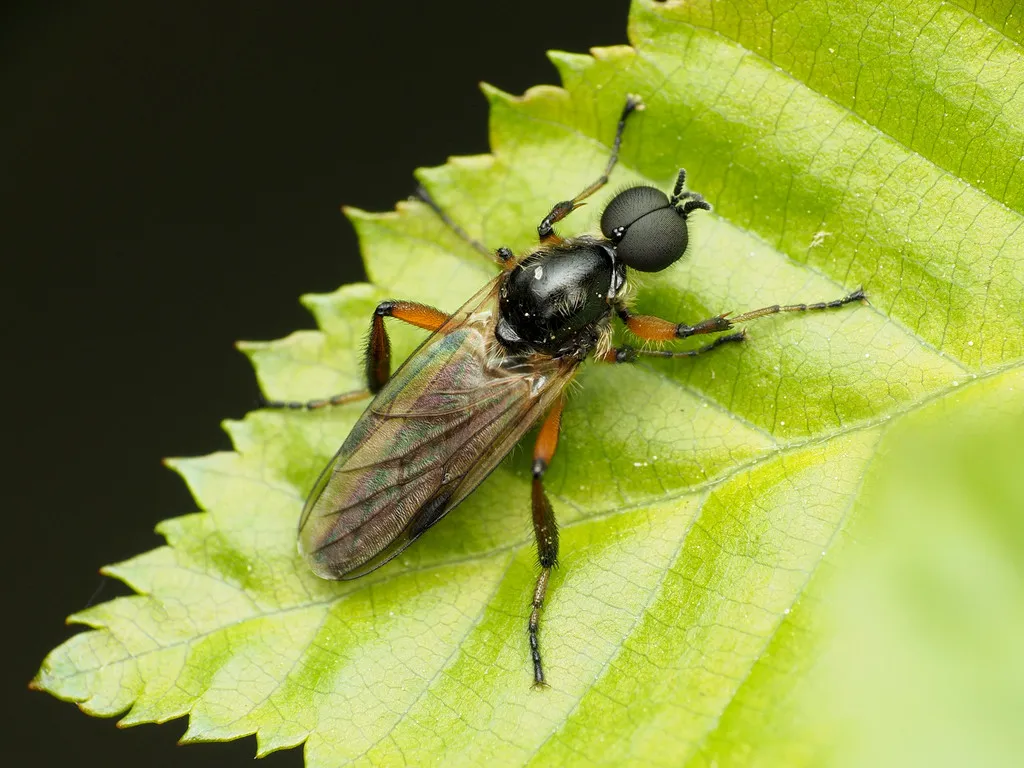
Bibio articulatus
Bibio articulatus
Identification: The most common of the species with mostly red legs, black body (but female thorax red on top), and inner spur of fore tibia as long as outer. Bibio xanthopus is larger with a slightly shorter to much shorter inner spur. Females can
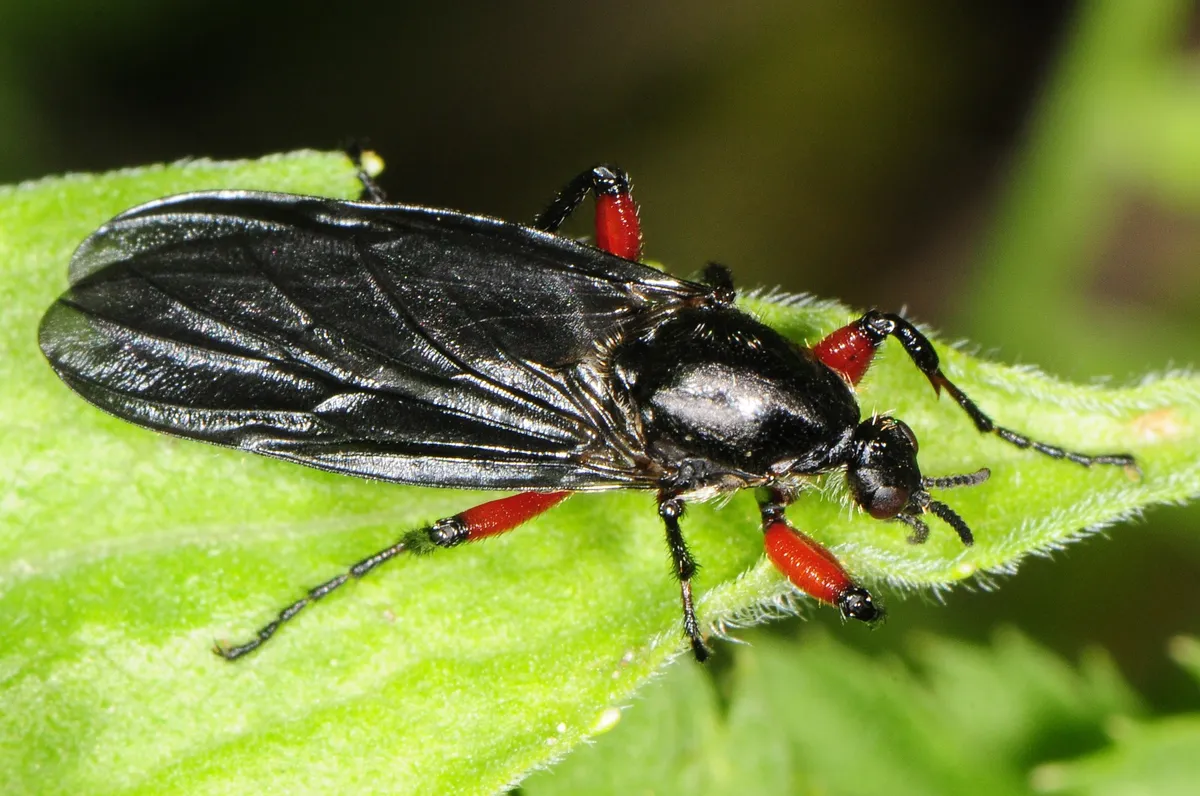
Bibio femoratus
Bibio femoratus
Identification: Shining black, dense yellow hair, red femora, front tibial spines nearly equal length, anterior veins dark brown, posterior veins light brown, R-M crossvein about equal to base of Rs. Females have dark wings, black along the leading
Bibio holtii
Bibio holtii
"Members of this species are the strongest fliers of the Bibionidae that have been observed by the writer, they are usually taken in mountain regions hovering high above the ground, ordinarily well out of reach of the insect net." (Hardy, 1945)
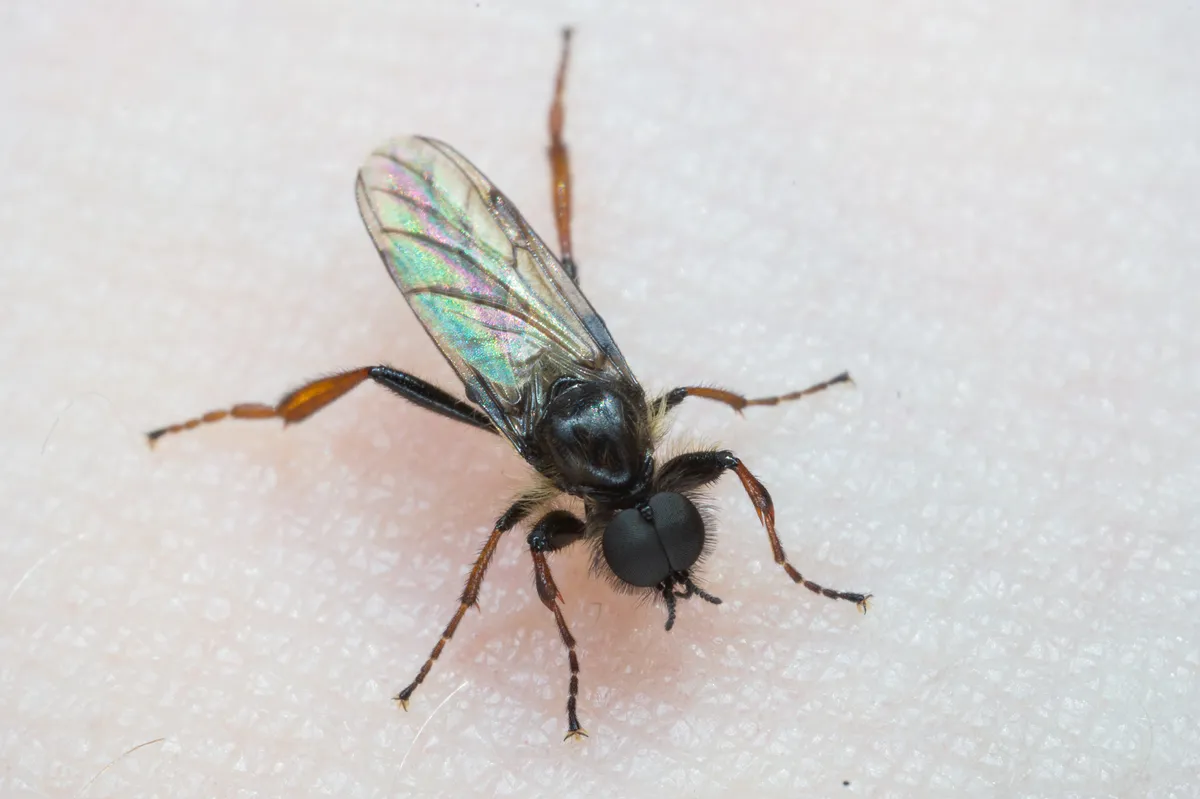
Bibio lanigerus
Bibio lanigerus
Identification: differs from B. vestitus by having posterior veins somewhat darkened, hind basitarsus short and enlarged; males generally hold wings out at rest
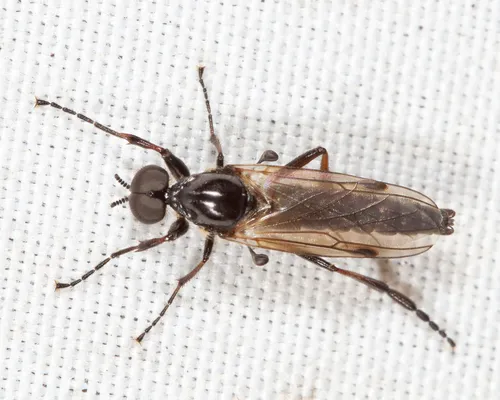
Bibio longipes
Bibio longipes
Identification: Males are all black with swollen hind tarsi and are hard to distinguish from Bibio slossonae , the other common fall-flying species. Females are distinguished by their reddish color. Large swarms consisting of males are common in the
Bibio superfluus
Bibio superfluus
Identification: The common female color form is black except the top of the thorax and a little of the sides are shining orange. The inner spur of the fore tibia is very short. The female head extends far beyond the back of the eyes.
Bibio townesi
Bibio townesi
Identification: Male with yellow legs and shining black thorax. Inner spur of fore tibiae short. R-M slightly longer than Rs.
Bibio vestitus
Bibio vestitus
Leg color can vary from black to almost entirely red. Males normally have dark femora, females red femora. Mostly red-legged females are similar to B. xanthopus , which usually has shorter spurs. See discussion here: Females with only femora red ca
Billaea rutilans
Billaea rutilans
Identification: Abdomen broadly ovate. Tergite 3 (second abdominal segment) probably consistently without distinct median marginal setae.
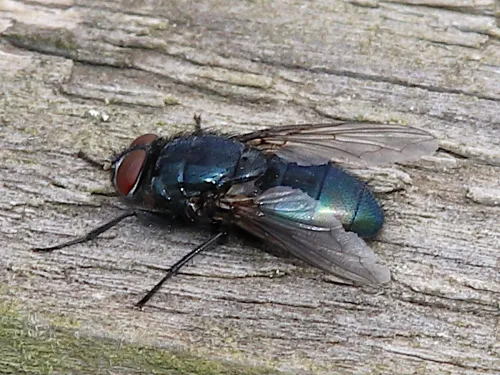
Bird Blowfly
Protocalliphora azurea
Length 7-12mm. A dark metallic blue blowfly. It is distinguished from Protophormia terraenovae by the presence of long presutural acrostichals and dusting on the thorax. Good quality dorsal and lateral photographs showing the distinguishing features
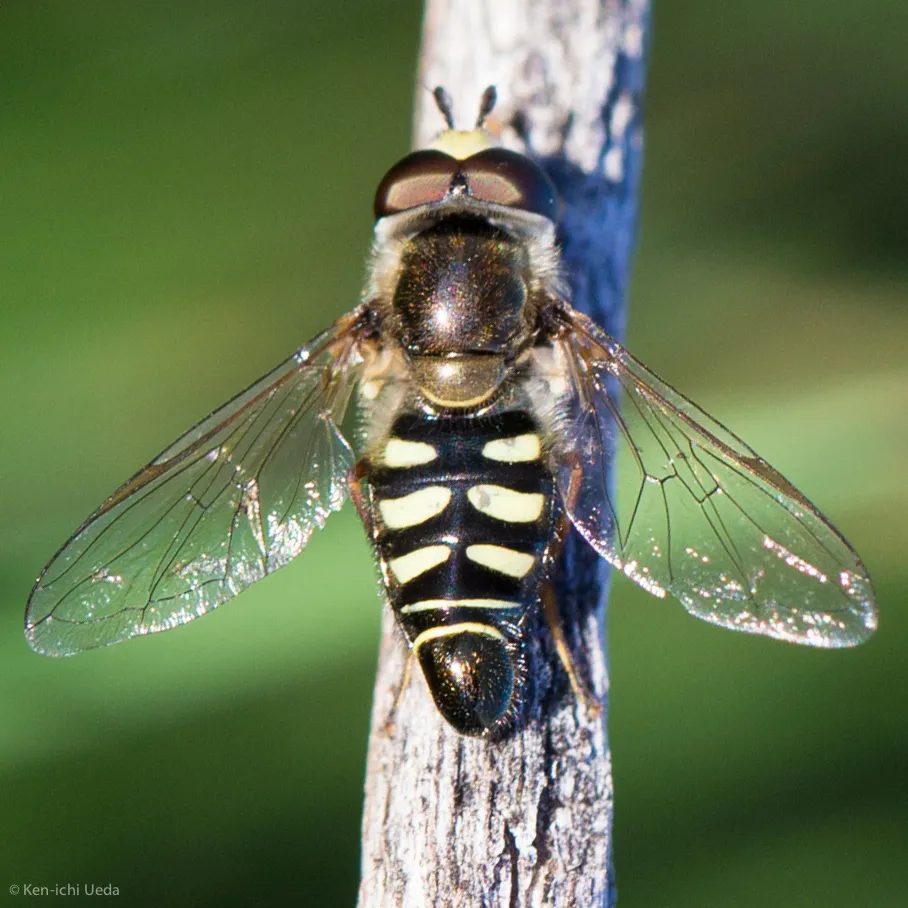
Bird Hover Fly
Eupeodes volucris
Identification: Projecting cylindrical abdomen of male rather distinctive. E. volucris females have the Scaeva like markings on the abdomen, which are always separated, strongly curved and more white, while other Eupeodes species have them yellow. E.
Bithoracochaeta leucoprocta
Bithoracochaeta leucoprocta
Identification: Antennae with first flagellomere pointed. Scutum with 2 pairs of postsutural dorsocentral setae. Sometimes an additional ventral katepisternal seta to the usual 3 can be made out.
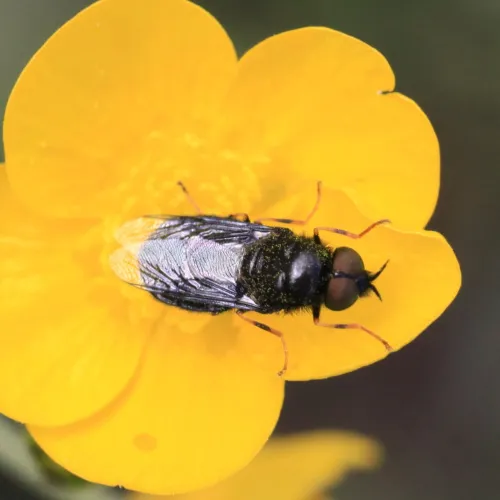
Black Colonel
Odontomyia tigrina
Odontomyia tigrina is a medium-sized soldierfly with a black body. (see 'Further Information' link below) Usually associated with coastal marsh areas, but occasionally recorded further inland near wet areas, ditches etc. Widespread but local in Engla
Black Dump Fly
Hydrotaea aenescens
Identification: Generally shiny black. Only Hydrotaea with yellow-orange palps. Male fore femur unmodified.
Black Hanging Thief
Diogmites platypterus
Identification: The dark Diogmites in the south. Looks amazingly like a black species of paper wasp when flying low and slow in vegetation. The shining dark scutellum or thoracic shield is almost characteristic, along with the nearly all-dark abdomen
Black Saltmarsh Mosquito
Ochlerotatus taeniorhynchus
Identification: Adult: Dark overall. Proboscis with distinct white ring at middle. Palps white-tipped. Wing scales dark. Abdominal terga with transverse basal pale bands, lacking median longitudinal stripe. Hind tarsomeres with pale rings basally. La
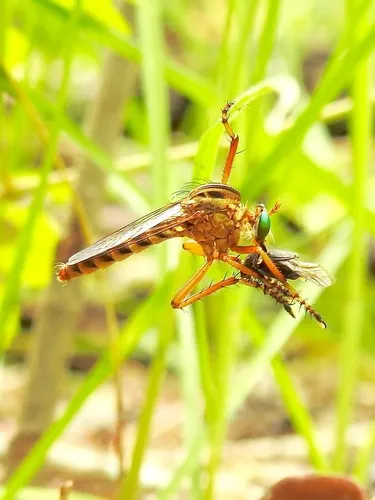
Black-banded Hanging Thief
Diogmites properans
Identification: medium-sized species with three black mesonotal stripes (vs brownish in D. salutans ) and black dorsal bands on abdomen
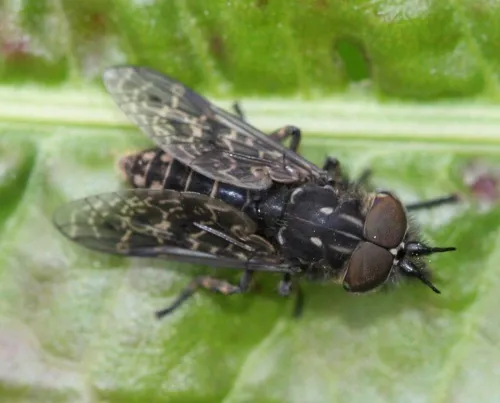
Black-horned Cleg
Haematopota crassicornis
The Haematopota genus is distinctive due to the mottled wings. H. crassicornis has a greyish abdomen and all-black antennae. H. pluvialis is the other common species in this genus and very similar though tends to have a brown rather than grey appeara
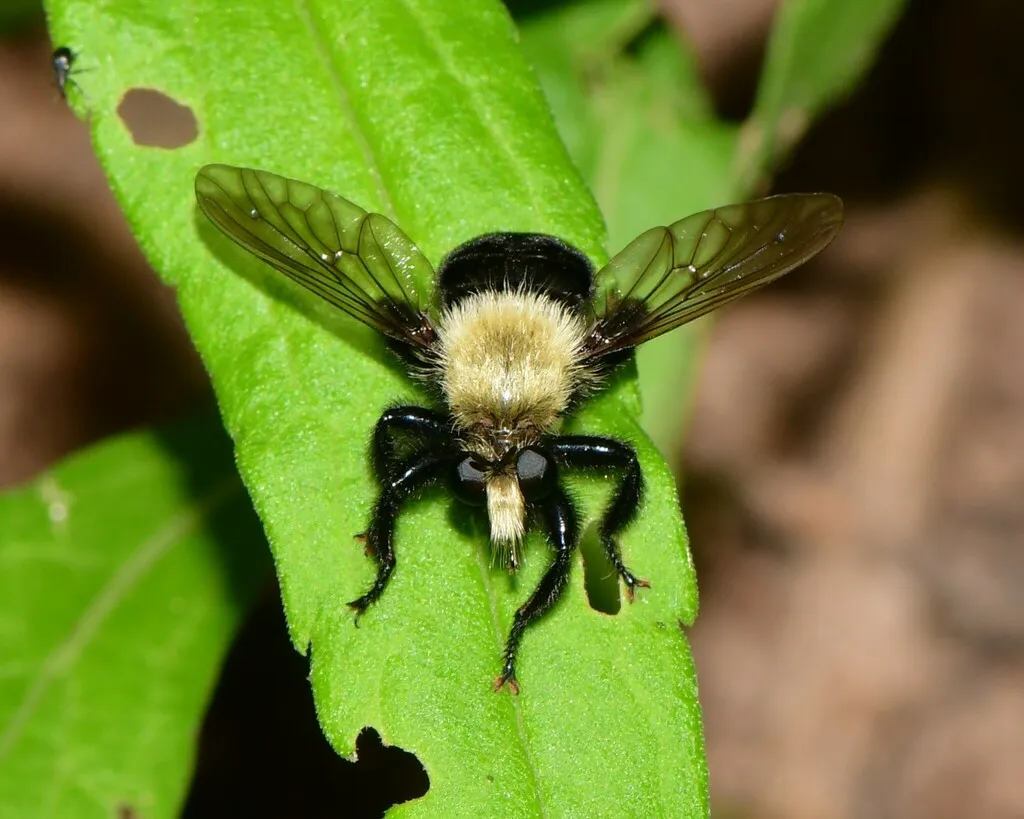
Black-tailed Laphria
Laphria flavicollis
Identification: L. flavicollis and L. virginica are easy to confuse. The main gestalt things to look for are the hairiness of the black abdomen: very fuzzy in virginica , somewhat glossy in flavicollis . The golden hair on the top of the thorax looks
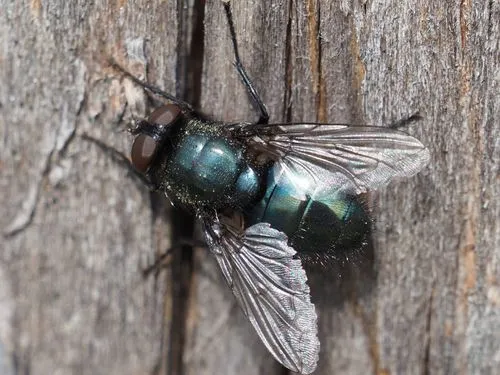
Blackbottle
Protophormia terraenovae
This is a fairly large, dark blue blowfly. It will often fold its wings tightly over the abdomen at rest which can lead to confusion with the similar Protocalliphora azurea . However P. terraenovae can be separated by its much darker colour and the a
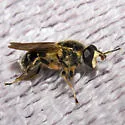
Blera pictipes
Blera pictipes
Identification: Note the yellow on the sides of the thorax behind the suture that continues as a scutellar margin, which distinguishes from B. humeralis .
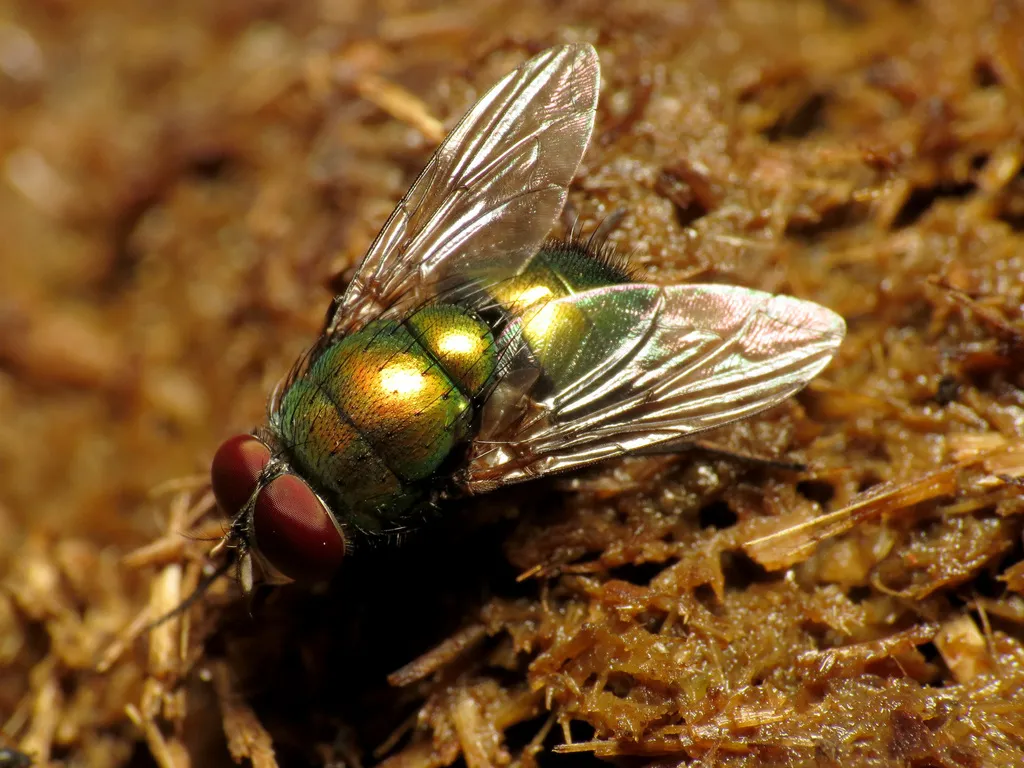
Blue-green Bottle Fly
Lucilia coeruleiviridis
Identification: Two pairs of postsutural archostichal bristles, palpi orange, males have very narrow frons, basicosta yellow/orange, subcostal sclerite without stout bristles
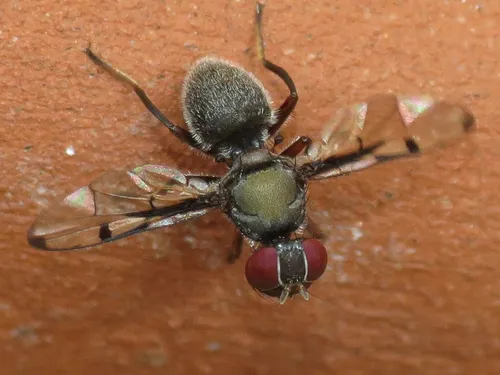
Boatman Fly
Pogonortalis doclea
The males wave wings in display and engage in head-to-head combat
Boettcheria cimbicis
Boettcheria cimbicis
Identification: Separating males of this species from other related Boettcheria requires examination of the terminalia. Females have pruinosity covering the entire posterior surface of the metafemur, unlike all other Boettcheria. "Boettcheria cimbici
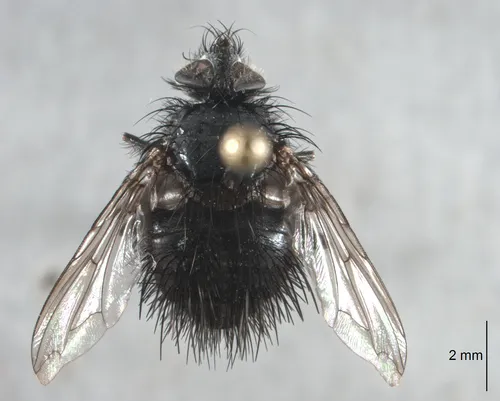
Bombyliomyia soror
Bombyliomyia soror
Identification: From Curran's description of female Tachinalia hispida : "Robust, the abdomen broader than the thorax and not much longer than wide. Eyes with long hair; parafacials haired; front rather narrow, with two pairs of orbitals; ocellars lo
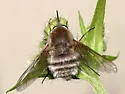
Bombylius (Zephyrectes) incanus
Bombylius incanus
Identification: This one is easily recognizable by the clear wings and hairy white abdomen with black bands and white face.
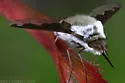
Bombylius anthophilus
Bombylius anthophilus
Identification: extensive white coloration on underside of body and top of thorax; western distribution size and other features similar to B. major page creation based on Neal Evenhuis' comments on this image from British Columbia - specifically, "Th
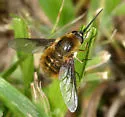
Bombylius mexicanus
Bombylius mexicanus
Identification: A large bee-fly that flies in late spring to summer, similar to Bombylius major , which typically flies earlier in the spring. Pile ("hair") mostly yellow, with just a few black hairs on the edges of abdominal segments. Note white sp
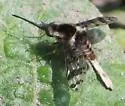
Bombylius pulchellus
Bombylius pulchellus
Identification: dark brown with white hairs along anterior and lateral margins of thorax, plus posterior corners of thorax behind wings; proboscis long and slender; wings clear except for groups of blackish spots coalesced to form bands or large blot
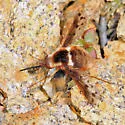
Bombylius pygmaeus
Bombylius pygmaeus
Identification: Thorax dark brown, outlined in yellowish-white; spots on wings distinctly separate (not coalesced into bands or blotches, as in the similar B. pulchellus ).
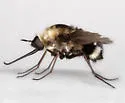
Bombylius varius
Bombylius varius
Identification: A large Bombylius --note white patches on abdomen. This pattern appears to be distinctive within its range.
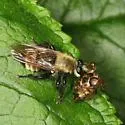
Boreal Laphria
Laphria posticata
Identification: Two forms, which may be good species . Nominate posticata shows black scutellar bristles, and yellow hairs on lateral portions of third abdominal tergite, and all of the fourth and fifth tergites. The form scutellaris has yellowish sc
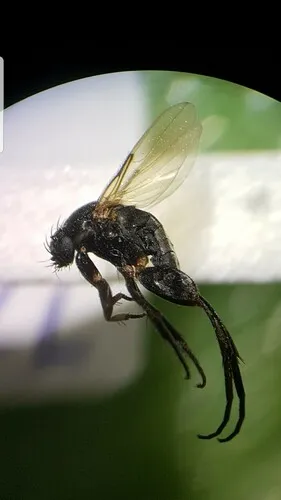
Borophaga incrassata
Borophaga incrassata
Size 7-8mm. This hump-backed fly has a blackish head, legs and thorax with a somewhat greyer abdomen. The wings are shaded brown. Vein 3 is unforked, the hind tibia has a pallisade of hairs and it has a broad, elevated ocellar triangle platform. This
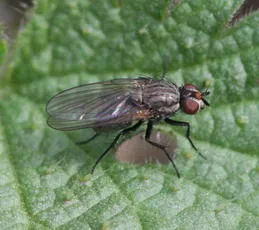
Botanophila fugax
Botanophila fugax
This anthomyiidae fly has a grey striped thorax and black legs. It has characteristically long hairs arising from the thorax. This species has a red ID rating and unless identified by a known expert you must provide a satisfactory explanation of how