
Primitive Winged Insects
Order Coleoptera
The Primitive Winged Insects (Order Coleoptera) includes 15,720 species across 160 families and 3,716 genera in our directory.
About Primitive Winged Insects
Coleoptera is the largest order of insects with over 400,000 described species, representing ~25% of all known animal species and ~40% of all insects. In the U.S. alone, nearly 30,000 beetle species have been identified.
Economic Impact
Beetles have major economic significance: leaf beetles (Chrysomelidae) and weevils (Curculionoidea) are among the most destructive agricultural pests globally, costing billions annually, while predatory species like ladybugs provide natural pest control.
Ecological Role
Beetles are prominent decomposers, especially in forests, breaking down dead wood and recycling nutrients. As predators, they reduce populations of pest insects. Many species are also important pollinators of flowering plants.
Families in Coleoptera (160)
Species in Coleoptera (15,720)
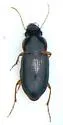
Selenophorus opalinus
Selenophorus opalinus
Identification: Relatively large size and shiny iridescent elytra with series of tiny punctures in striae 3, 5, & 7. NB: an undescribed species discovered recently in se TX superficially appears like a small (8-8.5 mm) S. opalinus . Type locality: Ca
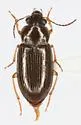
Selenophorus rileyi
Selenophorus rileyi
Identification: distinguished from other Nearctic Selenophorus species by the dark elytra with strong metallic luster; pronotum with base and front coarsely punctate, hind angles sharply subrectangular; elytra with subfoveate seriate punctures and de
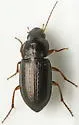
Selenophorus seriatoporus
Selenophorus seriatoporus
Identification: Elytra with seriate punctures large. Pronotum base more finely rugose than punctate. Det. P.W. Messer, 2021 (based on examination of the spmn)
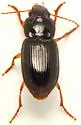
Selenophorus undatus
Selenophorus undatus
Identification: distinguished from other species of Selenophorus by its shiny and iridescent black elytra, dorsal microsculpture absent, pronotum not notably cordate, elytral striae not densely punctulate, abdomen without subapical carinae in males,
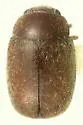
Selvadius nunenmacheri
Selvadius nunenmacheri
Identification: Gordon defined this polymorphic species with noticeable variation in size and some variation in the form of the postcoxal line and body shape based on four spmns Type Locality: Colorado Springs, Colorado
Semanotus japonicus 0
Semanotus japonicus
Identification: adult habitus: preserved specimens ♂♀ ● live photo
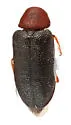
Semijulistus rubrithorax
Semijulistus rubrithorax
"These with the red prothorax from the eastern Sierras go under the name Semijulistus rubrithorax Pic, 1928. Whether they're a color morph of a more widespread solid-black species is still unknown!" ―Matt Gimmel
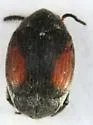
Sennius cruentatus
Sennius cruentatus
Identification: The shape of the elytral maculation will usually separate S. cruentatus from all the U.S. species except S. simulans , which is only known from AZ. Has an all-black form
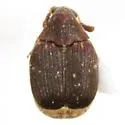
Sennius guttifer
Sennius guttifer
Identification: Det. E. G. Riley, 2010 – first USA record not reported in Kingsolver
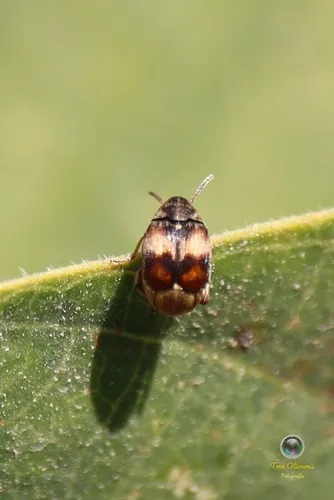
Sennius lebasi
Sennius lebasi
Identification: Body reddish yellow to black, most often dark red; head black, pronotum red to black, often with paler red median line; elytra reddish yellow to dark brown, each elytron with broad, oblique, paler band usually extending from side to s
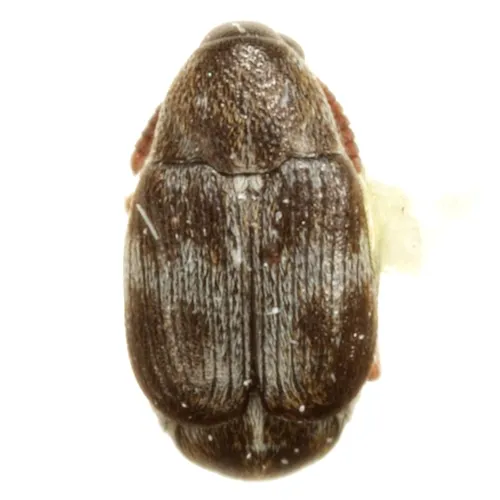
Sennius leucostauros
Sennius leucostauros
Identification: Integument black; antenna reddish brown, fore legs and mid legs reddish brown, metafemoral base black, apical one-third to one-half red. Vestiture white and dark brown; pronotum with median stripe and lateral patches white; scutellum
Sennius medialis
Sennius medialis
Identification: most closely resembles S. abbreviatus , which has the hind legs black, not red
Sennius simulans 0
Sennius simulans
Type locality: Huachuca Mountain, Cochise Co., Arizona
Sepedophilus brachypterus
Sepedophilus brachypterus
Identification: Male genitalia show variation throughout its range; may actually be a complex of similar species
Sepedophilus marshami
Sepedophilus marshami
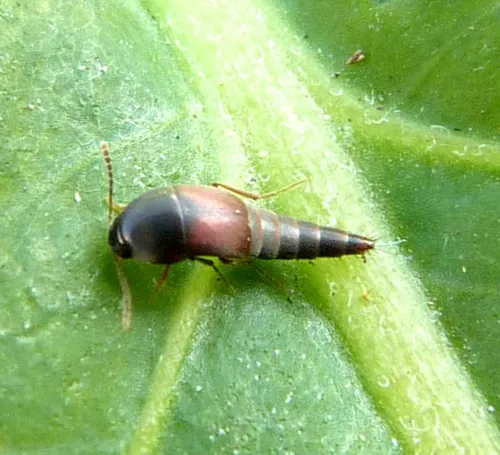
A very small (5 mm) Rove Beetle. It is shaped like a tear drop with the head at the wider end. It has a blackish body with a wide red central band. A ground dwelling species, often found in ants nests in damp rotting stumps and fallen branches, also
Sepedophilus wickhami
Sepedophilus wickhami
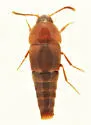
Identification: Holotype Described from Sudbury, Ontario; rare
Serica campestris
Serica campestris
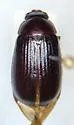
Texas records from Bowie and Wood counties in e.TX ( 3 )
Serica howdeni
Serica howdeni
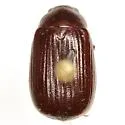
originally known from only the type specimen taken near Tyler (Smith County). Riley & Wolfe collected it at Tyler State Park (Smith County) and in Brazos County.
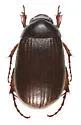
Serica intermixta
Serica intermixta
Identification: Det. Paul K. Lago, 1985 Texas records from Brazos, Sabine, Smith, Tyler and Wood counties in e.TX ( 4 )
Serica mystaca
Serica mystaca
Literature record only for Texas, but expected to be found in east TX ( 4 )
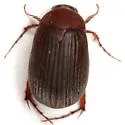
Serica parallela
Serica parallela
Identification: "Color varying through the shades mahogany red, bay and chestnut, surface velvety and opaque, with only a slight iridescence observable when viewed at an oblique angle in good light." Det. E. G. Riley, 2014 Type Locality: New Jersey
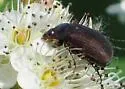
Serica sericea
Serica sericea
Identification: "Color deep chestnut, surface velvety and opaque but in shifting lights showing a very brilliant metallic sheen of rainbow colors." Not strongly setose on head or pronotum.
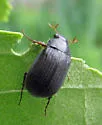
Serica tristis
Serica tristis
Identification: "Color varying from chestnut to nearly black, depending largely upon the degree of maturity and condition of the specimen, surface moderately shining, distinctly less velvety than in sericea , but with a similar though less intense, m
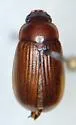
Serica vespertina
Serica vespertina
coll'ed at UV light in Morris and Smith counties in e. TX
Sericoda bogemannii
Sericoda bogemannii
Sericoda bogemannii is a species of ground beetle in the family Carabidae. It is found in North America and Europe.
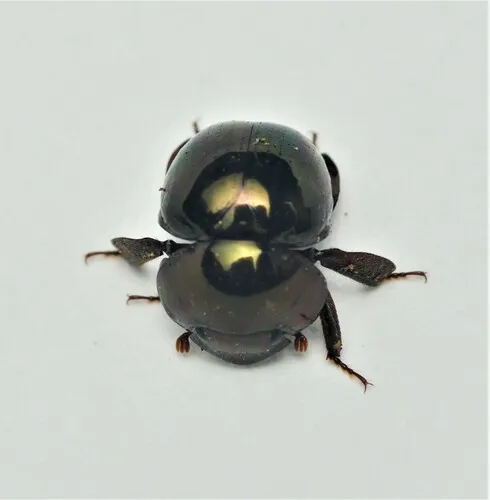
Shining Ball Scarab Beetle
Ceratocanthus aeneus
Riley & Wolfe (2003) examined one specimen from Sabine County taken in a malaise trap during July. This record extends the known range of this uncommon southeastern United States species to near its hypothetical western limit. ( 3 ) Most records seem
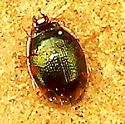
Shiny Round Sand Beetle
Omophron nitidum
Nocturnal; adults take cover during the day in burrows dug in the ground, or in leaf litter. Adults are gregarious; often come to lights. ( 3 )
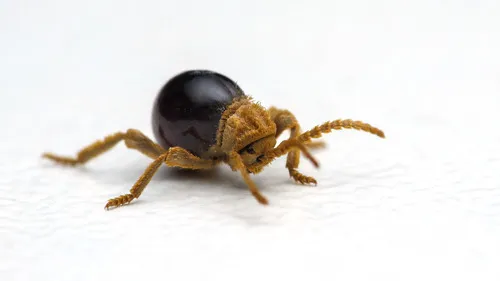
Shiny Spider Beetle
Mezium affine
Identification: see here and earliest record in our area: ne. US 1904
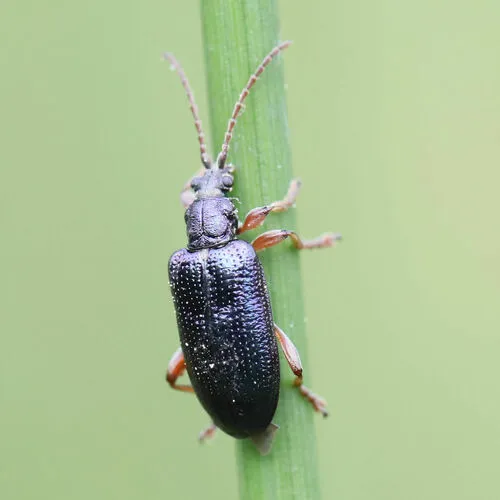
Shoemaker's reed beetle
Plateumaris shoemakeri
Identification: Typically, specimens of P. shoemakeri are recognized by presence of deep, regular median line and basal and callosal sulci of pronotum, largely reddish appendages, robustly clavate metafemur with large acute subapical tooth, and shiny
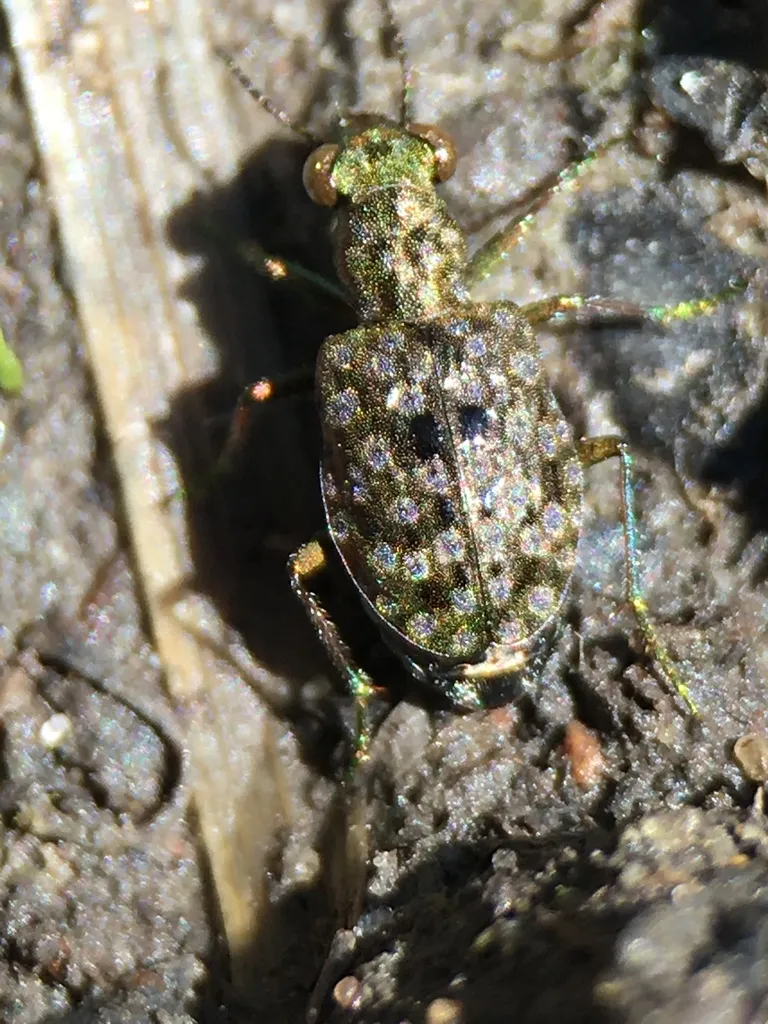
Shore Ground Beetle
Elaphrus ruscarius
Elaphrus ruscarius is a species of ground beetle in the subfamily Elaphrinae. It was described by Say in 1834.
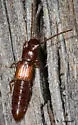
Siagonium americanum
Siagonium americanum
Identification: Distinguished from the other widespread species, Siagonium punctatum , by having elytra with a single stria near the suture (several in punctatum ), the remaining surface being longitudinally striate. Males have a horn above each ante
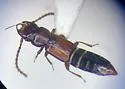
Siagonium stacesmithi
Siagonium stacesmithi
Identification: Distinguished from S. punctatum by a more transverse pronotum, with surface between punctures "alutaceous" (with skin-like lines). Also male horns are slightly stouter than in that species. Compare the pronotal microsculpture of stace
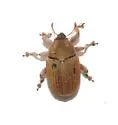
Sibinia fulva
Sibinia fulva
Merobruchus julianus (Bruchinae) was reared from A. greggii seeds attacked by S. fulva ; M. julianus occupied the centres of the large flattened seeds while S. fulva fed around the edges.
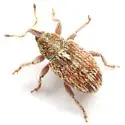
Sibinia hispida
Sibinia hispida
In w. TX and NM S. hispida is virtually always microsympatric with another bud predator S. sibinioides , and with the seed predator S. suturalis .
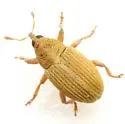
Sibinia ochreosa
Sibinia ochreosa
Identification: Det. E. G. Riley, 2009 Considered as a biological control agent for the invasive Mimosa pigra (Fabaceae)
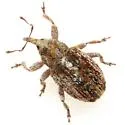
Sibinia ruidula
Sibinia ruidula
Type Locality: TEXAS: Hidalgo Co., 4 mi N Delfina, 27 March, 1970, W.E. Clark
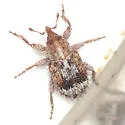
Sibinia transversa
Sibinia transversa
Identification: Dets. W. E. Clark Type Locality: AZ
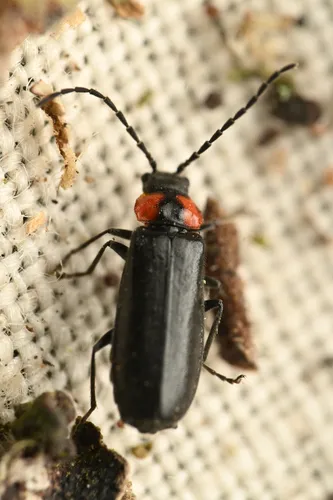
Silis carmelita
Silis carmelita
Silis carmelita is a species of soldier beetle in the family Cantharidae. It is found in North America.
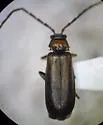
Silis insperata
Silis insperata
Identification: Virtually indistinguishable from other members of the pallida group, other than in male genitalia
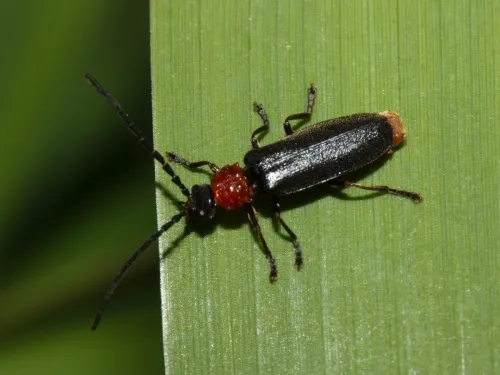
Silis ruficollis
Silis ruficollis
A distinctive species being 6 to 7mm long with a black pronotum, and having the base of tibiae and mandibles red. The pronotum is deeply notched at the hind angles and coarsely punctate throughout. Each elytron has three slightly raised lines. Quite
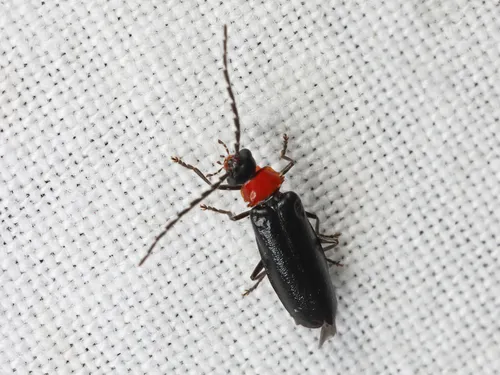
Silis spathulata
Silis spathulata
Silis spathulata is a species of soldier beetle in the family Cantharidae. It is found in North America.
Silky Anobiid
Priobium sericeum
Identification: Difficult to separate from the other 2 species
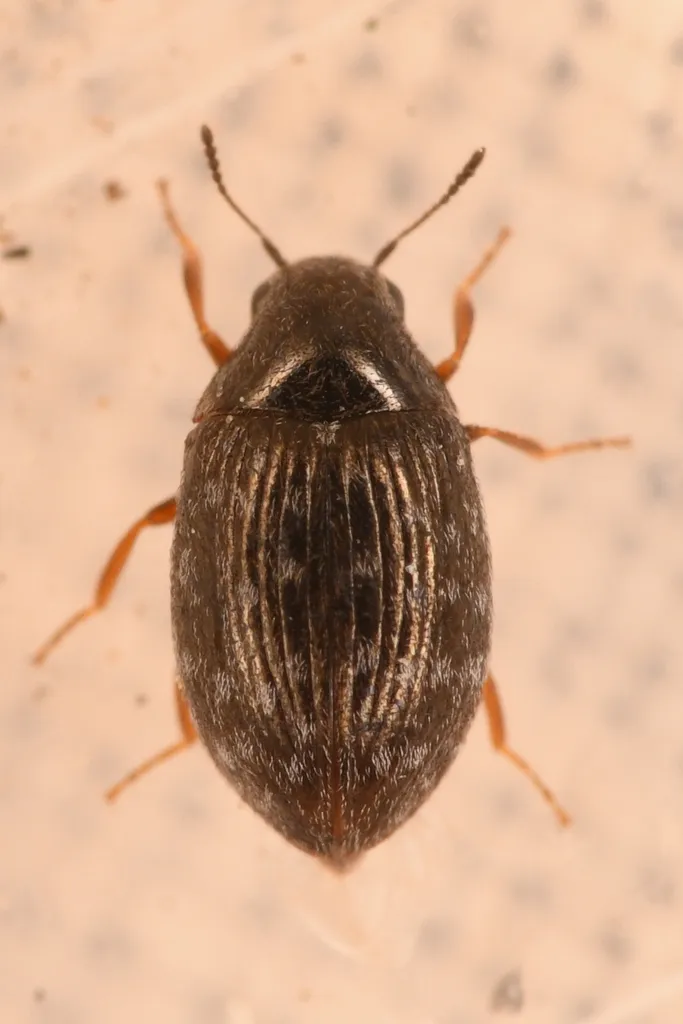
Simplocaria metallica
Simplocaria metallica
Simplocaria metallica is a species of pill beetle in the family Byrrhidae. It is found in Europe and Northern Asia (excluding China) and North America.
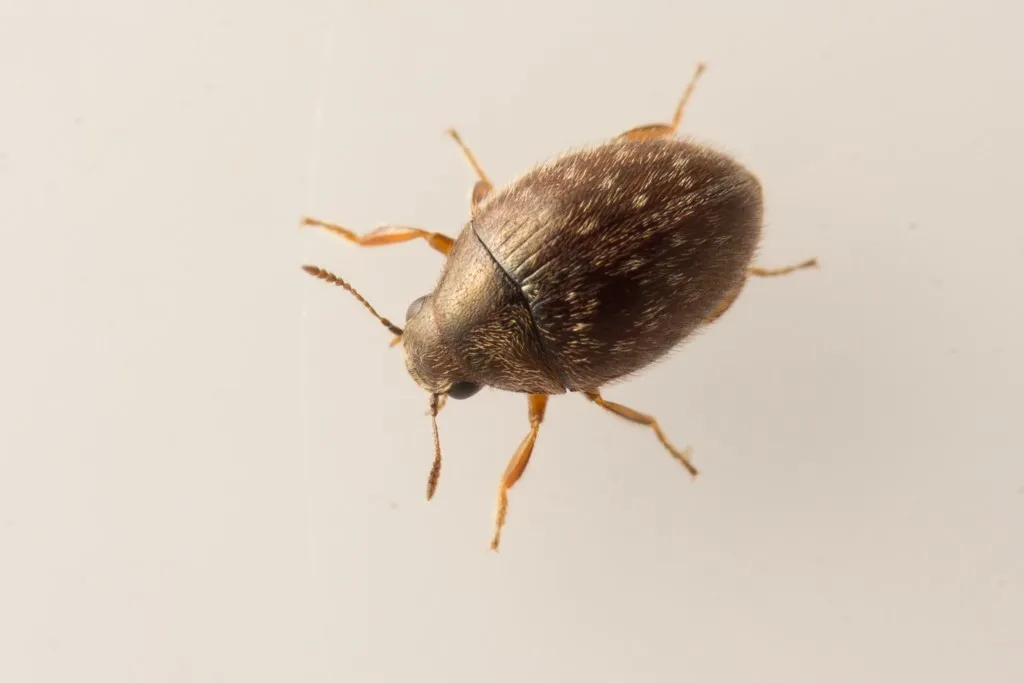
Simplocaria semistriata
Simplocaria semistriata
Simplocaria semistriata is a species of pill beetle in the family Byrrhidae. It is found in Europe & Northern Asia (excluding China) and North America.
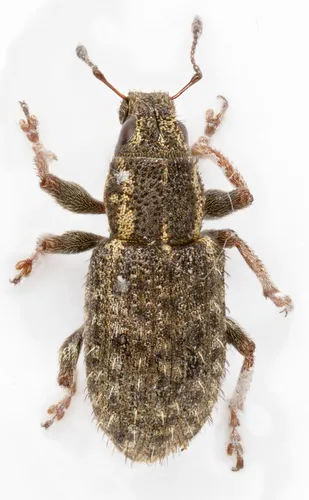
Sitona hispidulus
Sitona hispidulus
Length 3 to 6 mm. This weevil is noticeably bristly. It usually has a golden coppery or greenish metallic appearance when fresh, but when the scales rub off it appears much blacker. Unless identified by a recognised expert, good photos are required t
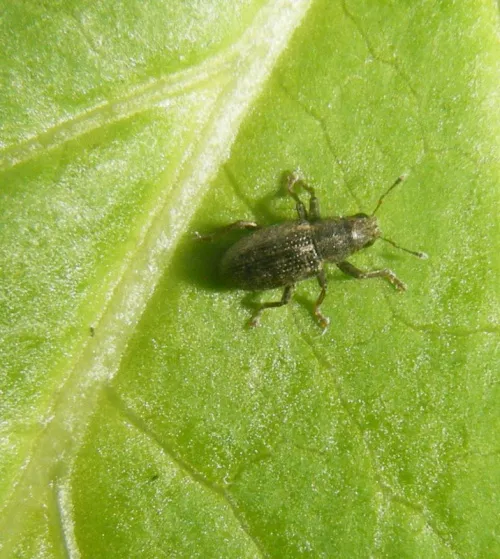
Sitona sulcifrons
Sitona sulcifrons
Length 3 to 4 mm. this is a plain brown weevil with a short rostrum (snout). Other Sitonia species. Dissection is necessary to distinguish between them. Unless identified by a recognised expert, photographic evidence is required and the specimen shou
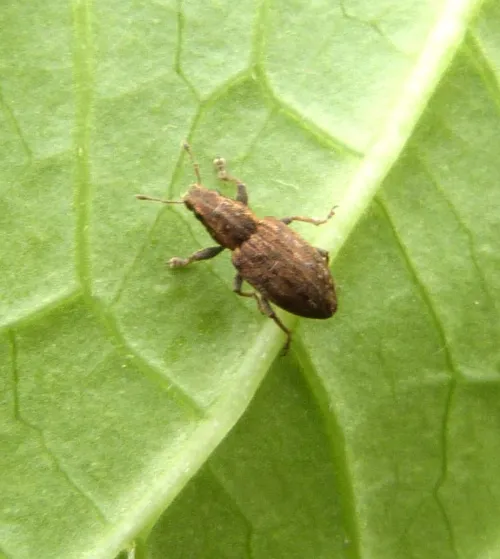
Sitona suturalis
Sitona suturalis
Length 4 or 5 mm. A brown weevil with rather a dark and light striped appearance when fresh. There are other weevils with a similar appearance and detailed examination is necessary for identification. Other Sitonia species. Dissection is necessary to
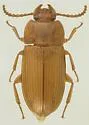
Sitophagus hololeptoides
Sitophagus hololeptoides
Identification: male head is horned A minor pest; can give a bad smell to the stored goods.
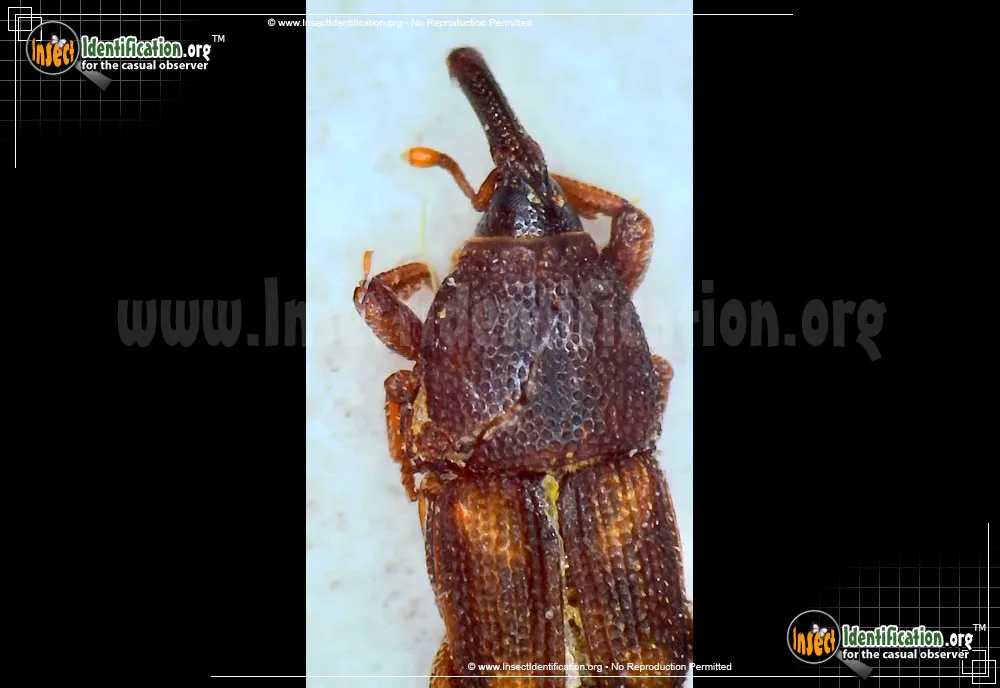
Sitophilus oryzae
Sitophilus oryzae
Adult weevils are about 2 to 3mm long and coloured a dull reddish-brown to black with large and irregular punctures on the elytra and four light reddish or yellowish spots on the elytra. The median lobe of the male aedeagas needs examining and the do
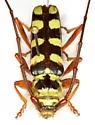
Six-banded Longhorn Beetle
Dryobius sexnotatus
Identification: pattern distinctive: (recently collected in e. TX; state record) Uncommon/rare ; widely scattered, populations are sparse ; listed as rare or threatened by several states, e.g. considered a SGCN by AR, LA, and VA Dury noted that D. se
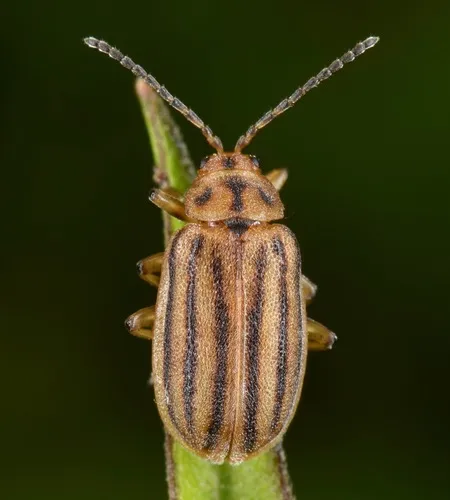
Six-lined Goldenrod Leaf Beetle
Ophraella sexvittata
Ophraella sexvittata is a species of skeletonizing leaf beetle in the family Chrysomelidae. It is found in North America.
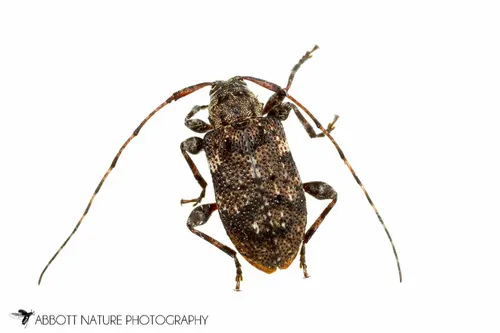
Six-speckled Long-horned Beetle
Astylopsis sexguttata
Astylopsis sexguttata is a species of longhorn beetles of the subfamily Lamiinae. It was described by Say in 1826.
Six-spotted Flower Longhorn Beetle
Strangalia sexnotata
Identification: Less elongated than other members of genus with strong elytral spots. Elytral pubescence "bristly". One form, noted from south-central states, has first few antennomeres black and pale legs. Coastal form from Virginia, etc. has mostly
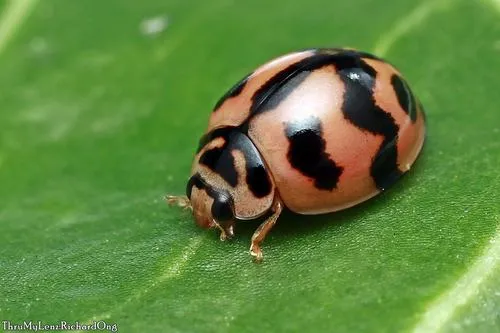
Six-spotted Zigzag Ladybird
Cheilomenes sexmaculata
Identification: highly variable, 23 phenotypes this sp. has been on a northward tear from Peru since 2010! In the Americas, C. sexmaculata was first found in Chile in 2000 (González 2008). Since then, it has made its way north: Peru in 2010 (Cornejo
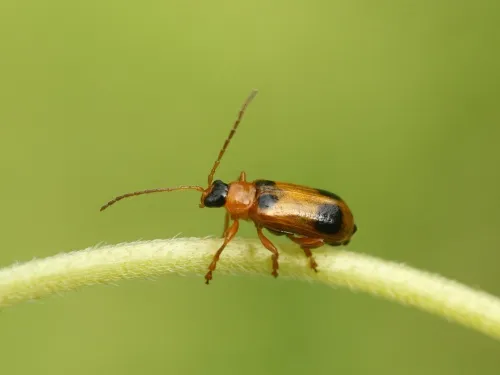
Skullcap Leaf Beetle
Phyllobrotica quadrimaculata
Size 5 to 7 mm. The straw-brown or orange-brown elytra are marked with a total of four dark spots or blotches, giving rise to the Latin name. As the Common Name suggests this species is strongly associated with Skullcap. Widespread, although not comm
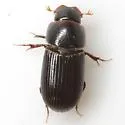
Slender Dung Beetle
Ataenius cognatus
Identification: Holotype • most similar to A. strigatus and A. spretulus , but lacks posterior femoral lines and has significantly shallower punctures on pronotum
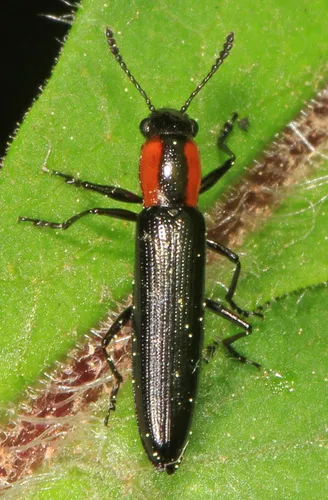
Slender Lizard Beetle
Acropteroxys gracilis
Identification: narrower and shorter than A. lecontei , with elytra more pointed and the intervals more sparsely punctate; thoracic mark, when present, is never in the center of the thorax
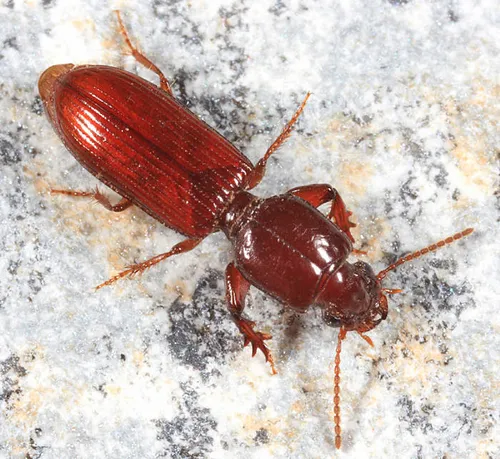
Slender Seedcorn Beetle
Clivina impressefrons
Identification: One clue that helps distinguish this species is its rather uniform brown color. In hand the pronotum appeared almost same color as elytra.
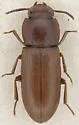
Slender-horned Flour Beetle
Gnatocerus maxillosus
Identification: male has a small horn on the mandible
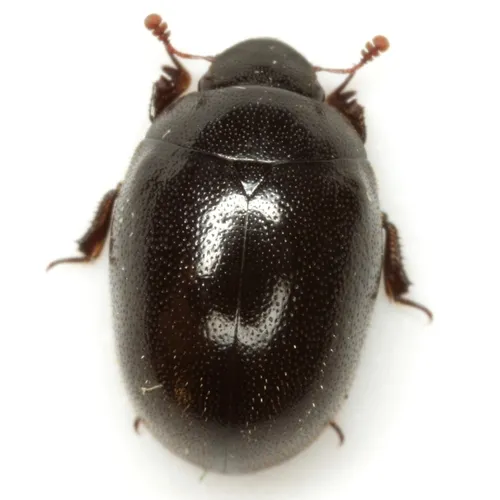
Slime Flux Beetle
Nosodendron unicolor
Slime Flux Beetle (Nosodendron unicolor) is a species in the family Nosodendridae, commonly known as wounded-tree beetles, belonging to the order Coleoptera (Beetles). It is classified within the suborder Polyphaga, superfamily Derodontoidea. This sp
Small Black Dung Beetle
Copris minutus
Small Black Dung Beetle (Copris minutus) is a species in the family Scarabaeidae, commonly known as scarab beetles, belonging to the order Coleoptera (Beetles). It is classified within the subfamily Scarabaeinae, tribe Coprini, suborder Polyphaga, su
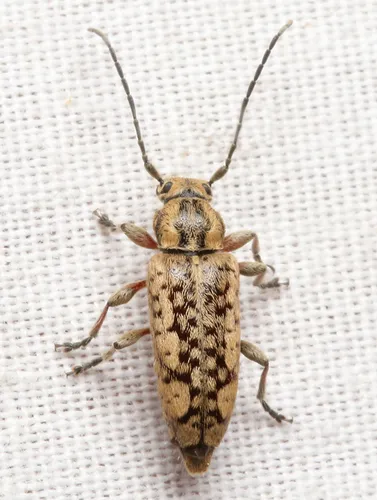
Small Cedar Borer
Atimia confusa
Small Cedar Borer (Atimia confusa) is a species in the family Cerambycidae, commonly known as longhorn beetles, belonging to the order Coleoptera (Beetles). It is classified within the subfamily Spondylidinae, tribe Atimiini, suborder Polyphaga, supe
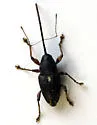
Small Chestnut Weevil
Curculio sayi
Identification: See Remarks. "The Greater Chestnut Weevil is Curculio caryatrypes and it is easily recognized as its the only Curculio with segment two of the antennal funicule (the part beyond the elbow) longer than segment 1. In Lesser Chestnut Wee
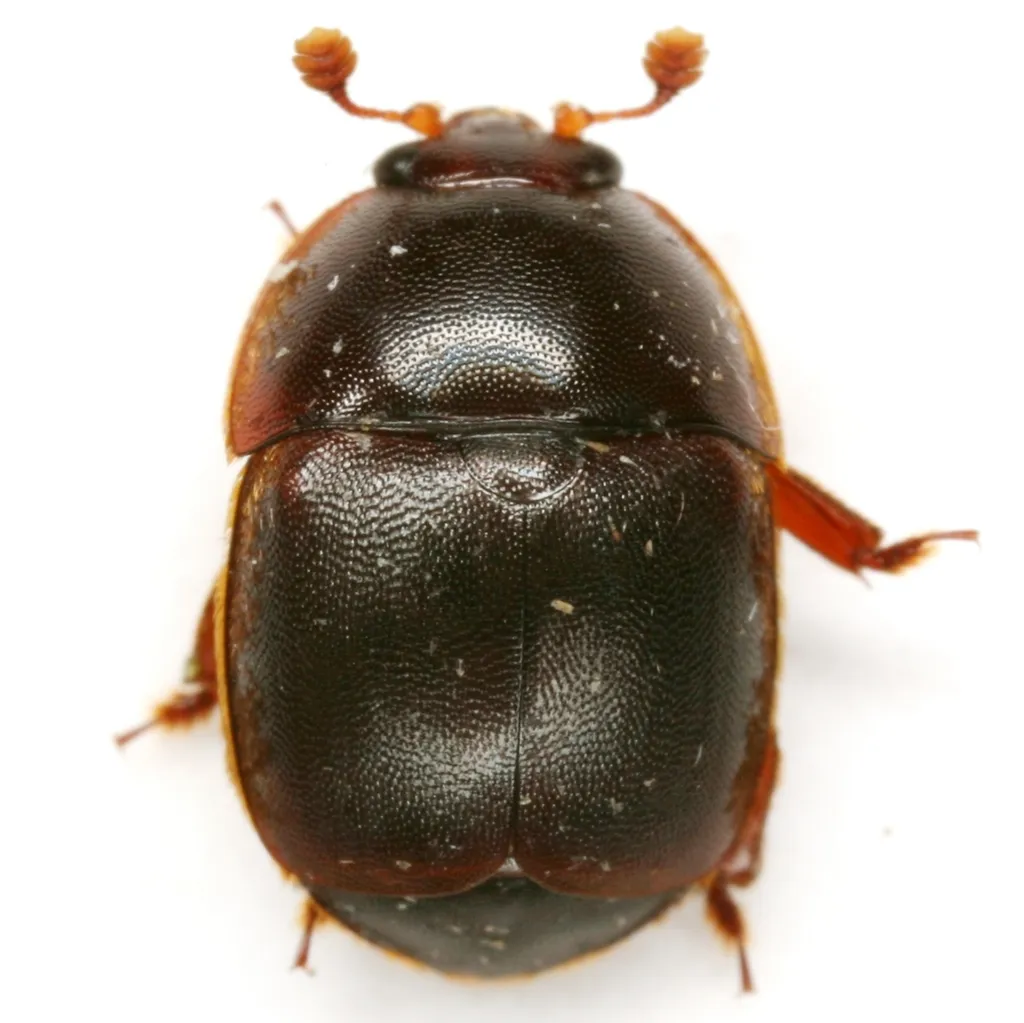
Small Hive Beetle
Aethina tumida
Small Hive Beetle (Aethina tumida) is a species in the family Nitidulidae, commonly known as sap-feeding beetles, belonging to the order Coleoptera (Beetles). It is classified within the subfamily Nitidulinae, tribe Nitidulini, suborder Polyphaga, su
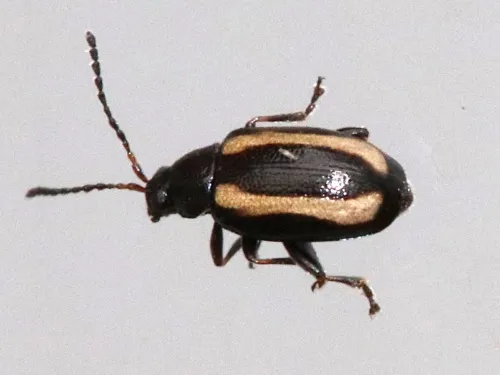
Small Striped Flea Beetle
Phyllotreta undulata
A tiny beetle, which measures little more than about 1.5 mm. Its black elytra are marked with broad straw yellow longitudinal stripes. It is similar to Phyllotreta nemorum and detailed examination is necessary to be certain of the species. Their pref
Smaller European Elm Bark Beetle
Scolytus multistriatus
Identification: prominent spine on abdominal segment 2 separates S. multistriatus from S. rugulosus , the only other hardwood-infesting western scolytid. ( UBC Forestry ) Their gallery is typically unbranched and runs parallel to the grain; this dist
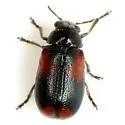
Smaragdina militaris
Smaragdina militaris
Type Locality: One specimen, New Braunfels, Texas, Mr. Lindheimer.
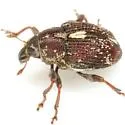
Smartweed Node Weevil
Rhinoncus longulus
Identification: elongate form; no prothoracic tubercles; eyes round and barely touch the prothorax in repose; antecoxal ridges very strong but prosternum hardly emarginate in front • Holotype
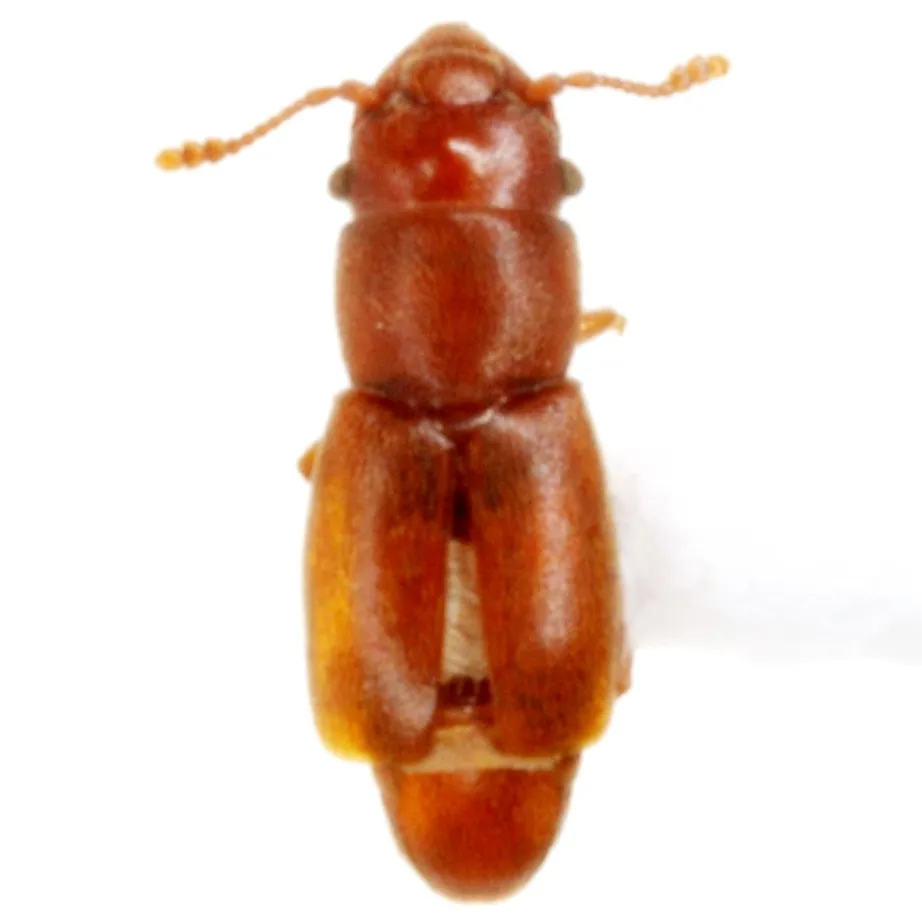
Smicrips texana
Smicrips texana
Type series: Texas (Austin [County] and Brownsville). Six specimens. third-most commonly coll'ed (mostly via pitfall traps, rarely via UV light) beetle sp. at Laguna Atascosa NWR, Cameron Co., TX
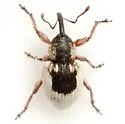
Smicronyx centralis
Smicronyx centralis
Identification: Description : Rostra of both sexes black, moderately stout, punctate from base to apex; squamose behind the antennal insertion; longer, more tapered and less roughly punctate in female. Head black to piceous, front sparsely squamose.
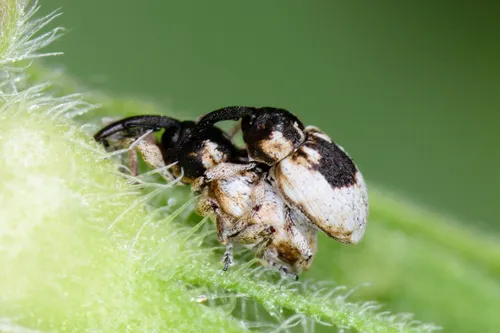
Smicronyx corpulentus
Smicronyx corpulentus
Identification: surface of antennal club rufous to ferruginous Description : Rostra of both sexes black, moderately curved, finely punctate from base to apex, sparsely squamose behind antennal insertions; slightly longer, smoother and more tapered in
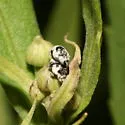
Smicronyx discoideus
Smicronyx discoideus
Identification: A distinct posterolateral macula of dark scales present on each elytron, in addition to the dark dorsal macula; surface of antennal club black or piceous Det. MJ Hatfield, 2019
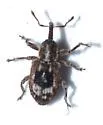
Smicronyx quadrifer
Smicronyx quadrifer
Identification: A nearly quadrate patch of dark scales present near middle (and divided by sutural line) of elytra Description : Rostra of both sexes stout, black to piceous, rugosely punctate from base to apex; closely squamose from base to near ape
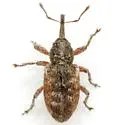
Smicronyx spretus
Smicronyx spretus
Identification: Det. M. A. Quinn, 2013 Type Locality: Ariz.
Smodicum texanum
Smodicum texanum
Identification: Characters cited by Knull for separating texanum are difficult to interpret in material from southern Texas, it appears that texanum differs from cucujiforme only by its slightly paler coloration, more lightly pubescent dorsum, and mi
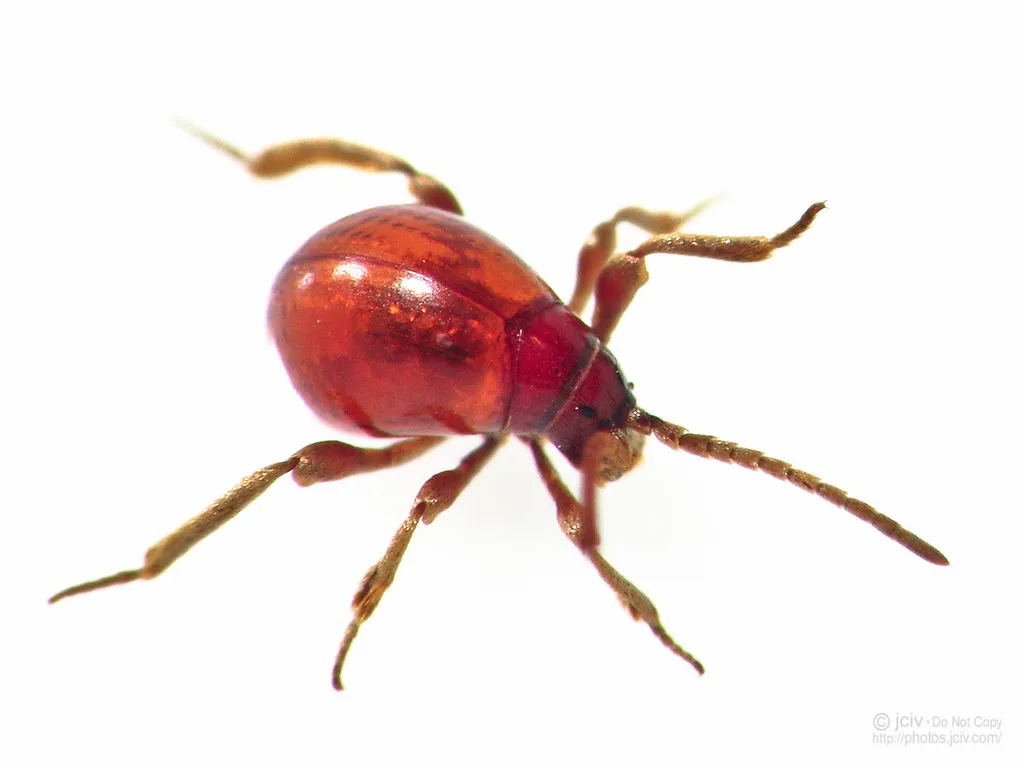
Smooth Spider Beetle
Gibbium aequinoctiale
Identification: Elytra fused and inflated, completely glabrous (smooth). Can only be confused with Mezium , but pronotum distinctive. has a remarkable ability to avoid drying out and can withstand temperatures as high as 56°C (133°F) (Yoder et al. 20
Smooth-winged Sun Beetle
Amara laevipennis
Amara laevipennis is a species of seed-eating ground beetle in the family Carabidae. It is found in North America.
Snail Hunter
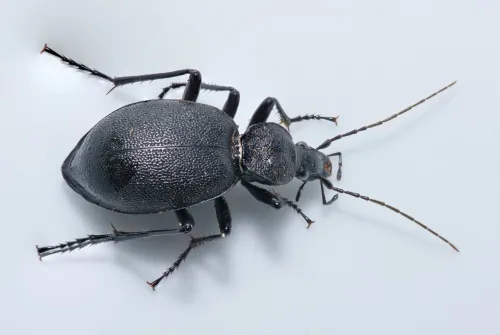
Cychrus caraboides
Length 14 to 19 mm. This beetle has a long thin head designed for getting inside snail shells to eat the flesh. It also has a pear-shaped body and is not likely to be confused with any other species. It is mainly found in woodland and other shaded ha
Snakewood Bruchid
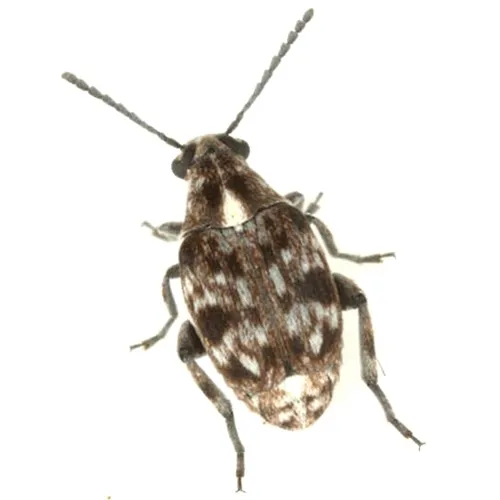
Neltumius texanus
Neltumius texanus is a species of leaf beetle in the family Chrysomelidae. It is found in Central America and North America.
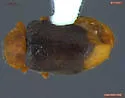
Snow Lady Beetle
Coccidula lepida
Identification: Gordon's figures Enlongated narrow shape Lightly pubescent (hairy) markings variable:
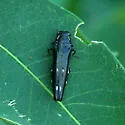
Soapberry Borer
Agrilus prionurus
Identification: markings distinctive; shiny black, with 4 small white spots on elytra Infested trees observed in Travis and McLennan counties as early as 1998. (Billings and Pase, 2009) In the spring of 2009, Texas Forest Service, and several other s
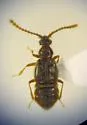
Sonoma tishechkini
Sonoma tishechkini
Identification: Examination of aedeagus is necessary Winged, capable of flight; collected in light trap . It is the only eastern Sonoma species known from low elevations.
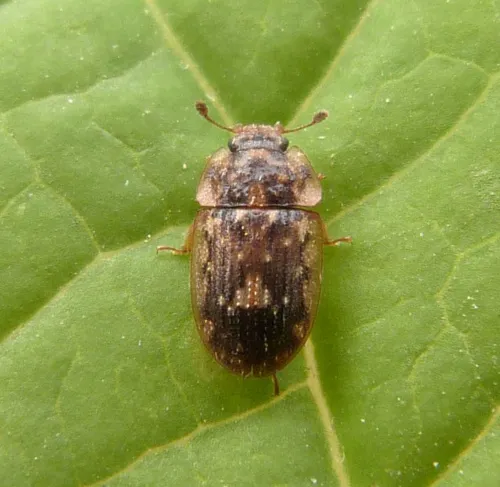
Soronia grisea
Soronia grisea
A small (3.5 to 5.5 mm) beetle, related to the common pollen beetle. It has a distinctive mottled patterning of brown and paler straw colour. Unless identified by a recognised expert, good photos are required that show the key ID features. Also state
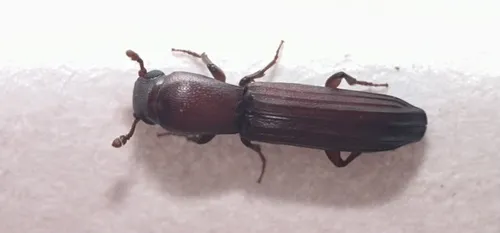
Sosylus costatus
Sosylus costatus
Sosylus costatus is a species of dry bark beetle in the family Bothrideridae. It is found in North America.
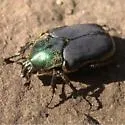
South Texas Coastal Cotinis
Cotinis boylei
Type Locality is Bastrop State Park . ( 3 ) Texas considers this to be a "Species of Greatest Conservation Need" (SGCN) ( 4 )
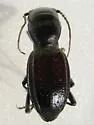
South Texas Giant Tiger Beetle
Amblycheila hoversoni
Identification: See key on genus page. It's rather remarkable that this largest of all New World tiger beetles was only just described in 1990...
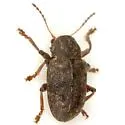
Southern Corn Leaf Beetle (cyphus-denticollis Complex)
Myochrous cyphus-denticollis
Identification: Myochrous sp. denticollis-cyphus Complex Det. M. A. Quinn, 2010
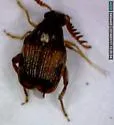
Southern Cowpea Weevil
Callosobruchus chinensis
widely used as lab model for research ( 3 ) ; may severely damage stored pulses of legumes ( 4 )
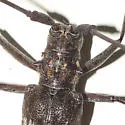
Southern Pine Sawyer
Monochamus titillator
Identification: Adult: brown with irregular pale grayish patches on elytra; legs gray; apical elytral margin meets sutural tooth at right angle; tip of elytral suture with distinct spines:
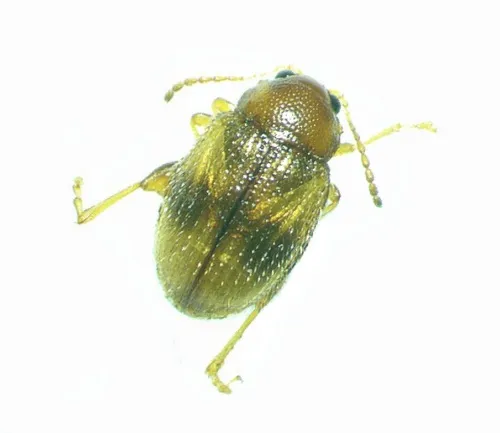
Southern Tobacco Flea Beetle
Epitrix fasciata
Epitrix fasciata, the banded epitrix, is a species of flea beetle in the family Chrysomelidae. It is found in the Caribbean, Central America, North America, Oceania, and South America.
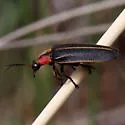
Southwest Spring Firefly
Bicellonycha wickershamorum
Identification: Note the black elytra with yellow margins and elytral suture. Dark black median pronotal vitta, acute hind pronotal corners, all contrast with Photinus knulli (the only Photinus in that area, having concolorous grey elytra, small pron
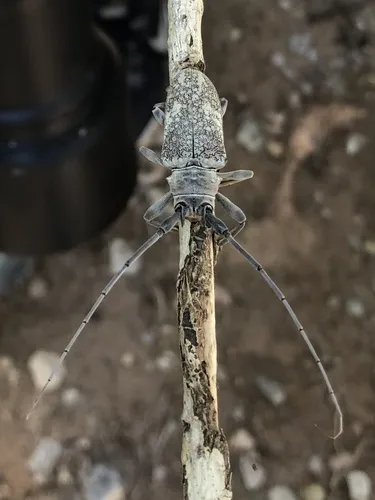
Southwestern Marbled Longhorn
Lochmaeocles marmoratus
Lochmaeocles marmoratus is a species of beetle in the family Cerambycidae. It was described by Casey in 1913. It is known from the United States and Mexico.
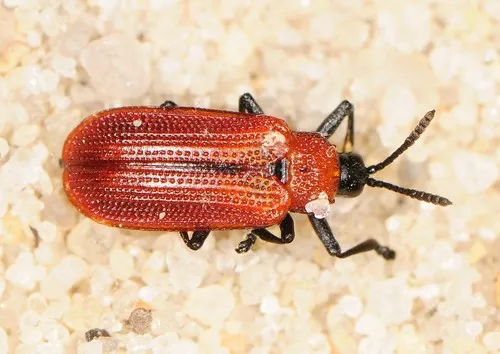
Soybean Leafminer
Odontota horni
Odontota horni, the soybean leafminer, is a species of leaf beetle in the family Chrysomelidae. It is found in North America.
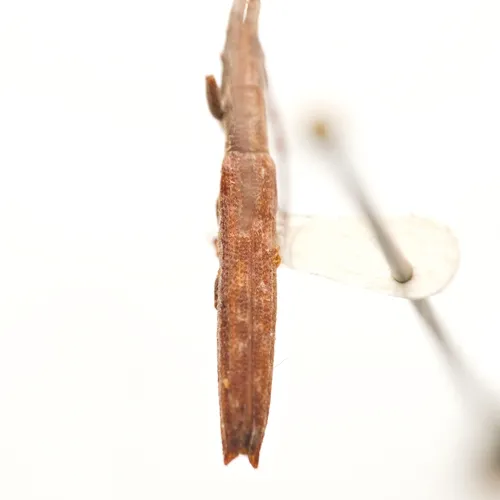
Spalacopsis suffusa 0
Spalacopsis suffusa
Spalacopsis suffusa is a species of beetle in the family Cerambycidae. It was first described by Newman in 1842.
Spalacopsis texana
Spalacopsis texana
Penrose swept numerous spmns from grasses and understory vegetation at Welder Wildlife Refuge in May and beat a mating pair from Baccharis at that site in Oct.
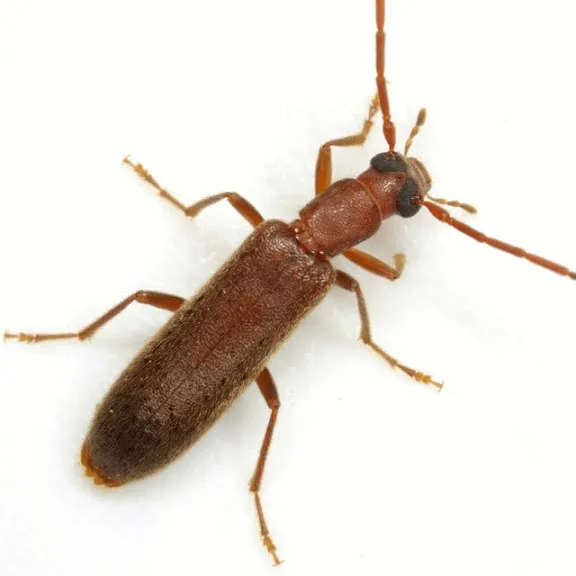
Sparedrus aspersus
Sparedrus aspersus
Identification: Det. M. A. Quinn, 2012 Adults come to lights (E.G. Riley, pers. comm., 2012)
Sparedrus depressus 0
Sparedrus depressus
Identification: Holotype specimens taken at Chisos Basin May 1‒8 by beating gray oak and at light, and at Tornillo Flat on May 12 by beating Acacia ; described from a single male specimen taken at Mexico City.
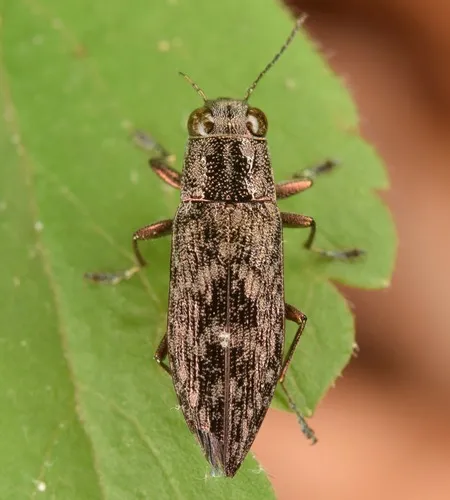
Spectralia gracilipes
Spectralia gracilipes
Spectralia gracilipes is a species of metallic wood-boring beetle in the family Buprestidae. It is found in North America.
Spectralia prosternalis
Spectralia prosternalis
Identification: Det. D. J. Heffern, 2010 S. prosternalis is rarer than S. robusta , but has a smoother pronotum. Both have been reared from persimmon. Type Locality: Esperanza Ranch, Brownsville, Cameron Co., Texas Texas considers this a "Species of
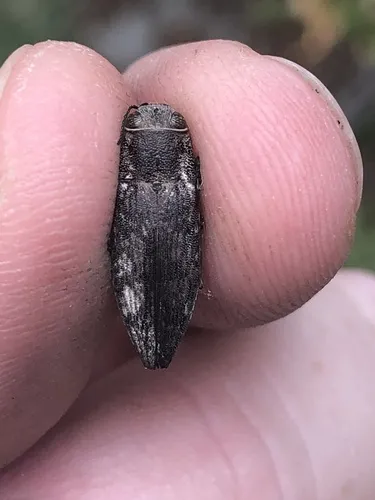
Spectralia roburella
Spectralia roburella
Spectralia roburella is a species of metallic wood-boring beetle in the family Buprestidae. It is found in North America.