
Family Death-watch and Spider Beetles (Ptinidae)
Ptinidae is a family in the order Coleoptera. Browse 184 named species recorded in this family, or open an individual profile for its available identification and natural-history information.
Species in Ptinidae (184)
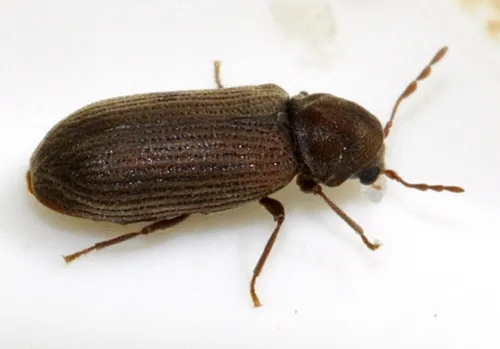
Common Furniture Beetle
Anobium punctatum
Size 3 to 4.5 mm. This all brown beetle has a pronotum resembling a monk's cowl. It has linear and punctuated striae and elytra that are very parallel-sided. Anobium beetles have a groove along the hind coxa that can accomodate the femur. It has a de
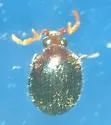
Caenocara bicolor
Caenocara bicolor
Identification: Body black, except for head and pronotum brown; last antennal segment scimitar shaped in male (both diagnostic) Det. M. DiGirolomo, 2022
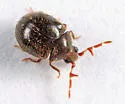
Caenocara oculatum
Caenocara oculatum
Identification: Black, dorsal surface with bristling hairs; last segment of maxillary palpi broadly triangular, bluntly emarginate apically (diagnostic vs. most remaining species).
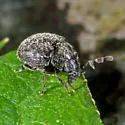
Caenocara scymnoides
Caenocara scymnoides
Identification: Pubescence short and inclined, antennal club in male blackish
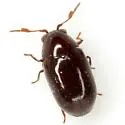
Calymmaderus nitidus
Calymmaderus nitidus
Identification: Following combination is diagnostic within genus: Body glabrous, very shiny, practically no hairs and distant punctures dorsally; last ventral segment with impressed line bordering apical margin, interrupted medially.
Calymmaderus similis 0
Calymmaderus similis
Type Locality: Brownsville, Cameron Co., Texas, 15 May 1904, H. S. Barber
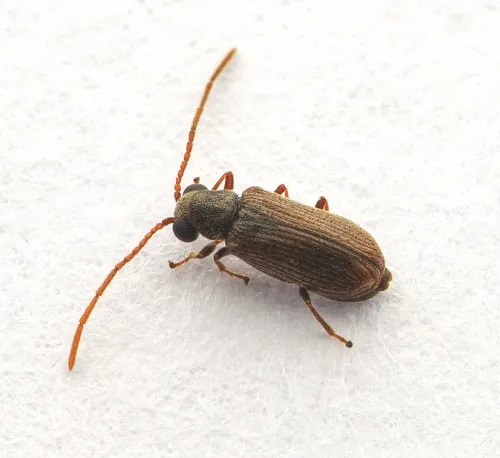
Dryophilus pusillus
Dryophilus pusillus
2.5 to 4 mm. Pronotum quadrate, scutellum with white scale-like pubescence. Antennomeres 4 to 8 transverse. Apex of basal sternite very strongly curved. Detailed photographs required to support records please. Associated with various conifers, especi
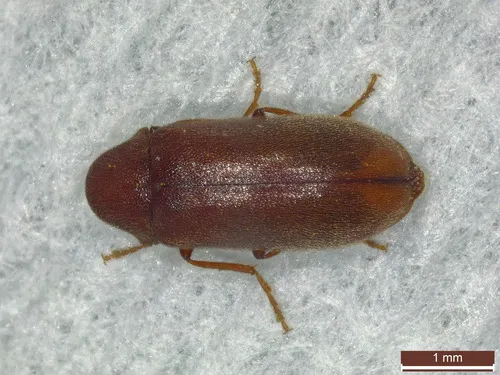
Pine Bark Anobiid
Ernobius mollis
Pine Bark Anobiid (Ernobius mollis) is a species in the family Ptinidae, commonly known as death-watch and spider beetles, belonging to the order Coleoptera (Beetles). It is classified within the subfamily Ernobiinae, tribe Ernobiini, suborder Polyph
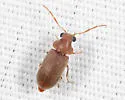
Ernobius opicus
Ernobius opicus
Identification: Very similar to E. granulatus, but 5th antennal segment longer than 4th and subequal to 3rd. Elytra "less shining" than head and pronotum. Genitalia illustrated by Ford Noted as a rare species. Briefly discussed by Ford.
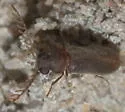
Euceratocerus gibbifrons
Euceratocerus gibbifrons
Identification: 3rd antennal segment clearly branched in male. seemingly rare
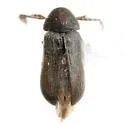
Euceratocerus parvus
Euceratocerus parvus
Identification: This species differs from the other 2 species in the genus ( hornii LeC. and gibbifrons White) in the smaller size and the more strongly pectinate male antenna. It is 2.9 to 3.4 mm long; the other two species range from 3.2 to 5.9 mm
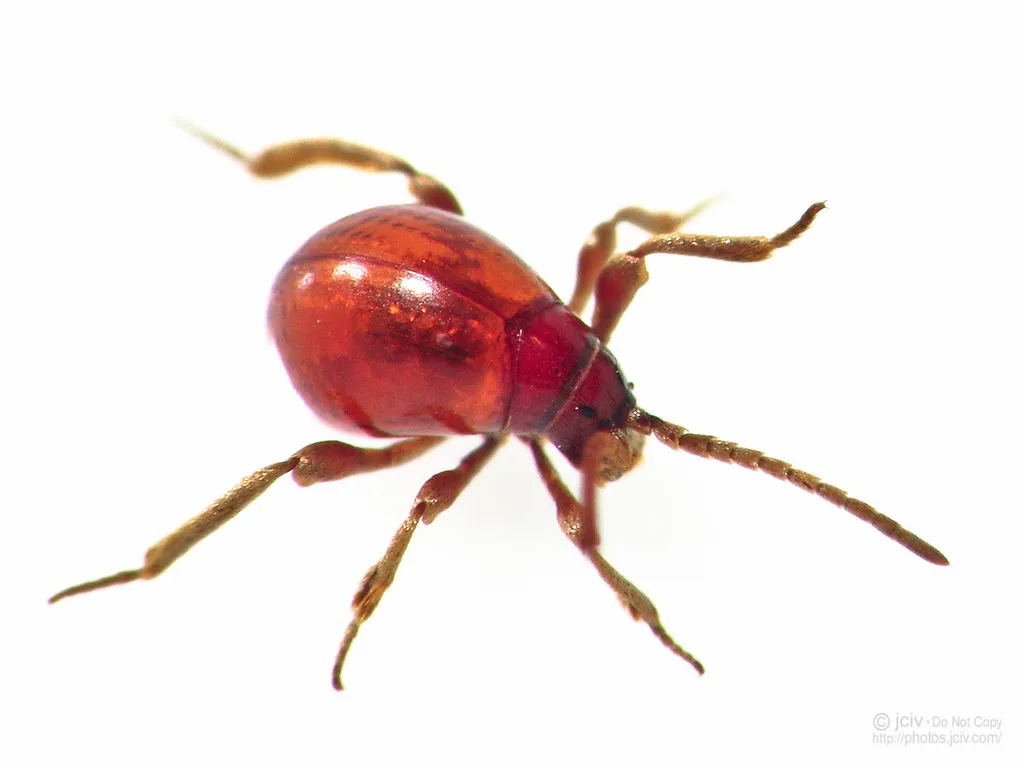
Smooth Spider Beetle
Gibbium aequinoctiale
Identification: Elytra fused and inflated, completely glabrous (smooth). Can only be confused with Mezium , but pronotum distinctive. has a remarkable ability to avoid drying out and can withstand temperatures as high as 56°C (133°F) (Yoder et al. 20
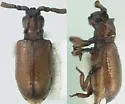
Gnostus floridanus
Gnostus floridanus
Identification: Unmistakeable in the context of the N-American fauna. Full species name: Gnostus floridanus Blatchley, 1930
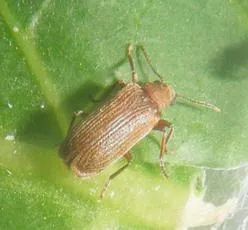
Grynobius planus
Grynobius planus
Length about 4 mm. A small wood boring beetle with a dark tan, deeply studded elytra. The last three segments of the antennae are much longer than the others. Fairly frequent and widespread in the southern half of Britain. No additional images availa
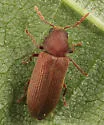
Eastern Deathwatch Beetle
Hemicoelus carinatus
Identification: Elytra with well impressed and regular serial punctures (vs. similar Oligomerus spp.). ID on species level is tricky, and often tentative unless male genitalia are studied. H.(Cacotemnus) umbrosus is extremely similar, and safe separa
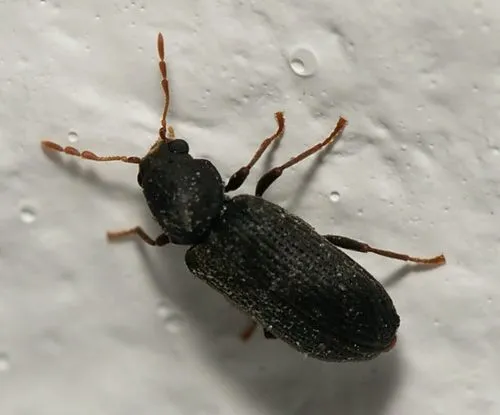
Hemicoelus fulvicornis
Hemicoelus fulvicornis
Size: 3.5 to 3.8 mm. A tiny wood boring beetle which is a dark, dull grey in colour. It has a hood-like pronotum and a dark stripe along the front tibia. Unless identified by a recognised expert, a photo is required and the specimen should be examine
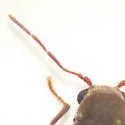
California Deathwatch Beetle
Hemicoelus gibbicollis
Identification: A triangular projecting part of the pronotal side margin is typical, and diagnostic to the species, but this can be almost lacking. Coulour is brown or black, and elytra may appear indistinctly longitudinally striped.
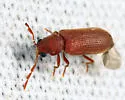
Hemicoelus pusillus
Hemicoelus pusillus
Identification: Small size; second abdominal ventrite longer than first; first abdominal suture broadly arcing posteriorly.
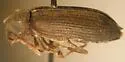
Hemicoelus umbrosus
Hemicoelus umbrosus
Identification: Pronotum 0.7-0.9x as wide as base of elytra; lateral pronotal margin sharp and distinct throughout; size 3.1-5.8mm; abdomen nearly always with distinct fine granulation Antennae 11-jointed Type specimen images at MCZ: https://mczbase.
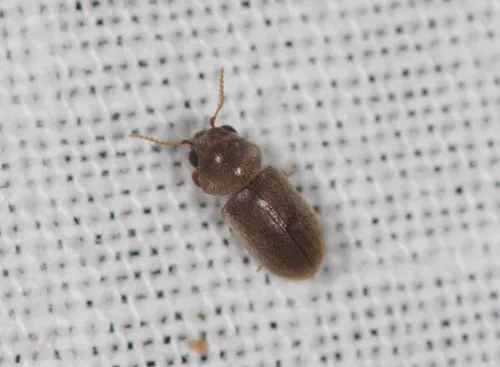
Lasioderma baudii
Lasioderma baudii
Identification: Body flattened subcylindrical, pronotum with scattered larger punctures mixed with fine basic ones; pubescence on pronotum directed backwards in middle, vortically arranged at sides. Protibiae wide. No Bugguide entries, or literature
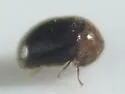
Lasioderma falli
Lasioderma falli
Identification: General similarity to Lasioderma serricorne , but elytra dark, and pronotal pubescence swirly. Type Locality: Peekskill, NY
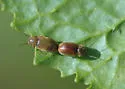
Lasioderma haemorrhoidale
Lasioderma haemorrhoidale
Identification: Similar to L. serricorne but a little more elongate; hairs on pronotum +/- distinctly parted side to side along the midline; head and venter always darker brown, often also pronotum and base of elytra (in its native range can be almos
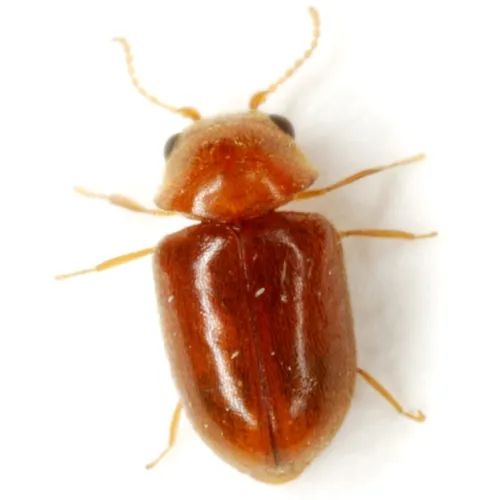
Lasioderma hemiptychoides
Lasioderma hemiptychoides
Lasioderma hemiptychoides (Lasioderma hemiptychoides) is a species in the family Ptinidae, commonly known as death-watch and spider beetles, belonging to the order Coleoptera (Beetles). It is classified within the subfamily Xyletininae, tribe Lasiode
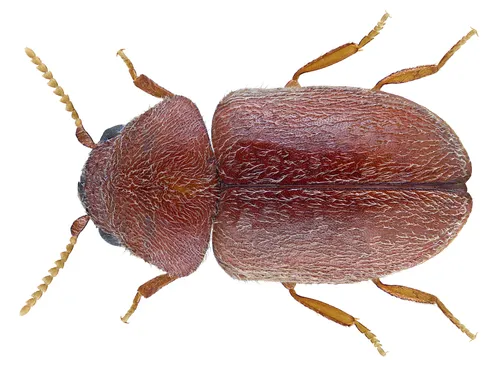
Cigarette Beetle
Lasioderma serricorne
Identification: Following combination will separate L. serricorne from other species of the genus: Body entirely reddish, hairs on pronotum recumbent, not distinctly parted in middle, elytra with some hairs longer and more erect, anterior tibiae wide
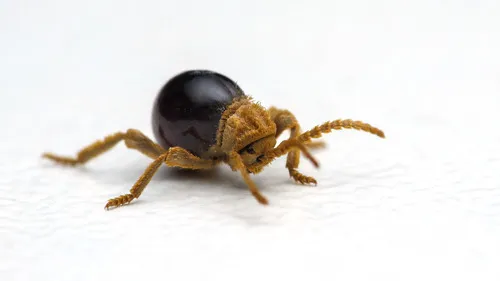
Shiny Spider Beetle
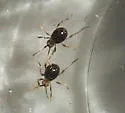
Mezium affine
Identification: see here and earliest record in our area: ne. US 1904
Mezium sulcatum
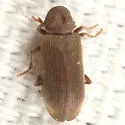
Mezium sulcatum
Identification: Adults differ from those of M. affine in having the setal collar at the base of the pronotum deeply interrupted at, and on each side of, the middle ( 3 )
Microbregma emarginatum
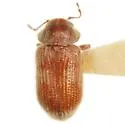
Microbregma emarginatum
Identification: Similar to Hadrobregmus , but pronotum outline with distinct rear and lateral angles.
Nicobium castaneum
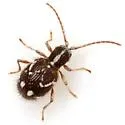
Nicobium castaneum
may severely damage softwood (incl. furniture, wood artifacts), books ( 4 ) , and be a pest in museums and libraries ( 3 )
Niptinus ovipennis
Niptinus ovipennis
Identification: note oval shoulders, though most spmns not quite as rounded as this individual Det. E. G. Riley, 2010 Type locality: Described from five examples collected by Mr. Soltau at San Antonio, Texas, in June, and now in the National Museum c
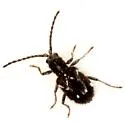
Niptinus unilineatus
Niptinus unilineatus
Identification: Very similar to ovipennis , except as follows:
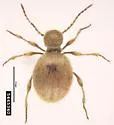
Golden Spider Beetle
Niptus hololeucus
Identification: ¹ earliest record in our area: QC ~1890 ( 3 )
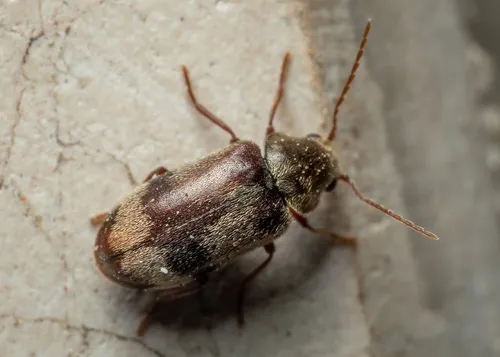
Ochina ptinoides
Ochina ptinoides
A small beetle 2.5 to 3.5 mm long. The brown elytra are usually tipped with red at the ends. Adults may be found on umbel flowers during hot weather especially near ivy, but can also be found on the leaves of various plants. They sometimes come to li
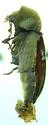
Oligomerus sericans
Oligomerus sericans
Identification: Front coxae separated, 10 antennomeres
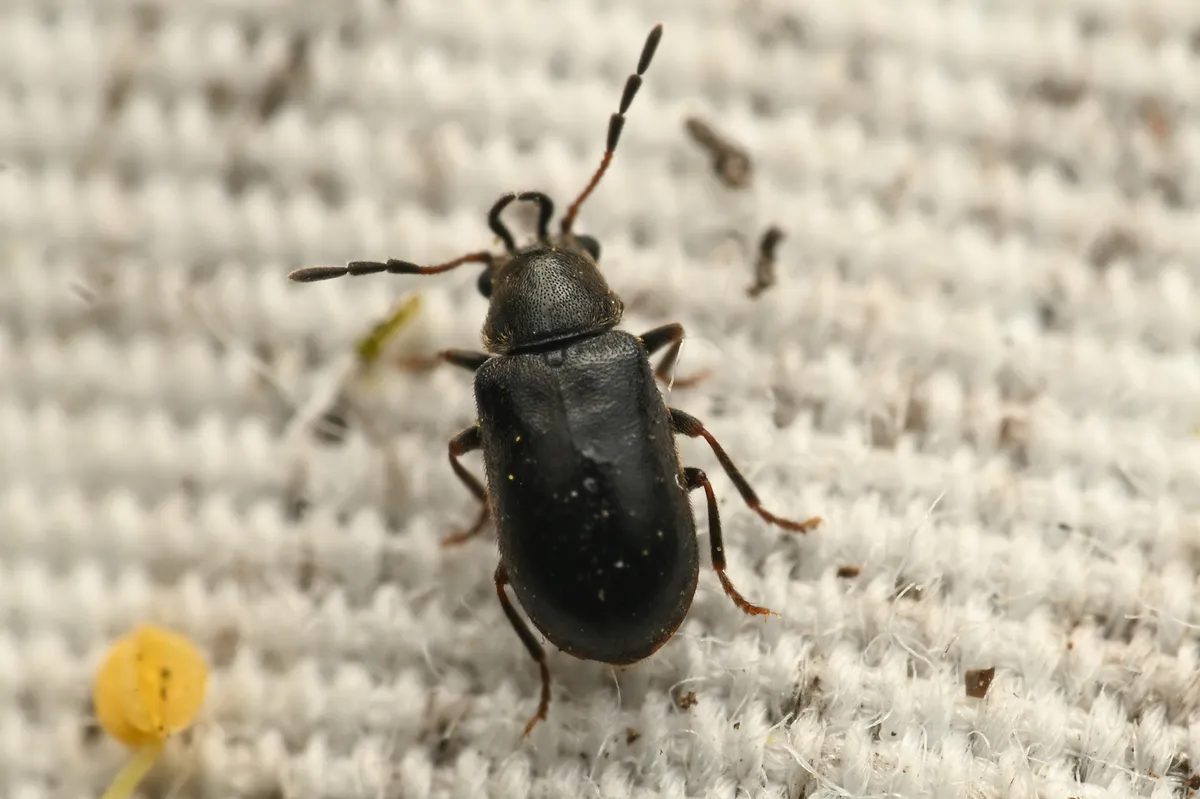
Ozognathus cornutus
Ozognathus cornutus
Identification: The two horns of the male meet at their incurved tips
Petalium alternatum
Petalium alternatum
Identification: The alternately wide and narrow elytral intervals combined with the form of the antenna are diagnostic
Petalium bistriatum
Petalium bistriatum
Identification: Typically with reddish pronotum and black elytra, but may be all black. Pronotum distinctly rugose compared to shiny elytra. Pronotal sulcus crescent shaped. Elytral strial punctures become diminished in size apically, becoming more
Petalium debile
Petalium debile
common in beating samples at Laguna Atascosa NWR, TX ( 3 )
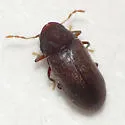
Petalium incisum
Petalium incisum
Identification: Pronotum anterior recurved carina distinctly raised, incised at middle
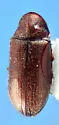
Petalium seriatum
Petalium seriatum
Identification: Pronotum with medial hump large and flanked each side by oblique depressions. Syntype
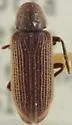
Broadheaded Anobiid
Platybregmus canadensis
attacks maple & basswood flooring and elm timbers in buildings ( 3 )
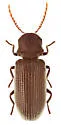
Priobium carpini
Priobium carpini
Priobium carpini (Priobium carpini) is a species in the family Ptinidae, commonly known as death-watch and spider beetles, belonging to the order Coleoptera (Beetles). It is classified within the subfamily Anobiinae, tribe Hadrobregmini, suborder Pol
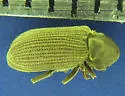
Silky Anobiid
Priobium sericeum
Identification: Difficult to separate from the other 2 species
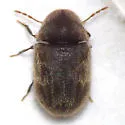
Protheca hispida
Protheca hispida
Identification: Body small, with bristling pubescence changing in direction and thus forming lighter and darker areas under light.
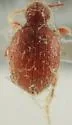
Pseudeurostus hilleri
Pseudeurostus hilleri
Identification: ¹ earliest record in our area: QC 1936 ( 3 )
Ptilinus lobatus
Ptilinus lobatus
Identification: Females can't be separated from P. pruinosus without associated males
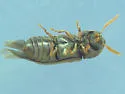
Ptilinus ruficornis
Ptilinus ruficornis
Ptilinus ruficornis (Ptilinus ruficornis) is a species in the family Ptinidae, commonly known as death-watch and spider beetles, belonging to the order Coleoptera (Beetles). It is classified within the subfamily Ptilininae, suborder Polyphaga, superf
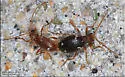
Ptinus bicinctus
Ptinus bicinctus
earliest records in our area: QC ~1860–1871 , ?NS 1915
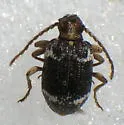
Ptinus bimaculatus
Ptinus bimaculatus
Identification: Body relatively stout, with shoulders prominent. Color dark, with shoulders and apical part of elytra brown sometimes. Each elytron with two transverse bands of white hairs, the anterior one undulate (diagnostic). Det. E. G. Riley, 20
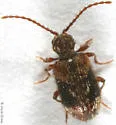
Ptinus fallax
Ptinus fallax
Identification: a member of P. quadrimaculatus species group, with 11 very similar species in our area; identification requires specimen examination
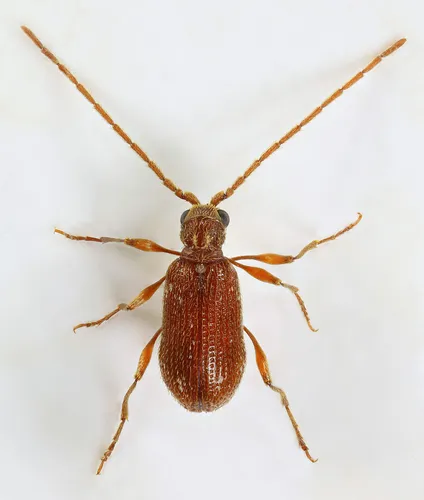
White-marked Spider Beetle
Ptinus fur
Ptinus fur is a small (about 3.5 mm) Spider Beetle. The prothorax is densely covered with pale hairs, while the red brown studded elytra bear white scales looking like four pale white spots. Females are often more rounded and darker. Scavenges and br
Ptinus hystrix
Ptinus hystrix
Identification: Separated from similar members of the P. interruptus group by elytral hairs being in part longer than distance between two elytral puncture series, the latter being coarsely punctured, not narrower than intervals.
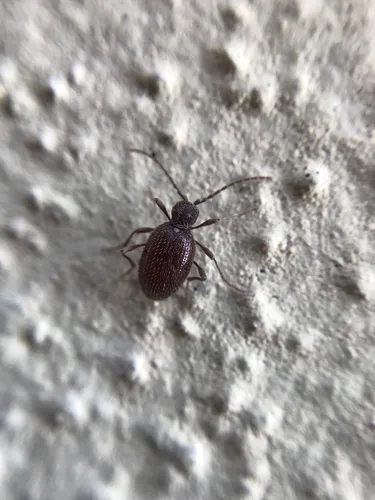
Brown Spider Beetle
Ptinus latro
Brown Spider Beetle (Ptinus latro) is a species in the family Ptinidae, commonly known as death-watch and spider beetles, belonging to the order Coleoptera (Beetles). It is classified within the subfamily Ptininae, tribe Ptinini, suborder Polyphaga,
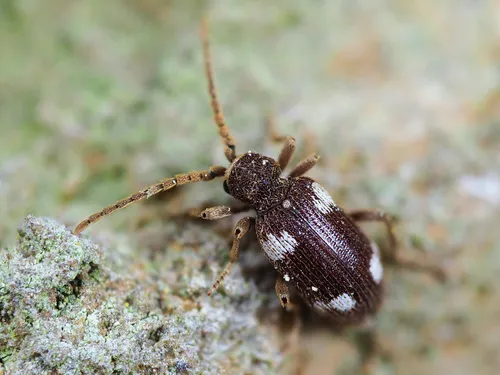
Ptinus sexpunctatus
Ptinus sexpunctatus
One of the spider beetles, so-called because of their long legs and roundish bodies, although in this particular species the body is less rounded than in some other members of the genus. It is very small (3 or 4 mm) with brown pitted elytra marked wi
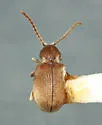
Australian Spider Beetle
Ptinus tectus
Identification: unlike other NA Ptinus spp., is densely clothed with recumbent, fulvous hairs obscuring the integument, but, unlike Niptus hololeucus , has distinct shoulders and narrowly inserted antennae
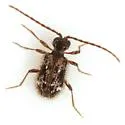
Ptinus tumidus
Ptinus tumidus
Type Specimen collected by H.S. Barber at Los Borregos, Brownsville, Texas, 24.V.1904. (Fall 1905) Texas considers this to be a "Species of Greatest Conservation Need" (SGCN) ( 5 )
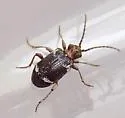
Ptinus variegatus
Ptinus variegatus
Identification: Elytra with two wavy white bands, the anterior one usually extending to shoulder and along side margin. Pronotum with projecting latero-dorsal humps and rather short pubescence, pale, denser and scaly in middle. Not conspicuously dimo
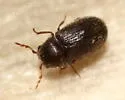
Sculptotheca puberula
Sculptotheca puberula
the most frequently collected ptinid by passive trapping in Wisconsin forests
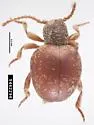
Sphaericus gibboides
Sphaericus gibboides
Identification: ¹ infests wooden cabinets , larvae may damage cabinetwork by tunneling before pupation
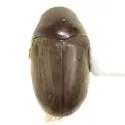
Stichtoptychus agonus
Stichtoptychus agonus
Type Locality: Brownsville, Cameron Co., TX, coll'ed by C. H. Townsend (White 1980)
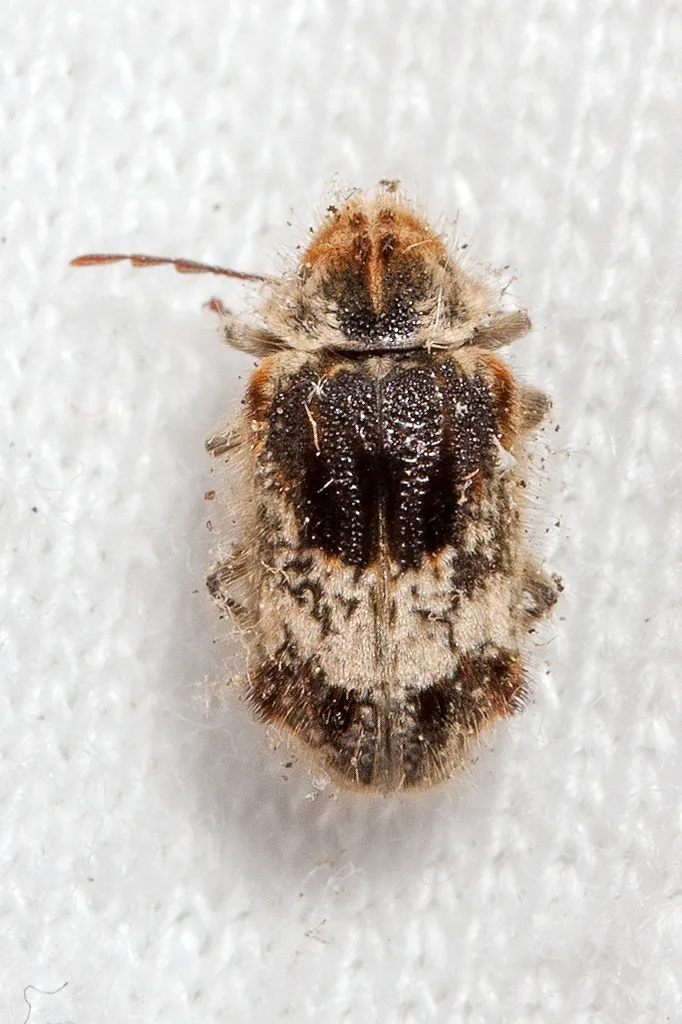
Trichodesma gibbosum
Trichodesma gibbosum
Identification: Elytra with a large basal dark patch, otherwise densely covered with pale recumbent hairs; tufts of dorsal surface almost black (combination is diagnostic)
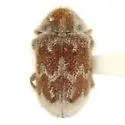
Trichodesma pulchellum
Trichodesma pulchellum
Identification: "...a narrow strongly dentate median band and apex with a denser white pubescence." (Schaeffer 1903) Det. E. G. Riley Type Locality: Esperanza Ranch, near Brownsville, Cameron Co., TX. (Schaeffer 1903) Texas considers this sp. a SGCN
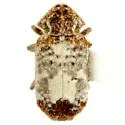
Trichodesma texanum
Trichodesma texanum
Type Locality: Esperanza Ranch, nr. Brownsville, Cameron Co., TX (Schaeffer 1903)
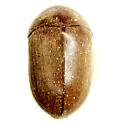
Tricorynus texanus
Tricorynus texanus
Texas considers this a "Species of Greatest Conservation Need" (SGCN) ( 5 )
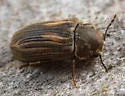
Vrilletta decorata
Vrilletta decorata
Identification: Elytra with several yellow stripes (if reduced, then the most conspicuous spot is on interval 3)
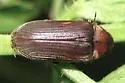
Vrilletta murrayi
Vrilletta murrayi
Identification: Elytral pattern as in V. blaisdelli , but pronotum orange at least in basal 2/3
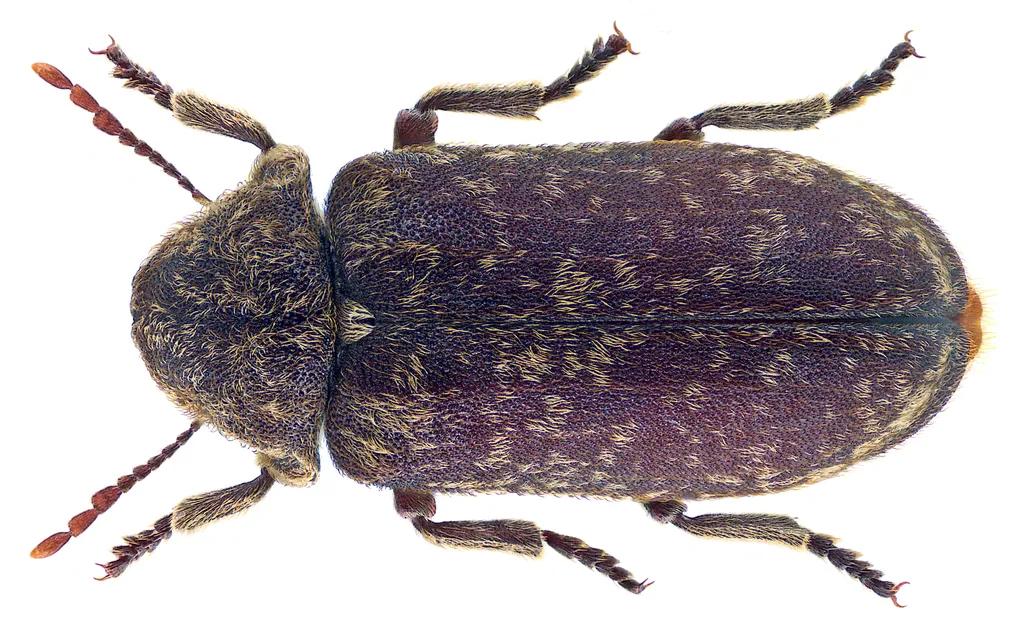
Deathwatch Beetle
Xestobium rufovillosum
adults probably do not fly, but can raise wing covers and flutter hind wings; tapping is usually heard in spring when adults emerge
Xyletinus lugubris
Xyletinus lugubris
Identification: In males, the species is well characterised by almost pectinate antennae AND a brush of hairs down the middle of basal ventrites • Holotype
Actenobius pleuralis
Actenobius pleuralis
Anobiopsis sericans
Anobiopsis sericans
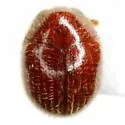
Byrrhodes facilis
Byrrhodes facilis
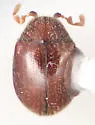
Byrrhodes fallax
Byrrhodes fallax
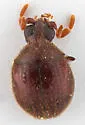
Byrrhodes granus
Byrrhodes granus
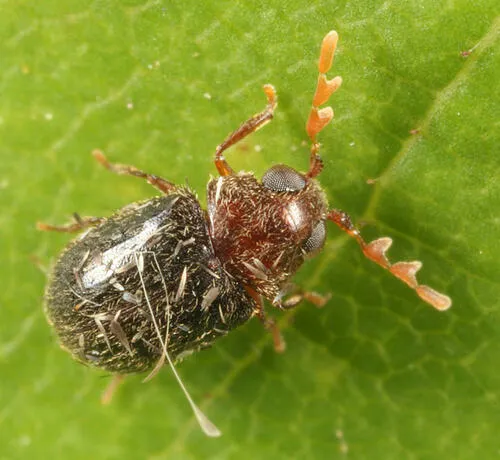
Byrrhodes incomptus
Byrrhodes incomptus
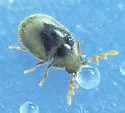
Byrrhodes intermedius
Byrrhodes intermedius
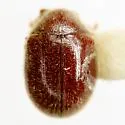
Byrrhodes levisternus
Byrrhodes levisternus
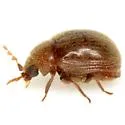
Byrrhodes tristriatus
Byrrhodes tristriatus
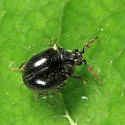
Caenocara blanchardi
Caenocara blanchardi
Caenocara tenuipalpum
Caenocara tenuipalpum
Calymmaderus obsoletus
Calymmaderus obsoletus
Calymmaderus punctulatus
Calymmaderus punctulatus
Colposternus tenuilineatus
Colposternus tenuilineatus
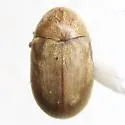
Cryptorama vorticale
Cryptorama vorticale
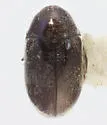
Cryptoramorphus floridanus
Cryptoramorphus floridanus
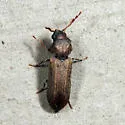
Ctenobium antennatum
Ctenobium antennatum
Desmatogaster subconnata 0
Desmatogaster subconnata
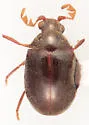
Dorcatoma falli
Dorcatoma falli
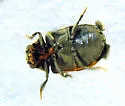
Dorcatoma pallicornis
Dorcatoma pallicornis
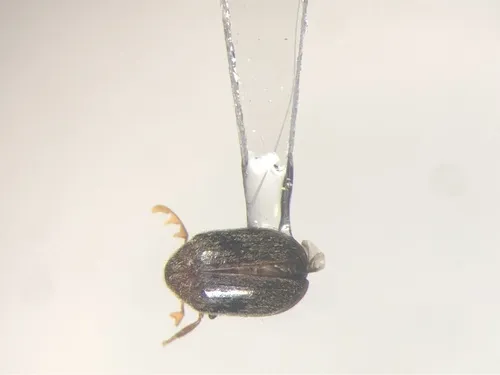
Dorcatoma setulosa
Dorcatoma setulosa
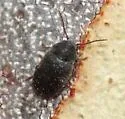
Dryophilodes niger
Dryophilodes niger
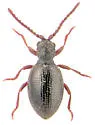
Epauloecus unicolor
Epauloecus unicolor
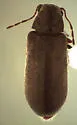
Episernus trapezoideus
Episernus trapezoideus
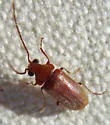
Ernobius conicola
Ernobius conicola
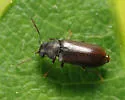
Ernobius filicornis
Ernobius filicornis
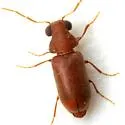
Ernobius granulatus
Ernobius granulatus
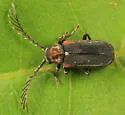
Eucrada humeralis
Eucrada humeralis
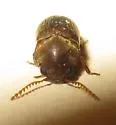
Euvrilletta harrisii
Euvrilletta harrisii
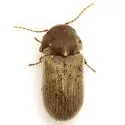
Euvrilletta mucorea
Euvrilletta mucorea
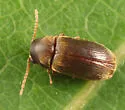
Anobiid Powderpost Beetle
Euvrilletta peltata
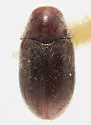
Falsogastrallus librinocens
Falsogastrallus librinocens
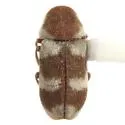
Gastrallus fasciatus
Gastrallus fasciatus