
Primitive Winged Insects
Order Coleoptera
The Primitive Winged Insects (Order Coleoptera) includes 15,720 species across 160 families and 3,716 genera in our directory.
About Primitive Winged Insects
Coleoptera is the largest order of insects with over 400,000 described species, representing ~25% of all known animal species and ~40% of all insects. In the U.S. alone, nearly 30,000 beetle species have been identified.
Economic Impact
Beetles have major economic significance: leaf beetles (Chrysomelidae) and weevils (Curculionoidea) are among the most destructive agricultural pests globally, costing billions annually, while predatory species like ladybugs provide natural pest control.
Ecological Role
Beetles are prominent decomposers, especially in forests, breaking down dead wood and recycling nutrients. As predators, they reduce populations of pest insects. Many species are also important pollinators of flowering plants.
Families in Coleoptera (160)
Species in Coleoptera (15,720)
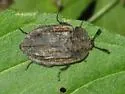
Ridged Carrion Beetle
Oiceoptoma inaequale
Identification: All black, with strong ridges on elytra. Ventral side of elytra is bright metallic blue, shining in flight. Elytra are held up in the manner of a butterfly's wings while in flight. This gives a protean, "disappearing" effect as the be
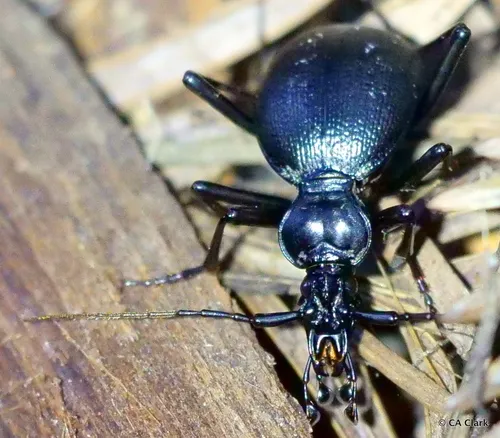
Ridged Snail-eating Beetle
Scaphinotus cristatus
Scaphinotus cristatus is a species of ground beetle in the family Carabidae. It is found in North America.
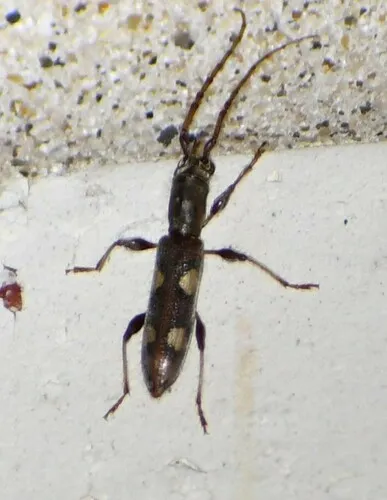
Rio Bravo Longhorn
Neocompsa bravo
A great deal of confusion has existed on what it should be called. We believe it has been previously listed as Neocompsa intricata Martins, 1970 by Hovore et. al.; Neocompsa alacris (Bates, 1885) by Linsley, Linsley and Martin and Schaeffer (1903, 19
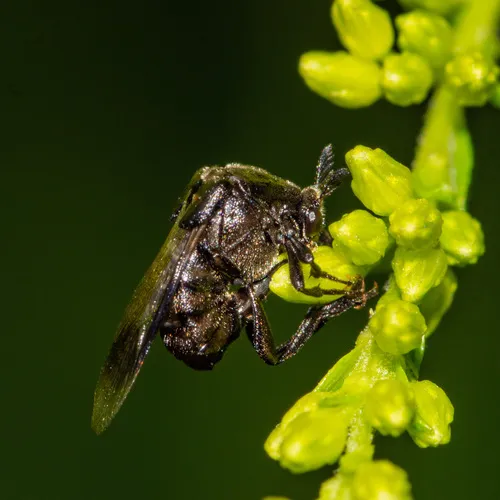
Ripiphorus americanus
Ripiphorus americanus
Rivnay and others created unnecessary confusion around the status and description of R. americanus. The original publication is available on Biodiversity Heritage Library. North American IDs under the name R. niger, which is a valid Central American
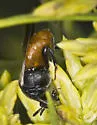
Ripiphorus epinomiae
Ripiphorus epinomiae
Identification: From the key in Linsley & MacSwain, diagnostic characters for the female are: 1) First segment of posterior tarsus obliquely truncate at apex, usually elevated and shorter than following segments combined. 2) Head and thorax dark, abd
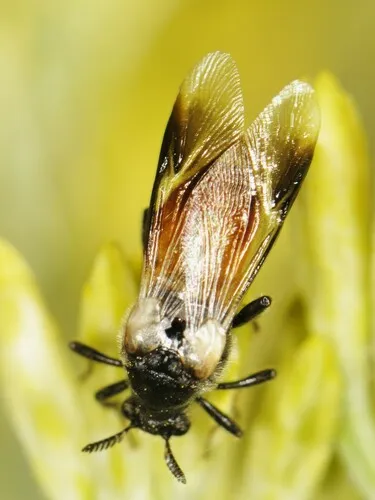
Ripiphorus neomexicanus
Ripiphorus neomexicanus
Identification: Pygidium in the female entirely brown-dark brown; T1 only with brown medial spot and the rest are entirely yellow Originally collected Albuquerque, New Mexico (1921). GBIF lists specimens from south Texas (1970), suggesting range may
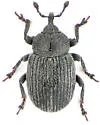
Root-gall Weevil
Rhinusa linariae
Approved for release as biocontrol in the US in 1995
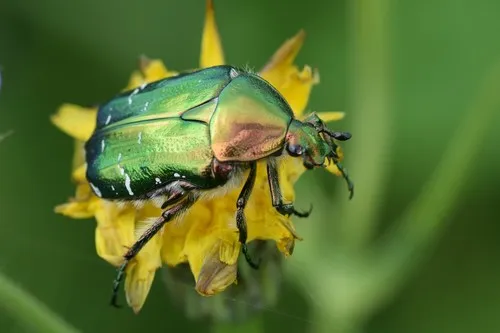
Rose Chafer
Cetonia aurata
Length 14 to 20 mm. This beautiful iridescent beetle can occur in a variety of colours; the wing cases or elytra are typically bright green, but they may be darker, variegated or golden. The white marks on the elytra are also highly variable between
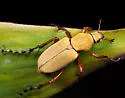
Rose Chafer
Macrodactylus subspinosus
Identification: very similar to and hard to distinguish from M. angustatus , with which it used to be considered synonymous Males: Considered a minor pest species
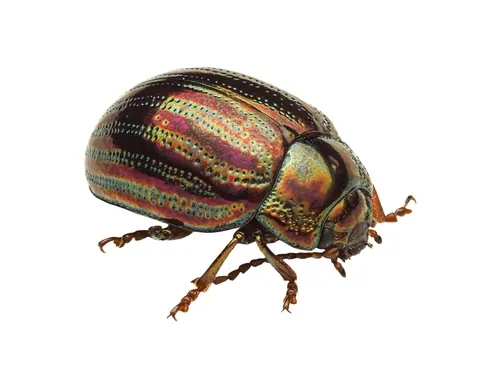
Rosemary Beetle
Chrysolina americana
Attractive, 8mm long, metallic green beetle with purple stripes. To be found on Rosemary, Lavender, Thyme, Sage and some other related plants. The soft-bodied grubs are greyish white with five darker longitudinal lines; fully grown larvae are 5 to 8m
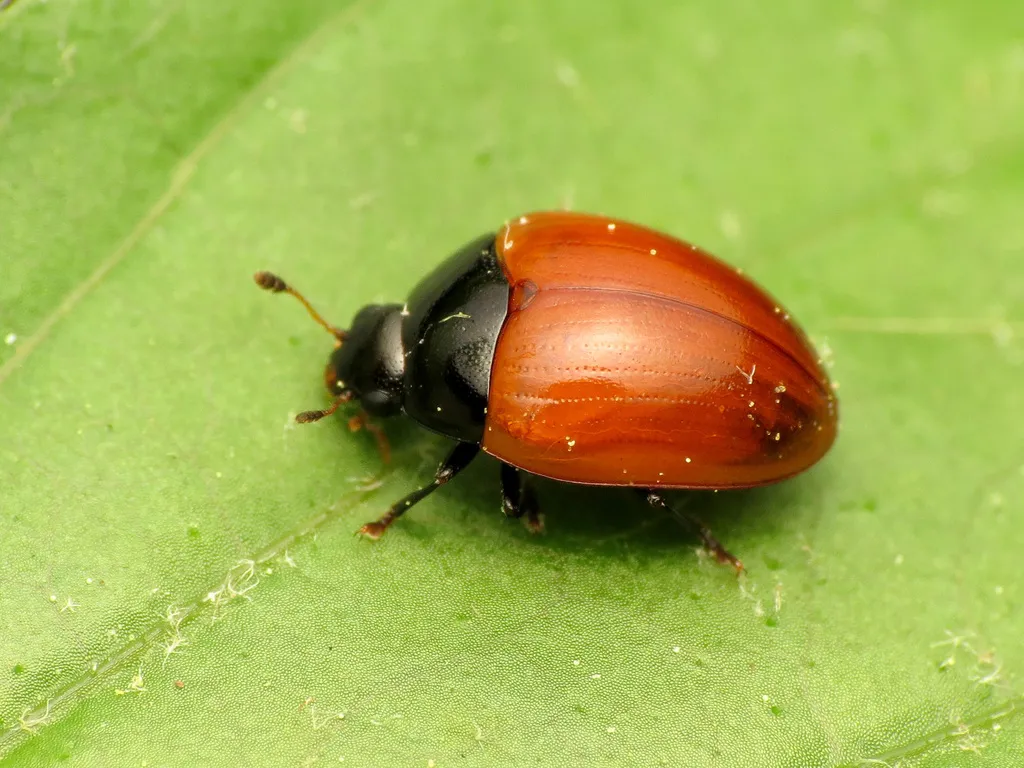
Rotitma sanguinipennis
Rotitma sanguinipennis
Identification: our only sp. with all-pale elytra AND scutellum ( 3 )
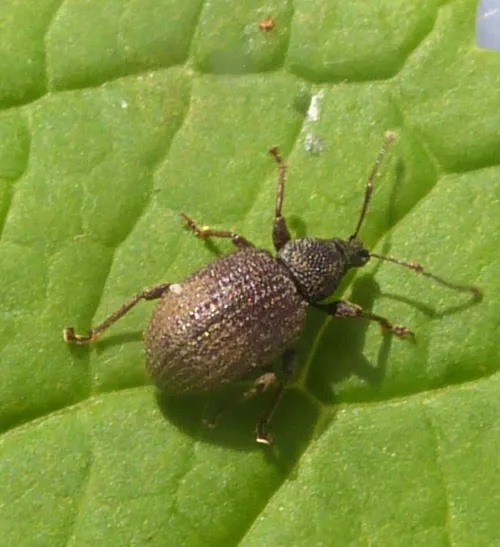
Rough Strawberry-root Weevil
Otiorhynchus rugosostriatus
A fairly large brown weevil with coarsely punctate elytra. Unless identified by a recognised expert, photographic evidence is required and the specimen should be examined with a microscope. In the comments box, state the key or ID method used. Note t
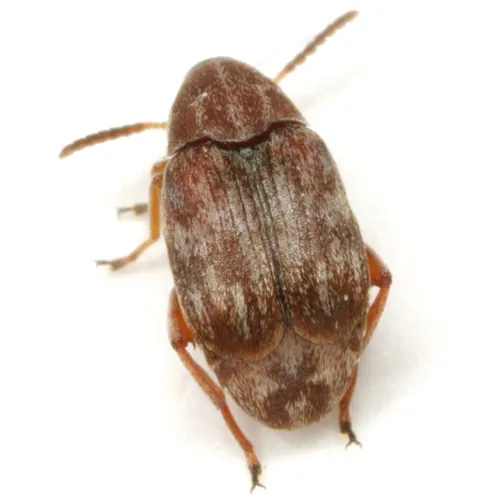
Rufus Clouded Bruchid
Mimosestes nubigens
Identification: Easily recognizable by the unique, pronounced denticulate "shoulders" of the pronotum. Other characters are the subangulate postocular lobe of the eye and the large, transverse plate in the internal sac. Type Locality: "Bresil"
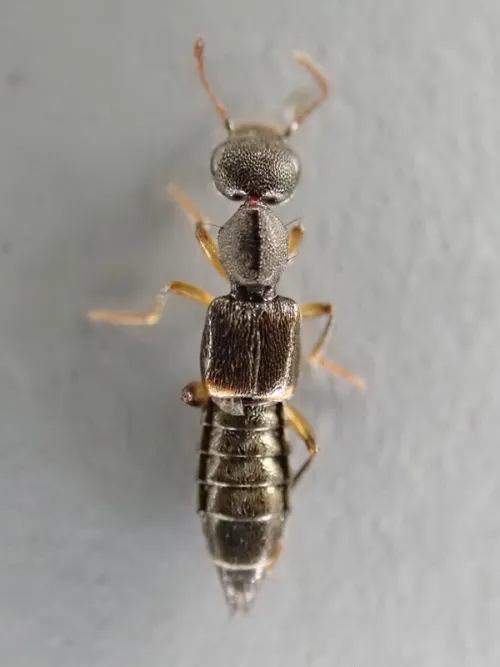
Rugilus orbiculatus
Rugilus orbiculatus
Length about 5 mm. This is a dark brown rove beetle with yellow/orange legs. Found in dung heaps, grass cuttings, flood refuse etc. Although widespread in Britain this species seems to be most frequently recorded in central and eastern England.
Rugilus rudis
Rugilus rudis
Identification: pronotum without smooth midline; punctures here and on head longitudinally confluent
Rushia brevicollis 0
Rushia brevicollis
Identification: Holotype Type Locality: Cloudcroft, Sacramento Mts., New Mexico. A single female collected by Mr. Knaus.
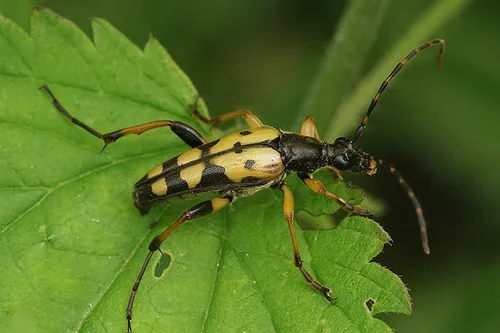
Rutpela maculata
Rutpela maculata
This is a large but well-marked longhorn beetle with a variable pattern of black and yellow markings. Usually found along hedgerows and woodland margins where the adults are most often seen on Hawthorn or umbel flowers. The larvae live in rotten wood
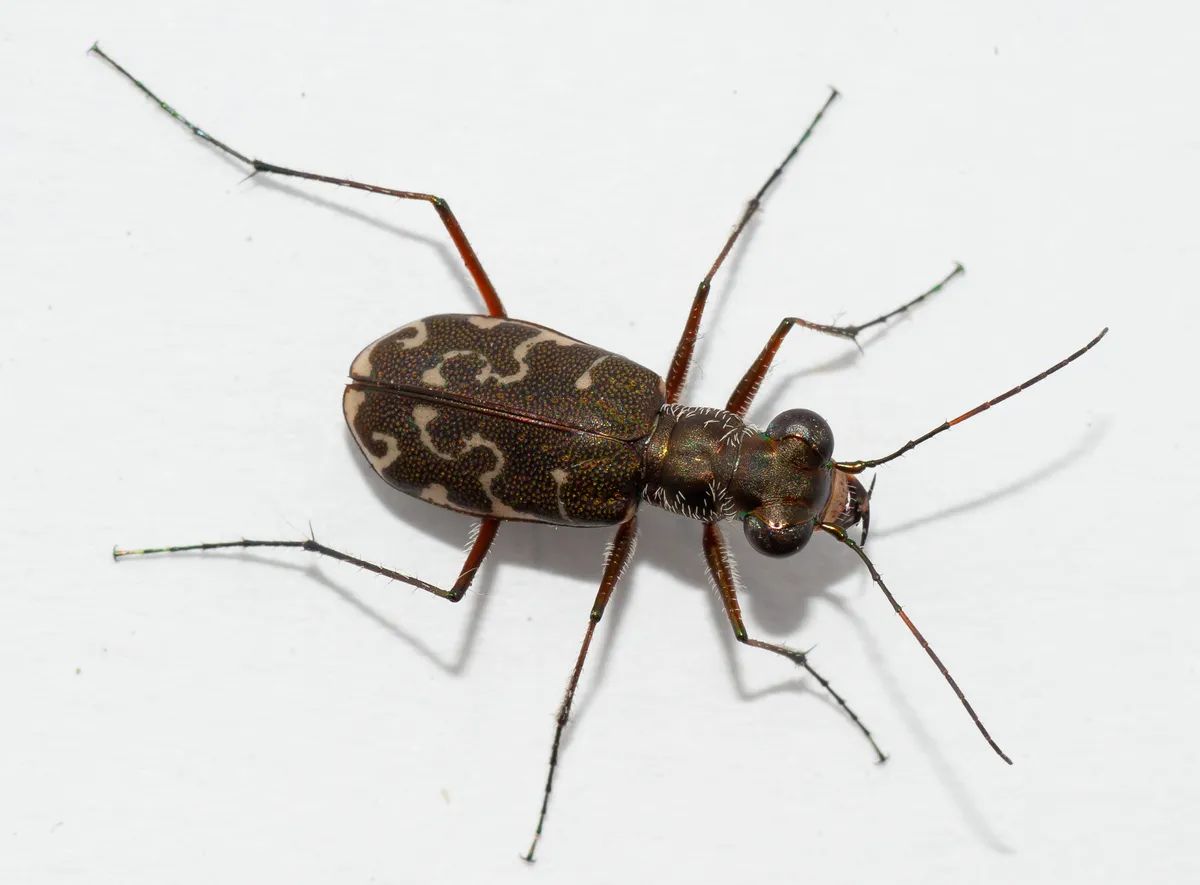
S-banded Tiger Beetle
Cicindelidia trifasciata
Identification: variably dark grayish-brown to light brown, sometimes with greenish tint; middle band curved in conspicuous S shape in well-marked specimens; lines tend to be thin and delicate in subspecies ascendens , and thicker/bolder in subspecie
Sableta infulata
Sableta infulata
Identification: Distictive body color, large eyes, transverse antennal segments 8-10, the ligula in the apical half slit into two lobes, transverse pronoun, hypomera fully visible in lateral view. Male tergum 8 distinctive. (Ashe and Gusarov 2004).
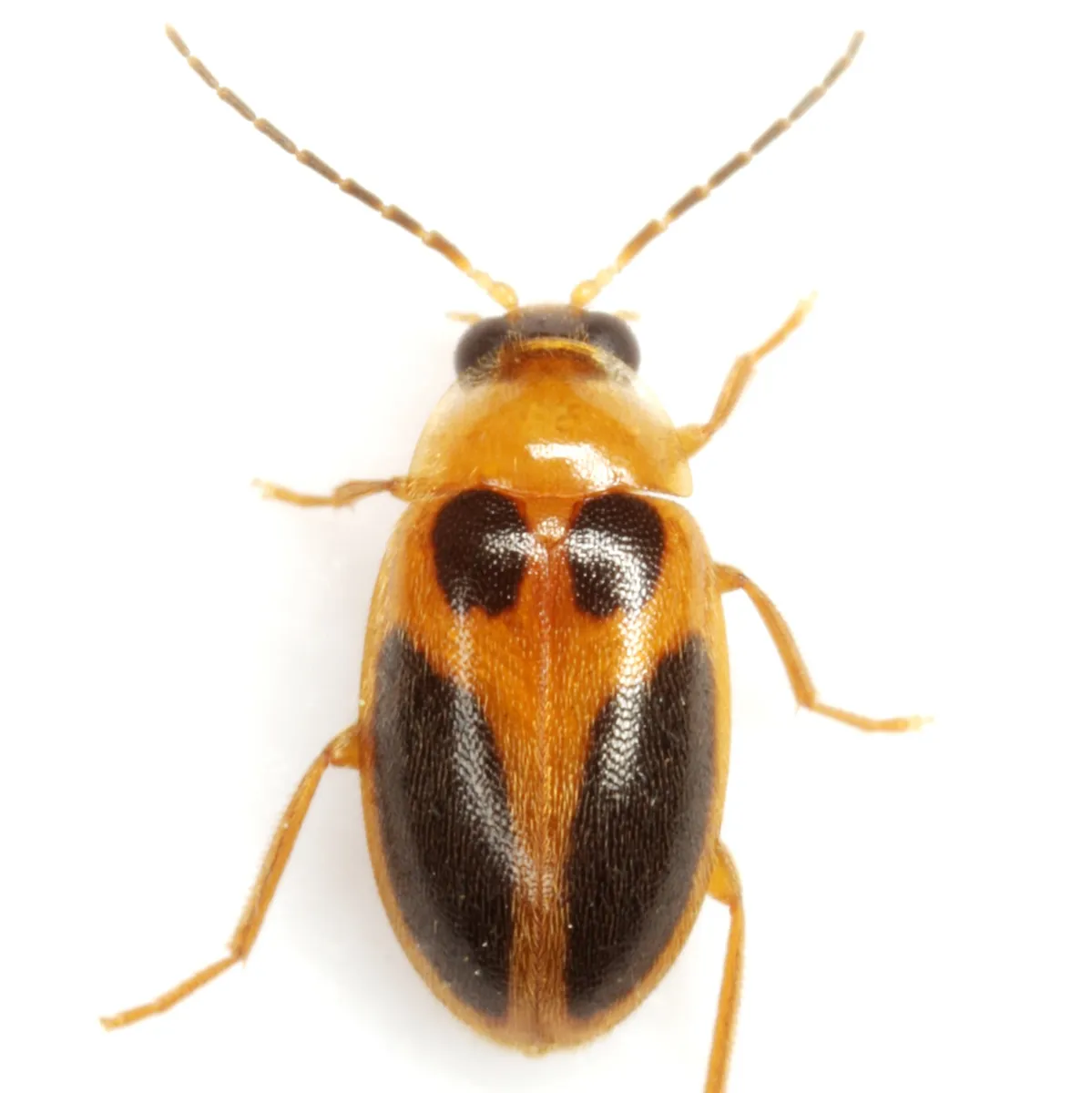
Sacodes pulchella
Sacodes pulchella
Identification: S. thoracica is <3.75 mm (M.Pintar, 2021, pers. comm.) variable:
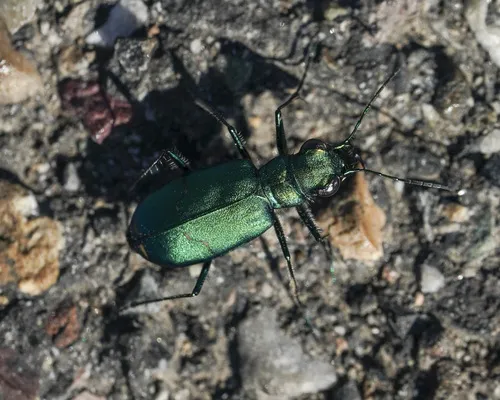
Sagebrush Tiger Beetle
Cicindela pugetana
Cicindela pugetana, the sagebrush tiger beetle, is a species of flashy tiger beetle in the family Carabidae. It is found in North America.
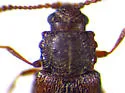
Salebius octodentatus
Salebius octodentatus
Identification: Lateral prothoracic carina with three distinct lobes or undulations ; piceorufous, the elytra, antennae, and legs somewhat rufous; pubescence short and decumbent; head and pronotum deeply densely finely punctat, the elytra a little mo
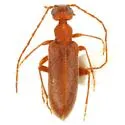
Salimuzzamania howdeni
Salimuzzamania howdeni
Holotype male, allotype female and 11 male paratypes, Big Bend N[ational] P[ark], TEX[AS], 1850', Boquillas, May 23, 1959, light; Howden & Becker; 3 male paratypes same but May 13. Texas considers this a SGCN ( 3 )
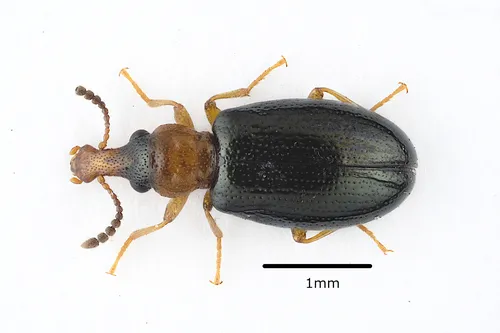
Salpingus ruficollis
Salpingus ruficollis
A small beetle (3.75 mm). It’s small size and secretive habits of living under bark or in dead wood make it difficult find. Usually found under bark or in dead and decaying wood, especially where fungi are present. It is mainly recorded in woodland a
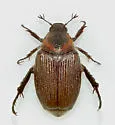
Sand Chafer
Strigoderma arbicola
Identification: Distinctly striate elytra, punctate pronotum; extensive setae over much of the body Typically reddish occasionally black Adults locally abundant; comes to lights
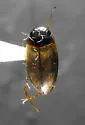
Sanfilippodytes compertus
Sanfilippodytes compertus
Identification: Basal portion of elytra distinctly paler than apical portion; pronotum broadly red laterally, with disc black to dark brown; metacoxal plates coarsely and densely punctate .
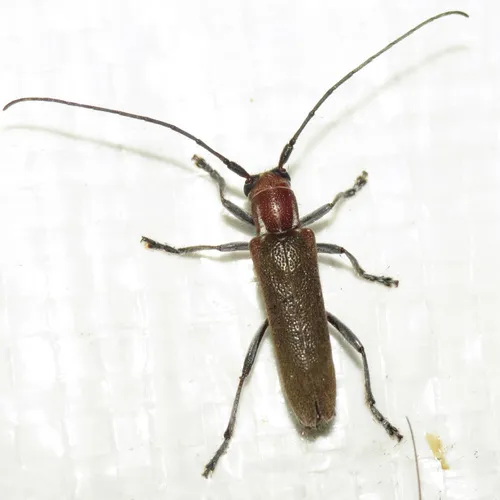
Saperda fayi
Saperda fayi
Identification: Markings often quite reduced in males
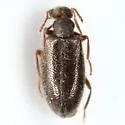
Sapintus caudatus
Sapintus caudatus
Identification: pro- & mesotrochanters with slender spines; elytral apex unique in genus, with a sharp point at suture
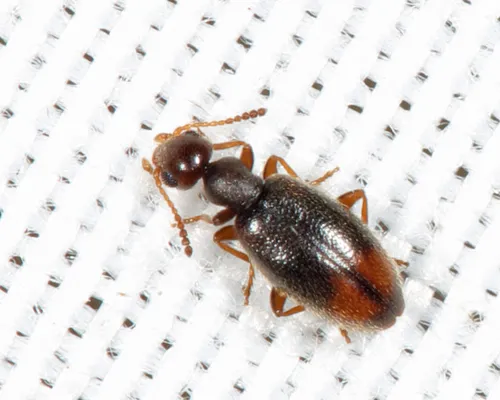
Sapintus lemniscatus
Sapintus lemniscatus
Sapintus lemniscatus is a species of antlike flower beetle in the family Anthicidae. It is found in North America.
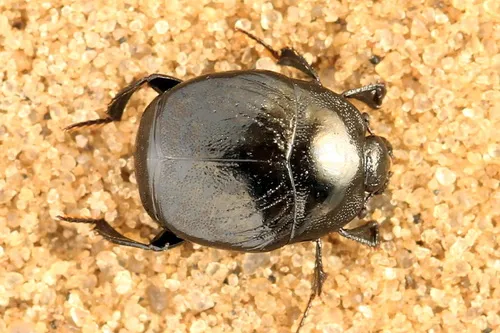
Saprinus semistriatus
Saprinus semistriatus
A blackish beetle measuring 3.5 to 5.5 mm. Usually found on carcasses of animals or birds, occasionally on dung. Widespread but occasional in Britain possibly under recorded. No additional images available for this species.
Sapwood Timberworm
Elateroides lugubris
Identification: Larvae have a slender, barbed spine on the 9th abdominal segment.
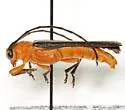
Sassafras Borer
Oberea ruficollis
Identification: Elytra gray-brown to black, rest of body (save feet & ant.) orange
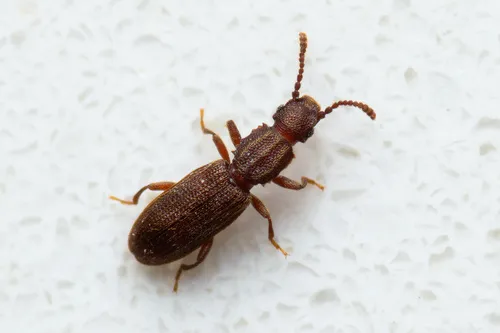
Sawtoothed Grain Beetle
Oryzaephilus surinamensis
Identification: see In O. surinamensis , the angle of head just behind the eye this area is broad and blunt; in O. mercator , short and pointed surinamensis mercator serious pest of stored grain; presence in household products is incidental and cause
Saxinis hornii 0
Saxinis hornii
Identification: A specimen in [Fall's] collection from San Diego Co., Cal., differs only in the colour being almost black, and there can scarcely be a doubt that it is identical with the Lower California form. Syntype Type Locality: San Jose del Cabo
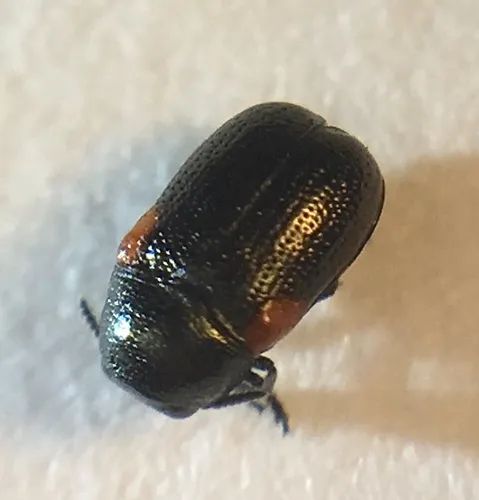
Saxinis omogera
Saxinis omogera
Saxinis omogera is a species in the family Chrysomelidae ("leaf beetles"), in the order Coleoptera ("beetles"). The distribution range of Saxinis omogera includes Central America and North America.
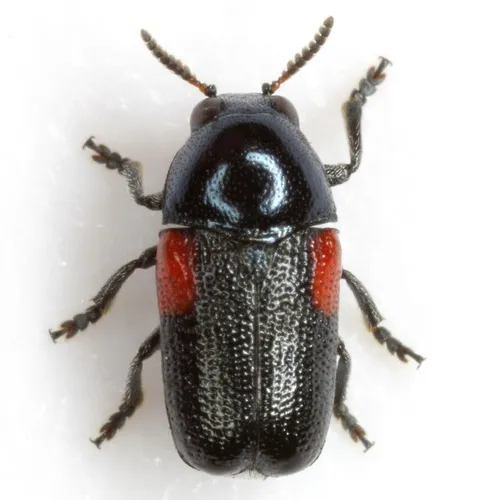
Saxinis sinuata
Saxinis sinuata
Per Schaeffer (1906), "This name is proposed for a few specimens collected in Texas (Brownsville) and Arizona (Huachuca Mts.), which have the sides of thorax strongly sinuately narrowing to base from about basal third, which causes the hind angles to
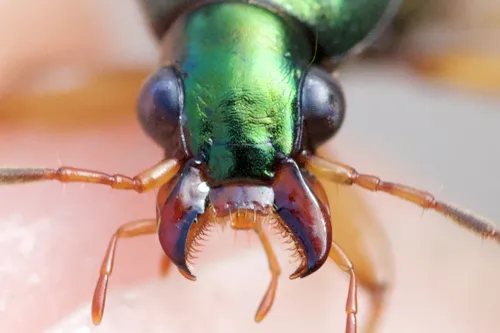
Say's Ground Beetle
Chlaenius pennsylvanicus
Chlaenius is a large and diverse genus of ground beetle. It is native to the Palearctic (including Europe), the Near East, North Africa, Afrotropical region, and the Nearctic. Worldwide, roughly 1,000 species are currently recognized with the majorit
Scaphidium piceum
Scaphidium piceum
Identification: body deep black throughout, rather narrowly oval
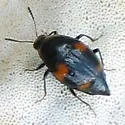
Scaphidium quadriguttatum
Scaphidium quadriguttatum
Identification: at its most colorful Det. Kyhl Austin, 2015
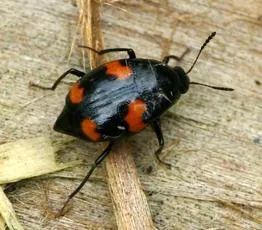
Scaphidium quadrimaculatum
Scaphidium quadrimaculatum
This species is surprisingly a rove beetle, to which it bears little resemblance. It is mainly black and glossyy but with four red spots or blotches (two on each elytra). Often under fungoid logs, or feeding on fungi such as brackets. It feeds on fun
Scaphinotus behrensi
Scaphinotus behrensi
Identification: near the Pacific Coast: Lincoln Co., OR to Humboldt Co., n.CA
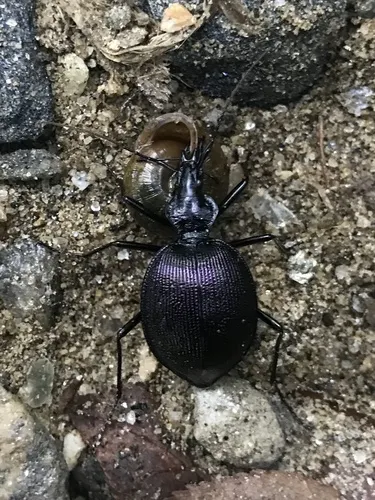
Scaphinotus guyotii
Scaphinotus guyotii
Identification: Largest and most variable species of Steniridia . Elytra markedly convex and relatively large compared to body. Color variable: violaceous-black, black, green-black, with or without aeneous reflections. Front tarsi of male very narrow
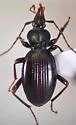
Scaphinotus hoffmani
Scaphinotus hoffmani
A poorly known species, known from very few specimens. Named for Richard L. Hoffman, who collected the holotype.
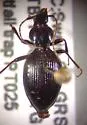
Scaphinotus hubbardi
Scaphinotus hubbardi
Identification: One of two described species of Maronetus (along with schwarzi ) with multiple setigerous punctures on the elytra.
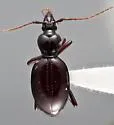
Scaphinotus unistriatus
Scaphinotus unistriatus
Identification: Highly glossy dorsal surface, each elytron with a single punctate stria and a row of discal setae.
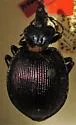
Scaphinotus webbi
Scaphinotus webbi
Identification: Parameres of aedeagus have setae on the tips, margins of pronotum markedly reflexed, wider than in typical viduus. Populations in Virginia show a mixture of this form and typical viduus features; Hoffman et. al 2006 point out that web
Scaphinus muticus
Scaphinus muticus
Identification: Distinctive form--prothorax widest at the middle, short antennae. Looks almost like a dung beetle, but antennae not clubbed .
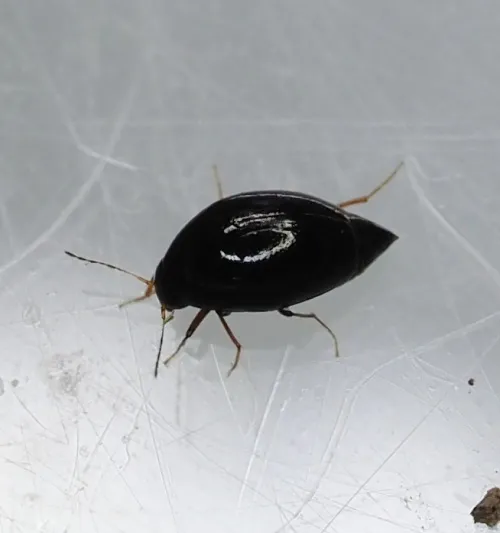
Scaphisoma agaricinum
Scaphisoma agaricinum
A small (2 mm) black beetle with a distinctive tear drop shape. Found in rotting timber and bracket fungi. All year round, especially August and September.
Scaphisoma pusillum
Scaphisoma pusillum
Identification: Lectotype paramere enlarged with constricted base, elytral apex yellow, metacoxal lines arcuate and not bordered with punctures
Scaphomorphus calandroides
Scaphomorphus calandroides
This, and subcylindricus Casey, 1891 (= Lixus lupinus Blatchley) the only species on the atlantic side.
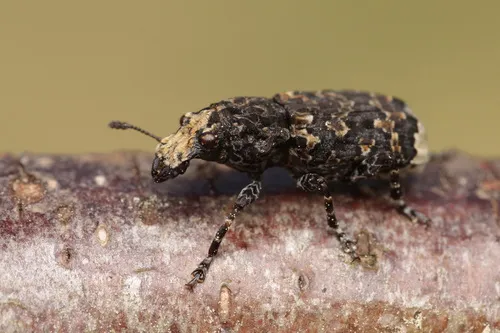
Scarce Fungus Weevil
Platyrhinus resinosus
This is truly an odd looking creature and could hardly be confused with anything else, except perhaps the Platystomos species. The mix of dark and light areas on the elytra may vary, but the general appearance does not - the 'face' is always lighter
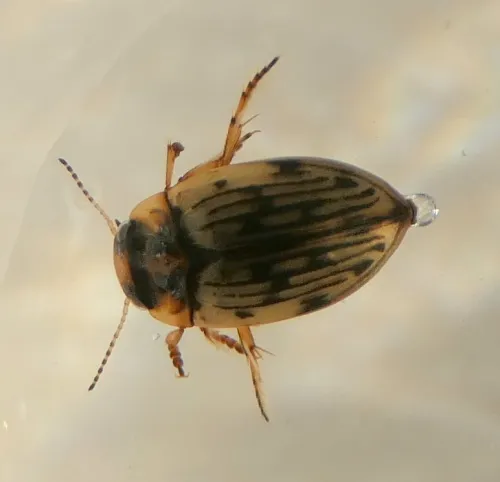
Scarodytes halensis
Scarodytes halensis
Length 3.8 to 4.3 mm with lateral furrows on the pronotum and ladder-like first and second elytral stripes. This is the only species in this genus. The oval body, strong dorsal striped patterning (usually 5 stripes) and a dark underside are all usefu
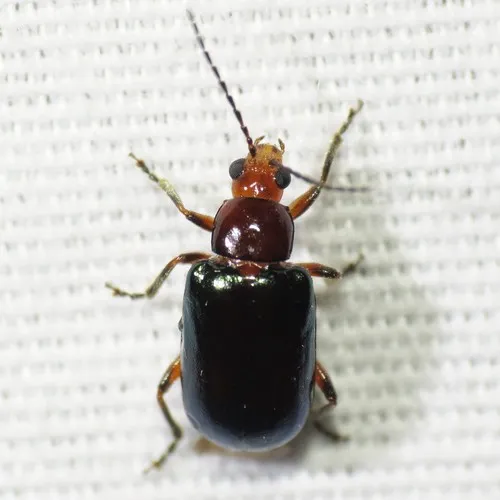
Scelida nigricornis
Scelida nigricornis
Scelida nigricornis is a species of leaf beetle in the family Chrysomelidae. It is found in Central America and North America.
Scelolyperus schwarzii
Scelolyperus schwarzii
Identification: Hind tibiae of male strongly curved (an arc of about 40°) AND pronotum as metallic as elytra; in females, an indication of that curvature also perceptible. Frontlegs partly pale.
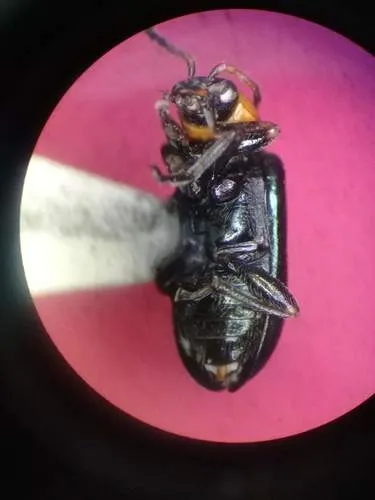
Scelolyperus torquatus
Scelolyperus torquatus
Scelolyperus torquatus is a species of skeletonizing leaf beetle in the family Chrysomelidae.
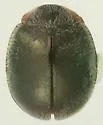
Schaeffer's Lady Beetle
Exoplectra schaefferi
Identification: Gordon's figures Type Locality: Huachucha Mts., Arizona, VII-15, from Ch. Schaeffer, Exoplectra subaenescens Gorh. (USNM 101347).
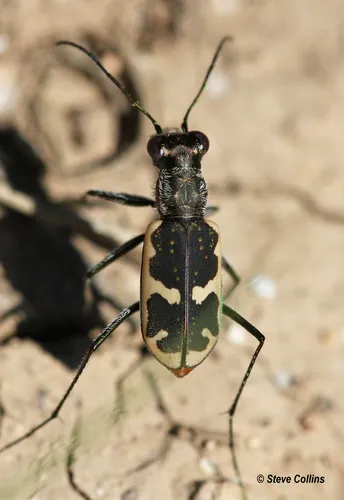
Schaupp's Tiger Beetle
Cicindelidia schauppii
Identification: Elytra dull bronze-brown to green with white maculations and green sub-sutural punctures. Extent of white markings can vary. Cicindela cazieri, C. politula are often found together with this species.
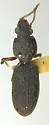
Schizogenius lindrothi
Schizogenius lindrothi
Identification: 7th interval lacks setae, or at most with one. Type specimen: https://mczbase.mcz.harvard.edu/guid/MCZ:Ent:31970
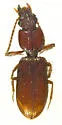
Schizogenius planulatus
Schizogenius planulatus
Identification: See Type specimen: https://mczbase.mcz.harvard.edu/guid/MCZ:Ent:5481
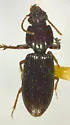
Schizogenius pluripunctatus
Schizogenius pluripunctatus
Identification: In part by eltra with long, abundant setae. See Type specimen: https://mczbase.mcz.harvard.edu/guid/MCZ:Ent:5484
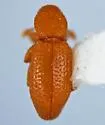
Schizomicrus caecus
Schizomicrus caecus
Schizomicrus caecus (Schizomicrus caecus) is a species in the family Brachyceridae, belonging to the order Coleoptera (Beetles). It is classified within the subfamily Raymondionyminae, suborder Polyphaga, superfamily Curculionoidea. This species belo
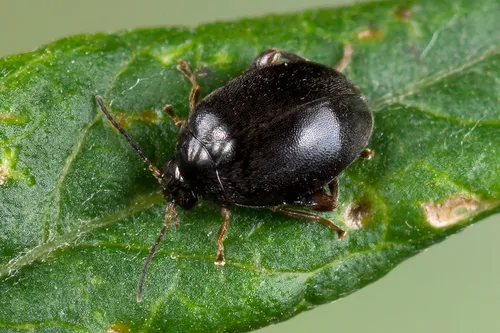
Scirtes hemisphaericus
Scirtes hemisphaericus
About 3mm in length, very rounded like a very small black ladybird. The legs are paler than the almost black body and the first segments of the antennae are pale. Widespread in the southern half of Britain. No additional images available for this spe
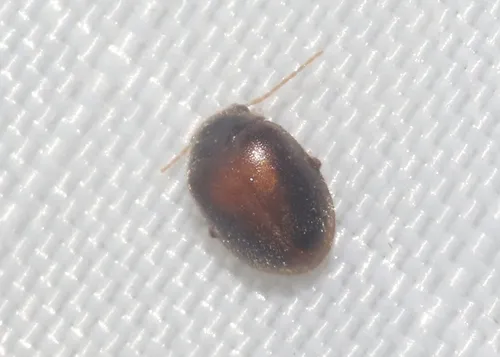
Scirtes plagiatus
Scirtes plagiatus
Identification: Ovate, reddish testaceous, head, thorax and an oblique lateral stripe on each elytron piceous. Head shining, finely and sparsely punctate and sparsely pubescent. First joint of antennae stout, second and third small, together as long
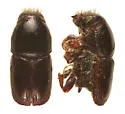
Scolytus piceae
Scolytus piceae
Identification: easily confused with S. multistriatus but in that species the tubercle on the vertical sternites touches the edge of sternite one, where this species has the tubercle centered on the sternite. The burrows differ from other eastern spe
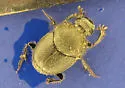
Scooped Scarab
Onthophagus hecate
Identification: dull black, pronotum densely granulate; major males have a long, usually bifurcated pronotal horn
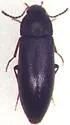
Scotochroa buprestoides
Scotochroa buprestoides
Identification: Pronotum punctate (granulo-punctate in S. atra ), A3 longer or equal to A4 (shorter than A4 in S. atra ), punctures of basal half of elytra coarse with raised granules (not granulate and sparser in S. basalis )
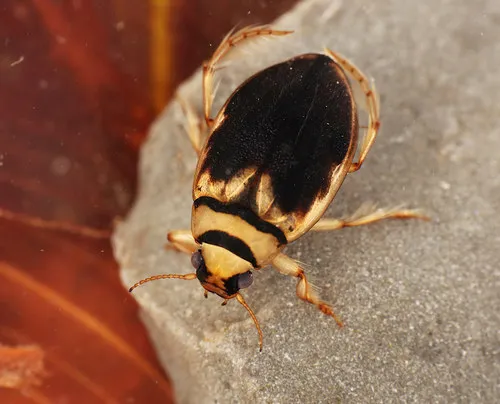
Screech Beetle
Hygrobia hermanni
Length 8.5 to 10 mm. This distinctively marked beetle is the only British member of the Hygrobiidae (=Paelobiidae). It can make a squeaky grating noise, hence the name. According to Wikipedia 'The sound is produced when the sharp edge of the 7th abdo
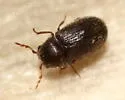
Sculptotheca puberula
Sculptotheca puberula
the most frequently collected ptinid by passive trapping in Wisconsin forests
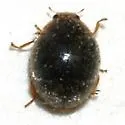
Scymnus ardelio
Scymnus ardelio
Identification: limited red on the lateral edge of the pronotum per the type spmn , see also frontal head shot of type For detailed description, and discussion see Gordon Type - MCZ, Harvard
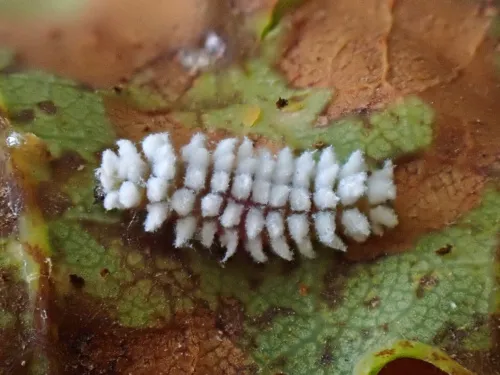
Scymnus auritus
Scymnus auritus
Length 2-2.5mm. A small, mostly black ladybird with reddish-brown legs. Males have an orangey-red face and front edge to the pronotum, females lack the red colour at the front. The distinctive feature is the red tip to the rear abdomen. This can some
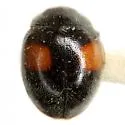
Scymnus circumspectus
Scymnus circumspectus
Identification: Only e. N. Amer. Scymnus sp. w/ pale spot on each elytron.
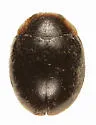
Scymnus compar
Scymnus compar
Identification: combination of small size, almost completely black dorsum and usually pale last abdominal sterna render compar a comparatively easy sp. to distinguish externally. Type Locality: Indiana
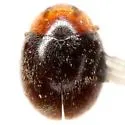
Scymnus creperus
Scymnus creperus
Identification: Elytron with apical pale border wide, at least 1/5 of a mm; pronotal spot small, usually confined to area just anterior to basal median projection Pronotum with black area poorly defined, restricted to median, basal 1/3 of pronotum on
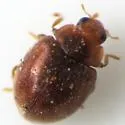
Scymnus difficilis
Scymnus difficilis
Identification: reddish brown; anterior third of pronotum yellow, posterior two-thirds dark brown; sutural border narrowly black from base to middle of disk Not commonly collected . However, locally quite abundant in riparian habitats in southern Cal
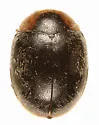
Scymnus fraternus
Scymnus fraternus
Identification: pattern somewhat variable, Gordon's figures
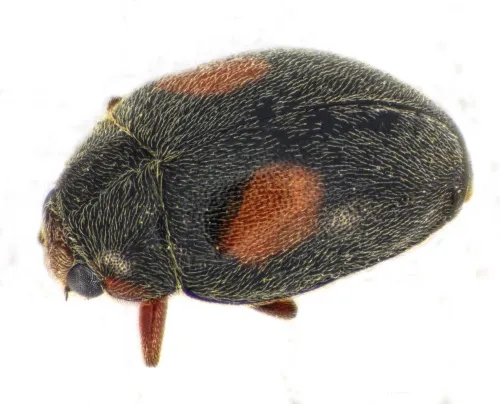
Scymnus frontalis
Scymnus frontalis
A very small member of the ladybird family, the dark elytra marked with a pair of large orange-red spots which do not reach the edges of the elytra (c.f. Scymnus interruptus ). Unless identified by a recognised expert, good photos are required that s
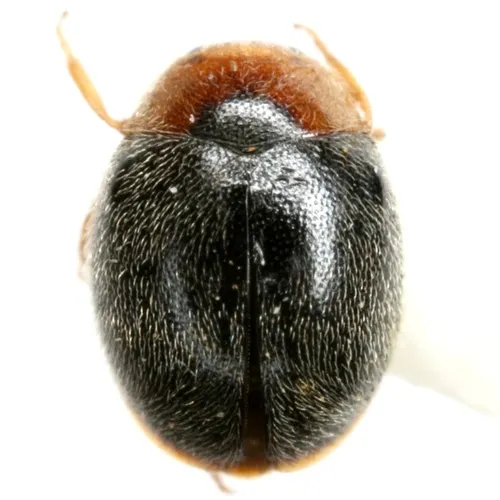
Scymnus horni
Scymnus horni
Identification: can usually be ID'ed externally as the black pronotal spot almost never reaches the apical margin of the pronotum, and the legs are always entirely pale. color pattern is extremely stable in this species, the size of the black pronota
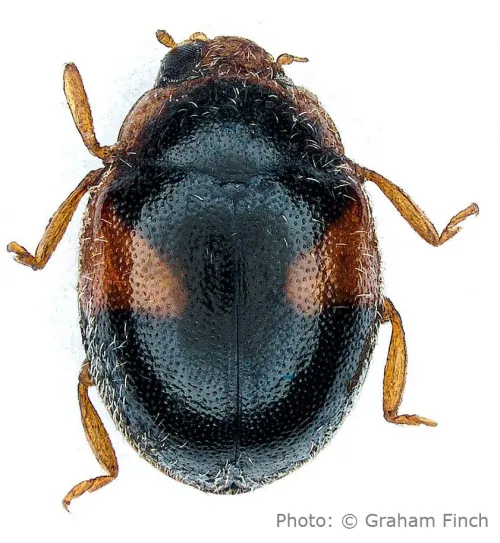
Scymnus interruptus
Scymnus interruptus
A tiny (1.5 to 2.2 mm), hairy ladybird. It is very distinctive, being black with a red triangle on each wing case which reaches the side of the wing case and even extend to the underside edge (the epipleuron). Some also show red around the face area.
Scymnus louisianae
Scymnus louisianae
Identification: black pronotal spot not extending [laterally??] beyond the middle of the pronotum one of the most common Scymnus sp. in the TAMUIC .
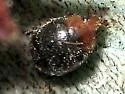
Scymnus marginicollis
Scymnus marginicollis
Identification: Gordon's last couplet, pg. 62 Dets. M. A. Quinn, 2025 The black elytra with no pale rear margin, small pronotal spot, mostly-black venter, and black legs make this one of the most distinctive species of Scymnus .
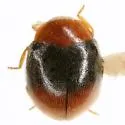
Scymnus nemorivagus
Scymnus nemorivagus
Identification: The combination of size, pale or nearly pale pronotum, large, red, apical spot on elytron, round form and coarse elytral punctures will usually distinguish this sp. one of the rarest Scymnus spp. in collections. , though Karl Stephan
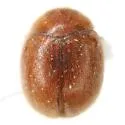
Scymnus pallens
Scymnus pallens
Identification: pale dorsal color and obvios micro-reticulation on the elytra
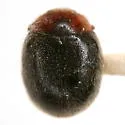
Scymnus paracanus
Scymnus paracanus
Identification: S. paracanus paracanus - black pronotal spot strongly reduced is somewhat characteristic of this sp., but genitalia must be examined for pos. ID. S. paracanus linearis - extremely elongate, nearly parallel-sided. pronotal black spot m
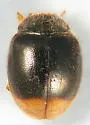
Scymnus rubricaudus
Scymnus rubricaudus
Identification: Gordon's figures ; The combination of [pale apical] elytral spot, short elytral pubescence, mostly dark pronotum and elongate form distinguish rubricaudus from other species of Pullus . Det. R. Gordon, 1984 Type Locality: Kansas
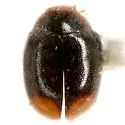
Scymnus securus
Scymnus securus
Scymnus securus (Scymnus securus) is a species in the family Coccinellidae, commonly known as lady beetles, belonging to the order Coleoptera (Beetles). It is classified within the subfamily Scymninae, tribe Scymnini, suborder Polyphaga, superfamily
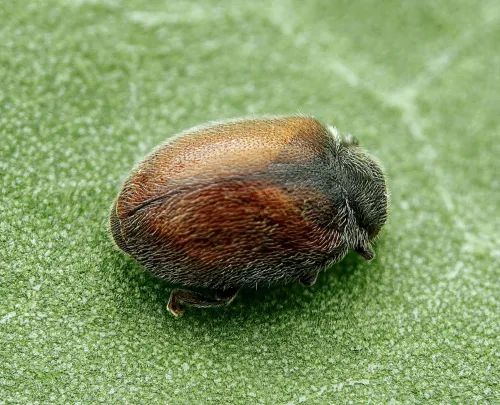
Scymnus suturalis
Scymnus suturalis
Length 1.75 to 2.25 mm. The elytra are red-brown or chestnut brown usually with a dark brown mark behind the scutellum and have long, mainly backward-pointing hairs. The only similar Scymnus is S. limbatus which is found on deciduous trees in wetland
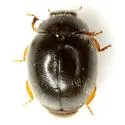
Scymnus tenebrosus
Scymnus tenebrosus
Identification: large black sp. map based on the examination of 555 spmns!
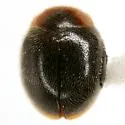
Scymnus uncus
Scymnus uncus
Identification: male genitalia are the only certain criteria for identifying this sp.
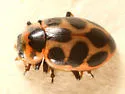
Seaside Lady Beetle
Naemia seriata
Identification: Pronotum usually with one large black spot in center, occasionally broken into two spots Single apical elytral spot Det. M. A. Quinn, 2010
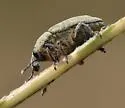
Seedhead Weevil
Larinus minutus
Identification: brown-grey weevil with a very large, bulbous snout... When the adults first emerge from the knapweed seedhead they are light grey with some yellow fuzz on their bodies. Image of adult and damage to seedhead
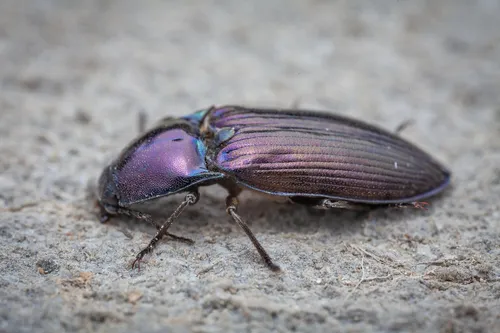
Selatosomus aeneus
Selatosomus aeneus
Length 11-17 mm. A large, metallic species with wide pronotum and elytra and no obvious covering of hairs. Colour ranges from green/gold to green/purple. Ridges are obvious down the length of the elytra. The legs are dark brown/black in colour and th
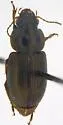
Selenophorus breviusculus
Selenophorus breviusculus
Identification: distinctive hairy thing Type locality: Oklahoma (Fort Cobb, Caddo Co.)
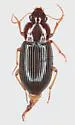
Selenophorus chaparralus
Selenophorus chaparralus
Identification: the only Selenophorus bearing paired carinate prominences on the last visible abdominal sternum of the male. Type Locality: Amistad Reservoir, Val Verde Co., TX
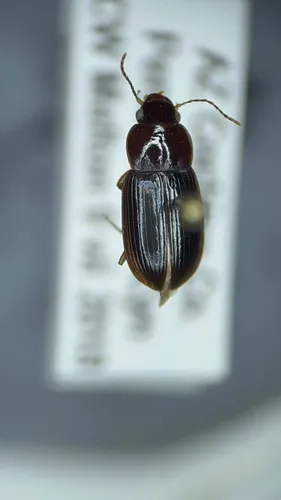
Selenophorus concinnus
Selenophorus concinnus
Selenophorus concinnus is a species of ground beetle in the family Carabidae. It is found in North America.
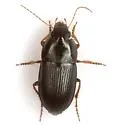
Selenophorus ellipticus
Selenophorus ellipticus
Identification: Species grossly distinguished in part by dull black dorsum (slightly shinier in male), not brassy like other small Selenophorus . Type Locality: restricted to Atlantic City, Atlantic Co., New Jersey
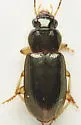
Selenophorus elytrostictus
Selenophorus elytrostictus
Identification: Pronotum with base straight between obtusely angulate hind angles; discwith distinct microsculpture, not diminished mediad. Elytra with intervals densely and coarsely punctate. Type Locality: TX: Cameron Co., Laguna Atascosa NWR, IV-2
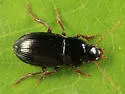
Selenophorus gagatinus
Selenophorus gagatinus
Identification: Species grossly distinguished in part by shiny but not iridescent dorsum.
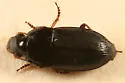
Selenophorus granarius
Selenophorus granarius
Identification: Amara-like habitus but serial punctures characteristic of Selenophorus . Differs from S. ellipticus by smaller body, sides of pronotum more convex, and stouter/shorter antennomeres.
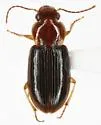
Selenophorus neoruficollis
Selenophorus neoruficollis
Identification: Head and pronotum orange, contrasting with black, strongly iridescent elytra. Pronotum with sides convergent to distinct obtuse hind angles. PARATYPE Type Locality: TX: Brazos Co./ 5 km SW Wellborn/ 30.5022N 96.3360W/ 1-7.vi.2018/ @ l
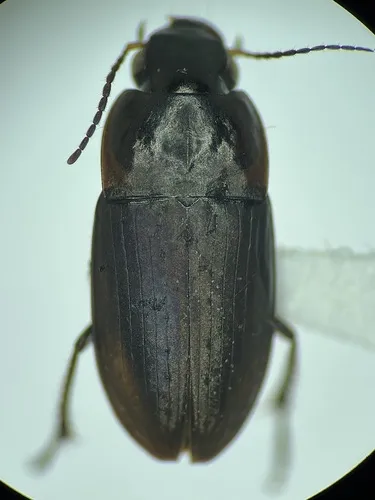
Selenophorus nonellipticus
Selenophorus nonellipticus
Identification: PARATYPE Type Locality: FLORIDA: Osceola County, Disney Wilderness Preserve, 19m, N28.0997 W81.4000, Pitfall trap, 07 Jul 2015, R. Nelson