
Primitive Winged Insects
Order Coleoptera
The Primitive Winged Insects (Order Coleoptera) includes 15,720 species across 160 families and 3,716 genera in our directory.
About Primitive Winged Insects
Coleoptera is the largest order of insects with over 400,000 described species, representing ~25% of all known animal species and ~40% of all insects. In the U.S. alone, nearly 30,000 beetle species have been identified.
Economic Impact
Beetles have major economic significance: leaf beetles (Chrysomelidae) and weevils (Curculionoidea) are among the most destructive agricultural pests globally, costing billions annually, while predatory species like ladybugs provide natural pest control.
Ecological Role
Beetles are prominent decomposers, especially in forests, breaking down dead wood and recycling nutrients. As predators, they reduce populations of pest insects. Many species are also important pollinators of flowering plants.
Families in Coleoptera (160)
Species in Coleoptera (15,720)
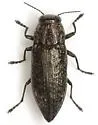
Spectralia robusta
Spectralia robusta
Chamberlin was the first to collect "a fine series of this species ... near Del Rio, Texas on Diospyros texana Scheele." Per MacRae : This species has been encountered primarily around the Pecos and Devils Rivers west of Del Rio, Texas (Knull 1937, N
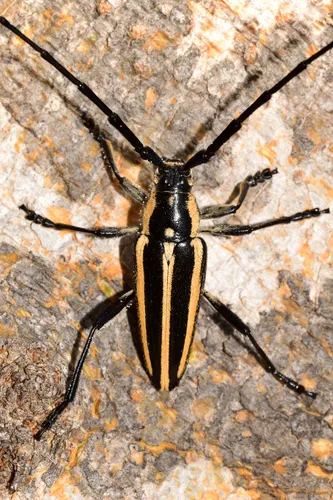
Sphaenothecus trilineatus
Sphaenothecus trilineatus
This species was not recognized as part of the United States longhorn beetle fauna until reported from Brownsville by Chemsak and Noguera. They mention the single Texas record in a paragraph discussion but not in the “Material Examined” section of th
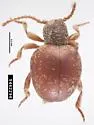
Sphaericus gibboides
Sphaericus gibboides
Identification: ¹ infests wooden cabinets , larvae may damage cabinetwork by tunneling before pupation
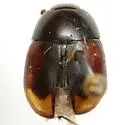
Sphaeridium bipustulatum
Sphaeridium bipustulatum
Identification: Most similar to S. marginatum . See Berge Henegouwen (1989). Non native, from the Palearctic region.
Sphaeridium lunatum
Sphaeridium lunatum
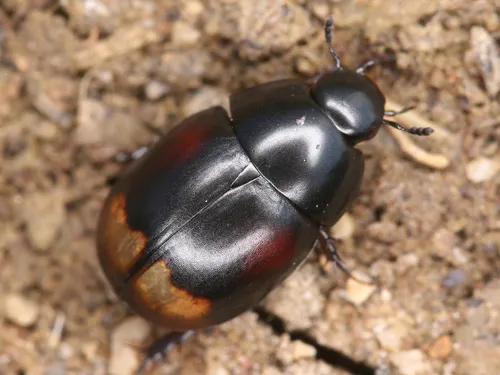
Length 5.5 to 7.5 mm. A very smooth, blackish dome shaped beetle with pale yellow tips to the elytra and faint reddish blotches on its sides. Requires gen det to be certain of species. Adults feed on the fresh dung of herbivorous animals; their young
Sphaeridium marginatum
Sphaeridium marginatum
Identification: Most similar to S. bipustulatum . See Berge Henegouwen (1989).
Sphaeridium scarabaeoides
Sphaeridium scarabaeoides
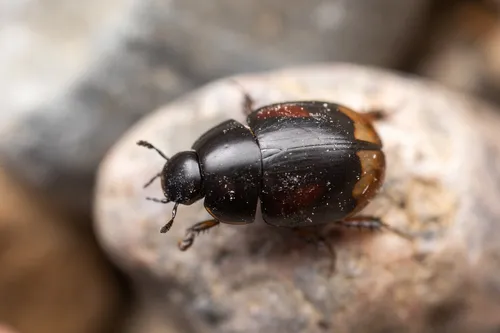
Length 5 to 7 mm. Whilst normally a well-marked beetle where the black elytra have a dark red blotch and pale yellow-brown in the rear third, it can be variable and could be confused with other similar species. A key feature is the thin yellow line o
Sphaerion exutum
Sphaerion exutum
This tropical species was first recorded from the U.S. on the basis of eight specimens collected on dead ebony at Bentsen-Rio Grande Valley State Park in May, 1972 and May, 1973 (Giesbert and Hovore 1976). An additional male specimen was taken at tha
Sphaerites politus
Sphaerites politus
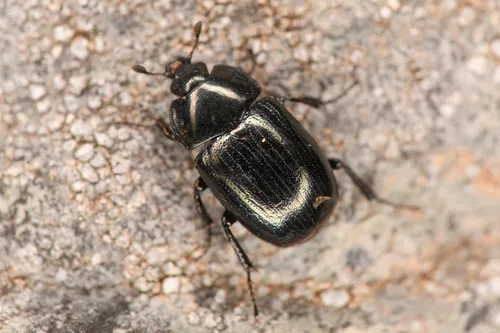
Sphaerites politus (Sphaerites politus) is a species in the family Sphaeritidae, commonly known as false clown beetles, belonging to the order Coleoptera (Beetles). It is classified within the suborder Polyphaga, superfamily Histeroidea. This species
Sphaeroderma testaceum
Sphaeroderma testaceum
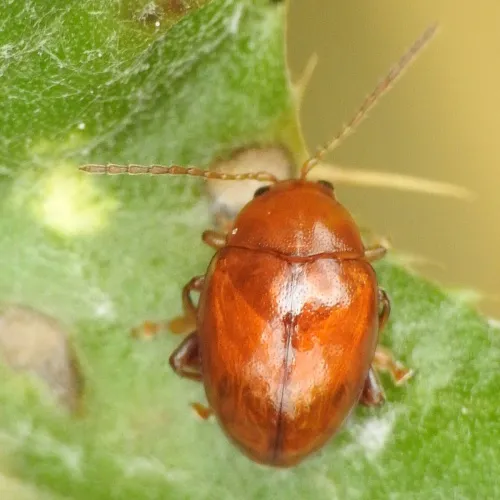
There are two very similar species of Sphaeroderma in Britain and both feed on Thistles. Both are red coloured and generally round-bodied. S. testaceum is slightly larger but there is much overlap. S. testaceum : Body less strongly rounded, slightly
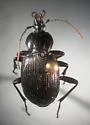
Sphaeroderus indianae
Sphaeroderus indianae
Identification: ~10 elytral striae. Pronotum scarcely punctate at base, lacking the transverse basal impression usually present in S. stenostomus . Rare.
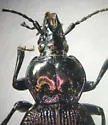
Sphaeroderus nitidicollis
Sphaeroderus nitidicollis
Identification: The only relatively constant structural difference between the two sspp. is the size
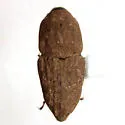
Sphenophorus bartramiae
Sphenophorus bartramiae
described originally from specimens taken from the crop of plovers. … Charles W. O'Brien, 10 February, 2013
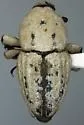
Sphenophorus cazieri
Sphenophorus cazieri
Identification: distinctive small species with hatchet-like rostrum and no spur at inner edge of protibia a rare species known from a handful of specimens; Vaurie only saw the holotype (from Corpus Cristi) and one unlabeled specimen ; i found one spe
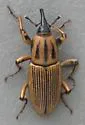
Sphenophorus crenatus
Sphenophorus crenatus
Identification: the bi-colored variant more common but all black forms exist; in the female, protibiae are sinuate, almost angulate, inside, but not so in the male
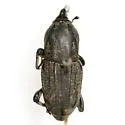
Sphenophorus maidis
Sphenophorus maidis
Identification: Large, robust; black or red, usually with coating in elytral interspaces; three bare pronotal stripes merging in front or nearly so; elytra with third and fifth intervals raised and bare in basal third.
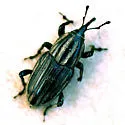
Sphenophorus robustus
Sphenophorus robustus
Identification: Pronotum with stripes well raised above interspaces, straight, nearly parallel, strongly defined
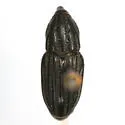
Sphenophorus striatipennis
Sphenophorus striatipennis
Identification: Elytra with alternate intervals raised and convex from base to near apex; raised parts of pronotum and elytra usually red or red and black
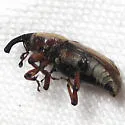
Sphenophorus venatus
Sphenophorus venatus
Identification: Small to medium; black or red, bare or coated; pronotum with three bare vittae, the median enclosing an apical depression, the laterals not reaching the apex; elytra variable, but strial punctures much larger than interval punctures
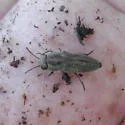
Sphenoptera jugoslavica
Sphenoptera jugoslavica
Identification: images of diff. stages Introduced from Greece to fight knapweed; first released in 1980.
Sphenostethus taslei
Sphenostethus taslei
Identification: denticulate elytral tips + smooth pronotal margins are diagnostic may be all black or with paler elytra & femora
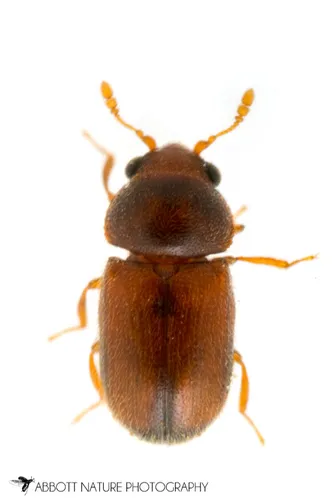
Sphindus americanus complex
Sphindus americanus
Identification: Holotype "There are several undescribed, cryptic species in that complex. I have been leaving them as ' Sphindus nr. americanus ' or ' S. americanus ?' until I can revise that genus." ‒ Joe McHugh's comment
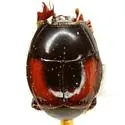
Spilodiscus flohri
Spilodiscus flohri
Spilodiscus flohri (Spilodiscus flohri) is a species in the family Histeridae, commonly known as clown beetles, belonging to the order Coleoptera (Beetles). It is classified within the subfamily Histerinae, tribe Histerini, suborder Polyphaga, superf
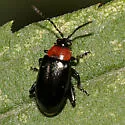
Spinach Flea Beetle
Disonycha xanthomelas
Identification: head, elytra, and legs, except at base, black note black at base of pronotum
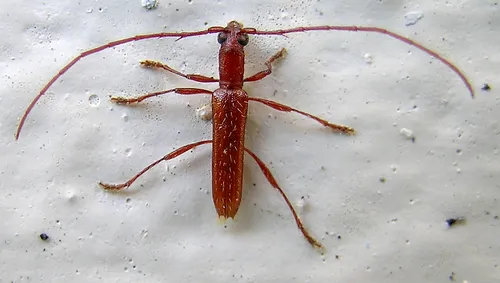
Spined Twig Girdler
Psyrassa pertenuis
Psyrassa pertenuis is a species of beetle in the family Cerambycidae.
Spintherophyta globosa
Spintherophyta globosa
Identification: Det. M. A. Quinn, 2015 apparently does not come to lights nor to flowers, hence few records on iNaturalist ( 6 )
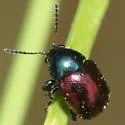
Spintherophyta violaceipennis
Spintherophyta violaceipennis
Identification: "the elytra with a violaceous tinge inclining to cupreous" (Horn 1892) Type Locality: "Collected in Arizona, precise locality unknown, but from the southern part."
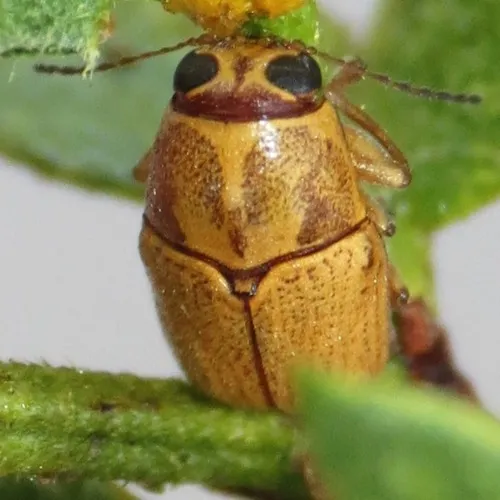
Split-neck Creosote Pachy
Pachybrachis xanti
Identification: Robust, primarily yellow; widest across humeri, narrowing to head and elytral apices (last key couplet) ( 3 ) Very robust, rufo-testaceous, prothorax unusually long, sub conical with smooth median line, with or without faint darker sh
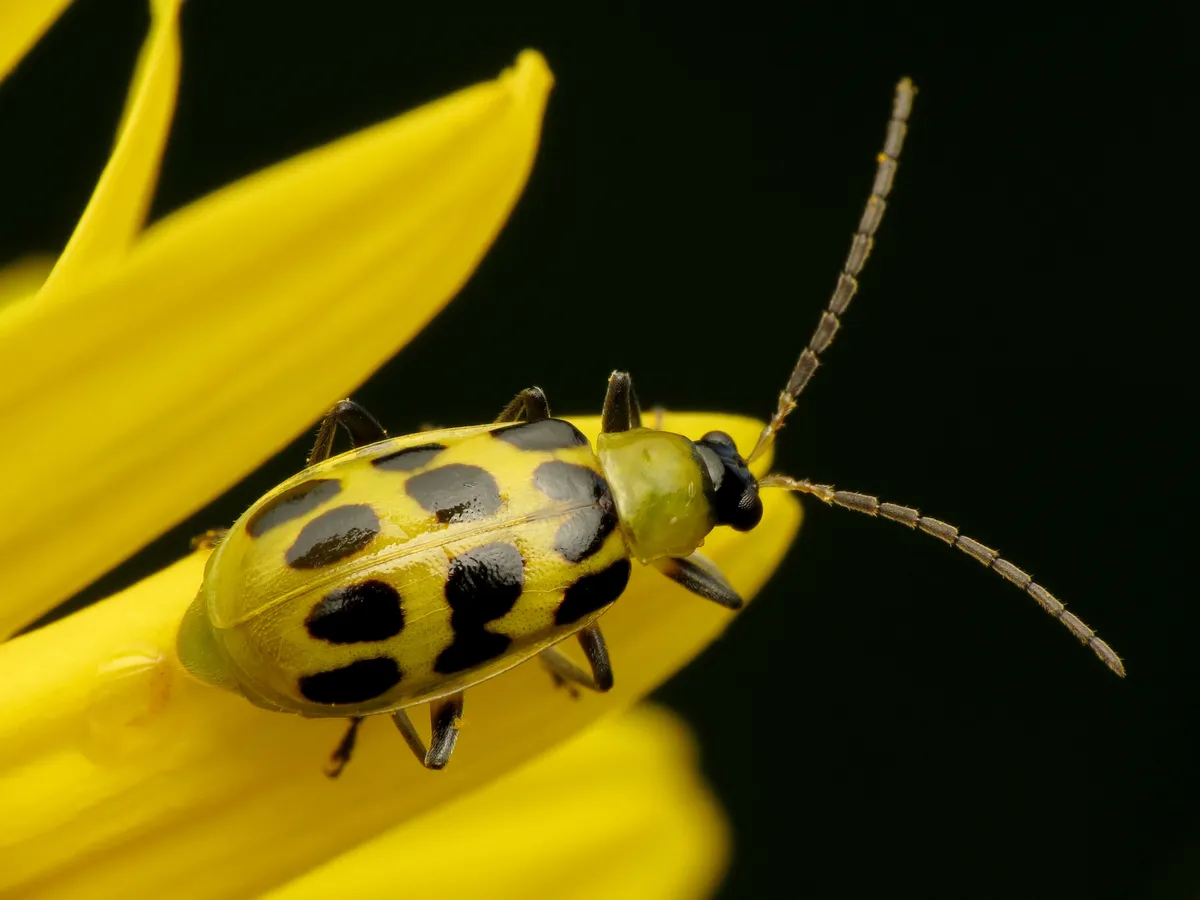
Spotted Cucumber Beetle
Diabrotica undecimpunctata
Identification: Subspecies, per : In D. u. undecimpunctata , the abdomen is greenish-yellow, elytra with 11 spots; in D. u. howardi , it is yellow to yellowish-red with 12 large black spots. The head, antennae and legs are all-black ( howardi ) or wi
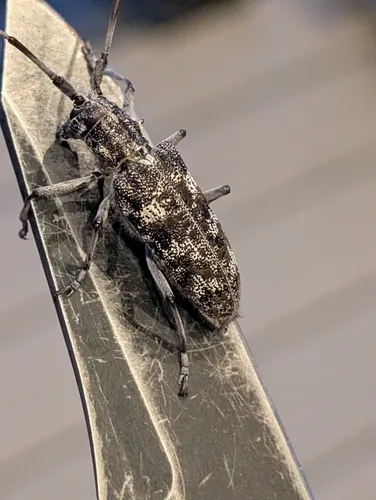
Spotted Pine Sawyer
Monochamus clamator
The Spotted pine sawyer (Monochamus clamator) is a species of beetle in the family Cerambycidae. It was described by LeConte in 1852.
Spotted Pine Sawyer
Monochamus maculosus
Identification: similar to M. carolinensis (strong, dense elytral punctation) but darker, with white pubescence more concentrated on lateral pronotal projections and scutellum, no white band on pronotal dorsum
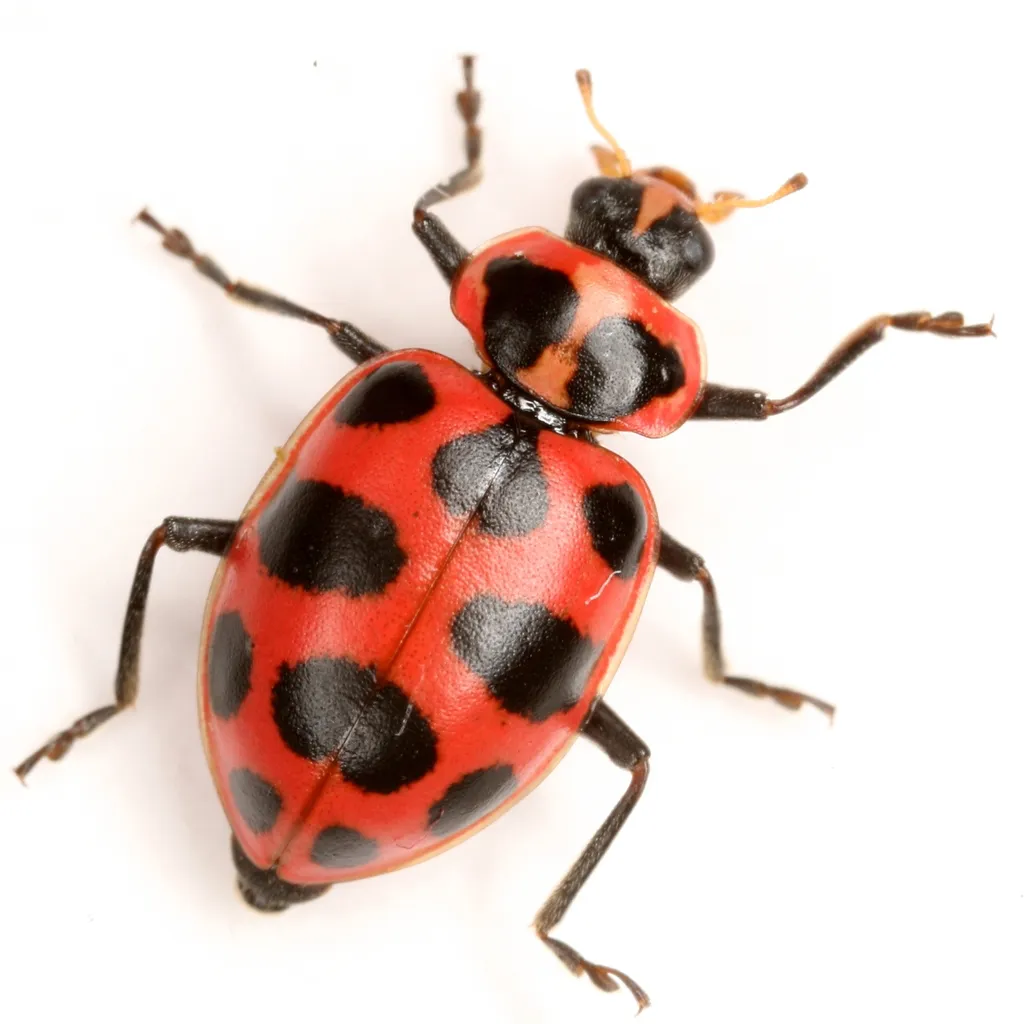
Spotted Pink Lady Beetle
Coleomegilla maculata
Identification: Adults Subspecies C. m. lengi (widespread eastern) C. m. fuscilabris (southeastern) C. m. strenua (southwestern) Larvae Because pollen is an essential component of the diet of Coleomegilla , the planting or preservation of refuges, or
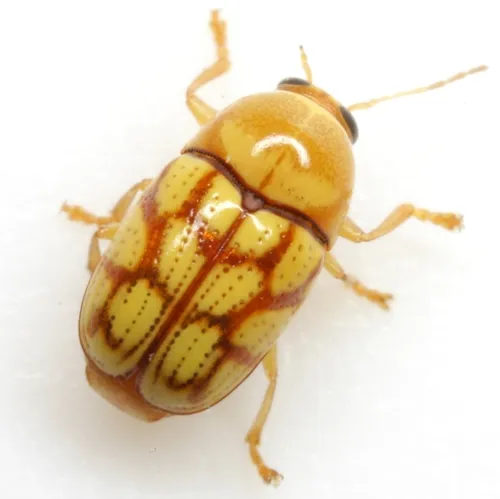
Spotted Tamaulipan Cryptocephalus
Cryptocephalus guttulatellus
Cryptocephalus guttulatellus is a species of case-bearing leaf beetle in the family Chrysomelidae. It is found in North America.
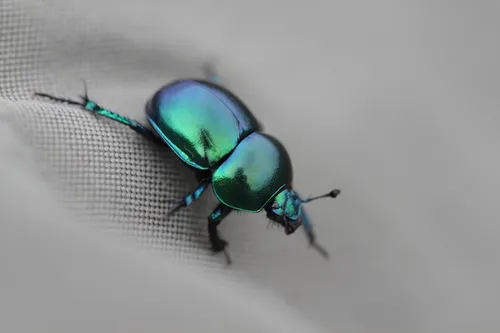
Spring Dumbledor
Trypocopris vernalis
14 to 20 mm. A rather dull black in colour with a variable blue, green or pale pink metallic reflection, the underside is usually metallic blue and the body is rounded in outline. The pronotum is clearly punctured with both large and small punctures.
Spruce Beetle
Dendroctonus rufipennis
Identification: Frons closely granulate and coarsely punctate. An important forestry pest.
Squamanotoxus balsasensis
Squamanotoxus balsasensis
Identification: last key couplet: Humeral pale area extending along lateral margins of elytra
Square-necked Grain Beetle
Cathartus quadricollis
Pest of corn, both in field and in storage , also found in natural populations in the seed pods of various plants
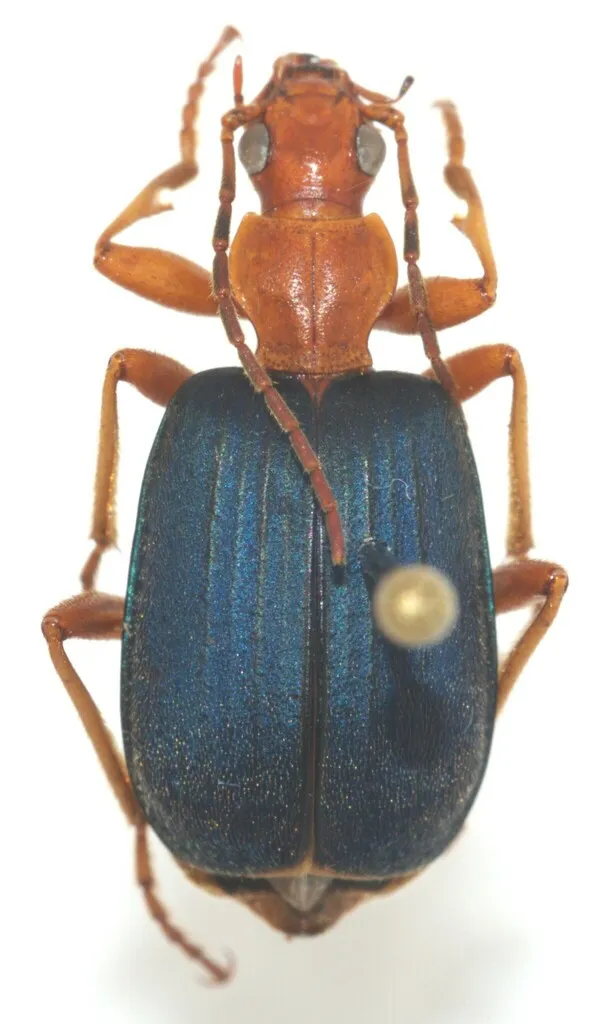
Square-winged Bombardier Beetle
Brachinus quadripennis
Brachinus quadripennis is a species of ground beetle in the family Carabidae. It is found in Central America and North America.
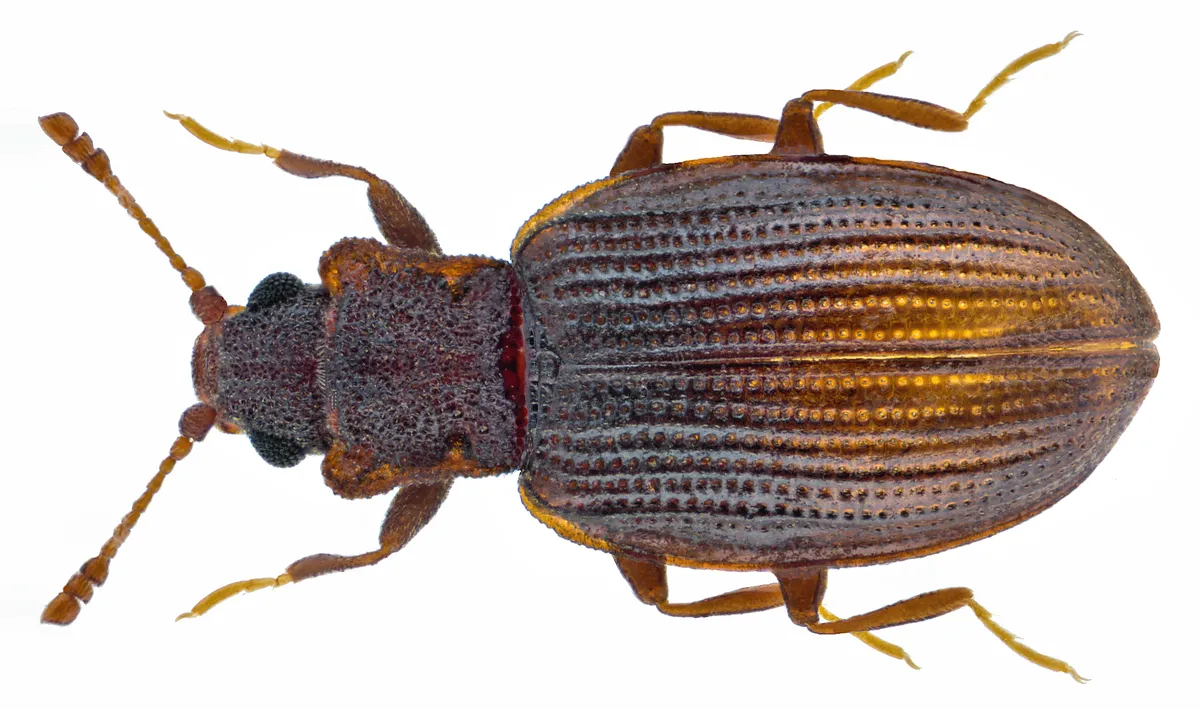
Squarenosed Fungus Beetle
Latridius minutus
Squarenosed Fungus Beetle (Latridius minutus) is a species in the family Latridiidae, commonly known as minute brown scavenger beetles, belonging to the order Coleoptera (Beetles). It is classified within the subfamily Latridiinae, suborder Polyphaga
Sri Lanka Weevil
Myllocerus undecimpustulatus
Identification: similar to Artipus floridanus (native to peninsular FL) but has wider shoulders, spines on the hind femur and a yellowish tint to the head vs A. floridanus first detected in Florida in 2000 , now the most commonly seen entimine in FL
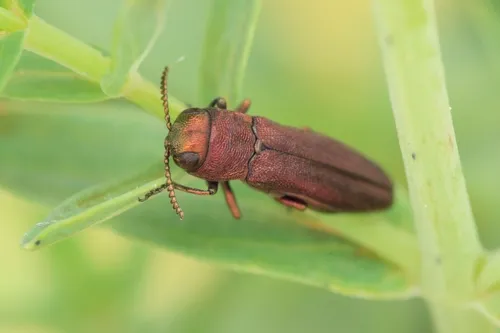
St. John's Wort Root Borer
Agrilus hyperici
Agrilus hyperici, the St. John's wort root borer, is a species of jewel beetle. It is used as an agent of biological pest control against common St. John's wort (Hypericum perforatum) in areas where it is a noxious weed or invasive species.
Statira basalis
Statira basalis
Identification: Piceous, shining, elytra with distinct metallic blue lustre, legs piceous, the femora at base and coxae testaceous. Thorax not longer than wide, sides feebly arcuate, base slightly explanate. last key couplet: Thorax polished, the pun
Statira croceicollis
Statira croceicollis
Identification: Head black, thorax reddish; setigerous punctures of elytra numerous ( 3 ) , elytra with a distinct bluish lustre ( 4 ) Det. Blaine Mathison, 2013
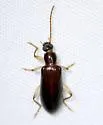
Statira dolera
Statira dolera
Identification: Legs paler than in S. basalis , terminal antennal segment as long as five (male) or three (female) preceding segments; segment 10 longer than wide in male (vs. slightly transverse) Elytra paler along suture may also be an indication.
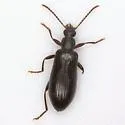
Statira erina
Statira erina
Identification: the dark anteriorly truncate pronotum is diagnostic. males have the longer apical antennal segments Type Locality: Brownwood Lake State Park, Brown County, TEXAS, A. & M. E. Blanchard, , 9-10-IV-1969.
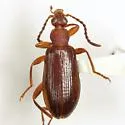
Statira hirsuta
Statira hirsuta
Identification: Reddish brown, elytra and abdomen piceous black, opaque, elytra shining.
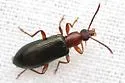
Statira liebecki
Statira liebecki
Identification: Head and thorax reddish; setigerous punctures of elytra few, 9.5 mm. rufous, legs testaceous, abdomen piceous, elytra black with metallic bluish-green lustre
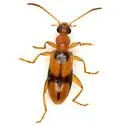
Statira pulchella
Statira pulchella
common in Xalapa, Veracruz, Mexico (Champion, 1889-1893)
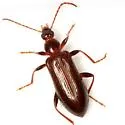
Statira robusta
Statira robusta
Identification: larger and more robust than any of our known species female apical antennal segment equal to next 2.5-3 segments, in male equal to next 3.75-4.3 segments; brown to piceous black, head blackish Type Locality: Globe, Gila Co., Arizona
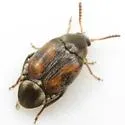
Stator beali
Stator beali
Identification: Body black except each elytron mostly red with black basal and sutural borders Closely resembles S. limbatus but differs in the yellow dorsal vestiture, prosternum separating the procoxae, the lateral elytral macula reaching 5th or 6t
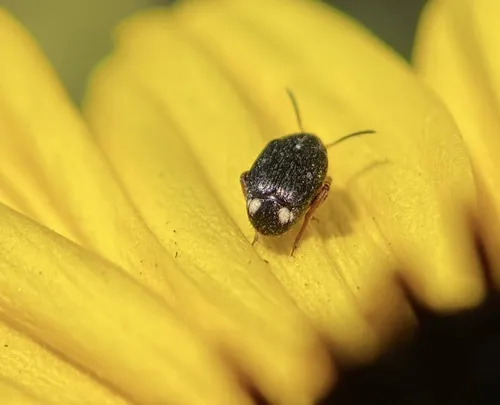
Stator chihuahua
Stator chihuahua
Stator chihuahua is a species of leaf beetle in the family Chrysomelidae. It is found in Central America and North America.
Stator subaeneus
Stator subaeneus
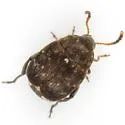
Identification: easily separated from other U.S. Stator by the eyes being contiguous with the vertex and sides of the head. Type Locality: Brownsville, Cameron Co., Texas
Stem-boring Weevil
Mecinus janthinus
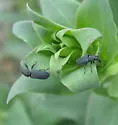
introduced recently to control toadflax ( Linaria spp.) ; first released in 1991 (BC), spread into WA
Stenagostus rhombeus
Stenagostus rhombeus
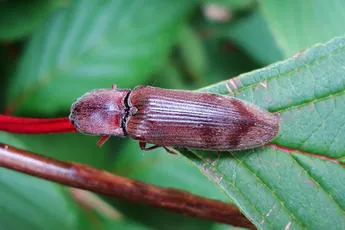
Adult beetles are up to 20 mm in length. It is quite an elongated species of click beetle that is predominantly orange/brown in colour over the head, pronotum and elytra. Approximately half way down the elytra there is usually a slightly darker cross
Stenaspis solitaria
Stenaspis solitaria
Identification: occasionally with prominent amounts of red: They love to fly around on hot days. Not common in so. TX but somewhat common in the Big Bend area and extremely common in so. AZ (Dan Heffern, pers. comm.)
Stenaspis verticalis
Stenaspis verticalis
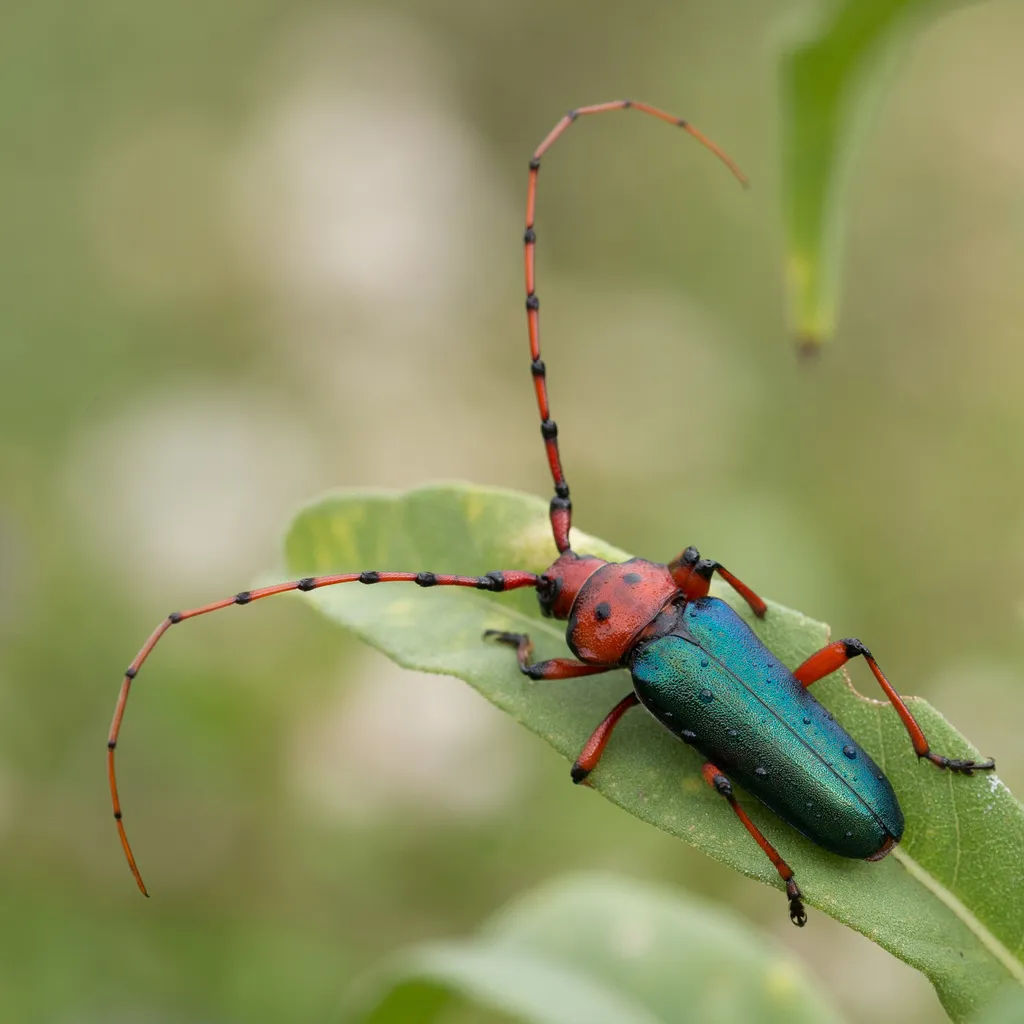
Stenaspis verticalis is a species of beetle in the Cerambycidae family. It was described by Audinet-Serville in 1834.
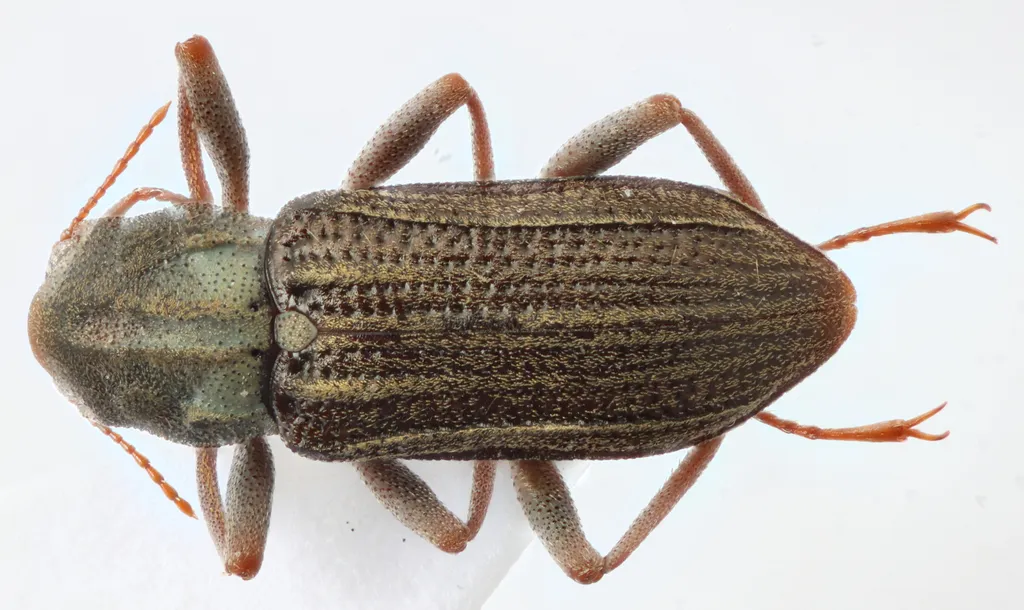
Stenelmis sexlineata
Stenelmis sexlineata
Identification: Det. Brad Barnd, 2010 Type Locality: Lawrence, KS
Stenelytrana gigas
Stenelytrana gigas
Effective mimic of a Tarantula Hawk wasp. Will occasionally appear at lights as well as bait. Strong, agile flyer, difficult to capture without using bait or lights.
Stenelytrana splendens 0
Stenelytrana splendens
Type: a female, Globe, ARIZONA, D. K. Duncan, collector
Stenhomalus taiwanus
Stenhomalus taiwanus
Identification: note long setae on the third and fourth antennomeres Det. V. Belov, 2017 intercepted many times in US East Coast ports since 1995, first collected in the wild in 2009 in AL
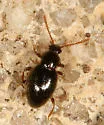
Stenichnus scutellaris
Stenichnus scutellaris
earliest record in our area: ON 2013 (probably earlier in ne US, but no published records)
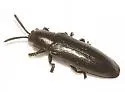
Stenispa metallica
Stenispa metallica
Identification: the only unicolorous Stenispa in our area
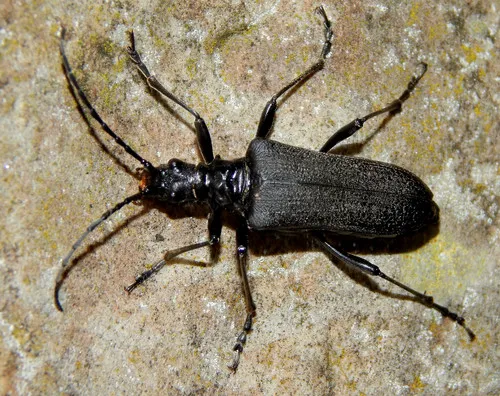
Stenocorus cylindricollis
Stenocorus cylindricollis
Stenocorus cylindricollis is a species of beetle from family Cerambycidae. The species are either black or brown coloured.
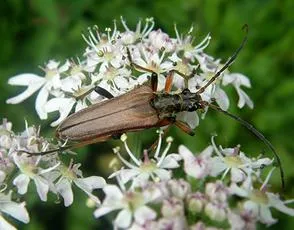
Stenocorus meridianus
Stenocorus meridianus
This is a large beetle reaching up to 25 mm in length and is a clumsy flier. The colour is variable from a uniform dull yellow through to almost black. It is to be found around the margins of wooded areas, where the adult beetles frequent flowers and
Stenocorus vestitus
Stenocorus vestitus
Identification: Tips of elytra rounded as opposed to truncate in the otherwise similar S. nubifer (LeConte 1859)
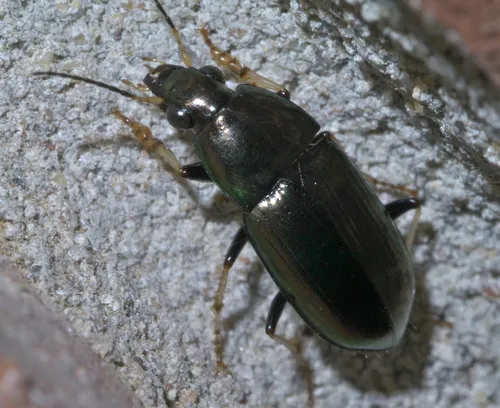
Stenocrepis cuprea
Stenocrepis cuprea
Stenocrepis cuprea is a species of beetle in the family Carabidae. It is found in Ontario, Canada and the United States.
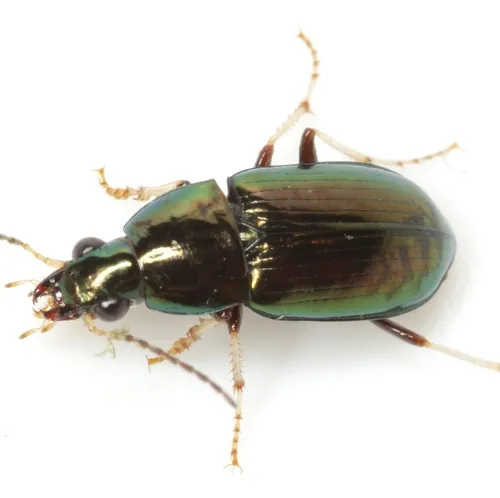
Stenocrepis tibialis
Stenocrepis tibialis
Stenocrepis tibialis is a species of beetle in the family Carabidae. It is found in the Caribbean, Argentina, Brazil, Guatemala, Ecuador, Mexico, and the U.S. state of Texas.
Stenolophus binotatus
Stenolophus binotatus
Identification: Differs from S. lineola by larger (almost touching) pronotal spots and head mostly dark with round occipital pale spot. (comment by P.W. Messer, 2014)
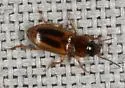
Stenolophus comma
Stenolophus comma
Identification: S. comma vs S. lecontei adapted from :
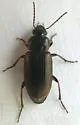
Stenolophus limbalis
Stenolophus limbalis
Identification: Blocky hind angles of pronotum, aeneus (but not iridescent) elytra
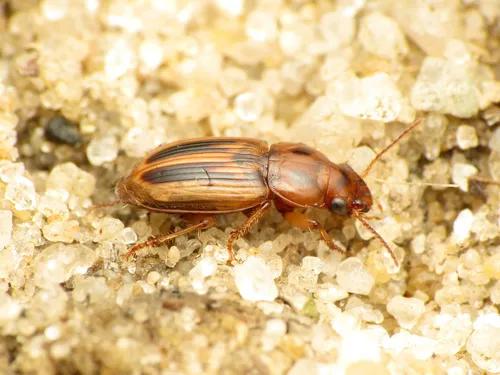
Stenolophus lineola
Stenolophus lineola
Identification: Det. Connor E.J. Graham, 2023 Commonly collected at light and in pitfall traps ( 3 )
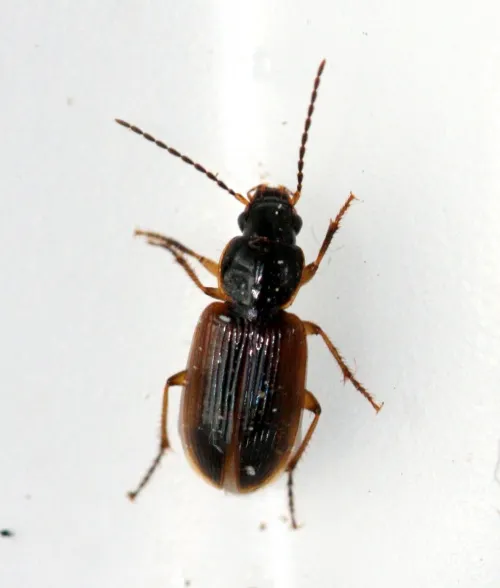
Stenolophus mixtus
Stenolophus mixtus
Length: 5 - 6 mm. Black head, black pronotum with brown margins and brown elytra but with pale margins, shoulders and suture line. Antennae are black but with a pale first segment and he legs are a pale yellow. Living at the margins of ponds, and oth
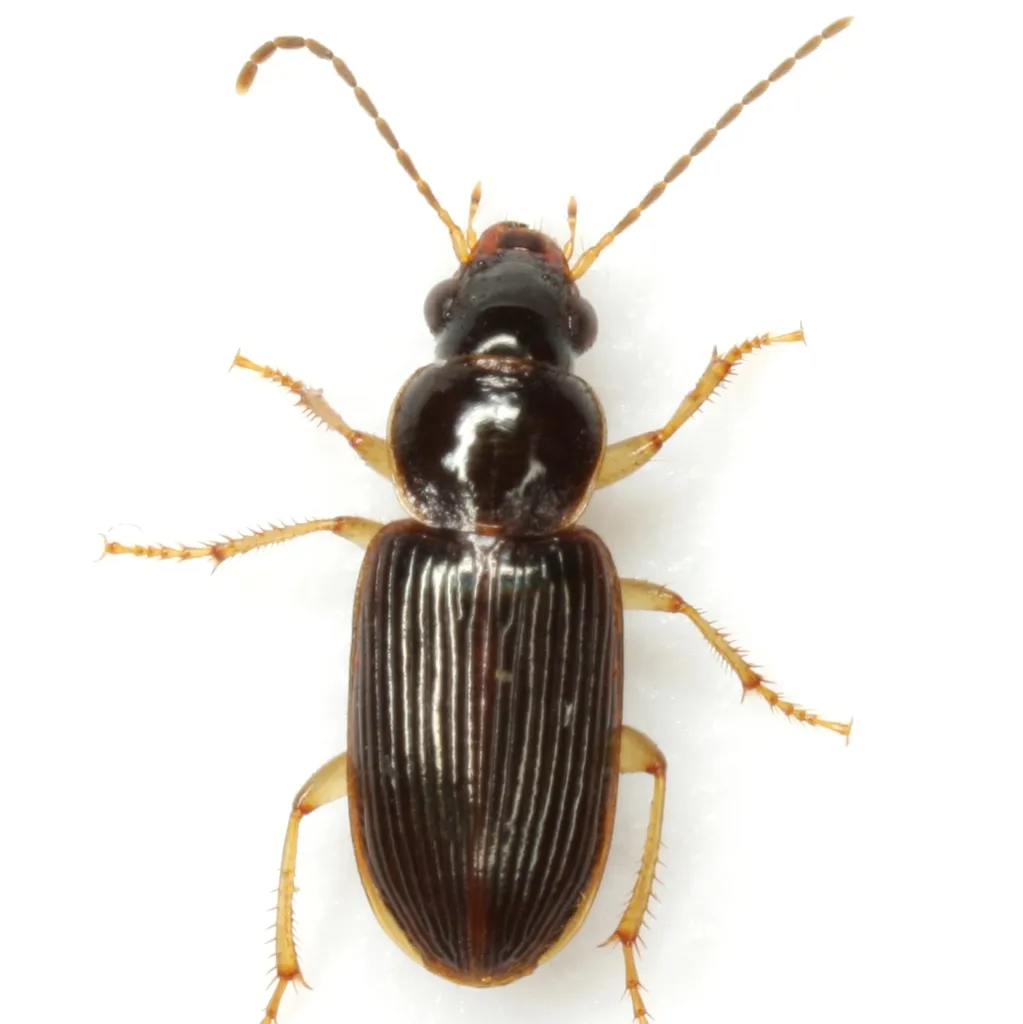
Stenolophus ochropezus
Stenolophus ochropezus
Stenolophus ochropezus (Stenolophus ochropezus) is a species in the family Carabidae, commonly known as ground beetles, belonging to the order Coleoptera (Beetles). It is classified within the subfamily Harpalinae, tribe Harpalini, suborder Adephaga.
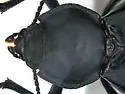
Stenomorpha vigens
Stenomorpha vigens
Identification: Elytral apices "expanded posteriorly and reflexed upward"
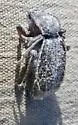
Stenomorpha wickhami
Stenomorpha wickhami
Identification: Differs from others in the furcata group by a dense coating of short light brown hairs dorsally, ventrally, and on the legs, also a weakly crenulated elytral base
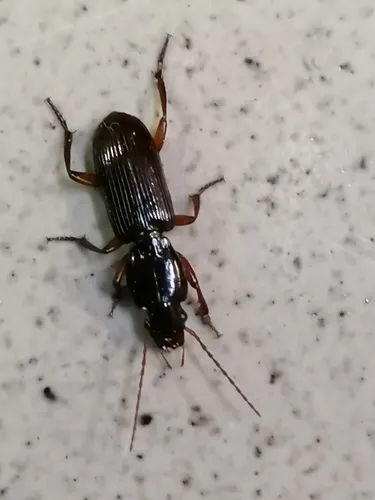
Stenomorphus sinaloae
Stenomorphus sinaloae
Stenomorphus sinaloae is a species of ground beetle in the family Carabidae. It is found in North America.
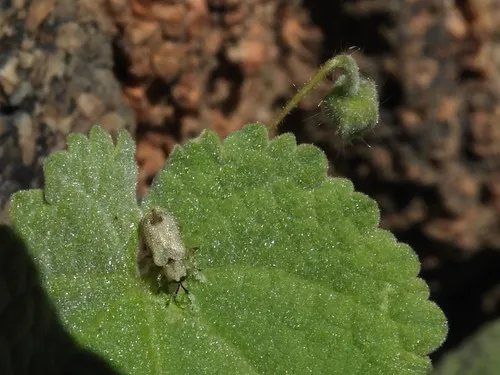
Stenopodius insularis 0
Stenopodius insularis
Stenopodius insularis is a species of beetle of the family Chrysomelidae. It is found in the United States (Arizona, California, Nevada, Utah) and Mexico (Baja California).
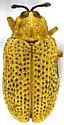
Stenopodius martini
Stenopodius martini
Identification: sides of the pronotum straight, top of head yellow
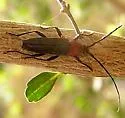
Stenosphenus dolosus
Stenosphenus dolosus
Identification: Det. M. A. Quinn, 2013 mostly coll'ed beating, sweeping or via traps as this sp. very rarely comes to lights ( 4 )
Stenosphenus lugens
Stenosphenus lugens
Identification: Narrower than S. notatus ; the elytra have the punctures arranged in three longitudinal bands; a narrow one at the suture, and two almost confluent on the disc; from the punctures proceed coarse pale hairs; the intervening spaces are
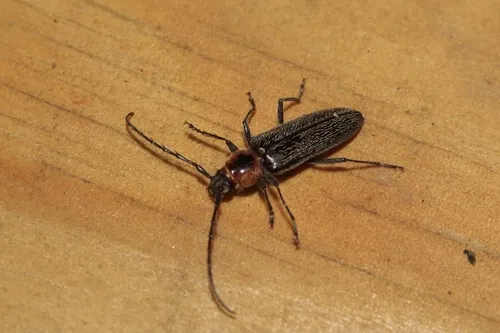
Stenosphenus notatus
Stenosphenus notatus
Stenosphenus notatus is a species of beetle in the family Cerambycidae. It was described by Olivier in 1795. Larvae of the species breed in dead limbs of Carya species, and occasionally Celtis.
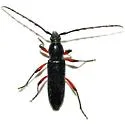
Stenosphenus sobrius
Stenosphenus sobrius
Identification: generally has red legs Det. Salvador Vitanza, 2023
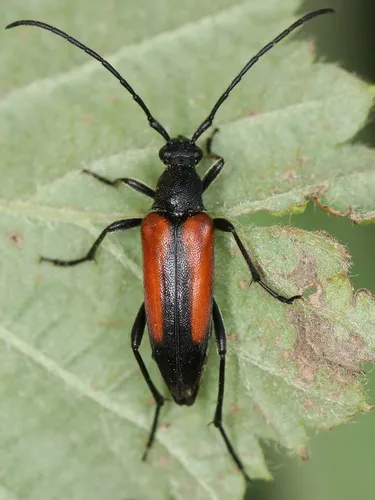
Stenurella melanura
Stenurella melanura
A small (6 to 10 mm) longhorn beetle. The elytra appears a golden tawny brown fading to black, all other parts including head and legs are black. Well wooded areas, parks and meadows where they will visit a range of flowering plants. Larvae bore long
Stenus annularis
Stenus annularis
Identification: Abdomen unmargined, 4th tarsomere deeply lobed, legs bicolored (black dominant), body strongly punctured the sole representative member of the cicindeloides group in the Nearctic (Puthz 2008)
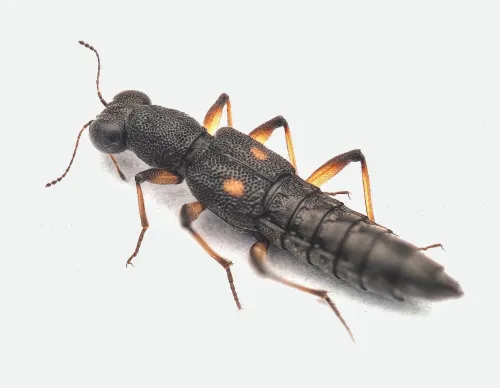
Stenus bimaculatus
Stenus bimaculatus
It is a predator of Springtails and like many Stenus species, it has adapted mouthparts to help it catch and hang onto its prey. Widespread and fairly frequent in England and Wales, less common further north.
Stenus cicindeloides
Stenus cicindeloides
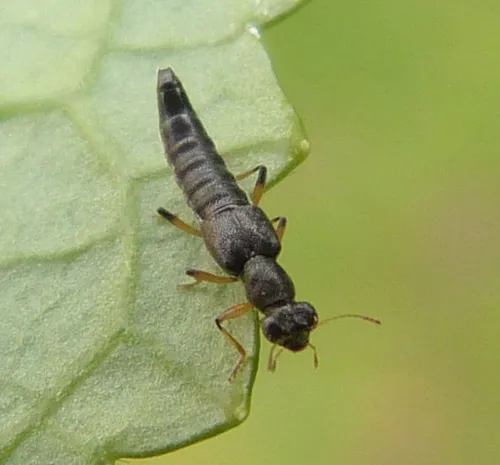
A grey rove beetle. Its mainly orange legs have some black above the knee. Usually, but not exclusively associated with damper areas and water margins. Widespread and fairly frequent in England and Wales, less common in Scotland.
Stenus clavicornis
Stenus clavicornis
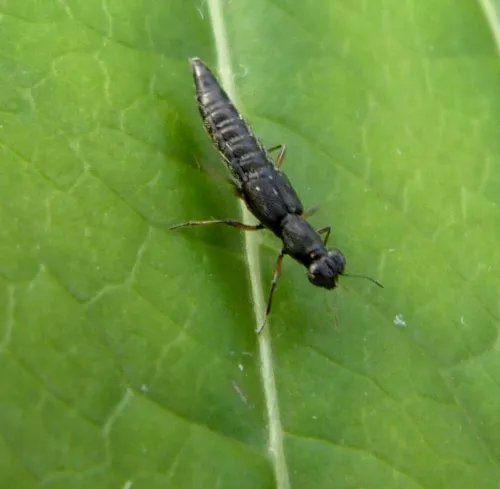
A small greyish black rove beetle measuring about 6.5 mm and very similar in appearance to other members of this family. Found in a wide variety of habitats including grass tussocks, moss and flood debris. No additional images available for this spec
Stenus comma
Stenus comma
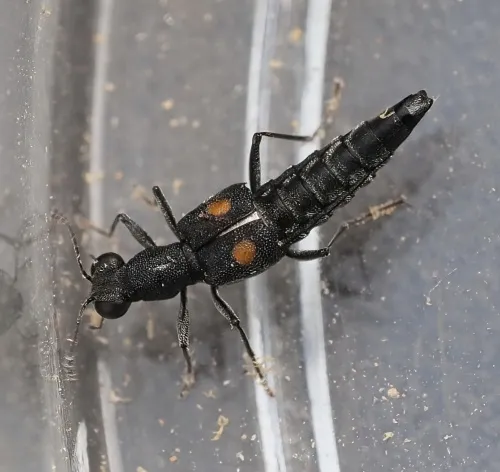
Length 5.5 to 6 mm. This species has noticeable orange spots on the elytra. Other identifying features are black legs, hind tarsi nearly as long as hind tibia and the fact that the basal segment of the palps, and only the very base f the second segme
Stenus croceatus
Stenus croceatus
Identification: Tarsi lobed + abdomen with side border + legs with black geniculations
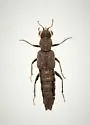
Stenus egenus
Stenus egenus
Identification: Very similar to S. stygicus , differs with male aedeagus and shape of 8th tergite
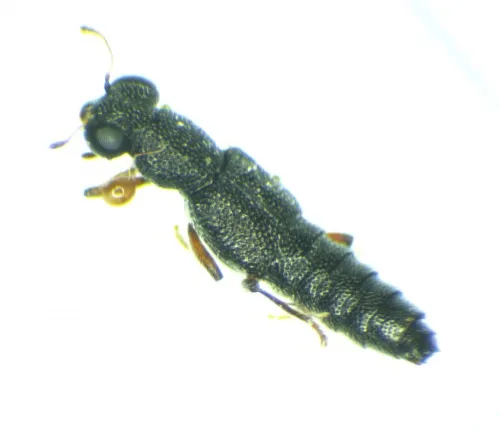
Stenus fulvicornis
Stenus fulvicornis
A generally black beetle similar to several other Stenus species. Many Stenus species are similar and microscopic examination is needed. Unless identified by a recognised expert, a photo is required and the specimen should be examined with a microsco
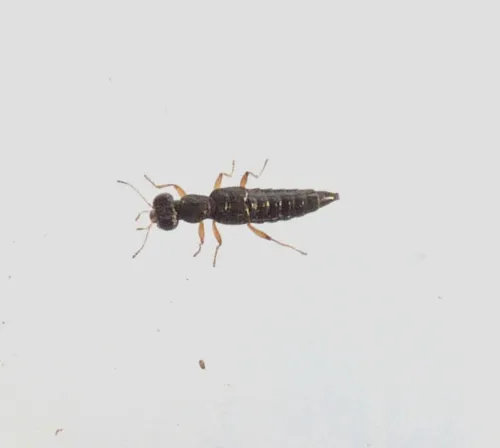
Stenus impressus
Stenus impressus
Length 3.7 to 4.5 mm. A slim black rove beetle with yellowy orange legs. Unless identified by a recognised expert, a photo is required and the specimen should be examined with a microscope. In the comments box, state the key or ID method used and des
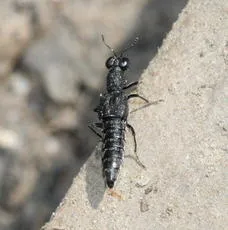
Stenus juno
Stenus juno
Length 6 to 7 mm with tibia-length tarsi and black legs. Characterised by having a central keel at the base of the abdominal tergites. Males have strongly thickened hind femora but simple, spurless tibiae. It is able to withstand a wide range of envi
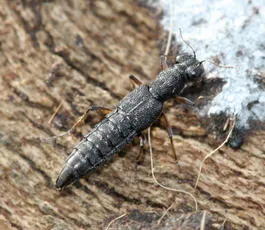
Stenus providus
Stenus providus
Length 6 mm. A slightly shiny greyish rove beetle with slightly orange legs and darkened knees. The head and thorax are studded with dimples. In various types of grassland including dry places, but also in marshes, lakeshores and riverbanks. Common i
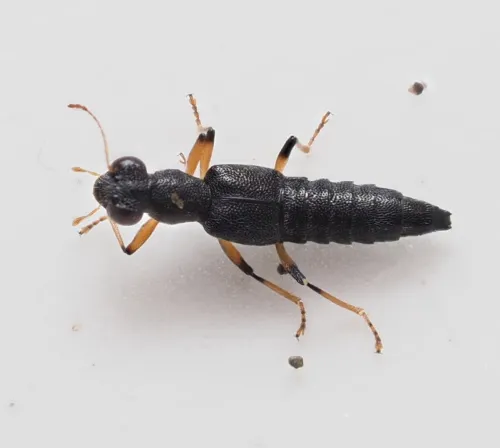
Stenus similis
Stenus similis
5-7mm. The abdomen lacks raised ridges and is mainly cylindrical. The body is all black with yellow legs that have black 'knees'. The first segment of the antennae are black. Images clearly showing the dorsal view, the legs and the antennae. Various
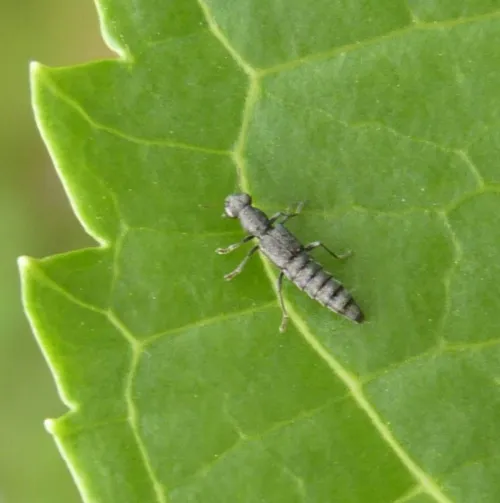
Stenus tarsalis
Stenus tarsalis
Found in wetlands, in richly vegetated areas besides lakes and rivers and in floodplain fens. Widespread and fairly frequent in Britain. No additional images available for this species.
Stephan's Lady Beetle
Brachiacantha stephani
Identification: Gordon's figures Location + elytron with median orange band and always with apical orange spot + male head black with orange vertex and frons, 6th sterna of male flat - not strongly concave Type series: ARIZONA: Santa Rita Mts., Mader
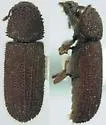
Stephanopachys rugosus
Stephanopachys rugosus
Stephanopachys rugosus is a species of horned powder-post beetle in the family Bostrichidae. It is found in Africa, Australia, and North America.
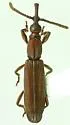
Stereodermus exilis
Stereodermus exilis
Type Locality: Cuba First US record: Key West, Florida June 16, 1958 by W. W. Warner
Stereopalpus mellyi 0
Stereopalpus mellyi
Identification: live photo: https://virginiabeetles.files.wordpress.com/2012/02/stereopalpus_wirth.jpg ask Art?