
Smooth Spider Beetle
Gibbium aequinoctiale
This record describes Gibbium aequinoctiale (species). Recorded family: Ptinidae. Recorded order: Coleoptera.
Identification and Appearance
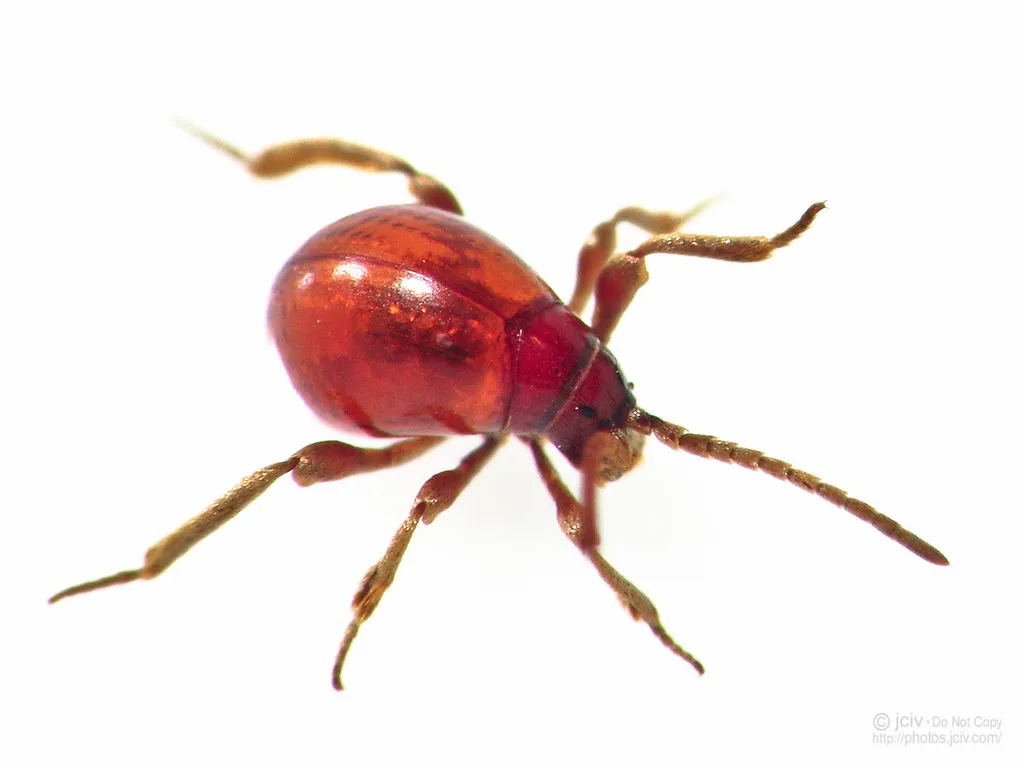
Elytra fused and inflated, completely glabrous (smooth). Can only be confused with Mezium , but pronotum distinctive. has a remarkable ability to avoid drying out and can withstand temperatures as high as 56°C (133°F) (Yoder et al. 2009)
Wikipedia reference for Gibbium aequinoctiale: http://en.wikipedia.org/wiki/Gibbium_aequinoctiale.
Classification
- Kingdom
- Animalia
- Phylum
- Arthropoda
- Class
- Insecta
- Order
- Coleoptera (Beetles)
- Suborder
- Polyphaga
- Superfamily
- Bostrichoidea
- Family
- Ptinidae (Death-watch and Spider Beetles)
- Subfamily
- Ptininae
- Tribe
- Gibbiini
- Genus
- Gibbium
Imported taxonomy record. Source availability varies; see the source references and editorial policy below.
Habitat and Range
Habitat
prefer dark areas, mainly in houses, flour mills, occasionally warehouses, hospitals, stores ( 3 )
Geographic Range
e. NA, Calif. - Map Cosmopolitan but more common in warm climes , and very few records in Europe; origin unknown ("tropical, subtropical"); found in stored goods across NA
Diet and Behavior
Diet: wide variety of dead organic materials; may be a dry stored product pest stored seeds, wheat, bran, stale bread, decaying animal and vegetable refuse, rat droppings, stored wheat, baby food, dog biscuits, cereals, woolens, towels, leather, paste, and tallow and opium cake
Additional species information
Species notes from the sources
Etymology: Gibbium aequinoctiale Boieldieu 1854
About Primitive Winged Insects: the wider group
Order-level background for Coleoptera, the group containing Gibbium aequinoctiale. Species-specific details appear above.
Group overview
Coleoptera is the largest order of insects with over 400,000 described species, representing ~25% of all known animal species and ~40% of all insects. In the U.S. alone, nearly 30,000 beetle species have been identified.
Ecological role of the group
Beetles are prominent decomposers, especially in forests, breaking down dead wood and recycling nutrients. As predators, they reduce populations of pest insects. Many species are also important pollinators of flowering plants.
Economic and practical significance of the group
Beetles have major economic significance: leaf beetles (Chrysomelidae) and weevils (Curculionoidea) are among the most destructive agricultural pests globally, costing billions annually, while predatory species like ladybugs provide natural pest control.
Recorded sources for this group: Britannica, Smithsonian, NCSU Entomology. Imported estimates may describe particular regions or reporting periods.
Photos of Smooth Spider Beetle (3)
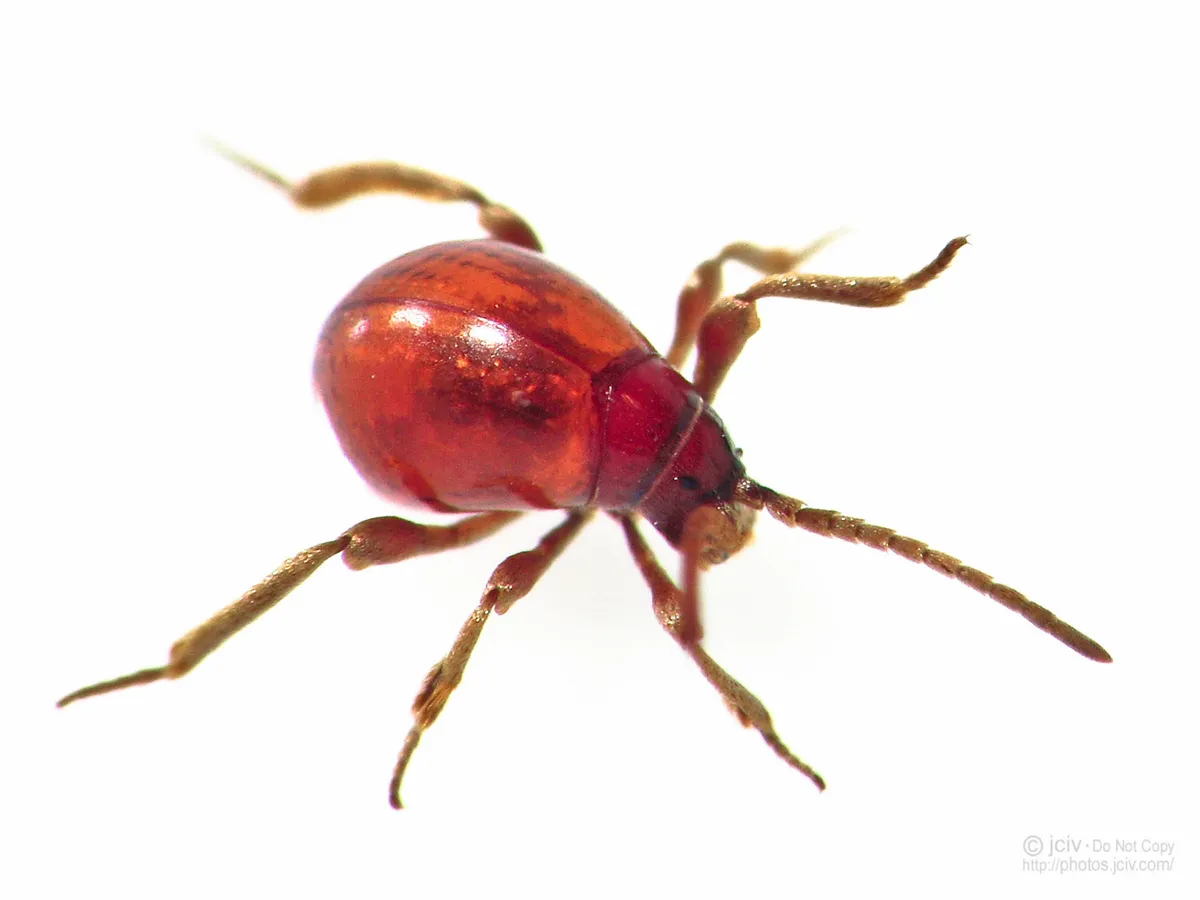
Photo credits: Contributed by Jim McClarin; Additional contributions by Lynette Elliott , Chuck Entz , Mike Quinn , Boris Bueche , v belov
Frequently Asked Questions About Smooth Spider Beetle
What is Smooth Spider Beetle?
Smooth Spider Beetle (Gibbium aequinoctiale) is a species in the family Ptinidae, within the order Coleoptera.
How big is Smooth Spider Beetle?
2.1–2.7 mm
How do you identify Smooth Spider Beetle?
Elytra fused and inflated, completely glabrous (smooth). Can only be confused with Mezium , but pronotum distinctive.
Where is Smooth Spider Beetle found?
| Feature | Details |
|---|---|
| Habitat | prefer dark areas, mainly in houses, flour mills, occasionally warehouses, hospitals, stores ( 3 ) |
| Range | e. NA, Calif. - Map Cosmopolitan but more common in warm climes , and very few records in Europe; origin unknown (tropical, subtropical); found in stored goods across NA |
What does Smooth Spider Beetle eat?
The diet of the Smooth Spider Beetle includes wide variety of dead organic materials; may be a dry stored product pest stored seeds, wheat, bran, stale bread, decaying animal and vegetable refuse, rat droppings, stored wheat, baby food, dog biscuits, cereals, woolens, towels, leather, paste, and tallow and opium cake.