
Family Lady Beetles (Coccinellidae)
Coccinellidae is a family in the order Coleoptera. Browse 341 named species recorded in this family, or open an individual profile for its available identification and natural-history information.
Guides
Species in Coccinellidae (341)
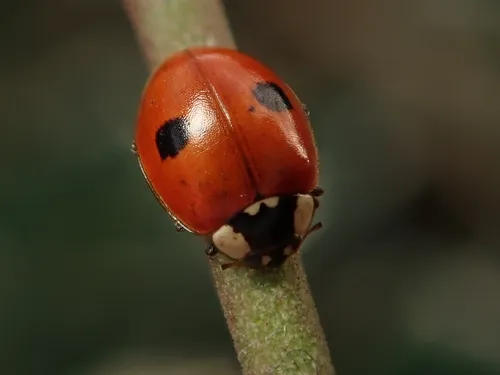
2 Spot Ladybird
Adalia bipunctata
A small, common ladybird with two main colour varieties. Most are red with two black spots but some are black with red spots, the front tow of which extend to the edge of the wing case. Rarely there are intermediates with merged or multiple spots. Th
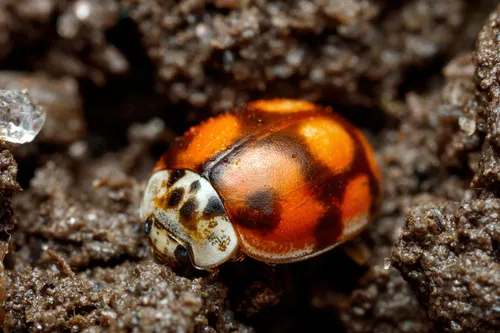
10 Spot Ladybird
Adalia decempunctata
A small and variable ladybird - which confusingly doesn't always have 10 spots. Newly hatched specimens take a while to develop the orange background colour and appear pale brown like the image below. The legs are brown in this species which is a hel

LeConte's Giant Lady Beetle
Anatis lecontei
Identification: Black border around elytra, no spots; pronotum black with two white stripes, often with two small white marks at base Type Locality: Fort Wingate, McKinley Co., New Mexico
Eye-spotted Lady Beetle
Anatis mali
Identification: Yellow to brownish-red (darkens with age) Black spots surrounded by pale rings Rounded oval shape Slightly explanate (helmet-shaped, with a slightly flared "rim") This species is most similar to the European A. ocellata which, if it w
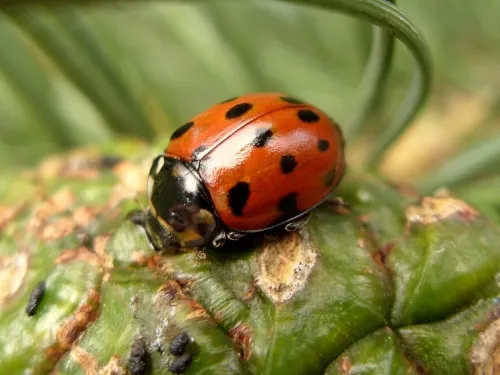
Eyed Ladybird
Anatis ocellata
At about 8 or 9 mm the Eyed Ladybird is our largest ladybird and its red elytra usually have 15 or 18 spots, but this may vary. Apart from its relatively large size, it is distinct from other ladybirds in usually (but not always) having pale borders
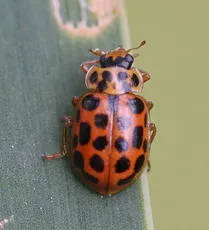
Water Ladybird
Anisosticta novemdecimpunctata
The Water Ladybird (also known as the 19-Spot Ladybird although the number of slots on the elytra may vary between 15 and 21) changes colour in autumn from red to beige/ochre colour, which may prove misleading when comparing specimens for identificat
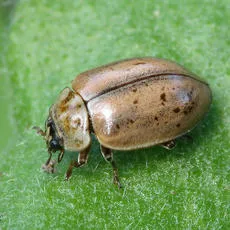
Larch Ladybird
Aphidecta obliterata
Size 4 to 5 mm. Elytra are light tan brown in colour, with very little patterning except perhaps a dark oblique line posteriorly and variable small blotches and spots. The pronotum is beige with brown M mark, and the legs are brown. Unless identified
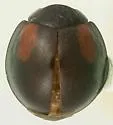
Arawana arizonica
Arawana arizonica
Identification: see Gordon's Figs. 508 and 509 . 2 type specimens of E. arizonica in the Casey collection, labeled "Ari.". Distribution: ARIZONA: Catalina Springs; Santa Rita Mts.
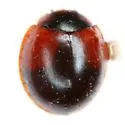
Arawana scapularis
Arawana scapularis
Identification: Elytron bluish or greenish black with large or small red spot on humeral angle, smaller red or orange spot at apex, pale areas usually narrowly connected along lateral margin The first U.S. record of A. scapularis was based on specime
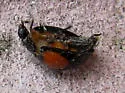
Twice-struck Lady Beetle
Axion plagiatum
Identification: Gordon's figures uncommon example of Axion plagiatum (Olivier) w smaller dorsal spots, similar to Chilocorus stigma (Say), see below: = Det. James Bailey, 2015
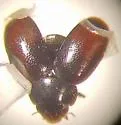
Pitch Lady Beetle
Blaisdelliana sexualis
Identification: Dorsal surface black to brown (Fig. 292 h); antenna, mouthparts, femoral apices and remainder of leg yellow; male with clypeus and frons yellow (in California specimens narrow lateral border of pronotum yellow). Gordon's figure 292, a
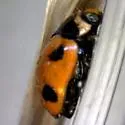
White-fronted Lady Beetle
Brachiacantha albifrons
Identification: body slender; head yellow in both sexes, female with clypeal apex brown; male pronotum black
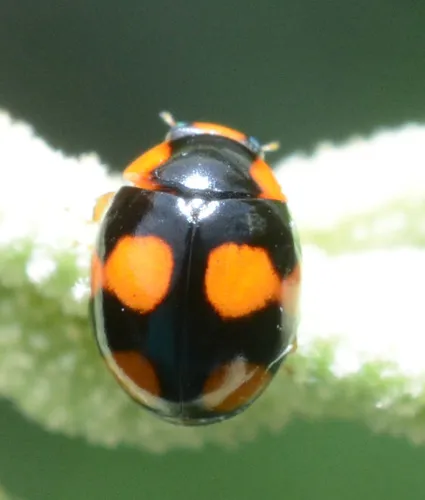
Barber's Lady Beetle
Brachiacantha barberi
Identification: Gordon's figures Black area of pronotum extending to anterior margin of pronotum, broad anterolateral angle pale Key per Gordon 10a Length less than 3.50 mm; male abdomen with cusps on 3rd abdominal sternum reduced, 4th sternum with e
Brachiacantha blaisdelli 0
Brachiacantha blaisdelli
Identification: Gordon's Figures - Elytron black with orange maculation varying from a form with irregular median band and apical spot to a form with median band and apical spot obscurely connected only member of the dentipes group with an extreme we
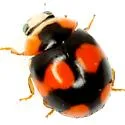
Brachiacantha decora
Brachiacantha decora
Identification: Gordon's Figures Type locality: Brownsville, Cameron Co., Texas
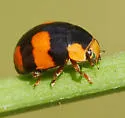
Brachiacantha dentipes
Brachiacantha dentipes
Identification: Gordon's figures Fairly large (for this genus). Front tibia has arc-shaped flange, prominent spine. Elytra strongly marked with yellow spot at apex (tip) plus a band above, sometimes broken into two spots. See discussion here: Type lo
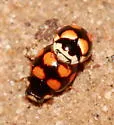
Brachiacantha felina
Brachiacantha felina
Identification: Gordon's figures this sp. is kinda messed up in that Gordon didn't find the type for felina and he described rotunda as a sympatric n. sp. and later agreed that rotunda should by a synonym of felina , which again has no type...
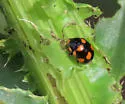
Brachiacantha illustris 0
Brachiacantha illustris
Identification: Gordon's Figures Type Locality: Beaver Brook, Clear Creek Co., CO
Brachiacantha lepida
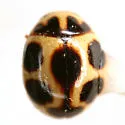
Brachiacantha lepida
Identification: Gordon's figures - elytral color pattern unique within genus Gordon located 3 type specimens of lepida and here designate and label a male labeled "Mexico" as the lectotype. One paralectotype in the Paris Museum bears no data and one
Brachiacantha quadrillum
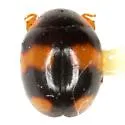
Brachiacantha quadrillum
Identification: Gordon's figures "Most examples of B. quadrillum can be recognized by the elytral color pattern because the presence of a single apical spot on the elytron is a character not shared by other members of the group. Those specimens havin
Brachiacantha quadripunctata
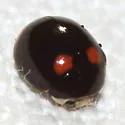
Brachiacantha quadripunctata
Identification: Gordon's figures Both subspecies: B. quadripunctata flavifrons :
Brachiacantha schwarzi
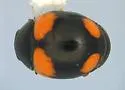
Brachiacantha schwarzi
Identification: Gordon's figures Form round. Head yellow. Pronotum black except anterior margin and anterolateral angle yellow, apical margin of black area uneven. Elytron black except 2 yellow, fused spots occupying basal 1/2, large apical spot pres
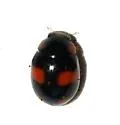
Stephan's Lady Beetle
Brachiacantha stephani
Identification: Gordon's figures Location + elytron with median orange band and always with apical orange spot + male head black with orange vertex and frons, 6th sterna of male flat - not strongly concave Type series: ARIZONA: Santa Rita Mts., Mader
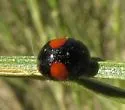
Brachiacantha subfasciata
Brachiacantha subfasciata
Identification: Gordon's figures , typical form has bands wider, redder, and more distant from suture than its congeners Det. M. A. Quinn, 2011 Type locality: "Mexique"
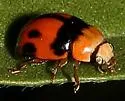
T-marked Lady Beetle
Brachiacantha tau
Identification: Color pattern on elytron variable from mostly yellow or orange in northern specimens, to a pattern resembling that of B. decora in southern specimens Gordon's figures See discussion here: Type locality: Fort Riley, Kansas
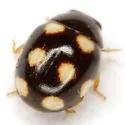
Brachiacantha testudo
Brachiacantha testudo
Identification: Gordon's figures - The rounded form, 5 spots on each elytron, and southern Texas distribution make correct identification of this species easy. Type locality: Brownsville, Texas
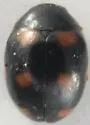
Brachiacantha ursina
Brachiacantha ursina
Identification: Gordon's Figures 5 spots on each elytron; elyrta finely punctured, slightly dullж body more elongated than in most congeners. The combination of large size and elongate body will separate ursina from other eastern congeners of similar
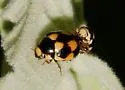
Brachiacantha uteella
Brachiacantha uteella
Identification: Gordon's figures - "Form elongate oval. Elytron variable, typical form black with 5 yellow spots, basal spot often faint, or spots expanded, partially confluent. Pronotum of male black except anterior margin and anterolateral angle br
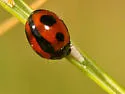
Brumoides septentrionis
Brumoides septentrionis
Identification: Red with black suture and additional black markings: may be two black spots on each elytron or one stripe on each elytron. Gordon's figures for B. septentrionis septentrionis and B. septentrionis hogei Note, this is basically a wide r
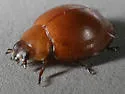
Pine Lady Beetle
Brumus quadripustulatus
Identification: Gordon's figures - dark brown to black with two pale (yellow to red) spots on each elytron: the front one is comma-shaped (sometimes rectangular), the rear one oval/round ; recently emerged adults are orange or reddish without spots I
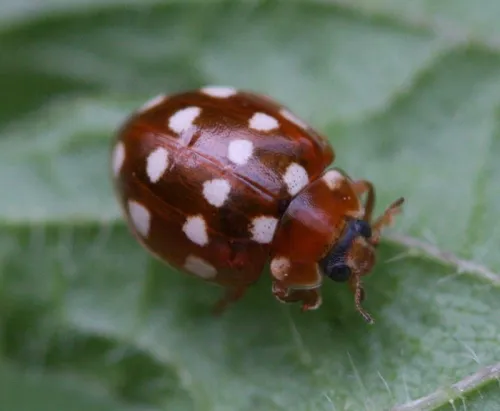
Cream Spot Ladybird
Calvia quattuordecimguttata
This ladybird has a maroon-brown casing with 14 creamy white spots. It has brown legs. This species is relatively easy to identify and is unlikely to be confused with anything else. However photos are always helpful to confirm your record. It feeds o
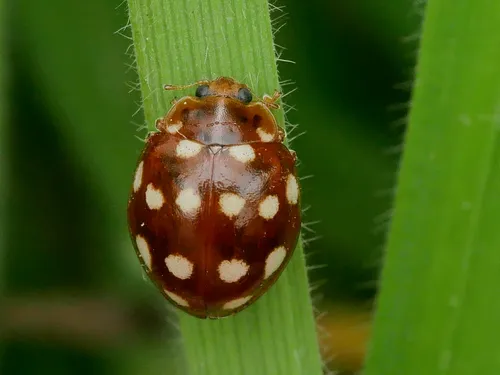
Cream-spotted Lady Beetle
Calvia quatuordecimguttata
Identification: Gordon's Figures Adult: It comes in great variety of color forms. These are the major pattern variations, starting with the cream-spotted form: Regardless of pattern, the pronotum is always shiny, and the underside is mostly black wit
Cephaloscymnus insulatus
Cephaloscymnus insulatus
Identification: brown with reddish pronotum and piceous venter; legs, mouthparts, and epipleuron brown Type locality: Santa Rita Mts., Arizona
Cephaloscymnus occidentalis
Cephaloscymnus occidentalis
Identification: Brown to reddish-brown above; venter (underside) brownish-black, leg brown. Pronotum finely punctured, anterior (front) angle feebly explanate .
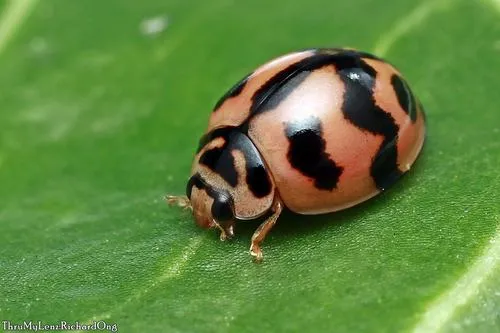
Six-spotted Zigzag Ladybird
Cheilomenes sexmaculata
Identification: highly variable, 23 phenotypes this sp. has been on a northward tear from Peru since 2010! In the Americas, C. sexmaculata was first found in Chile in 2000 (González 2008). Since then, it has made its way north: Peru in 2010 (Cornejo
Heather Lady Beetle
Chilocorus bipustulatus
Identification: Reddish-brown to black with a band of three red spots on each elytron Cannot survive cold winters, but may be encountered throughout North America during warm weather. This may account for BG sightings from NJ, MD, and even BC ‒ all n
Cactus Lady Beetle
Chilocorus cacti
Identification: Gordon's figures - mesosternum, metasternum, and abdomen yellow or red. Spmn from central Texas
Kuwana's Lady Beetle
Chilocorus kuwanae
Identification: can be distinguished from the native congeners by :
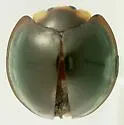
Black Chilocorus
Chilocorus nigrita
Identification: the only medium-sized, non-pubescent, glossy black coccinellid in Florida with a pale head and lateral margins of the pronotum (Featured Creatures) larva yellow or brown with long spines. first collected in Florida in October 2007, in
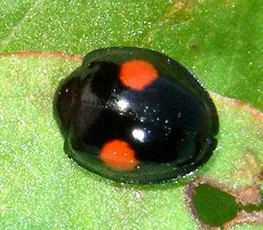
Kidney-spot Ladybird
Chilocorus renipustulatus
The Kidney-spot Ladybird has a black body with a large red spot on each wing casing (elytron). The antennae and underside are orange. The wing casings have a distinctly flattened flange all the way round. It is quite a small ladybird at about 5 mm. U
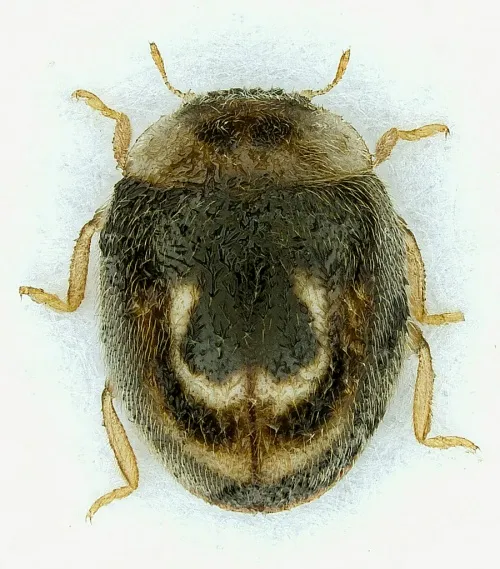
Clitostethus arcuatus
Clitostethus arcuatus
A tiny ladybird with a length of only 1.2 to 1.5 mm. It is dark brown with a pale cream horseshoe-shaped mark in the centre of the elytra. The legs are creamy brown in colour. Although the species is quite distinctive, it is very uncommon in our area
Snow Lady Beetle
Coccidula lepida
Identification: Gordon's figures Enlongated narrow shape Lightly pubescent (hairy) markings variable:
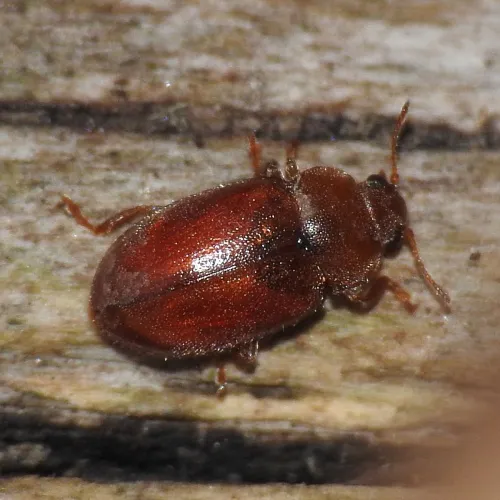
Coccidula rufa
Coccidula rufa
This small (3 to 5 mm) beetle is a dull blood red with a darker central area behind the pronotum. Somewhat elongated rather than the typical rounded ladybird shape. This species is relatively easy to identify and is unlikely to be confused with anyth
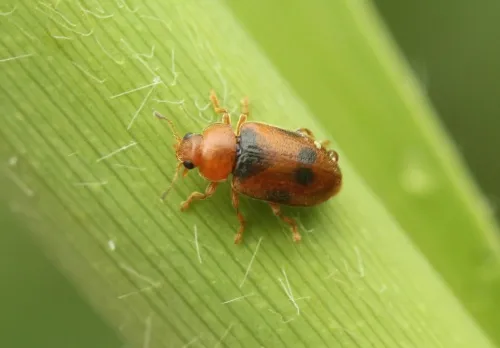
Coccidula scutellata
Coccidula scutellata
Length: 2.5 to 3 mm. It is reddish brown and hairy with 5 dark spots. Elongated rahter that the typical rounded ladybird shape. This species is relatively easy to identify and is unlikely to be confused with anything else. However photos are always h
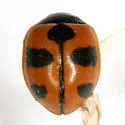
High-country Lady Beetle
Coccinella alta
Identification: one of five PARATYPE spmns from Alta, UT in the USNM, Smithsonian Type Locality: Alta, Salt Late Co., Utah
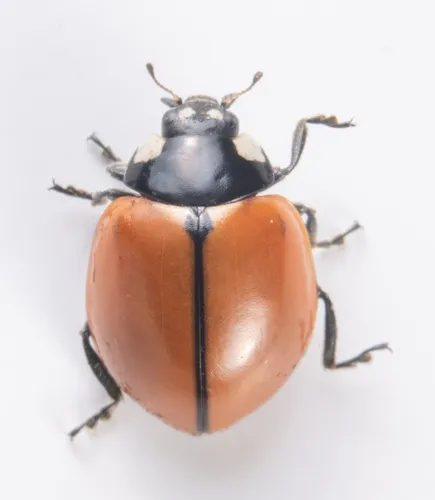
California Lady Beetle
Coccinella californica
Identification: Gordon's figures - Typical form: Gordon's figure - "johnsoni" form:
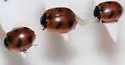
Gleaming Lady Beetle
Coccinella fulgida
Identification: Gordon's figures Type locality: Cape Henrietta Maria, north central Ontario
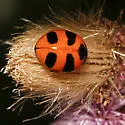
Mountain Lady Beetle
Coccinella monticola
Identification: Gordon's figures (nearly all ~30 spmns in the TAMUIC more closely resemble fig. f. vs fig. g.) Elytral spots, except for scutellar spot, entirely lacking in some western specimens, elytron in eastern and northern specimens with large,
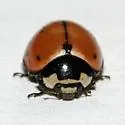
Nine-spotted Lady Beetle
Coccinella novemnotata
Identification: Gordon's Figures The spotless form of C. novemnotata may be confused with the bandless form of C. trifasciata subversa . Click on thumbnail for details. C. californica In 1985, Gordon called this sp. "...extremely widespread in North
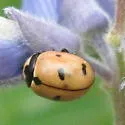
Prolongate Lady Beetle
Coccinella prolongata
Identification: Gordon's figures - Head black with 2 pale spots; pronotum with anterolateral pale spot larger than in any other species , (emphasis added) elytron with 2 black spots and a scutellar spot, suture narrowly darkened Det. T. Dobzhansky, 1
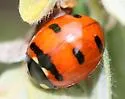
Transverse Lady Beetle
Coccinella transversoguttata
Identification: Gordon's Figures Numbers of this species are declining throughout its range, perhaps due to competition from introduced species such as the Seven-Spotted Lady Beetle ( Coccinella septempunctata ) and Multicolored Asian Lady Beetle ( H
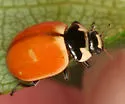
Three-banded Lady Beetle
Coccinella trifasciata
Identification: From Gordon's key to the species , the following features are seen on these beetles: 1) elytra suture reddish, not black or dark brown (excludes C. novemnotata and C. californica ) 2) "head pale except for black band across base (male
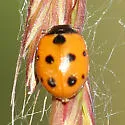
Eleven-spotted Lady Beetle
Coccinella undecimpunctata
Identification: More elongate and less convex than any other species of Coccinella . Head with 2 well separated pale spots ( C. novemnotata has a solid band) Elytral suture red, not or only slightly darker than the pale discal area. Elytron usually w
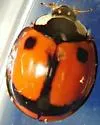
Coelophora biplagiata
Coelophora biplagiata
Identification: wider variety of color patterns in se.Asia, but all Florida individuals have the following pattern first US record: Broward County, FL, Aug 16, 2019
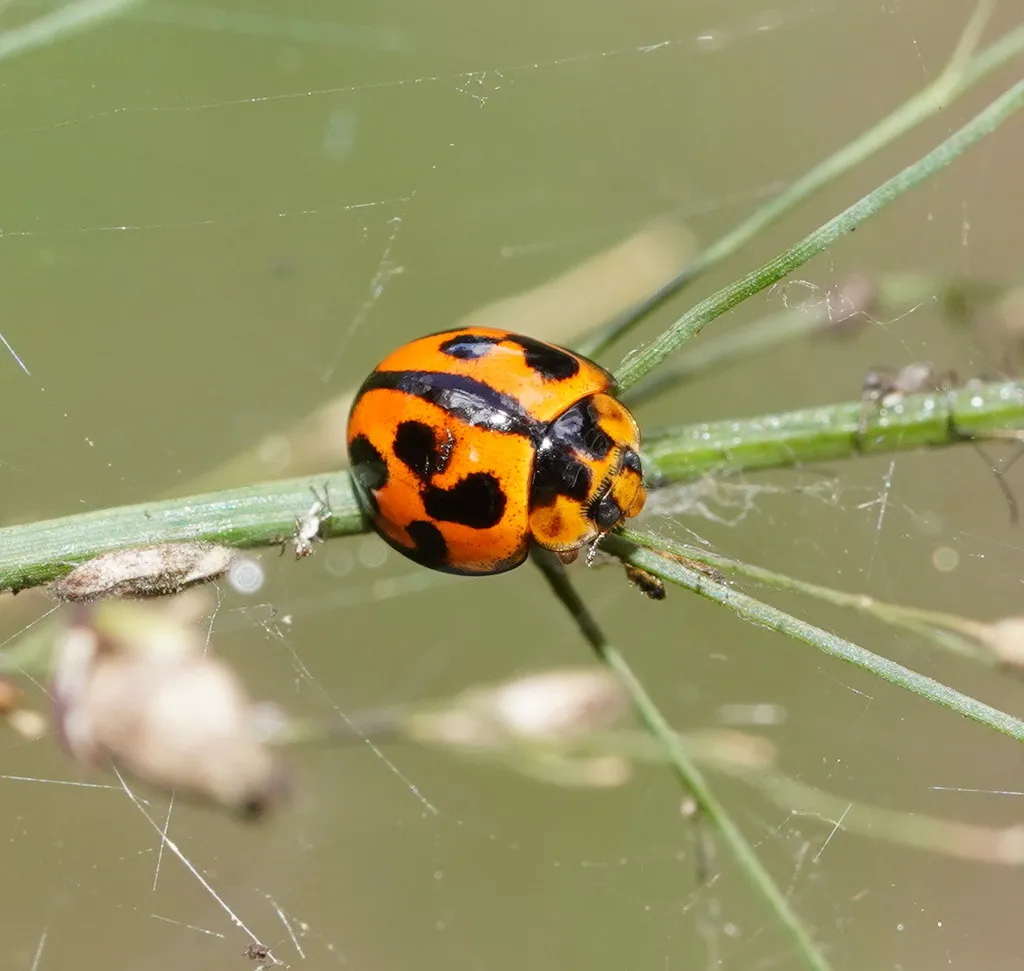
Variable Lady Beetle
Coelophora inaequalis
Identification: Gordon's Figures - Introduced to Florida from Hawaii via Puerto Rico to control the yellow sugarcane aphid - Sipha flava (Forbes).
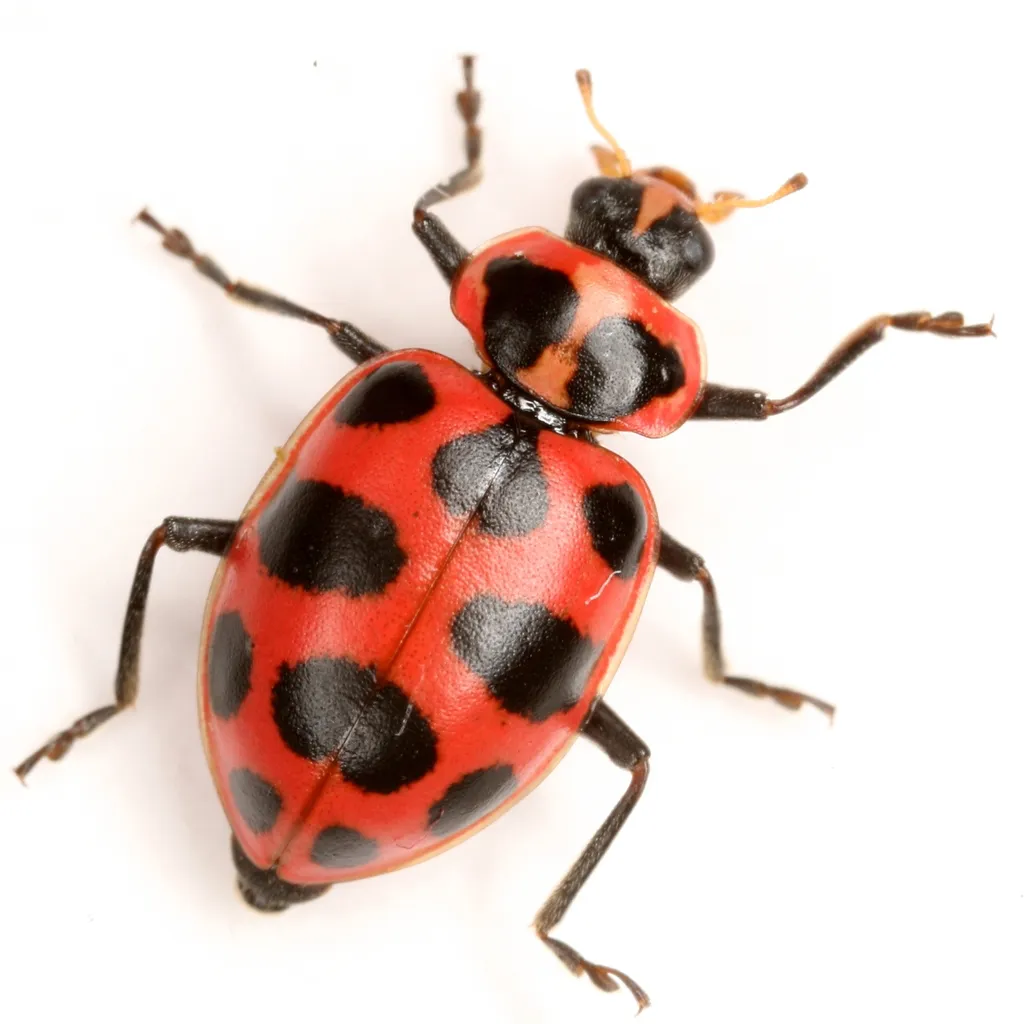
Spotted Pink Lady Beetle
Coleomegilla maculata
Identification: Adults Subspecies C. m. lengi (widespread eastern) C. m. fuscilabris (southeastern) C. m. strenua (southwestern) Larvae Because pollen is an essential component of the diet of Coleomegilla , the planting or preservation of refuges, or
Coconut Scale Predator
Cryptognatha nodiceps
Identification: Elytral color highly variable from typical to having disc entirely black with reddish yellow spot near suture posterior to middle. (González et al. 2019) imported in the 1930s, released, and established as a classical biological contr
Cycloneda emarginata
Cycloneda emarginata
Identification: According to Crotch, resembles C. munda but has dark legs (pale tibia on first leg in male). Based on other records in TX and Mexico, this is a reasonably distinctive species. The body form appears more slender and oval than Cycloneda
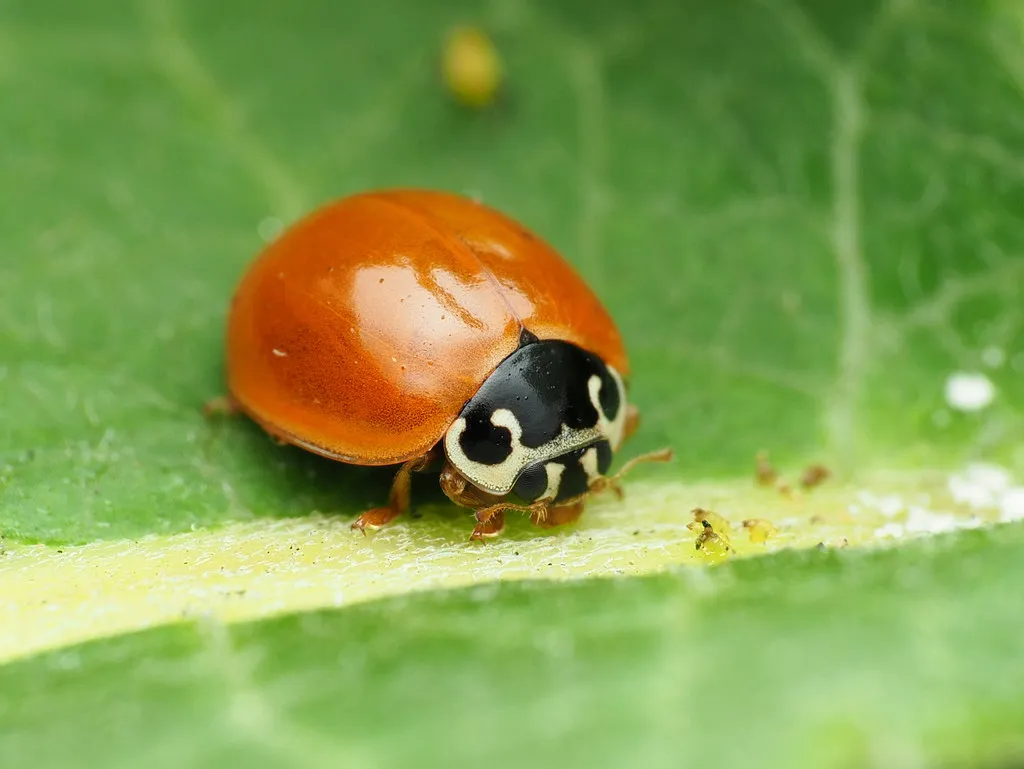
Polished Lady Beetle
Cycloneda munda
Polished Lady Beetle (Cycloneda munda) is a species in the family Coccinellidae, commonly known as lady beetles, belonging to the order Coleoptera (Beetles). It is classified within the subfamily Coccinellinae, suborder Polyphaga, superfamily Coccine
Didion nanum 0
Didion nanum
Identification: Color black; anterolateral angle of pronotum, mouthparts and leg dark reddish brown. Punctation on head fine, punctures separated by a diameter or less. Pronotum with punctures equal in size to those on head, separated by less than to
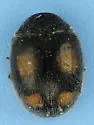
Diomus amabilis
Diomus amabilis
Identification: Highly variable. See: Gordon's figures ( 3 ) Dark brown with four light brown markings. These markings may range from small spots to large, confluent patches.
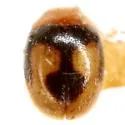
Diomus bigemmeus
Diomus bigemmeus
Identification: Gordon's Figures - Elytron with single yellow spot on disc, or with yellow spot on disc narrowly connected to broad, apical, yellow area
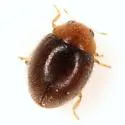
Diomus debilis
Diomus debilis
Identification: Det. M. A. Quinn, 2013 Type locality: San Jose, California
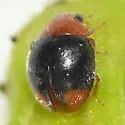
Diomus roseicollis
Diomus roseicollis
Identification: Gordon's figures Type Locality: Cuba
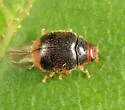
Diomus terminatus
Diomus terminatus
Identification: elytron black except apical fourth yellow - Gordon's Figures the most commonly coll'ed sp. of Diomus
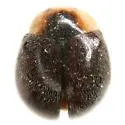
Diomus texanus
Diomus texanus
Identification: external appearance distinctive PARATYPE
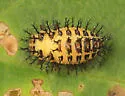
Mexican Bean Beetle
Epilachna varivestis
Identification: Gordon's figures A little larger than typical ladybugs. Each elytron has 8 spots; pronotum immaculate (spotless) - noted here . Orange to copper colored. and (U. Ga website). A project to control these beetles in the eastern U.S. was
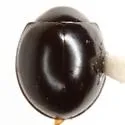
Exochomus aethiops
Exochomus aethiops
Identification: Gordon's figures - Color entirely black except antenna and mouthparts yellowish brown.
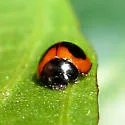
Exochomus childreni
Exochomus childreni
Identification: - Large spot on each elytron at rear of body (apical) - Some with additional small black apical spot spanning suture - Some with additional large black spot on each elytron from middle forward, not attaining base, with somewhat straig
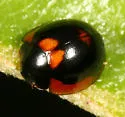
Exochomus marginipennis
Exochomus marginipennis
Identification: Gordon't figures - Gordon wrote: "There are several color forms of what I consider to be E. marginipennis (Fig. 512 e-h). The dark colored specimens are mostly restricted to the eastern and southeastern United States. Some specimens f
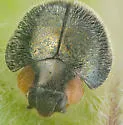
Exochomus metallicus
Exochomus metallicus
introduced from Eritrea in 1954 for control of the citricola and black scales; found in infestations of the Planococcus citri (Citrus Mealybug) on host plants other than citrus
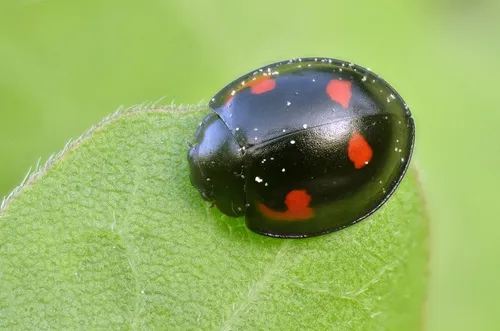
Pine Ladybird
Exochomus quadripustulatus
This is a small ladybird (3 to 4 mm), with red comma-like front spots on the black elytra and a flange around the base of each elytron. The Kidneyspot Ladybird is similar but only has 2 red spots. Unless identified by a recognised expert, good photos
Exochomus townsendi
Exochomus townsendi
Identification: In addition to the comments under E. aethiops, E. townsendi differs from that species in having the epipleuron less strongly descending, lateral margin of elytron less strongly explanate, and the sides of the pronotum and elytra appea
Schaeffer's Lady Beetle
Exoplectra schaefferi
Identification: Gordon's figures Type Locality: Huachucha Mts., Arizona, VII-15, from Ch. Schaeffer, Exoplectra subaenescens Gorh. (USNM 101347).
Gnathoweisea texana
Gnathoweisea texana
Type Locality: TEXAS: Bell Co., Co. Rd., 4 ml. E. Heidenheimer, Barton Weems Farm, 26 Jun. 1978, coll. Robbins & Critchfield. USNM (101326).
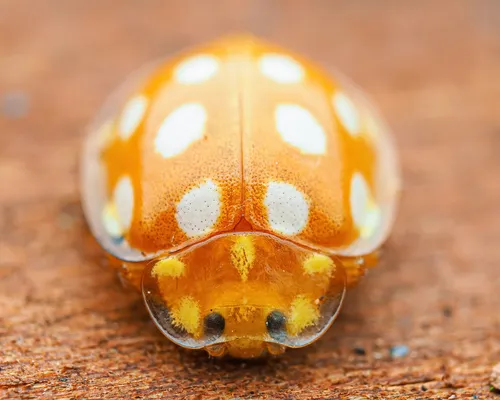
Orange Ladybird
Halyzia sedecimguttata
Easy to identify, with its orange/yellow head, body and legs. This species is relatively easy to identify and is unlikely to be confused with anything else. However photos are always helpful to confirm your record. It is often found in woodland, part
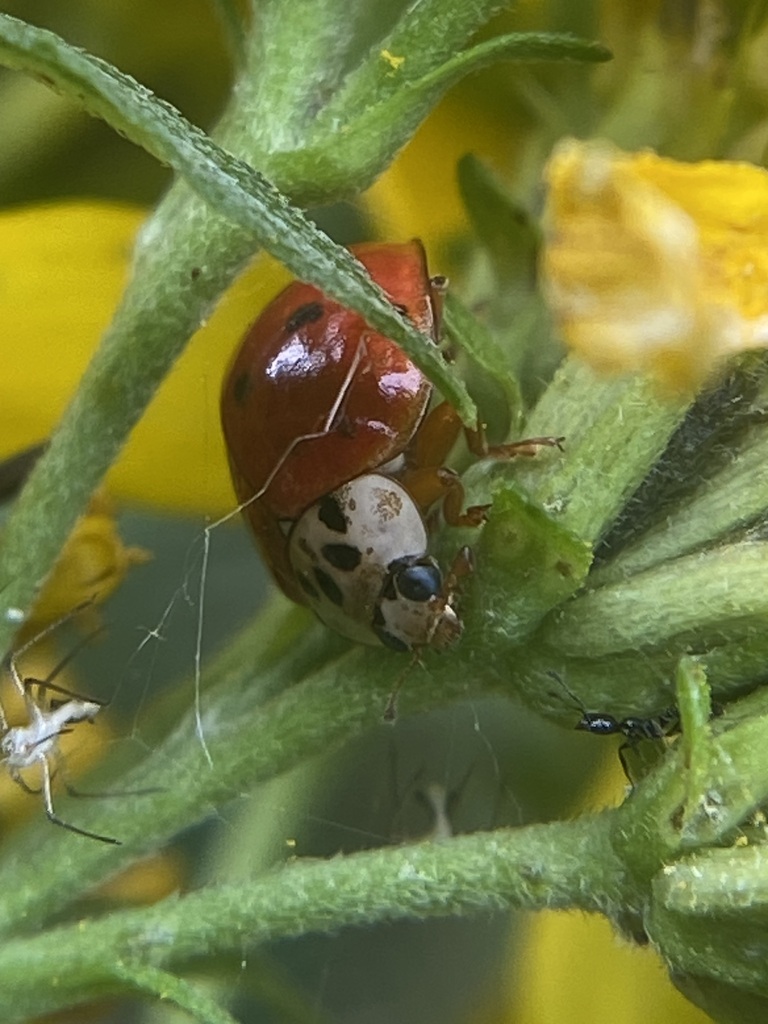
Harlequin Ladybird
Harmonia axyridis
no rights reservedThis species is relatively easy to identify and is unlikely to be confused with anything else. However photos are always helpful to confirm your record. The Harlequin has the ability to live in diverse habitats. It is most commonly found on deciduous
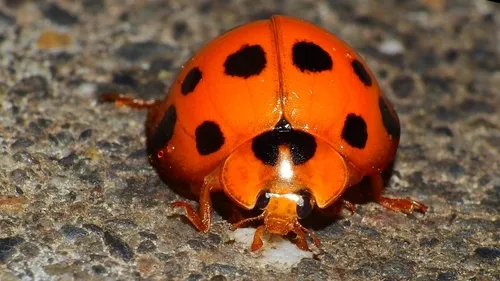
Harmonia dimidiata
Harmonia dimidiata
Identification: Det. E. G. Riley, 2014 "The initial introduction ... from south China into California in 1924. It was released in 1925 for aphid control, but did not become established. A shipment sent to Florida from California in 1925 was released
Cream-streaked Ladybird
Harmonia quadripunctata
This is a medium sized ladybird (5-6 mm), recognised by the black speckled pattern on its head and pronotum. Its body colour varies but is usually salmon, pink or yellow; the legs are brown. The number of spots is very variable. This species is relat
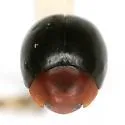
Helesius nubilans
Helesius nubilans
Identification: Gordon's figures Type locality: Brownsville, Cameron Co., Texas known from four spmns, two coll'ed in Brownsville by H. F. Wickham ca. 1897 and one (shown here) coll'ed in San Antonio in 1945, and the fourth from one county east of Lu
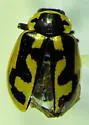
American Lady Beetle
Hippodamia americana
Identification: Distinctive, unique color pattern; cross/dagger-shaped stripe on elytral suture, 2 prong-shaped bands on the sides (may be broken into separate spots). Large unmarked black blotch in centre of pronotum.
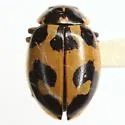
Hippodamia apicalis
Hippodamia apicalis
Identification: Gordon's figures Always has a black marking connecting at the suture (midline) in an apical (rear) spot. Pronotum with pale median spot at base. Tarsal claw with tooth not closely appressed. Externally inseparable from H. expurgata .
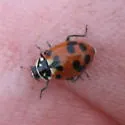
Casey's Lady Beetle
Hippodamia caseyi
Identification: Pronotum (between wings and head): Elytra (wing covers): This species wasn't proved to live in Alberta until 2007, so earlier range maps don't show it there.
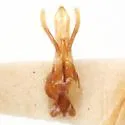
Expurgate Lady Beetle
Hippodamia expurgata
Identification: Gordon's figures Usually has a black marking connecting at the suture (midline) in an apical (rear) spot. Tarsal claw with tooth not closely appressed. Externally inseparable from Hippodamia apicalis when apical suture spot is present
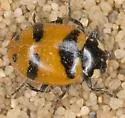
Glacial Lady Beetle
Hippodamia glacialis
Identification: Largest Hippodamia species. The nominate (eastern) subspecies is distinctive, with some of the large spots at the rear of the elytra are fused into a single mass. There are also generally two small-to-barely-noticeable spots at the ou
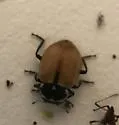
Crescent Lady Beetle
Hippodamia lunatomaculata
Identification: Gordon's figures Pronotum parenthesis -type, black with white margin, isolated white basal spot, and anterior indent. Extent of black varies based on locality, and may be more extensive especially in the northern ssp. dobzhanskyi (Gor
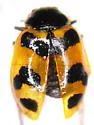
Oregon Lady Beetle
Hippodamia oregonensis
Identification: "The small size, nearly all black pronotum without convergent pale spots, and heavy elytral maculation usually will allow H. oregonensis to be recognized without dissection." - Gordon, 1985
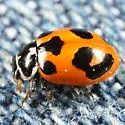
Parenthesis Lady Beetle
Hippodamia parenthesis
Identification: Gordon's figures last three key couplets per Gordon:
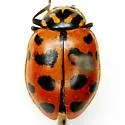
Hippodamia quindecimmaculata
Hippodamia quindecimmaculata
Identification: Gordon's figures - The heavily maculate appearance, strongly developed convergent spots on the pronotum, and geographic range will distinguish most specimens of this species. Elytral spots sometimes feebly confluent. An apparently unc
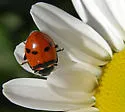
Five-spotted Lady Beetle
Hippodamia quinquesignata
Identification: Gordon's figures - Pronotum with or without convergent pale spots; elytral color pattern extremely variable
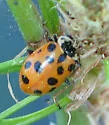
Thirteen-spotted Lady Beetle
Hippodamia tredecimpunctata
Identification: Gordon's Figures - This somewhat elongated lady beetle has 13 black spots on its elytra, although some may be fused together. The species Hippodamia tredecimpunctata is holarctic (throughout the northern hemisphere, including Europe a
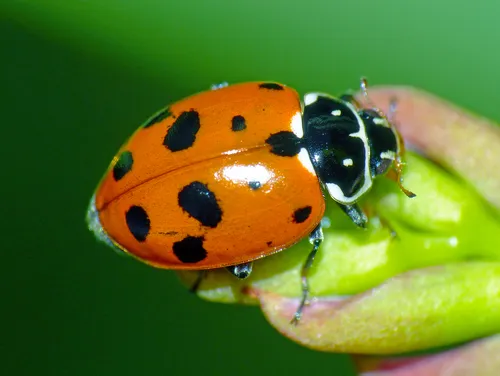
Adonis' Ladybird
Hippodamia variegata
A small ladybird, measuring only 4 to 5 mm. It has red elytra with between 3 and 15 black spots, which are sometimes fused together and tend to be concentrated to the rear. The white pronotum is mostly covered with a black pattern and the legs are ma
Hyperaspidius andrewsi 0
Hyperaspidius andrewsi
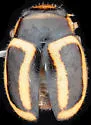
Identification: Form elongate, slender, narrowed posteriorly, lateral margin of elytron feebly curved. Head and pronotum yellow, pronotum with base narrowly black medially, 4 maculae present in basal I. Elytron yellow with sutural margin narrowly bla
Hyperaspidius comparatus
Hyperaspidius comparatus
Identification: Gordon's figures Type Locality: Alameda Co., California
Hyperaspidius flavocephalus 0
Hyperaspidius flavocephalus
Identification: Gordon's Figures Type Locality: Dunedin, Fla W.S.B. Coll. 3-27-18
Hyperaspidius hardyi
Hyperaspidius hardyi
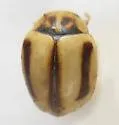
Identification: Gordon's figures - "This species has the facies of a member of Hyperaspis rather than Hyperaspidius because of the round, convex body shape. On that basis alone this species is quite distinctive, also the coarse punctures on the elytr
Hyperaspidius ingenitus
Hyperaspidius ingenitus
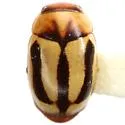
Identification: Gordon's figures - Form oblong, lateral margin of elytron feebly curved Type locality: Las Cruces, New Mexico
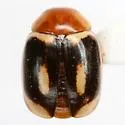
Hyperaspidius insignis
Hyperaspidius insignis
Identification: Gordon's Figs - The pale pronotum and head in both sexes along with the usually large, robust body form distinguish H. insignis from other members of the vittigerus group. No known species occurring in the same geographic area is simi
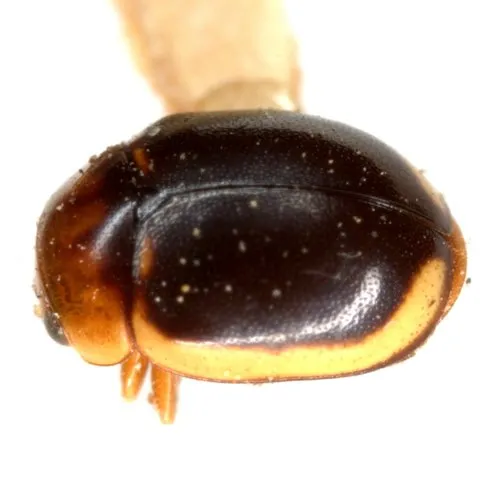
Hyperaspidius marginatus
Hyperaspidius marginatus
Identification: Form oblong, lateral margin of elytron feebly curved. Pronotum of male black or dark brown with nebulous black areas in basal, always with lateral margin narrowly yellow; female pronotum entirely black except anterior angle obscurely
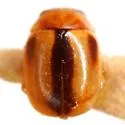
Hyperaspidius militaris
Hyperaspidius militaris
Identification: Pronotum of male yellow with obscure brownish yellow maculation in basal I; pronotum of female black with lateral border narrowly yellow. Elytron yellow except broad sutural border brown or black, short vitta present on humerus Gordon