
Family Soft-winged Flower Beetles (Melyridae)
Melyridae is a family in the order Coleoptera. Browse 151 named species recorded in this family, or open an individual profile for its available identification and natural-history information.
Species in Melyridae (151)
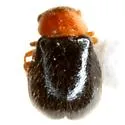
Ablechrus texensis
Ablechrus texensis
Identification: back of head "piceotestaceous" or dark reddish-brown in color Holotype, female, “Hidalgo Co., Texas. III-26-54. D. J. and J. N. Knull, collectors.” One female paratype, same data, except collected V-28-51.
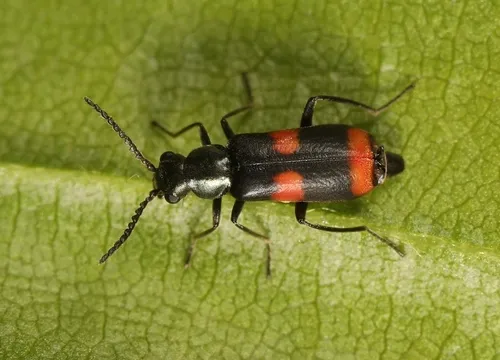
Anthocomus fasciatus
Anthocomus fasciatus
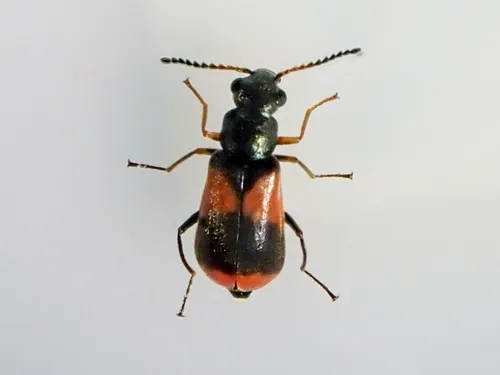
This is a tiny little beetle only 4 mm long. It has to be seen in good light to appreciate that it has red markings on its black elytra. Anywhere a food source is to be found such as low vegetation or even on the sills of outbuildings etc. where tiny
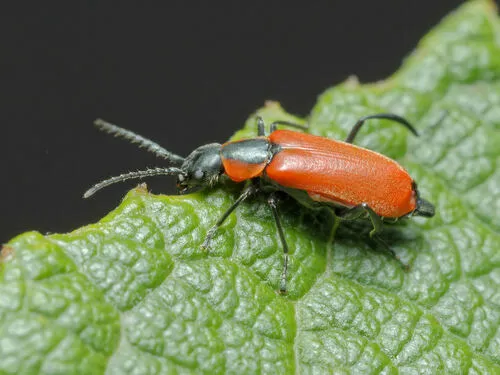
Anthocomus rufus
Anthocomus rufus
Length 4 to 5 mm. This is a small bright red beetle with elytra that are shorter than the body and with black on the head and thorax. Has a preference for wetter areas around reedbeds and margins. Widespread in the southern half of Britain.
Attalus australis 0
Attalus australis
Identification: The pale tibiae and tarsi contrast strongly with the black femora. The blue-black upper surface and posteriorly widened elytra give it the appearance of a Pseudobaeus , but the male and female elytra are similar in form.
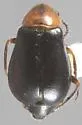
Attalus glabrellus
Attalus glabrellus
Identification: Fall's key: Elytra entirely black -> Head, at least, and generally the thorax largely black -> Upper surface nearly glabrous = glabrellus Form rather stout, distinctly shining throughout, nearly glabrous and subimpunctate. Black, thor
Attalus humeralis
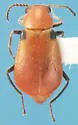
Attalus humeralis
Identification: Yellow-red, shiny, less densely pubescent, head and thorax slightly shorter than the width, convex, slightly margined, apex truncate, base with rounded posterior corners; elytra sparsely punctate posteriorly, slightly dilated, decorat
Attalus melanopterus
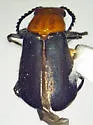
Attalus melanopterus
Identification: melanopterus is the first of 57 Attalus spp. to key out : 1) Elytra entirely black or piceous; 2) Head and thorax rufotestaceous; 3) Abdomen pale rufous = Attalus melanopterus leg color variable: "The only specimen of this species whi
Attalus nigripes
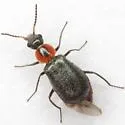
Attalus nigripes
Identification: 2-2.5 mm, pubescence sparse [see type ]; thorax rufous, with variable dark discal area (last couplet in: ) - all Dets. M. A. Quinn (c.TX, c.TX, AZ, w.TX) "In his original description of this species, Horn states: "body beneath and leg
Attalus otiosus
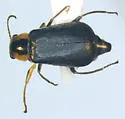
Attalus otiosus
Identification: SPECIFIC CHARACTER: Thorax rufous, with a dilated longitudinal line; antennae and elytra black. DESCRIPTION: Body black, inconspicuously hairy; head with three obtuse indentations between the eyes; antennae, black; labrum and clypeus
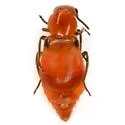
Attalus scapularis
Attalus scapularis
Identification: Det. M.A. Quinn, 2013 This species resembles typical A. humeralis closely as to color and runs to this species in my 1951 key to the species of Attalus . It is however, more oval, with the elytra less shining and much more densely and
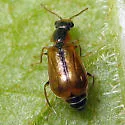
Attalus scincetus
Attalus scincetus
Attalus scincetus (Attalus scincetus) is a species in the family Melyridae, commonly known as soft-winged flower beetles, belonging to the order Coleoptera (Beetles). It is classified within the subfamily Malachiinae, tribe Malachiini, suborder Polyp
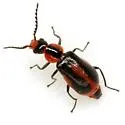
Attalus subtropicus
Attalus subtropicus
Identification: elytra shiny and nearly parallel-sided, back of head black and wide pronotal stripe always present Det. E. G. Riley, 2010 "Male. Elongate-oblong, scarcely widened behind . Color testaceous [dull brick red], the head [black] posterior
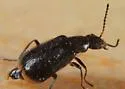
Attalus terminalis
Attalus terminalis
Identification: red apical elytral margins - last key couplet: Elytra black; pale color confined to exact tips (extending narrowly up lateral margin for short distance in most males)
Attalus varians
Attalus varians
Identification: elytra are piceous, the tips pale testaceous with the latter color extending along the suture without involving the margin.
Axinotarsus pulicarius
Axinotarsus pulicarius
Identification: see earliest NA records: ON 2008 (BG data), BC 2010
Chaetocoelus setosus
Chaetocoelus setosus
Identification: female is brachypterous Type Locality: Columbus, Texas; E. A. Schwarz
Collops arizonensis 0
Collops arizonensis
Types: Holotype, male,; allotype, female; and two female paratypes, Chiricahua Mts., Ariz., June. D. K. Dunean
Collops bipunctatus
Collops bipunctatus
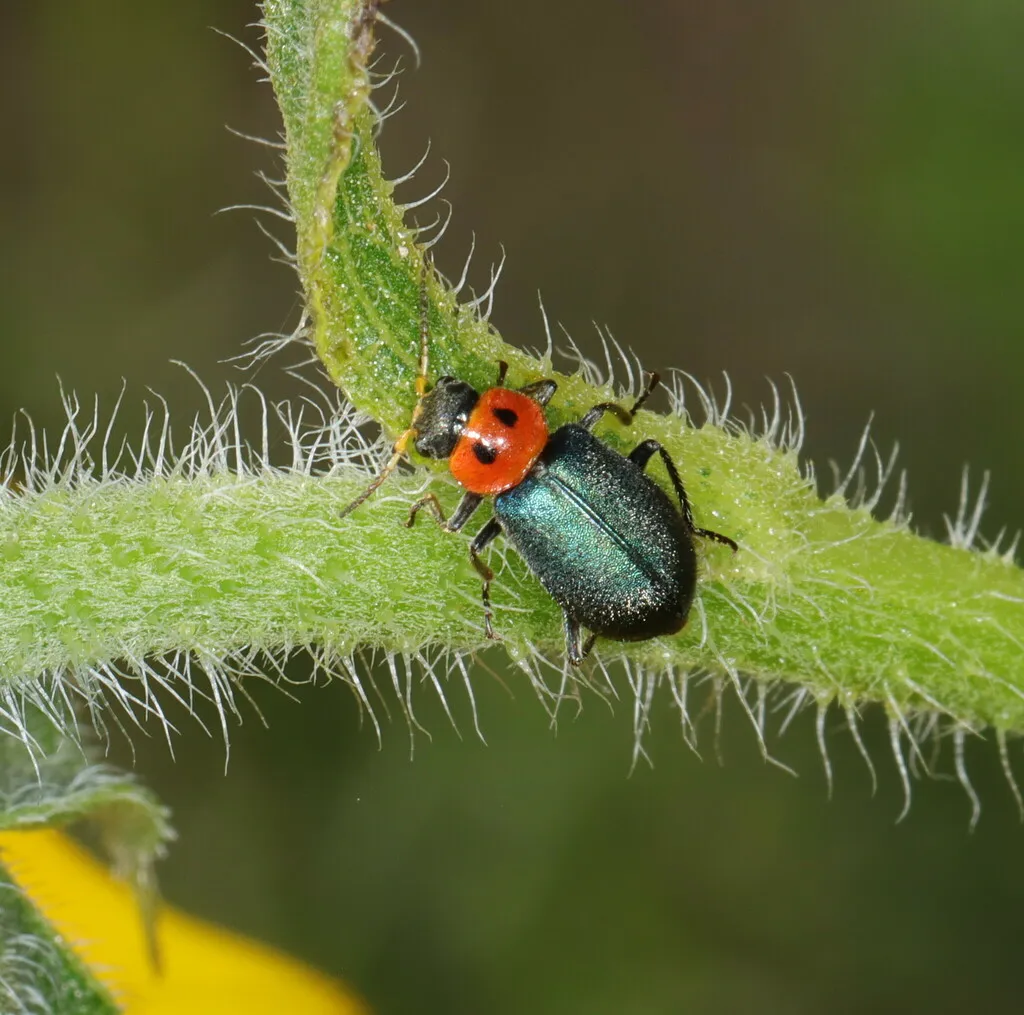
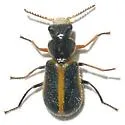
Identification: Pronotum red to dull reddish-yellow with two black spots; elytra green-blue to black; pilose overall. third antennomere enlarged in males
Collops flavicinctus
Collops flavicinctus
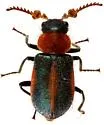
Identification: similar, at least in color pattern, to C. limbellus ; the two can be easily distinguished by the erect hairs on the elytra, pale in C. flavicinctus and black in C. limbellus Information on this page is based on Dr. Mayor's comments he
Collops granellus
Collops granellus
Identification: diagnostic feature, small round granules on the elytra: (comment per Adriean Mayor) Type Locality: Chiricahua Mtns, AZ
Collops hirtellus
Collops hirtellus
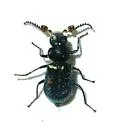
Identification: ?Holotype • var. lucens Fall, syntype
Collops histrio
Collops histrio
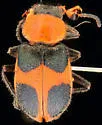
Identification: Elytra coarsely punctate, shining; legs black. The male is easily distinguished from its allies by the shape of the first antennal segment and the black legs.
Collops knulli 0
Collops knulli
Identification: Both sexes can be easily separated from our other quadrimaculate species of Collops by the following characters: small size, elytral spots confluent or nearly so, legs pale, head pale anterior to the front margin of the eyes, the pale
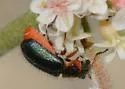
Collops marginicollis
Collops marginicollis
Identification: Type specimen extremely uncommon ― Adriean Mayor
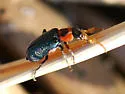
Collops nigriceps
Collops nigriceps
Identification: prothorax black on disc, or immaculate; antennae wholly testaceous in male (last couplet in key, emphasis added) ( 3 ) legs and a large patch on the disc of the prothorax black. The testaceous, tapering antennae of the male, with unus
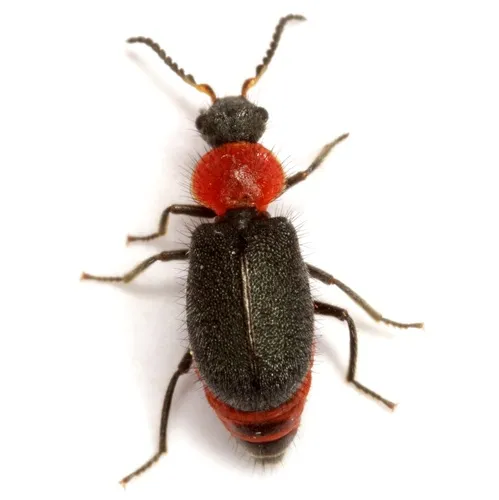
Collops nigritus
Collops nigritus
Identification: species described from a single male coll'ed in AZ. differs from all species with unicolorous elytra by the rather strongly angulated first antennal joint of the male, the densely punctate prothorax, and the black elytra. (Schaeffer,
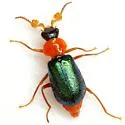
Collops pallipes
Collops pallipes
Identification: shiny unicolorous elytra, pale prothorax, and uniformly pale legs Type Locality: Brownsville, Texas VIII-8-37. D. J. and J. N. Knull, Collrs.
Collops scutellatus 0
Collops scutellatus
Identification: The coloration, the scarcely apically dilated basal joint of antenne, the red scutellum and the more shining elytra will separate this from all previously described maculate species. Red; metasternum and palpi black; head with central
Collops subtropicus 0
Collops subtropicus
Identification: Type matches Collops nigriceps (Say) which Schwarz reported as "common" in FL I find almost no literature records for subtropicus (MAQ, pers. obs. 2025) Type Locality: Jacksonville, FLA (Duval County)
Collops tricolor
Collops tricolor
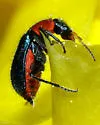
Identification: Identification of C. nigriceps vs. C. tricolor . This is C. tricolor (Say). Note the relatively smaller 4th antennal segment. Compare with the closeup photo of C. nigriceps male antenna (first photo) in the C. nigriceps set of picture
Collops versatilis
Collops versatilis
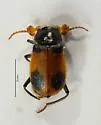
Identification: coloration exceedingly variable • Holotype
Collops vicarius
Collops vicarius
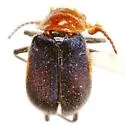
Identification: Extremely like tricolor and separable with certainty only by the male antennal characters. The basal joint of the male antenna is here much less broadly triangular than in tricolor , being more than 1/2 longer than wide, and the 2d jo
Collops vittatus
Collops vittatus
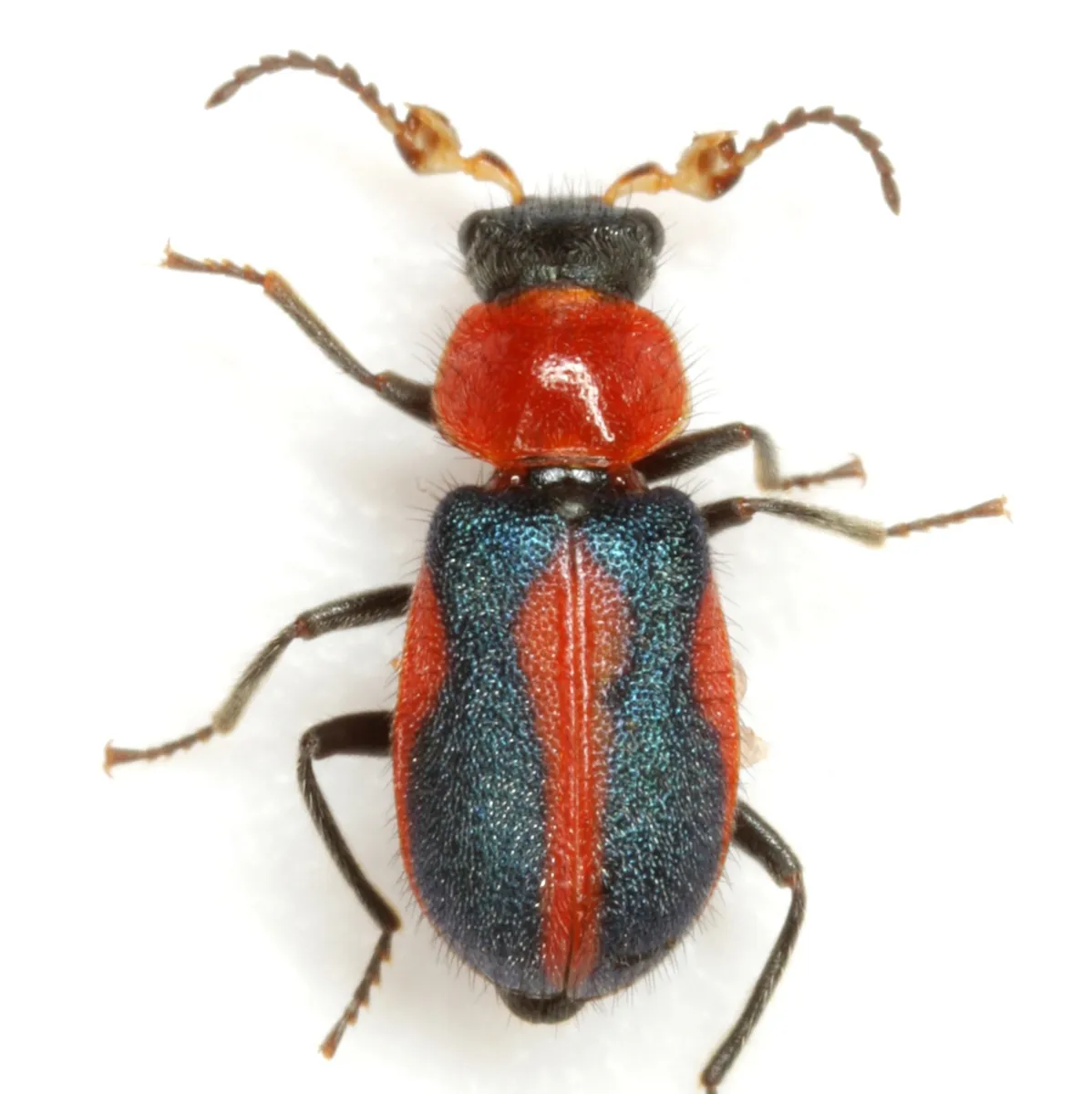
Identification: Say's original 1824 description indicates pronotum has a large black spot (or two that are confluent), but the discussion in Fall states: "The thoracic spot may be large or small, is often divided into two smaller ones, and is not inf
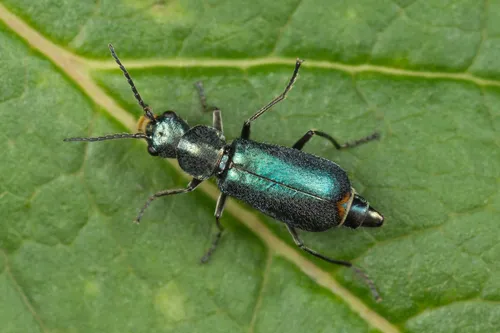
Cordylepherus viridis
Cordylepherus viridis
Similar in appearance to the more common Malachius bipustulatus, but can be separated with detailed examination. Cordylepherus viridis is slightly smaller and bluer than M. bipustulatus. Fairly frequent in England south of The Wash, much scarcer furt
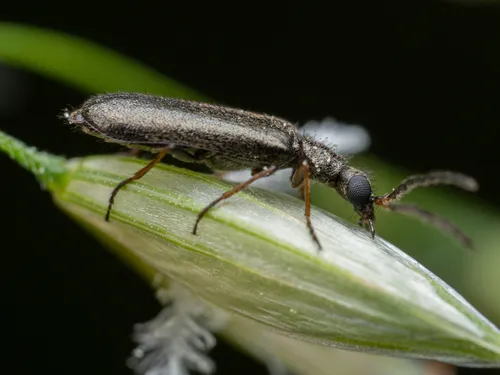
Dasytes plumbeus
Dasytes plumbeus
3.5 to 4.5 mm. Elongate, dark green with metallic sheen. Both long, erect hairs and flat pubescent on dorsal surface. Elytra wider at the base than the pronotum. Femora are black but tibiae and tarsi are pale. The adults are often found visiting flow
Endeodes basalis
Endeodes basalis
Identification: According to Moore and Legner, 'This species is distinct in the combination of its long piceus elytra with the base pale and its cordate pronotum. The color of the abdomen is variable, ranging from entirely ferruginous to entirely pi
Eschatocrepis constrictus
Eschatocrepis constrictus
Identification: shape of pronotum diagnostic ― Adriean Mayor
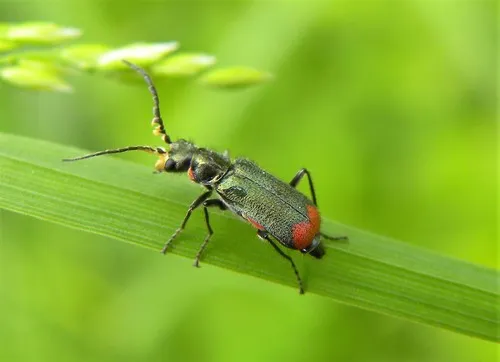
Common Malachite Beetle
Malachius bipustulatus
Length: 5.5-6 mm. Emerald green (can be bronze) elytra with twin red spots. The pronotum is transverse and usually has red margins on the anterior corners. The front of the head between the eyes curves back. Cordylepherus viridis is very similar but
Malachius thevenetii
Malachius thevenetii
Identification: Holotype see Adriean Mayor's comments at
Tanaops coelestinus
Tanaops coelestinus
Identification: The color of the thorax is of no value in separating the closely allied T. mimus, T. coelestinus , and T. complex . These specimens all show a shining, denuded spot on each side of the prothorax, of variable size, near the posterior a
Tanaops longiceps
Tanaops longiceps
Identification: Type specimen Original description as reprinted in Fall
Tanaops testaceus
Tanaops testaceus
Identification: Oblong, parallel, uniform rufotestaceus in color, with the antennae, palpi, knees, tibiae and tarsi fuscous and the elytra gradually paler toward the apex. This species may easily be distinguished from all others of the genus Tanaops
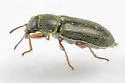
Trichochrous erythropus
Trichochrous erythropus
Identification: a common spring species in South Texas, the Hill Country, and the Llano Estacado Det. M. L. Gimmel, 2022
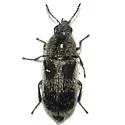
Trichochrous insignis
Trichochrous insignis
Trichochrous insignis (Trichochrous insignis) is a species in the family Melyridae, commonly known as soft-winged flower beetles, belonging to the order Coleoptera (Beetles). It is classified within the subfamily Dasytinae, tribe Listrini, suborder P
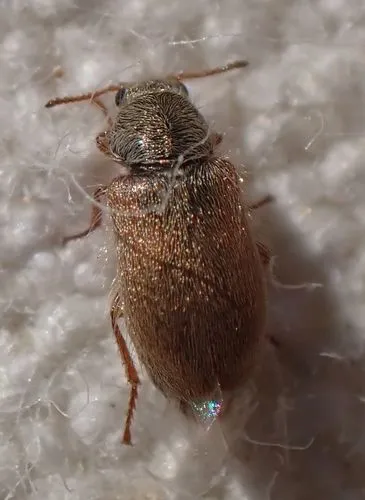
Trichochrous pallescens
Trichochrous pallescens
Identification: In some specimens the elytra at base and along the suture may be more or less piceous
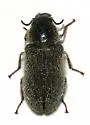
Trichochrous rufipennis
Trichochrous rufipennis
Trichochrous rufipennis (Trichochrous rufipennis) is a species in the family Melyridae, commonly known as soft-winged flower beetles, belonging to the order Coleoptera (Beetles). It is classified within the subfamily Dasytinae, tribe Listrini, subord
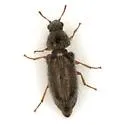
Trichochrous texanus
Trichochrous texanus
Identification: body black, legs rufous or testaceous, strong punctuation of the head and thorax; the antennae are shorter than the head and thorax, with the third joint slender, and the fourth not as wide as the fifth. uniformly olivaceous above hig
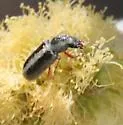
Trichochrous varius
Trichochrous varius
Identification: A very distinct form, represented before me by numerous specimens displaying considerable variation, the central dark area of the pronotum being wholly obliterated in some cases. Type Locality: Benson, Cochise Co., AZ
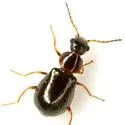
Ablechrus granularis
Ablechrus granularis
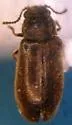
Amphivectura monticola
Amphivectura monticola
Soft-winged Flower Beetle
Anthocomus equestris
Anthocomus pristinus
Anthocomus pristinus
Asydates grandiceps
Asydates grandiceps
Asydates irwini
Asydates irwini
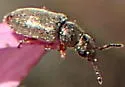
Asydates vandykei
Asydates vandykei
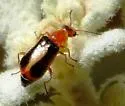
Attalus cf-cinctus
Attalus cf-cinctus
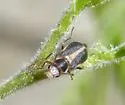
Attalus cinctus
Attalus cinctus
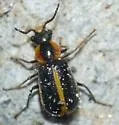
Attalus circumscriptus
Attalus circumscriptus
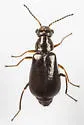
Attalus frosti
Attalus frosti
Attalus granularis
Attalus granularis
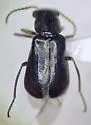
Attalus morulus
Attalus morulus
Attalus oregonensis
Attalus oregonensis
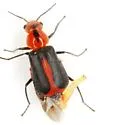
Attalus rufiventris
Attalus rufiventris
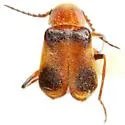
Attalus serraticornis
Attalus serraticornis
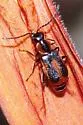
Attalus trimaculatus
Attalus trimaculatus
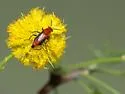
Attalus tucsonensis
Attalus tucsonensis
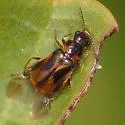
Attalus zebraicus
Attalus zebraicus
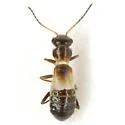
Attalusinus mexicanus
Attalusinus mexicanus
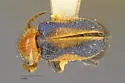
Collops confluens
Collops confluens
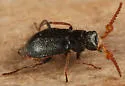
Collops cribrosus
Collops cribrosus
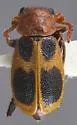
Collops crusoe
Collops crusoe
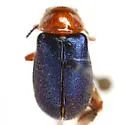
Collops dux
Collops dux
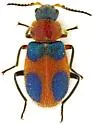
Collops femoratus
Collops femoratus
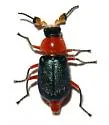
Collops grandis
Collops grandis
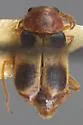
Collops insulatus
Collops insulatus
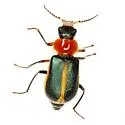
Collops limbellus
Collops limbellus
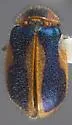
Collops marginellus
Collops marginellus
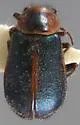
Collops necopinus
Collops necopinus
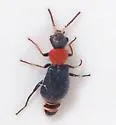
Collops parvus
Collops parvus
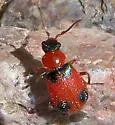
Collops pulchellus
Collops pulchellus
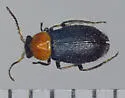
Collops punctatus
Collops punctatus
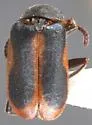
Collops punctulatus
Collops punctulatus
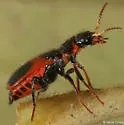
Collops quadriguttatus
Collops quadriguttatus
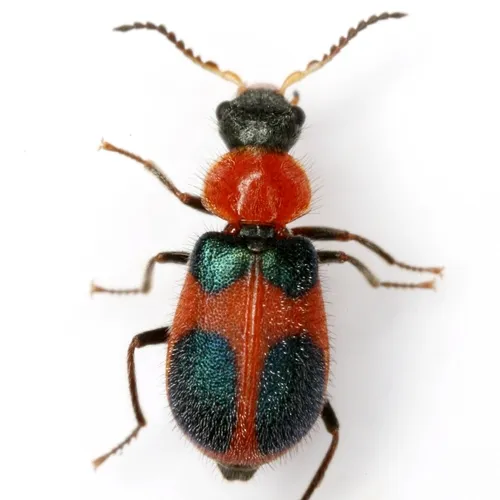
Collops quadrimaculatus
Collops quadrimaculatus
Collops reflexus
Collops reflexus
Collops simplex
Collops simplex
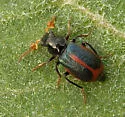
Collops subaeneus
Collops subaeneus
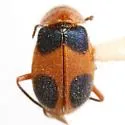
Collops tibialis
Collops tibialis
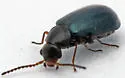
Condylops obrieni
Condylops obrieni
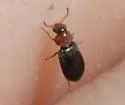
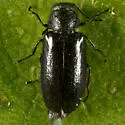
Dasytastes bicolor
Dasytastes bicolor
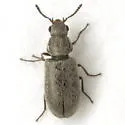
Dasytastes hudsonicus
Dasytastes hudsonicus
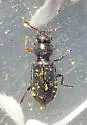
Dasytastes nigricornis
Dasytastes nigricornis
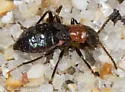
Enallonyx sculptilis
Enallonyx sculptilis
Endeodes collaris
Endeodes collaris
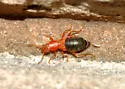
Endeodes insularis
Endeodes insularis
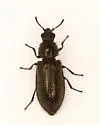
Eutricholistra unnamed
Eutricholistra unnamed
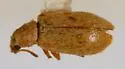
Gracilivectura mojavensis
Gracilivectura mojavensis
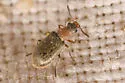
Gracilivectura pygidialis
Gracilivectura pygidialis
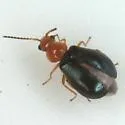
Hypebaeus apicalis
Hypebaeus apicalis
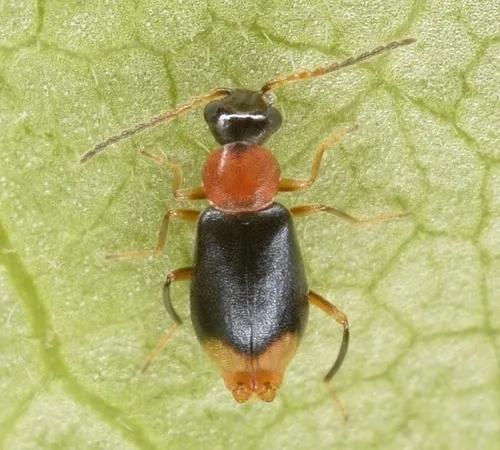
Hypebaeus bicolor
Hypebaeus bicolor