
Family Ground Beetles (Carabidae)
Carabidae is a family in the order Coleoptera. Browse 1,800 named species recorded in this family, or open an individual profile for its available identification and natural-history information.
Guides
Species in Carabidae (1,800)
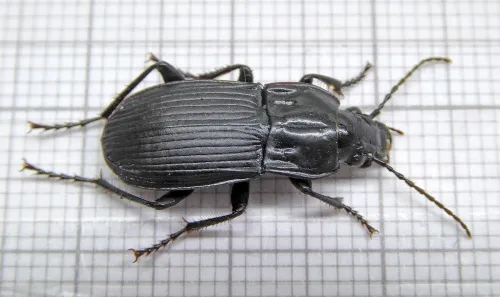
Abax parallelepipedus
Abax parallelepipedus
A large beetle (17-22 mm). The pronotum has two parallel depressions (called foveae) and it has wrinkles above its eyes. It also has a 'box-like' shape with the pronotum and elytra edges in a more or less straight line. A few Pterosticus species are
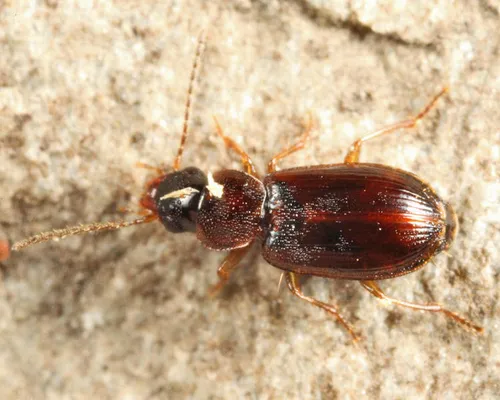
Beloved Harp Ground Beetle
Acupalpus carus
Acupalpus carus is a black coloured insect-eating ground beetle of the Acupalpus genus which can be found in Canada and the United States.
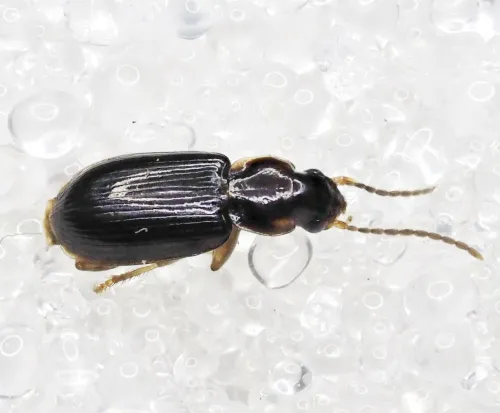
Acupalpus dubius
Acupalpus dubius
2.5 - 3mm. A small, dark brown (almost black) ground beetle with the pronotum a lighter brown. The antennae are dark but with a paler first segment. The legs are yellow-brown. The pronotum narrows towards the base and has very rounded hind angles. Th
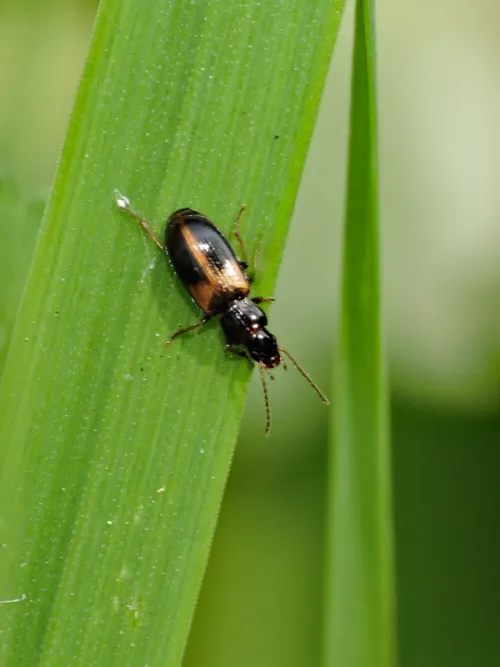
Acupalpus meridianus
Acupalpus meridianus
3.5 to 4.5 mm. The elytra of this small ground beetle are pale orange marked with large darker areas. Unless identified by a recognised expert, photos are required from above and below. If the photo doesn't show the key ID features then in the commen

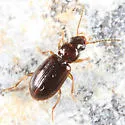
Acupalpus pauperculus
Acupalpus pauperculus
Identification: Uniformly dark elytra that are very shiny non-iridescent, head normal (not enlarged)
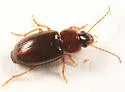
Acupalpus pumilus
Acupalpus pumilus
Identification: Some clues that help distinguish this from similar Acupalpus include small size (ca 2.5 mm), iridescent elytra, pronotal base punctate and with non-rounded hind angles.
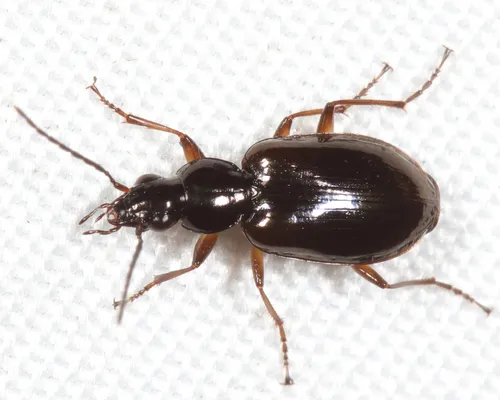
Agonoleptus conjunctus
Agonoleptus conjunctus
Identification: Within the genus, can be recognized by normal metasternum (i.e. wings normally developed, unlike in A. thoracicus ), a pale pronotum (sometimes clouded) that contrasts with the dark head, and the aedeagus not hooked at the tip. Wing-d
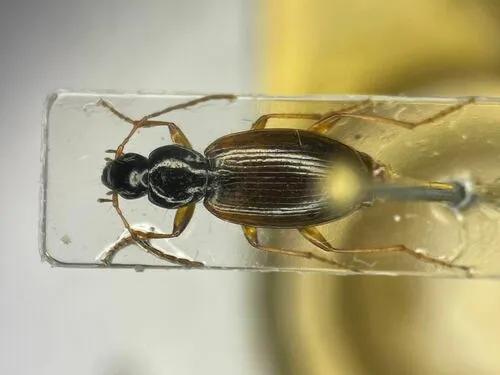
Agonum aeruginosum
Agonum aeruginosum
Identification: Based on this diagnostic combination in an Agonum: narrow circular pronotum AND punctiform pit near each pronotal hind angle AND middle elytra with distinct tranverse indentation.[Comment from Peter Messer]
Agonum canadense
Agonum canadense
Agonum canadense is a species of ground beetle in the Platyninae subfamily that can be found in Ontario, Canada and Pennsylvania, United States.
Agonum cyanopis
Agonum cyanopis
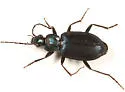
Identification: A uniformly dark species (including antennae & appendages) with metallic blue to purple sheen on forebody.
Agonum cyclifer
Agonum cyclifer
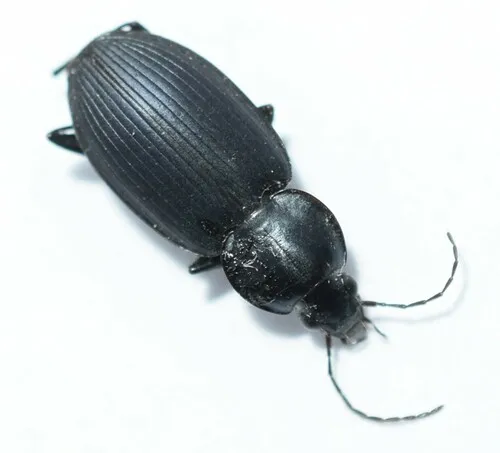
Agonum cyclifer is a species of ground beetles in the family Carabidae. It is found in Central America and North America.
Agonum deplanatum
Agonum deplanatum
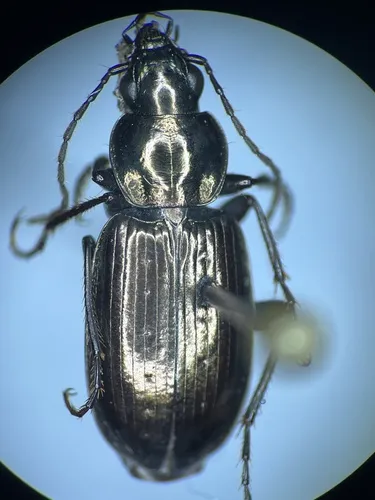
Agonum deplanatum is a species of ground beetle in the Platyninae subfamily that can be found in the United States.
Agonum emarginatum
Agonum emarginatum
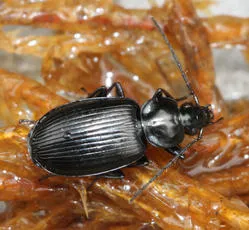
Length 7 to 9 mm. There are 15 British species of Agonum , mainly associated with damp habitats and all with rounded pronotum hind angles. Agonum emarginatum is all black, with just its tibiae and tarsi sometimes dark brown. It is found in damp habit
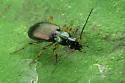
Agonum extensicolle
Agonum extensicolle
Identification: bright green/bluish iridescence distinctive , also pale legs and ant.
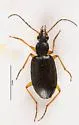
Agonum extimum
Agonum extimum
Agonum extimum is a species of ground beetle in the family Carabidae. It is found in Central America and North America.
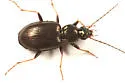
Agonum ferreum
Agonum ferreum
Identification: body & femora all dark, tibiæ/tarsi entirely pale; antennomeres 1‒3 or 1‒4 pale
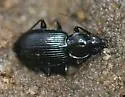
Agonum fidele
Agonum fidele
Identification: Helpful clues are the black legs and somewhat iridescent elytra.
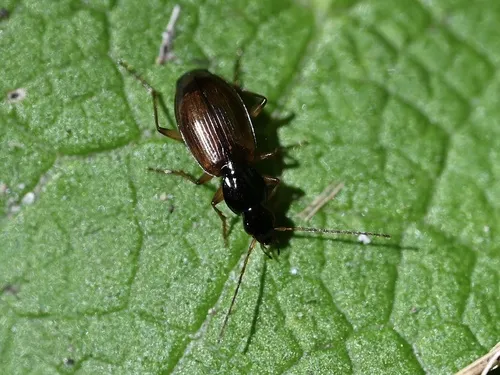
Gracious Ground Beetle
Agonum gratiosum
Agonum gratiosum is a species of ground beetle in the Platyninae subfamily. It is found in Chukotka region, Russia and Kamchatka, and also in Alaska, United States.
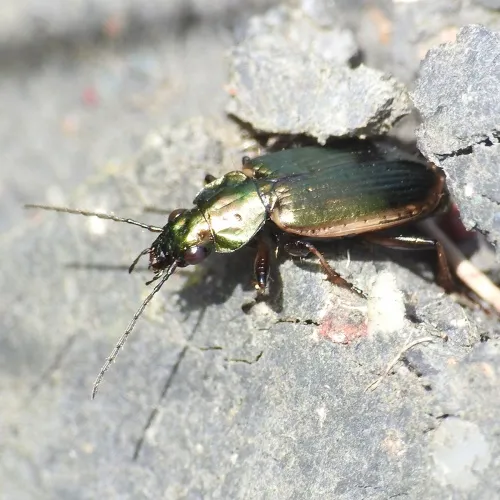
Agonum marginatum
Agonum marginatum
8.8 to 10.4mm. The overall colour of this medium-sized ground beetle is a coppery-green but the elytra have cream coloured margins. The antennae are dark apart from a paler brown first segment. The hind angles of the pronotum are strongly rounded. Un
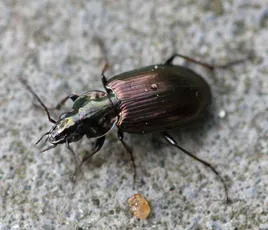
Agonum muelleri
Agonum muelleri
Length 7 to 9 mm. A handsome beetle with a metallic sheen that can vary from golden greens through to maroons and purples in certain light conditions. Mainly in open places, or under stones and in dead wood.
Agonum octopunctatum
Agonum octopunctatum
Identification: green, with 8 dimples on the dorsal surface. our only member of the octopunctatum group
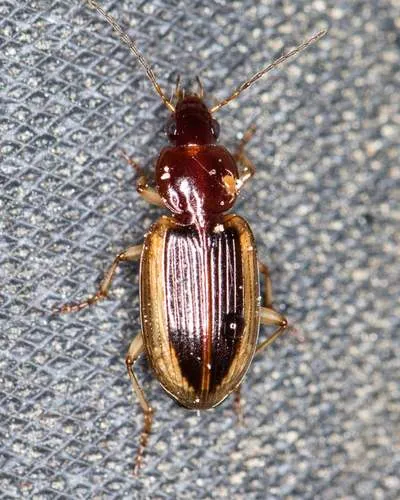
Agonum pallipes
Agonum pallipes
Agonum pallipes is a species of ground beetle in the family Carabidae. It is found in North America.
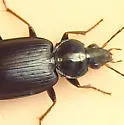
Agonum placidum
Agonum placidum
Identification: Black, at least partially with a metallic luster dorsally. Interval 3 with at least 5 non-foveate punctures. Has been collected by pitfall trapping, turning stones, sweeping & beating vegetation, light trapping, & turning drift debri
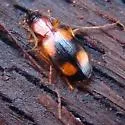
Agonum quadrimaculatum
Agonum quadrimaculatum
Identification: Rufo-testaceous, head black, elytra black with a large humeral spot confluent with that on the opposite side, another very little smaller near the apex. Det. David Kavanaugh Type Locality: collected by Mr. Klages "Feb. 27, 1881, under
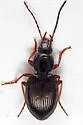
Agonum rigidulum
Agonum rigidulum
Identification: Most like A. punctiforme with fine punctures in elytral striae but differs as follows: flatter lateral to posteriolateral depressions of pronotum, microsculpture on elytra weaker, smaller body size (under 7.5 mm), elytra proportionate
Agonum suturale
Agonum suturale
Agonum suturale (Agonum suturale) is a species in the family Carabidae, commonly known as ground beetles, belonging to the order Coleoptera (Beetles). It is classified within the subfamily Harpalinae, tribe Platynini, suborder Adephaga. This species
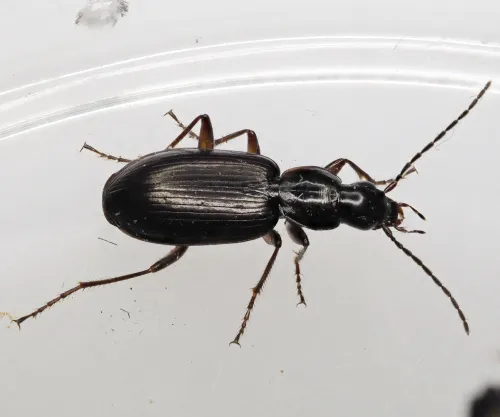
Agonum thoreyi
Agonum thoreyi
6 to 8 mm long. A. thoreyi occurs in two colour forms: one with the upper surface black or dark brown (sometimes with the elytra a little lighter), and the other has a pale yellow to brown elytra which is darker along the suture. Agonum thoreyi shoul
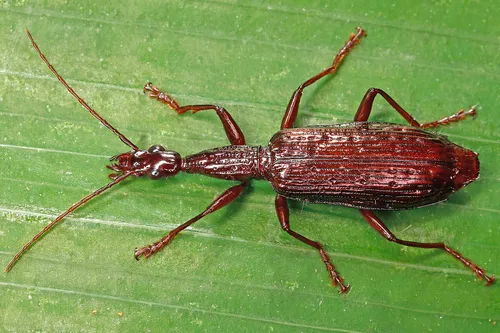
=NOT IN OUR AREA=
Agra oblongopunctata
Townsend (1902): Agra oblongopunctata , Chevr. - Beaten from masses of clematis vines in palmetto thickets at San Tomas, June 16th and 27th. Beaten from clematis in woods back of Fort Brown, July 3rd. Distr. This is a distinctively tropical Mexican g
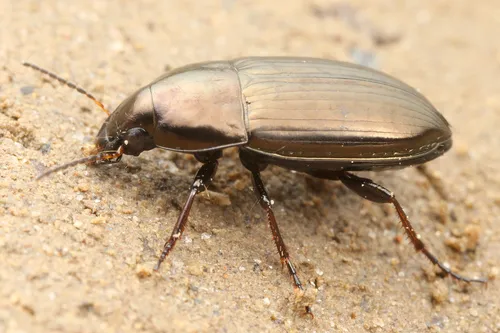
Common Sun Beetle
Amara aenea
Length: 6.5 - 9mm. One of many very similar Amara species, this is one of the most common with an obvious shiny brass/copper appearance. Its legs have black femora and brown tibiae. The scutellary pore is absent and it has fine striae. The antennae a
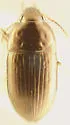
Amara aeneopolita
Amara aeneopolita
Identification: first two antennomeres pale, rest dark; ABL &ly;7 mm; ♂ metabia with long brush of dense setae; elytron with 2 setae in 7th striae apically; dorsum blackish-bronze, relatively shiny.
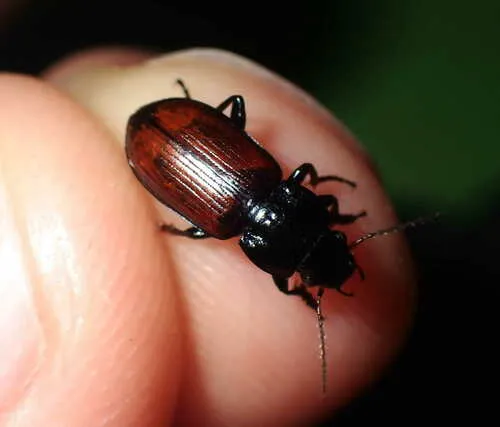
Amara alpina
Amara alpina
Amara alpina is a species of beetle of the genus Amara in the family Carabidae. It is native to northern parts of Europe and Asia. It was first described by the Swedish entomologist Gustaf von Paykull in 1790.
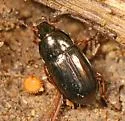
Amara anthobia
Amara anthobia
Identification: dorsal habitus earliest record in our area: DC area 1964
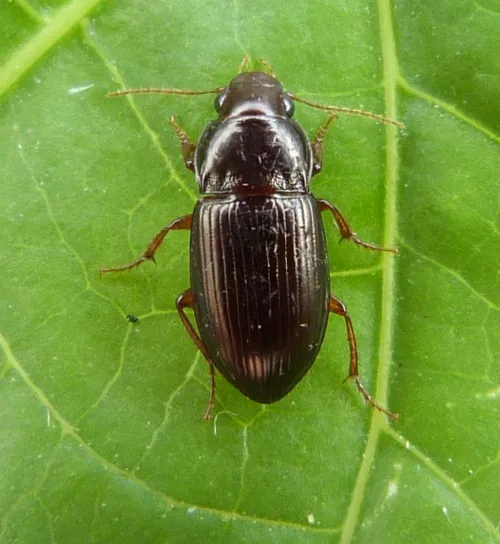
Amara apricaria
Amara apricaria
A 6.5 to 9mm long brownish black Amara beetle. Open dryish habitats like gardens, field margins and waste ground. All year round, but most likely to be recorded in summer and autumn. Fairly frequent and widespread in much of Britain, although probabl
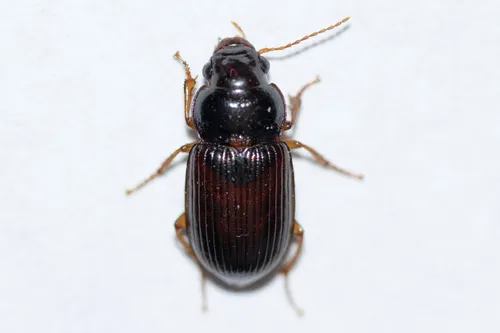
Amara avida
Amara avida
Amara avida is a species of beetle of the genus Amara in the Carabidae family.
Amara belfragei
Amara belfragei
Identification: Antennae and legs entirely rufo-testaceous Type: Collected by Belfrage at Waco, Texas.
Amara bifrons
Amara bifrons
Identification: images: ▢ ▪ ▢ ▪ ▢ earliest record in our area: NS 1929
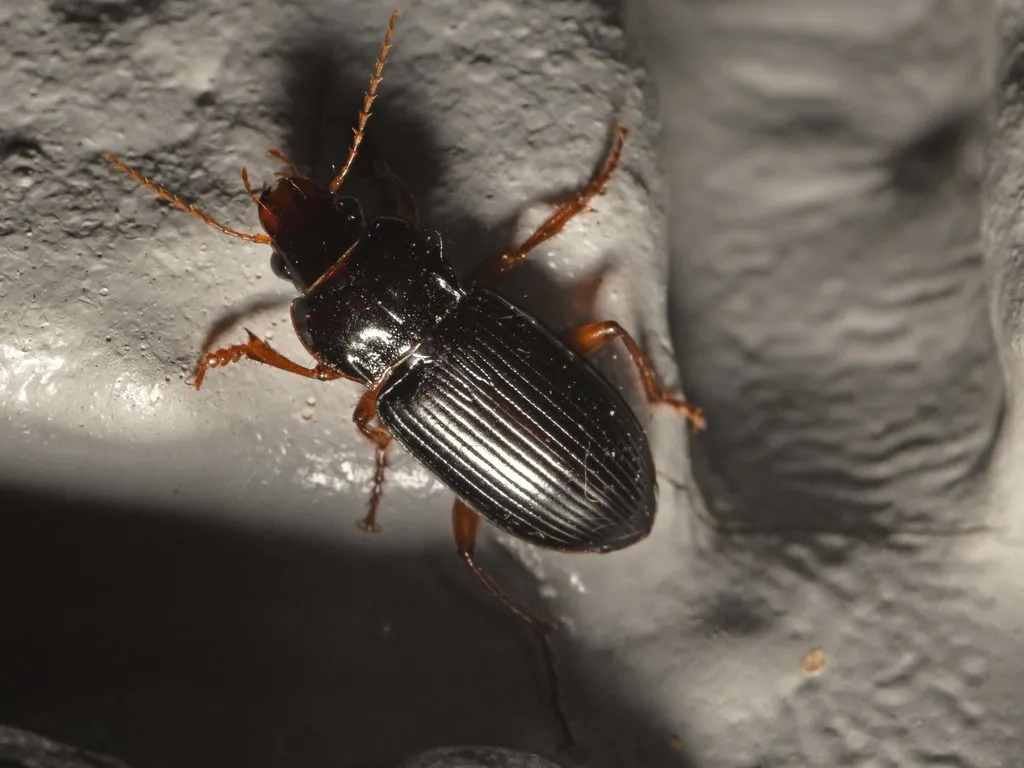
Amara carinata
Amara carinata
Amara carinata is a species of beetle of the genus Amara in the Carabidae family.
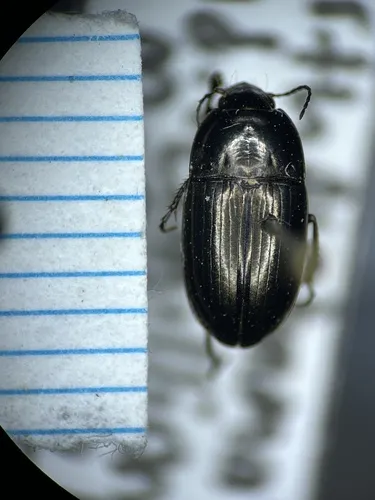
Amara coelebs
Amara coelebs
Amara coelebs is a species of beetle of the genus Amara in the Carabidae family.
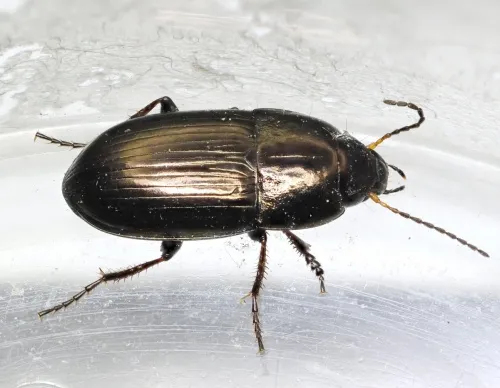
Amara communis
Amara communis
Length 6 to 8mm with a dark brassy appearance. It is one of many similar Amara beetles and detailed examination is needed. Amara communis lacks a scutellary pore, has pale antennal 1-3 segments, punctures around the pronotal foveae and gap along the
Amara crassispina
Amara crassispina
Identification: Holotype clues separating it from sibling species:
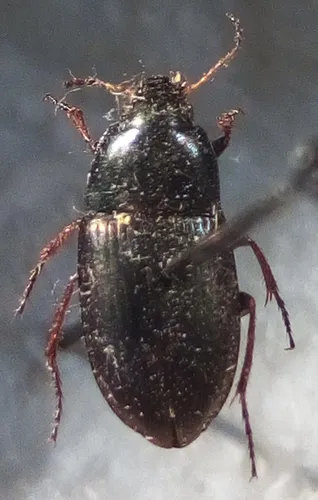
Amara cupreolata
Amara cupreolata
Amara cupreolata is a species of seed-eating ground beetle in the family Carabidae. It is found in North America.
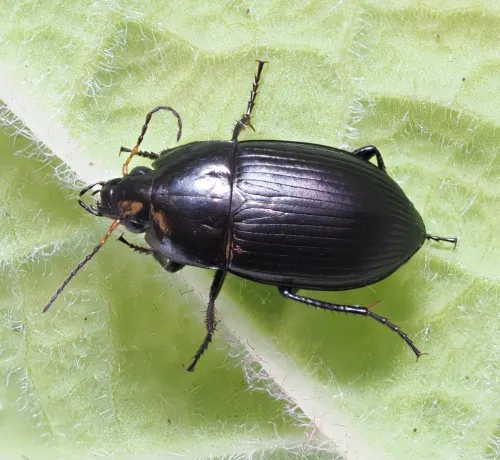
Amara eurynota
Amara eurynota
Length about 9 to 11.5 mm. This is a brassy bronze green beetle. There are several other similarly coloured species, which are a very difficult group to identify, although Amara eurynota is the largest. Widespread and fairly frequent in Britain.
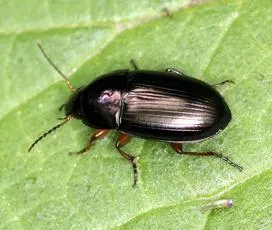
Amara familiaris
Amara familiaris
It is small, around 5-7 mm with a dark metallic lustre and red/brown legs. The front corners of the pronotum are sharp which helps to distinguish this from other similar Amara species. Most often seen between spring and summer
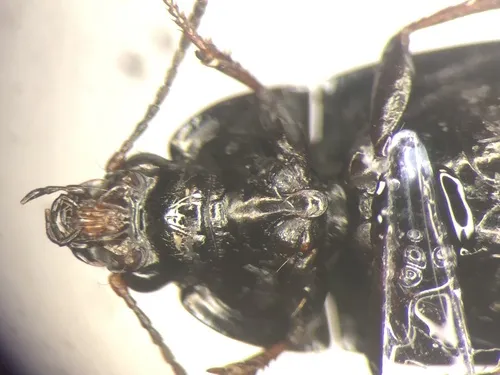
Amara glacialis
Amara glacialis
Amara glacialis is a species of seed-eating ground beetle in the subfamily Carabinae. It is found in Siberia and North America.
Amara impuncticollis
Amara impuncticollis
Identification: neotype rarely collected in the northeast
Amara insularis 0
Amara insularis
Identification: syntype • questionably distinct from A. insignis
Smooth-winged Sun Beetle
Amara laevipennis
Amara laevipennis is a species of seed-eating ground beetle in the family Carabidae. It is found in North America.
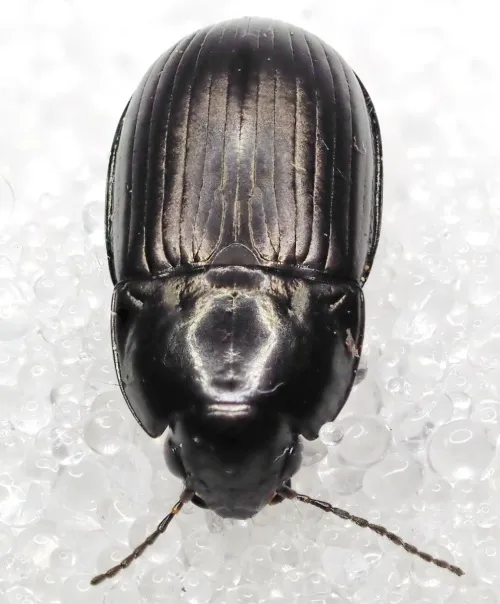
Amara lunicollis
Amara lunicollis
7.5 to 9 mm long. Quite similar to other members of the genus and detailed examination is required. Unless identified by a recognised expert, a photo is required, and the specimen should be examined with a microscope. In the comments box, state the k
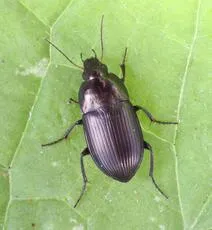
Amara ovata
Amara ovata
One of the many similar Amara beetles, this one is around 9mm and is all black, often with a green/brassy reflection. It differs from the similar A. similis by having all black legs. The pronotum is as wide as the elytra and has evenly rounded sides.
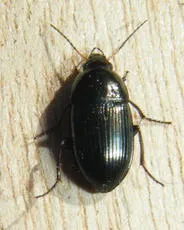
Amara plebeja
Amara plebeja
A 6 to 8 mm long, bronze-black or greenish species. It is one of several similar species and detailed examination may be required to be certain of species identification. Where a photograph is surrounded by a red box it means the subject is likely to
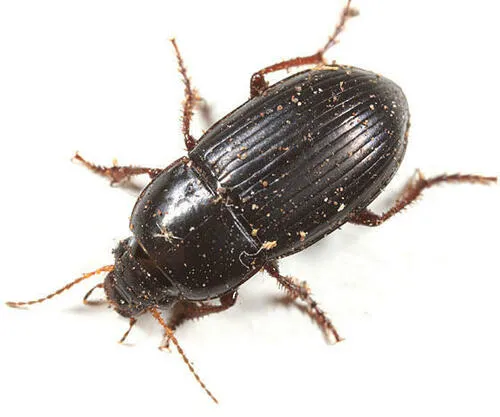
Amara rectangula
Amara rectangula
Amara rectangula is a species of ground beetle in the family Carabidae, found in the United States and Mexico.
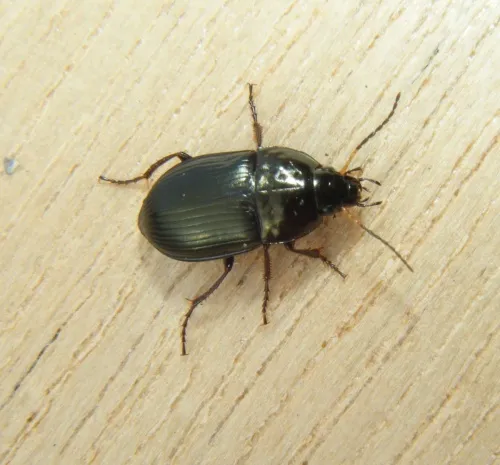
Amara similata
Amara similata
This Amara is 8-9mm with a metallic (brass/copper) sheen. Like A. aenea it has black femora and brown tibiae. It has shallow depressions (foveae) on the pronotum. Detailed examination with a microscope or good lens is needed to separate this species
Great Plains Giant Tiger Beetle
Amblycheila cylindriformis
Identification: All black to brownish. Entire surface of elytra covered with pits--distinctive character for this species . See key on genus page. This flightless and nocturnal sp. was first coll'ed by Say along the Arkansas River near the Rocky Moun
South Texas Giant Tiger Beetle
Amblycheila hoversoni
Identification: See key on genus page. It's rather remarkable that this largest of all New World tiger beetles was only just described in 1990...
Plateau Giant Tiger Beetle
Amblycheila picolominii
Plateau Giant Tiger Beetle (Amblycheila picolominii) is a species in the family Carabidae, commonly known as ground beetles, belonging to the order Coleoptera (Beetles). It is classified within the subfamily Cicindelinae, tribe Amblycheilini, suborde
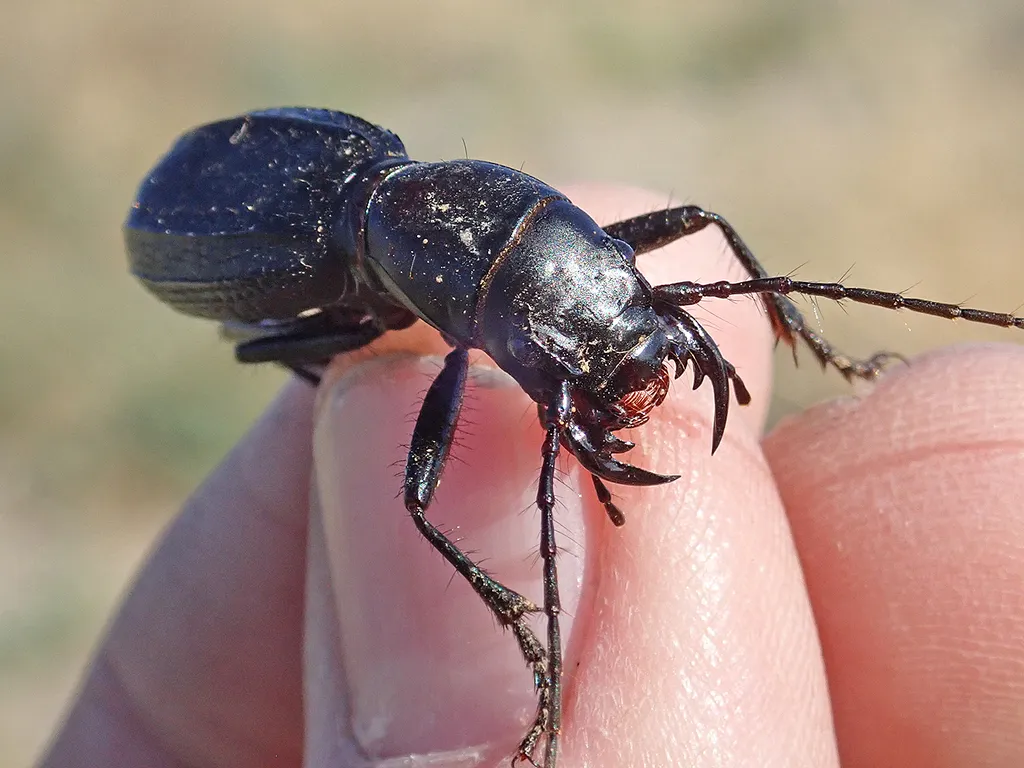
Mojave Giant Tiger Beetle
Amblycheila schwarzi
Amblycheila schwarzi, also known as the Mojave giant tiger beetle, is a flightless and nocturnal tiger beetle species found in the southern United States. A. schwarzi was first described by German entomologist Walther Horn in 1904.
Amerinus linearis
Amerinus linearis
Identification: Pronotum and mandibles unusually narrow and prolonged (for a harpaline); deep basal impressions of pronotum.
Amerizus spectabilis
Amerizus spectabilis
Amerizus spectabilis, also known as spectacular riverbank ground beetle, is a species of ground beetle in the family Carabidae. It is found in North America along the Pacific coast from Alaska to California.
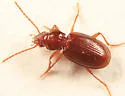
Amerizus wingatei
Amerizus wingatei
Identification: body depigmented (reddish-brown), eyes reduced, mandibles straight and elongated
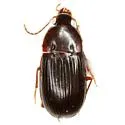
Anatrichis oblonga
Anatrichis oblonga
one spmn collected by Wickham along the Rio Grande near Brownsville, Cameron Co., TX in the late 1800's.
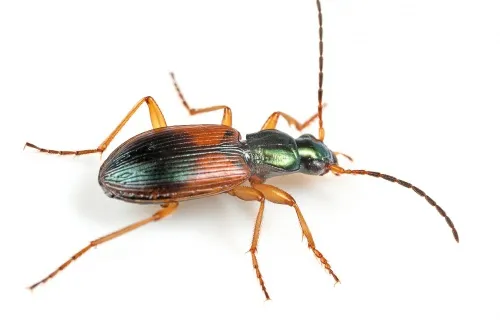
Anchomenus dorsalis
Anchomenus dorsalis
Length of 8-9mm. One of the most colourful species of this genus. The elytra vary from orange to greeny-black with large chestnut red or orange patches at the shoulders, whilst the thorax is a brassy green, and the legs are yellow. Various including
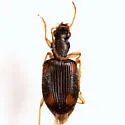
Anchonoderus quadrinotatus
Anchonoderus quadrinotatus
Identification: Check the Info tab under the genus page "Anchonoderus" for descriptive information. Horn (1878) described this sp. from two spmns.
Anchonoderus schaefferi 0
Anchonoderus schaefferi
Anchonoderus schaefferi is a species of ground beetle in the family Carabidae. It is found in North America.
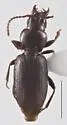
Anillinus alleni
Anillinus alleni
Identification: The males have incredibly large spines on the metafemora. The females also have modified metafemora, the only described species in which females have modified legs .
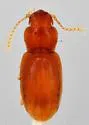
Anillinus barri
Anillinus barri
Identification: The male genitalia are very distinctive.
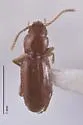
Anillinus davidsoni
Anillinus davidsoni
Named in honor of Robert L. Davidson, carabid expert and longtime collection manager of invertebrate zoology at the Carnegie Museum of Natural History.
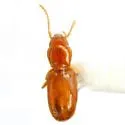
Anillinus depressus
Anillinus depressus
Identification: Adults of Anillinus depressus are distinguished easily from those of other Texan species of the genus by the following combination of external characters: small size, markedly elongated habitus, laterally oblique pronotal basal margin
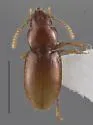
Anillinus docwatsoni
Anillinus docwatsoni
Identification: See redescription in . Named after the famous guitarist Doc Watson, who, like these beetles, was also blind.
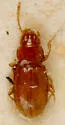
Anillinus dohrni
Anillinus dohrni
Identification: Impossible to identify, because it is known from a single female from an unknown locality.
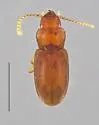
Anillinus kingi
Anillinus kingi
Described from a single specimen collected in 1976 ; in recent years, Tim King has collected hundreds of individuals from deep soil near his home [C. Harden, personal observation]. As in most Anillinus species, these large series reveal variation in
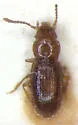
Anillinus sinuaticollis
Anillinus sinuaticollis
Apparently known from only the female holotype, collected at a peach orchard somewhere in Roane Co., TN.
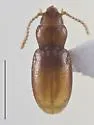
Anillinus smokiensis
Anillinus smokiensis
This species has been considered a "troglobite", but it is not known from troglobitic habitats. The type series was sifted from leaf litter in a cave entrance, a microhabitat that usually contains a fauna similar to the surface.
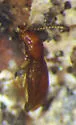
Anillinus steevesi
Anillinus steevesi
Identification: Adults are variable in external characters; male genitalia are distinctive Barr's holotype was never deposited at CMNH in his lifetime, and has not been found in his materials acquired after his death; he might not have ever designate
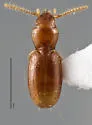
Anillinus unicoi
Anillinus unicoi
Described from a single male collected by sifting litter , the species is more easily collected by searching under rocks at the type locality or by using pipe traps (C. Harden pers. obs.) Part of the " moseleyae -group" of species, which are all soil
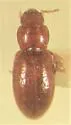
Anillinus virginiae
Anillinus virginiae
In the opinion of C. Harden, based on five years of collecting and studying Anillinus in Virginia, this name refers to a widespread litter-dwelling species in the langdoni-group and not the species that Jeannel illustrated the median lobe of; if this
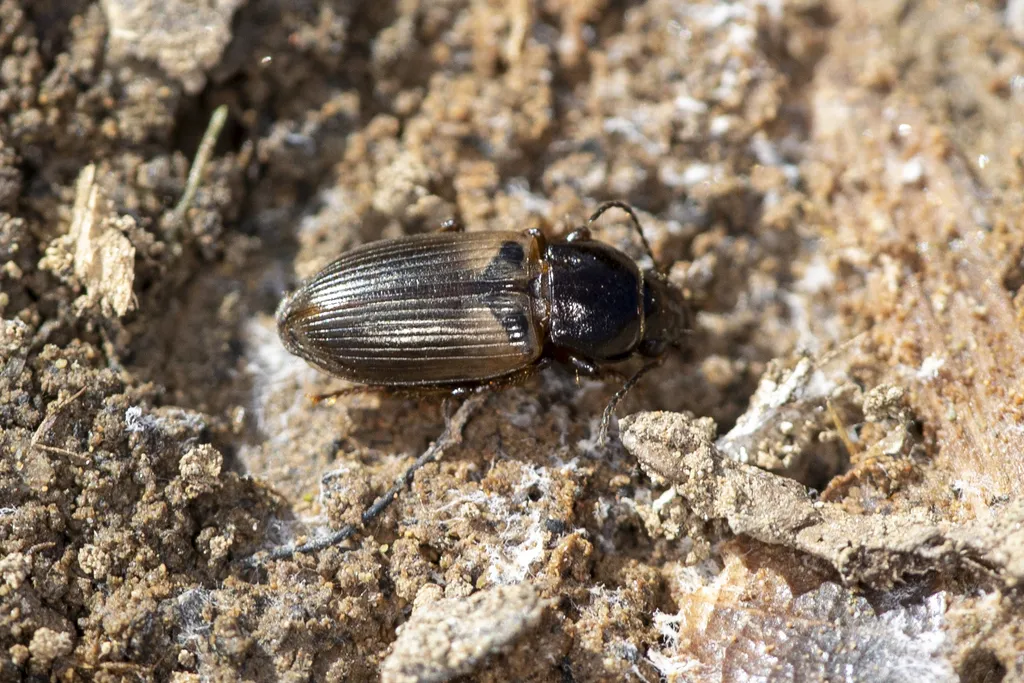
Anisodactylus alternans
Anisodactylus alternans
Anisodactylus alternans is a species of ground beetle in the family Carabidae. It is found in North America.
Anisodactylus anthracinus
Anisodactylus anthracinus
Identification: Closest to allopatric A. merula in published keys, but much more convex and is restricted to the southwest
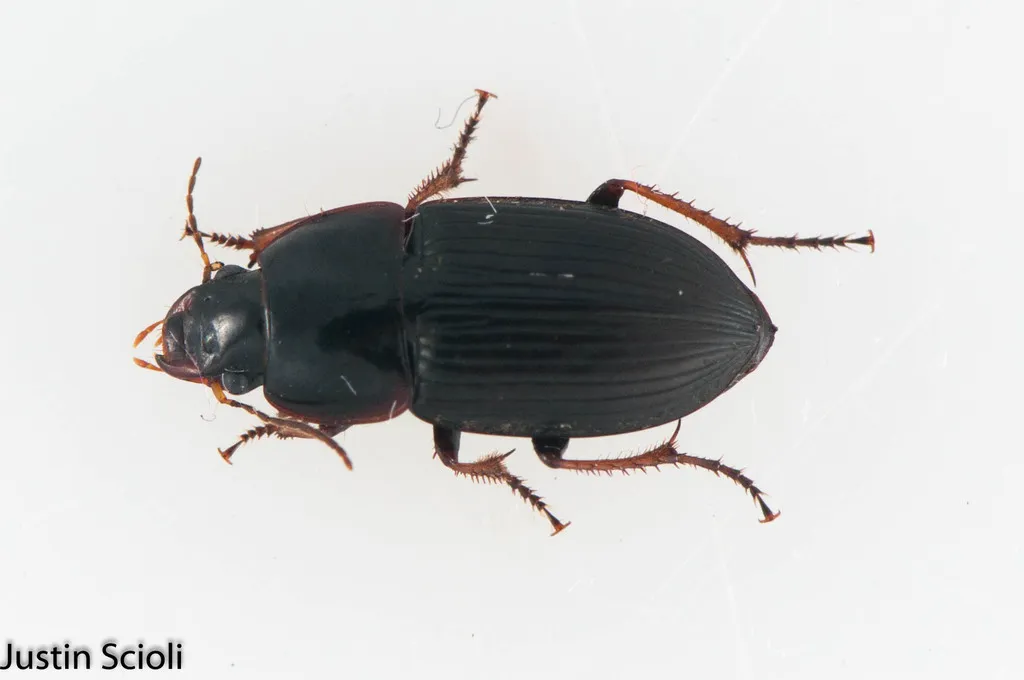
Anisodactylus dulcicollis
Anisodactylus dulcicollis
Anisodactylus dulcicollis is a species of ground beetle in the family Carabidae. It is found in North America.
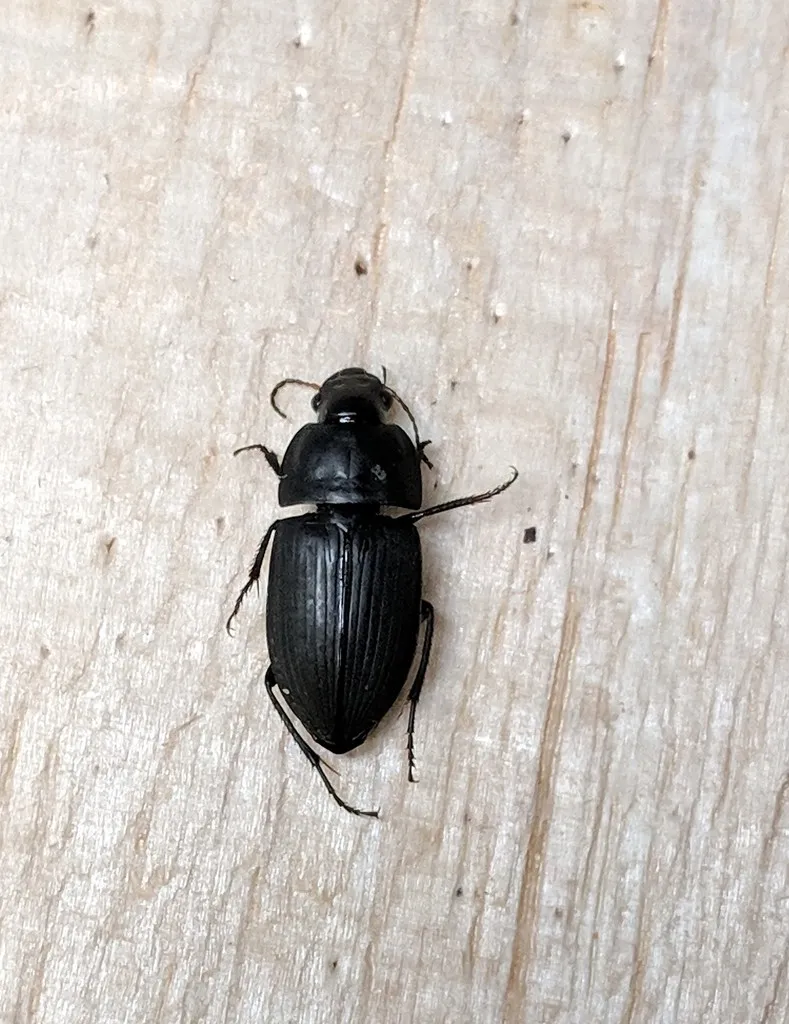
Anisodactylus haplomus
Anisodactylus haplomus
Identification: Protibial spur trifid, clypeus with one pair of setae, frontal fovea not prolonged, very fine punctules distributed rather densely and uniformly on frons. The published distinction regarding thickness of the prontal lateral bead does
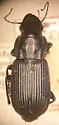
Anisodactylus lodingi
Anisodactylus lodingi
Identification: "suborbiculate pronotum with very deep and prominent lateral depressions and broadly rounded posterior angles" "The species might be extinct; the only specimen I am aware of that was collected after 1927 is a male taken at Lcedale, Ge
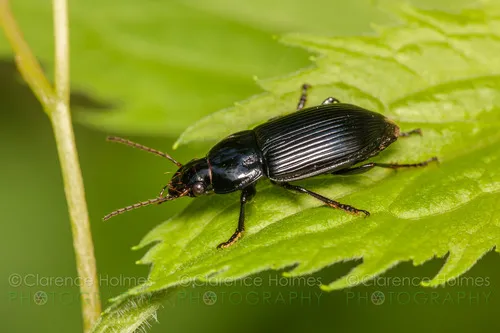
Anisodactylus melanopus
Anisodactylus melanopus
Anisodactylus melanopus is a species of ground beetle in the family Carabidae. It is found in North America.
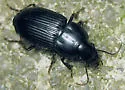
Anisodactylus nigerrimus
Anisodactylus nigerrimus
Identification: Clues include a pair of setae (bristles) on each side of clypeus plus pronotum with lateral margins minimally deplanate and hind angles rounded.
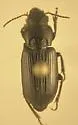
Anisodactylus rudis
Anisodactylus rudis
Identification: Photos of Holotype (MCZ #5959) Here . Pronotum cordate and coarsely punctate anteriorly on disc. Elytra with intervals 2, 4, and 6 coarsely setose .
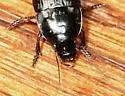
Anisodactylus rusticus
Anisodactylus rusticus
Anisodactylus rusticus (Anisodactylus rusticus) is a species in the family Carabidae, commonly known as ground beetles, belonging to the order Coleoptera (Beetles). It is classified within the subfamily Harpalinae, tribe Harpalini, suborder Adephaga.
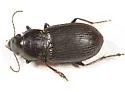
Anisodactylus similis
Anisodactylus similis
Identification: From Noonan: "Adults resemble A. binotatus in having pubescent outer elytral intervals. However they differ by having: short fine setae on the sides of the frons of the head; the pronotal disk densely punctate and wrinkled posteriorly
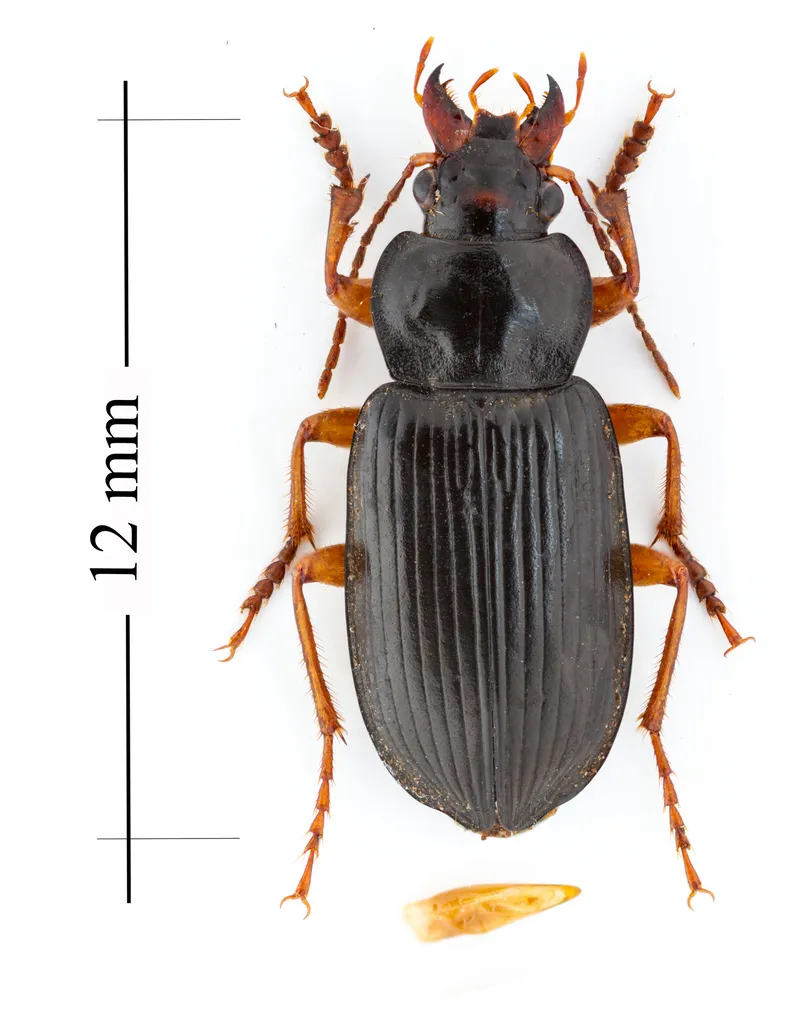
Anisodactylus (Spongopus) verticalis
Anisodactylus verticalis
the only member of the precinctive Nearctic subgenus Spongopus (that may not be closely related to Anisodactylus
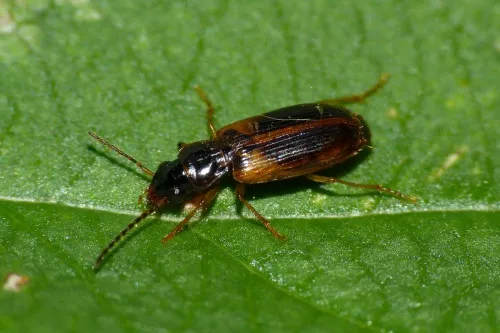
Anthracus consputus
Anthracus consputus
A 3.8 to 5 mm long, brown ground beetle. Good photograph required, please also state size. Found amongst grass and leaves in shady or damp places and at the margins of still water. Most records seem to be in spring and early summer. Widespread in the
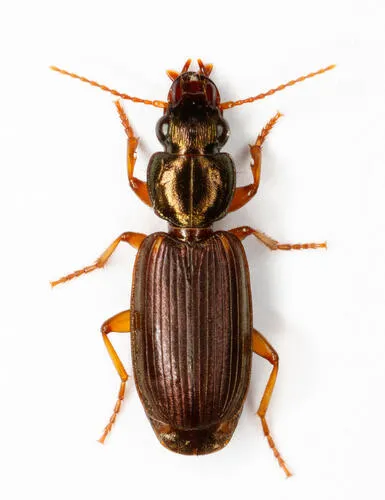
Apenes angustata
Apenes angustata
Identification: The type at the NMNH has a bright green forebody contrasting with the wine colored elytra, and the strigae on the frons are less strongly impressed than in lucidula . From Schwarz’s description: “Of the same size as A. lucidula, but n
Apenes lucidula
Apenes lucidula
Identification: among the two eastern spp., can be distinguished by densely rugose head (sparsely punctate in A. sinuatus ) comes to lights
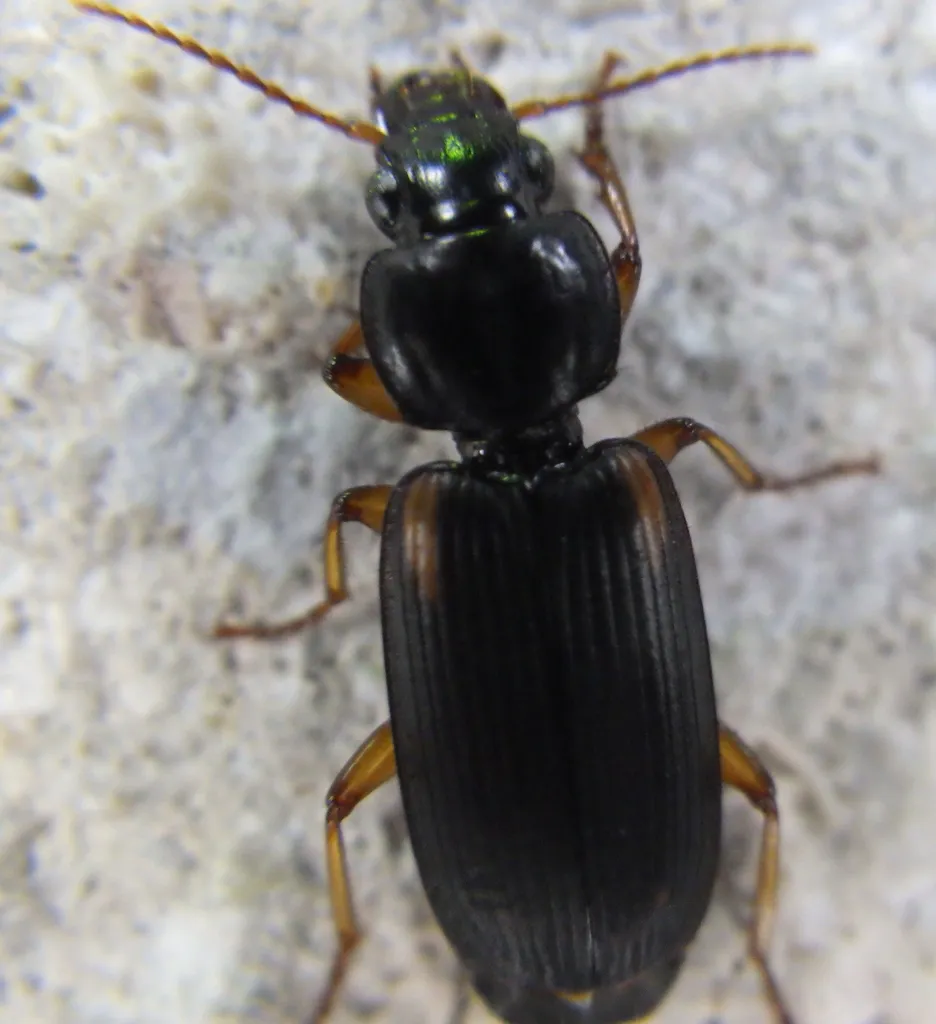
Apenes parallela
Apenes parallela
Apenes parallela is a species of ground beetle in the family Carabidae. It is found in the Caribbean and North America.
Apristus laticollis
Apristus laticollis
Identification: "A far western species distinguished (in part) by shiny metallic luster and fading of elytral striae laterally." -P.W. Messer
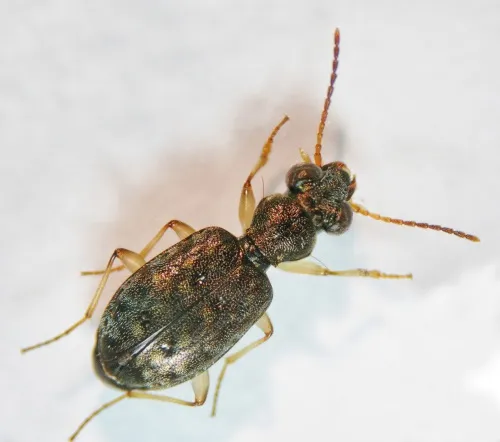
Asaphidion curtum
Asaphidion curtum
Length about 4 or 5 mm. A shiny metallic bronze beetle sometimes with violet or blue overtones. The elytra have prominent depressions. This species has very prominent eyes. Antennal segments 6-10 yellow/brown, c.f. segments 6-10 blackish/brown in Asa
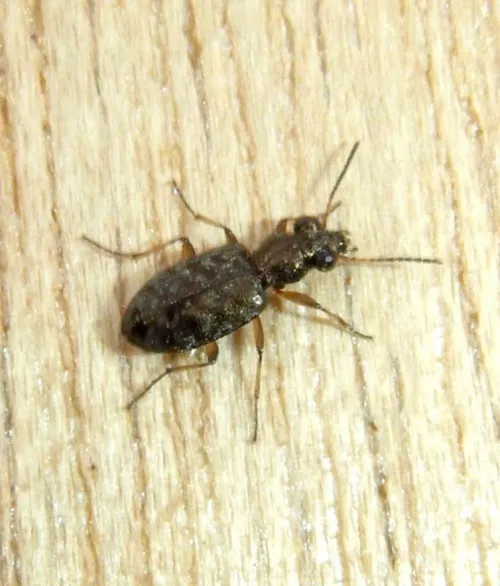
Asaphidion stierlini
Asaphidion stierlini
This is a very handsome beetle, the entire upper surface shiny metallic bronze mottled with violet or blue overtones. Despite the distinctive appearance there are other very similar species and detailed examination is necessary to reach a sound id. V
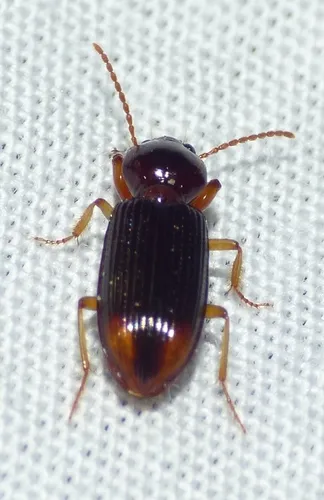
Lesser Tail-light Carabid
Aspidoglossa subangulata
Aspidoglossa subangulata is a species of ground beetle in the subfamily Scaritinae. It was described by Chaudoir in 1843.
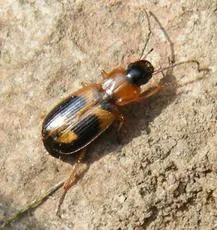
Badister bullatus
Badister bullatus
Length 5 to 6.5 mm. It has a black head, bright orange-brown pronotum and orange-brown elytra with black markings. The scutellum is black. Found in moss or litter in a variety of habitats including ditches, banks, woodland and gardens
Badister dilatatus
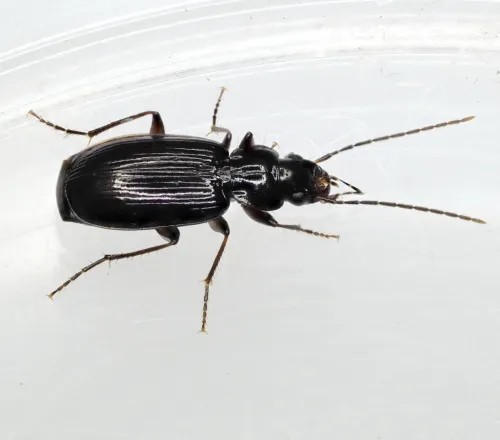
Badister dilatatus
4.5-5.5mm. Black or dark brown. Legs dark brown. Mandibles truncate and left mandible with a dorsal notch. Pronotal hind angles rounded. Badister collaris and B. peltatus but both very rare and only found in the far south of England (so far). Neither
Badister elegans
Badister elegans
Identification: Syntype Side margin of prothorax not wider near base; elytral spots confluent from stria 4 thru 9. Closely resembles B. macitlatus , differs only by the side margin of the prothorax not being wider towards the hind angles, the antenna
Badister flavipes
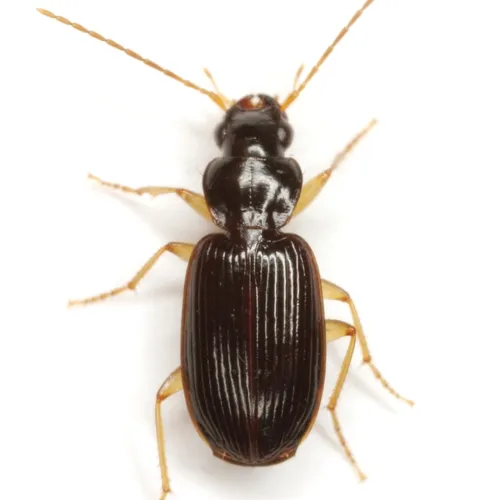
Badister flavipes
Badister flavipes is a species of ground beetle in the family Carabidae. It is found in the Caribbean Sea, Central America, North America, and South America.
Badister maculatus
Badister maculatus
Identification: Det. E. G. Riley, 2010 Type Locality: Lancaster, PA
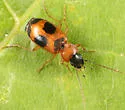
Badister neopulchellus
Badister neopulchellus
Identification: head black; pronotum orange; scutellum and basal half of antenna dark [ B. pulchellus has pale scutellum; pale basal half of antenna; and has a more restricted range]