
Family Fireflies (Lampyridae)
Lampyridae is a family in the order Coleoptera. Browse 99 named species recorded in this family, or open an individual profile for its available identification and natural-history information.
Species in Lampyridae (99)
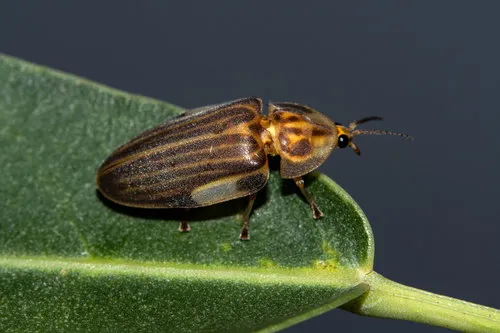
Aspisoma ignitum
Aspisoma ignitum
Identification: dull green in life (Santiago-Blay and Medina-Gaud 1986) In 1935, Josef N. Knull collected one spmn at Brownsville, TX (Fall 1937). This sp. has never been recollected in s. TX, not even during extensive beetle surveys across Cameron a
Aspisoma quasidiaphana
Aspisoma quasidiaphana
Identification: similar to A. diaphana (Gorham), and both species are sympatric; they can be distinguished by their coloration (Figs. 82; 85) and primarily by the development and morphology of the aedeagus. Type Locality: Río Máquinas, Ver. 19.11.82,
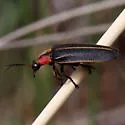
Southwest Spring Firefly
Bicellonycha wickershamorum
Identification: Note the black elytra with yellow margins and elytral suture. Dark black median pronotal vitta, acute hind pronotal corners, all contrast with Photinus knulli (the only Photinus in that area, having concolorous grey elytra, small pron
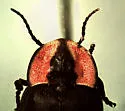
California Glowworm
Ellychnia californica
Identification: Sides of median black area of pronotum straight, diverging from apex to base, with a small antebasal lobe extending into roseate area; in the sympatric E. megista , the black area is subparallel to the base, where it slightly widens (
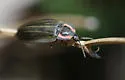
Winter Firefly
Ellychnia corrusca
Winter Firefly (Ellychnia corrusca) is a species in the family Lampyridae, commonly known as fireflies, belonging to the order Coleoptera (Beetles). It is classified within the subfamily Lampyrinae, tribe Lucidotini, suborder Polyphaga, superfamily E
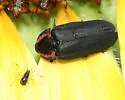
Ellychnia facula
Ellychnia facula
Identification: Lateral vitta of the pronotum wider than black margin, typically with two dark spots along inner margin in the discal area (sometimes merged with discal spot). Elytron with two costae.
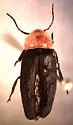
Ellychnia flavicollis
Ellychnia flavicollis
Identification: all-orange pronotum distinctive within the genus • Holotype Has fairly large lights for a diurnal species and they need to be photographed in the dark or otherwise measured to get some idea of how bright they are. Lights of male and f
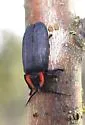
Ellychnia greeni
Ellychnia greeni
Identification: Separated from similar species in its range by the following characters:
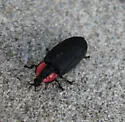
Ellychnia megista
Ellychnia megista
Identification: can be distinguished by black pubescence; CA distribution; convex median portion of pronotum finely punctate and shining; pronotum bicolored; with broad, uninterrupted, red, sub-lateral vittae from apex to base; narrow black lateral e
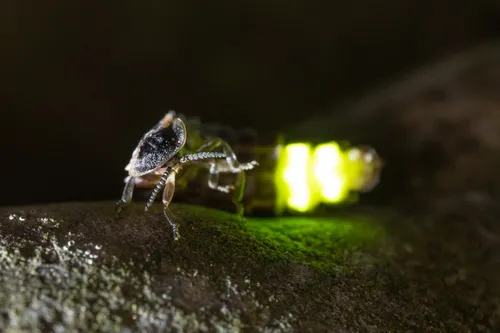
Glow-worm
Lampyris noctiluca
The glow-worm is not really a worm at all, in fact it is a beetle. This is most obvious when you see the male. Lampyris noctiluca presents a conspicuous sexual dimorphism. The males are winged, with brown elytra, a clearer pronotum and a large brown
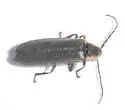
Lucidota punctata
Lucidota punctata
Identification: Similar to L. atra , but much smaller, markings on pronotum somewhat different; elytra lack costae (raised ridges) and have a more coarse granulate to punctate surface pink vittae of pronotum usually tiny, often subtriangular uncommon
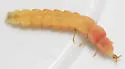
Microphotus chiricahuae
Microphotus chiricahuae
Identification: Quoting Green, p. 88 : This species is closely related to M. pecosensis, from which it differs greatly in the much broader median lobe of the aedeagus and the non-sinuate ventral inner margins of the lateral lobes. Externally it is no
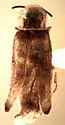
Microphotus decarthrus
Microphotus decarthrus
Identification: The antennae have 10 segments. M fragilis is similar but has larger eyes and Green says maybe fragilis isn't a legitimate species.
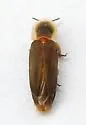
Microphotus dilatatus
Microphotus dilatatus
Identification: our most abundant sp., distinguished from all others (except M. octarthrus ) by the short elytra; plus the hind angles of the pronotum are prominent; in M. octarthrus , elytral tips infuscate and pronotal base straight
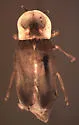
Microphotus octarthrus
Microphotus octarthrus
Identification: our smallest sp., easily recognized by its short elytra with infuscate tips, together with the truncate base of the pronotum. Det. B. Pfeiffer, 2016
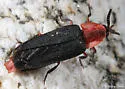
Nelsonphotus aridus
Nelsonphotus aridus
Identification: "You can see a picture of the holotype at my website . Dried specimens lose pronotal convexity and the brilliant color. Only a few male specimens are known. The female is unknown and will be larviform." --Joe Cicero
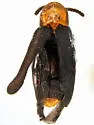
Paraphausis eximius
Paraphausis eximius
females & larvae unknown; males fly by day but do have two tiny lights on last abdominal segment (all the info here from Dr Cicero's comment )
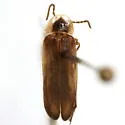
Phausis inaccensa
Phausis inaccensa
Identification: last key couplet: Brunneous to yellowish brown Phausis inaccensa males have no true lanterns (Faust poster) Yellowish brown. Head and median pronotal spot piceous. Elytra olivaceous the lateral margins obscurely paler. Abdomen dark br
Phausis luminosa 0
Phausis luminosa
Holotype. Male, Oklahoma City, Oklahoma. No date, collected by Chapman Grant. Two male paratypes, Lawrence Co., Arkansas, collected by B. C. Marshall. Female unknown.
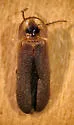
Blue Ghost Firefly
Phausis reticulata
Identification: One of three luminescent species in the genus. According to the description by Fender, males of this all-brown species have large eyes, a short second antennomere (less than half the length of the third), semi-elliptical pronotum (two
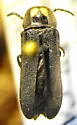
Phausis rhombica
Phausis rhombica
Identification: Rhomboid pronotum distinctive. Body all-black. Transparent windows large, nearly meeting. The similarly shaped Ph. inaccensa is brownish and eastern in distribution.
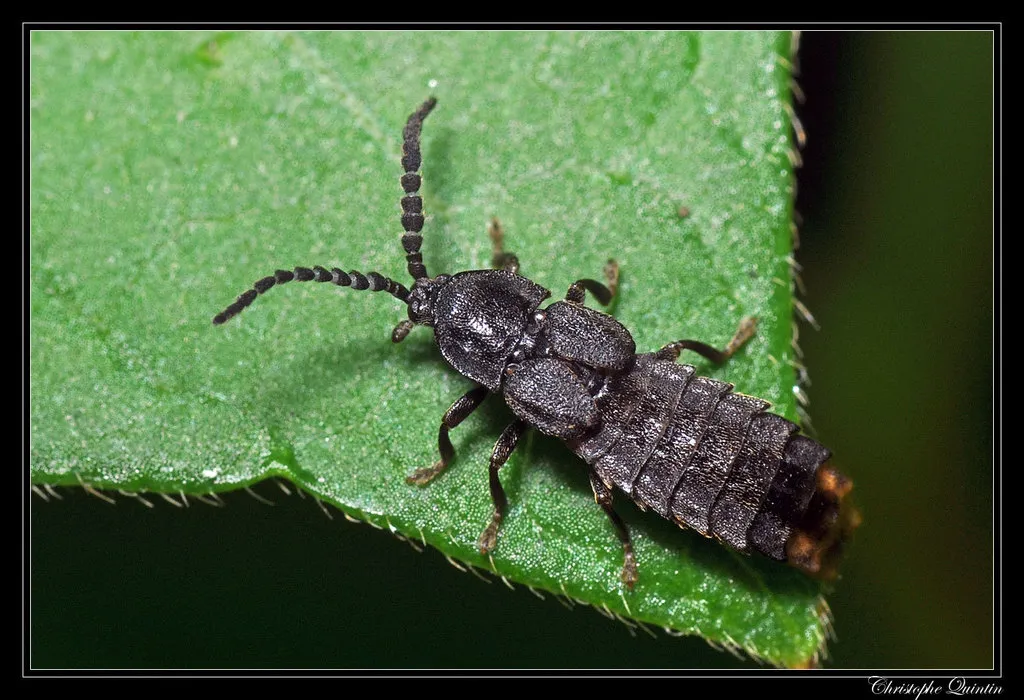
Lesser Glowworm
Phosphaenus hemipterus
Identification: the only known lampyrid with both sexes flightless; adults are diurnal earliest record in our area: NS 1947; the only lampyrid to have been introduced to NA; dispersal abilities of the beetle are limited, so different location where i
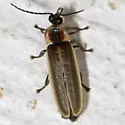
Photinus ardens
Photinus ardens
Identification: Pronotum with broader median dark vitta, its lateral margins somewhat irregular; pale area each side discolored by nubilous brownish or piceous spots, sometimes completely obscured. Form more elongate
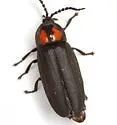
Photinus bivulnerus
Photinus bivulnerus
Identification: pronotal structure distinct, and minute light organs in the second-to-last abdominal segment visible just aft the elytra (comment by J. Cicero)
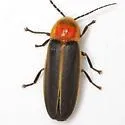
Photinus concisus
Photinus concisus
Identification: Pronotum without central dark spot. Elytra black; sutural bead yellow; lateral explanate margin yellow, becoming fuscous and black apically. Det. M. A. Quinn, 2016 Type Locality: 1 mi. NE Kerrville on RR 16, Kerr Co., Texas.
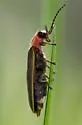
Photinus consimilis
Photinus consimilis
Identification: Form similar to P. pyralis , less elongate. Pronotum with well defined median dark vitta attaining base, slightly broader in front; each side fulvous. Scutellum and mesonotal areas dark piceous. (abbreviated description) ( 4 ) Type Lo
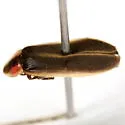
Photinus cookii
Photinus cookii
Identification: diurnal sp. lacking lanterns, thus the small eyes, see Green's description PARATYPE non-luminous , seems to be a very rare sp. Type Locality: Crailhope, Green Co., KY: holotype, 14 paratypes, 19 females, VII-1 to 18-1946, Carl Cook (C
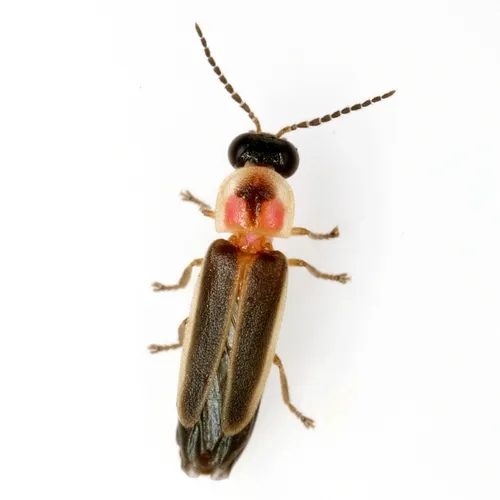
Photinus dimissus
Photinus dimissus
Identification: prothoracic spot elongate, wider in front [ephasis added]; apex and sides dusky, strongly punctured; scutel dusky; male with light organs as usual, fifth ventral and following segments entirely luminous; female light organs entirely w
Photinus granulatus 0
Photinus granulatus
Identification: This species has the rather short antennae and large eyes of dimissus and collustrans , with which it must be associated. The granulate pronotum is a unique character in our species; each granule bears a fine puncture at its summit. T
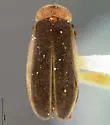
Photinus immaculatus
Photinus immaculatus
Identification: Pronotum without median dark spot, scutellum and mesonotal areas pale fulvous. Form as in P. marginellus . Pronotum without median dark spot, Scutellum and mesonotal areas fulvous. Elytra dark piceous brown, sutural bead distinctly fl
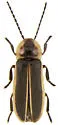
Photinus indictus
Photinus indictus
Identification: MALE, Form similar to P. consanguineus . Pronotum with median dark vitta attaining base and sometimes nearly apex, one-third to two-fifths as wide as convex disk, slightly narrowing posteriorly, sometimes abruptly expanding near base.
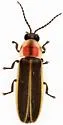
Photinus knulli
Photinus knulli
Identification: differs from other members of the P. consanguineus group by male genitalia the only lekking firefly known in North America (Cicero 1983)
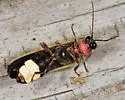
Photinus obscurellus
Photinus obscurellus
Identification: Very much resembles P. ardens , but differs essentially in having the base of the thorax emarginate. (LeConte, 1851) described from one spmn coll'ed in the "Missouri Territory."
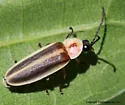
Photinus punctulatus
Photinus punctulatus
Identification: one of the most easily recognized of the Nearctic fauna. The pale pygidium, contrasting sharply with the preceding dark piceons tergites, is duplicated only in the narrowly elongate P. lineellus , occurring in the extreme Southeast. T
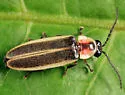
Photinus sabulosus
Photinus sabulosus
courtship flash patterns: males: quick flash every 4 seconds female response, quick flash a half second after the male's flash ( 3 )
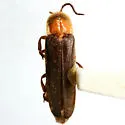
Photinus stellaris
Photinus stellaris
Identification: Elytra entirely black (i.e. lacking pale margins). Pronotum entirely rufous, or rarely somewhat dusky anteriorly Form elongate, as in P. collustrans seems more elongated than other spp. with pale pronota... Described from a series of
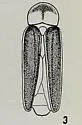
Photinus tanytoxus
Photinus tanytoxus
Identification: 3- Composite drawing ; pronotum showing dark coloration extending posteriorly along midline as found in some individuals of tanytoxus n. sp. and collustrans LeConte; [emphasis added] left elytron with sutural bead as in tanytoxus , ri
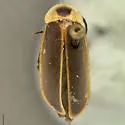
Photinus tenuicinctus
Photinus tenuicinctus
Identification: unique in having the lateral pale border of the elytra confined to the outer edge of the explanate margin. pronotal vitta varies from one-third to three-fifths as wide as the convex disk, and is usually broad at the basal extremity, s
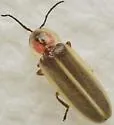
Photinus texanus
Photinus texanus
Identification: Pronotum with median dark vitta attaining base but not apex [but see type], widest in front, narrowest just before base at middle nearly one-third as wide as convex surface; anterior coarsely punctate area dusky medially. Scutellum an
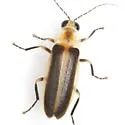
Photuris billbrowni
Photuris billbrowni
Identification: Flash Pattern: weak 1 sec double flash The FP is a pair of short flashes emitted so rapidly that they appear to be a hitched single flash; this FP is emitted at variable intervals averaging 1.0 to 1.8 second at temperatures near 28°/8
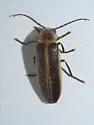
Photuris divisa
Photuris divisa
Identification: the most atypical or unusual of the North American Photuris pronotal disc with a large dark spot on both sides, third joint of the antennae is longer than the 2d. Det. Joe Cicero, 2022 Type Locality: Missouri Territory
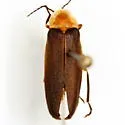
Photuris falli
Photuris falli
Identification: Pronotum entirely pale yellow ( brunnipennis group) Elytra entirely black. Labial margin triangulate. Metasternum concolorous with yellow head and thoracic sternites above and below. Fifth ventral sternite with pale posterior margin,
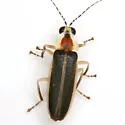
Photuris hebes
Photuris hebes
Identification: small size (about 11 mm. long) and have relatively long antennae, and pale (sometimes slightly infuscate) labrum, but exhibit considerable variation in the extent of the elytral vitta, which usually passes the middle, although it is s
Photuris katrinae
Photuris katrinae
Identification: large size, tawny color, and feeble vittagram, or its complete absence, should make identification certain Type Locality: Lost Maples State Park, Bandera County, Texas, collected 8 July 1992.
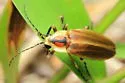
Photuris salina
Photuris salina
Identification: See Photuris hebes . Small size (9-12 mm long), shorter antennae than in hebes , and labrum is practically black (pale to slightly infuscated in hebes ) and feebly tridentate. Pronotal vitta hourglass-shaped. Elytra variable, light to
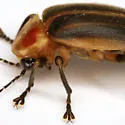
Photuris versicolor
Photuris versicolor
Identification: The useful characters of the original description are: large size; black antennae with the articles a little pale at base; black elytra with margin, suture, and a short vitta yellow; black legs with knees yellow. (but note that Barber
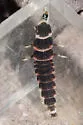
Pleotomus nigripennis
Pleotomus nigripennis
Identification: females should be all pink with short elytra and bipectinate antennae, but they remain undiscovered (Joe Cicero, comment, 2013)
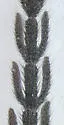
Pollaclasis bifaria
Pollaclasis bifaria
Identification: Antennae with two processes from the base of each joint. rare, local, relictual (?) ( 6 )
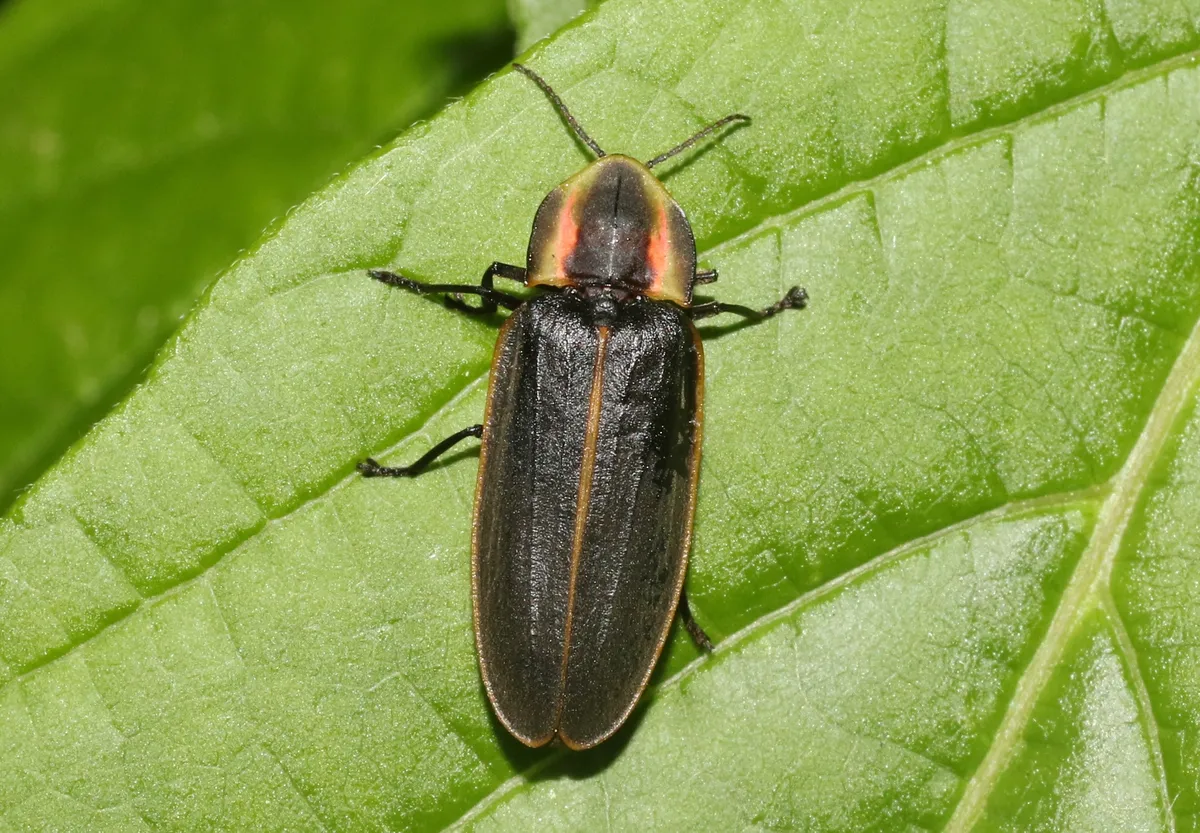
Pyractomena borealis
Pyractomena borealis
Identification: distinguished by the large size, dark color, narrow (sometimes obliterated) pale lateral border of the elytron, and dusky epipleuron.
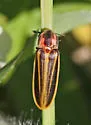
Pyractomena ecostata
Pyractomena ecostata
Identification: The following combination of characters is unique for this species: nearly glabrous dorsal surface, short subcylindric antennae (three-quarters length of pronotum), truncate apex of pronotum, pale costae of elytron (Green 1957)
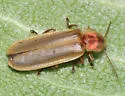
Pyractomena linearis
Pyractomena linearis
Identification: Body narrowly elongate, glabrous. Color pale overall, median stripe brown, pale lateral border of elytron narrow.
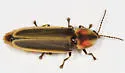
Pyractomena lucifera
Pyractomena lucifera
Identification: This narrowly elongate species is readily identified by the uniform golden pubescence of the pronotum. Also, the black margins of the pronotum do not reach the posterolateral angles.
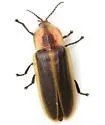
Pyractomena punctiventris
Pyractomena punctiventris
Identification: Det. B. Pfeiffer, 2016 Type series: "Texas; three males; Austin, Mrs. V. O. King; Bosque Co., G. W. Belfrage" (LeConte, 1878)
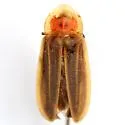
Pyractomena vexillaria
Pyractomena vexillaria
two spmns in the C.A. Triplehorn Insect Collection ( 4 ) examined by Green that were collected by D. J. & J. N. Knull in Val Verde Co., Texas in 1947 & 1948. Type Locality: Veracruz, Mex.
Pyropyga minuta
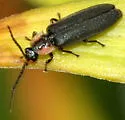
Pyropyga minuta
Identification: pronotum pale with median vitta subparallel-sided, usually somewhat expanded near base extreme genitalic variability suggests a species complex
Pyropyga nigricans
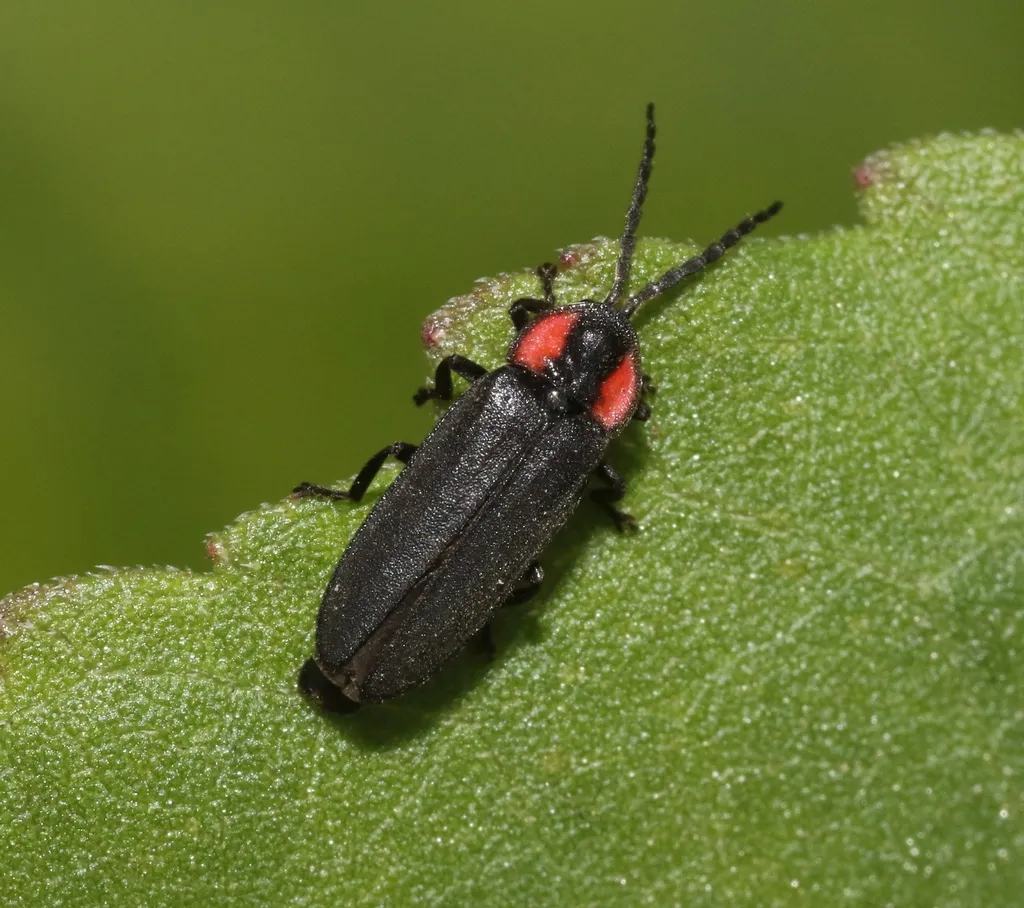
Pyropyga nigricans
Identification: dark pronotal border varies to narrow and paler or indistinct, especially in specimens from Arizona. Complete elimination of the dark border is rare, but has been noted in a series from Corpus Christi, Texas. rather uncommon east of t
Spotted Tortoise Firefly
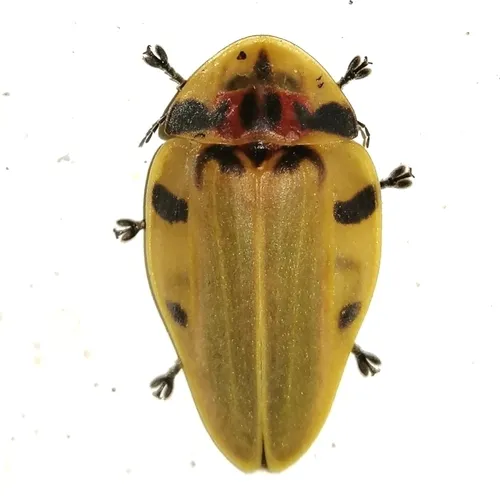
Aspisoma sticticum
Brachylampis blaisdelli
Brachylampis blaisdelli
Ellychnia alexanderi 0
Ellychnia alexanderi
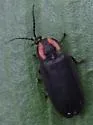
Ellychnia captiosa
Ellychnia captiosa
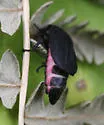
Ellychnia hatchi
Ellychnia hatchi
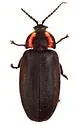
Ellychnia irrorata
Ellychnia irrorata
Ellychnia lacustris 0
Ellychnia lacustris
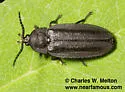
Ellychnia simplex
Ellychnia simplex
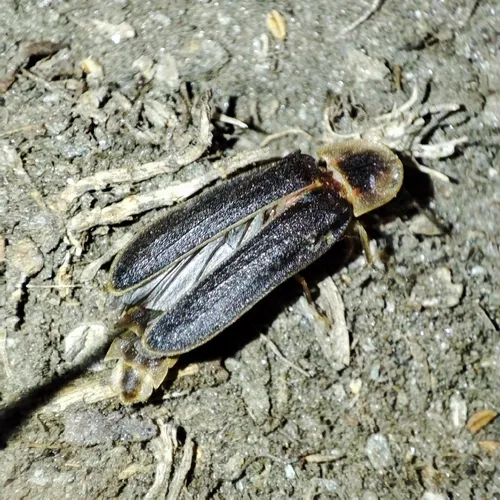
Iberian Glow-worm
Lampyris iberica
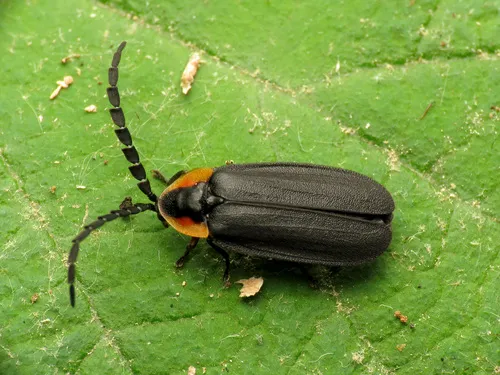
Black Firefly
Lucidota atra
Lucidota luteicollis
Lucidota luteicollis
Florida Intertidal Firefly
Micronaspis floridana
Microphotus angustus
Microphotus angustus
Microphotus fragilis
Microphotus fragilis
Microphotus pecosensis
Microphotus pecosensis
Microphotus undescribed
Microphotus undescribed
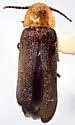
Phausis californica
Phausis californica
Phausis nigra 0
Phausis nigra
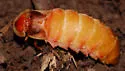
Photinus brimleyi
Photinus brimleyi
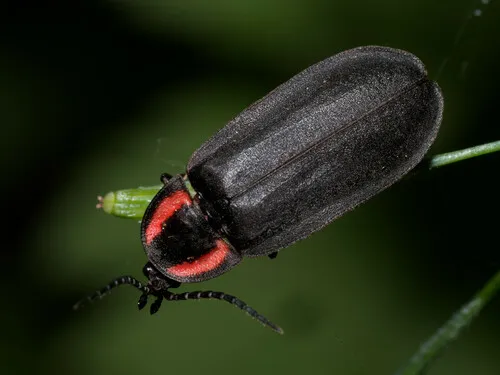
California Glowworm
Photinus californicus
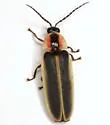
Synchronous Firefly
Photinus carolinus
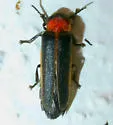
Photinus collustrans
Photinus collustrans
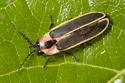
Photinus consanguineus
Photinus consanguineus
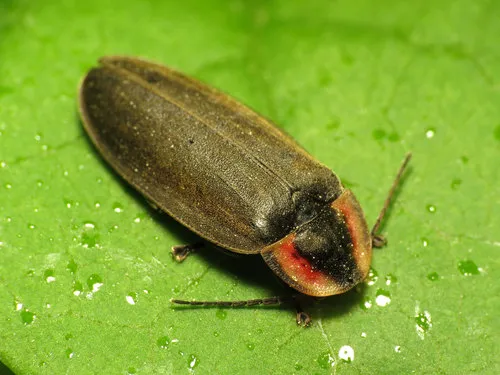
Winter Firefly
Photinus corruscus
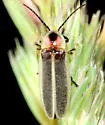
Photinus curtatus
Photinus curtatus
Photinus ignitus
Photinus ignitus
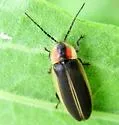
Photinus macdermotti
Photinus macdermotti
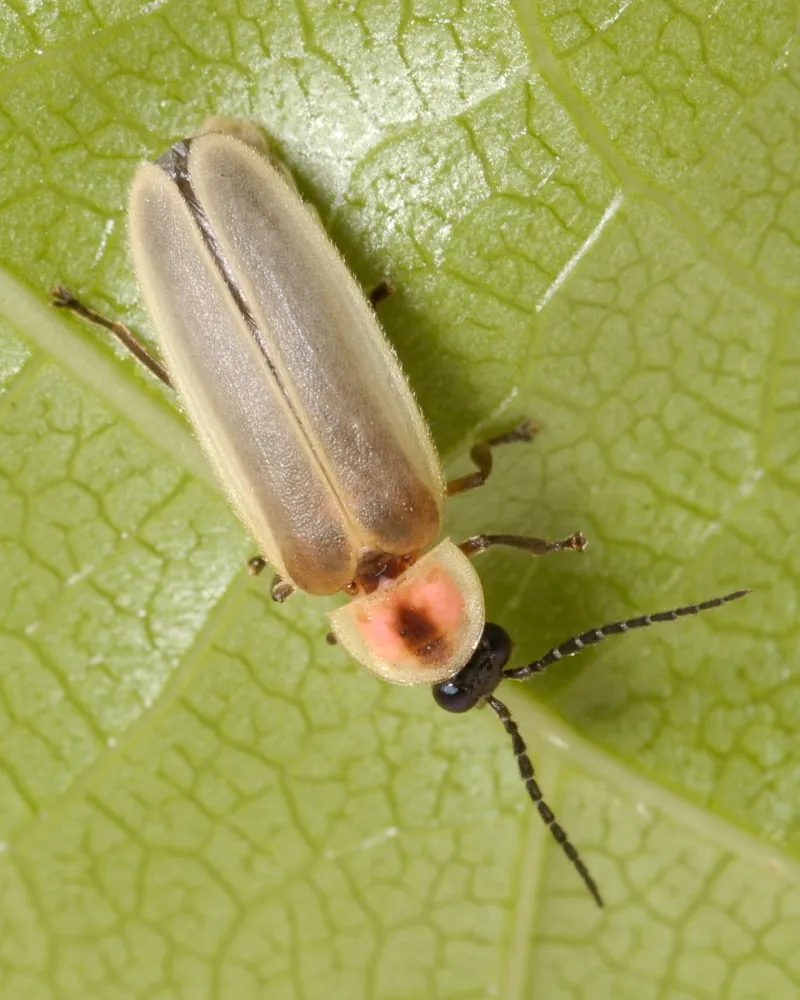
Photinus marginellus
Photinus marginellus
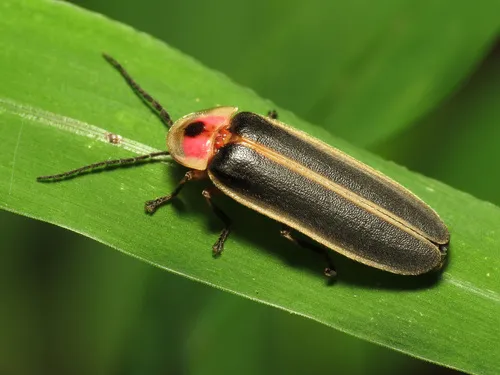
Big Dipper Firefly
Photinus pyralis
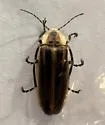
Photinus scintillans
Photinus scintillans
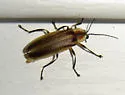
Photuris caerulescens
Photuris caerulescens
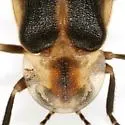
Photuris fairchildi
Photuris fairchildi
Photuris frontalis
Photuris frontalis
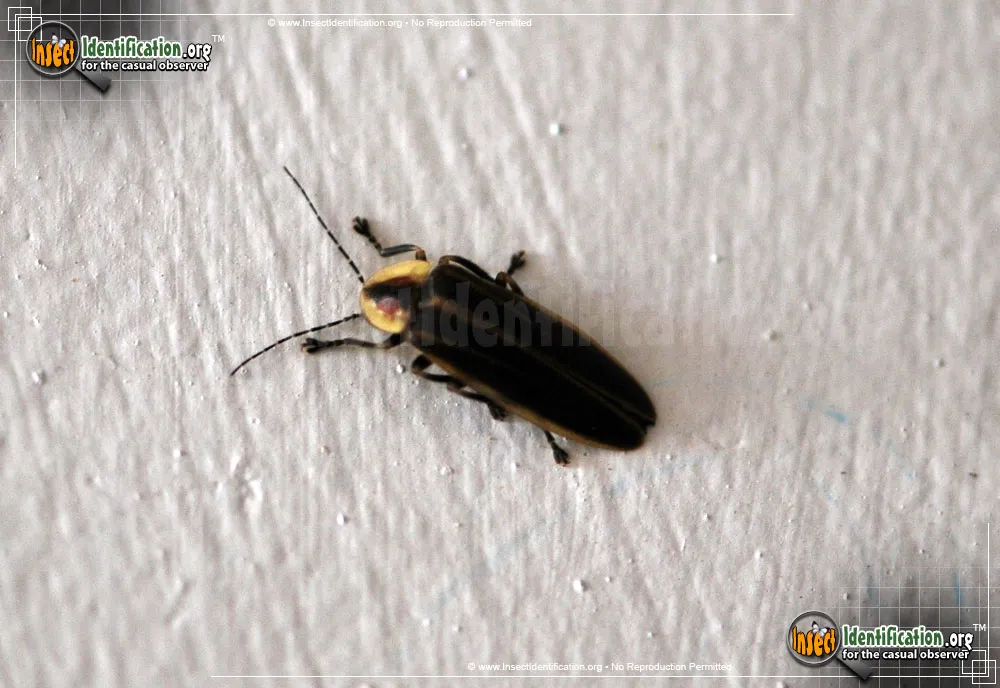
Pennsylvania Firefly
Photuris pennsylvanica
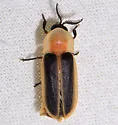
Pleotomus davisii
Pleotomus davisii
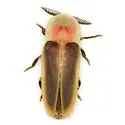
Pleotomus pallens
Pleotomus pallens
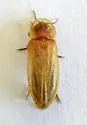
Prolutacea pulsator
Prolutacea pulsator
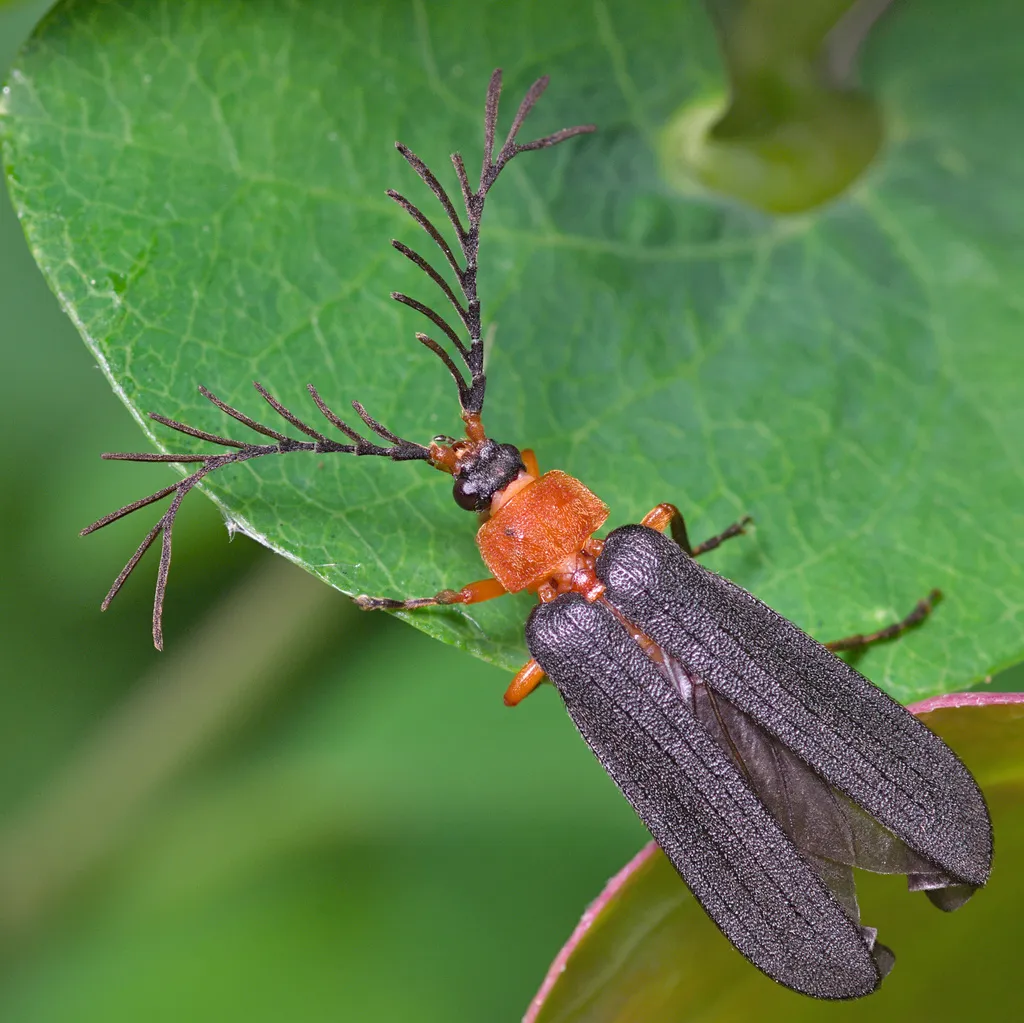
Pterotus obscuripennis
Pterotus obscuripennis
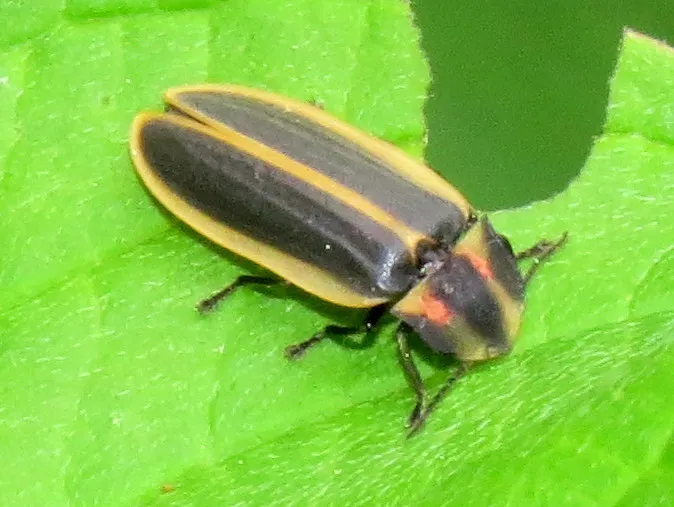
Pyractomena angulata
Pyractomena angulata
Pyractomena dispersa
Pyractomena dispersa
Pyractomena marginalis
Pyractomena marginalis
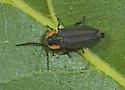
Pyropyga decipiens
Pyropyga decipiens
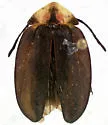
Tenaspis angularis
Tenaspis angularis