
Family Polypore Fungus Beetles (Tetratomidae)
Tetratomidae is a family in the order Coleoptera. Browse 32 named species recorded in this family, or open an individual profile for its available identification and natural-history information.
Species in Tetratomidae (32)
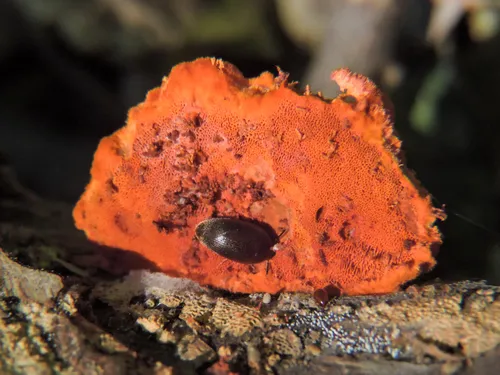
Eustrophopsis arizonensis
Eustrophopsis arizonensis
Identification: "the key character for arizonensis is the rugosity of the proepisterna. The overall shape, however, and color of antennomeres would lead me to think E. ornatus (Van Dyke). If the above mentioned structure is smooth and not rugose, the
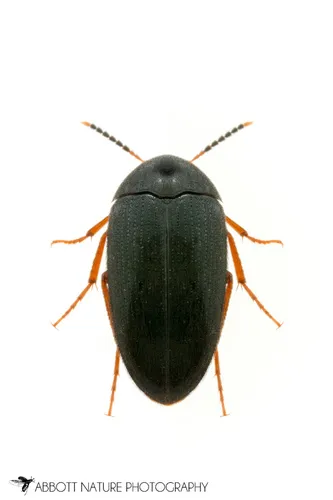
Eustrophopsis bicolor
Eustrophopsis bicolor
Identification: may be separated from the other Nearctic Eustrophinae based on the following: antennomeres 1–4 rufous, 5–10 piceous to black, 11 yellow-orange; pronotal punctures not larger than diameter of setae; males with oval setiferous pit on ve
Eustrophopsis confinis
Eustrophopsis confinis
Identification: the only Nearctic species of Eustrophinae with a combination of widely separated eyes, and transverse ridges on the outer surface of the meso- and metatibiae quite uncommon
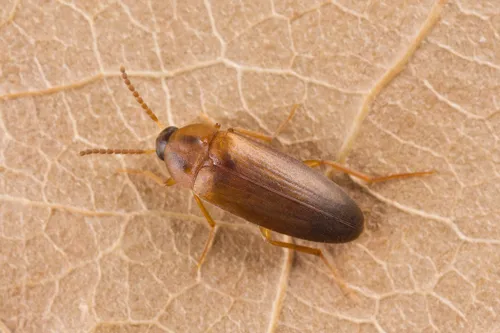
Hallomenus binotatus
Hallomenus binotatus
An all brown beetle, sometimes paler around the shoulders and pronotum. The legs are also pale brown. Most likely to be encountered in summer and autumn. The larvae are associated with fungi usually bracket fungi. Scattered records from most part
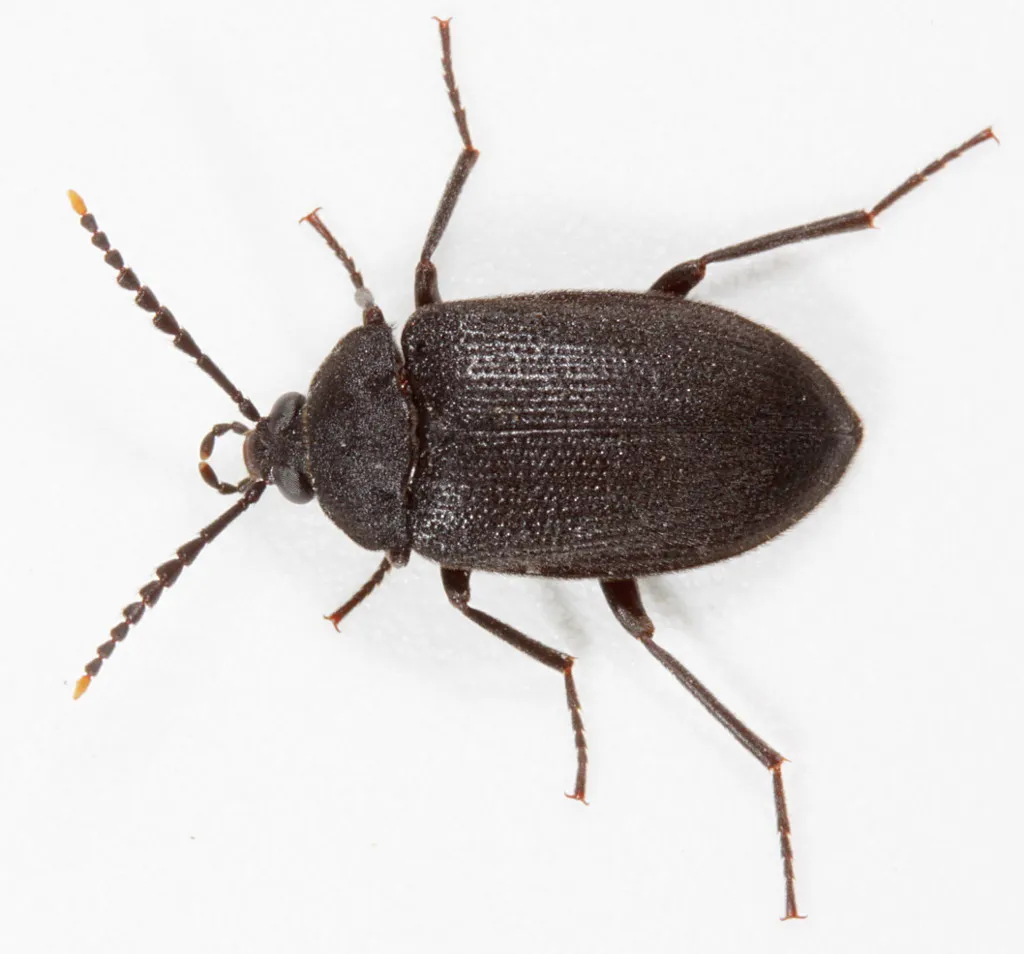
Velvety Bark Beetle
Penthe pimelia
Identification: Looks like a Darkling Beetle: broad, flattened, very dark, in velvety pile; scutellum dark (orange in P. obliquata ) Adults come to lights ; fairly common
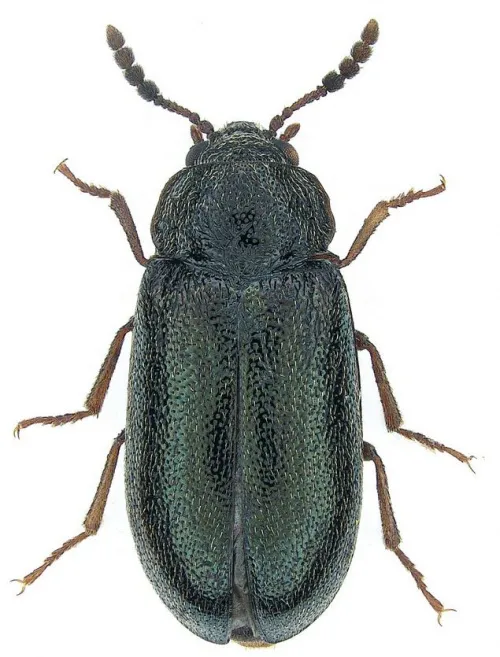
Tetratoma desmarestii
Tetratoma desmarestii
This is a rare species in our area and it may be necessary to retain the specimen until confirmed by our County Recorder. Sometimes found on old Oaks and associated fungi. A nocturnal fungus beetle which may be found throughout the year – this is a w
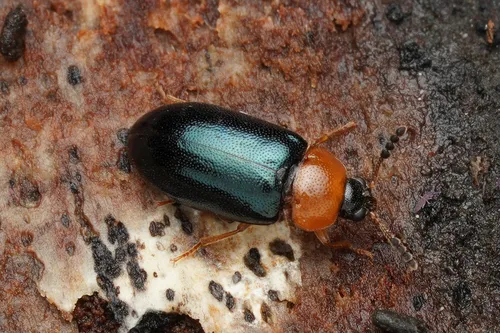
Tetratoma fungorum
Tetratoma fungorum
Length around 6mm. Antennal club of 4 segments, elytra with scattered punctures but without punctate striae. Although quite distinctively coloured this species is superficially similar to Triplax aenea, another common beetle of Bracket Fungus. Can be
Eustrophopsis brunneimarginatus
Eustrophopsis brunneimarginatus
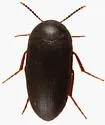
Eustrophopsis indistinctus
Eustrophopsis indistinctus
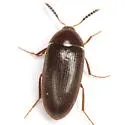
Eustrophopsis ornatus
Eustrophopsis ornatus
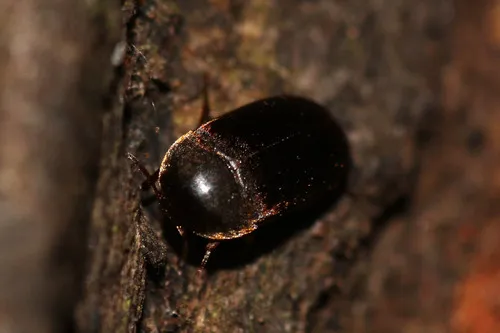
Eustrophus dermestoides
Eustrophus dermestoides
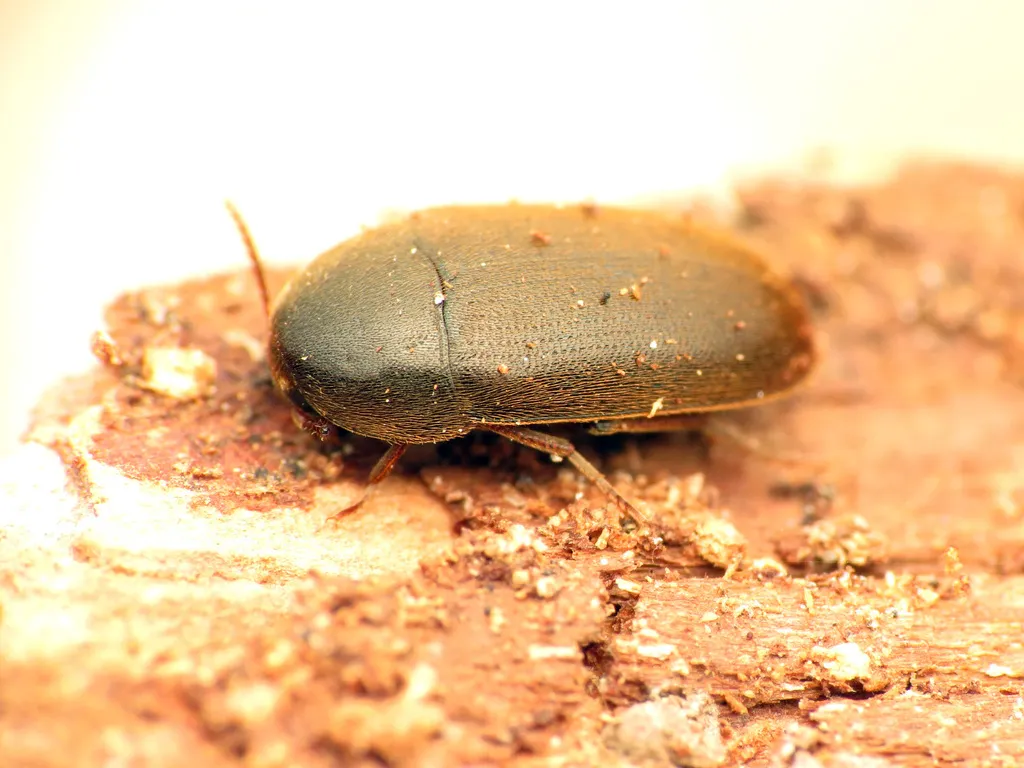
Eustrophus tomentosus
Eustrophus tomentosus
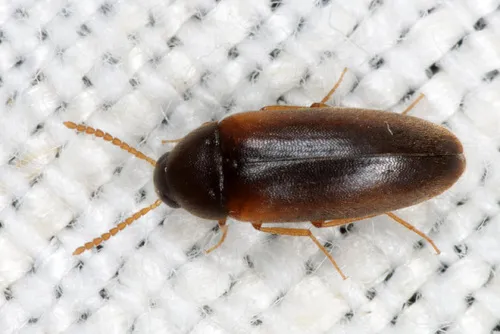
Hallomenus axillaris
Hallomenus axillaris
Hallomenus debilis
Hallomenus debilis
Hallomenus punctulatus
Hallomenus punctulatus
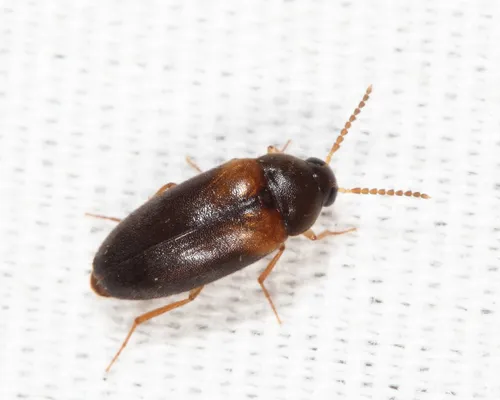
Hallomenus scapularis
Hallomenus scapularis
Hallomenus serricornis
Hallomenus serricornis
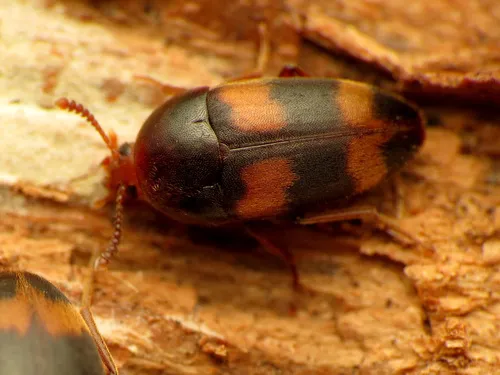
Holostrophus bifasciatus
Holostrophus bifasciatus
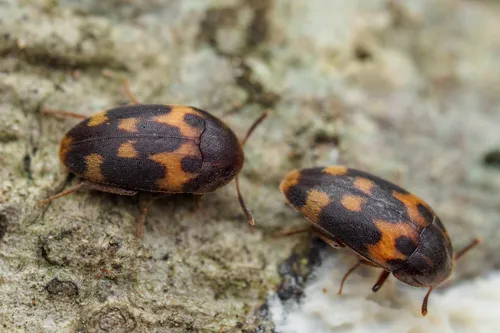
Holostrophus orientalis
Holostrophus orientalis
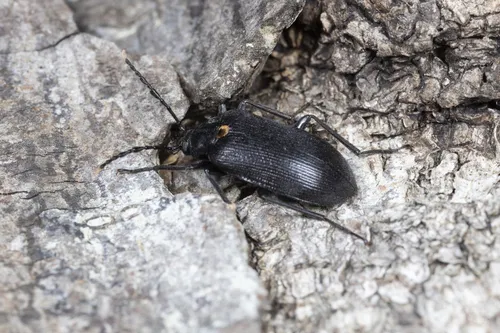
Penthe japana
Penthe japana
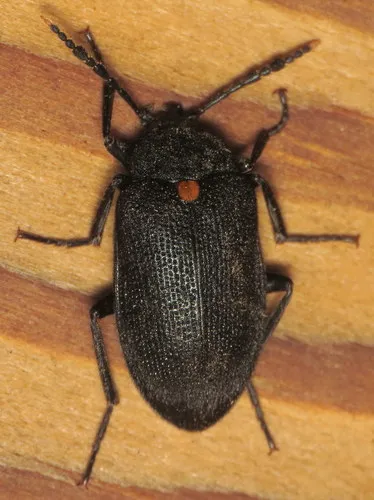
Penthe obliquata
Penthe obliquata
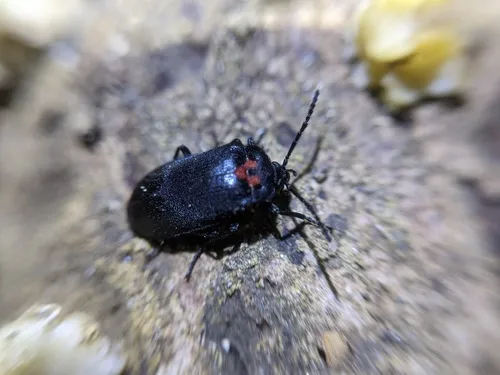
Penthe reitteri
Penthe reitteri
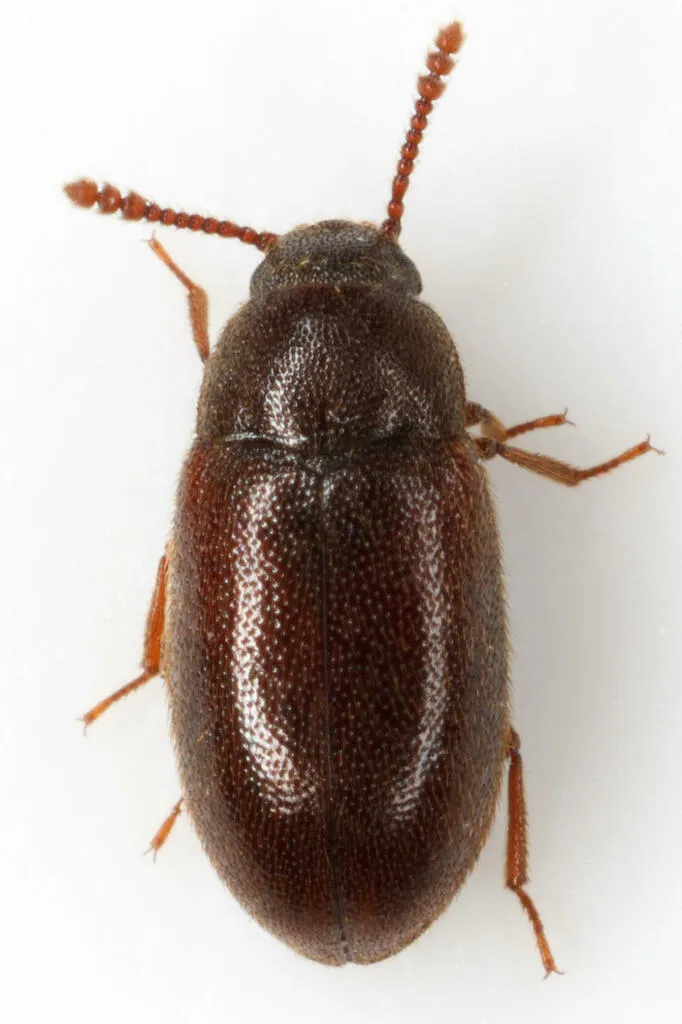
Pisenus humeralis
Pisenus humeralis
Pseudoholostrophus discolor
Pseudoholostrophus discolor
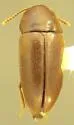
Pseudoholostrophus impressicollis
Pseudoholostrophus impressicollis
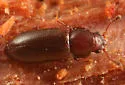
Sphindocis denticollis
Sphindocis denticollis
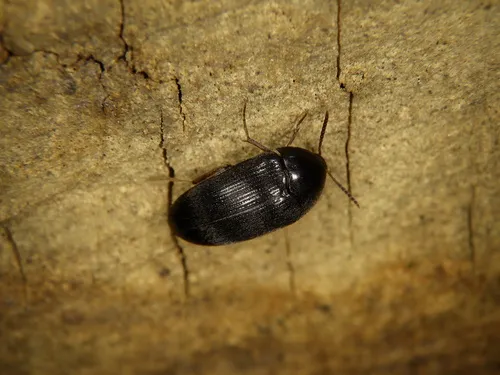
Synstrophus macrophthalmus
Synstrophus macrophthalmus
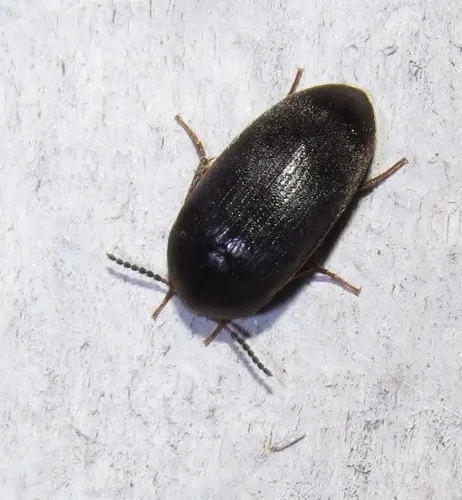
Synstrophus repandus
Synstrophus repandus
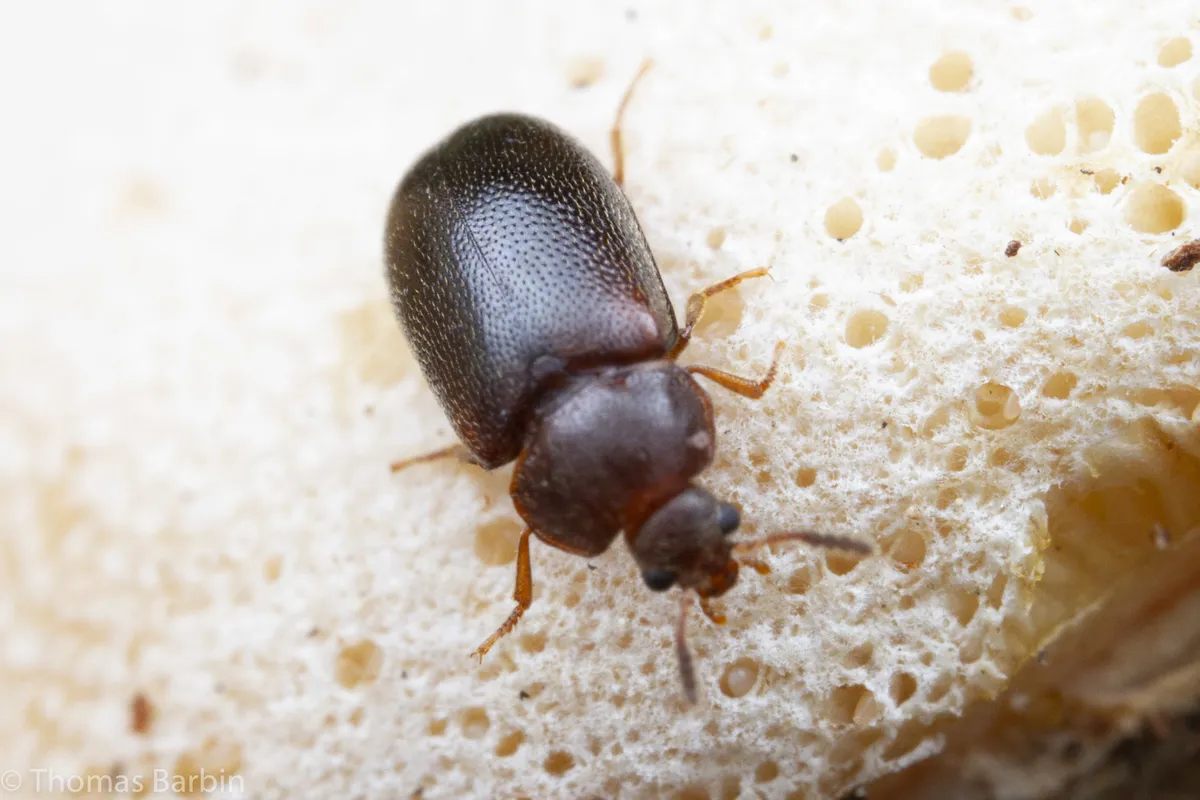
Tetratoma concolor
Tetratoma concolor
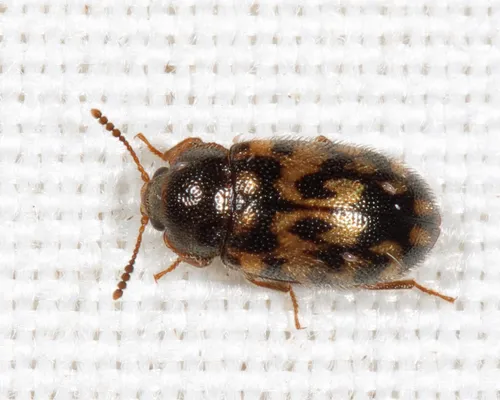
Tetratoma tessellata
Tetratoma tessellata
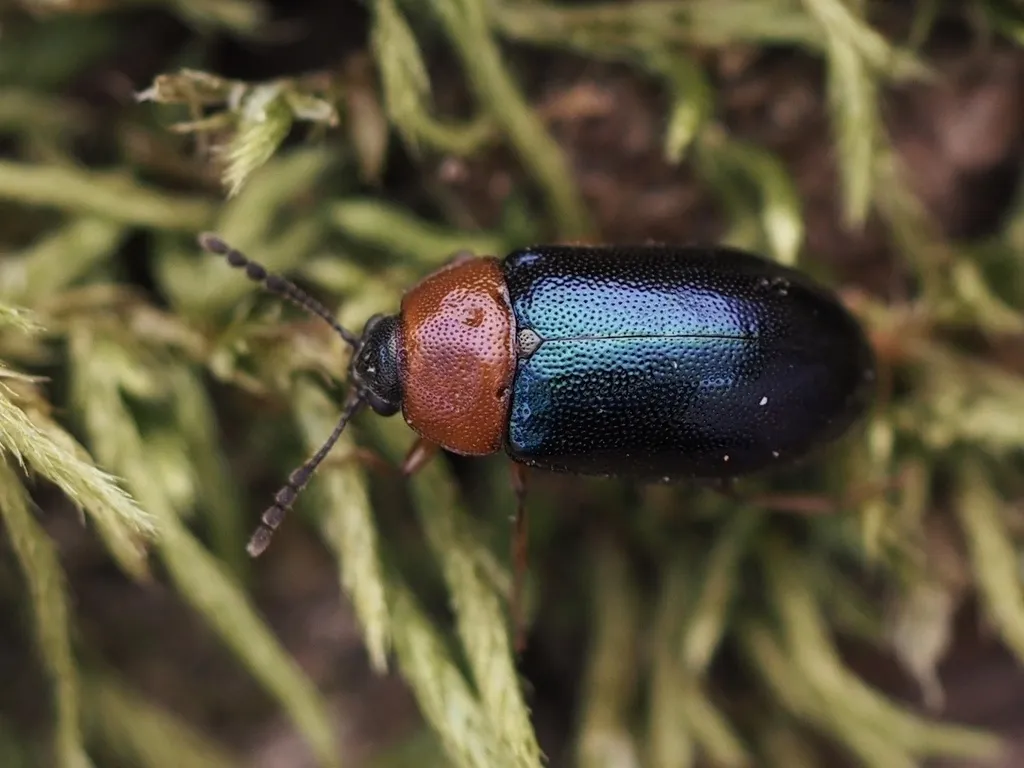
Tetratoma truncorum
Tetratoma truncorum
Triphyllia elongata
Triphyllia elongata