
Family Water Scavenger Beetles (Hydrophilidae)
Hydrophilidae is a family in the order Coleoptera. Browse 172 named species recorded in this family, or open an individual profile for its available identification and natural-history information.
Species in Hydrophilidae (172)
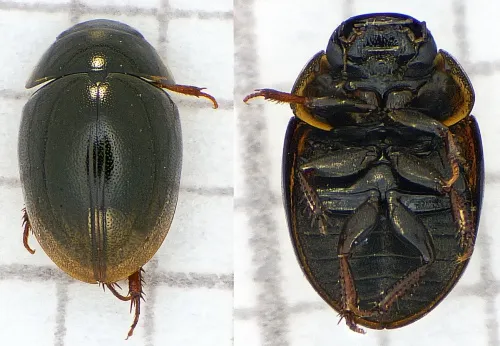
Anacaena globulus
Anacaena globulus
2.5 to 3.5mm. Strongly convex above, shape broadly oval and colouration dark, almost black with contrasting pale pronotal and elytral margins. Distinguished from our other species by the form of the mesosternum; the sharply-declined part in front of
Anacaena limbata
Anacaena limbata
Identification: Hind femora entirely pubescent except for apex; combined length of hind tarsomeres not longer than hind tibia. The identity of this species is confused, as apparently two species occur in North America that are being confused: A. limb
Berosus aculeatus
Berosus aculeatus
Identification: elytral apices prolonged, especially in females, and usually with a small preapical tubercle near suture (best developed in females)
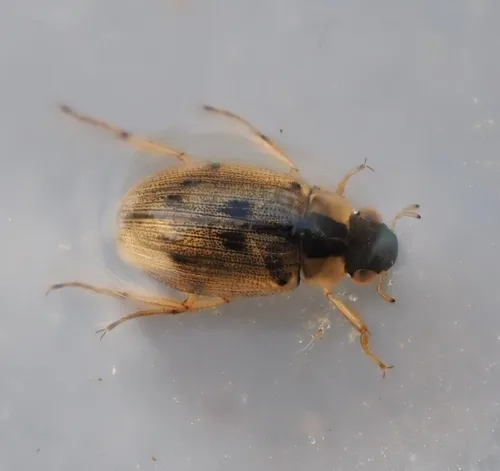
Berosus affinis
Berosus affinis
A small (3.5 to 4.5 mm) water beetle. The elytra have a straw ground colour with a prominent pair of dark spots near the suture and additional spots nearer the apex. The black head, bulging eyes and broad dark patch on the pronotum are particularly n
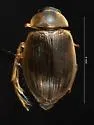
Berosus hatchi
Berosus hatchi
Identification: steeply declivous carina on ventrite 1
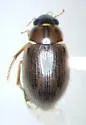
Berosus infuscatus
Berosus infuscatus
Identification: quite variable in size and in hue; some individuals are quite dark
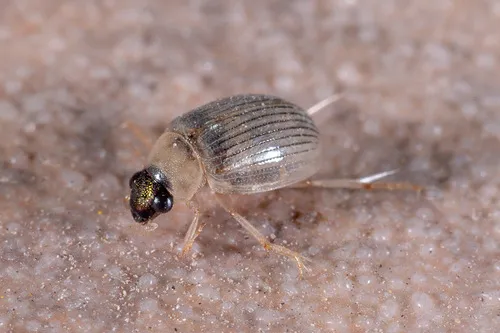
Berosus metalliceps
Berosus metalliceps
Identification: Head dark metallic green or bronzed. Pronotum reddish-yellow, immaculate Type Locality: Mexico: Tres Marias Islands
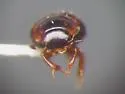
Cercyon adumbratus
Cercyon adumbratus
Identification: A distinctive species due to the pubescent dorsal surface of the elytra; striae impressed and intervals convex.
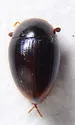
Cercyon analis
Cercyon analis
Identification: Body elongate, tapered posteriorly; mesosternum broadened posteriorly, not tapered to a point at contact with the elevated portion of the metasternum; both meso- and metasterna finely punctate.
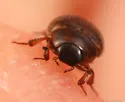
Cercyon fimbriatus
Cercyon fimbriatus
Identification: distinguished by the deeply impressed, often connecting bases of the first and second striae; size and coloration highly variable The most common species of beach-dwelling Cercyon in the region
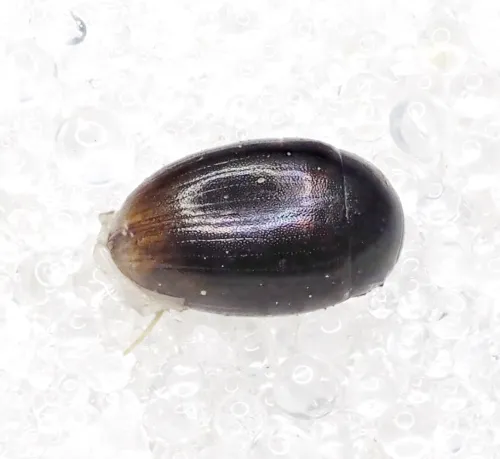
Cercyon haemorrhoidalis
Cercyon haemorrhoidalis
Size 2.5 to 3.1 mm. It is a very dark reddish brown, almost black looking in the field. Occurring in herbivore dung in just about any situation, but they may also be found in various types of decaying vegetable matter. Widely distributed, occurring q
Cercyon herceus
Cercyon herceus
Confused with the palaearctic C. tristis by earlier authors
Cercyon lateralis
Cercyon lateralis
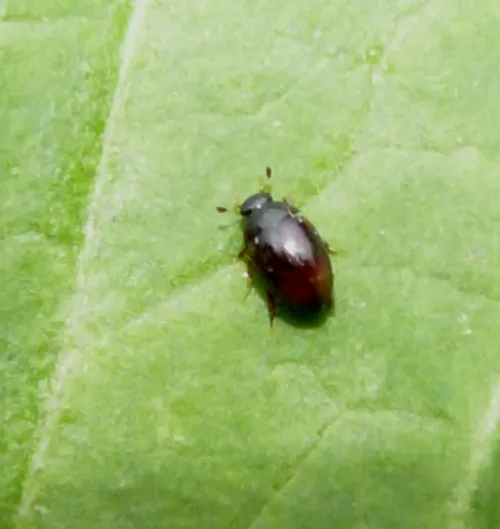
A very small species, measuring around 2.5 to 3mm in length. The head and shoulders are quite dark brown or blackish fading to a more golden or reddish brown nearer the tips of the elytra. Care is needed with identification as there are other, simila
Cercyon littoralis
Cercyon littoralis
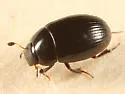
Identification: Body flat, elytral surface with microsculpture, pronotum and head without pronounced microsculpture except for the clypeus; mesosternal process long and narrow
Cercyon marinus
Cercyon marinus
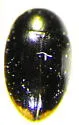
Identification: Elytral striae disappear at the apex, yellow lateral elytral markings narrow, width extending to 9th stria and usually not quite reaching the humeral angle
Cercyon melanocephalus
Cercyon melanocephalus
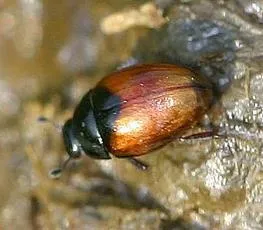
A distinctive 'Dung Beetle' with a reddish elytra and black triangular colouration over the scutellar area. Though a member of the water beetle family, this species lives in dung, effectively 'swimming' through it. Like some other beetles in this fam
Cercyon obsoletus
Cercyon obsoletus
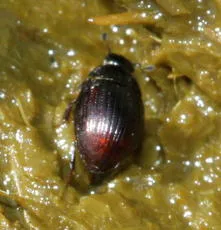
A beetle with dark reddish brown elytra and blacker head and pronotum. Images contained in a red box denote that they are only likely to be this species and are typical of the species but have not been examined in detail to be certain of identity Wid
Cercyon praetextatus
Cercyon praetextatus
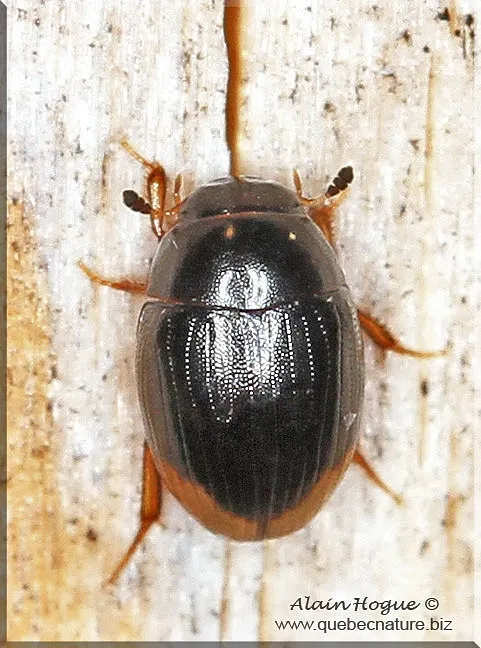
Identification: Shining black Cercyon with distinctly delimited pale apex of the elytra. Key Characters: A very common species. An adult from Florida was found to carry mite deutonymphs ( Parasitus sp.) under its elytra.
Cercyon pygmaeus
Cercyon pygmaeus
Identification: Color variable; complete metasternal lines; narrow mesosternal crest; elytra without setae Earliest eastern specimens known are from Tyngsboro MA in 1868 & 1871. Earliest known specimens from the west coast were from Fieldbrook CA in
Cercyon quisquillius
Cercyon quisquilius
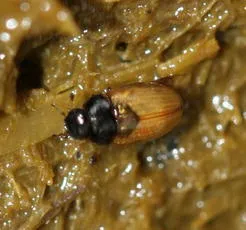
Although tiny this species is soon recognised by its golden brown colouration and rather elongate form. Early spring to late autumn peaking in summer. Breed in dung, but associated with all kinds of decaying matter. Widespread and frequent in the sou
Cercyon unipunctatus
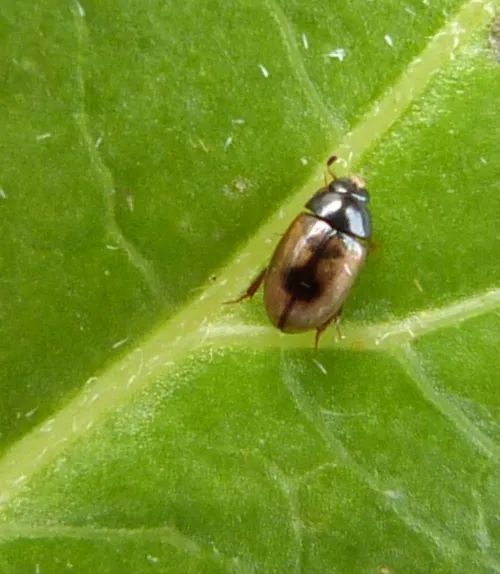
Cercyon unipunctatus
This is a very small (about 2 mm) beetle. The straw brown elytra have a single large blackish spot. Although this is a water scavenging beetle, it flies well and has been attracted to light, and recorded on dung. Summer is the best time to see this s
Cercyon ustulatus
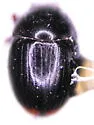
Cercyon ustulatus
Identification: See Ryndevich 2008 for a diagram (Fig. 27) showing the separate convexities of the pronotum and elytra. ( At ResearchGate ).
Cercyon variegatus
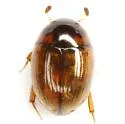
Cercyon variegatus
Identification: readily identified by its colour, and the fact that the striae of the elytra are simply impressed lines, almost without trace of punctuation (Sharp 1882) apparently the most abundant of the Central-American species of Cercyon . (Sharp
Chaetarthria pallida
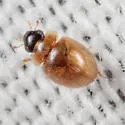
Chaetarthria pallida
Identification: see discussion here ; the only dorsally yellowish species in NA in which the males have plates instead of stalked discs on the inner surface of the protibiae. Females may be hard to separate from similar species. rarely seen other tha
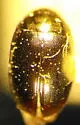
Crenitis morata
Crenitis morata
Identification: Relatively large body size, oval to elongate oval. Color black, slightly metallic. Microsculpture present on both head and pronotum. Hind femur with dense pubescent portion restricted to base. Examination of male genitalia is usually
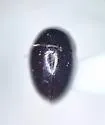
Crenitis paradigma
Crenitis paradigma
Identification: Body broadly convex, attenuate (tapered to a point) posteriorly. Microsculpture absent on head & pronotum; maxillary palps uniformly dark. Most reliably separated from other similar species by features of the male aedeagus
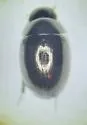
Crenitis rufiventris
Crenitis rufiventris
Identification: Form elongate oval; dorsum without microsculpture, palps black . Most similar to C. paradigma , which is overall smaller in size, has a more convex body form, and elytra attenuate posteriorly. Small individuals of C.rufiventris are be
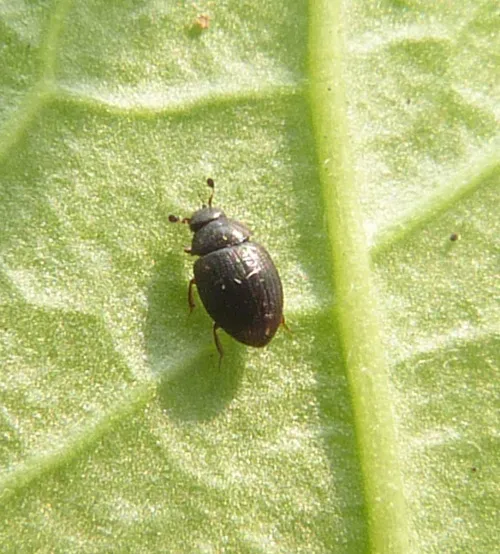
Cryptopleurum minutum
Cryptopleurum minutum
A small (1.6 to 2 mm) dark beetle with deeply ribbed elytra. Unless identified by a recognised expert, a photo is required and the specimen should be examined with a microscope. In the comments box, state the key or ID method used and describe the si
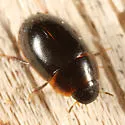
Cymbiodyta vindicata
Cymbiodyta vindicata
Identification: mesosternal ridge low, arcuate, transverse vs narrowly arcuate in C. minima and distinctly toothed in C. acuminata , the other lentic spp.
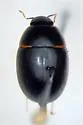
Enochrus cinctus
Enochrus cinctus
Identification: The distinctively undercut mesosternal crest easily identifies this species. Note also the pale lateral margins of the clypeus, pronotum and elytra, the shallow abdominal notch and the simple protarsal claws of the male (vs basally to
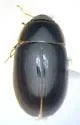
Enochrus hamiltoni
Enochrus hamiltoni
Identification: widely misidentified confused with other species, likely including many of the photos on the guide page here
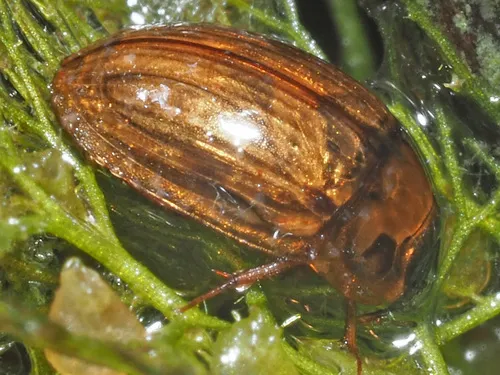
Enochrus melanocephalus
Enochrus melanocephalus
Length 5.5 to 6.5 mm. A pale straw coloured water beetle. Associated with richly vegetated pools and ponds, sometimes in shaded areas. It is widespread in England to Northumberland but few records for the south west, Wales and Ireland with none for S
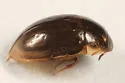
Enochrus ochraceus
Enochrus ochraceus
Identification: Low, rounded mesosternal crest; quite variable in coloration. Noted as "one of the most common and abundant water beetles in Florida."
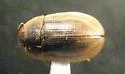
Helobata larvalis
Helobata larvalis
Identification: The broadly produced margins of the thorax and elytra give this insect a peculiar appearance recalling that of [i]Peltis feruginea[i], as well as of the larvse of some of our Elmidae.
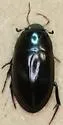
Hydrobiomorpha casta
Hydrobiomorpha casta
Identification: 6th and 7th antennomeres asymmetrical, 7th with a groove; clypeus emarginate, exposing part of the labrum ( 3 )
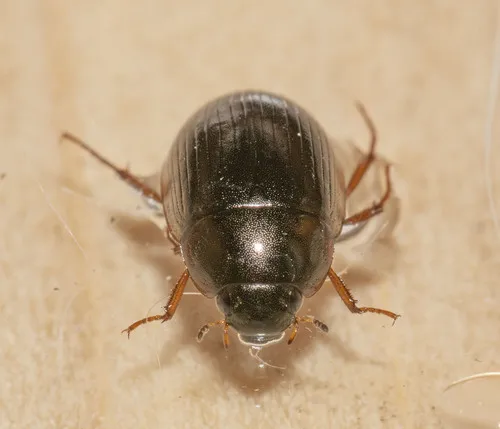
Hydrobius fuscipes
Hydrobius fuscipes
Length 6 to 8 mm with dark brown or black elytra, each with 10 grooved striae - the grooves fading towards the front, especially centrally. The legs are paler brown. The antennae have black clubs. Usually found in ponds and small pools with bank side
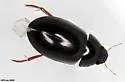
Hydrochara soror
Hydrochara soror
Identification: Often rusty below, sternal keel only slightly dilated--see print references and discussion here .
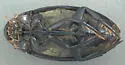
Hydrophilus ensifer
Hydrophilus ensifer
Identification: 2nd visible abdominal sternite with smaller glabrous (bare) area than H. triangularis or H. insularis
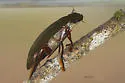
Hydrophilus insularis
Hydrophilus insularis
Identification: Very similar to H. triangularis . Male protarsus greatly expanded; female elytral apices with fine tooth; medial glabrous area on ventral tergites as shown in Short and McIntosh 2014.
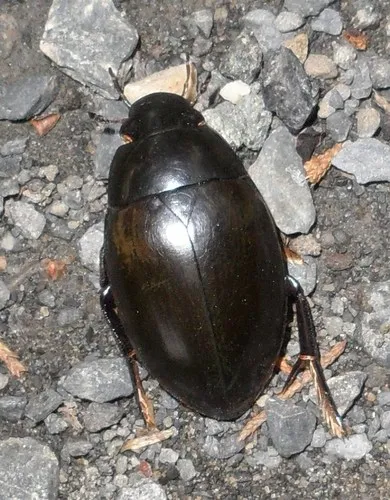
Hydrophilus ovatus
Hydrophilus ovatus
Identification: prosternum bilobed (undivided in Hydrophilus s. str., where other NA spp. belong) ; body broader and usually smaller than in H. triangularis the only member of the subgen. Dibolocelus in our area
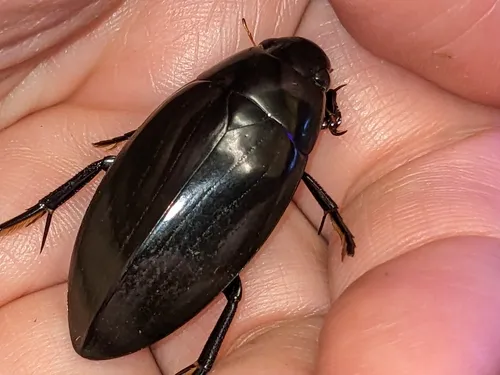
Giant Black Water Beetle
Hydrophilus triangularis
Identification: Similar to the usually smaller and less oblong H. (Dibolocelus) ovatus (which is more common southward), but the prosternum is undivided
Laccobius bipunctatus
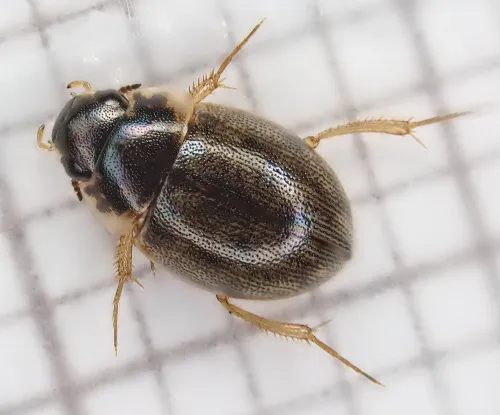
Laccobius bipunctatus
A small (3.2 to 3.8 mm), dark coloured water beetle. Female prosternum with sharp median keel. Unless identified by a recognised expert, a photo is required and the specimen should be examined with a microscope. In the comments box, state the key or
Laccobius minutus
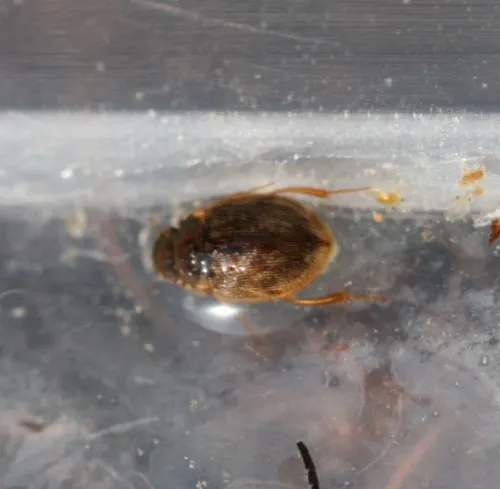
Laccobius minutus
Unless identified by a recognised expert, a photo is required and the specimen should be examined with a microscope. In the comments box, state the key or ID method used and describe the size and identifying characters. Widespread and fairly frequent
Oosternum attacomis
Oosternum attacomis
Spangler reported that Moser submitted what became the type series of Oosternum attacomis from Louisiana for identification. They were collected from detritus cavities 2-8 feet underground in nests of the Texas leaf-cutting ant, Atta texana and were
Paracymus confusus
Paracymus confusus
Identification: Very similar to other Paracymus, especially Paracymus subcupreus. Males of P. confusus have unequal claws on the front leg, while in P. subcupreus they are similarly shaped. Females of the two species are inseparable. Epler (page 12.5
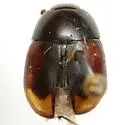
Sphaeridium bipustulatum
Sphaeridium bipustulatum
Identification: Most similar to S. marginatum . See Berge Henegouwen (1989). Non native, from the Palearctic region.
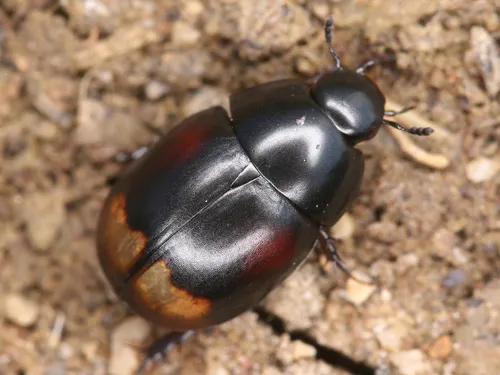
Sphaeridium lunatum
Sphaeridium lunatum
Length 5.5 to 7.5 mm. A very smooth, blackish dome shaped beetle with pale yellow tips to the elytra and faint reddish blotches on its sides. Requires gen det to be certain of species. Adults feed on the fresh dung of herbivorous animals; their young
Sphaeridium marginatum
Sphaeridium marginatum
Identification: Most similar to S. bipustulatum . See Berge Henegouwen (1989).
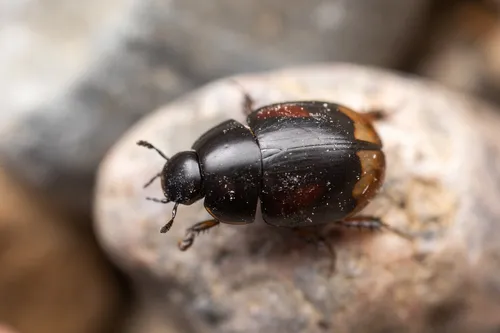
Sphaeridium scarabaeoides
Sphaeridium scarabaeoides
Length 5 to 7 mm. Whilst normally a well-marked beetle where the black elytra have a dark red blotch and pale yellow-brown in the rear third, it can be variable and could be confused with other similar species. A key feature is the thin yellow line o
Tropisternus columbianus
Tropisternus columbianus
Identification: nearly identical to a couple other species with current sources not reliably separating them in any way except for male genitalia
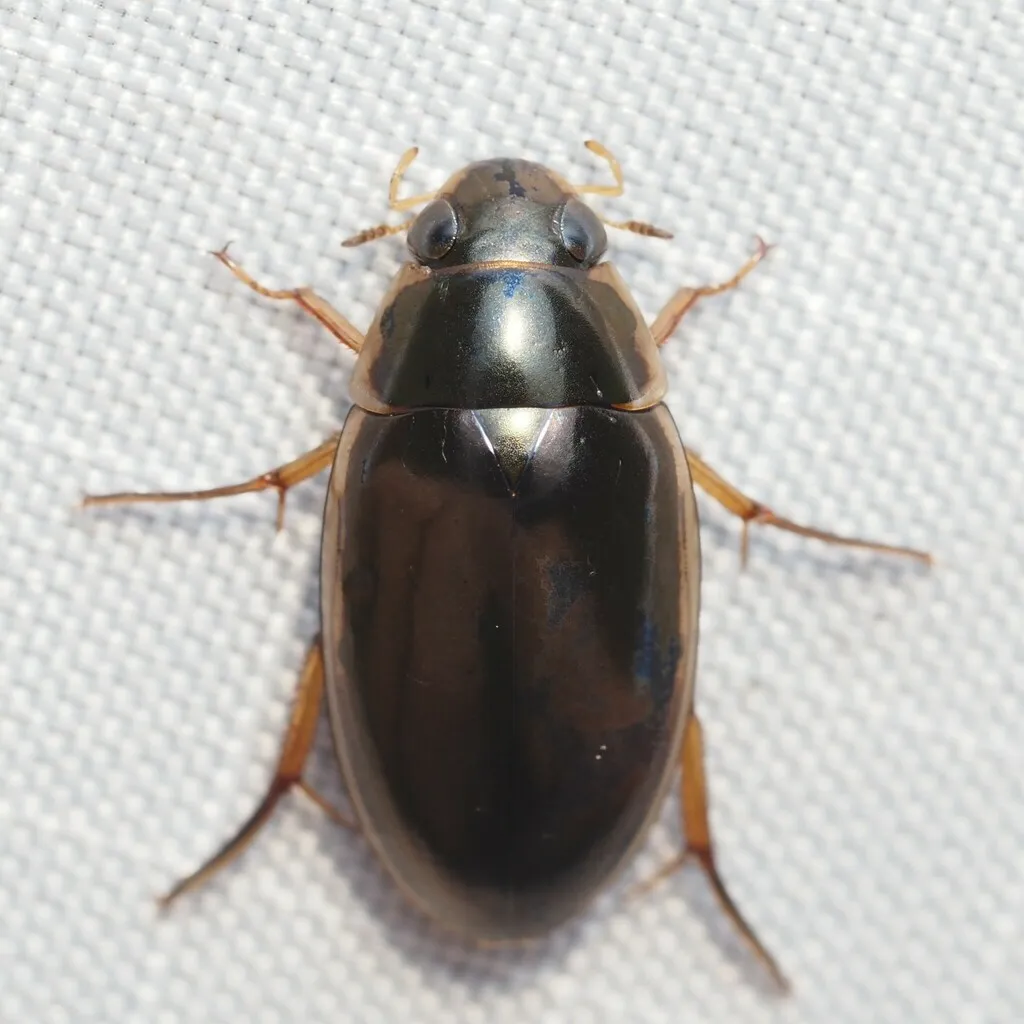
Tropisternus lateralis
Tropisternus lateralis
Identification: Head, pronotum and elytra with yellow border (though the border can be quite narrow)
Tropisternus natator
Tropisternus natator
Identification: widely confused with T. glaber and existing sources may not adequately diagnose the species
Tropisternus quadristriatus
Tropisternus quadristriatus
Identification: Uniformly dark, legs pale, metafemur with large basal pubescent patch • syntype
Agna capillata
Agna capillata
Ametor latus
Ametor latus
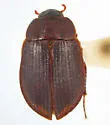
Ametor scabrosus
Ametor scabrosus
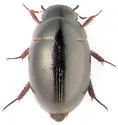
Anacaena lutescens
Anacaena lutescens
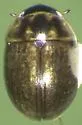
Anacaena signaticollis
Anacaena signaticollis
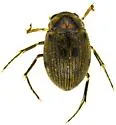
Berosus blechrus
Berosus blechrus
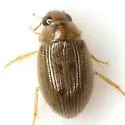
Berosus exiguus
Berosus exiguus
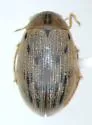
Berosus fraternus
Berosus fraternus
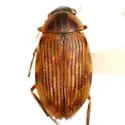
Berosus hoplites
Berosus hoplites
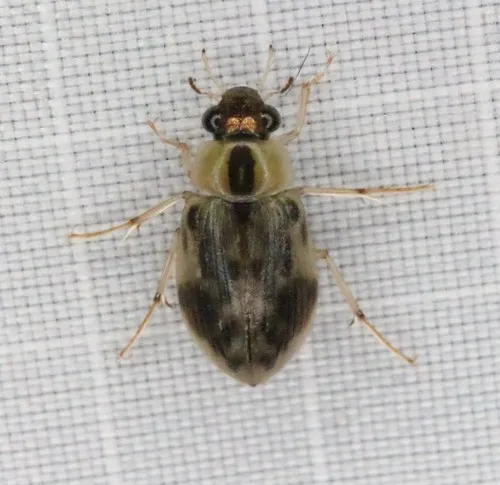
Berosus miles
Berosus miles
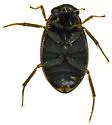
Berosus moerens
Berosus moerens
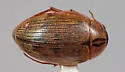
Berosus ordinatus
Berosus ordinatus
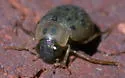
Berosus pantherinus
Berosus pantherinus
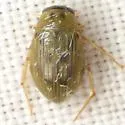
Berosus peregrinus
Berosus peregrinus
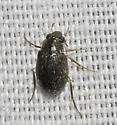
Berosus pugnax
Berosus pugnax
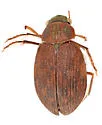
Berosus punctatissimus
Berosus punctatissimus
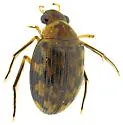
Berosus rugulosus
Berosus rugulosus
Berosus salvini
Berosus salvini
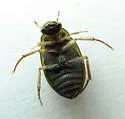
Berosus sayi
Berosus sayi
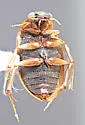
Berosus stylifer
Berosus stylifer
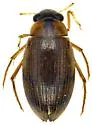
Berosus undatus
Berosus undatus
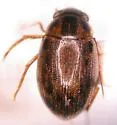
Berosus youngi
Berosus youngi
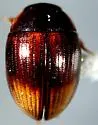
Cercyon assecla
Cercyon assecla
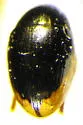
Cercyon cinctus
Cercyon cinctus
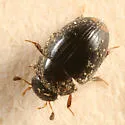
Cercyon connivens
Cercyon connivens
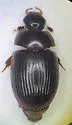
Cercyon dux
Cercyon dux
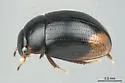
Cercyon erraticus
Cercyon erraticus
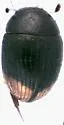
Cercyon floridanus
Cercyon floridanus
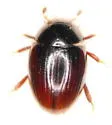
Cercyon impressus
Cercyon impressus
Cercyon kulzeri 0
Cercyon kulzeri
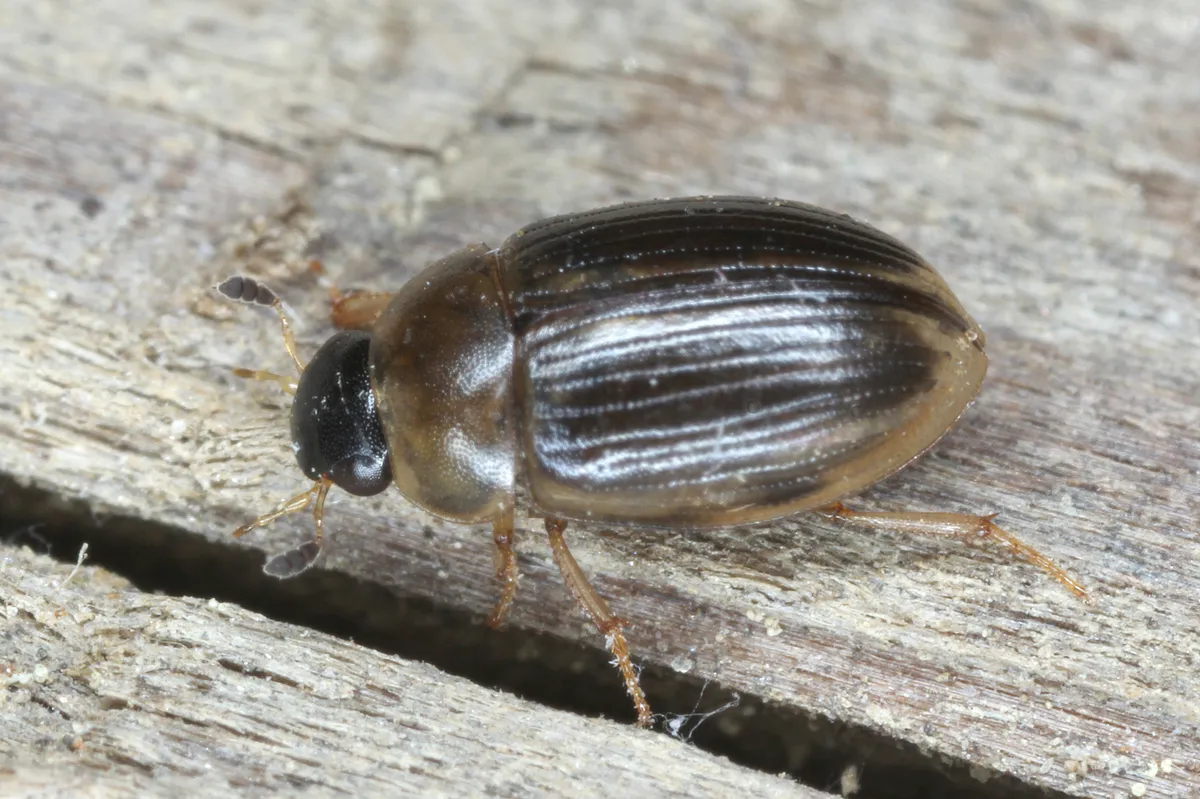
Cercyon laminatus
Cercyon laminatus
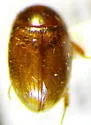
Cercyon limbatus
Cercyon limbatus
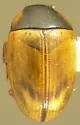
Cercyon luniger
Cercyon luniger
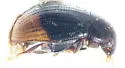
Cercyon mendax
Cercyon mendax
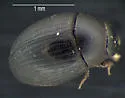
Cercyon minusculus
Cercyon minusculus
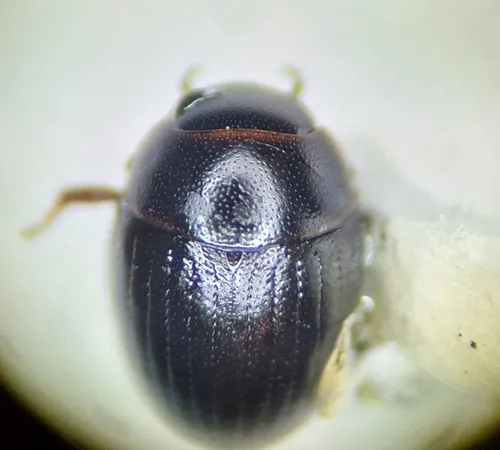
Cercyon nevadanus
Cercyon nevadanus
Cercyon nigriceps
Cercyon nigriceps
Cercyon occallatus
Cercyon occallatus
Cercyon roseni
Cercyon roseni
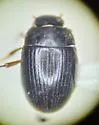
Cercyon setulosus
Cercyon setulosus
Chaetarthria nigrella
Chaetarthria nigrella
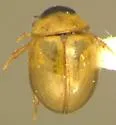
Chaetarthria ochra
Chaetarthria ochra
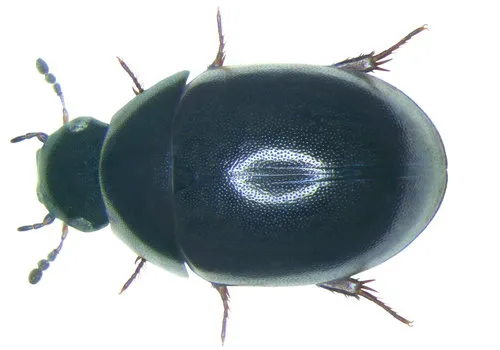
Coelostoma orbiculare
Coelostoma orbiculare
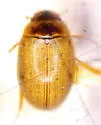
Crenitis maculifrons
Crenitis maculifrons
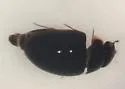
Crenitulus suturalis
Crenitulus suturalis
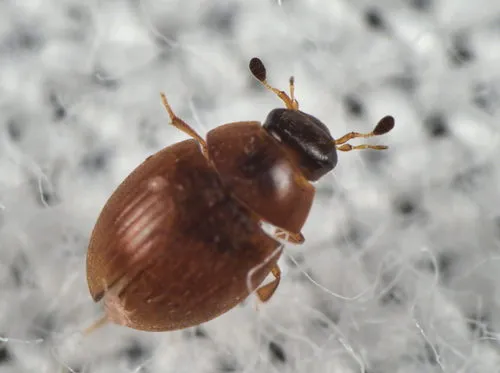
Cryptopleurum subtile
Cryptopleurum subtile
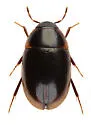
Cymbiodyta acuminata
Cymbiodyta acuminata