
Family Tumbling Flower Beetles (Mordellidae)
Mordellidae is a family in the order Coleoptera. Browse 93 named species recorded in this family, or open an individual profile for its available identification and natural-history information.
Species in Mordellidae (93)

Falsomordellistena discolor
Falsomordellistena discolor
Identification: Head and thorax black, elytra brown, with pattern resembling Mordellistena liturata / masoni ; other than in these two, antennae infuscate from segment 5, and tail spine black. Hindleg ridge pattern 3(+1-3)/3-5/2-3; all ridges short a
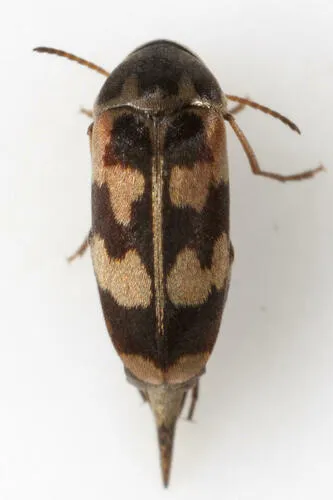
Falsomordellistena pubescens
Falsomordellistena pubescens
Identification: somewhat variable in markings and color, ranging from black to reddish brown, but the general pattern is always about the same in spmns not rubbed. ( 3 ) , and "This species is rather prettily marked and does not resemble any other of
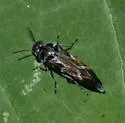
Glipa hilaris
Glipa hilaris
Identification: One of the largest species of Mordellini, easy to recognize seems to be rather rare
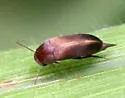
Glipostenoda ambusta
Glipostenoda ambusta
Identification: rather easy to distinguish by the color and by the longer and more strongly oblique ridges on the tibiae; the male is usually lighter in color than the female Ridges 3/3/2, sometimes with rudimentary ridges on tibia and 1st tarsi
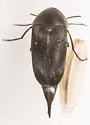
Mordella atrata
Mordella atrata
Identification: varies in size and somewhat in pubescence, but not otherwise, and is comparatively easy to separate from the other black forms one of the commonest Mordella spp., occurs in nearly every state from Canada to Florida, except in the west
Mordella fuscocinerea 0
Mordella fuscocinerea
Identification: Black; very densely covered with brownish gray pubescence Type Locality: Alamogordo, New Mexico (Viereck).
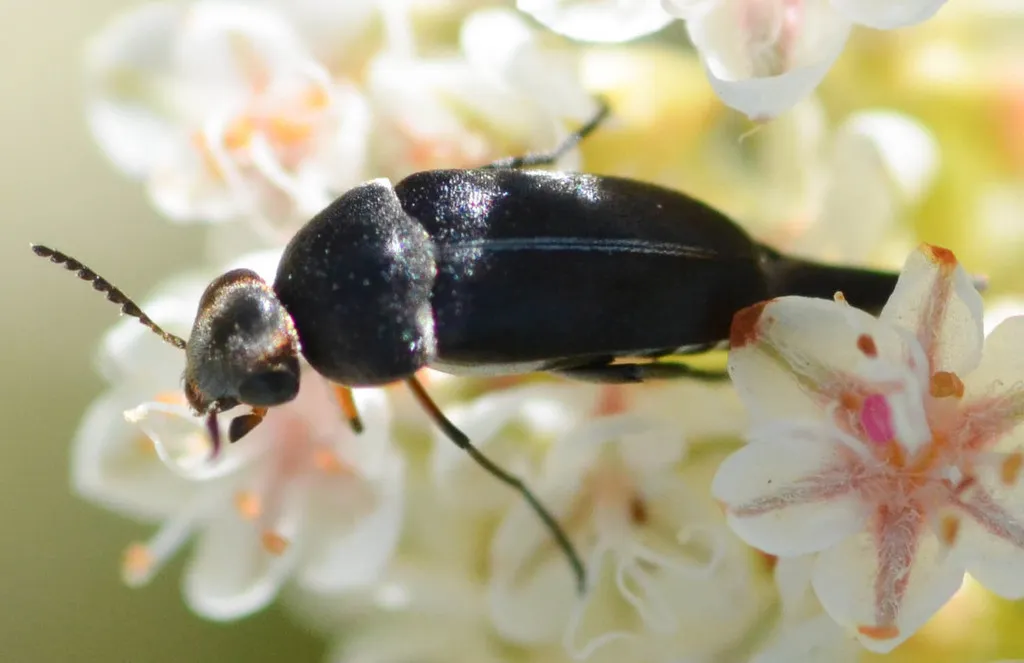
Mordella hubbsi
Mordella hubbsi
Identification: differs from the other black congeners in ferruginous pro- & mesofemora
Mordella knulli
Mordella knulli
Identification: black with vivid white / silver marking pattern as shown on Liljeblad's monograph, Plate II, #3 Type from La Belle, Florida
Mordella lunulata
Mordella lunulata
Identification: short light vitta on humeral angles + scutellum and short basal suture stripe
Mordella melaena
Mordella melaena
Identification: The best character by which melaena may be separated from atrata is the form of the antennae, which are more clavate, the outer segments being more dilated and compact, rather than serrate; further, the scutellum is more sharply trian
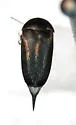
Mordella obliqua
Mordella obliqua
Identification: prothorax with scattered cinereous hairs, and two indistinct vittee more densely cinereous. Elytra with a very narrow sutural line, and an oblique stripe from the humeri to beyond the middle, where it becomes obsolete, cinereous, Scut
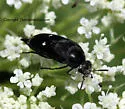
Mordella quadripunctata
Mordella quadripunctata
Identification: two white spots on apical 1/3 of black elytra . completely covered with brown/black or grey pubescence.
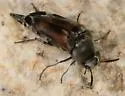
Mordella signata
Mordella signata
Identification: See: Liljeblad (1945) Species not in TAMU Insect Collection . nor recorded in literature for Texas (E. G. Riley, pers. comm. 2010). Interestingly, the record from UT's Brackenridge Field Lab in Travis County is where Jackman and Nelso
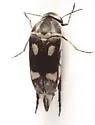
Mordella tetraspilota
Mordella tetraspilota
Identification: white pubescence may form an additional transverse line on pronotum, and a less distinct mark on elytral apex.
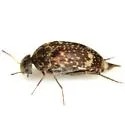
Mordellaria serval
Mordellaria serval
Identification: differs from M. borealis in much narrower palpi and in hairy eyes Det. Brad Barnd, 2022
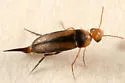
Mordellina ancilla
Mordellina ancilla
Mordellina ancilla (Mordellina ancilla) is a species in the family Mordellidae, commonly known as tumbling flower beetles, belonging to the order Coleoptera (Beetles). It is classified within the tribe Mordellistenini, suborder Polyphaga, superfamily
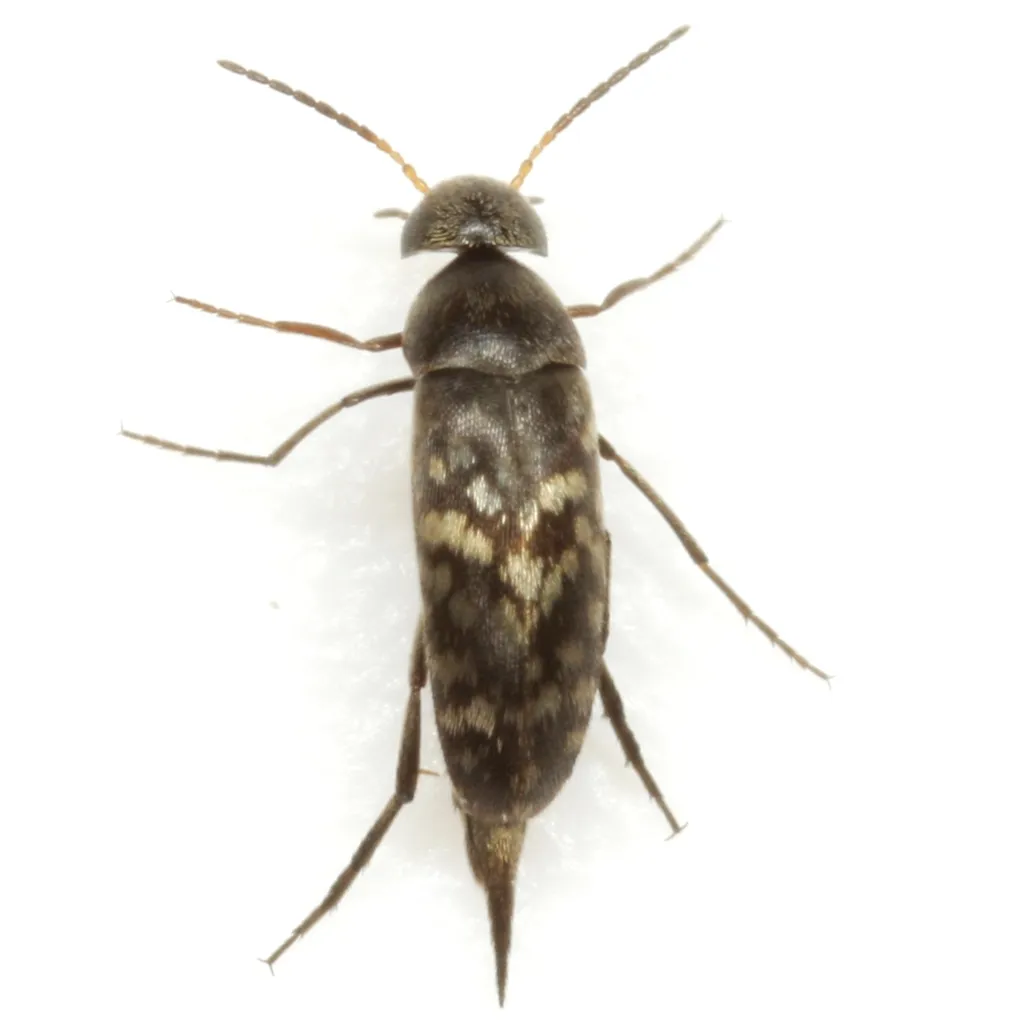
Mordellina pustulata
Mordellina pustulata
Identification: The spotty silvery elytral pubescence diagnostic
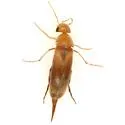
Mordellina testacea
Mordellina testacea
Identification: "Posterior tibiae with two parallel ridges, subapical not included, upper one much longer and extending almost across outer face of tibiae, first segment of posterior tarsi with three and second with two ridges. Entire body pale brown
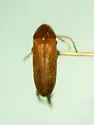
Mordellina washingtonensis
Mordellina washingtonensis
Identification: Protibia wide, lateral edge bowed (angulate in M. wimbledon ) in the distal third. Protasomere one bent.
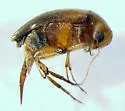
Mordellina wickhami
Mordellina wickhami
Identification: entirely fulvous (reddish/brownish-yellow), with dark (bluish) abdominals tibia with 2 ridges, apical crossing the entire face Type Locality: Leeds, Utah. A male, collected August 4 by H. F. Wickham;
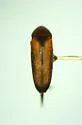
Mordellina wimbledon
Mordellina wimbledon
Identification: Protibia wide, lateral edge angulate in distal third (bowed in M. washingtonensis ). Protasomere 1 bent.
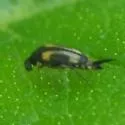
Mordellistena andreae
Mordellistena andreae
Identification: characteristic pattern Today, restricted on the typical andreae form of authors, other "subspecies" have been found not being conspecific: Jackman and Lu also noted that the penultimate segments of the anterior and middle tarsi are em
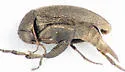
Mordellistena aspersa
Mordellistena aspersa
Identification: entirely black with brownish-gray pubescence. Hind leg ridges, 2,3,2 (not counting subapical on tibia), with tibia with "rudiment of a third ridge, this third ridge sometimes rather long, but very narrow and usually more oblique than
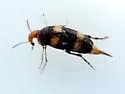
Mordellistena bicinctella
Mordellistena bicinctella
Identification: Similar to trifasciata , except with only one ridge on the tibia, with pronotum darker around base vice apex, and with black basal band on elytra with nearly straight apical edge thorax sometimes black, sometimes rufous
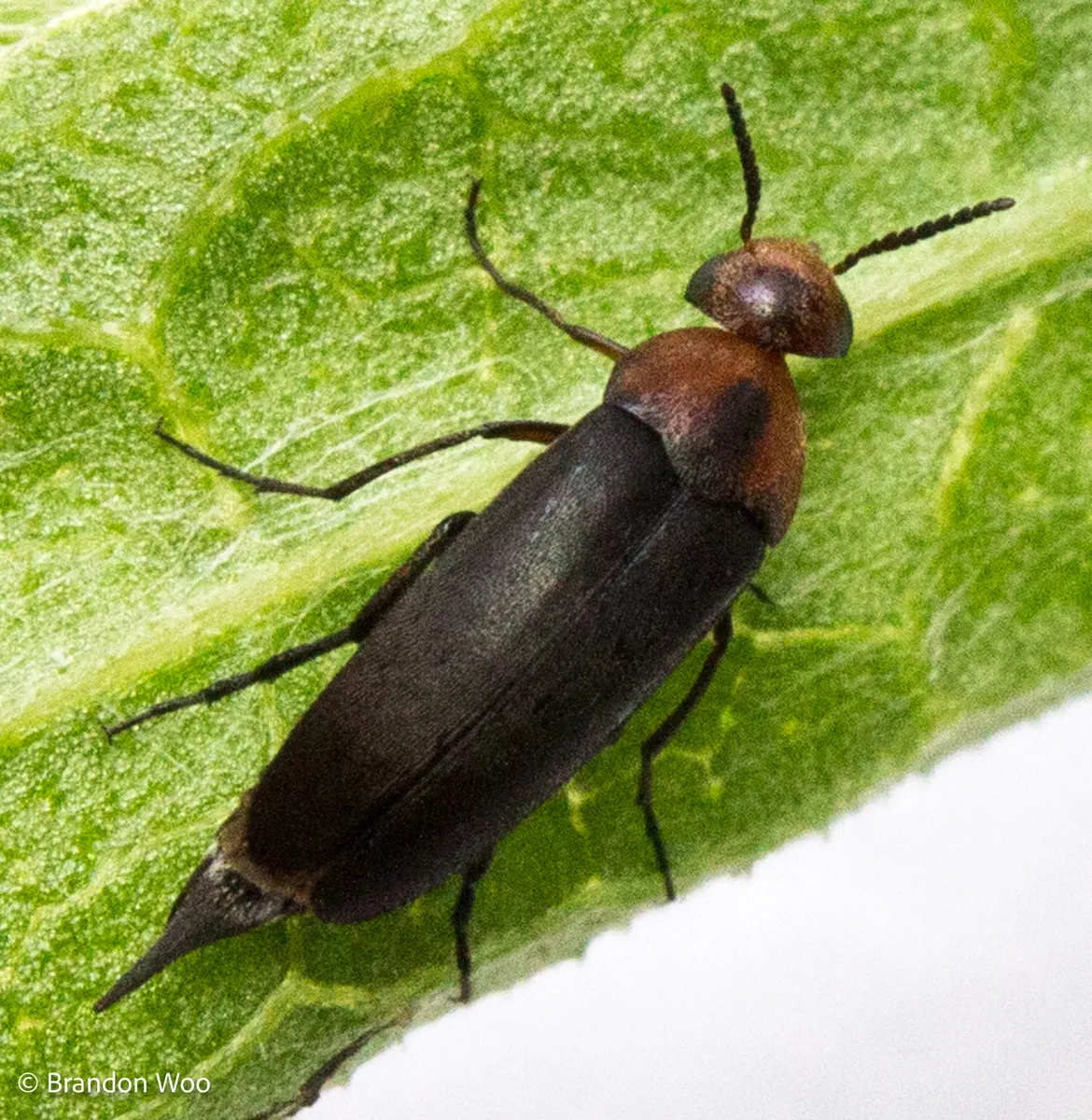
Mordellistena cervicalis
Mordellistena cervicalis
Identification: "Head and pronotum reddish yellow with black spot or cloud at base of each, antennae with four basal segments pale, others black, elytra black with gray/brown pubescence, front and middle legs pale (male only), posterior legs black, f
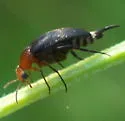
Mordellistena comata
Mordellistena comata
Identification: dense, silky, metallic, silvery pubescence on the elytra and undersurface, and the testaceous or rufo-testaceous head and thorax should be safficient to identify it; the other [similar] species have black elytra. The groulld color of
Mordellistena divisa
Mordellistena divisa
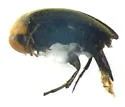
Identification: reddish brown (or yellow-brown) head with apically reddish brown pronotum sharply delineated from black/green basal coloration (amount may vary, with females being almost all dark). Black elytra with yellow brown or silvery pubescence
Mordellistena fuscipennis
Mordellistena fuscipennis
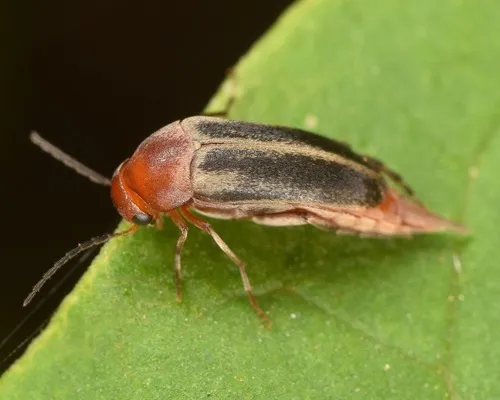
Identification: From Liljeblad's ref., this is Mordellistena fuscipennis (Melsheimer) "This species easily recognized by more or less ferruguinous head and thorax, the nearly black or dark brown elytra having the suture, the lateral margin and the hu
Mordellistena guttulata
Mordellistena guttulata
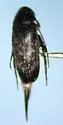
Identification: Hind leg ridges 2-3-2, the upper ridge of the tibia extending across its face. Overall black, with front of head, antenna, front and middle legs lighter brown. Elytra with mottled pattern "very rare"
Mordellistena husseyi
Mordellistena husseyi
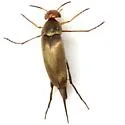
variable in colour; hindleg ridge pattern: tibia 2 - 3 (middle one very long) 1st tarsite 3 - 5 2nd tarsite 2 2nd ridge on the tibia cutting across the entire face, and the very long anal style.
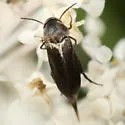
Mordellistena incommunis
Mordellistena incommunis
Identification: hind leg ridges 3,4,3. Head, Pronotum, and Elytra black with yellow or silver along suture, and a lateral vitta from approx humerus to slightly more than middle. Antenna and legs black.
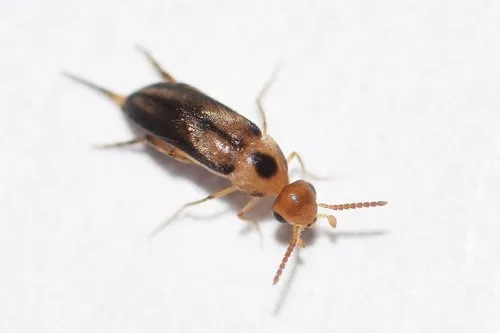
Mordellistena limbalis
Mordellistena limbalis
Identification: Posterior tibiae with two parallel, oblique ridges, subapical not included; first segment of posterior tarsi with two ridges and second with one ridge. Slender, nearly parallel; color testaceous, with black markings; head testaceous w
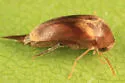
Mordellistena liturata
Mordellistena liturata
Identification: Liljelbad, pp. 155-156 , comments on identification of this species: See the above reference, and comments on images, for details on identification. See details of ridges on metatibiae, metatarsi, here:
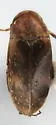
Mordellistena masoni
Mordellistena masoni
Identification: "Posterior tibiae with four parallel, oblique ridges, subapical not included; first segment of posterior tarsi with four, second with two ridges." Type Locality: Hemlock Falls, NJ
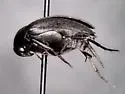
Mordellistena morula
Mordellistena morula
Identification: ridges - 3,3,2 all black with brownish-grey pubescence. Similar to M. aspersa, which has 2,3,2 + a rudimentary third "sometimes long" on the tibia.
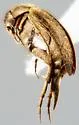
Mordellistena rubrifascia
Mordellistena rubrifascia
Identification: ridges 2,3,2 "This species is readily distinguished from the other species most nearly allied to M. aspersa by the filiform antennae, the color of the head" (rufo-testaceous) and four basal segments of antennae, maxillary palpi, anter
Mordellistena scalaris 0
Mordellistena scalaris
Identification: unique pattern quite resembles, and keys out next to discolor (Melsheimer), may also belong in Falsomordellistena
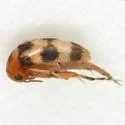
Mordellistena sexnotata
Mordellistena sexnotata
Identification: ridge formula is 2,2,1 coloration is distinctive Re: Mordellistena sexnotata Dury in central Texas. M. sexnotata Dury was described in 1902 from a single specimen coll. in KY. Liljeblad examined Dury's type and found only one other sp
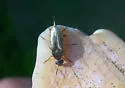
Mordellistena splendens
Mordellistena splendens
Identification: Covered in golden setae. Ridges 2-3-2, sometimes 3-4-2. All antenomeres subequal in length. Antenomeres 3 and 4 narrow. Antennae short, only reaching middle of pronotum.
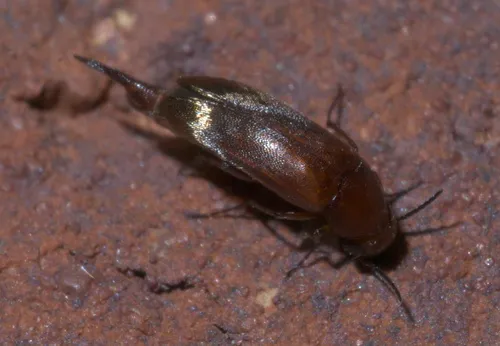
Mordellistena subfucus
Mordellistena subfucus
Identification: ridge pattern can be seen as 2,3,2, with the apical tibia ridge extending obliquely across the face, entirely fusco-ferruginous (except antenna and palpi in females) Type Locality: AZ
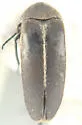
Mordellistena suturella
Mordellistena suturella
Identification: Ridges: 4,5,3 All black except basal half of anterior femora in male, which is ferruginous. Covered with fine sericeous, cinereous pubescence on head and thorax. The elytra have a narrow sutural cinereous line. Underside and base of a
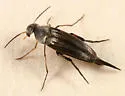
Mordellistena syntaenia
Mordellistena syntaenia
Identification: close to M. convicta , but antennal segments 1 - 4, and anteriour legs partly, pale; Elytral hair pattern condensed into two stripes, fused in front, and apically. Assumed "type" of M. convicta belongs here, and does not fully match L
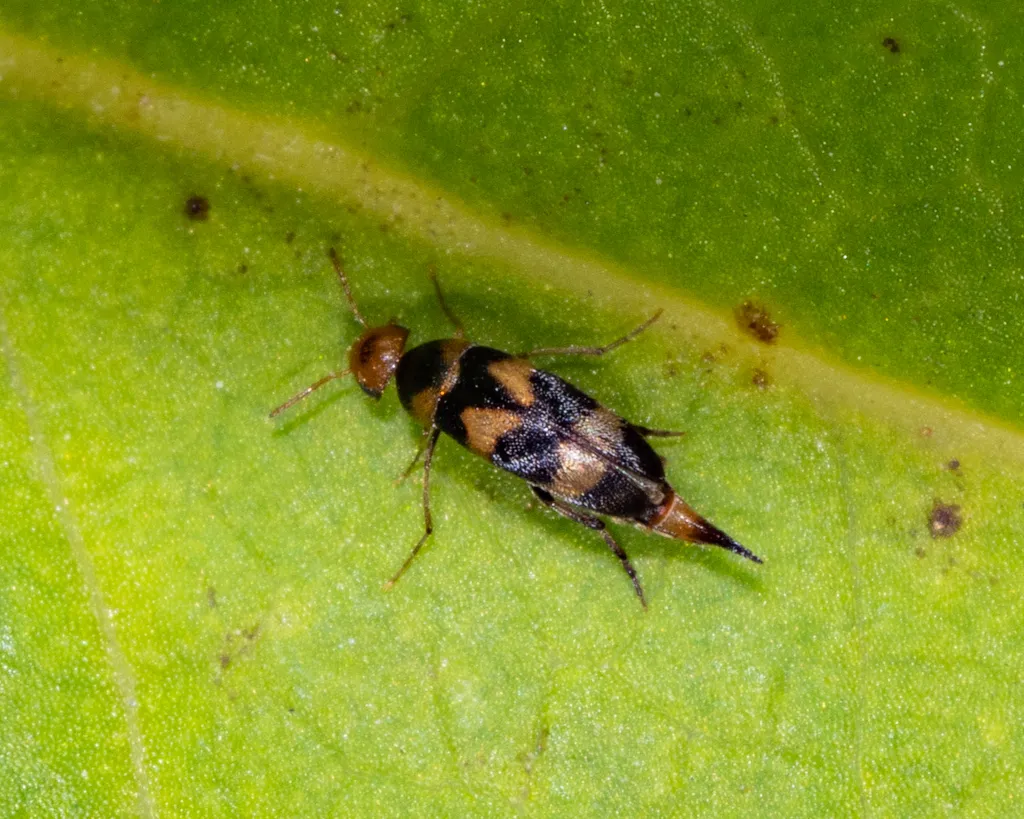
Mordellistena trifasciata
Mordellistena trifasciata
Identification: Det. T. R. Moyer, 2009 Re: Mordellistena sexnotata Dury in central Texas. M. sexnotata Dury was described in 1902 from a single specimen coll. in KY. Liljeblad examined Dury's type and found only one other spmn, from NM, that he deter
Mordellistena vilis 0
Mordellistena vilis
Identification: has the form of Mordellina nigricans (Melsheimer), but it is more finely pubescent, and the basal lobe of the thorax is less prominent. Type Locality: San Diego, California
Mordellistena wenzeli 0
Mordellistena wenzeli
Type Locality: Tybee Tsland, Georgia, A male, collected June 27-30, by H. W. Wenzel
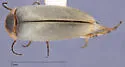
Mordellistena yumae
Mordellistena yumae
Identification: head and pronotum pallid, with dark blotches on vertex and posteriour disk; elytra and venter dark, covered with very sense, silvery pubescence.
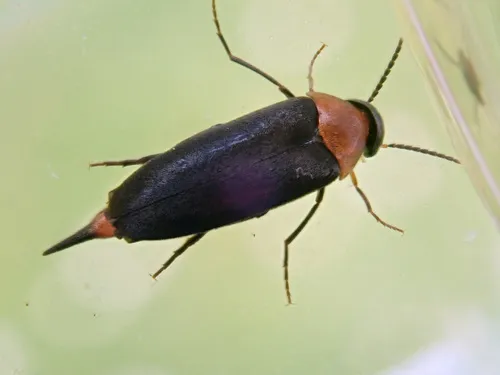
Mordellochroa abdominalis
Mordellochroa abdominalis
Length 6 mm. This tumbling flower beetle has blackish grey elytra and a red thorax. They are sometimes known as pintail beetles, because of the elongated and pointed abdominal tip which aids them with tumbling movements to escape predators. To be see
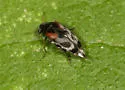
Paramordellaria carinata
Paramordellaria carinata
Identification: Similar markings to P. triloba , but with reddish coloration on humeral band and found from the southern states.
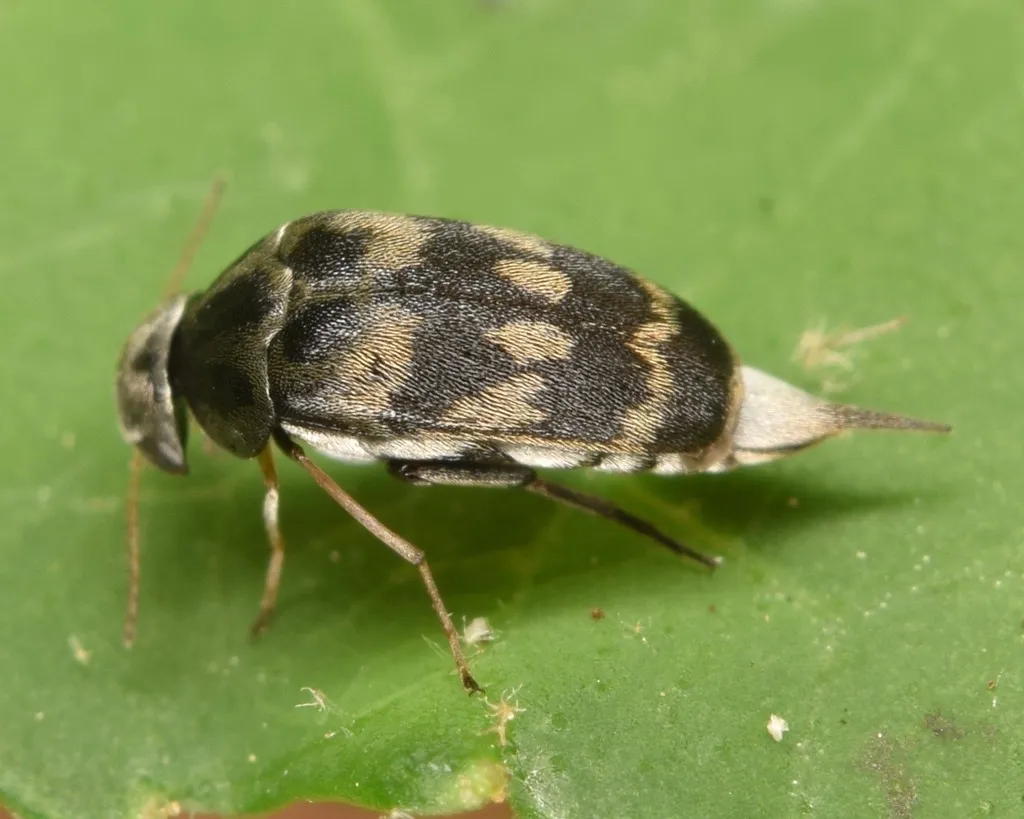
Paramordellaria triloba
Paramordellaria triloba
Identification: Description : Subcuneiform, broadest in female; black, except mouthparts, antennae, and legs which are fuscotestaceous; head with fine pubescence; thorax with irregular lines or marks of yellowish gray pubescence comprising a line oil
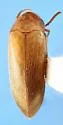
Pseudotolida arida
Pseudotolida arida
Identification: very similar to P. lutea , except with 3 ridges on first tarsal (2 in P. lutea ); slightly larger
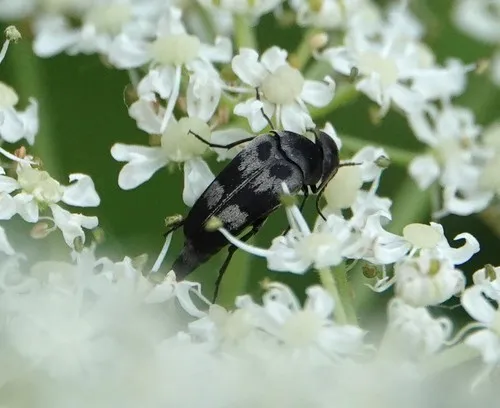
Variimorda villosa
Variimorda villosa
A tumbling flower beetle has blackish elytra with very visible paler patches. They are sometimes known as pintail beetles, because of the elongated and pointed abdominal tip which aids them with tumbling movements to escape predators. Can be found on
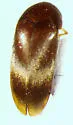
Conalia helva
Conalia helva
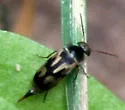
Falsomordellistena bihamata
Falsomordellistena bihamata
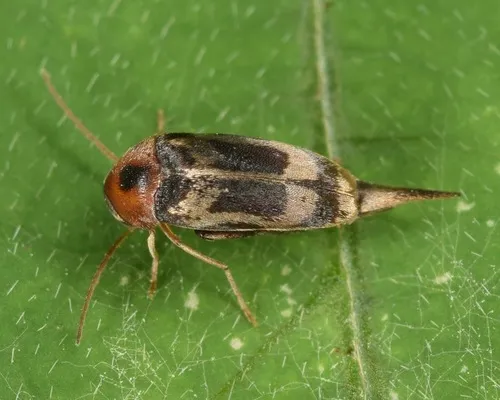
Falsomordellistena hebraica
Falsomordellistena hebraica
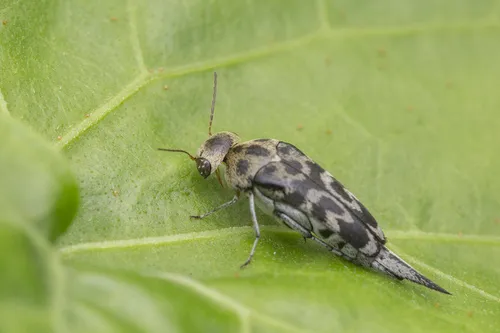
Glipa malaccana
Glipa malaccana
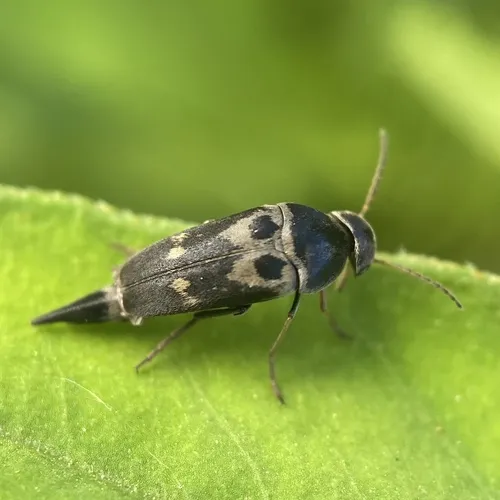
Tumbling Flower Beetle
Glipa oculata
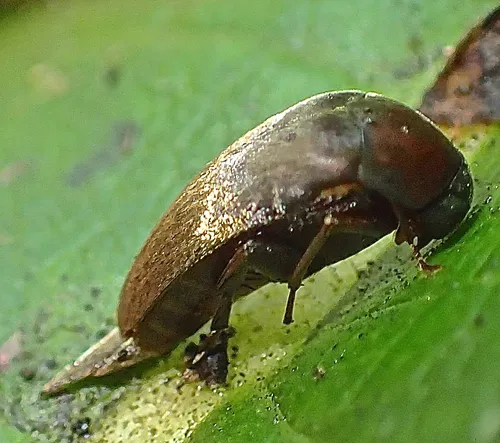
Glipodes sericans
Glipodes sericans
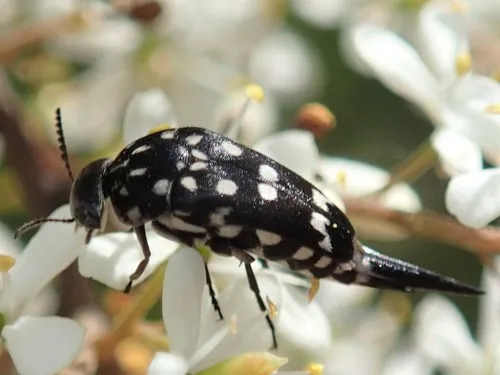
Hoshihananomia dumbrelli
Hoshihananomia dumbrelli
Hoshihananomia inflammata
Hoshihananomia inflammata
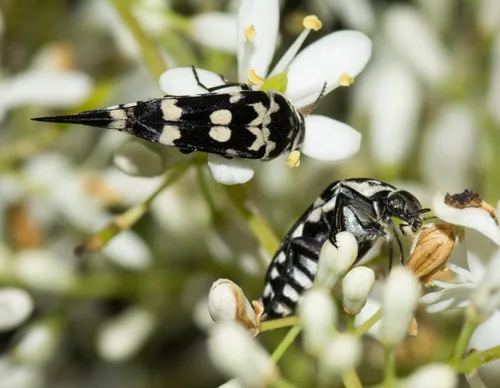
Hoshihananomia leucosticta
Hoshihananomia leucosticta
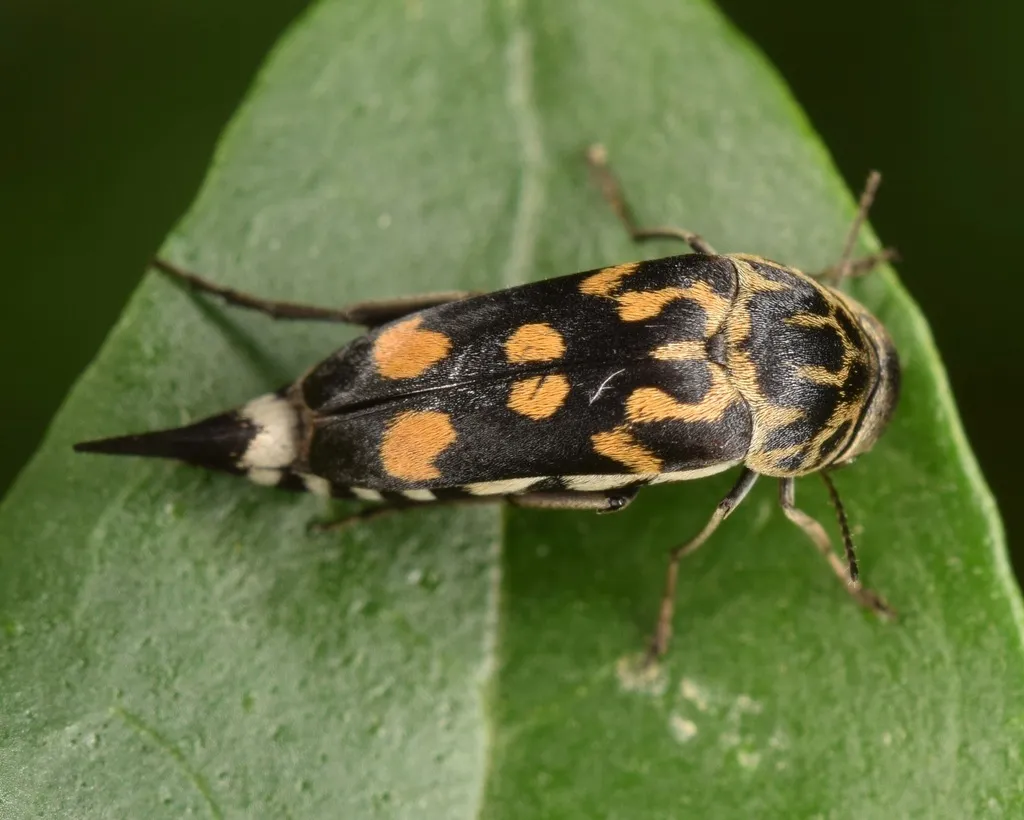
Hoshihananomia octopunctata
Hoshihananomia octopunctata
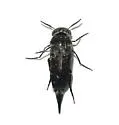
Hoshihananomia perlineata
Hoshihananomia perlineata
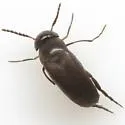
Isotrilophus erraticus
Isotrilophus erraticus
Mordella albosuturalis
Mordella albosuturalis
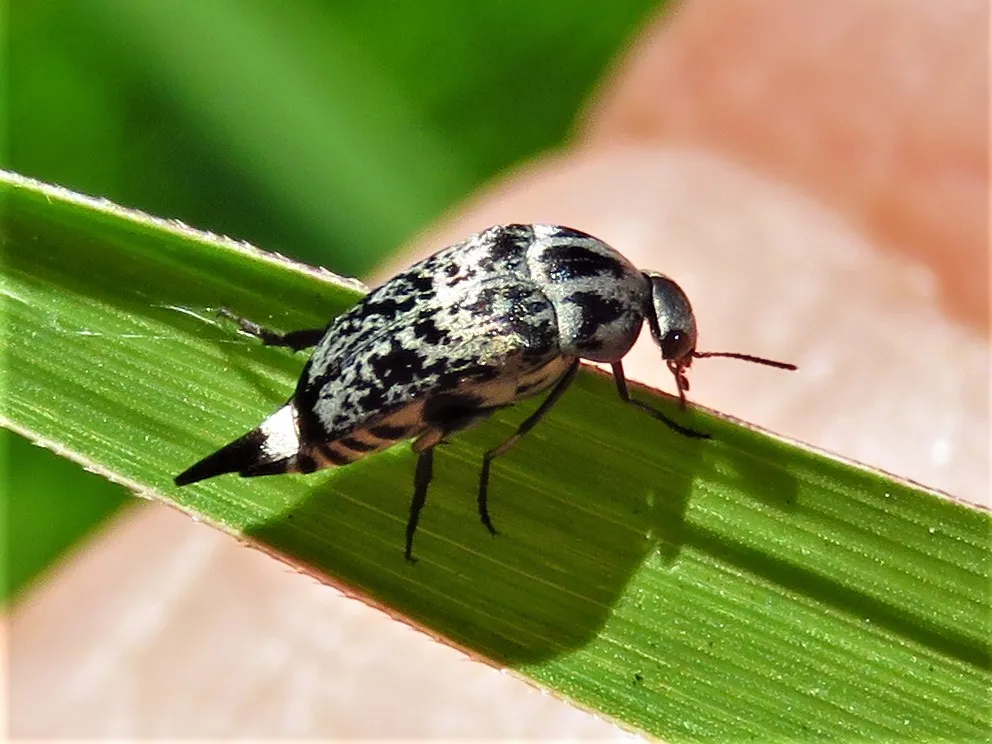
Mordella marginata
Mordella marginata
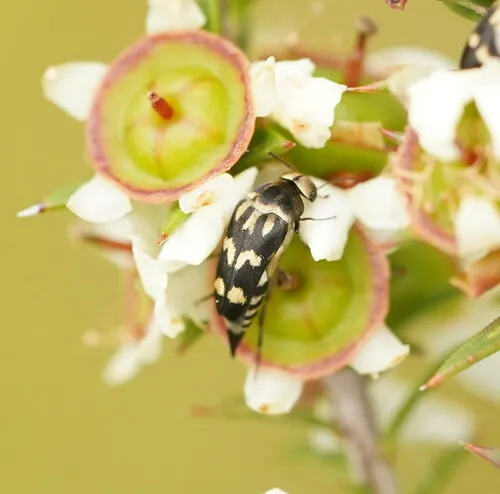
Mordella sydneyana
Mordella sydneyana
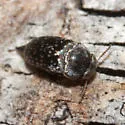
Mordellaria borealis
Mordellaria borealis
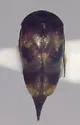
Mordellaria undulata
Mordellaria undulata
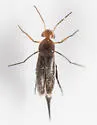
Mordellina impatiens
Mordellina impatiens
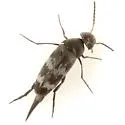
Mordellina infima
Mordellina infima
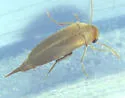
Mordellina semiusta
Mordellina semiusta
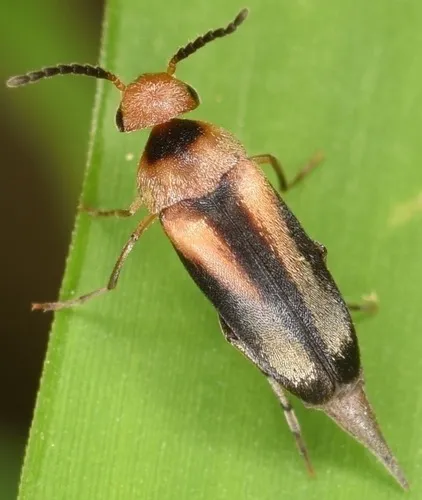
Mordellistena attenuata
Mordellistena attenuata
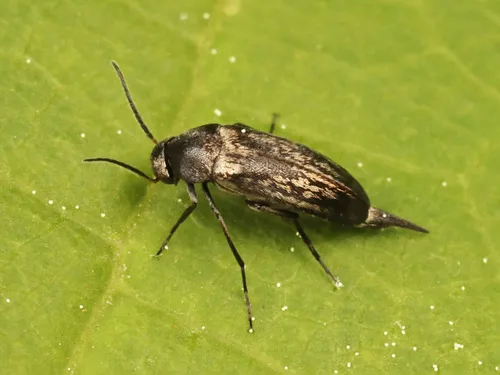
Mordellistena convicta
Mordellistena convicta
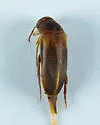
Mordellistena liljebladi
Mordellistena liljebladi
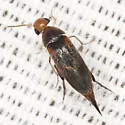
Mordellistena militaris
Mordellistena militaris
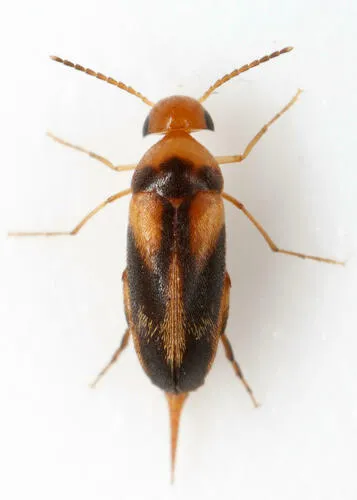
Mordellistena ornata
Mordellistena ornata
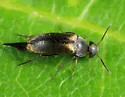
Mordellistena picilabris
Mordellistena picilabris
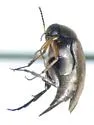
Mordellistena picipennis
Mordellistena picipennis
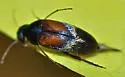
Mordellistena smithi
Mordellistena smithi
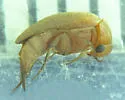
Mordellistena tosta
Mordellistena tosta
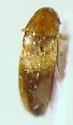
Mordellistena vapida
Mordellistena vapida
Mordellistena vera
Mordellistena vera
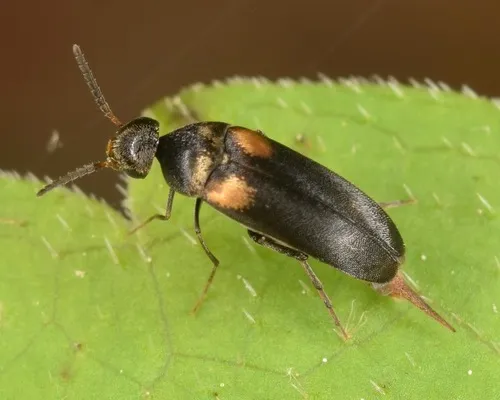
Mordellochroa scapularis
Mordellochroa scapularis
Pseudomordellina hattorii
Pseudomordellina hattorii
Pseudotolida lutea
Pseudotolida lutea
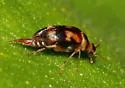
Tolidomordella discoidea
Tolidomordella discoidea
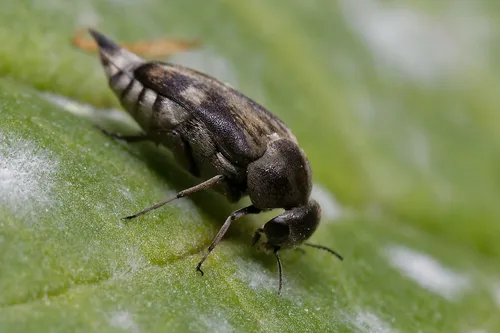
Tomoxia bucephala
Tomoxia bucephala
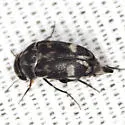
Tomoxia inclusa
Tomoxia inclusa
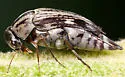
Tomoxia lineella
Tomoxia lineella
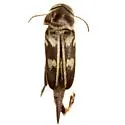
Variimorda insulata
Variimorda insulata
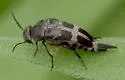
Variimorda jovialis
Variimorda jovialis
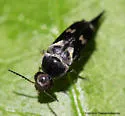
Variimorda pubescens
Variimorda pubescens
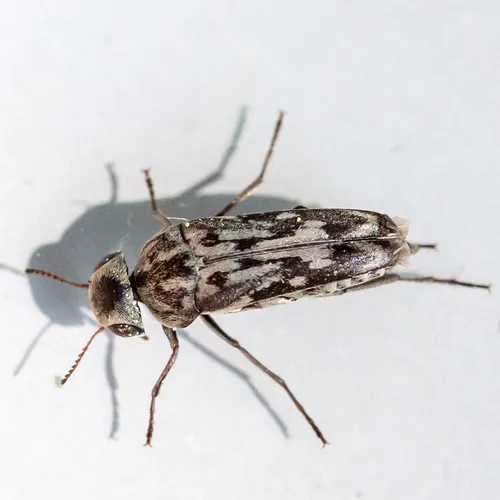
Yakuhananomia bidentata
Yakuhananomia bidentata