
Family Checkered Beetles (Cleridae)
Cleridae is a family in the order Coleoptera. Browse 188 named species recorded in this family, or open an individual profile for its available identification and natural-history information.
Species in Cleridae (188)
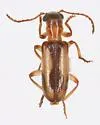
Araeodontia marginalis
Araeodontia marginalis
Identification: characterized by having piceous stripes extending along the sutural and lateral margins of the elytra in a continuous manner. No other species of Araeodontia possess such a distinctive type of elytral markings. Type locality: Mexico,
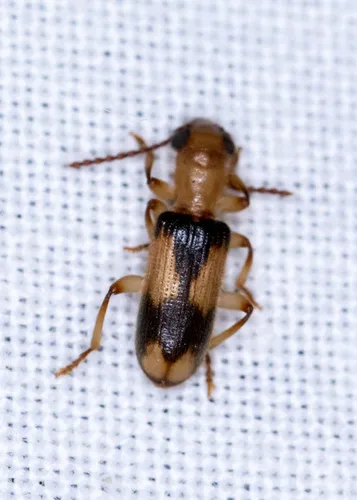
Araeodontia peninsularis
Araeodontia peninsularis
Identification: As in most maculate Cymatodera, peninsularis presents considerable varia- tion in color. One specimen has the elytra black with two, broad, indistinct ante-median fasciae, extending inward only slightly from the lateral margins, along
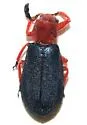
Chariessa catalina
Chariessa catalina
Identification: Forebody, venter, forebody and venter pubescence, pale sanguineous; elytra more black than blue (USA) ...... Chariessa elegans Horn Forebody, venter, forebody and venter pubescence, crimson; elytra more blue than black (USA, Mexico) .
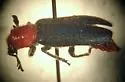
Chariessa dichroa
Chariessa dichroa
Identification: Pronotum unicolorous reddish, legs black
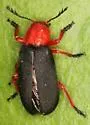
Chariessa elegans
Chariessa elegans
Identification: Pronotum unicolorous, reddish; legs mostly reddish, tarsi black pair, along with dozens of others, on an oak that had been struck by lightning in Texas:
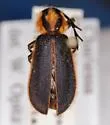
Chariessa floridana
Chariessa floridana
Identification: Pronotal discal black lines narrow and distal to each other, tuft of gold setae between black lines; known only from Key Largo most recent spmn coll'ed in 1979
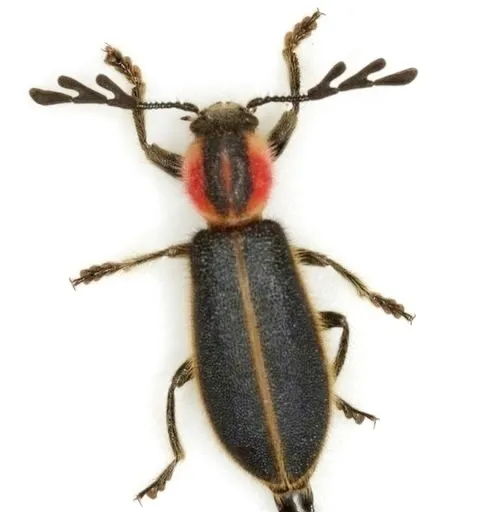
Chariessa pilosa
Chariessa pilosa
Identification: Pronotal discal black lines broad and proximal to each other ♂ ♀
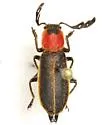
Chariessa texana
Chariessa texana
Identification: Pronotum without two discal black lines, pronotal disc mostly red, with transverse black spot at anterior margin Type locality: Texas, Nolan County, Sweetwater (FMNH).
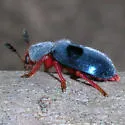
Chariessa vestita
Chariessa vestita
potential intra-generic predation attempt described in Taber and Fleenor
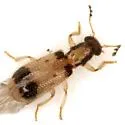
Cregya america
Cregya america
Identification: Det. M. A. Quinn, 2020 Type Locality: FLORIDA, Lee Co. Lehigh Acres, 26-IV-2011
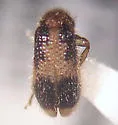
Cregya mixta
Cregya mixta
Identification: Pronotal sides dark brown, pronotal disc with 2 spots near base; elytral humeral dark marking extends to elytral middle Dets. of these LA & TX spmns by W. Opitz A narrow brown streak may connect the elytral humeral and preapical brown
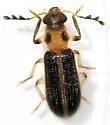
Cregya oculata
Cregya oculata
Identification: Elytral disc uniformly brown, elytral margins testaceous; pronotal disc with two brown spots comes to lights
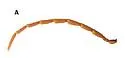
Cymatodera longicornis 0
Cymatodera longicornis
Identification: Antennae with joints two and three small, round, together shorter than joint four (first key couplet) Type Locality: Santa Fe, New Mexico
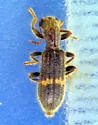
Cymatodera neomexicana
Cymatodera neomexicana
Identification: Cymatodera neomexicana is characterized by elongate paired metasternal carinae in the male, and the shape of the pygidium. The dorsal elytral patterning is not diagnostic. (J. Rifkind, pers. comm. to MAQ, 2018)
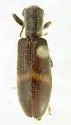
Cymatodera obliquefasciata
Cymatodera obliquefasciata
Type Locality: Esperanza Ranch, Brownsville, Cameron Co., Texas
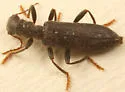
Cymatodera oblita
Cymatodera oblita
Identification: "...impossible to identify without examining the terminalia." - Jacques Rifkind, 2010 Type Locality: Camp Grant, Arizona
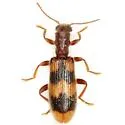
Cymatodera sirpata
Cymatodera sirpata
Identification: two wide, relatively smooth-edged black bands, each with a forward sutural protrusion, elytral apex pale Det. E. G. Riley 2009
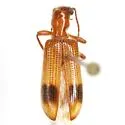
Cymatodera tuta
Cymatodera tuta
Identification: Cymatodera tuta Wolcott and C. tutoides Barr are very similar. "The only difference among them is that females of the latter species have a subapical ridge on the fifth ventrite, whereas females of the former lack this ridge. Males ar
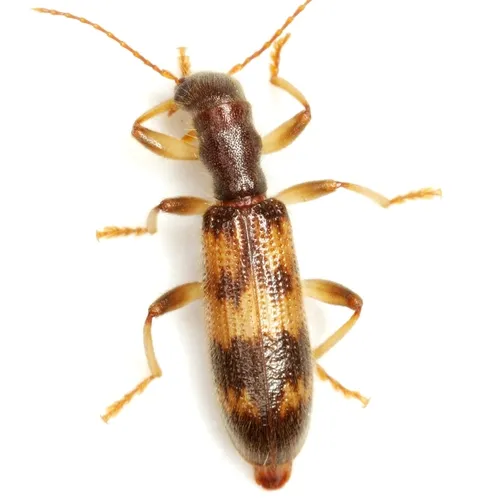
Undulate Checkered Beetle
Cymatodera undulata
Identification: four black undulating bands, elytral apex dark Det. A. Burke, 2017 comes to lights
Cymatodera wolcotti
Cymatodera wolcotti
collected at UV lights/traps, Malaise traps, a wooden block nest intercept trap, Lindgren funnel traps baited with alpha-beta pinene and ethanol (separately) and turpentine and frontalin (together)
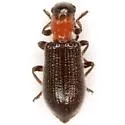
Cymatoderella collaris
Cymatoderella collaris
Identification: pronotum orange with apical and basal margins black Det. E. G. Riley 2009 coll'ed from flight-intercept traps, at mercury vapor and blacklights.
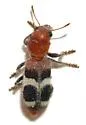
Enoclerus analis
Enoclerus analis
Identification: "quite variable across their range" (J. Rifkind, pers. comm. to MAQ, 2025)
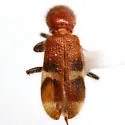
Enoclerus angustus
Enoclerus angustus
Identification: In FL, has blackish to reddish legs and is nearly entirely red to reddish-pink. Det. J. Rifkind, 2008 Leavengood's key to similar spp. in FL 3. Abdomen red..................................................4 3’. Abdomen black..........
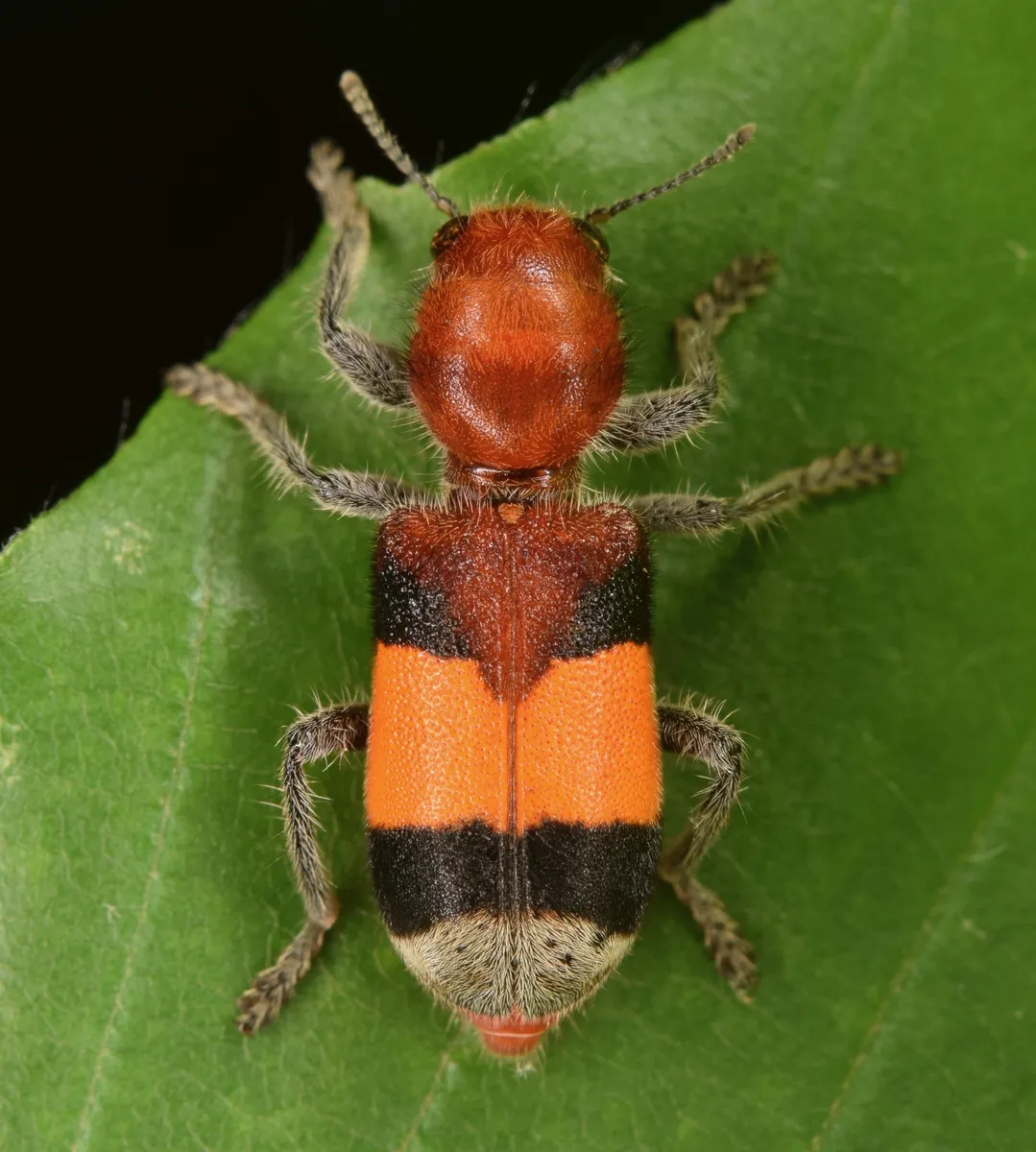
Orange-banded Checkered Beetle
Enoclerus ichneumoneus
Identification: A very wide orangish-brown band across the middle of the elytra and an elongate scutellum
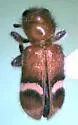
Enoclerus lunatus
Enoclerus lunatus
Identification: Each elytron with one crescent-shaped creamy white slightly elevated lunula located behind the middle, the punctation of the lunula being much less coarse and dense than the remaining elytral regions, the pubescence on the lunula no m
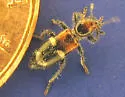
Enoclerus nigrifrons
Enoclerus nigrifrons
Identification: In FL, has a red head, pronotum, legs, antennae and mouthparts. The basal third of the elytra is red, followed by an arched, white mid-elytral fascia which is not anteriorly margined with black. - spmn from OK Det. K. H. Stephan, 2002
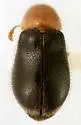
Lebasiella pallipes
Lebasiella pallipes
This species has appeared but once in our lists under the name of pallipes and is not given in the Henshaw List. The species was stricken from our catalogues upon the supposition that it did not belong to our fauna, but that it was a species of Mexic
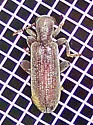
Lecontella brunnea
Lecontella brunnea
Identification: pronotal punctations small, fine and shallow Det. J. L. Neff, 2007 Type Locality: Brownsville, Texas

Lecontella gnara
Lecontella gnara
Identification: Punctations on pronotal disc coarse, deep and wide
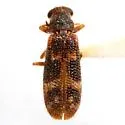
Madoniella chiricahua
Madoniella chiricahua
Identification: PARATYPE Type locality: Chiricahua Mountains, Cochise Co., Arizona.
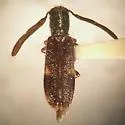
Monophylla californica
Monophylla californica
Monophylla californica (Monophylla californica) is a species in the family Cleridae, commonly known as checkered beetles, belonging to the order Coleoptera (Beetles). It is classified within the subfamily Tillinae, suborder Polyphaga, superfamily Cle
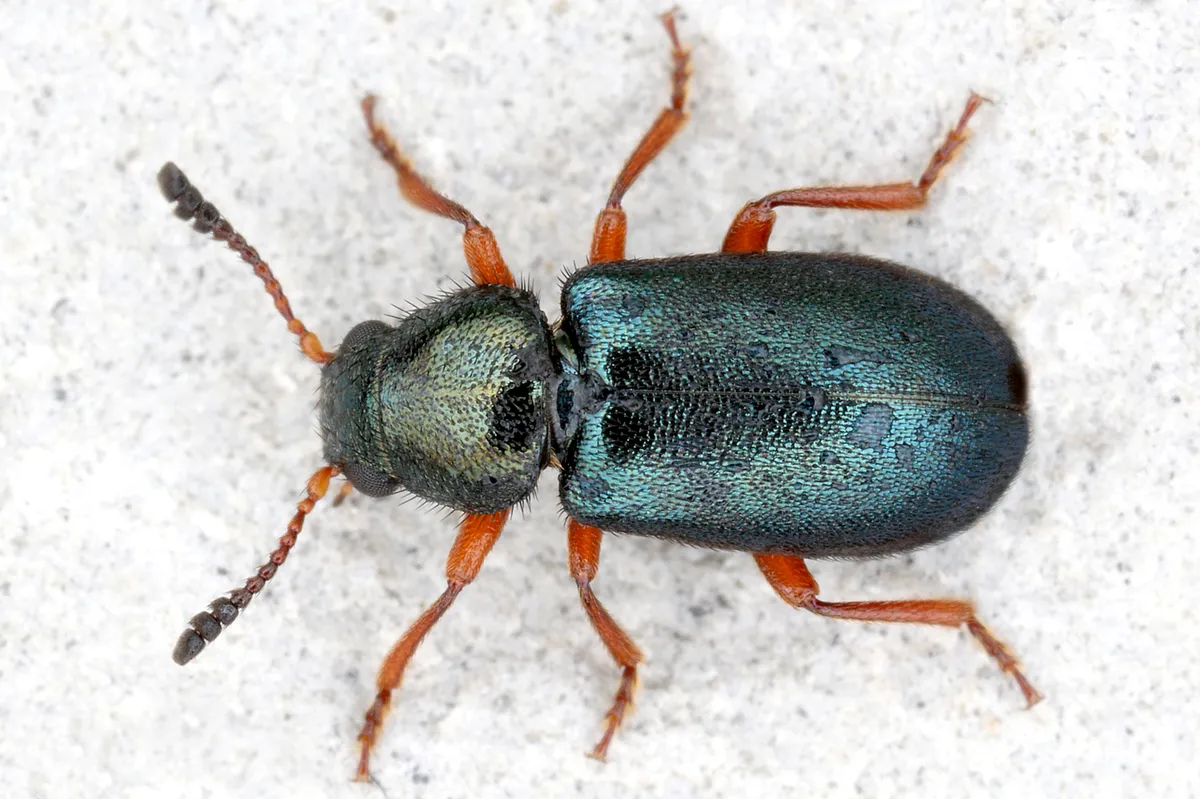
Red-legged Ham Beetle
Necrobia rufipes
Identification: Adult: head, thorax, elytra shiny metallic bluish-green or blackish; underside of abdomen dark blue; legs bright reddish-brown or orange; antennae mainly reddish-brown but with dark brown or black club at tip; sides of thorax and elyt
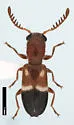
Neocallotillus elegans
Neocallotillus elegans
Identification: Neocallotillus spp. are the only tillines of N. Amer. with the elytral surface adorned with a pale transverse, blister-like, swollen fascia.
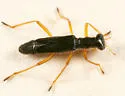
Neohydnocera tabida
Neohydnocera tabida
Identification: tabida's elytra are longer, with more rounded apices. (J. Leavengood, pers. comm. to MAQ, 2014)
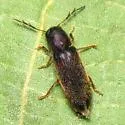
Neorthopleura texana
Neorthopleura texana
Identification: disc of pronotum light brown, pronotal fringes dark brown , overall color pattern is brick and brown Det. M. A. Quinn, 2016 the following is not true antennomeres entirely dark in N. thoracica , funicular segments paler in N. texana a
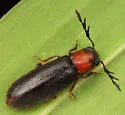
Neorthopleura thoracica
Neorthopleura thoracica
Identification: pronotal disc is red and the lateral margins are narrowly black , overall color pattern is red and black Det. M. A. Quinn, 2016 the following is not true antennomeres entirely dark in N. thoracica , funicular segments paler in N. texa
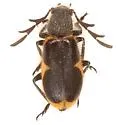
Pelonides granulatipennis
Pelonides granulatipennis
Identification: Elongate black, elytra covered with small granules, red with two large black spots on each side which are usually confluent. Elytra distinctly broader than the thorax at base. I have taken about 15 specimens of this fine species on th
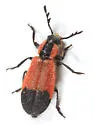
Pelonides humeralis
Pelonides humeralis
Identification: variable color pattern, see also type
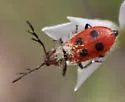
Pelonides quadrinotata
Pelonides quadrinotata
Identification: individuals with any kind of red marking on the forebody (head+prothorax) are P. quadrinotata (which sometimes has no spots at all), while in P. quadripunctata the forebody is entirely black
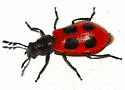
Pelonides quadripunctata
Pelonides quadripunctata
Identification: forebody (head+prothorax) is entirely black (individuals with any red marking on the forebody are P. quadrinotata )
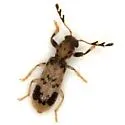
Pelonium maculicolle
Pelonium maculicolle
Identification: Det. E. G. Riley, 2009 I have taken a considerable number of this species, which is in my experience the most common Clerid in this region. It occurred mostly on [Texas Ebony - Ebenopsis ebano ] and is a very slow insect. (Schaeffer 1
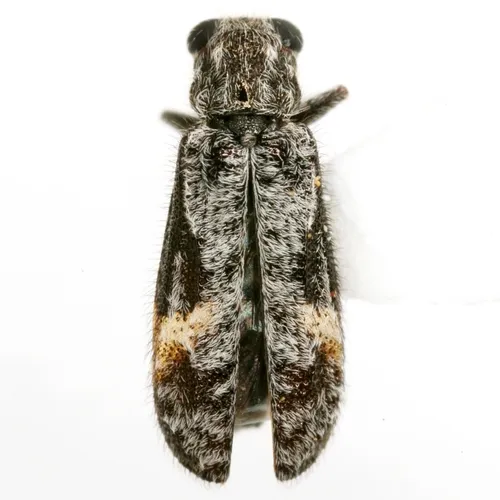
Pennasolis merkeli
Pennasolis merkeli
Identification: Slender, parallel, piceous black, moderately shining, with sparsely placed erect hairs, and a silken white pubescence forming an indistinct design on the elytra, each elytron with a yellow spot on the margin behind the middle. Head co
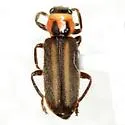
Perilypus ornaticollis
Perilypus ornaticollis
Identification: serrate antennae Type Locality: Ohio
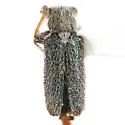
Phyllobaenus caeruleipennis
Phyllobaenus caeruleipennis
Identification: "While often distinctly metallic blue to green (Fig. 2), duller forms (Fig. 1) may be confused with the more robust-bodied P. pubescens (LeConte). The elytral form of P. caeruleipennis is similar to that of P. pallipennis (Say) and P.
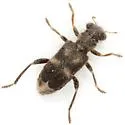
Phyllobaenus discoideus
Phyllobaenus discoideus
Type Locality: Colorado uncommonly encountered per GBIF data
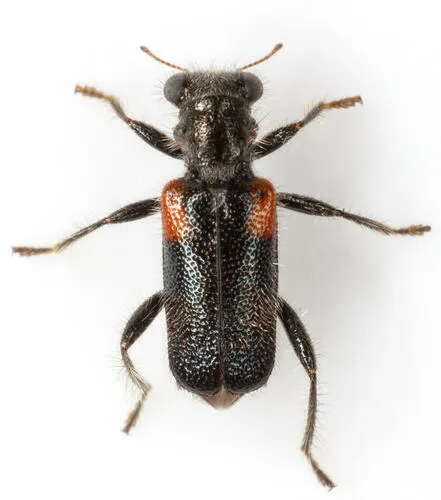
Phyllobaenus humeralis
Phyllobaenus humeralis
Phyllobaenus humeralis (Phyllobaenus humeralis) is a species in the family Cleridae, commonly known as checkered beetles, belonging to the order Coleoptera (Beetles). It is classified within the subfamily Hydnocerinae, suborder Polyphaga, superfamily
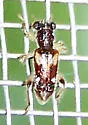
Phyllobaenus obscurus
Phyllobaenus obscurus
Identification: Det. John Leavengood, 2012 Type locality: San Gerónimo, Guatemala
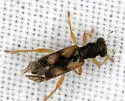
Phyllobaenus pallipennis
Phyllobaenus pallipennis
Identification: Recognized by its orangish antennae, mouthparts and legs, dark colored body, pronotum and head, and two yellowish markings on each elytron
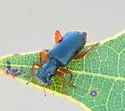
Phyllobaenus rufipes
Phyllobaenus rufipes
Identification: somewhat metallic blue-green with orangish legs, antennae and mouthparts
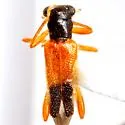
Phyllobaenus schusteri
Phyllobaenus schusteri
Identification: Holotype record from Brownsville, TX (Schaeffer 1908) is in error. (J.Leavengood, pers.comm. to MAQ, 2015)
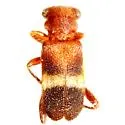
Phyllobaenus tricolor
Phyllobaenus tricolor
Type Locality: Esperanza Ranch, Brownsville, Cameron Co., TX
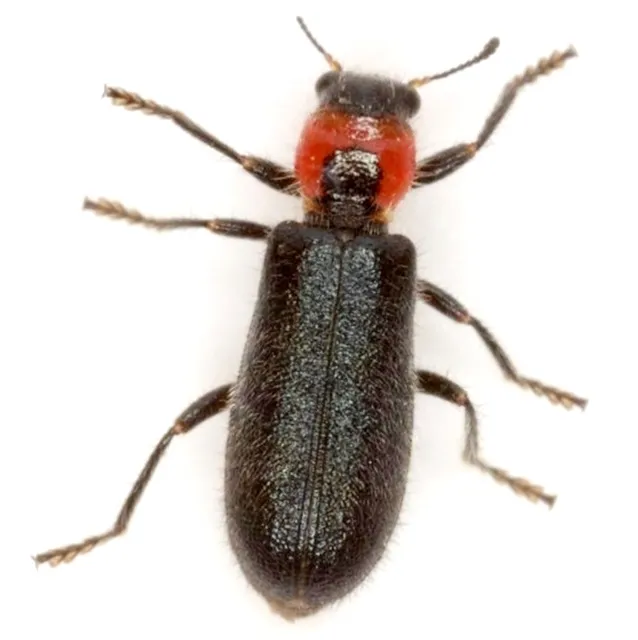
Placopterus thoracicus
Placopterus thoracicus
Identification: variable amount of black on prothorax Det. E. G. Riley, 2009
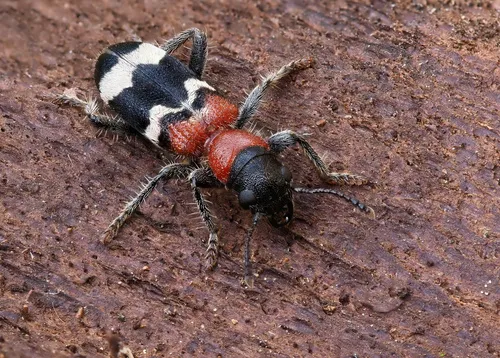
Ant Beetle
Thanasimus formicarius
Although the pattern varies, the elytra always has two pale cross bars. The thorax is red. It reaches a length of up to 10mm. Feeds on bark beetles and their grubs in various trees, it is therefore often seen on the trunks of trees. This beetle spend
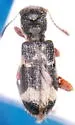
Thanasimus nubilus
Thanasimus nubilus
Identification: Humeral area of elytra above upper band and pronotum solid black; slightly larger in average than T. undatulus .
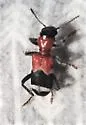
Thanasimus repandus
Thanasimus repandus
Identification: Holotype Closely resembles T. trifasciatus , but has black head and narrower, arcuate white apical band.
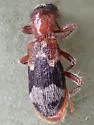
Thanasimus undatulus
Thanasimus undatulus
Identification: Similar to Thanasimus nubilus (which was until recently considered a subspecies of T. undatulus ), but with humeral area of elytra and usually the pronotum red, though it may be black in some northern individuals.
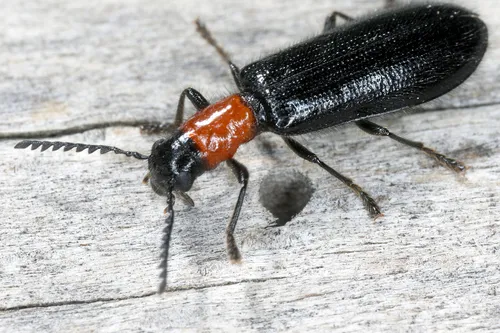
Tillus elongatus
Tillus elongatus
7-10mm. A distinctive species that is elongate and superficially like a soldier beetle. Males are all black but females have a bright red pronotum. Long but sparce hairs cover most of the dorsal surface. Both sexes have long, serrated antennae. A goo
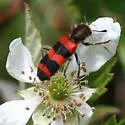
Trichodes apivorus
Trichodes apivorus
Trichodes apivorus (Trichodes apivorus) is a species in the family Cleridae, commonly known as checkered beetles, belonging to the order Coleoptera (Beetles). It is classified within the subfamily Clerinae, suborder Polyphaga, superfamily Cleroidea.
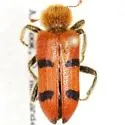
Trichodes bicinctus
Trichodes bicinctus
Type Locality: 20 mi. s. of Marfa, Brewster Co., Texas (Green 1917)
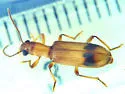
Araeodontia isabellae
Araeodontia isabellae
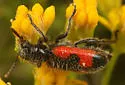
Aulicus antennatus
Aulicus antennatus
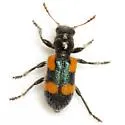
Aulicus apachei
Aulicus apachei
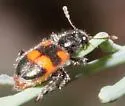
Aulicus dentipes
Aulicus dentipes
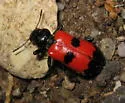
Aulicus edwardsii
Aulicus edwardsii
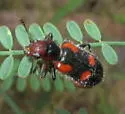
Aulicus femoralis
Aulicus femoralis
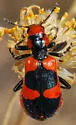
Aulicus monticola
Aulicus monticola
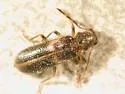
Boschella fasciata
Boschella fasciata
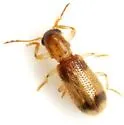
Cregya quadrinotata
Cregya quadrinotata
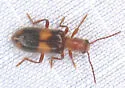
Cymatodera aegra-complex
Cymatodera aegra-complex
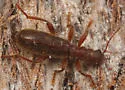
Cymatodera angustata
Cymatodera angustata
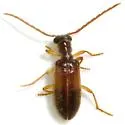
Cymatodera antennata
Cymatodera antennata

Cymatodera balteata
Cymatodera balteata
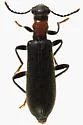
Cymatodera bicolor
Cymatodera bicolor
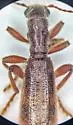
Cymatodera brevicollis
Cymatodera brevicollis
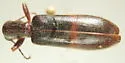
Cymatodera californica
Cymatodera californica
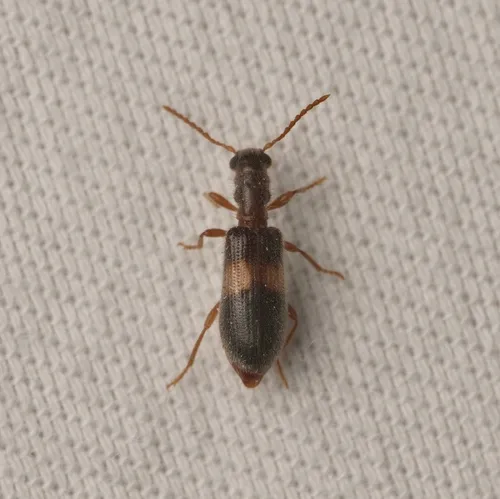
Cymatodera decipiens
Cymatodera decipiens
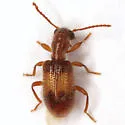
Cymatodera delicatula
Cymatodera delicatula
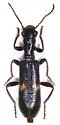
Cymatodera dietrichi
Cymatodera dietrichi
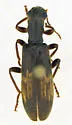
Cymatodera flavosignata
Cymatodera flavosignata
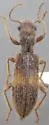
Cymatodera fuchsii
Cymatodera fuchsii
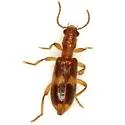
Cymatodera fuscula
Cymatodera fuscula
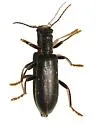
Cymatodera horni
Cymatodera horni
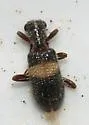
Cymatodera hurdi
Cymatodera hurdi
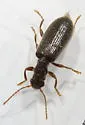
Inornate Checkered Beetle
Cymatodera inornata
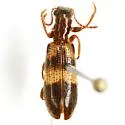
Cymatodera laevicollis
Cymatodera laevicollis
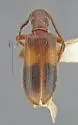
Cymatodera latefascia
Cymatodera latefascia
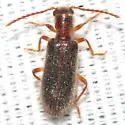
Cymatodera pubescens
Cymatodera pubescens
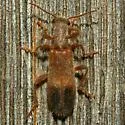
Cymatodera punctata
Cymatodera punctata
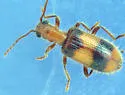
Cymatodera puncticollis
Cymatodera puncticollis
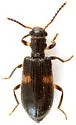
Cymatodera schwarzi
Cymatodera schwarzi
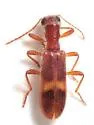
Cymatodera scitula
Cymatodera scitula
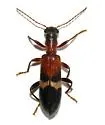
Cymatodera tricolor
Cymatodera tricolor
Cymatodera usta 0
Cymatodera usta
Cymatodera vandykei
Cymatodera vandykei
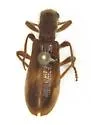
Cymatodera vulgivaga
Cymatodera vulgivaga
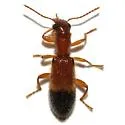
Cymatodera xavierae
Cymatodera xavierae
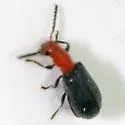
Cymatoderella patagoniae
Cymatoderella patagoniae
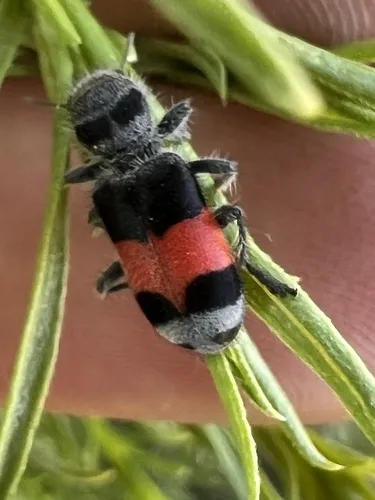
Enoclerus acerbus
Enoclerus acerbus
Enoclerus bimaculatus
Enoclerus bimaculatus
Enoclerus bombycinus
Enoclerus bombycinus