
Family Darkling Beetles (Tenebrionidae)
Tenebrionidae is a family in the order Coleoptera. Browse 649 named species recorded in this family, or open an individual profile for its available identification and natural-history information.
Species in Tenebrionidae (649)
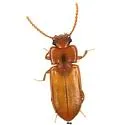
Adelina bidens
Adelina bidens
Identification: Det. E. G. Riley 2010 Type Locality: Florida
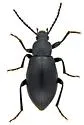
Alethia liebecki
Alethia liebecki
Identification: Holotype comes to lights during the monsoon season; males are uncommon in collections, females exceedingly rare
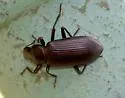
Alobates barbatus
Alobates barbatus
Identification: Mentum with tuft of long yellowish setae
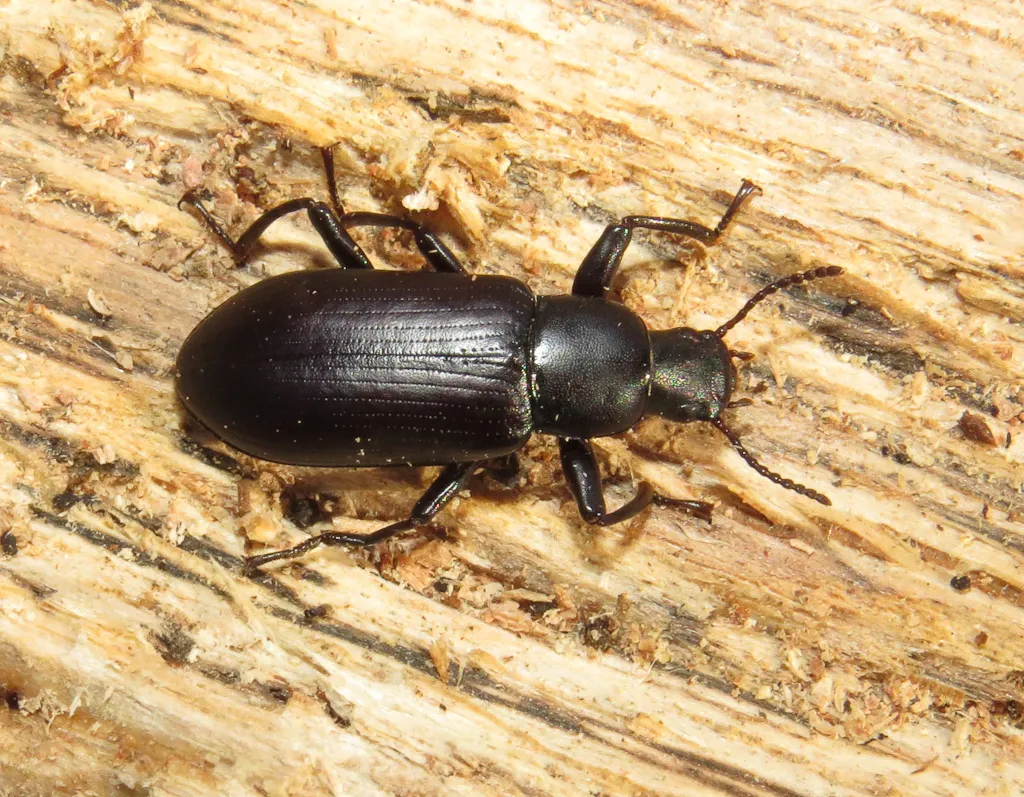
False Mealworm Beetle
Alobates pensylvanicus
Identification: mentum without a tuft of yellow hair
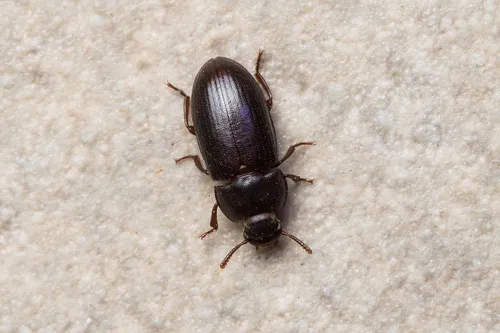
Black Fungus Beetle
Alphitobius laevigatus
Identification: differs from A. diaperinus in having the eye more deeply incised (width about 1 facet laterally) and the pronotum more convex, its lateral margins more rounded and the basal bead complete
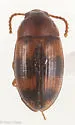
Two-banded Fungus Beetle
Alphitophagus bifasciatus
Two-banded Fungus Beetle (Alphitophagus bifasciatus) is a species in the family Tenebrionidae, commonly known as darkling beetles, belonging to the order Coleoptera (Beetles). It is classified within the subfamily Diaperinae, tribe Diaperini, suborde
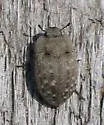
Ammodonus fossor
Ammodonus fossor
Ammodonus fossor (Ammodonus fossor) is a species in the family Tenebrionidae, commonly known as darkling beetles, belonging to the order Coleoptera (Beetles). It is classified within the subfamily Blaptinae, tribe Opatrini, suborder Polyphaga, superf
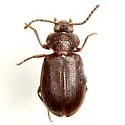
Anaedus texanus
Anaedus texanus
Type coll'ed by E. A. Schwarz in Brownsville, Texas.
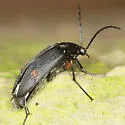
Androchirus femoralis
Androchirus femoralis
Androchirus femoralis (Androchirus femoralis) is a species in the family Tenebrionidae, commonly known as darkling beetles, belonging to the order Coleoptera (Beetles). It is classified within the subfamily Alleculinae, suborder Polyphaga, superfamil
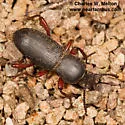
Argoporis alutacea
Argoporis alutacea
Identification: male metafemoral armature distinctive
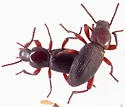
Argoporis rufipes
Argoporis rufipes
Identification: male: metafemoral tooth followed by 2 smaller teeth
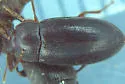
Armalia angularis
Armalia angularis
Identification: head as in texanus but rather less coarsely or closely punctate; prothorax formed nearly as in texanus but rather less transverse and with the punctures medially rather finer, becoming much coarser and close-set laterally but not as d
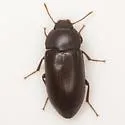
Armalia texana
Armalia texana
common at Laguna Atascosa NWR, Cameron Co. ( 3 ) ; uncommon in c.TX (Brazos Co.), comes to lights (=v=)
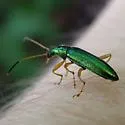
Arthromacra pilosella
Arthromacra pilosella
Identification: Ciegler describes A. pilosella : "Elongate, subcylindrical, slightly broader behind, shiny. Greenish or greenish coppery bronze; antennae, tibiae, and tarsi pale testaceous, abdomen dark bronze. Dorsal surface of pronotum and elytra w
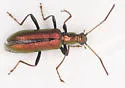
Arthromacra robinsoni
Arthromacra robinsoni
Identification: Field identification of species in this genus is difficult. It appears that the following are helpful in the ID of robinsoni : Both male and female in this species have an elongated apical antennal segment. See figure from original de
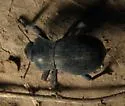
Asbolus mexicanus
Asbolus mexicanus
Identification: From all our species, angularis differs in having the hind angles distinctly everted and the lateral margin in front of them slightly reflexed. Type Locality of A. m. angularis (Horn): El Paraíso, Baja California, Mexico
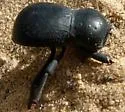
Asbolus papillosus
Asbolus papillosus
Identification: Characterized by the more granular elytra and shorter hairs on the tarsi.
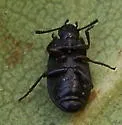
Blapstinus metallicus
Blapstinus metallicus
Identification: Body shining, sometimes slightly metallic; both apical & basal pronotal angles prominent; punctures of elytral striae interrupted, with noticeable sections often missing; wings fully developed
Bolitophagus corticola
Bolitophagus corticola
Identification: Smaller than Bolitotherus . Male not horned
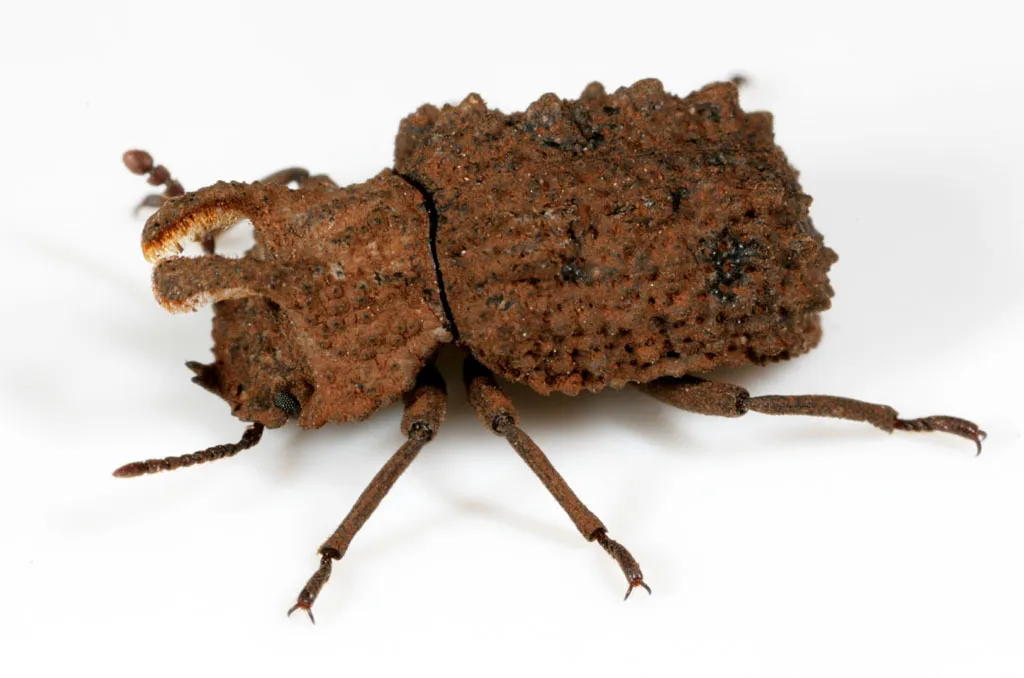
Forked Fungus Beetle
Bolitotherus cornutus
Identification: The male has a pair of stout, forward pointing horns Beetles always make the entrances through the top of the sporocarp, whether they are living in Ganoderma applanatum in the northern part of their range or in G. lucidum in the south
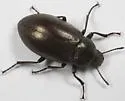
Bothrotes plumbeus
Bothrotes plumbeus
Identification: Lead-bronze, almost opaque, briefly gray-pubescent, head densely punctate, thorax almost half as wide, narrowed anteriorly, sides rounded, anterior angles subacute, not prolonged, densely subtly punctate; elytra densely punctate and w
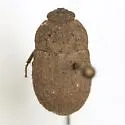
Branchus whiteheadi
Branchus whiteheadi
Identification: usually encrusted with pale coating of soil (Steiner 1991)
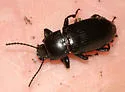
Centronopus calcaratus
Centronopus calcaratus
Identification: Male has prominent blunt tooth on tibia :
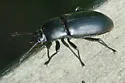
Centronopus opacus
Centronopus opacus
active at nights, on overcast days, and immediately after rainfall; none taken at lights or in FIT (Triplehorn & Stephan 1994); come to lights in cTX (i have a series taken at my porch lights. =v=)
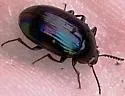
Ceropria induta
Ceropria induta
Identification: see Steiner & Golia earliest NA record: FL 1998
Ciliate Dune Beetle
Coelus ciliatus
Identification: Though this species varies morphologically from extreme southern (Ensenada, Baja Calif., Mexico) to extreme northern populations (Vancouver, B.C., Canada), the characters distinguishing this species from other in this genus are: A pro
Globose Dune Beetle
Coelus globosus
Identification: populations vary in size and punctation, but the deeply emarginate epistoma and setation extending only to the frontoclypeal suture separate this species from others :
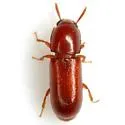
Corticeus glaber
Corticeus glaber
our only representative of the subgenus Tylophloeus Bremer 1998 ( 4 )
Corticeus subopacus
Corticeus subopacus
Identification: habitus photo holotype images at CNC
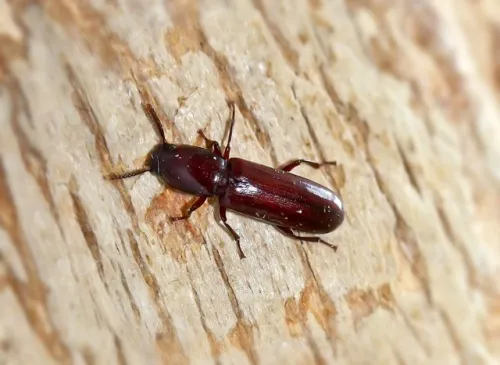
Corticeus unicolor
Corticeus unicolor
Size 5 to 7 mm. A deep red darkling beetle with finely punctate elytra and a blackish head. The pronotum is longer than it is broad. Underneath young bracket fungus and behind bark. Rare in Britain and with an RDB3 status (Species with small populati
Cymatothes unicolor
Cymatothes unicolor
Identification: Base of the pronotum is bisinuate instead of broadly and feebly arcuate as in C. opaca (FL species). Thorax very convex, smooth. Elytra lightly striate (Champion, 1887, p. 332).
Larger Black Flour Beetle
Cynaeus angustus
common pest of farm-stored grain in north-central US ( 4 )
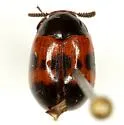
Diaperis nigronotata
Diaperis nigronotata
Much more common than D. maculata in Brazos Co., TX
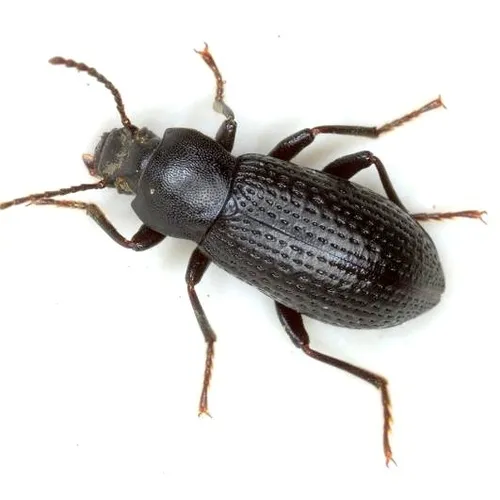
Dinomus horni
Dinomus horni
Identification: Moderately elongate, piceous or black, moderately shining. Antennae rather slender, nearly reaching the middle of the body, outer joints scarcely wider and very little compressed. Head moderately denselv punctured. Thorax wider than l
Dinomus impolitus
Dinomus impolitus
Type: One specimen from Texas, in the collection of Mr. Ulke ( 3 ) , likely coll'ed by Lincecum. ( 4 )
Dinomus micans
Dinomus micans
Identification: Elytra with rainbow sheen, intervals flat
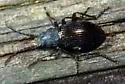
Dinomus sulcipennis
Dinomus sulcipennis
Identification: elytral intervals convex, striae pronounced
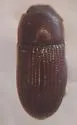
Dioedus punctatus
Dioedus punctatus
Identification: "Scutellum small, elytra without scutellar striae; antennal club with two or three anetennomeres" --> Dioedus (only one NA sp.)
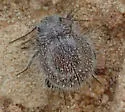
Edrotes leechi
Edrotes leechi
Identification: Spatulate process on the first protarsomere is diagnostic
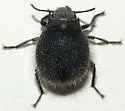
Edrotes rotundus
Edrotes rotundus
variable species, described by Casey alone under 8 names
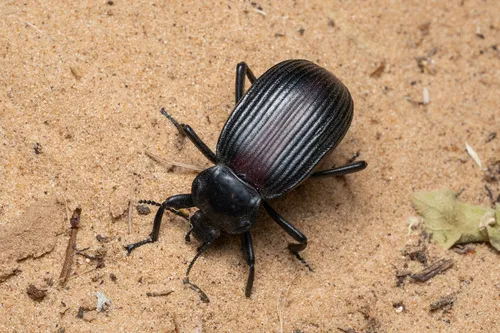
Eleodes acuta
Eleodes acuta
The gender of Eleodes is feminine , so adjectivic species names end -is or -a, not -um.
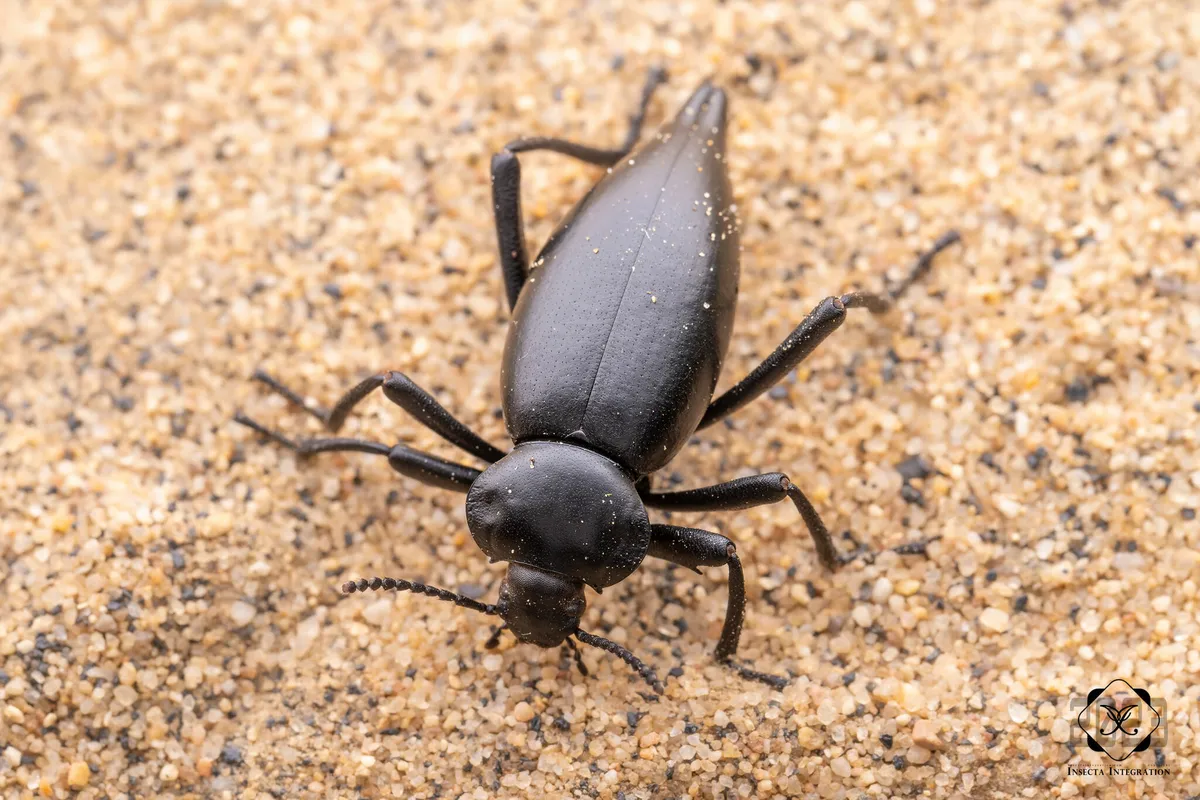
Eleodes acuticauda
Eleodes acuticauda
Identification: (Below comments drawn from experts on ) Strongly arcuate pronotum twice width of the head with dentate projections on the anterior corners. Versus Coelocnemis, has a large, broad head rather than a small one, and spines are present on
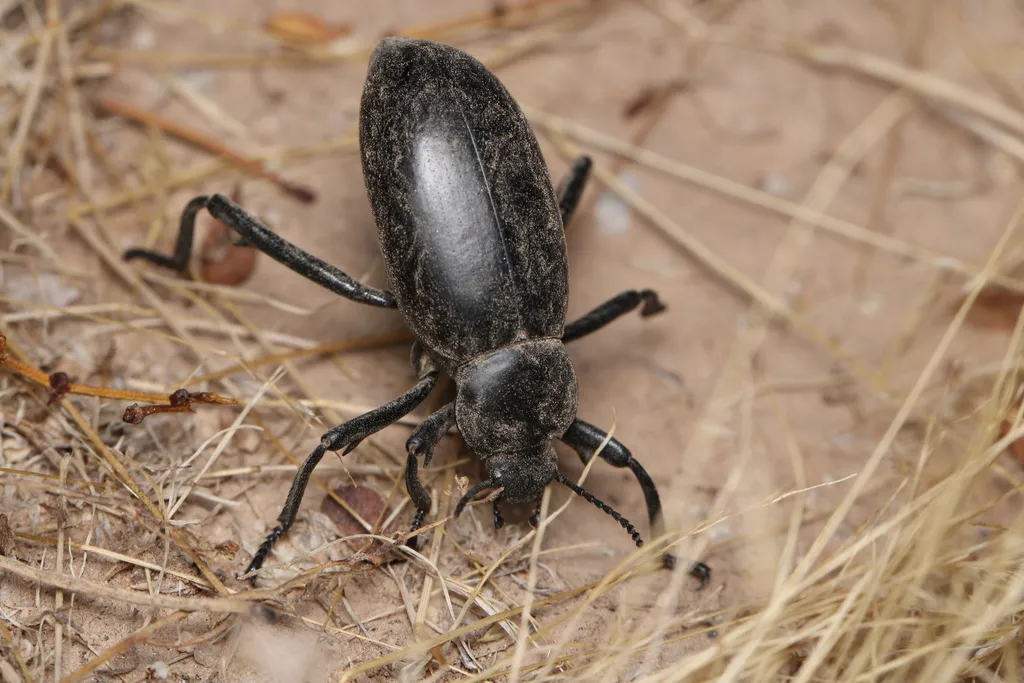
Armored Darkling Beetle
Eleodes armata
The gender of Eleodes is feminine ( 4 ) , so adjectivic species names end -is or -a, not -um.
Eleodes debilis
Eleodes debilis
Identification: This is a small species, ovate and convex in body shape, which resembles some E. carbonarius in punctation. It is glabrous and shining with the integument finely and sparsely punctulate. The pronotum is subquadrate and widest at the m
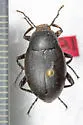
Eleodes fusiformis
Eleodes fusiformis
Most abundant Eleodes in the high grasslands of central New Mexico (Wise 1981)
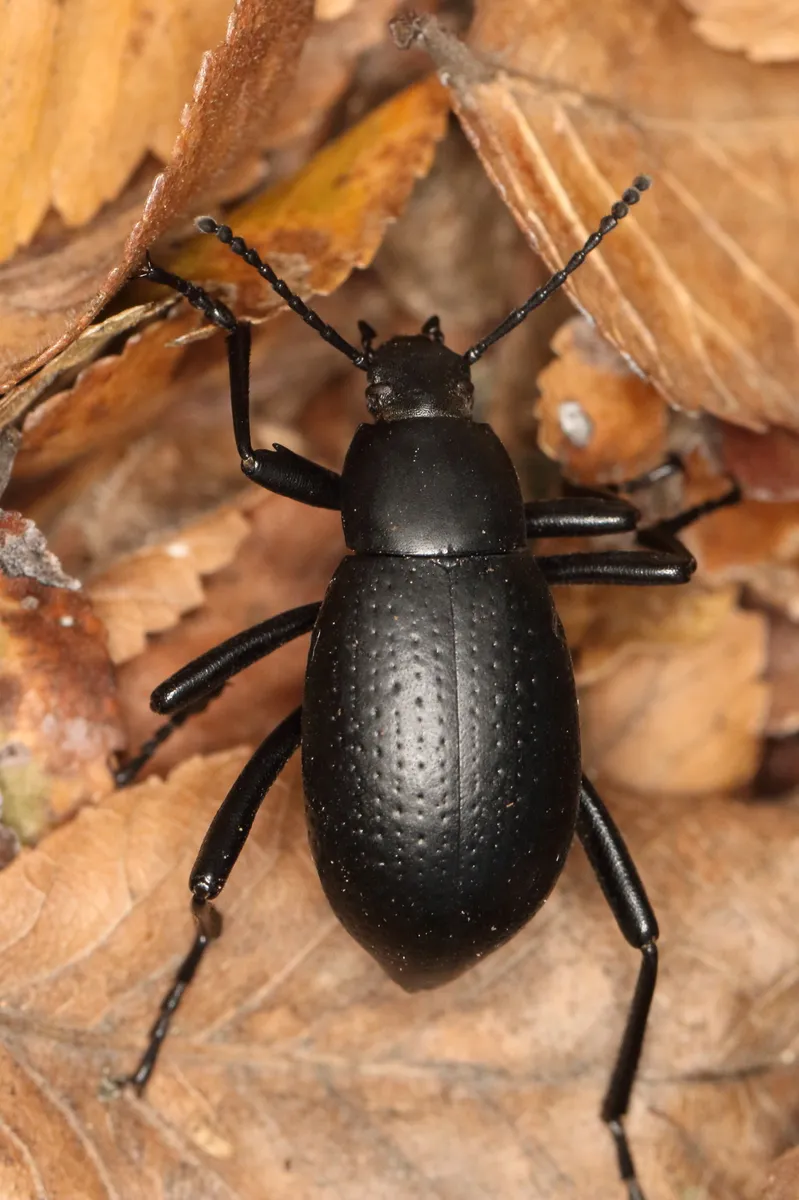
Eleodes goryi
Eleodes goryi
Identification: --- male --- and --- female --- Type Locality: Mexico
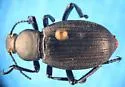
Eleodes halli
Eleodes halli
Identification: Very similar to E. rileyi but with conspicuous setae on the elytra
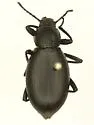
Eleodes knullorum
Eleodes knullorum
Identification: The elytral striae are formed by much finer punctures than E. goryi and the integument is dull Det. T. Hedlund, 2019
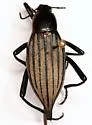
Eleodes mirabilis
Eleodes mirabilis
Identification: distinctive, each elytron with sutural and three discal costae, intervals between which are usually coated with clay-like material causing the shiny costae to stand out in bold relief PARATYPE (male) rare in collections, known from th
Eleodes nigropilosa
Eleodes nigropilosa
Identification: Similar to E. littoralis , but with black hairs ( vs pale or tawny), and occurring right along the coast (sand dunes, wetlands, etc.) ―J. Bailey
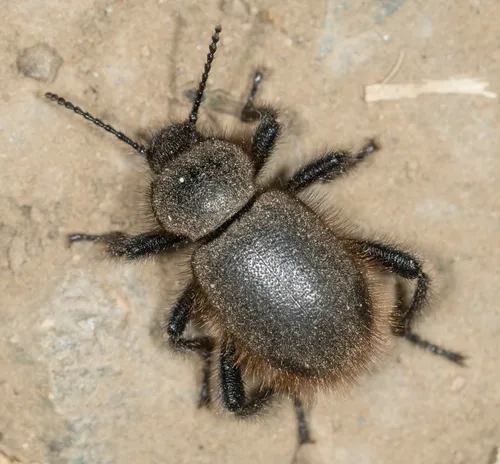
Wooly Darkling Beetle
Eleodes osculans
Identification: Erect reddish-brown hair on elytra (in E. nigropilosa , hair is black, and body smaller, 8-12 mm) Also see E. littoralis .
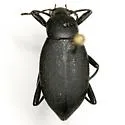
Eleodes spiculifera
Eleodes spiculifera
Identification: last line in key: Integument dull, opaque; basal three protarsomeres of male with pads or tufts of golden setae on plantar surface
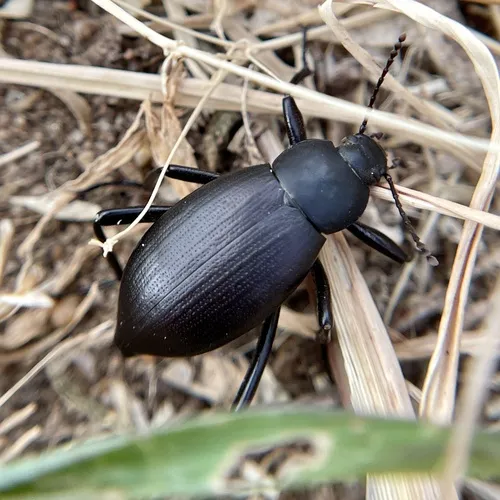
Eleodes striolata
Eleodes striolata
Identification: easily recognized by the closely spaced double row series of fine elytral punctures. the profemora are dentate in the male, sinuate in the female. the body is fusiform (male) to ovate (female) and both sexes are briefly caudate. The g
Eleodes suturalis
Eleodes suturalis
Say's description of his first encounter with this beetle: "...the party arrived at the village of the Konza [Kansas] Indians, hungry, fatigued, and out of health. Commiserating our situation, these sons of nature, although suffering under the injust
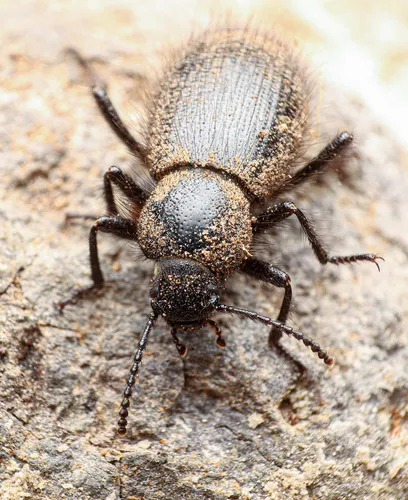
Eleodes tribulus
Eleodes tribulus
Identification: Body elongate ovate, covered in long, pilose setae. Pronotum subquadrate, lateral margins arcuate, narrowing posteriorly, anterior angles rounded, not produced, disc moderately punctate. Elytra with moderate punctures arranged in more
Eleodes tricostata
Eleodes tricostata
the most common and widespread member of the genus; garden and wheat pest The gender of Eleodes is feminine , so adjectivic species names end -is or -a, not -um.
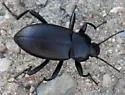
Eleodes wenzeli
Eleodes wenzeli
Identification: "general shape of E. tricostata or E. pedinoides , but elytra not strongly sulcate" - I Fox
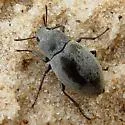
Epitragosoma arenarium
Epitragosoma arenarium
Texas considers this a "Species of Greatest Conservation Need" (SGCN) ( 5 )
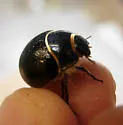
Eusattus dilatatus
Eusattus dilatatus
Identification: Similar to the more common muricatus. This species is characterized by is psammophilous life style, strongly bowed hind and mid tibia, and its short antennae.
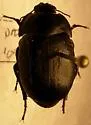
Eusattus productus
Eusattus productus
Identification: Elongate form, assymetrical last antennomere, and non-costate elytra separate it from other US Eusattus
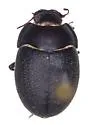
Eusattus puberulus
Eusattus puberulus
Identification: in E. muricatus , elytra are tuberculate & glabrous No other Eusattus species is found this far east
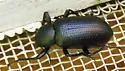
Glyptotus cribratus
Glyptotus cribratus
Identification: Besides the eight rows of large remote punctures, there is a marginal series and a short scutellar one. The sides of the thorax converge a little behind the middle, and are almost straight to the posterior angles, where they are bent
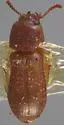
Broad-horned Flour Beetle
Gnatocerus cornutus
Identification: male has broad horns on mandibles minor pest of cereal and animal products , usually associated with infestations of moths ; earliest NA record: ca.1670
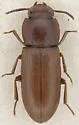
Slender-horned Flour Beetle
Gnatocerus maxillosus
Identification: male has a small horn on the mandible
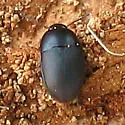
Gondwanocrypticus obsoletus
Gondwanocrypticus obsoletus
Identification: Antennal segments 2 and 3 similar in color and size . The dorsal luster or sheen is uniformly dull, somewhat polished Det. M. A. Quinn, 2022
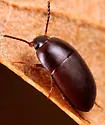
Gondwanocrypticus platensis
Gondwanocrypticus platensis
Identification: Antennomeres 1 & 2 reddish, 2 is much shorter and paler compared to 3, which is two times as long as 2 and darkly pigmented in contrast, pronotum noticeably more shining than the relatively dull elytra in G. obsoletus (Say), Antennome
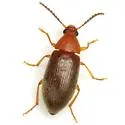
Hymenorus densus
Hymenorus densus
Identification: Det. E. G. Riley, 2011 Type Locality: Florida
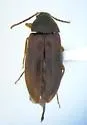
Hymenorus discretus
Hymenorus discretus
Reported by Walter et al. as a nest associate of Atta texana , but apparently, their ranges do not overlap . Waller & Moser suggest this might have been a misidentification of Lobopoda opacicollis Champion
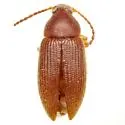
Hymenorus dissensus
Hymenorus dissensus
Identification: Det. E. G. Riley, 2009 Type Locality: Galveston, Galveston Co., Texas
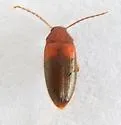
Hymenorus dorsalis
Hymenorus dorsalis
Identification: the red [elytral] color occupies not quite one-third of the length of the elytra Type Locality: Enterprise, Volusia Co., Florida
Hymenorus farri 0
Hymenorus farri
Identification: Hymenorus farri (Figs. 1, 2) is unique among its congeners in having dense median patches of fine setae and punctures on basal abdominal sternites in males (Fig. 3). Other species have punctures more evenly distributed over these surf
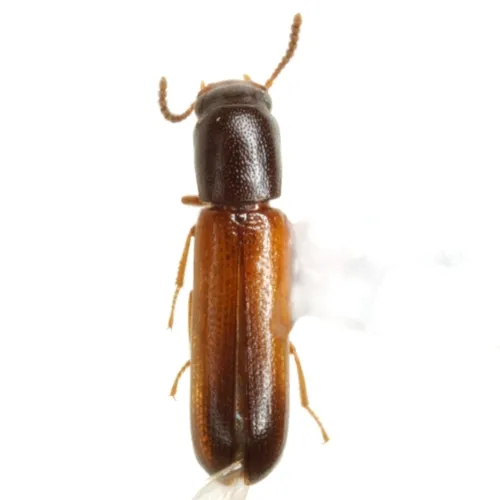
Iccius cylindricus
Iccius cylindricus
Known in US from 10 records: 2 OSUC, 2 USNM, 1 TAMUIC. 4 BG data, 1 iNat data under-reported south of the border as it is usually unidentified and sorted in with non-tenebrionid taxa. (M. Ivie, pers. comm. to MAQ, 2011)
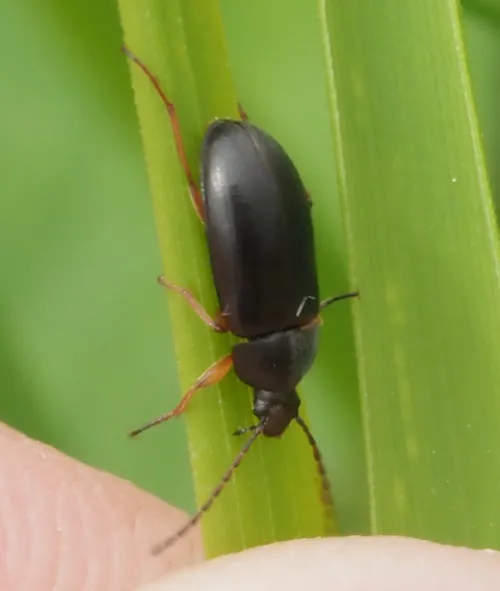
Isomira murina
Isomira murina
7mm. Variable colouring, with the elytra being either brown or black. The pronotum is black and rounded from the head to the elytra creating a more or less continuous outline. Legs are brown. Common and widespread, especially along the coasts. No add
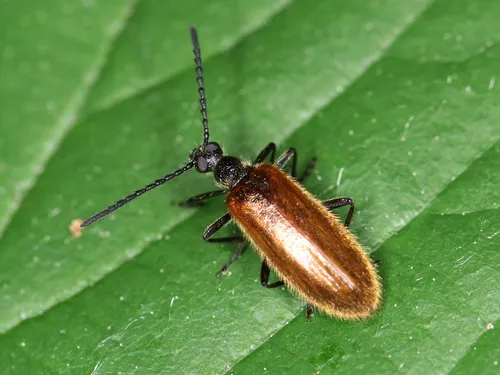
Lagria hirta
Lagria hirta
This beetle has conspicuous yellow-brown wing cases with a darker head. It also has a rather odd oval sort of shape. The whole animal is conspicuously bristly. Found mostly in areas with light or sandy soils. The adults feed on nectar and pollen on o
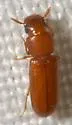
Longheaded Flour Beetle
Latheticus oryzae
In our area, a minor pest of stored grain products; much more serious in the tropics
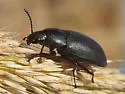
Lobometopon fusiforme
Lobometopon fusiforme
Identification: "In this lighting, you can see the faint hint of costae (ridges) running lengthwise along the elytra, and an almost-impunctate dorsal midline on the pronotum. I noticed the same thing in several NMNH specimens of this species." (per.
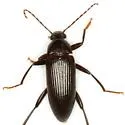
Lobopoda monticola
Lobopoda monticola
"Very similar to L. punctulata and may possibly represent a geographical race of it. Since it is anatomically distinct from either of the races of L. punctulata and is almost certainly geographically isolated from them, I have chosen to recognize it
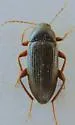
Lobopoda nigrans
Lobopoda nigrans
Identification: Has the smallest eyes of any Lobopoda north of Mexico: Seperated by about 1/5 width of head over eyes in male, vs. approx. by 1/3 in female. In the males of other Lobopoda , eyes (almost) touch in middle, the female condition resemble
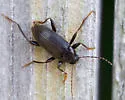
Lobopoda punctulata
Lobopoda punctulata
Lobopoda punctulata (Lobopoda punctulata) is a species in the family Tenebrionidae, commonly known as darkling beetles, belonging to the order Coleoptera (Beetles). It is classified within the subfamily Alleculinae, suborder Polyphaga, superfamily Te
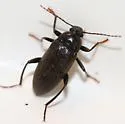
Lobopoda socia
Lobopoda socia
Identification: male mesotarsi widened like protarsi, though less [only segment (3-)4 wider in Lobopoda s.str.] our only representative of the subgenus Mesolobopoda Campbell 1966
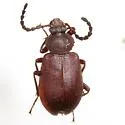
Lystronychus championi
Lystronychus championi
Identification: Antenne broader externally, the joints subserrate; thorax broader than long, sides bidentate at middle. ( 3 ) Type: One female, western Texas.
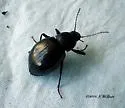
Meracantha contracta
Meracantha contracta
Identification: Det. Guy A. Hanley, 2012 Nocturnal, flightless
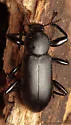
Merinus laevis
Merinus laevis
Identification: Large, elytra smooth, femora wide, club-shaped; epipleura do not reach tip of elytra (unlike in Alobates ) Males of Alobates have the anteriour femora thicker, almost as in Merinus females, but: - pronotum narrower in relation to elyt
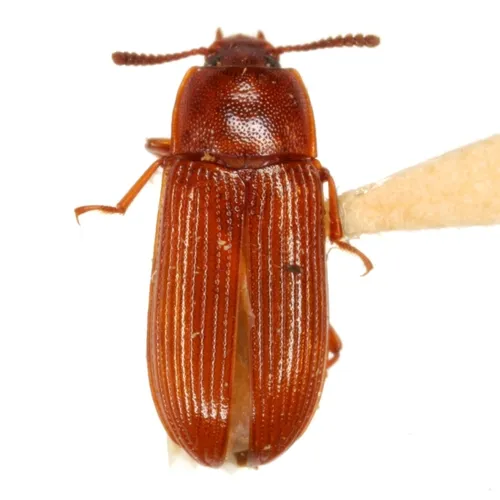
Metaclisa seditiosa
Metaclisa seditiosa
Metaclisa seditiosa (Metaclisa seditiosa) is a species in the family Tenebrionidae, commonly known as darkling beetles, belonging to the order Coleoptera (Beetles). It is classified within the subfamily Tenebrioninae, tribe Metaclisini, suborder Poly
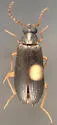
Mycetochara analis
Mycetochara analis
Identification: Procoxae contiguous (Binotata Group) Distinguished from binotata by the lighter color dorsally, the complete absence of paler humeral markings, and the larger eyes of the male Holotype ♀
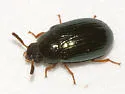
Neomida bicornis
Neomida bicornis
Identification: The percentage of individuals with an orange pronotum decreases n. of FL
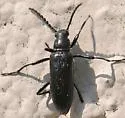
Oploptera simplicicollis
Oploptera simplicicollis
Identification: thick ant. segments separate Oploptera from most Strongylium
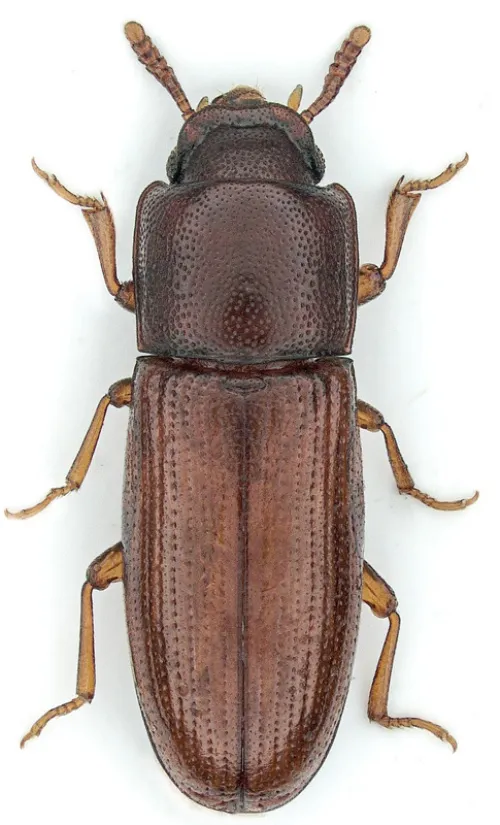
Palorus subdepressus
Palorus subdepressus
A small reddish brown beetle only 2.5 to 3.0 mm in length. Unless identified by a recognised expert, a photo is required and the specimen should be examined with a microscope. In the comments box, state the key or ID method used and describe the size
Paratenetus exutus
Paratenetus exutus
Identification: best separated from P. punctatus and P. texanus in having the antennomere 8 transverse (only slightly transverse in some specimens from the south). The males are easily recognized in having no calcar on the protibia and a relatively l
Paratenetus fuscus
Paratenetus fuscus
Identification: close to P. gibbipennis but elytral setae more erect & numerous and metaventrite slightly longer males rather common (~40% of specimens)
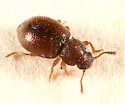
Paratenetus gibbipennis
Paratenetus gibbipennis
Identification: Elytra with very few, short erect setae males rare in collections (~4%)
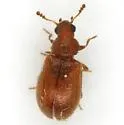
Paratenetus punctatus
Paratenetus punctatus
Identification: see Bousquet & Bouchard to separate spp.
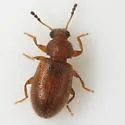
Paratenetus texanus
Paratenetus texanus
Identification: can be distinguished from the similarly built P. punctatus and P. exutus in having the punctures on the pronotum sparser, not subcontigous even laterally, and from most adults of P. exutus by the subquadrate antennomere 8 and metavent
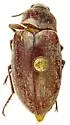
Pechalius pilosus
Pechalius pilosus
Identification: Key to species of Pechalius in Triplehorn
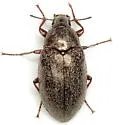
Pechalius subvittatus
Pechalius subvittatus
Identification: Key to species of Pechalius Type Locality: Marfa, Presidio Co., TX
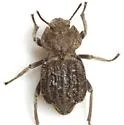
Pelecyphorus texanus
Pelecyphorus texanus
commonly coll'ed via pitfall traps at Laguna Atascosa NWR, Rio Hondo, Cameron Co., TX
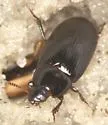
Phaleria picipes
Phaleria picipes
"The only other eastern US sp [the other being P. testacea]. north of FL keys. Atlantic coast ones are generally all black, but populations in the keys, Bahamas, etc. tend to be bicolored, tan or yellowish." - W. Steiner
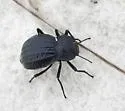
Philolithus aeger
Philolithus aeger
Identification: Body black and shining. Punctures on the pronotum small and sparse (coarser & denser in Ph. sordidus ). The discal costae (ridges) are somewhat flattened, and the medial costae is nearly absent, or indistinct (clearly raised in sordid
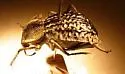
Philolithus sordidus
Philolithus sordidus
Identification: Elytral ridges clearly elevated (more flattened in aegra ); pronotum with very coarse, and closely spaced punctures (smaller, and more widely distributed in aegra )
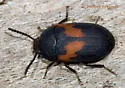
Platydema elliptica
Platydema elliptica
Identification: coloration distinctive (black with red elytral band)