
Spectralia prosternalis
This record describes Spectralia prosternalis (species). Recorded family: Buprestidae. Recorded order: Coleoptera.
Identification and Appearance
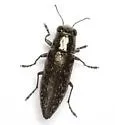
Det. D. J. Heffern, 2010 S. prosternalis is rarer than S. robusta , but has a smoother pronotum. Both have been reared from persimmon. Type Locality: Esperanza Ranch, Brownsville, Cameron Co., Texas Texas considers this a Species of Greatest Conservation Need (SGCN)
Classification
- Kingdom
- Animalia
- Phylum
- Arthropoda
- Class
- Insecta
- Order
- Coleoptera (Beetles)
- Suborder
- Polyphaga
- Superfamily
- Buprestoidea
- Family
- Buprestidae (Metallic Wood-boring Beetles)
- Subfamily
- Buprestinae
- Tribe
- Xenorhipidini
- Genus
- Spectralia
Imported taxonomy record. Source availability varies; see the source references and editorial policy below.
Habitat and Range
Geographic Range
s. TX (Cameron, Duval, and Hidalgo counties) - Map
Seasonal Activity
Number of compiled Texas collecting events by month: April, May, June, July. (Riley & King 2009, plus pic posted here)
Diet and Behavior
Diet: Larvae in dead Texas Persimmon (Capote) - Diospyros texana (Ebenaceae) Range - USDA
Life History
"Emergence holes indicate that this species bores in the heart and sapwood of health capote [persimmon]. Often large amounts of gum exudes from the emergence soles and other mechanical injuries of these trees." (Vogt 1949) This association was confirmed recently by MacRae (2006), who states "...cut ex dead trunk Diospyros texana . The specimen was cut from sound, dry, dead wood,...."
About Primitive Winged Insects: the wider group
Order-level background for Coleoptera, the group containing Spectralia prosternalis. Species-specific details appear above.
Group overview
Coleoptera is the largest order of insects with over 400,000 described species, representing ~25% of all known animal species and ~40% of all insects. In the U.S. alone, nearly 30,000 beetle species have been identified.
Ecological role of the group
Beetles are prominent decomposers, especially in forests, breaking down dead wood and recycling nutrients. As predators, they reduce populations of pest insects. Many species are also important pollinators of flowering plants.
Economic and practical significance of the group
Beetles have major economic significance: leaf beetles (Chrysomelidae) and weevils (Curculionoidea) are among the most destructive agricultural pests globally, costing billions annually, while predatory species like ladybugs provide natural pest control.
Recorded sources for this group: Britannica, Smithsonian, NCSU Entomology. Imported estimates may describe particular regions or reporting periods.
Photos of Spectralia prosternalis (5)
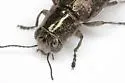
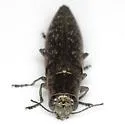
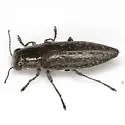
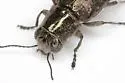
Photo credits: Contributed by Mike Quinn
Frequently Asked Questions About Spectralia prosternalis
What is Spectralia prosternalis?
Spectralia prosternalis is a species in the family Buprestidae, within the order Coleoptera.
How big is Spectralia prosternalis?
12-16 mm (Schaeffer 1904)
How do you identify Spectralia prosternalis?
Det. D. J. Heffern, 2010 S. prosternalis is rarer than S. robusta , but has a smoother pronotum. Both have been reared from persimmon.
Where is Spectralia prosternalis found?
Range: s. TX (Cameron, Duval, and Hidalgo counties) - Map
What does Spectralia prosternalis eat?
The diet of the Spectralia prosternalis includes Larvae in dead Texas Persimmon (Capote) - Diospyros texana (Ebenaceae) Range - USDA.
When is Spectralia prosternalis active?
Spectralia prosternalis: seasonal activity - Number of compiled Texas collecting events by month: April, May, June, July. (Riley & King 2009, plus pic posted here).
What is the life cycle of a Spectralia prosternalis?
Emergence holes indicate that this species bores in the heart and sapwood of health capote [persimmon]. Often large amounts of gum exudes from the emergence soles and other mechanical injuries of these trees. (Vogt 1949) This association was confirmed recently by MacRae (2006), who states ...cut ex dead trunk Diospyros texana . The specimen was cut from sound, dry, dead wood,....