
Butterflies and Moths
Order Lepidoptera
The Butterflies and Moths (Order Lepidoptera) includes 11,813 species across 112 families and 2,787 genera in our directory.
About Butterflies and Moths
Lepidoptera includes approximately 180,000 described species of butterflies and moths. Moths outnumber butterflies roughly 10:1. The monarch butterfly's eastern population has declined by more than 80% since the mid-1990s, and the western population by over 95% since the 1980s. The IUCN lists the migratory monarch as Vulnerable.
Economic Impact
Lepidoptera are critical pollinators. In Europe, grassland butterfly species have declined by almost 50% since the early 1990s. In the UK, three-quarters of butterflies are in decline. In the U.S., five butterfly species have gone extinct since 1950, with 29 listed as endangered.
Ecological Role
Butterflies and moths are essential indicators of ecosystem health. As caterpillars, they are a primary food source for birds - a single nest of blue tit chicks requires ~10,000 caterpillars. Adult moths pollinate many night-blooming plants.
Families in Lepidoptera (112)
Species in Lepidoptera (11,813)
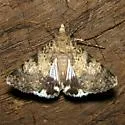
Forsebia Moth - Hodges#8613
Forsebia cinis
Identification: ♂ . . . . . . . . . . . . . . . .♀ - Notes distinguishing female Forsebia cinis from Allerastria albiciliatus by Jan Metlevski .
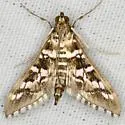
Forsyth's Epipagis - Hodges#5146
Epipagis forsythae
Identification: Adult: forewing brown with white markings in AM, median, and subterminal areas; dark PM line widens into broad base at inner margin; small white patch beyond PM line at anal angle; hindwing mostly white, with 2 or 3 dark discal spots,
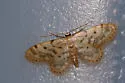
Fortunate Idaea - Hodges#7102
Idaea bonifata
Identification: Specimens identified by DNA analysis: Larvae - see Riley's description of synonym Carphoxera ptelearia ( 108-113 ). One of the smallest geometrids found in North America.
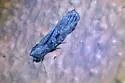
Fota armata - Hodges#9842
Fota armata
Identification: Tortriciform. Forewings gray, with a black shade along the cell, connecting the median stigmata and preceding the orbicular. Stigmata concolorous; orbicular round, reniform upright. , A long black shade on median space over submedian
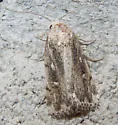
Fotella notalis - Hodges#9833
Fotella notalis
Identification: Noctuidae of North America - nearctica.com ( 4 ) has a good description. Determined by Jan Metlevski
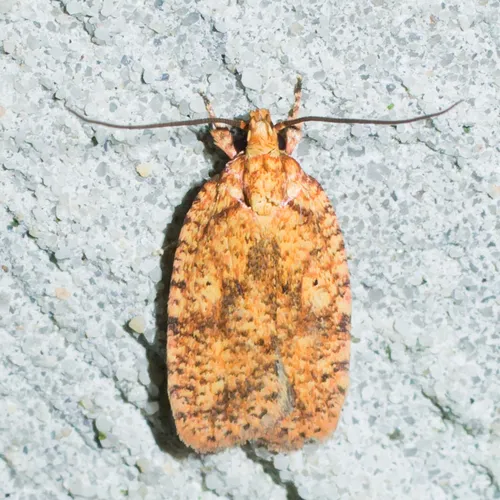
Four-dotted Agonopterix Moth
Agonopterix robiniella
Agonopterix robiniella, the four-dotted agonopterix moth or locust leaf roller, is a moth of the family Depressariidae. It is found in North America, where it has been recorded from Nova Scotia to Georgia, west to Oklahoma, north to Illinois, Michiga
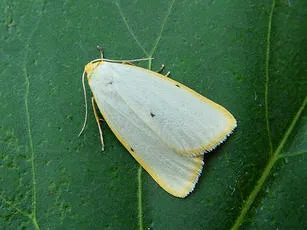
Four-dotted Footman
Cybosia mesomella
Wingspan 25 to 33 mm. When at rest, this moth appears to show only three dots, one being hidden by the overlapping wings. Occasional specimens have a more yellowish ground colour to the forewings. Adults fly from dusk onwards during the period from J
Four-lined Cabera Moth - Hodges#6680
Cabera quadrifasciaria
Identification: Forewing has four transverse lines. The Rindge revised description as Deilinia quadrifasciaria (Packard), is available online in PDF. Specimen identified by DNA analysis (BOLD).
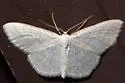
Four-lined Wave - Hodges#7165
Scopula quadrilineata
Identification: Adult: forewing white with 3 or 4 faint yellowish transverse lines and pale gray speckling; PM line almost straight, touching costa near apex; hindwing similar in pattern and color
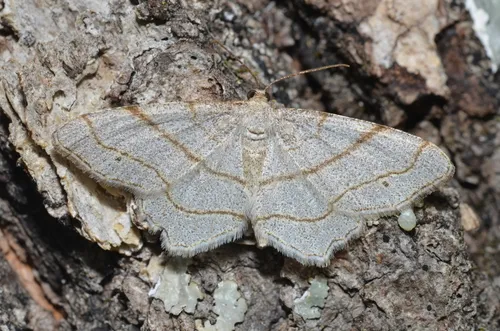
Four-spotted Angle - Hodges#6360
Trigrammia quadrinotaria
Identification: Adult: wings white or very pale brown with brown speckling; lines dark brown, sometimes conspicuously edged with yellow; forewing AM line slightly wavy, sometimes faint; median line straight, heavy; PM line slightly S-curved; dark bro
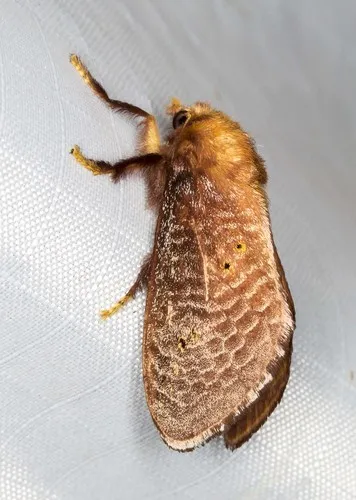
Four-spotted Cup Moth
Doratifera quadriguttata
The Four Spotted Cup Moth (Doratifera quadriguttata) is a moth of the Limacodidae family. It is found in Australia.
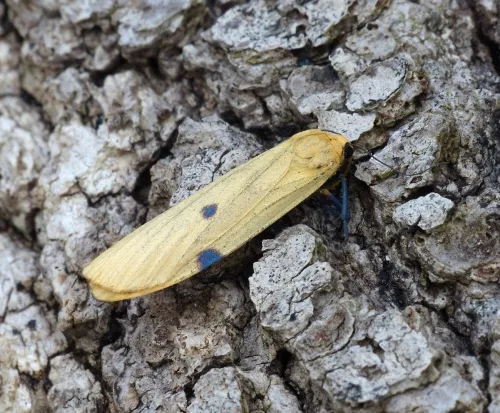
Four-spotted Footman
Lithosia quadra
Wingspan 35 to 55 mm. This is a sexually dimorphic species and only the females have the spots which give the species its name; often there appears to be only three spots, as the wings overlap when at rest. It flies from July to September or early Oc
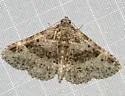
Four-spotted Fungus Moth - Hodges#8500
Metalectra quadrisignata
Identification: Adult : wings covered extensively by medium grayish-brown ground color; diffuse blackish line runs through black reniform spot on FW, but there is no broad blackish band crossing wing in median area
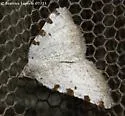
Four-spotted Macaria - Hodges#6299
Macaria coortaria
Identification: Adult: Forewing light cream to light gray-brown with four dark spots evenly spaced along costa; all spots similar size except distal one usually smaller and fainter. Hindwing white to pale yellow with a few dark scales along inner mar
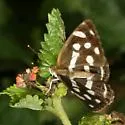
Four-spotted Sailor - Hodges#4534.1
Dynamine postverta
Identification: Extremely similar to the Blue-eyed Sailor ( D. dyonis ), though larger. Female has three distinct white stripes across the upperside of the hindwings, vs. just one in the Blue-eyed. Male upperwing is bluer and has four black spots nea
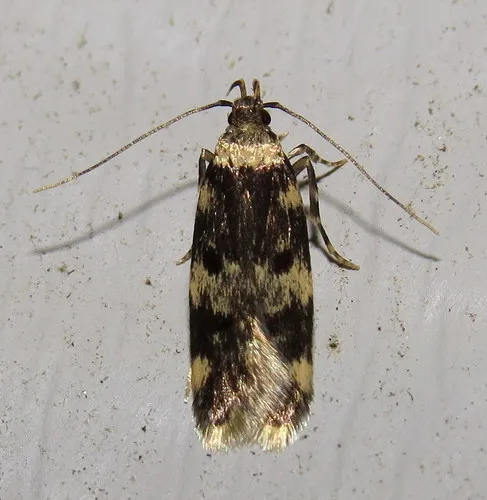
Four-spotted Yellowneck Moth
Oegoconia novimundi
Oegoconia novimundi is a moth of the family Symmocidae. It is found in Spain, France, Germany, Austria, Slovakia, Croatia, former Serbia and Montenegro, Italy, Bulgaria, Hungary, the Republic of Macedonia, Greece and on Corsica and the Azores.
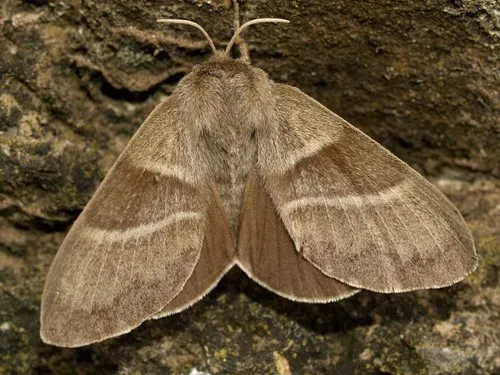
Fox Moth
Macrothylacia rubi
Wingspan 40 to 65 mm. The males of the Fox Moth are generally more reddish-brown than the females, which are slightly larger and greyer. Good photographs and/or the specimen required. Its preferred habitats are open woodland, moors and commons. May a
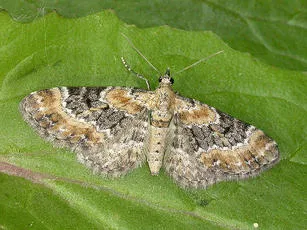
Foxglove Pug
Eupithecia pulchellata
Wingspan 18-22 mm. Quite a brightly coloured member of the Pug family. Similar to the much rarer Toadflax Pug. A comparison is made at the following LINK . Inhabiting open ground, woodland and a range of other habitats where its foodplant is found. T
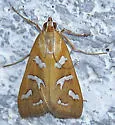
Fractured Western Snout Moth - Hodges#5256
Diastictis fracturalis
Identification: Powell & Opler described as pale tan to dark brown with highly variable silvery markings, from small, isolated spots to elongated, connected ones. "This is the most variable species of the genus, and, although there seem to be geograp
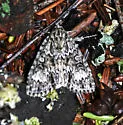
Fragile Dagger Moth - Hodges#9241
Acronicta fragilis
Identification: Double sharply zigzag lines as a part of grey white and black pattern on front wings are distinctive. "Orbicular spot grey to white with darker center. Hindwing yellowish white with faint grey median line and outer shading."
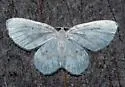
Fragile White Carpet - Hodges#7423
Hydrelia albifera
Identification: forewing white with thick wavy yellow PM line, and thinner broken AM and ST lines; black discal dot on all wings; yellow bar on upper half of frons (the forehead) hindwing color and pattern similar to forewing
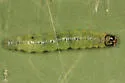
Framinghamia helvalis - Hodges#5262
Framinghamia helvalis
Identification: In Framinghamia, the discocellular bar is double, the pm line of the FW is less dentate, the bulge in the pm line is less rounded, the costal portion of the pm line does not bend basad but is instead relatively perpendicular to the co
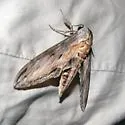
Franck's Sphinx - Hodges#7808
Sphinx franckii
Identification: Forewing is gray along the costal half, yellowish brown on the rest of the wing; with black dashes and a black line along the outer margin. Hindwing is black with a narrow brown median band and base. Uncommon and northern populations
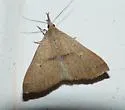
Fraternal Renia Moth - Hodges#8385
Renia fraternalis
Identification: Refer to the guide on the info page for the genus.
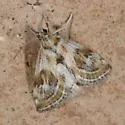
Frechinia laetalis - Hodges#4800
Frechinia laetalis
Identification: Adult - forewing white with yellowish-brown patches and some gray scales; PM line white, curving in long arc from costa to mid-way along inner margin; medium brownish-gray patch inside PM line contains white scales along veins; hindwi
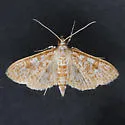
Freeman's Palpita Moth - Hodges#5225
Palpita freemanalis
Identification: This species has two rather sharply distinct forms. In one the ground color is gray and the dark markings fuscous; in the other the ground color is white and the dark markings bright orange. Intermediate forms sometimes occur. The gra
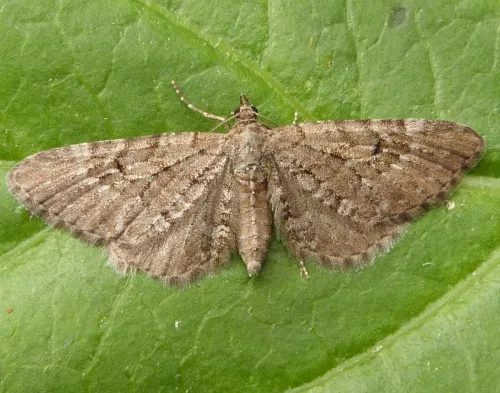
Freyer's Pug
Eupithecia intricata
Wingspan 20-24 mm. There are three subspecies of the large, rather distinctive Pug E. intricata in Britain: they are Freyer's Pug (ssp. arceuthata ) occurring in the southern half of England; Edinburgh Pug (ssp. millieraria ) which occurs in northern
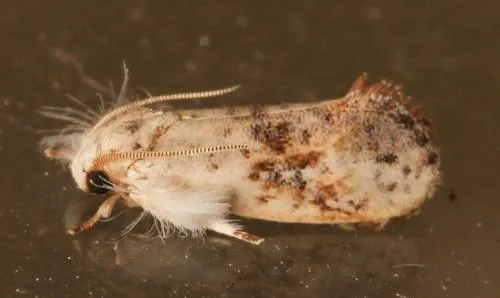
Frilly Grass Tubeworm Moth
Acrolophus mycetophagus
The Frilly Grass Tubeworm Moth (Acrolophus mycetophagus) is a moth of the Acrolophidae family. It was described by Davis in 1990. It is found in North America, including Alabama, Florida, Georgia, Louisiana, Mississippi, North Carolina, South Carolin
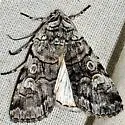
Fringe-Tree Sallow - Hodges#10067
Sympistis chionanthi
Identification: Adult: forewing pale gray with darker gray shading; AM and PM lines and spot outlines sharp, black; orbicular and reniform spots pale gray, darker toward center; claviform spot connected to AM line, forming a sharp hollow wedge; black
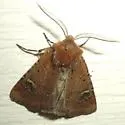
Fringed Dart - Hodges#10694
Eucoptocnemis fimbriaris
Identification: Adult: forewing either light gray or reddish; AM and PM lines formed of black-and-white dots; reniform spot yellowish, edged with blackish, and surrounded by dark gray scaling; terminal line composed of black spots; black patches alon
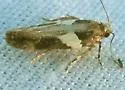
Friseria acaciella - Hodges#1914
Friseria acaciella
Type Locality: Brownsville, Cameron Co., TX; June 1904; H.S. Barber
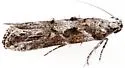
Friseria caieta - Hodges#1915
Friseria caieta
Identification: " F. caieta can be quickly separated from the other species of Friseria by the presence of white scales over most of the forewings and head" .
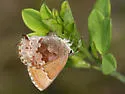
Frosted Elfin - Hodges#4325
Callophrys irus
Three subspecies, arsace in southeast, irus in northeast, and hadros a dark form within AR,LA,OK,TX.
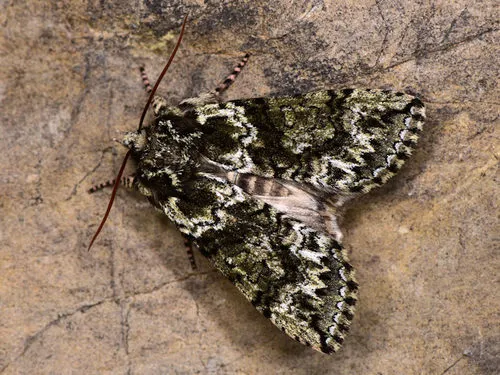
Frosted Green
Polyploca ridens
Wingspan 30 to 35 mm. Rather distinctive, being predominantly dark green with prominent tufts on the thorax and varying amounts of black and greenish white marbling on the forewings. A good photograph is generally required to support your record. Att
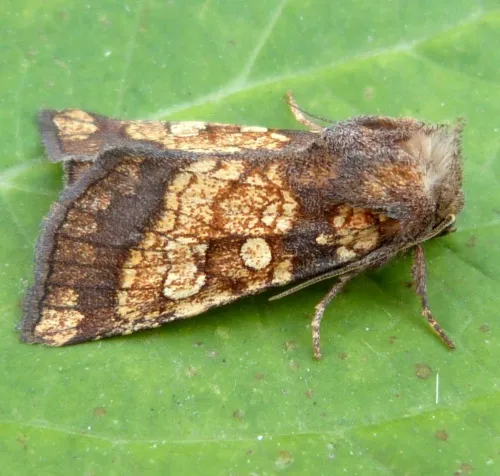
Frosted Orange
Gortyna flavago
Wingspan 35-40 mm. An attractive moth with a pattern of pale yellows and browns Its favoured haunts are woodland, waste ground and marshes The larvae feed internally in the wide stems of such plants as Thistle and Burdock species also pupating within
Frothy Moth - Hodges#9748
Plagiomimicus spumosum
Identification: Adult: forewing grayish-brown with dense pale speckling ("froth"); PM line conspicuous, edged with whitish scales, abruptly bent near costa but otherwise almost straight (i.e. bulge in line confined to upper half of wing); slightly da
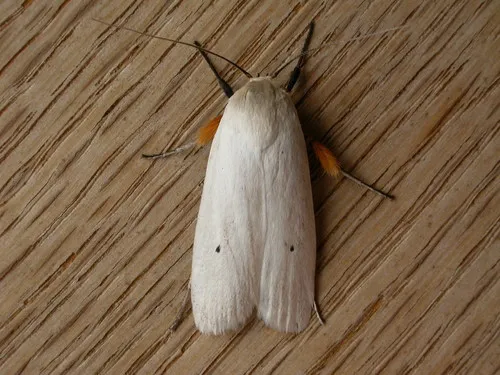
Fruit Tree Borer
Maroga melanostigma
The fruit tree borer (Maroga melanostigma) is a moth of the Xyloryctidae family. It is native to Australia.
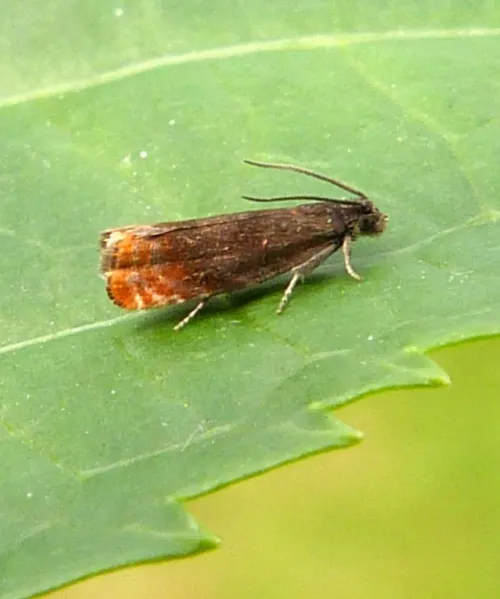
Fruitlet Mining Tortrix
Pammene rhediella
Wingspan 11 mm. Predominantly a mix of chestnut and darker browns. Around areas containing Hawthorn or fruit trees. The adult moths fly from late April until June, especially in warm sunshine, around the tops of its host trees. The larvae feed in the
Fulvous Hairstreak - Hodges#4352
Electrostrymon angelia
Identification: Hindwing with 2 tails. Upperside red-orange with black borders. Underside of hindwing gray-brown with large eyespot near lower tip of wing; postmedian line is white edged with black.
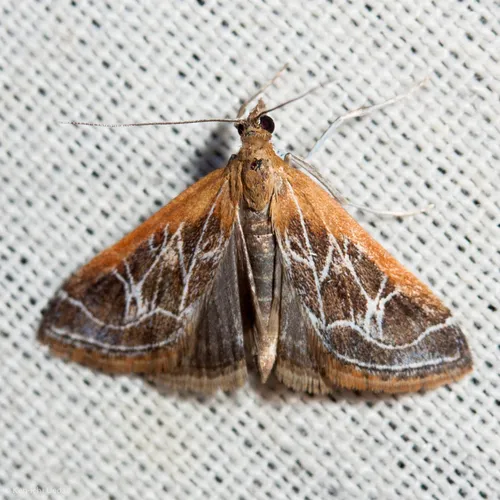
Fulvous-edged Pyrausta Moth - Hodges#5019
Pyrausta nexalis
Identification: Original description online: Botis nexalis Hulst. 150 .
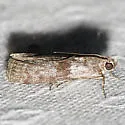
Fundella argentina - Hodges#5726
Fundella argentina
Determined by Bob Patterson. Type locality Argentina. It may be an introduced species.
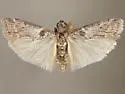
Fundella ignobilis - Hodges#5726.1
Fundella ignobilis
Identification: Wing pattern is variable. Best distinguished by genitalia, see Heinrich (1945) and Heinrich (1956). Genitalia:
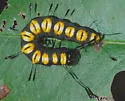
Funerary Dagger - Hodges#9221
Acronicta funeralis
Identification: Adult: forewing longitudinally bicolored (light gray on costal two-thirds, black along inner third, with sharp dividing line); broad basal dash has large tooth pointing toward costa; in melanic indidivuals, the light gray is replaced
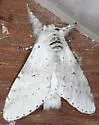
Furcula wileyi - Hodges#7937.3
Furcula wileyi
Identification: Similar to Furcula cinerea, which occurs farther east, and F. cinerioides wich occurs farther west, especially coastally; can be recognized by location but also narrower wings.
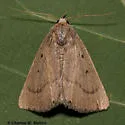
Gabara obscura - Hodges#8518
Gabara obscura
Identification: The original description as Scolecocampa obscura Grote is available at the link in the print references below. - Specimen identified by DNA analysis (BOLD). ( 5 )
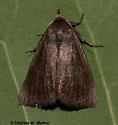
Gabara stygialis - Hodges#8520
Gabara stygialis
Identification: Specimen identified by DNA analysis (BOLD). ( 4 )
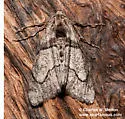
Gabriola minor - Hodges#6784
Gabriola minor
Identification: Adult : FW with upper surface pale gray ● AM broadly shaded basally with black band
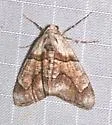
Gabriola regularia - Hodges#6785
Gabriola regularia
Identification: Adult : Similar to Gabriola minor but the upper surface of the wings is browner ● AM is weakly curved and broadly shaded basally by a dark brown band ● Male antennae pectinate, with terminal segments simple ● FW pale gray, variably su
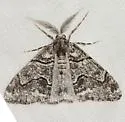
Gabriola sierrae - Hodges#6782
Gabriola sierrae
Identification: Rindge described sierrae as three location specific subspecies. Detailed descriptions are available at the link in citations below.
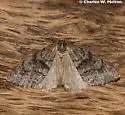
Galenara lixaria - Hodges#6630
Galenara lixaria
Galenara lixaria - Hodges#6630 (Galenara lixaria) is a species in the family Geometridae, commonly known as geometrid moths, belonging to the order Lepidoptera (Butterflies and Moths). It is classified within the subfamily Ennominae, tribe Melanoloph
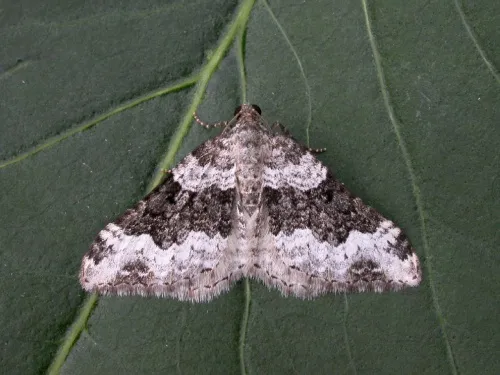
Galium Carpet
Epirrhoe galiata
Wingspan 28 to 32 mm. The species has a broad central bar of brown and greyish blue on a silvery white background. A bedstraw (Galium) feeding species, this moth is to be found on lime and chalk downland, grassy heathland and sea-cliffs where bedstra
Garden Arches - Hodges#10298
Lacanobia radix
Identification: forewing brownish-gray with darker shading either beyond PM line or beyond ST line [see image links in Internet References section below]; AM and PM lines double, pale, scalloped; inner third of reniform spot with blackish shading; or
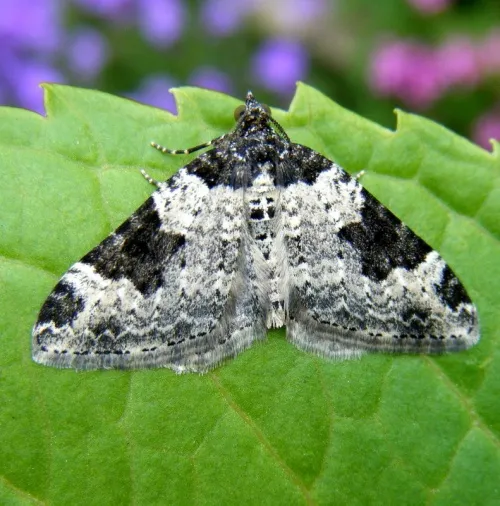
Garden Carpet
Xanthorhoe fluctuata
Wingspan 18-25 mm. A grey or greyish white moth. Central cross band on forewing blackish in leading half usually pale in trailing half. This moth shows a preference for suburban habitats, but can be found almost anywhere It is continuously-brooded du
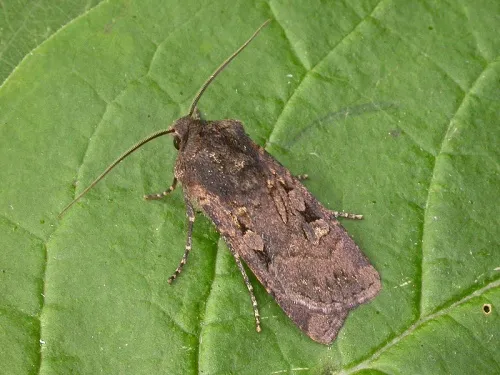
Garden Dart
Euxoa nigricans
Occupies a range of habitats including gardens and waste ground. The adults fly in August and September, when they can be attracted to sugar as well as to light. The caterpillars feed on a range of herbaceous plants, including clover and plantain. Th
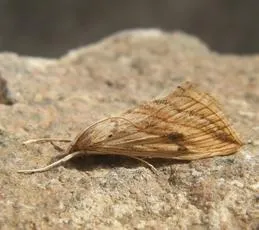
Garden Pebble
Evergestis forficalis
Wingspan 25-28 mm. This species has a distinctive resting posture and when completely at repose has the wings held in a steep tent-like fashion. Gardens and similar habitats throughout Britain. Double-brooded, flying in May and June, then again from
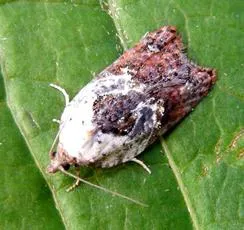
Garden Rose Tortrix
Acleris variegana
Wingspan 14-18 mm. An extremely variable species. Flying from July to September, it is mainly nocturnal and is attracted by bright lights. The larvae feed on Rose bushes, as the name suggests but also on a range of other trees and shrubs. Occurs comm
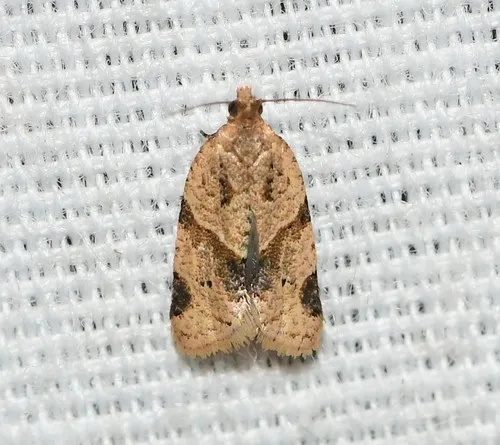
Garden Tortrix
Clepsis peritana
Clepsis peritana, the garden tortrix or strawberry garden tortrix, is a species of moth of the family Tortricidae. It is found in Spain, Cuba, as well as North America, where it has been recorded from southern Canada throughout the United States.
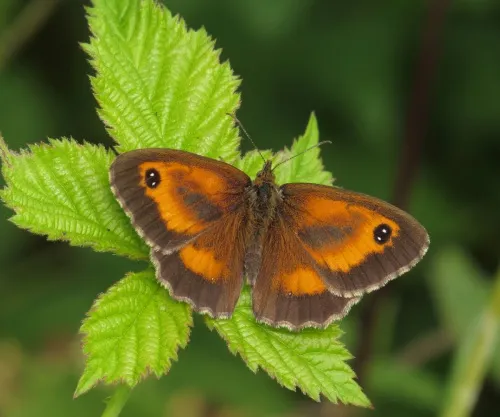
Gatekeeper
Pyronia tithonus
The Gatekeeper has gold wings on a brown background. The black eye spot on the upper wings has two characteristic white 'pupils'. This butterfly spends much of its time basking with wings open, when the sexes are easy to tell apart - only the male ha
Gaura Borer - Hodges#2534
Euhagena emphytiformis
Identification: Adult - see Engelhardt in Print References.
Gazoryctra lembertii - Hodges#0032
Gazoryctra lembertii
Gazoryctra lembertii - Hodges#0032 (Gazoryctra lembertii) is a species in the family Hepialidae, commonly known as ghost moths, belonging to the order Lepidoptera (Butterflies and Moths). It is classified within the superfamily Hepialoidea. This spec
Gazoryctra roseicaput - Hodges#0025
Gazoryctra roseicaput
Identification: The original description as Hepialus roseicaput Neumoegen and Dyar, is available online in the print references below. Hindwings are a blackish gray.
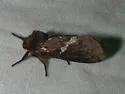
Gazoryctra sciophanes - Hodges#0023.1
Gazoryctra sciophanes
Identification: "Rounded forewing variably sooty black to dark brown with diffuse gray, dark brown, or black mottling and streaking. It typically shows an elongated white bar or patch with irregular, jagged edges running obliquely across the lower ha
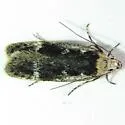
Gelechia dromicella - Hodges#1940
Gelechia dromicella
There are 4 BINs at BOLD for G. dromicella and G. ribesella . All four might represent good species. On the other hand, three group closely together and may together represent G. ribesella with a 4th more distantly speparated by DNA barcode: • G. rib
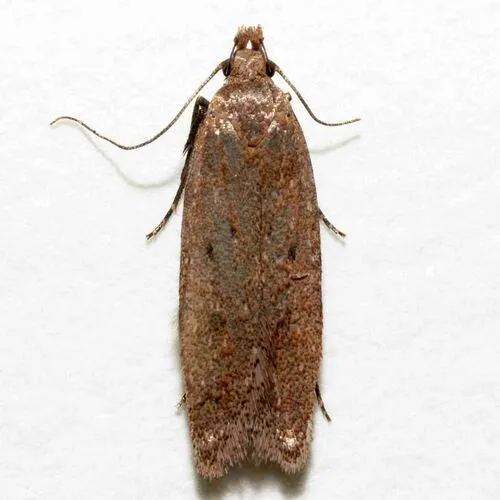
Gelechia panella - Hodges#1958
Gelechia panella
Identification: Adult - Uniform brick or rust red forewing with grey hindwing. Genitalia: ♀ ♂ The ground color of this moth perfectly matches its larval hosts, madrone and manzanita.
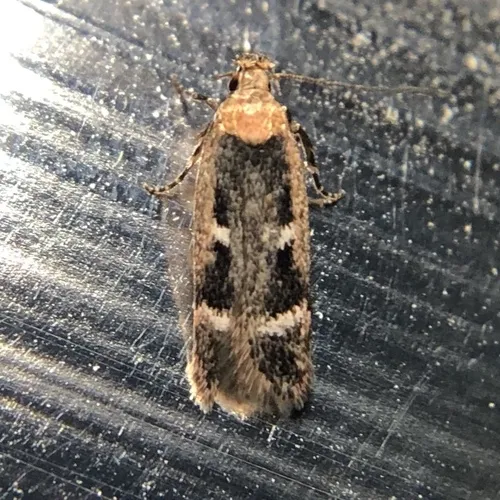
Gelechia ribesella - Hodges#1960
Gelechia ribesella
There are 4 BINs at BOLD for G. dromicella and G. ribesella . All four might represent good species. On the other hand, three group closely together and may together represent G. ribesella with a 4th more distantly speparated by DNA barcode: • G. rib
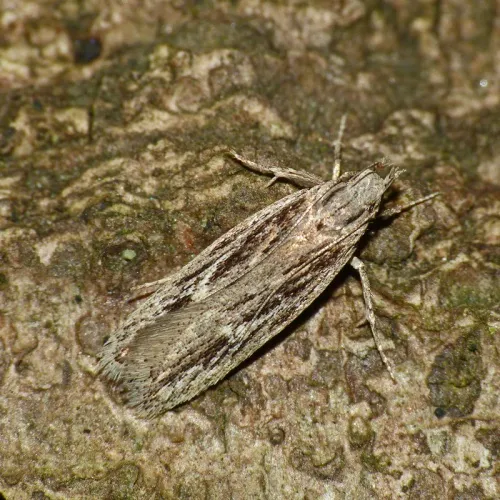
Gelechia senticetella
Gelechia senticetella
In common with a number other species using the same foodplants, is expanding its range due to their use in gardens. The adults fly in July and August and are most often found in garden light-traps. A species which appears to be on the increase. It i
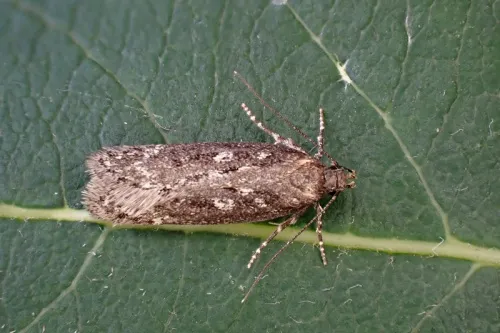
Gelechia sororculella
Gelechia sororculella
Wingspan 13 to 15 mm. A brown or blackish moth which is distinguished from its congeners by the distinctive white ringed discal spot splitting a black streak along the fold, and a pale angulate postmedian fascia. Unless identified by a recognised exp
Gelechia versutella - Hodges#1966
Gelechia versutella
Gelechia versutella - Hodges#1966 (Gelechia versutella) is a species in the family Gelechiidae, commonly known as twirler moths, belonging to the order Lepidoptera (Butterflies and Moths). It is classified within the subfamily Gelechiinae, tribe Gele
Gemmed Satyr - Hodges#4573
Cyllopsis gemma
Identification: Mottled brown wings above and below. Underside of hindwing, near the margin, there is a grayish patch surrounding a few irregular black and white spots.
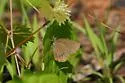
Georgia Satyr - Hodges#4576
Neonympha areolatus
considered by LA and VA to be a Species of Greatest Conservation Need (SGCN)
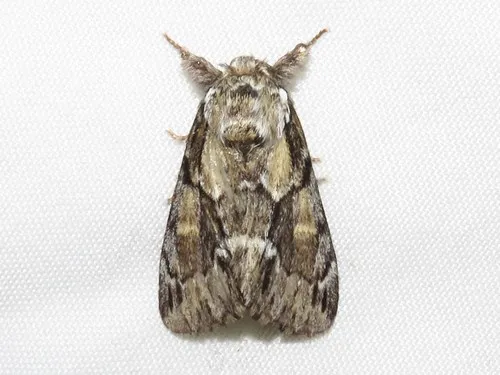
Georgian Prominent - Hodges#7917
Paraeschra georgica
Identification: Adult: forewing variably yellowish-beige to greenish-gray to grayish-brown or a patchy diffuse combination of those colors; AM and PM lines jagged, black, lined with white on side away from median area; large dull yellowish basal patc
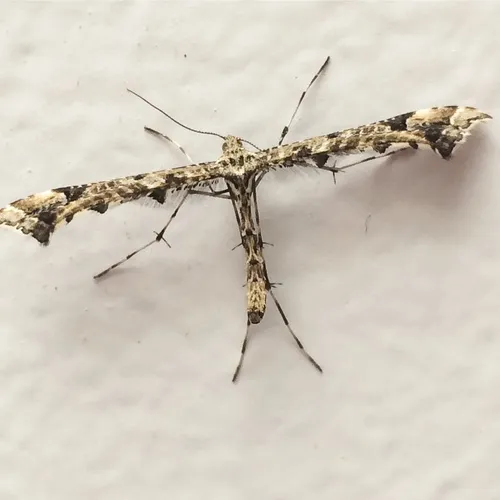
Geranium Plume Moth
Amblyptilia pica
Amblyptilia pica (geranium plume moth) is a moth of the Pterophoridae family. It is found in western North America from Alaska to California, inland to Alberta and Kansas. It is also found in the north-eastern United States and Ontario.
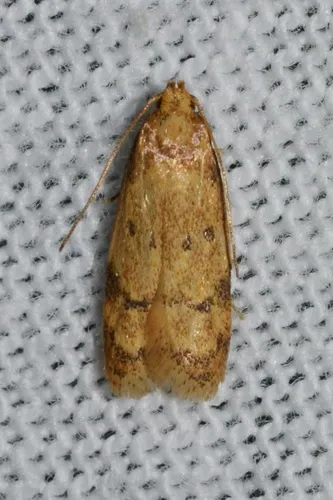
Gerdana caritella - Hodges#1144
Gerdana caritella
Gerdana is a genus of moths in the Autostichidae family. It contains only one species, Gerdana caritella, which is found in North America, where it has been recorded from south-eastern Canada and the eastern United States.
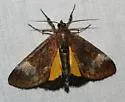
Gerra sevorsa - Hodges#9303
Gerra sevorsa
Wanders around on branches and suitable surfaces with wings held high, revealing the striking underside pattern. At rest the wings are hastily folded together and rested against the surface, revealing the less colourful side of the moth.
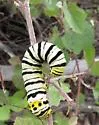
Gerrodes minatea - Hodges#9304
Gerrodes minatea
Identification: Gerra radicalis is similar, but considerably smaller, with dark border of hind wing wider, and on front wing with outer bands above not curving around inner margin of wing.
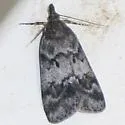
Gesneria centuriella - Hodges#4703
Gesneria centuriella
Identification: Adult: forewing variably gray to brown with black spots and jagged AM and PM lines; median area pale compared to dark distal half of wing; hindwing light yellowish-gray with dark discal spot and terminal band. More detailed descriptio
Gesneria rindgeorum - Hodges#4704
Gesneria rindgeorum
Identification: Detailed description can be found in MONA Fascicle 13.1A at link below under citations. Images of the described species can be found in MONA Fascicle 13.1C at link below under citations.
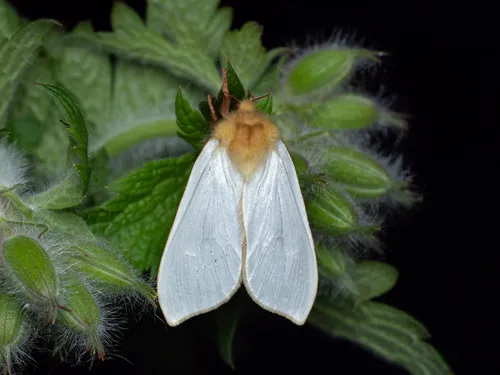
Ghost Moth
Hepialus humuli
Wingspan around 50 mm. The English name 'Ghost' comes from the white males, which can sometimes be seen at dusk, 'hovering' over grassy areas. The females are quite different, being yellow, marked with orange. The larvae feed underground on the roots
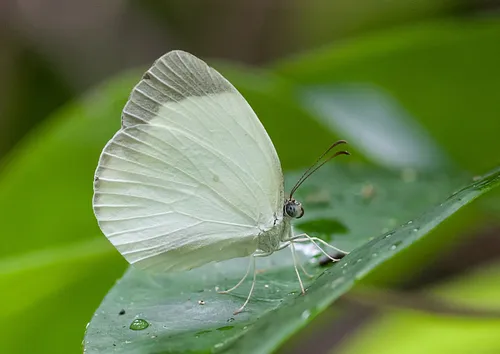
Ghost Yellow - Hodges#4247.1
Eurema albula
Identification: Small with rounded wings. Color white above with narrow near black border along outer margin of forewing, and also on hind wing in males. Underside usually white, but may be slightly yellowish (particularly at base of wings); otherw
Giant Gray Moth - Hodges#6745
Cymatophora approximaria
Identification: Packard description is online and linked in the print references.
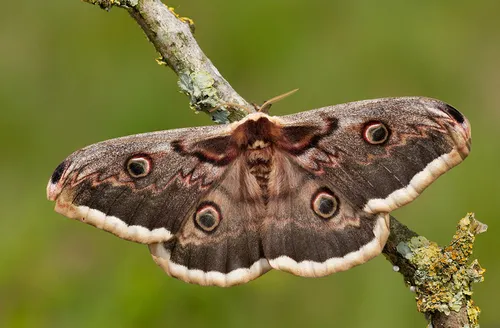
Giant Peacock Moth
Saturnia pyri
Saturnia pyri, the giant peacock moth, great peacock moth, giant emperor moth or Viennese emperor, is a Saturniid moth which is native to Europe. The species was first described by Michael Denis and Ignaz Schiffermüller in 1775. It is the largest Eur
Giant Sulphur - Hodges#4222
Colias gigantea
Identification: Upper surface of male yellow with narrow black borders; lower surface without submarginal black spots. Female with 2 forms, yellow or white; both may have black border reduced or lacking.
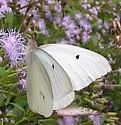
Giant White - Hodges#4199
Ganyra josephina
Identification: Male is entirely white except for a single round, black spot in the forewing. Females may have a few diffuse black or brown spots or a brownish wash near the one clear spot; also a faint brown edge.
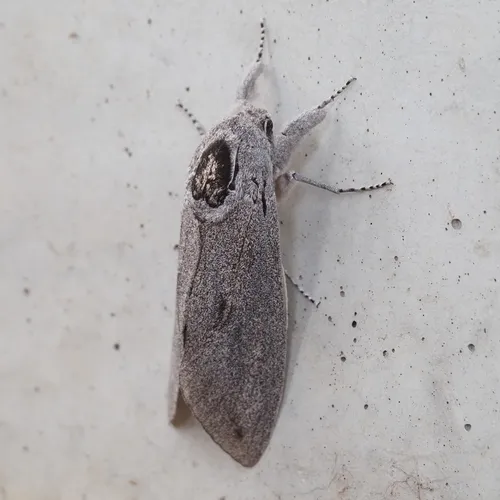
Giant Wood Moth
Endoxyla cinereus
Endoxyla cinereus, the giant wood moth, is a moth in the family Cossidae. It is found in Australia (Queensland, New South Wales) and New Zealand.
Gibson's Epiblema - Hodges#3207.2
Epiblema gibsoni
Identification: The forewing of fresh specimens have a lavender tint. Genitalia:
Girard's Grass-veneer - Hodges#5365
Crambus girardellus
Identification: Forewings silvery-white with a longitudinal orange stripe. Narrow brown terminal line with five dark brown dashes in lower part. Hindwings white, often smoky away from the margin. ( U Alberta Entomology Collection )
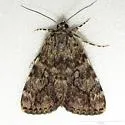
Girlfriend & Little Lined Underwing
Catocala amica-lineella
Identification: Adult : FW of typical form dark gray to blackish with heavy black lines; pale gray or whitish band across AM area, and small pale patches along PM line; subreniform spot pale and boldy outlined in black; light grayish-brown patch in u
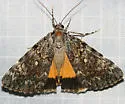
Girlfriend Underwing - Hodges#8878
Catocala amica
Identification: Member of the Catocala amica complex in which species lack a black medial hindwing band; see Gall & Schweitzer (2026) for full description. ( 8 ) Caution : In Gall & Schweitzer (2026) figure 2, the specimen labeled A is a lineella and
Givira minuta - Hodges#2672
Givira minuta
Identification: Small, male antennae slightly bipectinate, secondaries dark. See Barnes & McDunnough, 1911: 13 ; pl. 4 , fig. 2. ( 5 )
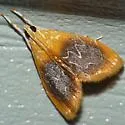
Glaphyria cappsi - Hodges#4874
Glaphyria cappsi
Identification: See here for how to separate G. fulminalis from G. cappsi : Wings: Forewing pale yellowish-orange, with a large dark purplish-brown central area. Two white lines across the wing. The first line AM antemedial is wavy with 2 distinct, p
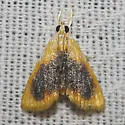
Glaphyria decisa - Hodges#4874.1
Glaphyria decisa
Identification: "The white forewing lines of G. decisa are diffusely scaled, not distinctly sharp, as in the other species..." - Hayden (2016).
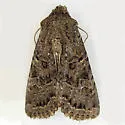
Glassy Cutworm - Hodges#9382
Apamea devastator
Identification: Specimens identified by DNA analysis: Genitalia: considered a serious pest of sod grass and agricultural products
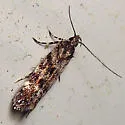
Glauce pectenalaeella - Hodges#1766
Glauce pectenalaeella
Monotypic genus with several undescribed species: BOLD:AAE7137 , BOLD:AAF9984 , BOLD:AAL8307 , BOLD:ABX4312 , BOLD:ABZ8575 (Costa Rica), BOLD:ACN2833 (Argentina), BOLD:ABC0187 (Costa Rica)
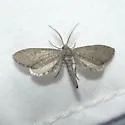
Glaucina erroraria - Hodges#6488
Glaucina erroraria
Identification: The Rindge description of the adult including genitalia is available in PDF. Rindge mentioned this species is easily recognized.
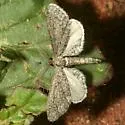
Glaucina escaria - Hodges#6495
Glaucina escaria
Identification: Male forewings gray, heavily overlain with grayish brown or black; AM line weakly represented or absent; PM line complete but sometimes weakly represented, outwardly produced on veins with moderate concave loop approaching inner margi
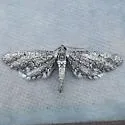
Glaucina eupetheciaria - Hodges#6496
Glaucina eupetheciaria
Identification: Rindge described eupetheciaria as four potential subspecies. The nominate form, mainly found in Arizona, Glaucina eupetheciaria eupehetciaria was described as similar to Glaucina escaria in most respects except size, being considerabl
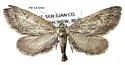
Glaucina golgolata - Hodges#6498
Glaucina golgolata
Identification: See detailed description by Rindge linked at bottom of page. The concave bend of the PM line in the upper part of wing is rather distinctive. Also noticeable is the dark banding of the ST area bordered by the white ST line that is str
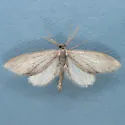
Glaucina lowensis - Hodges#6509
Glaucina lowensis
Identification: Rindge has description of the adult including genitalia.
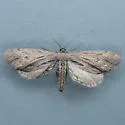
Glaucina macdunnoughi - Hodges#6492
Glaucina macdunnoughi
Identification: Grossbeck description is in the PDF or read online in the print references . Grossbeck stated "This species may be easily recognized by the two cross lines being heavily marked on the veins and between which the space is in part darke
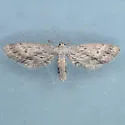
Glaucina magnifica - Hodges#6499
Glaucina magnifica
Identification: See detailed description by Rindge linked at bottom of page. The concave bend of the PM line in the upper part of wing is rather distinctive. Also noticeable is the dark banding of the ST area bordered by the white ST line that is str