
Butterflies and Moths
Order Lepidoptera
The Butterflies and Moths (Order Lepidoptera) includes 11,813 species across 112 families and 2,787 genera in our directory.
About Butterflies and Moths
Lepidoptera includes approximately 180,000 described species of butterflies and moths. Moths outnumber butterflies roughly 10:1. The monarch butterfly's eastern population has declined by more than 80% since the mid-1990s, and the western population by over 95% since the 1980s. The IUCN lists the migratory monarch as Vulnerable.
Economic Impact
Lepidoptera are critical pollinators. In Europe, grassland butterfly species have declined by almost 50% since the early 1990s. In the UK, three-quarters of butterflies are in decline. In the U.S., five butterfly species have gone extinct since 1950, with 29 listed as endangered.
Ecological Role
Butterflies and moths are essential indicators of ecosystem health. As caterpillars, they are a primary food source for birds - a single nest of blue tit chicks requires ~10,000 caterpillars. Adult moths pollinate many night-blooming plants.
Families in Lepidoptera (112)
Species in Lepidoptera (11,813)
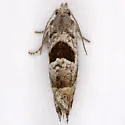
Eucosma apacheana - Hodges#2946
Eucosma apacheana
Identification: Adult - dark chevron shaped patch along inner margin.

Eucosma argutipunctana - Hodges#3005.1
Eucosma argutipunctana
Identification: Forewing whitish yellow with the dark brown maculations arranged roughly in vertical rows. The very similar p. granulatana has the patches of dark brown scales arranged irregularly.
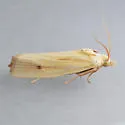
Eucosma bipunctella - Hodges#3099
Eucosma bipunctella
Eucosma bipunctella - Hodges#3099 (Eucosma bipunctella) is a species in the family Tortricidae, commonly known as tortricid moths, belonging to the order Lepidoptera (Butterflies and Moths). It is classified within the subfamily Olethreutinae, tribe
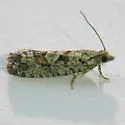
Eucosma biquadrana - Hodges#3137
Pelochrista biquadrana
Eucosma biquadrana - Hodges#3137 (Pelochrista biquadrana) is a species in the family Tortricidae, commonly known as tortricid moths, belonging to the order Lepidoptera (Butterflies and Moths). It is classified within the subfamily Olethreutinae, trib
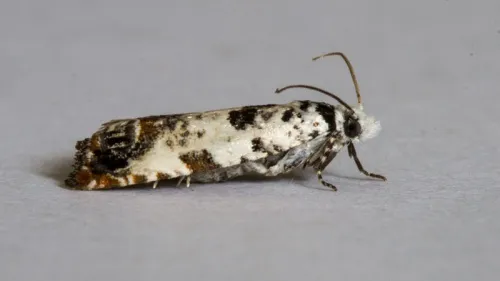
Eucosma campoliliana
Eucosma campoliliana
Wingspan 13 to 18 mm. Quite distinctive with its black and brown markings on a white background, and white head. The moths fly in June and July, from evening onwards, and are attracted to light. Larvae feed on the seeds and stems of Ragwort. Records
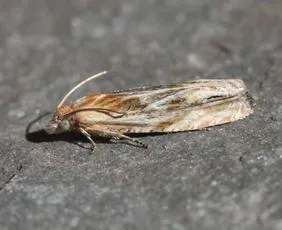
Eucosma cana
Eucosma cana
Wingspan 15-23 mm. This species is fairly distinctive with its buffish or greyish ground colour and darker longitudinal streaks. The light longitudinal discal streak on the forewing serves to separate darker specimens with indistinct markings from E.
Eucosma canusana - Hodges#3004.2
Eucosma canusana
Identification: Adult : FW is a mixture of gray to brownish gray scales, mostly tipped with white, producing a unicolorous ashy gray appearance. Some individuals have darker scales between veins and lighter scales on veins, producing weakly highlight
Eucosma circulana - Hodges#3052
Eucosma circulana
Identification: The proximal half of the forewing (basal to median) is uniformly yellow-brown to dark gray-brown and lacks the pale clay-colored costal streak present in the very similar Eucosma gemellana and Eucosma paragemellana .
Eucosma clementeana - Hodges#2969.6
Eucosma clementeana
The specimen illustrated as stramineana in Powell & Opler , fig.15.6, Specimen No. EMEC71297 at Calphotos, is apparently the holotype of clementeana .
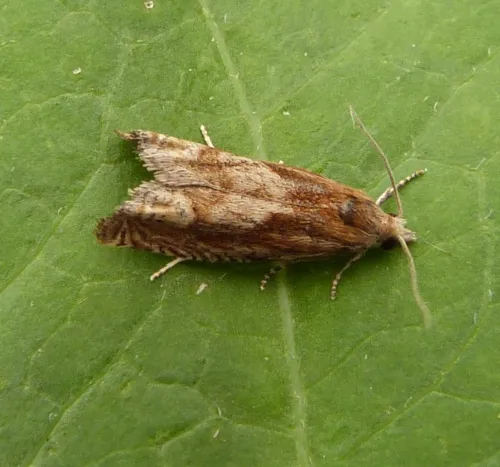
Eucosma conterminana
Eucosma conterminana
Wingspan 15 to19 mm. The British Eucosma species can be a difficult group to identify, but conterminana is more distinctive, having a pale sandy ground colour and a creamy dorsal blotch. It inhabits dry and stony or chalky habitats. The moths fly dur
Eucosma dorsiatomana - Hodges#2972
Eucosma dorsiatomana
Identification: Adult : FW shades of pale olive-brown or fawn, with a white divided median stripe, ocellic spot, sub-apical costa markings, and inner two-fifths of costa narrowly edged with white. Brown shades are palest along the dorsum, between med
Eucosma floridana - Hodges#3144
Eucosma floridana
Identification: Adult - see original description in Print References.
Eucosma gemellana - Hodges#3052.1
Eucosma gemellana
Identification: Forewing of most specimens has a clay-colored streak along the costa and similarly colored streaks emanating from the base.
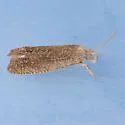
Eucosma glomerana - Hodges#3051
Eucosma glomerana
Identification: Adult - see original description in Print References.
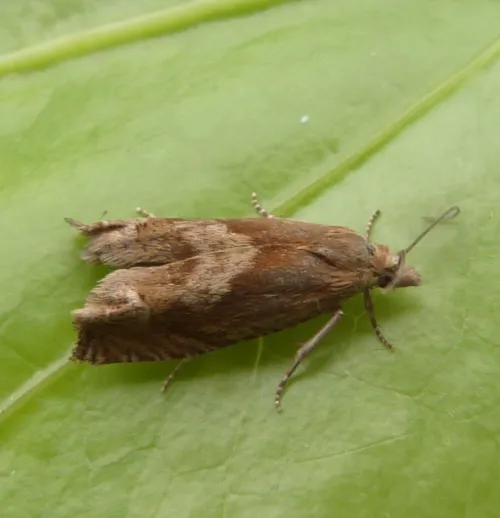
Eucosma hohenwartiana sensu stricto
Eucosma hohenwartiana sensu stricto
Wingspan 11 to 23 mm. One of several similar species and care is needed with identification. If the specimen has not been confirmed by gen det please record it to the aggregate page. If the specimen has not been confirmed by gen det please record it
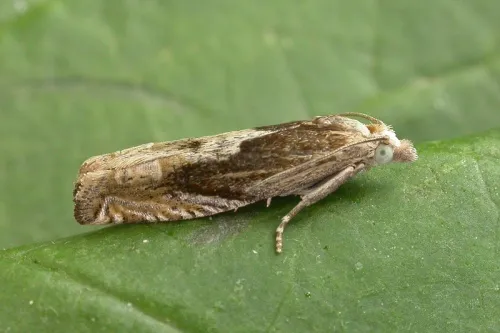
Eucosma hohenwartiana/fulvana/parvulana
Eucosma hohenwartiana/fulvana/parvulana
Wingspan 11 to 23 mm. These 3 species are very similar, and care is needed with identification. If the specimen has not been confirmed by dissection of genitalia, please record it to this aggregate page. If the specimen has not been confirmed by diss
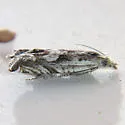
Eucosma influana - Hodges#2947
Eucosma influana
Eucosma influana - Hodges#2947 (Eucosma influana) is a species in the family Tortricidae, commonly known as tortricid moths, belonging to the order Lepidoptera (Butterflies and Moths). It is classified within the subfamily Olethreutinae, tribe Eucosm
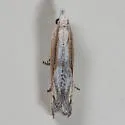
Eucosma kiscana - Hodges#2982
Eucosma kiscana
Identification: Adult - see original description in Print References.
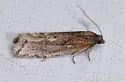
Eucosma kokana - Hodges#2950
Eucosma kokana
Eucosma kokana - Hodges#2950 (Eucosma kokana) is a species in the family Tortricidae, commonly known as tortricid moths, belonging to the order Lepidoptera (Butterflies and Moths). It is classified within the subfamily Olethreutinae, tribe Eucosmini,
Eucosma landana - Hodges#3114
Eucosma landana
Identification: Head: Dark, heavily speckled with white-gray scales, including projecting palpi. Antenna: Brown Thorax: Dark brown, sprinkled with white scales. Wings: Dark gray to brownish; heavily speckled entirely with whitish-gray. Somewhat retic
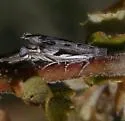
Eucosma misturana - Hodges#2963
Eucosma misturana
Eucosma misturana - Hodges#2963 (Eucosma misturana) is a species in the family Tortricidae, commonly known as tortricid moths, belonging to the order Lepidoptera (Butterflies and Moths). It is classified within the subfamily Olethreutinae, tribe Euco
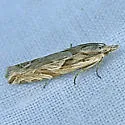
Eucosma montanana - Hodges#2994
Eucosma montanana
Identification: Adult - see original description in Print References. Genitalia:
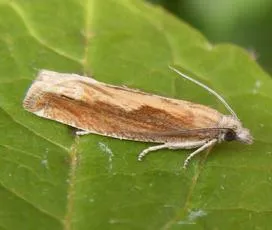
Eucosma obumbratana
Eucosma obumbratana
Wingspan 14-20 mm. A very plain orangey brown moth. The colour varies slightly. Farmland and along the edges of meadows. July and August. Normal flight time is from dusk onwards and they are attracted to light. The larvae feed in the autumn on the se
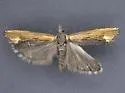
Eucosma offectalis - Hodges#3005
Eucosma offectalis
Identification: This species is highly variable in forewing color. ( 4 )
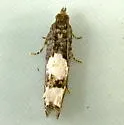
Eucosma oregonensis - Hodges#2935
Eucosma oregonensis
Identification: Heinrich original description in PDF.
Eucosma pallidarcis - Hodges#2976
Eucosma pallidarcis
Identification: The original description as Thiodia pallidarcis Heinrich, is available in PDF or read online in the print references below. Specimen determined by Chuck Harp.
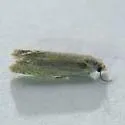
Eucosma pallidicostana - Hodges#2980
Eucosma pallidicostana
Identification: Specimen identified by DNA analysis (BOLD). ( 4 )
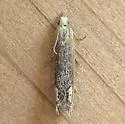
Eucosma perangustana - Hodges#2981
Eucosma perangustana
Identification: Determined by Richard Brown. Genitalia:
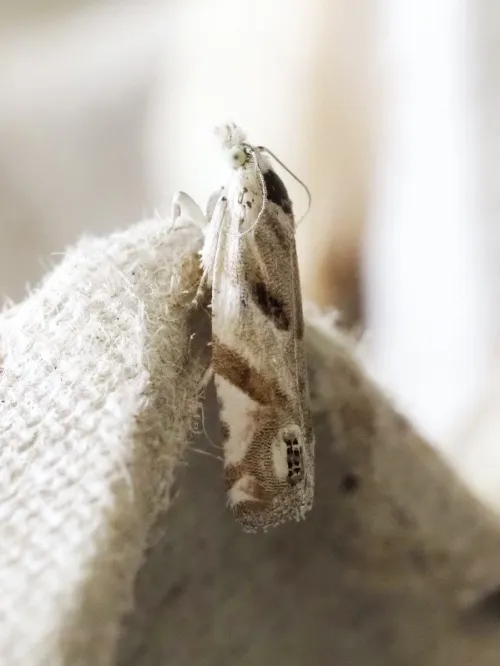
Eucosma pupillana
Eucosma pupillana
Wingspan around 17 mm. This species has a distinctive wing pattern of brown bars on a pale background. Records must be supported by a good photograph in view of the scarcity of this species in VC55. They rest among the foliage during the day, and fly
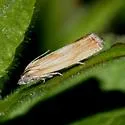
Eucosma radiatana - Hodges#2908
Eucosma radiatana
Identification: Adult - see original description in Print References. Genitalia:
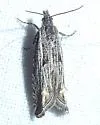
Eucosma salidana - Hodges#2972.1
Eucosma salidana
Identification: Description can be found in MONA Fascicle 9-4 at link in citations below.
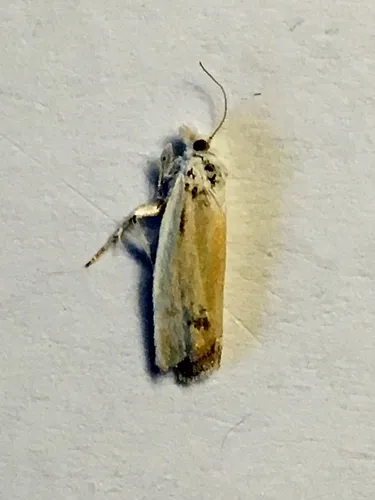
Eucosma segregata - Hodges#2991
Eucosma segregata
Eucosma segregata - Hodges#2991 (Eucosma segregata) is a species in the family Tortricidae, commonly known as tortricid moths, belonging to the order Lepidoptera (Butterflies and Moths). It is classified within the subfamily Olethreutinae, tribe Euco
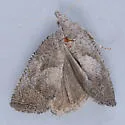
Eucosma sombreana - Hodges#3127
Eucosma sombreana
Identification: Adult - forewing brownish-gray, dusted with pale scales; faint, slightly paler oblique band in median area, bordered on both sides by diffuse dark shading, but showing little contrast against ground color (overall color fairly uniform
Eucosma stramineana - Hodges#3003
Eucosma stramineana
Identification: Wright, 2010 This species has been confused with the Eucosma grindeliana complex in collections and references such as Heinrich , Powell & Opler . The confusion was sorted out in Wright . It appears that stramineana from southern Cali
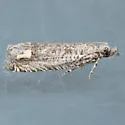
Eucosma subminimana - Hodges#2979
Eucosma subminimana
Identification: The Heinrich original description is available in PDF or read online from the print references below. Powell & Opler mentions the distinct ocellar spot.
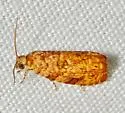
Eucosmomorpha nearctica - Hodges#3399.2
Eucosmomorpha nearctica
Previous to Miller (2001), this species was believed to be the Eurasian species Eucosmomorpha albersana (Hübner, [1813]).
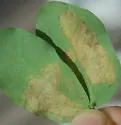
Eucosmophora pithecellobiae - Hodges#0696.2
Eucosmophora pithecellobiae
The larva is a sap-feeder in the first two instars, producing a translucent, serpentine mine. The third, tissue-feeding instar produces a blotch, which often obliterates the linear portion of the mine.
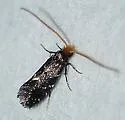
Eudarcia eunitariaeella - Hodges#0277
Eudarcia eunitariaeella
Identification: See Chambers Separated from Eudarcia simulatricella by the following: "All wing markings narrower, more oblique, especially noticeable in the first and second costal spots and the first dorsal spot, which is farther removed from the b
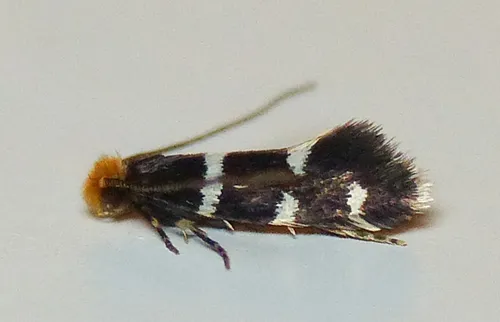
Eudarcia simulatricella - Hodges#0278
Eudarcia simulatricella
Identification: "Head brownish ochreous. Palpi pale yellowish. Antennae ochreous, annulated with dark brown. Forewings a rich dark chocolate brown with a faint purple lustre. A white fascia at one-third, a white costal spot about the middle, a simila
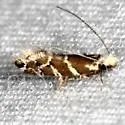
Eudarcia species-two
Eudarcia species-two
Identified to genus by dissection and labeled " Eudarcia sp. 2" in the Florida State Collection of Arthropods, McGuire Center for Lepidoptera and Biodiversity, Gainesville (J. Hayden, pers. comm. to A.S. Hunt, 24 xi 2024).
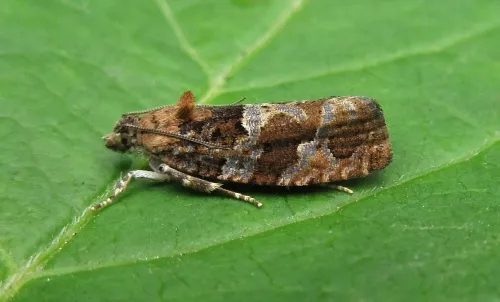
Eudemis profundana
Eudemis profundana
Wingspan 14 to 20 mm. A rather variable species which generally shows a rich mixture of reddish ground-colour overlaid with darker and paler marbling. The whitish dorsal blotch can be large and conspicuous. The adults are on the wing in July and Augu
Eudesmia menea - Hodges#8097
Eudesmia menea
The basis for inclusion of Eudesmia menea in the North American fauna is tenuous. For a time in the first half of the 20th Century Eudesmia arida was synonymized (wrongly) under E. menea , thus the many records in AZ and TX were for a time listed un
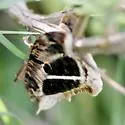
Eudocima apta - Hodges#8543
Eudocima apta
Identification: See MPG , (Brou 2006). Members of this genus are sexually dimorphic. Type Locality: Brazil
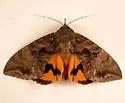
Eudocima serpentifera - Hodges#8543.1
Eudocima serpentifera
Brou (2006) reported the first United States record at UV light trap on October 25, 2006 at 4.2 mi NE of Abita Springs, Louisiana Pague & Brou (2013) reported the second United States record on September 13, 2013 at Medano Zapata Ranch/Inn, Alamosa C
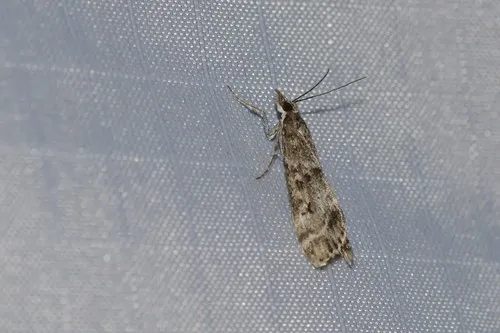
Eudonia alpina - Hodges#4737
Eudonia alpina
Identification: Male: Brown, ash-gray beneath. Palpi slender, porrect, white beneath, much shorter than the breadth of the head; third joint lanceolate, about half the length of the second. Abdomen ash-gray, extending much beyond the hind wings. Legs
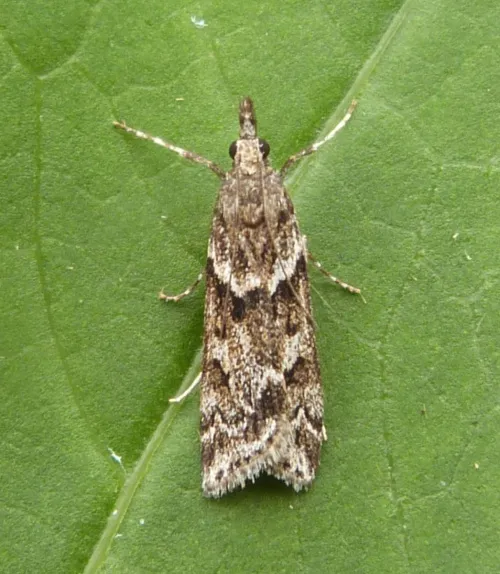
Eudonia angustea
Eudonia angustea
Wingspan 17-22 mm. A rather small, narrow-winged species. Scopariinae are a difficult group to identify and sometimes it is necessary to refer to genitalia to be sure. A useful guide can be found at the following LINK Prefers coastal habitats but it
Eudonia echo - Hodges#4735
Eudonia echo
Identification: Adult: forewing a mosaic of black, white, and gold scales, giving an overall dull greenish-gray appearance from a distance; AM and PM lines white; upper portion of PM line jogs outward, and lower portion curves inward in concave arc;
Eudonia heterosalis - Hodges#4739
Eudonia heterosalis
Identification: Mark Dreiling’s DNA Supported Specimen
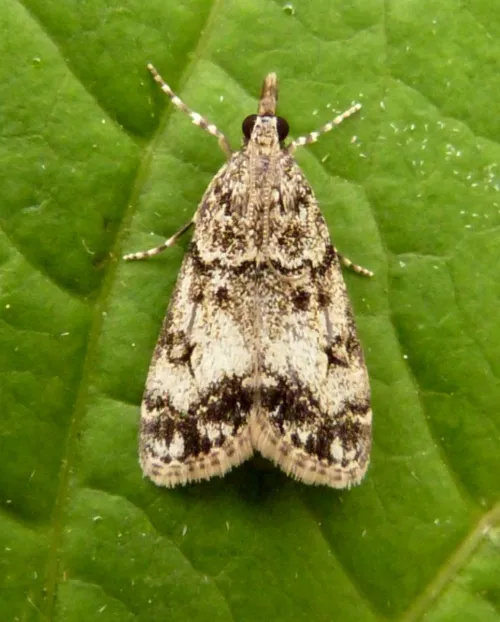
Eudonia lacustrata
Eudonia lacustrata
Wingspan 15-20 mm. One of the more distinctive of the Scopariinae, identifiable by its rather plain creamy or greyish central portion of the wing. The larvae feed on mosses, usually on walls or tree-trunks. Species has a distribution over most of Gre
Eudonia leucophthalma - Hodges#4734
Eudonia leucophthalma
Identification: The original description as Scoparia leucophthalma Dyar is avaiable online. Specimen identified by DNA analysis (BOLD).
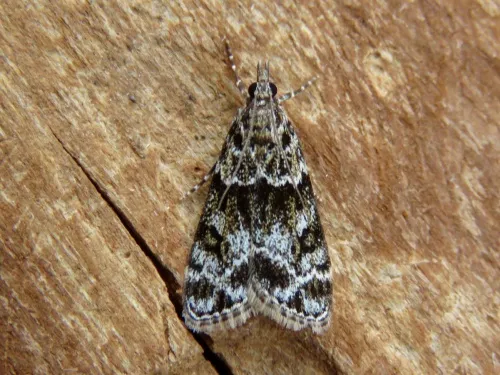
Eudonia mercurella
Eudonia mercurella
Wingspan 16-19 mm. Its similarity to several other species makes it difficult to identify. Scopariinae are a difficult group to identify and sometimes it is necessary to refer to genitalia to be sure. A useful guide can be found at the following LINK
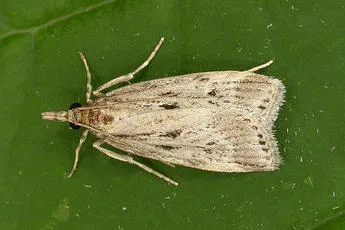
Eudonia pallida
Eudonia pallida
Wingspan around 18 mm. The palest of the British Scopariinae and quite distinctive, although care must be taken not to confuse small, worn specimens of related species. Scopariinae are a difficult group to identify and sometimes it is necessary to re
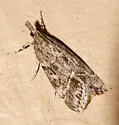
Eudonia rectilinea - Hodges#4722
Eudonia rectilinea
Identification: Forewing gray with nearly straight postmedial line that has a slight bend near the costa.
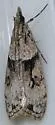
Eudonia spaldingalis - Hodges#4729
Eudonia spaldingalis
Identification: Description can be found in MONA Fascicle 13-1A at link in citations below.
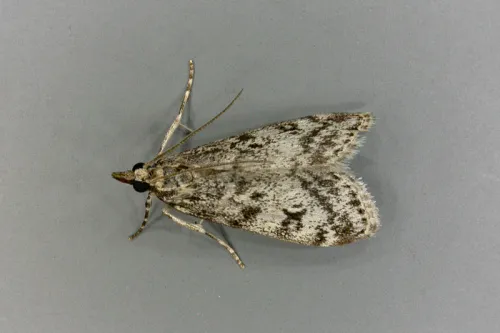
Eudonia truncicolella
Eudonia truncicolella
Wingspan 18-22 mm. One of the confusing range of Scopariinae , which can be difficult to tell apart. Most likely to be confused with the commoner Eudonia lacustrata, although the present species is said to have a more 'scratchy' appearance and more p
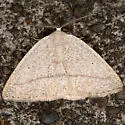
Eudrepanulatrix rectifascia - Hodges#6681
Eudrepanulatrix rectifascia
Identification: Specimens identified by DNA analysis:
Eudryas brevipennis - Hodges#9300
Eudryas brevipennis
Identification: "This species is unmistakable west of the Rockies due to its distinctively patterned forewing and bright yellow hindwing" .
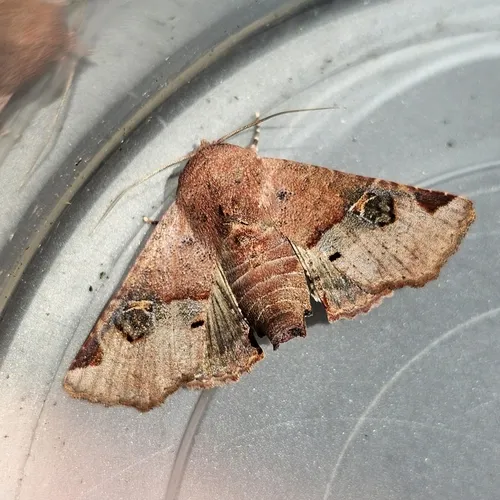
Eugenia Caterpillar
Targalla delatrix
The Eugenia Caterpillar (Targalla delatrix) is a moth of the Noctuidae family. It is widespread in the Indo-Australian tropics to Fiji. It has also been recorded from Rapa Iti, the Society Islands and Hawaii.
Eugnosta brownana - Hodges#3764.1
Eugnosta brownana
Identification: See Metzler & Forbes, 2012 in Print References below.
Eugnosta busckana - Hodges#3786
Eugnosta busckana
Identification: Comstock original description as Carolella busckana is avaiable online. Listed on the 1994 IUCN red list of threatened animals.
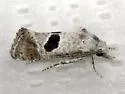
Eugnosta deceptana - Hodges#3789
Eugnosta deceptana
Identification: Busck original description as Pharmacis deceptana is online in the print references.
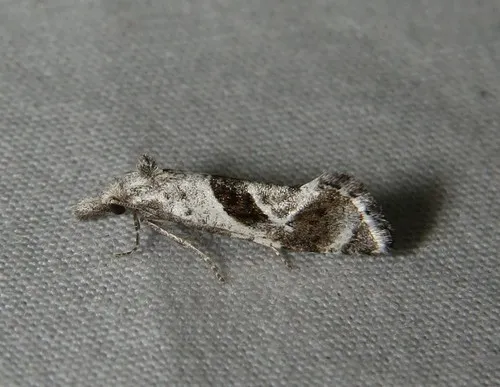
Eugnosta mexicana - Hodges#3791
Eugnosta mexicana
Identification: Busck original description. "Labial palpi white, slightly sprinkled with light fuscous externally and with apical joint light fuscous. Head and thorax white, slightly suffused with light ochreous fuscous. Fore wings white, slightly su
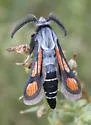
Euhagena nebraskae - Hodges#2535
Euhagena nebraskae
Identification: Adult - forewing orangish-red, outlined in black, and with broad black PM line; hindwing similar color with black discal spot; fringe on both wings prominent, dusky; antennae long, thick, black, pectinate; head and thorax covered with
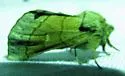
Euhyparpax rosea - Hodges#8021
Euhyparpax rosea
Identification: Beutenmüller (1893) description is available online in the print references .
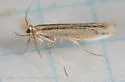
Euhyponomeutoides gracilariella - Hodges#2426
Euhyponomeutoides gracilariella
Identification: Specimen identified by DNA analysis (BOLD).
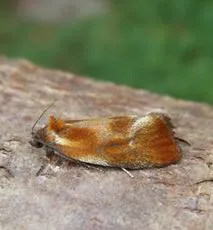
Eulia ministrana
Eulia ministrana
Wingspan 18-25 mm. The creamish ground colour and red/brown markings are fairly characteristic. It flies in May and June, from dusk and into the night, when it can be attracted by light. The caterpillars feed on a variety of deciduous trees and shrub
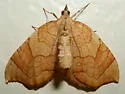
Eulithis luteolata - Hodges#7198
Eulithis luteolata
Identification: Specimen identified by DNA analysis:
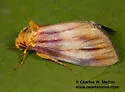
Eulithosia plesioglauca - Hodges#9767
Eulithosia plesioglauca
Identification: Forewing has violet sheen with thin dark lines that run from the base towards the outer margin.
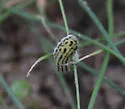
Euonymus Leaf Notcher - Hodges#4639.1
Pryeria sinica
first found in MD and VA in 2001; it is spreading - Introduced from Asia
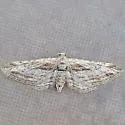
Eupithecia adequata - Hodges#7585
Eupithecia adequata
Identification: brushing scales off ventral plate, process is stubby, with wide excavation; and prominent, finger-like, rounded process on valvae.
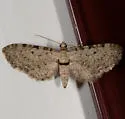
Eupithecia affinata - Hodges#7495
Eupithecia affinata
Identification: Genitalia: ♀ ductus bursae with collar-like colliculum; wide sclerotized and striated band extending down from colliculum; rounded corpus bursae with spines and a lateral patch of spinules. ♂
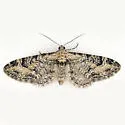
Eupithecia agnesata - Hodges#7561
Eupithecia agnesata
Identification: The Taylor original description of Eupithecia agnesata is available online in the print references. - Dark bar across abdomen in front of the middle. Second abdominal segment is darker gray. Forewing is acutely pointed and a gray grou
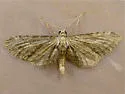
Eupithecia bivittata - Hodges#7478
Eupithecia bivittata
Identification: Specimens identified by DNA analysis (BOLD). ( 5 ) Genitalia:
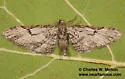
Eupithecia bolterii - Hodges#7500
Eupithecia bolterii
Identification: See this marked-up gray example for details: , and Ann Hendrickson's characteristic buff-colored example from Edwards County: . [Adapted from McDunnough, p. 589 ] Forewings pointed apically (narrower than most other Eupithecia ’s in r
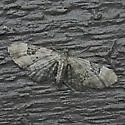
Eupithecia bowmani - Hodges#7565
Eupithecia bowmani
Identification: Wingspan: 13-16 mm. female/male genitalia
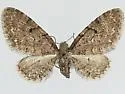
Eupithecia broui - Hodges#7479.1
Eupithecia broui
Identification: Rindge provides a description of the adults, including the genitalia. The genus Eupithecia is often a difficult group to determine from photos. Genitalia dissection is the most accurate method.
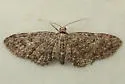
Eupithecia bryanti - Hodges#7480
Eupithecia bryanti
Identification: Adult - see original description in Print References. Specimens identified by DNA analysis: Genitalia:
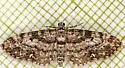
Eupithecia casloata - Hodges#7492
Eupithecia casloata
The external features of the adult E. casloata are not very useful in separating them from other species in the fletcherata group. (K.B. Bolte, 1990)
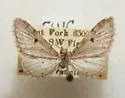
Eupithecia cazieri - Hodges#7510
Eupithecia cazieri
Identification: small gray moth, poorly maculated but with prominent discal spot.
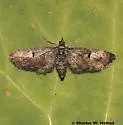
Eupithecia classicata - Hodges#7598
Eupithecia classicata
Identification: Adult: forewing grayish-brown with prominent discal spot and diffuse paler area immediately beyond spot. The nature of the male and female genitalia suggests that classicata is allied to E. graefii (Hulst), but the two species differ
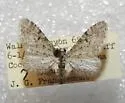
Eupithecia coconinoensis - Hodges#7504.1
Eupithecia coconinoensis
Identification: Similar in habitus to E. nabokovi, neomexicana and piccata. Ventral plate on males can be brushed to ID. females must be dissected. Genitalia: ♀ ♂ described from a tray of 80 specimens collected by J.G.Franclemont in Walnut Canyon, ne
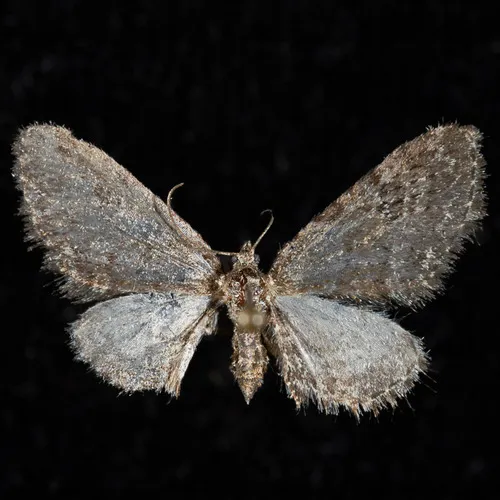
Eupithecia cognizata - Hodges#7547
Eupithecia cognizata
Identification: Specimen determined by DNA analysis (BOLD).
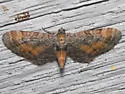
Eupithecia coloradensis - Hodges#7481
Eupithecia coloradensis
Identification: Adult : FW are dark brownish grey except for the reddish brown costa and poorly defined wide PM band. Hind wings slightly paler brownish grey. Second segment of abdomen with darker transverse band. (a)
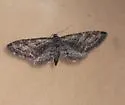
Eupithecia gilvipennata - Hodges#7581
Eupithecia gilvipennata
Eupithecia gilvipennata - Hodges#7581 (Eupithecia gilvipennata) is a species in the family Geometridae, commonly known as geometrid moths, belonging to the order Lepidoptera (Butterflies and Moths). It is classified within the subfamily Larentiinae,
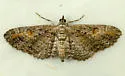
Eupithecia graefii - Hodges#7600
Eupithecia graefii
Identification: Fore-wing cell spot with red-orange scales, even in worn specimens, which, along with wing shape and maculation, identifies this species. Genitalia: ♀ ♂
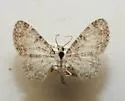
Eupithecia helena - Hodges#7576
Eupithecia helena
Identification: Taylor original description is in PDF. Genitalia: ♀ ♂
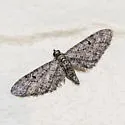
Eupithecia jejunata - Hodges#7486
Eupithecia jejunata
Identification: Eupithecia is a difficult group with many similar species that often require dissection for identification. Many undescribed species are known. Genitalia: ♀ ♂ In Texas and across at least part of the South, the thoracic and abdominal
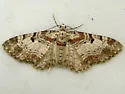
Eupithecia johnstoni - Hodges#7570
Eupithecia johnstoni
Identification: Specimens identified by DNA analysis: Genitalia: ♀ ♂
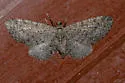
Eupithecia lachrymosa - Hodges#7548
Eupithecia lachrymosa
Identification: Hulst (1900) original description as Tephroclystis lachrymosa is available online in the print references. Specimen identified by DNA analysis (BOLD). ( 3 ) Genitalia: ♀ ♂
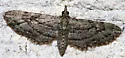
Eupithecia longidens - Hodges#7454
Eupithecia longidens
Identification: See this annotated example on iNaturalist. Based on the subspecies kerrvillaria in Texas: a. FW crossed by two nearly complete fine dark lines, the inner one nearly/actually touching the dark cell spot; both lines are continued acros
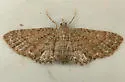
Eupithecia longipalpata - Hodges#7468
Eupithecia longipalpata
Identification: Adult - McDunnough description. Larva - yellowish green with dark dorsal stripe, sometimes pale sub-dorsal lines, yellowish spiracular lines.
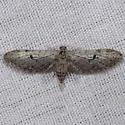
Eupithecia macdunnoughi - Hodges#7512
Eupithecia macdunnoughi
Identification: Specimen identified by DNA analysis (BOLD). ( 4 )
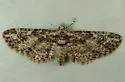
Eupithecia maestosa - Hodges#7460
Eupithecia maestosa
Identification: Taylor description as Eupithecia dyarata is available online in the print references. This group can be difficult to identify from photos and are best determined by examining the genitalia, or by DNA analysis. Specimen identified by D
Eupithecia multiscripta - Hodges#7536
Eupithecia multiscripta
Eupithecia multiscripta - Hodges#7536 (Eupithecia multiscripta) is a species in the family Geometridae, commonly known as geometrid moths, belonging to the order Lepidoptera (Butterflies and Moths). It is classified within the subfamily Larentiinae,
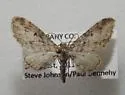
Eupithecia niphadophilata - Hodges#7552
Eupithecia niphadophilata
Identification: one distinct spine at the base of the vesica. one cannot separate adults of E. niphadophilata from those of E. interruptofasciata by external features.
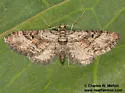
Eupithecia nonanticaria - Hodges#7594.1
Eupithecia nonanticaria
Identification: "This species is nearly identical in habitus to E. anticaria but is grayer with more subdued coloration and muted maculation; positive separation requires the examination of the genitalia."
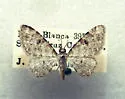
Eupithecia penablanca - Hodges#7605.2
Eupithecia penablanca
Identification: unique ventral plate on males; caliper-like rods with triangular, lateral projections.
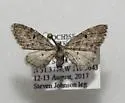
Eupithecia persimulata - Hodges#7507
Eupithecia persimulata
Identification: Genitalia: The maculation is very similar to that of alpinata and prostrata. (McDunnough, 1949)
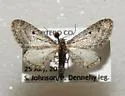
Eupithecia pertusata - Hodges#7595
Eupithecia pertusata
Identification: 8th sternite - triangular, weakly chitinized, terminating in 2 rounded projections. Vesica with 2 long, apically pointed rods, a slender finely spiculate strip, and an irregular fragment.
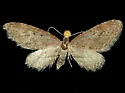
Eupithecia purpurissata - Hodges#7579
Eupithecia purpurissata
Identification: Grossbeck original description. "In wing form like the ordinary type of Eupithecia , wings not unusually extended nor unusually broad. Front slightly protuberant, palpi extending a little beyond the front. Entire moth above including