
Butterflies and Moths
Order Lepidoptera
The Butterflies and Moths (Order Lepidoptera) includes 11,813 species across 112 families and 2,787 genera in our directory.
About Butterflies and Moths
Lepidoptera includes approximately 180,000 described species of butterflies and moths. Moths outnumber butterflies roughly 10:1. The monarch butterfly's eastern population has declined by more than 80% since the mid-1990s, and the western population by over 95% since the 1980s. The IUCN lists the migratory monarch as Vulnerable.
Economic Impact
Lepidoptera are critical pollinators. In Europe, grassland butterfly species have declined by almost 50% since the early 1990s. In the UK, three-quarters of butterflies are in decline. In the U.S., five butterfly species have gone extinct since 1950, with 29 listed as endangered.
Ecological Role
Butterflies and moths are essential indicators of ecosystem health. As caterpillars, they are a primary food source for birds - a single nest of blue tit chicks requires ~10,000 caterpillars. Adult moths pollinate many night-blooming plants.
Families in Lepidoptera (112)
Species in Lepidoptera (11,813)
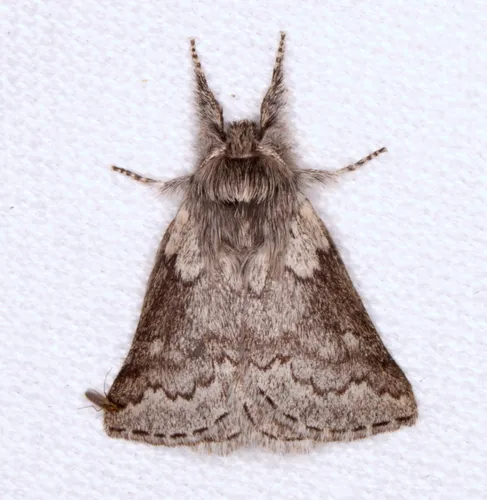
Munychryia senicula
Munychryia senicula
Munychryia senicula is a moth of the Anthelidae family. It was described by Walker in 1865. It is found in Australia.
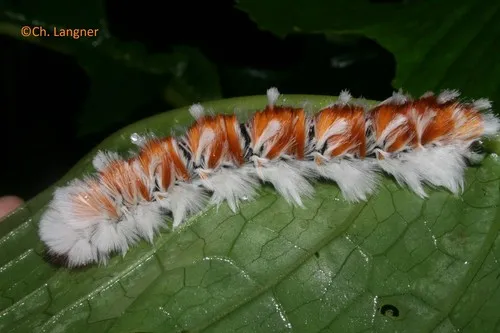
Neopreptos marathusa
Neopreptos marathusa
Neopreptos marathusa is a moth in the Eupterotidae family. It was described by Druce in 1886. It is found in Costa Rica.
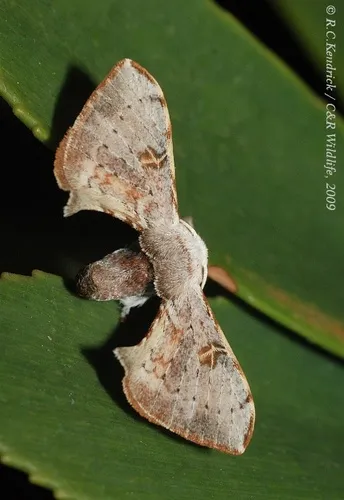
Ocinara albicollis
Ocinara albicollis
Ocinara albicollis is a moth in the Bombycidae family. It was described by Walker in 1862. It is found in Kenya, China, Thailand, Malaysia, India, Sri Lanka and on Sumatra, Java and Borneo. The habitat consists of lower and upper montane forests, but
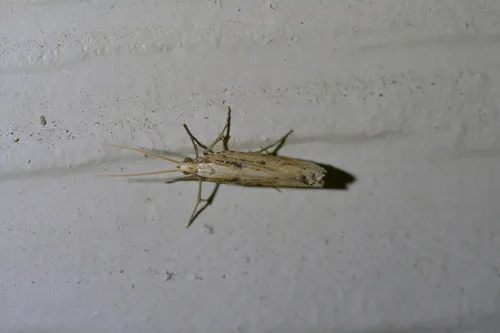
Orthenches chlorocoma
Orthenches chlorocoma
Orthenches chlorocoma is a moth of the family Plutellidae first described by Edward Meyrick in 1885. It is endemic to New Zealand and has been observed in the North and South Islands. The larvae of this species feed on native broom species in the gen
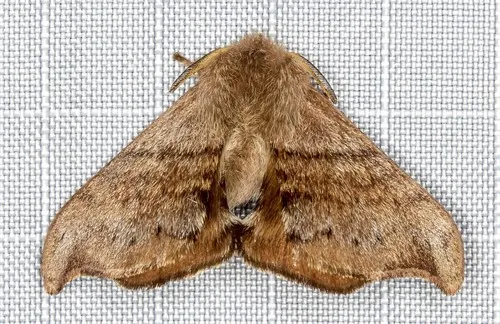
Panacela nyctopa
Panacela nyctopa
Panacela nyctopa is a moth in the Eupterotidae family. It was described by Turner in 1922. It is found in Australia, where it has been recorded from Queensland.
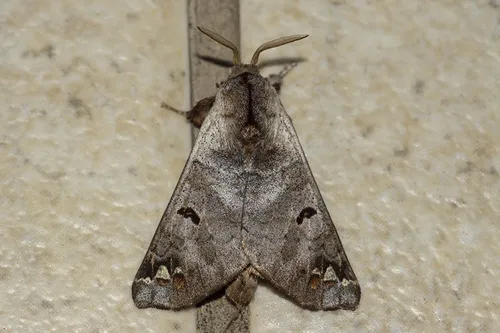
Pantelodes satellitia
Pantelodes satellitia
Pantelodes satellitia is a moth in the family Apatelodidae. It is found in Costa Rica, French Guiana and Bolivia. It was transferred from Apatelodes to the newly-established genus Pantelodes by Daniel Herbin in 2017.
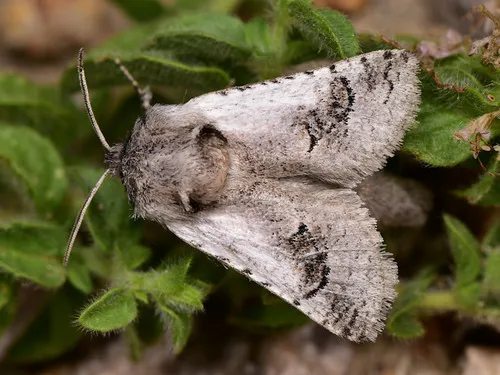
Parahypopta caestrum
Parahypopta caestrum
Parahypopta caestrum is a species of moth of the Cossidae family. It is found on the Iberian Peninsula and in France, Italy, Austria, the Czech Republic, Slovakia, Hungary, on the Balkan Peninsula, as well as in Jordan, Israel, Syria, Iraq, Turkey, s
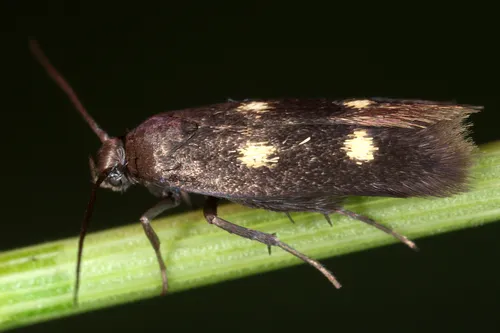
Parascythris muelleri
Parascythris muelleri
Parascythris is a monotypic moth genus in the family Scythrididae erected by Hans-Joachim Hannemann in 1960. Its only species, Parascythris muelleri, was described by Josef Johann Mann in 1871. It is found in Germany, Austria, the Czech Republic, Slo
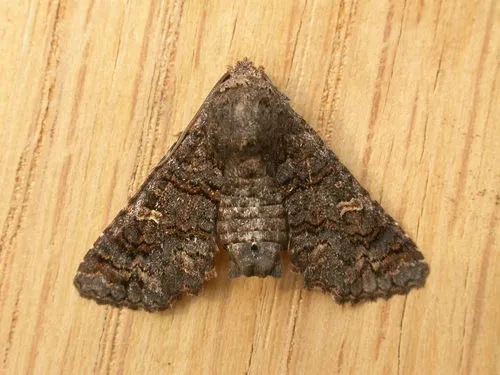
Pataeta carbo
Pataeta carbo
Pataeta carbo is a moth of the Noctuidae family and the only member of the Pataeta genus. It is found around the west Pacific, including Australia (in the Australian Capital Territory, the Northern territory, Queensland and Victoria) as well as in Fi
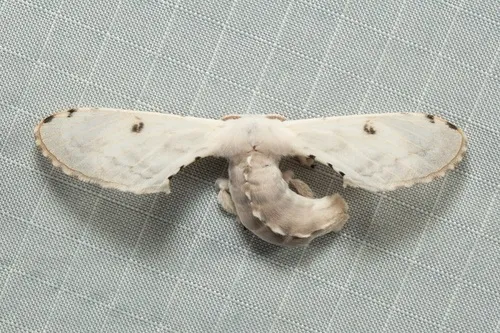
Penicillifera apicalis
Penicillifera apicalis
Penicillifera apicalis is a moth of the Bombycidae family. It is found from the north-eastern parts of the Himalaya to Sundaland and the Philippines.
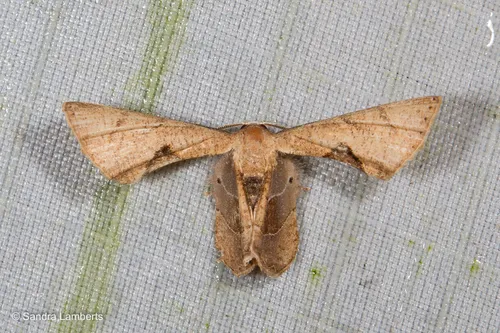
Phazaca leucocera
Phazaca leucocera
Phazaca leucocera is a species of moth of the family Uraniidae. It is found in Sri Lanka, southern India, China, Borneo and the Solomon Islands.
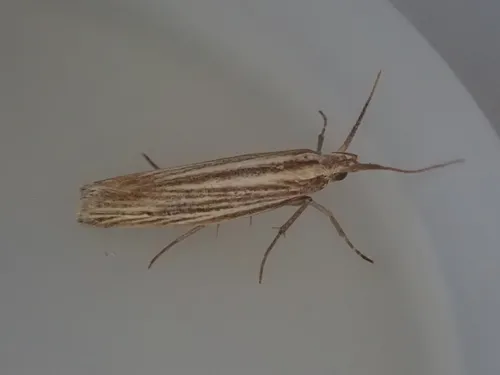
Phylacodes cauta
Phylacodes cauta
Phylacodes cauta is a moth of the family Plutellidae first described by Edward Meyrick in 1905. It is endemic to New Zealand.
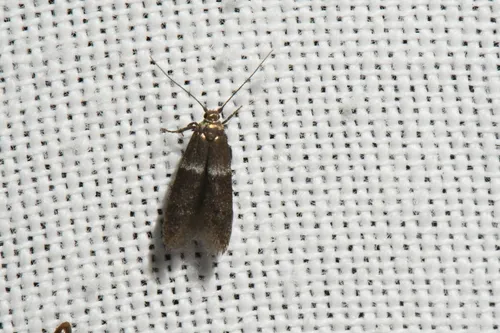
Pigritia fidella
Pigritia fidella
Pigritia fidella is a moth in the family Blastobasidae. It is found in the United States, including Pennsylvania, Maine and Washington DC.
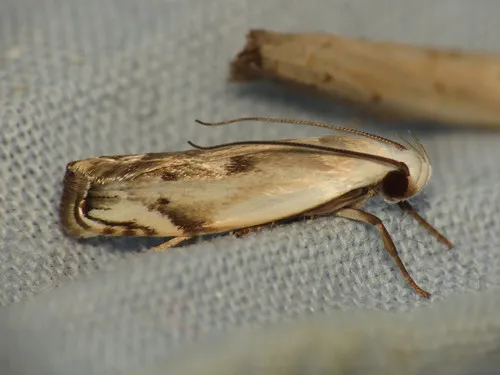
Plectophila discalis
Plectophila discalis
Plectophila discalis is a moth of the Xyloryctidae family. It is found in Australia, where it has been recorded from New South Wales, Queensland and Victoria.
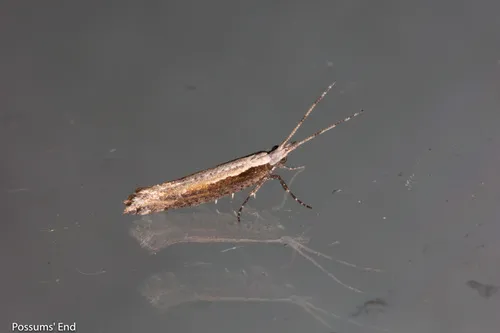
Plutella antiphona
Plutella antiphona
Plutella antiphona, also known as the diamondback moth, is a moth of the family Plutellidae first described by Edward Meyrick in 1901. It is endemic to New Zealand.
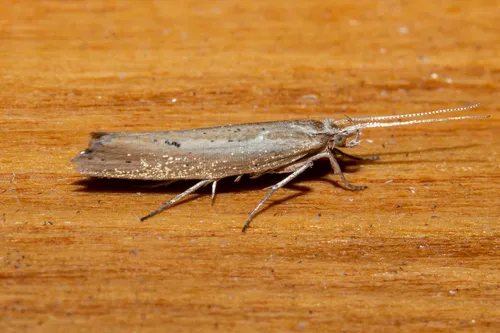
Plutella psammochroa
Plutella psammochroa
Plutella psammochroa is a moth of the family Plutellidae first described by Edward Meyrick in 1885. It is found in New Zealand. The classification of this moth within the genus Plutella is regarded as unsatisfactory and in need of revision. As such t
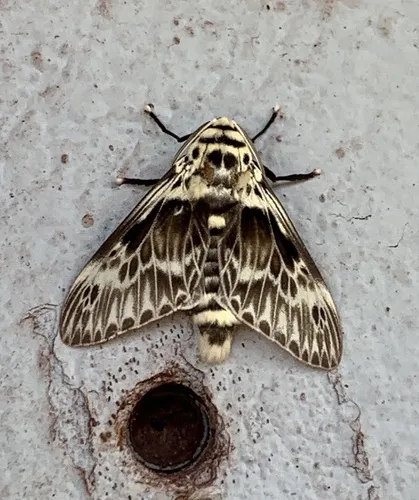
Podalia orsilochus
Podalia orsilochus
Podalia orsilochus is a moth of the Megalopygidae family. It was described by Pieter Cramer in 1775. It is found in Mexico, Costa Rica, Brazil, Guyana and Venezuela.
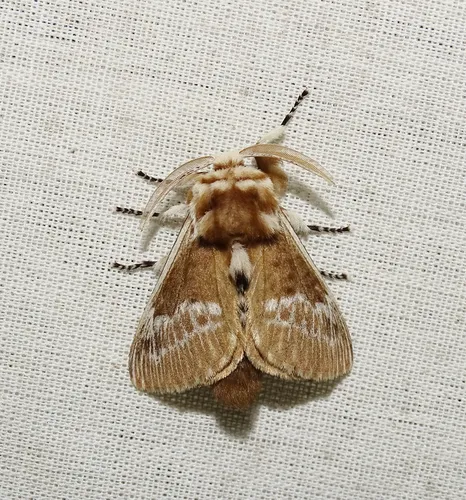
Podalia walkeri
Podalia walkeri
Podalia walkeri is a moth of the Megalopygidae family. It was described by Carlos Berg in 1882 and is found in Brazil.
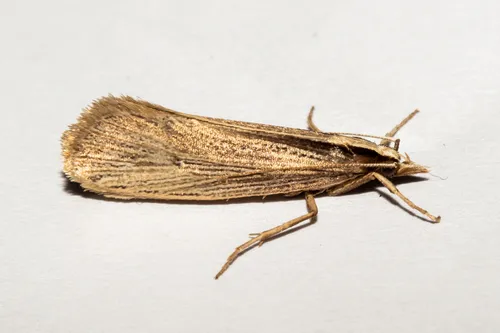
Proditrix megalynta
Proditrix megalynta
Proditrix megalynta is a species of moth in the family Glyphipterigidae first described by Edward Meyrick in 1915. It is endemic to New Zealand.
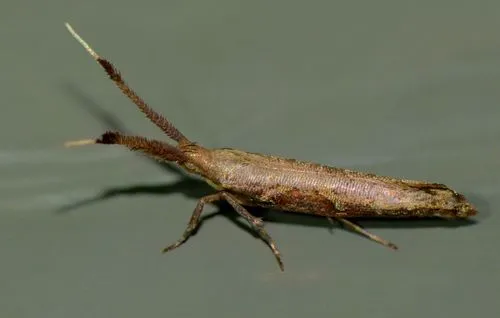
Protosynaema steropucha
Protosynaema steropucha
Protosynaema steropucha is a species of moth in the family Plutellidae first described by Edward Meyrick in 1885. It is endemic to New Zealand.
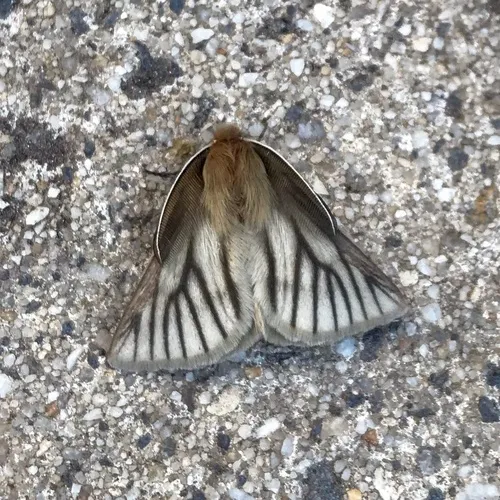
Pterolocera amplicornis
Pterolocera amplicornis
Pterolocera amplicornis is a moth of the family Anthelidae. It was described by Francis Walker in 1855. It is found in Australia.
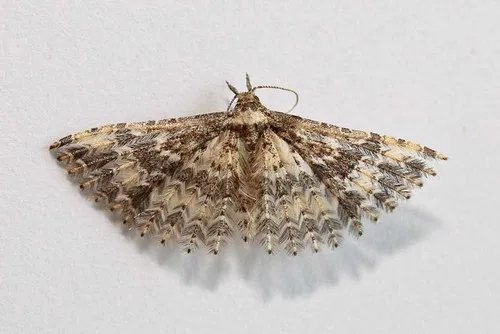
Pterotopteryx dodecadactyla
Pterotopteryx dodecadactyla
Pterotopteryx dodecadactyla is a moth of the family Alucitidae. It is found in Russia, Croatia, Slovenia, Hungary, Romania, Austria, Slovakia, the Czech Republic, Poland, Estonia, Fennoscandia, Germany, Switzerland, France and Italy. It has also been
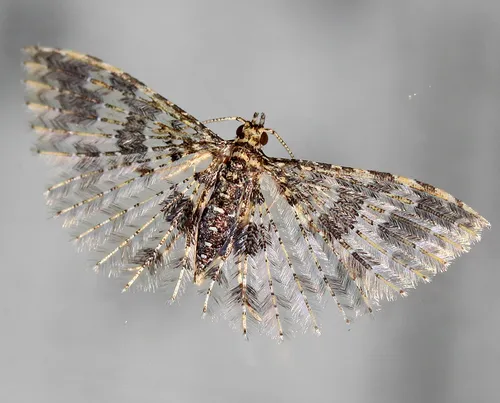
Pterotopteryx spilodesma
Pterotopteryx spilodesma
Pterotopteryx spilodesma is a moth of the family Alucitidae. It was described by Edward Meyrick in 1907. It is found in Russia (Primorskii krai, Sakhalin, the Kurils) and from southern India and Pakistan to Japan (northwards to Hokkaido). It has also
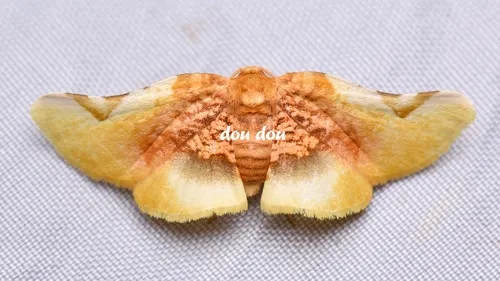
Pyrinioides sinuosus
Pyrinioides sinuosus
Pyrinioides sinuosus is a species of moth of the Thyrididae family. It is found in Taiwan, Japan, Burma and India.
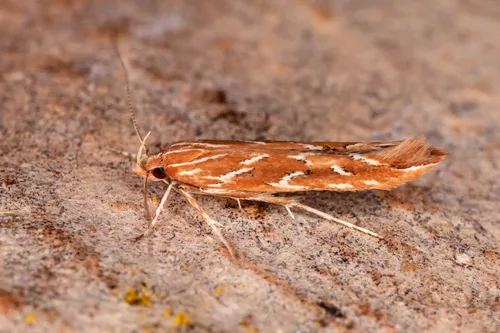
Pyroderces argyrogrammos
Pyroderces argyrogrammos
Pyroderces argyrogrammos is a moth in the family Cosmopterigidae. It is found from central Europe south to the Mediterranean area, the Canary Islands, North Africa, the Middle East, Central Asia and China. It has recently also been recorded on the Ch
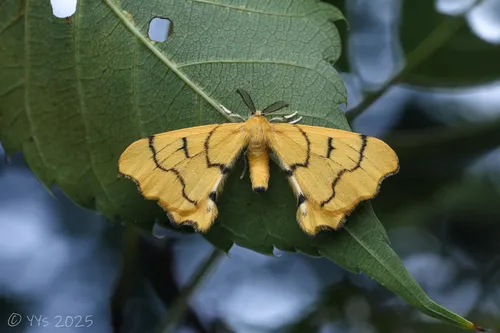
Rondotia menciana
Rondotia menciana
Rondotia menciana is a moth in the family Bombycidae. It was described by Frederic Moore in 1885. It is found in Zhejiang, China.
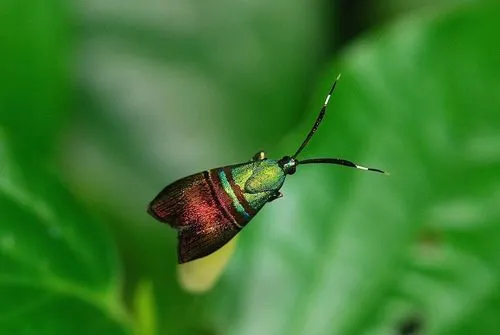
Saptha beryllitis
Saptha beryllitis
Saptha beryllitis is a moth in the Choreutidae family. It was described by Meyrick in 1910. It is found on the Nicobar Islands.
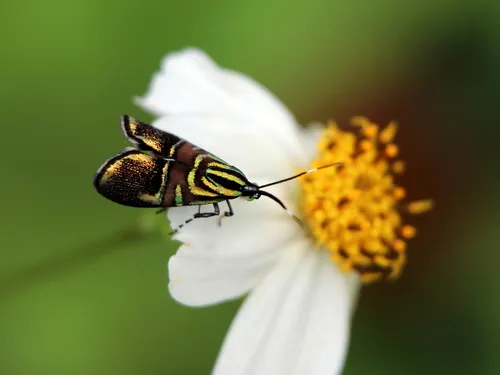
Saptha divitiosa
Saptha divitiosa
Saptha divitiosa is a moth in the family Choreutidae. It was described by Francis Walker in 1864. It is found on Seram and Ambon islands in Indonesia.
Saptha exanthista
Saptha exanthista
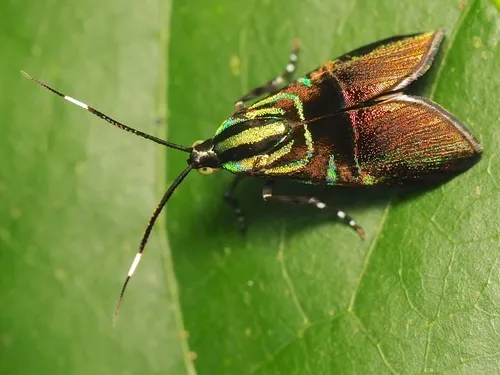
Saptha exanthista is a species of moth of the Choreutidae family. It is found in the rainforests of north-eastern Queensland as well as New Guinea and Indonesia.
Sarisophora leucoscia
Sarisophora leucoscia
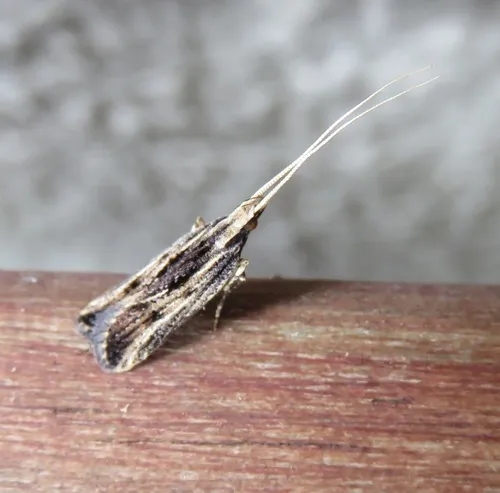
Sarisophora leucoscia is a moth in the Lecithoceridae family. It is found in Australia (including Queensland) and New Zealand.
Scythris obscurella
Scythris obscurella
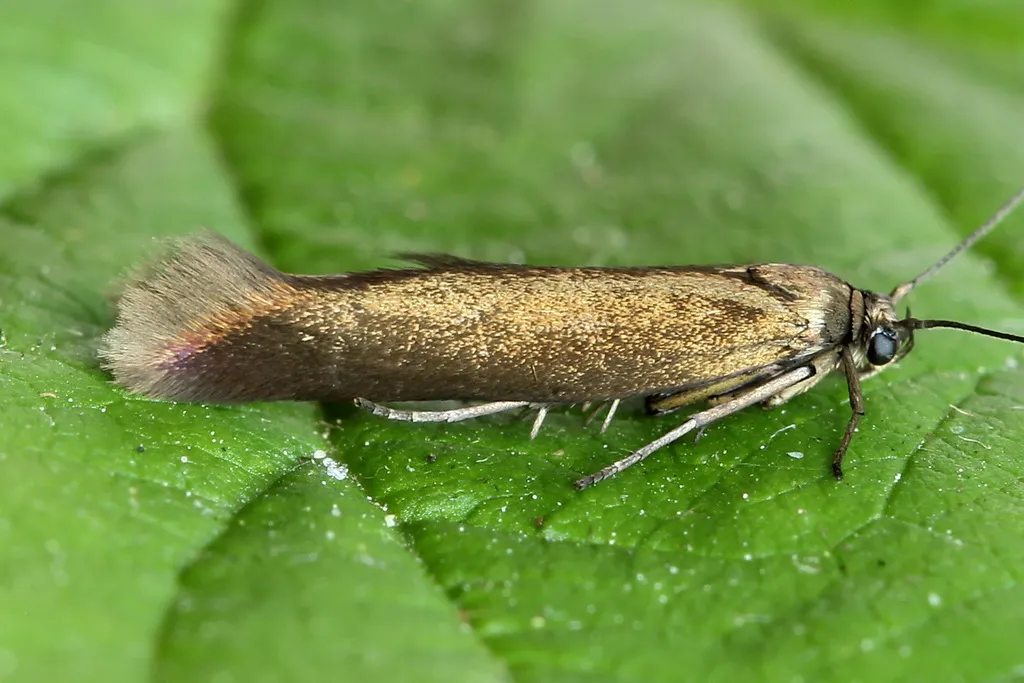
Scythris obscurella is a moth belonging to the family Scythrididae. The species was first described by Giovanni Antonio Scopoli in 1763.
Scythris scopolella
Scythris scopolella
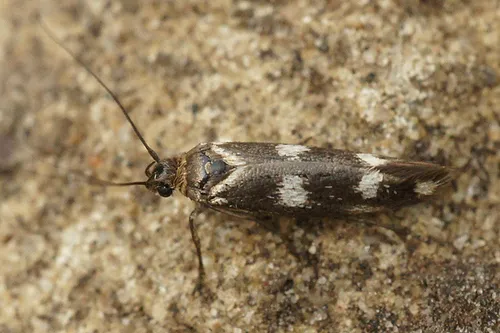
Scythris scopolella is a species of moth of the family Scythrididae. It is found from the Iberian Peninsula, north to Belgium, east to Poland, the Czech Republic, Austria, and Italy. It is also found in Bulgaria and on Crete.
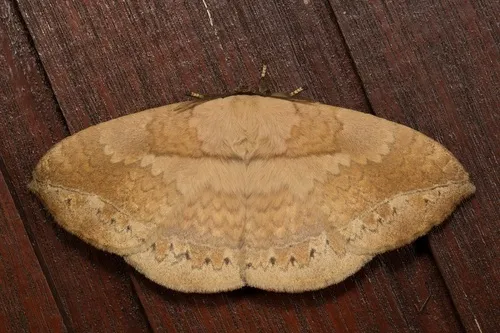
Sphingognatha asclepiades
Sphingognatha asclepiades
Eupterote asclepiades is a moth in the family Eupterotidae. It was described by Swinhoe in 1894. It is found in Sundaland. The habitat consist of lowland rainforests, including hill dipterocarp forests.
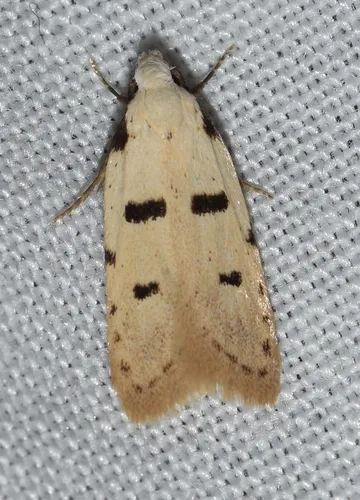
Stibaromacha ratella
Stibaromacha ratella
Stibaromacha ratella is a moth of the Autostichidae family. It is found in France, Spain and Portugal. Outside of Europe, it has been recorded from Morocco, Algeria and Asia Minor.
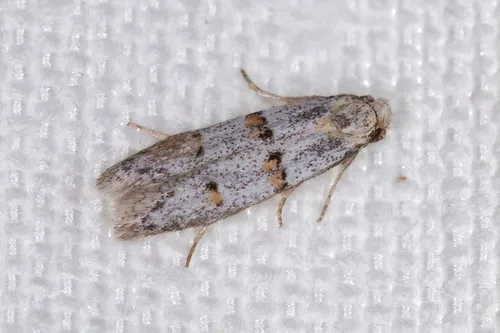
Symmocoides oxybiella
Symmocoides oxybiella
Symmocoides oxybiella is a moth of the family Autostichidae. It is found in France, Italy, Spain and Portugal.
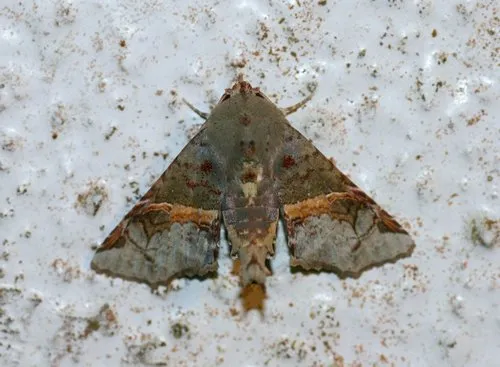
Targalla subocellata
Targalla subocellata
Targalla subocellata is a moth in the Noctuidae family. It is found in Taiwan, the north-eastern part of the Himalaya, Sundaland, the Philippines, Sulawesi, the southern Moluccas, New Guinea and Queensland.
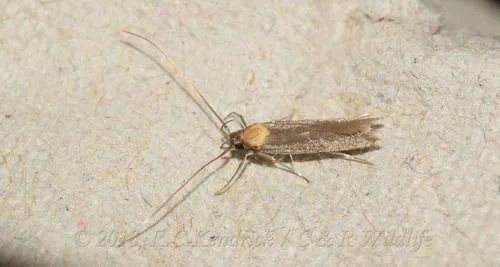
Tegenocharis tenebrans
Tegenocharis tenebrans
Tegenocharis is a genus of moth in the family Lecithoceridae. It contains the species Tegenocharis tenebrans, which is found in Nepal.
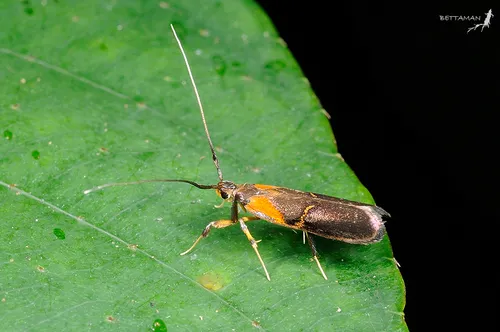
Tisis mesozosta
Tisis mesozosta
Tisis mesozosta is a moth in the family Lecithoceridae. It is found in Taiwan and Anhui, Fujian, Jiangxi, Hainan and Yunnan provinces of China.
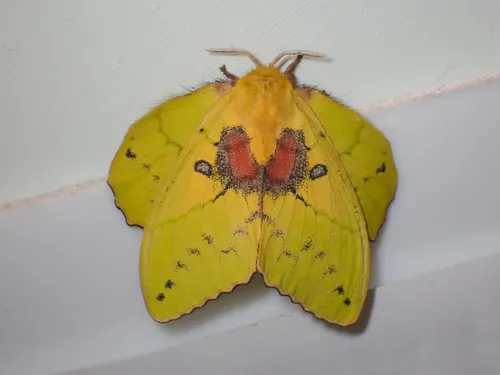
Trabala pallida
Trabala pallida
Trabala pallida is a species of moth in the family Lasiocampidae. They can be found from Southeast China, south throughout Thailand and most of Sundaland. One subspecies is Trabala pallida montana.
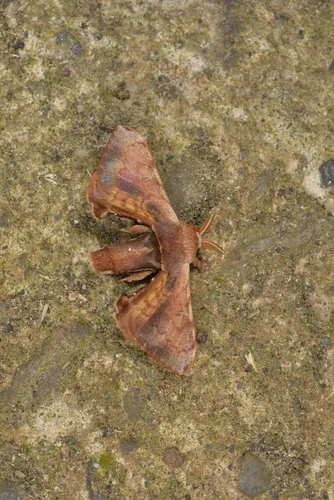
Triuncina brunnea
Triuncina brunnea
Triuncina brunnea is a moth in the family Bombycidae first described by Alfred Ernest Wileman in 1911. It is found in Taiwan.
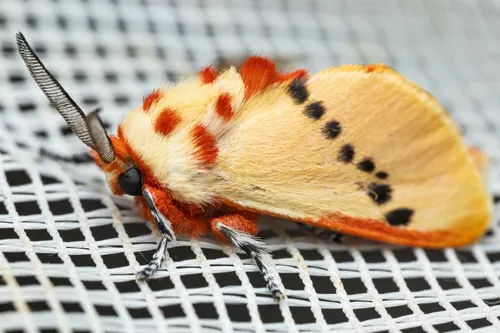
Trosia dimas
Trosia dimas
Trosia dimas, the rosy ermine, is a moth of the Megalopygidae family. It was described by Pieter Cramer in 1775. It is found in Colombia, Venezuela, Ecuador, Brazil and Peru. The habitat consists of rainforests and cloudforest at altitudes between 30
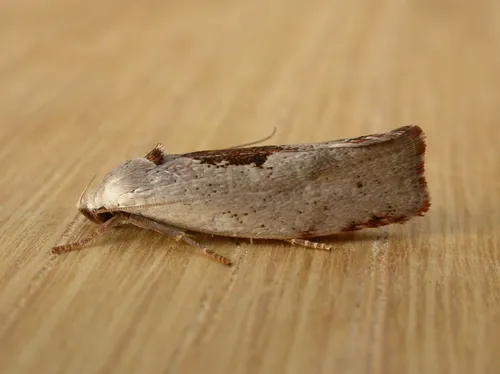
Tymbophora peltastis
Tymbophora peltastis
Tymbophora is a monotypic genus of moth in the Xyloryctidae family. Its sole species is Tymbophora peltastis, which is found in most of Australia.
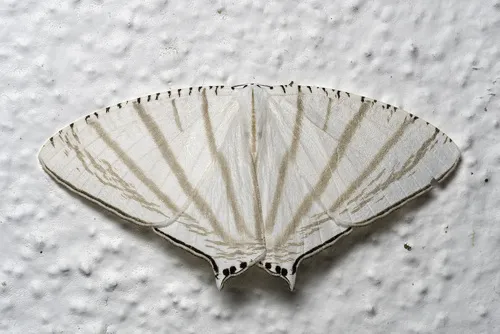
Urapteroides astheniata
Urapteroides astheniata
Urapteroides astheniata is a moth of the Uraniidae family. It is found in south-east Asia, from India, Sri Lanka to Fiji, including New Guinea and the tropical north of Australia.
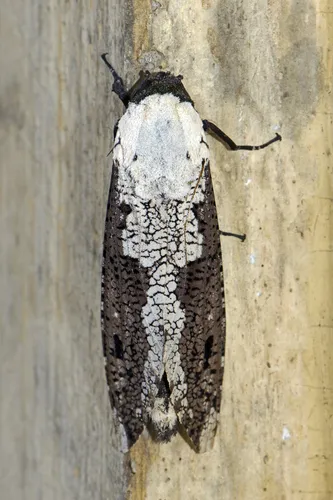
Xyleutes persona
Xyleutes persona
Xyleutes persona is a moth of the Cossidae family. It is found in the Indian subregion, Sri Lanka, south-east Asia, Sundaland, Sulawesi, New Guinea and Queensland. The habitat consists of lowland forests.
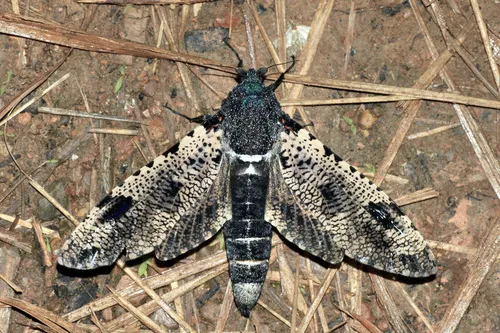
Xyleutes strix
Xyleutes strix
Xyleutes strix is a moth of the Cossidae family. It is found in India, south-eastern Asia, Sundaland, the Philippines, Sulawesi, the Moluccas and New Guinea.
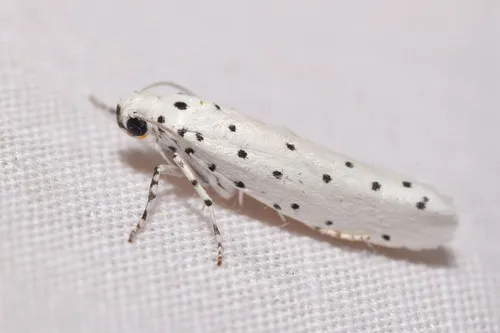
Yponomeuta paurodes
Yponomeuta paurodes
Yponomeuta paurodes is a moth of the family Yponomeutidae. It is found in Australia in the states of Queensland and New South Wales.
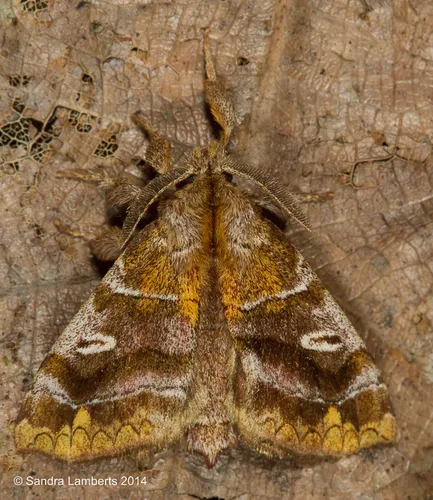
Zanola verago
Zanola verago
Zanola verago is a moth in the Bombycidae family. It was described by Pieter Cramer in 1777. It is found in Venezuela and Suriname.
"Azenia" prov. pl. virida - Hodges#9728
Azenia-prov-pl virida
Identification: Barnes & McDunnough original description as Stiriodes virida is online in the print references below. Poole states "The most significant maculation are thick, prominent white lines for the antemedial, postmedial, and subterminal lines
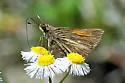
Aaron's Skipper - Hodges#4062
Poanes aaroni
Identification: Underwing is dull olive/brown with a pale ray extending down the middle of the wing, and several light dots near the ray.
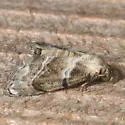
Abablemma bilineata - Hodges#8438
Abablemma bilineata
Identification: Barnes & McDunnough (1916) original description as Phobolosia bilineata is available in the print references.
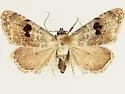
Abablemma duomaculata - Hodges#8438.1
Abablemma duomaculata
Identification: Wagner PDF linked below has description and photo of larva, adult. ,
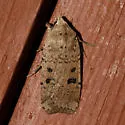
Abagrotis baueri - Hodges#11028
Abagrotis baueri
Identification: The original description of Abagrotis baueri McDunnough, is available online in PDF. Determined by Lars Crabo. Genitalia:
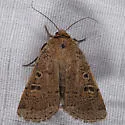
Abagrotis denticulata - Hodges#11026
Abagrotis denticulata
Identification: Specimens identified by DNA analysis: Genitalia:
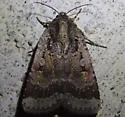
Abagrotis discoidalis - Hodges#11035
Abagrotis discoidalis
Identification: Can be easily separated from other species of Abagrotis by the dark streak passing through the orbicular and reniform spots, and in particular by the black filling in the space between the two spots ( 3 ) . "Larva light gray above the
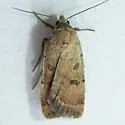
Abagrotis dodi - Hodges#11042
Abagrotis dodi
Identification: Forewing terminal area is lighter gray than the rest of the wing, compared to that of A. dodi which is darker than the ground color. Description
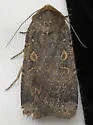
Abagrotis duanca - Hodges#11039
Abagrotis duanca
Identification: Smith original description as Rhyncagrotis duanca is available online in the print references. Crumb describes the larvae. Uncommon.
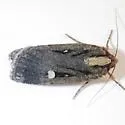
Abagrotis glenni - Hodges#11022
Abagrotis glenni
Identification: The original description of Abagrotis glenni Buckett, is available online in PDF.
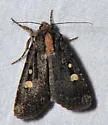
Abagrotis mirabilis - Hodges#11019
Abagrotis mirabilis
Identification: The original description as Agrotis mirabilis Grote is available online in the print references below. The forewing is blackish gray with both the oval shaped reniform and the orbicular spot usually filled with pale yellow.
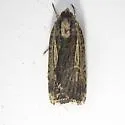
Abagrotis nanalis - Hodges#11038
Abagrotis nanalis
Identification: Adults have very distinctive forewing pattern: streaked dark brown and buff; thorax with a prominent pale buff center, flanked by dark gray. Larva are black with bold white middorsal and subdorsal lines, with black spiracles. The head
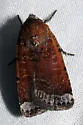
Abagrotis nefascia - Hodges#11024
Abagrotis nefascia
Lafontaine (1998) reported Abagrotis nefascia to be widely distributed in western North America, but there are relatively few records. ( 4 )
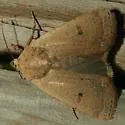
Abagrotis orbis - Hodges#11027
Abagrotis orbis
Identification: Specimen identified by DNA analysis (BOLD).
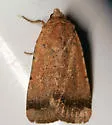
Abagrotis petalama - Hodges#11025.1
Abagrotis petalama
Identification: Original description can be found in MONA Fascicle 27-3 at link in citations below.
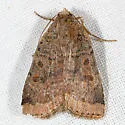
Abagrotis placida - Hodges#11041
Abagrotis placida
Identification: Forewing is variable light or dark reddish-brown to gray-brown with a olive tint. ( 3 ) , ( 4 ) Pacific Northwest Moths - description. ( 4 )
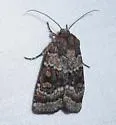
Abagrotis pulchrata - Hodges#11036
Abagrotis pulchrata
Identification: Original description: ( 3 ) Photo identified by Bob Patterson
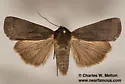
Abagrotis reedi - Hodges#11040
Abagrotis reedi
Identification: Buckett (1969) described the adult - commonly dark brown but sometimes light brown to almost black, males tending to be darker and females redder. Lines usually distinct but not always so. Dark reniform spot always present. Orbicular
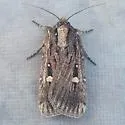
Abagrotis striata - Hodges#11021
Abagrotis striata
Identification: Description can be found in MONA Fascicle 27-3 at link in citations below.
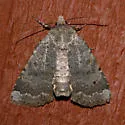
Abagrotis variata - Hodges#11032
Abagrotis variata
Identification: Adult: forewing dark brown or reddish-brown with pale grayish terminal band; reniform and orbicular spots faint or obscure; AM and PM lines pale gray, irregular, usually diffuse or patchy; hindwing dark gray with blackish veins and pa
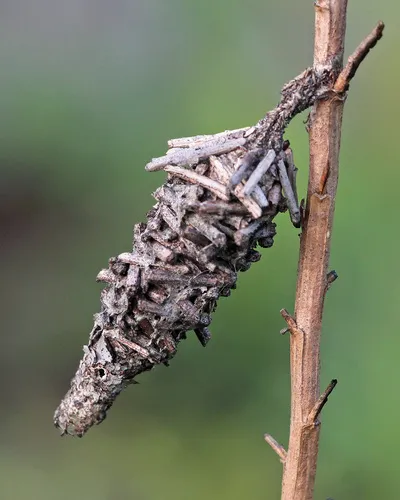
Abbot's Bagworm Moth
Oiketicus abbotii
Oiketicus abbotii (Abbot's bagworm moth) is a moth of the family Psychidae. It is found in southeastern North America, including Florida and Louisiana.
Abegesta concha - Hodges#4868
Abegesta concha
Identification: Description can found in MONA Fascicle 13.1B at link in citations below.
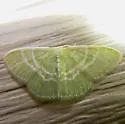
Aberrant aerata-frondaria
Synchlora aerata-frondaria
Identification: The specimen was sent to Miss. Entomol. Museum where the genitalia were examined and from where Richard Brown reports: "Although the lines are thick and unlike Synchlora, the genitalia are a match for Synchlora frondaria/S. aerata (Fe
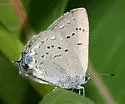
Acadian Hairstreak - Hodges#4278
Satyrium acadicum
Generally considered to be uncommon, but can be quite abundant in some regions and in some years, always in close association with Willows. Adults rarely wonder far from their larval host Willows.
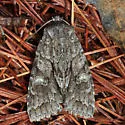
Acadian Sallow - Hodges#9980
Xylotype arcadia
Identification: Ash gray FW is boldly marked with scalloped white AM & PM that converge toward inner margin. Large pale orbicular and reniform spots are outlined white. Black dashes in inner margin and anal angle are conspicuous. A specimen collected
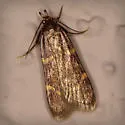
Acallis griphalis - Hodges#5541
Acallis griphalis
Identification: Photo determined by Ed Knudson (Texas Lepidoptera Survey). Many of the images here were previously misidentified as Aglossa electalis .
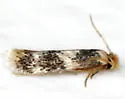
Acalyptris thoracealbella - Hodges#0112
Acalyptris thoracealbella
Identification: Adult - head dark ochreous, antenna scape (eye caps) shiny white, antennae pale gray-brown, collar dark ochreous, thorax whitish, abdomen pale yellow-brown reflecting metallic gray, legs pale yellow-brown with metallic gray scaling. F
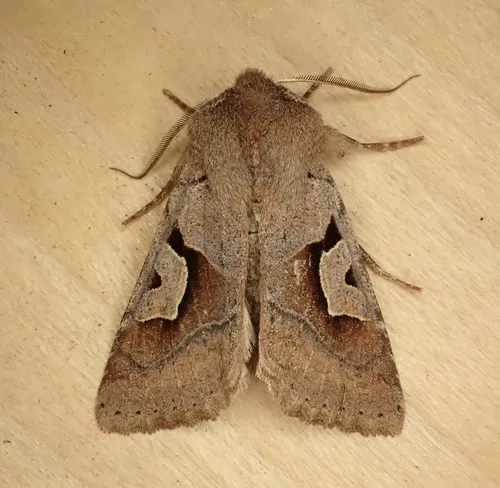
Acerra normalis - Hodges#10470
Acerra normalis
Identification: Adult: forewing grayish-brown with large dark brown V-shaped patch in median area surrounding pale yellowish area along costa; dark triangular spot in pale yellowish area does not touch costa; PM line blackish, almost straight in lowe
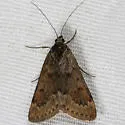
Achyra occidentalis - Hodges#4976
Achyra occidentalis
Identification: Adults have a dark and pale form. Pale form is very similar to Achyra rantalis dark form
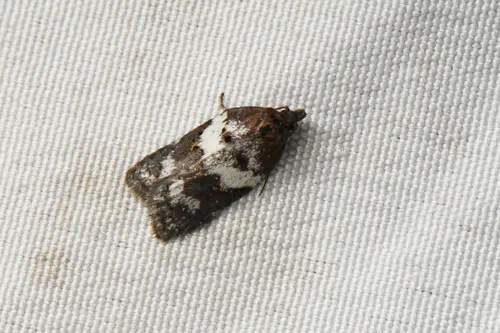
Acleris arcticana - Hodges#3534
Acleris arcticana
Identification: Adult : FW very dark smoky-grey with a faint oblique AM band, represented by a few dark scales near the costa. There are some scattered blackish scales in the apical portion. HW pale smoky, slightly speckled with black near the apex.
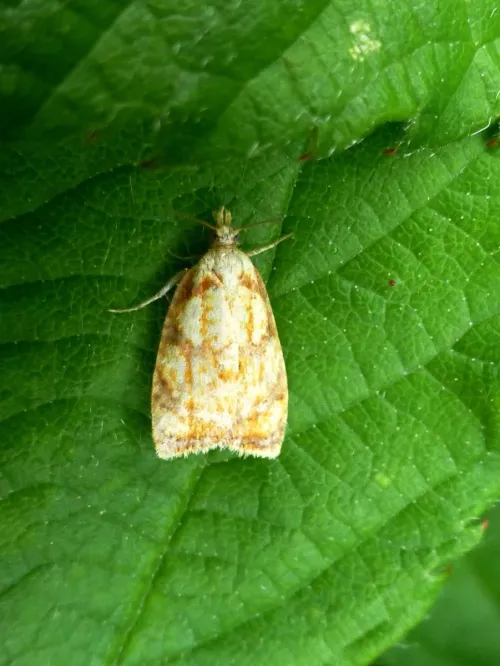
Acleris bergmanniana
Acleris bergmanniana
Wingspan 10 to 14 mm. This is a small attractive yellow mottled species, the upper wing is marked with metallic blue-grey striations, edged with rufous, and the two black dots are in fact small raised tufts of black scales. Flying from late afternoon
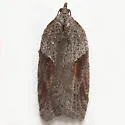
Acleris bowmanana - Hodges#3553
Acleris bowmanana
Identification: Specimen identified by DNA analysis (BOLD) ( 3 )
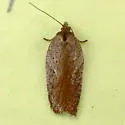
Acleris capizziana - Hodges#3563
Acleris capizziana
Identification: See paratype, Museum ID: USNM ENT 01048897, from Bandon, OR which was DNA barcoded, BOLD Sample ID: CCDB-24281-A04 ( 3 ) : Also see images by Dick Wilson's DNA barcoded examples in the Guide with sequences which match the paratype.
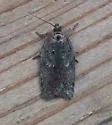
Acleris celiana - Hodges#3533
Acleris celiana
Identification: Dark chestnut brown FW typically has mottled whitish AM band and darker basal patch. Some individuals are darker with bold white and chestnut streaks extending along costa. genitalia ID Info? I think you are correct but this phenotype
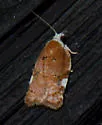
Acleris cervinana - Hodges#3514
Acleris cervinana
Identification: Adult - Many forms. Powell & Opler describe it as having "jaw-dropping different color forms."
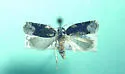
Acleris cf. clarkei - Hodges#3544.85
Acleris cf-clarkei
Identification: Obraztsov described the adults including genitalia. Acleris clarkei Obraztsov, 1963 was described from a male holotype from Washington and a geographically disjunct (~1600km) female allotype from Manitoba. Given this large distance an
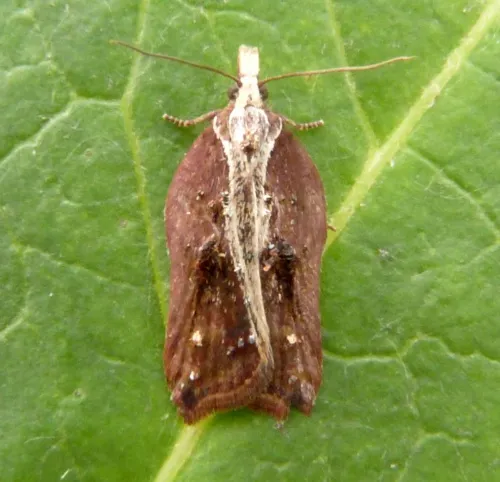
Acleris cristana
Acleris cristana
Wingspan 18 to 22 mm. Quite a distinctive species which shows a wide variation in appearance, with a number of named forms. It has an unusual raised patch of scales, or 'scale-tuft' in the centre of the forewing. This species flies between August and
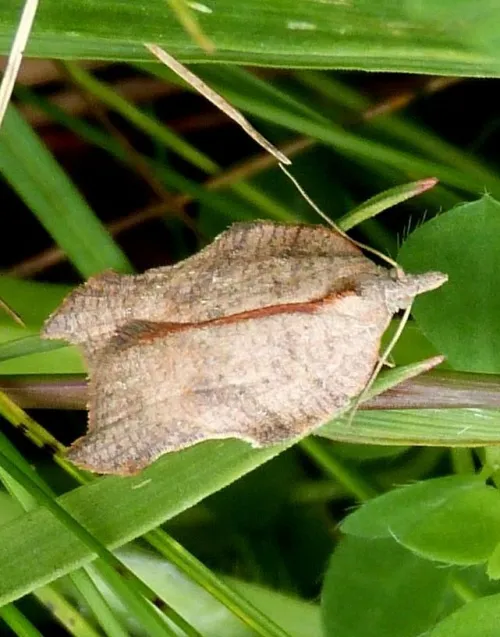
Acleris emargana
Acleris emargana
Wingspan 18 to 22 mm. The notched and hooked forewings of this species create a very distinctive outline, but the colouration is variable and the depth of the costal emargination varies. Acleris effractana is a predominantly Northern/Scottish species
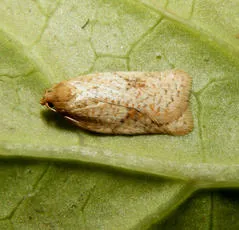
Acleris ferrugana
Acleris ferrugana
Wingspan 14 to 18 mm. Acleris ferrugana is very similar to Acleris notana and both are equally variable. They can only be reliably separated by genitalia dissection. Where specimens have not been confirmed by this means they should be recorded as Acl
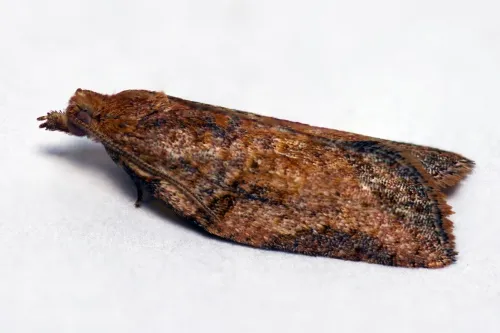
Acleris ferrugana/notana agg.
Acleris ferrugana/notana agg.
Wingspan 14 to 18 mm. Acleris ferrugana and Acleris notana very variable species, and can be very similar. The two are best separated by examination of the genitalia. Where genitalia examination has not been carried out the species should be added as
Acleris foliana - Hodges#3560
Acleris foliana
Identification: Specimen determined by DNA analysis (BOLD). ( 3 )
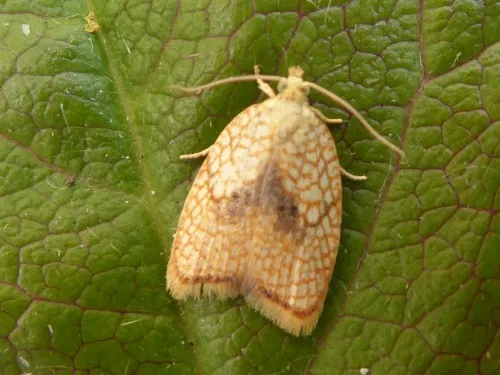
Acleris forsskaleana
Acleris forsskaleana
This yellowish species has a distinctive reticulated pattern on the forewing and a variably sized greyish suffusion across the centre. Frequenting woodland, long grassy areas and gardens etc. The flight period is dusk onwards during July and August.
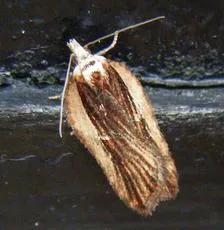
Acleris hastiana
Acleris hastiana
Acleris hastiana is perhaps the most variable British tortrix moth with dozens of named forms and many intermediate types. Some forms can resemble those of the similarly variable but scarcer A. cristana which however has a more concave forewing costa
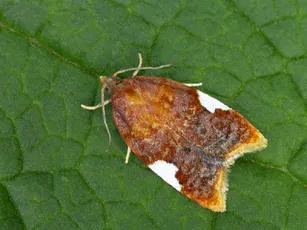
Acleris holmiana
Acleris holmiana
Wingspan about 13 mm. A very distinctive species, with a striking white patch on each wing. The flight period of the adult moths is July and August in a single generation. They are easily disturbed by day and at night can be attracted to light. The l
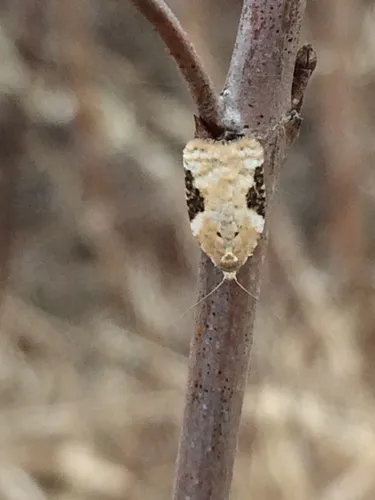
Acleris implexana - Hodges#3522
Acleris implexana
Identification: Adult - forewing light yellowish with gray triangular or semicircular patch midway along costa containing several darker gray spots; dark spot in AM area near inner margin; hindwing slightly paler than forewing, unmarked. At present,
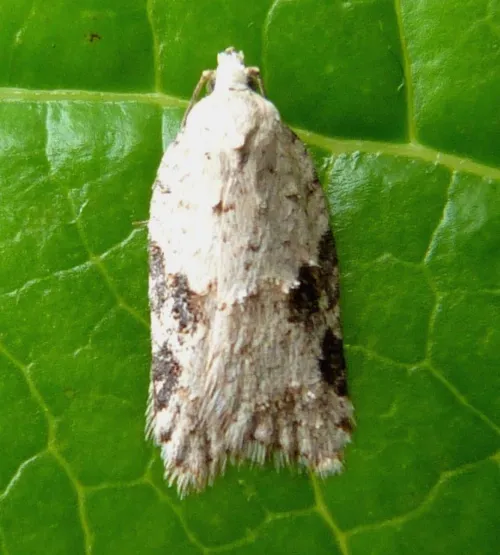
Acleris kochiella
Acleris kochiella
Wingspan 15 to 18 mm. It can closely resemble A. logiana which occurs in Scotland and until recently the two were thought to be separable on distribution. However, logiana has now appeared in southern England, so more care must be taken with identifi
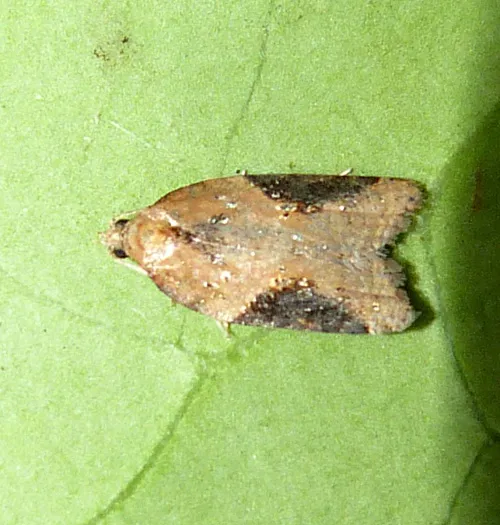
Acleris laterana
Acleris laterana
Another variable species, which is difficult to separate from A. comariana . A rough guideline is the flight period, which is said to be August to September in the present species and June/July and October/November in comariana . However, these do ov
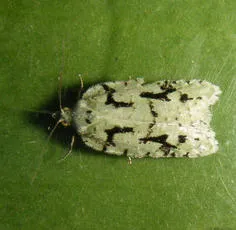
Acleris literana
Acleris literana
Wingspan 18 to 22 mm. This is a distinctive species. It is very variable, and many different forms have been described, but they often have a combination of pale or whitish green ground colour with blackish markings. The moth is on the wing in August
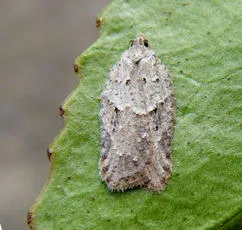
Acleris logiana
Acleris logiana
Wingspan 18 to 22 mm. The whitish wings are usually slightly indented and often show tufts. They are often marked with small amounts of reddish brown. The adults generally emerge from September and overwinter, being found through to April. The larvae
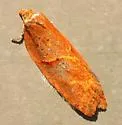
Acleris maccana - Hodges#3549
Acleris maccana
Identification: Adult : Gray-brown or red-brown moth with "squared" wings and the abrupt "shoulder" characteristic of Tortricids. The FW markings are highly variable. Some specimens are poorly marked with markings confined to a narrow oblique rusty
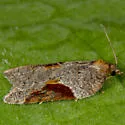
Acleris macdunnoughi - Hodges#3506
Acleris macdunnoughi
Identification: The forewing can appear speckled. ( 4 )
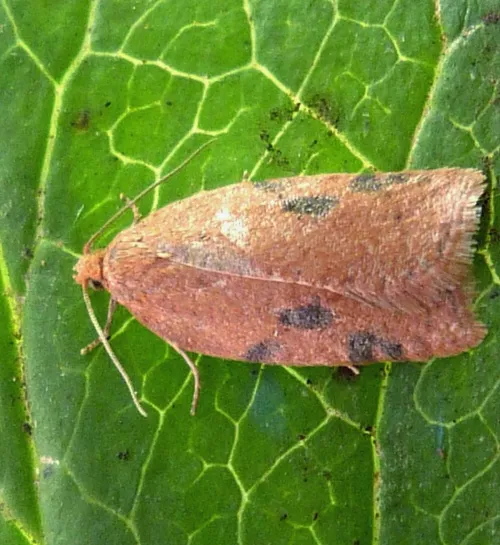
Acleris notana
Acleris notana
Wingspan 15 to 19 mm. Acleris notana is very similar to Acleris ferrugana and both are equally variable. They can only be reliably separated by genitalia dissection. Where specimens have not been confirmed by this means they should be recorded as Acl
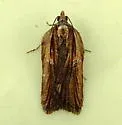
Acleris pulverosana - Hodges#3531
Acleris pulverosana
Identification: Specimens identified by DNA analysis: Genitalia: Formerly treated as a synonym of A. hastiana , a Palearctic species.