
Primitive Winged Insects
Order Coleoptera
The Primitive Winged Insects (Order Coleoptera) includes 15,720 species across 160 families and 3,716 genera in our directory.
About Primitive Winged Insects
Coleoptera is the largest order of insects with over 400,000 described species, representing ~25% of all known animal species and ~40% of all insects. In the U.S. alone, nearly 30,000 beetle species have been identified.
Economic Impact
Beetles have major economic significance: leaf beetles (Chrysomelidae) and weevils (Curculionoidea) are among the most destructive agricultural pests globally, costing billions annually, while predatory species like ladybugs provide natural pest control.
Ecological Role
Beetles are prominent decomposers, especially in forests, breaking down dead wood and recycling nutrients. As predators, they reduce populations of pest insects. Many species are also important pollinators of flowering plants.
Families in Coleoptera (160)
Species in Coleoptera (15,720)
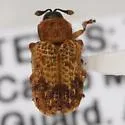
Brachycoryna pumila
Brachycoryna pumila
Identification: Elytra brownish with vague darker spots Det. E. G. Riley, 2009
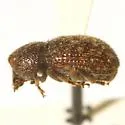
Brachycorynus hirsutus
Brachycorynus hirsutus
Identification: The only described species with long, semi-erect setae on the body. ( 3 ) Holotype: "Texas, Hidalgo Co., Bentsen-Rio Grande State Park, 19-iv-1974." ( 3 )
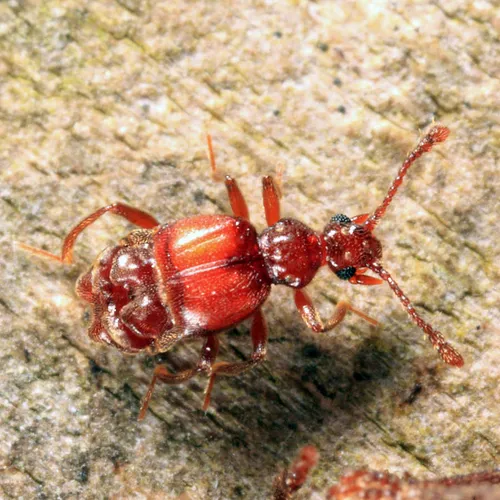
Brachygluta abdominalis
Brachygluta abdominalis
Identification: Uniformly reddish brown, with head and pronotum each with three pits; pronotal pits about equal in size, pubescent. Head squarish, wide as prothorax, with antennae half as long as body. Pronotum not very convex, widest at middle, with
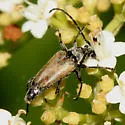
Brachyleptura circumdata
Brachyleptura circumdata
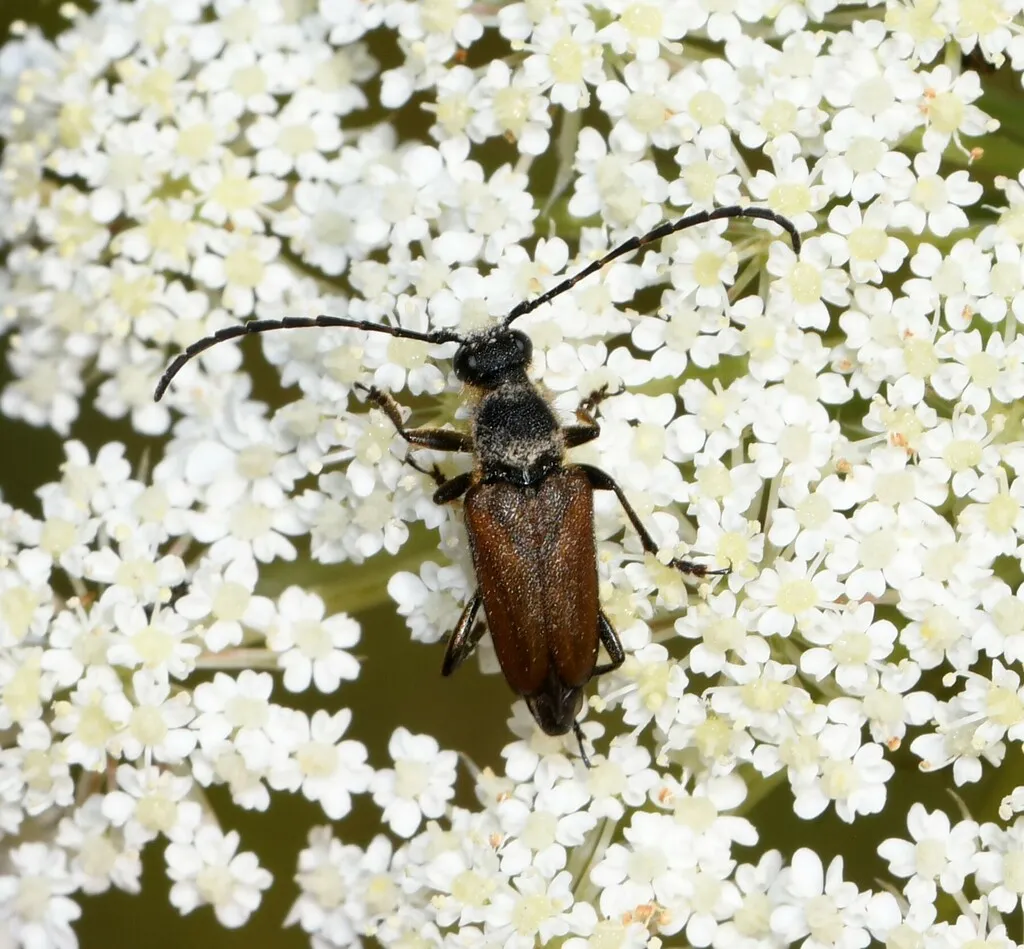
Identification: Smaller and paler than other congeners. Note strongly tapering pronotum and strong "neck" .
Brachyleptura dehiscens
Brachyleptura dehiscens
Brachyleptura dehiscens is a species of beetle in the family Cerambycidae. It was described by LeConte in 1859.
Brachyleptura rubrica
Brachyleptura rubrica
Identification: Pronotum sharply angled, almost square, at the front. Elytra orange. Antennae prominently banded.
Brachyleptura vagans
Brachyleptura vagans
Identification: Amount of red on elytra variable but umbone black. Typocerus lugubris is similarly colored, sometimes with umbone red but all-black antennae (vs banded in B. vagans ). B. champlaini is very similar.
Brachypnoea margaretae
Brachypnoea margaretae
Identification: See apparently does not come to lights
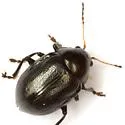
Brachypnoea rotundicollis
Brachypnoea rotundicollis
Type Locality: Esperanza Ranch and S. Tomas [Sabal Palm Grove], Brownsville, Cameron Co., TX apparently does not come to lights
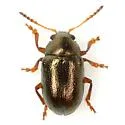
Brachypnoea texana
Brachypnoea texana
Rarely comes to lights Type Locality: Brownsville, Cameron Co., Texas E. G. Riley, pers. comm. to MAQ, 2010: "This one is a mystery. It seems Schaeffer is the only person to ever collect this common species in the LRG. On this one, I think Schaeffer
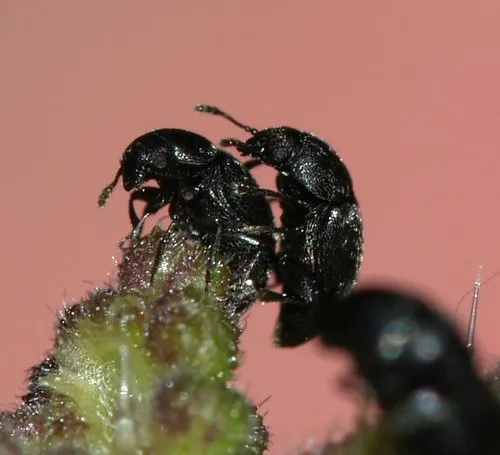
Brachypterus glaber
Brachypterus glaber
A very small, blackish beetle (about 2 mm). Brachypterus urticae is equally common and very similar but has pale legs. Found on Common Nettle, especially when flowering. It may also turn up occasionally on umbel flowers. Widespread and frequent in En
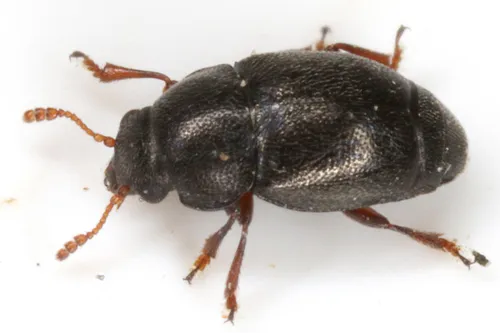
Brachypterus urticae
Brachypterus urticae
Very small - probably less than 2 mm. A dark beetle with pale legs. It has punctate head, pronotum and elytra. Brachypterus glaber is similar but has dark legs. Occurs in a wide variety of habitats; woodland, parkland etc. and even the right kind of
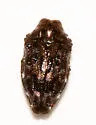
Brachys ovatus
Brachys ovatus
Identification: Larger than some other commonly found members of this genus ( aerosus, aeruginosus ). Last abdominal sternite emarginate and fimbriate in female, rounded and not pubescent in male. Dorsally, the white-margined band of bronze pubescenc
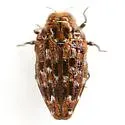
Brachys wellsoi
Brachys wellsoi
Type Locality: Texas: Ft. Bend Co., Brazos Bend St. Pk., 10.04.1999, E. G. Riley-770, sweep coastal prairie (TAMU-ENTO X0544867).
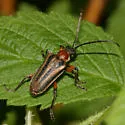
Brachysomida bivittata
Brachysomida bivittata
Identification: highly variable in punctation & color (all-orange to all-black)
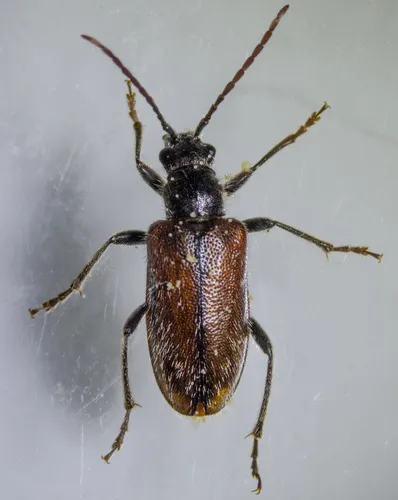
Brachysomida californica
Brachysomida californica
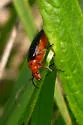
Brachysomida californica is the species of the Lepturinae subfamily in long-horned beetle family. It was described by John Lawrence LeConte in 1851 and is endemic to California, USA where it is found only in Santa Cruz Mountains.
Brachysomida nigripennis
Brachysomida nigripennis
Identification: see comment at (...smooth, shining pronotum without pubescence at the base and along the margins... [no] dense punctation along the pronotal midline or distinct pubescence on the elytra)
Brachystylus sayi
Brachystylus sayi
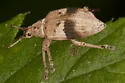
Identification: variable (can be even paler than first example and darker overall than the last example)
Bradycellus festinans
Bradycellus festinans
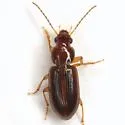
Identification: Body size, habitus, and coloration superficially like B. rupestris but differs (in part) by pronotum with hind angles well rounded (not denticulate).
Bradycellus harpalinus
Bradycellus harpalinus
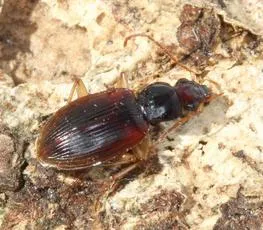
4-5mm. Variable but generally reddish brown with pale legs and antennae, often with suture and elytral margins paler brown. Pronotum has rounded hind angles and non-sinuate sides. Eyes are large and protrude. The scutellary striae are long, nearly 2x
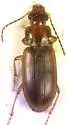
Bradycellus lineatus
Bradycellus lineatus
Bradycellus lineatus is a species of ground beetle in the family Carabidae. It is found in North America.
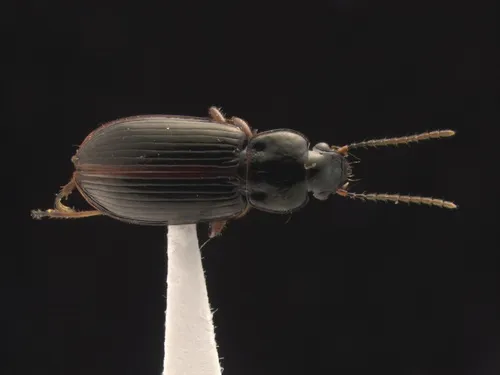
Bradycellus lugubris
Bradycellus lugubris
Identification: Some clues that help distinguish it from others in genus:
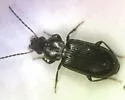
Bradycellus montanus
Bradycellus montanus
Bradycellus montanus is a species of ground beetle in the family Carabidae. It is found in North America.
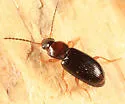
Bradycellus neglectus
Bradycellus neglectus
Identification: The uniform dark elytra and roundish hind pronotal angles help separate it from congeners
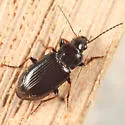
Bradycellus nigrinus
Bradycellus nigrinus
Identification: The uniformly dark dorsum and relatively sharp pronotal hind angles are characteristic
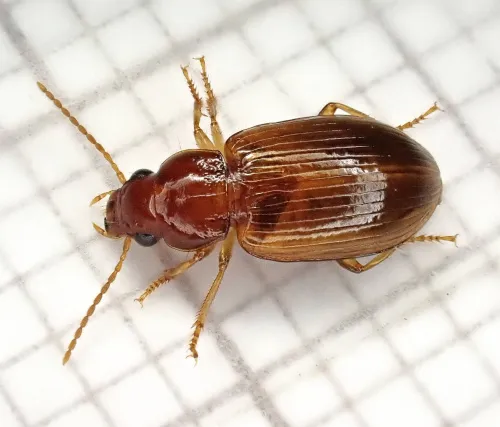
Bradycellus verbasci
Bradycellus verbasci
Length 4.5 to 5mm. Pale red brown with the elytra darker towards the apex. Legs and antennae are all pale. The pronotum sides are sinuate with obtuse but sharp hind corners. The side borders on the pronotum extend onto the hind margin which is sharpl
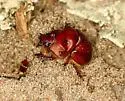
Bradycinetulus ferrugineus
Bradycinetulus ferrugineus
Purportedly attracted to light, but I can't confirm that*. On the other hand, I've dug up MANY in burrows that are often 2-3 feet deep. Can be locally very abundant. P.H. *in June 2021, I collected one at a MV/UV light sheet in southern Georgia, as c
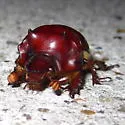
Bradycinetulus rex
Bradycinetulus rex
Type Locality: Sarita, Kenedy Co., Texas; 30 Nov 1911
Bradyrhynchoides constrictus
Bradyrhynchoides constrictus
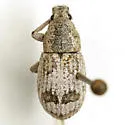
Described from 3 spmns coll. in April by E. A. Schwarz in San Diego, Texas (Pierce 1913)
Branch Pruner
Psyrassa unicolor
Identification: uniformly orange to reddish-brown body, legs, and antennae; eyes black; body long, slender, and cylindrical; pronotum same width as head but almost twice as long; elytra nearly parallel-sided, slightly wider than pronotum and 3-5 time
Branchus whiteheadi
Branchus whiteheadi
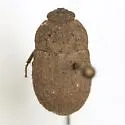
Identification: usually encrusted with pale coating of soil (Steiner 1991)
Brassicogethes matronalis 0
Brassicogethes matronalis
Identification: see earliest record in our area: NS 2024
Brassicogethes viridescens
Brassicogethes viridescens
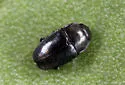
Identification: see updated key in earliest record in our area: ME 1993
Brassy Willow Beetle
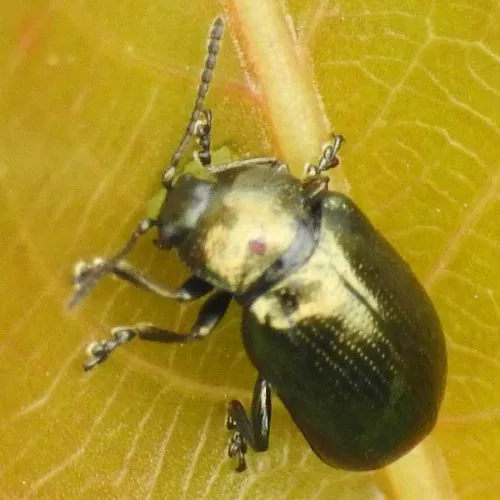
Phratora vitellinae
3.8 to 5.0 mm. Usually brassy/bronze but sometimes blueish or greenish. 2nd antennal segment shorter than 3rd. No depression on head between antennae. Both the adults and their larvae feed on the leaves of Willow and Poplar. Common and widespread thr
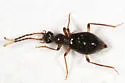
Brathinus varicornis
Brathinus varicornis
Identification: The white tipped antennae separate it from B. nitidus (all brown antennae) - D.S. Chandler
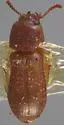
Broad-horned Flour Beetle
Gnatocerus cornutus
Identification: male has broad horns on mandibles minor pest of cereal and animal products , usually associated with infestations of moths ; earliest NA record: ca.1670
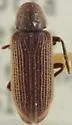
Broadheaded Anobiid
Platybregmus canadensis
attacks maple & basswood flooring and elm timbers in buildings ( 3 )
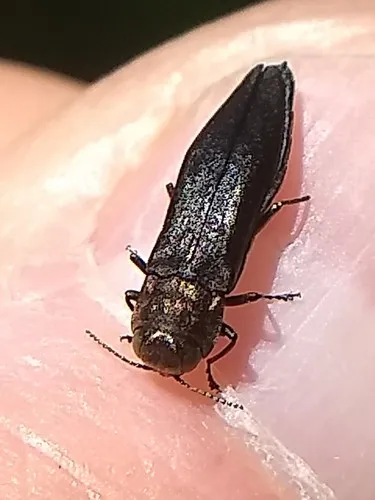
Bronze Birch Borer
Agrilus anxius
The bronze birch borer Agrilus anxius is a wood-boring Buprestid beetle native to North America, more numerous in warmer parts of the continent and rare in the north. It is a serious pest on birch trees (Betula), frequently killing them. The river bi
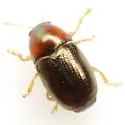
Bronze Leaf Beetle
Diachus auratus
Identification: See LeConte for key to most spp. the most widely dist. Diachus in NA
Bronze Poplar Borer
Agrilus liragus
Woodpeckers enjoy eating the larvae, pupae, and adults. ( 3 )
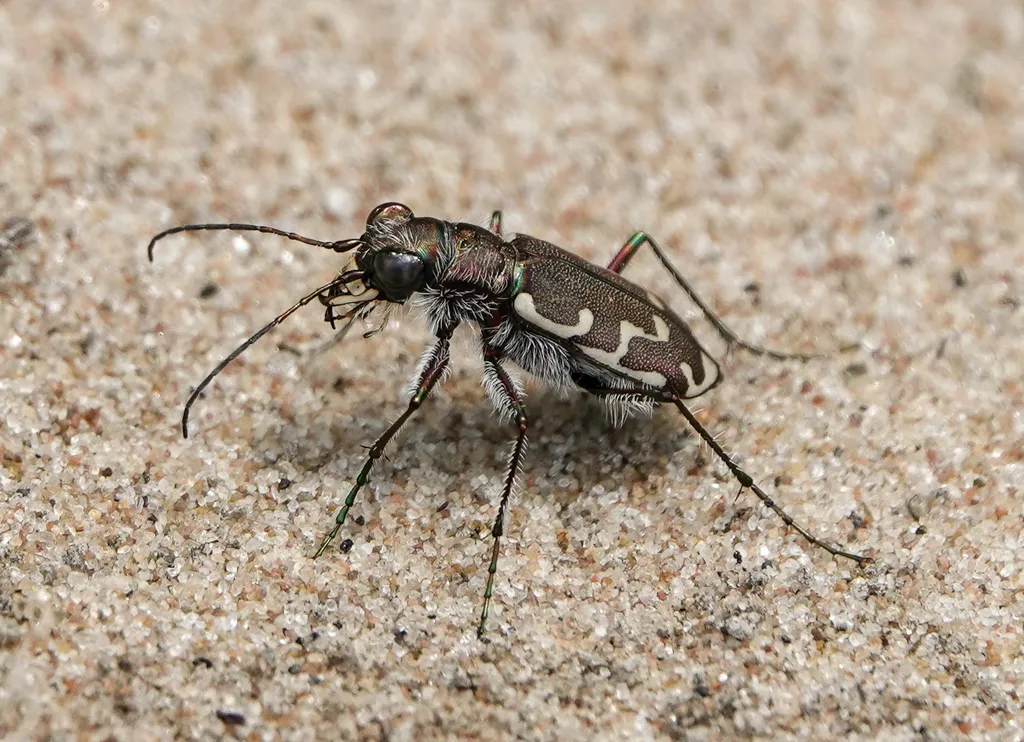
Bronzed Tiger Beetle
Cicindela repanda
Identification: Labrum small with one tooth; pronotum coppery and hairy. Shoulder marking (humeral lunule) touches or nearly touches the middle band.
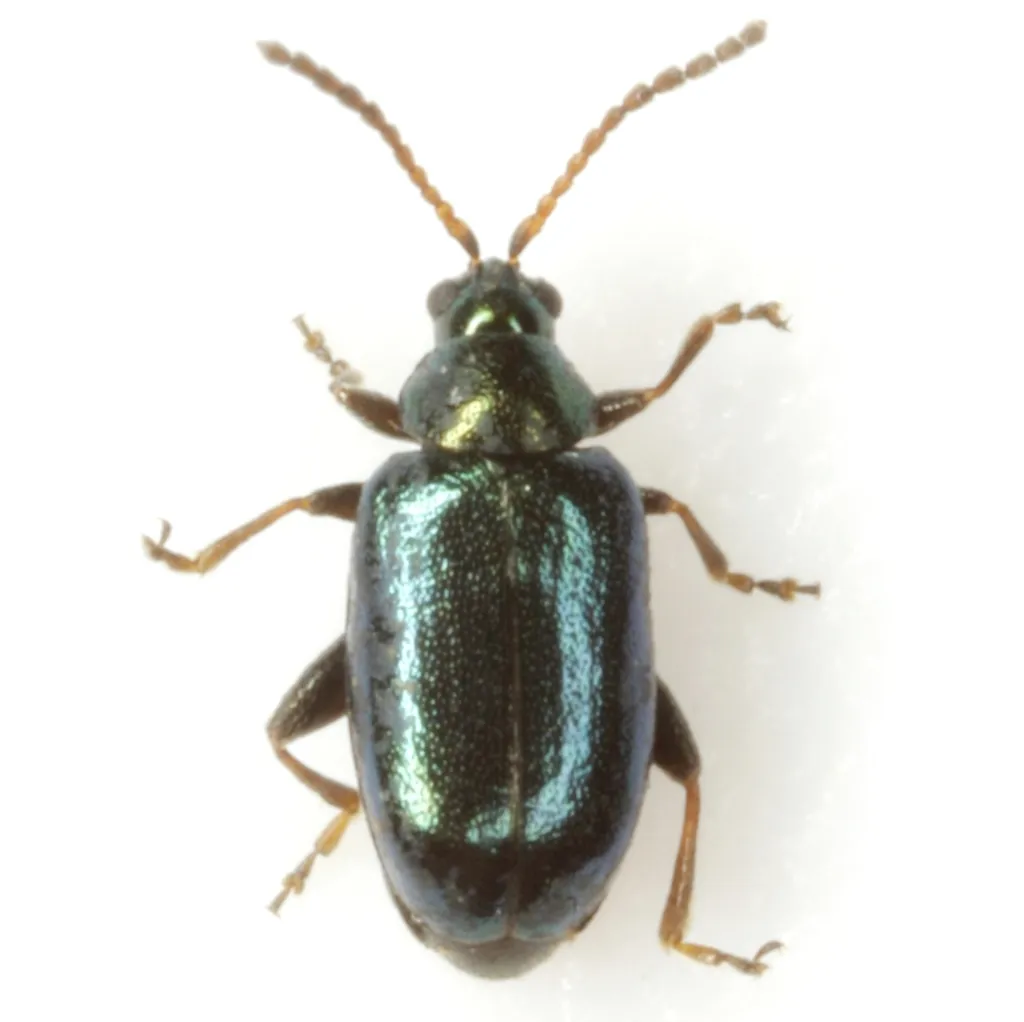
Bronzy Brassica Flea Beetle
Phyllotreta aeneicollis
Identification: elytra blue-green, thorax aeneous; tibiae pale Det. E. G. Riley, 2012 The coloration of this one matches the type. This is metallic pronotum and elytra in different colours and pro-tibia dark (at least not completely pale). The other
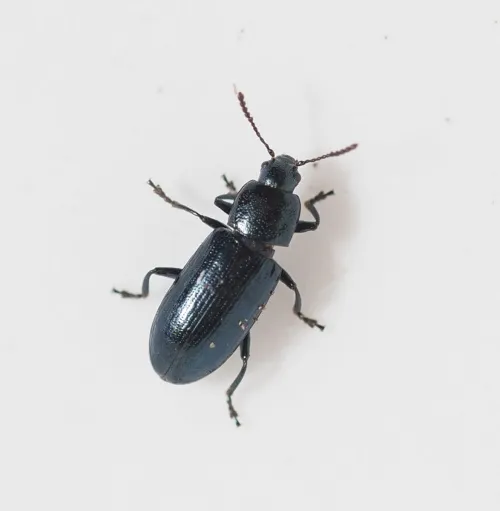
Brooklime Leaf Beetle
Prasocuris junci
Size: 4 to 5 mm. Prasocuris junci is a very dark metallic blue or occasionally dark green beetle. Water margins where Brooklime ( Veronica beccabunga ) and Water-speedwells are present. Prasocuris junci grazes on leaves of Brooklime and Water-speedwe
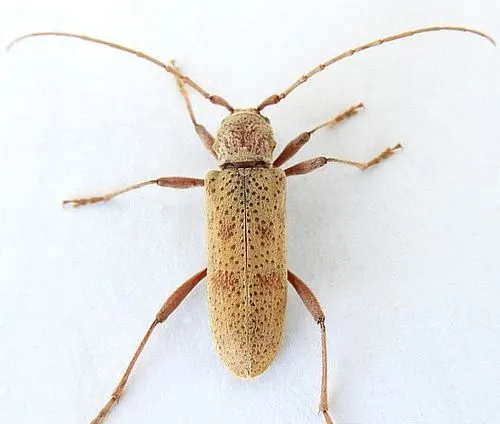
Brothylus gemmulatus
Brothylus gemmulatus
Brothylus gemmulatus is a species of beetle in the family Cerambycidae. It was described by LeConte in 1859.
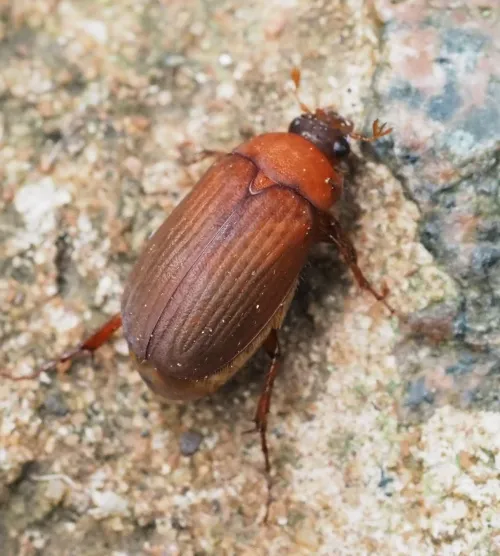
Brown Chafer
Serica brunnea
8 to 10 mm. Entirely brown, but the head between the eyes is a darker brown. Head, thorax and elytra are punctate. Locally fairly frequent across England, Wales and southern Scotland.
Brown Dot Leafy Spurge Flea Beetle
Aphthona cyparissiae
common in ND ( 4 ) Introduced from Europe 1986 to control Euphorbia , esp. E. cyparissias (Leafy Spurge)
Brown Leaf Notcher
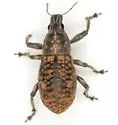
Epicaerus mexicanus
a Mexican species extending into Texas at Brownsville (Pierce, 1910)
Brown Leaf Weevil
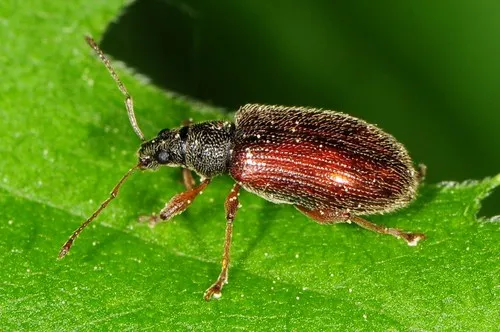
Phyllobius oblongus
4 - 5.5 mm. Brown elytra, lacking scales but with many erect hairs. Legs pale. Head, pronotum and underside black. Phyllobius is a genus of broad-nosed weevils that are commonly found on low herbage and in trees during spring and summer. Most are cov
Brown Powderpost Beetle
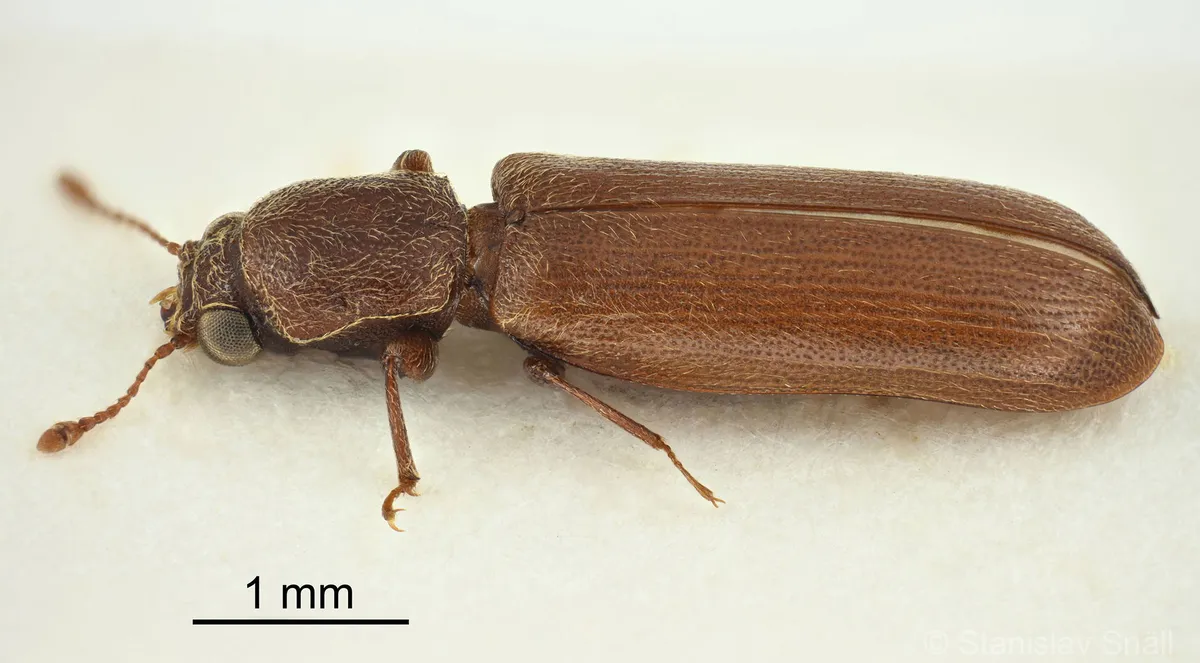
Lyctus brunneus
Brown Powderpost Beetle (Lyctus brunneus) is a species in the family Bostrichidae, commonly known as horned powder-post beetles, belonging to the order Coleoptera (Beetles). It is classified within the subfamily Lyctinae, tribe Lyctini, suborder Poly
Brown Spider Beetle
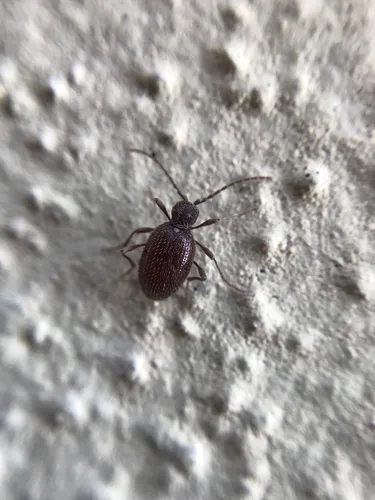
Ptinus latro
Brown Spider Beetle (Ptinus latro) is a species in the family Ptinidae, commonly known as death-watch and spider beetles, belonging to the order Coleoptera (Beetles). It is classified within the subfamily Ptininae, tribe Ptinini, suborder Polyphaga,
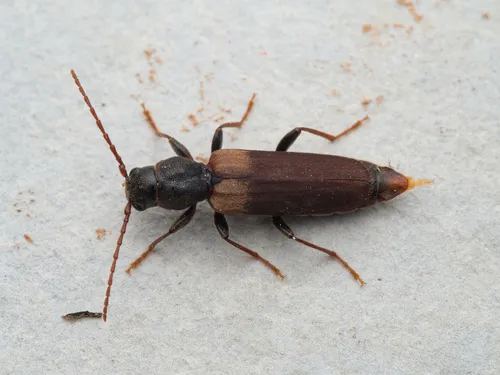
Brown Spruce Longhorn Beetle
Tetropium fuscum
Tetropium fuscum, the brown spruce longhorn beetle, is a species of beetle in the family Cerambycidae. It was described by Johan Christian Fabricius in 1787. Tetropium fuscum is native to Europe and Northern Asia, and has been introduced to Nova Scot
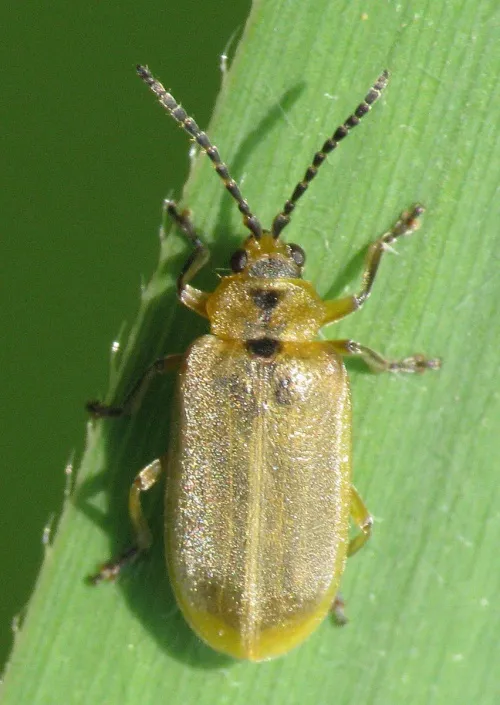
Brown Willow Beetle
Galerucella lineola
4-5.4 mm. Tawny brown with black markings on the head. The elytra are coarsely punctuated and the pronotal disc is finely pubescent with a faint dark spot. The antennal segments are pale brown but usually with darker on the dorsal surface. The elytra
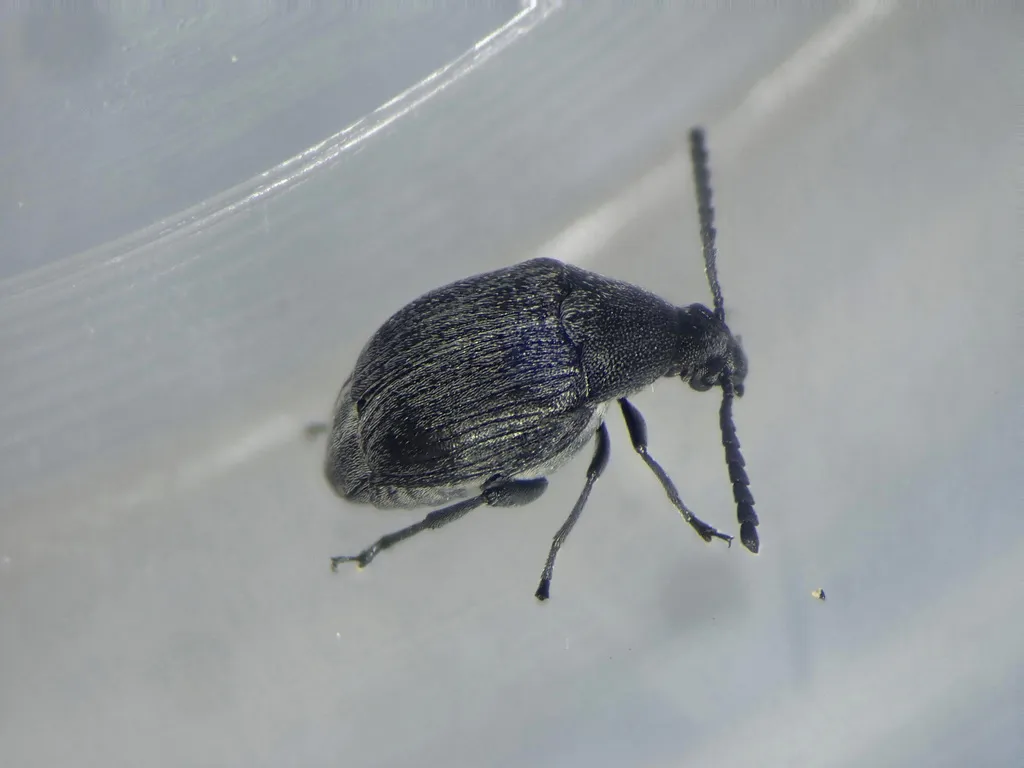
Bruchidius cisti 0
Bruchidius cisti
Bruchidius cisti is a species of leaf beetle in the family Chrysomelidae. It is found in Europe and Northern Asia (excluding China) and North America.
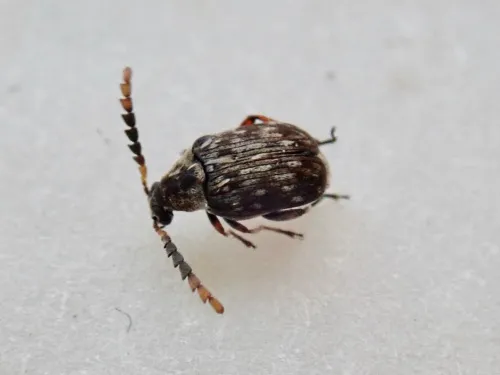
Bruchidius varius
Bruchidius varius
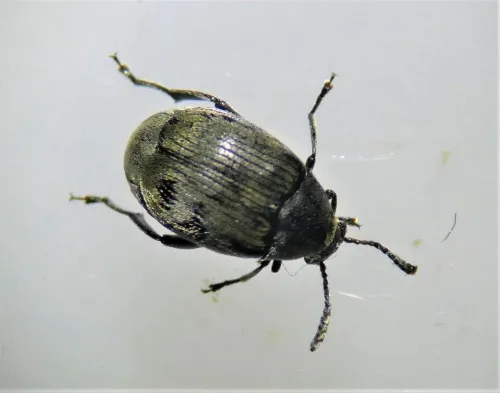
2.5 to 3.0 mm. Body black with characteristic pattern of pale grey or golden brown scales. Head densely punctured and sparsely scaled, with a shiny raised longitudinal ridge between eyes. Eyes prominent, with a deep narrow incision which is visible f
Bruchidius villosus
Bruchidius villosus
Adult - a photo is required and the specimen should be examined with a microscope and key feature photogrpahed. In the comments box, state the key or ID method used and describe the size and identifying characters. Larval stage: photograph the mined
Bruchus affinis
Bruchus affinis
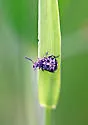
Identification: most resembles B. rufimanus , differs in: - lateral tooth on pronotum more anteriour in position (at about 1/3); - pygidium with conspicous dark spots, similar as in B. pisorum ; - last 1/4 of elytra black, usually each with a curved
Bruchus atomarius
Bruchus atomarius
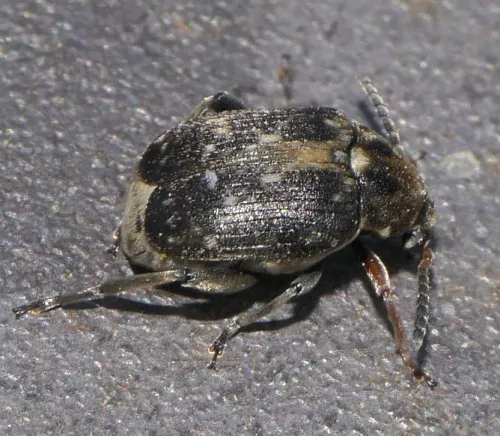
2.5-3.6mm. Dense pale patch at rear of pronotum and centrally on suture of elytra. Several other smaller pale patches. Leg colour is same as the basic colour except front femur and tibia which are orange.Males possess a sub-apical tooth on the mid ti
Bruchus loti
Bruchus loti
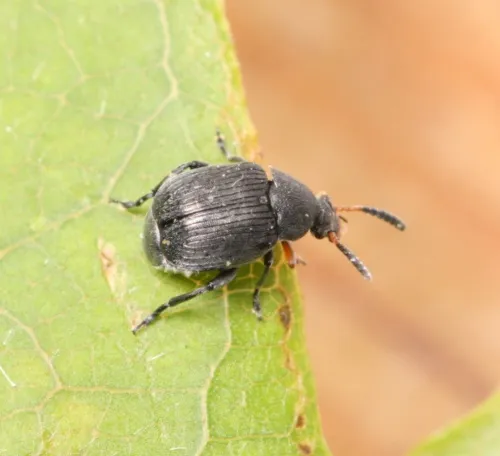
1.7 to 2.5 mm. A grey seed eating leaf beetle. The basal part of the antenna is pale brown as is most of the foreleg. Unless identified by a recognised expert, a photo is required and the specimen should be examined with a microscope. In the comments
Bruchus rufimanus
Bruchus rufimanus
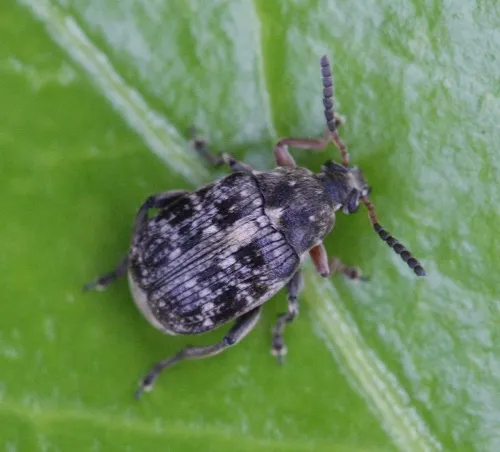
Sometimes known as the Broad Bean Weevil (or Broad Bean Beetle). At 3.5-5 mm, this is the largest species in the genus Bruchus . The elytra are grey-brown, flecked with white, and are shorter than the body. The antennae are orange at the base, and wh
Brucita marmorata
Brucita marmorata
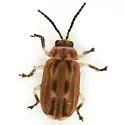
Identification: This is a highly distinctive chrysomelid not likely to be confused with other Lower Rio Grande Valley species. ( 3 ) Texas considers this a SGCN ( 5 )
Brullé's Lady Beetle
Scymnus brullei
Identification: Gordon's figures May have large pale areas
Brumoides septentrionis
Brumoides septentrionis
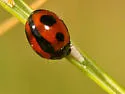
Identification: Red with black suture and additional black markings: may be two black spots on each elytron or one stripe on each elytron. Gordon's figures for B. septentrionis septentrionis and B. septentrionis hogei Note, this is basically a wide r
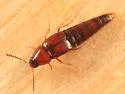
Bryoporus rufescens
Bryoporus rufescens
Identification: well-organized punctures of the pronotum. Color is highly variable between this species pair (i.e. the species names are misleading). … Adam Brunke, 11 April, 2010 - 12:42pm
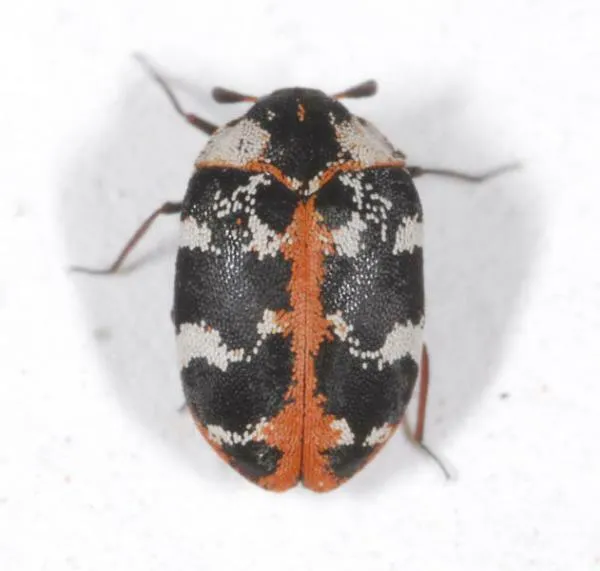
Buffalo Carpet Beetle
Anthrenus scrophulariae
Identification: Scales of dorsal surface black, white and red (or yellow), distributed in a characteristic pattern. Eyes notched in front, antennae 11-segmented, with club of 3 segments. image on cover of first ed. of Peterson's Field Guide to the In
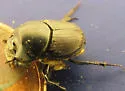
Bull Headed Dung Beetle
Onthophagus taurus
Identification: Major males have long horns and are easy to identify earliest record in our area: FL 1971
Bumelia Borer
Plinthocoelium suaveolens
Identification: Large, metallic green, bronze, or blue (highly variable). Reddish femora . - red form is least common Adults are attracted to UV lights and rarely to bait.
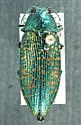
Buprestis confluenta
Buprestis confluenta
Thomas Say, American Entomology: "A specimen was presented to me, when at Fort Osage, on the Missouri river, by Lieut. Scott, of the Rifle regiment, a gentleman, whose extraordinary skill as a marksman, has almost passed into a proverb, in that count
Buprestis consularis
Buprestis consularis
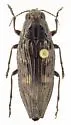
This is quite confusing since B. consularis is usually treated as a synonym of B. nutalli (since Helfer 1941) in most of the popular literature (including the list by Poole & Gentilli, the volume on Canadian Buprestids by Bright, and finally Downie a
Buprestis fremontiae
Buprestis fremontiae
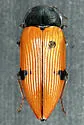
Identification: When alive the color is ivory with orange elytral apices and purple metallic highlights on the dark areas.
Buprestis parmaculativentris
Buprestis parmaculativentris
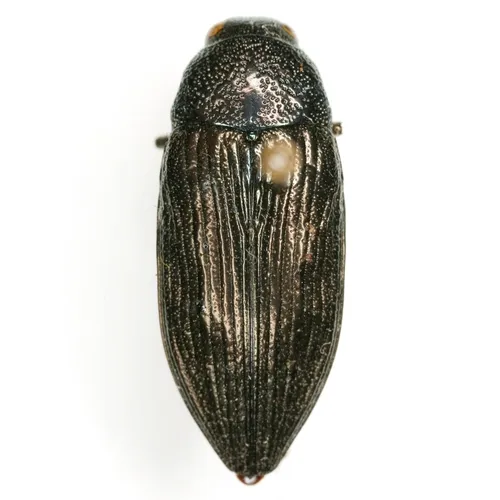
Buprestis parmaculativentris is a species of metallic wood-boring beetle in the family Buprestidae. It is found in North America.
Byrrhus americanus
Byrrhus americanus
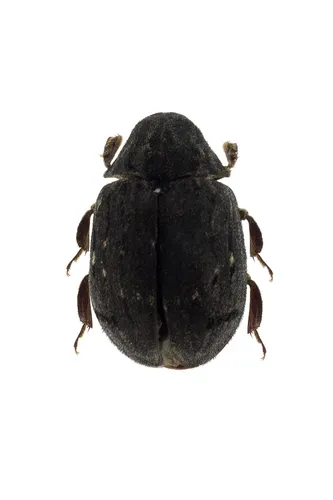
Byrrhus americanus is a species of pill beetle in the family Byrrhidae. It is found in North America.
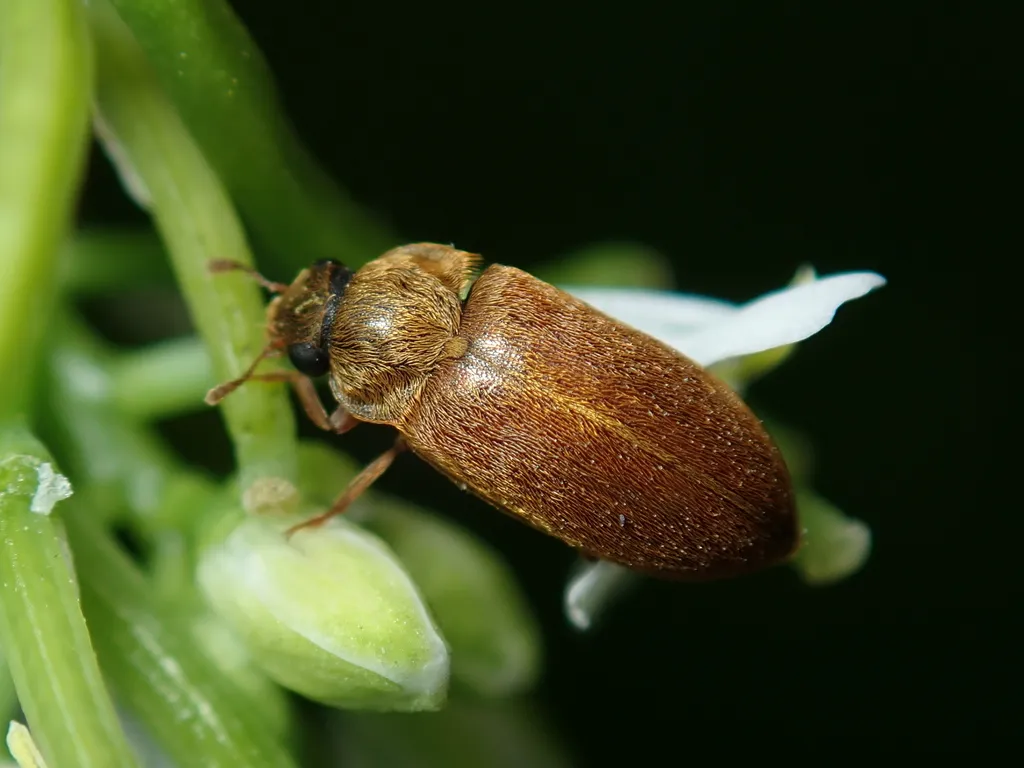
Byturus ochraceus
Byturus ochraceus
A small brown species (around 3.5 to 5mm long.) The appearance is very similar to the Raspberry beetle (Byturus tomentosus). Byturus tomentosus and B. ochraceus are very similar but can be distinguished by careful viewing. B. tomentosus is slightly s
Cabbage Curculio
Ceutorhynchus rapae
attacks broccoli, cabbage, cauliflower, and turnip plants by mining the stalks and feeding on the leaves ( 5 )
Cabbage Palm Longhorn
Osmopleura chamaeropis
Identification: Unique can be locally abundant ( 4 )
Cabbage Seed Weevil
Ceutorhynchus obstrictus
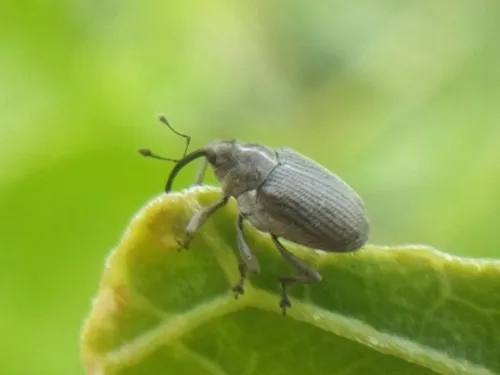
Adults have round grey bodies (2 to 4 mm in length) and grey legs covered with fine white scales. Ceutorhynchus obstrictus has a long curved proboscis with small bent antennae. When disturbed, it displays the interesting behaviour of folding its legs
Cabbage Stem Weevil
Ceutorhynchus pallidactylus
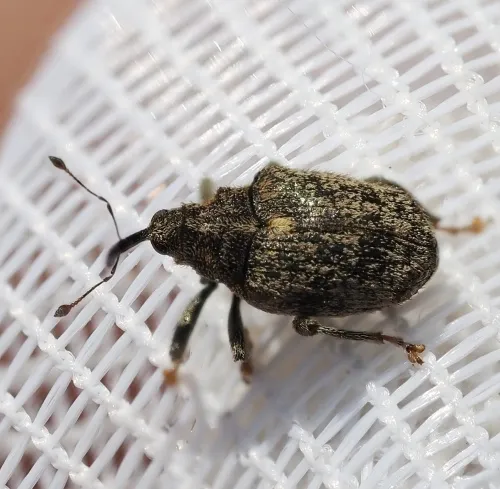
This is a small (about 3 mm) dark weevil with scattered white or creamy scales, generally dense behind scutellum. Unless identified by a recognised expert, photographic evidence is required and the specimen should be examined with a microscope. In th
Cabbage-stem Flea Beetle
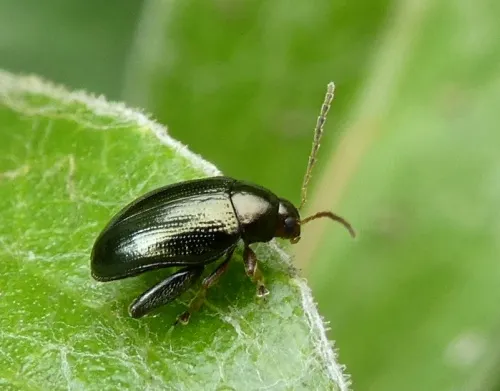
Psylliodes chrysocephala
Length 3 to 4.7 mm. A rather variable flea beetle. The elytra may vary in colour from dark blue or green through to black, though the typical form is dark metallic blue. Variety anglica is yellow to pale brown. It has the thickened thighs that are ty
Caccodes granicollis
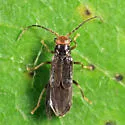
Caccodes granicollis
Identification: See detailed comments under this image: Quoting the original description: Head dark orange with a brunneous interocular fascia behind the antennae, antennae piceous with the basal segment paler at the basal half; pronotum brunneous wi
Caccoleptus kacka
Caccoleptus kacka
the neotropical subg. Bicaccoleptus Háva 2004 contains a total of 6 spp., one ranging into FL

Cacostola lineata
Cacostola lineata
Type Locality: Brownsville, Texas Texas considers this a "Species of Greatest Conservation Need" (SGCN) ( 4 )
Cactus Lady Beetle
Chilocorus cacti
Identification: Gordon's figures - mesosternum, metasternum, and abdomen yellow or red. Spmn from central Texas
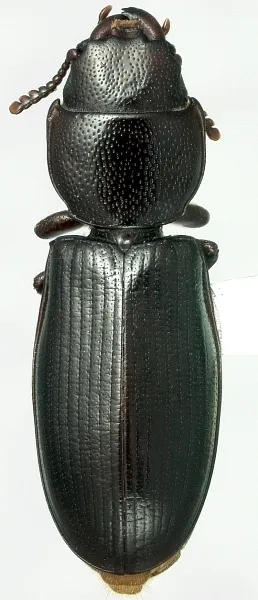
Cadelle
Tenebroides mauritanicus
larvae and adults can bore into the woodwork of storage compartments and emerge later to reinfest new shipments ( 6 )
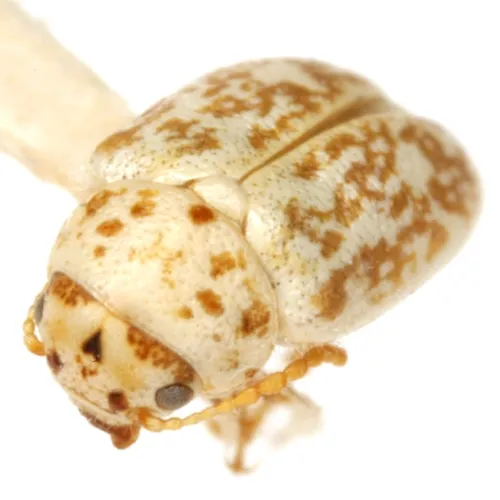
Cadiz hardyi
Cadiz hardyi
Cadiz is a genus of leaf beetles in the subfamily Chrysomelinae, found in North America. It contains only one species, Cadiz hardyi, which was described from the Cadiz Dunes in San Bernardino County, California.
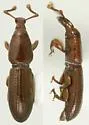
Caecossonus dentipes
Caecossonus dentipes
Caecossonus dentipes (Caecossonus dentipes) is a species in the family Curculionidae, commonly known as snout and bark beetles, belonging to the order Coleoptera (Beetles). It is classified within the subfamily Molytinae, tribe Lymantini, suborder Po
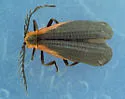
Caenia amplicornis
Caenia amplicornis
Identification: Apparent male on left, female on right.
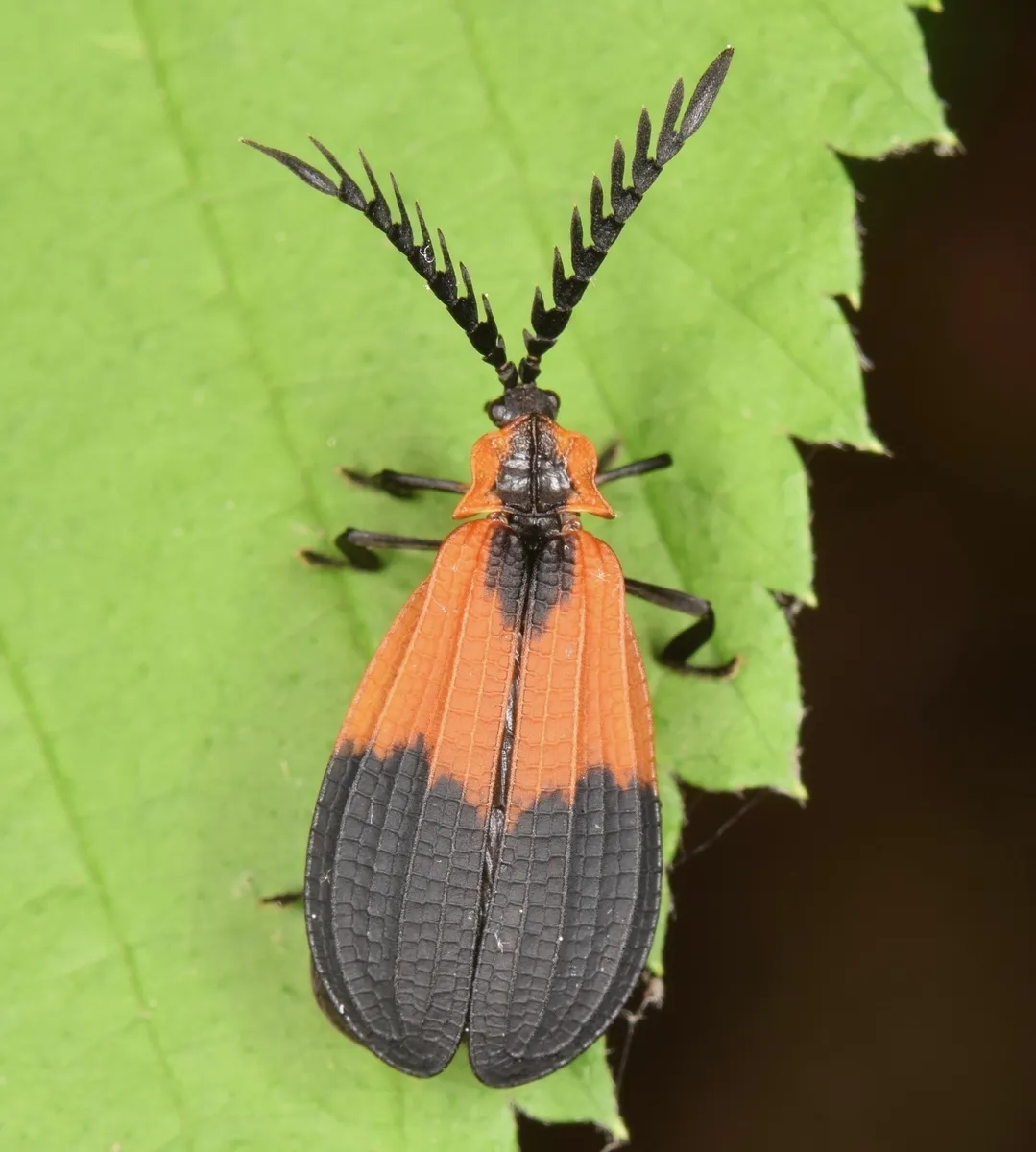
Caenia dimidiata
Caenia dimidiata
Identification: Similar to Calopteron terminale , but has comb-like antennae, and scutellum is black Evans notes it "has pectinate antennae in both sexes; branches on 4-10 longer at attached at based of the antennomeres in male, but shorter and arisi
Caenocara bicolor
Caenocara bicolor
Identification: Body black, except for head and pronotum brown; last antennal segment scimitar shaped in male (both diagnostic) Det. M. DiGirolomo, 2022
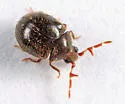
Caenocara oculatum
Caenocara oculatum
Identification: Black, dorsal surface with bristling hairs; last segment of maxillary palpi broadly triangular, bluntly emarginate apically (diagnostic vs. most remaining species).
Caenocara scymnoides
Caenocara scymnoides
Identification: Pubescence short and inclined, antennal club in male blackish
Cafius canescens
Cafius canescens
Identification: useful in photo discrimination of C. canescens/seminitens is the nature of acrocostal sutures on abdomen (the fine line bordering the anteriour margin of terga): straight in C. canescens , wavy in C. seminitens ; well seen: (different
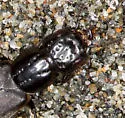
Cafius seminitens
Cafius seminitens
Identification: useful in photo discrimination of C. canescens/seminitens is the nature of acrocostal sutures on abdomen (the fine line bordering the anteriour margin of terga): straight in C. canescens , wavy in C. seminitens ; well seen: (different
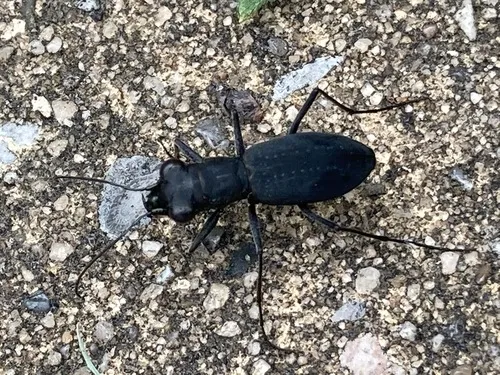
Cajun Tiger Beetle
Dromochorus pilatei
Dromochorus pilatei, the cajun tiger beetle, is a species of flashy tiger beetle in the family Carabidae. It is found in North America.
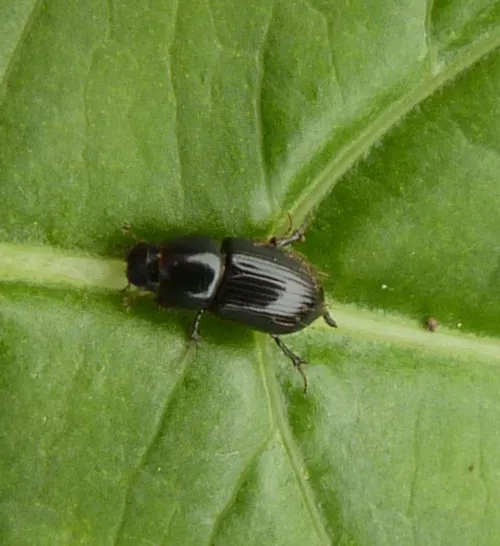
Calamosternus granarius
Calamosternus granarius
A small species, with a length of around 4mm it is dark brown or blackish and resembles several other members of this family. Common across southern England becoming scarcer in the north. No additional images available for this species.
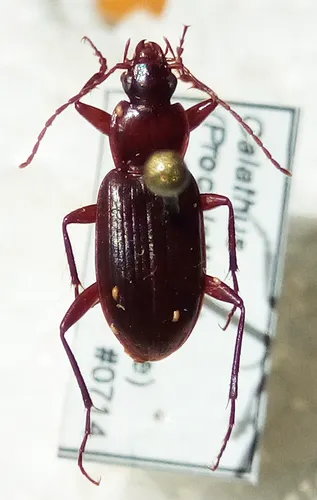
Calathus (Certocalathus) advena
Calathus advena
Calathus advena is a species of ground beetle in the family Carabidae. It is found in North America.
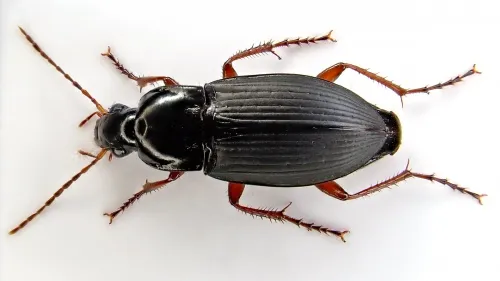
Calathus fuscipes
Calathus fuscipes
Length 10 to 14 mm. This is a large, black ground beetle. Legs and antennae are usually red but can be dark. It has a relatively smooth outline, with the pronotum and elytra more or less forming a continuous line. Dry open ground, including gardens a
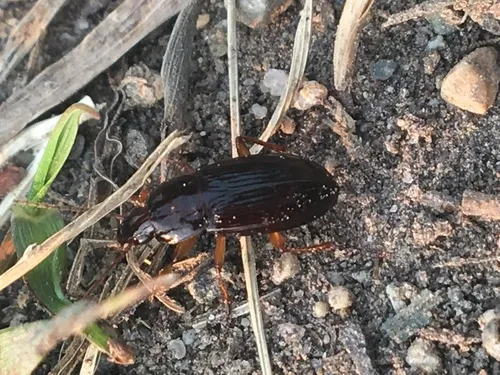
Calathus ingratus
Calathus ingratus
Calathus ingratus is a species of ground beetle in the family Carabidae. It is found in North America.
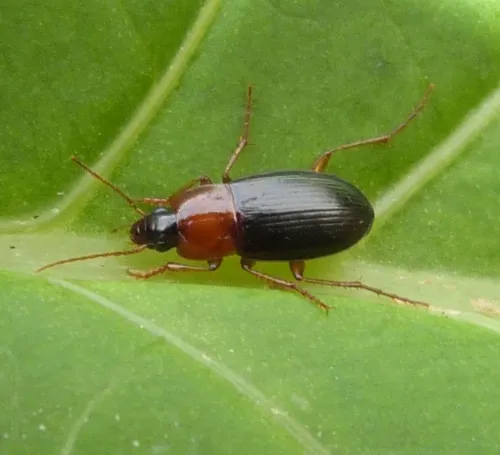
Calathus melanocephalus
Calathus melanocephalus
Length about 6 to 8 mm. It is usually black with a bright red thorax and pale legs. This ground beetle is usually found where there is bare, sandy soil. It lives during the day under stones and amongst leaf litter, coming out to hunt for small invert
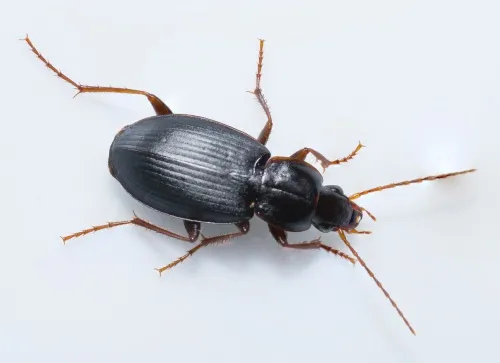
Calathus rotundicollis
Calathus rotundicollis
Length 8 to 11.5mm. It can be identified by the reddish edges of the pronotum. Found under logs and stones, even in well wooded areas. Widespread and fairly frequent in Britain.
Calaveras Lady Beetle
Scymnus calaveras
Identification: large size, black color (pronotum entirely black) and reddish brown pubescence makes this sp. relatively east to ID
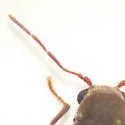
California Deathwatch Beetle
Hemicoelus gibbicollis
Identification: A triangular projecting part of the pronotal side margin is typical, and diagnostic to the species, but this can be almost lacking. Coulour is brown or black, and elytra may appear indistinctly longitudinally striped.