
Primitive Winged Insects
Order Coleoptera
The Primitive Winged Insects (Order Coleoptera) includes 15,720 species across 160 families and 3,716 genera in our directory.
About Primitive Winged Insects
Coleoptera is the largest order of insects with over 400,000 described species, representing ~25% of all known animal species and ~40% of all insects. In the U.S. alone, nearly 30,000 beetle species have been identified.
Economic Impact
Beetles have major economic significance: leaf beetles (Chrysomelidae) and weevils (Curculionoidea) are among the most destructive agricultural pests globally, costing billions annually, while predatory species like ladybugs provide natural pest control.
Ecological Role
Beetles are prominent decomposers, especially in forests, breaking down dead wood and recycling nutrients. As predators, they reduce populations of pest insects. Many species are also important pollinators of flowering plants.
Families in Coleoptera (160)
Species in Coleoptera (15,720)
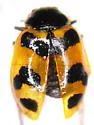
Oregon Lady Beetle
Hippodamia oregonensis
Identification: "The small size, nearly all black pronotum without convergent pale spots, and heavy elytral maculation usually will allow H. oregonensis to be recognized without dissection." - Gordon, 1985
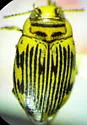
Oreodytes scitulus
Oreodytes scitulus
Identification: Epipleuron does not meet the humeral angle between pronotum and elytron (visible in the lateral view). Distinctive colour pattern on pronotum and elytra: with anterior and posterior black markings on the pronotum that are joined/conti
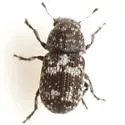
Ormiscus albofasciatus
Ormiscus albofasciatus
Identification: The nearly black pubescence of the upper surface and the well defined, narrow, arcuate, white post-basal fascia render the recognition of this species easy. The form is also slightly shorter and a little more robust than pusillus , an
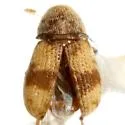
Ormiscus fasciatus
Ormiscus fasciatus
Identification: black densely clothed with cinereous pubescence. Elytra with a broad black transverse band. Antennae, tibiae and tarsi testaceous. One spmn coll'ed during two yrs of arboreal surveys in c. TX Type Locality: Columbus, Austin Co., Texas
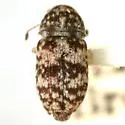
Ormiscus irroratus
Ormiscus irroratus
Identification: The amount of variation in this species' pattern is unclear at the present time. The specimens under this name in the USNM general collection could include multiple species. Only those few that closely match the syntypes of Schaeffer
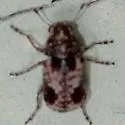
Ormiscus mitchelli
Ormiscus mitchelli
Identification: marked principally by two dark basal spots on the elytra and two dark lateral spots at the middle of the elytra; antennae with first joint light Det. Boris Büche, 2025 Described from 41 specimens bred from stems of cocklebur ( Xanthiu
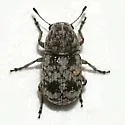
Ormiscus quercus
Ormiscus quercus
Type Locality: Huachuca Mountains, Arizona (Schaeffer 1906)
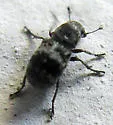
Ormiscus saltator
Ormiscus saltator
Identification: quite distinctive: antennal club with 3 articles fused into one; color pattern also distinctive (Barry Valentine, pers. comm. to VB)
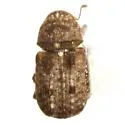
Ormiscus sextuberculatus
Ormiscus sextuberculatus
Type Locality: Enterprise, Volusia Co., FL, coll'ed by Ottomar Dietz ( 3 )
Ormiscus solidus 0
Ormiscus solidus
Identification: prothoracic carina (fig. 21) is sinuate or roundingly emarginate. The tarsal claws are cleft or toothed. Figure 22 illustrates the posterior tarsal claw. based on a spmn coll'ed at Brownsville, Tex., by C. R. Jones and F. C. Pratt, Ma
Ormiscus submetallicus 0
Ormiscus submetallicus
Identification: Blackish brown with a slight metallic tinge on elytra, clothed with brown, fulvous and white pubescence, the white forming a not clearly defined arcuate fascia near base and irregular fascire at apex. Head densely punctured, densely c
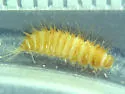
Ornate Carpet Beetle
Trogoderma ornatum
Identification: Det. Andreas Herrmann, 2009 Not particularly common; adults usually found on flowers. Preys on wasp and bee larvae found in tunnels in trees. --Richard Beal, pers. comm. to Jim McClarin
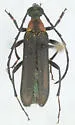
Orthochoriolaus chihuahuae
Orthochoriolaus chihuahuae
Holotypes ♂, ♀ collected Pinos Atos, Chihuahua, Mexico in (BMNH) British Museum Natural History, London, UK.
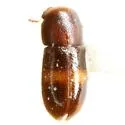
Orthocis transversatus
Orthocis transversatus
Identification: elytra with irregular transverse band not attaining the margin. may be distinguished from other North American Orthocis by the 9-segmented antennae, small size, coarse and dense pronotal punctation, and bicolored elytra. Det. E. G. Ri
Ortholeptura valida
Ortholeptura valida
Identification: male, female Type Locality: Shoalwater Bay, near the Columbia River, Oregon
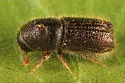
Orthotomicus caelatus
Orthotomicus caelatus
Identification: Intermediate in features between Pityokteines and Ips ; elytral declivity sexually dimorphic, with distinctly larger spines in male ( 3 )
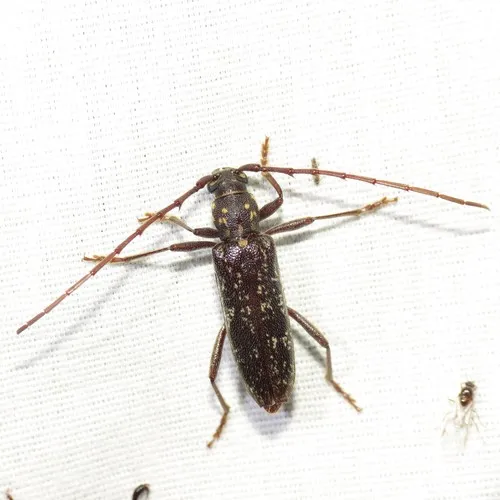
Orwellion gibbulum
Orwellion gibbulum
Orwellion gibbulum is a species of beetle in the family Cerambycidae. It was described by Bates in 1880.
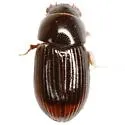
Oscarinus bottimeri
Oscarinus bottimeri
Identification: Four sharp, prominent clypeal teeth
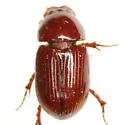
Oscarinus matiganae
Oscarinus matiganae
Identification: yellowish red color and uniformly moderately punctate pronotal disc characterize this sp.
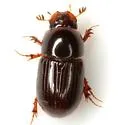
Oscarinus texensis
Oscarinus texensis
Identification: clypeal angles in texensis have teeth, while in welderi they are angulate to rounded, per P.E. Skelley, 13.iii.2012
Osmidus guttatus
Osmidus guttatus
Identification: Det. S. W. Lingafelter Type Locality: Cabo San Lucas, Baja California, Mexico
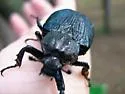
Osmoderma scabrum
Osmoderma scabrum
Identification: the smallest of our spp.; pronotum deeply punctate; elytra wrinkled, irregularly punctate; head deeply excavated between eyes
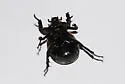
Osmoderma subplanatum
Osmoderma subplanatum
Identification: vs O. eremicola : elytra often lacking polished luster, finely to moderately punctate; scutellum usually heavily punctate, median line sometimes smooth or impunctate (characters may not work) Images were sorted here primarily based on
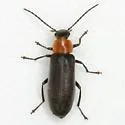
Osphya varians
Osphya varians
Identification: pronotal and leg color variable; males have distinctive metatibial lobes (see hind legs, just above the tarsi)
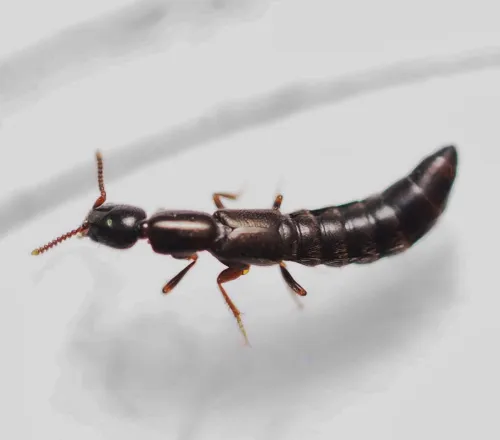
Othius laeviusculus
Othius laeviusculus
A small (5-6mm), mainly black rove beetle with elytra as long, or longer, than the pronotum. The terminal segment of the antennae is yellow, compared to the rest being red-brown. Varied, including open habitats and woodland. No additional images avai
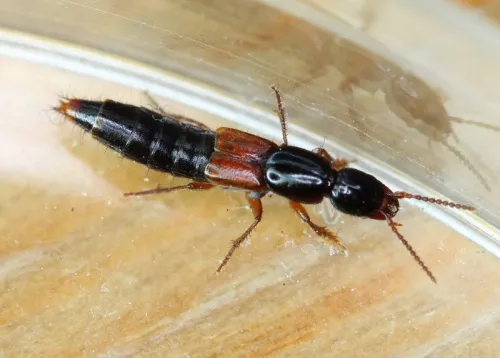
Othius punctulatus
Othius punctulatus
9 to 14mm. Blackish overall but with red elytra. The legs and antennae are also red. The pronotum may be dark red, particularly towards the margins. The abdominal tergites have a paler terminal band that becomes wider and more obvious on the final se
Otiorhynchus albidus
Otiorhynchus albidus
Otiorhynchus albidus (Otiorhynchus albidus) is a species in the family Curculionidae, commonly known as snout and bark beetles, belonging to the order Coleoptera (Beetles). It is classified within the subfamily Entiminae, tribe Otiorhynchini, suborde
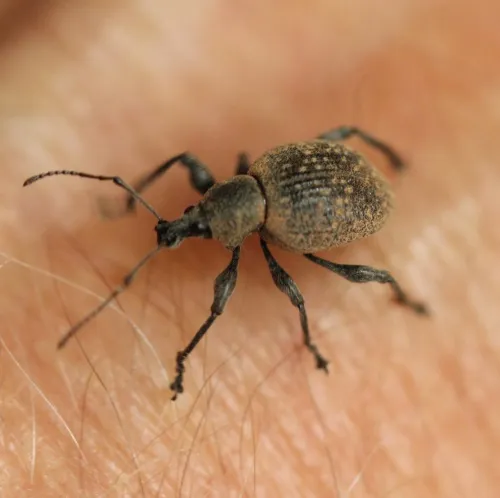
Otiorhynchus armadillo
Otiorhynchus armadillo
A very distinct weevil, the females reaching 15mm in length, it is similar to the more common Vine weevil ( Otiorhynchus sulcatus ), but O. armadillo has a broader body shape, and no tooth on the front femur. Unless identified by a recognised expert,
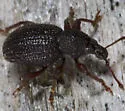
Otiorhynchus ligneus
Otiorhynchus ligneus
Identification: dorsal habitus earliest record in our area: 1917 ( 3 )
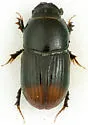
Otophorus haemorrhoidalis
Otophorus haemorrhoidalis
Identification: large scutellum, elytra usually with apical red patch earliest record in our area: NJ before 1915
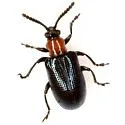
Oulema collaris
Oulema collaris
Identification: note black head, coarse elytral punctuation Dets. E. G. Riley, 2009
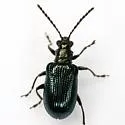
Oulema concolor
Oulema concolor
Identification: entire body dark, nearly all spmns bluish above, but may be green
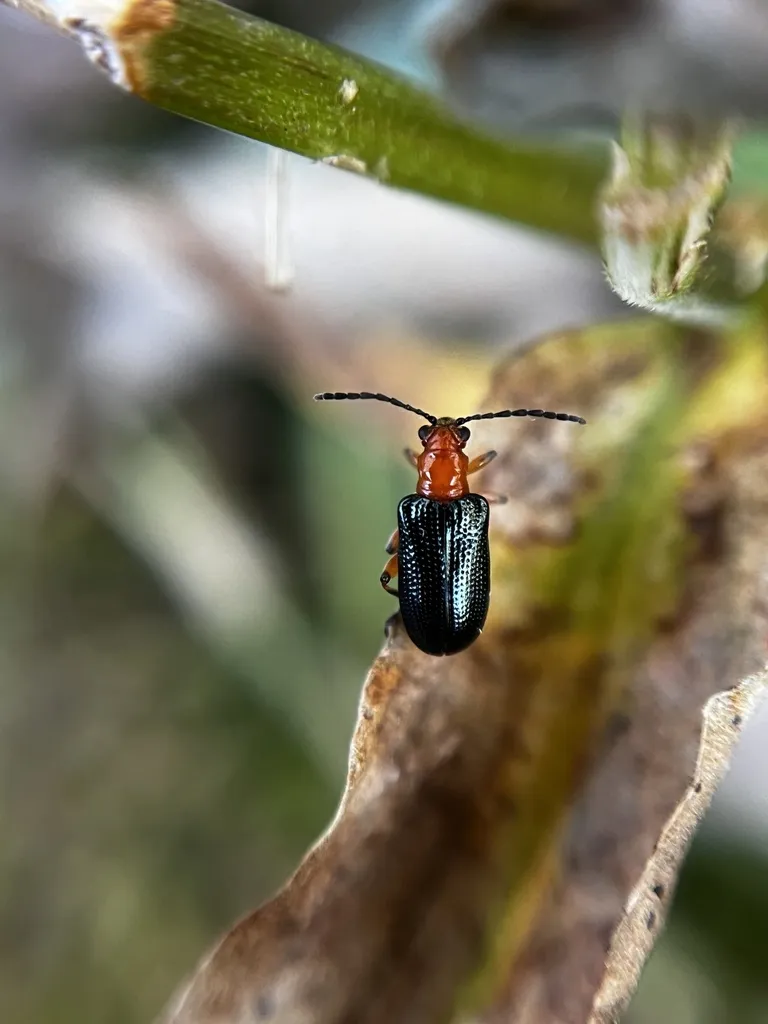
Oulema cornuta
Oulema cornuta
Oulema cornuta is a species of leaf beetle in the family Chrysomelidae. It is found in North America.
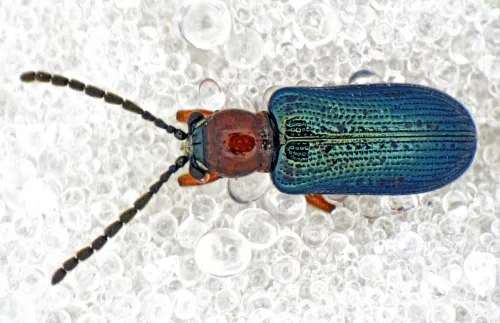
Oulema duftschmidi s.s.
Oulema duftschmidi s.s.
Length is about 6 mm. The elytra have a green iridescent sheen and are studded by tiny holes. The 'head' is red. The two species Oulema duftschmidi and O. melanopus are almost impossible to separate without detailed examination. If that detailed exam
Oulema elongata
Oulema elongata
Identification: color variation is negligable Type Locality: Larsen Sanctuary, Hardin Co., Texas
Oulema longipennis
Oulema longipennis
Identification: Thorax reddish, very rarely with dark spots. Remainder of body black, elytra usually with bluish tint.
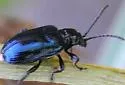
Oulema margineimpressa
Oulema margineimpressa
Identification: O. margineimpressa - pronotum inflated, clearly widest anteriorly, and mostly smooth. O. concolor - pronotum not inflate, only slightly widest anteriorly, and finely and coarsely punctate throughout. O. margineimpressa - distinct depr
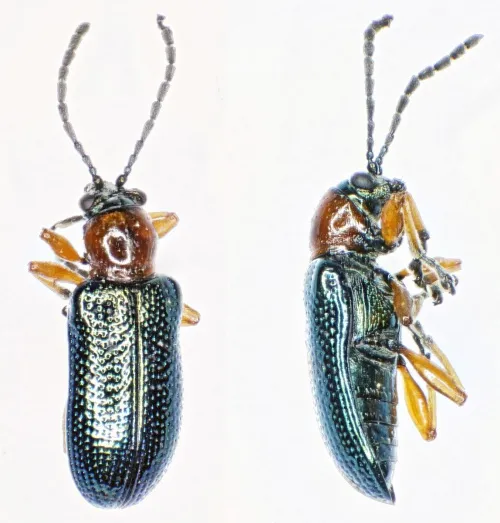
Oulema melanopus s.s.
Oulema melanopus s.s.
Length is about 6 mm. The elytra have a green iridescent sheen and are studded by tiny holes. The 'head' is red. The two species Oulema duftschmidi and Oulema melanopus are almost impossible to separate without detailed examination. If that detailed
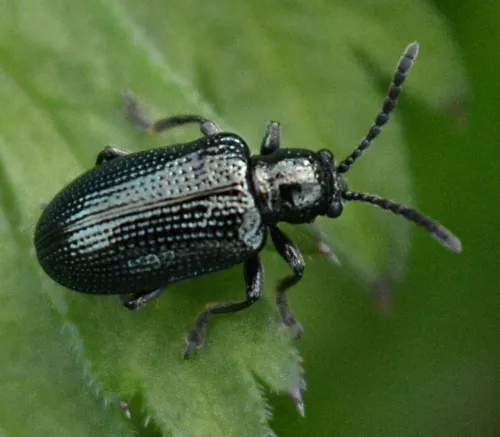
Oulema obscura
Oulema obscura
A small (3 to 4 mm) beetle. It is greeny black in colour; the elytra have studded rows running down their length. Lema cyanella is similar but distinguished by having the pronotum constriction near the middle and not near the base as in Oulema . Amon
Oulema sayi
Oulema sayi
Identification: black spot on pronotum sometimes absent
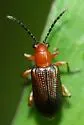
Oulema simulans
Oulema simulans
Identification: last antennal segment(s) sometimes pale; vertex (of head) with a distinct longitudinal depression; most of tibia and tarsi brown to red brown. O. simulans typically bears moderately developed interantennal tubercules Type Locality: Es
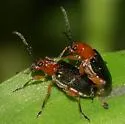
Oulema variabilis
Oulema variabilis
Identification: third antenomere nearly the same length as the fourth. Det. E. G. Riley, 2014 Type Locality: La Esperanza Ranch, Brownsville, Texas
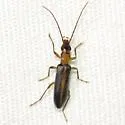
Oxacis laevicollis 0
Oxacis laevicollis
Identification: Lectotype - head and thorax pale, elytra nearly black with suture narrowly paler. similar to Oxacis nitens which has a broad pale sutural area (emphasis added) instead of the very narrow pale sutural area of O. laevicollis . Type Loca
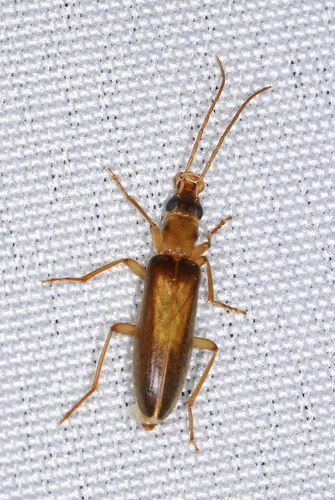
Oxacis nitens
Oxacis nitens
Identification: Color pale testaceous with elytra brown, with narrow lateral margin pale, sutural area with pale central area, narrow at base and apex, varying to entirely brown (emphasis added). Type Locality: Arizona, Grand Canyon, mile 72, June 7,
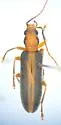
Oxacis taeniata
Oxacis taeniata
Oxacis taeniata (Oxacis taeniata) is a species in the family Oedemeridae, commonly known as false blister beetles, belonging to the order Coleoptera (Beetles). It is classified within the subfamily Oedemerinae, tribe Asclerini, suborder Polyphaga, su
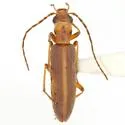
Oxacis trirossi
Oxacis trirossi
Identification: Thorax narrower in front, length to width ratio 5:4; surface of thorax swollen between punctures; prothorax immaculate or with a central stripe only ( 3 ) Det. E. G. Riley, 2009
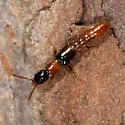
Oxybleptes davisi
Oxybleptes davisi
Author is Howard Notman, American entomologist. Few references are found readily--see Biodiversity Heritage Librarey Howard Notman . He was a apparently an illustrator as well as an amateur painter--see AskArt-- Howard Notman which gives his biograph
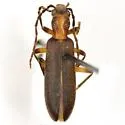
Oxycopis howdeni
Oxycopis howdeni
Identification: The fuscus color of this beetle makes it distinctive Type: Male, Tornillo Flat, Big Bend National Park, Tex., 3200 ft., May 12, 1959 (collected by Edward Becker and Henry F Howden).
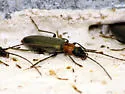
Oxycopis mcdonaldi
Oxycopis mcdonaldi
may swarm around lights in great numbers and cause blistering if crushed on the skin
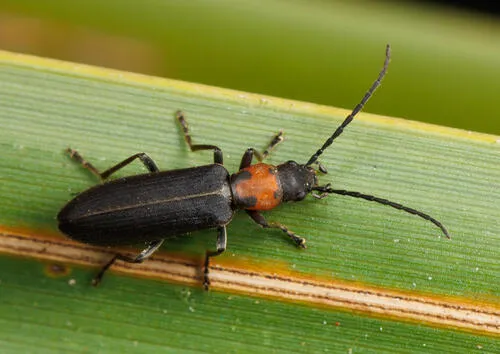
Oxycopis notoxoides
Oxycopis notoxoides
Identification: pronotum with 2 basal spots Det. Brad Barnd, 2025
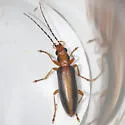
Oxycopis suturalis
Oxycopis suturalis
Identification: Holotype most common in FL, especially in the Florida Keys
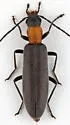
Oxycopis thoracica
Oxycopis thoracica
Oxycopis thoracica (Oxycopis thoracica) is a species in the family Oedemeridae, commonly known as false blister beetles, belonging to the order Coleoptera (Beetles). It is classified within the subfamily Oedemerinae, tribe Asclerini, suborder Polypha
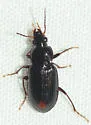
Oxycrepis celeris
Oxycrepis celeris
Identification: Loxandrus celer is one of the very few N. American species that can be accurately identified using only external characters. The following combination is distinctive: 1. last tarsomere setose ventrally 2. sides of pronotum not sinuate
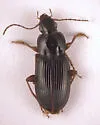
Oxycrepis parvula
Oxycrepis parvula
Identification: Like nearly all Oxycrepis , identifiable only by examination of male genitalia. The median lobe of the aedeagus has a unique apex that is abruptly hooked dorsally.
Oxycrepis pravituba 0
Oxycrepis pravituba
Type Locality: Brownsville, Texas, June 11-16, 1933. Darlington, Collector apparently not treated in ( 5 )
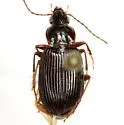
Oxycrepis rectangula
Oxycrepis rectangula
Identification: Strong microsculpture present dorsally on forebody, shape of pronotum distinctive. Type Locality: Enterprise, Volusia Co., FL rare
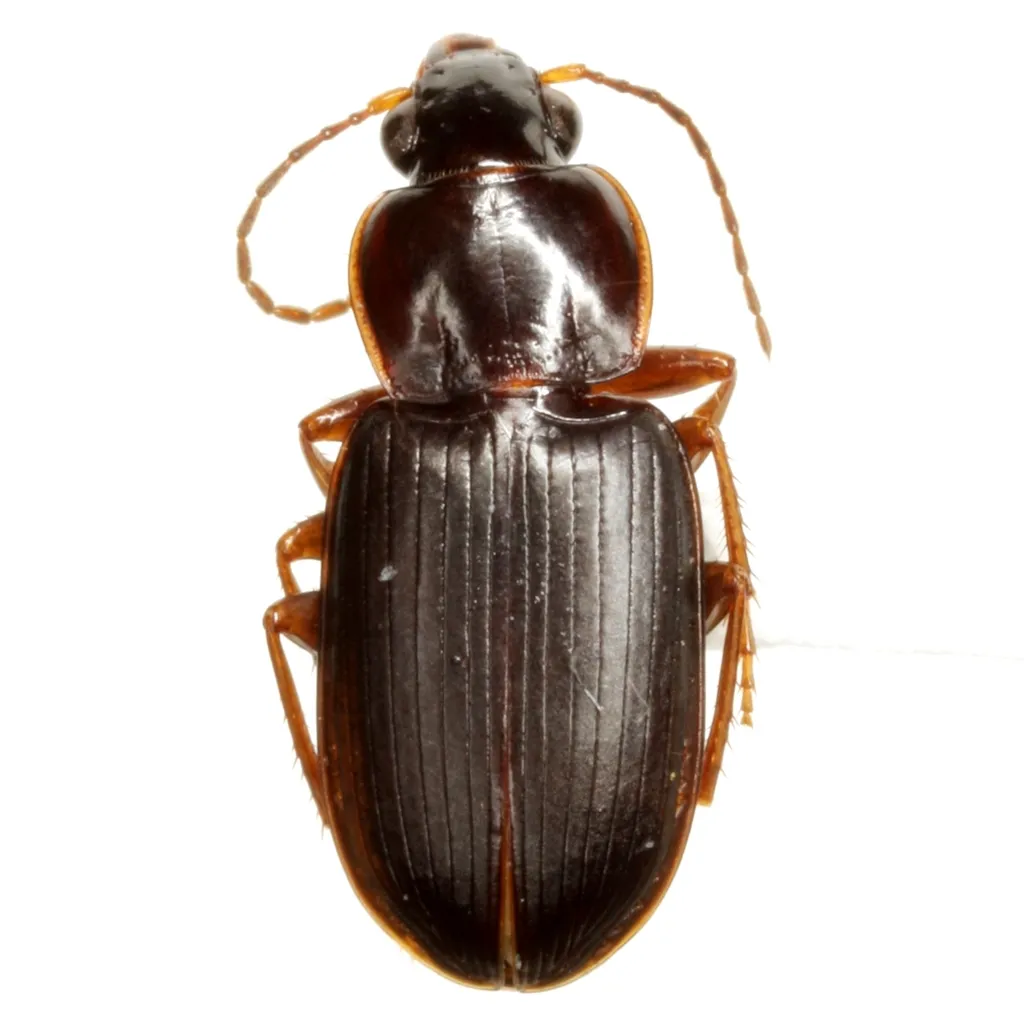
Oxycrepis sculptilis
Oxycrepis sculptilis
Identification: a relatively rare Texas species distinguished from other Oxycrepis by dull elytra (m/s isodiametric), pair of mentum pits, and small body size. … Peter W. Messer, 22 March, 2021
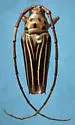
Oxymerus aculeatus
Oxymerus aculeatus
earliest record in our area: Miami-Dade County, FL 2003 ( 3 )
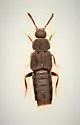
Oxypoda chantali
Oxypoda chantali
Named in honor of Claude Chantal, an "outstanding collector of beetles in Quebec", who collected the type series of this species and many others, and continuously contributes extensively to the entomological knowledge of Quebec.
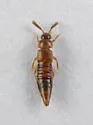
Oxypoda stanleyi
Oxypoda stanleyi
Identification: antennae strongly clavate, no apparent longer setae on abdomen
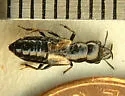
Oxyporus femoralis
Oxyporus femoralis
Identification: "...the white tibiae are a nice way to recognize this one" - Adam Brunke
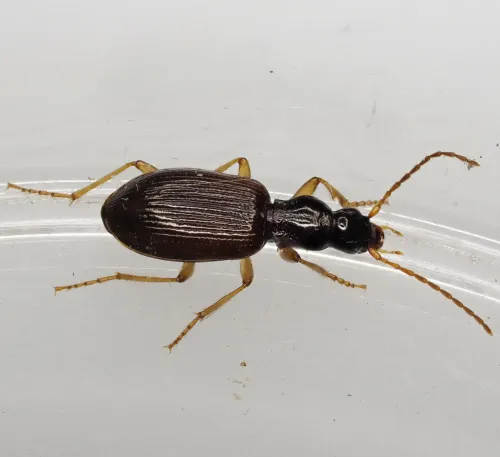
Oxypselaphus obscurus
Oxypselaphus obscurus
Length 6.5 mm. This is small, brown ground beetle has a dark/black head and pale appendages. The elongate and highly sinuate pronotum, heavily punctured at the base, together with the pale legs helps to make this species 9the only UK species in the g
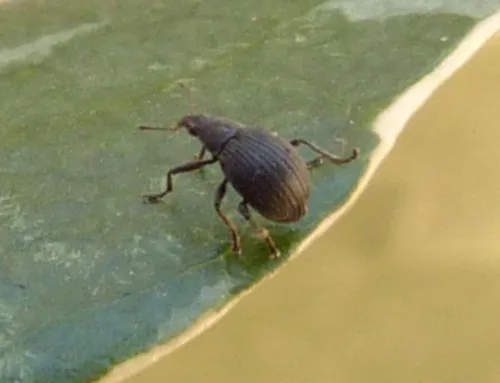
Oxystoma cerdo
Oxystoma cerdo
A small (2.4 to 3 mm) dark grey weevil with ribbed elytra. Unless identified by a recognised expert, photographic evidence is required and the specimen should be examined with a microscope. In the comments box, state the key or ID method used. Note t
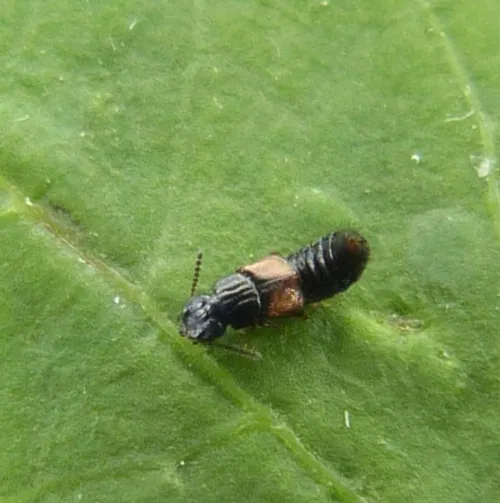
Oxytelus laqueatus
Oxytelus laqueatus
A small rove beetle with short light brown wing cases. It is only about 4 or 5 mm long. All year round especially in spring and summer. Widespread and fairly frequent in Britain.
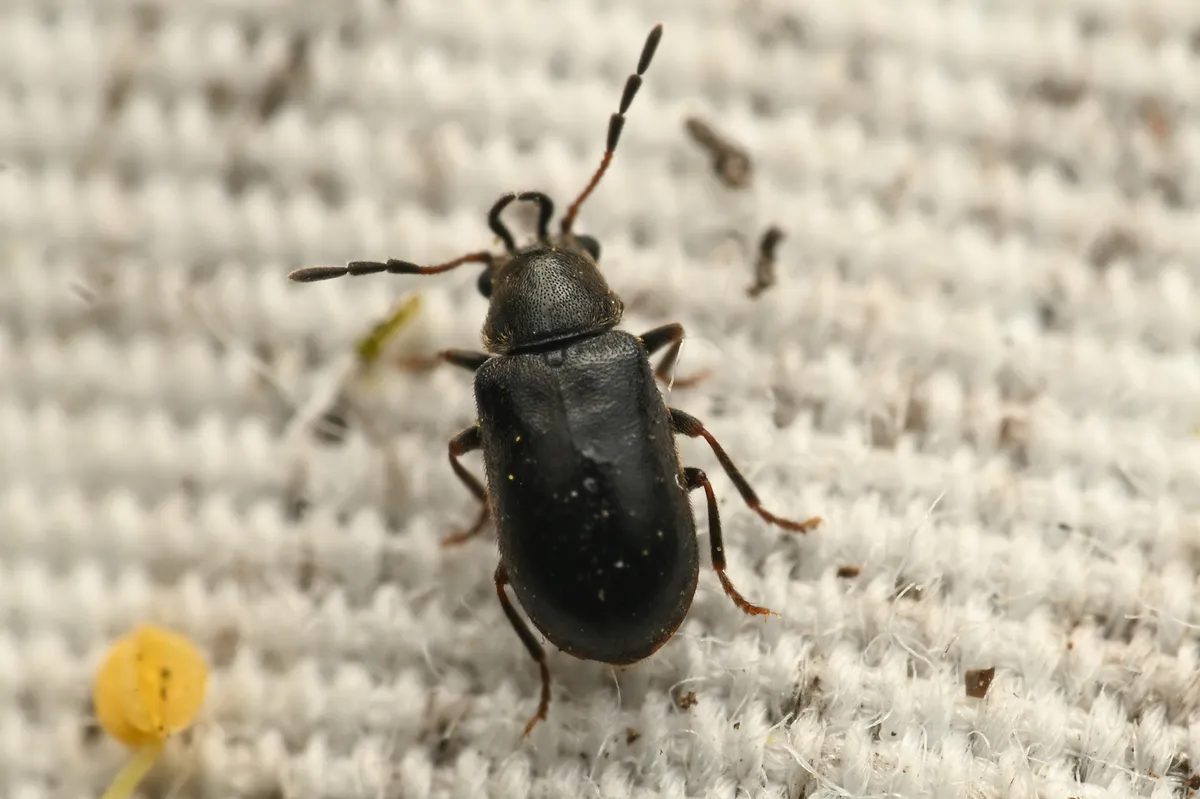
Ozognathus cornutus
Ozognathus cornutus
Identification: The two horns of the male meet at their incurved tips
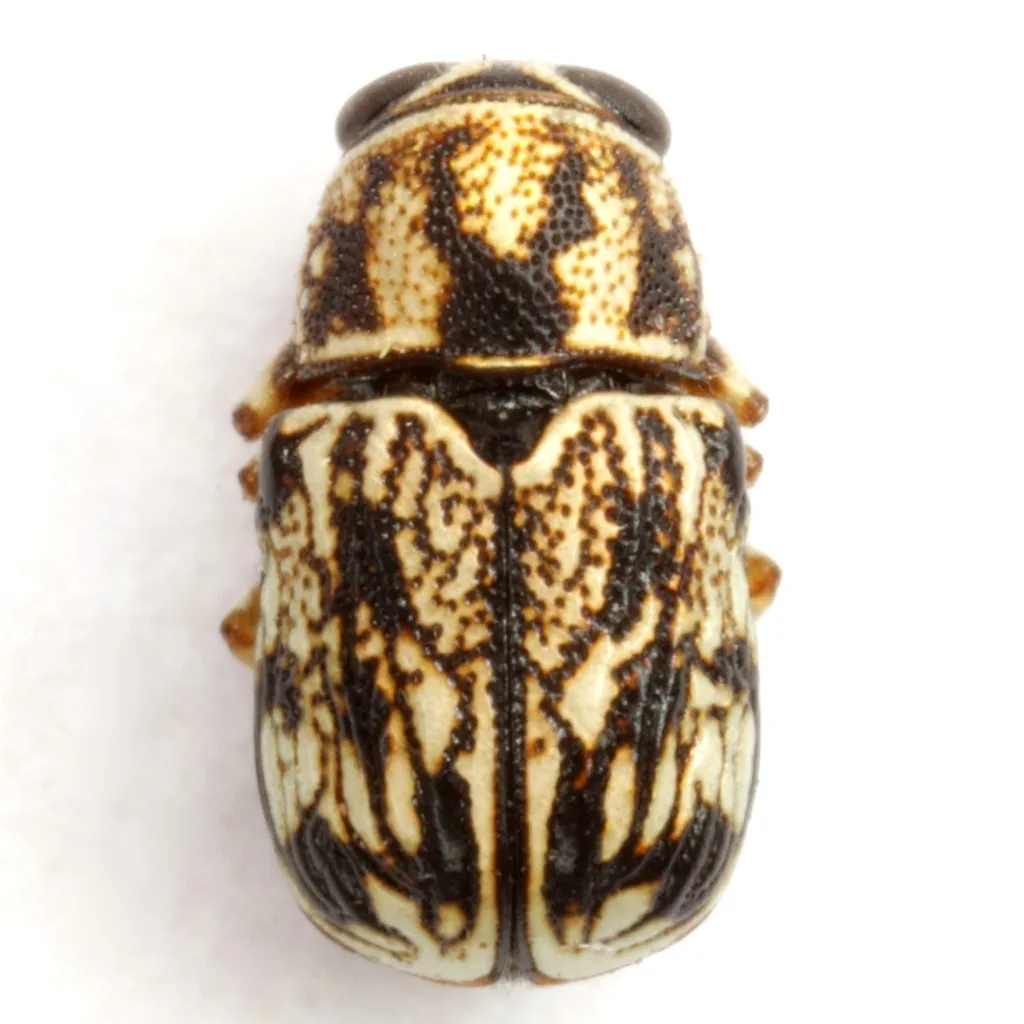
Pachybrachis alticola
Pachybrachis alticola
Pachybrachis alticola is a species of case-bearing leaf beetle in the family Chrysomelidae. It is found in North America.
Pachybrachis americanus 0
Pachybrachis americanus
Identification: Small, pale yellow, very coarsely, diffusely punctate, feebly and obscurely maculate with brown
Pachybrachis analis
Pachybrachis analis
Identification: Male. Moderately robust, from almost all black with lateral margins yellow to primarily yellow with black markings on pronotum and elytra, sparsely covered in white pubescence; prothorax with narrow, entire or subentire, smooth median
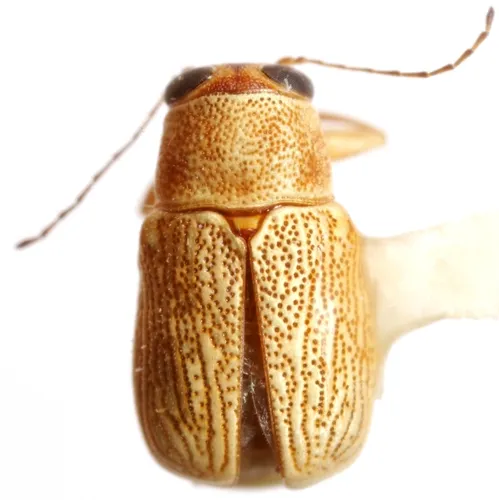
Pachybrachis arizonensis
Pachybrachis arizonensis
Pachybrachis arizonensis is a species of case-bearing leaf beetle in the family Chrysomelidae. It is found in North America.
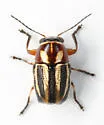
Pachybrachis armbrusti
Pachybrachis armbrusti
Identification: Pronotal M moderate to heavy, black to reddish orange and sharply outlined, finely alutaceous and shiny, punctation sparse and widely separated (last key couplet) Det. E. G. Riley, 2026 Type Locality: Haulover, Fla, Hubbard & Schwarz,
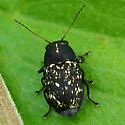
Pachybrachis atomarius
Pachybrachis atomarius
Identification: Dark brown or black, irregularly mottled with yellow or dirty yellow; luster dull. Frons of males often yellow with inverted dark Y, branches of which arise from antennal bases. Eyes not prominent. Pronotum often with median anterior
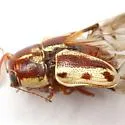
Pachybrachis bivittatus
Pachybrachis bivittatus
Identification: the outer stripe rarely if ever continuous, and usually interrupted to form three spots, one or more of which may be lacking.
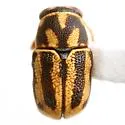
Pachybrachis bloxham
Pachybrachis bloxham
Identification: intact lateral line (plus location) most diagnostic feature PARATYPE Only 15 specimens were conclusively determined by Riley and Barney as P. bloxham
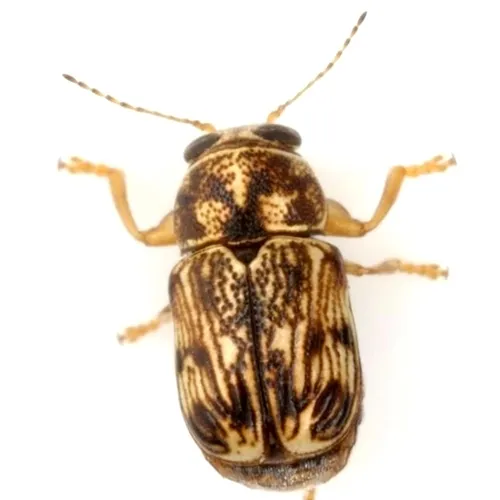
Pachybrachis brevicornis
Pachybrachis brevicornis
Identification: Robust, yellow, with more or less heavy fuscous standard markings; eyes moderately distant, front with ocular lines; antennae unusually short; elytra strongly striate; front claws of male not appreciably enlarged. (Fall 1915) Elytra d
Pachybrachis bullatus
Pachybrachis bullatus
Identification: one of the most distinct Pachys in our fauna variegated with pale to dark brown, surface polished, eyes without ocular lines elytra with a transverse row of more or less conspicuous convex pale spots behind the middle Front claws of m
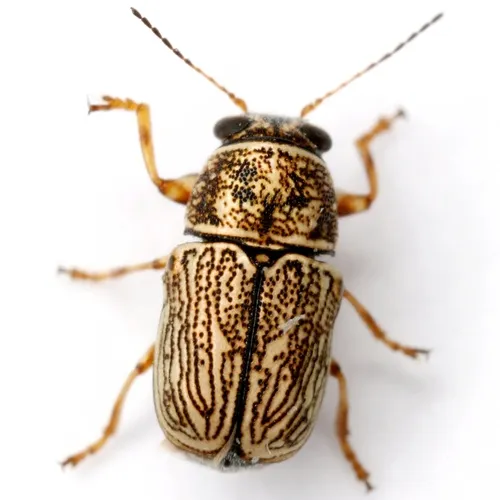
Pachybrachis caelatus
Pachybrachis caelatus
Identification: "The most important characters of this species are the widely distant eyes combined with the very large front claws of the male."
Pachybrachis cephalicus
Pachybrachis cephalicus
Identification: Variable in coloration. Examination of male aedeagus may be needed to separate from similar species.
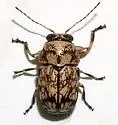
Pachybrachis chaoticus
Pachybrachis chaoticus
Identification: Robust, yellow, brown punctate and with rather sharply defined brown markings; eyes narrowly separated, front without ocular lines; punctuation throughout sparse and irregular; front claws of male strongly enlarged Det. M. A. Quinn, 2
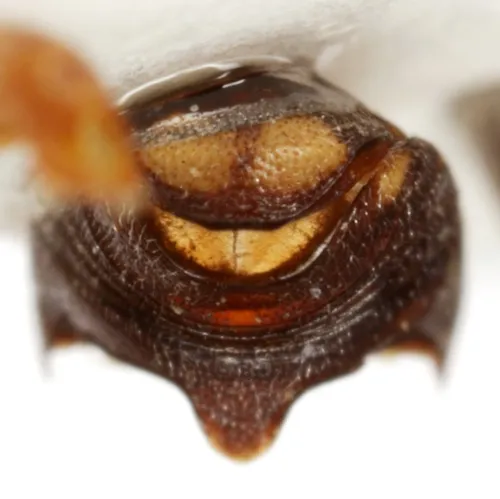
Pachybrachis chester
Pachybrachis chester
Known only from one locality in Georgia and one locality in South Carolina. (holotype + 6 paratypes). GEORGIA: Dodge Co., Chester, 1.vi.1904, Georgia State Collection [1♂, holotype, USNM]; same data, except 26.v.1904, Georgia State Collection [1♂, US
Pachybrachis clarki 0
Pachybrachis clarki
Identification: readily recognized by its widely separated eyes, ocular lines, and males with enlarged foreclaws. Type Locality: “FLORIDA, Collier Co. / Collier-Seminole / State Park 25°59.3′N, / 81°35.6′W / 20 Dec. 2005, / S. M. Clark & R. J. Barney
Pachybrachis conformis 0
Pachybrachis conformis
Identification: easily recognized by the three pronotal vittae
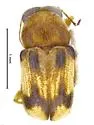
Pachybrachis connexus
Pachybrachis connexus
Identification: readily identifiable among pubescent species due to the [bold] striping on the elytra , iNaturalist described based upon a single female from Hot Springs, Arizona, Hot Springs, possibly Verde Hot Springs in Gila County.
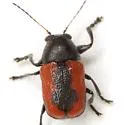
Pachybrachis cruentus
Pachybrachis cruentus
Identification: Prothorax entirely black, elytra with a broad red margin interrupted at the convexity somewhat scarce and very sparingly represented in collections
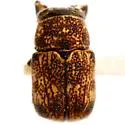
Pachybrachis delumbis
Pachybrachis delumbis
Identification: Fall's description: In the male type the vertex spot is large, but the frontal spot is narrow and the front is mostly yellow; the thoracic M is quite distinct, attaining the apical third, the thorax predominantly yellow. Elytral spots
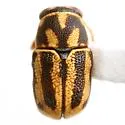
Pachybrachis deyrupi
Pachybrachis deyrupi
Identification: one of three vittate species of Pachybrachis known from Florida. Type Locality: FL: POLK CO., TNC / SADDLEBLANKET LAKE / PRES. 11 MAY 2009 / MARK DEYRUP // SWEPT FROM / POLYGONELLA / MYRIOPHYLLA / N27.67162 / W081.57587 There are 12 p
Pachybrachis dilatatus
Pachybrachis dilatatus
Identification: "the punctures [on elytra] serially or subserially arranged except in a baso-sutural triangle." (serially only on sides and rear in subfasciatus ).
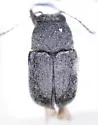
Pachybrachis donneri
Pachybrachis donneri
Identification: Black, opaque, side margins of prothorax, basal raised margin of elytra also side margins for a variable distance from the base, yellow; lustre throughout alutaccous, pubescence gray, decumbent, rather plentiful Det. M. A. Quinn, 2016
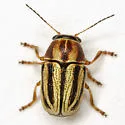
Pachybrachis dubiosus
Pachybrachis dubiosus
Identification: The median thoracic stripe is bifurcate in front, but does not touch the lateral stripes. Det. E. G. Riley, 2009 Type Locality: "Tex"
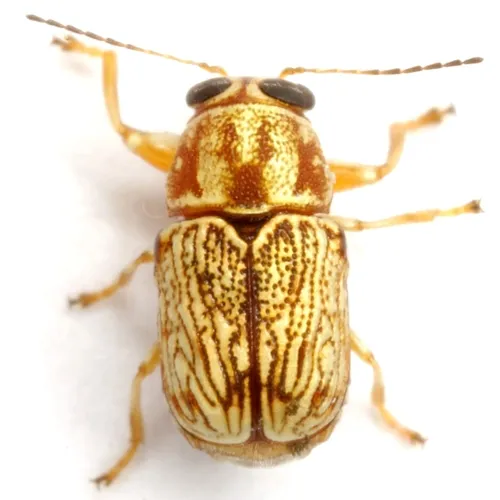
Pachybrachis duryi
Pachybrachis duryi
Identification: Yellow, brown punctate, thoracic M moderate, elytra with a common sutural spot on the convexity and some small marginal markings; front rather narrow, the eyes separated by a distance less than the vertical width of their upper lobes,
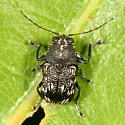
Pachybrachis femoratus
Pachybrachis femoratus
Identification: Small to medium in size, females quite robust, blackish and dull yellow, mottled, the darker color usually in excess on the prothorax, and often on the elytra; punctuation rather dense, broadly confused on the elytral disk; no ocular
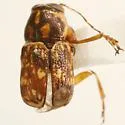
Pachybrachis fortis
Pachybrachis fortis
Identification: from Fall's description: Large, robust, yellow, with standard markings, in pale brown, rather lightly indicated on the elytra; luster dull, surface with very fine, short and sparse pubescence; no ocular lines; front claws of male rath
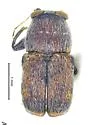
Pachybrachis gilberti
Pachybrachis gilberti
Identification: recognized by its narrow shape, almost purple coloration with yellow highlights, and bulging eyes. Type Locality: ARIZ: Cochise Co. Cave Cr. / Cyn., 3 mi. W Portal VIII-9-[20]00, / 5120ft. A. Gilbert & N. Smith / 31o53.023′N -109o10.7
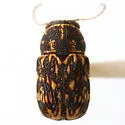
Pachybrachis gracilipes
Pachybrachis gracilipes
Identification: Fall's description: Of medium size, rather brightly black and yellow mottled; eyes in the male separated by a distance which is less, and in the female more, than the vertical width of their upper lobes; no ocular lines; front tibiae
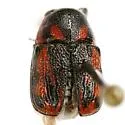
Pachybrachis hector
Pachybrachis hector
Identification: Black, variably marked with red or reddish yellow, the latter color occasionally predominant in the male; surface moderately shining, the prothorax with scarcely visible trace of alutaceous sculpture. Eyes moderately distant; front wi
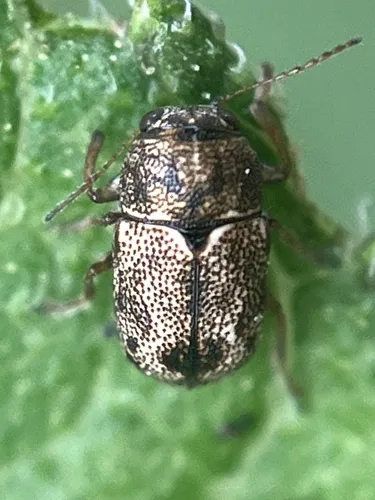
Pachybrachis hepaticus
Pachybrachis hepaticus
Pachybrachis hepaticus is a species of case-bearing leaf beetle in the family Chrysomelidae. It is found in Central America and North America.
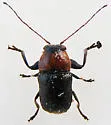
Pachybrachis hybridus
Pachybrachis hybridus
Identification: black, prothorax red varying to black with red side margins (last key couplet) note pale line bisecting pronotum, distinctive when present (MAQ, pers. obs.) Det. M. A. Quinn, 2020 confirmed the asso. w/ chamise ( Adenostoma fasciculat
Pachybrachis illectus 0
Pachybrachis illectus
Identification: there is still only one pair known, that being from the Hubbard and Schwarz Collection housed at USNM. While the external appearance of P. illectus is very similar to many maculate species of Pachybrachis , the median lobe of the aede
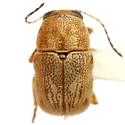
Pachybrachis immaculatus
Pachybrachis immaculatus
Identification: "Rather robust, pale dull yellow above with brown punctures, finely alutaceous, scarcely shining; prothoracic markings pale, diffuse and nearly obsolete; elytra immaculate, rarely with faint traces of standard spots..." Det. E. G. Ril
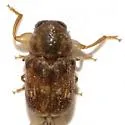
Pachybrachis integratus
Pachybrachis integratus
Identification: Yellowish, thinly pubescent above, with broad suffused pale brown to fuscous markings; surface shining, without alutaceous sculpture; eyes narrowly separated. Det. M. A. Quinn, 2017
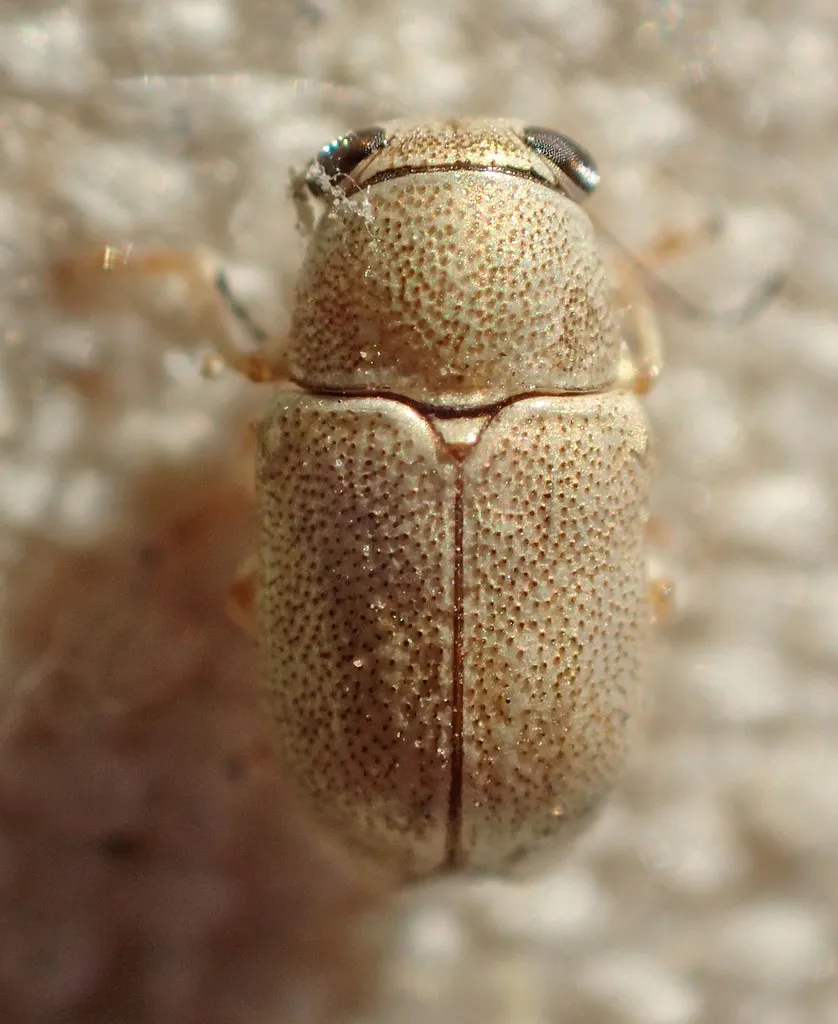
Pachybrachis jacobyi
Pachybrachis jacobyi
Identification: Moderately robust, pale whitish or grayish yellow, thickly, finely and for the most part diffusedly punctate, the punctures often pale brown but sometimes without color, integuments shining, not at all or scarcely alutaceous; eyes dis