
Primitive Winged Insects
Order Coleoptera
The Primitive Winged Insects (Order Coleoptera) includes 15,720 species across 160 families and 3,716 genera in our directory.
About Primitive Winged Insects
Coleoptera is the largest order of insects with over 400,000 described species, representing ~25% of all known animal species and ~40% of all insects. In the U.S. alone, nearly 30,000 beetle species have been identified.
Economic Impact
Beetles have major economic significance: leaf beetles (Chrysomelidae) and weevils (Curculionoidea) are among the most destructive agricultural pests globally, costing billions annually, while predatory species like ladybugs provide natural pest control.
Ecological Role
Beetles are prominent decomposers, especially in forests, breaking down dead wood and recycling nutrients. As predators, they reduce populations of pest insects. Many species are also important pollinators of flowering plants.
Families in Coleoptera (160)
Species in Coleoptera (15,720)
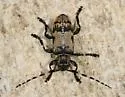
Coenopoeus palmeri
Coenopoeus palmeri
Identification: The amount of pale pubescence on the elytra varies considerably. All black individuals are encountered in s. AZ and NM ( 3 ) Type Locality: Ariz ( 3 )
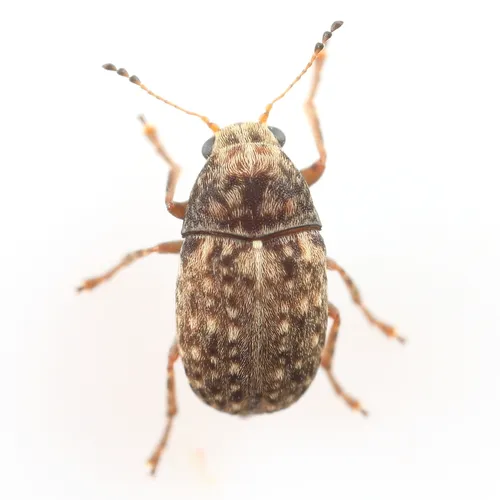
Coffee Bean Weevil
Araecerus fasciculatus
Identification: tibiae with three pale rings is diagnostic
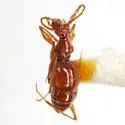
Coffin Cave Mold Beetle
Batrisodes texanus
Identification: Batrisodes texanus can only be distinguished from other pselaphid beetles by a qualified systematist upon microscopic study. Type Specimen: Male holotype from Inner Space Cavern , Williamson County, Texas, May 23, 1965. Collected by W
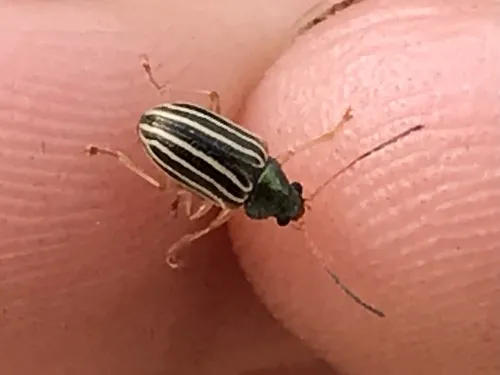
Colaspis costipennis
Colaspis costipennis
Colaspis costipennis is a species of leaf beetle from North America. It is mostly found in coastal states; in the United States, its range extends from Louisiana and Georgia north to New Hampshire and Pennsylvania, and in Canada, it is reported from
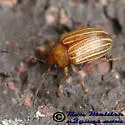
Colaspis crinicornis
Colaspis crinicornis
Identification: Det. E. G. Riley, 2024 Type Locality: Brownsville, Cameron Co., Texas
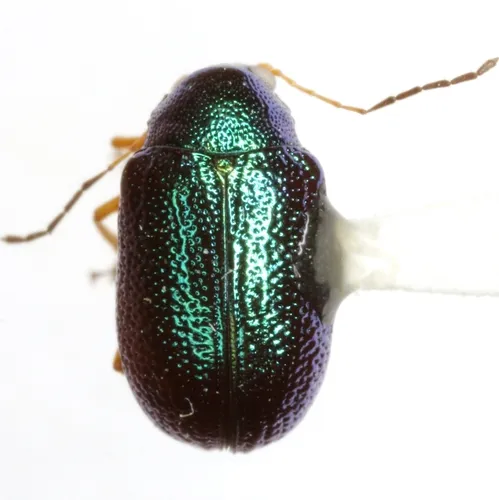
Colaspis cruriflava
Colaspis cruriflava
Identification: Per Blake: "This species is somewhat paler green than the rest and the only one of the group with yellow legs . It is the smallest one of the favosa group. There is a peculiar depression on each side of the prothorax not found in the
Colaspis flavocostata
Colaspis flavocostata
Identification: Has a dark metallic lustre, and pronotal margin has a clear greenish lustre. [ Rob Westerduijn ] Type Locality: Chipola Lake, Florida
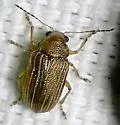
Colaspis pini
Colaspis pini
Identification: Adults are oval, convex, tannish to brown, with metallic greenish specks on their backs. Det. E. G. Riley, 2024 Mature larvae are yellowish-white, about 6 mm long, with a sparse covering of short hairs and clusters of longer hairs at
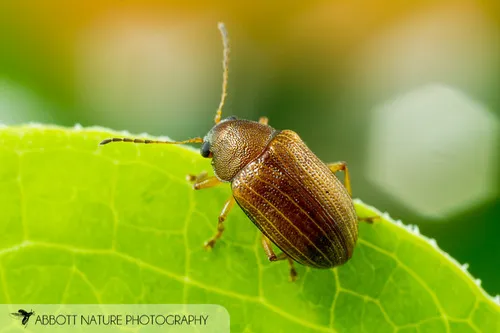
Colaspis recurva
Colaspis recurva
good species that belongs to the flavocostata complex. There is little question about its identification, but it is “officially” known only from peninsular Florida, but in reality ranges (along the coast) north to central New York State, where it is
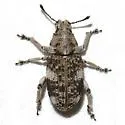
Colecerus dispar
Colecerus dispar
Identification: per LeConte's (1874) original description, the specimen from Arizona has the thorax at base as wide as the elytra, the hind angles being expanded, flattened and acute, with the side margin acute; the sides in front of the angles are s
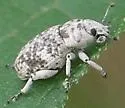
Colecerus marmoratus
Colecerus marmoratus
Identification: Form of dispar . Thorax broader than long, sides moderately arcuate (=curved), widest at middle. ( 3 ) pattern variable
Colenis impunctata
Colenis impunctata
Identification: Clypeus non-emarginate; outer edge of protibia near apex with one long spine, followed by very short ones; male genitalia distinctive. Body light yellow to dark reddish. Most often taken in malaise and flight intercept traps, car nets
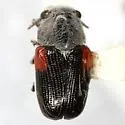
Coleorozena fulvilabris
Coleorozena fulvilabris
Identification: scutellum is pubescent and the red humeral spot is nearly square (Jacoby, 1888) Det. E. G. Riley, 2010 fairly common in c. TX ( 5 )
Coleorozena lecontii 0
Coleorozena lecontii
Identification: pronotal punctation deep and coarse (Moldenke 1970) Type Locality: Texas boundary (Webb Co.?)
Coleothorpa dominicana
Coleothorpa dominicana
Identification: Pronotum and under surfaces with conspicuous white pubescence. Mandibles of males notably enlarged. The more western populations have the elytra conspicuously hairy, whereas in the more eastern populations the elytra are largely glabr
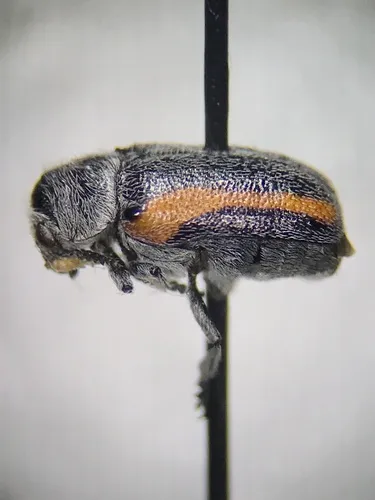
Coleothorpa vittigera
Coleothorpa vittigera
Coleothorpa vittigera is a species of case-bearing leaf beetles in the family Chrysomelidae. It is found in North America.
Colliuris lioptera
Colliuris lioptera
Identification: Elytron black with one lateral reddish dot in posterior third. ─Peter Messer, 5.ix.2015
Colliuris pensylvanica
Colliuris pensylvanica
Colliuris pensylvanica (Colliuris pensylvanica) is a species in the family Carabidae, commonly known as ground beetles, belonging to the order Coleoptera (Beetles). It is classified within the subfamily Harpalinae, tribe Odacanthini, suborder Adephag
Collops arizonensis 0
Collops arizonensis
Types: Holotype, male,; allotype, female; and two female paratypes, Chiricahua Mts., Ariz., June. D. K. Dunean
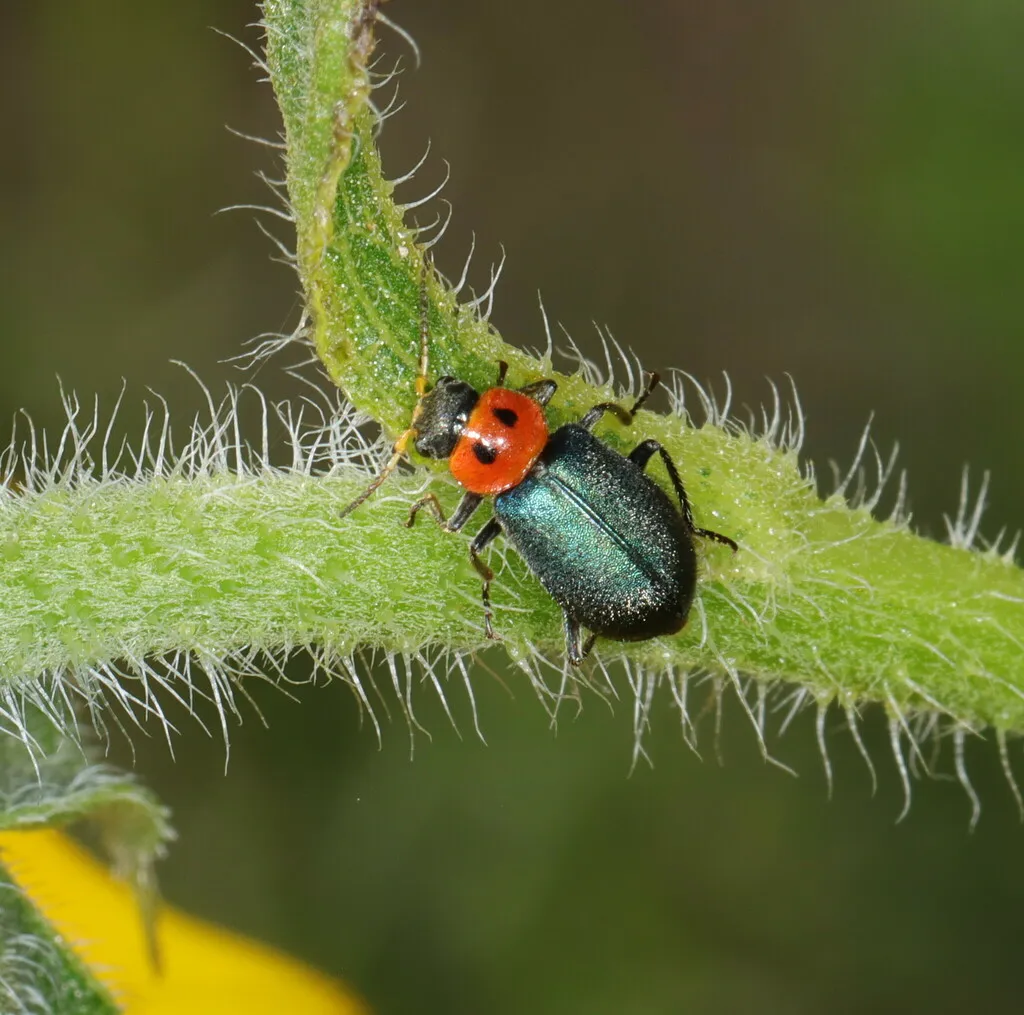
Collops bipunctatus
Collops bipunctatus
Identification: Pronotum red to dull reddish-yellow with two black spots; elytra green-blue to black; pilose overall. third antennomere enlarged in males
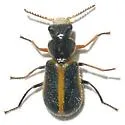
Collops flavicinctus
Collops flavicinctus
Identification: similar, at least in color pattern, to C. limbellus ; the two can be easily distinguished by the erect hairs on the elytra, pale in C. flavicinctus and black in C. limbellus Information on this page is based on Dr. Mayor's comments he
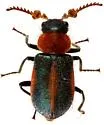
Collops granellus
Collops granellus
Identification: diagnostic feature, small round granules on the elytra: (comment per Adriean Mayor) Type Locality: Chiricahua Mtns, AZ
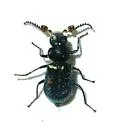
Collops hirtellus
Collops hirtellus
Identification: ?Holotype • var. lucens Fall, syntype
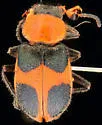
Collops histrio
Collops histrio
Identification: Elytra coarsely punctate, shining; legs black. The male is easily distinguished from its allies by the shape of the first antennal segment and the black legs.
Collops knulli 0
Collops knulli
Identification: Both sexes can be easily separated from our other quadrimaculate species of Collops by the following characters: small size, elytral spots confluent or nearly so, legs pale, head pale anterior to the front margin of the eyes, the pale
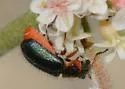
Collops marginicollis
Collops marginicollis
Identification: Type specimen extremely uncommon ― Adriean Mayor
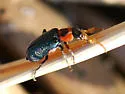
Collops nigriceps
Collops nigriceps
Identification: prothorax black on disc, or immaculate; antennae wholly testaceous in male (last couplet in key, emphasis added) ( 3 ) legs and a large patch on the disc of the prothorax black. The testaceous, tapering antennae of the male, with unus
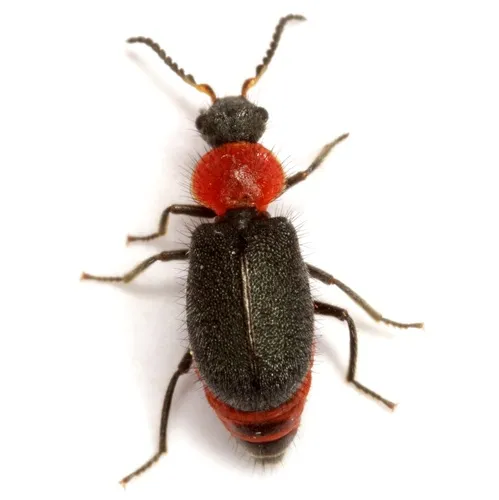
Collops nigritus
Collops nigritus
Identification: species described from a single male coll'ed in AZ. differs from all species with unicolorous elytra by the rather strongly angulated first antennal joint of the male, the densely punctate prothorax, and the black elytra. (Schaeffer,
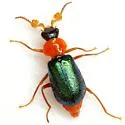
Collops pallipes
Collops pallipes
Identification: shiny unicolorous elytra, pale prothorax, and uniformly pale legs Type Locality: Brownsville, Texas VIII-8-37. D. J. and J. N. Knull, Collrs.
Collops scutellatus 0
Collops scutellatus
Identification: The coloration, the scarcely apically dilated basal joint of antenne, the red scutellum and the more shining elytra will separate this from all previously described maculate species. Red; metasternum and palpi black; head with central
Collops subtropicus 0
Collops subtropicus
Identification: Type matches Collops nigriceps (Say) which Schwarz reported as "common" in FL I find almost no literature records for subtropicus (MAQ, pers. obs. 2025) Type Locality: Jacksonville, FLA (Duval County)
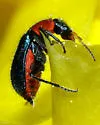
Collops tricolor
Collops tricolor
Identification: Identification of C. nigriceps vs. C. tricolor . This is C. tricolor (Say). Note the relatively smaller 4th antennal segment. Compare with the closeup photo of C. nigriceps male antenna (first photo) in the C. nigriceps set of picture
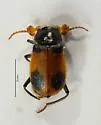
Collops versatilis
Collops versatilis
Identification: coloration exceedingly variable • Holotype
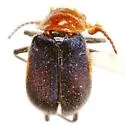
Collops vicarius
Collops vicarius
Identification: Extremely like tricolor and separable with certainty only by the male antennal characters. The basal joint of the male antenna is here much less broadly triangular than in tricolor , being more than 1/2 longer than wide, and the 2d jo
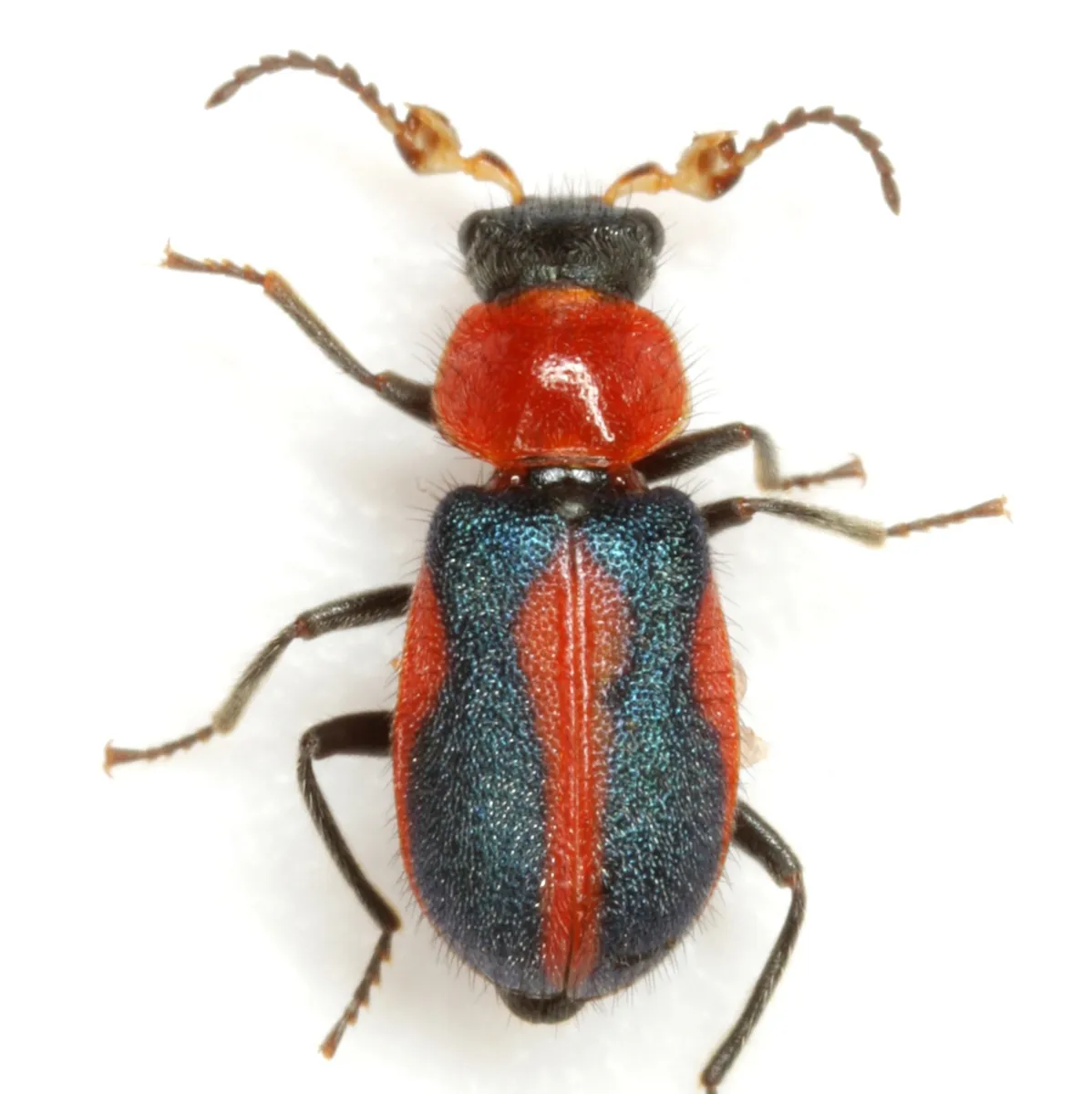
Collops vittatus
Collops vittatus
Identification: Say's original 1824 description indicates pronotum has a large black spot (or two that are confluent), but the discussion in Fall states: "The thoracic spot may be large or small, is often divided into two smaller ones, and is not inf
Colobicus parilis
Colobicus parilis
possibly introduced with crop products; rarely collected
Colopterus niger
Colopterus niger
Identification: Pronotum with oblique sulcus in each hind angle
Colopterus truncatus
Colopterus truncatus
Colopterus truncatus (Colopterus truncatus) is a species in the family Nitidulidae, commonly known as sap-feeding beetles, belonging to the order Coleoptera (Beetles). It is classified within the subfamily Cillaeinae, suborder Polyphaga, superfamily
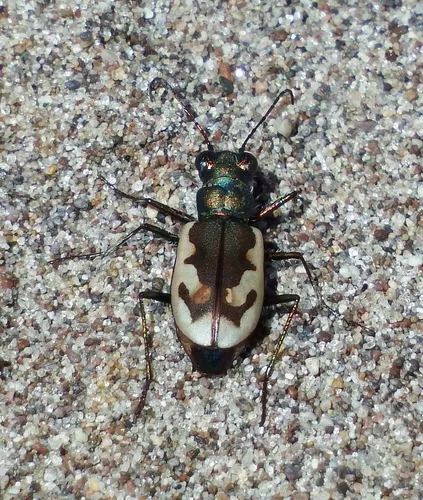
Colorado Dune Tiger Beetle
Cicindela theatina
Cicindela theatina, commonly known as the Great Sand Dunes tiger beetle, is a predatory beetle found in sparsely vegetated sandy habitats. The species' range encompasses only about 290 square kilometres (110 sq mi) in the Great Sand Dunes park in Col
Colymbetes dahuricus
Colymbetes dahuricus
Identification: Ventral surface including legs entirely dark Color generally paler dorsally- pronotum rufous with a medial dark spot
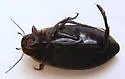
Colymbetes densus
Colymbetes densus
Identification: In this species, the frons is swollen (rather protruding) in front of the eyes (comments by Tim Loh here ).
Colymbetes exaratus
Colymbetes exaratus
Identification: One of the members of the C. sculptilis species complex, which consists of 5-6 similar to identical species; species identification is only reliable from examination of male genitalia (length of adeagus)and in some cases subtle differ
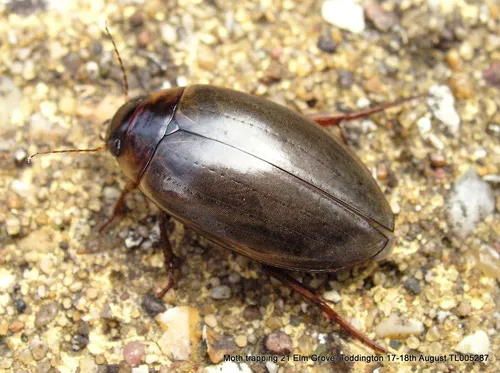
Colymbetes fuscus
Colymbetes fuscus
A large diving beetle (15-19 mm). Although this may look a dark species, the elytra are light straw brown and on close inspection have a network of black, transverse grooves. The beetle is darker brown underneath. The head and neck shield are also br
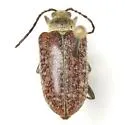
Comacmaeops brunnea
Comacmaeops brunnea
Identification: shows considerable variation as is frequent in this group. One paratype has head, pronotum, for most part, and elytra dark brown; coxae, trochanters and femora dark brown. It differs from other members of the genus in its robust form
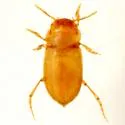
Comal Springs Diving Beetle
Comaldessus stygius
Identification: Diagnosis: Comaldessus stygius differs from all known North American bidessine species by the following combination of characters: Type Locality: TEXAS: Comal County, New Braunfels, Landa Park, Comal Spring 3, net near springhead, 10-
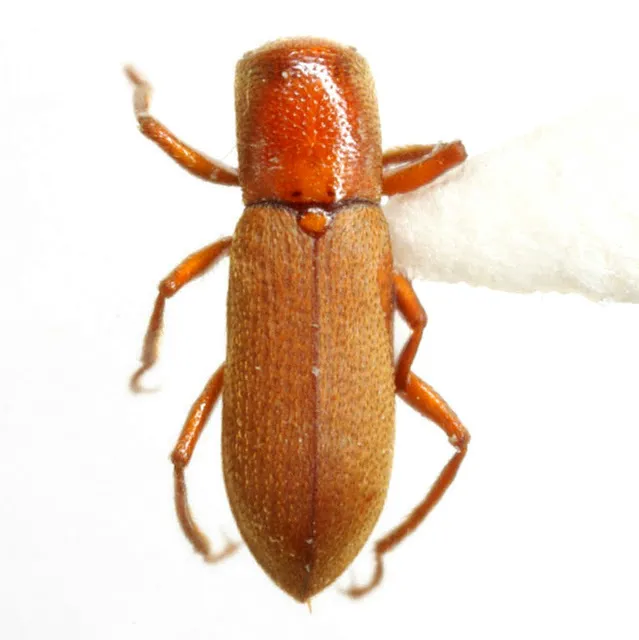
Comal Springs Dryopid Beetle
Stygoparnus comalensis
Identification: vestigial (non-functional) eyes, weakly pigmented, translucent, and thin-skinned. Federally listed endangered species in 1997 , Texas Parks & Wildlife considers this to be a "Species of Greatest Conservation Need" (SGCN) first collect
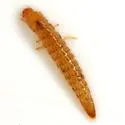
Comal Springs Riffle Beetle
Heterelmis comalensis
Identification: H. comalensis is the smallest of the Heterelmis species (n = 5) in the US, is the only species of Heterelmis with vestigial hind wings, and is flightless (Bosse et al., 1988). Type Locality: Texas, Comal County, Comal River, Landa Par
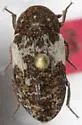
Common Carrion Beetle
Dermestes marmoratus
pest in powdered milk plants and cereal warehouses, most likely feeding on dead insects; carrion, dry animal products
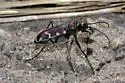
Common Claybank Tiger Beetle
Cicindela limbalis
Identification: color of dorsal surface varies greatly, from brick red to metallic red to reddish-purple to reddish-green, and rarely dull green or brown; elytral markings highly variable: (humeral lunule complete, broken, or rarely absent; middle ba
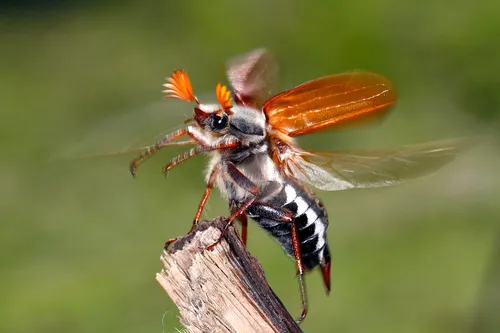
Common Cockchafer
Melolontha melolontha
This large beetle has ribbed wing cases (elytra) that are reddish-brown in colour, and the head and the pronotum are blackish and covered in short hairs. The fan-like antennae are longer in males than females. Frequents hedgerows and gardens. It is a
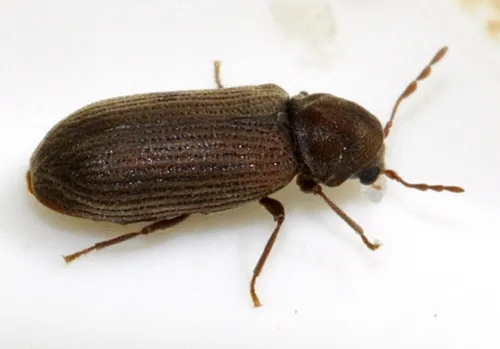
Common Furniture Beetle
Anobium punctatum
Size 3 to 4.5 mm. This all brown beetle has a pronotum resembling a monk's cowl. It has linear and punctuated striae and elytra that are very parallel-sided. Anobium beetles have a groove along the hind coxa that can accomodate the femur. It has a de
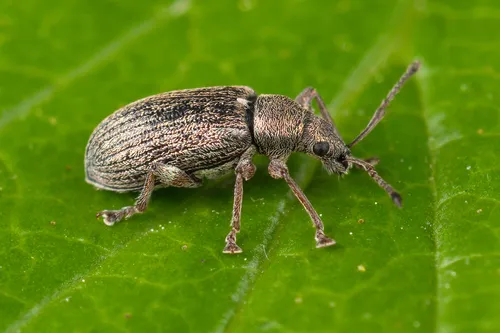
Common Leaf Weevil
Phyllobius pyri
5 to 7 mm. The legs are reddish brown with a strong leg tooth. The elytra are coppery in fresh specimens becoming blacker with age and have a ribbed appearance. This is the only Phyllobius species that has blade-like ridges on its tibiae. The large l
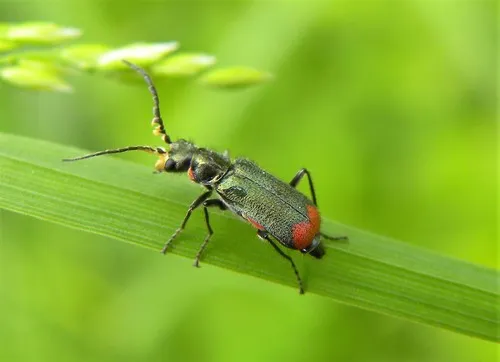
Common Malachite Beetle
Malachius bipustulatus
Length: 5.5-6 mm. Emerald green (can be bronze) elytra with twin red spots. The pronotum is transverse and usually has red margins on the anterior corners. The front of the head between the eyes curves back. Cordylepherus viridis is very similar but
Common Plaster Beetle
Dienerella filum
potential pest of air-conditioning and refrigeration systems ; adults cannot crawl on smooth or vertical surfaces, and often get trapped in sinks/tubs
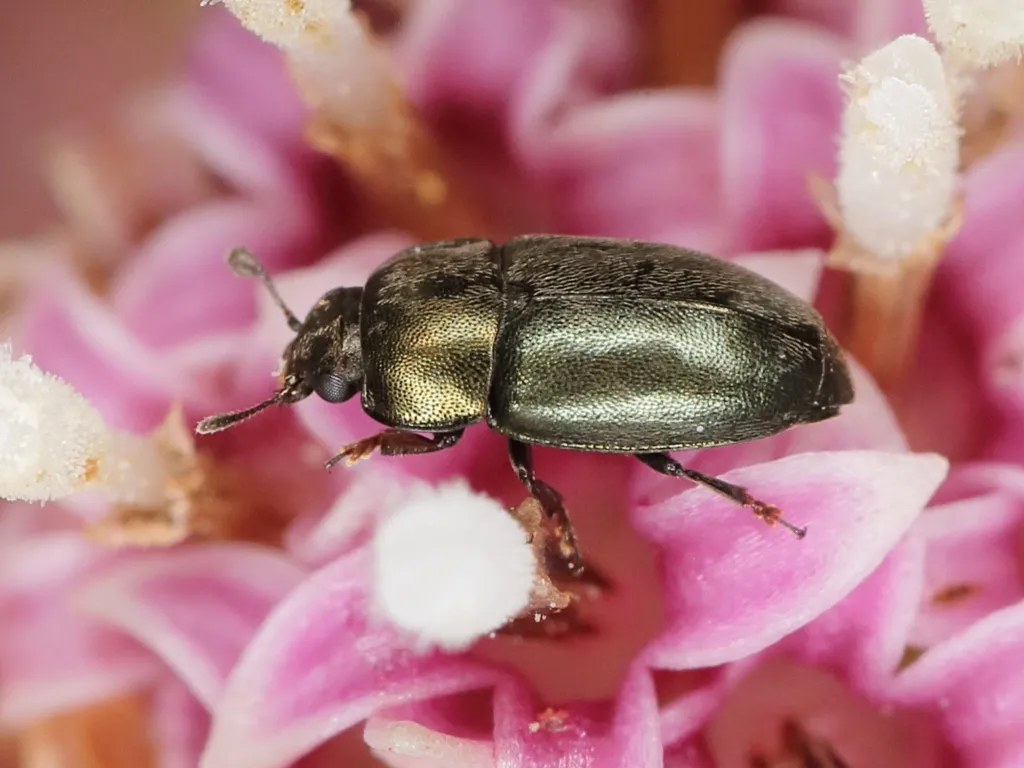
Common Pollen Beetle
Brassicogethes aeneus
Identification: Note slight metallic sheen, and protibiae paler than others (and more slender than in nigrescens ). … Boris Büche, 22 August, 2018
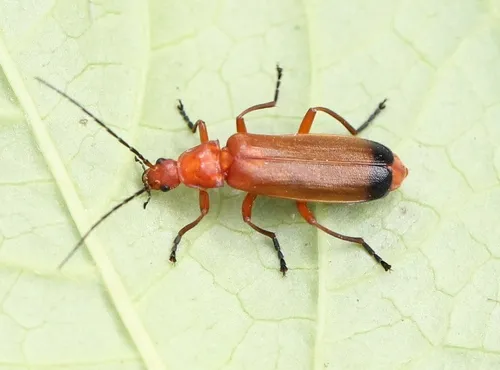
Common Red Soldier Beetle
Rhagonycha fulva
It has a red-orange body with a black tip. Often seen on umbelifer flowers, such as Hogweed and Cow Parsley. They are predatory on other insects visiting the flower they are resting on but also eat nectar and pollen. A very common beetle throughout m
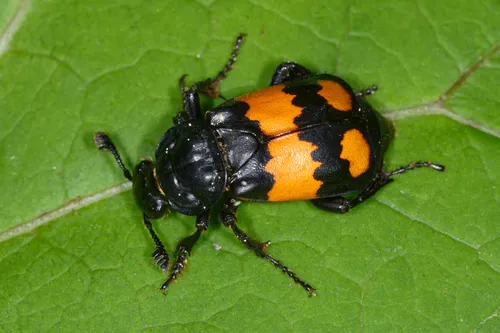
Common Sexton Beetle
Nicrophorus vespilloides
This is a very distinctive and brightly coloured beetle, with black and orange patterning on the elytra. The wing cases are squarish and shorter than the abomen. This beetle is commonly seen at light in gardens, often in company with a related, all b
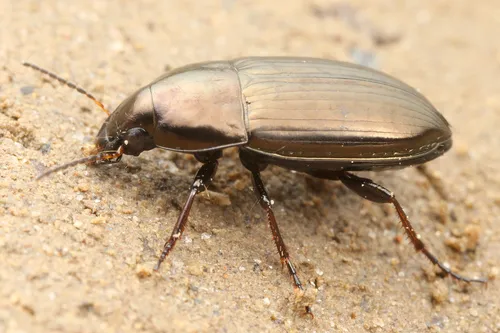
Common Sun Beetle
Amara aenea
Length: 6.5 - 9mm. One of many very similar Amara species, this is one of the most common with an obvious shiny brass/copper appearance. Its legs have black femora and brown tibiae. The scutellary pore is absent and it has fine striae. The antennae a
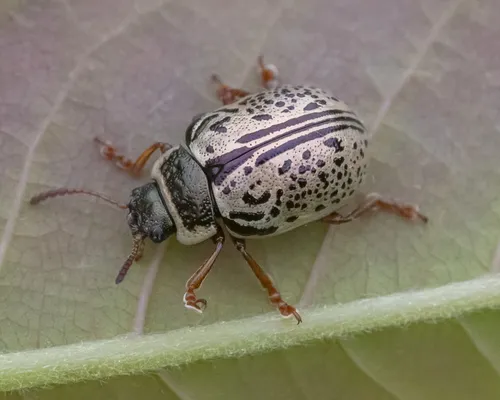
Common Willow Calligrapha
Calligrapha multipunctata
Identification: differs from C. philadelphica primarily in having the pronotum light with some large dark areas, rather than uniformly dark. Also, dark areas including spots are more likely to be dark metallic green in C. philadelphica vs black in C.
Confused Flour Beetle
Tribolium confusum
Identification: see Probably the most serious pest of the genus Tribolium and one of the most economically important beetles These beetles aggregate. At intermediate levels they are randomly distributed. With heavy infestations they are uniformly dis
Coniatus splendidulus
Coniatus splendidulus
"A hyperine weevil which was under consideration for release as a biocontrol agent against tamarisk. However the release was not authorized due to conflict of interest between ranchers who want the tree controlled and the conservationists (in this ca
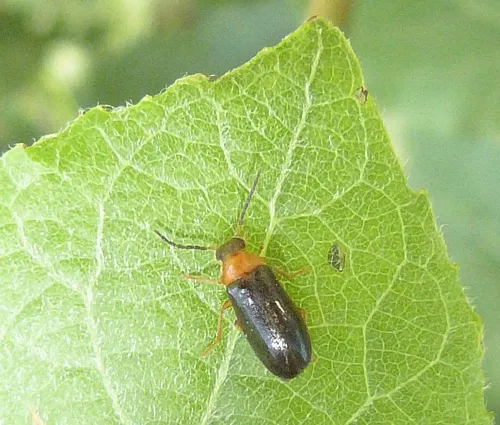
Conopalpus testaceus
Conopalpus testaceus
This is a small beetle (around 9 mm in length) with two colour forms. The standard form is a fairly uniform reddish-brown colour whilst the other form has orange pronotum and legs and dark elytra. Unless identified by a recognised expert, a photo is
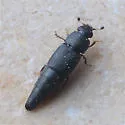
Conotelus mexicanus
Conotelus mexicanus
Identification: Closely related to C. obscurus , but the prothorax is a little narrower, the upper surface more opaque and more rugose, legs and elytra darker, and the male pygidium less deeply emarginate.
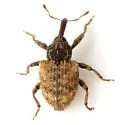
Conotrachelus cameronensis
Conotrachelus cameronensis
Type Locality: Holotype, female, Cameron Co., Texas V-20 in (ELS). Allotype same data in (ELS). Eleven paratypes: 1 Brownsville, Texas V-31-39 DJ & JNK., 1 Brownsville, Tex. V-25-34, JNK., 2 Brownsville, Tex. VI-8-34, JNK., 3 Brownsville, Tex. V-22-3
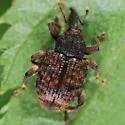
Conotrachelus carinifer
Conotrachelus carinifer
Identification: coarse pronotal punctures, fresh individuals show white shoulders
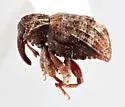
Conotrachelus carolinensis
Conotrachelus carolinensis
Identification: Det. Matt Bertone, 2022 common at lights in e.TX [=v=]
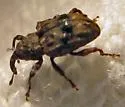
Conotrachelus corni
Conotrachelus corni
Identification: Looks a lot like nenuphar but are much smaller Relatively uncommon. Unless otherwise indicated, the information on this page has been provided by C.W. O'Brien here
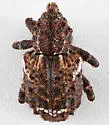
Conotrachelus coronatus
Conotrachelus coronatus
Identification: Det. E. G. Riley, 2008 Type Locality: Enterprise, Florida
Conotrachelus ecarinatus 0
Conotrachelus ecarinatus
Identification: photos of mounted specimens: [A] • [B] • [C] • [D]
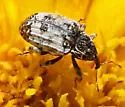
Conotrachelus leucophaeatus
Conotrachelus leucophaeatus
Type locality: Mexico most frequently observed at lights ( 5 )
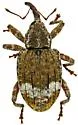
Conotrachelus neomexicanus
Conotrachelus neomexicanus
Identification: Holotype Pattern distinctive, body more elongate than usual (resembling Pissodes sp. )
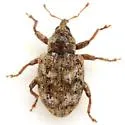
Conotrachelus recessus
Conotrachelus recessus
Type Locality: Atoka, Indian Territory, Atoka Co., Oklahoma
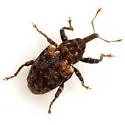
Conotrachelus rubescens
Conotrachelus rubescens
Identification: The small size and the coloration will make this species easily recognizable from any of our Conotrachelus . (Schaeffer 1904) Type Locality: Brownsville, Texas (Esperanza Ranch, San Tomas). The species is not a common one, only a smal
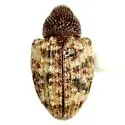
Conotrachelus texanus
Conotrachelus texanus
Type Locality: Esperanza Ranch, Brownsville, Cameron Co., TX (Schaeffer 1906)
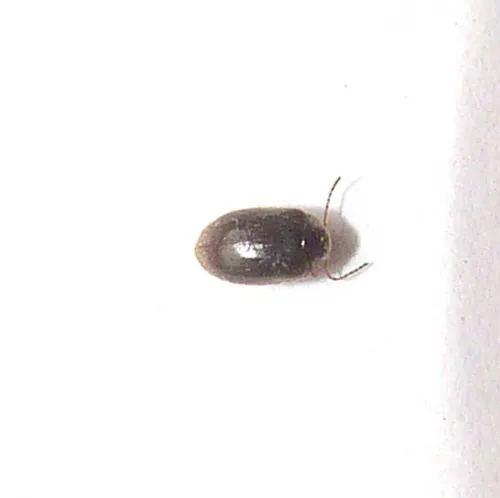
Contacyphon coarctatus
Contacyphon coarctatus
3.5 to 4.5mm. The entire body is usually shiny black or dark brown. Unless identified by a recognised expert, a photo is required and the specimen should be examined with a microscope. In the comments box, state the key or ID method used and describe
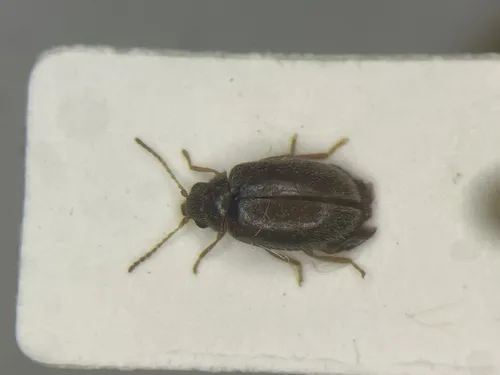
Contacyphon cooperi
Contacyphon cooperi
Identification: Like americanus Pic in form, color, vestiture and punctuation but with the subbasal impression on each elytron transverse, not oblique as in americanus , and the large sub-apical impression also not oblique. The third antennal joint i
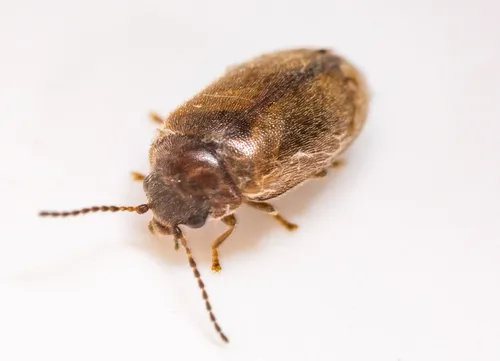
Contacyphon laevipennis
Contacyphon laevipennis
Around ponds and wet areas, sometimes associated with Common Reed (Phragmites australis) but also found where this plant is not present. Widespread and fairly common in suitable areas of Britain. No additional images available for this species.
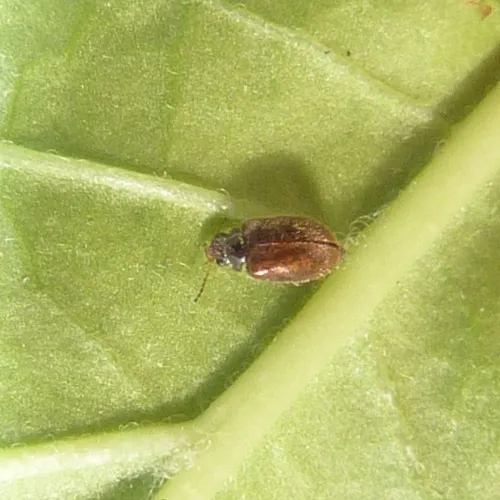
Contacyphon palustris
Contacyphon palustris
A small (approx. 3.3 mm) reddish brown marsh beetle. Favouring damp habitats such as pond margins and wet meadows. No additional images available for this species.
Contacyphon perplexus
Contacyphon perplexus
Identification: Coloration is not reliable for identification; positive identification is only possible based on dissected specimens. Most of the images on the guide page here should be treated as general suggestions, not accurate identifications. sm
Contacyphon punctatus
Contacyphon punctatus
Identification: Male genitalia are diagnostic. Fairly strongly setose and pronotum granulose Det. Brad Barnd, 2023 Type localities: South Carolina and New York Previously considered a synonym of Cyphon variabilis , but genitalia differences led Tetra
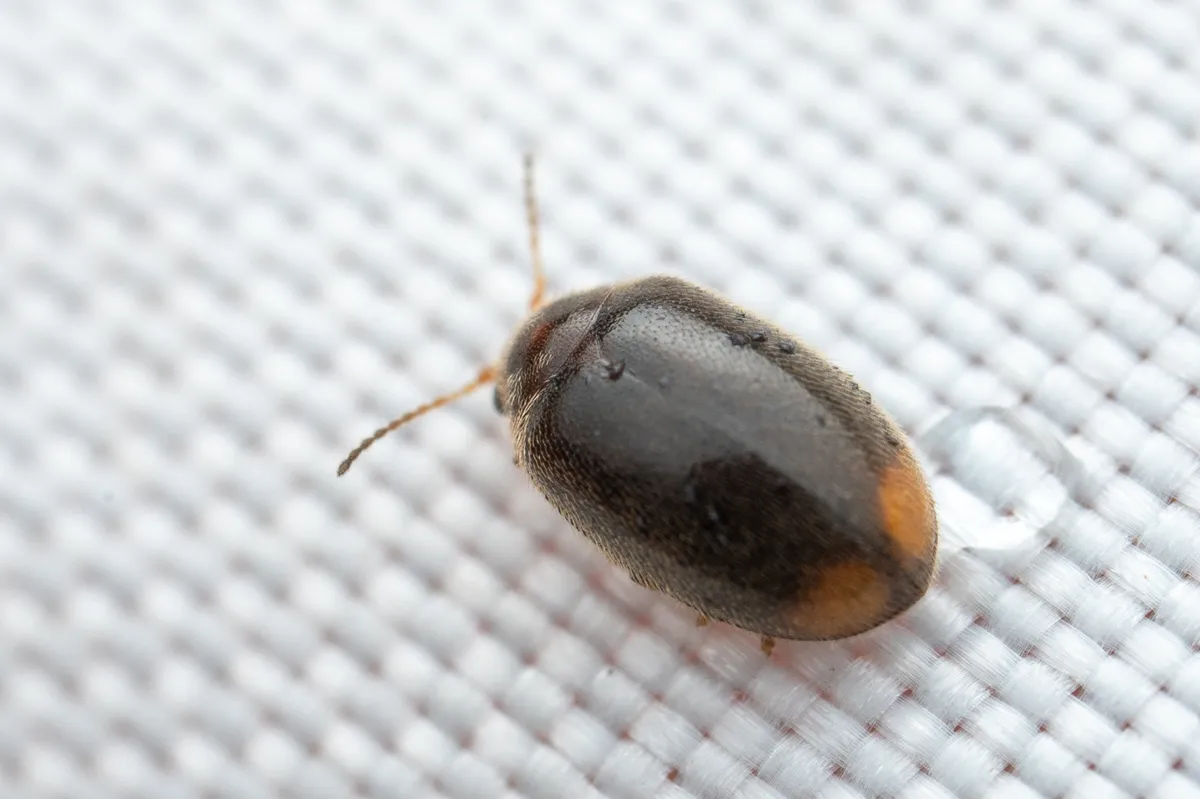
Contacyphon pusillus
Contacyphon pusillus
Identification: Very small, blackish with paler elytral apices
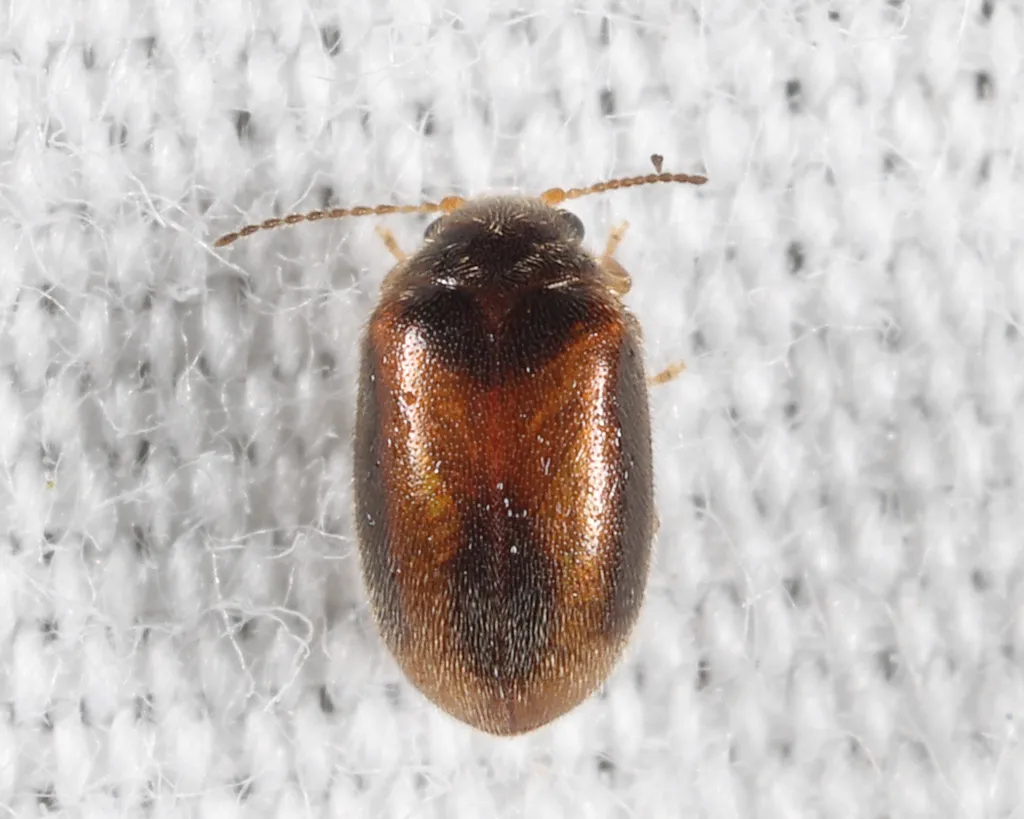
Contacyphon setulipennis
Contacyphon setulipennis
Identification: Coloration is not reliable for identification; positive identification is only possible based on dissected specimens. Most of the images on the guide page here should be treated as general suggestions, not accurate identifications. Kl
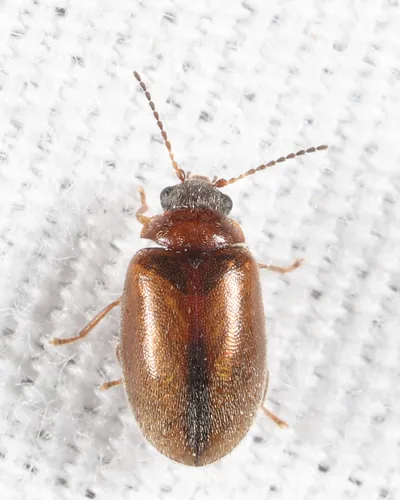
Contacyphon variabilis
Contacyphon variabilis
A small brown marsh beetle. Length 3 to 4 mm. Unless identified by a recognised expert, a photo is required and the specimen should be examined with a microscope. In the comments box, state the key or ID method used and describe the size and identify
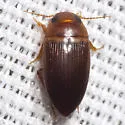
Copelatus caelatipennis
Copelatus caelatipennis
Identification: most specimens with base of elytron pale and contrasting with [slightly] darker color of pronotum and [much darker] remainder of elytron
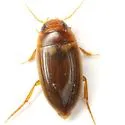
Copelatus debilis
Copelatus debilis
Identification: Elytron with 5 or 6 discal striae; elytral base distinctly paler than disc in most specimens
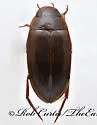
Copelatus distinctus
Copelatus distinctus
Identification: 10 discal striae and longitudinal strioles on lateral portion of pronotum; many striae are commonly reduced or absent, especially in males
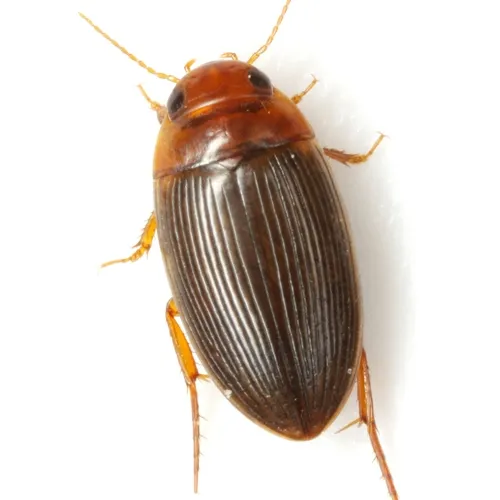
Copelatus glyphicus
Copelatus glyphicus
Identification: Adult: pale yellowish brown to reddish brown, ventral surface darker. Body with fine, moderately dense punctation dorsally. Pronotum with lateral bead complete. Each elytron with short sulcus near margin plus 10 complete sulci. Venter
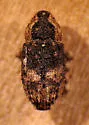
Cophes fallax
Cophes fallax
Cophes fallax (Cophes fallax) is a species in the family Curculionidae, commonly known as snout and bark beetles, belonging to the order Coleoptera (Beetles). It is classified within the subfamily Cryptorhynchinae, tribe Gasterocercini, suborder Poly
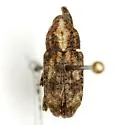
Cophes longiusculus
Cophes longiusculus
Identification: readily separated from all other species in the genus from the area under consideration, by the very elongate form and the bidentate anterior femora.
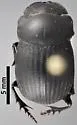
Copris howdeni
Copris howdeni
Identification: males hornless; elytral intervals flat, more densely punctate than in C. fricator (punctures separated by about their diameter) Mostly collected at lights
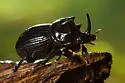
Copris remotus
Copris remotus
Identification: syntype Protibial apical spur abruptly bent inward just before apex (Kohlmann et al. 2003)
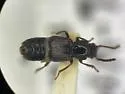
Coprophilus castoris
Coprophilus castoris
Identification: Similar to C. striatulus , which has the posterior portion of the elytra much more rugose. Holotype
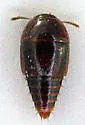
Coproporus laevis
Coproporus laevis
Identification: More or less unicolorous, pronotum smooth (lacking punctures & microsculpture), elytra with deep impression laterally and mostly impunctate except around the lateral impression.
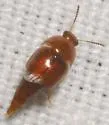
Coproporus rutilus
Coproporus rutilus
Type locality. - Originally cited from "Americae ins. Puerto Rico et St. Thomae, in Columbia." (Blackwelder 1938)
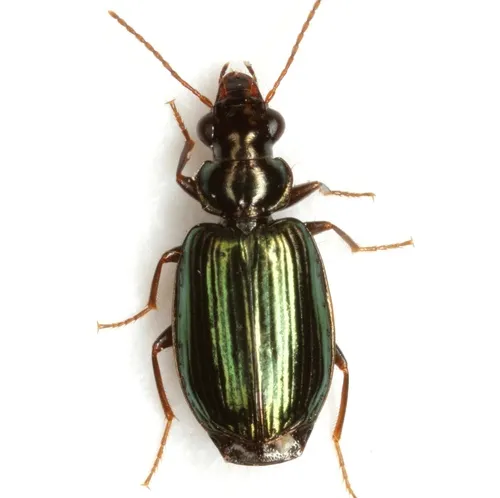
Coptodera aerata
Coptodera aerata
Coptodera aerata is a species of ground beetle in the family Carabidae. It is found in North America.
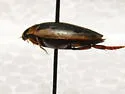
Coptotomus longulus
Coptotomus longulus
Identification: reliably distinguished by broad metasternal wing (narrowest width between mesocoxa and edge of metacoxal plate) of 0.35 mm or greater
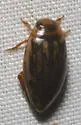
Coptotomus venustus
Coptotomus venustus
Identification: Labial and maxillary palpi notched apically; last abdominal sternite without a pair of medial parallel grooves; elytra without dense sculpture of irregular grooves
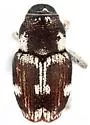
Copturomorpha rileyi
Copturomorpha rileyi
Identification: Allotype Texas considers this a SGCN ( 3 )
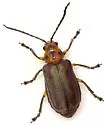
Coraia subcyanescens
Coraia subcyanescens
Type Locality: Brownsville, Cameron Co., Texas (Schaeffer 1906)
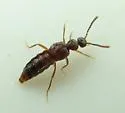
Cordalia obscura
Cordalia obscura
Identification: see earliest record in our area: PA before 1906