
Primitive Winged Insects
Order Coleoptera
The Primitive Winged Insects (Order Coleoptera) includes 15,720 species across 160 families and 3,716 genera in our directory.
About Primitive Winged Insects
Coleoptera is the largest order of insects with over 400,000 described species, representing ~25% of all known animal species and ~40% of all insects. In the U.S. alone, nearly 30,000 beetle species have been identified.
Economic Impact
Beetles have major economic significance: leaf beetles (Chrysomelidae) and weevils (Curculionoidea) are among the most destructive agricultural pests globally, costing billions annually, while predatory species like ladybugs provide natural pest control.
Ecological Role
Beetles are prominent decomposers, especially in forests, breaking down dead wood and recycling nutrients. As predators, they reduce populations of pest insects. Many species are also important pollinators of flowering plants.
Families in Coleoptera (160)
Species in Coleoptera (15,720)
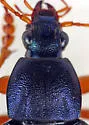
Chlaenius laticollis
Chlaenius laticollis
Identification: Among other differences, pronotum is duller dark bluish compared to that of bright metallic green in C. sericeus
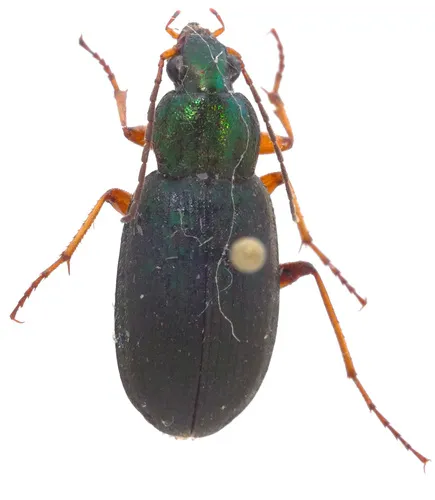
Chlaenius nebraskensis
Chlaenius nebraskensis
Chlaenius is a large and diverse genus of ground beetle. It is native to the Palearctic (including Europe), the Near East, North Africa, Afrotropical region, and the Nearctic. Worldwide, roughly 1,000 species are currently recognized with the majorit
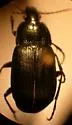
Chlaenius purpuricollis
Chlaenius purpuricollis
Identification: adult habitus This relatively small chlaeniine had been rarely collected until pitfall trapping showed that it is common in alvars, which are flat, relatively open grassy areas with shallow or sporadic soil cover over calcareous bedro
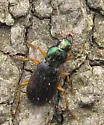
Chlaenius pusillus
Chlaenius pusillus
Identification: Small compared to most congeners, plus long jaws
Chlaenius ruficauda
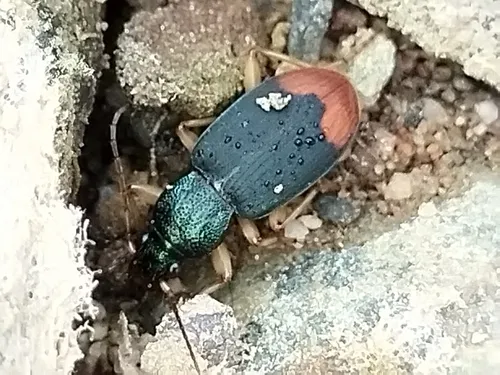
Chlaenius ruficauda
Chlaenius is a large and diverse genus of ground beetle. It is native to the Palearctic realm (including Europe, the Near East, and North Africa), Afrotropical realm, and Nearctic realm. Worldwide, roughly 1,000 species are currently recognized with
Chlaenius texanus
Chlaenius texanus
Type locality: Brownsville, Cameron Co., TX quite common in Brazos Co., TX. =v=
Chlaenius tomentosus
Chlaenius tomentosus
Identification: browner than most Chlaenius spp., and the pronotum wider than most Chlaenius spp. Det. M. A. Quinn, 2015
Chlaenius vafer
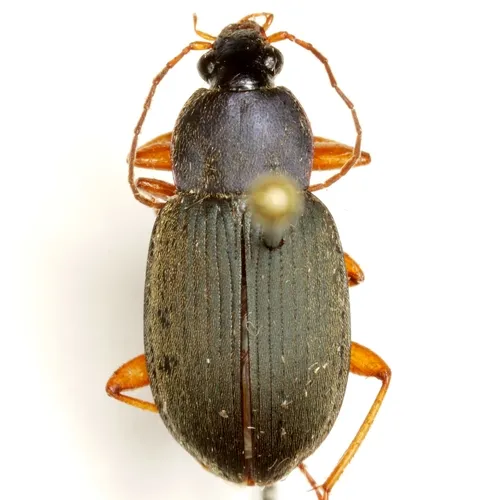
Chlaenius vafer
Chlaenius vafer is a species of ground beetle in the family Carabidae. It is found in North America.
Chlaenius vestitus
Chlaenius vestitus
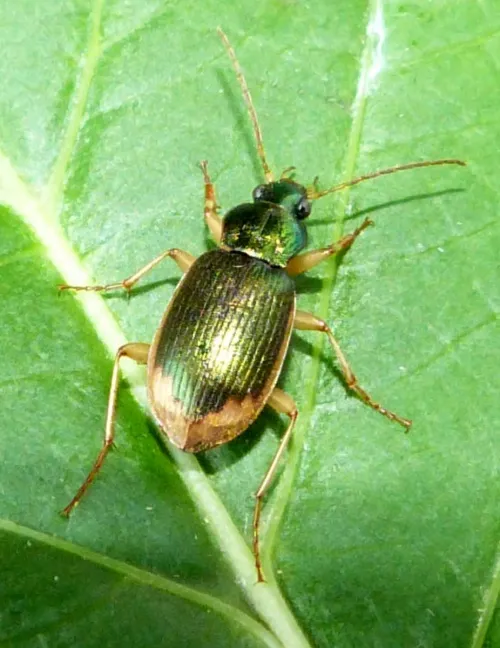
Length 8.5 to 11mm. A metallic green beetle with orangey-yellow patches at the ends of the elytra. Usually found in marshes, reedbeds and on the edges of ponds and lakes. Widespread and fairly frequent in the southern half of Britain No additional im
Chlaenius viduus
Chlaenius viduus
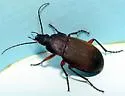
Identification: Orange femora & black tibiae & tarsi
Chlamisus arizonensis
Chlamisus arizonensis
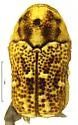
per one spmn's label data: asso. w/ silverleaf oak ( Quercus hypoleucoides , Fagaceae). ( 3 )
Chlamisus foveolatus
Chlamisus foveolatus
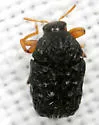
Identification: Elytra and pronotum black, legs, antennae, clypeus , and frons orange.
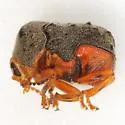
Chlamisus maculipes
Chlamisus maculipes
Identification: This species is the most distinctive of the Chlamisini found in America north of Mexico. The head, antennae, and most of the ventral surfaces and legs are bright orange. This species exhibits pronounced sexual dimorphism of a type whi
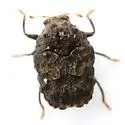
Chlamisus quadrilobatus
Chlamisus quadrilobatus
Identification: "...color dark cupreous, antennae, labrum, tarsi and tibiae in about apical half reddish." "...readily known from the other cupreous North American Boloschesis by the coloration of the tibiae and tarsi and the different sculpture of p
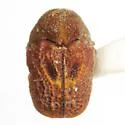
Chlamisus texanus
Chlamisus texanus
Identification: The color, sculpture and form of thorax and the almost entire absence of tubercles on the elytra makes this an easily recognizable species. (Schaeffer 1906) Type: "Brownsville, Texas, one specimen collected by the late Ottomar Dietz,
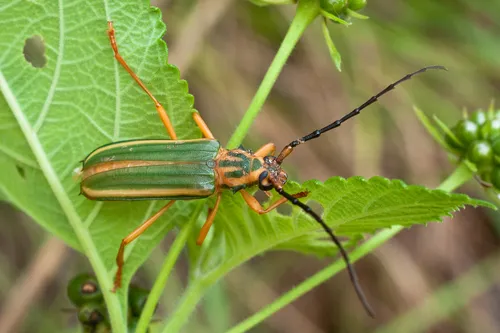
Chlorida festiva 0
Chlorida festiva
Chlorida festiva is a species of beetle in the family Cerambycidae. It was described by Linnaeus in 1758. It is known from southeastern United States, Central America, South America, and the West Indies.
Chlorixanthe propinqua
Chlorixanthe propinqua
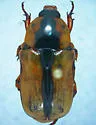
Type Locality of Synonym: Big Bend National Park, Brewster Co., TX, June 17, 1937, Rollin H. Baker (Cartwright, 1939); Chisos Mountains, BBNP, 4000' to 6400', on Opuntia and sotol: Panther Junction & Green Gulch, H. Howden (Howden, 1960); Pine Canyon
Choleva angustata
Choleva angustata
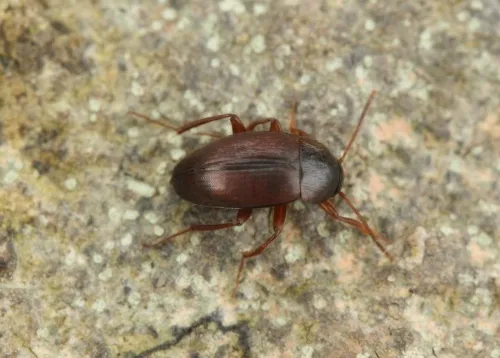
Length about 5 mm and brown in colour. Choleva beetles have long legs and antennae. There are several similar species and precise identification may need detailed examination. Unless identified by a recognised expert, a photo is required and the spec
Choleva oblonga
Choleva oblonga
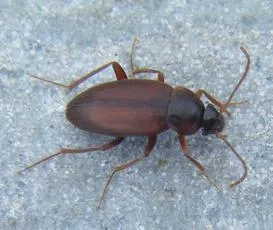
Choleva beetles have long legs and antennae. There are several similar species and precise identification may need detailed examination - if we cannot be certain that an image is Choleva oblonga but it is likely to be this species, it is highlighted
Choleva spadicea
Choleva spadicea
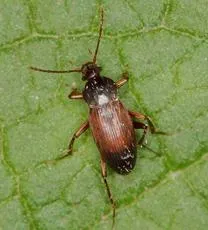
Choleva beetles have long legs and antennae but are hard to distinguish. This specimen is likely to be Choleva spadicea but this has not been confirmed They mainly live in the burrows of mammals or in bird nests Widespread in England, but it is diffi
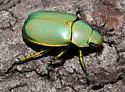
Chrysina woodi
Chrysina woodi
Identification: purple tarsi are unique to C. woodii apparently diurnal, although some individuals are attracted to lights at night. considered by New Mexico to be a SGCN ( 3 )
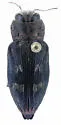
Chrysobothris adelpha
Chrysobothris adelpha
Identification: can be distinguished from C. femorata by the acutely notched clypeus, male genitalia, and male antenna narrowed to apex (J.P. Basham, 24.vi.2006)
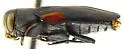
Chrysobothris axillaris
Chrysobothris axillaris
Identification: Type specimen Easily confused with Ch. acaciae (pronotum bicolored) and C . humilis (profemur unarmed) males
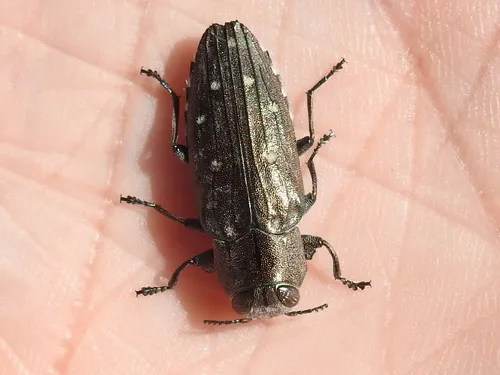
Chrysobothris basalis
Chrysobothris basalis
Chrysobothris basalis is a species of metallic wood-boring beetle in the family Buprestidae. It is found in Central America and North America.
Chrysobothris beameri
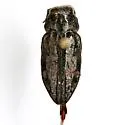
Chrysobothris beameri
Type Locality: Big Bend National Park, Brewster Co., TX
Chrysobothris breviloba
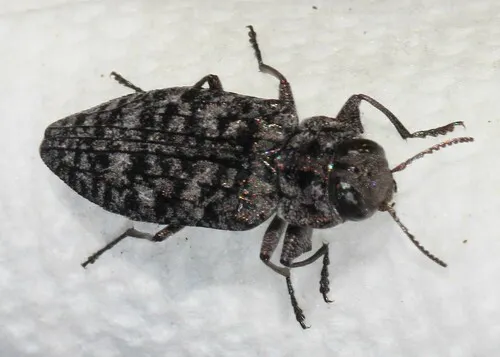
Chrysobothris breviloba
Chrysobothris breviloba is a species of metallic wood-boring beetle in the family Buprestidae. It is found in North America.
Chrysobothris convexa
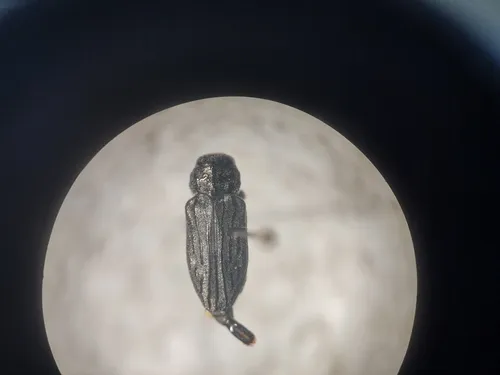
Chrysobothris convexa
Two major taxonomic characters...together serve to distinguish C. convexa from all other known species of Chrysobothris from the United States. First the clypeus is strongly elevated basally...giving the clypeus a deflexed appearance...The second cha
Chrysobothris culbersoniana
Chrysobothris culbersoniana
Identification: From Knull: This species should be placed near C. deleta Lec. according to Fisher's arrangement of the genus. Lack of pubescence on elytra and prosternal lobe separate it from the closely allied forms , though see the comments from co
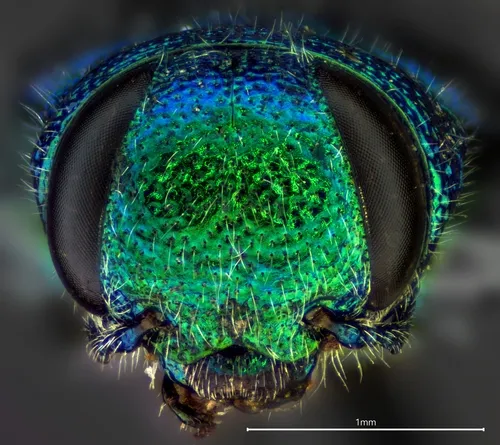
Chrysobothris cyanella
Chrysobothris cyanella
Chrysobothris cyanella is a species of metallic wood-boring beetle in the family Buprestidae. It is found in North America.
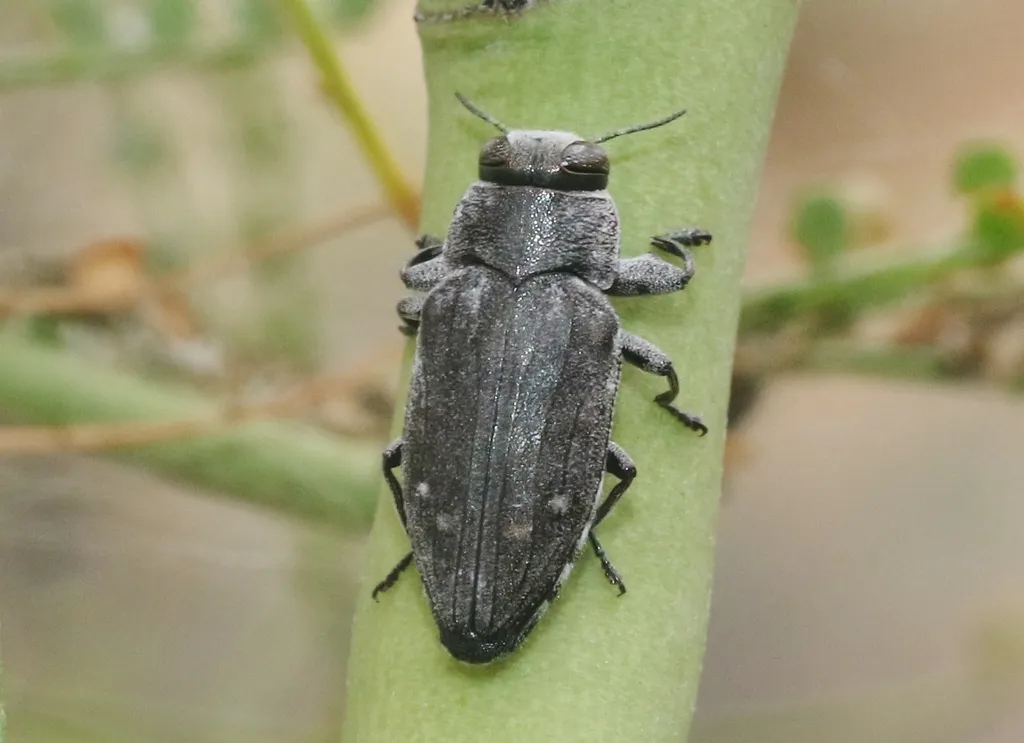
Chrysobothris edwardsii
Chrysobothris edwardsii
Chrysobothris edwardsii is a species of metallic wood-boring beetle in the family Buprestidae. It is found in Central America and North America.
Chrysobothris ephedrae
Chrysobothris ephedrae
Chrysobothris ephedrae ephedrae Knull - TL: Las Cruces, NM (Knull 1942) Chrysobothris ephedrae vogti Knull - TL: 5 mi. W. Sullivan City, Starr Co., TX (Knull 1964)
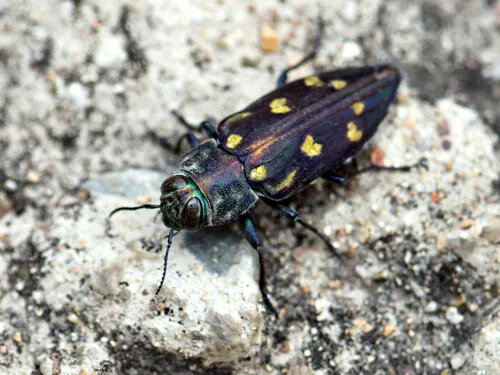
Chrysobothris gemmata
Chrysobothris gemmata
Chrysobothris gemmata is a species of metallic wood-boring beetle in the family Buprestidae. It is found in Central America and North America.
Chrysobothris humilis
Chrysobothris humilis
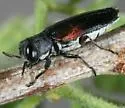
Identification: Rick Westcott says it is likely the male of Ch. humilis . This species exhibits one of the more extreme examples of sexual dichroism found in the Buprestidae . Males (black with red humeral patches) mimic models of the beetle subfamil
Chrysobothris lixa
Chrysobothris lixa
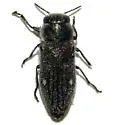
Identification: Body subcylindrical, elytra distinctly setoes, pronotum without median depression, and profemur toothed.
Chrysobothris lucana
Chrysobothris lucana
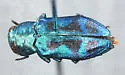
Chrysobothris lucana (Chrysobothris lucana) is a species in the family Buprestidae, commonly known as metallic wood-boring beetles, belonging to the order Coleoptera (Beetles). It is classified within the subfamily Buprestinae, tribe Chrysobothrini,
Chrysobothris mescalero
Chrysobothris mescalero
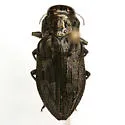
Identification: PARATYPE Type Locality: Hwy 385 rest stop, 28 mi S Ft. Stockton, Pecos Co., TX
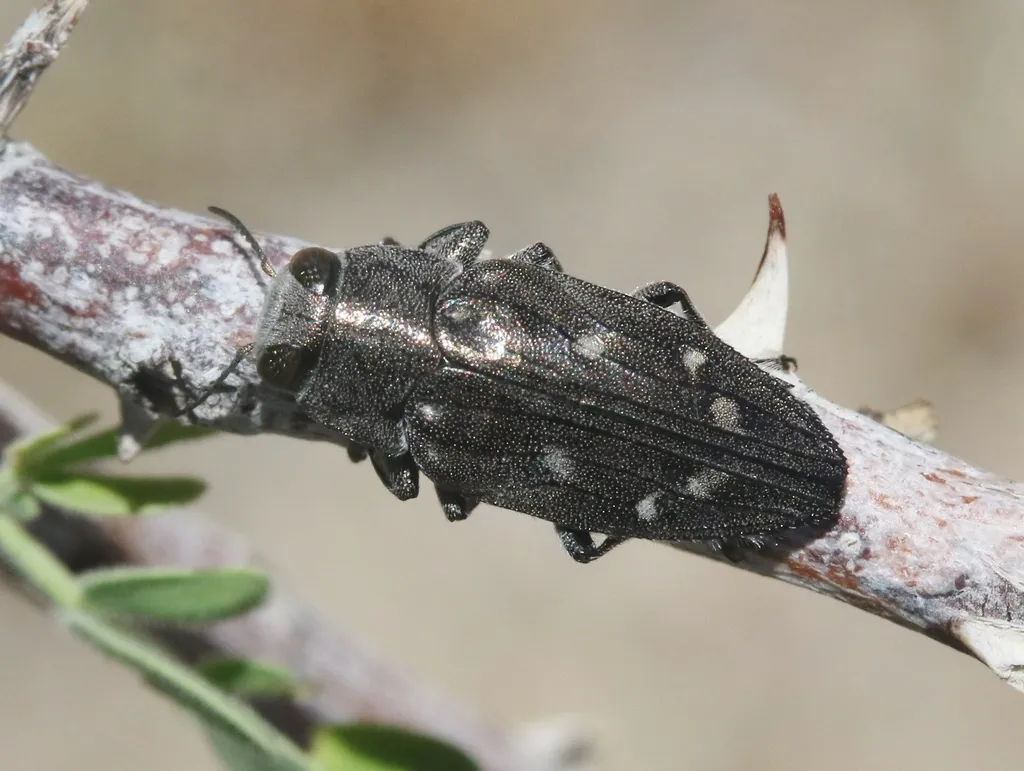
Chrysobothris peninsularis
Chrysobothris peninsularis
Chrysobothris peninsularis is a species of metallic wood-boring beetle in the family Buprestidae. It is found in Central America and North America.
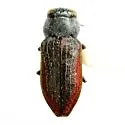
Chrysobothris pubilineata
Chrysobothris pubilineata
Identification: PARATYPE - Starr Co., TX recap: described from 3 spmns coll'ed in 1947 in Starr Co., Texas. (Vogt 1949a) one additional spmn coll'ed in 1965 in Hidalgo Co., New Mexico.
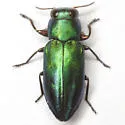
Chrysobothris purpureoplagiata
Chrysobothris purpureoplagiata
Identification: Note reddish-copper color on the forelegs. (per Richard L. Westcott, 23 September, 2013) Type Locality: Florence, Pinal Co., AZ
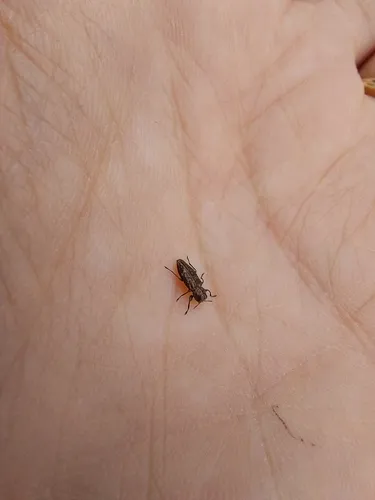
Chrysobothris pusilla
Chrysobothris pusilla
Chrysobothris pusilla is a species of metallic wood-boring beetle in the family Buprestidae. It is found in North America.
Chrysobothris quadriimpressa
Chrysobothris quadriimpressa
Identification: usually smaller than C. femorata , with male frons lighter green a common oak inhabiting species
Chrysobothris rotundicollis
Chrysobothris rotundicollis
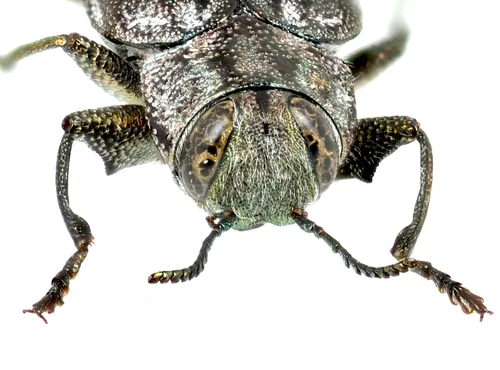
Chrysobothris rotundicollis is a species of metallic wood-boring beetle in the family Buprestidae. It is found in North America.
Chrysobothris rugosiceps
Chrysobothris rugosiceps
Identification: Last antennomere quadrate (narrowed in the rest of the Ch. femorata complex) ; males often have yellow below and females more reddish with less yellow (J.P. Basham, 7.xi.2009)
Chrysobothris subcylindrica
Chrysobothris subcylindrica
Chrysobothris subcylindrica (Chrysobothris subcylindrica) is a species in the family Buprestidae, commonly known as metallic wood-boring beetles, belonging to the order Coleoptera (Beetles). It is classified within the subfamily Buprestinae, tribe Ch
Chrysobothris verdigripennis
Chrysobothris verdigripennis
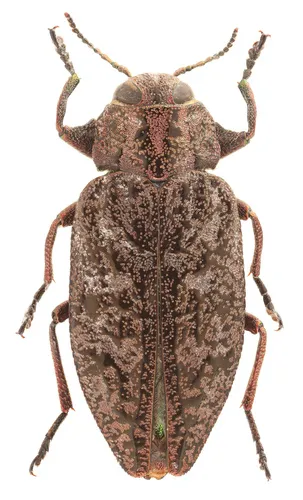
Chrysobothris verdigripennis is a species of metallic wood-boring beetle in the family Buprestidae. It is found in North America.
Chrysolina bankii
Chrysolina bankii
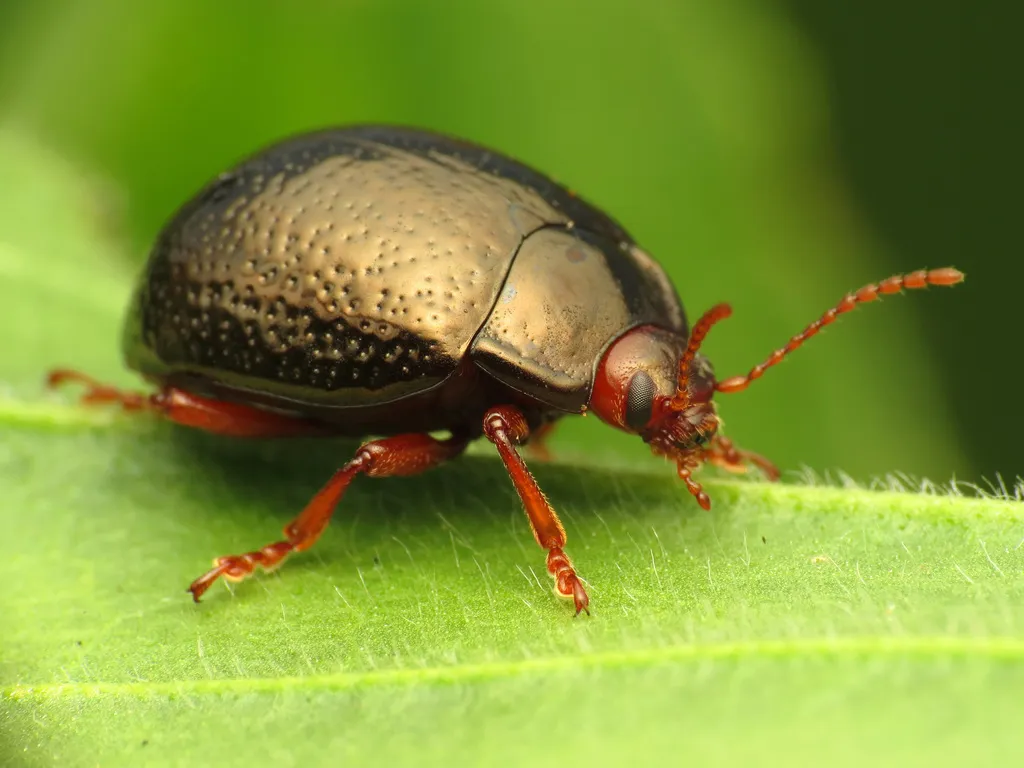
Identification: Chrysolina bankii is a dark-bronze beetle, 7–11 mm in length with reddish legs and antennae.
Chrysolina flavomarginata
Chrysolina flavomarginata
Identification: sides of the elytra flavous Det. V. Belov, 2024
Chrysolina hyperici
Chrysolina hyperici
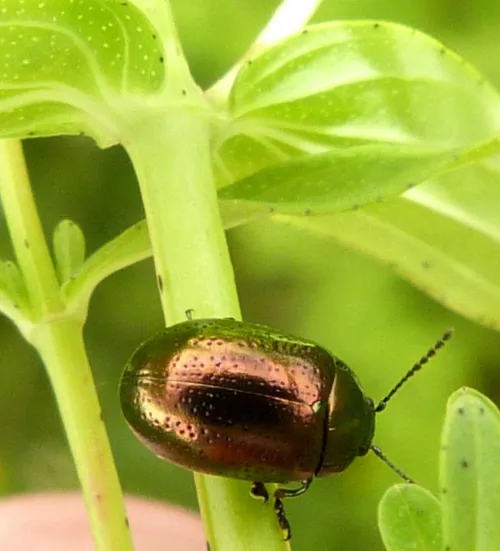
Around 5mm in length. The elytra have a maroon/purple iridescent sheen and a domed appearance, studded by tiny dimples. Associated with Perforate St John's Wort ( Hypericum perforatum ). The larvae feed during the night on shoot tips and basal and de
Chrysolina oricalcia
Chrysolina oricalcia
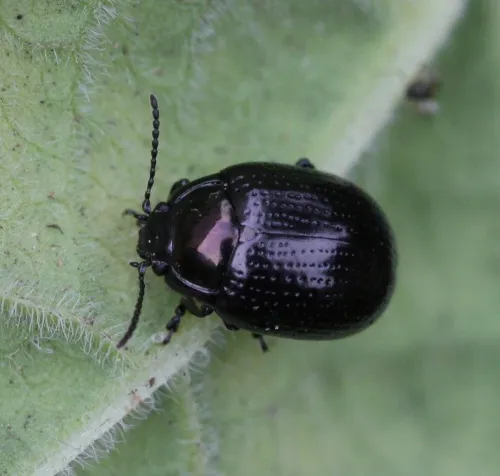
The elytra are black and have a generally domed appearance, studded by tiny dimples. Found in hedgerows, roadside verges and woodland rides, favouring umbellifer flowers such as Cow Parsley and Hogweed. Around mid summer is the peak period of adult a
Chrysolina polita
Chrysolina polita
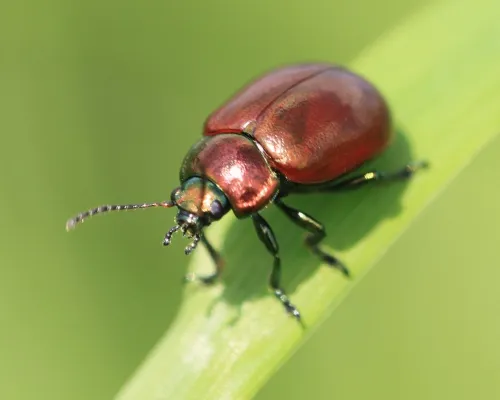
Length 6.5 to 8.5 mm. Conspicuous with its shiny red-chestnut elytra and dark metallic green pronotum. Amongst the foliage of trees and bushes. Fairly common and widespread in England and Wales, fewer records from Scotland.
Chrysolina staphylaea
Chrysolina staphylaea
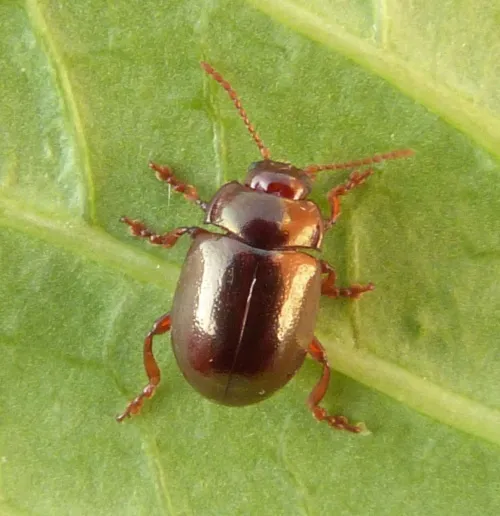
Length about 9.5 mm. This is a mid brown coloured beetle. Well vegetated areas, even deciduous woodland. In common with other members of the family it is a leaf feeding species. Widespread but sometimes local in Britain.
Chrysolina sturmi
Chrysolina sturmi
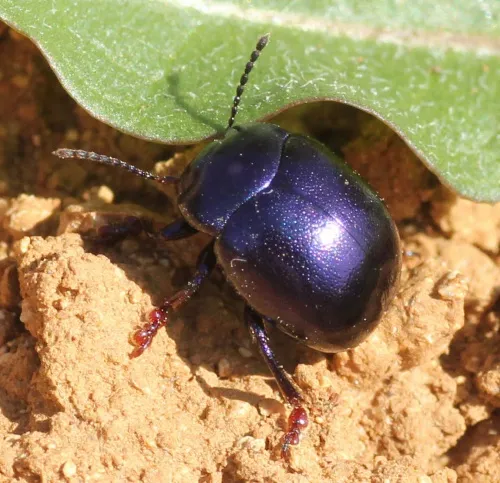
This is a beautiful species, the head, pronotum and elytra are metallic purple. It superficially resembles Timarcha goettingensis, but whilst the femora and tibiae of Chrysolina sturmi are metallic purple, the tarsi are orange-brown. The adults are f
Chrysolina varians
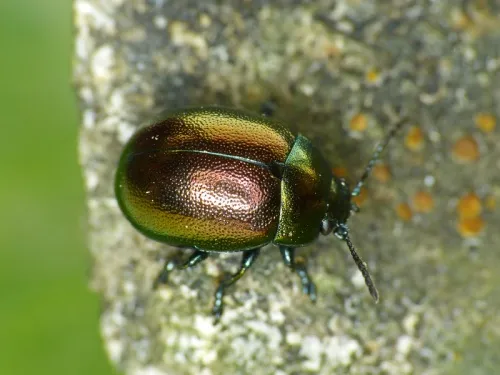
Chrysolina varians
Size 4 to 6 mm. A variable leaf beetle, usually reddish or greenish bronze in colour with finely punctate elytra. Widespread and fairly frequent in Britain. No additional images available for this species.
Chrysomela falsa
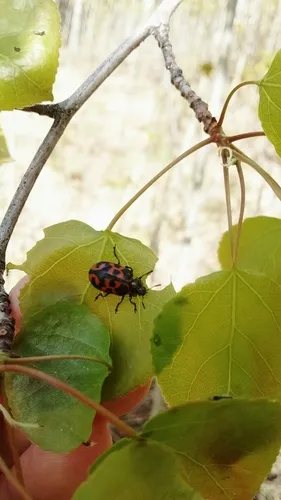
Chrysomela falsa
Chrysomela falsa is a species of leaf beetle in the family Chrysomelidae. It is found in North America.
Chrysomela mainensis
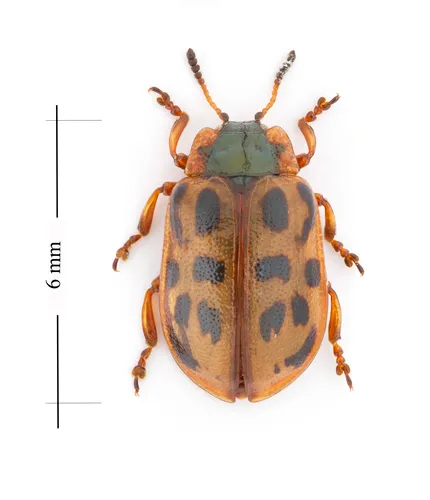
Chrysomela mainensis
Chrysomela mainensis is a species of leaf beetle in the family Chrysomelidae. It is found in North America.
Chrysomela texana
Chrysomela texana
Identification: Head, pronotum, and legs entirely reddish-yellow or virtually so The head and prothorax is generally reddish with metallic tint and the elytra are usually as heavy or heavier marked than in typical scripta . Det. E. G. Riley, 2009 Typ
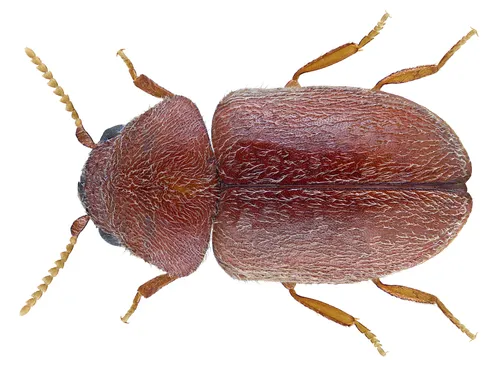
Cigarette Beetle
Lasioderma serricorne
Identification: Following combination will separate L. serricorne from other species of the genus: Body entirely reddish, hairs on pronotum recumbent, not distinctly parted in middle, elytra with some hairs longer and more erect, anterior tibiae wide
Ciliate Dune Beetle
Coelus ciliatus
Identification: Though this species varies morphologically from extreme southern (Ensenada, Baja Calif., Mexico) to extreme northern populations (Vancouver, B.C., Canada), the characters distinguishing this species from other in this genus are: A pro
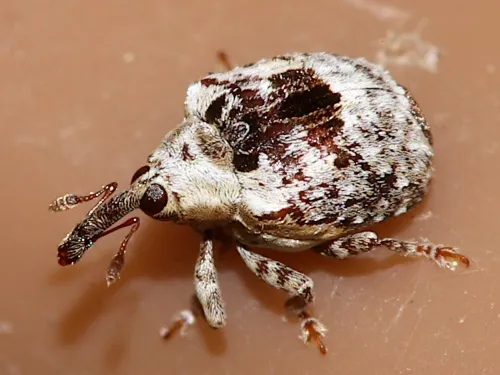
Cionus alauda
Cionus alauda
A small (3 mm) light coloured weevil with a distinctive dark brownish patch on the elytra behind the pronotum, and another near the tip. This species is relatively easy to identify and is unlikely to be confused with anything else. However a photo is
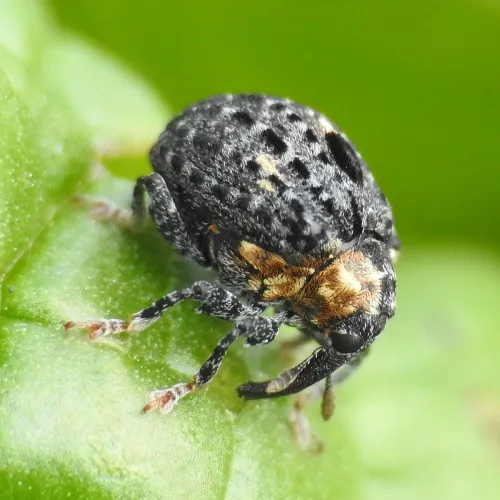
Cionus tuberculosus
Cionus tuberculosus
About 4 mm in length it is very dark, almost black with orange tarsi and orange-yellow scales at the side of the pronotum which are diagnostic.. Unless identified by a recognised expert, good photos are required that show the key ID features. Also st
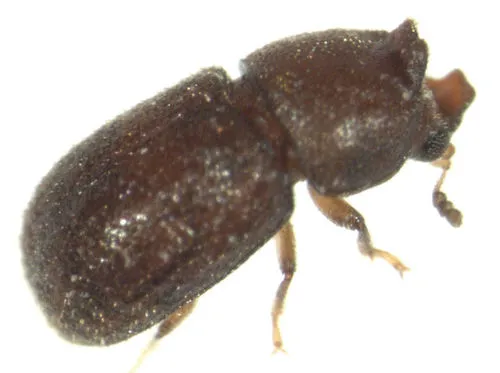
Cis bilamellatus
Cis bilamellatus
This small brown beetle rarely exceeds 2 mm in length. Males may be identified by the broad erect plates on the clypeus and anterior margin of the pronotum, these vary greatly in size and this is not proportional to the size of the specimen, sometime
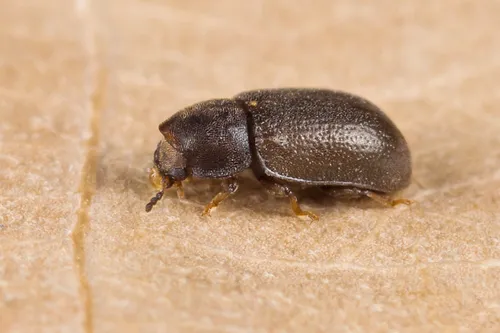
Cis boleti
Cis boleti
A small (3 or 4 mm) uniformly brown beetle. Around tree stumps or dead wood with an amount of fungus growth. Widespread and fairly frequent in the southern half of Britain. No additional images available for this species.
Cis ephippiatus
Cis ephippiatus
Identification: Elytra with dual puncturation, short and decumbent setae, usually lighter basally and to tip; pronotum not very densely punctured; male sexual features rather weak.
Cis okennoni
Cis okennoni
Type Locality: Texas: Tarrant Co. Fort Worth Nature Center N 32.8285, W –97.4629 21 December 2016 ex Xylobolus frustulatus on post oak log. col. B. O'Kennon
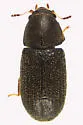
Cis striatulus
Cis striatulus
Identification: pronotal front angles not produced, side margin narrow; elytral punctation dual, larger punctures in irregular rows; elytral vestiture short and indistinctly dual, longer hairs seriate
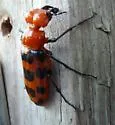
Cissites auriculata
Cissites auriculata
First U.S. Record TEXAS: Brewster Co., Big Bend Nat'l Park, 1988
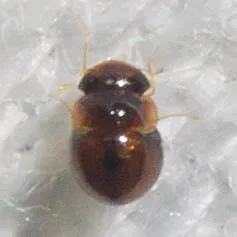
Clambus gibbulus
Clambus gibbulus
earliest record in our area: "Lake Superior" before 1850
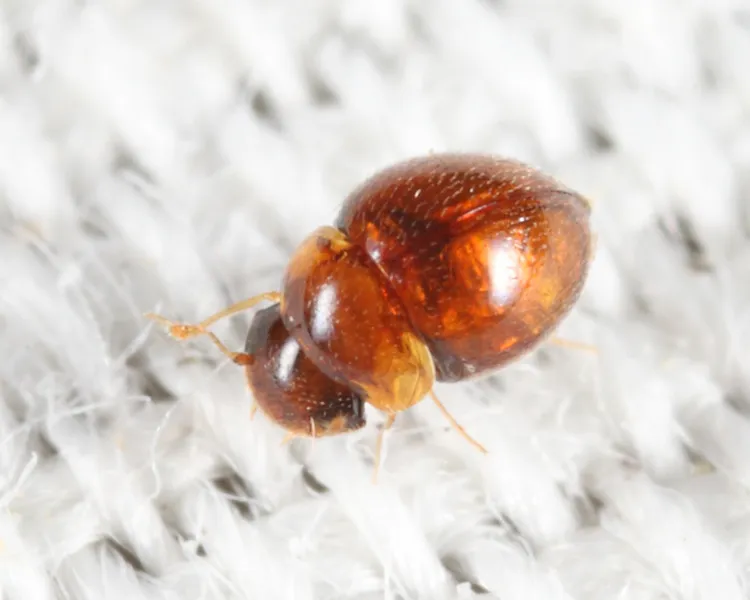
Clambus simsoni
Clambus simsoni
Identification: Keys to C. spangleri in . Finely serrated male genitalia is characteristic .
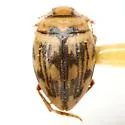
Clarkhydrus falli
Clarkhydrus falli
Identification: Robust, ovate; outline of pronotum and elytron continuous Type Locality: Tucson, Ariz.
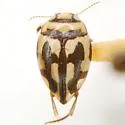
Clarkhydrus spectabilis
Clarkhydrus spectabilis
Clarkhydrus spectabilis (Clarkhydrus spectabilis) is a species in the family Dytiscidae, commonly known as predaceous diving beetles, belonging to the order Coleoptera (Beetles). It is classified within the subfamily Hydroporinae, tribe Hydroporini,
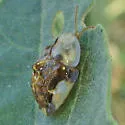
Clavate Tortoise Beetle
Helocassis clavata
Identification: adult: dorsum with large dark patch shaped like a teddy bear, with "legs" of the "bear" reaching elytral margins and the "head" extending onto the pronotum
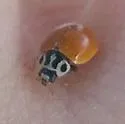
Clay-colored Lady Beetle
Mulsantina luteodorsa
Identification: Gordon's Figures - The immaculate elytron is unique within the genus except for some specimens of M. picta (widely dist.), and causes this species to resemble members of Cycloneda . PARATYPES: apparently uncommon, Joan Chapin collecte
Clay-colored Leaf Beetle
Anomoea laticlavia
Identification: Fairly large leaf beetles, reddish yellow with variable amounts of black, esp. black along midline of elytra.
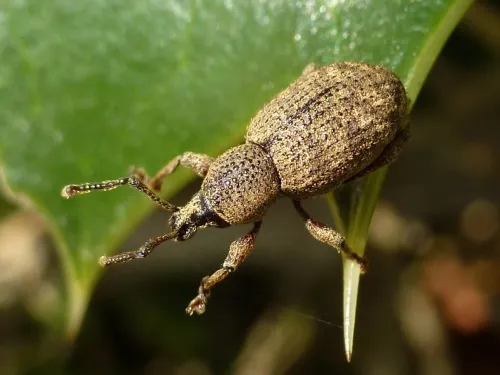
Clay-coloured Weevil
Otiorhynchus singularis
Unless identified by a recognised expert, photographic evidence is required and the specimen should be examined with a microscope. In the comments box, state the key or ID method used. Note the beetle's size and describe the identifying characters. I
Cleopomiarus hispidulus
Cleopomiarus hispidulus
European origin was discussed because of mislabeled specimens [ Miarus hispidulus Reitter, 1907 - "Spain"]. There is a second nearctic species in Mexico, C. erebus Casey, 1910. ( 3 )
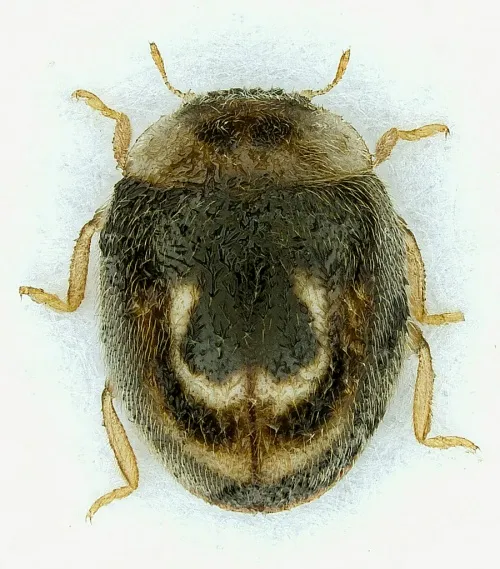
Clitostethus arcuatus
Clitostethus arcuatus
A tiny ladybird with a length of only 1.2 to 1.5 mm. It is dark brown with a pale cream horseshoe-shaped mark in the centre of the elytra. The legs are creamy brown in colour. Although the species is quite distinctive, it is very uncommon in our area
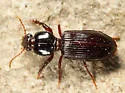
Clivina acuducta
Clivina acuducta
Identification: differs from C. americana by larger size (≥6 mm), longer antenna segments (not squarish), pronotal sides more rounded, and elytral striae more effaced toward apices. (R.Davidson, pers.comm. to PWM)
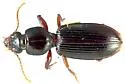
Clivina californica
Clivina californica
Clivina californica is a species of ground beetle in the subfamily Scaritinae. It was described by Vandyke in 1925.
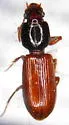
Clivina collaris
Clivina collaris
Identification: adult habitus: live image | specimen head and pronotum black; elytra brownish-red earliest record in our area: MA, before 1838
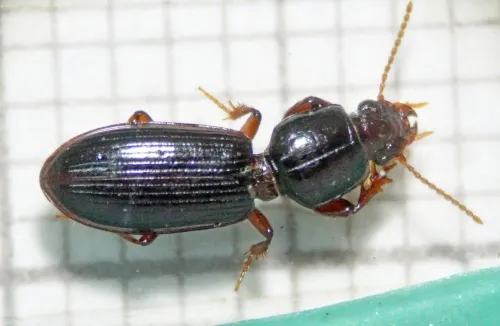
Clivina fossor
Clivina fossor
Size 6 to 7 mm. This beetle is all dark brown with studded rows or lines running the length of its elytra. It has adaptations for a life underground. The tarsal segments on the front pair of legs are broadened for digging. This enables exploitation o
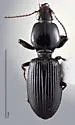
Clivina morio
Clivina morio
Identification: From Bousquet : "The species can be distinguished from the other eastern North American species of Leucocara by its size and shorter metepisternum. The four specimens studied of C. morio range between 7.0 and 8.5 mm in size while the
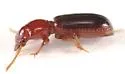
Clivina pallida
Clivina pallida
Identification: Eye reduced, longitudinal length less than 1.5 times that of temple. Elytral striae wide with wavy edges, punctures at most suggested • neotype
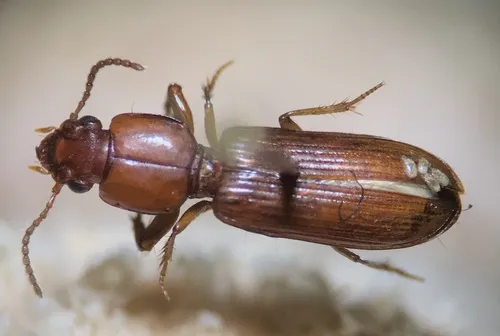
Clivina planicollis
Clivina planicollis
Identification: Clivina planicollis is distinguished from other Nearctic members of the fossor group by having antennal article II plurisetose rather than unisetose. (Whitehead, 1974) Det. Brad Barnd, 2024 (via spmn)
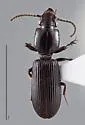
Clivina vespertina
Clivina vespertina
Identification: " Clivina vespertina differs from C. dentipes by possessing an obtuse rather than an acute profemoral tooth; smaller size (hindbody under 4.0 mm in length); and distinct isodiametric microsculpture at the apex of each elytron (absent
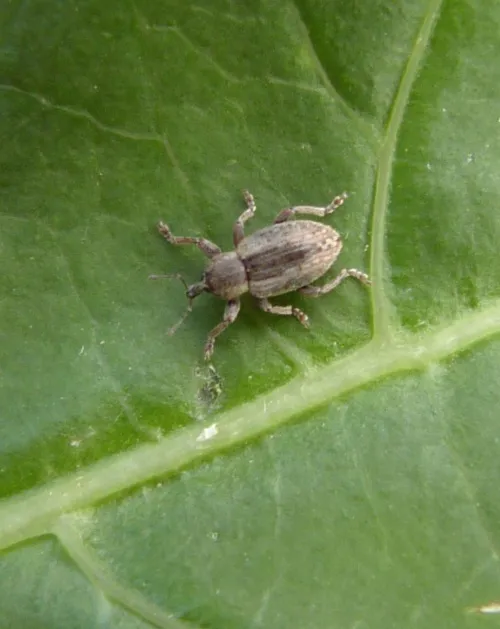
Clover Leaf Weevil
Hypera postica
Length 3 to 5.5 mm. The adult is covered in cream and brown scales (covering a black body) with recumbent (leaning back) seta along the elytral intervals. The scales are bifid, divided to around two thirds their length. The pronotum is no more than 1
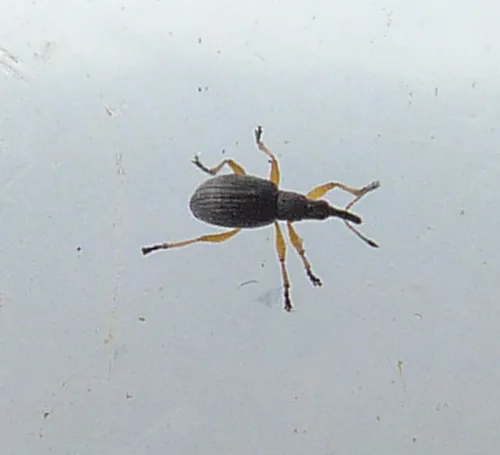
Clover Seed Weevil
Protapion apricans
Size 2.1 to 2.8 mm. A small black weevil with yellow femora and black mid + hind tibia. Most species in the genus have yellow legs, at least in part, so pay careful attention to identify all the characteristics noted in ID Checklist below. Other Prot
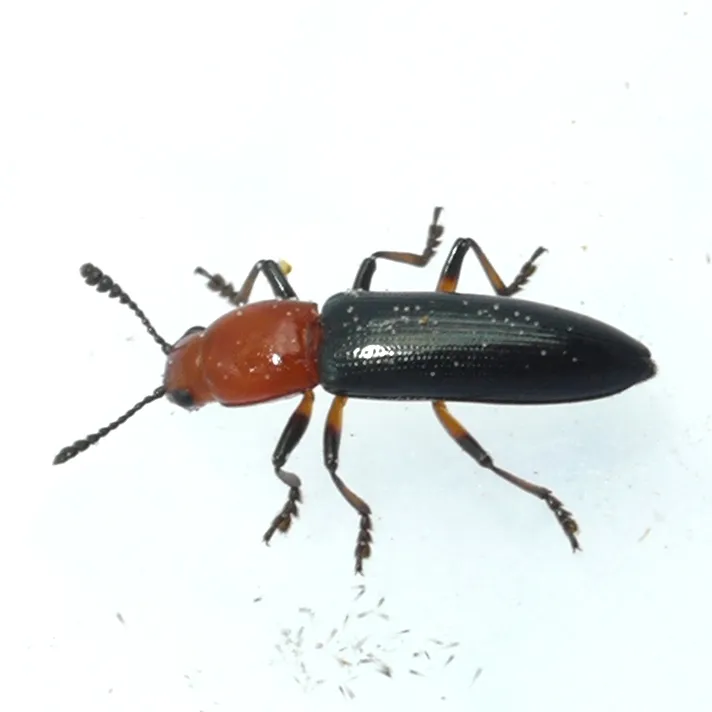
Clover Stem Borer
Languria mozardi
Identification: Antennal club emerging gradually from stem, antennomere 7 less than twice as wide as preceding segments, segments only slightly dilated to inner side; head red; thorax spotless; last three (sometimes two or just one) ventrites piceous
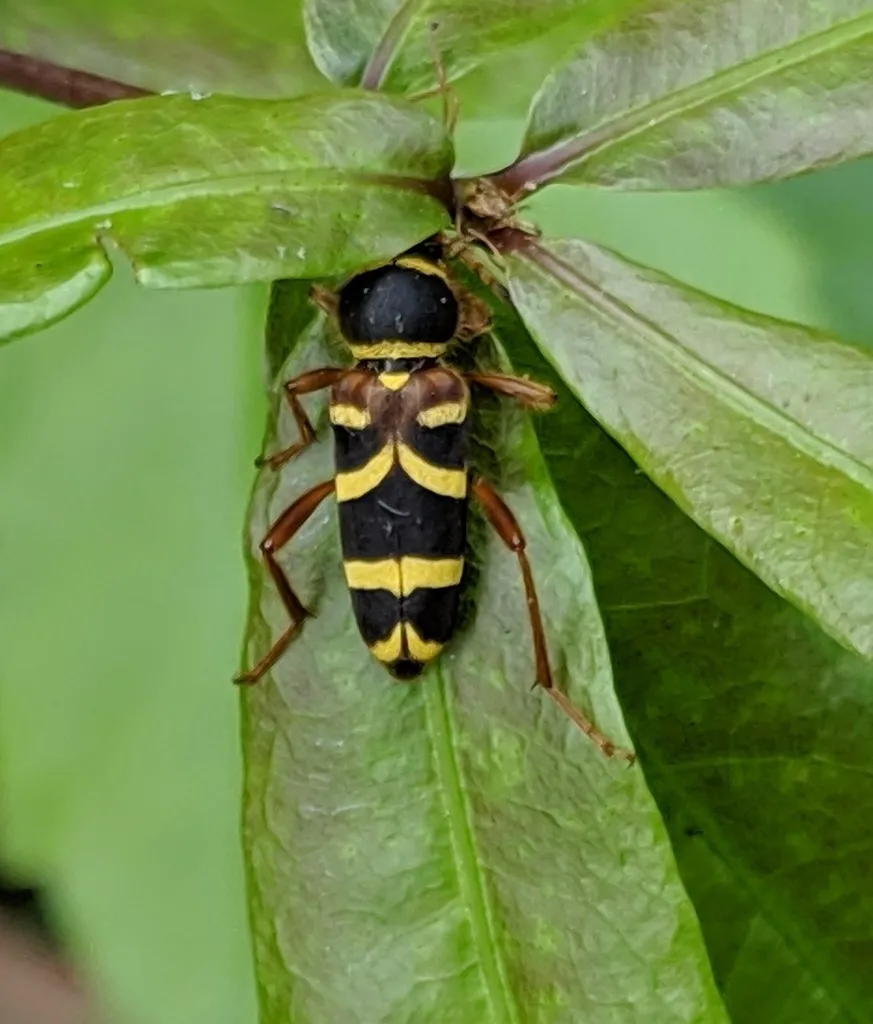
Clytus marginicollis
Clytus marginicollis
Clytus marginicollis is a species of beetle in the family Cerambycidae. It was described by Laporte and Gory in 1835.
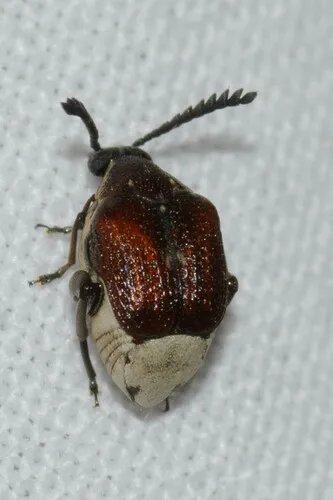
Coastal Red Bruchid
Megacerus coryphae
Megacerus coryphae is a species of leaf beetle in the family Chrysomelidae. It is found in North America.
Coastal Tiger Beetle
Ellipsoptera hamata
Identification: Det. M. A. Quinn, 2010 Common at lights
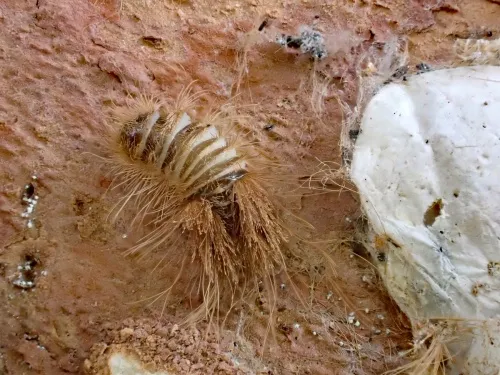
Cobweb Beetle
Ctesias serra
The common name relates to the habit of the larva of taking trapped insects from spider webs. The adult beetle is dark brown in colour and rarely seen in its natural habitat, so this beetle is more commonly recorded as a larva. Unless identified by a
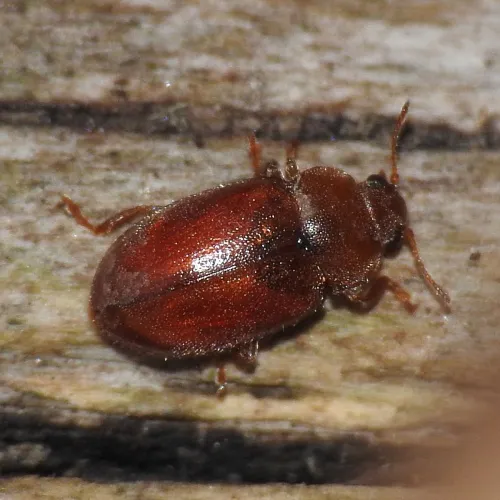
Coccidula rufa
Coccidula rufa
This small (3 to 5 mm) beetle is a dull blood red with a darker central area behind the pronotum. Somewhat elongated rather than the typical rounded ladybird shape. This species is relatively easy to identify and is unlikely to be confused with anyth
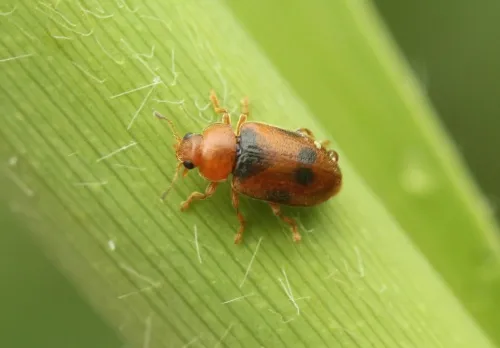
Coccidula scutellata
Coccidula scutellata
Length: 2.5 to 3 mm. It is reddish brown and hairy with 5 dark spots. Elongated rahter that the typical rounded ladybird shape. This species is relatively easy to identify and is unlikely to be confused with anything else. However photos are always h
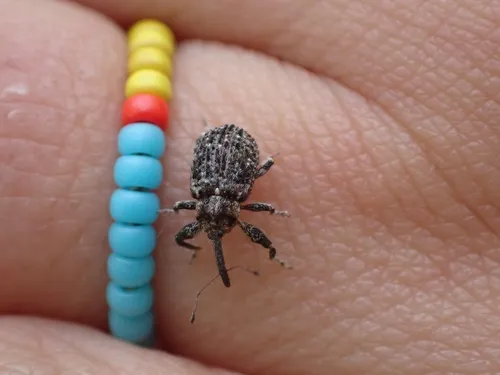
Coccotorus pruniphilus
Coccotorus pruniphilus
Identification: TYPE Type Locality: D'Hanis, Medina Co., Texas
Coconut Scale Predator
Cryptognatha nodiceps
Identification: Elytral color highly variable from typical to having disc entirely black with reddish yellow spot near suture posterior to middle. (González et al. 2019) imported in the 1930s, released, and established as a classical biological contr
Coelocephalapion antennatum
Coelocephalapion antennatum
Identification: unusual species, easily recognized by protarsomere 1 longer than wide; the lack of basal flange on male pronotum; and the lack of basal tooth on male tarsal claw habitus photos
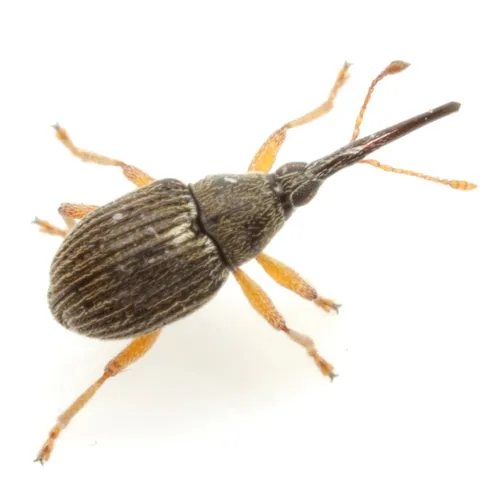
Coelocephalapion buchanani
Coelocephalapion buchanani
Identification: can be distinguished from other species of the Apion-like genera recorded from the Lower Rio Grande Valley by its comparatively large size, reddish-orange legs and antennae, and the clumped white hairs located directly posterior to th
Coelocephalapion subornatum
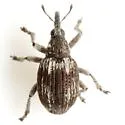
Coelocephalapion subornatum
Identification: The sutural angles are rounded, that of the right elytron more strongly - as is usual. The vestiture, narrow front and rostral punctuation, are a combination of characters which render the identification of this species unusually easy
Coelophora biplagiata
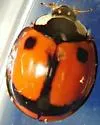
Coelophora biplagiata
Identification: wider variety of color patterns in se.Asia, but all Florida individuals have the following pattern first US record: Broward County, FL, Aug 16, 2019
Coenonica puncticollis 0
Coenonica puncticollis
Identification: Pronotum with deep dorsal impression adult habitus