
Colaspis recurva
This record describes Colaspis recurva (species). Recorded family: Chrysomelidae. Recorded order: Coleoptera.
Identification and Appearance
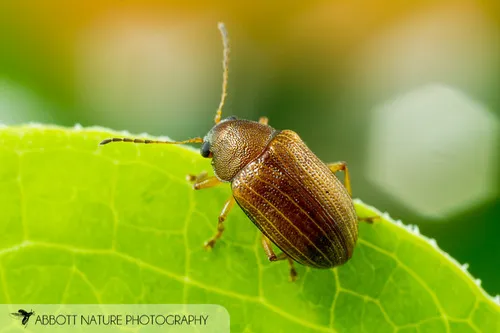
good species that belongs to the flavocostata complex. There is little question about its identification, but it is officially known only from peninsular Florida, but in reality ranges (along the coast) north to central New York State, where it is probably associated with sandy barrens areas. How far west it extends along the Gulf Coast is unknown to me, hence I am hesitant to accept the Mobile County records as this species without seeing male specimens from these areas. So far, the examples I have seen of this species are entirely pale, which is a bit unusual for members of this group. E.G. Riley, pers.comm. to =v= 1.iii.2024
Wikipedia reference for Colaspis recurva: https://en.wikipedia.org/wiki/Colaspis_recurva.
Classification
- Kingdom
- Animalia
- Phylum
- Arthropoda
- Class
- Insecta
- Order
- Coleoptera (Beetles)
- Suborder
- Polyphaga
- Superfamily
- Chrysomeloidea
- Family
- Chrysomelidae (Leaf Beetles)
- Subfamily
- Eumolpinae
- Tribe
- Eumolpini
- Genus
- Colaspis
Imported taxonomy record. Source availability varies; see the source references and editorial policy below.
Habitat and Range
Geographic Range
Coastal States: VA‒FL‒LA
Additional species information
Species notes from the sources
Etymology: Barber, in a short penciled description of this beetle among his papers, wrote that it was similar in shape and sculpture to the type of C. crinicornis Schaeffer but differed in the unusual development of the tubercle on the abdomen in the male that was recurved, and he gave it the tentative specific name " recurvus " because of this tubercle.
About Primitive Winged Insects: the wider group
Order-level background for Coleoptera, the group containing Colaspis recurva. Species-specific details appear above.
Group overview
Coleoptera is the largest order of insects with over 400,000 described species, representing ~25% of all known animal species and ~40% of all insects. In the U.S. alone, nearly 30,000 beetle species have been identified.
Ecological role of the group
Beetles are prominent decomposers, especially in forests, breaking down dead wood and recycling nutrients. As predators, they reduce populations of pest insects. Many species are also important pollinators of flowering plants.
Economic and practical significance of the group
Beetles have major economic significance: leaf beetles (Chrysomelidae) and weevils (Curculionoidea) are among the most destructive agricultural pests globally, costing billions annually, while predatory species like ladybugs provide natural pest control.
Recorded sources for this group: Britannica, Smithsonian, NCSU Entomology. Imported estimates may describe particular regions or reporting periods.
Photos of Colaspis recurva (2)
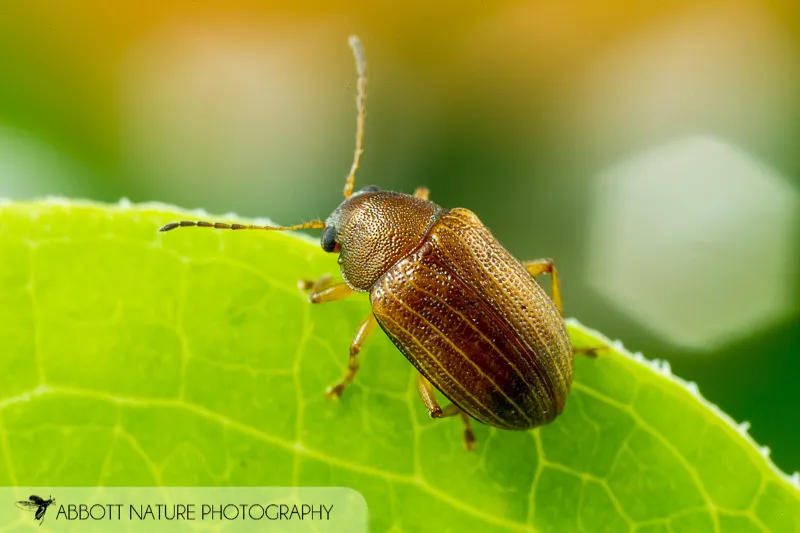
Photo credits: (c) John and Kendra Abbott, all rights reserved, uploaded by John and Kendra Abbott | Contributed by Ron M.; Additional contributions by Mike Quinn , v belov
Frequently Asked Questions About Colaspis recurva
What is Colaspis recurva?
Colaspis recurva is a species in the family Chrysomelidae, within the order Coleoptera.
How big is Colaspis recurva?
4.4‒5.1 mm
Where is Colaspis recurva found?
Range: Coastal States: VA‒FL‒LA