
Primitive Winged Insects
Order Coleoptera
The Primitive Winged Insects (Order Coleoptera) includes 15,720 species across 160 families and 3,716 genera in our directory.
About Primitive Winged Insects
Coleoptera is the largest order of insects with over 400,000 described species, representing ~25% of all known animal species and ~40% of all insects. In the U.S. alone, nearly 30,000 beetle species have been identified.
Economic Impact
Beetles have major economic significance: leaf beetles (Chrysomelidae) and weevils (Curculionoidea) are among the most destructive agricultural pests globally, costing billions annually, while predatory species like ladybugs provide natural pest control.
Ecological Role
Beetles are prominent decomposers, especially in forests, breaking down dead wood and recycling nutrients. As predators, they reduce populations of pest insects. Many species are also important pollinators of flowering plants.
Families in Coleoptera (160)
Species in Coleoptera (15,720)
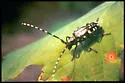
Asian Longhorned Beetle
Anoplophora glabripennis
Identification: black, irregulary marked with white splotches; long black and white striped antennae
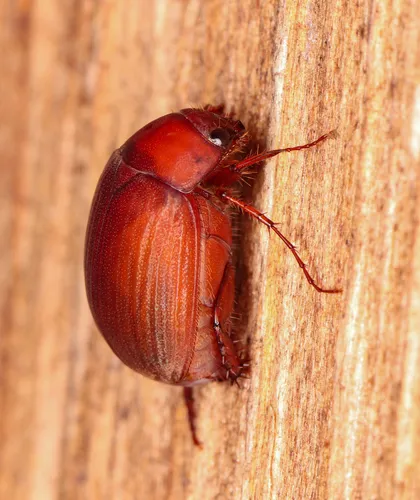
Asiatic Garden Beetle
Maladera formosae
Identification: Most closely resembles Serica , but has the hind tibiae wider. Ventrites 5 thru 7 have a transverse row of spines extending the width of each segment. Backward projecting hairs on top of head
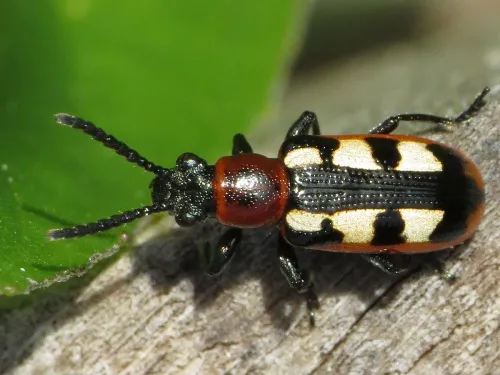
Asparagus Beetle
Crioceris asparagi
The beetle is just under a centimetre long, metallic blue-black in colour with cream or yellow spots on its red-bordered elytra. Found on plants that are members of the Asparagus family. Life cycle revolves around plants of the Asparagus family. Wide
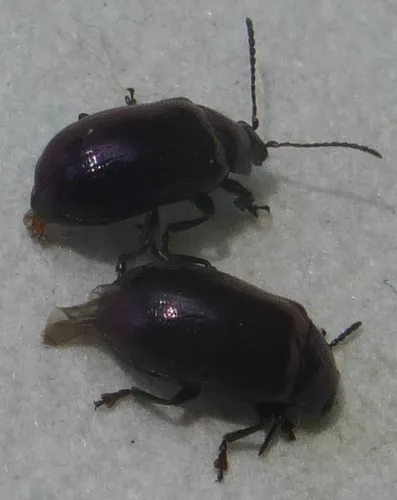
Aspen Skeletonizer
Phratora purpurea
Phratora purpurea, the aspen skeletonizer, is a species of leaf beetle in the family Chrysomelidae. It is found across North America, including Maryland, New York, Ontario, British Columbia, and the Northwest Territories. It feeds on willows and popl
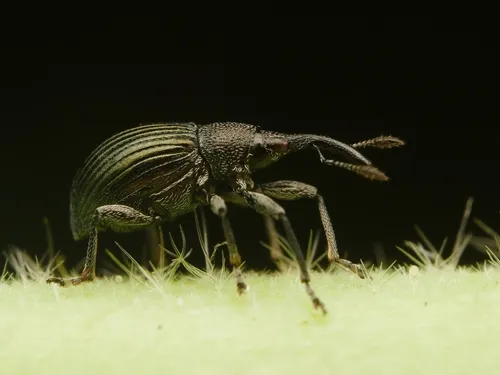
Aspidapion radiolus
Aspidapion radiolus
2.7 to 3 mm. Head and pronotum black with weak metallic elytra. The rostrum is around 1.25x longer than the pronotum. There is no deep longitudinal impression on the frons (as found in A. aenum ). The scutellum is a key character having a pair of rai
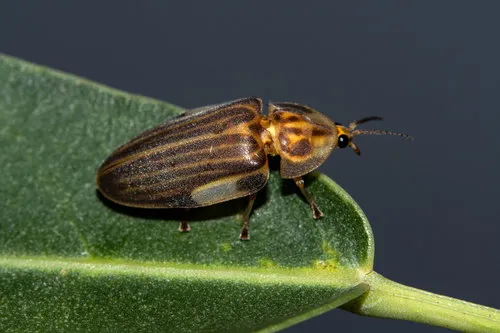
Aspisoma ignitum
Aspisoma ignitum
Identification: dull green in life (Santiago-Blay and Medina-Gaud 1986) In 1935, Josef N. Knull collected one spmn at Brownsville, TX (Fall 1937). This sp. has never been recollected in s. TX, not even during extensive beetle surveys across Cameron a
Aspisoma quasidiaphana
Aspisoma quasidiaphana
Identification: similar to A. diaphana (Gorham), and both species are sympatric; they can be distinguished by their coloration (Figs. 82; 85) and primarily by the development and morphology of the aedeagus. Type Locality: Río Máquinas, Ver. 19.11.82,
Astenus americanus
Astenus americanus
Astenus americanus (Astenus americanus) is a species in the family Staphylinidae, commonly known as rove beetles, belonging to the order Coleoptera (Beetles). It is classified within the subfamily Paederinae, tribe Lathrobiini, suborder Polyphaga, su
Astenus binotatus 0
Astenus binotatus
Identification: Body very slender and parallel, pale ochreo-testaceous in color, the head, a spot on each elytron somewhat variable in size but situated at the external margin behind the middle, and last two ventrals, black (emphasis added), in the l
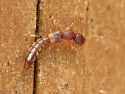
Astenus cinctus
Astenus cinctus
Identification: Prothorax unusually small, much narrower than the head. Body moderately slender, black or piceous-black throughout, the elytra pale in apical two-fifths at the sides and half at the suture, the legs and antennae pale flavotestaceous;
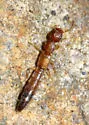
Astenus discopunctatus
Astenus discopunctatus
Identification: "the only NE Astenus with a pale head."- Adam Brunke (BG comm., 2008) no specimen ever has the head in the least dusky SPMN - Spencer Entomological Museum
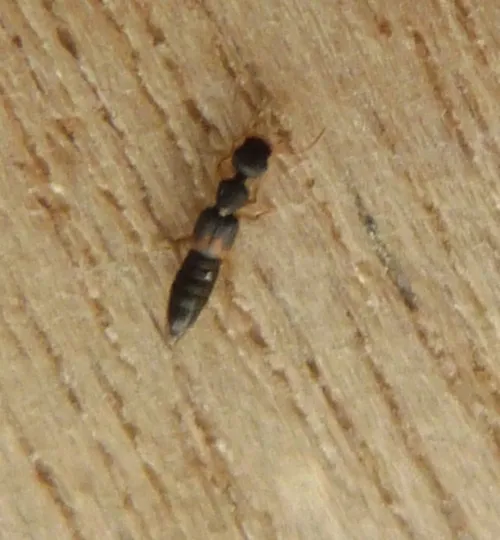
Astenus lyonessius
Astenus lyonessius
A species of extensive habitats on warm, dry soils, exposed to the sun. All year round, but most likely to be encountered between April and September. Most British records come from south of a line between the Humber and the Severn. No additional ima
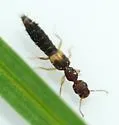
Astenus prolixus 0
Astenus prolixus
Identification: feebly shining, black throughout, and legs and antennae pale, the elytra pale in apical fourth, the pale area increasing in length inwardly, occupying almost apical half on the suture (emphasis added) and extending feebly along the la
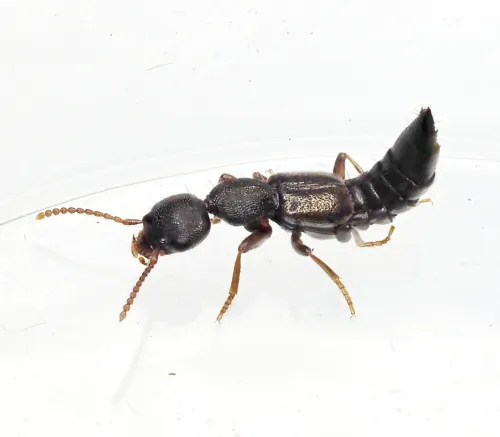
Astenus pulchellus
Astenus pulchellus
3.5 - 4.5mm. Generally black (but can be paler brown) and usually with yellow extending variably upwards from the end of the elytra either side of the suture. The head and pronotum are heavily punctured such that the spaces between them appear as ret
Astylidius parvus
Astylidius parvus
Identification: Best recognized by the rounded but prominent lateral pronotal tubercles and the strong dark ridges on the elytral base
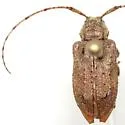
Astylopsis arcuata
Astylopsis arcuata
Identification: Black sides are diagnostic within the genus
Astylopsis macula
Astylopsis macula
Identification: Elytra with large mottled gray/white postmedial transverse macula attracted to freshly cut maple and butternut trees; possible vector of the Butternut Canker Fungus, devastating butternut trees in Canada and ne. US ( Halik & Bergdahl
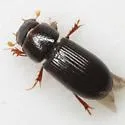
Ataeniopsis figurator
Ataeniopsis figurator
among the most common beetles at lights at Laguna Atascosa NWR, TX ( 3 )
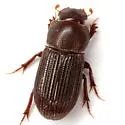
Ataenius confertus
Ataenius confertus
Identification: Det. B. Warner, 2013 Type Locality: San Jose del Cabo, Baja California Sur, Mexico
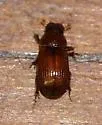
Ataenius desertus
Ataenius desertus
Identification: Ferruginous or pale castaneous, oblong oval, shining.
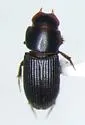
Ataenius exiguus
Ataenius exiguus
Identification: Very small, denticulate clypeus, clypeus smooth medially with distinct band of larger punctures across the top of the head.
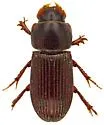
Ataenius hesperius
Ataenius hesperius
Identification: similar to A. texanus but pronotum more uniformly punctuate with fewer fine punctures anteriorly at middle and the suture between sterna IV & V narrovs laterad. Ranges farther west than A. texanus .
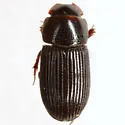
Ataenius inquisitus
Ataenius inquisitus
commonly coll'ed in pitfall traps at Laguna Atascosa NWR, Cameron Co., TX • our only representative of the neotropical A. nugator -group
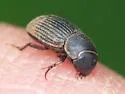
Ataenius miamii
Ataenius miamii
nearly all known spmns taken at lights, single spmn at watermellow ( Citrullus vulgaris )
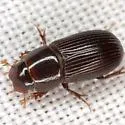
Ataenius platensis
Ataenius platensis
Identification: Ataenius sp. nr. platensis (Blanchard) Det. Paul Skelley, 2009 Type Locality: Argenina
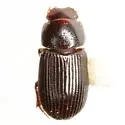
Ataenius setiger
Ataenius setiger
Identification: vs A. hirsutus : clypeal margin rounded , elytral setae much less conspicuous, no coarse punctures on sutural interval near scutellum, discal intervals nearly flat common in pitfall and light traps at Laguna Atascosa NWR, Cameron Co.,
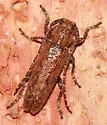
Ataxia brunnea
Ataxia brunnea
Identification: pubescence uniformly reddish-brown; elytral tips rounded very rare ; ~90% of the known specimens from Missouri (Dan Heffern, pers. comm. to MAQ, 2012)
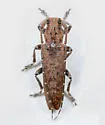
Ataxia crypta
Ataxia crypta
Identification: Distinguished from similar species by the obliquely truncate elytral apices. Also distinct 'cicatrix' (excavation) on the scape and a deep sulcus on the mesosternum. (Ted C. MacRae, 7.vi.2007) attracted to UV lights
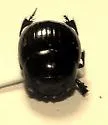
Ateuchus histeroides
Ateuchus histeroides
Identification: note shape of clypeus and flaired tibia Det. E. G. Riley, 2012 base of pronotum descends below the level of the base of the elytra
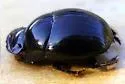
Ateuchus lecontei
Ateuchus lecontei
Identification: base of the pronotum does not descend below the level of the base of the elytra Practically nothing has been published on the habits of this sp. ( 7 )
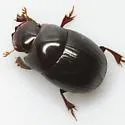
Ateuchus texanus
Ateuchus texanus
Identification: see genus page for details on separating spp. Det. M. A. Quinn, 2013 among the most common pitfall trap coll'ed beetle sp. at Laguna Atascosa NWR, Rio Hondo, Cameron Co., TX ( 3 )
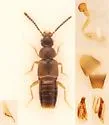
Atheta capsularis
Atheta capsularis
Can be confused with Atheta terranovae , but is larger, have the elytra yellowish, and by the male tergite and the shape of the median lobe
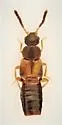
Atheta frosti
Atheta frosti
Prior to 2003, North American specimens of Atheta frosti were identified as A. nigritula (Grav.)
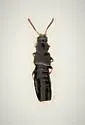
Atheta giguereae
Atheta giguereae
Initially described in the subgenus Dimetrota but was retracted in Klimaszewski et al. . Might probably belong to another genus, but was left in Atheta for now.
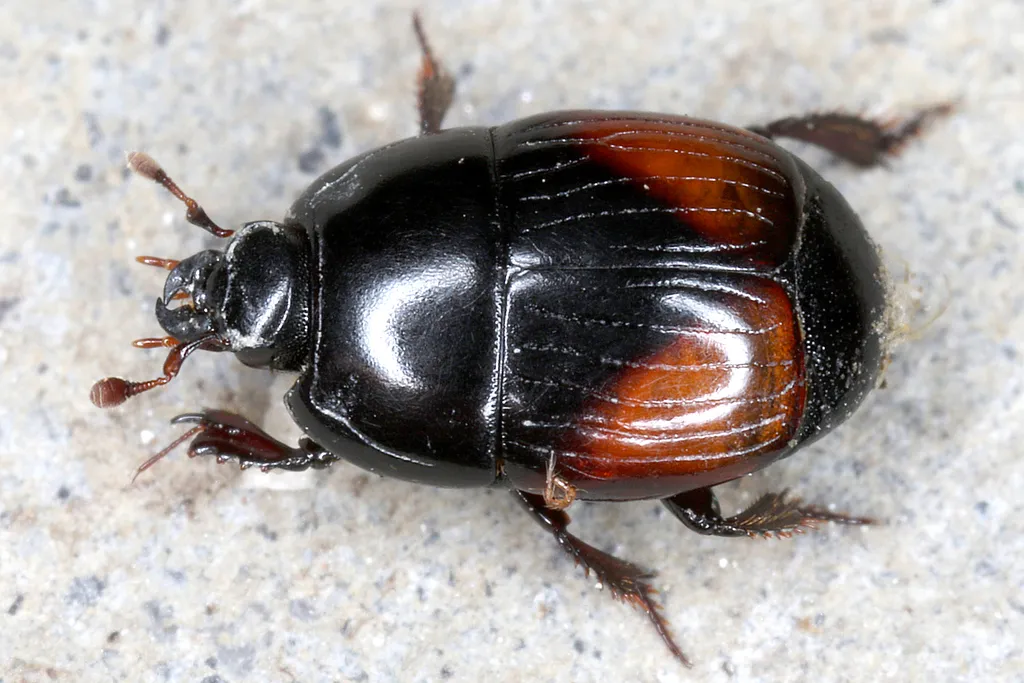
Atholus bimaculatus
Atholus bimaculatus
Identification: black elytron with a large lateroposterior reddish area and a depression near each anterior angle of the pronotum Det. Jeff Gruber, 2007 earliest record in our area: 1825
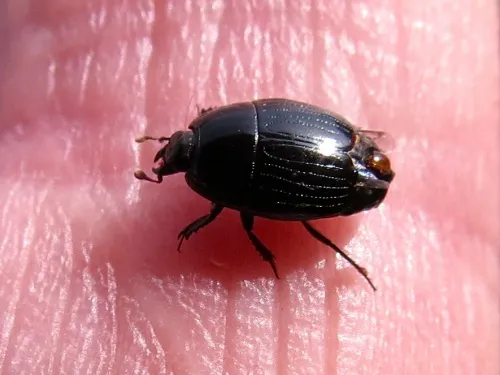
Atholus duodecimstriatus
Atholus duodecimstriatus
4.5-5mm. A black glossy species with the top of the mesosternum relatively straight or only weakly curved. Legs and antennae are dark red-brown. The pattern of stria on the elytra is distinctive. Found in a variety of habitats including dung and rott
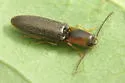
Athous acanthus
Athous acanthus
Athous acanthus (Athous acanthus) is a species in the family Elateridae, commonly known as click beetles, belonging to the order Coleoptera (Beetles). It is classified within the subfamily Dendrometrinae, tribe Dendrometrini, suborder Polyphaga, supe
Athous bicolor
Athous bicolor
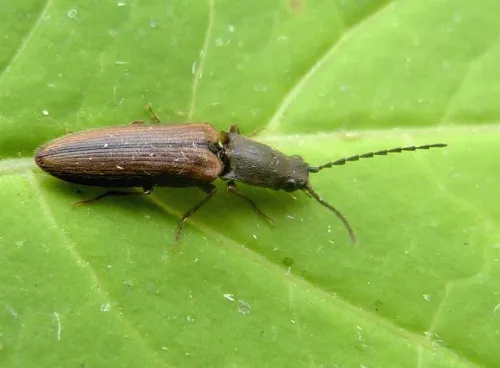
Size 8 to 10 mm. Quite an elongated species. The elytra are brown in colour with ridges and pits running down their length. The pronotum is slightly darker. The hairs are very similar in colour to the elytra. The legs and antennae are unicolourous wi
Athous haemorrhoidalis
Athous haemorrhoidalis
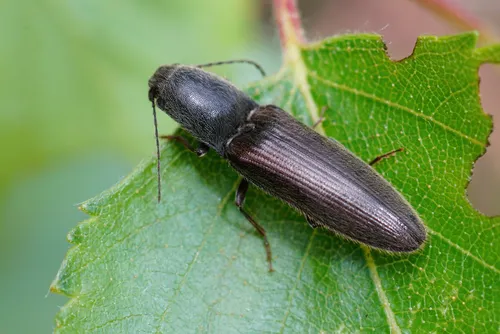
Approximately 15 mm long, this brown beetle has elytra covered in fine brown hairs. Found in hedgerows and meadows. The adults can be found on various types of vegetation. Like all click beetles, it can flick itself into the air when laid on its back
Atomaria apicalis
Atomaria apicalis
Atomaria apicalis (Atomaria apicalis) is a species in the family Cryptophagidae, commonly known as silken fungus beetles, belonging to the order Coleoptera (Beetles). It is classified within the subfamily Atomariinae, tribe Atomariini, suborder Polyp
Atomaria ephippiata
Atomaria ephippiata
Identification: Elytral pattern distinctive within this genus.
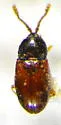
Atomaria impressa
Atomaria impressa
Colin Johnson's comment: "All Atomaria positively identified by me are in the Pal Cat., some are rare European species like impressa . This occurs in rotten wood and flood refuse along fine rivers. When Casey types are revised, you might have another
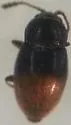
Atomaria mesomela
Atomaria mesomela
Identification: Pronotum laterally convex, widest at about middle, black; elytra with apical half red, border between colours sharply defined (in other NA Atomaria with black pronotum elytra may be paler apically, but gradually so)
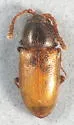
Atomaria wollastoni
Atomaria wollastoni
Identification: Antennae close at base (space between not greater than the distance to each eye); antennomere 1 much longer than 2; body elongate and parallel; width/length ratio < 0.35 (characters of Atomaria Stephens sensu stricto ). Base of pronot
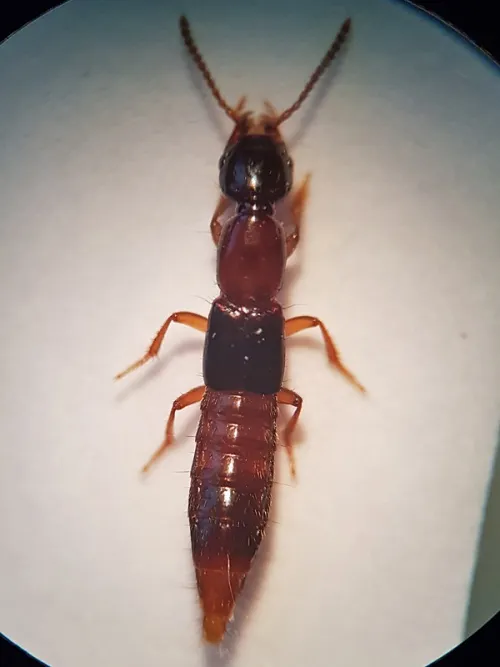
Atrecus affinis
Atrecus affinis
Length 7 mm. This is a distinctive Rove Beetle with a rather elongated body. The abdomen is a reddish brown, with short, dark blackish elytra. Usually found under bark, but sometimes in decaying wood. Sometimes congregate into small groups in spring.
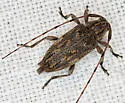
Atrypanius haldemani
Atrypanius haldemani
Identification: Elytral markings variable, elytral tips angled. Prothorax has distinctive shape and markings Det. E. G. Riley, 2010
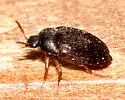
Attagenus brunneus
Attagenus brunneus
Identification: Differs from the very similar A. unicolor in the following: antennal club in male distinctly longer than remainder of antenna (about as long in unicolor ), antennae often completely pale (always terminally infuscate in unicolor ); ely
Attalus australis 0
Attalus australis
Identification: The pale tibiae and tarsi contrast strongly with the black femora. The blue-black upper surface and posteriorly widened elytra give it the appearance of a Pseudobaeus , but the male and female elytra are similar in form.
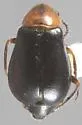
Attalus glabrellus
Attalus glabrellus
Identification: Fall's key: Elytra entirely black -> Head, at least, and generally the thorax largely black -> Upper surface nearly glabrous = glabrellus Form rather stout, distinctly shining throughout, nearly glabrous and subimpunctate. Black, thor
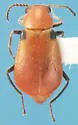
Attalus humeralis
Attalus humeralis
Identification: Yellow-red, shiny, less densely pubescent, head and thorax slightly shorter than the width, convex, slightly margined, apex truncate, base with rounded posterior corners; elytra sparsely punctate posteriorly, slightly dilated, decorat
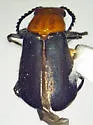
Attalus melanopterus
Attalus melanopterus
Identification: melanopterus is the first of 57 Attalus spp. to key out : 1) Elytra entirely black or piceous; 2) Head and thorax rufotestaceous; 3) Abdomen pale rufous = Attalus melanopterus leg color variable: "The only specimen of this species whi
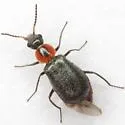
Attalus nigripes
Attalus nigripes
Identification: 2-2.5 mm, pubescence sparse [see type ]; thorax rufous, with variable dark discal area (last couplet in: ) - all Dets. M. A. Quinn (c.TX, c.TX, AZ, w.TX) "In his original description of this species, Horn states: "body beneath and leg
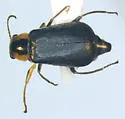
Attalus otiosus
Attalus otiosus
Identification: SPECIFIC CHARACTER: Thorax rufous, with a dilated longitudinal line; antennae and elytra black. DESCRIPTION: Body black, inconspicuously hairy; head with three obtuse indentations between the eyes; antennae, black; labrum and clypeus
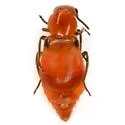
Attalus scapularis
Attalus scapularis
Identification: Det. M.A. Quinn, 2013 This species resembles typical A. humeralis closely as to color and runs to this species in my 1951 key to the species of Attalus . It is however, more oval, with the elytra less shining and much more densely and
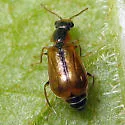
Attalus scincetus
Attalus scincetus
Attalus scincetus (Attalus scincetus) is a species in the family Melyridae, commonly known as soft-winged flower beetles, belonging to the order Coleoptera (Beetles). It is classified within the subfamily Malachiinae, tribe Malachiini, suborder Polyp
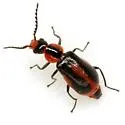
Attalus subtropicus
Attalus subtropicus
Identification: elytra shiny and nearly parallel-sided, back of head black and wide pronotal stripe always present Det. E. G. Riley, 2010 "Male. Elongate-oblong, scarcely widened behind . Color testaceous [dull brick red], the head [black] posterior
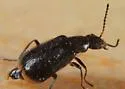
Attalus terminalis
Attalus terminalis
Identification: red apical elytral margins - last key couplet: Elytra black; pale color confined to exact tips (extending narrowly up lateral margin for short distance in most males)
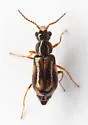
Attalus varians
Attalus varians
Identification: elytra are piceous, the tips pale testaceous with the latter color extending along the suture without involving the margin.
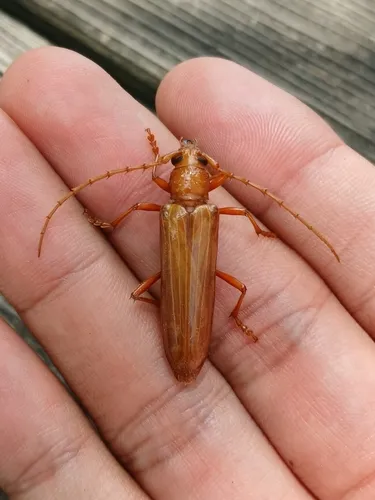
Atylostagma politum formerly glabra
Atylostagma politum
Atylostagma is a genus of beetles in the family Cerambycidae, containing a single species, Atylostagma politum.
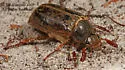
Auburndale Scrub Scarab Beetle
Polyphylla starkae
Identification: the largest member of the pubescens group; strongly sexually dimorphic (♀♀ more robust than ♂♂, with legs modified for burrowing) and elytral setae nearly absent. Although flight wings appear fully developed, female elytra are tightly
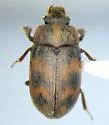
Augyles auromicans
Augyles auromicans
Identification: pronotum with median pale stripe Hypermandibulate males unknown
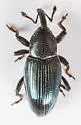
Aulacobaris lepidii
Aulacobaris lepidii
earliest NA record: w. IL 1977; found again in OH in 1979. --E.R. Hoebeke, pers.comm. to =v=
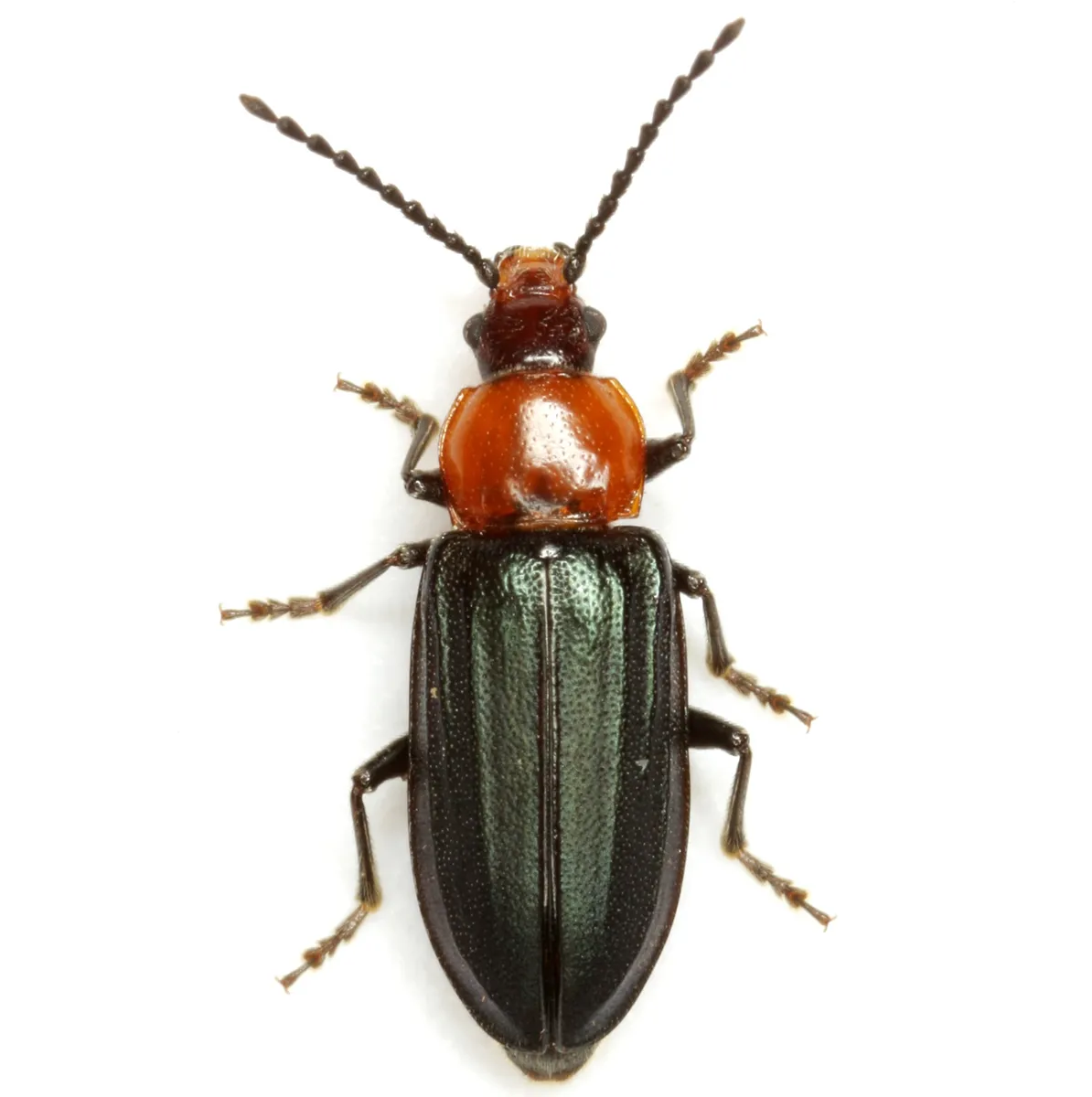
Aulacoscelis candezei
Aulacoscelis candezei
Identification: Elytra with 3 more or less raised longitudinal carinae, of which the central one is shorter than the others and oblique ; elytral disc brown or dark to a variable extent. - AZ-NM - w.TX
Aulacoscelis vogti 0
Aulacoscelis vogti
In the United States National Museum collection there are some unidentified specimens of Aulacoscelis from the Rio Grande area in southern Texas collected by G. Vogt on flowers of Hechtea texensis (Bromeliaceae); their specific identity has not been
Aulacothorax copalina
Aulacothorax copalina
Identification: ------- male ------- and ------ female ------ , can also be all black: Dets. E. G. Riley
Aulacothorax melina
Aulacothorax melina
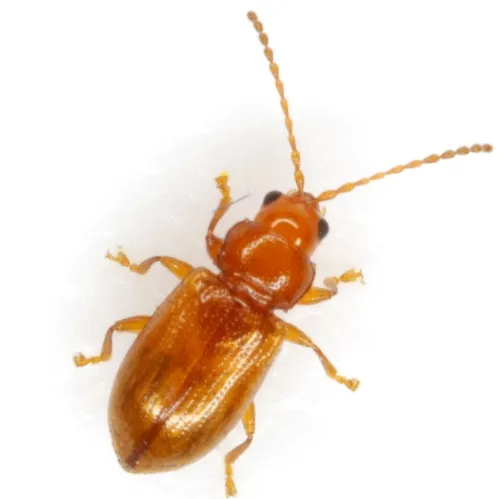
Aulacothorax melinus, the poison ivy leaf beetle, is a species of leaf beetle in the family Chrysomelidae, formerly in the genus Orthaltica. It is found in North America.
Aulacothorax parkeri 0
Aulacothorax parkeri
Type Locality: Globe, Gila Co., Arizona, IV-25-1933, on Rhus , by Mr. F. H. Parker five paratypes w/ the same data
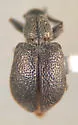
Auletobius ater
Auletobius ater
Identification: Elytral punctures confused, antennae inserted at middle of rostrum
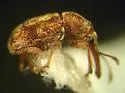
Auletobius cassandrae
Auletobius cassandrae
Auletobius cassandrae (Auletobius cassandrae) is a species in the family Attelabidae, commonly known as leaf rolling weevils, belonging to the order Coleoptera (Beetles). It is classified within the subfamily Rhynchitinae, suborder Polyphaga, superfa
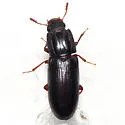
Aulonium parallelopipedum
Aulonium parallelopipedum
Aulonium parallelopipedum (Aulonium parallelopipedum) is a species in the family Zopheridae, commonly known as ironclad beetles, belonging to the order Coleoptera (Beetles). It is classified within the subfamily Colydiinae, tribe Colydiini, suborder
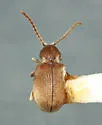
Australian Spider Beetle
Ptinus tectus
Identification: unlike other NA Ptinus spp., is densely clothed with recumbent, fulvous hairs obscuring the integument, but, unlike Niptus hololeucus , has distinct shoulders and narrowly inserted antennae
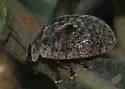
Australian Tortoise Beetle
Trachymela sloanei
Introduced from Australia. First recorded in 1998 in California.
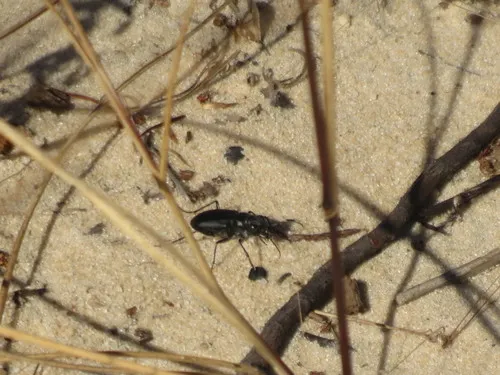
Autumn Tiger Beetle
Cicindela nigrior
Elias S.A. (2014) A brief history of the changing occupations and demographics of coleopterists from the 18th through the 20th century. J Hist Biol 47: 213–242 ( Full text )
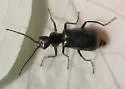
Axinotarsus pulicarius
Axinotarsus pulicarius
Identification: see earliest NA records: ON 2008 (BG data), BC 2010
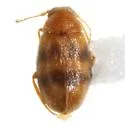
Axylophilus yuccae
Axylophilus yuccae
Identification: two fasciae just before the middle and at apical fourth respectively the elytral pigmentation varies from pale with few markings to entirely brown-black among these specimens Type locality: Florida, Putnam Co., Crescent City. all TX s
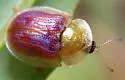
Azurea Tortoise Beetle
Cassida azurea
introduced during 1970s to combat the invasive bladder campion ( Silene vulgaris ) ; in Canada, released during 1989–1994
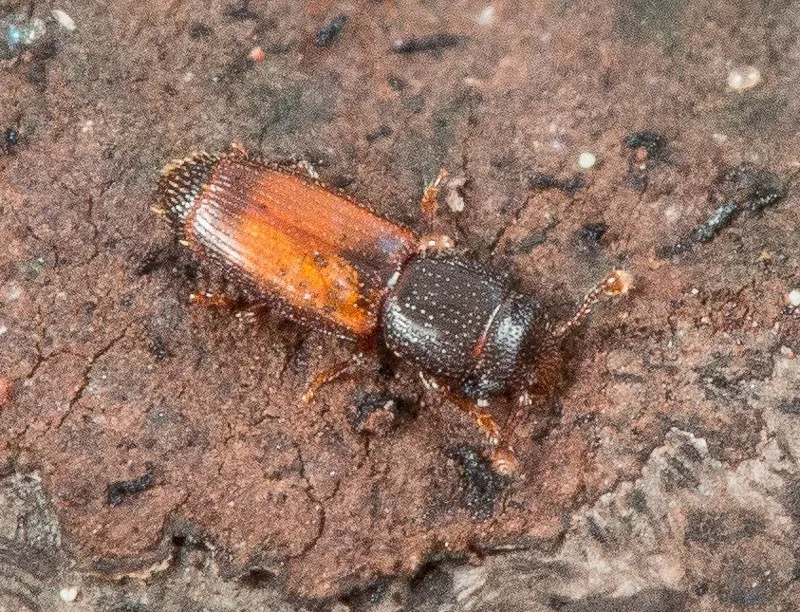
Bactridium ephippigerum
Bactridium ephippigerum
Identification: "The shot of the side of the elytron is key. B. striolatum has the punctures aligned arranged in rows, where in B. ephippigerum the punctures are sub-confluent, forming a mesh-like pattern. Typically B. ephippigerum is also multi-colo
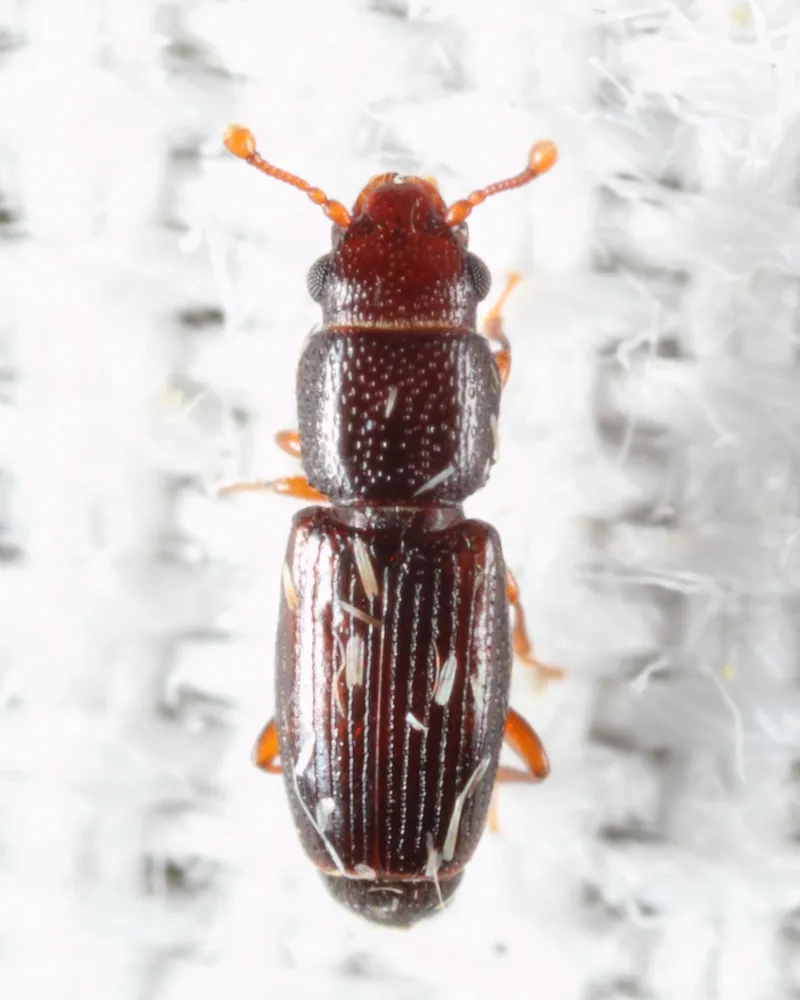
Bactridium striolatum
Bactridium striolatum
Identification: "The shot of the side of the elytron is key. B. striolatum has the punctures aligned arranged in rows, where in B. ephippigerum the punctures are sub-confluent, forming a mesh-like pattern. Typically B. ephippigerum is also multi-colo
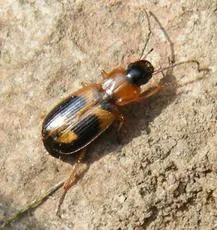
Badister bullatus
Badister bullatus
Length 5 to 6.5 mm. It has a black head, bright orange-brown pronotum and orange-brown elytra with black markings. The scutellum is black. Found in moss or litter in a variety of habitats including ditches, banks, woodland and gardens
Badister dilatatus
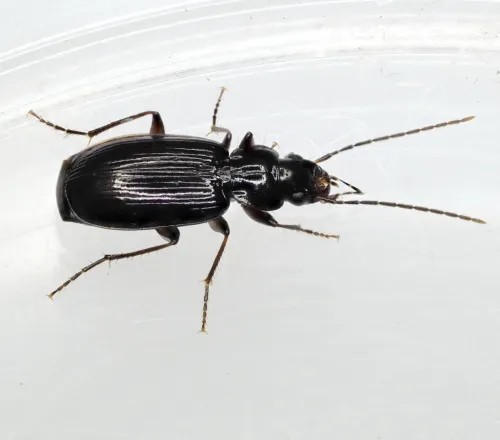
Badister dilatatus
4.5-5.5mm. Black or dark brown. Legs dark brown. Mandibles truncate and left mandible with a dorsal notch. Pronotal hind angles rounded. Badister collaris and B. peltatus but both very rare and only found in the far south of England (so far). Neither
Badister elegans
Badister elegans
Identification: Syntype Side margin of prothorax not wider near base; elytral spots confluent from stria 4 thru 9. Closely resembles B. macitlatus , differs only by the side margin of the prothorax not being wider towards the hind angles, the antenna
Badister flavipes
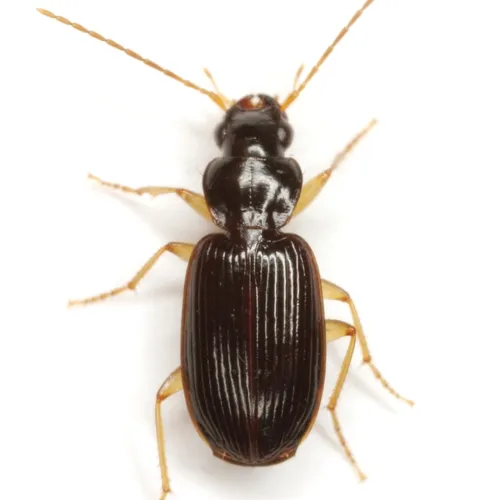
Badister flavipes
Badister flavipes is a species of ground beetle in the family Carabidae. It is found in the Caribbean Sea, Central America, North America, and South America.
Badister maculatus
Badister maculatus
Identification: Det. E. G. Riley, 2010 Type Locality: Lancaster, PA
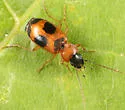
Badister neopulchellus
Badister neopulchellus
Identification: head black; pronotum orange; scutellum and basal half of antenna dark [ B. pulchellus has pale scutellum; pale basal half of antenna; and has a more restricted range]
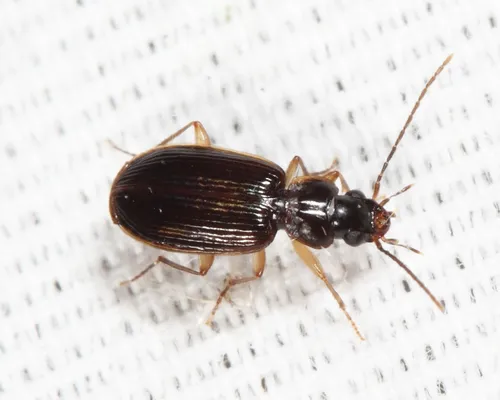
Badister reflexus
Badister reflexus
Badister reflexus is a species of ground beetle in the family Carabidae. It is found in North America.
Badister transversus
Badister transversus
Identification: Some clues that help distinguish this species include uniformly dark color, iridescent back and a conspicuous notch atop right mandible. our only representative of the transversus group
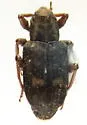
Bagous americanus
Bagous americanus
Often adults sit on the underwater edge of the leaves in the daytime. They can be collected by finding mined leaves and turnimg them gently to see the weevils. At night the adults come onto the top of the leaves to find mates and to replenish air sup
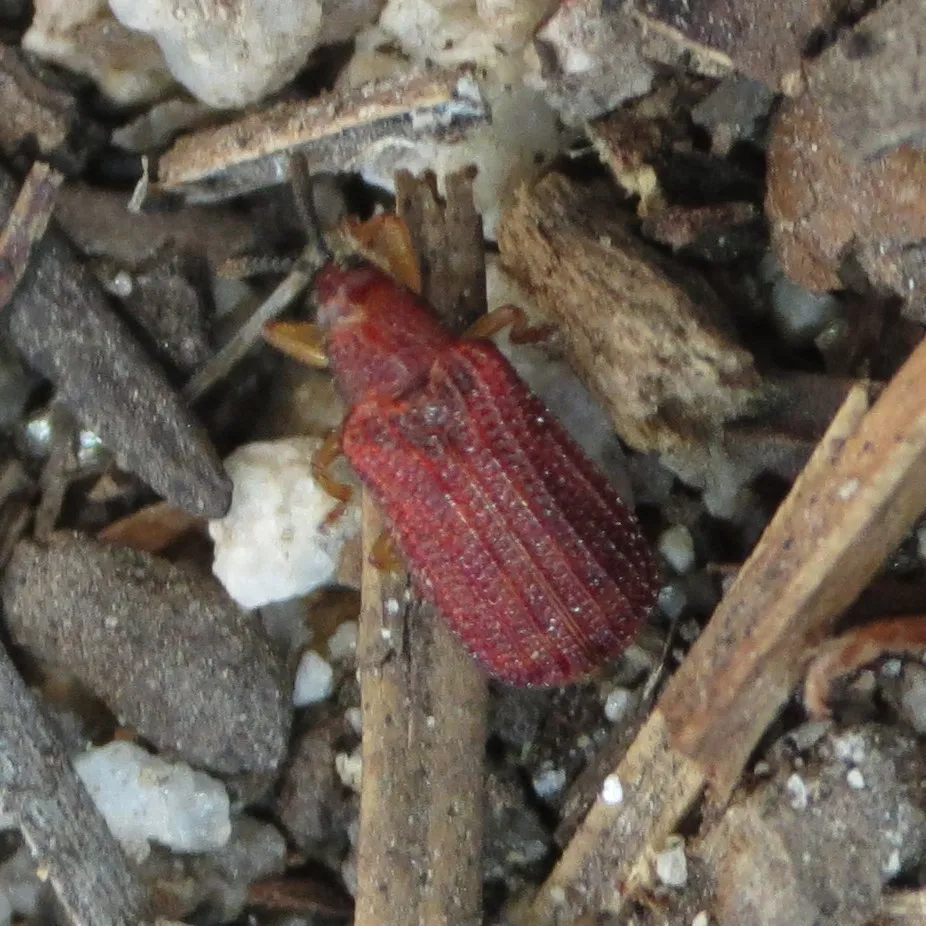
Baliosus ferrugineus
Baliosus ferrugineus
Baliosus ferrugineus is a species of leaf beetle in the family Chrysomelidae. It is found in North America.
Baliosus randia
Baliosus randia
Identification: HOLOTYPE Texas considers this a SGCN
Balsam Fir Sawyer
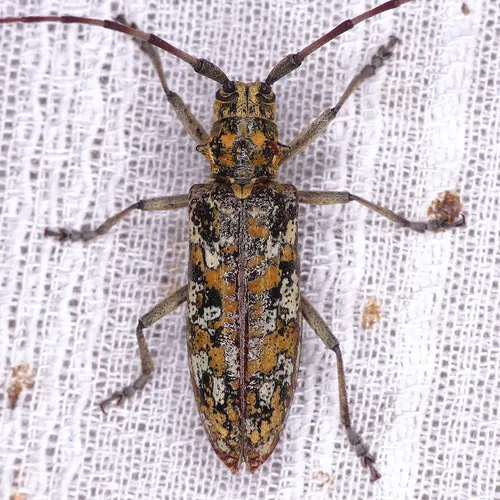
Monochamus marmorator
Comments on original guide page: How these beauty sings When i captured this bug, it was in a "ziploc" bag and it sang for me. I do have a little movie of this performance, and i would love to know if i could add it to this site, as reference informa
Bamboo Powderpost Beetle
Dinoderus minutus
A pest of bamboo, cane, and sometimes dry stored foods ; dried bamboo usually not attacked
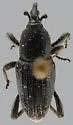
Banana Root Borer
Cosmopolites sordidus
one of the most serious insect pests of bananas; earliest record in our area: FL 1917[Cite:185010]
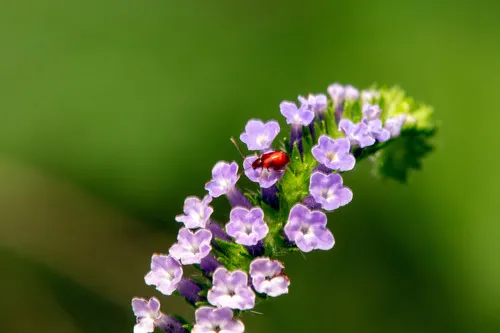
Banded Heliotrope Longitarsus
Longitarsus varicornis
Identification: Shining red-brown, each elyron with mid-lateral brown-black cloud. The 3 basal segments of antennae yellow, with joints 2, 3, and 4 successively longer. Anterior and middle legs yellow. Posterior legs and venter red-brown.
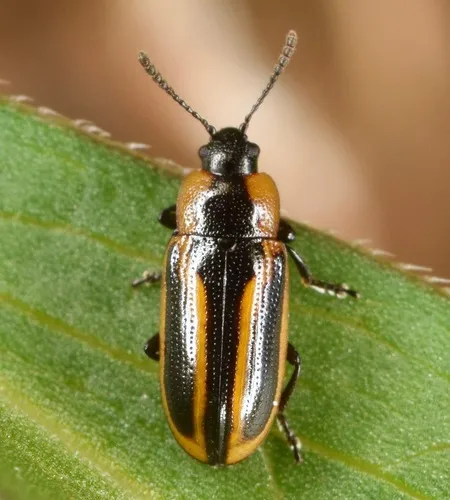
Banded Leaf Beetle
Prasocuris vittata
Prasocuris vittata is a species of leaf beetles in the family Chrysomelidae. It is found in North America.
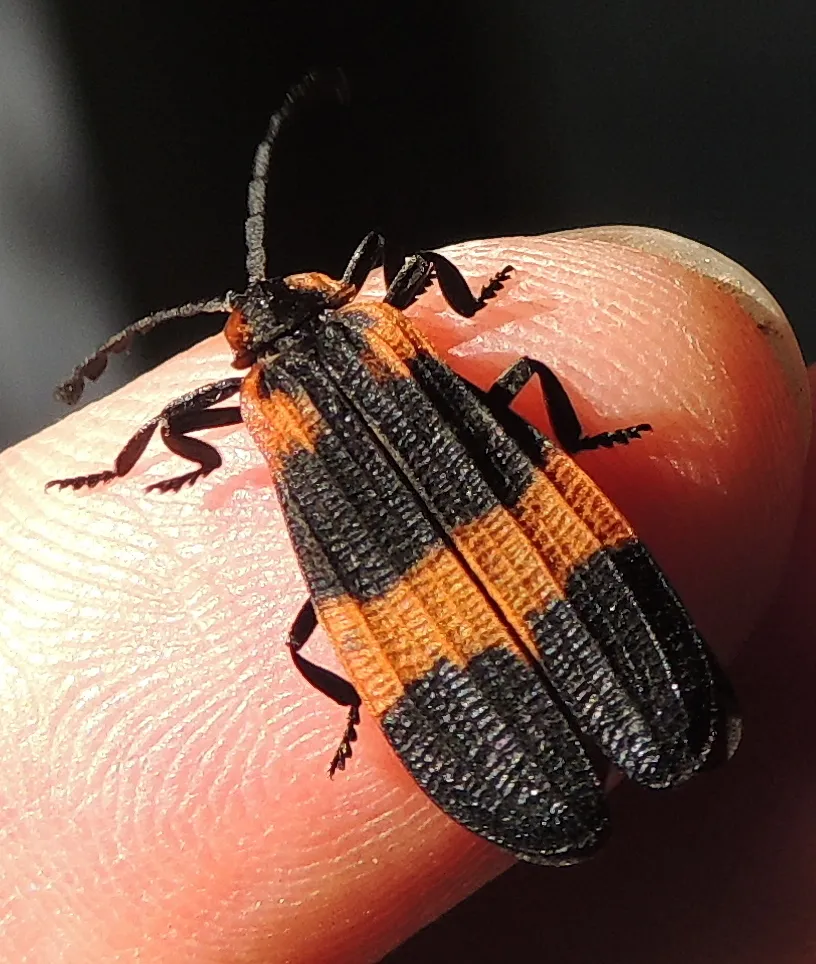
Banded Net-winged Beetle
Calopteron discrepans
Identification: The anterior elytral band tends to be broad all the way to the edges (tends to taper at the edges or be narrow its entire span in C. reticulatum ). This trait is not diagnostic, but may be helpful. Sutural dark extension of the anteri
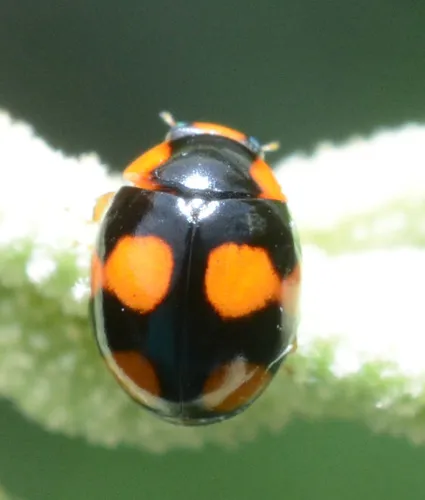
Barber's Lady Beetle
Brachiacantha barberi
Identification: Gordon's figures Black area of pronotum extending to anterior margin of pronotum, broad anterolateral angle pale Key per Gordon 10a Length less than 3.50 mm; male abdomen with cusps on 3rd abdominal sternum reduced, 4th sternum with e
Barilepton undescribed
Barilepton undescribed
About this specimen : "I think it is undescribed. All specimens I have seen are from Mexico." Comment by Dr. J. Prena
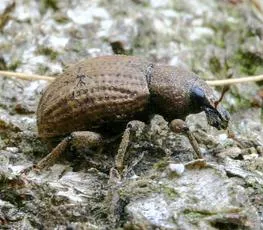
Barynotus moerens
Barynotus moerens
This large light brown weevil is one of the more distinctive. Unless identified by a recognised expert, good photos are required that show the key ID features. Also state the beetle's size in the comments box. Usually found in wooded areas containing
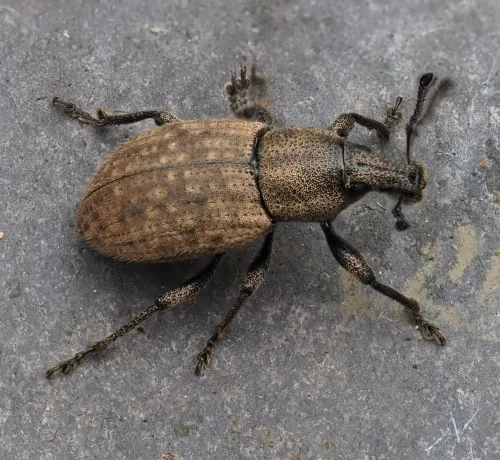
Barynotus obscurus
Barynotus obscurus
This is quite a large broad-nosed ground weevil (8 to 9.5 mm). The light brown elytra have a slight mottling of paler blotches and also have a sparse covering short of bristly hairs. Unless identified by a recognised expert, good photos are required
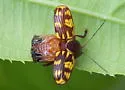
Bassareus brunnipes
Bassareus brunnipes
Identification: Bassareus brunnipes (Olivier) Det. E. G. Riley