
Primitive Winged Insects
Order Coleoptera
The Primitive Winged Insects (Order Coleoptera) includes 15,720 species across 160 families and 3,716 genera in our directory.
About Primitive Winged Insects
Coleoptera is the largest order of insects with over 400,000 described species, representing ~25% of all known animal species and ~40% of all insects. In the U.S. alone, nearly 30,000 beetle species have been identified.
Economic Impact
Beetles have major economic significance: leaf beetles (Chrysomelidae) and weevils (Curculionoidea) are among the most destructive agricultural pests globally, costing billions annually, while predatory species like ladybugs provide natural pest control.
Ecological Role
Beetles are prominent decomposers, especially in forests, breaking down dead wood and recycling nutrients. As predators, they reduce populations of pest insects. Many species are also important pollinators of flowering plants.
Families in Coleoptera (160)
Species in Coleoptera (15,720)
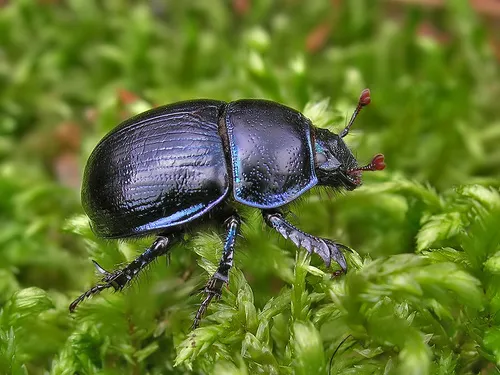
Anoplotrupes stercorosus
Anoplotrupes stercorosus
12 to 19 mm. A short-oval and very convex species, the dorsal surface is black with a distinct metallic blue reflection and the ventral surface is bright metallic blue. Unless identified by a recognised expert, a photo is required. If the photo doesn
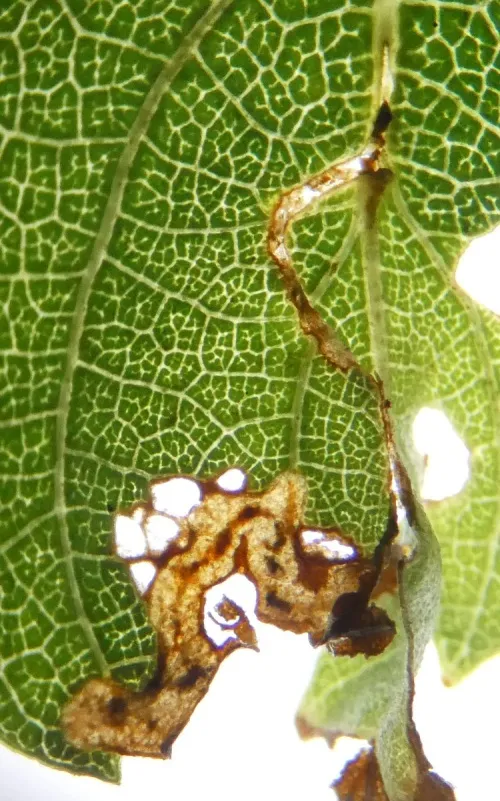
Anoplus plantaris
Anoplus plantaris
Anoplus plantaris is a small black weevil 1.7 to 2.2 mm. Pronotum lacking microsculpture, smooth and shiny between the punctures, elytral pubescence fine and pointed. Anoplus roboris is similar but is slightly larger 2.3 to 2.8 mm. The pronotum in A.
Anotylus insecatus
Anotylus insecatus
Identification: primarily subterranean, in dung and other decaying organic matter, incl. plant bulbs/roots infested with dipteran larvae; also at sap flows introduced ca. 1950s
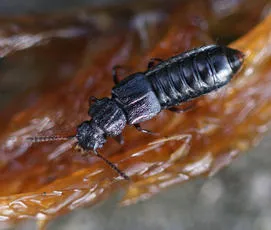
Anotylus rugosus
Anotylus rugosus
A small black rove beetle with studded holes on both the short elytra and thorax area. Able to adapt to a wide range of environmental conditions and might be found in all kinds of decaying matter, waterside mud and leaf litter. All year round but mos
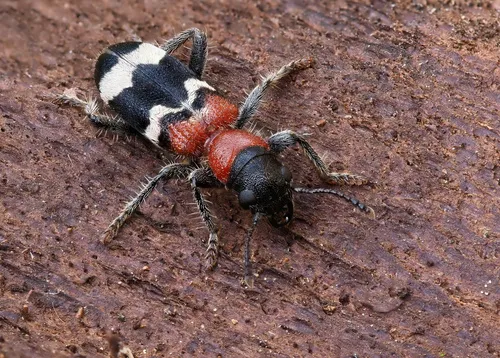
Ant Beetle
Thanasimus formicarius
Although the pattern varies, the elytra always has two pale cross bars. The thorax is red. It reaches a length of up to 10mm. Feeds on bark beetles and their grubs in various trees, it is therefore often seen on the trunks of trees. This beetle spend
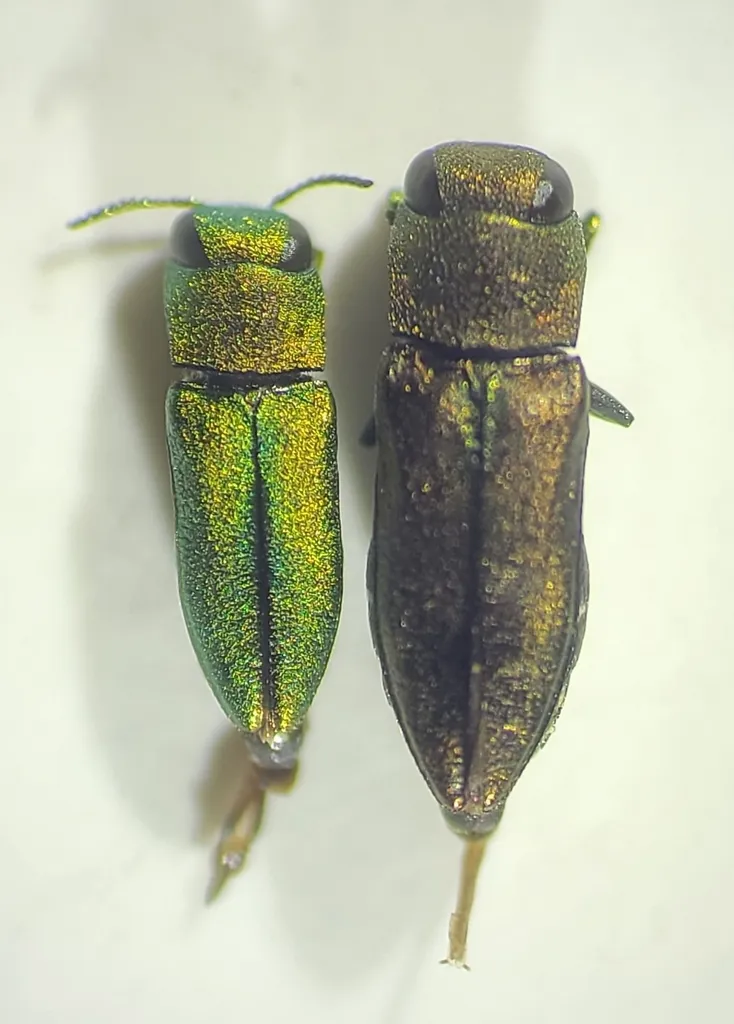
Anthaxia carya
Anthaxia carya
Anthaxia carya is a species of metallic wood-boring beetle in the family Buprestidae. It is found in North America.
Anthaxia quercicola
Anthaxia quercicola
Type Locality: TX: Brazos Co., near College Station, Easterwood Airport
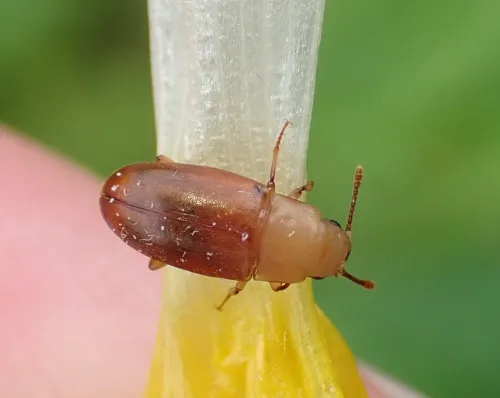
Antherophagus pallens
Antherophagus pallens
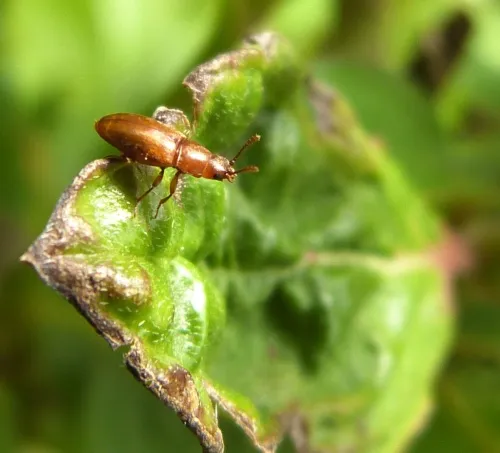
Size 4.5 to 5 mm. A brownish-yellow beetle. Good quality photographs required – detailed examination may be necessary. Associated with the nests of Bombus species of Bee, but has also been recorded from flowers. Widespread in England and Wales, but n
Antherophagus similis
Antherophagus similis
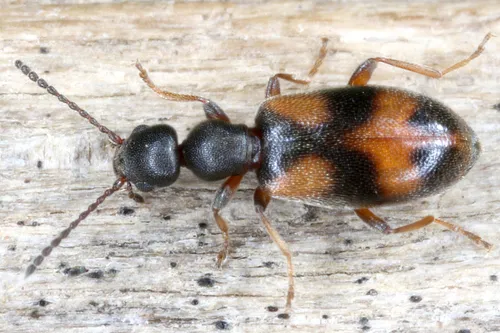
Size 3.5 to 5 mm. A brownish-yellow beetle. Quite similar to Antherophagus pallens but Antherophagus similis has a basally narrowed pronotum (not widest at the base) and a fine rim above the pronotal fore angle. Good quality photographs required – de
Anthicus antherinus
Anthicus antherinus
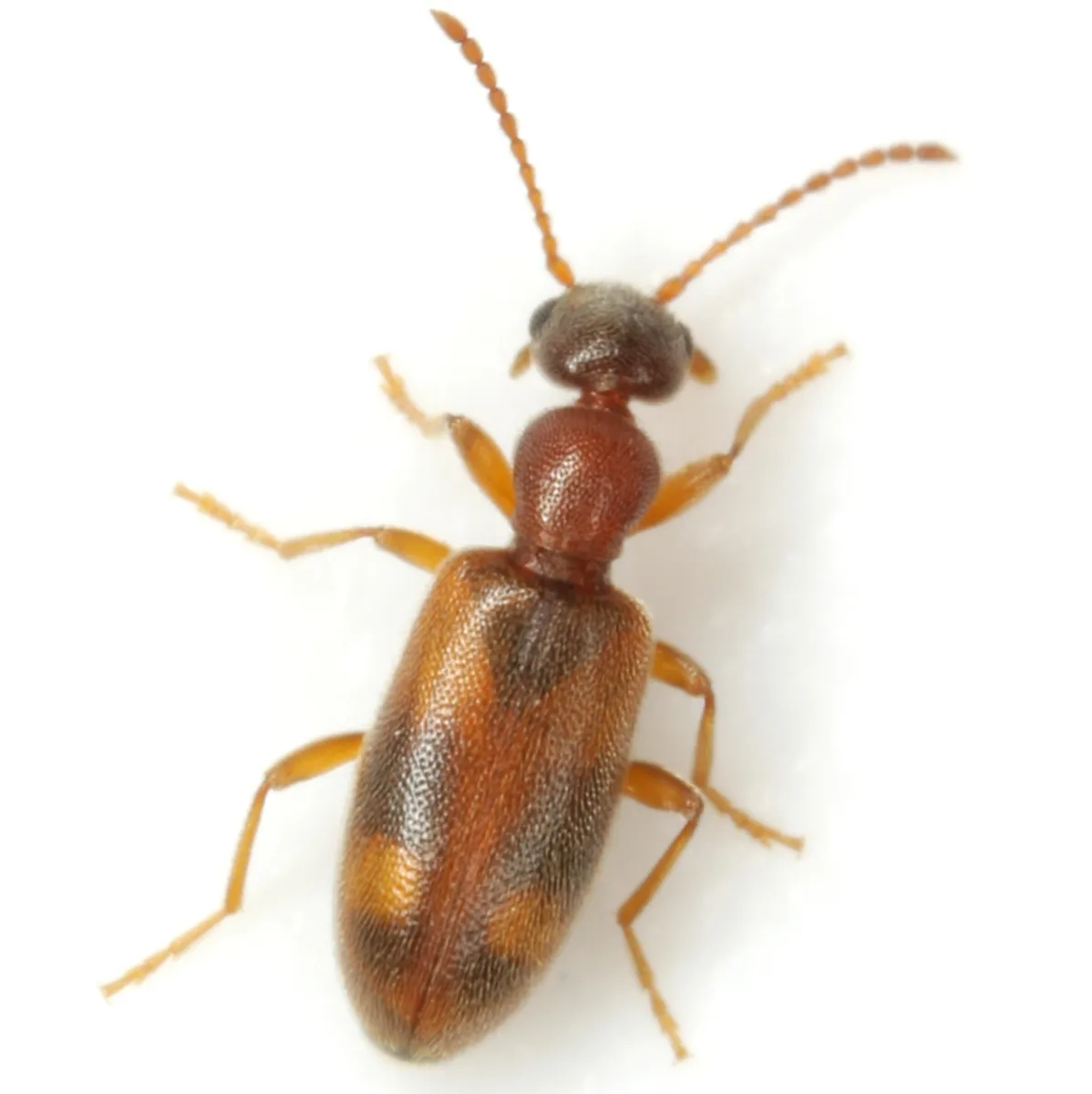
A small (3 to 3.5 mm) black and rust red beetle. Has been recorded in most months of the year but peak times seem to be April-May and September-November. Mostly recorded from the southern half of Britain.
Anthicus cervinus
Anthicus cervinus
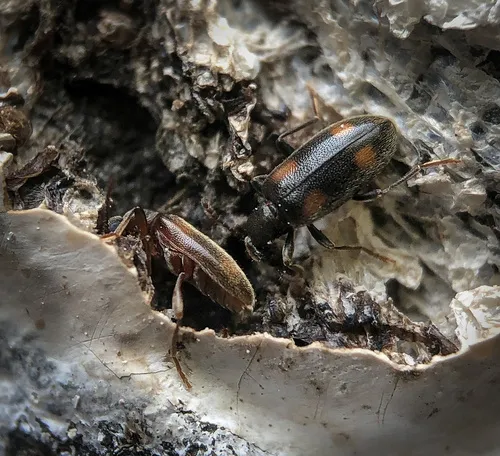
One of the most commonly collected anthicids at light across the US and s.Canada. –D.S. Chandler
Anthicus haldemani
Anthicus haldemani
Anthicus haldemani is a species of antlike flower beetle in the family Anthicidae. It is found in North America.
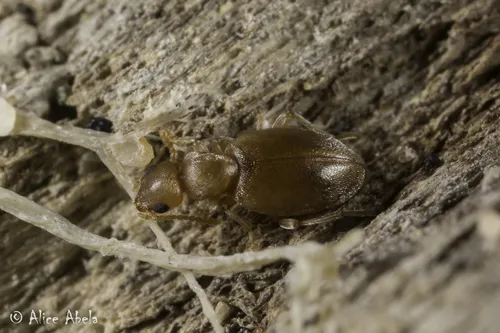
Anthicus maritimus
Anthicus maritimus
Anthicus maritimus is a species of antlike flower beetle in the family Anthicidae. It is found in Central America and North America.
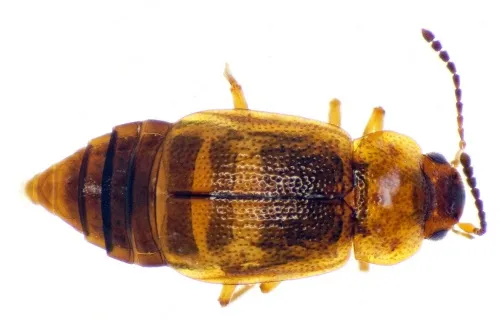
Anthobium atrocephalum
Anthobium atrocephalum
A small (3 to 3.5 mm) rove beetle with a broader shape than the typical Staphylinidae. Identification is difficult – see ‘Recording Advice’. Unless identified by a recognised expert, a photo is required and the specimen should be examined with a micr
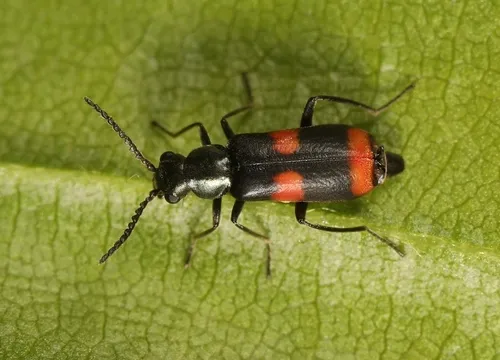
Anthocomus fasciatus
Anthocomus fasciatus
This is a tiny little beetle only 4 mm long. It has to be seen in good light to appreciate that it has red markings on its black elytra. Anywhere a food source is to be found such as low vegetation or even on the sills of outbuildings etc. where tiny
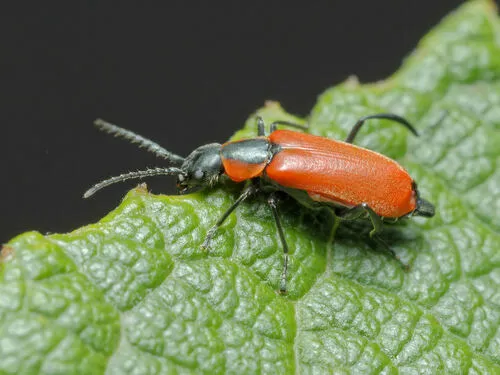
Anthocomus rufus
Anthocomus rufus
Length 4 to 5 mm. This is a small bright red beetle with elytra that are shorter than the body and with black on the head and thorax. Has a preference for wetter areas around reedbeds and margins. Widespread in the southern half of Britain.
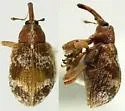
Anthonomopsis mixta
Anthonomopsis mixta
Identification: Det. Michael C. Thomas, 2009 Larvae cause infested fallen buds to "jump" (Horace Burke, pers. comm. to MAQ, 2012)
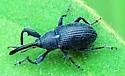
Anthonomus albopilosus
Anthonomus albopilosus
Identification: note dark coloration, uniform thick distribution of hairs, and a long, thin rostrum: front tibiae curved near base, first tarsal joint longer than second, femoral tooth large Det. R.S. Anderson, 2017
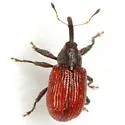
Anthonomus convictus
Anthonomus convictus
Type Locality: College Station, V-13-1971 D.B. Gates, Brazos Co., Texas
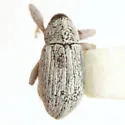
Anthonomus decipiens
Anthonomus decipiens
Identification: males (even if abraded) easily recognizable because of the distinctive shape of the metatibia (esp. the mucro) Pierce listed eleven combinations of color variations in a series of A. decipiens reared from the same host plant.
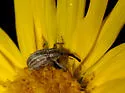
Anthonomus disjunctus
Anthonomus disjunctus
Identification: The outer interspaces of the elytra behind the middle, and the scutellum are also covered with pale scales. The teeth of the tarsal claws are more approximate than in any of the preceding species, and seem to be almost connate.
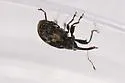
Anthonomus finitimus
Anthonomus finitimus
Identification: elytral vestiture forms a conspicuous V-shaped pattern, as in A. nebulosus Det. R. S. Anderson, 2026 Type Locality: Texas, Brazos Co., Highway 30 at Navasota River, 18 April 1975, M. Holcomb and W. E. Clark. 42 paratypes
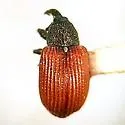
Anthonomus haematopus
Anthonomus haematopus
Identification: the punctures of the prothorax are very coarse and crowded. The pubescence is hairy above, but coarser and almost scale-like beneath, the beak is punctured and striate; the thighs are all armed with a tooth, and the front tibiae are n
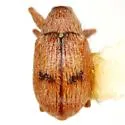
Anthonomus juniperinus
Anthonomus juniperinus
Identification: Distinguished from the other species in the group by the well-defined dark postmedian fascia on the elytra forming a V-shaped pattern
Anthonomus ligatus
Anthonomus ligatus
Identification: distinguished by the slender body, the generally distinct mid-dorsal and posterolateral elytral maculae, the broadly curved metatibia and large, oblique metatibial mucro in males Type Locality: Arizona
Anthonomus pedicularius
Anthonomus pedicularius
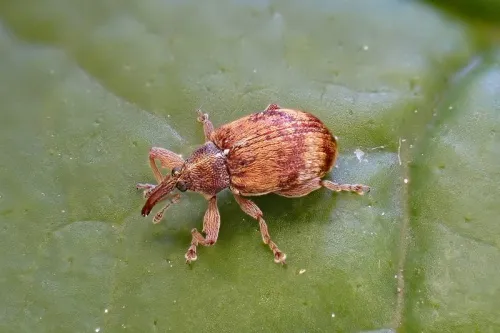
Measuring around 4 mm, this is a chestnut brown weevil with white markings on the elytra which may be quite faint. The larva develops inside hawthorn flower buds, causing galls; the buds become brown and do not open and the ovaries below the petals a
Anthonomus rileyi
Anthonomus rileyi
Identification: Rostrum nearly straight, slightly longer and more slender in female; with sparse elongate scales at extreme base PARATYPE
Anthonomus rutilus
Anthonomus rutilus
Anthonomus rutilus (Anthonomus rutilus) is a species in the family Curculionidae, commonly known as snout and bark beetles, belonging to the order Coleoptera (Beetles). It is classified within the subfamily Curculioninae, tribe Anthonomini, suborder
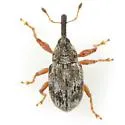
Anthonomus squamans
Anthonomus squamans
Identification: highly variable in size, color and markings; larger specimens tend to have distinct color patterns and a more dense scale covering, in smaller specimens the scales are usually unicolored and less dense Type Locality: Mexico, Vera Cruz
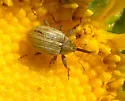
Anthonomus squamosus
Anthonomus squamosus
Associated with Grindelia (Asteraceae). ( 3 ) The doubtfully distinct A. ater from California is the only other known species of the group associated with Grindelia .
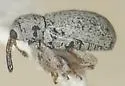
Anthonomus stolatus 0
Anthonomus stolatus
Identification: Holotype closely resembles A. tenuis which has male metatibia curved and rostrum smoother and more nearly completely glabrous
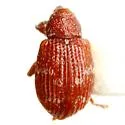
Anthonomus subfasciatus
Anthonomus subfasciatus
Identification: 6 jointed funiculus of the antennae Det. H. Burke, 2014 Type Locality: New York
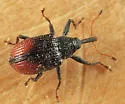
Anthonomus suturalis
Anthonomus suturalis
Identification: elytra with a reddish area of varying size on each elytron to completely unicolorous
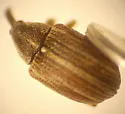
Anthonomus tectus
Anthonomus tectus
Identification: Lectotype widespread and highly variable; may be a complex of species. (Horace Burke, 2013 pers. comm. to MAQ)
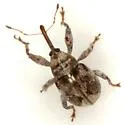
Anthonomus xanthoxyli
Anthonomus xanthoxyli
Identification: Det. E.G. Riley, 2010 Type Locality: San Diego, Texas
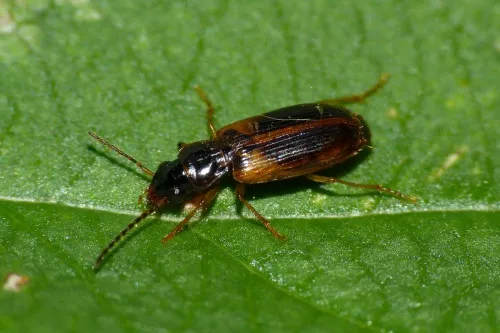
Anthracus consputus
Anthracus consputus
A 3.8 to 5 mm long, brown ground beetle. Good photograph required, please also state size. Found amongst grass and leaves in shady or damp places and at the margins of still water. Most records seem to be in spring and early summer. Widespread in the
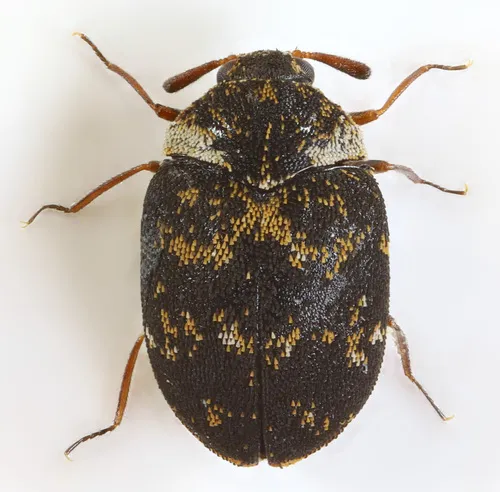
Anthrenus fuscus
Anthrenus fuscus
The pattern of A. fuscus is quite distinctive. It is also smaller (up to 3 mm) and darker than the more common A. verbasci . During the summer months, the adult beetles are often found outside, feeding on pollen and nectar of plants - particularly of
Anthrenus polonicus
Anthrenus polonicus
Identification: differentiation from A. fuscus may be difficult without dissection, although dorsal vestiture tends to be lighter colored (higher percentage of pale scales)
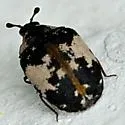
Anthrenus thoracicus
Anthrenus thoracicus
Identification: Det. Andreas Herrmann, 2016 relatively uncommon (Beal 1983)
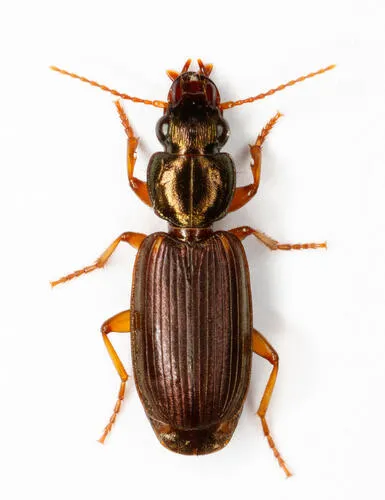
Apenes angustata
Apenes angustata
Identification: The type at the NMNH has a bright green forebody contrasting with the wine colored elytra, and the strigae on the frons are less strongly impressed than in lucidula . From Schwarz’s description: “Of the same size as A. lucidula, but n
Apenes lucidula
Apenes lucidula
Identification: among the two eastern spp., can be distinguished by densely rugose head (sparsely punctate in A. sinuatus ) comes to lights
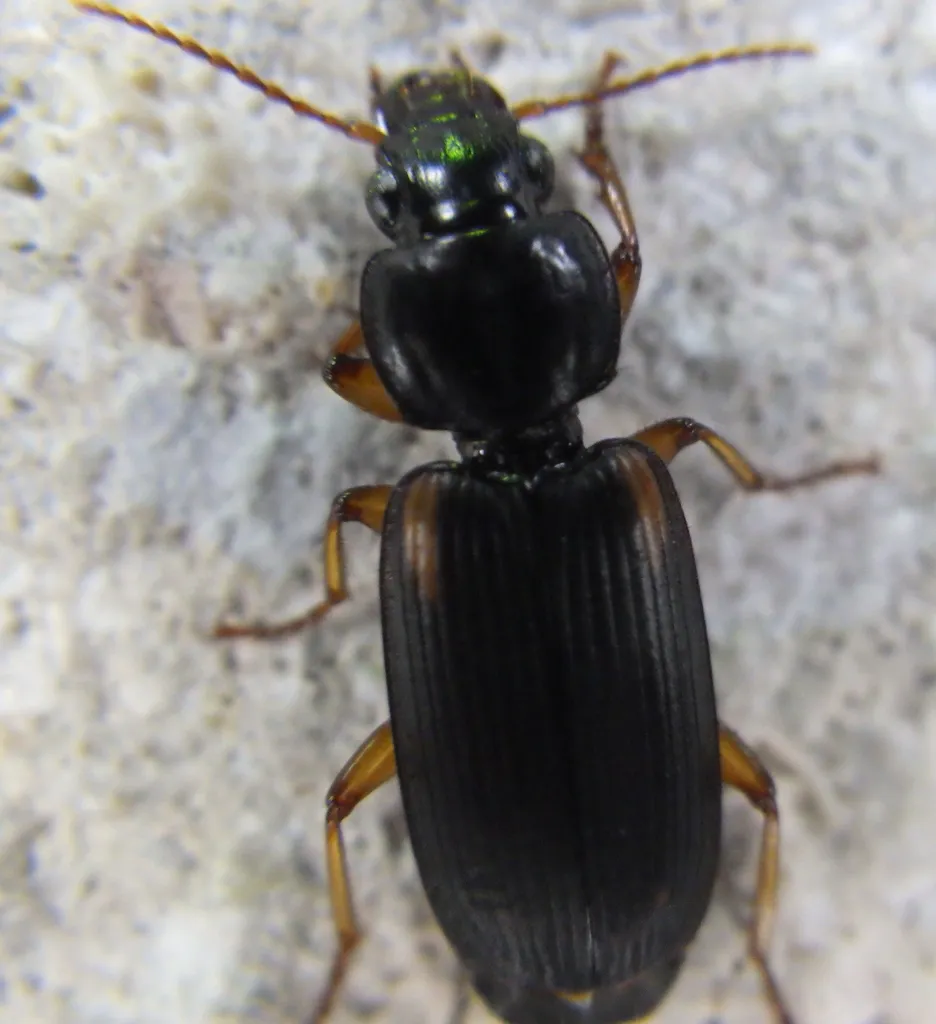
Apenes parallela
Apenes parallela
Apenes parallela is a species of ground beetle in the family Carabidae. It is found in the Caribbean and North America.
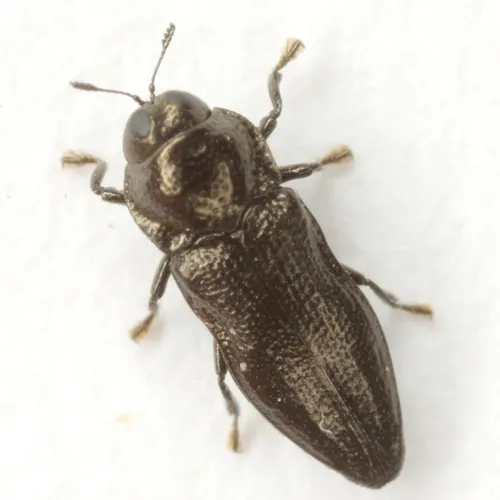
Aphanisticus cochinchinae
Aphanisticus cochinchinae
Aphanisticus cochinchinae is a species of metallic wood-boring beetle in the family Buprestidae. It is found in Southern Asia.
Aphanisticus congener
Aphanisticus congener
Identification: Robust. No serration on elytral apices. Frons with two circular pits in center just above the antennal insertions clearly separated.
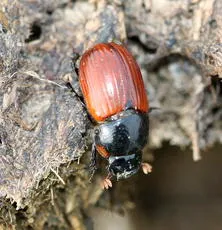
Aphodius fimetarius
Aphodius fimetarius
This rather cylindrical looking Dung Beetle has an orange-red ribbed elytra with a black head and thorax. There are other similar species but A. fimetarius has an even border around the thorax which also has yellow side patches. Females are larger th
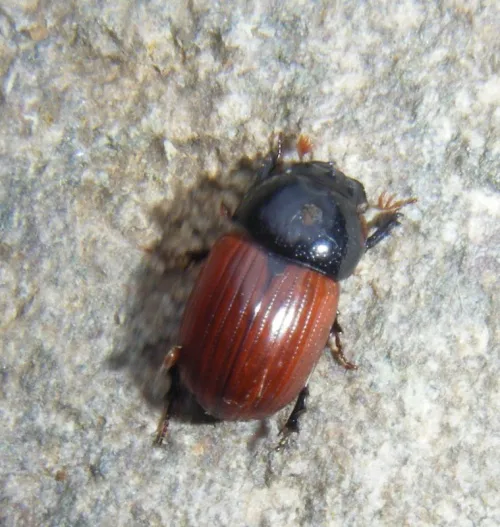
Aphodius pedellus
Aphodius pedellus
One of several similar dung beetles with orangey elytra and black head and pronotum. Found around dung and in pastures used by cattle. Throughout the year peaking April to October. British status is unclear as the species has been split and it is dif
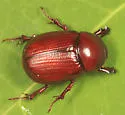
Aphonus castaneus
Aphonus castaneus
Identification: Small (12.2 mm or less), clypeo-frontal carina lacking, clypeus punctate-rugulose, subapical carina of clypeus with middle tooth reduced or lacking, prosternum small/triangular.
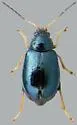
Aphthona czwalinai
Aphthona czwalinai
Identification: Shiny metallic black. Adults indistinguishable from A. lacertosa common in ND ( 3 ) Introduced to control Euphorbia (leafy spurge) in 1987
Aphthona flava
Aphthona flava
Identification: orange or orange-brown. Typically adults hop rather than fly images: 1 | 2 In some states, adults may be obtained at no cost from state weed management agencies.
Aphthona lacertosa
Aphthona lacertosa
Identification: Shiny, metallic black common in ND ( 3 )
Aphthona nigriscutis
Aphthona nigriscutis
Identification: Gatunek obejmujący zasięgiem południowo-wschodnią i środkową część Europy, granica północna rozmieszczenia przebiega od dorzecza Łaby przez środkową część Polski, Wołyń i dorzecze dolnego Dniepru po przedgórza Kaukazu. W Polsce chrząs
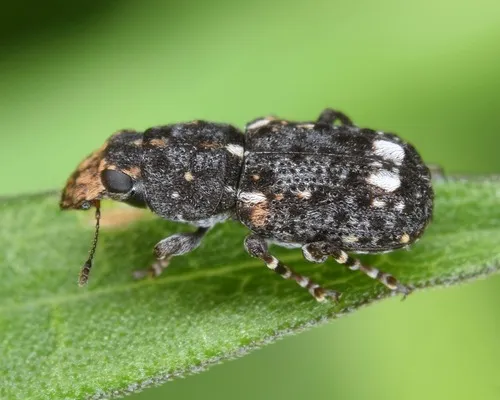
Apical-spotted Fungus Weevil
Goniocloeus bimaculatus
Goniocloeus bimaculatus is a species of fungus weevil in the beetle family Anthribidae. It is found in North America.
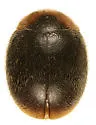
Apicanus Lady Beetle
Scymnus apicanus
Identification: Scymnus a. apicanus : no spmns examined w/ pronotum mostly black, the median black spot is somewhat var. in size Scymnus a. borealis : median black pronotal spot often approaches the anterior margin of the pronotum. the diff. betw. ap
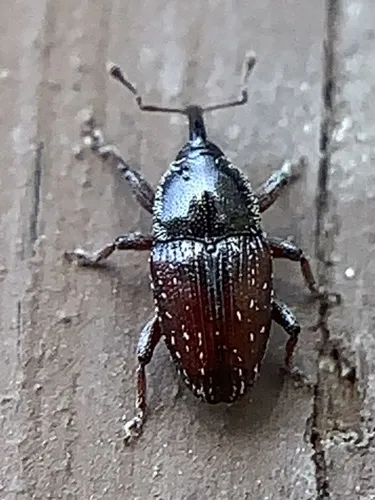
Apinocis blanditus
Apinocis blanditus
Identification: part of the Rootstock Weevil Complex [PDF] Per White and Carlton (2012), In Louisiana, rootstock weevils form a pest complex comprised of three species of curculionid beetles: Apinocis subnudus (Buchanan), A. deplanatus (Casey), and A
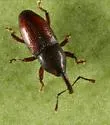
Apinocis subnudus
Apinocis subnudus
part of the Rootstock Weevil Complex Per White and Carlton (2012), In Louisiana, rootstock weevils form a pest complex comprised of three species of curculionid beetles: Apinocis subnudus (Buchanan), A. deplanatus (Casey), and A. blanditus (Casey). T
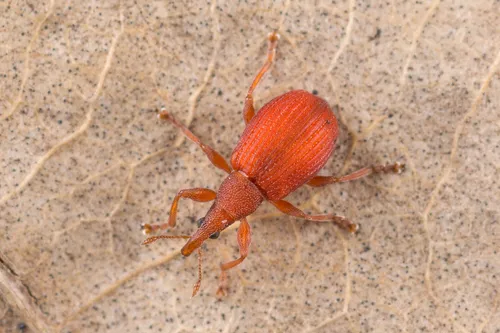
Apion frumentarium
Apion frumentarium
2.5 to 4.5mm. Distinguished from other red Apion species by the head structure; completely punctate, including the underside, between eyes and prothorax side margin, this punctuation being similar to that on pronotum. Head long, with temples subparal
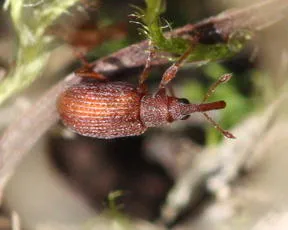
Apion haematodes
Apion haematodes
Very small (only 2 or 3 mm) and almost entirely orange coloured. Head and pronotum are punctured. Elytra strongly rounded, broadest behind middle, with deeply impressed striae with rows of indentations. Unless identified by a recognised expert, photo
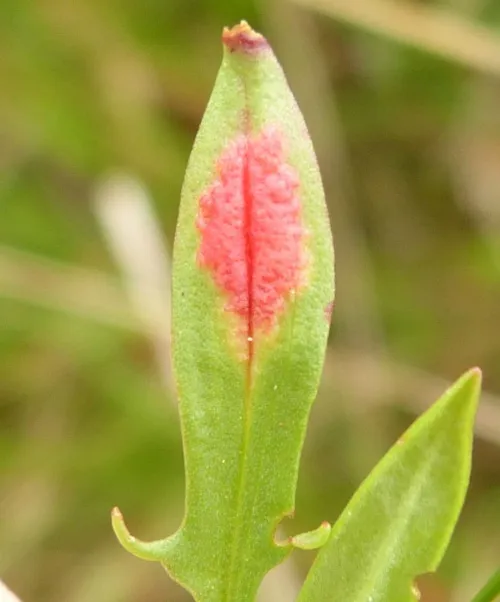
Apion rubens
Apion rubens
Apion rubens is a small (2 to 3 mm) reddish coloured weevil. The larvae mine the leaves of Sheep's Sorrel (Rumex acetosella ) causing galls to form as swellings along the mid rib or petiole. These are often reddish or sometimes yellow in colour. (see
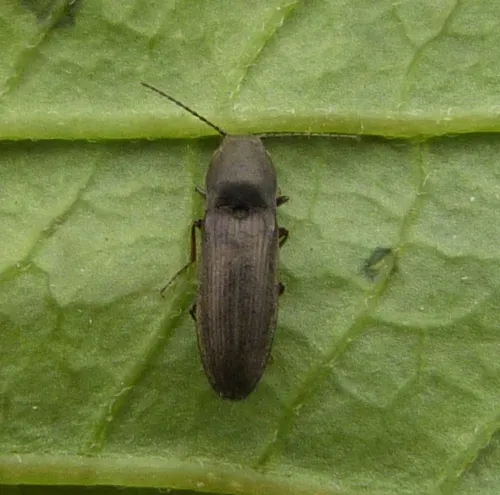
Aplotarsus incanus
Aplotarsus incanus
Length: 7 to 8.5 mm. Dull black and elongate with a fine pubescence. Legs are brown. The pronotum is very finely punctuated (denser in males). Elytral punctures larger than those on the pronotum and very dense - running into each other. The frons (be
Apocellus analis
Apocellus analis
Identification: last key couplet: Sides of head parallel behind; base broadly truncate; prothorax trapezoidal [emphasis added] Rufo-testaceous, shining, smooth, last two dorsal segments of abdomen blackish [e. a.]. Head large, sides parallel behind t
Apocellus niger 0
Apocellus niger
Identification: Moderately robust, convex; upper surface intense black throughout, except the elytral suture which is dark piceo-testaceons; antennas piceo-testaceous toward base, black toward tip; legs pale luteo-testaccous, femora shaded piceous in
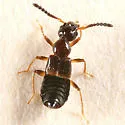
Apocellus sphaericollis
Apocellus sphaericollis
Identification: The only described species in eastern North America [except one FL endemic], though others probably remain undescribed. Genus needs revision. Varies greatly in color, and somewhat in the form of the prothorax, which is occasionally ne
Apocellus stilicoides 0
Apocellus stilicoides
Identification: Head and prothorax opake; head large, truncate behind, prothorax trapezoidal
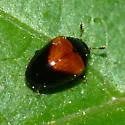
Aporotritoma pulchra
Aporotritoma pulchra
Identification: the red/yellow humeral spot extending back to within 1/4 of apex + black scutellum
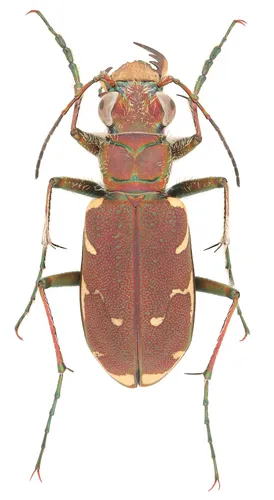
Appalachian Tiger Beetle
Cicindela ancocisconensis
Cicindela ancocisconensis, known generally as the Appalachian tiger beetle or boulder beach tiger beetle, is a species of flashy tiger beetle in the family Carabidae. It is found in North America.
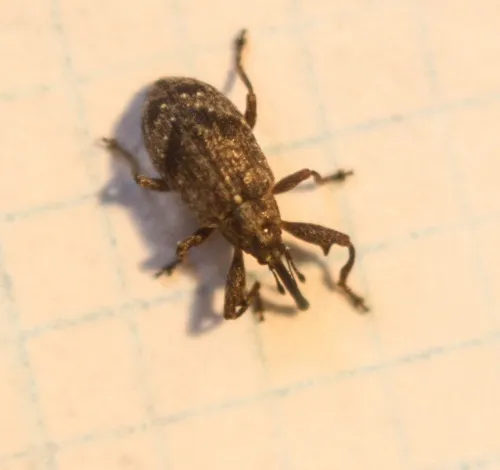
Apple Blossom Weevil
Anthonomus pomorum
Unless identified by a recognised expert, photographic evidence is required and the specimen should be examined with a microscope. In the comments box, state the key or ID method used. Note the beetle's size and describe the identifying characters. I
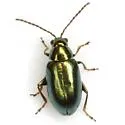
Apple Flea Beetle
Altica foliaceae
In recent years, several outbreaks of this insect have occurred throughout Colorado.
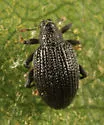
Apple Flea Weevil
Orchestes pallicornis
Identification: very hard to separate from the largely sympatric O. mixtus based on external features [do not use keys in ]; positive ID must rely on genitalia, although reliable host data work well, too hind femur moderately to markedly expanded
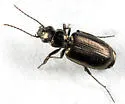
Apristus laticollis
Apristus laticollis
Identification: "A far western species distinguished (in part) by shiny metallic luster and fading of elytral striae laterally." -P.W. Messer
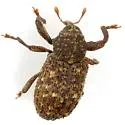
Apteromechus texanus
Apteromechus texanus
Type Locality: Brownsville, Cameron County, Texas Texas considers this a "Species of Greatest Conservation Need" (SGCN) ( 3 )
Apteropeda orbiculata
Apteropeda orbiculata
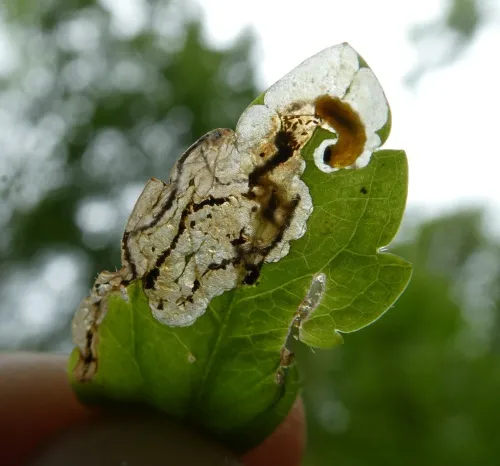
Adults are about 2.5 mm and may be dark metallic green, bronze, copper, blue or violet. The larvae mine the leaves of various plants, and are short, yellow, and with a black head. Adult and Leafmines: Unless identified by a recognised expert, a photo
Araeodontia marginalis
Araeodontia marginalis
Identification: characterized by having piceous stripes extending along the sutural and lateral margins of the elytra in a continuous manner. No other species of Araeodontia possess such a distinctive type of elytral markings. Type locality: Mexico,
Araeodontia peninsularis
Araeodontia peninsularis
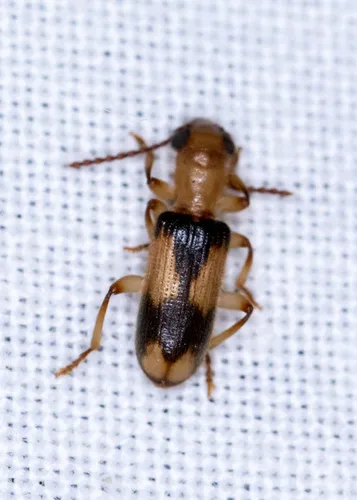
Identification: As in most maculate Cymatodera, peninsularis presents considerable varia- tion in color. One specimen has the elytra black with two, broad, indistinct ante-median fasciae, extending inward only slightly from the lateral margins, along
Aramigus pallidus (species complex)
Aramigus pallidus
Identification: Det. Charles W. O'Brien, 2012 a complex species with bisexual populations and parthenogenetic lineages (Lanteri & Díaz 1994)
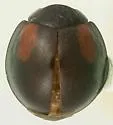
Arawana arizonica
Arawana arizonica
Identification: see Gordon's Figs. 508 and 509 . 2 type specimens of E. arizonica in the Casey collection, labeled "Ari.". Distribution: ARIZONA: Catalina Springs; Santa Rita Mts.
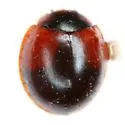
Arawana scapularis
Arawana scapularis
Identification: Elytron bluish or greenish black with large or small red spot on humeral angle, smaller red or orange spot at apex, pale areas usually narrowly connected along lateral margin The first U.S. record of A. scapularis was based on specime
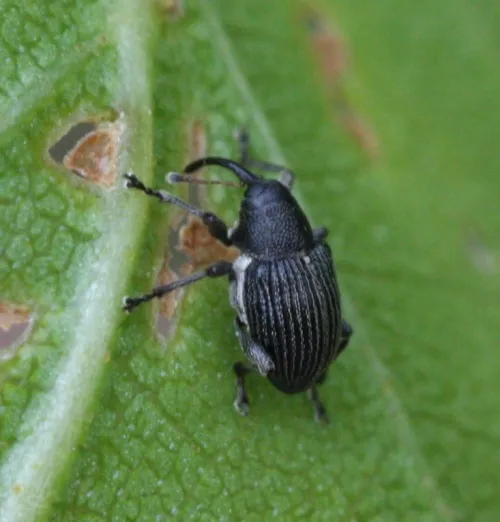
Archarius pyrrhoceras
Archarius pyrrhoceras
A black weevil with its pinky red antennae. Very similar to Archarius salicivorus but distinguished by its red antennae. Unless identified by a recognised expert, photographic evidence is required and the specimen should be examined with a microscope
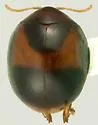
Argopistes scyrtoides
Argopistes scyrtoides
It is not uncommon in the salt marshes south of Vero Beach in Indian River Co., S of Vero Beach, sweeping, 16-VII-1975; 28 VII-1975; 7-XI-1975; 19-111-1976, MCT [FSCA].
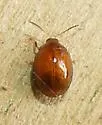
Argopistes tsekooni
Argopistes tsekooni
Identification: see first US record from Atlanta, Georgia, April, 2023
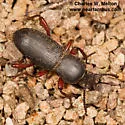
Argoporis alutacea
Argoporis alutacea
Identification: male metafemoral armature distinctive
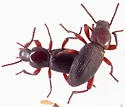
Argoporis rufipes
Argoporis rufipes
Identification: male: metafemoral tooth followed by 2 smaller teeth
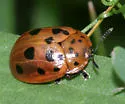
Argus Tortoise Beetle
Chelymorpha cassidea
Identification: dorsum glabrous above -- hairy in Ch. phytophagica , a swUS species: vs
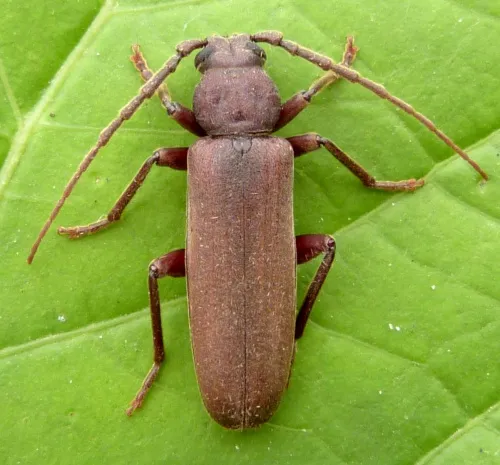
Arhopalus rusticus
Arhopalus rusticus
A large longhorn beetle reaching about 25 mm in length and occasionally bigger. It is a uniform mahogany brown in colour Very similar to Arhopalus ferus but separated by the third tarsal segment which is deeply divided in A. rusticus but only less th
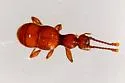
Arianops kingi
Arianops kingi
Identification: Distinguished in Barr's key in part by the shape of the abdomen: "with sides subparallel along first tergite, then rather abruptly convergent to apex."
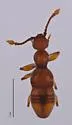
Arianops norithe
Arianops norithe
Described from a single male specimen. This species is very similar to henroti . As Barr states, the two may be conspecific .
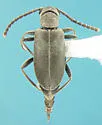
Ariotus rileyi
Ariotus rileyi
Ariotus rileyi (Ariotus rileyi) is a species in the family Aderidae, commonly known as ant-like leaf beetles, belonging to the order Coleoptera (Beetles). It is classified within the tribe Aderini, suborder Polyphaga, superfamily Tenebrionoidea. This
Armalia angularis
Armalia angularis
Identification: head as in texanus but rather less coarsely or closely punctate; prothorax formed nearly as in texanus but rather less transverse and with the punctures medially rather finer, becoming much coarser and close-set laterally but not as d
Armalia texana
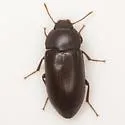
Armalia texana
common at Laguna Atascosa NWR, Cameron Co. ( 3 ) ; uncommon in c.TX (Brazos Co.), comes to lights (=v=)
Armored Darkling Beetle
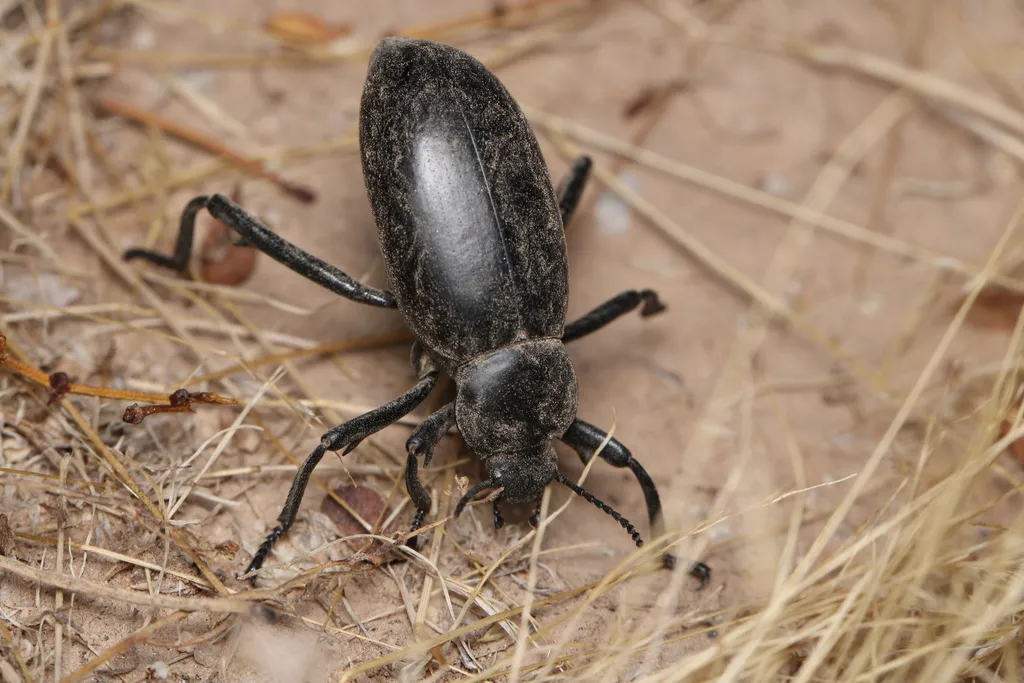
Eleodes armata
The gender of Eleodes is feminine ( 4 ) , so adjectivic species names end -is or -a, not -um.
Arpedium angulare
Arpedium angulare
Identification: "Based on the general shape and body length, A. angulare is similar to the Nearctic A. cribratum (...) It is more related to A. cribratum, from which can be distinguished by the shape of slightly broadened pronotum, and significantly
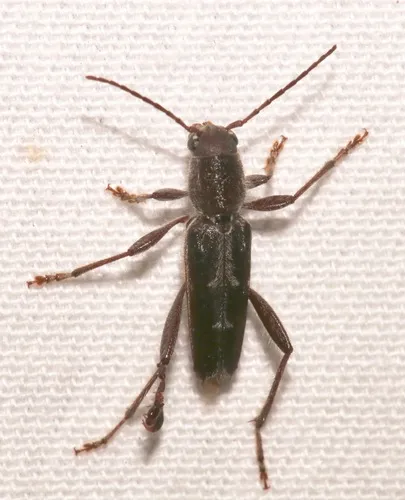
Arrowhead Borer
Xylotrechus sagittatus
Identification: Reddish. Pale markings (pubescence) is mainly down midline of elytra. In some (?) specimens, there are arrowhead lines pointing towards head. Det. M. A. Quinn, 2012 occasionally found w/ pseudoscorpions on hind legs:
Arthrolips decolor
Arthrolips decolor
Identification: pale dull yellow, elytra minutely reticulate
Arthromacra pilosella
Arthromacra pilosella
Identification: Ciegler describes A. pilosella : "Elongate, subcylindrical, slightly broader behind, shiny. Greenish or greenish coppery bronze; antennae, tibiae, and tarsi pale testaceous, abdomen dark bronze. Dorsal surface of pronotum and elytra w
Arthromacra robinsoni
Arthromacra robinsoni
Identification: Field identification of species in this genus is difficult. It appears that the following are helpful in the ID of robinsoni : Both male and female in this species have an elongated apical antennal segment. See figure from original de
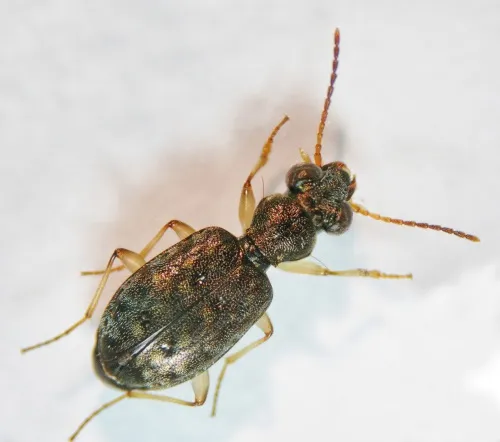
Asaphidion curtum
Asaphidion curtum
Length about 4 or 5 mm. A shiny metallic bronze beetle sometimes with violet or blue overtones. The elytra have prominent depressions. This species has very prominent eyes. Antennal segments 6-10 yellow/brown, c.f. segments 6-10 blackish/brown in Asa
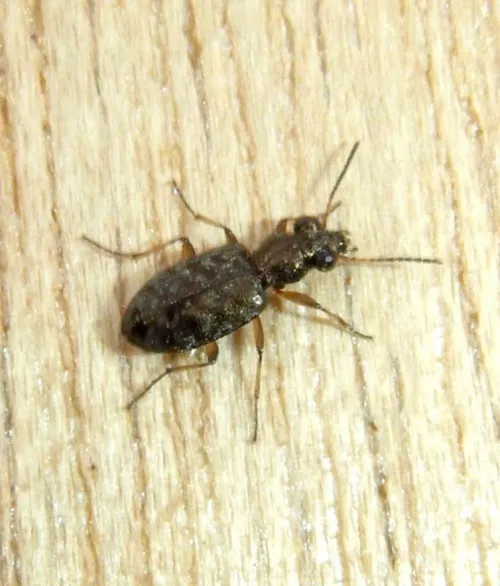
Asaphidion stierlini
Asaphidion stierlini
This is a very handsome beetle, the entire upper surface shiny metallic bronze mottled with violet or blue overtones. Despite the distinctive appearance there are other very similar species and detailed examination is necessary to reach a sound id. V
Asbolus mexicanus
Asbolus mexicanus
Identification: From all our species, angularis differs in having the hind angles distinctly everted and the lateral margin in front of them slightly reflexed. Type Locality of A. m. angularis (Horn): El Paraíso, Baja California, Mexico
Asbolus papillosus
Asbolus papillosus
Identification: Characterized by the more granular elytra and shorter hairs on the tarsi.
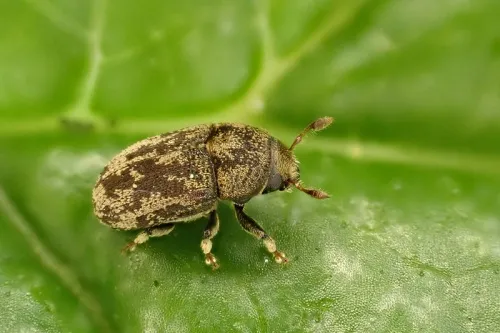
Ash Bark Beetle
Hylesinus varius
Hylesinus varius (formerly Leperisinus fraxini ) and H. wachtli (formerly L.orni ) can only be distinguished by microscopic examination. H. varius has coarse suberect setae on the sides of the elytra that are clearly visible from above and a more elo
Ashgray Blister Beetle
Epicauta fabricii
Identification: To distinguish E. murina , see under E. murina ; E. flavocinerea , a rare species, has 1st segment in male not very modified, 2nd and 3rd subequal in female, pubescence yellowish