
Primitive Winged Insects
Order Coleoptera
The Primitive Winged Insects (Order Coleoptera) includes 15,720 species across 160 families and 3,716 genera in our directory.
About Primitive Winged Insects
Coleoptera is the largest order of insects with over 400,000 described species, representing ~25% of all known animal species and ~40% of all insects. In the U.S. alone, nearly 30,000 beetle species have been identified.
Economic Impact
Beetles have major economic significance: leaf beetles (Chrysomelidae) and weevils (Curculionoidea) are among the most destructive agricultural pests globally, costing billions annually, while predatory species like ladybugs provide natural pest control.
Ecological Role
Beetles are prominent decomposers, especially in forests, breaking down dead wood and recycling nutrients. As predators, they reduce populations of pest insects. Many species are also important pollinators of flowering plants.
Families in Coleoptera (160)
Species in Coleoptera (15,720)
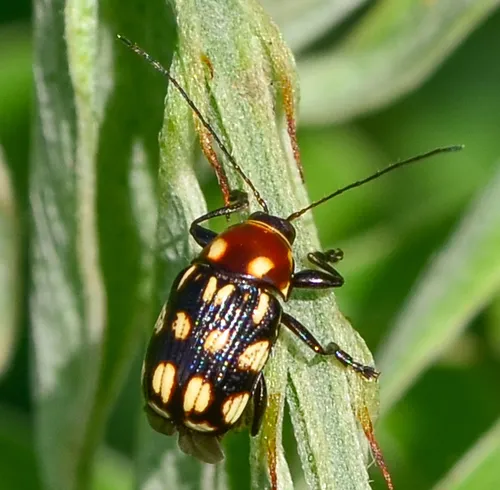
Bassareus clathratus
Bassareus clathratus
Identification: Det. E. U. Balsbaugh, Jr. 1977 MO: Randolph Co. Type Locality: Pennsylvania
Bassareus detritus
Bassareus detritus
Identification: The only species in the genus with an opaque pronotum. Det. A. Deczynski, 2011
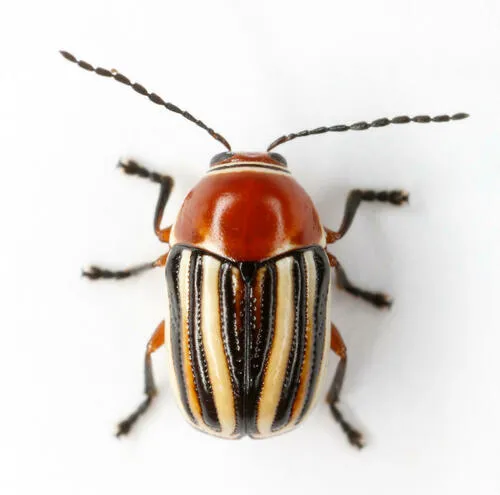
Bassareus lituratus
Bassareus lituratus
Bassareus lituratus is a species of case-bearing leaf beetle in the family Chrysomelidae. It is found in North America.
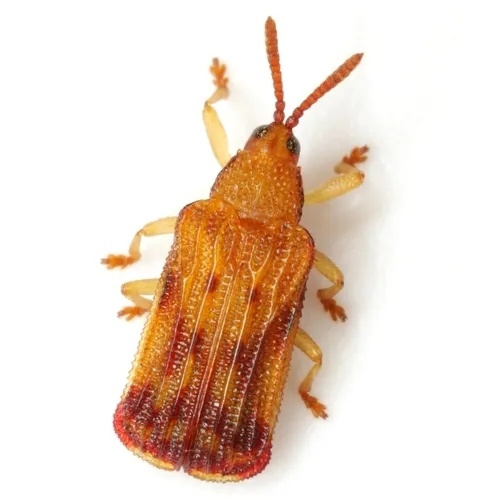
Basswood Leaf Miner
Baliosus nervosus
Basswood Leaf Miner (Baliosus nervosus) is a species in the family Chrysomelidae, commonly known as leaf beetles, belonging to the order Coleoptera (Beetles). It is classified within the subfamily Cassidinae, tribe Chalepini, suborder Polyphaga, supe
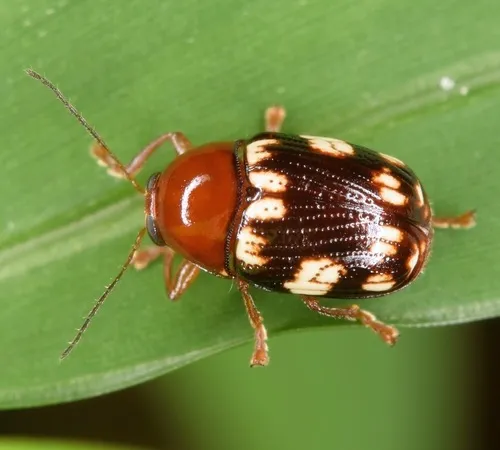
Bay-necked Cryptocephalus
Cryptocephalus badius
Identification: Det. J. R. Watts, 2008 The 69 specimens examined by White in the USNM were collected in Pennsylvania, Maryland, Delaware, Virginia, West Virginia, Kentucky, Tennessee, Florida, Mississippi, Kansas, and Oklahoma.
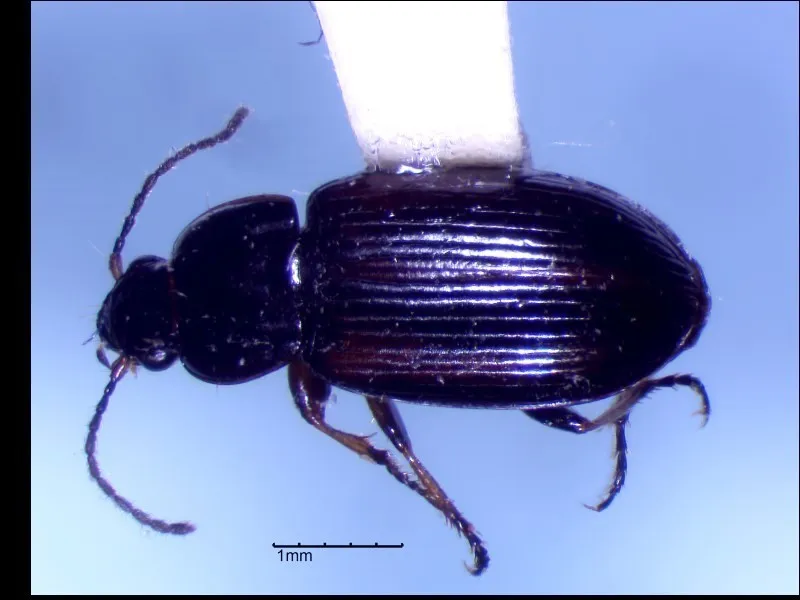
Bay-winged Harp Ground Beetle
Bradycellus badipennis
Identification: "Leg coloration varies from entirely rufous to femora blackish against rufous tibiae" (PWM, pers.obs.)
Bayberry Agrilus
Agrilus sayi
Identification: both pronotum and head red (in A. ruficollis , pronotum only); not quite as black as A. ruficollis
Beautiful Tiger Beetle
Cicindela pulchra
Identification: Most are metallic purple, but can be deep dull purple also. Maculation in Colorado can vary from a well defined middle band to no maculation at all. In Arizona/southern New Mexico the maculation is greatly expanded; these populations
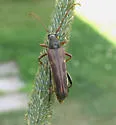
Bellamira scalaris
Bellamira scalaris
Identification: Large, with short head and long "neck" (pronotum). Elytra "bottle-shaped", with somewhat variable markings. Male has expanded tip of abdomen
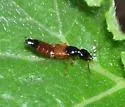
Belonuchus rufipennis
Belonuchus rufipennis
Identification: Black, with elytra and first four abdominal tergites reddish-yellow or reddish-brown. Labial and maxillary palpomeres long and narrow. Pronotum longer than wide, with rows of 4–5 punctures on top, 5-6 on sides. Largest lateral pronota
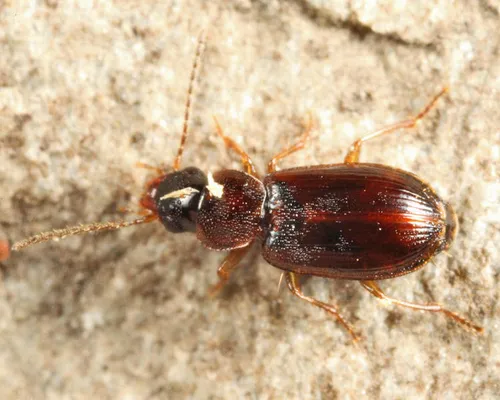
Beloved Harp Ground Beetle
Acupalpus carus
Acupalpus carus is a black coloured insect-eating ground beetle of the Acupalpus genus which can be found in Canada and the United States.
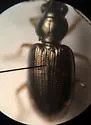
Bembidion acticola
Bembidion acticola
Bembidion acticola is a species of beetle in the family Carabidae. It is found along the East Coast of the United States, from Maryland to Long Island.
Bembidion acutifrons
Bembidion acutifrons
Identification: https://www.zoology.ubc.ca/~biodiv/entomology/main/Coleoptera/Carabidae/Trechinae/Bembidion%20acutifrons%20(1dorsal).jpg
Bembidion americanum
Bembidion americanum
Identification: Some helpful clues include: uniform brassy metallic luster that is not very shiny, elytra with striae all well defined and densely punctured, also four noticeably larger dorsal punctures.
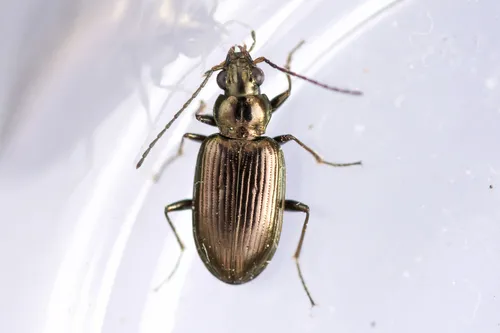
Bembidion antiquum
Bembidion antiquum
Bembidion antiquum is a species of ground beetle in the subfamily Trechinae. It is found in Canada and the United States.
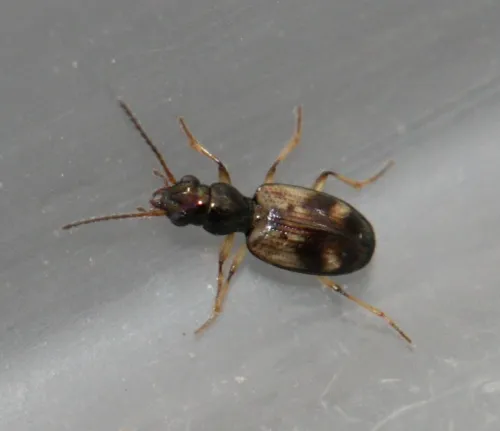
Bembidion articulatum
Bembidion articulatum
2.9 to 3.9 mm. Antennae with at least 3 pale basal segments, most of the fourth also usually pale. Pronotum with longitudinal central furrow, strongly constricted to base. Unless identified by a recognised expert, a photo is required. If the photo do
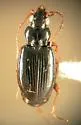
Bembidion basicorne
Bembidion basicorne
Bembidion basicorne is a species of ground beetle in the family Carabidae. It is found in North America.
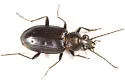
Bembidion bifossulatum
Bembidion bifossulatum
Identification: The large punctures on elytra and entirely dark antennae are helpful features. This species is restricted to the far west versus similar B. b. cheyennense that ranges toward the east (Maddison 1993). However, Y. Bousquet (pers. comm.)
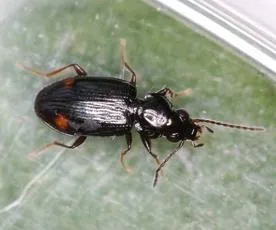
Bembidion biguttatum
Bembidion biguttatum
This small beetle (~4mm) is shiny black with a blue reflection. It has a rounded pronotum which becomes strongly sinuate at the base. The elytra have 7 deeply punctured striae (plus a short scutellary stria) with two pale sub-apical spots. The antenn
Bembidion bowditchii
Bembidion bowditchii
Identification: https://www.zoology.ubc.ca/~biodiv/entomology/main/Coleoptera/Carabidae/Trechinae/Bembidion%20bowditchii%20(1dorsal)%20SEM-UBC%20COL-34987.jpg
Bembidion brachythorax
Bembidion brachythorax
Identification: https://www.zoology.ubc.ca/~biodiv/entomology/main/Coleoptera/Carabidae/Trechinae/Bembidion%20brachythorax%20(1dorsal).jpg
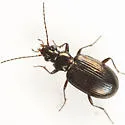
Bembidion chalceum
Bembidion chalceum
Bembidion chalceum (Bembidion chalceum) is a species in the family Carabidae, commonly known as ground beetles, belonging to the order Coleoptera (Beetles). It is classified within the subfamily Trechinae, tribe Bembidiini, suborder Adephaga. This sp
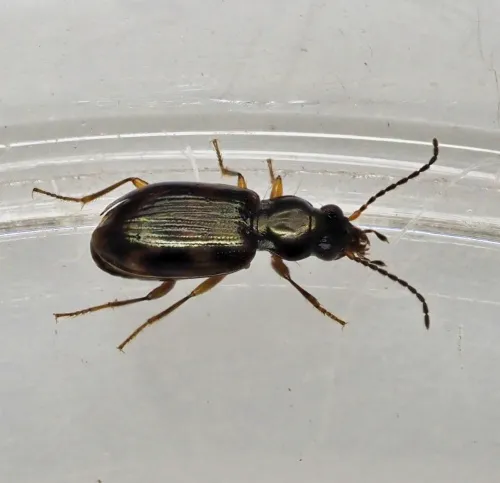
Bembidion clarkii
Bembidion clarkii
3.3-3.8mm. Shining black but with a subtle brassy brown reflection. Antennae black except for the first segment which is pale. Legs are pale brown. The pronotum is strongly sinuate then constricted at the hind end. It has two pairs of deep frontal fu
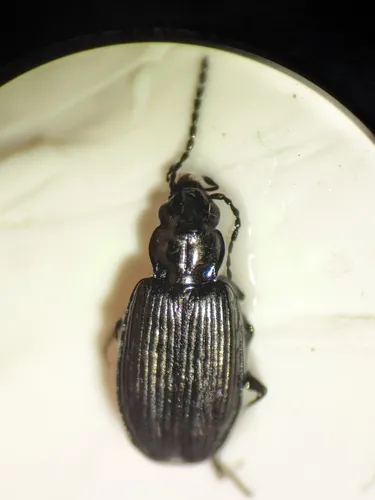
Bembidion compressum
Bembidion compressum
Bembidion compressum is a species of ground beetle in the family Carabidae. It is found in Europe and Northern Asia (excluding China) and North America.
Bembidion consimile
Bembidion consimile
Bembidion consimile is a species of ground beetle in the family Carabidae. It is found in North America.
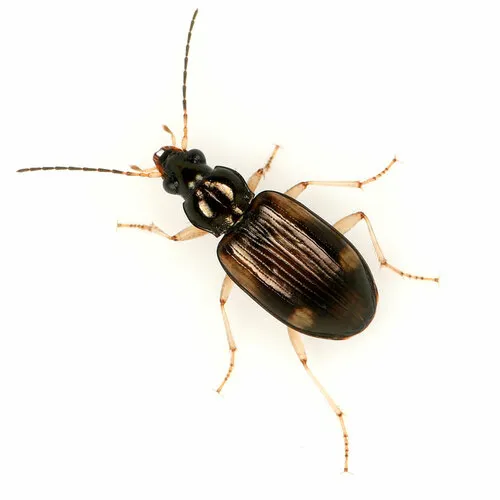
Bembidion corgenoma
Bembidion corgenoma
Identification: lateral lobes of the mentum well projected; antennomeres 1‒3 sharply pale; pronotal base relatively smooth (sparsely punctate); western coastline location. otherwise similar to B. transversale (which probably does not extend into CA)
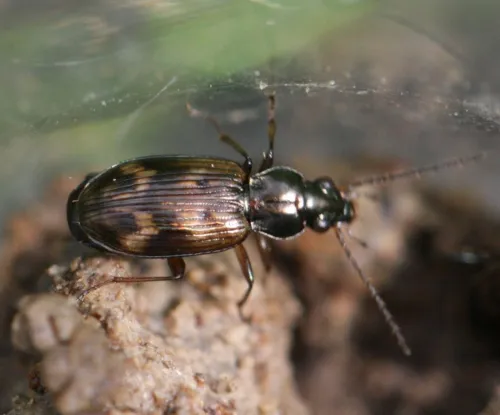
Bembidion dentellum
Bembidion dentellum
A large Bembidion, 5 to 6 mm. It has dark brown elytra with various lighter markings usually after the middle, although these may be obscure or missing. Marshes and well vegetated water margins. Also in flood refuse, on gravel bars and in mud. Widesp
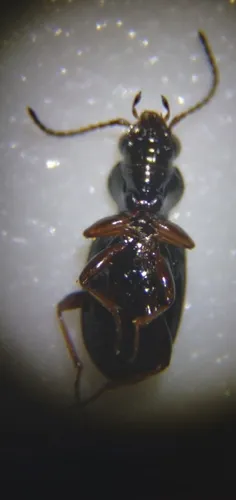
Bembidion dyschirinum
Bembidion dyschirinum
Bembidion dyschirinum is a species of ground beetle in the family Carabidae, found in North America.
Bembidion egens
Bembidion egens
Identification: Elytra with more distinct pale pattern and weaker impressed elytral striae; Pronotum base somewhat broader, with parallel hind angle section longer and with weak but distinct carinae. difficult to distinguish from B. nogalesium Casey
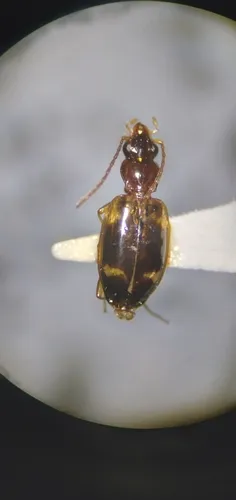
Bembidion festivum
Bembidion festivum
Bembidion festivum is a species of ground beetle in the family Carabidae. It is found in North America.
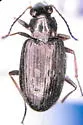
Bembidion foveum
Bembidion foveum
Identification: Elytra without distinct mirrors, with small silver spots. Elytra long and parallel sided, relatively wider than narrow prothorax. First protarsomere of male much larger than in related species.
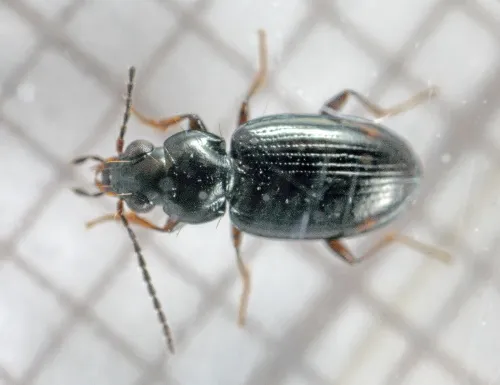
Bembidion guttula
Bembidion guttula
A small ground beetle (only about 3 to 3.5 mm long). It is black or dark bronze with sub-apical pale spots on the elytra and paler tips to the elytra as well. It only has 6 stria (excluding the scutellary stria). Bembidion biguttatum is similar and a
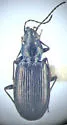
Bembidion hastii
Bembidion hastii
Bembidion hastii is a species of ground beetle in the family Carabidae. It is a Holarctic species found in northern Eurasia from Norway to the Far East and in North America (Alaska and Canada).
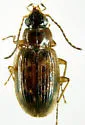
Bembidion immaturum
Bembidion immaturum
Bembidion immaturum is a species of ground beetle in the family Carabidae. It is found in North America.
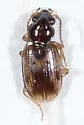
Bembidion impotens
Bembidion impotens
Identification: Entire dorsum very shiny due to lack of microsculpture
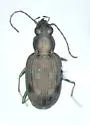
Bembidion inaequale
Bembidion inaequale
Identification: As the species names suggests, note unequal striae (lines) near base of elytra.
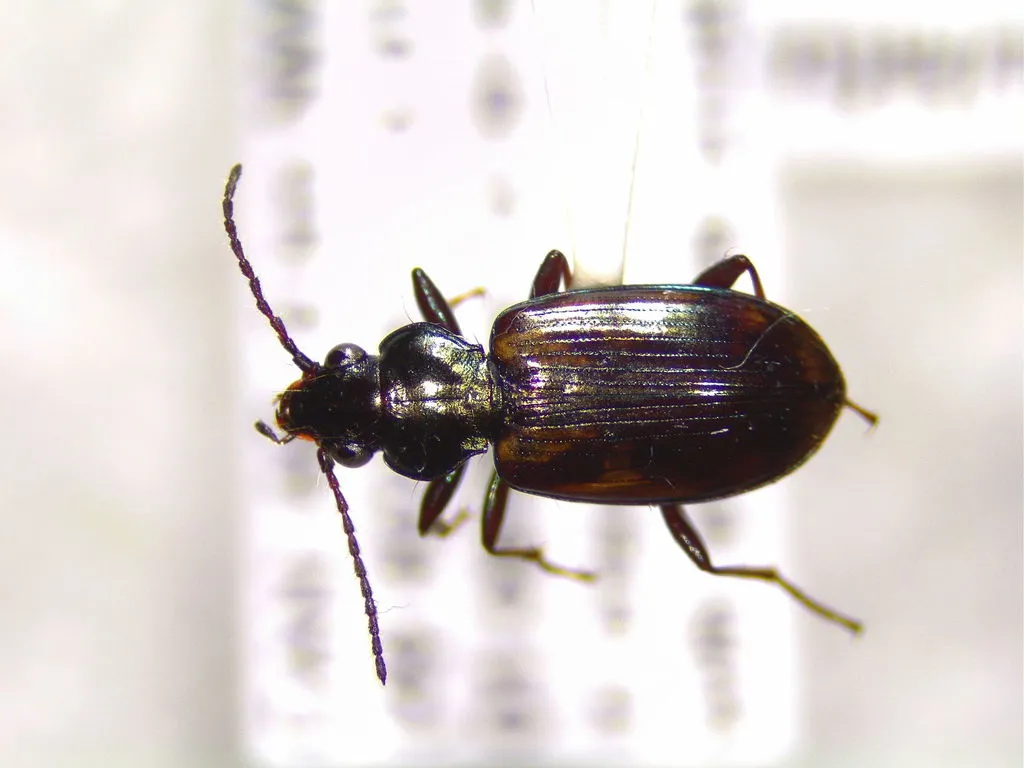
Bembidion insulatum
Bembidion insulatum
Bembidion insulatum is a species of ground beetle in the family Carabidae. It is found in North America.
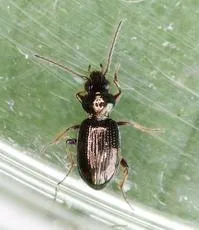
Bembidion lampros
Bembidion lampros
A small (3-4mm) beetle. It is very shiny, normally brassy, with reddish brown legs. Elytra with less than 7 strya. It frequents most dry habitats, including gardens and agricultural land.
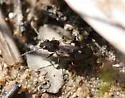
Bembidion levettei
Bembidion levettei
Identification: both sspp. imaged here Relatively common
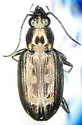
Bembidion lorquinii
Bembidion lorquinii
Identification: Similar to B. hesperium , with which it is often found. B. lorquinii is larger, more slender, and less shiny. In addition, the striae of B. lorquinii are shallower, especially around the silver spots, and the punctures are smaller.
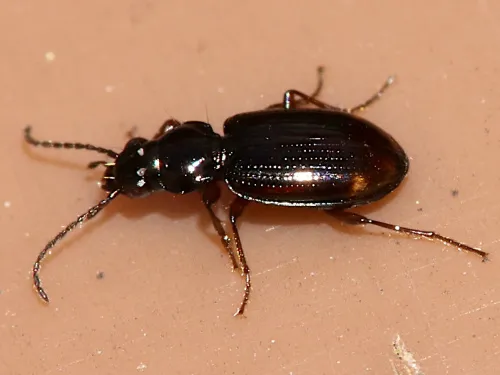
Bembidion lunulatum
Bembidion lunulatum
Small (3.5-4mm) black ground beetle, usually with pale sub-apical elytral spots though these can be faint or obscure. It has a well-rounded pronotum which contracts sharply at its base, giving the beetle a distinct 'waist'. It has dark brown legs and
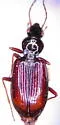
Bembidion mckinleyi
Bembidion mckinleyi
Bembidion mckinleyi (Bembidion mckinleyi) is a species in the family Carabidae, commonly known as ground beetles, belonging to the order Coleoptera (Beetles). It is classified within the subfamily Trechinae, tribe Bembidiini, suborder Adephaga. This
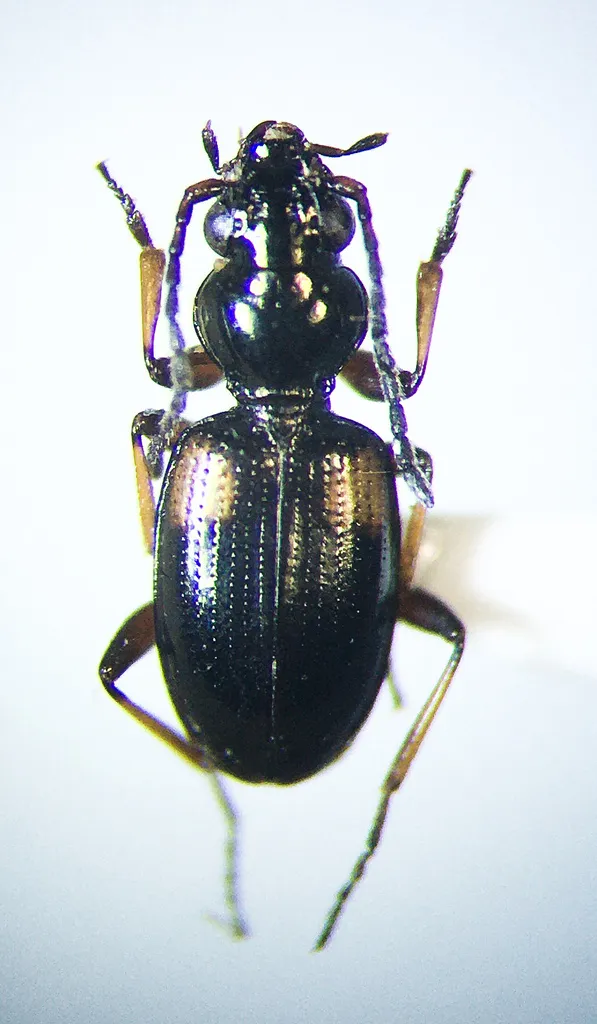
Bembidion mutatum
Bembidion mutatum
Bembidion mutatum is a species of ground beetle in the family Carabidae. It is found in North America.
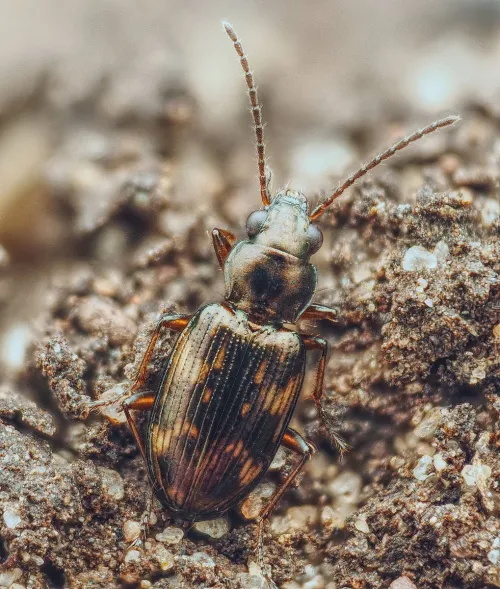
Bembidion obliquum
Bembidion obliquum
A small (~4mm) beetle with a characteristic X pattern on the elytra. Other Bembidion spp, particularly Bembidion varium. Typically on bare mud at the edges of bodies of water. Widespread in England where suitable habitat occurs. No additional images
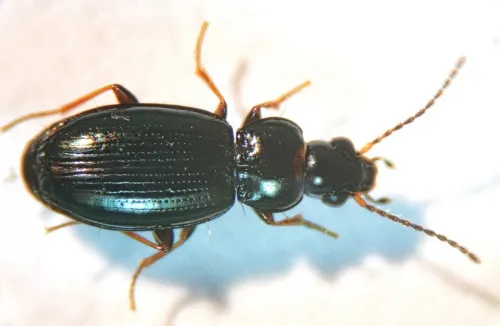
Bembidion obtusum
Bembidion obtusum
A small (3 to 3.5mm) black or brown-black ground beetle. Raised keel on shoulder of elytra is characteristic. This species seems to have a pronounced south-easterly distribution in Britain with only a handful of Scottish and Welsh records.
Bembidion pedicellatum
Bembidion pedicellatum
Identification: Elytral pattern similar to B. quadrimaculatum oppositum but posterior spot sometimes absent; frontal furrows subparallel; pronotum small, scarcely wider than head; elytral punctures usually coarser
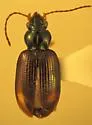
Bembidion plagiatum
Bembidion plagiatum
The only eastern member of the striola group See for a detailed note about this interesting species.
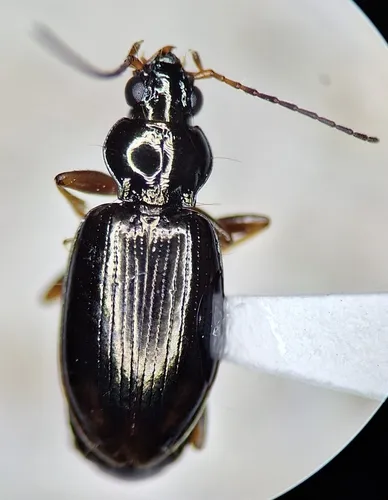
Bembidion platynoides
Bembidion platynoides
Bembidion platynoides is a species of ground beetle in the family Carabidae. It is found in North America.
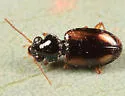
Bembidion poculare
Bembidion poculare
Identification: Combination of four elytral spots plus pronotum with markedly rounded base is distinctive.
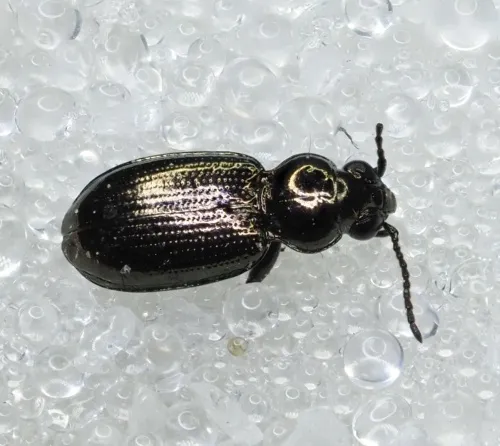
Bembidion properans
Bembidion properans
3.5 to 4.5 mm. A shiny metallic brassy or bronze beetle, sometimes distinctly blue or green, legs dark with the tibiae mostly pale. Unless identified by a recognised expert, a photo is required and the specimen should be examined with a microscope. I
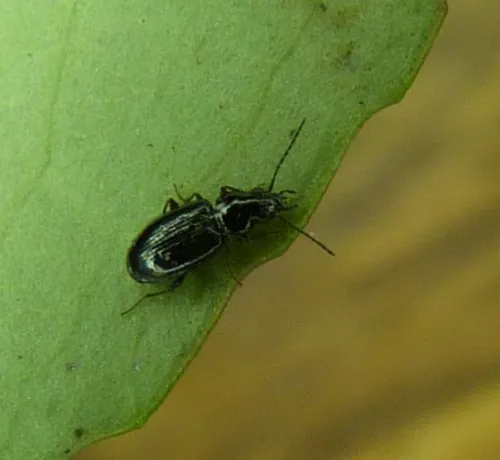
Bembidion punctulatum
Bembidion punctulatum
A fairly small (4.5 to 5.5 mm) green or bronze ground beetle. Often associated with shingle areas, but not exclusively so. Widespread and fairly frequent in Britain, but with fewer records from the south east. No additional images available for this
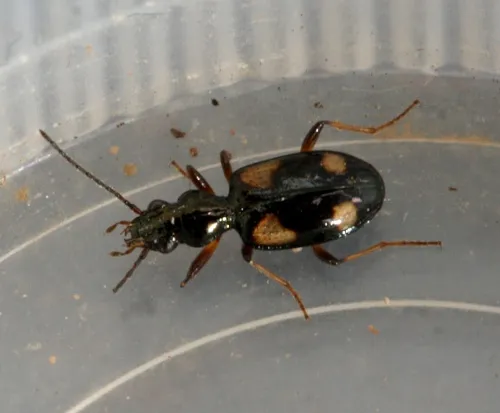
Bembidion quadrimaculatum
Bembidion quadrimaculatum
A small beetle with dark brown or almost black studded elytra marked with four pale yellow or orangey spots. Antennnae and femora mid-brown not black, apical part of antennae darker than distal part. Unlike similar members of the family it is found i
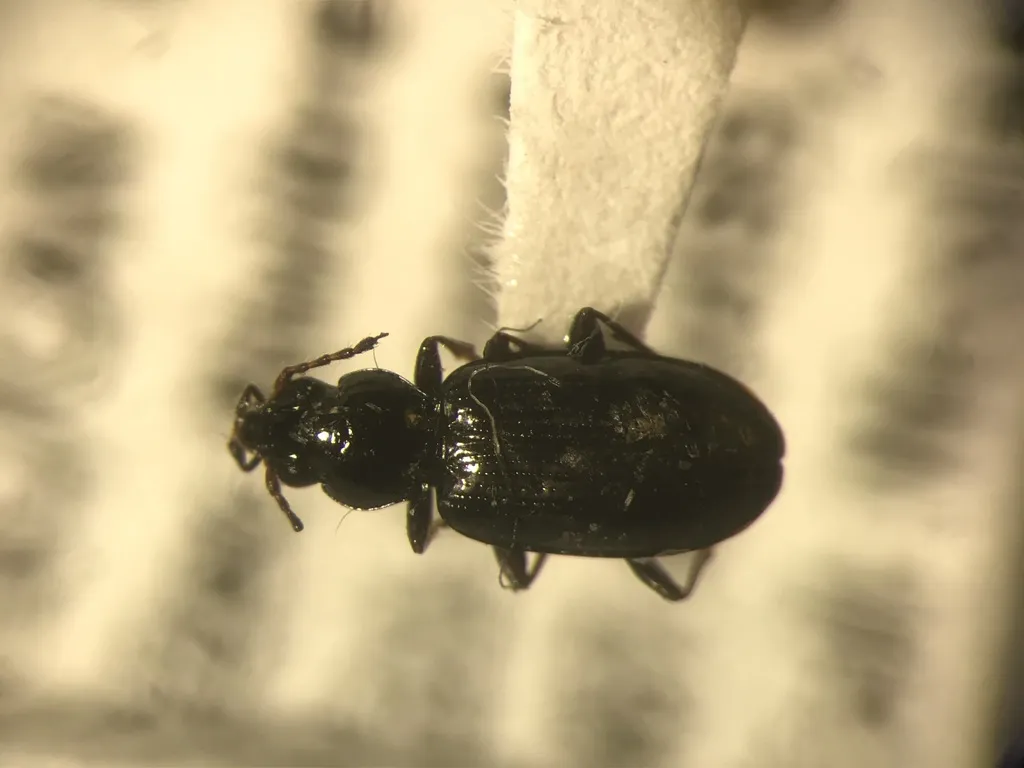
Bembidion quadrulum
Bembidion quadrulum
Bembidion quadrulum is a species of ground beetle in the family Carabidae. It is found in North America.
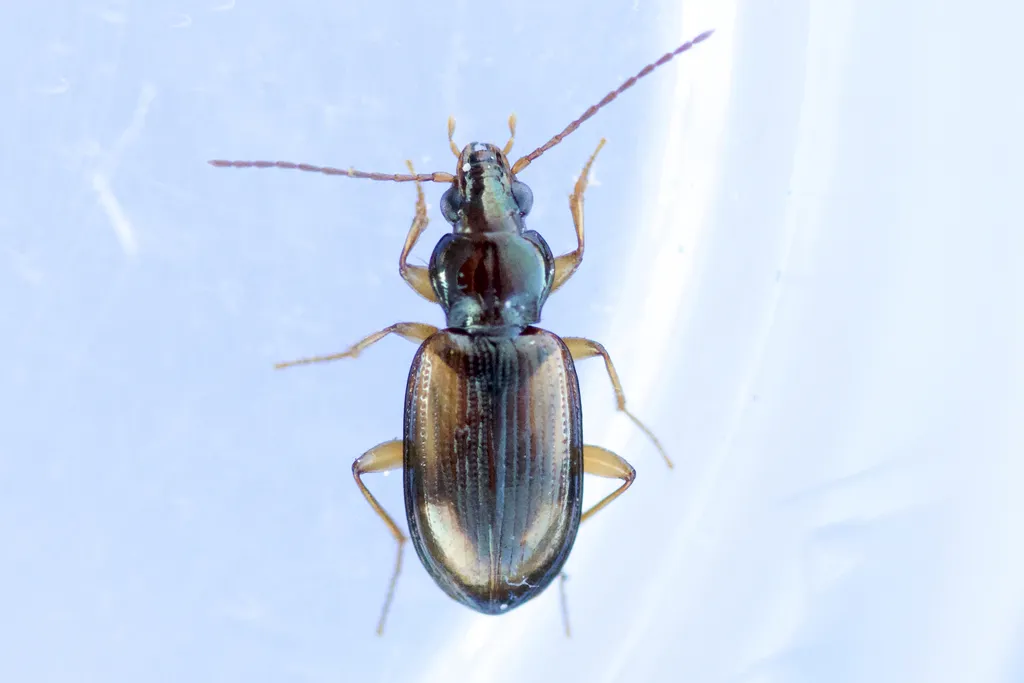
Bembidion rupicola
Bembidion rupicola
Bembidion rupicola is a species of ground beetle in the family Carabidae. It is found in North America.
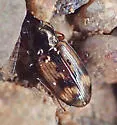
Bembidion salinarium
Bembidion salinarium
Identification: Eyes flatter[than on ephippigerum ]. Prothorax with flat basal foveae. Elytra almost oviform with shoulders narrower and sides more evenly rounded, greatest width about middle. (Lindroth [addition by Graham for clarif.])
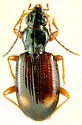
Bembidion scopulinum
Bembidion scopulinum
Identification: Characteristic combination of punctures on the head medial to eyes, pronotum without laterobasal carina, and microsculpture. A pair of red spots on posterior part of elytra.
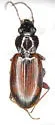
Bembidion scudderi
Bembidion scudderi
Bembidion scudderi is a species of ground beetle in the family Carabidae. It is found in North America.
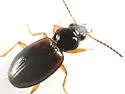
Bembidion semicinctum
Bembidion semicinctum
Identification: A northeastern species distinguished from similar species by elytra with ill-defined pale reddish area at base & shoulders.
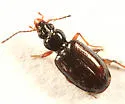
Bembidion semistriatum
Bembidion semistriatum
Identification: elytra characteristic: red-brown to blackish with serial setae in all intervals
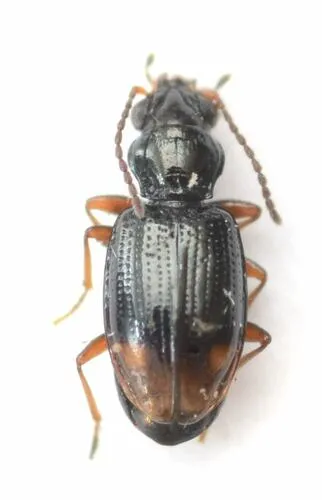
Bembidion siticum
Bembidion siticum
Bembidion siticum is a species of ground beetle in the family Carabidae. It is found in North America.
Bembidion subangustatum
Bembidion subangustatum
Bembidion subangustatum is a species of ground beetle in the family Carabidae. It is found in North America.
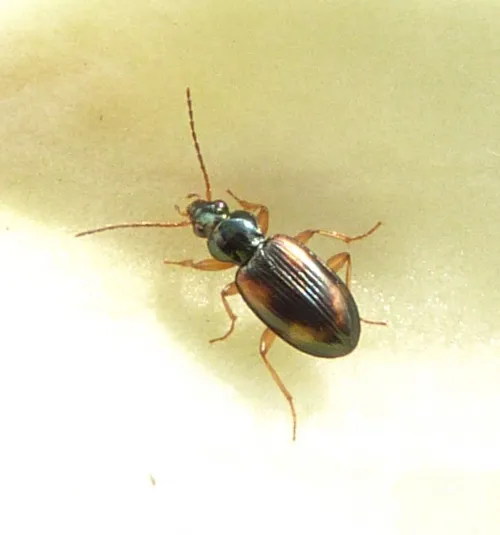
Bembidion tetracolum
Bembidion tetracolum
Length: 5-6 mm. The head and pronotum are dark metallic green, elytra are dark brown but with lighter patches on the 'shoulders' and more diffusely near the apex. Antennae are dark with 3 pale basal segments. The pronotum is strongly contracted to th
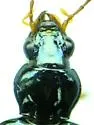
Bembidion texanum
Bembidion texanum
Identification: Det. E. G. Riley, 2010 Type Locality: Texas
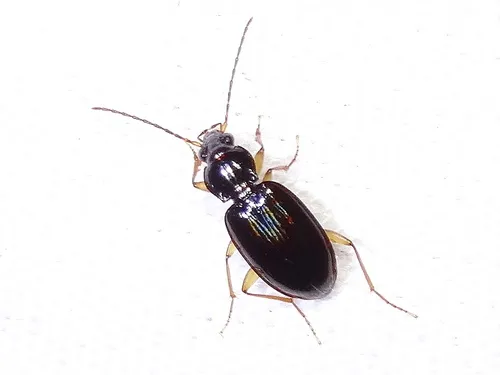
Bembidion trechiforme
Bembidion trechiforme
Bembidion trechiforme is a species of ground beetle in the family Carabidae. It is found in North America.
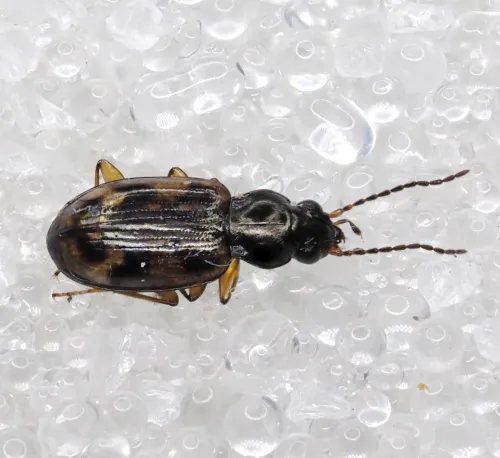
Bembidion varium
Bembidion varium
Approx 4 to 5 mm. The elytra are a dark olive brown flecked with orange-red. This species can be identified with care but there are similar species that it could be confused with. Please provide a photograph to support your record, and if possible pl
Bembidion versicolor
Bembidion versicolor
Identification: Some distinguishing characteristics include mosaic elytra; pronotum with relatively dull luster and lateral margins parallel toward base.
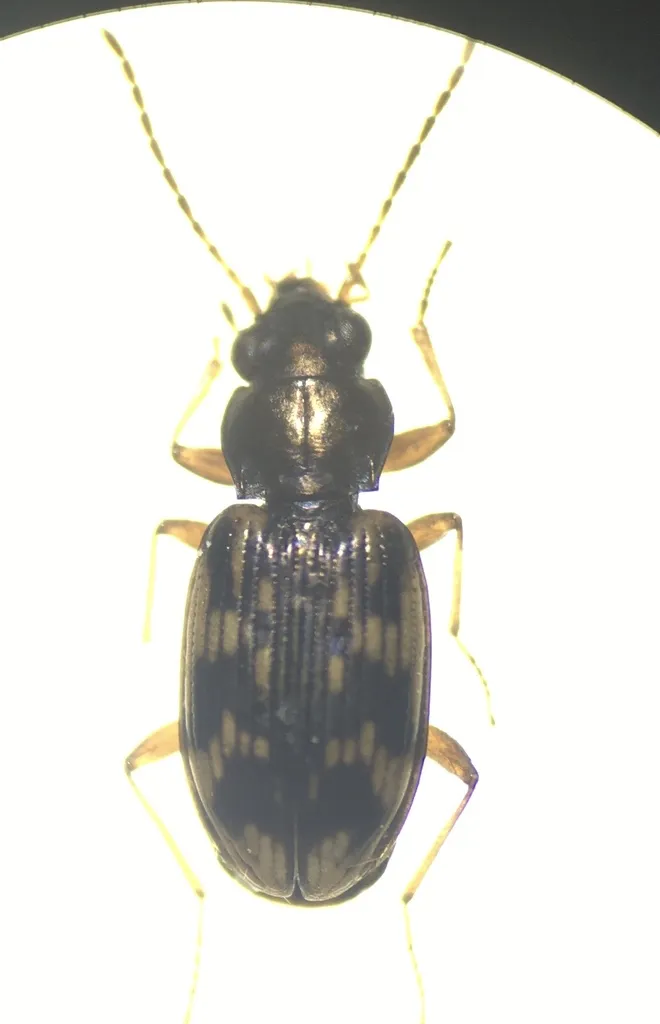
Bembidion versutum
Bembidion versutum
Bembidion versutum is a species of ground beetle in the family Carabidae. It is found in North America.
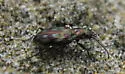
Bembidion zephyrum
Bembidion zephyrum
Identification: differentiating from B. levettei discussed here
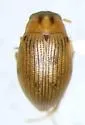
Berosus aculeatus
Berosus aculeatus
Identification: elytral apices prolonged, especially in females, and usually with a small preapical tubercle near suture (best developed in females)
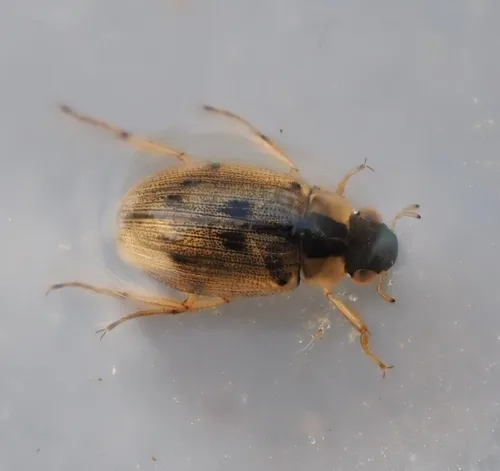
Berosus affinis
Berosus affinis
A small (3.5 to 4.5 mm) water beetle. The elytra have a straw ground colour with a prominent pair of dark spots near the suture and additional spots nearer the apex. The black head, bulging eyes and broad dark patch on the pronotum are particularly n
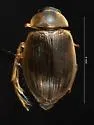
Berosus hatchi
Berosus hatchi
Identification: steeply declivous carina on ventrite 1
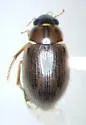
Berosus infuscatus
Berosus infuscatus
Identification: quite variable in size and in hue; some individuals are quite dark
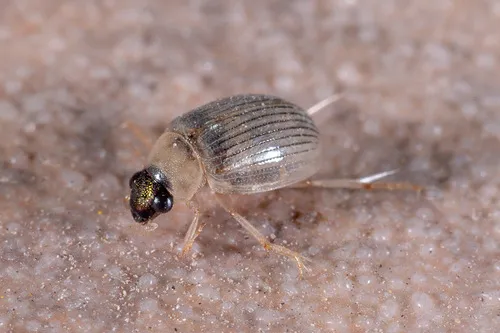
Berosus metalliceps
Berosus metalliceps
Identification: Head dark metallic green or bronzed. Pronotum reddish-yellow, immaculate Type Locality: Mexico: Tres Marias Islands
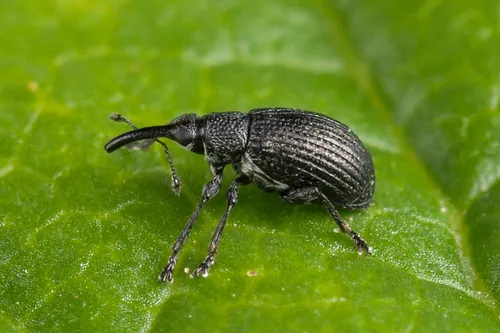
Betulapion simile
Betulapion simile
An extremely small, dark weevil, measuring only about 2 mm in length. Betulapion simile is one of several similarly coloured, small weevils which need detailed examination for species identification. Unless identified by a recognised expert, photogra
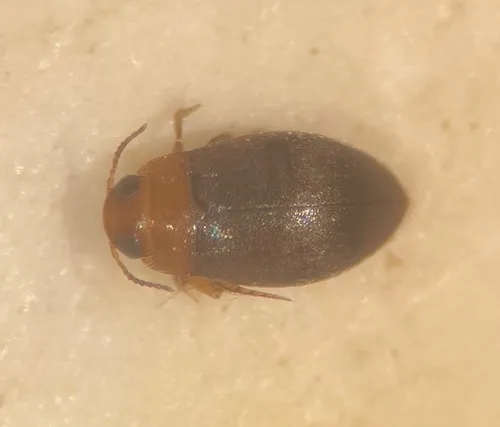
Bidessonotus inconspicuus
Bidessonotus inconspicuus
Identification: B. pulicarius ≤2.0 mm; B. longovalis : elytral plicae distinctly longer than pronotal plicae
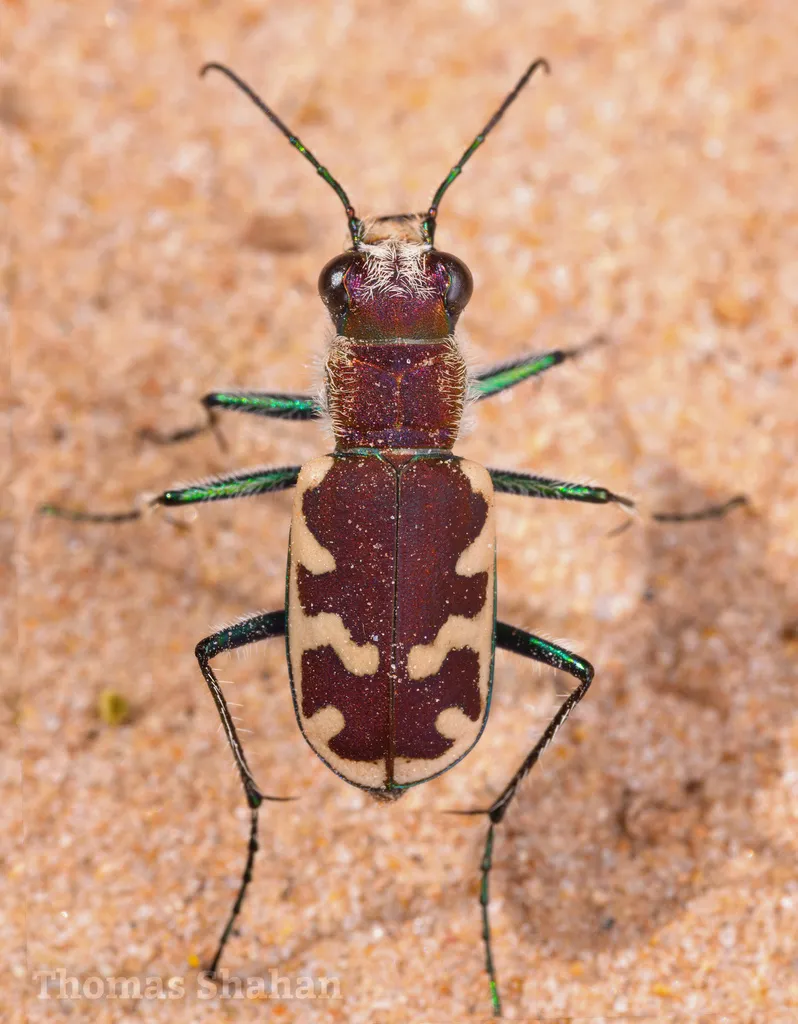
Big Sand Tiger Beetle
Cicindela formosa
Identification: C. f. formosa : elytra reddish/purple ▪ C. f. generosa : elytra dark brown to black ▪ C. f. pigmentosignata
Bipectinate Click Beetle
Pityobius anguinus
Fairly uncommon. Other than a few lines of text in American Beetles, the only other reference I found was a brief mention in Coleoptera or Beetles East of the Great Plains ( 3 )
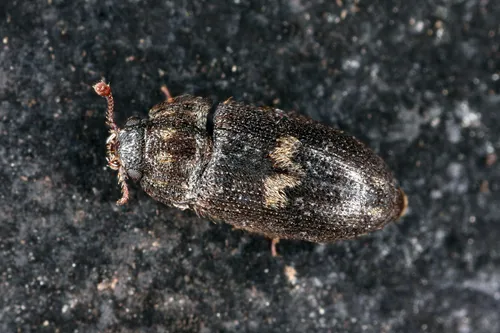
Biphyllus lunatus
Biphyllus lunatus
3 to 3.5mm. Dark brown with with a dense patch of pale hairs in the middle of the elytra. Short curved setae around the outer edge of pronotum and elytra. Legs and antennae reddish brown. Usually found on or beneath King Alfred's Cakes fungus (Daldin
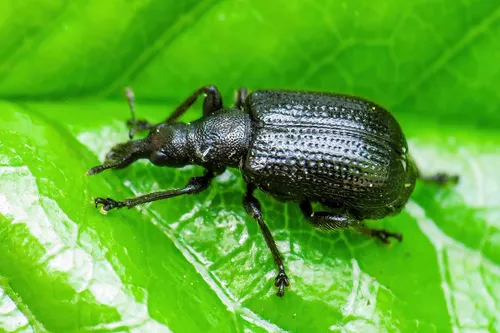
Birch Leaf Roller
Deporaus betulae
This is an all-black weevil with punctate elytra, 3-5 mm. The males have swollen femora on the rear legs but not the females. The elytra are oblong-shaped. The rostrum is broad and widens towards the tip. Caenorhinus mannerheimii has a head width (ac
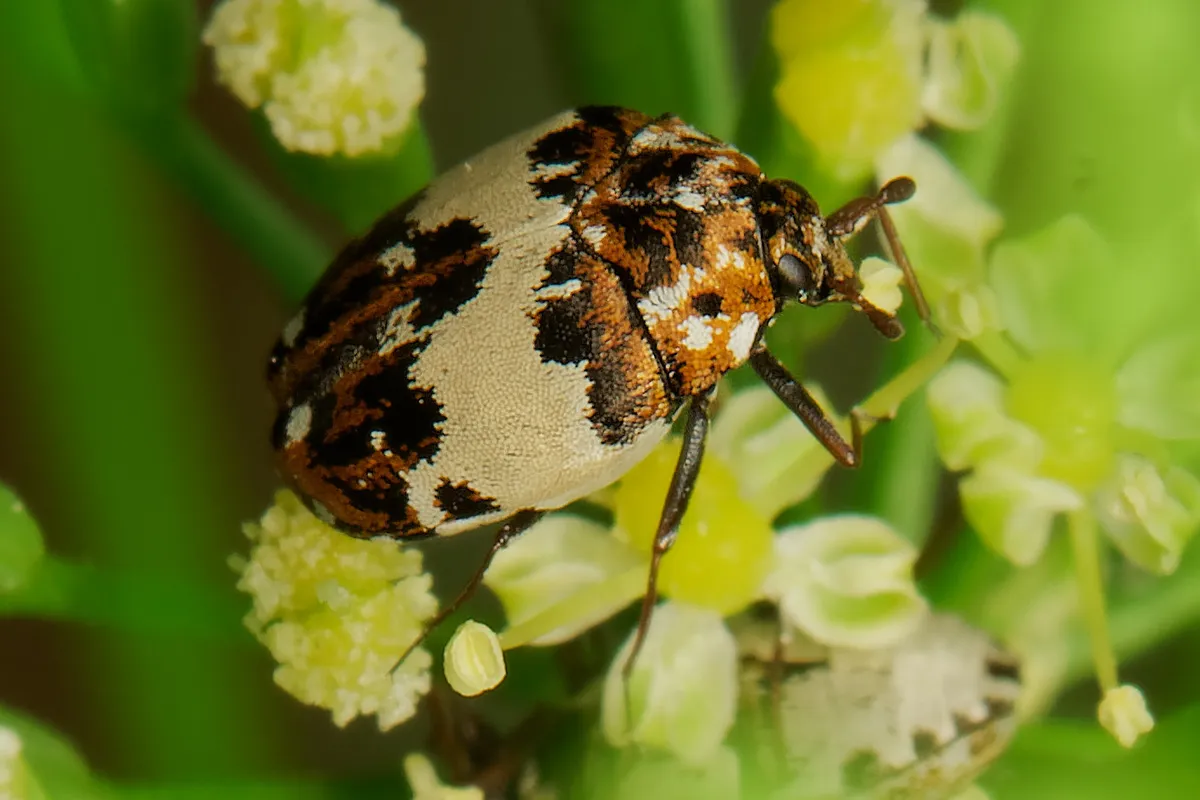
Bird Nest Carpet Beetle
Anthrenus isabellinus
Identification: Eyes notched in front, antennae 11-segmented, with club of 3 segments. Scales of dorsal surface black, white and red (or yellow). White scales forming some small spots, and a wide transverse band in anteriour half of elytra; or white
Bisaltes tibialis
Bisaltes tibialis
Identification: males have flamboyant tibia Type Locality: Brownsville, Cameron Co., TX (Schaeffer 1908) Texas considers this a SGCN ( 5 )
Bisnius hesperidum
Bisnius hesperidum
Identification: Member of the Albionicus group, in which there are 2 species (this and B. albionicus (Mannerheim)) in North America . The 2 species are most reliably distinguished via study of the male genitalia .
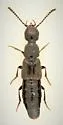
Bisnius siegwaldii
Bisnius siegwaldii
Identification: Easily recognizable amongst the genus: Head punctures arranged in "V", irregular dorsal row of punctures of pronotum, greenish metallic elytra, and the unique shape of the genitalia
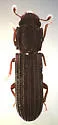
Bitoma carinata
Bitoma carinata
Identification: readily distinguished by the dark, cylindrical body, pronotum distinctly longer than wide (emphasis added), distinctly granulate with 2 pairs of well-defined, full-length, slightly curved to sinuate carinae, and reduced interfacetal s
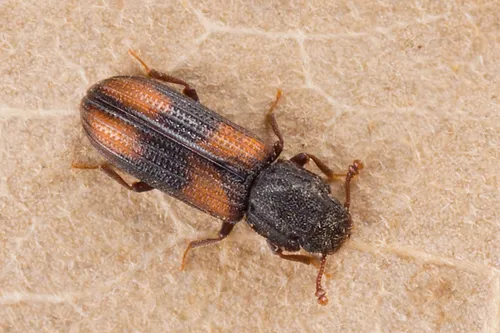
Bitoma crenata
Bitoma crenata
This small beetle (around 3mm) is sometimes called the Saddle-backed Bitoma and the black 'saddle' on red elytra is a helpful identification guide. It also has characteristic deep ridges along the pronotum. In well wooded areas and parkland where it
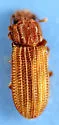
Bitoma granulata
Bitoma granulata
Identification: easily separated from N.American congeners by the greatly reduced eyes and the extremely flattened body extremely rare
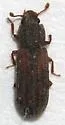
Bitoma neglecta
Bitoma neglecta
Identification: similar to B. gracilis , but less elongate, generally darker and larger; pronotum wider, prosternum setose, eyes set farther apart ventrally
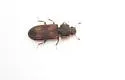
Bitoma ornata
Bitoma ornata
Identification: the only native western species with red spots
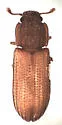
Bitoma sulcata
Bitoma sulcata
Identification: the last segment (ninth) of its antenna is twice as wide as the eighth. (CBP) Type Locality: Colorado River, about Fort Yuma, Imperial Co., California
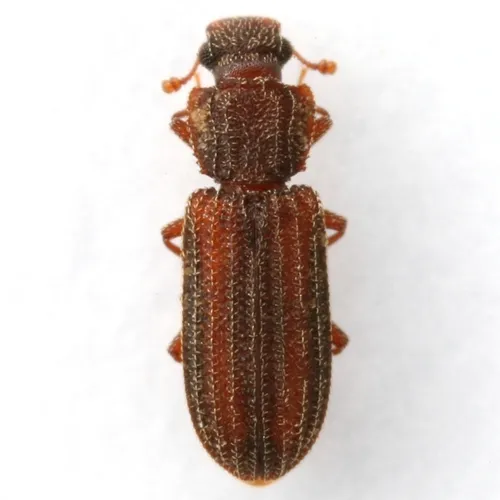
Bitoma vittata
Bitoma vittata
Identification: diagnostic character: pronotum greatly explanate and distinctly narrowed basally uncommon
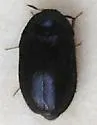
Black Carpet Beetle
Attagenus unicolor
Identification: Telling apart the subspecies: in A. u. unicolor , the pronotum and elytra are almost entirely covered with dark setae; in A. u. japonicus , the sides and base of the pronotum and the base of the elytra have distinctive golden brown se
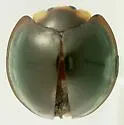
Black Chilocorus
Chilocorus nigrita
Identification: the only medium-sized, non-pubescent, glossy black coccinellid in Florida with a pale head and lateral margins of the pronotum (Featured Creatures) larva yellow or brown with long spines. first collected in Florida in October 2007, in
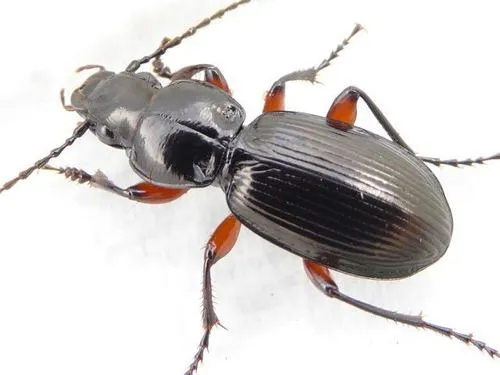
Black Clock Beetle
Pterostichus madidus
A large (15-20 mm) shiny black ground beetle with either all black legs or wine-red legs (variety concinnus ). The well-rounded pronotum helps to distinguish this species from other similar ground beetles. Lives under stones, loose bark and grass tus
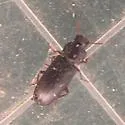
Black Flour Beetle
Tribolium madens
Identification: robust, shiny black to blackish brown images: 1 | 2 earliest record in our area: before 1897?
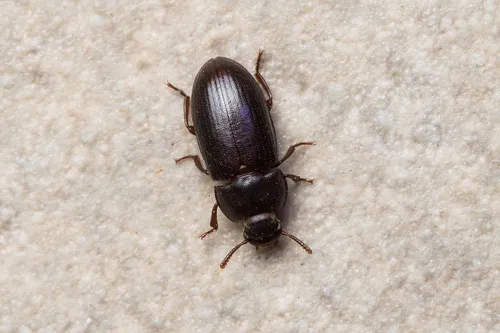
Black Fungus Beetle
Alphitobius laevigatus
Identification: differs from A. diaperinus in having the eye more deeply incised (width about 1 facet laterally) and the pronotum more convex, its lateral margins more rounded and the basal bead complete
Black Lordithon Rove Beetle
Lordithon niger
Rare , considered to be a Species of Greatest Conservation Need in VA
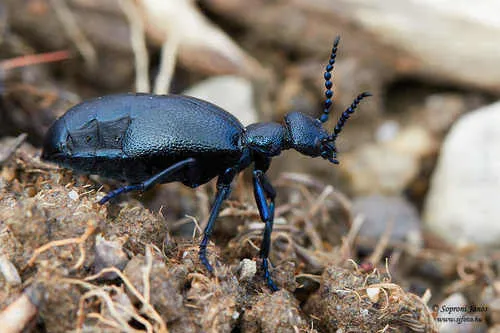
Black Oil-beetle
Meloe proscarabaeus
A large (~30mm) shiny black beetle with a straight base to the thorax and a very small rounded tooth at the base. Detailed photos showing key features required. Unimproved grassland, occasionally woodland sites. Found throughout the UK, less common i
Black Pollen Beetle
Fabogethes nigrescens
North America's most commonly encountered meligethine species. Yes, there are a few other species, but it seems like 9 times out of 10 they are nigrescens . --Andy Cline
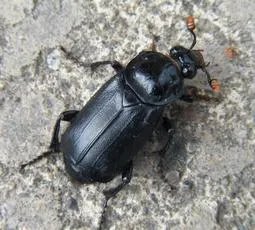
Black Sexton Beetle
Nicrophorus humator
There are several Sexton beetles in the UK but this is the only all black species (apart from the orange tips to its antennae) and it is large (20-30 mm). As they fly long distances to feed on carrion they can be seen a wide variety of habitats were
Black Stinkhorn Beetle
Psilopyga histrina
Identification: The solid black coloration (lighter on teneral specimens) and slightly smaller size distinguish it from its otherwise similar P. nigripennis