
Primitive Winged Insects
Order Coleoptera
The Primitive Winged Insects (Order Coleoptera) includes 15,720 species across 160 families and 3,716 genera in our directory.
About Primitive Winged Insects
Coleoptera is the largest order of insects with over 400,000 described species, representing ~25% of all known animal species and ~40% of all insects. In the U.S. alone, nearly 30,000 beetle species have been identified.
Economic Impact
Beetles have major economic significance: leaf beetles (Chrysomelidae) and weevils (Curculionoidea) are among the most destructive agricultural pests globally, costing billions annually, while predatory species like ladybugs provide natural pest control.
Ecological Role
Beetles are prominent decomposers, especially in forests, breaking down dead wood and recycling nutrients. As predators, they reduce populations of pest insects. Many species are also important pollinators of flowering plants.
Families in Coleoptera (160)
Species in Coleoptera (15,720)
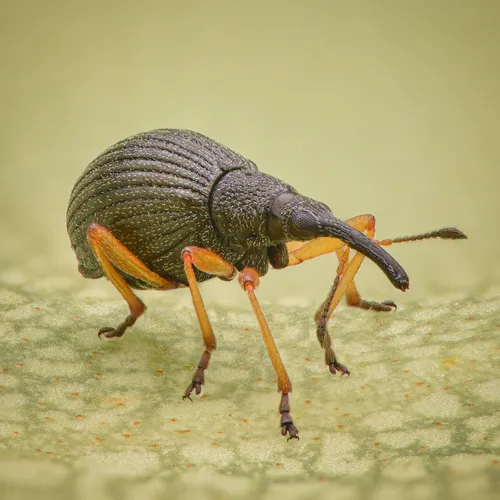
White Clover Seed Weevil
Protapion fulvipes
This is a very small (1.8 to 2.2 mm) weevil. It is shining dark grey to black, very convex and slender. Rostrum long and cylindrical with antennae inserted midway (male) or behind middle (female). The legs are mainly yellow except the tarsi (feet) wh
White Pine Weevil
Pissodes strobi
Identification: Larvae are yellowish-white, legless, and slightly longer than the adult.
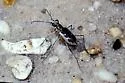
White Sand Tiger Beetle
Ellipsoptera wapleri
Identification: “Above dark brown with the maculations coalesced into a broad white band along the edge of the elytra. Below it is metallic green with dense, white hairlike setae covering the sides of the abdomen, thorax, and cheeks of the head. Simi
White-fronted Lady Beetle
Brachiacantha albifrons
Identification: body slender; head yellow in both sexes, female with clypeal apex brown; male pronotum black
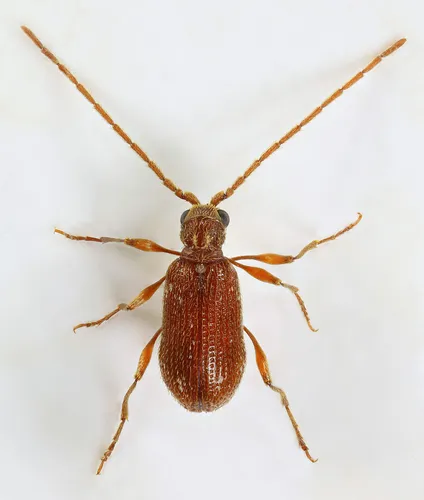
White-marked Spider Beetle
Ptinus fur
Ptinus fur is a small (about 3.5 mm) Spider Beetle. The prothorax is densely covered with pale hairs, while the red brown studded elytra bear white scales looking like four pale white spots. Females are often more rounded and darker. Scavenges and br
Whitish Tiger Beetle
Ellipsoptera gratiosa
Identification: distinctive: brownish-bronze; large white maculations covering most of the dorsum
Wild Olive Tortoise Beetle
Physonota alutacea
Identification: undisturbed adults are silvery: disturbed adults: Larvae, like others of this genus, are bizarre:
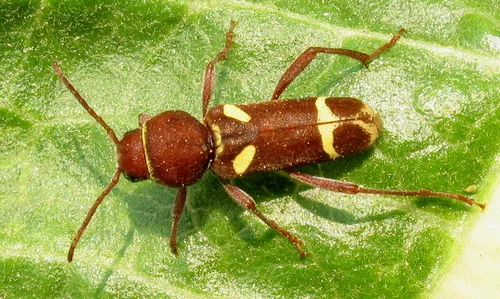
Willow Borer
Xylotrechus insignis
Xylotrechus insignis is a species of beetle in the family Cerambycidae. It was described by John Lawrence LeConte in 1873. Xylotrechus insignis is commonly referred to as a willow borer which means that it drills into trees usually killing or harming
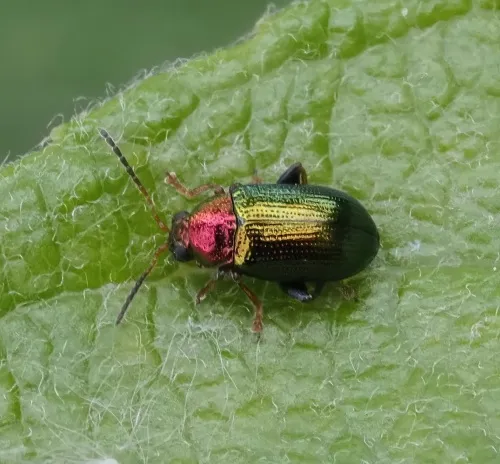
Willow Flea Beetle
Crepidodera aurata
Size about 3 mm. This leaf flea beetle has an overall shiny metallic appearance and is bicoloured; the head and pronotum being a reddish or coppery bronze edged by green or blue, whilst the elytra are uniformly green or blue-green and are studded by
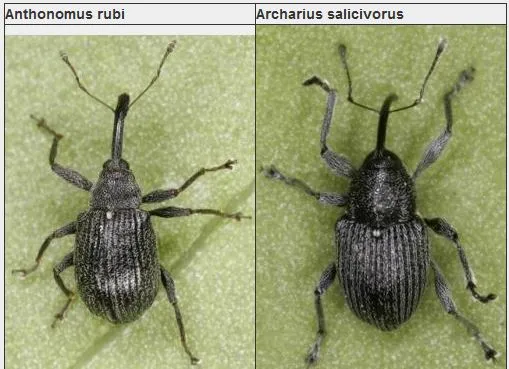
Willow Gall Weevil
Archarius salicivorus
Length: head and body (not the curved snout) 2.5 mm. A black weevil with tapered body, long snout with antennae midway along, black rostrum and antennae. Also known as Curculio salicivorus . Anthonomus rubi (Strawberry Blossom Weevil) looks very simi
Winter Firefly
Ellychnia corrusca
Winter Firefly (Ellychnia corrusca) is a species in the family Lampyridae, commonly known as fireflies, belonging to the order Coleoptera (Beetles). It is classified within the subfamily Lampyrinae, tribe Lucidotini, suborder Polyphaga, superfamily E
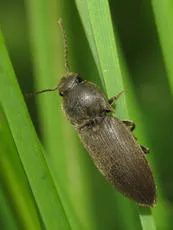
Wireworm Click Beetle
Agriotes obscurus
7 to 10 mm. This is a mid to dark brown coloured click beetle, with yellowish hairs on the elytra. The pronotum is rounded and distinctly contracted at the front. Agriotes lineatus is similar, but the stripes along the elytra have a dark and light ap
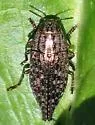
Witch-hazel Borer
Dicerca pugionata
Identification: pronotum widest posteriorly; elytra very dark or black with pale whitish spots arranged in several longitudinal rows; tip of elytra bidentate (i.e. with two teeth) - not rounded or truncate [a useful characteristic]
Woodbine Borer
Saperda puncticollis
Identification: yellow-margined elytra and four black spots on top of the the yellow pronotum are unique. Woodbine is another name for virginia creeper ( Parthenocissus quinquefolia ).
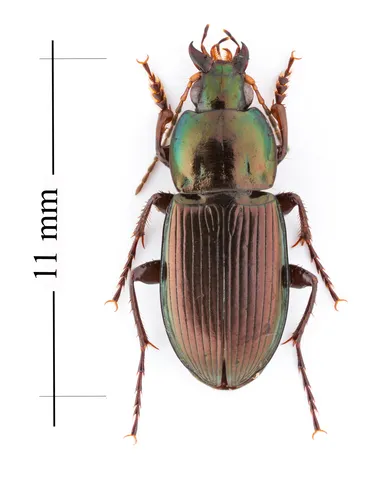
Woodland Ground Beetle
Poecilus lucublandus
Poecilus lucublandus is a species of woodland ground beetle in the family Carabidae. It is found in North America.
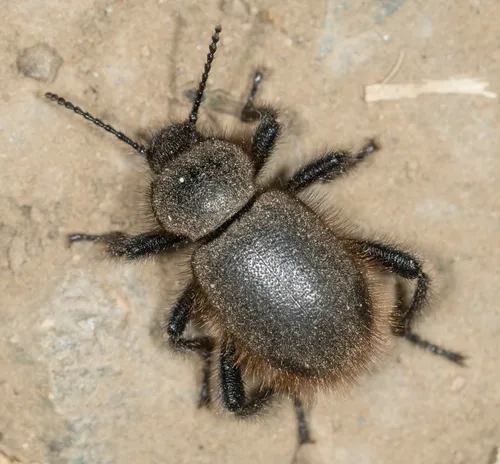
Wooly Darkling Beetle
Eleodes osculans
Identification: Erect reddish-brown hair on elytra (in E. nigropilosa , hair is black, and body smaller, 8-12 mm) Also see E. littoralis .
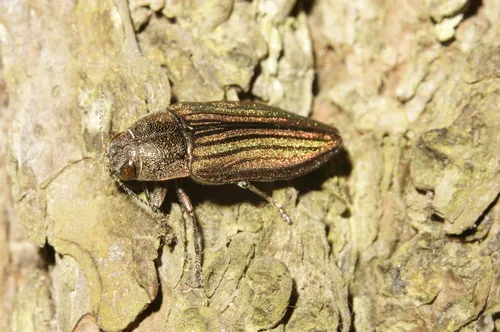
Wrinkled-neck Buprestid Beetle
Buprestis sulcicollis
Buprestis sulcicollis is a species of metallic wood-boring beetle in the family Buprestidae. It is found in North America.
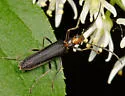
Xanthochroa erythrocephala
Xanthochroa erythrocephala
Identification: "Form slender, totally black, the front and occiput always and the middle of thorax sometimes yellow." (emphasis added) "Elytra without testaceous sutural markings; thorax black with central orange stripe" Type Locality: Georgia
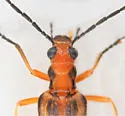
Xanthochroa lateralis
Xanthochroa lateralis
Identification: 'Elytra with testaceous sutural markings; thorax orange with lateral black spots only; head immaculate' comes to lights ; rare
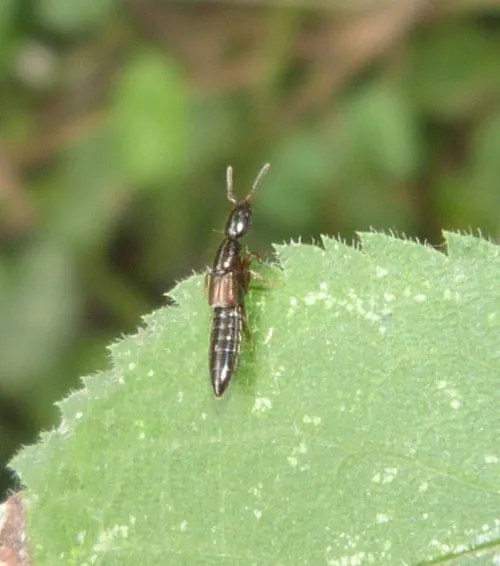
Xantholinus linearis
Xantholinus linearis
Length 7-8mm. This elongated rove beetle has a black head and abdomen, dark brown elytra and a dark red to black pronotum with a metalic sheen. The legs, palps and antennae are yellow to red. It has particularly strong microsculpture on the pronotum.
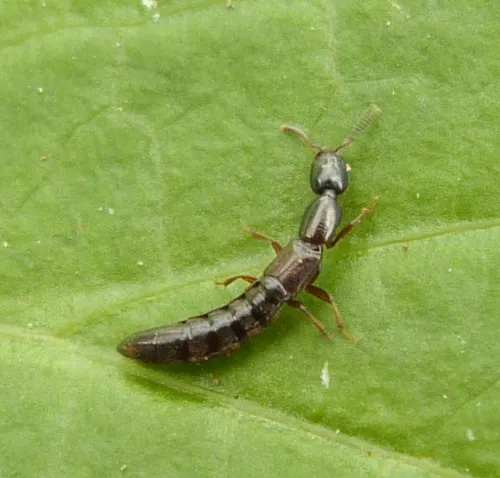
Xantholinus longiventris
Xantholinus longiventris
A long, dark, slim bodied rove beetle. The head and thorax are quite elongated. The species Xantholinus longiventris and Xantholinus linearis can only be separated by microscopic examination. Various habitats but favours damper areas. All year but pe
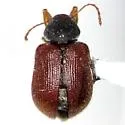
Xanthonia angulata
Xanthonia angulata
Identification: Elytra uniformly medium brown, immaculate (emphasis added); larger, length 3.5–4.0 mm; punctation of elytral disc subseriate; median lobe long, broad throughout length, with deep angular apical incision. Since 1990, E.G. Riley has onl
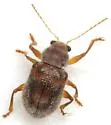
Xanthonia dentata
Xanthonia dentata
Identification: dorsal ground color dark reddish brown to medium brownish, elytra with distinct and fairly consistent pattern of black maculae Det. E. G. Riley, 2010 Type Locality: Cloudcroft, New Mex., coll'ed by Wickham 1933. Conserved in the USNM.
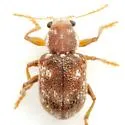
Xanthonia furcata
Xanthonia furcata
Identification: species can be tricky to identify without reference to the male genitalia; femora often with conspicuous dark spot at midlength (emphasis added) Det. E. G. Riely, 2012 Holotype: Union, Union Co., Illinois - 3 Mar 1937 - Wild cherry fo
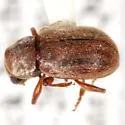
Xanthonia hirsuta
Xanthonia hirsuta
Identification: separated from the other spp. occurring in the US by the longer and denser elytral pubescence (emphasis added). That on the elytra is all decumbent, laying close to the elytral surface, and the hairs arising from the punctures are as
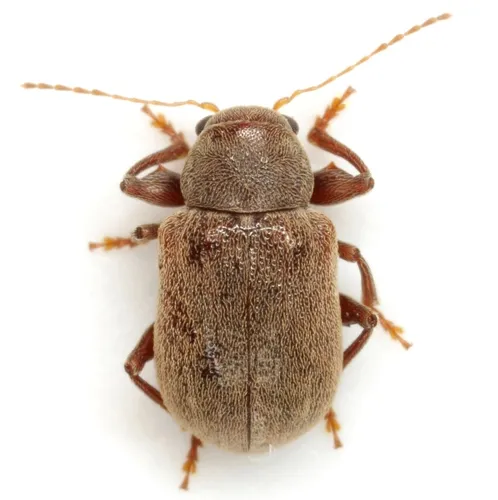
Xanthonia marquai
Xanthonia marquai
Identification: Elytra of uniform brownish coloration, hairs uniformly pale brownish and integument of uniform medium brown color ground color of dorsum uniformly medium brownish, elytral hairs uniformly light yellow-brown, venter medium brown; ventr
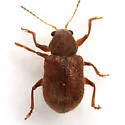
Xanthonia nitida
Xanthonia nitida
Identification: dorsal ground color dark brown to nearly black, without obvious pattern (emphasis added) of maculae, venter dark brown to black; elytral hairs composed of erect hairs in single rows on intervals and appressed hairs arising from punctu
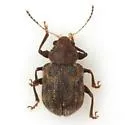
Xanthonia picturata
Xanthonia picturata
Identification: Tooth of profemur moderate; venter and legs dark brownish (emphasis added), elytral dark brown with darker pattern Det. M. A. Quinn, 2013 one of the most abundant Xanthonia species in Texas, Riley examined 381 TX spmns.
Xanthonia pinicola 0
Xanthonia pinicola
Identification: The punctuation of the elytra is somewhat variable, in a certain light, in some specimens the punctures appear to form regular rows. The pubescence of the elytra is uniform, inclined as in vagans , in decemnotata dual, consisting of i
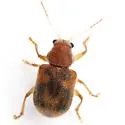
Xanthonia querci
Xanthonia querci
Identification: dorsal ground color light to medium reddish brown with pattern of darker maculae, venter of body dark brown to black; pubescence of elytra composed of reclined hairs on intervals in singles rows and appressed hairs arising from punctu
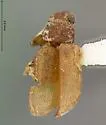
Xanthonia stevensi
Xanthonia stevensi
Identification: Variable in coloration but usually with head black, becoming dark reddish brown on front; pronotum, elytra, and venter black; legs yellowish brown with femora occasionally fuscous dorsally and apically; specimens ranging from black th
Xanthonia striata 0
Xanthonia striata
Identification: last key couplet: Pronotum with lateral margins slightly rounded and converging apically Type Locality: Hanover, Pa.
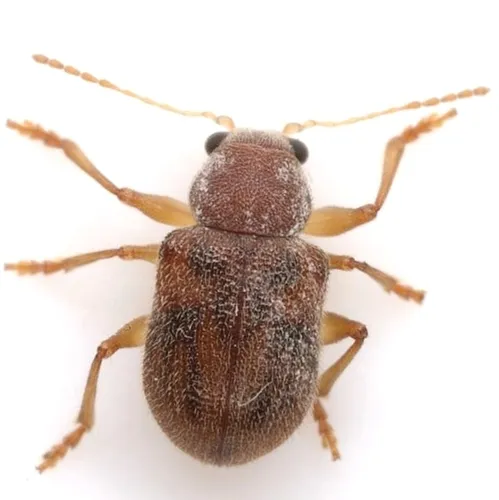
Xanthonia texana
Xanthonia texana
Identification: ground color of dorsum light reddish brown, elytra ranging from immaculate to a pattern of well-defined brownish to black maculae (emphasis added) (Figs 8, 76), venter of body brownish to distinctly darkened or partially black; pubesc
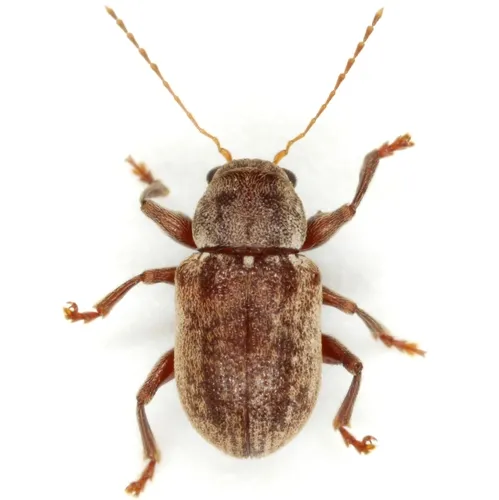
Xanthonia vagans
Xanthonia vagans
Identification: distinctive because of large size, greatly enlarged tooth of the anterior femur, clavate anterior tibiae ground color of dorsum medium to dark brownish, elytra usually with vague dark streaks (emphasis added) enhanced by arrangement o
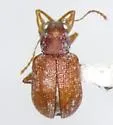
Xanthonia villosula
Xanthonia villosula
Identification: ground color of dorsum light reddish brown, usually immaculate (emphasis added) or rarely with faint indications of elytral maculae Riley et al. examined 207 total spmns from east TX
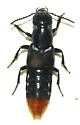
Xanthopygus xanthopygus
Xanthopygus xanthopygus
Identification: The elytra are rather densely hairy. The head and thorax are provided with a few hairs, arising from the large punctures scattered irregularly over their surfaces. Both sexes of X. xanthopygus can be easily distinguished from other sp
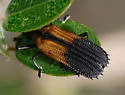
Xenochalepus chapuisi
Xenochalepus chapuisi
Identification: - First US record Det. E. G. Riley, 2026 Type Locality: Oaxaca, México (Sallé)
Xenochalepus omoger 0
Xenochalepus omoger
Identification: resembles X. potomaca in color, size, and shape, but may be readily separated from the latter by the presence of the following characters. Antennal segments 3-6 relatively stout, coarsely, irregularly sulcate and carinate; a groove ov
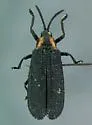
Xenochalepus potomacus
Xenochalepus potomacus
Identification: Yellow markings consist of a spot on the vertex, a pair of broad sublateral pronotal areas confluent along anterior margin above and involving the pro-sternum below, as well as joining the small humeral spot; anterior femora yellow at
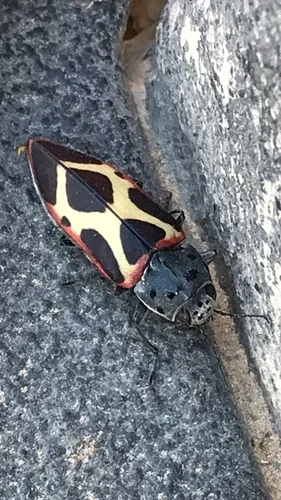
Xenomelanophila miranda
Xenomelanophila miranda
This beetle only oviposits in smoldering wood, meaning it is only seen during forest fires - a place where one rarely finds entomologists. Firefighters know them by a fairly colorful name; "stumpf***ers". They have special infrared sensors on their b
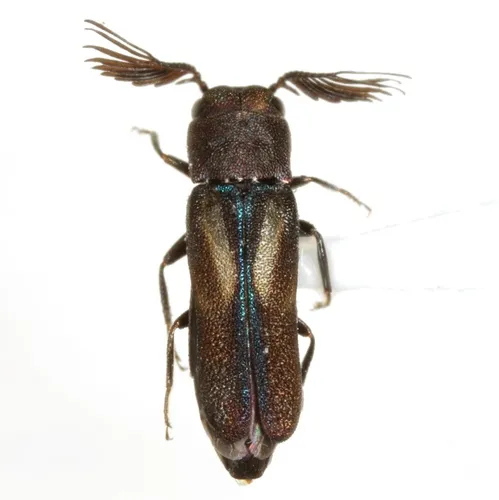
Xenorhipis hidalgoensis
Xenorhipis hidalgoensis
Identification: male & female Det. E. G. Riley 2009
Xeropsamobeus asellus
Xeropsamobeus asellus
The type locality of A. nanus is Carrizo Springs (Dimmit County) (Horn, 1887). Riley and Wolfe also examined specimens from Kimble and Reagan counties.
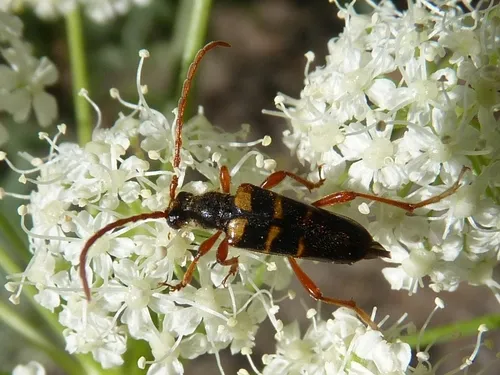
Xestoleptura crassicornis
Xestoleptura crassicornis
Identification: You can tell by the orange antennae and glossy surface of the elytra. The elytra are also a little more parallel-sided. X. crassipes has the antennae black to yellowish-brown, and the elytra duller. … Dennis Haines, 12 August, 2008 -
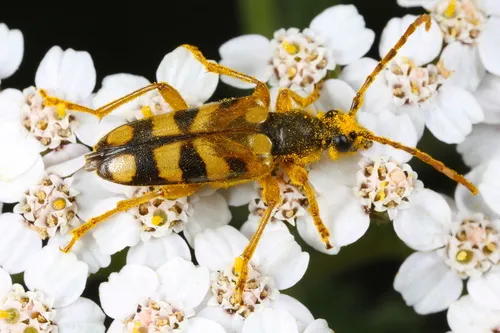
Xestoleptura crassipes
Xestoleptura crassipes
Identification: The single hind tibial spur and the strongly produced basal lobe of the elytra around the scutellum separate it from the similar X. crassicornis . --Bob Androw variable:
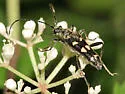
Xestoleptura octonotata
Xestoleptura octonotata
Identification: Very long, shining. Elytra dark, each with four spots.
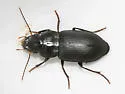
Xestonotus lugubris
Xestonotus lugubris
Identification: Pronotum is rather distinctive with widely projected anterior angles, well rounded posterior angles, and punctae across the base.
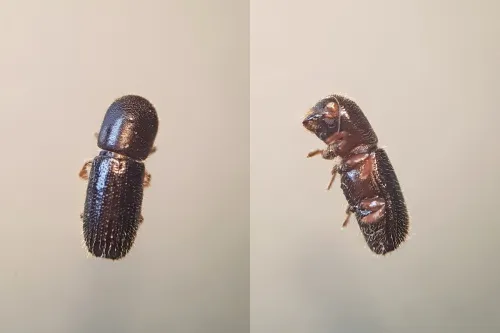
Xyleborinus saxesenii
Xyleborinus saxesenii
A small (2 to 2.4 mm), dark brown beetle with hairy elytra. Unless identified by a recognised expert, photographic evidence is required and the specimen should be examined with a microscope. In the comments box, state the key or ID method used. Note
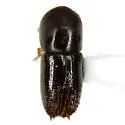
Xyleborus spinulosus
Xyleborus spinulosus
Identification: color dark brown to almost black See Fig. 15: BCA ( Close-up - by Tom Atkinson, 2010) Type Locality: San Geronimo, Guatemala
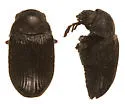
Xyletinus lugubris
Xyletinus lugubris
Identification: In males, the species is well characterised by almost pectinate antennae AND a brush of hairs down the middle of basal ventrites • Holotype
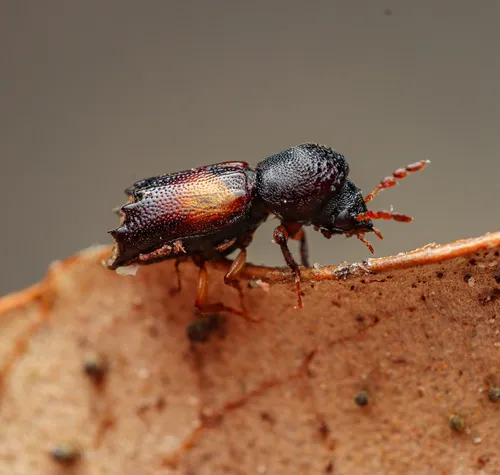
Xylobiops parilis
Xylobiops parilis
Identification: Forestry Images - Dorsal elytra without distinct pubescence, and the yellow and black or brown areas conspicuously separated , inner two pairs of tubercles along anterior margins of apical declivity of elytra not spinose at apices, an
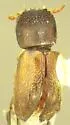
Xylobiops sextuberculatus
Xylobiops sextuberculatus
Identification: Forest Images - Dorsal elytra with distinct pubescence (except basally), and the light and dark-brown areas not conspicuously separated , apical declivity of elytra not, or very finely, punctured; front of head with four to six small
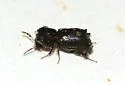
Xyloblaptus quadrispinosus
Xyloblaptus quadrispinosus
Identification: Forestry Images - apical tubercles mamilliform, rarely acute, but not spinose Det. M. A. Quinn, 2013 Type locality: Cape San Lucas, Lower California
Xylocleptes bispinus
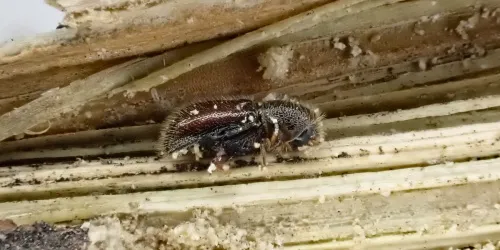
Xylocleptes bispinus
A tiny (1.8 to 3.2 mm) hairy, brown beetle associated with Clematis species, particularly Traveller's-joy ( Clematis vitalba ). Unless identified by a recognised expert, photographic evidence is required and the specimen should be examined with a mic
Xylopinus aenescens
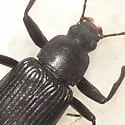
Xylopinus aenescens
Identification: gestalt of Alobates , but shiny, slightly aeneous apparently rare
Xyloryctes thestalus
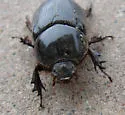
Xyloryctes thestalus
Identification: has a distinctly protuberant pronotal process with an emarginate apex in the males; elytra vary from smooth to longitudinally furrowed with punctures; apex of metatibia has 7-8 small teeth; parameres with a relatively long basolateral
Xylotrechus bowditchi 0
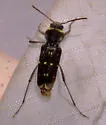
Xylotrechus bowditchi
Identification: habitus photos: X. b. bowditchi ▪ X. b. hoppingi candidate submissions:
Xylotrechus nitidus
Xylotrechus nitidus
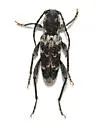
Xylotrechus nitidus is a species of beetle in the family Cerambycidae. It was described by Horn in 1860.
Xylotrechus quercus
Xylotrechus quercus
Type Locality: Miller Canyon, Huachuca Mountains, Cochise Co., Arizona
Xylotrechus robustus
Xylotrechus robustus
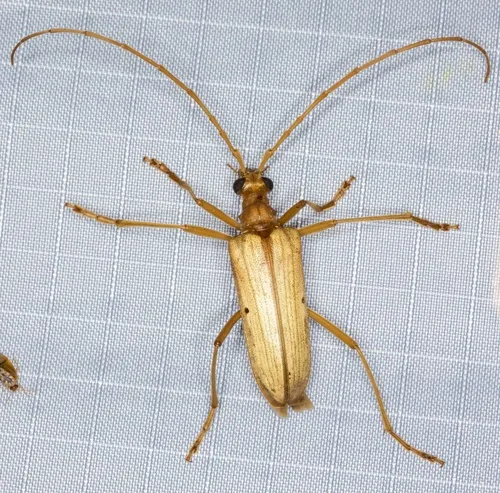
Type locality: "Griffith Mill, Estes Park. Colorado, 7,800 ft."
Yellow Douglas Fir Borer
Centrodera spurca
Centrodera spurca, the yellow Douglas fir borer, is a species of flower longhorn in the family of beetles known as Cerambycidae. It is found in North America.
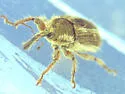
Yellow Starthistle Hairy Weevil
Eustenopus villosus
introduced (CA 1990) to control the invasive Yellow Star Thistle. The weevils can look very different once their vestiture is lost.
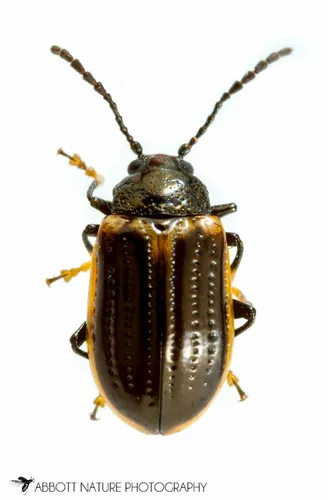
Yellow-margined Leaf Beetle
Microtheca ochroloma
Microtheca ochroloma, the yellow-margined leaf beetle, is a species of leaf beetle in the family Chrysomelidae. It is found in North America and South America.
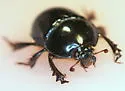
Young's Deepdigger Scarab
Peltotrupes youngi
Identification: Sutural stria by tip of scutellum not impressed, other striae generally obsolete; color largely green
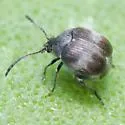
Zabrotes bexarensis
Zabrotes bexarensis
Identification: Vestiture of head white, sparsely distributed; pronotum uniformly white to white intermixed with brown, sometimes patchy; elytra (fig. 137, vol II) ranges from uniformly white to white intermixed with brown to brown with white maculat
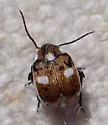
Zabrotes chandleri
Zabrotes chandleri
Identification: The orange and white vestitural pattern is immediately recognizable. Type locality: 3 mi north of Big Pine, California
Zabrotes densus
Zabrotes densus
The three species- Z. cynthiae, Z. densus , and Z. humboldtae -are found almost entirely within California.
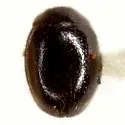
Zagloba satana
Zagloba satana
Holotype: Male. TEXAS: Devils River, V-2-07, E. A. Schwarz coll. Allotype: Female. Same data as holotype except "on Pithecolobium " (Fabaceae) Paratypes: Total 8. TEXAS: Devils River, V-4-07, FC Pratt Collector; same data as holotype; Laredo, 28-5, H
Zagymnus clerinus
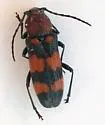
Zagymnus clerinus
Identification: Orange pattern can be reduced or even absent Populations of Zagymnus clerinus and other Agallissini species can be located by finding their distinctly elliptical exit holes in the dead petioles of Palmetto trees. This has led to the d
Zebra Longhorn Beetle
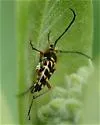
Typocerus zebra
Identification: Pattern distinctive. Small triangular yellow marks at base of elytra.
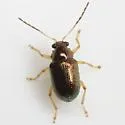
Zenocolaspis subtropica
Zenocolaspis subtropica
Identification: Note bulging eyes... Distinguished at once from the North American species, by the strongly angulate sides of prothorax. The males are smaller and much more brightly colored than the females. (Schaeffer 1906) Type series localities: B
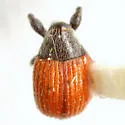
Zeugonyx sabinae
Zeugonyx sabinae
Described from two spmns coll'ed in Austin, Travis Co., Texas in 1919. (Notman, 1922) Quinn (2000) coll'ed three spmns (2 from Juniper and 1 from oak) in w. Travis Co. during twice monthly summer arboreal surveys in !993-94. ( 3 )
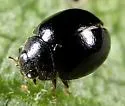
Zilus horni
Zilus horni
Identification: Natalia Vandenberg: "combination of pubescent head+pronotum and glabrous elytra is characteristic of Zilus ." Type Locality: Maryland, Piney Pt., Coll. Hubbard & Schwarz
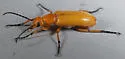
Zonitis atripennis
Zonitis atripennis
Identification: elytra either yellow, yellow with black apex, or all black, the three known under the subspecific names of flavida LeConte, terminalis Enns, and atripennis , respectively. - atripennis (Say) - CO-WY-SD-n.TX - mostly CO (BG data) - fla
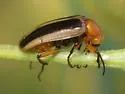
Zonitis bilineata
Zonitis bilineata
Identification: thickness of black elytral strip variable from abscent to nearly encompassing each elytron.
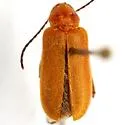
Zonitis cribricollis
Zonitis cribricollis
Identification: Body surface moderately shining. Color variable, usually testaceous or fulvous except antennae, eyes, palpi, galeae, tips of mandibles, metasternum, tibiae, and tarsi fuscous varying to piceous. Head often dark brown in specimens that
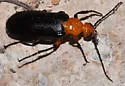
Zonitis interpretis
Zonitis interpretis
Identification: larger eyes, longer antennae than usual in Zonitis ; abdomen may be brown. probably nocturnal
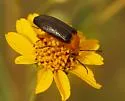
Zonitis punctipennis
Zonitis punctipennis
Identification: Body nude; elytra densely punctate (unlike in Z.dunniana and sayi in which punctures are separated usually by >2x their diameter). Sexually dimorphic: male all yellow, antennae, tips of mandibles + tarsi dark; female with appendages
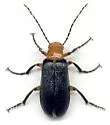
Zonitis vermiculata
Zonitis vermiculata
Type Locality: Beaver Creek Hills, Beaver Co., Utah
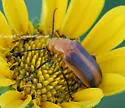
Zonitis vittigera
Zonitis vittigera
Identification: light fulvous to dark ferruginous ( 3 )
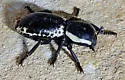
Zopherus championi
Zopherus championi
Identification: Triplehorn's last couplet: Pronotum with lateral white borders having only a few minute flecks of black; apical elytral ridges broadly in contact with raised sutural ridge; lateral areas of elytra more white than black; length 12-15 m
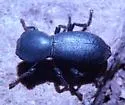
Zopherus gracilis
Zopherus gracilis
Identification: Entirely black; the smoothest sp. of Zopherus , with widely spaced, fine punctures & may have randomly incised, wavy lines. Northern populations, i.e. from Flagstaff & Grand Canyon area, may be more sculptured with slight tubercles, a
Zopherus opacus 0
Zopherus opacus
Identification: last key couplet: Dorsal surface of elytra between tubercles dull, opaque most like Z. uteanus Casey but also bears some resemblance to Z. granicollis ventriosus . It displays by far the dullest surface luster of any known member of t
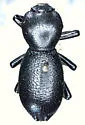
Zopherus sanctaehelenae
Zopherus sanctaehelenae
Identification: last key couplet: Dorsal surface of elytra between tubercles shiny distinguished from all other North American species of the genus except opacus and the more strongly sculptured specimens of gracilis by the very fine, widely spaced e
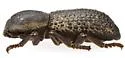
Zopherus tristis
Zopherus tristis
Identification: Entire dorsum black, with flattened elytral tubercles whose hind margins are more or less truncate; apex of elytra narrows abruptly, and descends more steeply than in other species. Pronotum with coarse punctures (some may have coarse
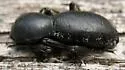
Zopherus xestus
Zopherus xestus
Identification: Distinguished from other congeners by the trilobed callus on apical abdominal sternum: Holotype and 37 paratypes mostly from Big Bend National Park
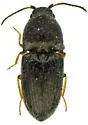
Zorochros cucullatus
Zorochros cucullatus
Identification: easily known by the form of the apical border of the thorax of which the middle forms a short lobe partly concealing the head from above. On each side of this lobe is a rather deep sinuation causing the front angles to be more acute a
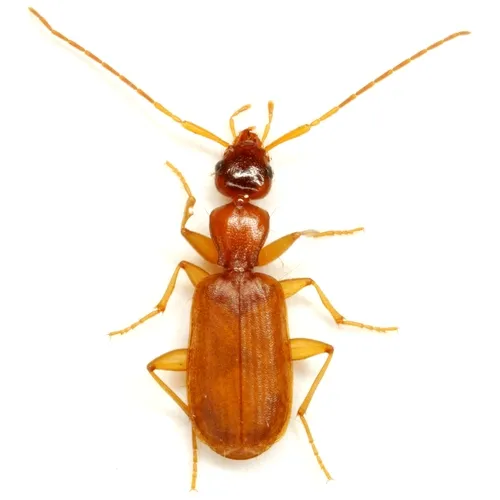
Zuphioides longicolle
Zuphioides longicolle
Zuphioides longicolle is a species in the beetle family Carabidae. It is found in the United States and Mexico.
Zygobaris nitens
Zygobaris nitens
Identification: Holotype • live photo gestalt of Curculio (rostrum longer than head+pronotum); shiny black, coarsely sculptured, with scattered white scales (looks dotted, unless worn).
flatheaded fir borer
Phaenops drummondi
Identification: Highly variable; elytra with various sizes/patterns of yellow maculation, or they may be immaculate. Type locality: Rocky Mtns.; of nicolayi NH
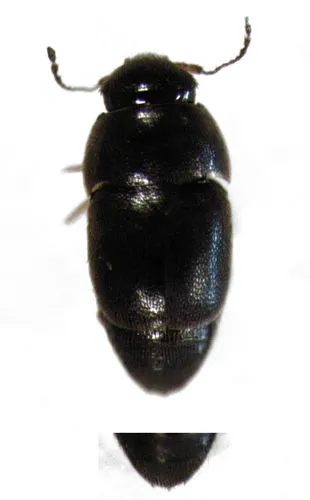
Acrotrichis inconspicua
Acrotrichis inconspicua
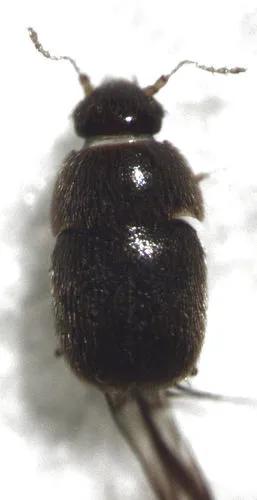
Acrotrichis insularis
Acrotrichis insularis
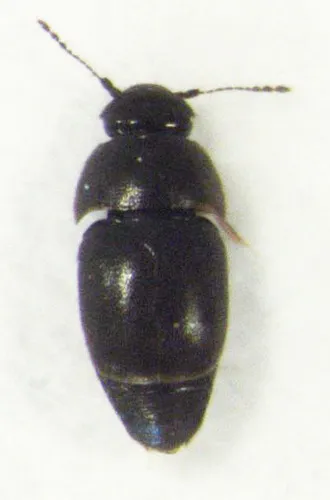
Acrotrichis josephi
Acrotrichis josephi
Acrotrichis montandoni
Acrotrichis montandoni
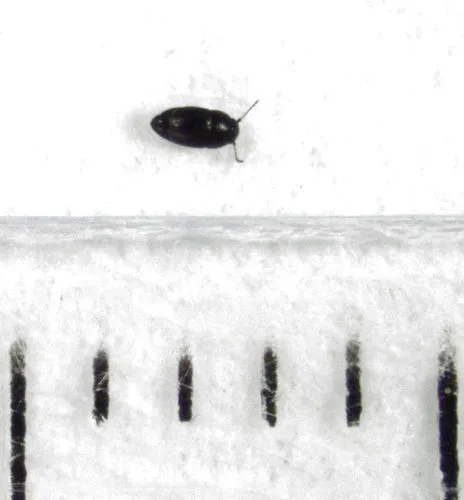
Acrotrichis sericans
Acrotrichis sericans
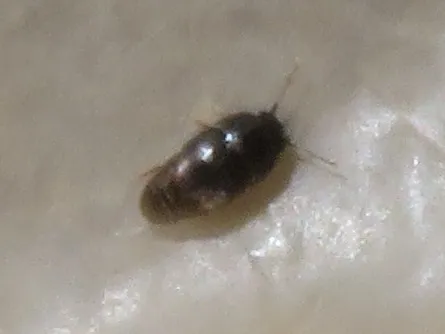
Acrotrichis sitkaensis
Acrotrichis sitkaensis
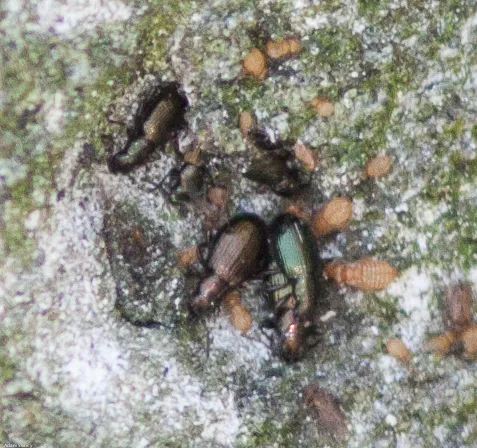
Aegialites farallonensis
Aegialites farallonensis
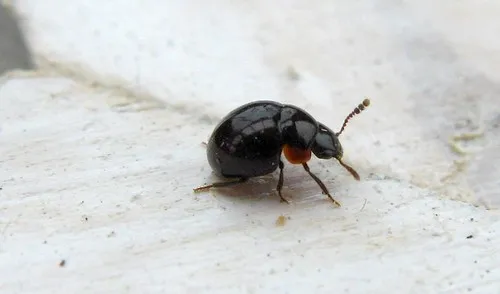
Agathidium nigrinum
Agathidium nigrinum
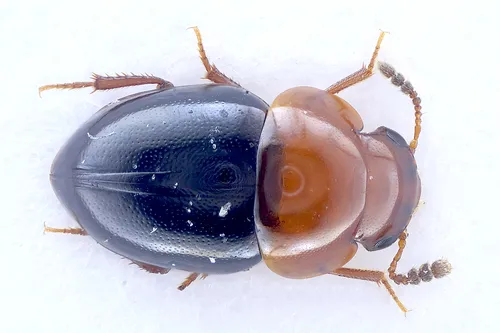
Agathidium nigripenne
Agathidium nigripenne
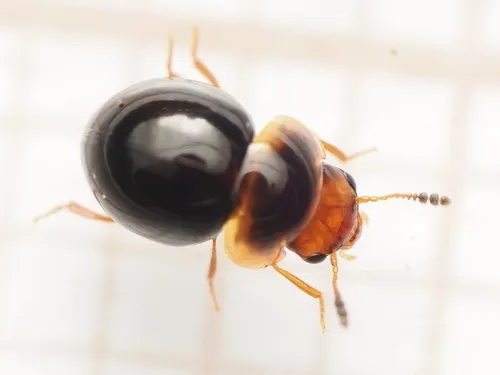
Agathidium varians
Agathidium varians
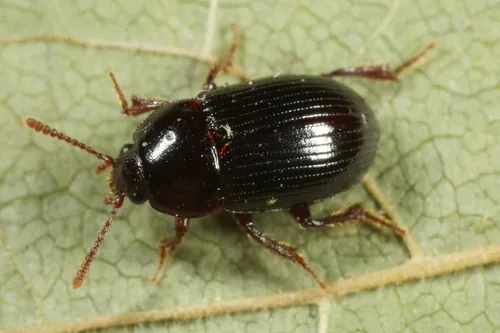
Agyrtes bicolor
Agyrtes bicolor