
Coconut Scale Predator
Cryptognatha nodiceps
This record describes Cryptognatha nodiceps (species). Recorded family: Coccinellidae. Recorded order: Coleoptera.
Identification and Appearance
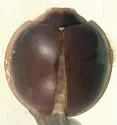
Elytral color highly variable from typical to having disc entirely black with reddish yellow spot near suture posterior to middle. (González et al. 2019) imported in the 1930s, released, and established as a classical biological control agent for coconut scale ( Aspidiotus destructor Signoret) (Frank and McCoy 1993) The introductions were made in 1936 and 1938 from Puerto Rico and Trinida into south Florida (Miami) for use against the coconut scale. The species was recovered in 1940 and again in 1963. It is not certain whether it is actually established or not, but if so, then the population is evidently very low and cannot be considered as having any significant impact on pest populations at the present time. All available records are from the Miami area. ( 3 )
Classification
- Kingdom
- Animalia
- Phylum
- Arthropoda
- Class
- Insecta
- Order
- Coleoptera (Beetles)
- Suborder
- Polyphaga
- Superfamily
- Coccinelloidea
- Family
- Coccinellidae (Lady Beetles)
- Subfamily
- Scymninae
- Tribe
- Scymnini
- Genus
- Cryptognatha
Imported taxonomy record. Source availability varies; see the source references and editorial policy below.
Habitat and Range
Geographic Range
est. in s. FL (Broward & Dade Cos.)
Diet and Behavior
Diet: Scale insects, especially coconut scale and sugarcane scale
Additional species information
Species notes from the sources
Etymology: Cryptognatha nodiceps Marshall, 1912
About Primitive Winged Insects: the wider group
Order-level background for Coleoptera, the group containing Cryptognatha nodiceps. Species-specific details appear above.
Group overview
Coleoptera is the largest order of insects with over 400,000 described species, representing ~25% of all known animal species and ~40% of all insects. In the U.S. alone, nearly 30,000 beetle species have been identified.
Ecological role of the group
Beetles are prominent decomposers, especially in forests, breaking down dead wood and recycling nutrients. As predators, they reduce populations of pest insects. Many species are also important pollinators of flowering plants.
Economic and practical significance of the group
Beetles have major economic significance: leaf beetles (Chrysomelidae) and weevils (Curculionoidea) are among the most destructive agricultural pests globally, costing billions annually, while predatory species like ladybugs provide natural pest control.
Recorded sources for this group: Britannica, Smithsonian, NCSU Entomology. Imported estimates may describe particular regions or reporting periods.
Frequently Asked Questions About Coconut Scale Predator
What is Coconut Scale Predator?
Coconut Scale Predator (Cryptognatha nodiceps) is a species in the family Coccinellidae, within the order Coleoptera.
How big is Coconut Scale Predator?
Length 2.4 to 2.9 mm
How do you identify Coconut Scale Predator?
Elytral color highly variable from typical to having disc entirely black with reddish yellow spot near suture posterior to middle. (González et al. 2019)
Where is Coconut Scale Predator found?
Range: est. in s. FL (Broward & Dade Cos.)
What does Coconut Scale Predator eat?
The diet of the Coconut Scale Predator includes Scale insects, especially coconut scale and sugarcane scale.