
Primitive Winged Insects
Order Coleoptera
The Primitive Winged Insects (Order Coleoptera) includes 15,720 species across 160 families and 3,716 genera in our directory.
About Primitive Winged Insects
Coleoptera is the largest order of insects with over 400,000 described species, representing ~25% of all known animal species and ~40% of all insects. In the U.S. alone, nearly 30,000 beetle species have been identified.
Economic Impact
Beetles have major economic significance: leaf beetles (Chrysomelidae) and weevils (Curculionoidea) are among the most destructive agricultural pests globally, costing billions annually, while predatory species like ladybugs provide natural pest control.
Ecological Role
Beetles are prominent decomposers, especially in forests, breaking down dead wood and recycling nutrients. As predators, they reduce populations of pest insects. Many species are also important pollinators of flowering plants.
Families in Coleoptera (160)
Species in Coleoptera (15,720)
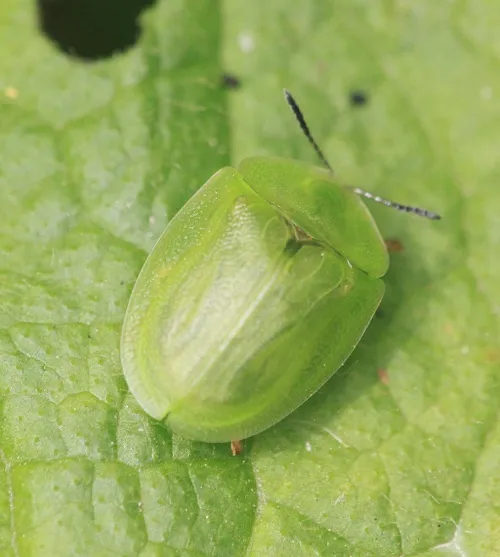
Cassida viridis
Cassida viridis
Length 7.5 to 10 mm. This is an all green Tortoise Beetle that lacks the markings of other Cassida species. Cassida viridis is similar to C. rubiginosa but can be distinguished by the rounded rear corners of the pronotum (sharp in C. rubiginosa). It
Catapion seniculus 0
Catapion seniculus
Identification: elliptical elytra (widest at mid-length or slightly before) distinguish it from almost all other NA apionines (in most apionines the body has the greatest width behind the mid-length of elytra)
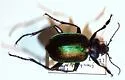
Caterpillar Searcher
Calosoma sycophanta
Introduced in 1905 to control spongy moth ( Lymantria dispar ) and Euproctis chrysorrhoea
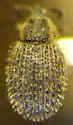
Cathormiocerus aristatus
Cathormiocerus aristatus
Identification: Suberect spatulate scale-like "setae" (lacking in the smilar Calyptillus ) that are longer and denser than in other " Trachyphloeus " found in our area Recently emerged specimens are clean and they get dirty and coated with a mix of s
Catolethrus longulus 0
Catolethrus longulus
Identification: The elytra usually have the sides broadly and indeterminately rufescent, but the entire body is sometimes almost wholly black, or ferruginous with a darker space along the suture. The peculiar ventral and femoral characters of the mal
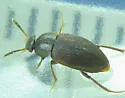
Catops basilaris
Catops basilaris
Identification: Characters of antennae, male gentilia, and female abdominal sternite 7 distinguish this species The most frequently collected Catops species in North America
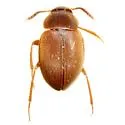
Catops geomysi
Catops geomysi
Identification: distinguished by its slightly reduced eyes and long thin antennae collected in flight traps or at carrion baits or in burrows of at least three Geomys spp.
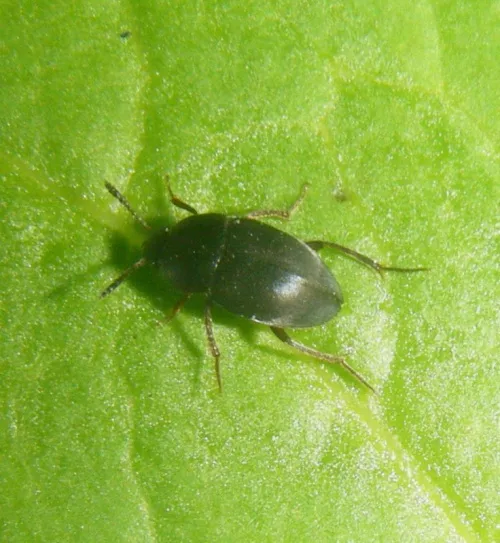
Catops grandicollis
Catops grandicollis
This is a dark grey coloured round fungus beetle. Can be found in Carrion and rotting vegetable matter. Prefers more open, non woodland habitats. Widespread and fairly frequent in Britain. No additional images available for this species.
Catops gratiosus
Catops gratiosus
Identification: The characters of the antennae and the male genitalia will distinguish C. gratiosus from all other North American Catops species.
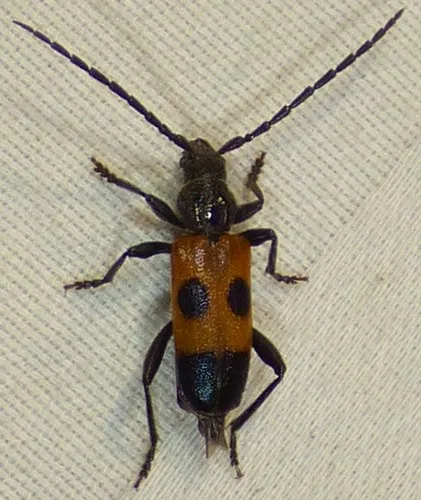
Cedar Tree Borer
Semanotus ligneus
Semanotus ligneus is a species of beetle in the family Cerambycidae.
Cedraderus constrictus
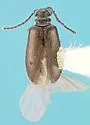
Cedraderus constrictus
Identification: Syntype the most common aderid in CA
Celery Leaf Beetle
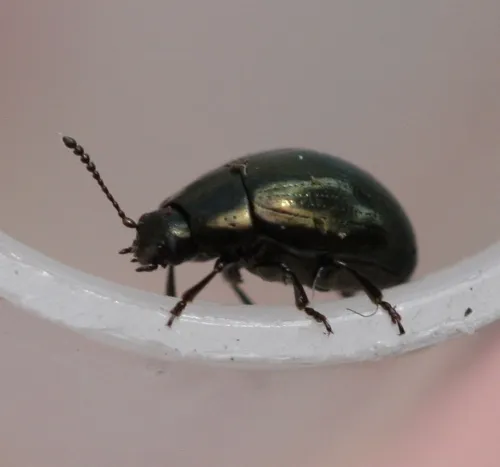
Phaedon tumidulus
3 to 4mm. Variable, usually dark blue or dark green with a brassy metallic lustre. Elliptical and convex with a transverse pronotum that strongly narrows at the front. The elytral punctures are spaced out, roughly 4x the size of each puncture. P. tum
Celina angustata
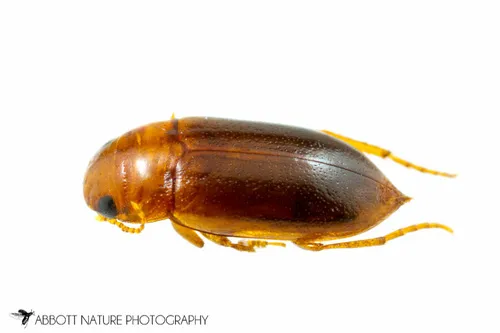
Celina angustata
Identification: fine microsculpture on central portion of pronotum, with some punctures distinct Det. Tim R. Moyer, 2010
Celina grossula
Celina grossula
Identification: distinguished from the congeners in our area by large size (>6 mm), coarse pronotal punctation, and unmodified male mesotibia Type Locality: Louisiana not listed in
Celina hubbelli
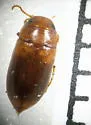
Celina hubbelli
Identification: Adult: body elongate, reddish-yellow to reddish-brown with basal one-fourth of elytra and pronotum paler. Pronotum with punctures large laterally, fine but evident on disc. Elytra coarsely irregularly punctate, each puncture with shor
Celina imitatrix
Celina imitatrix
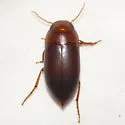
Identification: elytron with punctation coarse and irregular; pronotum dull with microsculpture meshes large and well impressed, disk with punctation fine and dense, laterally with larger punctures broadly distributed Type Locality: Gainesville, Alac
Cenophengus longicollis
Cenophengus longicollis
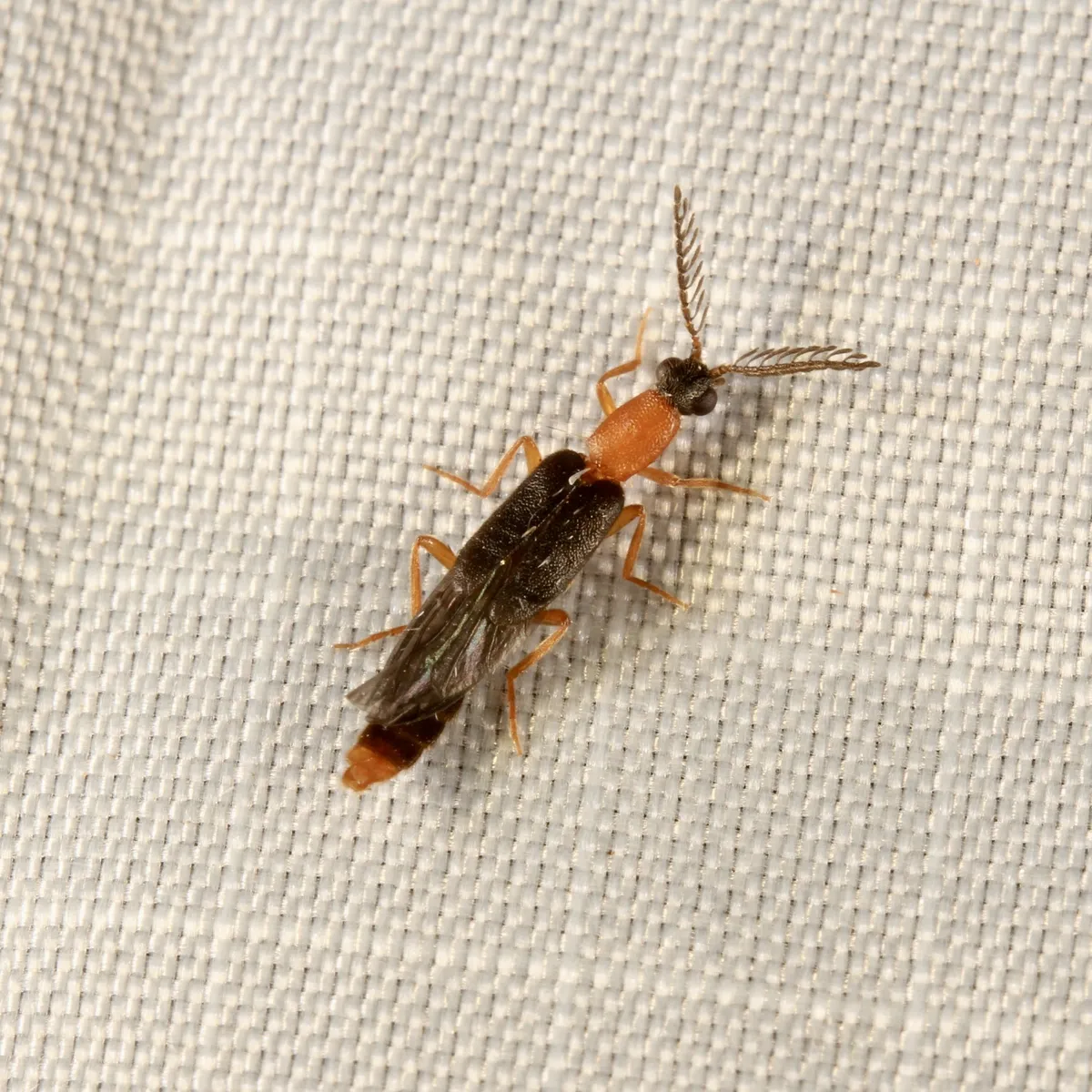
Identification: Head black; antennae black to brown, pronotum and scutellum yellow-orange; wingtips black to brown, sometimes only at the base poorly lit, legs and lower yellow to yellow-orange Type Locality: 3 mi. NE. of Porvenir, Presidio Co. Tex.,
Cenophengus pallidus
Cenophengus pallidus
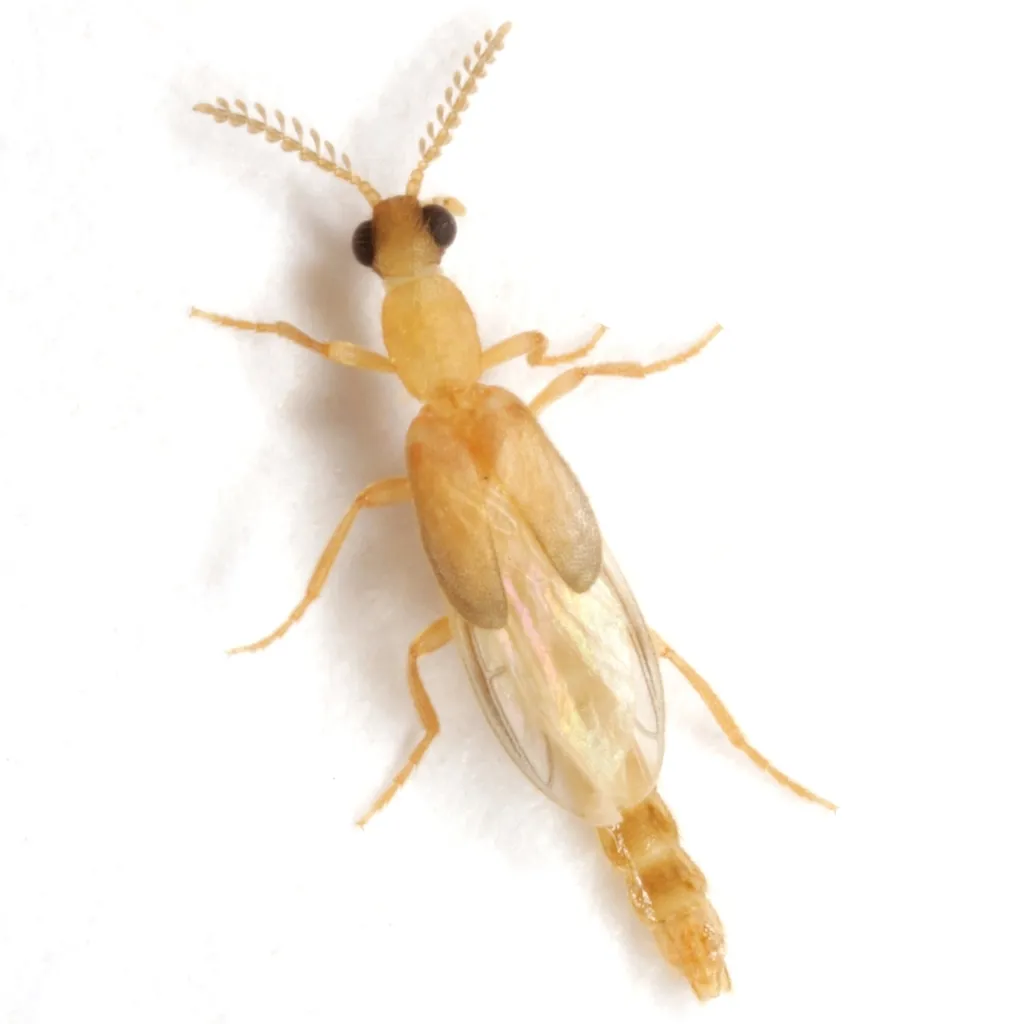
Identification: The male is a soft, delicate, very pale yellowish beetle with short dehiscent elytra that do not fully cover the abdomen and leave the hind wings broadly exposed. Antennae bipectinate. Females unknown. Texas considers this sp. a SGCN
Centrinites strigicollis
Centrinites strigicollis
Type Locality: Hot Spring; French Broad River, Buncombe, North Carolina
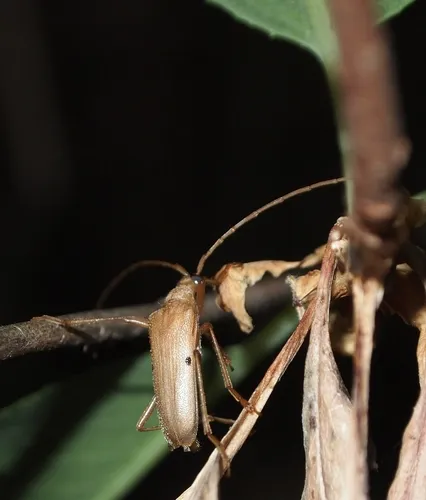
Centrodera autumnata
Centrodera autumnata
Centrodera autumnata is a species of flower longhorn in the family Cerambycidae. It is found in North America.
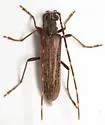
Centrodera sublineata
Centrodera sublineata
occasionally comes to UV lights Uncommon in eastern US, rare in Texas (D. Heffern, pers. comm. to MAQ, 2016)
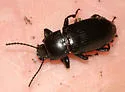
Centronopus calcaratus
Centronopus calcaratus
Identification: Male has prominent blunt tooth on tibia :
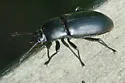
Centronopus opacus
Centronopus opacus
active at nights, on overcast days, and immediately after rainfall; none taken at lights or in FIT (Triplehorn & Stephan 1994); come to lights in cTX (i have a series taken at my porch lights. =v=)
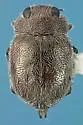
Cephaloscymnus insulatus
Cephaloscymnus insulatus
Identification: brown with reddish pronotum and piceous venter; legs, mouthparts, and epipleuron brown Type locality: Santa Rita Mts., Arizona
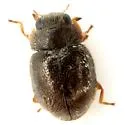
Cephaloscymnus occidentalis
Cephaloscymnus occidentalis
Identification: Brown to reddish-brown above; venter (underside) brownish-black, leg brown. Pronotum finely punctured, anterior (front) angle feebly explanate .
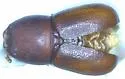
Ceracis pecki
Ceracis pecki
Identification: Holotype: https://mczbase.mcz.harvard.edu/guid/MCZ:Ent:31695
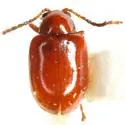
Cerataltica insolita
Cerataltica insolita
Identification: description Rare in IN, AL, FL ; exceedingly rare in MD
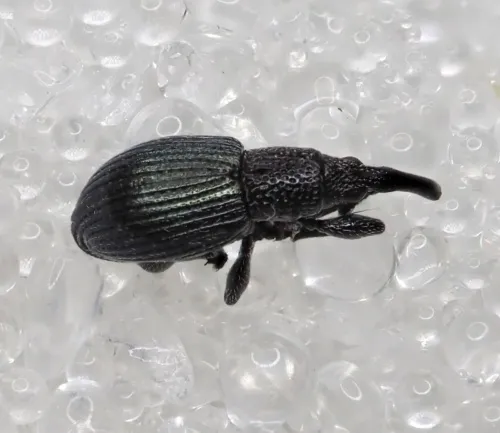
Ceratapion gibbirostre
Ceratapion gibbirostre
Size 2.2 to 3 mm. One of several similar small blackish weevils. There are other similar species which make correct identification to species level difficult and detailed examination is needed. Unless identified by a recognised expert, photographic e
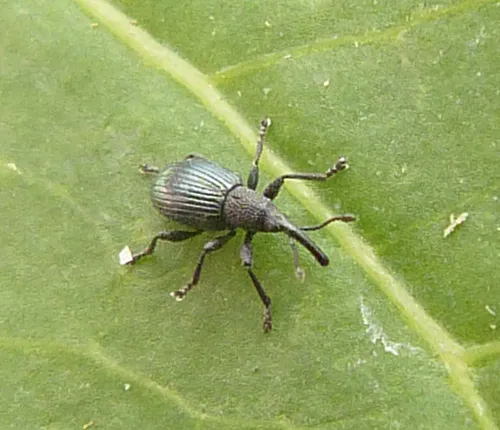
Ceratapion onopordi
Ceratapion onopordi
2.4-2.9mm. Generally black with weak metallic elytra. Legs are black. The scutellum is round. Amongst the Ceratapion weevils, this species is distinguished by the rugose sculpture on the frons (between the eyes). Unless identified by a recognised exp
Cercyon adumbratus
Cercyon adumbratus
Identification: A distinctive species due to the pubescent dorsal surface of the elytra; striae impressed and intervals convex.
Cercyon analis
Cercyon analis
Identification: Body elongate, tapered posteriorly; mesosternum broadened posteriorly, not tapered to a point at contact with the elevated portion of the metasternum; both meso- and metasterna finely punctate.
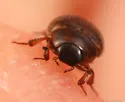
Cercyon fimbriatus
Cercyon fimbriatus
Identification: distinguished by the deeply impressed, often connecting bases of the first and second striae; size and coloration highly variable The most common species of beach-dwelling Cercyon in the region
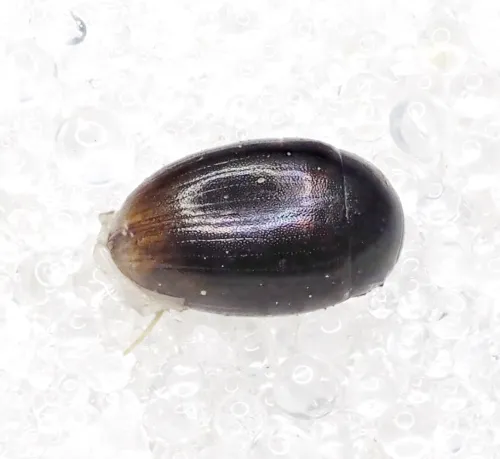
Cercyon haemorrhoidalis
Cercyon haemorrhoidalis
Size 2.5 to 3.1 mm. It is a very dark reddish brown, almost black looking in the field. Occurring in herbivore dung in just about any situation, but they may also be found in various types of decaying vegetable matter. Widely distributed, occurring q
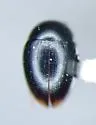
Cercyon herceus
Cercyon herceus
Confused with the palaearctic C. tristis by earlier authors
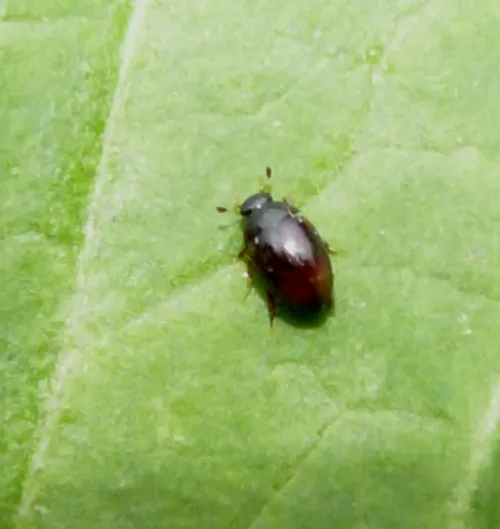
Cercyon lateralis
Cercyon lateralis
A very small species, measuring around 2.5 to 3mm in length. The head and shoulders are quite dark brown or blackish fading to a more golden or reddish brown nearer the tips of the elytra. Care is needed with identification as there are other, simila
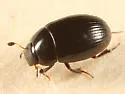
Cercyon littoralis
Cercyon littoralis
Identification: Body flat, elytral surface with microsculpture, pronotum and head without pronounced microsculpture except for the clypeus; mesosternal process long and narrow
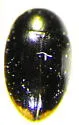
Cercyon marinus
Cercyon marinus
Identification: Elytral striae disappear at the apex, yellow lateral elytral markings narrow, width extending to 9th stria and usually not quite reaching the humeral angle
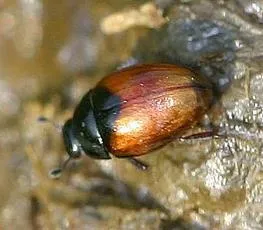
Cercyon melanocephalus
Cercyon melanocephalus
A distinctive 'Dung Beetle' with a reddish elytra and black triangular colouration over the scutellar area. Though a member of the water beetle family, this species lives in dung, effectively 'swimming' through it. Like some other beetles in this fam
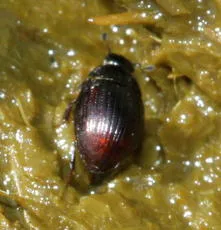
Cercyon obsoletus
Cercyon obsoletus
A beetle with dark reddish brown elytra and blacker head and pronotum. Images contained in a red box denote that they are only likely to be this species and are typical of the species but have not been examined in detail to be certain of identity Wid
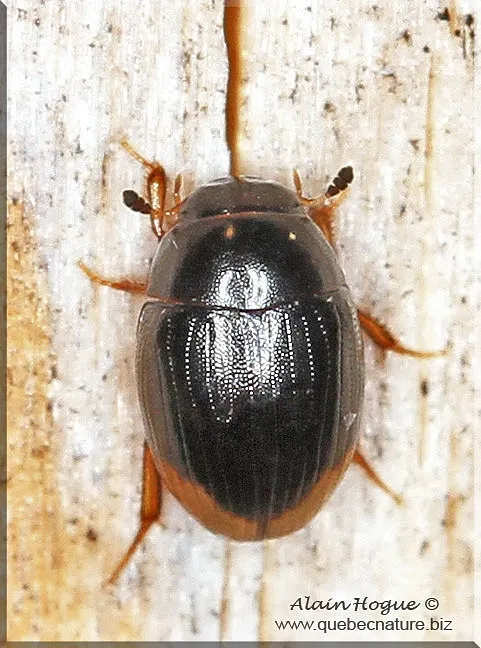
Cercyon praetextatus
Cercyon praetextatus
Identification: Shining black Cercyon with distinctly delimited pale apex of the elytra. Key Characters: A very common species. An adult from Florida was found to carry mite deutonymphs ( Parasitus sp.) under its elytra.
Cercyon pygmaeus
Cercyon pygmaeus
Identification: Color variable; complete metasternal lines; narrow mesosternal crest; elytra without setae Earliest eastern specimens known are from Tyngsboro MA in 1868 & 1871. Earliest known specimens from the west coast were from Fieldbrook CA in
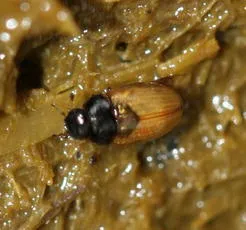
Cercyon quisquillius
Cercyon quisquilius
Although tiny this species is soon recognised by its golden brown colouration and rather elongate form. Early spring to late autumn peaking in summer. Breed in dung, but associated with all kinds of decaying matter. Widespread and frequent in the sou
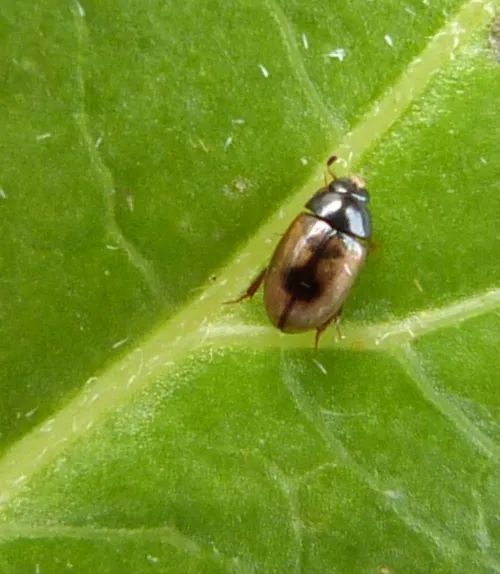
Cercyon unipunctatus
Cercyon unipunctatus
This is a very small (about 2 mm) beetle. The straw brown elytra have a single large blackish spot. Although this is a water scavenging beetle, it flies well and has been attracted to light, and recorded on dung. Summer is the best time to see this s
Cercyon ustulatus
Cercyon ustulatus
Identification: See Ryndevich 2008 for a diagram (Fig. 27) showing the separate convexities of the pronotum and elytra. ( At ResearchGate ).
Cercyon variegatus
Cercyon variegatus
Identification: readily identified by its colour, and the fact that the striae of the elytra are simply impressed lines, almost without trace of punctuation (Sharp 1882) apparently the most abundant of the Central-American species of Cercyon . (Sharp
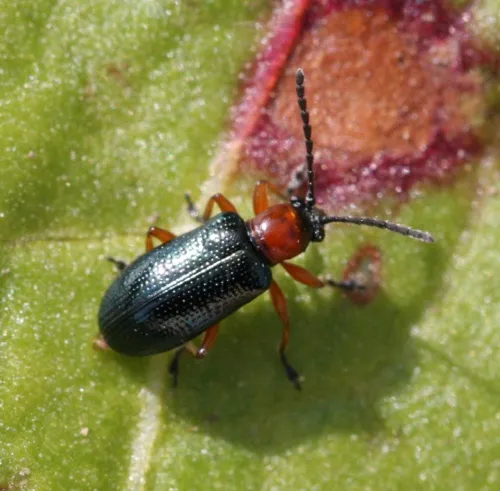
Cereal Leaf Beetle
Oulema duftschmidi/melanopus agg.
Length is about 6 mm. The elytra have a green iridescent sheen and well punctuated. The 'head' is red. The two species Oulema duftschmidi and Oulema melanopus are almost impossible to separate without detailed examination. Unless the necessary detail
Ceropria induta
Ceropria induta
Identification: see Steiner & Golia earliest NA record: FL 1998
Cerotoma atrofasciata
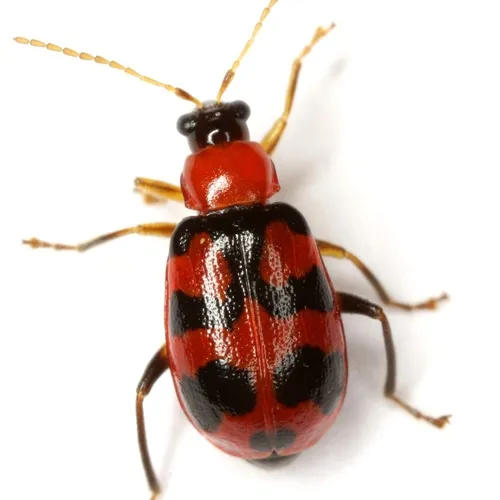
Cerotoma atrofasciata
Identification: elytra pale testaceous, a narrow transverse band at the base, dilated at the suture, and two small spots near the apex, black. (Jacoby, 1879) Type Locality: Guatemala
Cerotoma ruficornis
Cerotoma ruficornis
males have neat modified antennae (E. G. Riley, pers. comm. to MAQ, 2013)
Cerylon histeroides
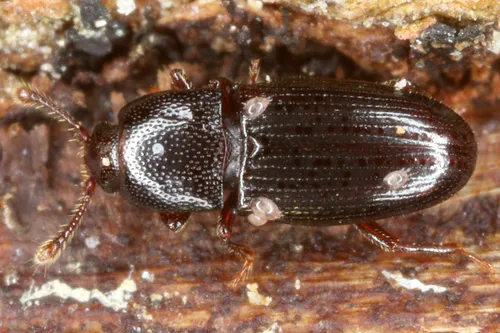
Cerylon histeroides
A very small beetle, 1.8 to 2.3 mm. Adults are dark brown, sometimes dark reddish-brown or even blackish. The pronotum is broadly quadrate and strongly punctured. It is superficially similar to C. fagi but is generally more slender in appearance and
Cerylon unicolor
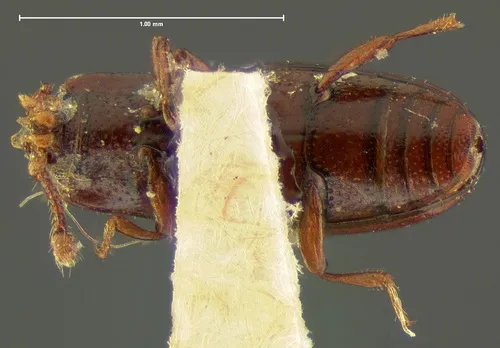
Cerylon unicolor
Cerylon unicolor is a species of minute bark beetle in the family Cerylonidae. It is found in North America.
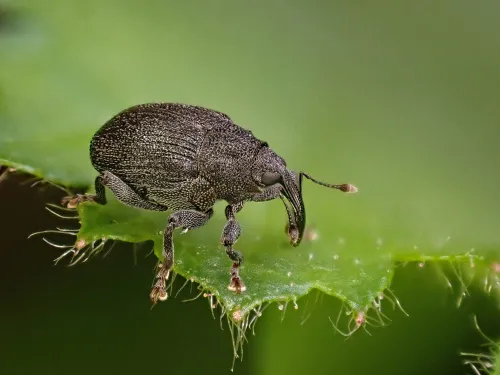
Ceutorhynchus alliariae
Ceutorhynchus alliariae
A small (2.6 to 3.4 mm) black or dark grey weevil. There are a number of similar species and detailed examination is required. Please provide a photograph and state the host plant. Detailed examination required to confirm species id. Associated with
Ceutorhynchus erysimi
Ceutorhynchus erysimi
Ceutorhynchus erysimi (Ceutorhynchus erysimi) is a species in the family Curculionidae, commonly known as snout and bark beetles, belonging to the order Coleoptera (Beetles). It is classified within the subfamily Ceutorhynchinae, tribe Ceutorhynchini
Ceutorhynchus inaffectatus
Ceutorhynchus inaffectatus
Identification: Rather "big", grey Ceutorhynchus , dorsal scales narrow (no ovate scales intermixed) in double rows on elytral intervals (diagnostic vs. C. rapae ). Pronotum well convex in both directions, cushion-shaped, without lateral tubercle lik
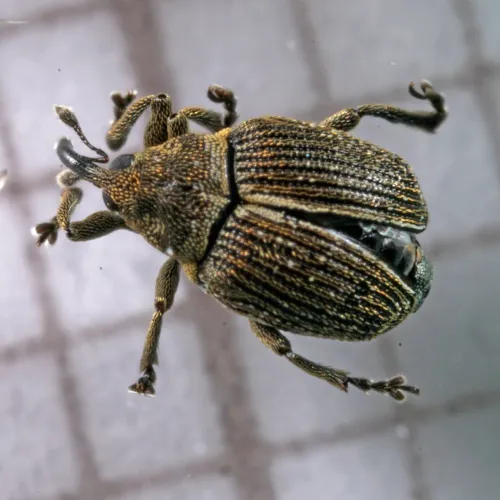
Ceutorhynchus typhae
Ceutorhynchus typhae
A small brown or blackish weevil. Many specimens appear to show a pale line running between the elytra. Unless identified by a recognised expert, photographic evidence is required and the specimen should be examined with a microscope. In the comments
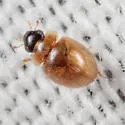
Chaetarthria pallida
Chaetarthria pallida
Identification: see discussion here ; the only dorsally yellowish species in NA in which the males have plates instead of stalked discs on the inner surface of the protibiae. Females may be hard to separate from similar species. rarely seen other tha
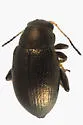
Chaetocnema borealis
Chaetocnema borealis
Identification: Type specimen is in CNC, image here: https://www.cnc.agr.gc.ca/images/specimen/s3722_696891.jpg Confused with C. hortensis , in which the basal antennomeres are yellow and dorsal surface has a bronze or green lustre. In C. borealis ,
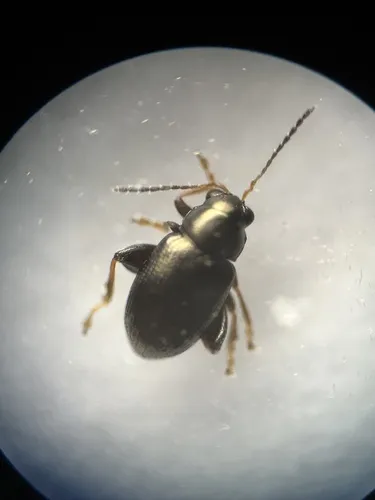
Chaetocnema minuta
Chaetocnema minuta
Identification: Black bronze, head punctate (small, indistinctly), elytral punctures distinct to apex, pronotum with distinct row of basal punctures, legs dark red/brown (paler in some), first 4-5 antennomeres yellow/brown
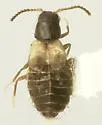
Chaetocoelus setosus
Chaetocoelus setosus
Identification: female is brachypterous Type Locality: Columbus, Texas; E. A. Schwarz
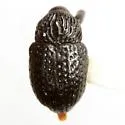
Chalcodermus inaequicollis
Chalcodermus inaequicollis
Identification: Det. E. G. Riley, 2009 Type Locality: GA
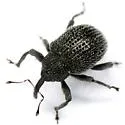
Chalcodermus martini
Chalcodermus martini
Identification: "This species, because of its conspicuous cinereous (ash-gray) vestiture, deep punctuation, and well-elevated intervals, stands apart from all of its fellows and thus should be easily recognized. It seems to resemble no Mexican specie
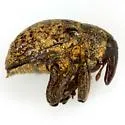
Chalcodermus semicostatus
Chalcodermus semicostatus
Type Locality: Brownsville, Texas (Esperanza Ranch) (Schaeffer 1904) Texas considers this a "Species of Greatest Conservation Need" (SGCN) ( 3 )
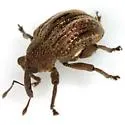
Chalcodermus vittatus
Chalcodermus vittatus
Identification: Det. E. G. Riley, 2009 Specimens of this species, which is described from Guatemala, were taken at Brownsville (San Tomas and Esperanza Ranch from May to July). (Schaeffer 1904)
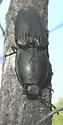
Chalcolepidius lenzi
Chalcolepidius lenzi
Identification: antennae strongly serrate in male and serrate in female
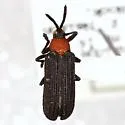
Chalepus bicolor
Chalepus bicolor
Identification: Elytra entirely dark, pronotum mostly red , southern populations may have dark pronotum , , femora red at base , red scutelum Det. M. A. Quinn, 2017
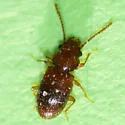
Charaphloeus adustus
Charaphloeus adustus
Identification: Det. M.C. Thomas, 1995 One spmn coll'ed during 2 yrs of arboreal surveys in c. TX
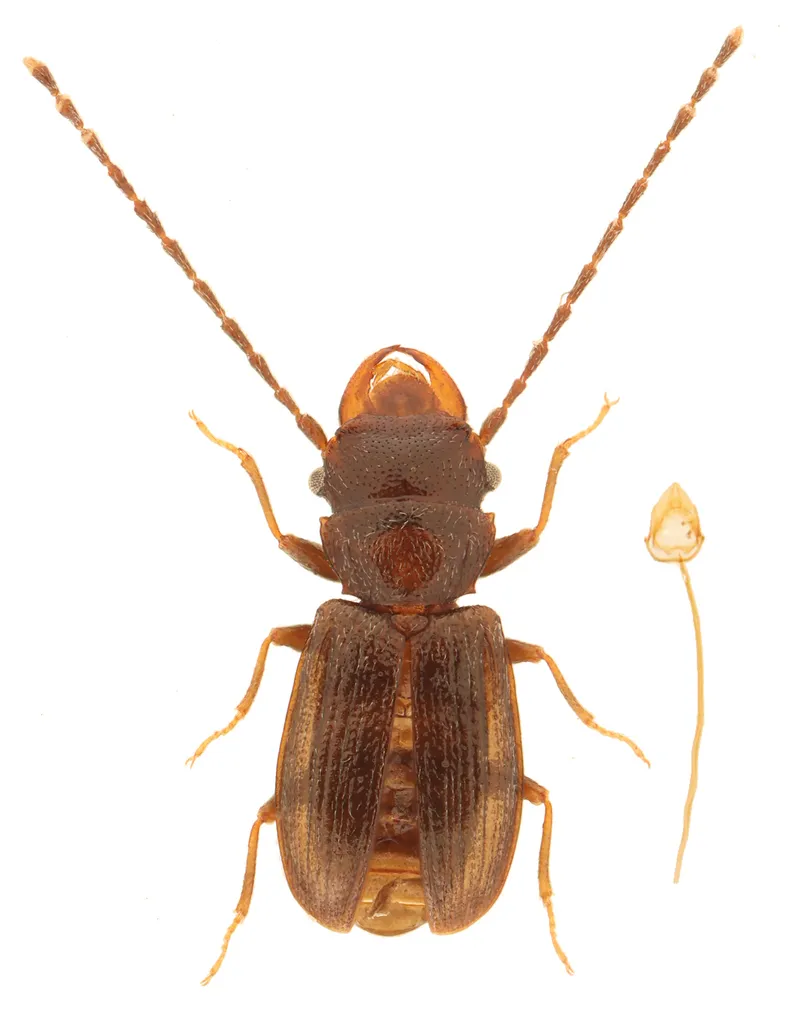
Charaphloeus convexulus
Charaphloeus convexulus
One spmn coll. during 2 yrs of arboreal surveys in c. TX
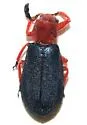
Chariessa catalina
Chariessa catalina
Identification: Forebody, venter, forebody and venter pubescence, pale sanguineous; elytra more black than blue (USA) ...... Chariessa elegans Horn Forebody, venter, forebody and venter pubescence, crimson; elytra more blue than black (USA, Mexico) .
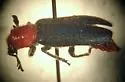
Chariessa dichroa
Chariessa dichroa
Identification: Pronotum unicolorous reddish, legs black
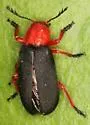
Chariessa elegans
Chariessa elegans
Identification: Pronotum unicolorous, reddish; legs mostly reddish, tarsi black pair, along with dozens of others, on an oak that had been struck by lightning in Texas:
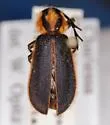
Chariessa floridana
Chariessa floridana
Identification: Pronotal discal black lines narrow and distal to each other, tuft of gold setae between black lines; known only from Key Largo most recent spmn coll'ed in 1979
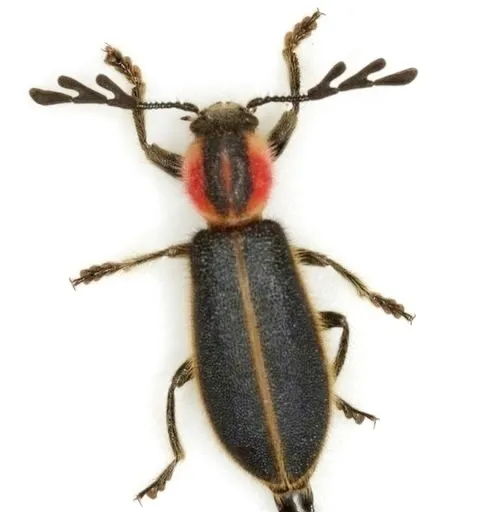
Chariessa pilosa
Chariessa pilosa
Identification: Pronotal discal black lines broad and proximal to each other ♂ ♀
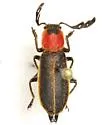
Chariessa texana
Chariessa texana
Identification: Pronotum without two discal black lines, pronotal disc mostly red, with transverse black spot at anterior margin Type locality: Texas, Nolan County, Sweetwater (FMNH).
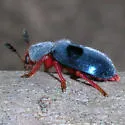
Chariessa vestita
Chariessa vestita
potential intra-generic predation attempt described in Taber and Fleenor
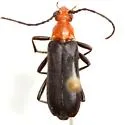
Charisalia americana
Charisalia americana
Identification: head and prothorax red, elytra black; prothorax with sharp projecting corners Rare
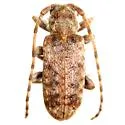
Charlesella viticola
Charlesella viticola
Identification: The pubescence of elytra is sometimes uniformly cinereous, intermixed with black spots; the region around the scutellum is always more or less blackish. Det. E. G. Riley, 2010 Type Locality: San Tomas [Sabal Palm Sanctuary], Brownsvil
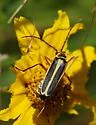
Chauliognathus lewisi
Chauliognathus lewisi
Identification: ssp. vittaus Schaeffer has the basal & apical elytral markings connected
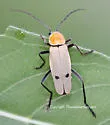
Chauliognathus misellus
Chauliognathus misellus
Identification: Det. M. A. Quinn, 2017 interesting mimic of: Dysdercus bimaculatus (Stål) - AZ Pyrrhocoridae
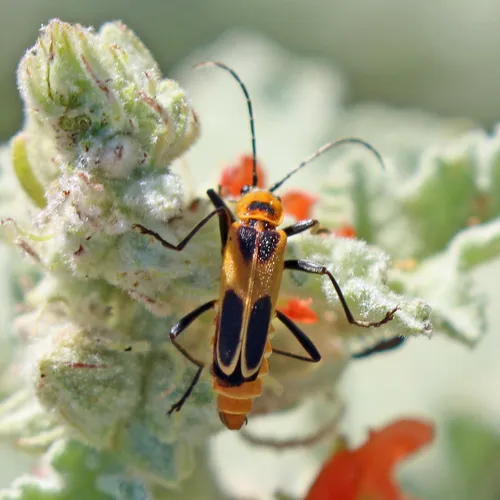
Chauliognathus omissus
Chauliognathus omissus
Chauliognathus omissus is a species of soldier beetle in the family Cantharidae. It is found in North America.
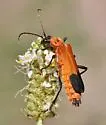
Chauliognathus profundus
Chauliognathus profundus
Identification: The three black spots of the thorax are in a transverse line behind the middle. The black of the elytra occupies about two-fifths of the surface. Det. M. A. Quinn, 2017 Type Locality: Sonora, Mex.
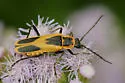
Chauliognathus scutellaris
Chauliognathus scutellaris
Identification: Det. E.G. Riley, 2009 Quoting the original description: Body slender, black, finely pubescent; head moderately elongated, third joint of the antennae one half as long as the 4th; thorax a little longer than wide, rounded at the apex,
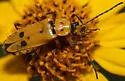
Chauliognathus transversus
Chauliognathus transversus
Identification: Pronotum transversely subquadrate, with or without two oblique black spots, "one on each lateral half but nearer the middle". Elytra subulate, each with a black spot at apical third, not attaining margins. Legs black with the basal ¾
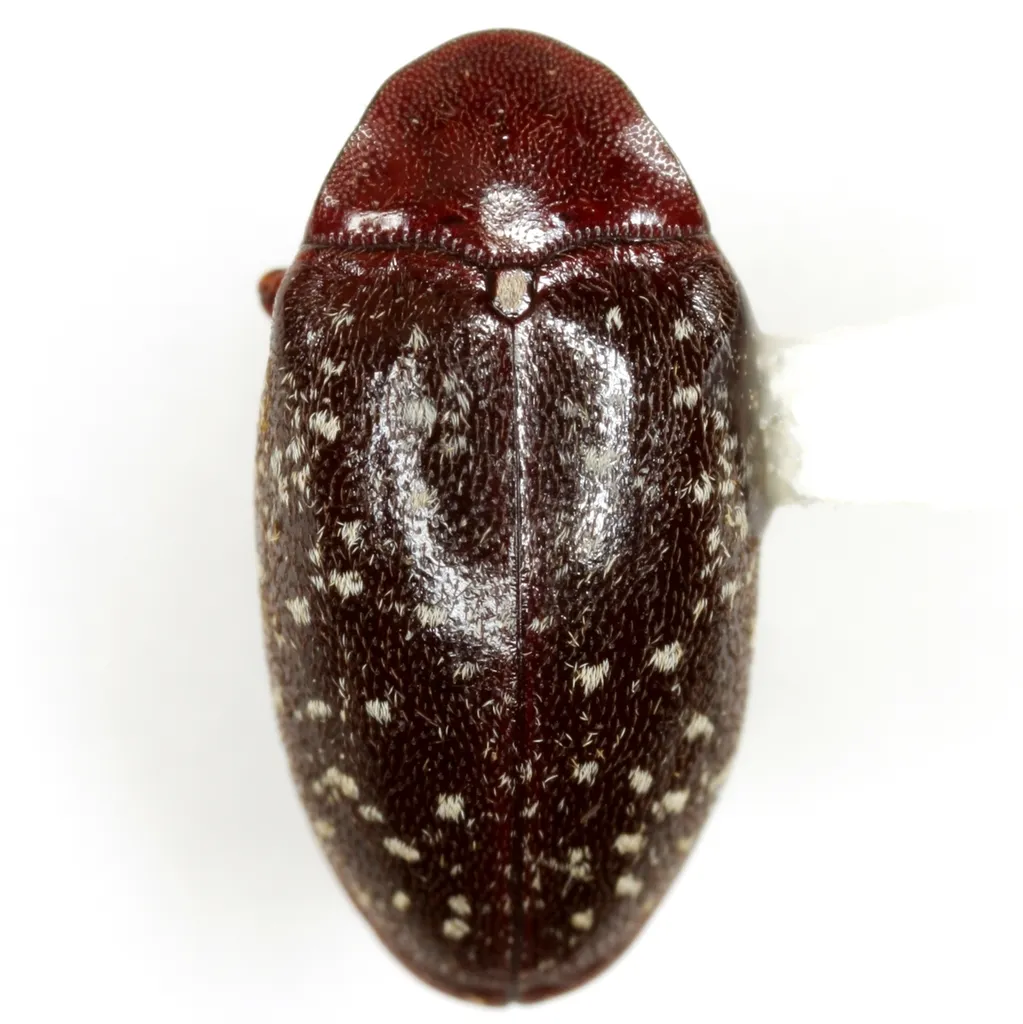
Chelonarium lecontei
Chelonarium lecontei
Identification: Det. J.C. Abbott, 1996 usually taken at lights, but also in Malaise traps and by sweeping/beating, especially at night; sometimes in tree holes
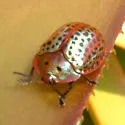
Chelymorpha cribraria
Chelymorpha cribraria
Identification: highly variable (at least globally), but in FL often with multiple dark spots of almost uniform size and spacing on the elytra that make it appear to be perforated like a metal colander. showed up in so. FL following hurricane Andrew
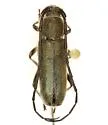
Chemsakiella ricei
Chemsakiella ricei
Identification: dark metallic greenish, appendages black; pubescence whitish, dense, subdepressed and erect. PARATYPE Type Series: White River Lake, Crosby Co., Texas, 19 September 1980, on Heterotheca (M. E. Rice). Sixteen paratypes (10 males, 6 fem
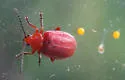
Cherry Leaf Beetle
Tricholochmaea cavicollis
Identification: Larvae are dark brown with black and yellow spots; they are about 6mm long. Overwinter as adults. In spring eggs are deposited in the soil at the base of the tree. The larvae climb the tree and feed on the foliage before returning to
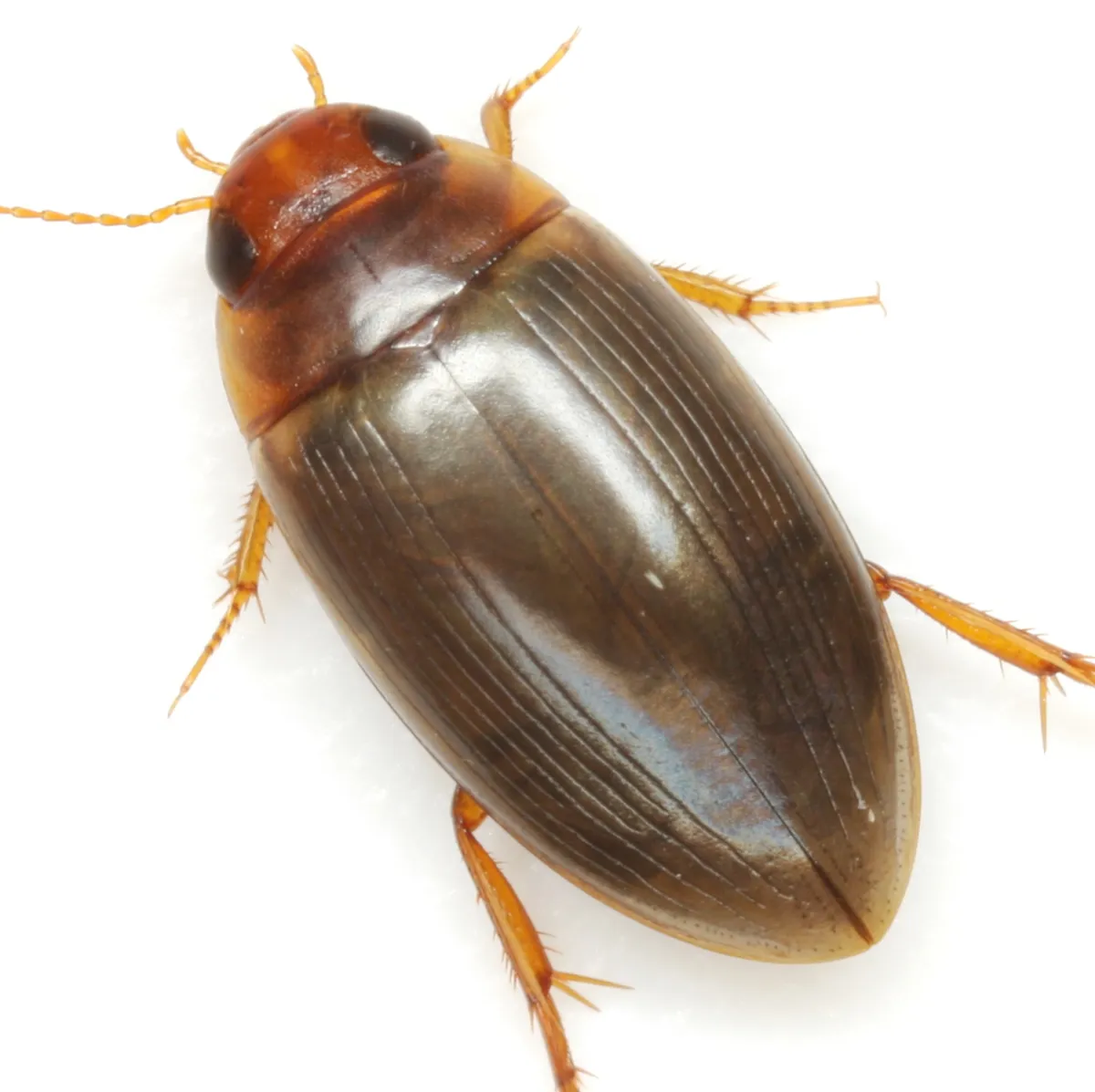
Chevrolat's Dytiscid
Copelatus chevrolati
Identification: Unique pattern of elytral striae Det. B. Mathison, 2010 Readily comes to lights
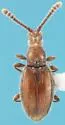
Chevrolatia amoena
Chevrolatia amoena
Identification: Dorsal ridge of longitudinal carina at posterior margin of pronotum blunt or slightly expanded Det. Don Chandler, 2018 Type locality: New York A total of 233 specimens were examined by O'Keefe
Chevrolatia occidentalis 0
Chevrolatia occidentalis
Identification: Median longitudinal carina of pronotum nearly 1/3 length of pronotum Type Locality: Koppe's Bridge, 5 mi. SW College Station, Brazos Co., Texas
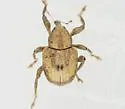
Chevroned Waterhyacinth Weevil
Neochetina bruchi
Introduced intentionally into FL in 1974 to combat Eichhornia crassipes ; native to Argentina and bordering countries
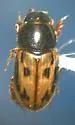
Chilothorax distinctus
Chilothorax distinctus
Identification: elytral markings variable earliest NA record: MD before 1845
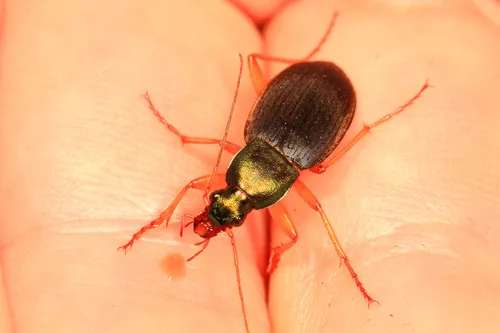
Chlaenius amoenus
Chlaenius amoenus
Chlaenius is a large and diverse genus of ground beetle. It is native to the Palearctic realm (including Europe, the Near East, and North Africa), Afrotropical realm, and Nearctic realm. Worldwide, roughly 1,000 species are currently recognized with
Chlaenius caurinus 0
Chlaenius caurinus
Chlaenius is a large and diverse genus of ground beetle. It is native to the Palearctic (including Europe), the Near East, North Africa, Afrotropical region, and the Nearctic. Worldwide, roughly 1,000 species are currently recognized with the majorit
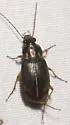
Chlaenius circumcinctus
Chlaenius circumcinctus
the only member of the circumcinctus group in our fauna
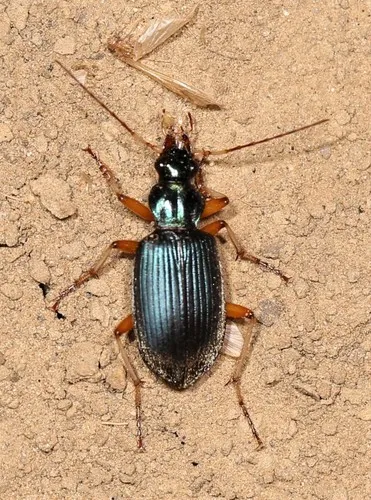
Chlaenius cordicollis
Chlaenius cordicollis
Identification: Third antennal segment distinctly longer than fourth; abdominal sclerties more or less glabrous at middle, densely punctate laterally; elytral margin curved evenly onto basal margin (no angle); pronotal disk with impunctate areas; ely
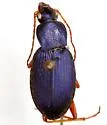
Chlaenius cumatilis
Chlaenius cumatilis
a member of the cursor group, represented in our fauna also by Ch. chaudoiri, Ch. patruelis, & Ch. sparsus )
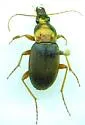
Chlaenius emarginatus
Chlaenius emarginatus
Identification: Distinguished by large body size and long mandibles compared to other similar-looking congeners
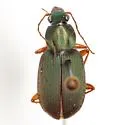
Chlaenius flaccidus
Chlaenius flaccidus
Type: One specimen female, collected by Belfrage, in Waco County, Texas. (Waco is in McLennan County.)
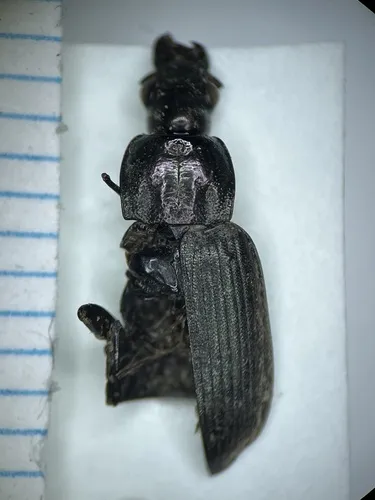
Chlaenius harpalinus
Chlaenius harpalinus
Chlaenius is a large and diverse genus of ground beetle. It is native to the Palearctic realm (including Europe, the Near East, and North Africa), Afrotropical realm, and Nearctic realm. Worldwide, roughly 1,000 species are currently recognized with
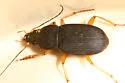
Chlaenius impunctifrons
Chlaenius impunctifrons
Identification: pale legs Det. Peter W. Messer, 2009 the only member of the impunctifrons group in our fauna