
True Bugs, Cicadas, Hoppers, Aphids and Allies
Order Hemiptera
The True Bugs, Cicadas, Hoppers, Aphids and Allies (Order Hemiptera) includes 7,349 species across 120 families and 1,727 genera in our directory.
About True Bugs, Cicadas, Hoppers, Aphids and Allies
Hemiptera (true bugs) includes over 80,000 described species across cicadas, aphids, leafhoppers, shield bugs, and bed bugs. Aphids alone cost global agriculture an estimated $2.5 billion annually in crop losses.
Economic Impact
The brown marmorated stink bug (Halyomorpha halys) caused $37 million in apple crop losses in a single year in the U.S. Mid-Atlantic region. Bed bug infestations in the U.S. increased by 500% between 2001-2010, costing the hotel industry hundreds of millions annually.
Ecological Role
Many Hemiptera are essential food sources for birds and predatory insects. Cicadas provide massive nutrient pulses during emergence events - a single Brood X emergence can involve trillions of individuals across 15 states.
Families in Hemiptera (120)
Species in Hemiptera (7,349)
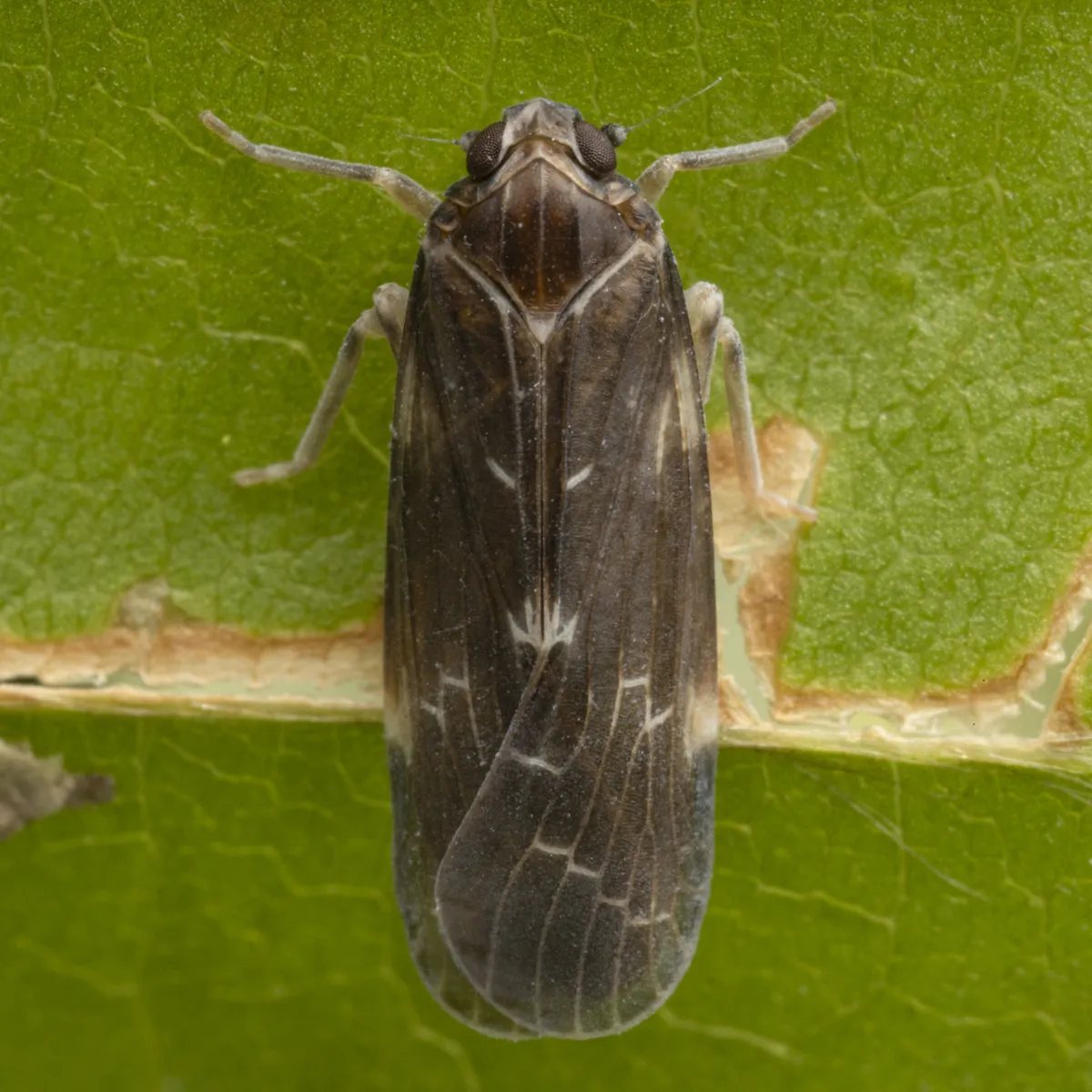
Synecdoche dimidiata
Synecdoche dimidiata
Identification: The even brown coloration, without bold black spots on head and thorax, differentiate this species from the other eastern species, S. impunctata . --Andy Hamilton
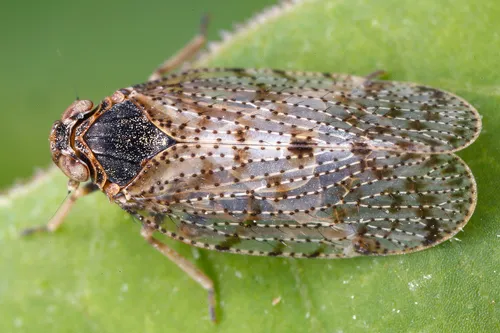
Tachycixius pilosus
Tachycixius pilosus
A small species, 4.5 - 5.5mm (females larger), and very variable. Some forms have clear and almost unspotted wings; others have dark brown wings or wings banded with brown or darker towards the apex. Usually 3 short dark stripes along forewing edge.
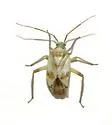
Taedia albifacies
Taedia albifacies
Identification: A1 ≥ (head width); ground color white, in part tinged with yellow, scutellum immaculate white, cuneus white with extreme apex black, tibiae without bands
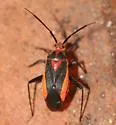
Taedia johnstoni
Taedia johnstoni
Identification: long antennal segment I and silvery white hair on the back Det. WonGun Kim, 2010 Type Locality: Texas
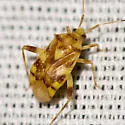
Taedia multisignata
Taedia multisignata
Identification: "Length of antennal segment II exceeding width of pronotum at base; ground color of the dorsum dark brown, mottled with several large yellow patches, one on apical half of scutellum, apex of clavus, middle of corium, apex of embolium
Tagalis inornata
Tagalis inornata
Identification: www2.nrm.se/en/het_nrm/i/tagalis_inornata.html
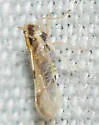
Tagosodes cubanus
Tagosodes cubanus
Identification: tentative det. C. Bartlett, 2022 a vector of Rice hoja blanca tenuivirus (RHBV) ( 3 )
Tagosodes dorsolineatus
Tagosodes dorsolineatus
Identification: boldly marked, see: Genus page - Univ. Del. Type Locality: Brownsville, Texas, June 29, 1938, R.H. Beamer
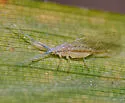
Takecallis arundinariae
Takecallis arundinariae
Identification: Adult female: dark stripes along top of thorax; two rows of "8"-shaped black spots along abdomen.
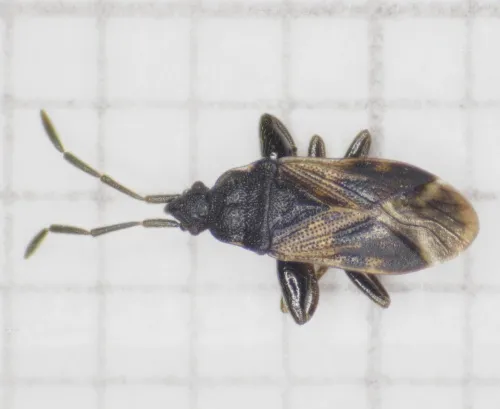
Taphropeltus contractus
Taphropeltus contractus
Length 3 to 4 mm. This species has very enlarged front femora. The rarer Taphropeltus hamulatus is very similar but is smaller, darker and has shorter and proportionately wider antennae. Detailed examination of the specimen is needed to identify the

Tarnished Plant Bug
Lygus rugulipennis
Length 5 to 6 mm. This genus is one of the most problematic mirid groups to identify. The five UK species can overlap considerably in colour, markings and size; some specimens cannot be determined. The most reliable identification features concern th
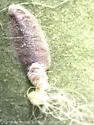
Tea Scale
Fiorinia theae
A common pest of camellia. Indigenous to Asia, found in the US in 1908 already well established. Several wasps native to the United States, Aphytis diaspidis and two species of Aspidiotiphagus parasitize this non-native species
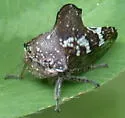
Telamona concava
Telamona concava
Identification: the exact shape of the crest varies soemwhat, but its leading edge is always vertical and the top is high and rounded, with a posterior "step". (Dr Andy Hamilton)
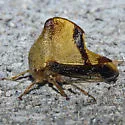
Telamona excelsa
Telamona excelsa
Identification: The striking colors of both sexes distinctive: ♀♀ brilliant grass-green, ♂♂ yellow with brown fascia (Funkhouser 1917) One of the most active among congeners; flies well (Funkhouser 1917)
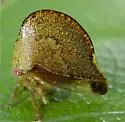
Telamona extrema
Telamona extrema
There is a form in the gulf states (which may intergrade with the typical form) that has the pronotum more strongly arched with a distinctive arched marking. This form bears strong resemblance to Archasia .
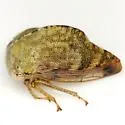
Telamona reclivata
Telamona reclivata
Identification: Similar to T. subfalcata ( =salvini ), but without the sharp angle on the hind margin of the crest. Females have a longer crest. ―K.G.A. Hamilton, 17.v.2011 female syntype:
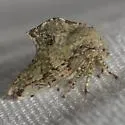
Telamona subfalcata
Telamona subfalcata
Identification: The broad crest ending in a sharp angle is distinctive. [ Dr. Hamilton's comment ]
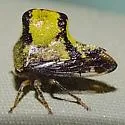
Telamona tristis
Telamona tristis
Identification: easily recognized by its square-shaped crest ‒K.G.A. Hamilton
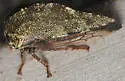
Telamona westcotti
Telamona westcotti
Identification: ...the very wide pronotal angles over the wing bases (characteristic of the genus) that stick out far beyond the eyes. --K.G.A. Hamilton, 24.VIII.2008
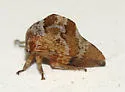
Telamonanthe pulchella
Telamonanthe pulchella
Identification: Differentiated from T. rileyi (which is mostly distributed throughout California) by the shape of the anterodorsal margin of the crest, which is acute and roughly straight (as opposed to broadly rounded/inclined).
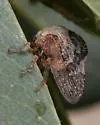
Telamonanthe pulchella "brevis"
Telamonanthe brevis
Currently considered a jr. syn. of Telamonanthe pulchella . This species has historically been referred to as Telamonanthe rileyi online. (S. Hendrix, 2025-v-2)
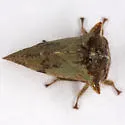
Telamonanthe rileyi
Telamonanthe rileyi
Identification: Differentiated from T. pulchella (which is mostly distributed farther east, from Colorado to Arizona) by the shape of the anterodorsal margin of the crest, which is broadly rounded and inclined (as opposed acute and roughly straight)
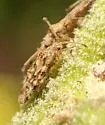
Teleonemia belfragii
Teleonemia belfragii
Identification: General color pale brownish yellow, with darker brown markings; front margin of pronotum bisinuate, its middle forming an anteriorly produced triangle (Univ. FL) Type Locality: Texas
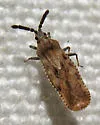
Teleonemia monile
Teleonemia monile
Identification: Broader and more clearly marked than nigrina ; subcostal area with two series of very distinct hyaline areolae; antennae short and stout
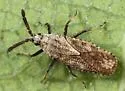
Teleonemia nigrina
Teleonemia nigrina
Identification: antennae slightly variable in length, but the 3rd segment always less than twice the length of the 4th
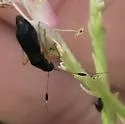
Teleorhinus tephrosicola
Teleorhinus tephrosicola
Teleorhinus tephrosicola (Teleorhinus tephrosicola) is a species in the family Miridae, commonly known as plant bugs, belonging to the order Hemiptera (True Bugs, Cicadas, Hoppers, Aphids and Allies). It is classified within the subfamily Phylinae, t
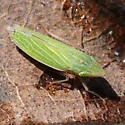
Tenderfoot Leafhopper
Draeculacephala mollipes
Identification: One of the smaller members of the genus, this species is morphologically somewhat similar to the more common Draeculacephala robinsoni dorsally and therefor it is important that clear photos are taken of the underside and a length is
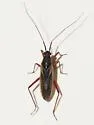
Teratocoris discolor
Teratocoris discolor
Identification: Hemelytra black along inner margins of clavus and corium
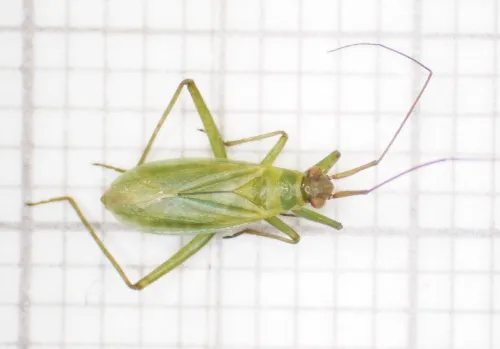
Teratocoris saundersi
Teratocoris saundersi
Teratocoris species are green bugs found in damp or wetland habitats. They have a transverse furrow between the eyes. Species identification is particularly difficult in females. The 1st antennal segment is usually mainly green and densely covered wi
Tessellated Scale
Eucalymnatus tessellatus
The parasitic wasp Metaphycus stanleyi Compere is a natural enemy
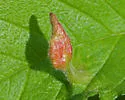
Tetraneura nigriabdominalis
Tetraneura nigriabdominalis
Identification: Galls tend to be bicolored (green and red); hairy; elongate/pouch shaped; typically with a pointed apex
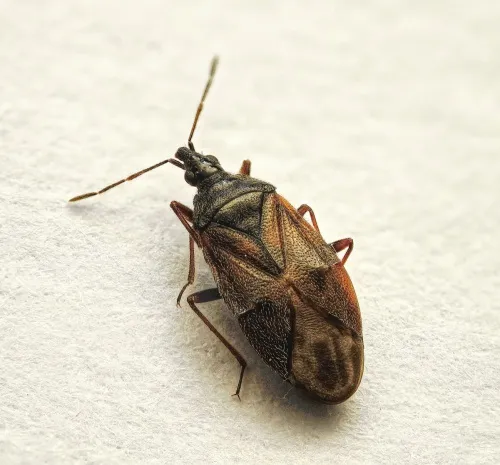
Tetraphleps bicuspis
Tetraphleps bicuspis
Length 3.3 to 4 mm. Forewings (hemielytra) shiny, brown to black ground colour with short whitish-grey hairs (pubescence). Head extended in front of the eyes, anteocular part nearly 0.7 times as long as the width of the head across the eyes. Reddish-
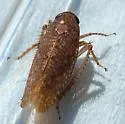
Texananus caducus
Texananus caducus
Identification: " T. caducus has the small head and elongate wings of subgenus Iowanus ; the female pregenital sternite separates it from the few species in this subgenus by the deep, V-shaped notch that is not flanked by prominent spines." (Andy Ham
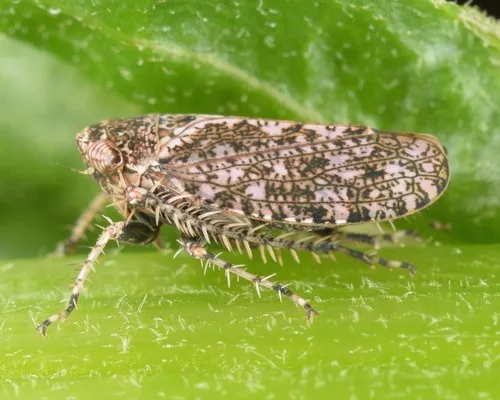
Texananus decorus
Texananus decorus
Identification: A rather short, robust species with flaring elytra. Vertex broadly, roundedly angulate, about one-third longer on middle than against the eyes. Color white marked with tawny, a transverse pale band on vertex. Elytral commissural line
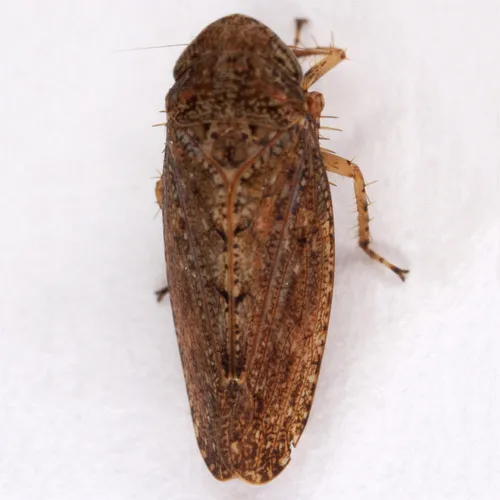
Texananus oregonus
Texananus oregonus
Identification: Vertex bluntly angled, about two-thirds as long at middle as basal width between the eyes. Color brown with black markings at ends of claval veins along posterior margins of elytra.
Texananus ovatus
Texananus ovatus
Identification: A small species, broad, short, ovate with a rather uniform brownish color ● Vertex bluntly angled, median length ● Color dull yellowish with brownish irrorations ● southeastern color form distinctus (Lathrop) is ivory white marked wit
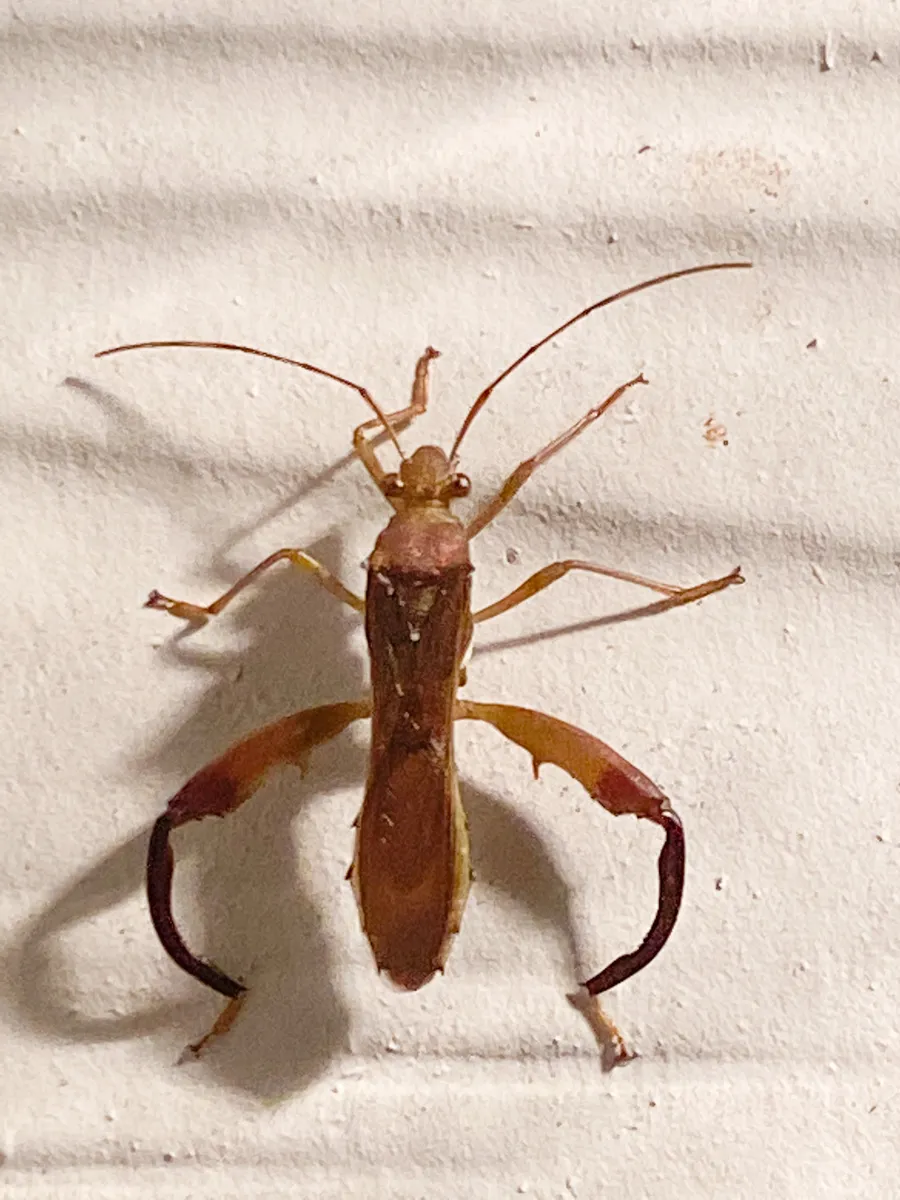
Texas Bow-legged Bug
Hyalymenus tarsatus
Identification: Males having slightly thicker legs than the females. Colors of the immatures are highly variable and come in red, black, gray, tan, brown and all kinds of combinations: Nymphs:
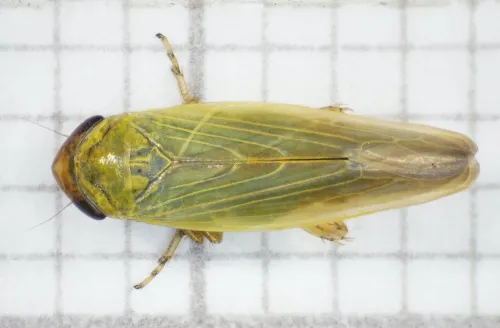
Thamnotettix confinis
Thamnotettix confinis
Length 5 to 6.5 mm. A large greenish leafhopper associated with trees and shrubs. Common. (ref.: UK Auchenorrhyncha checklist 2021 on British Bugs website) https://www.britishbugs.org.uk/homoptera/Cicadellidae/Thamnotettix_confinis.html No additional
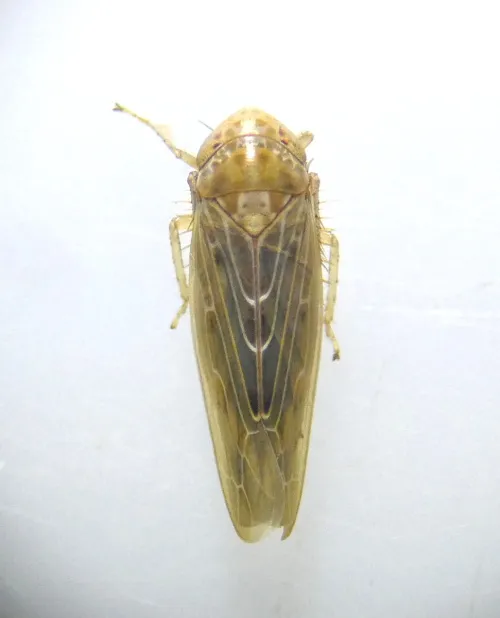
Thamnotettix dilutior
Thamnotettix dilutior
Length 6 to 7 mm. A large leaf hopper associated with deciduous trees. Yellow-brown in colour with pale wing-veins and orange marks on vertex and pronotum. Good quality photos, from side, top and front, showing vertex and face. Common. (ref.: UK Auch
The Florida Keys' Scrub Cicada
Diceroprocta biconica
Diceroprocta biconica , The Florida Keys' Scrub Cicada Members of this species complex can be found in Cuba and s. Florida. There are two population groupings on the island of Cuba and a third population group native to the Florida Keys (and extreme
The Little 13-year Cicada
Magicicada tredecula
Identification: Intermediate in markings between Magicicada tredecim and Magicicada tredecassini . Song distinctive--a series of accelerated pulses (magicicada.org). This can, perhaps, be confused with courtship calls of the other species.
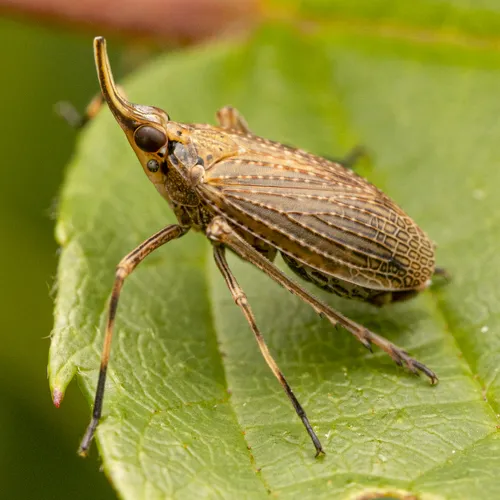
The Partridge Bug
Scolops sulcipes
Identification: The dense meshwork of veins in the wing tips is distinctive. --Andy Hamilton
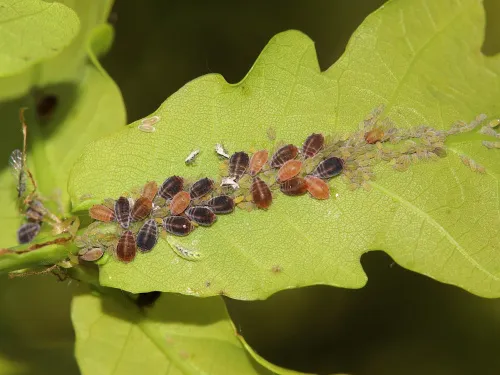
Thelaxes dryophila
Thelaxes dryophila
The wingless stages of Thelaxes sp. are small (1-2.3 mm) oval and brown or greenish, sometimes with a paler stripe along the back. Their rostrum is distinctive in having a long and almost needle-like last rostral segment. The cauda is knobbed and the
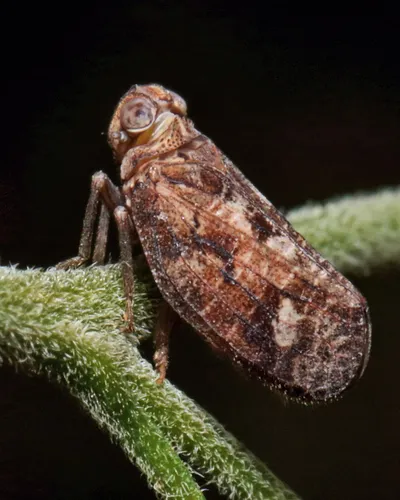
Thionia bullata
Thionia bullata
Many images on this page may in fact be examples of Thionia quinquata -the two species are very difficult to separate morphologically and the characters for differential diagnosis are not well established!
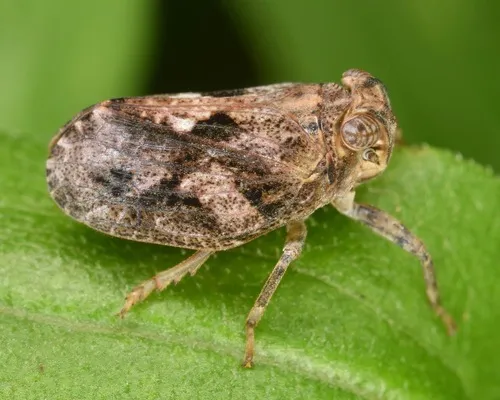
Thionia elliptica
Thionia elliptica
Identification: Kimberley Shropshire, University of Delaware
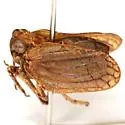
Thionia obrienae
Thionia obrienae
Type Locality: Concan [Uvalde Co., TX], 4 June 1933, P. W. Oman, with labels “ Thionia elliptica (Germ) Det. Doering”
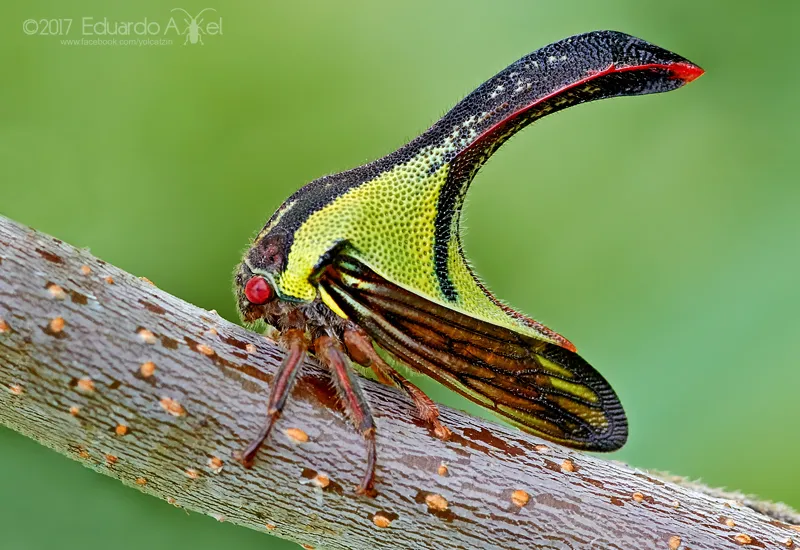
Thorn Treehopper
Umbonia crassicornis
Identification: variable in size, color and structure of male pronotal horn; young nymphs have three horns nymphs: U. crassicornis has been the subject of studies on parental care and communication
Thyanta calceata
Thyanta calceata
Identification: overwintering forms often brown: black anterolateral pronotal margins distinguish it from the similar T. custator accerra but not sufficient to distinguish T. calceata from T. custator custator . Where their ranges overlap, across the
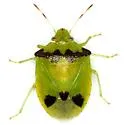
Thyanta maculata
Thyanta maculata
Identification: General color green to brown; often with varying amounts of reddish on pronotum between humeral angles, often forming two oblong spots, one on each side of middle. Apices of scutellum and coria occasionally rubiginous. originally dist
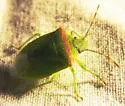
Thyanta pallidovirens
Thyanta pallidovirens
Identification: No row of spots on the underside (left T. pallidovirens , right: T. custator accerra ), although row of spots may be absent in southwestern T. custator accerra "spinosa" form , making this less useful in areas like southern California
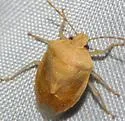
Thyanta planifrons
Thyanta planifrons
Identification: Distal widening of the ostiolar canal (narrower in middle), vertex of head relatively flat
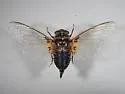
Tibicinoides boweni
Tibicinoides boweni
Identification: The simiple(r) differential diagnosis between this species and the allopatric O. simulata and the sympatric O. utahensis is as follows: O. boweni has lateral pronotal margins subparallel giving it a quadrate appearance and has a long
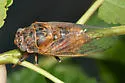
Tibicinoides hesperia
Tibicinoides hesperia
Identification: Identification often hinges on very obvious fuscation at base of both wings and Mid-Western range. Recently moved from Okanagana to Tibicinoides in Cole et al. 2023. Song Syllable Rate (Beats/Second) 188.6 +/- 5.4 Peak Freq. 9.9 +/- 0
Tibicinoides pallidula
Tibicinoides pallidula
Identification: Completely pale aspect can be approached by certain color forms of vanduzeei and by Clidophleps beameri. In hand distinctive. Song distinctive when recorded. Recently moved from Okanagana in Cole et al. 2023.
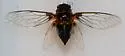
Tibicinoides simulata
Tibicinoides simulata
Identification: Large size is nearly diagnostic. The head is subequal to the width of the apical border of the pronotum. Outer margin of wing is relatively straight. Recently moved from Okanagana in Cole et al. 2023.
Tibicinoides striatipes
Tibicinoides striatipes
Identification: Identified by the hook on the uncus from most Okanagana. The projection of the head is extensive, separating it from utahensis, and the lack of infuscation in the wings separates it from hesperia as do a few other technical details. R
Tibicinoides uncinata
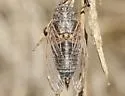
Tibicinoides uncinata
Identification: Small cicada with wings only slightly extending past abdomen tip. Marginal cells equal in length, and only 2/3 or less the length of the ulnar cells. Size is tiny: wingspan is about 45mm. Recently transferred from Okanagana in Cole et
Tibicinoides vanduzeei
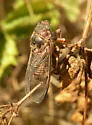
Tibicinoides vanduzeei
Identification: Almost impossible to identify in the field. Good photographs or specimens are generally required. The song is distinctive, but must be analyzed mathematically to determine the characteristics. Recently transferred from Okanagana in Co
Tingis ampliata
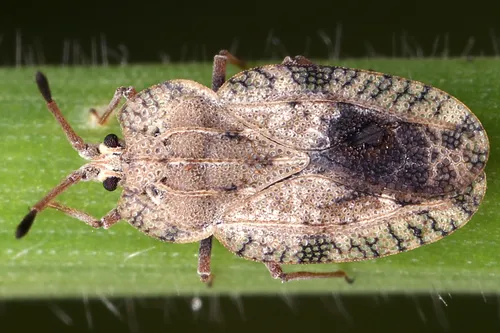
Tingis ampliata
Length 3-4 mm. Tingis species are grey-brown lacebugs which are covered in white powdery deposits made of wax. The 4th antennal segment is clearly broader than 3rd and there are three frontal processes (small projections arising from the front of the
Tinocallis takachihoensis
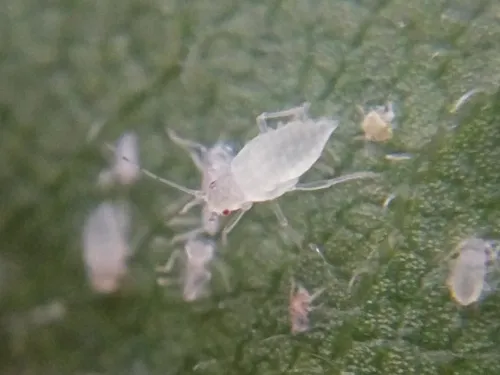
Tinocallis takachihoensis
All adult Tinocallis takachihoensis viviparae are winged. These alates are pale yellow-green with a shiny black head and thorax. The pattern of black markings on the wings is diagnostic. The body length of Tinocallis takachihoensis alates is 1.8-2.0
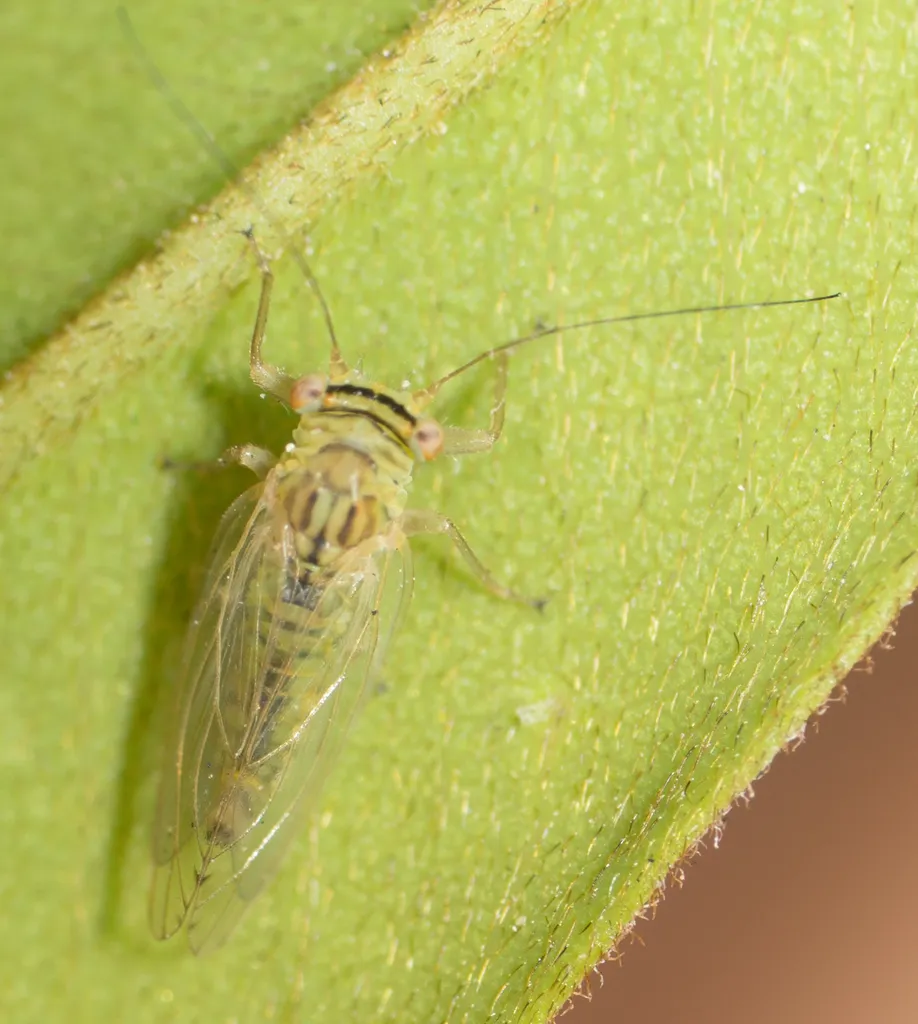
Tipu Psyllid
Platycorypha nigrivirga
Identification: adult color pattern, including dark transverse stripe between the eyes, unique among NA psyllids first detected in our area in San Diego Co. in 2008
Tomato Bug
Engytatus modestus
Identification: The smooth pronotum avoids Dicyphus and then the large eyes located near the calli show it's a species of Engytatus or Nesidocoris . Regarding the identification of the Dicyphini Genera, I referred to "A systematic study of the subfam
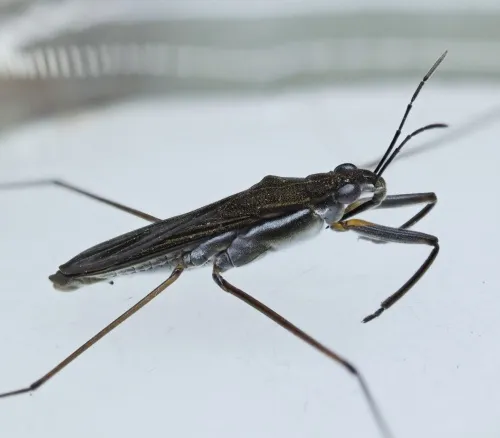
Toothed Pondskater
Gerris odontogaster
Gerris odontogaster is 7 to 9 mm in length and is most easily distinguished in the male, which has two distinct ‘teeth’ on the underside of the 7th abdominal segment, otherwise it is quite similar to the Common Pondskater ( G. lacustris ). A good pho
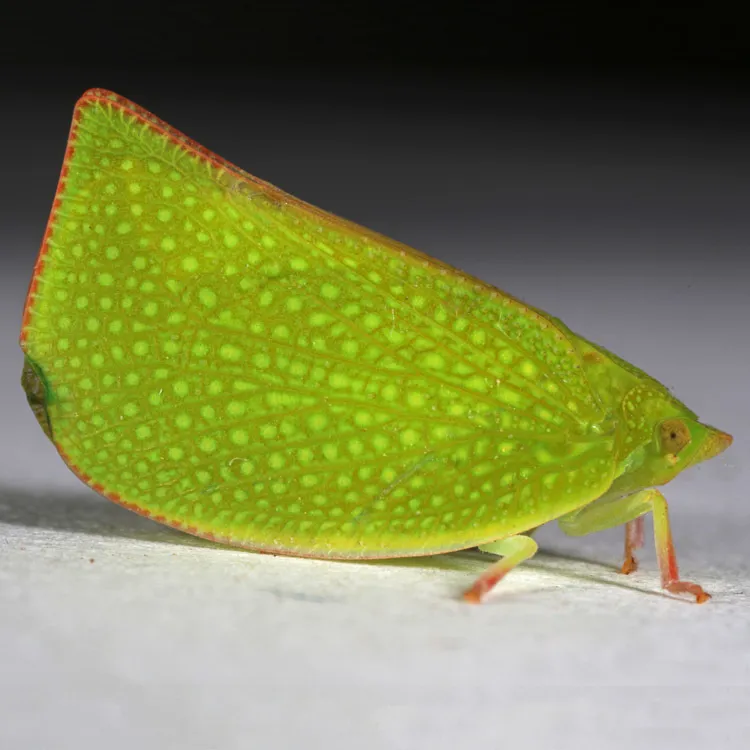
Torpedo Bug
Siphanta acuta
earliest NA record: CA 1983 ( 3 ) not considered a pest in CA; considered a pest of banana, citrus, coffee, guava, macadamia, and many ornamentals in HI
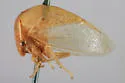
Tortistilus curvatus
Tortistilus curvatus
Identification: Holotype Type Locality: Carns, Keya Paha County, Nebraska
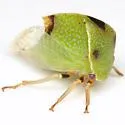
Tortistilus inermis
Tortistilus inermis
Identification: no horns, high crest with a sharp yellow edge, dark legs and darker femora
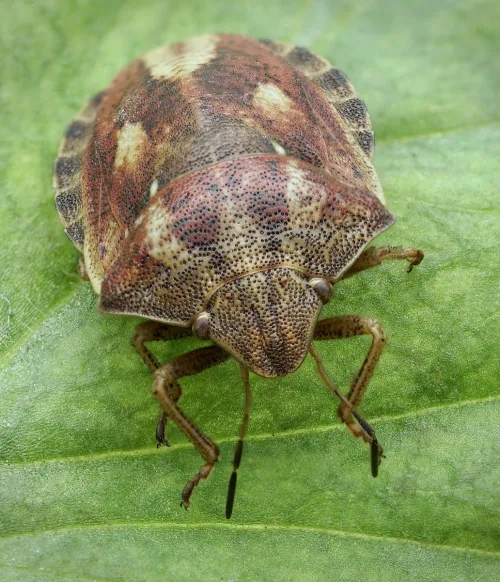
Tortoise Bug
Eurygaster testudinaria sensu stricto
Length 9 to 11 mm. A fairly large shieldbug, the two Eurygaster species are often known as Tortoise Bugs. The ground colour and intensity of the markings are variable. In adult E. maura the second antennal segment is approximately twice as long as th
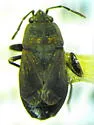
Trapezonotus arenarius
Trapezonotus arenarius
Identification: « the females have entirely black antennae and legs while the males have the fore legs, basal two-thirds of the mid and hind femora and the basal antennal segment orange-brown (ferrugineous). »
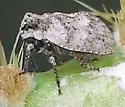
Traxus fulvus
Traxus fulvus
This is the first time that the nymph has been seen! - Andy Hamilton, 28 February, 2008
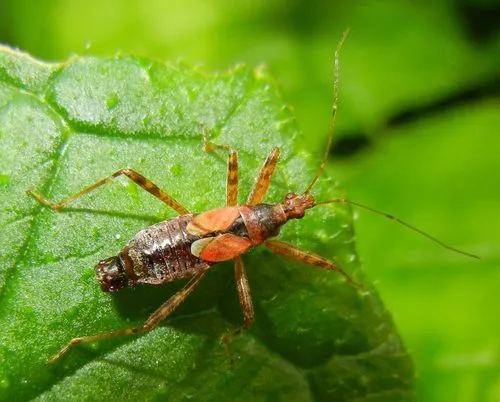
Tree Damsel Bug
Himacerus apterus
Length 8-11 mm. This genus has a black connexivum with orange-red spots, and rather reddish-brown wings, which do not usually reach beyond the 3rd or 4th abdominal segment. Unlike other UK nabids, this is a tree-dwelling bug, found on deciduous speci
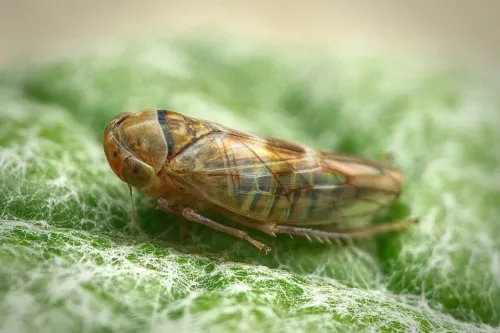
Tremulicerus distinguendus
Tremulicerus distinguendus
Length 4.5 to 5.5 mm. A pale greyish-yellow leafhopper associated with White poplars. There are two lighter bars across the forewing. Between these, the darker band does not reach the costal margin (the lower edge of the wing when the insect is viewe
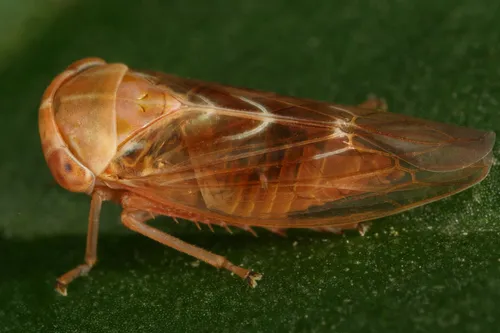
Tremulicerus fulgidus
Tremulicerus fulgidus
Records of this species in the U.S. likely refer to a Populicerus species. "Specimens Andy identified as this species are actually Populicerus nitidissimus . nitidissimus was formerly considered a junior synonym of fulgidus until Wagner in 1961 exami
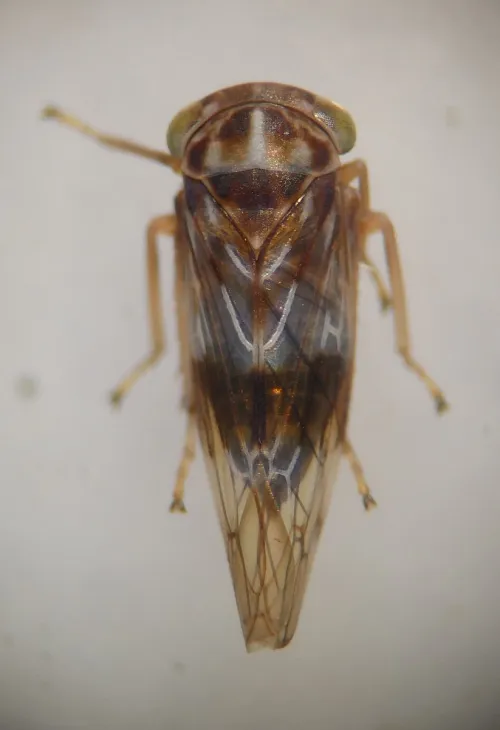
Tremulicerus tremulae
Tremulicerus tremulae
Length 5 to 6 mm. A pale leafhopper with a prominent transverse dark band on the forewings, associated with Aspen or White Poplar. Males have a pale face; females have chestnut brown above the ocelli. Forewing veins are dark towards the wing apex, an
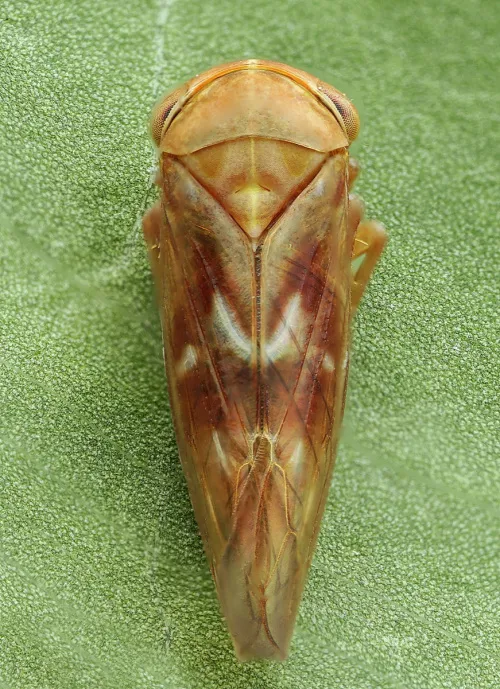
Tremulicerus vitreus
Tremulicerus vitreus
Length 4.5-6mm. A large orange/yellow-brown leafhopper associated with Black Poplar and its hybrids. It may have a pinkish tint or golden sheen. Usually a pale mid-line on the pronotum and top of the face. Close examination of a specimen is needed. P
Trepobates floridensis
Trepobates floridensis
Identification: Similar to T. subnitidus but smaller Typically darker in coloration, but can be highly variable
Trepobates pictus
Trepobates pictus
Identification: can be distinguished by the long pale lateral stripe on the mesonotum behind the dark lateral pronotal stripe. The pale stripe extends over the entire length of the segment. Slater and Baranowski considered it "extremely variable." Fr
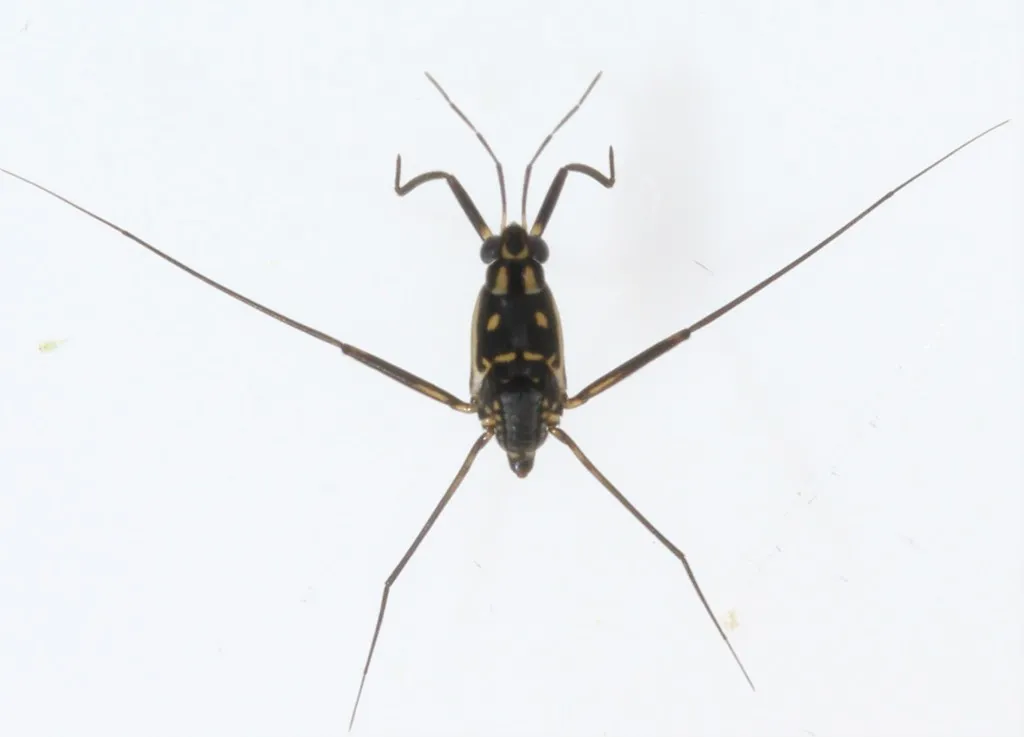
Trepobates subnitidus
Trepobates subnitidus
Identification: no pale lateral stripe on the mesonotum immediately following the dark lateral pronotal stripe
Triatoma neotomae
Hospesneotomae neotomae
Identification: The yellow corium with a black median spot is distinctive among our Triatoma ‒see CDC page found naturally infected with Trypanosoma cruzi ( 4 )
Triatoma rubida
Triatoma rubida
Identification: See CDC triotomine bug page Type Locality: Mexico
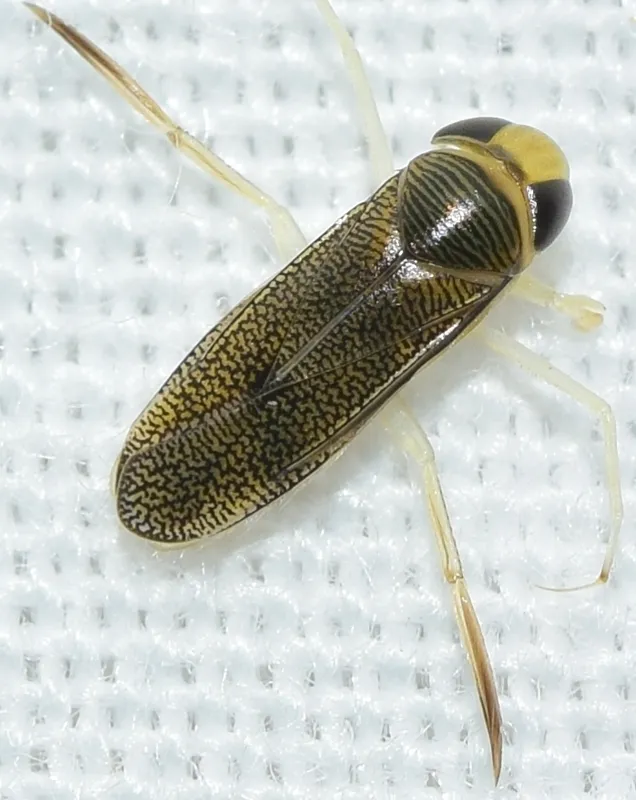
Trichocorixa verticalis
Trichocorixa verticalis
inadvertently introduced to Europe (Portugal) ca. 2000, maybe with mosquitofish ( Gambusia sp.) --a rare example of such spread among aquatic bugs ; spread to Spain & N Africa
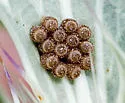
Trichopepla semivittata
Trichopepla semivittata
Identification: variable, often with a tinge of pink, an unusual color for a Nearctic pentatomid "They rarely occur alone and sometimes can be pretty numerous. The stripes and amount of light or dark brown can vary quite a bit, and I've even seen ind
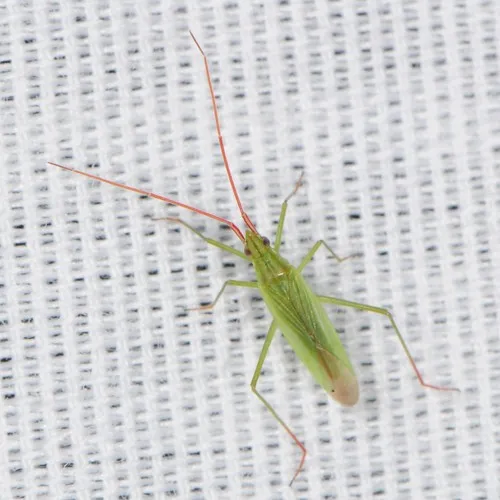
Trigonotylus caelestialium
Trigonotylus caelestialium
Length 5 to 6 mm. Trigonotylus species are elongate grass bugs which have a longitudinal furrow between the eyes and a smooth and unpunctured pronotum. The 1st antennal segment bears short spinose hairs and is not longer than the head. In T. caelesti
Trigonotylus confusus 0
Trigonotylus confusus
Identification: Similar in size and color to doddi (=brevipes) , but legs and first antennal longer and base of pronotum narrower. Type Locality: Described from Paincy Point and Bay Ridge, MD.
Trigonotylus pulcher
Trigonotylus pulcher
Identification: inner half of forewing has rosy pink shading; top of head and pronotum pale grayish-green with 3 dark red longitudinal stripes; legs light yellowish-green except for dark terminal tarsal segment Det. WonGun Kim, 2008 Type Locality: Te
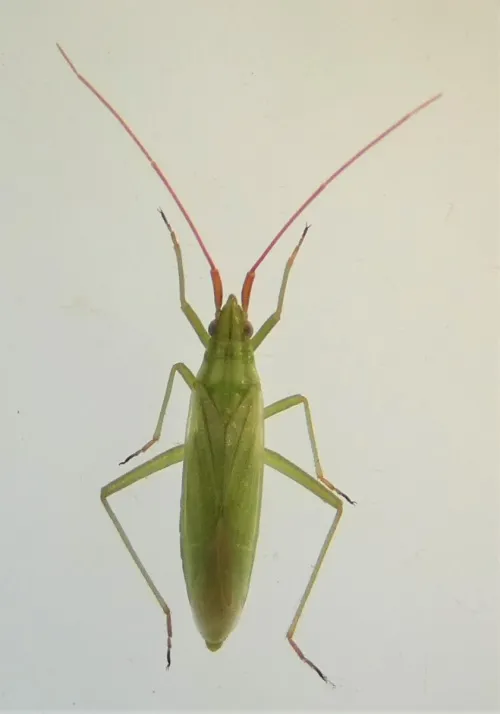
Trigonotylus ruficornis
Trigonotylus ruficornis
Length 5 to 6 mm. Trigonotylus species are elongate grass bugs which have a longitudinal furrow between the eyes and a smooth and unpunctured pronotum. The 1st antennal segment bears short spinose hairs and is not longer than the head. In T. ruficorn
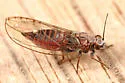
Trioza aylmeriae
Trioza aylmeriae
Identification: Caudal lobe of male proctiger very elongate, with prominent tuft of setae at apex
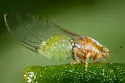
Trioza bakeri
Trioza bakeri
Identification: Antennae short, no longer than width of head; vertex and notum with short pubescence; wings angulate, with vein Rs very long and sinuate; female genitalia with both valves equal in length. Color brown to yellow on head and thorax; abd
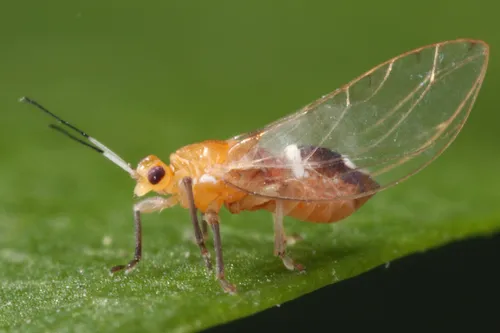
Trioza centranthi
Trioza centranthi
Adult length 2.5 to 3.0 mm. Whilst the adults can be very difficult to identify without detailed examination, the reddish larval leaf roll galls on Valerian are quite distinctive. Wherever Valerian, the larval foodplant occurs. Nymphs form distinctiv
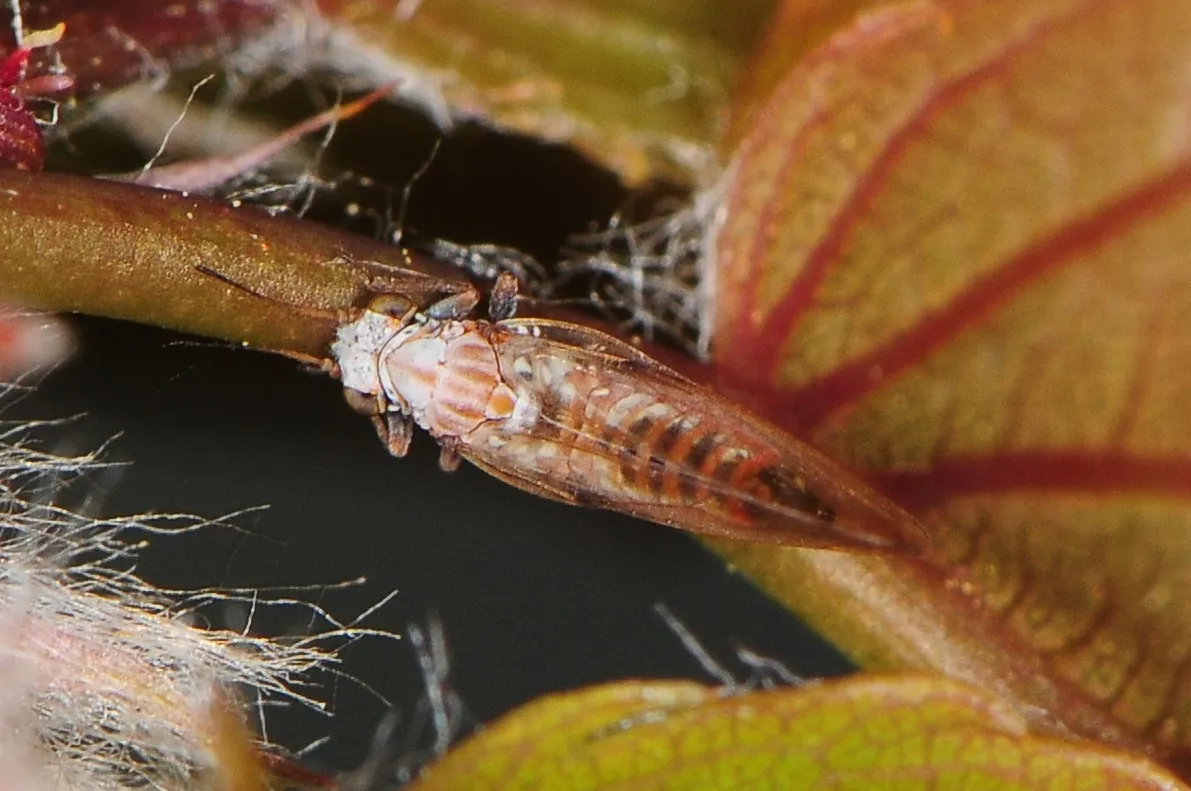
Trioza obtusa
Trioza obtusa
Identification: Body reddish-brown, often with a white waxy bloom on the head and thorax; wings smokey brown; head relatively large and robust
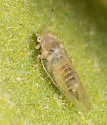
Trioza phoradendri
Trioza phoradendri
One of two North American mistletoe psyllids. The other, Freysuila phoradendri , belongs to a different family and the two are unlikely to be confused.
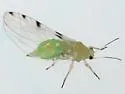
Trioza quadripunctata
Trioza quadripunctata
Identification: Edge of forewing with 4 black maculae; body color green-white in summer, dark brownish in winter; antennae long, twice the width of the head; apical half of antennae and tarsi black; thorax wider than width of head.
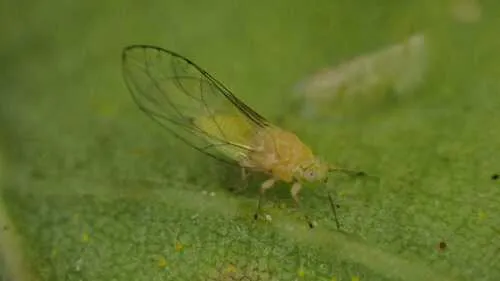
Trioza remota
Trioza remota
The larvae of Trioza remota cause galls to form on the leaves of English Oak and Sessile Oak. These take the form of a raised pimple on the upper surface of the leaf about 1 to 2 mm across, often several to a leaf. On the underside of the leaf there
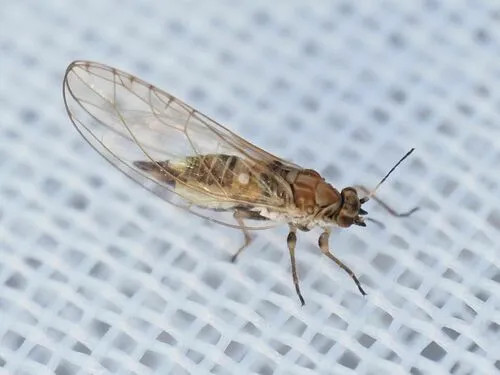
Trioza urticae
Trioza urticae
Length 3 to 3.5 mm. This psyllid bug or jumping plant louse is a reasonably distinctive species in a large and difficult genus. Distinguishing features include the relatively rounded (for Trioza) forewings with long outer vein, which together with it
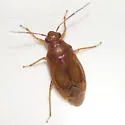
Tropidosteptes adustus
Tropidosteptes adustus
Identification: Tropidosteptes adustus superficially resembles rufusculus Knight but is considerably smaller and glabrous. In Froeschner adustus keys with amoenus Reuter but can be separated by the distinctly punctured frons , the fuscous spots on th
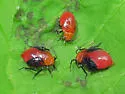
Tropidosteptes cardinalis
Tropidosteptes cardinalis
Identification: Det. Wongun Kim, 2011 at high risk of endangerment due to the EAB ( 4 )
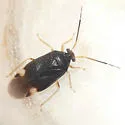
Tropidosteptes geminus
Tropidosteptes geminus
Identification: 1) Dorsum practically glabrous; 2) Dorsum uniformly black with cuneus pale, except apically, and membrane black; and 2) A1 pale.
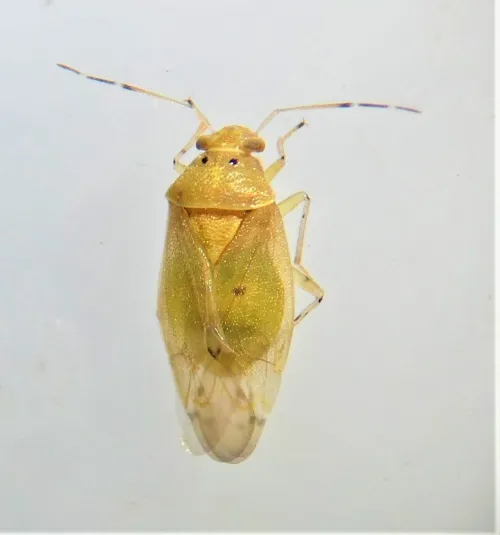
Tropidosteptes pacificus
Tropidosteptes pacificus
Length 4-5mm. Pale yellow/orange medium-sized bug, with two prominent black dots on the pronotum, a pale collar and pale posterior edge to the pronotum. The wings are nearly transparent. Males have darker antennae than the females. Provide good quali
Tropidosteptes palmeri
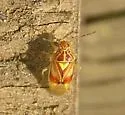
Tropidosteptes palmeri
Identification: Blatchley's key 1) Upper surface glabrous; 2) A1 pale; 3) Corium with a reddish or blackish line beginning on outer margin of radius, curving inwardly and widened to cover the apical fourth of corium; and 4) membrane with a fuscous sp
Tropidosteptes rufusculus
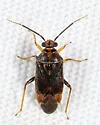
Tropidosteptes rufusculus
Identification: Genitalia illustrated in Kelton 1959 (Male genitalia as taxonomic characters in the Miridae (Hemiptera). Canadian Entomologist, suppl. 11: 72 pp.) Type Locality: NY
Tropidosteptes tricolor
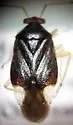
Tropidosteptes tricolor
Identification: second antennal segment pale with apex fucous, front of head reddish to brownish