
Tomato Bug
Engytatus modestus
This record describes Engytatus modestus (species). Recorded family: Miridae. Recorded order: Hemiptera.
Identification and Appearance
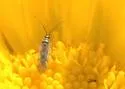
The smooth pronotum avoids Dicyphus and then the large eyes located near the calli show it's a species of Engytatus or Nesidocoris . Regarding the identification of the Dicyphini Genera, I referred to A systematic study of the subfamily Dicyphinae (Heteroptera: Miridae) (PhD Dissertation. Oregon State University, Corvallis. University Microfilms International, Ann Arbor 1986) The paper states that Dicyphus is distinguishable from other Genera in Dicyphini by the shape of the pronotum. The pronotum of Dicyphus is trisected as we see the photos in the two Dicyphus species having guide pages in this site. Some of the remaining Genera can be distinguishable by the shapes of head and eyes and the location of the eyes. The two genera I considered as candidates of your photo have transverse heads and large eyes located close to the pronotum. … WonGun Kim, Type Locality: Texas
Classification
- Kingdom
- Animalia
- Phylum
- Arthropoda
- Class
- Insecta
- Order
- Hemiptera (True Bugs, Cicadas, Hoppers, Aphids and Allies)
- Suborder
- Heteroptera
- Superfamily
- Miroidea
- Family
- Miridae (Plant Bugs)
- Subfamily
- Bryocorinae
- Tribe
- Dicyphini
- Genus
- Engytatus
Imported taxonomy record. Source availability varies; see the source references and editorial policy below.
Habitat and Range
Geographic Range
se US to CA / Mex. to C. Amer. / W. Indies - Map , but most records CA to TX
Diet and Behavior
Diet: I think the plant where the bug is sitting is a species of Compositae. If so, this bug can be considered as E. modestus . The record shows the hosts of N. tenuis are Nicotiana sp. (Solanaceae) and Gynandropsis sp. (Cleomaceae). But, the hosts of E. modestus include Solanum sp., Jatropha gossypifolia (Euphorbiaceae), Heterotheca grandiflora (Asteraceae), Merremia aegyptia (Convolvulaceae), Gynadropsis pentaphylla (Cleomaceae), Lagenaria sp. (Cucurbitaceae), and Bougainvillaea sp. (Nyctaginaceae). … WonGun Kim,
Additional species information
Species notes from the sources
Etymology: Engytatus modestus (Distant)
About True Bugs, Cicadas, Hoppers, Aphids and Allies: the wider group
Order-level background for Hemiptera, the group containing Engytatus modestus. Species-specific details appear above.
Group overview
Hemiptera (true bugs) includes over 80,000 described species across cicadas, aphids, leafhoppers, shield bugs, and bed bugs. Aphids alone cost global agriculture an estimated $2.5 billion annually in crop losses.
Ecological role of the group
Many Hemiptera are essential food sources for birds and predatory insects. Cicadas provide massive nutrient pulses during emergence events - a single Brood X emergence can involve trillions of individuals across 15 states.
Economic and practical significance of the group
The brown marmorated stink bug (Halyomorpha halys) caused $37 million in apple crop losses in a single year in the U.S. Mid-Atlantic region. Bed bug infestations in the U.S. increased by 500% between 2001-2010, costing the hotel industry hundreds of millions annually.
Recorded sources for this group: USDA, EPA, University research. Imported estimates may describe particular regions or reporting periods.
Photos of Tomato Bug (5)
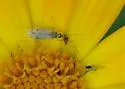
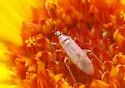
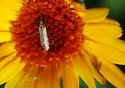
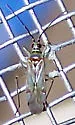
Photo credits: Contributed by john and jane balaban; Additional contributions by Chuck Entz , Mike Quinn , onegunah
Frequently Asked Questions About Tomato Bug
What is Tomato Bug?
Tomato Bug (Engytatus modestus) is a species in the family Miridae, within the order Hemiptera.
How do you identify Tomato Bug?
The smooth pronotum avoids Dicyphus and then the large eyes located near the calli show it's a species of Engytatus or Nesidocoris . Regarding the identification of the Dicyphini Genera, I referred to A systematic study of the subfamily Dicyphinae (Heteroptera: Miridae) (PhD Dissertation. Oregon State University, Corvallis. University Microfilms International, Ann Arbor 1986) The paper states that Dicyphus is distinguishable from other Genera in Dicyphini by the shape of the pronotum. The pronotum of Dicyphus is trisected as we see the photos in the two Dicyphus species having guide pages in this site. Some of the remaining Genera can be distinguishable by the shapes of head and eyes and the location of the eyes. The two genera I considered as candidates of your photo have transverse heads and large eyes located close to the pronotum. … WonGun Kim,
Where is Tomato Bug found?
Range: se US to CA / Mex. to C. Amer. / W. Indies - Map , but most records CA to TX
What does Tomato Bug eat?
The diet of the Tomato Bug includes I think the plant where the bug is sitting is a species of Compositae. If so, this bug can be considered as E. modestus . The record shows the hosts of N. tenuis are Nicotiana sp. (Solanaceae) and Gynandropsis sp. (Cleomaceae). But, the hosts of E. modestus include Solanum sp., Jatropha gossypifolia (Euphorbiaceae), Heterotheca grandiflora (Asteraceae), Merremia aegyptia (Convolvulaceae), Gynadropsis pentaphylla (Cleomaceae), Lagenaria sp. (Cucurbitaceae), and Bougainvillaea sp. (Nyctaginaceae). … WonGun Kim,.