
Primitive Winged Insects
Order Coleoptera
The Primitive Winged Insects (Order Coleoptera) includes 15,720 species across 160 families and 3,716 genera in our directory.
About Primitive Winged Insects
Coleoptera is the largest order of insects with over 400,000 described species, representing ~25% of all known animal species and ~40% of all insects. In the U.S. alone, nearly 30,000 beetle species have been identified.
Economic Impact
Beetles have major economic significance: leaf beetles (Chrysomelidae) and weevils (Curculionoidea) are among the most destructive agricultural pests globally, costing billions annually, while predatory species like ladybugs provide natural pest control.
Ecological Role
Beetles are prominent decomposers, especially in forests, breaking down dead wood and recycling nutrients. As predators, they reduce populations of pest insects. Many species are also important pollinators of flowering plants.
Families in Coleoptera (160)
Species in Coleoptera (15,720)
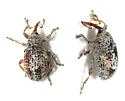
Mesquite Sibinia Weevil
Sibinia setosa
parasitized by Zatropis perdubius, Z. captitus (Pteromalidae), Eutrichosoma mirabile (Eutrichosomatidae)
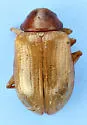
Metachroma interruptum
Metachroma interruptum
Identification: Broadly oblong oval, without strong elytral costae - Blake's final couplet leading to this sp. "Apparently this species is more or less dimorphic in its coloring, the male often being entirely pale without dark markings, the female us
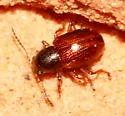
Metachroma longicolle
Metachroma longicolle
Identification: Det. E. G. Riley, 2009 Type Locality: San Juan Bautista in Tabasco, Mexico
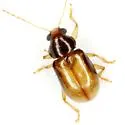
Metachroma luridum
Metachroma luridum
Identification: "Elytra three times as long as prothorax and usually dark on side" - last couplet of Blake's (1970) key... But, "[a]s in so many species of Metachroma there is considerable variation in coloring, some specimens being entirely without
Metachroma orientale
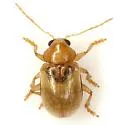
Metachroma orientale
Identification: oblong oval, shining, pale yellow-brown with head and prothorax usually a deeper yellowish or reddish brown Type Locality: North Carolina
Metachroma pellucidum
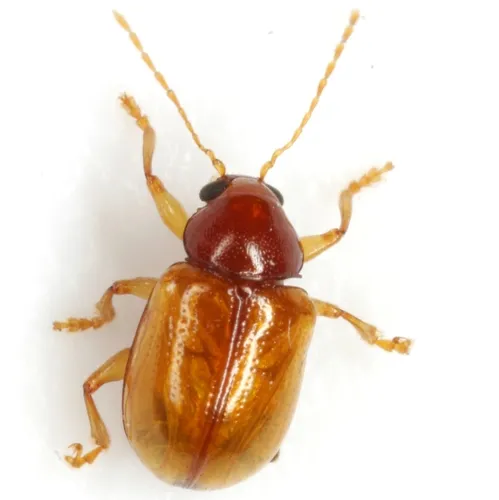
Metachroma pellucidum
Identification: "Apparently there is little variation in its coloring. It can be distinguished by the convex shape of the elytra, without a conspicuous intrahumeral sulcus, by the fine punctation on the pronotum, and by the very fine elytral punctati
Metachroma quercatum
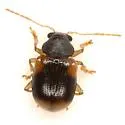
Metachroma quercatum
Identification: Prothorax with dense elongate strigose punctures
Metachroma suturale
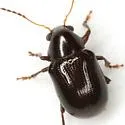
Metachroma suturale
Identification: either entirely piceous (glossy black) or reddish brown with black sutural darkening of varying width (see type), lateral stria not extending up on inner side of humerus - Det. E. G. Riley, 2010 Type Locality: "Texas, Mr. Haldeman."
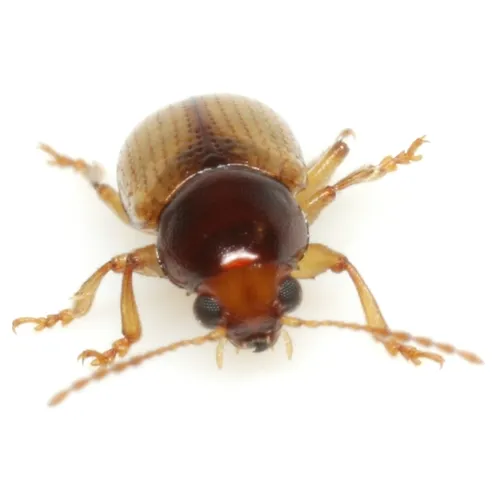
Metachroma texanum
Metachroma texanum
Metachroma texanum is a species of leaf beetle. It is found in coastal states of the southeastern United States, ranging from Texas to Florida. Its length is between 3.5 and 4.0 mm. It was first described by the American entomologist Charles Frederic
Metachroma viticola
Metachroma viticola
Identification: Prothorax lustrous deep reddish brown, minutely punctate. ( 3 ) Det. E. G. Riley, 2013 Type Locality: Brighton, Texas (apparently in Nueces Co.)
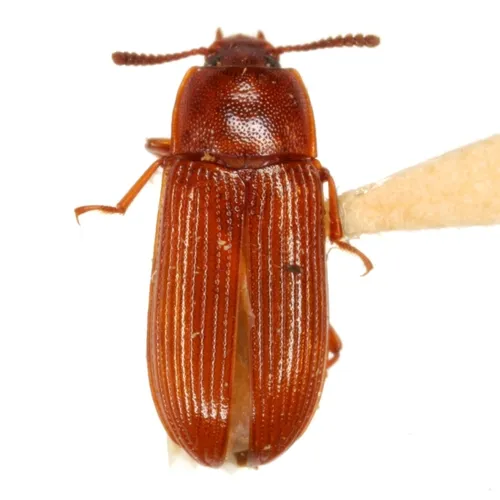
Metaclisa seditiosa
Metaclisa seditiosa
Metaclisa seditiosa (Metaclisa seditiosa) is a species in the family Tenebrionidae, commonly known as darkling beetles, belonging to the order Coleoptera (Beetles). It is classified within the subfamily Tenebrioninae, tribe Metaclisini, suborder Poly
Metaparia mandibuloflexa
Metaparia mandibuloflexa
Identification: Metaparia mandibuloflexa is distinguished from other species of Metaparia by the dorsal lobes of the male mandibles projecting at 45°. Only one other species of Metaparia prosopis , has male mandibles with a prominent ridge, but in th
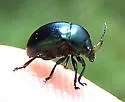
Metaparia opacicollis
Metaparia opacicollis
Identification: Det. E. G. Riley Type Locality: S.W. Tex
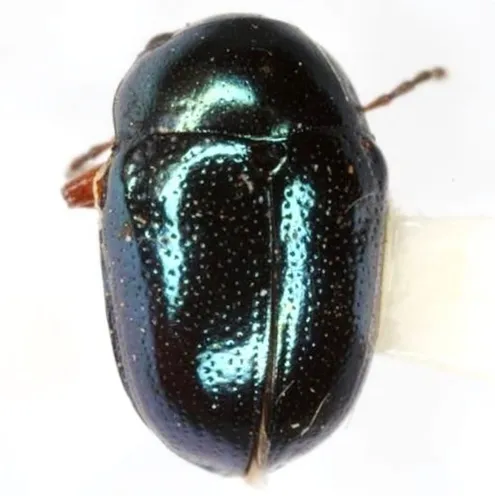
Metaparia viridimicans
Metaparia viridimicans
Metaparia viridimicans is a species of leaf beetle. It is found in North America.
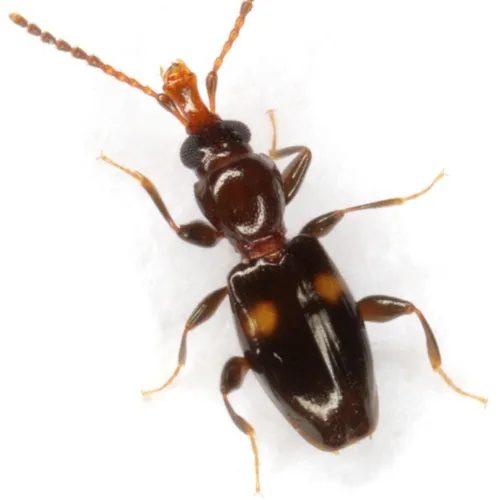
Metaxyphloeus texanus
Metaxyphloeus texanus
Identification: Det. M. A. Quinn, 2013 "A number of specimens were taken in May at Tolusa at light and three specimens at Esperanza Ranch [Brownsville], July 1, by beating dead branches of Ebony - Ebenopsis ebano (= Acacia flexicaulis )" ( 5 )
Methia aestiva
Methia aestiva
Identification: Combination of the following characters: no longitudinal ridge on stridulatory plate; eyes nearly contiguous on vertex of head; elytra nearly as long as abdomen. The genus Methia consists of a number of species difficult to determine.
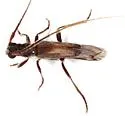
Methia arizonica
Methia arizonica
Identification: Det. Bruce Tilden, 2024 Type Locality: Rincon Mountains, Pima Co., Arizona
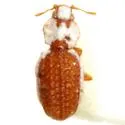
Metophthalmus rileyi
Metophthalmus rileyi
Type Locality: TX, Brazos Co., Koppe's Bridge, College Station, 5 mi SW. VI-3-1995, Fred G. Andrews, Berlese Quercus litter. (Andrews 1998)
Metrioidea morula
Metrioidea morula
Identification: Elongate, shining black; thorax slightly shorter than wide, quadrate, with all angles nearly right-angled and not prominent; third joint of the antennae being scarcely longer than the second, and both united are not longer than the fo
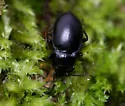
Metrius contractus
Metrius contractus
Identification: This species has a coastal distribution while the other species, M. explodens , is only known from Idaho. ( 3 ) Three subspecies recognized. ( 3 ) Secretes defensive chemicals (quinone-based and hot, like bombardier beetles) as a frot
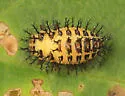
Mexican Bean Beetle
Epilachna varivestis
Identification: Gordon's figures A little larger than typical ladybugs. Each elytron has 8 spots; pronotum immaculate (spotless) - noted here . Orange to copper colored. and (U. Ga website). A project to control these beetles in the eastern U.S. was
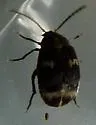
Mexican Bean Weevil
Zabrotes subfasciatus
pest of Phaseolus and other stored legumes (mung bean, cowpea, groundnuts)
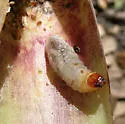
Mexican Bromeliad Weevil
Metamasius callizona
M. callizona , which was first encountered in Florida in 1989 at a Ft. Lauderdale (Broward County) bromeliad nursery, is thought to have entered the state in a shipment of bromeliads imported from Veracruz, Mexico. The nursery was treated, but within
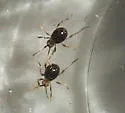
Mezium sulcatum
Mezium sulcatum
Identification: Adults differ from those of M. affine in having the setal collar at the base of the pronotum deeply interrupted at, and on each side of, the middle ( 3 )
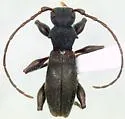
Michthisoma heterodoxum
Michthisoma heterodoxum
Identification: body shape and sculpture unique rare
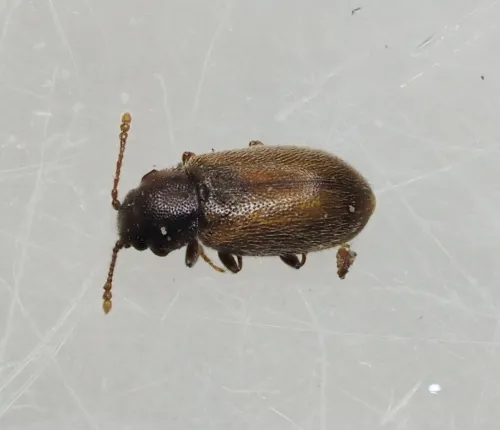
Micrambe ulicis
Micrambe ulicis
1.8-2.3 mm. Elongate in outline, finely pubescent and variable in colour, though usually entirely pale brown but often with the head and thorax darker and with a triangular mark about the scutellum. The pronotum has partly serrated margins. The anten
Micranoplium unicolor
Micranoplium unicolor
Identification: The combination of truncate elytral apices without spines, the lack of spines on the antennomeres, the evenly distributed pubescence with none in patches, and the pronotum without callosities, characterize this species. - Robert Andro
Micratopus aenescens
Micratopus aenescens
Identification: Holotype adults best collected by sifting forest floor litter ; fairly common at lights in TX
Microbregma emarginatum
Microbregma emarginatum
Identification: Similar to Hadrobregmus , but pronotum outline with distinct rear and lateral angles.
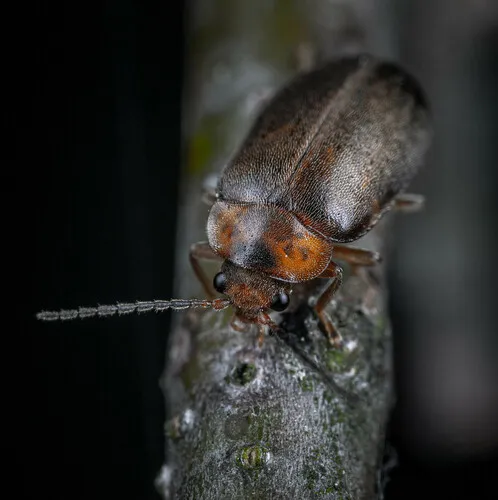
Microcara testacea
Microcara testacea
4-5.5mm yellow-brown usually with darker markings on the centre of the pronotum, which has a roughly half-moon shape but with rounded hind angles. It is finely pubescent. The antennae has 11 segments with the three basal segments paler than the remai
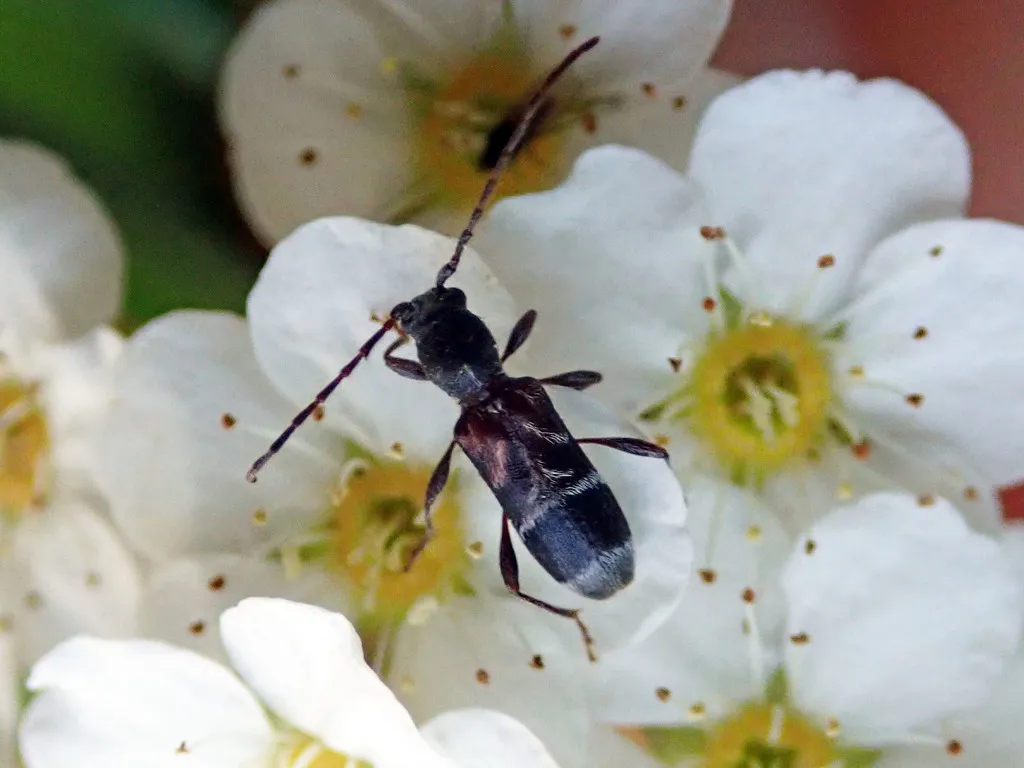
Microclytus compressicollis
Microclytus compressicollis
Microclytus compressicollis is a species of longhorn beetle in the Cerambycinae subfamily. It was described by Laporte and Gory in 1835. It is known from northeastern North America.
Microhyus setiger
Microhyus setiger
Identification: distinctive (small size, bristly dorsum) Black, covered with a dirty crust, and clothed with stout bristles Type Locality: Two specimens, Georgia
Microphotus chiricahuae
Microphotus chiricahuae
Identification: Quoting Green, p. 88 : This species is closely related to M. pecosensis, from which it differs greatly in the much broader median lobe of the aedeagus and the non-sinuate ventral inner margins of the lateral lobes. Externally it is no
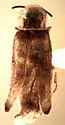
Microphotus decarthrus
Microphotus decarthrus
Identification: The antennae have 10 segments. M fragilis is similar but has larger eyes and Green says maybe fragilis isn't a legitimate species.
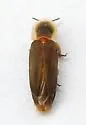
Microphotus dilatatus
Microphotus dilatatus
Identification: our most abundant sp., distinguished from all others (except M. octarthrus ) by the short elytra; plus the hind angles of the pronotum are prominent; in M. octarthrus , elytral tips infuscate and pronotal base straight
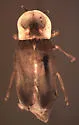
Microphotus octarthrus
Microphotus octarthrus
Identification: our smallest sp., easily recognized by its short elytra with infuscate tips, together with the truncate base of the pronotum. Det. B. Pfeiffer, 2016
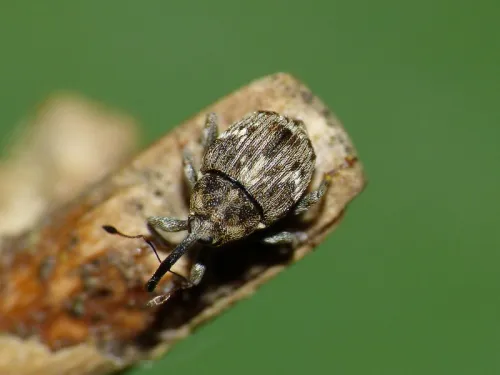
Microplontus campestris
Microplontus campestris
2.2-3.1mm. A small, light coloured weevil with distinctive markings on both the pronotum and elytra. Found on Ox-eye Daisy.. Unless identified by a recognised expert, photographic evidence is required and the specimen should be examined with a micros
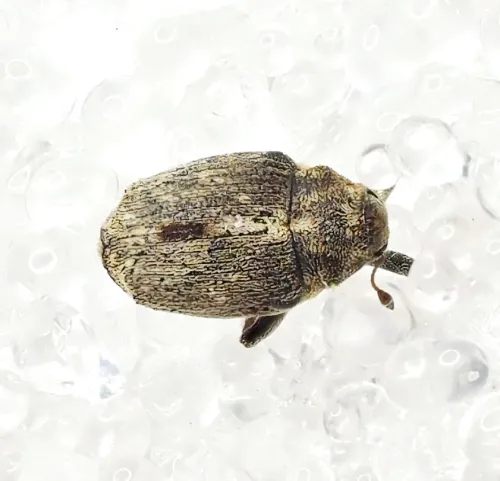
Microplontus melanostigma
Microplontus melanostigma
1.7-2.7. Body black but covered in grey, white and brown scales, mostly without forming a distinct pattern except along the elytral suture. A white arrow is behind the scutellum followed by a brownish bar. The rostrum is black. Antennae, tibia and ta
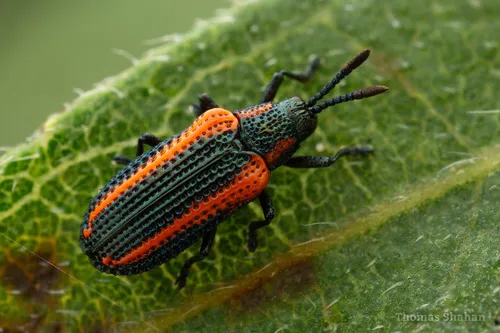
Microrhopala rileyi 0
Microrhopala rileyi
Microrhopala rileyi is a species of beetle of the family Chrysomelidae. It is found in the United States (Arkansas, Illinois, Kentucky, Missouri, Oklahoma).
Microrhopala xerene
Microrhopala xerene
Identification: The eight-segmented antennae, the red stripe and subapical spot on each elytron, and the serrate elytral margins distinguish this species ( Species profile )
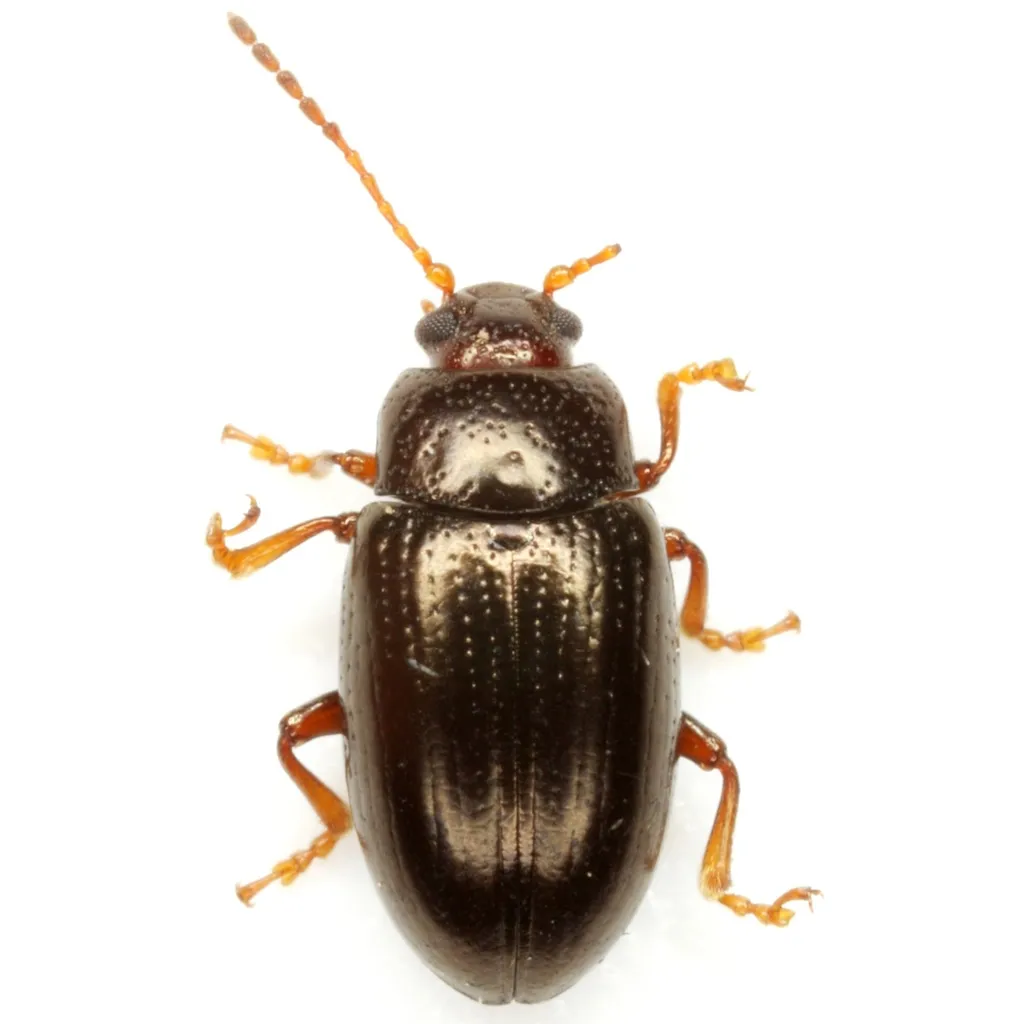
Microtheca picea
Microtheca picea
Microtheca picea is a species of leaf beetle in the family Chrysomelidae. It is found in North America and South America.
Microweisea minuta 0
Microweisea minuta
Type Locality: on the Colorado River above Columbus, Austin Co., Texas
Migneauxia lederi
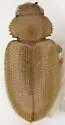
Migneauxia lederi
Identification: Differentiated from any other North American Corticariinae by: antennae 10-segmented; pronotum transverse with strongly rounded sides and four or five large distinct teeth in the posterior half; eyes well developed (32-34 facets); lar
Mile-a-minute Weevil
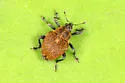
Rhinoncomimus latipes
during 2004-2007, released and established in e. US (NJ-PA-DE-MD-WV) to combat the Mile-a-minute Weed ( Persicaria perfoliata )
Milfoil weevil
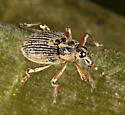
Euhrychiopsis lecontei
The species lives submerged in standing, or slow running waters.
Milkweed Stem Weevil
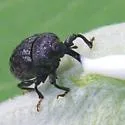
Rhyssomatus lineaticollis
Rh. lineaticollis reduces the growth of Labidomera clivicollis and Danaus plexippus ( 8 )
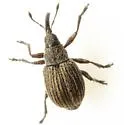
Mimosa Flowerbud Weevil
Coelocephalapion aculeatum
Identification: This species can be distinguished from other species of the Apion-like genera recorded from the Lower Rio Grande Valley by the combination of its comparatively small size, dark reddish legs, the lack of clumped hairs on the elytra, pr
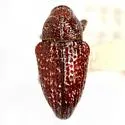
Mimosa Green-seed Weevil
Chalcodermus serripes
last collected in the Lower Rio Grande Valley in 1944. A fair number of specimens from the Brownsville area were collected around the turn of the century indicating that this species once common in that area. Texas considers this a SGCN
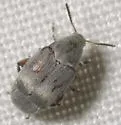
Mimosestes amicus
Mimosestes amicus
Identification: Body black with some reddish areas, vestiture entirely gray; eyes flat against side of head (last key couplet) easily separated from other congeners and nearly all other US bruchids by having the posterior margin of the eye merging sm
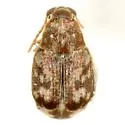
Mimosestes protractus
Mimosestes protractus
Identification: The elongate, parallel-sided form, reddish-orange appendages, and depression of the 5th sternum should easily separate this species from other North American Mimosestes Det. E. G. Riley, 2010 Type locality: Lower California
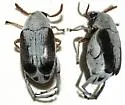
Mimosestes ulkei
Mimosestes ulkei
This species, while not rare in collections, is less abundant than other species of Mimosestes .
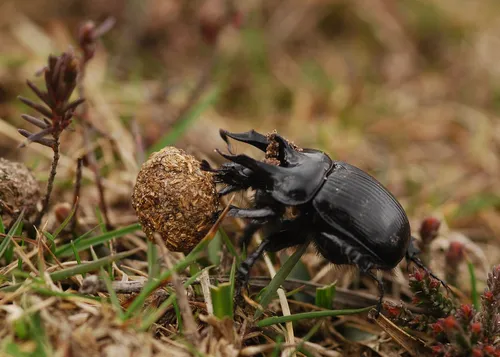
Minotaur Beetle
Typhaeus typhoeus
12 to 20mm. Shining black. The pronotum of the male has forward-projecting horns on either side, slightly variable in length, tending to be proportionately longer in larger specimens. There is a smaller horn in the centre. The female lacks the horns
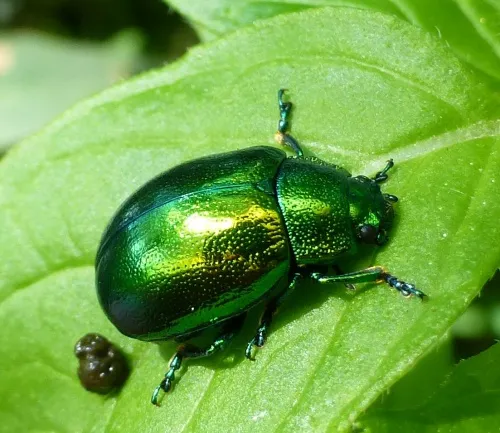
Mint Leaf Beetle
Chrysolina herbacea
Up to 10 mm long. The whole body is an iridescent green colour and peppered with tiny indentations. Peak time seems to be August and September. Both the larvae and the adult beetles feed on mint. Found mainly in the south and up to the Midlands of En
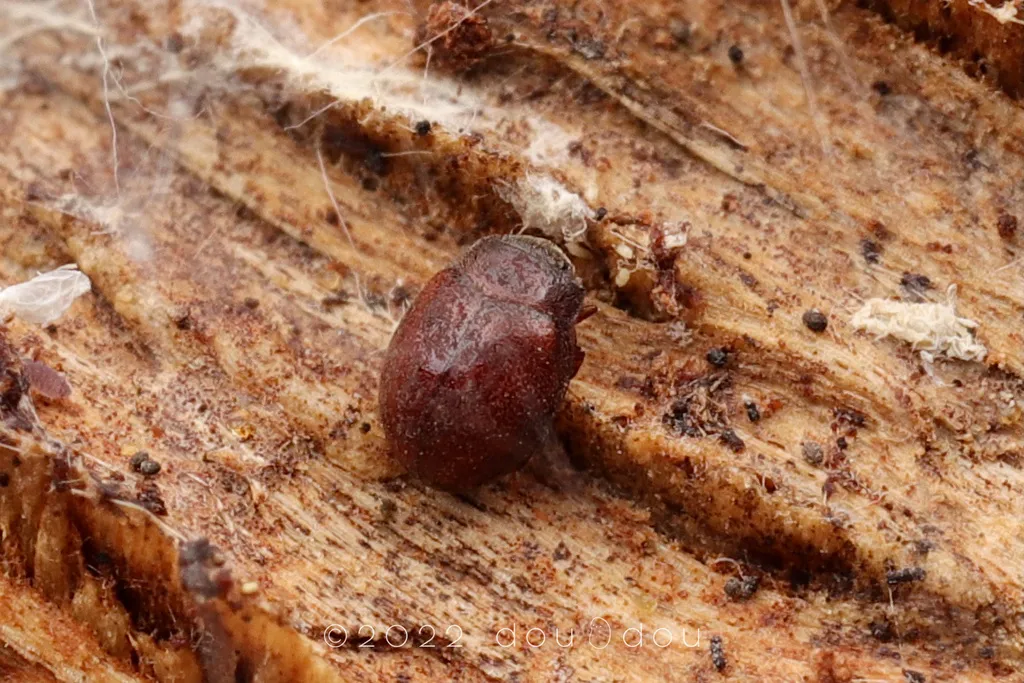
Minute Beetle
Murmidius ovalis
Minute Beetle (Murmidius ovalis) is a species in the family Murmidiidae, belonging to the order Coleoptera (Beetles). It is classified within the suborder Polyphaga, superfamily Coccinelloidea. This species belongs to the genus Murmidius. As a member
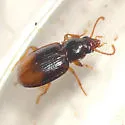
Mioptachys flavicauda
Mioptachys flavicauda
Identification: posterior half of elytra, lateral margins of pronotum, legs, antennae, and mouthparts yellowish; remainder of body dark brown
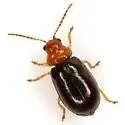
Miraces aeneipennis
Miraces aeneipennis
Identification: the head and thorax, while usually yellow, tends to become brownish or piceous. The meta-pectus is also similarly variable in color. The surface lustre of the elytra may be violaceous or bronzed, but in none of the dozen specimens bef
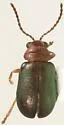
Miraces modesta
Miraces modesta
Described from a single specimen collected in Biscayne, Miami-Dade Co., Fla., by Mr. E. A. Schwarz. (Horn, 1893) Rare (Michael C. Thomas, 21 July, 2008)
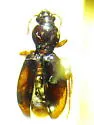
Miscodera arctica
Miscodera arctica
Identification: Pedunculate body; overall metallic and shiny.
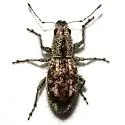
Mitostylus setosus
Mitostylus setosus
Identification: Easily separated from other described members of the genus in Texas by the larger size, and long slender, erect elytral setae. (Burke 1963)
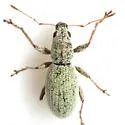
Mitostylus tenuis
Mitostylus tenuis
Identification: The color of the body scales is quite variable; they are usually bluish green with a coppery tinge but may be uniformly gray or light brown. (Burke 1963) Type Locality: Texas
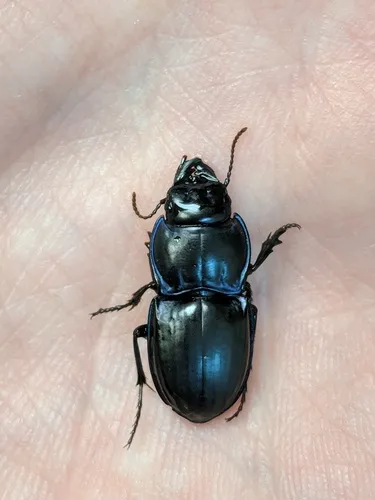
Moderately Sulcate Warrior Beetle
Pasimachus subsulcatus
Identification: Small; no paired median setae on ventrites 2‒5; dorsal fixed subapical mesotibial spine/spur not laterally compressed, acute; pronotum markedly emarginate above scutellum; pronotal margins just barely crenulate before base. Mesotibial
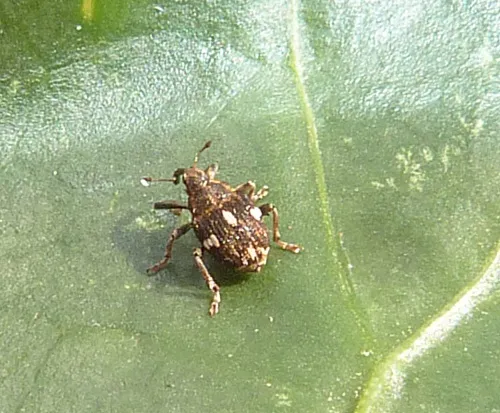
Mogulones asperifoliarum
Mogulones asperifoliarum
2.2 to 2.9 mm. A brown weevil with distinctive white blotches which are visible to the naked eye despite the weevils small size. Unless identified by a recognised expert, good photos are required that show the key ID features. Also state the beetle's
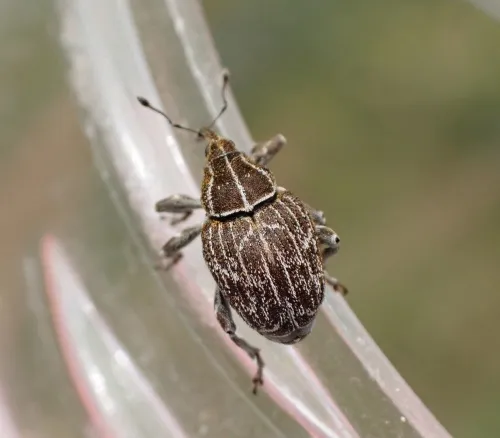
Mogulones geographicus
Mogulones geographicus
Quite a distinctive dark weevil with a white streaky appearance and an inverted V behind the pronotum. Unless identified by a recognised expert, good photos are required that show the key ID features. Also state the beetle's size in the comments box.
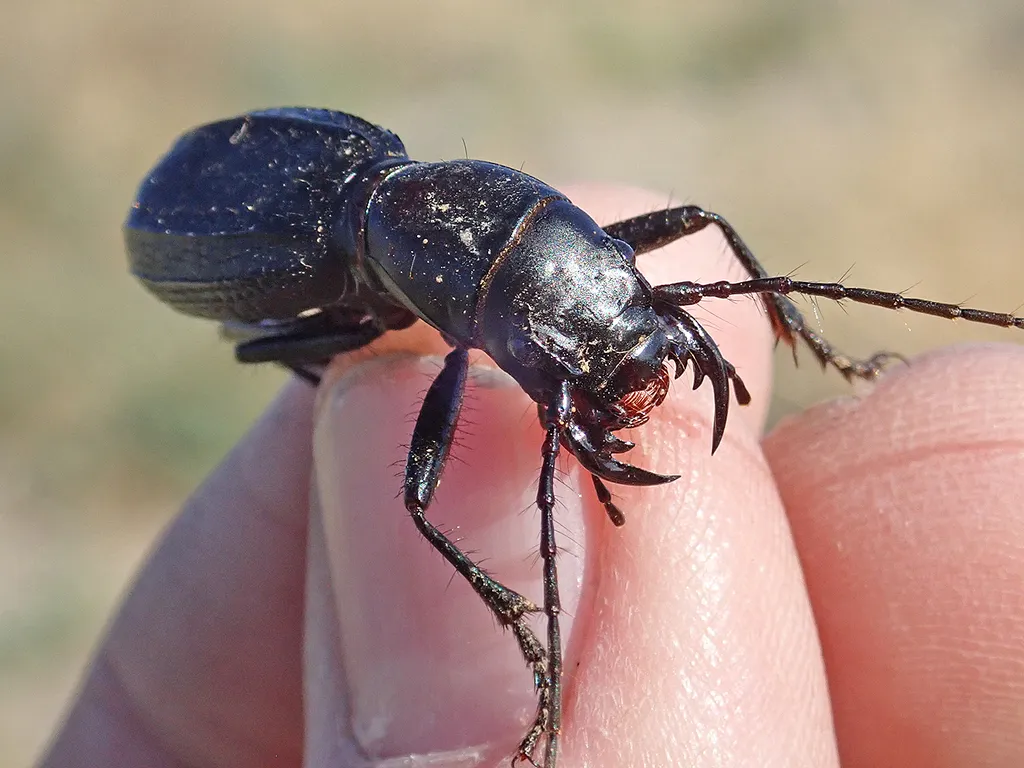
Mojave Giant Tiger Beetle
Amblycheila schwarzi
Amblycheila schwarzi, also known as the Mojave giant tiger beetle, is a flightless and nocturnal tiger beetle species found in the southern United States. A. schwarzi was first described by German entomologist Walther Horn in 1904.
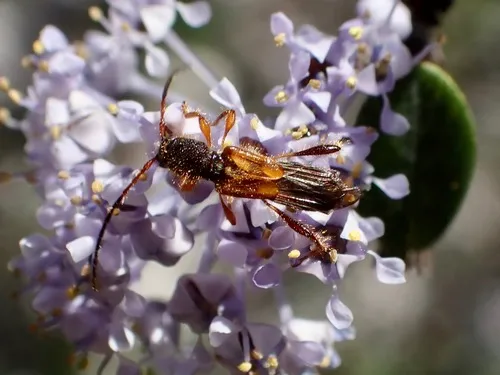
Molorchus longicollis
Molorchus longicollis
Molorchus longicollis is a species of beetle in the family Cerambycidae. It was described by John Lawrence LeConte in 1873.
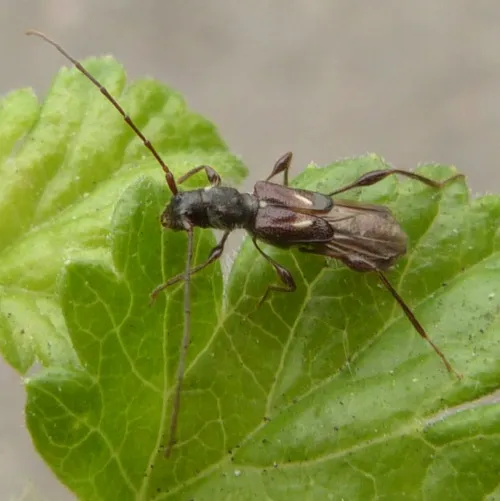
Molorchus minor
Molorchus minor
One of two British longhorns with the elytra very short, leaving the hind wings extensively exposed, and swollen tips to the femorae. The other is Glaphyra umbellatarum. M. minor averages larger (up to 16mm long) with a reddish elytra bearing a pair
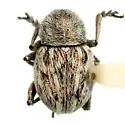
Monahans Graphops
Graphops comosa
Identification: "It has the heaviest pubescence of any of the genus, the elytral punctation being entirely concealed by the coarse white hairs in unrubbed specimens so that the beetles present a grayish appearance not unlike Glyptoscelis . The bulgin
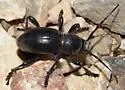
Moneilema armatum
Moneilema armatum
Identification: pronotal spines smaller than antennomere 9, but note variation shown here
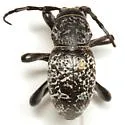
Moneilema blapsides
Moneilema blapsides
Identification: can be all black: Cerambycidae Catalog Type Locality: Texas
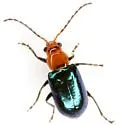
Monoaster fulgidus
Monoaster fulgidus
Identification: final key couplet: Elytra bright, shining blue Type Locality: Uvalde, Texas, D. J. and J. N. Knull
Monoaster linus 0
Monoaster linus
Identification: last key couplet: Head, abdomen, and legs black; male abdomen normal; each elytron pale with all margins and one median longitudinal stripe black Type Locality: Chisos Mts., Tex., VI-23-61, D. J. & J. N. Knull,
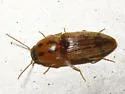
Monocrepidius pictus
Monocrepidius pictus
Identification: similar to the native C. bellus but has a small tubercle at pronotal base and pronotal maculae broken (producing a smily face pattern)
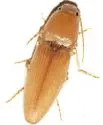
Monocrepidius scissus
Monocrepidius scissus
Lectotype Locality: Tybee Island, Chatham Co., Georgia
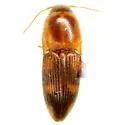
Monocrepidius similis
Monocrepidius similis
Original name Monocrepidius texanus Schaeffer 1909 turned out to be a junior homonym of M. texanus Candèze. Schaeffer corrected his junior homonym later that year and proposed the replacement name Monocrepidius similis . However, Monocrepidius simili
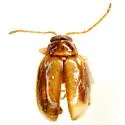
Monomacra bumeliae
Monomacra bumeliae
Identification: "An inconspicuous species but easy known from the described species by the color and markings. The dark cloud on each elytron is in some specimens better defined than in others and the markings of the thorax are at best indistinct and
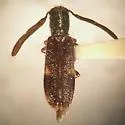
Monophylla californica
Monophylla californica
Monophylla californica (Monophylla californica) is a species in the family Cleridae, commonly known as checkered beetles, belonging to the order Coleoptera (Beetles). It is classified within the subfamily Tillinae, suborder Polyphaga, superfamily Cle
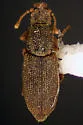
Monotoma (Gyrocecis) myrmecophila
Monotoma myrmecophila
Identification: easily recognized by short & wide dorsal setae our only representative of the subgenus Gyrocecis C.G. Thomson, that contains two more spp. (both are Palaearctic & myrmecophilous)
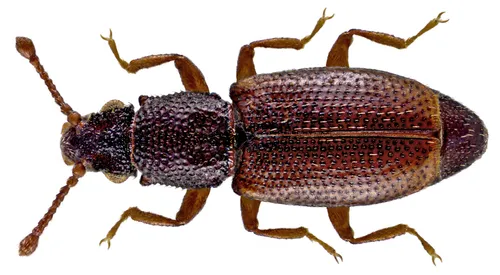
Monotoma picipes
Monotoma picipes
Identification: deep longitudinal impressions on the frons are diagnostic
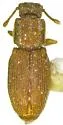
Monotoma quadrifoveolata
Monotoma quadrifoveolata
our only representative of the small subgenus Monotomina Nikitsky 1986 (2 European spp.)
Monotoma testacea
Monotoma testacea
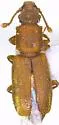
Monotoma testacea (Monotoma testacea) is a species in the family Monotomidae, commonly known as minute clubbed beetles, belonging to the order Coleoptera (Beetles). It is classified within the subfamily Monotominae, suborder Polyphaga, superfamily Cu
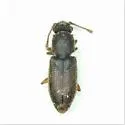
Monotoma texana 0
Monotoma texana
Identification: The male metasternum is slightly flattened, a median line moderately deeply impressed, first ventral merely flattened, last ventral moderately deeply concave. Type Locality: Waco, Texas, (Belfrage)
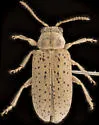
Monoxia elegans
Monoxia elegans
Identification: The species key is available in Blake 1939 and Wilcox 1965 , with the former having the detailed original description too. The key requires inspection of the male's aedeagus. However, host plant identification, locality, and other key
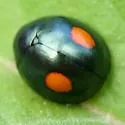
Montezuma Lady Beetle
Thalassa montezumae
Identification: Gordon's figures - Elytron bluish black with reddish yellow spot in apical. Female pronotum entirely bluish black. Lectotype from Mexico
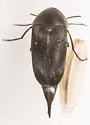
Mordella atrata
Mordella atrata
Identification: varies in size and somewhat in pubescence, but not otherwise, and is comparatively easy to separate from the other black forms one of the commonest Mordella spp., occurs in nearly every state from Canada to Florida, except in the west
Mordella fuscocinerea 0
Mordella fuscocinerea
Identification: Black; very densely covered with brownish gray pubescence Type Locality: Alamogordo, New Mexico (Viereck).
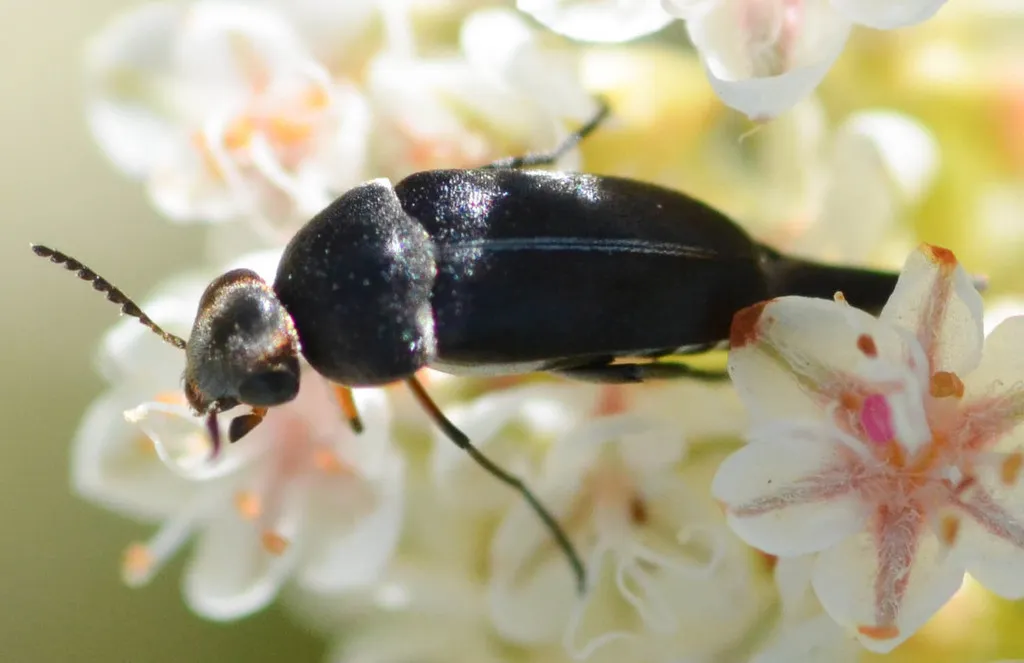
Mordella hubbsi
Mordella hubbsi
Identification: differs from the other black congeners in ferruginous pro- & mesofemora
Mordella knulli
Mordella knulli
Identification: black with vivid white / silver marking pattern as shown on Liljeblad's monograph, Plate II, #3 Type from La Belle, Florida
Mordella lunulata
Mordella lunulata
Identification: short light vitta on humeral angles + scutellum and short basal suture stripe
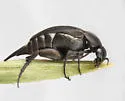
Mordella melaena
Mordella melaena
Identification: The best character by which melaena may be separated from atrata is the form of the antennae, which are more clavate, the outer segments being more dilated and compact, rather than serrate; further, the scutellum is more sharply trian
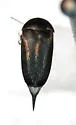
Mordella obliqua
Mordella obliqua
Identification: prothorax with scattered cinereous hairs, and two indistinct vittee more densely cinereous. Elytra with a very narrow sutural line, and an oblique stripe from the humeri to beyond the middle, where it becomes obsolete, cinereous, Scut
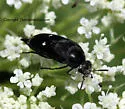
Mordella quadripunctata
Mordella quadripunctata
Identification: two white spots on apical 1/3 of black elytra . completely covered with brown/black or grey pubescence.
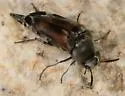
Mordella signata
Mordella signata
Identification: See: Liljeblad (1945) Species not in TAMU Insect Collection . nor recorded in literature for Texas (E. G. Riley, pers. comm. 2010). Interestingly, the record from UT's Brackenridge Field Lab in Travis County is where Jackman and Nelso
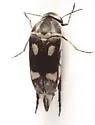
Mordella tetraspilota
Mordella tetraspilota
Identification: white pubescence may form an additional transverse line on pronotum, and a less distinct mark on elytral apex.
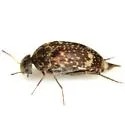
Mordellaria serval
Mordellaria serval
Identification: differs from M. borealis in much narrower palpi and in hairy eyes Det. Brad Barnd, 2022
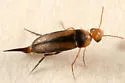
Mordellina ancilla
Mordellina ancilla
Mordellina ancilla (Mordellina ancilla) is a species in the family Mordellidae, commonly known as tumbling flower beetles, belonging to the order Coleoptera (Beetles). It is classified within the tribe Mordellistenini, suborder Polyphaga, superfamily
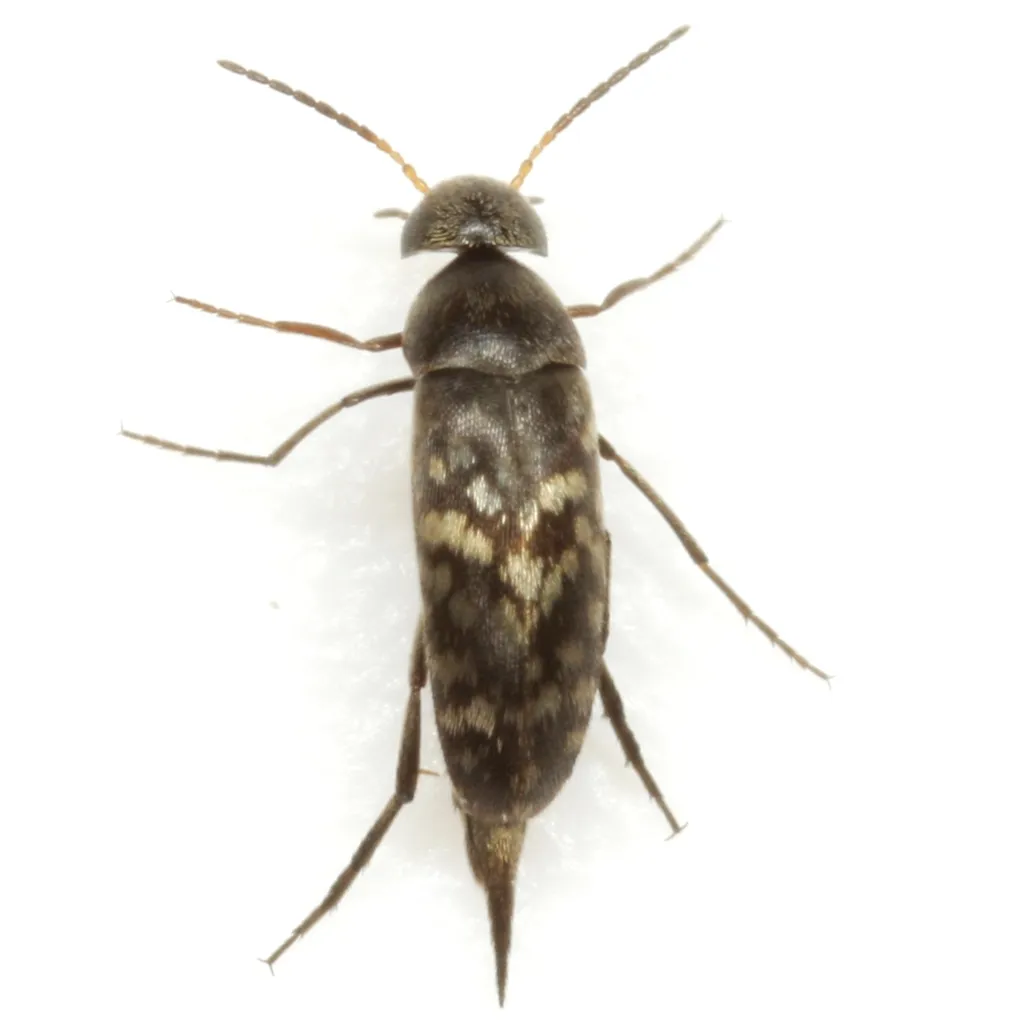
Mordellina pustulata
Mordellina pustulata
Identification: The spotty silvery elytral pubescence diagnostic
Mordellina testacea
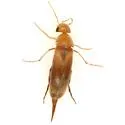
Mordellina testacea
Identification: "Posterior tibiae with two parallel ridges, subapical not included, upper one much longer and extending almost across outer face of tibiae, first segment of posterior tarsi with three and second with two ridges. Entire body pale brown
Mordellina washingtonensis
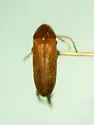
Mordellina washingtonensis
Identification: Protibia wide, lateral edge bowed (angulate in M. wimbledon ) in the distal third. Protasomere one bent.
Mordellina wickhami
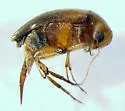
Mordellina wickhami
Identification: entirely fulvous (reddish/brownish-yellow), with dark (bluish) abdominals tibia with 2 ridges, apical crossing the entire face Type Locality: Leeds, Utah. A male, collected August 4 by H. F. Wickham;
Mordellina wimbledon
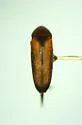
Mordellina wimbledon
Identification: Protibia wide, lateral edge angulate in distal third (bowed in M. washingtonensis ). Protasomere 1 bent.