
Flies
Order Hymenoptera
The Flies (Order Hymenoptera) includes 5,194 species across 102 families and 1,491 genera in our directory.
About Flies
Hymenoptera includes over 150,000 described species of ants, bees, wasps, and sawflies. Earth harbors approximately 20 quadrillion (20×10^15) ants, with a combined biomass of ~12 megatons of dry carbon - exceeding the combined biomass of all wild birds and mammals (PNAS, 2022).
Economic Impact
Pollinators contribute $235-577 billion worth of annual global food production (FAO). In the U.S., bee pollination alone benefits crops valued at $18 billion annually, and honey bees are responsible for $5.4 billion in agricultural productivity. Between April 2023-2024, 55.1% of managed honey bee colonies were lost. The U.S. bee population dropped from 5 million to 2.5 million.
Ecological Role
About 35% of the world's food crops depend on animal pollinators. The chocolate industry, valued at over $100 billion, depends on pollinating flies and midges. Ants are the dominant soil engineers in most terrestrial ecosystems, turning more soil than earthworms in many habitats.
Families in Hymenoptera (102)
Species in Hymenoptera (5,194)
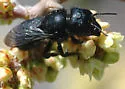
Osmia montana
Osmia montana
Identification: "The smooth, shining, and concave lower face (including clypeus) and nearly black (not green or blue) integument is typical of O. montana." - JSA ( ref. )
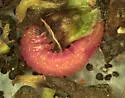
Outer Purslane Sawfly
Schizocerella lineata
Identification: External-feeding species; mesonotum mostly orange with only a triangular patch on the prescutum, and scutellum black
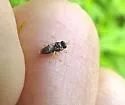
Oxybelus cressonii
Oxybelus cressonii
Identification: The female of this species is very distinctive because of its all-yellow antennae.
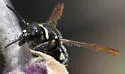
Pachodynerus californicus
Pachodynerus californicus
Identification: Terga 1 and 2 with apical white band, following terga entirely black. Pale markings white, not yellow as in P. guadulpensis , which also occurs in California.
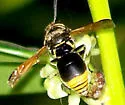
Pachodynerus pulverulentus
Pachodynerus pulverulentus
Identification: Not readily distinguishable from P. nasidens with which it co-occurs in Texas and Arizona. Separating the two requires comparison of the density of punctation on the second segment of the abdomen ( P. pulverulentus has punctation rest
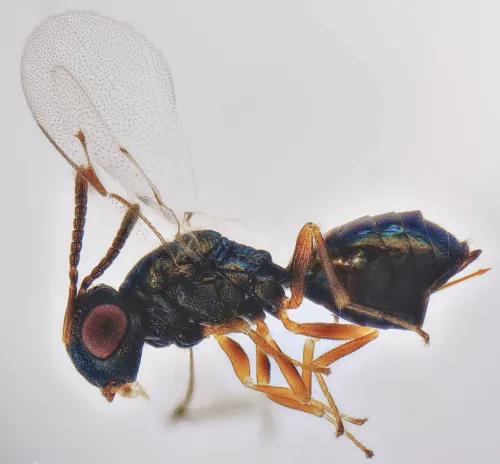
Pachyneuron groenlandicum
Pachyneuron groenlandicum
Length 1.5-2.6mm. Head and thorax varying from dull olive-green or bluish olive to a fairly bright green or blue-green. Femora often more or less infuscate, sometimes wholly pale, tibiae pale or with a fuscous subbasal ring. Forewing with marginal ve
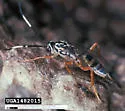
Pachysomoides stupidus
Pachysomoides stupidus
Identification: "Ornate, black-and-white insect with orange legs" (Bug Eric)
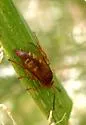
Pacific Cicada-killer Wasp
Sphecius convallis
Identification: In females: Punctation density in the middle of T2 is less dense compared to T1. In the similarly-colored S. grandis , this is approximately equal. In males: Antennal segments II-IV are not curved ventrally (at the tyloids/ sensory or
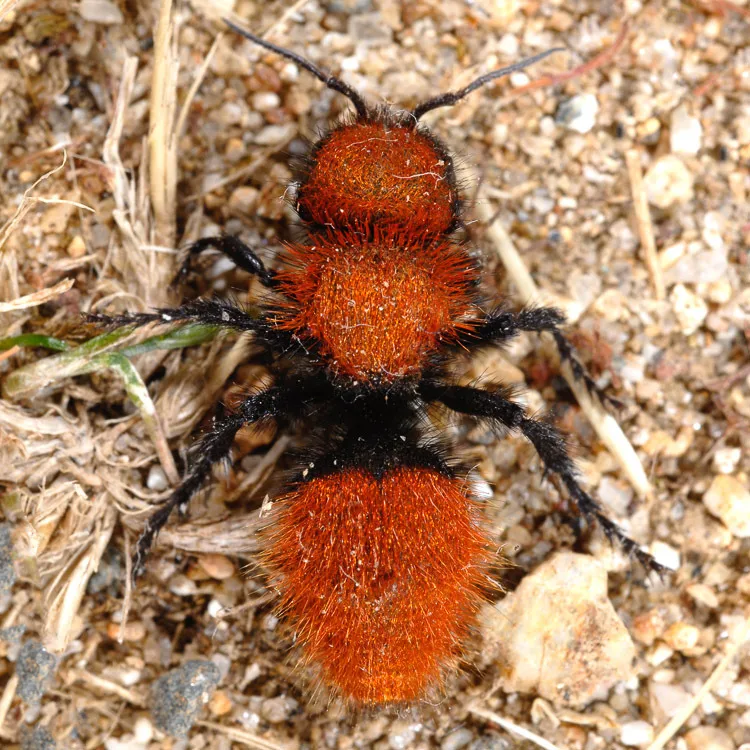
Pacific Velvet Ant
Dasymutilla aureola
Identification: Males (winged): Head as wide as mesosoma; scarlet colored vestiture on dorsum of head, thorax, and abdominal tergites 3-6; median pit filled with setae is present on 2nd abdominal sternite (last character shared with some other speci
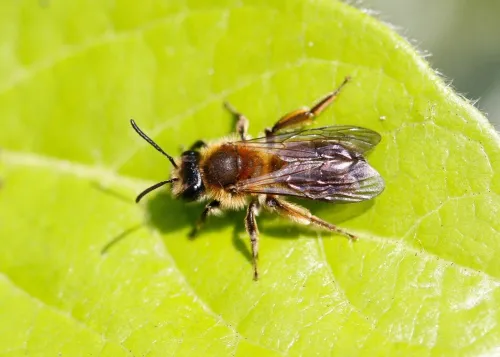
Painted Mining Bee
Andrena fucata
Females most resemble A. varians and A. lapponica but have a white-haired face, white hair fringes on the sternites and brown rather than blackish hairs on the pollen brushes of the hind legs. Males are one of the species with very long mandibles tha
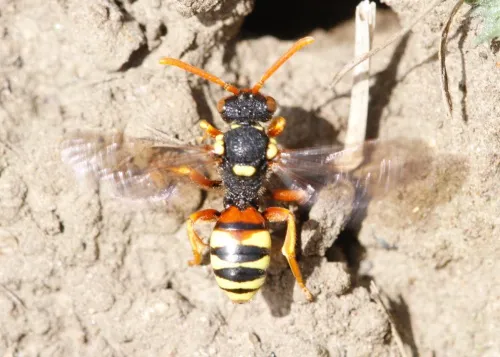
Painted Nomad Bee
Nomada fucata
A medium-sized Nomada with an overall pattern of yellow and dark brown stripes on the abdomen. The first tergite is a clear reddish brown. Most solitary bees and wasps are difficult to identify, and can rarely be identified from photos taken in the f
Palmodes dimidiatus
Palmodes dimidiatus
Identification: Only member of genus in eastern North America.
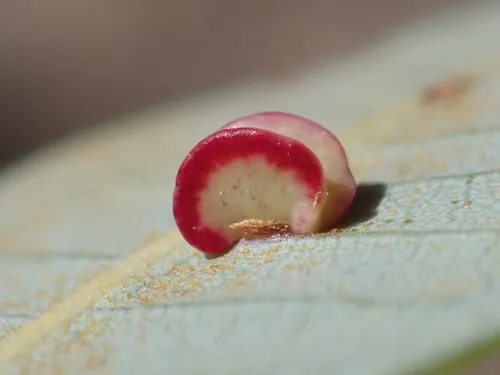
Paracraspis insolens
Paracraspis insolens
Identification: Galls develop on Quercus chrysolepis (canyon live oak) in California.
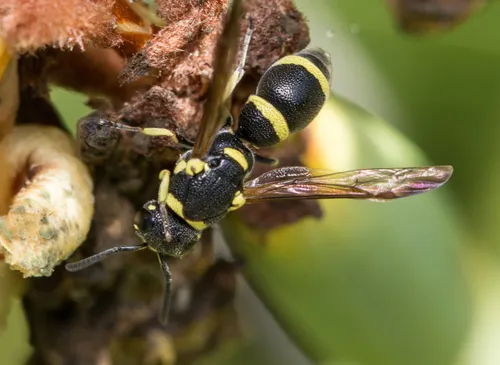
Parancistrocerus declivatus
Parancistrocerus declivatus
Identification: Only first two terga with yellow bands. Sternum 2 strongly angled at base.
Parancistrocerus leionotus
Parancistrocerus leionotus
Identification: Diagnostic characters include well developed yellow spots on terga 1 and 2, yellow bands on terga 1-4, and well developed yellow vertical bands on the propodeum. ( P. vagus is similar but usually lacks the propodeal bands). This speci
Parancistrocerus minimoferus
Parancistrocerus minimoferus
Identification: Apical margin of tergum 3 thickened at middle, with white band restricted to thickened section.
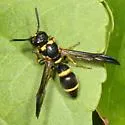
Parancistrocerus perennis
Parancistrocerus perennis
Identification: Abdomen with two yellow bands only. Some have red on tergum 1:
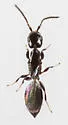
Parasitic Grain Wasp
Cephalonomia waterstoni
Identification: Males are smaller and have longer antennae. It might be of value as a biocontrol.
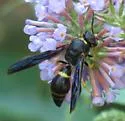
Parazumia symmorpha
Parazumia symmorpha
Identification: Slender first metasomal segment which lacks the carina of Ancistrocerus . The translucent, reflexed, lamellate hind margin of terga 2 and 3 is not visible here (similar to Euodynerus hidalgo which has a very broad segment 1 (comment b
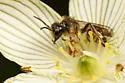
Parnassia Mining Bee
Andrena parnassiae
Identification: Female has extensive dark hair on the scutum and face, with pale scopal hairs and pale hair on sides of thorax. White hair bands present on far sides of tergites. Overall a very dark-looking bee. Not easily mistaken for other species,
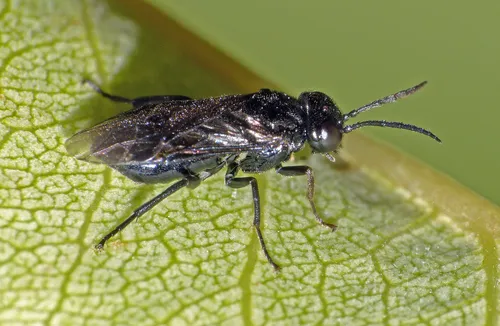
Pear Slug Sawfly
Caliroa cerasi
larvae feed on upper surface of leaves producing distinctive skeletonizing wounds ( 7 )
Pemphredon (Cemonus) inornata
Pemphredon inornata
a member of the subg. Cemonus Panzer 1806 (6 spp. in our area)
Pepsis basifusca
Pepsis basifusca
Identification: Wings largely orangish, with rather uniformly-narrow dark borders along the margins of the fore and hind wings...which begin near the tip of the marginal cell, bend around the apex of the wing, and continue along the posterior edge to
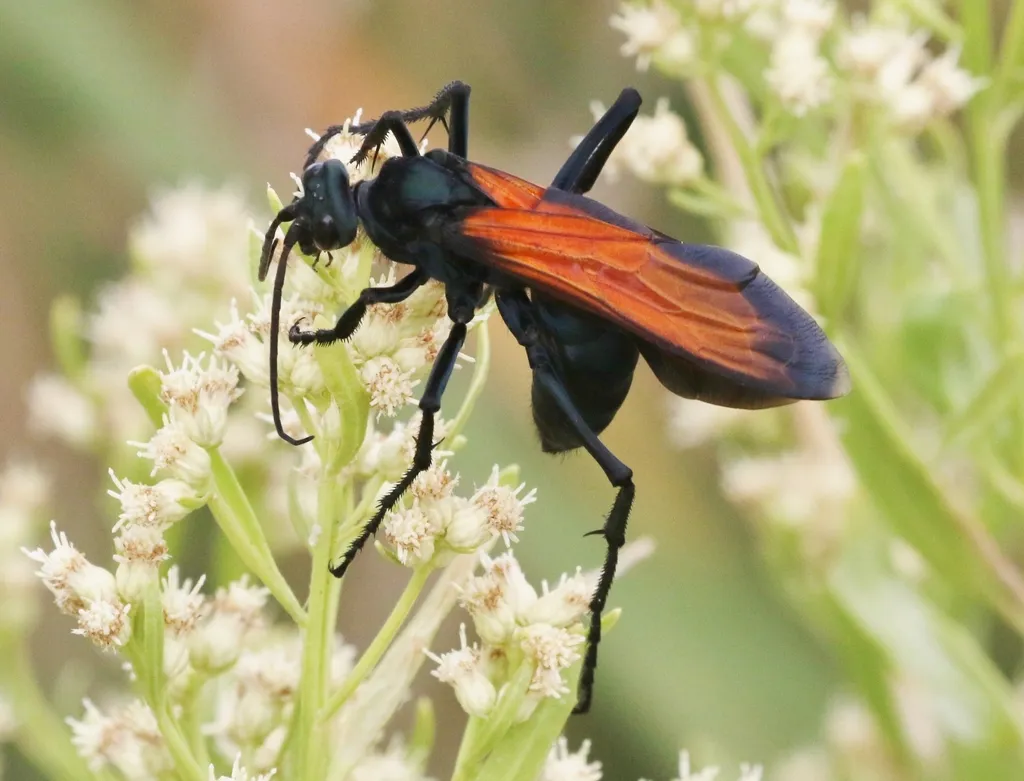
Pepsis grossa
Pepsis grossa
Identification: Very large, with two color forms: Orange-winged (xanthic) and black-winged (melanic). The two color forms are not often seen in the same locality. Melanic forms are easily confused with Pepsis mexicana , but that species is usually mu
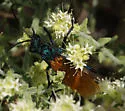
Pepsis pallidolimbata
Pepsis pallidolimbata
Identification: Note the absence of a dark submarginal band basal to the hyaline edge of the wing (see comment on this post by Nick Fensler).
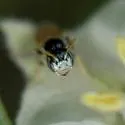
Perdita chamaesarachae
Perdita chamaesarachae
Differentiation from P. lenis requires hi-res photos or specimens under a microscope
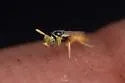
Perdita nasuta
Perdita nasuta
Identification: shape of projecting male clypeus distinguishes this sp. from congeners
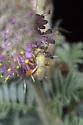
Perdita perpallida
Perdita perpallida
Identification: Large variation in color in this species; piceous areas much reduced or entirely absent; ground color becoming pale yellow.
Perilampus crassus
Perilampus crassus
Perilampus crassus (Perilampus crassus) is a species in the family Perilampidae, commonly known as perilampid wasps, belonging to the order Hymenoptera (Ants, Bees, Wasps and Sawflies). It is classified within the superfamily Chalcidoidea. This speci
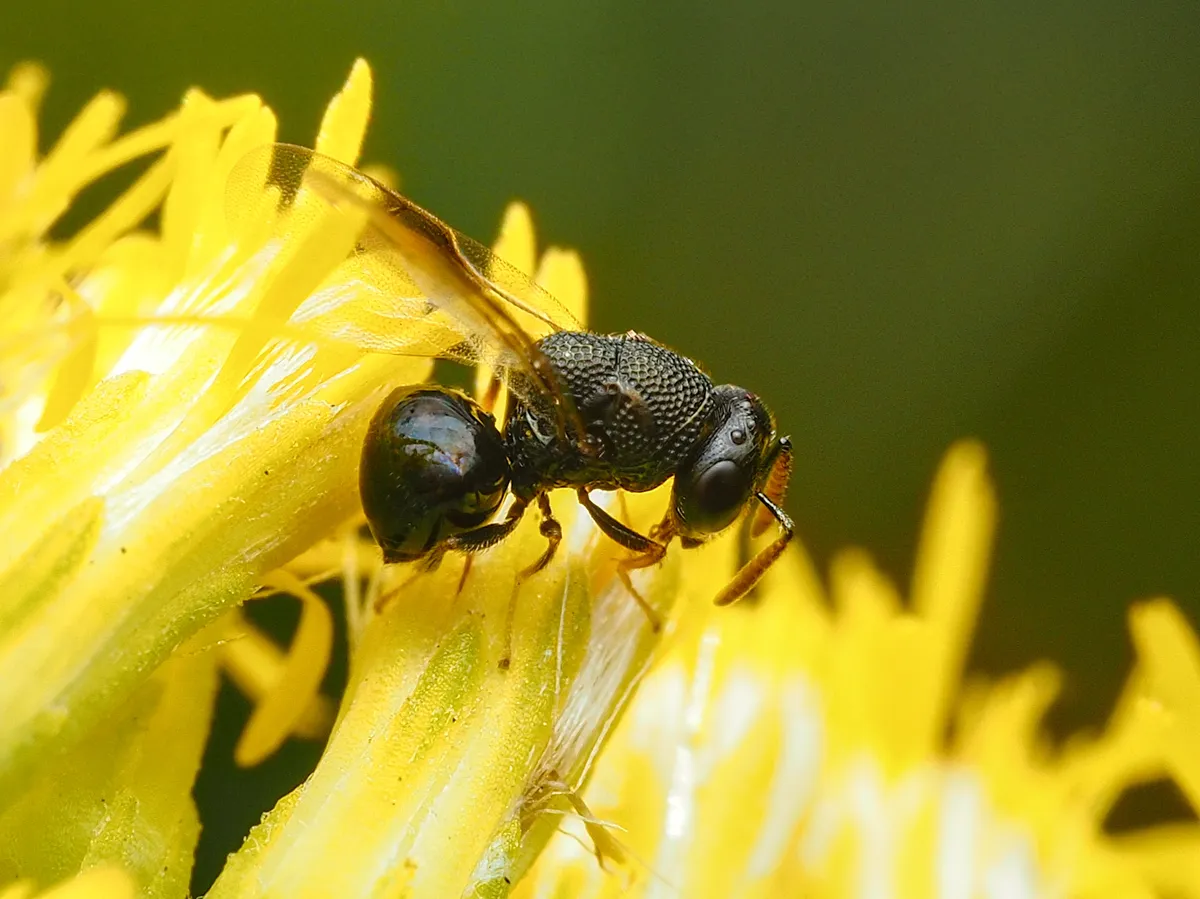
Perilampus stygicus
Perilampus stygicus
Identification: Infuscated area under marginal vein
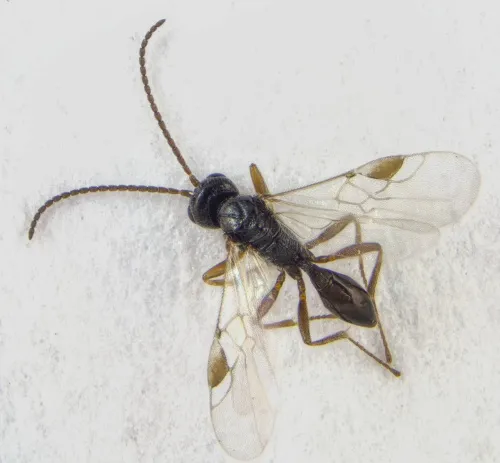
Peristenus picipes
Peristenus picipes
A small parasitoid wasp. Frons (area between antennal insertions and ocelli) shiny, c.f. P. stygicus frons with dense puncturing. Unless identified by a recognised expert, photos are required showing the key features. If keyed describe how it was ide
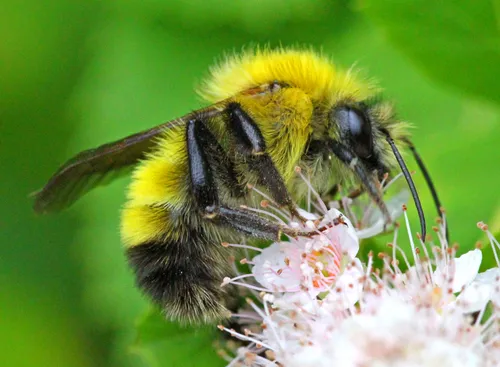
Perplexing Bumble Bee
Bombus perplexus
Identification: see detailed description of queen, male, worker at discoverlife.org Tongue length: medium The hue of the coat averages more golden than in other species. Darker females are recognized by contrast between golden-yellow hairs on the tho
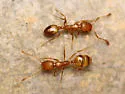
Pharaoh Ant
Monomorium pharaonis
Not native. Seems to have a very spotty distribution across most of its introduced US range, and populations can stay localized, though infestations can reach very high densities. Does not seem to be particularly great at invading native habitat, sin
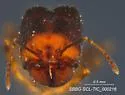
Pheidole clementensis
Pheidole clementensis
Identification: Part of the Pheidole californica complex in the pilfera group.
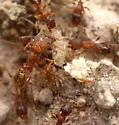
Pheidole constipata
Pheidole constipata
Described from numerous specimens taken from several colonies nesting under stones at Austin and New Braunfels, Texas.
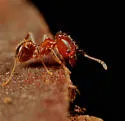
Pheidole dentata
Pheidole dentata
This is the most common species of Pheidole in the southern states. - TAMU
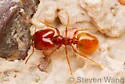
Pheidole gilvescens
Pheidole gilvescens
Identification: Member of the pilifera group with short spines on the major and small but distinct humeral angles (compared to the similar xerophila , which has no angles). Often lighter colored than xerophila .
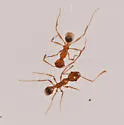
Pheidole morrisii
Pheidole morrisii
Identification: Easily recognized by size, orangey color, and virtual lack of propodeal spines.
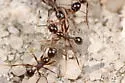
Pheidole obscurithorax
Pheidole obscurithorax
First observed by E.O. Wilson in the port city of Mobile, Alabama, in the early 1950's
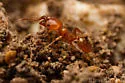
Pheidole porcula
Pheidole porcula
Identification: Very thick and strongly curved scape bases serve to distinguish this species from any other similar Pheidole in the region. The scape is the first elongated antennal segment. Can be locally common, but not often collected due to its s
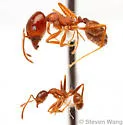
Pheidole sitiens
Pheidole sitiens
Identification: Shiny headed majors with long antennal scapes, among other notable differences with similar US species. Minors with very small propodeal spines. Restricted range in the US.
Pheidole tepicana
Pheidole tepicana
Identification: Antwiki Type locality: Tepic, Nayarit, collected by Eisen and Vaslit
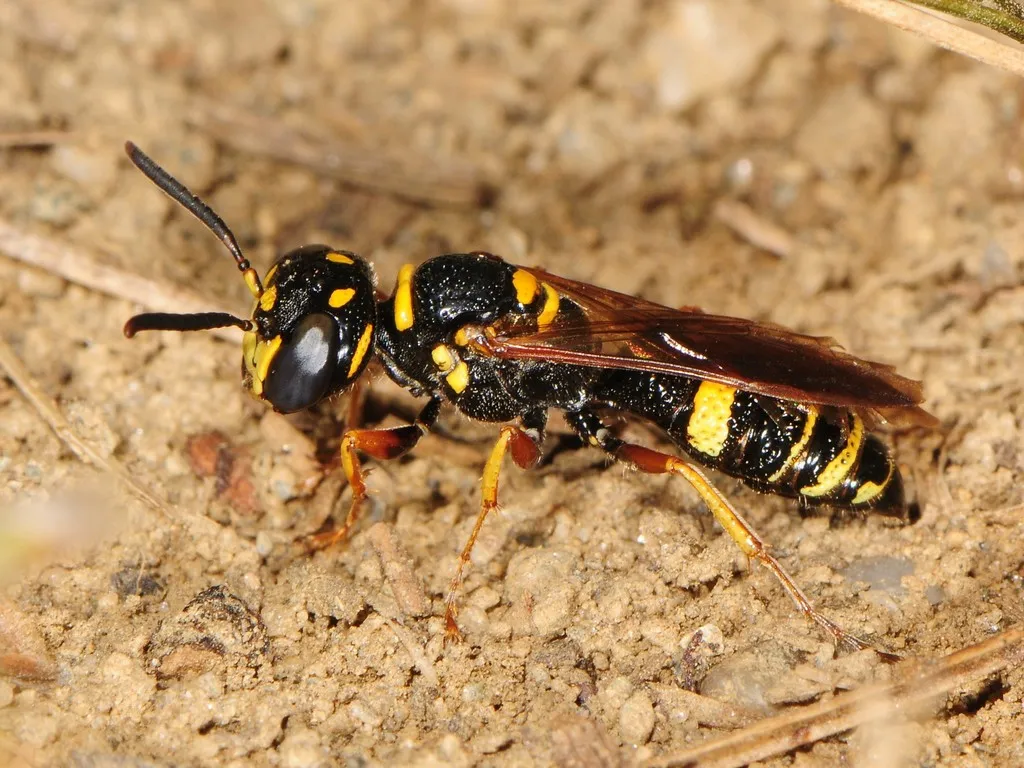
Philanthus gibbosus
Philanthus gibbosus
Each female raises its own brood. However several wasps have been seen sharing one burrow's entrance
Philanthus multimaculatus
Philanthus multimaculatus
Identification: females less variable in coloration and pattern than males. female: males:
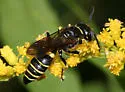
Philanthus solivagus
Philanthus solivagus
Identification: Fine punctation of terga and continuous yellow bands on all terga (broad on T1). (Mathias Buck's comment) Abdominal segments T6 & T7 (on males) do not usually have yellow bands. Abdominal segment T6 (on females) may have a small yello
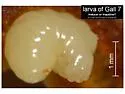
Philonix fulvicollis
Philonix fulvicollis
Causes galls on the undersides of leaves in the white oak group: globular, 5-8 mm, covered with gray felt, one-celled. Galls with parasitoids or inquilines may be smaller, more sparsely haired, and less spherical; see examples (including the wasps th
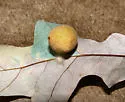
Philonix gigas
Philonix gigas
Identification: Weld's original description of gall: "Globular, 15-20 mm. in diameter, produced on the under side of leaves and dropping to the ground in the fall. In appearance and structure they resemble the much smaller galls of Philonix nigra (Gi
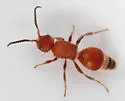
Photomorphus banksi
Photomorphus banksi
Identification: Bradley (1916) describes the male: Coal-black, with erect white pubescence, mixed with shorter, decumbent, brown pubescence on the mesonotum and second dorsal segment; wings slightly clouded, more so beyond the venation. See comments
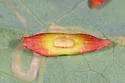
Phylloteras sigma
Phylloteras sigma
Forms galls on Quercus alba and Q. muehlenbergii leaves. "Always on under side of leaf near the edge on saplings 8-10 feet high. . . Galls drop in late Oct. An adult was found alive in cage on Mar. 7 the second spring."
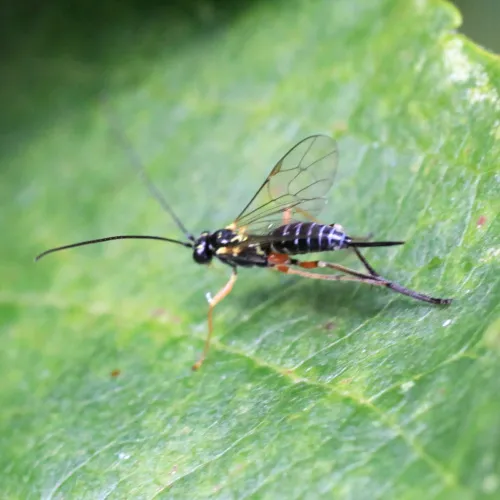
Phytodietus polyzonias
Phytodietus polyzonias
A medium sized (Body length 10-12mm) mainly black bodied ichneumon wasp with orange legs. The margin of each abdominal tergite is delineated in white and there are cream markings to the scutellum and the inner ocular orbits. The hind legs are orange
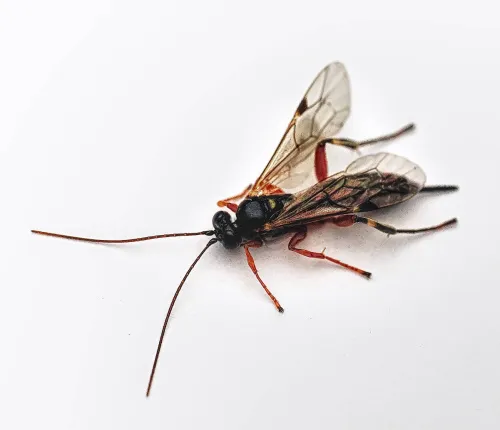
Pimpla insignatoria
Pimpla insignatoria
The body is entirely shiny black, including a solid black face with no white or yellow markings; legs are predominantly bright orange. Females have a thick, prominent, and completely straight ovipositor projecting from the rear. It lacks the downward
Pimpla maura
Pimpla maura
Identification: Body and legs black with restricted white markings (no ferruginous or fulvous); female with wings strongly infustate and male with wings moderately infuscate.
Pimpla pedalis
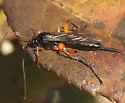
Pimpla pedalis
Identification: "Among North American Pimpla species, this color pattern is distinctive: black hind tibia in combination with the ferruginous hind femur, hind coxa, and mid coxa." -- Bob Carlson
Pimpla rufipes
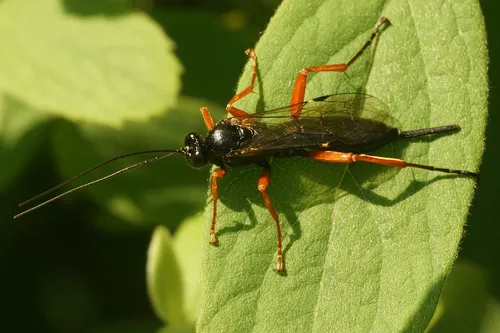
Pimpla rufipes
Length about 15 mm. A mainly black species, but with bright orange legs, the hind pair of legs being only slightly larger than the other pairs. The ovipositor of the female is quite thick and short and the 'waist' between the thorax and abdomen is al
Pimpla sanguinipes
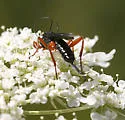
Pimpla sanguinipes
" erythropus and sanguinipes might really be two separate species, judging from the fact that they occupy different habitats: sanguinipes in arid areas and erythropus in forested areas. Townes even had differences in punctation for the two. His con
Pimpla turionellae
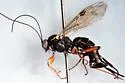
Pimpla turionellae
Introduced in North America and recovered a few times in Canada from several species of invasive Lepidoptera but not known to be established.
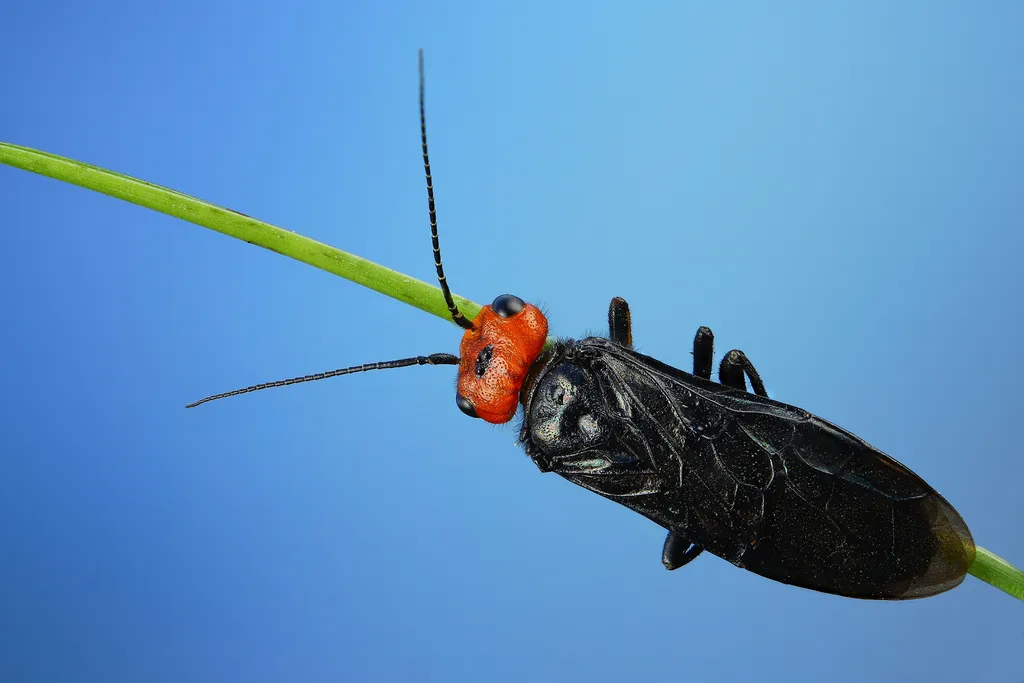
Pine False Webworm
Acantholyda erythrocephala
Since being introduced in 1925, it has become a pest
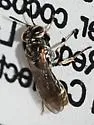
Pison koreense
Pison koreense
Non-native, from Asia. Until recently it was present only in the East but it has also been reported from the West.
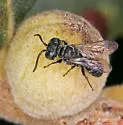
Pisonopsis birkmanni
Pisonopsis birkmanni
Rohwer's original 1909 description of this species appears on pg. 129 of the Trans. Amer. Ent. Soc. paper cited below ( direct link here ).
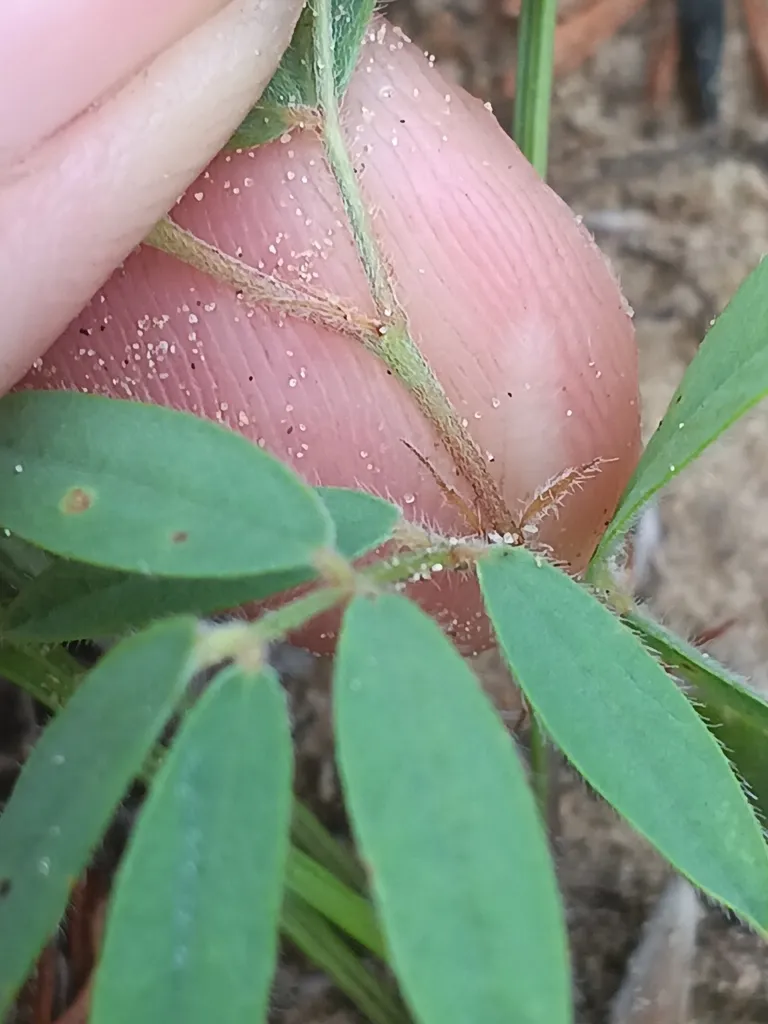
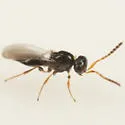
Platygaster tephrosiae
Platygaster tephrosiae
The holotype and paratype were reared from unidentified midge larvae (Lasiopteridi) developing in galls on Tephrosia virginiana .
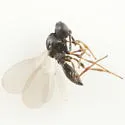
Platygaster uvulariae
Platygaster uvulariae
The six known specimens were reared by spot galls on wild oats ( Uvularia sessilifolia ) caused by an unknown cecidomyiid.
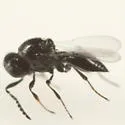
Platygaster vaccinii
Platygaster vaccinii
The holotype was reared from an unidentified midge gall on lowbush blueberry ( Vaccinium angustifolium ).
Platygaster vitisiellae
Platygaster vitisiellae
The single known specimen was reared from a grape leaf gall caused by a possibly undescribed species of Vitisiella (Cecidomyiidae).
Platythyrea punctata
Platythyrea punctata
Identification: "The one Nearctic species is easily recognized. The two pectinate spurs on the hind leg immediately separate it from all other Nearctic ponerine genera."( Hedlund 2003) "Platythyrea is characterized by the following apomorphy (Bolton
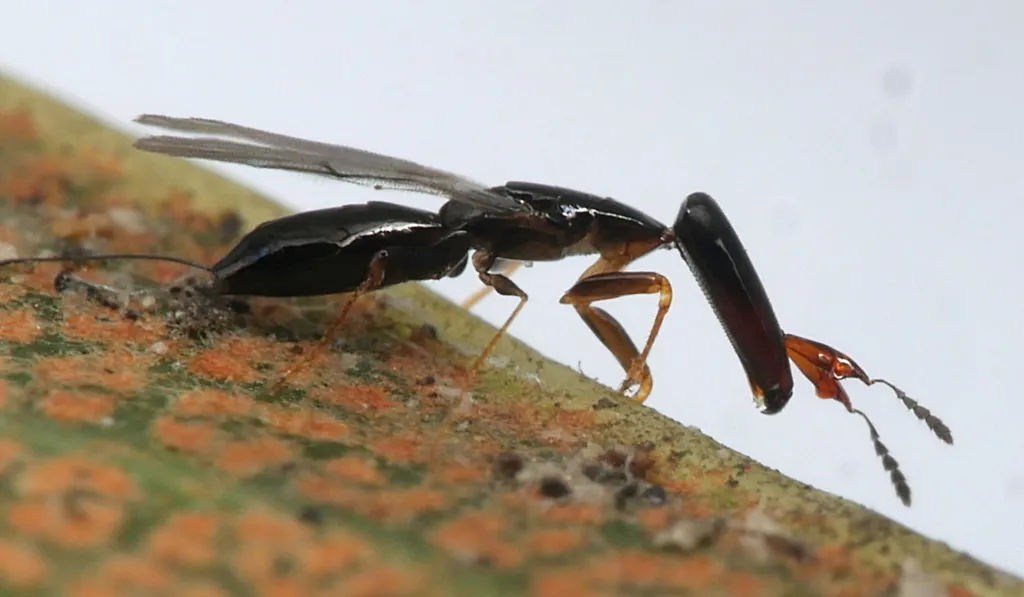
Pleistodontes froggatti
Pleistodontes froggatti
Identification: A casual pollinator wasp associated with Indian laurel, Ficus microcarpa , a common street tree in California.
Plum Webspinning Sawfly
Neurotoma inconspicua
Identification: Adults are black with supraocular spots, their wings are hyaline with faint bands beneath the stigma. Their legs are mostly reddish brown beyond the coxae.
Pnigalio minio
Pnigalio minio
Identification: Larva maggot-like, legless. Adult female usually with dark-colored thorax with blue metallic reflections and a yellow and black abdomen. Male with similar coloring but smaller than female and with branched antennae. The most common pa
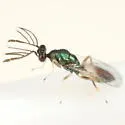
Pnigalio species-one
Pnigalio species-one
The male and female placed here belong to the same species, but it is unclear what species that is. Christer Hansson tried to key them using Yoshimoto (1983), and reported: "The female runs to P. kukakensis (or P. maculipes - difficult to say as the
Pnigalio species-two
Pnigalio species-two
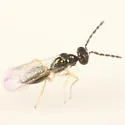
Two of these wasps were reared along with three of this species from larvae of Eriocraniella platyptera . Christer Hansson examined the specimens and reported that they could not be identified using the key in Yoshimoto (1983)--either this species i
Podalonia argentifrons 0
Podalonia argentifrons
Identification: This species has previously been confused with others in the same genus. Identification from images alone is not possible and requires study of very subtle morphological characters under the microscope.
Podalonia argentipilis
Podalonia argentipilis
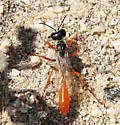
Identification: Notable for its red legs and red abdomen, especially prominent in females. The hairs on both the head and thorax are white to silvery (never black).
Podalonia pubescens
Podalonia pubescens
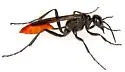
Identification: Male abdomen: first segment red with a black dorsal stripe, second and third segments red, rest of abdomen black with a dark blueish tint. Female abdomen: all red
Podium rufipes
Podium rufipes
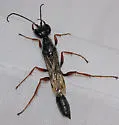
Identification: Head, thorax, and abdomen black with bluish reflections; apical three-fourths (or less) of femora, tibiae, and tarsi reddish; wings clear except for clouding of second submarginal cell; erect white hair of head and thorax. ; in the we
Podoschistus vittifrons
Podoschistus vittifrons
"Species of Podoschistus and Neoxorides are parasitoids of wood-boring beetles of the families Cerambycidae, Buprestidae and (less commonly) Curculionidae in both conifers and broad-leafed trees (Townes & Townes, 1960)." -- Gauld and Wahl
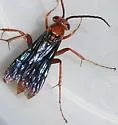
Poecilopompilus algidus
Poecilopompilus algidus
Identification: This wasp is in the subfamily Pompilinae, tribe Pompilini and therefore possesses the following characters: They are separated from other Pompiline genera by the following: They are separated from the similar P. interruptus ) by the f
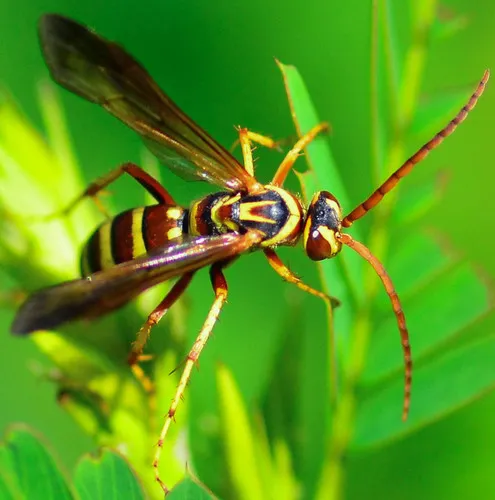
Poecilopompilus interruptus
Poecilopompilus interruptus
Identification: This species may be separated from others within its genus by the following combination: eyes not strongly convergent above, forelegs of the female with dentate claws, clypeus of the male with the lower margin truncate (not rounded),
Poecilopompilus mixtus
Poecilopompilus mixtus
Identification: Differs from P. interruptus in having a pair of (more or less expanded) longitudinal yellow stripes on the propodeum. In P. interruptus , there is only one transverse posterior yellow stripe. An additional character of diagnostic valu
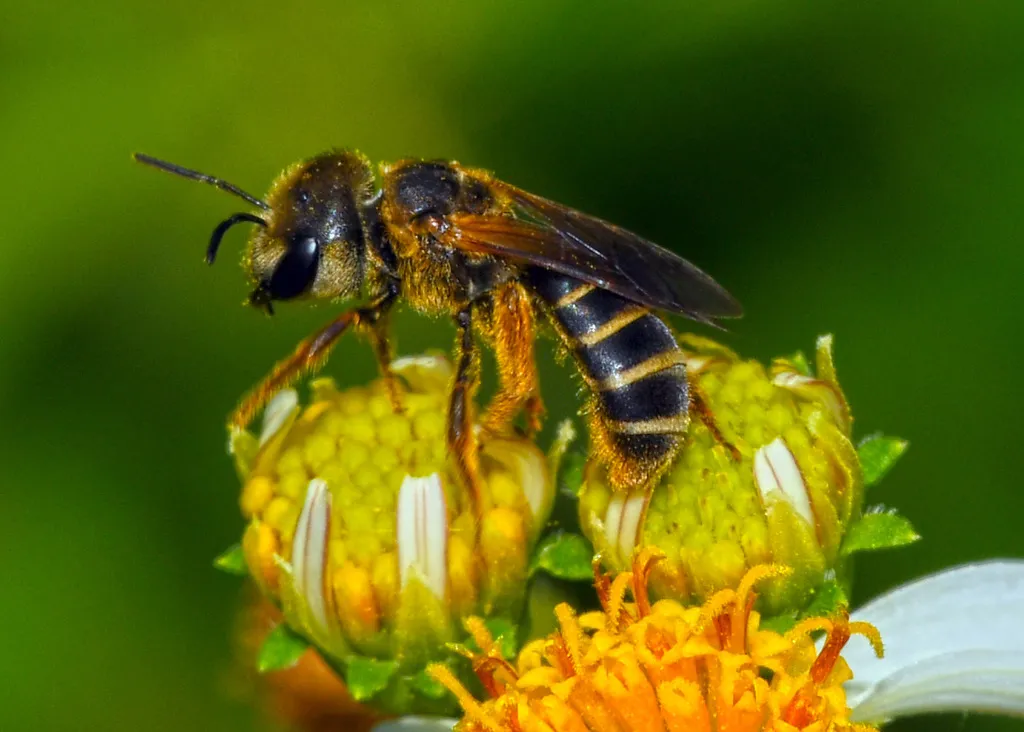
Poey's Furrow Bee
Halictus poeyi
Identification: Well-defined basal hair bands, relatively broad apical hair bands; apparently robust head of female with a genal tooth; male antennae pale below; tegula pale. Best separated from H. ligatus based on range OR DNA sequence data in areas
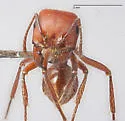
Pogonomyrmex apache
Pogonomyrmex apache
Identification: Excised clypeus is distinctive One of the least aggressive Pogonomyrmex.
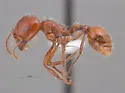
Pogonomyrmex bigbendensis
Pogonomyrmex bigbendensis
Identification: Anterior margin of clypeus weakly concave (nearly straight); rugae on dorsum of head very fine, parts of surface smooth and glossy Type nest series (workers only) from Rio Grande Village (565 m), Big Bend National Park, Brewster Co.,
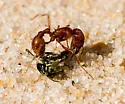
Pogonomyrmex comanche
Pogonomyrmex comanche
Type Locality: Milano, Milam Co., Texas considered by Louisiana and Texas to be a "Species of Greatest Conservation Need" (SGCN)
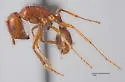
Pogonomyrmex hoelldobleri
Pogonomyrmex hoelldobleri
Identification: Lack of circumocular whorls, especially above the eye. A small Pogonomyrmex , similar to magnacanthus and mohavensis . Many old specimens of hoelldobleri were misidentified as magnacanthus .
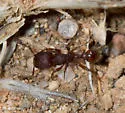
Pogonomyrmex pima
Pogonomyrmex pima
Identification: Similar to P. imberbiculus but without a strongly forwards protruding clypeal flange (right below the antennal insertions).
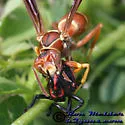
Polistes bellicosus
Polistes bellicosus
Identification: Variation: "Individuals with spotted tergum 2 (and sometimes following) are fairly common at the western edge of the range in central and southcentral Texas." ( 3 ) "Their range apparently does not overlap with red forms of aurifer bu
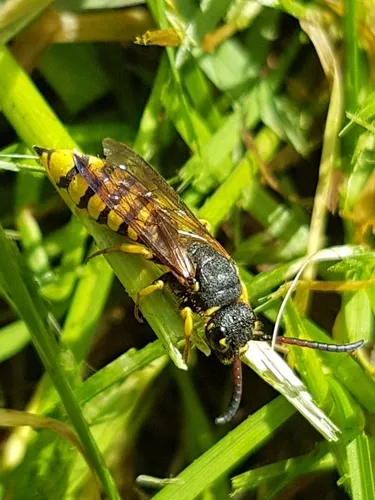
Polochrum elegans
Polochrum elegans
Identification: Males - Antennae with distinct ventral carina Females - Sternite 6 with a distinct ventral carina
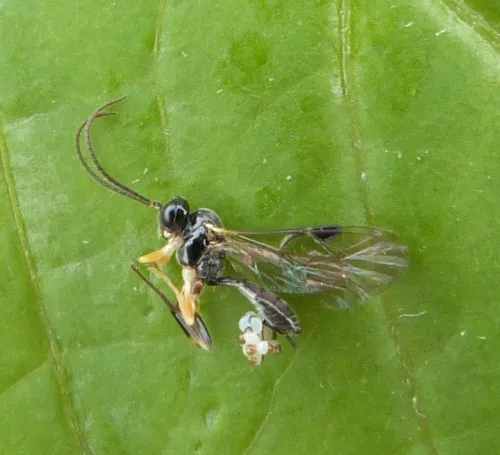
Polyblastus wahlbergi
Polyblastus wahlbergi
Forewing length about 7 mm. The thorax and body of this species is dark blackish, but the legs show quite a lot of yellow. The wings have a dark stigma. Various habitats including hedgerows and well wooded areas. May to October and may be attracted t
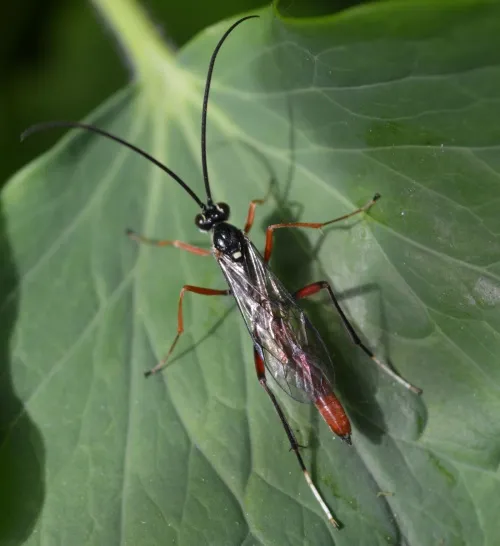
Polytribax perspicillator
Polytribax perspicillator
Although this wasp is largely red and black the extent of the white on the rear legs is important in determining the species. No additional images available for this species.
Poneracantha triangularis
Poneracantha triangularis
Identification: Propodeal teeth diagnostic for this species. Larger (5 vs. 4mm), darker in color and has slightly coarser longitudinal grooves than G. hartmanni. Formerly Gnamptogenys triangularis -- moved to Poneracantha by Camacho et al., 2022.
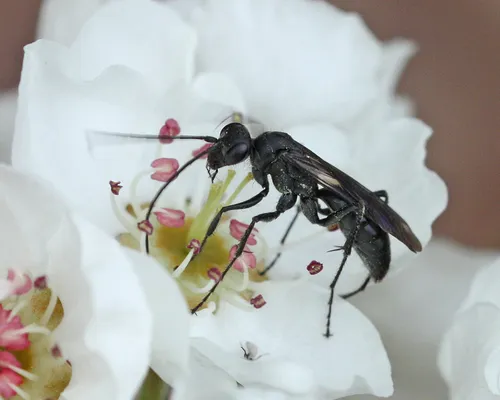
Priocnemis minorata
Priocnemis minorata
Identification: Prominent teeth on dorsal edge of hind tibiae.
Priocnessus nuperus
Priocnessus nuperus
Identification: Females have a row of teeth on the dorsal side of hind tibiae. ♀ ♂
Prionyx atratus
Prionyx atratus
Identification: Female: Wings dark brown/purple; Clypus with gold/silver appressed hairs; Clypus erect hairs black; scutum dull, shagreened; scutellum dull. Male: Same as above plus - Abdomen black; Scutellum dull; Antennal segment 6 with flat area e
Prionyx canadensis
Prionyx canadensis
Identification: Female with thorax mostly glabrous as opposed to the silvery pubescence of P. parkeri and P. thomae .
Prionyx fervens
Prionyx fervens
Identification: Large size, lack of silvery markings on thorax and head plus dark, violaceous wings separates this species easily from all others. Females of this species are *very* large.
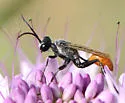
Prionyx thomae
Prionyx thomae
Identification: Female with maxillary palp longer than labial palp, which may be obsolescent. Silvery band of pubescence on the mesopleuron; less silvery in the similar P. parkeri and P. thomae :
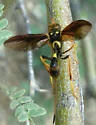
Pristaulacus auricomus
Pristaulacus auricomus
Identification: Species diagnosis by David Smith: "Head and body with golden pubescence, with black and yellow pattern. Wings with anterior half dark brown, posterior half paler to hyaline. Head shining. Mesonotum with transverse carinae. Hind coxa s
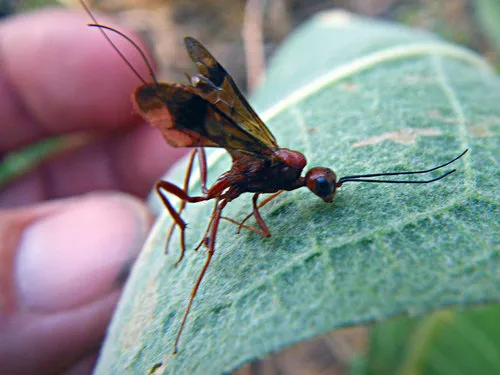
Pristaulacus foxleei
Pristaulacus foxleei
Identification: Similar in color to some other western species (esp. P. occidentalis & P. melleus ), but has a small black, triangular spot on the upper inner margin of each eye.
Pristaulacus melleus
Pristaulacus melleus
Identification: Note the long ovipositor, ca. 2x forewing length, and all orange color (Comment by Dave Smith)
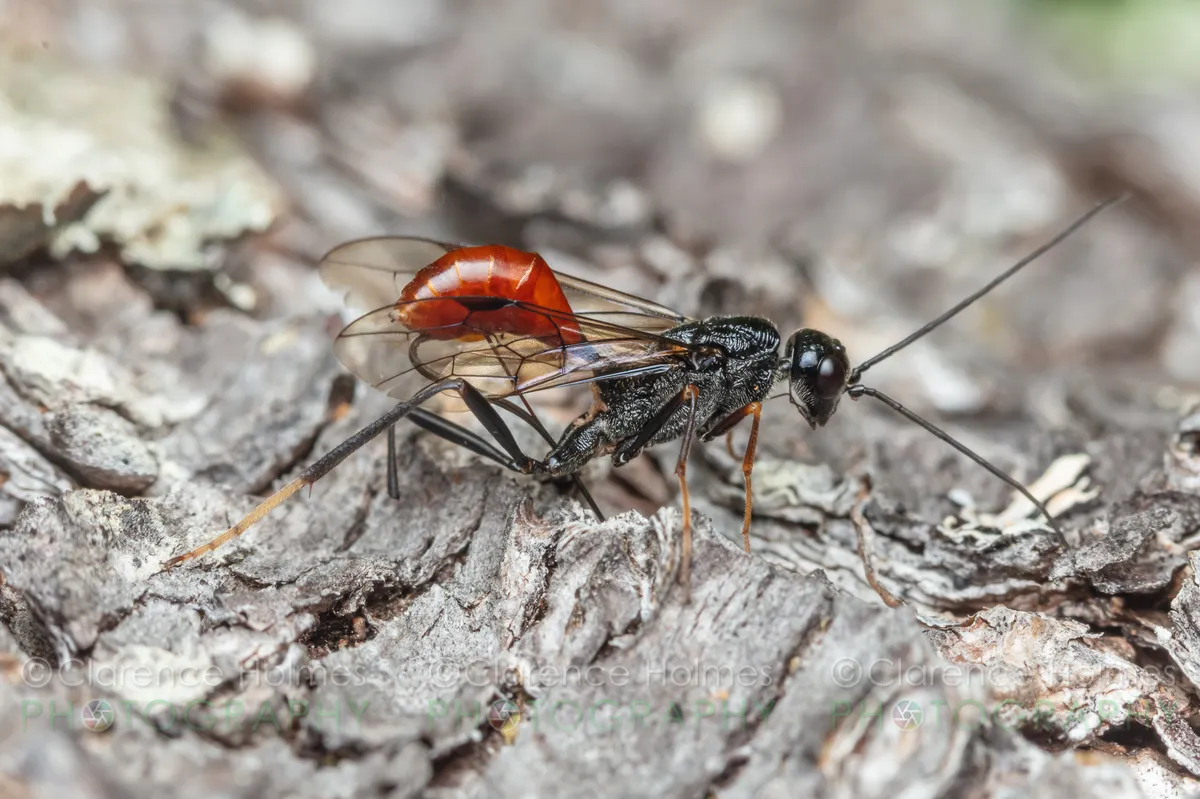
Pristaulacus rufitarsis
Pristaulacus rufitarsis
Parasitizes the Hemlock borer ( Phaenops fulvoguttata ) and the poplar borer ( Saperda calcarata Phaenops fulvoguttata Saperda calcarata
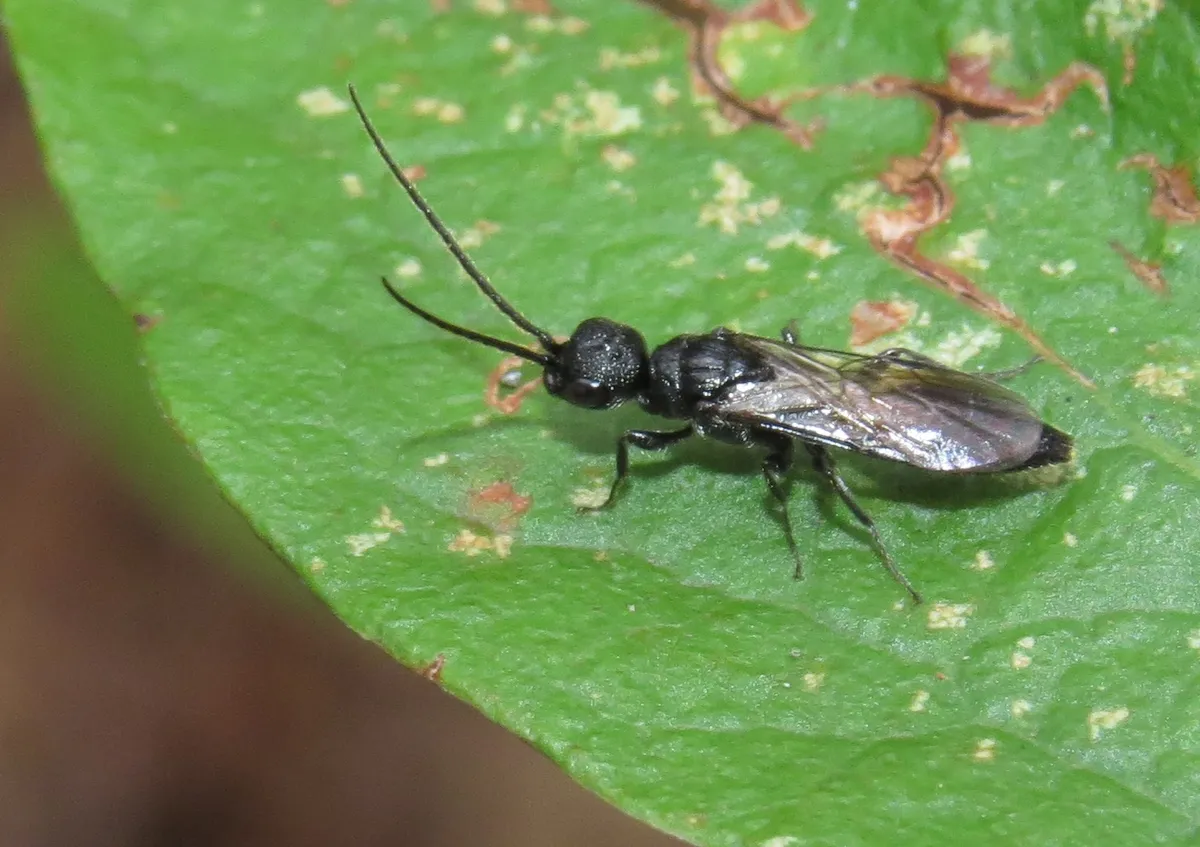
Pristepyris armiferus
Pristepyris armiferus
Most common and widely distributed North American Pristepyris .
Pristepyris ater
Pristepyris ater
Identification: Mandibles appearing rather straight, with teeth arranged distinctly in an oblique row ; at least the basal segments of the antennae appearing subserrate when viewed laterally ; aedaegus distinctly shaped, with boot-like apical dorsal