
Family Braconid Wasps (Braconidae)
Braconidae is a family in the order Hymenoptera. Browse 123 named species recorded in this family, or open an individual profile for its available identification and natural-history information.
Species in Braconidae (123)
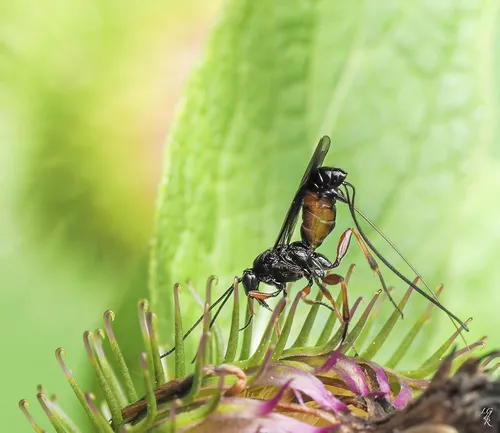
Agathis malvacearum
Agathis malvacearum
This species and its host are both native to Europe and were presumably introduced along with the moth's host plant, common burdock ( Arctium minus ).
Aleiodes burrus
Aleiodes burrus
Identification: Females with soma generally completely orange; antennae orangish brown basally, brown to black apically. Males similar, but usually with mesosoma entirely or mostly black. Relatively common in the Nearctic within its range.
Granular Mummy Wasp
Aleiodes granulatus
Identification: At least head, pronotum and mesonotum black, mesosoma sometimes entirely black, mesopleuron and propodeum sometimes orange, antenna and mouthparts yellow. Metasoma with top of first segment orange, black, or bicolored (black basally,
Aleiodes graphicus
Aleiodes graphicus
Identification: Superficially similar to A. politiceps . Wings black, body orange apart from dark mark around ocelli and the legs apically (more extensive than in A. politiceps ). Hind wing with RS vein strongly arched and sinuate. Collection in the
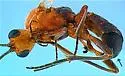
Aleiodes kisomm
Aleiodes kisomm
Identification: This species belongs within a sibling species-group of similarly colored species with deep, well developed carapaces (4th metasomal tergites) and small ocelli. A. kisomm can be distinguished from the others by its combination of rugoc
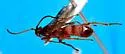
Aleiodes medicinebowensis
Aleiodes medicinebowensis
Similar to Aleiodes burrus ; can be distinguished by shorter antennae and black labial palps.
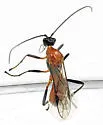
Aleiodes molestus
Aleiodes molestus
It parasitizes several pests among other caterpillars. Know caterpillar hosts are generalist feeders on low vegetation.
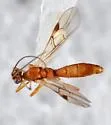
Appleworm Mummy Wasp
Aleiodes nolophanae
Similar to Aleiodes laphygmae . Differs from that species in 39-45 antennal segments, as opposed to 35-39 in A. laphygmae ; females are larger (5-6 mm rather than 4-5 mm in A. laphygmae ); radial cell and basal portion of stigma forming a smaller ang
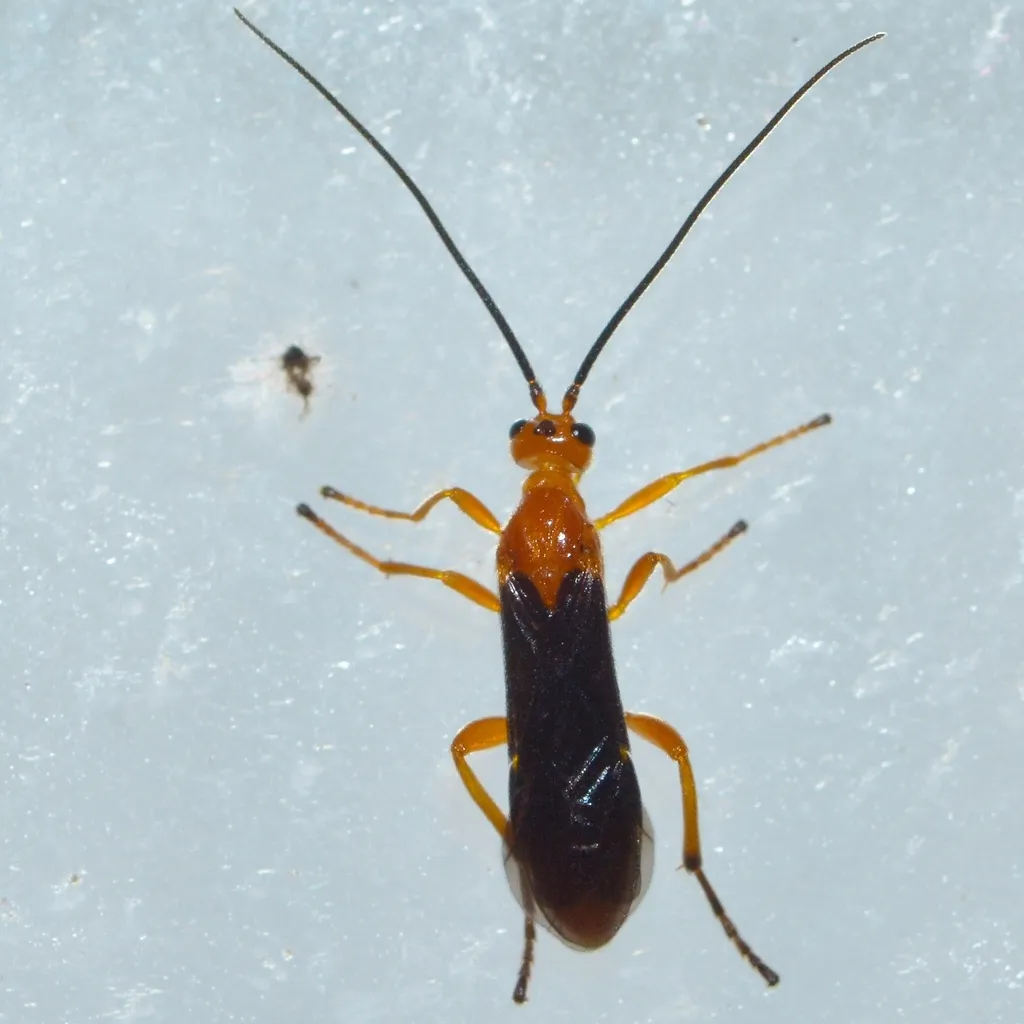
Smooth-headed Mummy Wasp
Aleiodes politiceps
Identification: Color pattern very distinctive: orange with black wings, the legs with black at the ends, a diagnostic pattern for this species. The color is brighter in the living specimens, but the pattern is the same as museum specimens. It is one
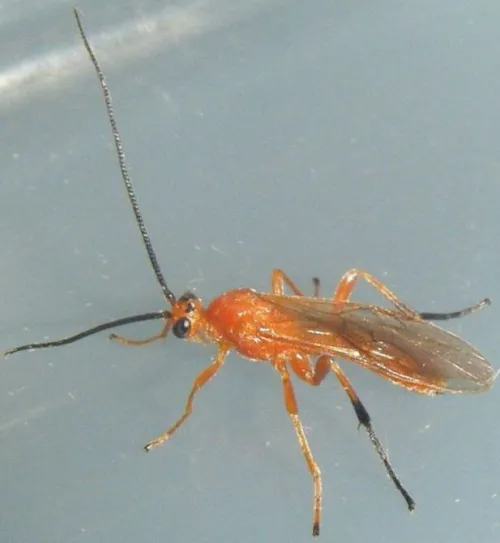
Aleiodes praetor
Aleiodes praetor
A largely orange species with long antennae and dark end to the rear tibia. Mainly seen when attracted to light traps used by moth recorders. A parasitoid of Poplar Hawk-moths, Lime Hawk-moths and possibly Eyed Hawk-moths. Turns up occasionally in th
False Terminal Mummy Wasp
Aleiodes pseudoterminalis
Identification: Very similar to A. terminalis . Differs in having T2 black (rarely entirely red) and the apices of the fore- and mid-femora black.
Quebec Mummy Wasp
Aleiodes quebecensis
Identification: Body mostly honey-yellow or light brown Antenna black in basal half, light yellow or white medially, and often black apically hind tarsal segments bright yellow-white or white 45-55 short antennal segments Ocelli large, much larger th
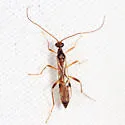
Saint Hyacinth Mummy Wasp
Aleiodes sanctihyacinthi
Identification: Body orange and black, eye posteriorly margined with orange, 46-48 antennal segments, top of head with rough sculpturing , fourth metasomal tergite with fine granular sculpture.
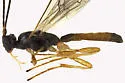
Aleiodes scrutator
Aleiodes scrutator
This is a species whose definition is still undergoing work. It is possible that some specimens that fall under the current species description are in fact members of various more or less closely related species, yet undescribed, in the Aleiodes cir
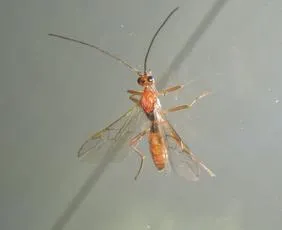
Aleiodes similis
Aleiodes similis
This small insect has orangey red thorax, abdomen and legs, with a darker band around the 'waist' area. There is also a yellowy orange wing stigma. Various habitats in search of host species. Parasitic on various moths. The first generation on low fe
Stigmata Mummy Wasp
Aleiodes stigmator
Identification: Body mostly honey-yellow except metanotum and propodeum brown to black. Metasoma sometimes with first tergite dark brown- black. Can be distinguished from similar species by strongly pectinate tarsal claws, with teeth located along
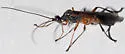
Terminal Mummy Wasp
Aleiodes terminalis
Identification: Body 2-colored, orange and black. T1-2 orange with following segments black. Ocelli small, distance between eye and lateral ocellus about equal to ocellus width. Hind tibia black with light yellowish-white band on basal third. Hind ta
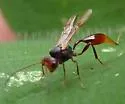
Aridelus nigrithorax
Aridelus nigrithorax
Identification: Black thorax is diagnostic for the species. (Scott Shaw, pers. comm.)
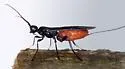
Atanycolus cappaerti
Atanycolus cappaerti
Identification: Head and thorax jet black, abdomen bright red with a pink venter. The related, non-native A. hicoriae has very similar coloration (though with the venter of the metasoma yellow to yellowish red). A. cappaerti also has several of the a
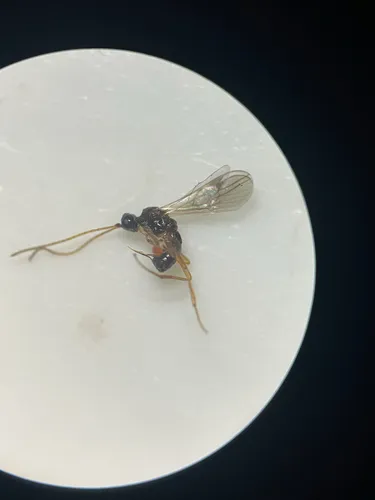
Blacus chillcotti
Blacus chillcotti
Identification: Keys to the genus in van Achterberg and .
Charmon cruentatus
Charmon cruentatus
Identification: Notauli complete, ovipositor shorter (less than 1.2x forewing), pterostigma and apex of hind tibia yellowish, body dark reddish brown usually with thorax conspicuously reddish (variable)
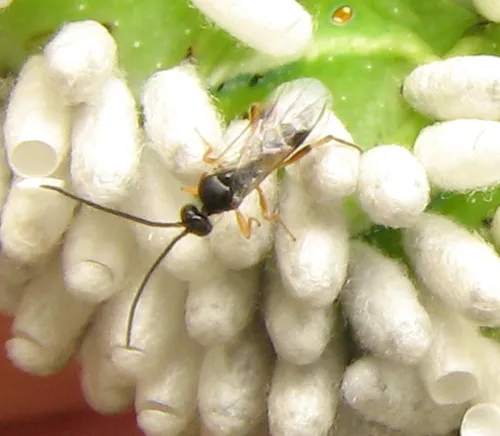
Hornworm Parasitoid Wasp
Cotesia congregata
The most significant parasitoid of the tobacco hornworm, Manduca sexta "Our field studies are beginning to show that these Cotesia species are highly host-specific, and that some similar-looking species that attack related hosts may actually be genet
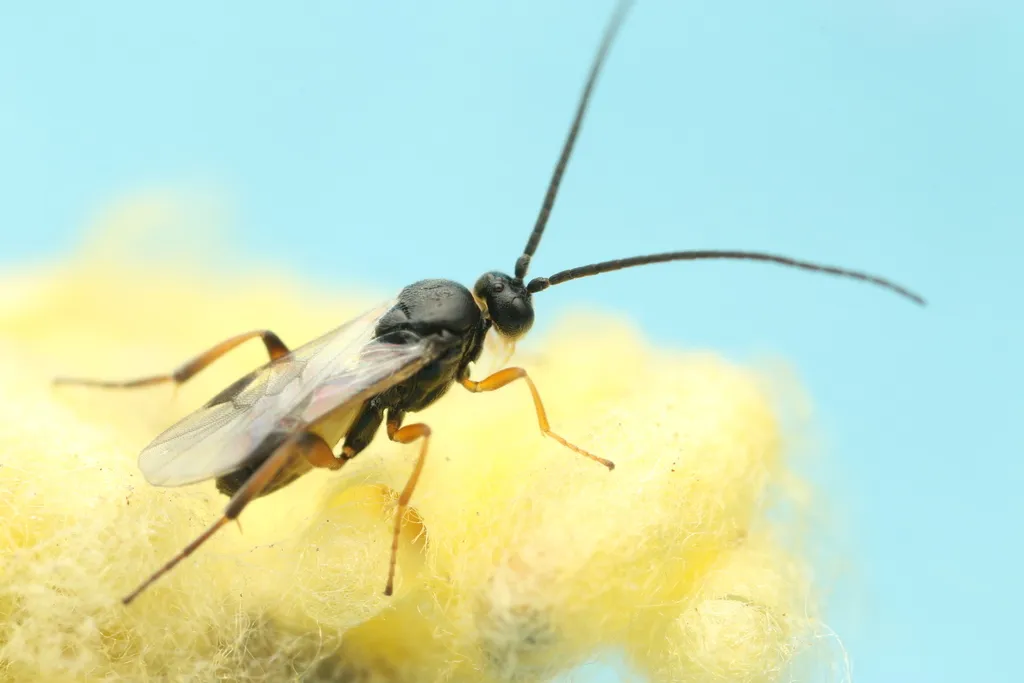
Cabbage White Parasitoid Wasp
Cotesia glomerata
It is most attracted to caterpillar-damaged plants, followed by host larvae and their frass with no plant present, demonstrating the importance of volatiles in parasitoid foraging.
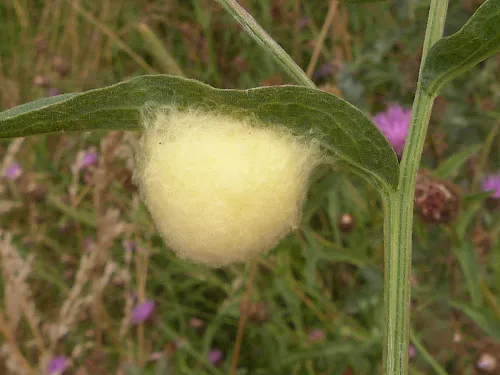
Cotesia ofella
Cotesia ofella
This is a small parasitoid wasp with a fascinating lifestyle. The Cotesia ofella female oviposits into a lepidopteran larva, which acts as host for the developing wasp larvae. The erupting parasitoid wasp larvae then cooperate in spinning a communal
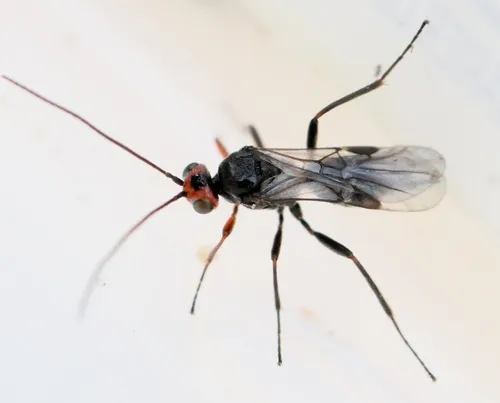
Dinocampus coccinellae
Dinocampus coccinellae
A tiny parthenogenetic wasp which is an endoparasitoid of adult ladybird beetles. The adult wasp is rarely seen but investigation of non-moving ladybirds will sometimes reveal a cocoon of this wasp beneath. Wherever its host ladybird species are to b
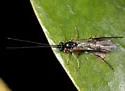
Earinus limitaris
Earinus limitaris
The newly valid species, E. austinbakeri Sharkey 2022, E. erythropoda Cameron, 1887 stat. rev. , and E. walleyi Sharkey 2022 are essentially identical in coloration and will run to E. limitaris in older keys. Dr. Michael Sharkey notes additional unde
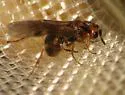
Habrobracon hebetor
Habrobracon hebetor
After stinging a caterpillar the wasp sucks on the emerging juices before ovipositing. Four to seven wasps emerge in about ten days. Adults live about a month under favorable laboratory conditions. (See print references.)
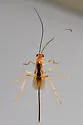
Hymenochaonia delicata
Hymenochaonia delicata
Identification: Excerpt copied verbatim: "♂♀ Slender, pale honey-yellow; spot enclosed by ocelli, and tips of mandibles blackish; eyes prominent, black; antennae longer than body, very, slender, curled at tips, base more or less dusky, incisures of j
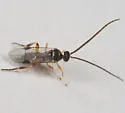
Hypomicrogaster zonaria
Hypomicrogaster zonaria
According to Jim Whitfield this is probably a complex of several cryptic species with narrower host ranges.
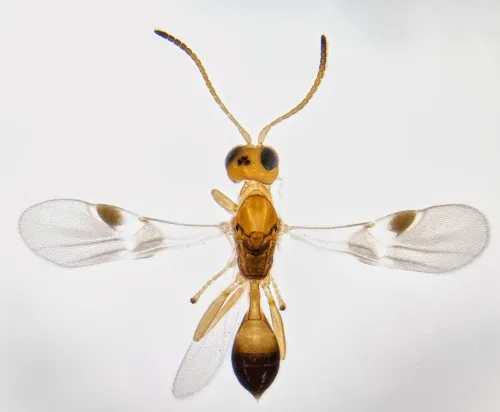
Leiophron apicalis
Leiophron apicalis
Length 3-4mm. Forewing basal cell setose, head dorsally behind ocelli not or very weakly striated, body colour light yellow. Unless identified by a recognised expert, photos are required and the specimen should be examined with a microscope. In the c
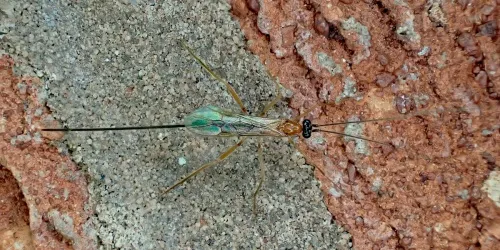
Macrocentrus bicolor
Macrocentrus bicolor
Good quality photograph needed. The specimen should be retained until the identification has been confirmed. True status in Britain is difficult to determine due to lack of records. No additional images available for this species.
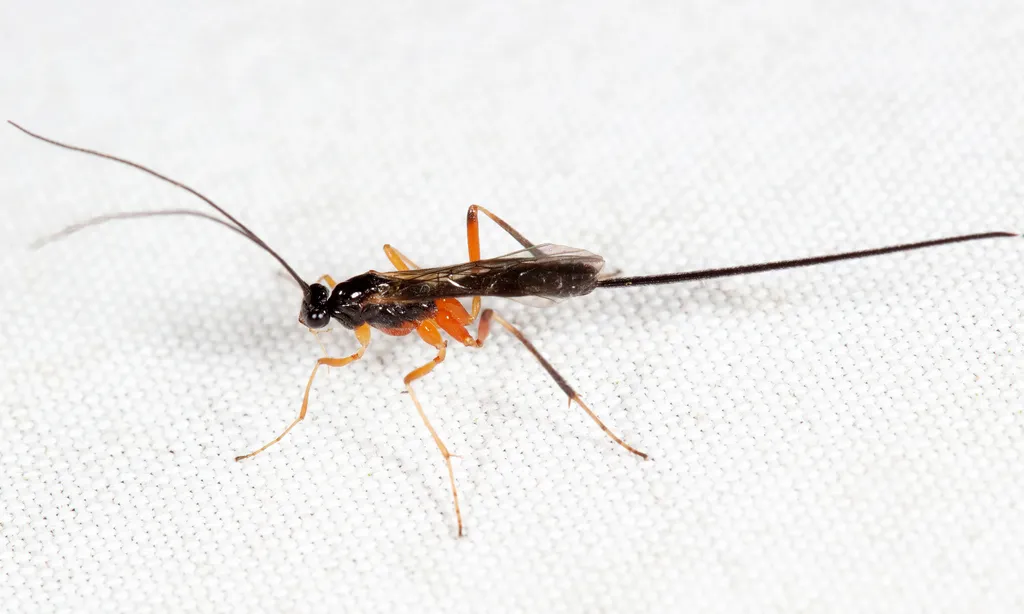
Macrocentrus marginator
Macrocentrus marginator
Identification: Maxillary palpi conspicuously longer than height of head; scutellum longer (over half median length of propodeum); stigma dark; head, thorax, and abdomen black; hind tibiae black with a pale base. ( 3 ) Female Male
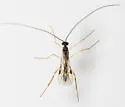
Macrocentrus nigridorsis
Macrocentrus nigridorsis
Identification: Maxillary palpi conspicuously longer than height of head; scutellum shorter (less than half median length of propodeum); ovipositor sheaths longer than body; scapes pale yellow; head and thorax black; abdomen with tergites entirely bl
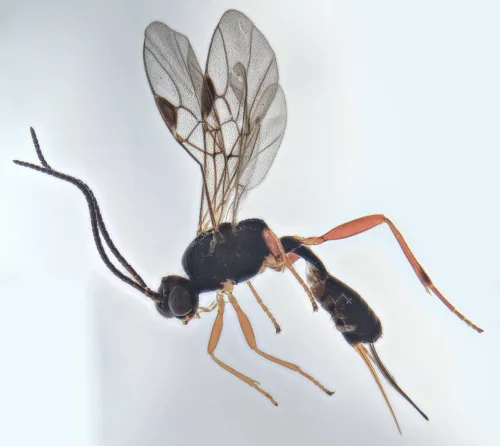
Orionis coxator
Orionis coxator
Face black; ovipositor sheath 1.4–1.6X length of the first tergite; hind coxa dorsally with some curved striae. Unless identified by a recognised expert, a photo is required and the specimen should be examined with a microscope. In the comments box,
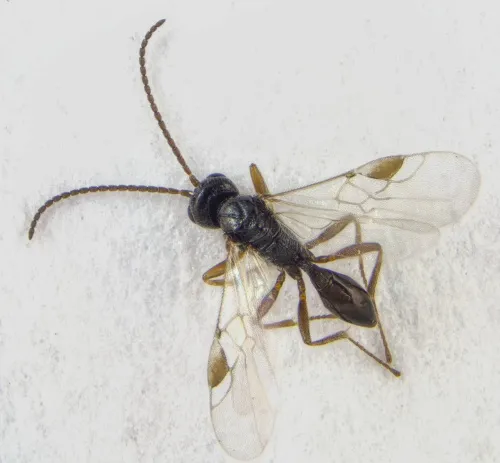
Peristenus picipes
Peristenus picipes
A small parasitoid wasp. Frons (area between antennal insertions and ocelli) shiny, c.f. P. stygicus frons with dense puncturing. Unless identified by a recognised expert, photos are required showing the key features. If keyed describe how it was ide
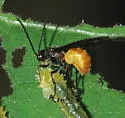
Proterops abdominalis
Proterops abdominalis
Identification: Of eastern species, distinguished from P. proteroptoides by the entirely black head and thorax.
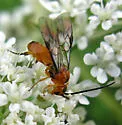
Proterops proteroptoides
Proterops proteroptoides
Identification: Of eastern species, distinguished from P. abdominalis by the yellow-orange head and thorax with few, albeit large, black spots including on the vertex, scutellum, pleurae, and most of the propodeum (minus a Ʌ-shaped mark). Males may h
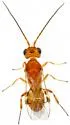
Pseudophanerotoma thapsina
Pseudophanerotoma thapsina
Identification: Pseudophanerotoma ID: Forewing RS reaching hind margin; occipital carina complete; head and thorax with fine punctation; two sutures on the abdomen; antennae with more than 23 antennomeres (21 flagellomeres + pedicel & scape). P. thap
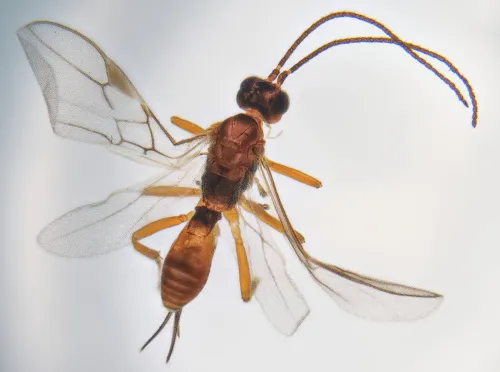
Pygostolus falcatus
Pygostolus falcatus
The genus can be recognized at once by the felty setose and flattened mesosternum of females and the distinctive shape of the first metasomal tergite. Antennal segments 30. Female mesosternum, propodeum and metasoma dark, forewing pterostigma infusca
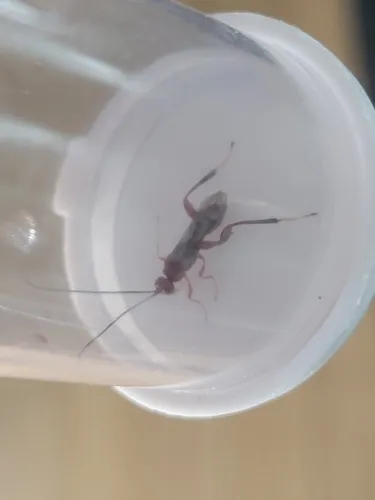
Wroughtonia ferruginea
Wroughtonia ferruginea
Identification: Body entirely ferruginous, antennae dark with white annulus, hind tibiae with "tips" dark.
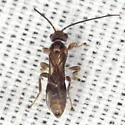
Yelicones pilops
Yelicones pilops
Identification: Wings uniformly but lightly infuscated with dark veins, body with complex pattern of dark brown and ivory
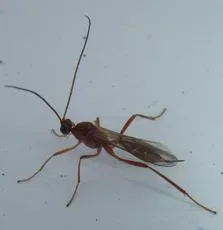
Zele deceptor
Zele deceptor
The head and abdomen of this insect are orangey red and the wing has a yellowish stigma. Unless identified by a recognised expert, a photo is required and the specimen should be examined with a microscope. In the comments box, state the key or ID met
Acanthocaudus caudacanthus
Acanthocaudus caudacanthus
Adelius coloradensis
Adelius coloradensis
Adelius floridensis
Adelius floridensis
Aerophilus nigripes
Aerophilus nigripes
Agathirsia nigricauda
Agathirsia nigricauda
Agathirsia testacea
Agathirsia testacea
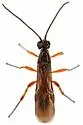
Agathis longipalpus
Agathis longipalpus
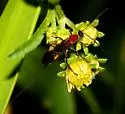
Alabagrus stigma
Alabagrus stigma
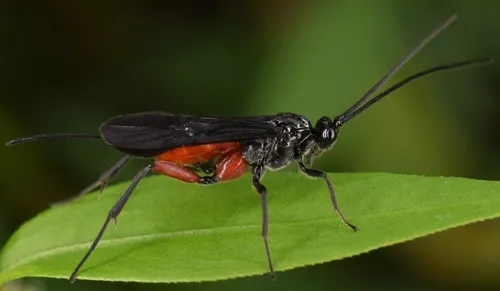
Alabagrus texanus
Alabagrus texanus
Aleiodes accohannocki
Aleiodes accohannocki
Aleiodes aciculatus
Aleiodes aciculatus
Aleiodes femoratus
Aleiodes femoratus
Aleiodes harrimani
Aleiodes harrimani
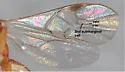
Armyworm Mummy Wasp
Aleiodes laphygmae
Tent Caterpillar Mummy Wasp
Aleiodes malacosomatos
Aleiodes parasiticus
Aleiodes parasiticus
Smith's Banded Mummy Wasp
Aleiodes smithi
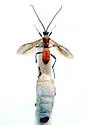
Aleiodes texanus
Aleiodes texanus
Apanteles diacrisiae
Apanteles diacrisiae
Apanteles megathymi
Apanteles megathymi
Aphaereta pallipes
Aphaereta pallipes
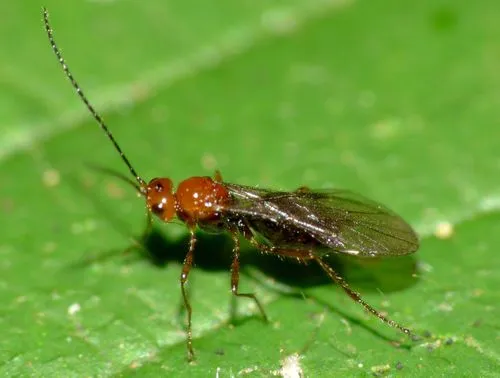
Asobara antipoda
Asobara antipoda
Atanycolus longicauda
Atanycolus longicauda
Blacus caduceus
Blacus caduceus
Blacus ruficornis
Blacus ruficornis
Boreogalba gladifer
Boreogalba gladifer
Bracon mellitor 0
Bracon mellitor
Charmon extensor
Charmon extensor
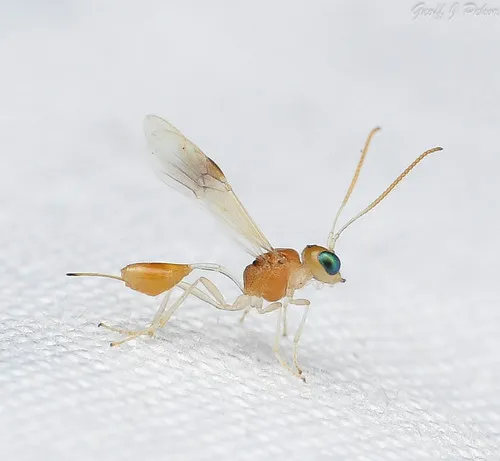
Chrysopophthorus americanus
Chrysopophthorus americanus
Compsobracon magnificus
Compsobracon magnificus
Cotesia electrae
Cotesia electrae
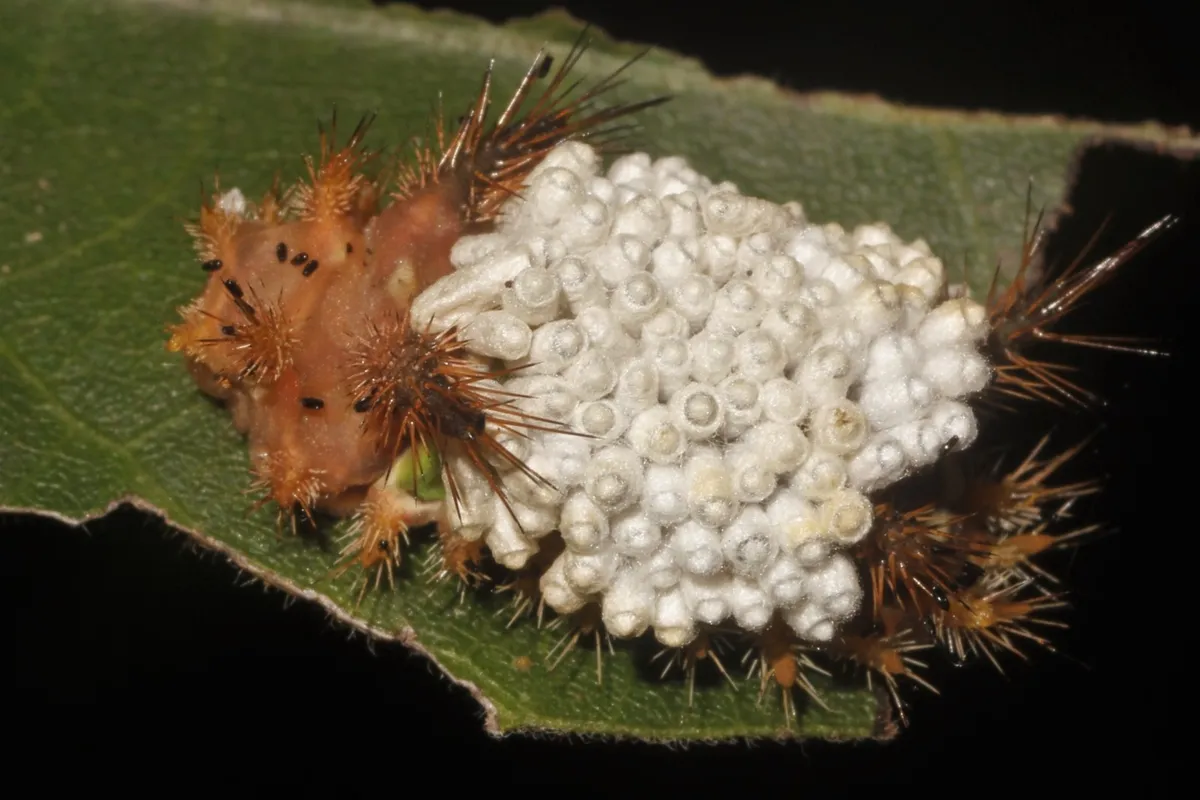
Cotesia empretiae
Cotesia empretiae
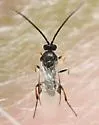
Cotesia flaviconchae
Cotesia flaviconchae
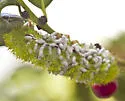
Cotesia hemileucae
Cotesia hemileucae
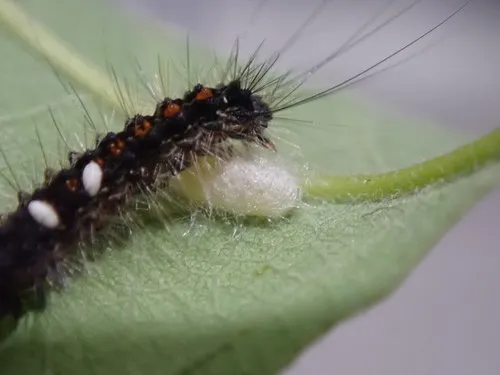
Cotesia melanoscela
Cotesia melanoscela
Cotesia orobenae
Cotesia orobenae
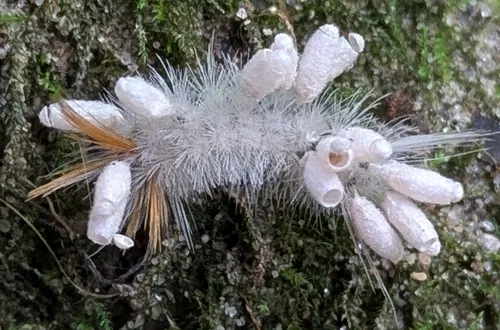
Cotesia phobetri
Cotesia phobetri
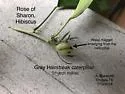
Cotesia theclae
Cotesia theclae
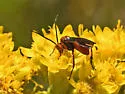
Crassomicrodus clypealis
Crassomicrodus clypealis
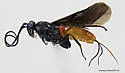
Cremnops ashmeadi
Cremnops ashmeadi
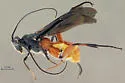
Cremnops comstocki
Cremnops comstocki
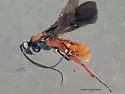
Cremnops crassifemur
Cremnops crassifemur
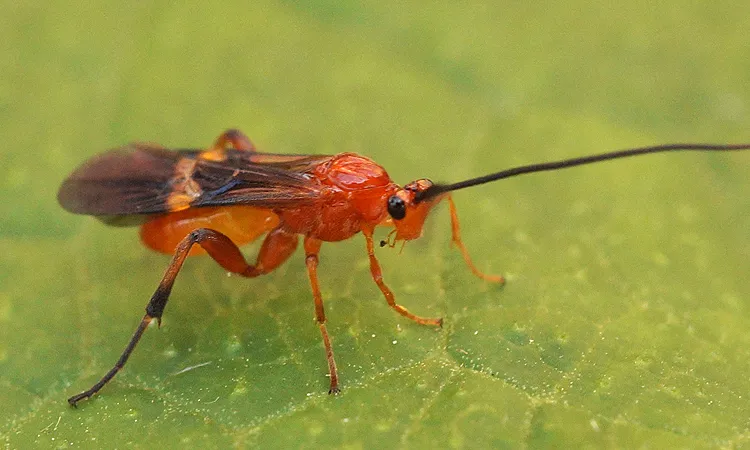
Cremnops desertor
Cremnops desertor
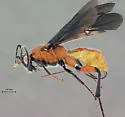
Cremnops haematodes
Cremnops haematodes
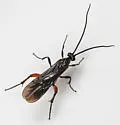
Cremnops montrealensis
Cremnops montrealensis
Elasmosoma michaeli
Elasmosoma michaeli
Elasmosoma schwarzi
Elasmosoma schwarzi
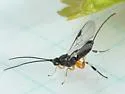
"Bassus" annulipes
Genus-novum annulipes
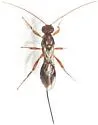
Glyptocolastes texanus
Glyptocolastes texanus
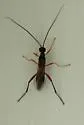
Helcon pedalis
Helcon pedalis
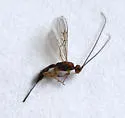
Heterospilus eurostae
Heterospilus eurostae
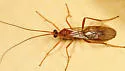
Homolobus infumator
Homolobus infumator
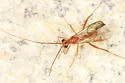
Homolobus truncator
Homolobus truncator
Hoplitalysia slossonae
Hoplitalysia slossonae
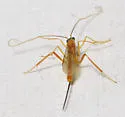
Hymenochaonia nupera
Hymenochaonia nupera
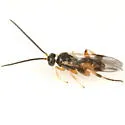
Hypomicrogaster ecdytolophae
Hypomicrogaster ecdytolophae
Leluthia astigma
Leluthia astigma
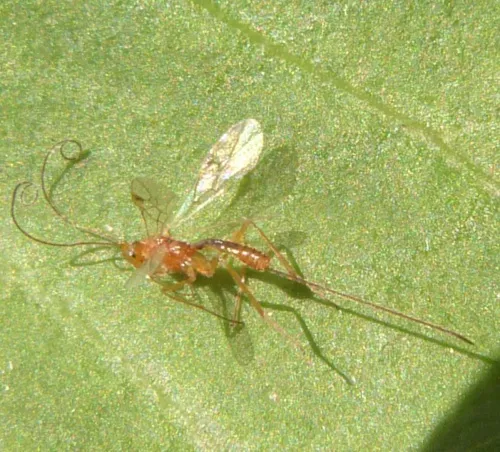
Macrocentrus linearis
Macrocentrus linearis