
Family Conifer Sawflies (Diprionidae)
Diprionidae is a family in the order Hymenoptera. Browse 30 named species recorded in this family, or open an individual profile for its available identification and natural-history information.
Species in Diprionidae (30)
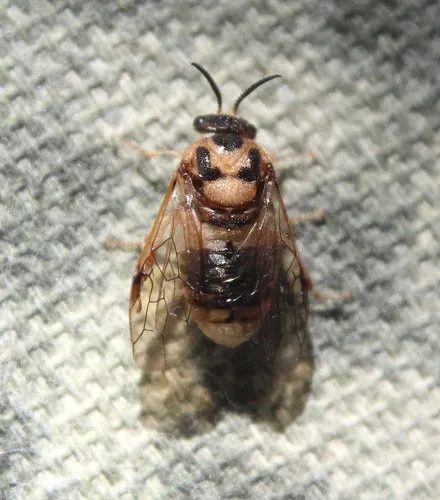
Introduced Pine Sawfly
Diprion similis
First reported in our area: CT 1914 Although a serious pest at times, it normally stunts rather than kills its hosts. It can be a more serious problem with young trees and in cases such as Christmas trees where appearance is important. It has natural
Abbot's Sawfly
Neodiprion abbotii
Identification: Full-grown larvae have a brown to black head with a light spot on the frons and the thorax. Abdomens are pale green with 4 dark green to black lateral stripes.
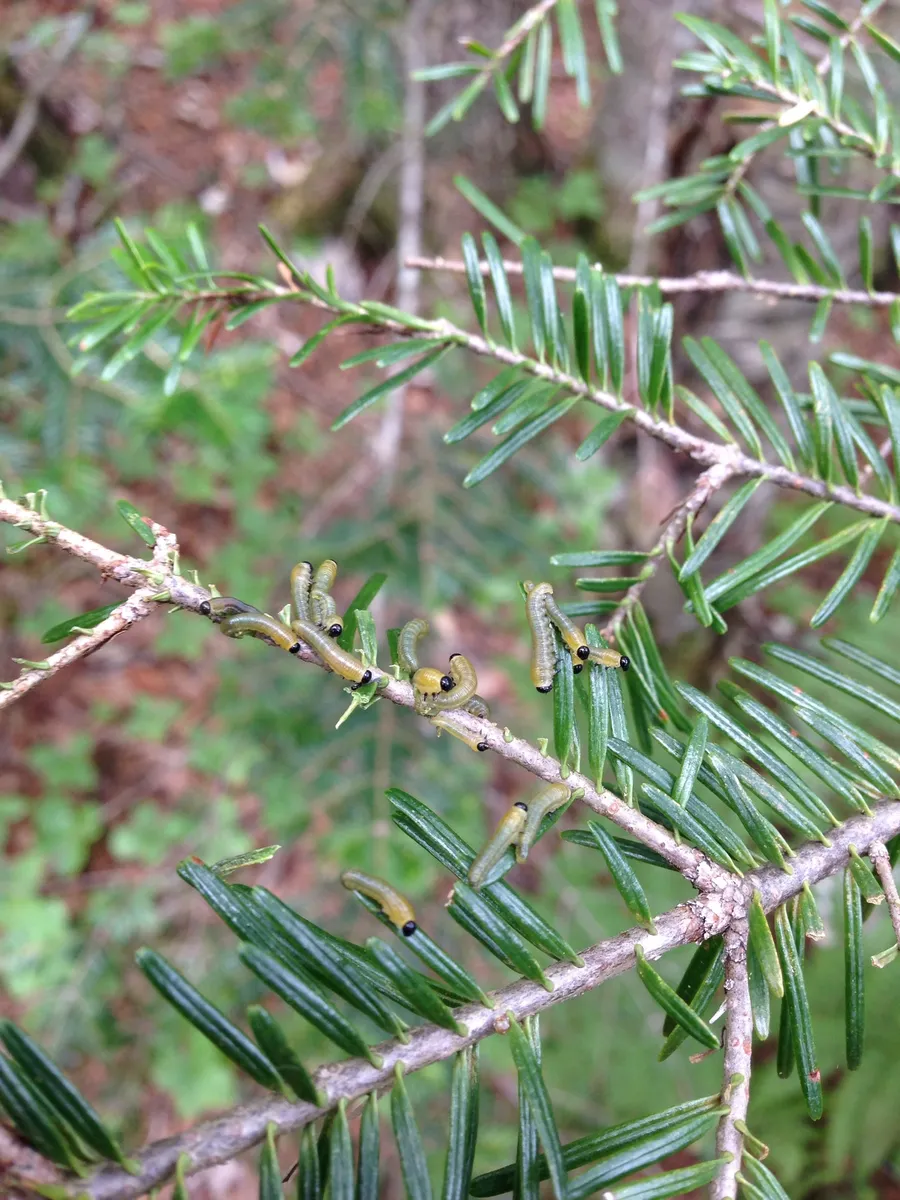
Balsam Fir Sawfly
Neodiprion abietis
Identification: Full-grown larvae are dark green, about 18-25mm long. The head is black and the body is marked with 6 longitudinal dark stripes or bands on the back, the lowest one may be broken up with small dots or spots. The introduced parasite, D
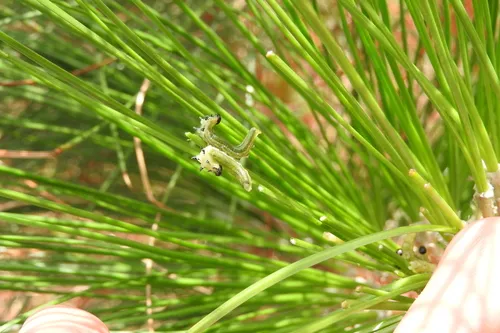
Neodiprion compar
Neodiprion compar
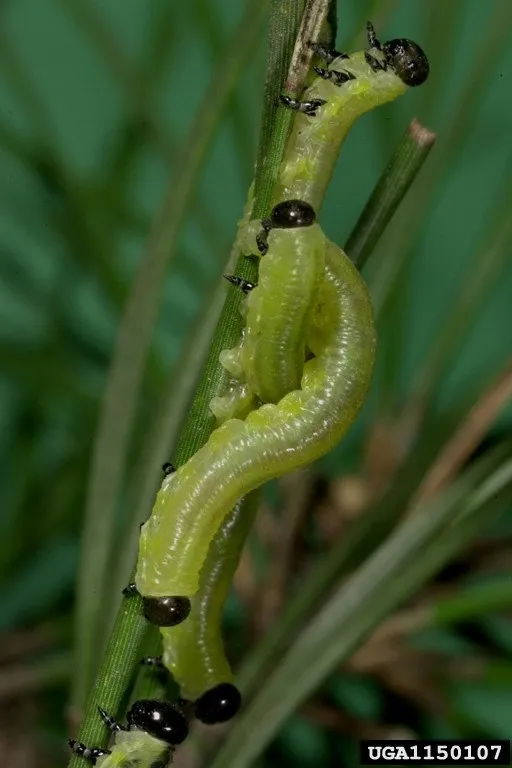
Identification: "Mask and dot on head capsule" -- comment by user clinnen
Black-headed Pine Sawfly
Neodiprion excitans
Egg laying begins in March with eggs inserted in slits cut near the base of needles. Needles closest to the tips of exposed shoots are chosen during spring and fall, whereas needles on shaded shoots are chosen during hot weather. Newly-hatched larvae
Red-headed Pine Sawfly
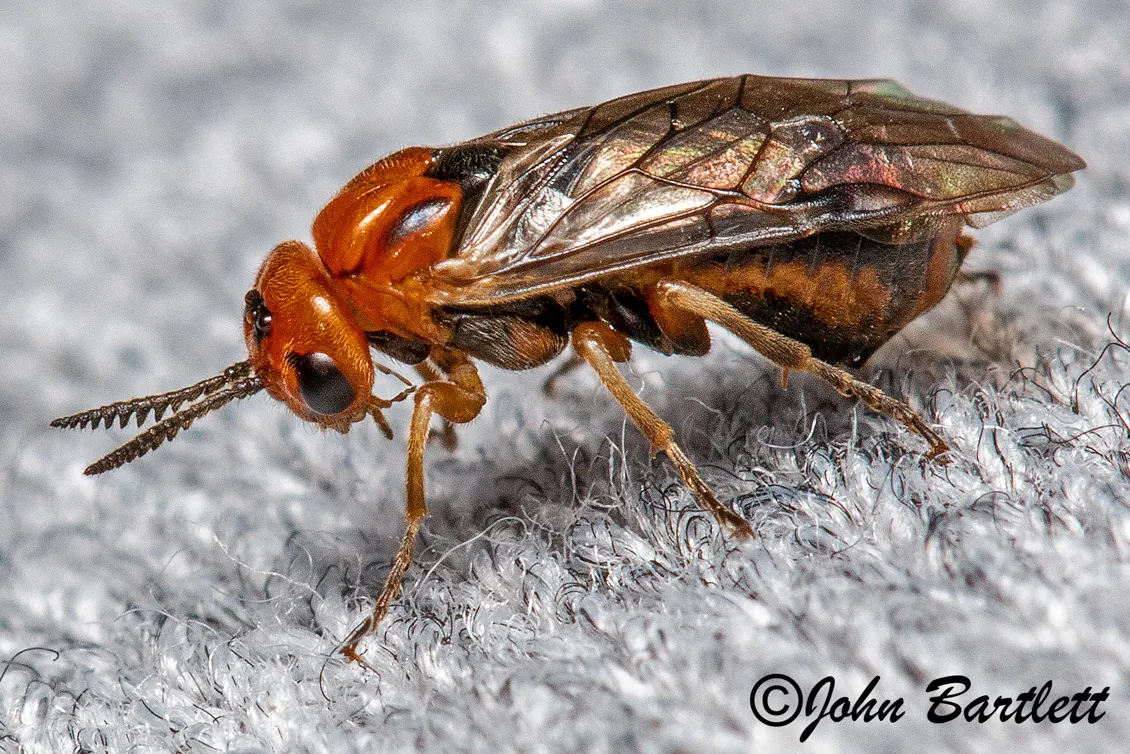
Neodiprion lecontei
Identification: Det. Tony DeSantis, 2013 Closterocerus cinctipennis is a parasite of eggs. Spathimeigenia aurifrons parasitizes larvae. Dahlbominus fuscipennis , a European parasite, as been found in infested stands in TN, ALA, NY, MICH.
Neodiprion nanulus
Neodiprion nanulus
Identification: Full-grown larvae are dull grayish-green to black on top, greenish-white beneath, and about 18mm long. The head is black and 2 olive-green stripes run down the back to the rear end.
White Pine Sawfly
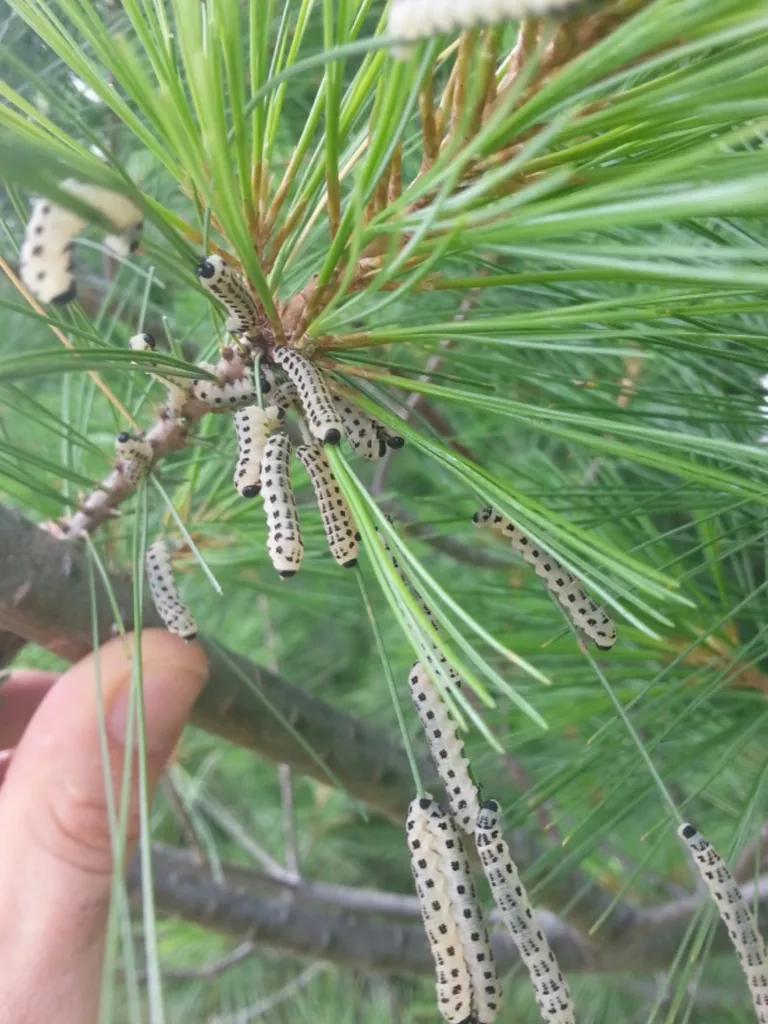
Neodiprion pinetum
Identification: Full grown larvae are pale yellow with a black head. They have 4 rows of black spots extending from the head to the black spot at the posterior end. About 25mm long.
Neodiprion pratti
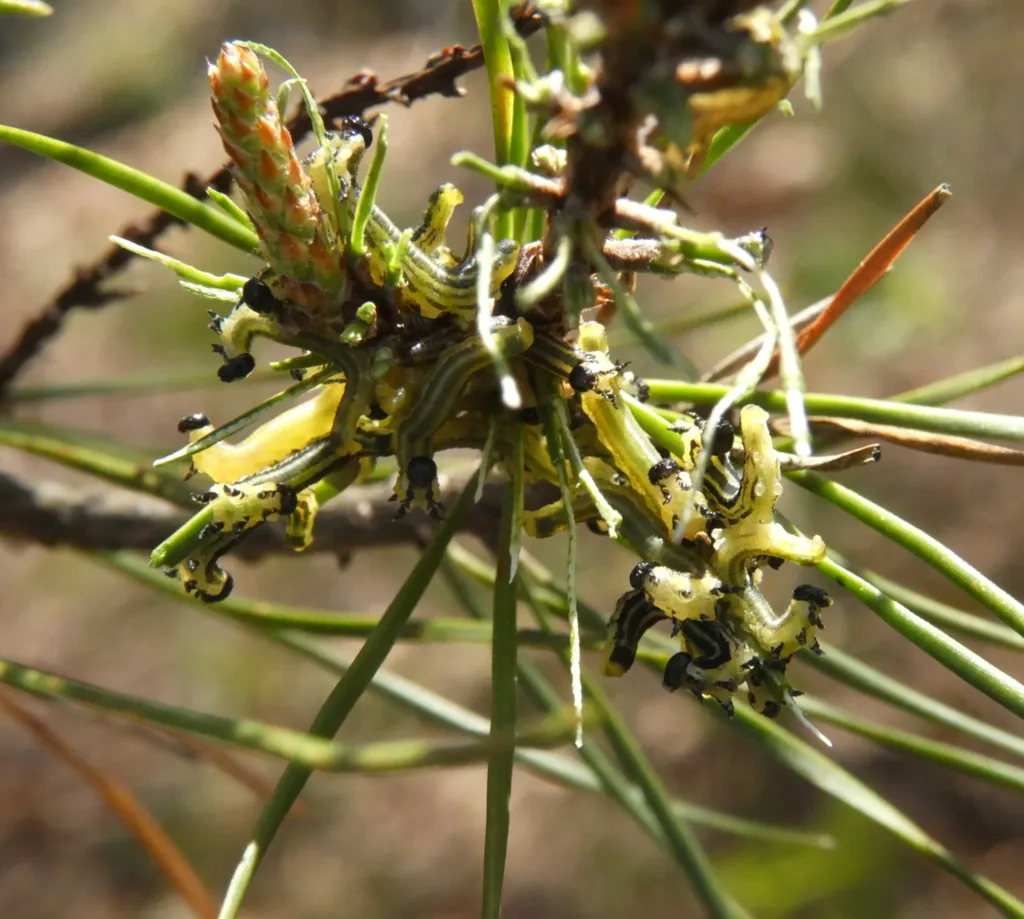
Neodiprion pratti
Identification: Newly hatched larvae are pale green with black head capsules and are about 3mm long. Full-grown larvae are spotted or marked with longitudinal black stripes. White-footed mice and ants destroy many cocoons in heavy infested areas. Dah
Neodiprion rugifrons
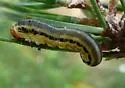
Neodiprion rugifrons
Identification: Full-grown larvae have orange-brown to bright orange heads with black eyespots. The prothorax is yellowish-green to light olive-green with dark markings. A dark lateral strip extends backward along each side from the prothorax to the
European Pine Sawfly
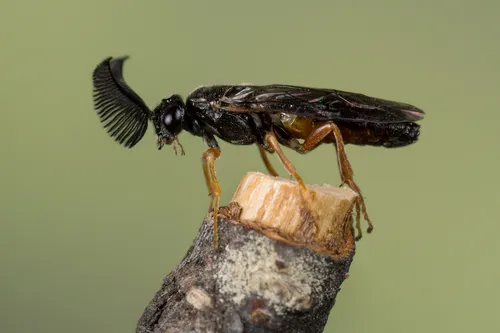
Neodiprion sertifer
Earliest record in our area: NJ 1925 During the late 1930s and 1940s, 2 European parasites were established in NJ. One was Dahlbominus fuscipennis and the other was Exenterus abruptorius . Neither species has provided adequate control.
Neodiprion taedae
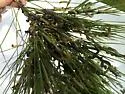
Neodiprion taedae
There are 2 larval parasites: a fly Hemipenthes sinuosa and a wasp Exenterus canadensis Hemipenthes sinuosa Exenterus canadensis
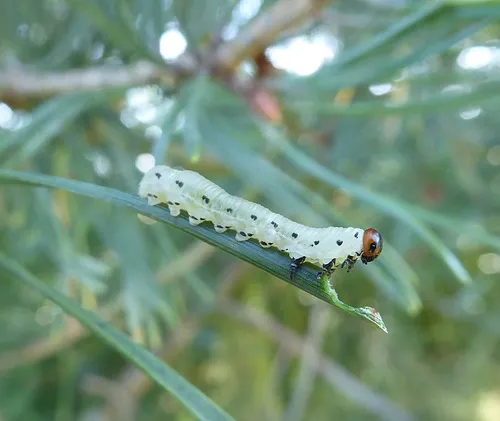
Pine Sawfly
Diprion pini
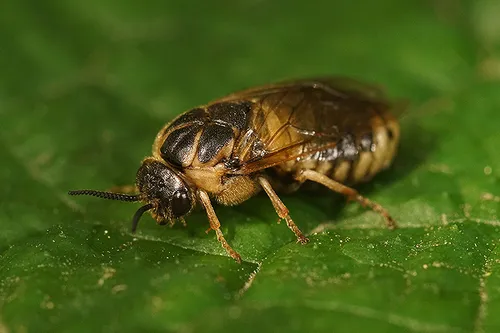
Nursery Pine Sawfly
Gilpinia frutetorum
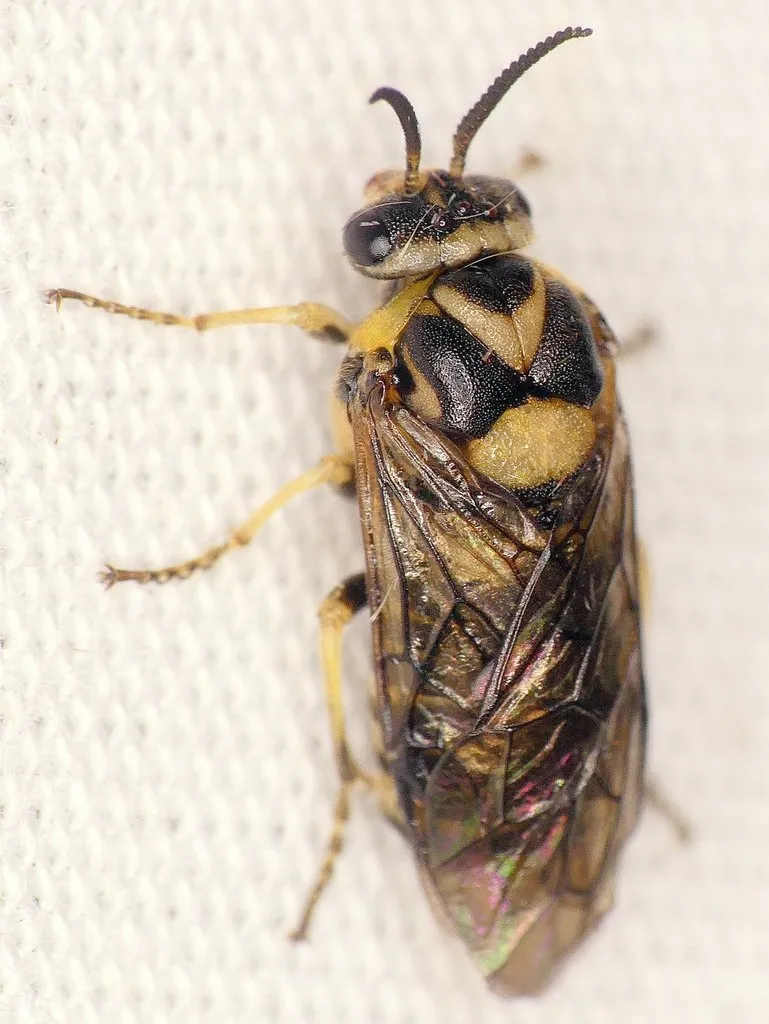
European Spruce Sawfly
Gilpinia hercyniae
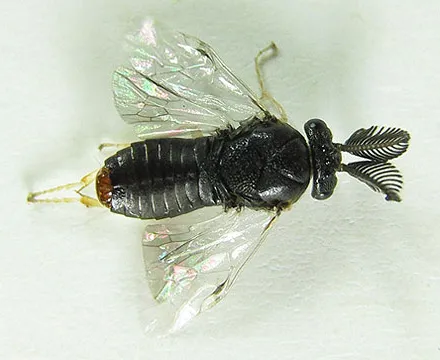
Pale Pine Combhorn
Gilpinia pallida
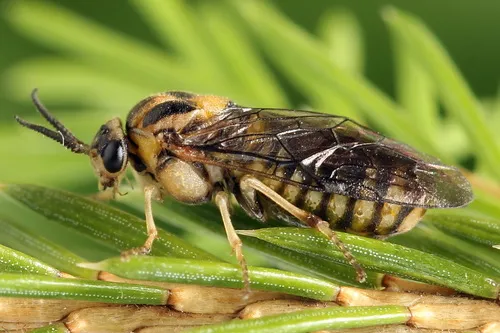
Gilpinia polytoma
Gilpinia polytoma
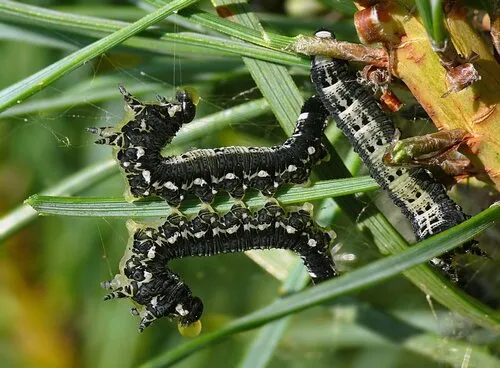
Gilpinia socia
Gilpinia socia
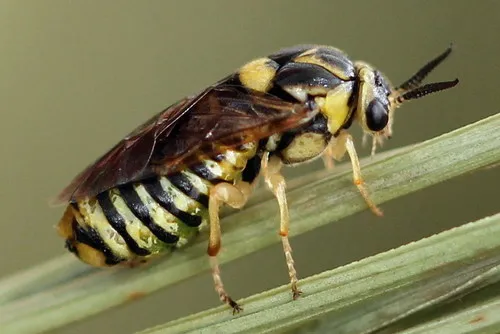
Red-tailed Pine Combhorn
Gilpinia virens
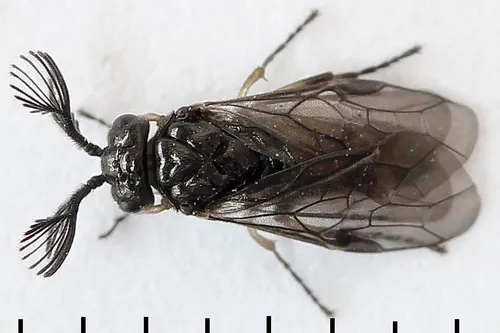
Juniper Combhorn
Monoctenus juniperi
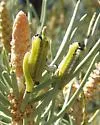
Neodiprion edulicolus
Neodiprion edulicolus
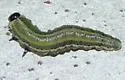
Neodiprion fabricii
Neodiprion fabricii
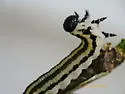
Neodiprion hetricki
Neodiprion hetricki
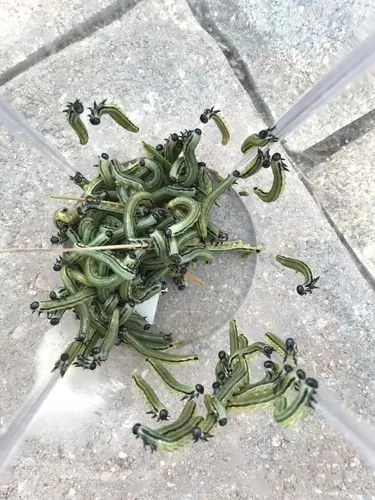
Neodiprion merkeli
Neodiprion merkeli
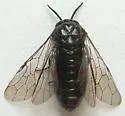
Neodiprion mundus
Neodiprion mundus
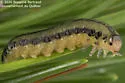
Swaine Jack Pine Sawfly
Neodiprion swainei
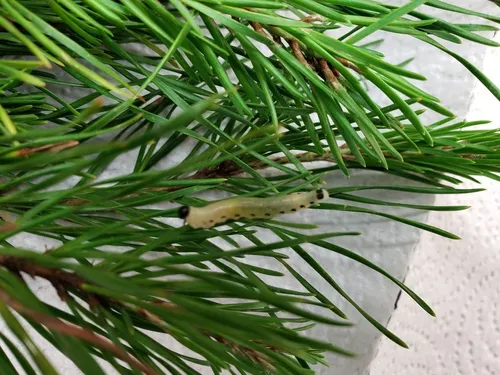
Neodiprion virginiana
Neodiprion virginiana
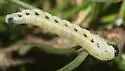
Neodiprion virginianus
Neodiprion virginianus
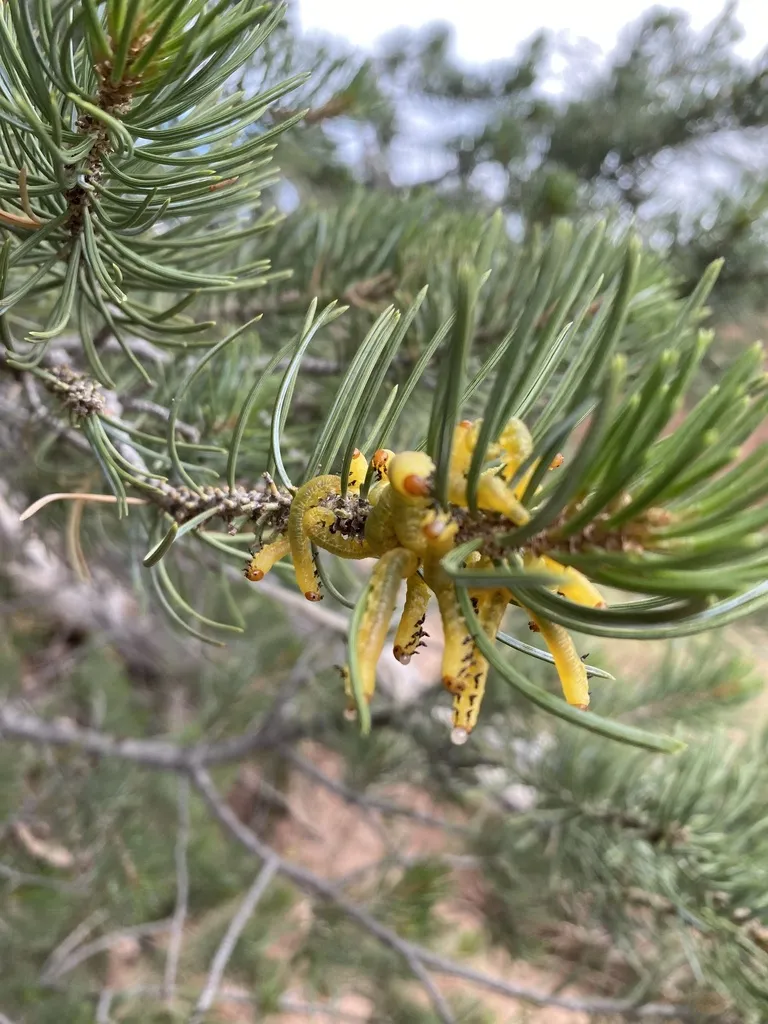
Zadiprion rohweri
Zadiprion rohweri
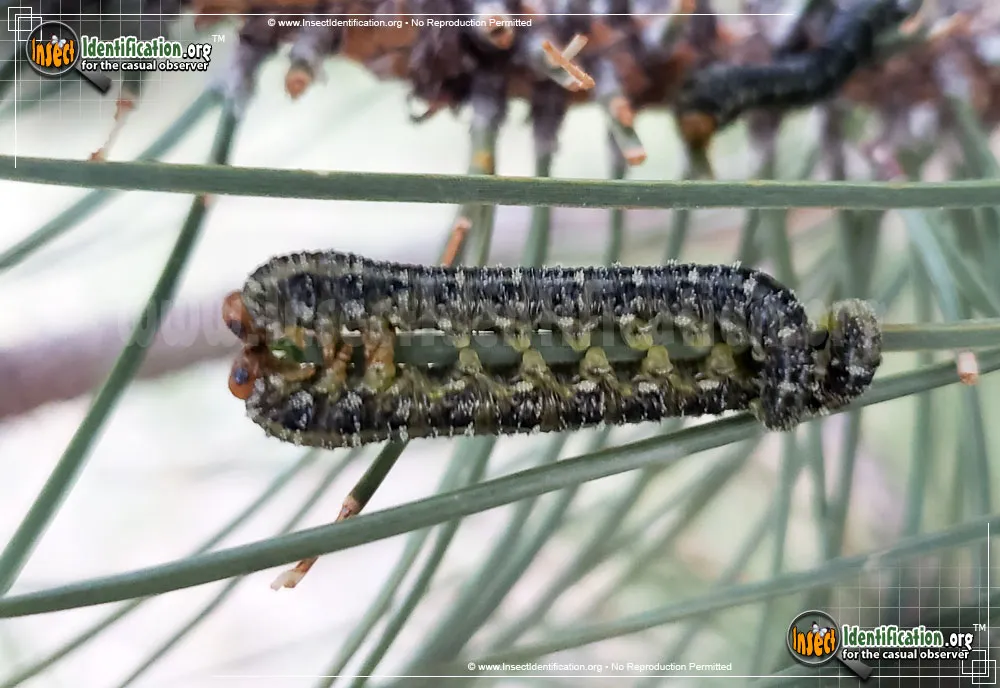
Conifer Sawfly
Zadiprion townsendi