
Primitive Winged Insects
Order Coleoptera
The Primitive Winged Insects (Order Coleoptera) includes 15,720 species across 160 families and 3,716 genera in our directory.
About Primitive Winged Insects
Coleoptera is the largest order of insects with over 400,000 described species, representing ~25% of all known animal species and ~40% of all insects. In the U.S. alone, nearly 30,000 beetle species have been identified.
Economic Impact
Beetles have major economic significance: leaf beetles (Chrysomelidae) and weevils (Curculionoidea) are among the most destructive agricultural pests globally, costing billions annually, while predatory species like ladybugs provide natural pest control.
Ecological Role
Beetles are prominent decomposers, especially in forests, breaking down dead wood and recycling nutrients. As predators, they reduce populations of pest insects. Many species are also important pollinators of flowering plants.
Families in Coleoptera (160)
Species in Coleoptera (15,720)
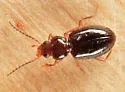
Paratachys potomaca
Paratachys potomaca
Identification: Markedly reduced membranous wings, also characteristic are smaller, less convex eyes and the elytra shaped more oviform with more narrowed shoulders compared to very similar P. pumilus. (Peter Messer's comment)
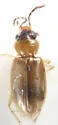
Paratachys sagax
Paratachys sagax
Identification: "[...] enormous hemispherical eyes. [...] darkened head and antennae, long antennomeres, concolorous pale pronotum and elytra without darker marks, transverse (therefore iridescent) pronotal and elytral microsculpture, linear trapezoi
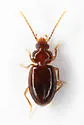
Paratachys ventricosus
Paratachys ventricosus
Identification: "two dilated protarsomeres and the Trechus-esque coloration and habitus" ‒Curt Harden's comment Holotype
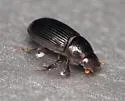
Parataenius simulator
Parataenius simulator
Identification: Strongly wrinkled clypeus and basal half of pronotum with numerous coarse punctures
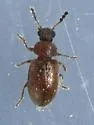
Paratenetus exutus
Paratenetus exutus
Identification: best separated from P. punctatus and P. texanus in having the antennomere 8 transverse (only slightly transverse in some specimens from the south). The males are easily recognized in having no calcar on the protibia and a relatively l
Paratenetus fuscus
Paratenetus fuscus
Identification: close to P. gibbipennis but elytral setae more erect & numerous and metaventrite slightly longer males rather common (~40% of specimens)
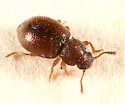
Paratenetus gibbipennis
Paratenetus gibbipennis
Identification: Elytra with very few, short erect setae males rare in collections (~4%)
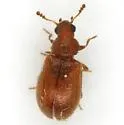
Paratenetus punctatus
Paratenetus punctatus
Identification: see Bousquet & Bouchard to separate spp.
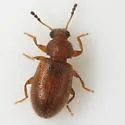
Paratenetus texanus
Paratenetus texanus
Identification: can be distinguished from the similarly built P. punctatus and P. exutus in having the punctures on the pronotum sparser, not subcontigous even laterally, and from most adults of P. exutus by the subquadrate antennomere 8 and metavent
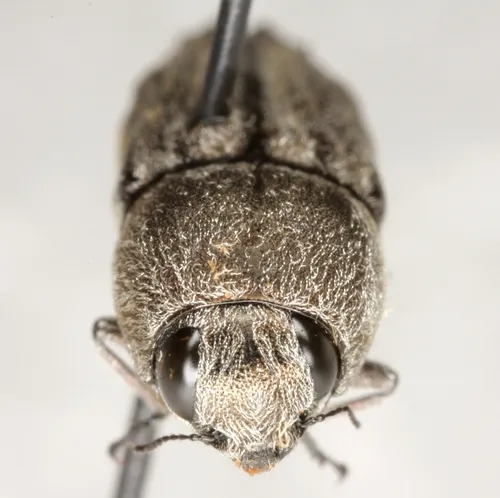
Paratyndaris crandalli
Paratyndaris crandalli
Paratyndaris crandalli is a species of metallic wood-boring beetle in the family Buprestidae. It is found in North America.
Paratyndaris prosopis
Paratyndaris prosopis
Type Locality listed as "TX, Austin" , but note that the type was actually collected by Schwarz who collected extensively in Austin County, Texas and is not known to have collected in the City of Austin...
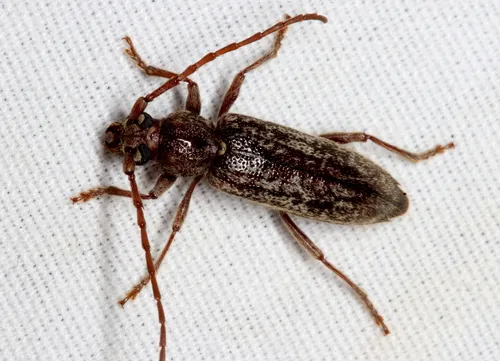
Parelaphidion incertum
Parelaphidion incertum
Parelaphidion incertum (Parelaphidion incertum) is a species in the family Cerambycidae, commonly known as longhorn beetles, belonging to the order Coleoptera (Beetles). It is classified within the subfamily Cerambycinae, tribe Elaphidiini, suborder
Parenthesis Lady Beetle
Hippodamia parenthesis
Identification: Gordon's figures last three key couplets per Gordon:
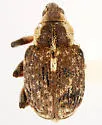
Parenthis vestitus
Parenthis vestitus
Identification: Easily recognized by elongate body, dense scaly vestiture, and very small lateral thoracic tubercles ( Dietz 1896 )
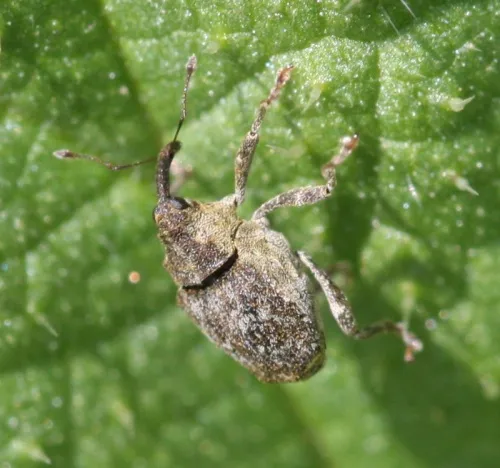
Parethelcus pollinarius
Parethelcus pollinarius
A small (3 or 4 mm) broad bodied dark brown/black looking weevil with a long snout (rostrum). Parethelcus pollinarius is broadly similar to Nedyus quadrimaculatus and both are common on nettles. The white spots on the elytra of Nedyus are usually dis
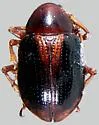
Paria scutellaris
Paria scutellaris
Identification: large elongate scutellar spot and the narrow apical margin of the elytra rufous. (Notman 1920) Det. Gerald M. Fauske Described from one spmn coll'ed Windsor, Broome Co., N.Y.
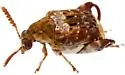
Parkinsonia Seed Beetle
Penthobruchus germaini
first US record from e. Calif in 2012 where it was already described as "an infestation" timeline of first state records per iNat (& BG) data: 2017 - first CA record - Pasadena 2018 - first AZ record - Nogales (per BG data) 2019 - first TX record - E
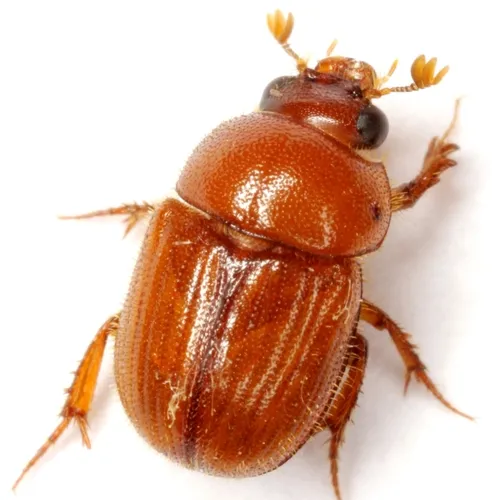
Parochodaeus biarmatus
Parochodaeus biarmatus
Identification: Elytral setae appearing as short bristles Irregular teeth on the hind margin of the femur = P. biarmatus . - MJ Paulsen, 13 January, 2012 Type Locality: New Mexico
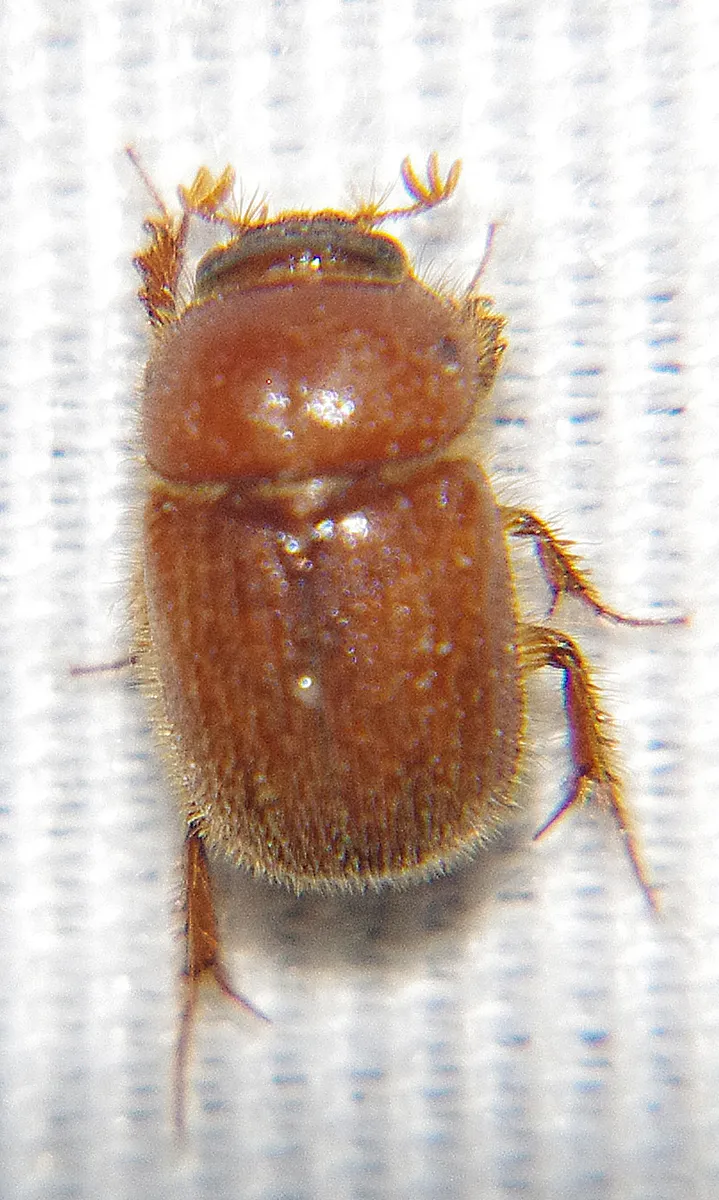
Parochodaeus duplex
Parochodaeus duplex
Identification: elytral setae 'shaggy', long. Males with head with transverse furrow, lacking in females; hind legs without irregular teeth on hind margin of femur
Parochodaeus howdeni
Parochodaeus howdeni
Identification: Thickened, curved first segment of the hind tarsus PLUS the mentum is not produced downward and thus not visible in lateral view
Parochodaeus inarmatus
Parochodaeus inarmatus
Identification: Two elongate tubercles on head, like this: - -
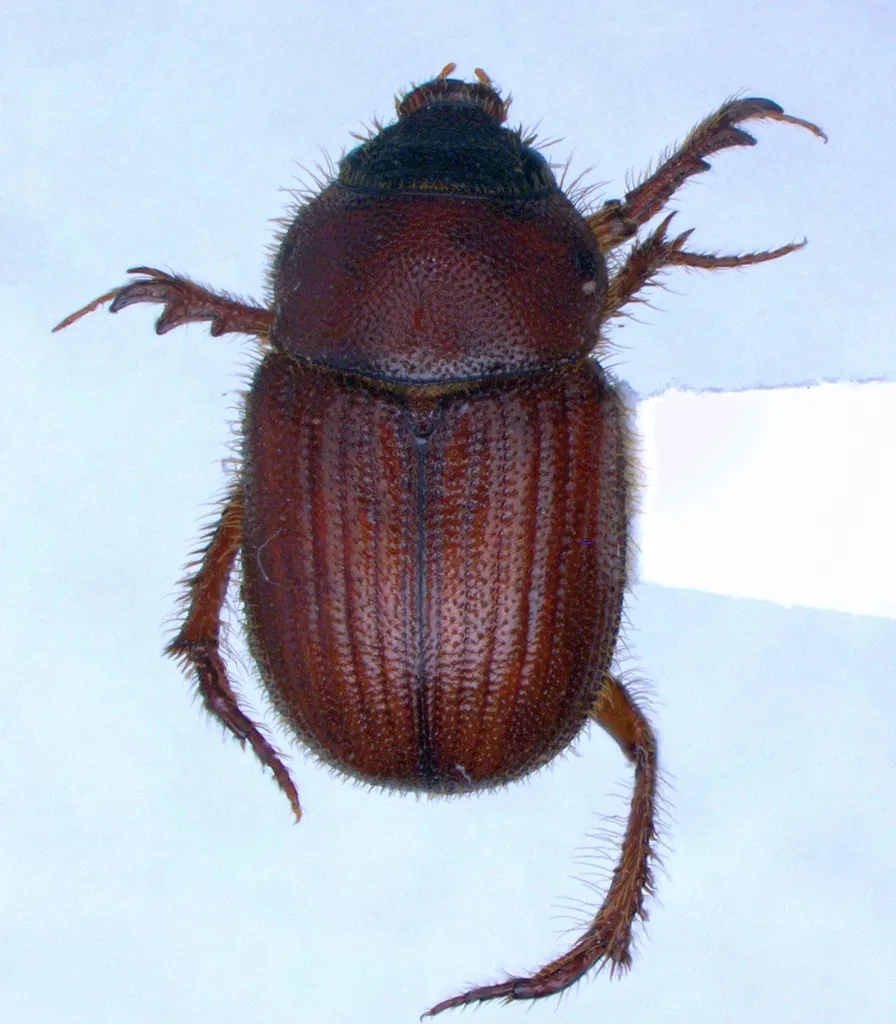
Parochodaeus pectoralis
Parochodaeus pectoralis
Identification: The first segment of the hind tarsus is thickened and curved PLUS the mentum is strongly produced downward and thus visible in lateral view of the head. Can be confused with P. ritcheri from the Big Bend region of TX but has distinct
Parochodaeus peninsularis
Parochodaeus peninsularis
Identification: location, otherwise similar to P. duplex .
Parochodaeus ritcheri
Parochodaeus ritcheri
Identification: Similar to P. pectoralis with thickened and curved first metatarsomere and downward produced mentum,but labrum has a small central projection on apex instead of being emarginate; restricted to Big Bend area in USA
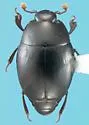
Paromalus seeversi
Paromalus seeversi
Paromalus seeversi (Paromalus seeversi) is a species in the family Histeridae, commonly known as clown beetles, belonging to the order Coleoptera (Beetles). It is classified within the subfamily Dendrophilinae, tribe Paromalini, suborder Polyphaga, s
Parorectis arenaria 0
Parorectis arenaria
Identification: Dorsum yellowish-brown; pronotum with pair of small, round, black spots near center of disc; separated from P. callosa and P. rugosa by coloration and shape; the latter two are more strongly arched.
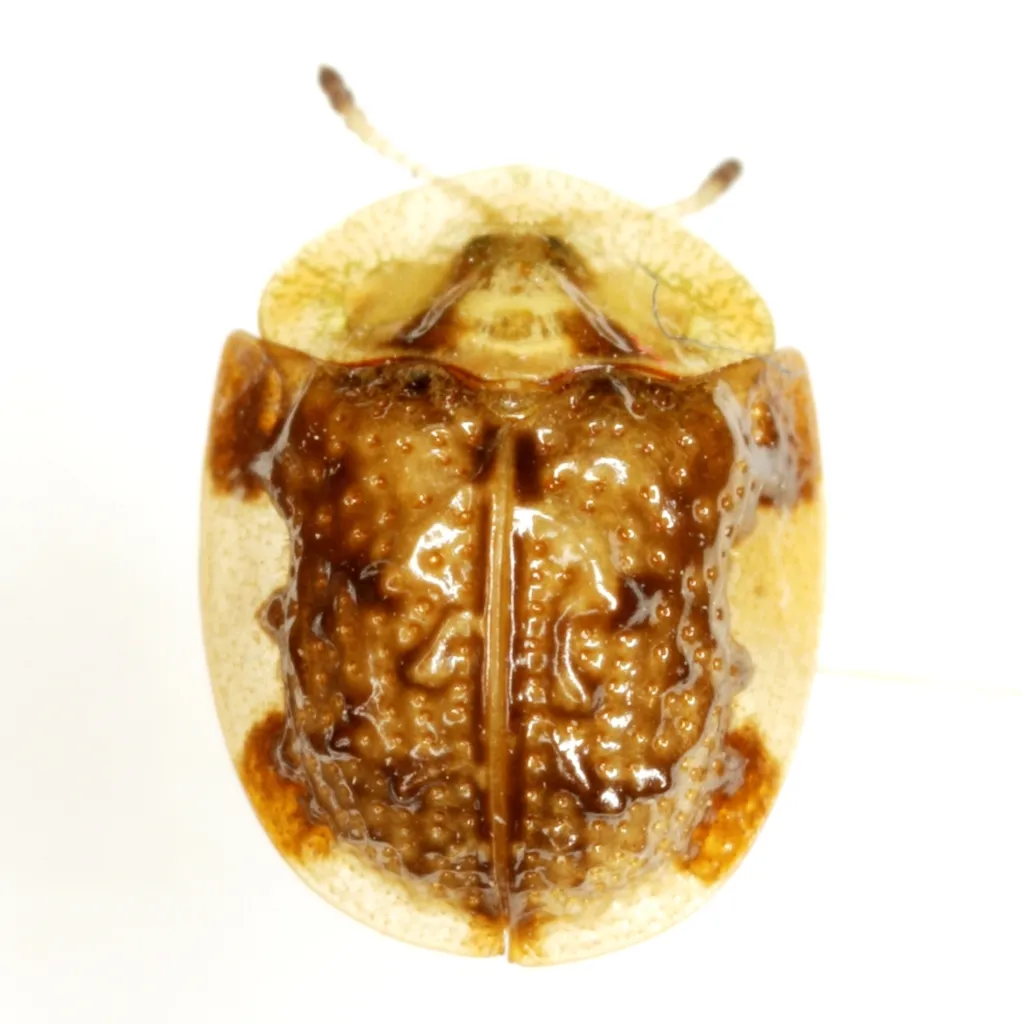
Parorectis callosa
Parorectis callosa
Parorectis callosa is a species of tortoise beetle in the family Chrysomelidae. It is found in North America.
Paroxacis interrita
Paroxacis interrita
Identification: Det. Brad Barnd, 2011 all specimens have been taken around lights
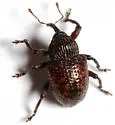
Partridge-pea Weevil
Chalcodermus collaris
Identification: Thorax deeply longitudinally strigose; body brown elytra paler (Horn 1873)
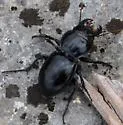
Pasimachus duplicatus
Pasimachus duplicatus
Identification: discal intervals hardly traceable, intervals 7 & 8 costate
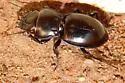
Pasimachus obsoletus
Pasimachus obsoletus
Identification: Most similar to P. elongatus , but borders of pronotum and elytra narrower and usually black (may be faintly blue, especially near humeri) • no fringe of yellow setae inside metatibia in males (present in P. elongatus )
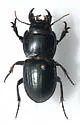
Pasimachus sublaevis
Pasimachus sublaevis
Identification: Pronotum relatively unconstricted basally, hind corners obtuse, elytra somewhat irregularly dimpled; no median pairs of setae on ventrites 2‒5; dorsal fixed subapical mesotibial spine/spur laterally compressed. Mesotibial spine:
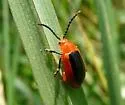
Passionflower Flea Beetle
Disonycha discoidea
Identification: Fairly large, elytra orange-red with large, common black spot , or with suture and discal black stripe (var. abbreviata ) Larvae and adults freq. found on Passionflower ( Passiflora ). , , discoidea abbreviata Second similar, probably
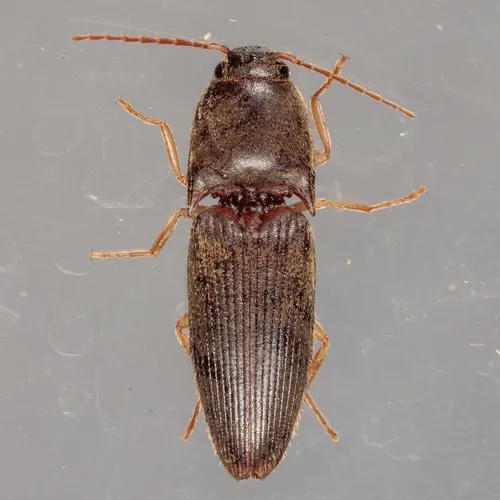
Pasture Wireworm
Monocrepidius exsul
Identification: pronotal angles bicarinate, elytral apices bidentate first record in our area: 1932
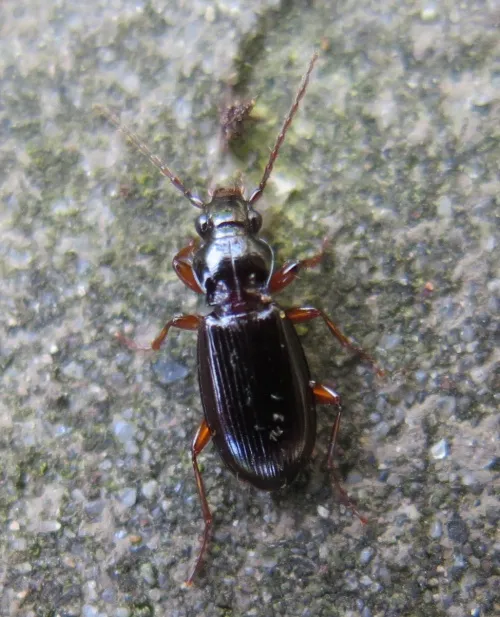
Patrobus atrorufus
Patrobus atrorufus
7.5 to9.5 mm. Uniformly dark brown with reddish legs and antennae. The first two antennal segments are bare but the third is pubescent. The third antennal segment is longer than the first. Wings absent. Patrobus assimilis is similar but generally sli
Patrobus fossifrons
Patrobus fossifrons
Pohl reported that members of this species can be segregated into a “coastal” and “inland” morphs and that hybridization occurs between the coastal form of P. fossifrons and P. stygicus
Pea Weevil
Bruchus pisorum
Identification: anteriour femora are completely dark. conspicous white pattern elements: prescutellar triange on pronotum; spots on 3rd interval at 2/5th / 4/5th downwards; outwardly slanting row on intervals 5, 7, 9, at about 2/3rds length of elytro
Pea-leaf Weevil
Sitona lineatus
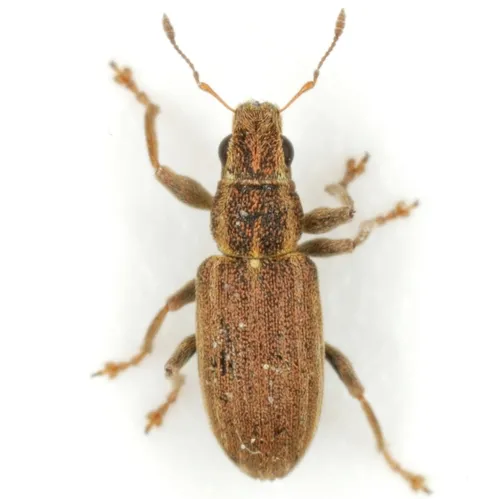
3.4-5.3mm. This is the commonest of the Sitona weevils and has dark longitudinal stripes. Unlike many weevils, it has a very short, almost squared off rostrum or snout. Front coxae almost touch the constriction at the front margin of the prosternum (
Pechalius pilosus
Pechalius pilosus
Identification: Key to species of Pechalius in Triplehorn
Pechalius subvittatus
Pechalius subvittatus
Identification: Key to species of Pechalius Type Locality: Marfa, Presidio Co., TX
Pedilus abnormis
Pedilus abnormis
Identification: The visible diagnostic feature is the slight "bow" and twist of the metathoracic tibiae. There are also no obvious modifications of the elytral apices (unlike males of most NA Pedilus spp.).
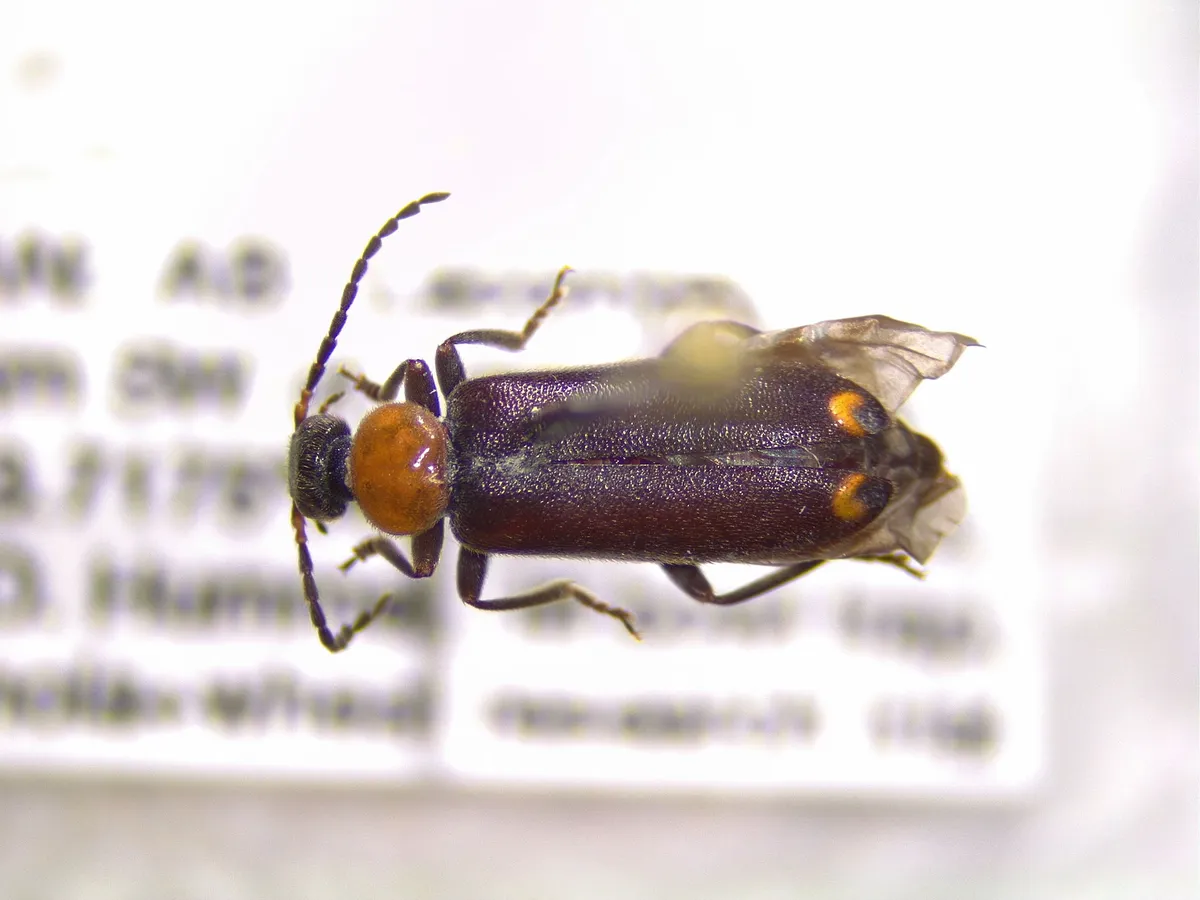
Pedilus joanae, manuscript name
Pedilus joanae
Identification: Male: elytral apex slightly excavate, somewhat swollen above, and with yellow macula in this place. Elytra black, to yellowish (terminal margin excepted); females lack the diagostic macula.
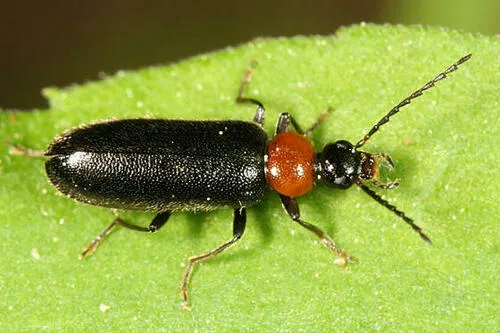
Pedilus lugubris
Pedilus lugubris
Identification: There can be considerable variation in pronotal color and in some cases can be confused with Pedilus labiatus .
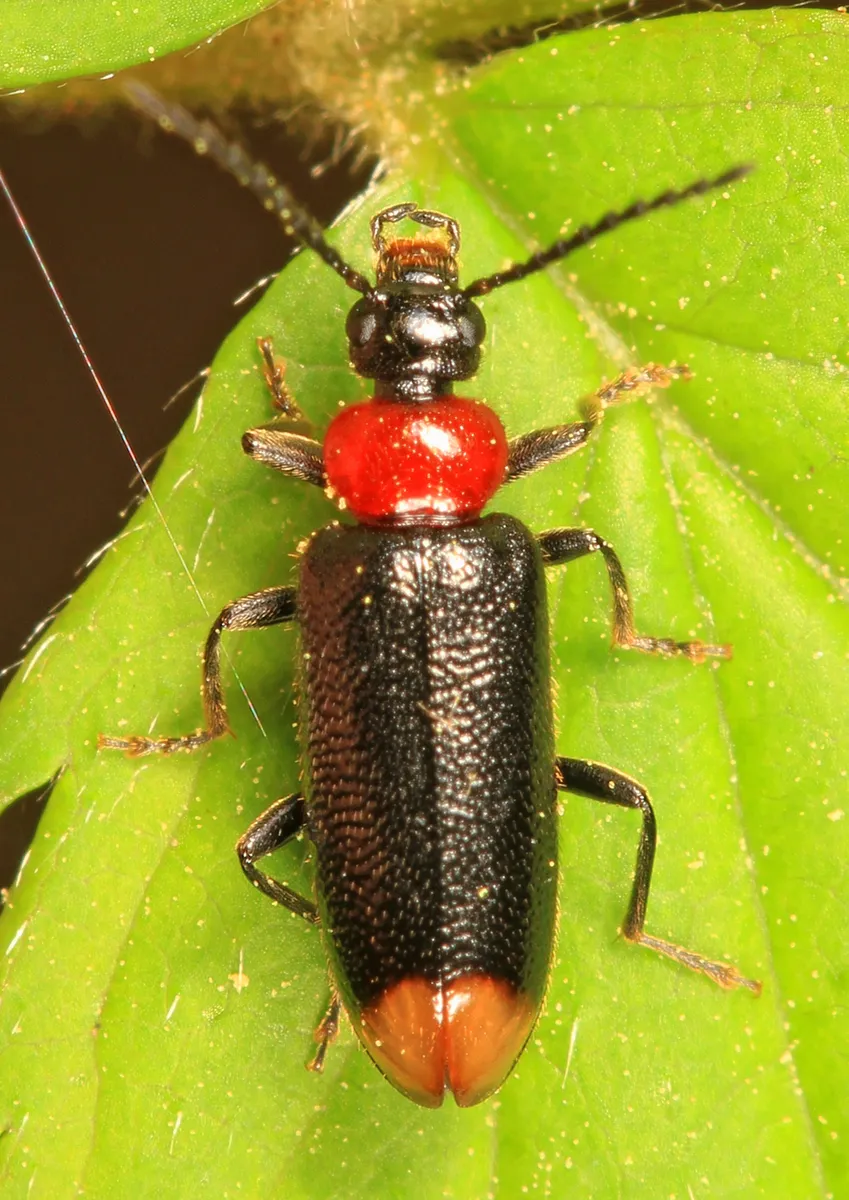
Pedilus terminalis
Pedilus terminalis
Identification: Det. A.V. Evans, 2010 adults attracted by cantharidin
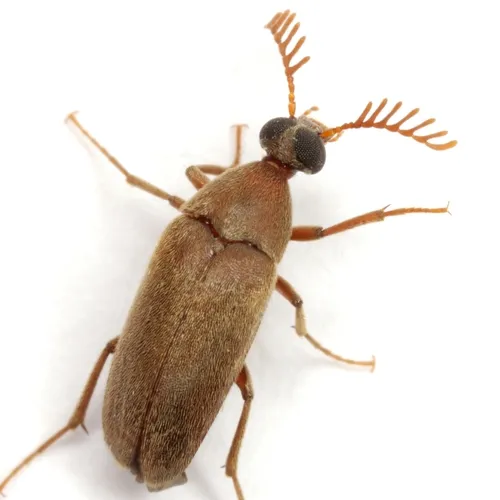
Pelecotoides schaefferi
Pelecotoides schaefferi
Type Locality: Esperanza Ranch, Brownsville, Cameron Co., Texas. commonly coll'ed at UV lights at Laguna Atascosa NWR, Rio Hondo, Cameron Co., TX ( 6 )
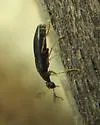
Pelecotoma flavipes
Pelecotoma flavipes
Pelecotoma flavipes (Pelecotoma flavipes) is a species in the family Ripiphoridae, commonly known as wedge-shaped beetles, belonging to the order Coleoptera (Beetles). It is classified within the subfamily Pelecotominae, suborder Polyphaga, superfami
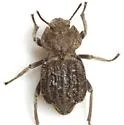
Pelecyphorus texanus
Pelecyphorus texanus
commonly coll'ed via pitfall traps at Laguna Atascosa NWR, Rio Hondo, Cameron Co., TX
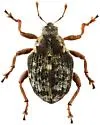
Pelenomus waltoni
Pelenomus waltoni
Identification: distinguished from native congeners by rostrum being longer than pronotum, and elytral vestiture comprised of fine, short, recumbent, metallic and shiny setae, with spots of grayish, oval scales and no velvety brown/black spot behind
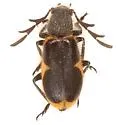
Pelonides granulatipennis
Pelonides granulatipennis
Identification: Elongate black, elytra covered with small granules, red with two large black spots on each side which are usually confluent. Elytra distinctly broader than the thorax at base. I have taken about 15 specimens of this fine species on th
Pelonides humeralis
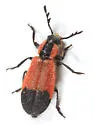
Pelonides humeralis
Identification: variable color pattern, see also type
Pelonides quadrinotata
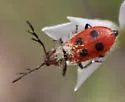
Pelonides quadrinotata
Identification: individuals with any kind of red marking on the forebody (head+prothorax) are P. quadrinotata (which sometimes has no spots at all), while in P. quadripunctata the forebody is entirely black
Pelonides quadripunctata
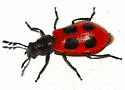
Pelonides quadripunctata
Identification: forebody (head+prothorax) is entirely black (individuals with any red marking on the forebody are P. quadrinotata )
Pelonium maculicolle
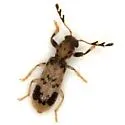
Pelonium maculicolle
Identification: Det. E. G. Riley, 2009 I have taken a considerable number of this species, which is in my experience the most common Clerid in this region. It occurred mostly on [Texas Ebony - Ebenopsis ebano ] and is a very slow insect. (Schaeffer 1
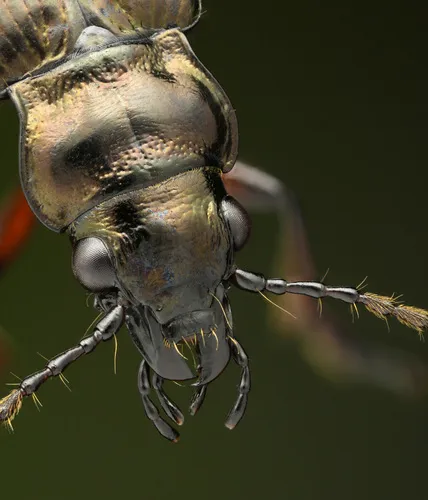
Pelophila borealis
Pelophila borealis
Pelophila borealis is a species of ground beetle in Nebriinae subfamily which was described by Gustaf von Paykull in 1790. The species can be found in Belarus, Canada, Estonia, Finland, Latvia, Norway, Russia, and Sweden. It is black in colour and is
Peltodytes pedunculatus
Peltodytes pedunculatus
Identification: This species has a subhumeral black dash, and can't be seen in dorsal view.
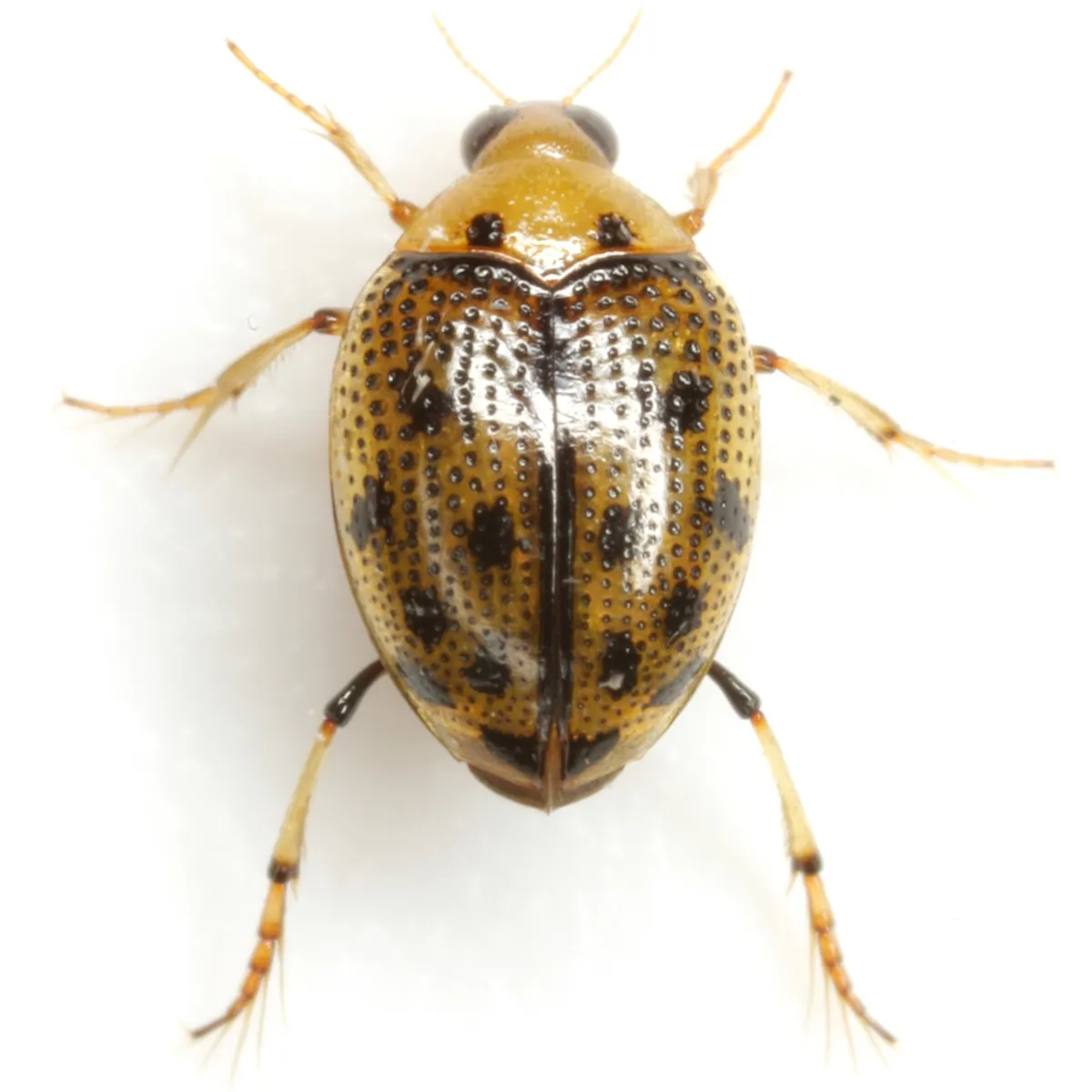
Peltodytes sexmaculatus
Peltodytes sexmaculatus
Identification: Median elytral spots not coalescent on suture
Peltophorus adustus
Peltophorus adustus
Identification: The form and sculpture of the prothorax, and the color readily distinguish this species from Peltophorus polymitus seminiveus (w.TX) and Peltophorus polymitus suffusus (AZ). Det. Blaine Mathison, 2014 Type Locality: Arizona
Peltophorus polymitus
Peltophorus polymitus
Adults [move] up and down the stalks and hide in the spiny crown of leaves if disturbed. Long bottle forceps are useful in collecting them. They will fly rapidly if startled while on the flower stalk. - C.W. O'Brien, 30.vi.2010
Pennasolis merkeli
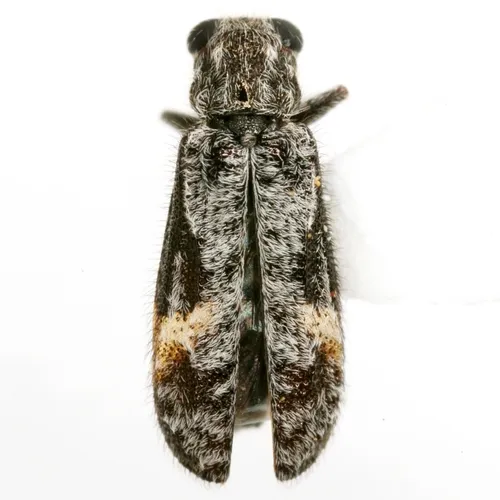
Pennasolis merkeli
Identification: Slender, parallel, piceous black, moderately shining, with sparsely placed erect hairs, and a silken white pubescence forming an indistinct design on the elytra, each elytron with a yellow spot on the margin behind the middle. Head co
Pennsylvania Dingy Ground Beetle
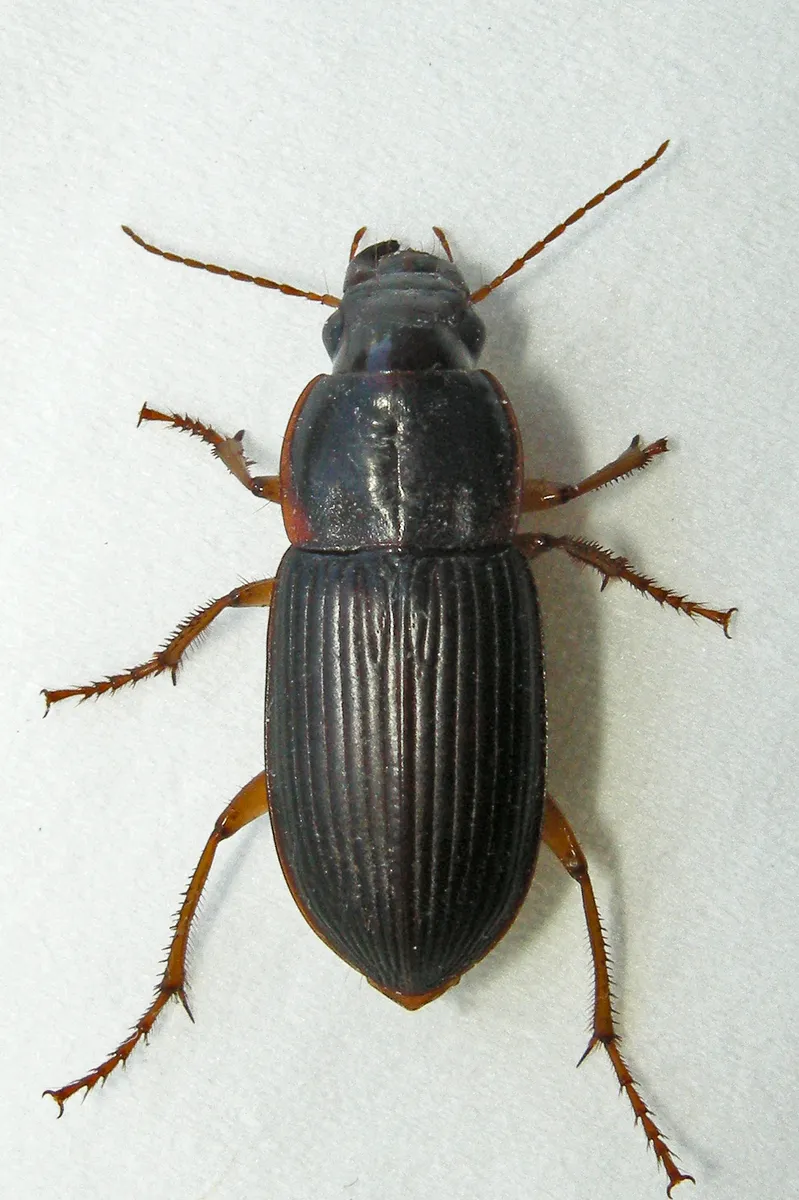
Harpalus pensylvanicus
Note the single n in pensylvanicus . Note that a similar species, H. texanus Casey, occurs in the southeastern United States, and it is usually indistinguishable externally from H. pensylvanicus . See the discussion Harpalus pensylvanicus vs H. texan
Pentagonica flavipes
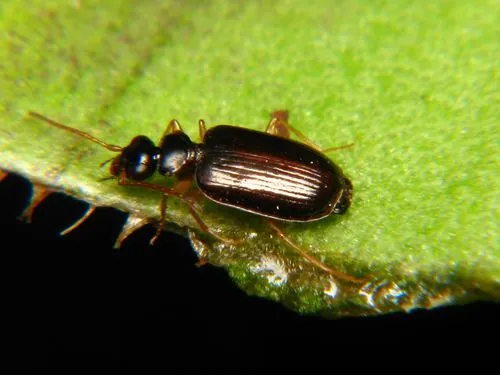
Pentagonica flavipes
Pentagonica flavipes is a species of ground beetle in the family Carabidae. It is found in the Caribbean Sea, Central America, North America, and the Caribbean.
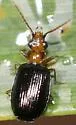
Pentagonica maculicornis
Pentagonica maculicornis
Identification: fulvous antennae, the entire scape and the other joints being brown only at the apex; prothorax with a broad, distinct, black stripe on both sides (Bates 1883), pronotal side marks vary from well defined, to indefinite smudges, or ent
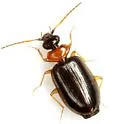
Pentagonica marshalli
Pentagonica marshalli
Identification: Differs from P. picticornis by antenna pale (emphasis added) distad scape, head proportionatly shorter (truncated behind eyes), and pronotum proportionately wider Type locality: 3 mill. NW Alligator Point, Franklin Co., Florida
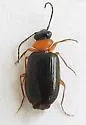
Pentagonica nigricornis
Pentagonica nigricornis
Identification: differs from all previously described New World Pentagonica in type of coloration combined with uniformly black antennae (emphasis added). It resembles picticornis Bates of Guatemala except that the antennae (of nigricornis ) are not
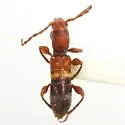
Pentanodes dietzii
Pentanodes dietzii
Unique holotype and allotype collected at Brownsville, TX (no further data); no add'l specimens collected for some 80 years , until Downie coll'ed 25 spmns near La Gloria, Starr Co., TX on whitebrush - Aloysia gratissima (Verbenaceae), which was in f
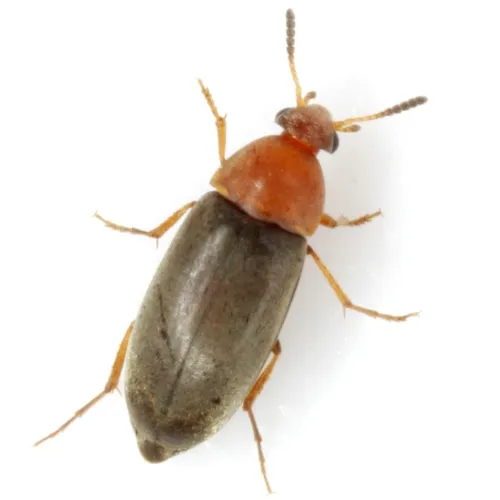
Pentaria dispar
Pentaria dispar
Identification: Det. Zack Falin, 2012 Type Locality: Jemez Mountains, New Mexico
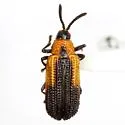
Pentispa melanura
Pentispa melanura
Identification: Pentispa melanura (Chapuis) – form 1 Det. E. G. Riley, 2010 Pentispa melanura (Chapuis) – form 2 Det. E. G. Riley, 2010
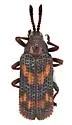
Pentispa sallaei
Pentispa sallaei
November 2019, adults found grazing the upper leaf surfaces of Barbados cherry creating significant scarring, and larvae, pupae, and teneral adults were found inside blotch-type leaf mines in Davie, Florida (Broward County). This represents the first
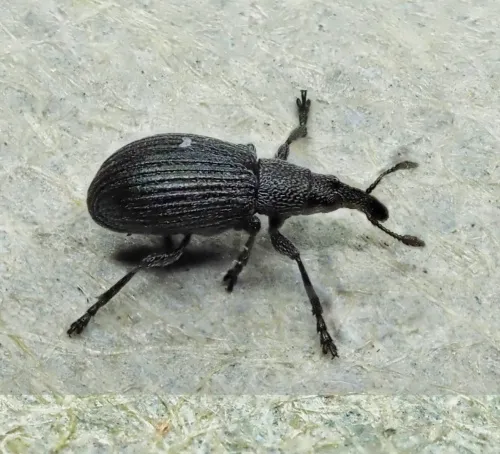
Perapion curtirostre
Perapion curtirostre
Size 2 to 2.5 mm. A very small and usually elongate, black weevil. The elytra, pronotum, head and femora have whitish hairs. The rostrum is generally parallel-sided and not tapered. Your specimen should have these features: Unless identified by a rec
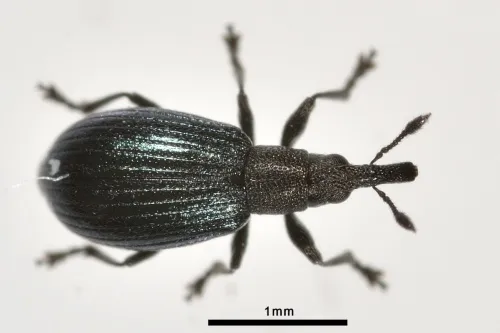
Perapion hydrolapathi
Perapion hydrolapathi
2.6-3.2mm. Elytra usually dull metallic blue, green or brassy, otherwise all black. Antennal segment 2 wider than segment 3 (feature of the genus). Pronotum quadrate and barrel-shaped. Finely pubescent. Rostrum about as long as the head. Metasternal
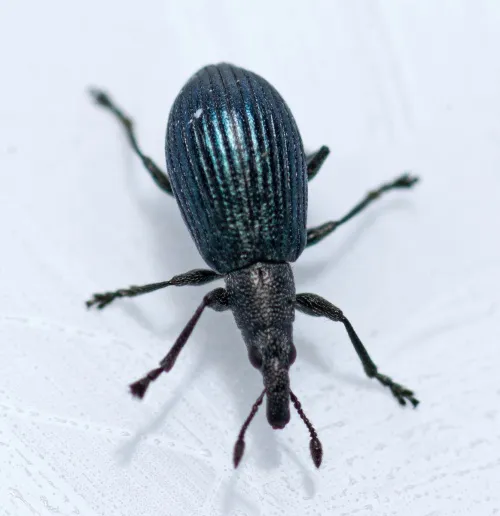
Perapion violaceum
Perapion violaceum
2.6-3.5mm. Dark blue metallic elytra but black otherwise. The genus is characterised by having the second antennal segment expanded so it is wider than the third segment. Perapion also have elytral intervals that are quite widely spaced, certainly wi
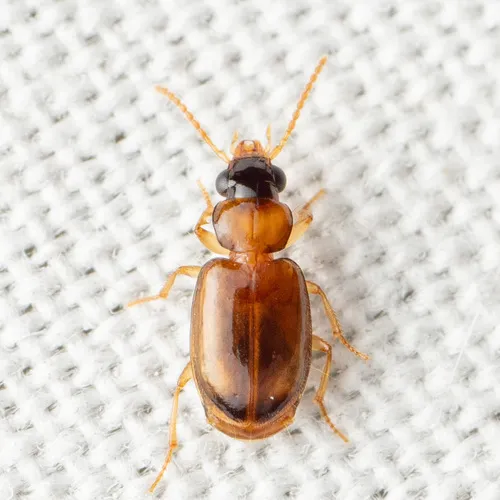
Perigona nigriceps
Perigona nigriceps
Identification: note the distinctly widened antenna segments. (comm. per Peter W. Messer, 25 October, 2007) earliest record in our area: before 1853
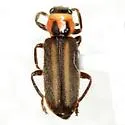
Perilypus ornaticollis
Perilypus ornaticollis
Identification: serrate antennae Type Locality: Ohio
Peritapnia fabra
Peritapnia fabra
Type Locality: Arizona, south of Tucson. (Horn 1894)
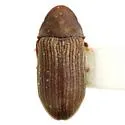
Petalium alternatum
Petalium alternatum
Identification: The alternately wide and narrow elytral intervals combined with the form of the antenna are diagnostic
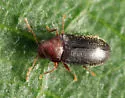
Petalium bistriatum
Petalium bistriatum
Identification: Typically with reddish pronotum and black elytra, but may be all black. Pronotum distinctly rugose compared to shiny elytra. Pronotal sulcus crescent shaped. Elytral strial punctures become diminished in size apically, becoming more
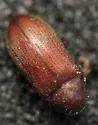
Petalium debile
Petalium debile
common in beating samples at Laguna Atascosa NWR, TX ( 3 )
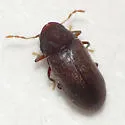
Petalium incisum
Petalium incisum
Identification: Pronotum anterior recurved carina distinctly raised, incised at middle
Petalium seriatum
Petalium seriatum
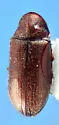
Identification: Pronotum with medial hump large and flanked each side by oblique depressions. Syntype
Phacepholis elegans
Phacepholis elegans
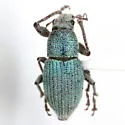
Identification: Scutellum indistinct, scales usually green, intermixed with several rows of bristles on elytral intervals. Eyes moderately convex, pronotal sides only slightly rounded.
Phacophallus pallidipennis
Phacophallus pallidipennis
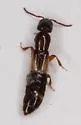
earliest NA record: west coast 1904; earliest eastern record: NY 1931
Phaea monostigma
Phaea monostigma
Phaea monostigma (Phaea monostigma) is a species in the family Cerambycidae, commonly known as longhorn beetles, belonging to the order Coleoptera (Beetles). It is classified within the subfamily Lamiinae, tribe Tetraopini, suborder Polyphaga, superf
Phaedon armoraciae
Phaedon armoraciae
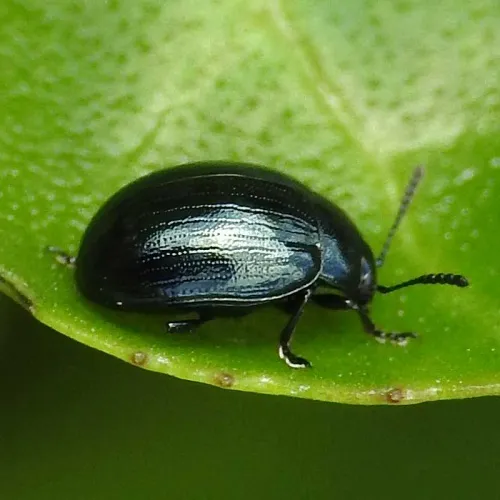
3.5 to 4.7 mm. Deep metallic. Pronotal disc with both fine and coarse punctures. Distinctly swollen 'shoulders' (humeral calli). Antennae entirely dark and widely spaced. Adults are found on a variety of water plants, though larvae have only been fou
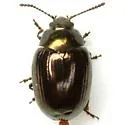
Phaedon desotonis
Phaedon desotonis
Identification: the distincitve characteristic of this beetle is its bronze-colored pronotum a case where an uncommon insect herbivore has 'jumped' from its rare native host to related common hosts and is spreading (Smith-Rodgers 2012)
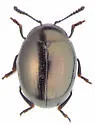
Phaedon laevigatus
Phaedon laevigatus
Identification: Palearctic: adventive(?) in North America, native to Europe Coleopterists are still debating whether or not Phaedon laevigatus ... [is] native to North America or accidentally introduced from the Palearctic Region. I personally think
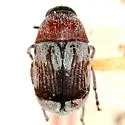
Phaenithon platanum
Phaenithon platanum
Identification: TYPE: USNM, Smithsonian Coll. A very distinctive member of the fly-mimicking complex described by Hespenheide (1973).
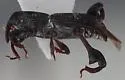
Phaenomerus foveipennis
Phaenomerus foveipennis
Identification: recognizable among all North American weevils by their small size (3–4 mm), elongate-slender body form, and especially by the distinctive elongate, ventrally toothed hind legs with the femur much greater in length than the strongly cu
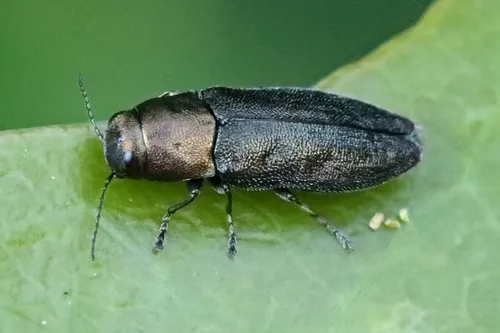
Phaenops aeneola
Phaenops aeneola
Phaenops aeneola is a species of metallic wood-boring beetle in the family Buprestidae. It is found in North America.
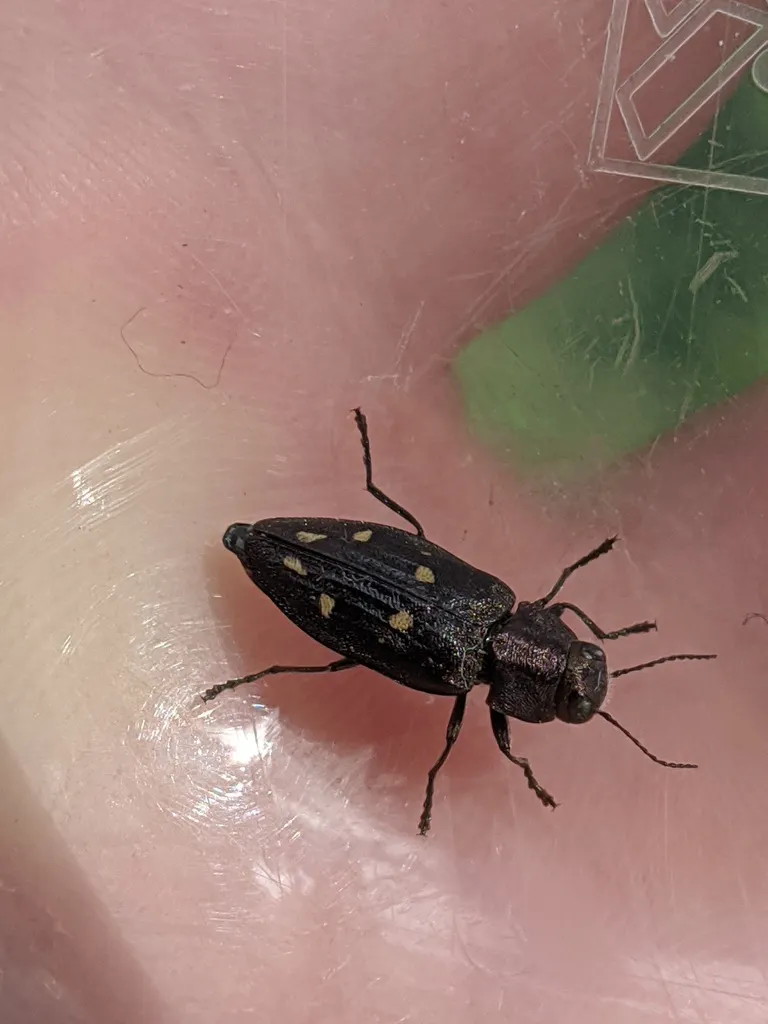
Phaenops lecontei
Phaenops lecontei
Phaenops lecontei is a species of metallic wood-boring beetle in the family Buprestidae. It is found in North America.
Phaleria picipes
Phaleria picipes
"The only other eastern US sp [the other being P. testacea]. north of FL keys. Atlantic coast ones are generally all black, but populations in the keys, Bahamas, etc. tend to be bicolored, tan or yellowish." - W. Steiner
Phanaeus adonis
Phanaeus adonis
Identification: All US specimens have been blue, but green examples have been collected as far north as southern Tamaulipas, Mexico. ( 3 ) First U.S. record published in Riley & Wolfe (2003) ( 5 ) TEXAS: Cameron Co. 15 mi. E Rio Hondo VI-13-14-1995 C
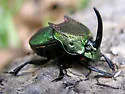
Phanaeus difformis
Phanaeus difformis
Identification: MAJOR MALES: vindex -vs- difformis depicted are easier to differentiate than minor males (w/ short horns) and females (w/ very short horns). major male: - note, colors variable minor male: female: much less common than P. vindex (BG d
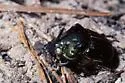
Phanaeus igneus
Phanaeus igneus
Identification: Color is highly variable: black, green or a green red combination.
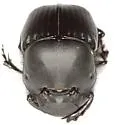
Phanaeus texensis
Phanaeus texensis
Identification: major male: minor male: female: Type Locality: 2mi N. Cedar Hill, Dallas Co., Texas
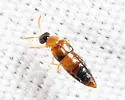
Phanerota dissimilis
Phanerota dissimilis
Identification: differs from P. fasciata by being darker/testaceous, with larger apical black spot on abdomen, and head with definite micro-reticulate sculpting
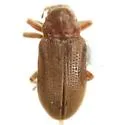
Phanocerus clavicornis
Phanocerus clavicornis
Identification: Readily distinguished by short antennae with compact 6-segm. club
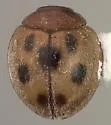
Pharoscymnus flexibilis
Pharoscymnus flexibilis
Identification: very distinctive yet variable in pattern earliest record in our area: FL 2011 It is likely that it was transported on scale-infested plants from Asia or Brazil.
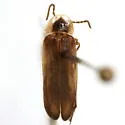
Phausis inaccensa
Phausis inaccensa
Identification: last key couplet: Brunneous to yellowish brown Phausis inaccensa males have no true lanterns (Faust poster) Yellowish brown. Head and median pronotal spot piceous. Elytra olivaceous the lateral margins obscurely paler. Abdomen dark br
Phausis luminosa 0
Phausis luminosa
Holotype. Male, Oklahoma City, Oklahoma. No date, collected by Chapman Grant. Two male paratypes, Lawrence Co., Arkansas, collected by B. C. Marshall. Female unknown.
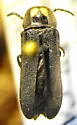
Phausis rhombica
Phausis rhombica
Identification: Rhomboid pronotum distinctive. Body all-black. Transparent windows large, nearly meeting. The similarly shaped Ph. inaccensa is brownish and eastern in distribution.