
Primitive Winged Insects
Order Coleoptera
The Primitive Winged Insects (Order Coleoptera) includes 15,720 species across 160 families and 3,716 genera in our directory.
About Primitive Winged Insects
Coleoptera is the largest order of insects with over 400,000 described species, representing ~25% of all known animal species and ~40% of all insects. In the U.S. alone, nearly 30,000 beetle species have been identified.
Economic Impact
Beetles have major economic significance: leaf beetles (Chrysomelidae) and weevils (Curculionoidea) are among the most destructive agricultural pests globally, costing billions annually, while predatory species like ladybugs provide natural pest control.
Ecological Role
Beetles are prominent decomposers, especially in forests, breaking down dead wood and recycling nutrients. As predators, they reduce populations of pest insects. Many species are also important pollinators of flowering plants.
Families in Coleoptera (160)
Species in Coleoptera (15,720)
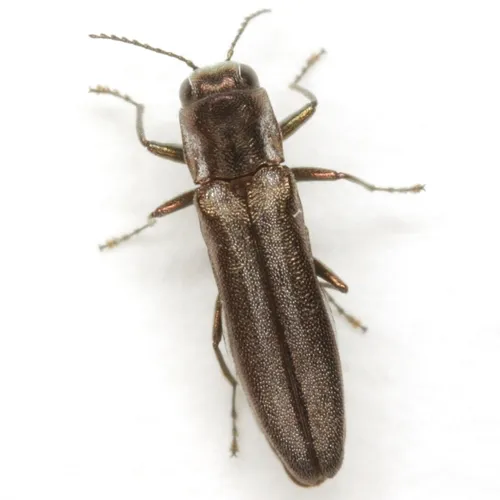
Agrilus paracelti
Agrilus paracelti
Agrilus paracelti is a species of metallic wood-boring beetle in the family Buprestidae. It is found in North America.
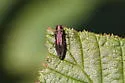
Agrilus pensus
Agrilus pensus
Identification: With pygidial spine; uniformly reddish-cupreous dorsally
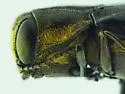
Agrilus pilosicollis
Agrilus pilosicollis
Identification: most similar in appearance to A. quadriguttatus Gory and A. granulatus (Say), can be separated by lack of a prehumeral carina and presence of a broadly rounded or subtruncate prosternal lobe. Known from 4 specimens Type Locality: Gard
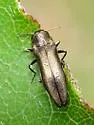
Agrilus pilosovittatus
Agrilus pilosovittatus
earliest record in our area: NJ 1965 (Hespenheide 1969)
Agrilus prosopidis
Agrilus prosopidis
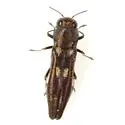
Identification: Det. S. G. Wellso Type Locality: Brownsville, Cameron Co., TX ( 4 )
Agrilus pubescens
Agrilus pubescens
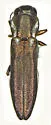
Agrilus pubescens (Agrilus pubescens) is a species in the family Buprestidae, commonly known as metallic wood-boring beetles, belonging to the order Coleoptera (Beetles). It is classified within the subfamily Agrilinae, tribe Agrilini, suborder Polyp
Agrilus quadriguttatus
Agrilus quadriguttatus
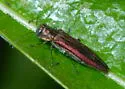
Identification: very close to, and is confused with granulatus in collections, differs in more convex frons and pubescence not obscuring the surface ( 3 )
Agrilus ribesi
Agrilus ribesi
Jendek et al. (2015) report the Eurasian species Agrilus ribesi Schaefer, 1946, for the first time from North America and propose that the damage to currants ( Ribes spp.) in Ontario prior to 1940 and ascribed to A. cuprescens by Garlick (1940) were
Agrilus salviaphilos
Agrilus salviaphilos
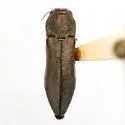
Type Locality: 3 mi S Moore, Frio Co., Texas (Manley, 1979)
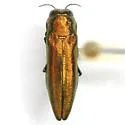
Agrilus sapindi
Agrilus sapindi
Agrilus sapindi (Agrilus sapindi) is a species in the family Buprestidae, commonly known as metallic wood-boring beetles, belonging to the order Coleoptera (Beetles). It is classified within the subfamily Agrilinae, tribe Agrilini, suborder Polyphaga
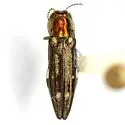
Agrilus scitulus
Agrilus scitulus
Identification: Det. M. A. Quinn, 2021 Type Locality: Texas, probably Waco
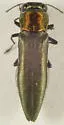
Agrilus smaragdifrons
Agrilus smaragdifrons
BG images taken in NYC (Jun 2014) may represent the earliest North American record
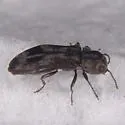
Agrilus subcinctus
Agrilus subcinctus
Identification: Det. E. G. Riley 2009 at high-moderate risk of endangerment due to the EAB ( 3 )
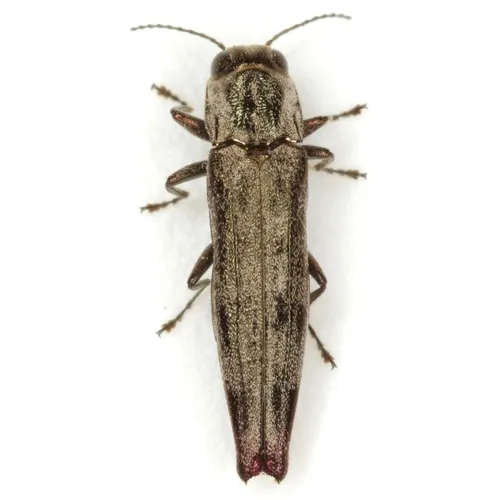
Agrilus subtropicus
Agrilus subtropicus
Identification: a somewhat atypical Agrilus species in that it is one of the few species found in America north of Mexico that has the tips of the elytra prolonged. Texas considers this to be a SGCN Type Locality: Esperanza Ranch, Brownsville, Camero
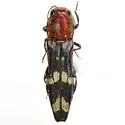
Agrilus toxotes
Agrilus toxotes
Identification: The male pronotum is reddish. The female pronotum is blue. Sexual dimorphism, while common among Neotropical Agrilus , is rare among U.S. species (Ted C. MacRae, pers. comm. to MAQ)
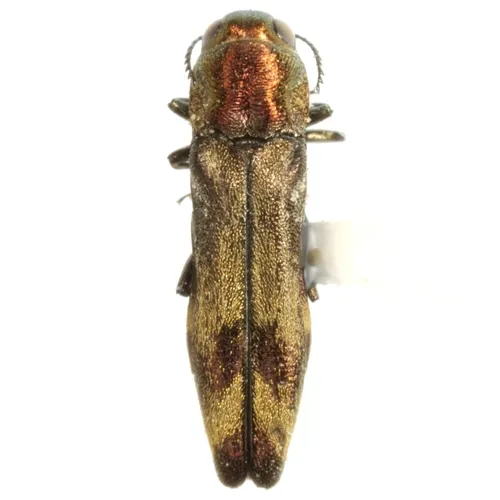
Agrilus turnbowi
Agrilus turnbowi
Type Locality: Ft. Sam Houston, San Antonio, Bexar Co., Texas ( 3 ) Two new species of Agrilus were recently described from Mexico. (Hespenheide 2008)
Agrilus ventralis
Agrilus ventralis
Identification: Elytra with subsutural vittae, ventrites 2&3 produced medially, antennae serrate from 4th antennomere. rarely collected Type Locality: New Mexico, no precise region known.
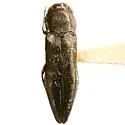
Agrilus viridescens
Agrilus viridescens
Agrilus viridescens (Agrilus viridescens) is a species in the family Buprestidae, commonly known as metallic wood-boring beetles, belonging to the order Coleoptera (Beetles). It is classified within the subfamily Agrilinae, tribe Agrilini, suborder P
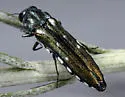
Agrilus walsinghami
Agrilus walsinghami
Agrilus walsinghami (Agrilus walsinghami) is a species in the family Buprestidae, commonly known as metallic wood-boring beetles, belonging to the order Coleoptera (Beetles). It is classified within the subfamily Agrilinae, tribe Agrilini, suborder P
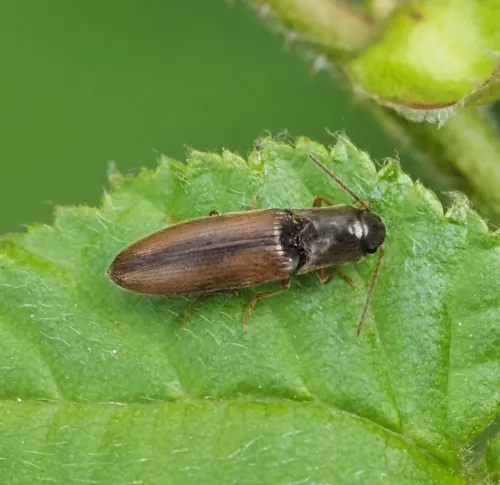
Agriotes acuminatus
Agriotes acuminatus
This is a brown click beetle, the head often appearing darker than the elytra. Ridges are visible running the length of the elytra. The legs and antennae are a light brown colour. Dalopius marginatus is very similar but is usually more reddish brown
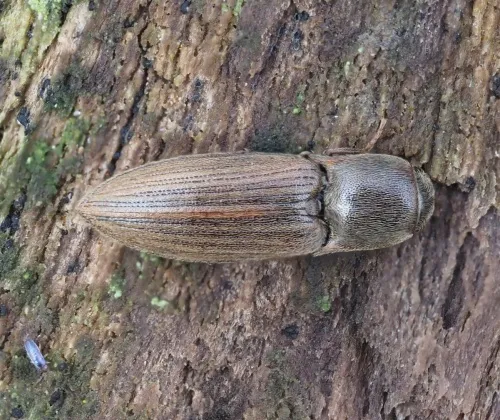
Agriotes lineatus
Agriotes lineatus
This 'click beetle' is relatively easy to identify due to the light and dark stripes along the length of its elytra. In grasses and other vegetation and amongst crops. The larvae, commonly called wireworms, live underground for up to four years where
Agriotes pallidulus
Agriotes pallidulus
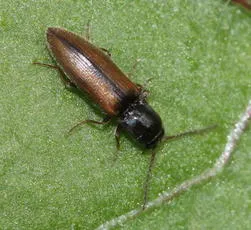
This 'click beetle' is about 3.5 to 5 mm in length. It has ribbed brown hairy elytra, often with a darker mid-line, plus a black head and thorax. Fairly widespread in England and Wales with fewer records from Scotland.
Agriotes sputator
Agriotes sputator
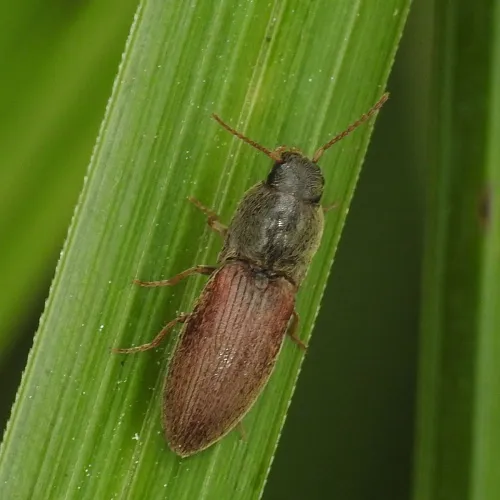
Size about 9mm - a mid brown species of click beetle. Note that A. lineatus may look similar, but the stripes along the elytra in that species have a two-tone dark and light appearance. Agriotes obscurus is another similar species, but the pronotum h
Agrypnus murinus
Agrypnus murinus
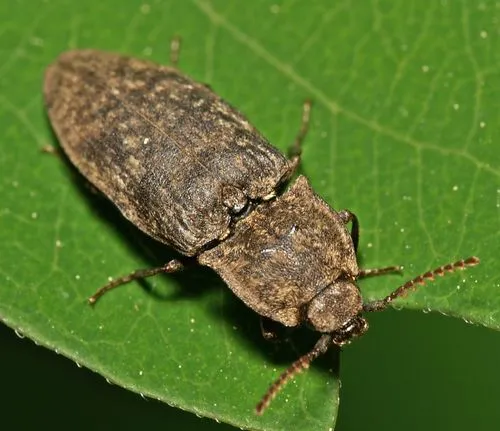
Length 10 to 17 mm. This species is distinctive due to the dense scale-like pubescence which almost covers the dorsal surface. Unless identified by a recognised expert, a photo is required. If the photo doesn't show the key ID features then in the co
Agrypnus triplehornorum
Agrypnus triplehornorum
Collected on the surface of the sand after dark. None came to lights. (Knull 1973)
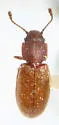
Ahasverus new species
Ahasverus new
David Halstead, who is revising Ahasverus , has this as a new species from scattered US localities. (M.C. Thomas, pers. comm.)
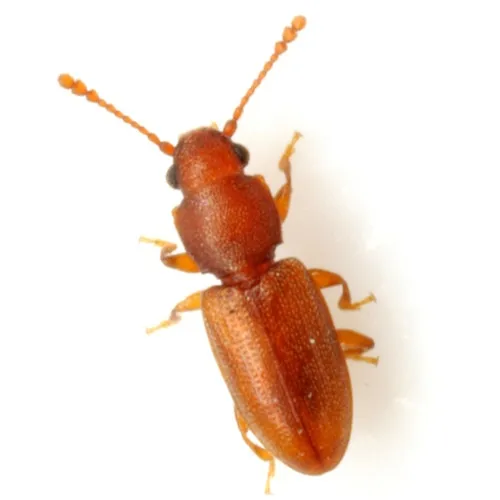
Ahasverus rectus
Ahasverus rectus
Ahasverus rectus (Ahasverus rectus) is a species in the family Silvanidae, commonly known as silvanid flat bark beetles, belonging to the order Coleoptera (Beetles). It is classified within the subfamily Silvaninae, suborder Polyphaga, superfamily Cu
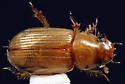
Aidophus parcus
Aidophus parcus
Identification: lectotype Not found in dung, most records from lights
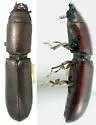
Airora minuta
Airora minuta
Identification: Besides the small size this species differs from aequalis Reitt. and allies by having the apical angles of prothorax not produced, the lateral margin of prothorax angularly reflexed near apex and the elytral striae not impressed. Type
Alder Borer
Saperda obliqua
Identification: elytra brown, punctate, with darker oblique depressions and sharply pointed tips comes to lights
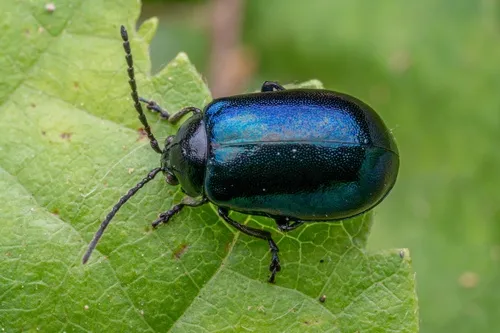
Alder Leaf Beetle
Agelastica alni
Agelastica alni is a distinctive, dark metallic blue coloured species measuring around 7mm in length. It feeds mainly on Alder but is occasionally found on other deciduous trees such as Beech, Hazel and Hornbeam. The black larvae can be found in July
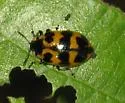
Alder Leaf Beetle
Chrysomela interrupta
Perhaps in a mimicry complex with Coleomegilla maculata - Spotted Pink Lady Beetle --
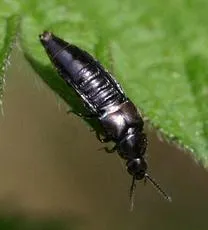
Aleochara bipustulata
Aleochara bipustulata
Length 2 to 4.5 mm. A blackish coloured Rove Beetle with two orangey yellow spots - one on each wing case. Various habitats, but particularly associated with Cabbage plants it has also been found in moss and flood refuse. Most records are between Jan
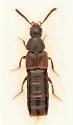
Aleochara castaneimarmotae
Aleochara castaneimarmotae
Identification: Very similar to A. castaneipennis, but differ from this species by coarser pronotal ponctuation, and the sinuate apical half of the tubus
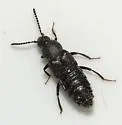
Aleochara depressa
Aleochara depressa
Identification: Pronotum opaque due to dense microsculpture; usually all black, legs and elytra may be partly paler. Antennae slender for genus.
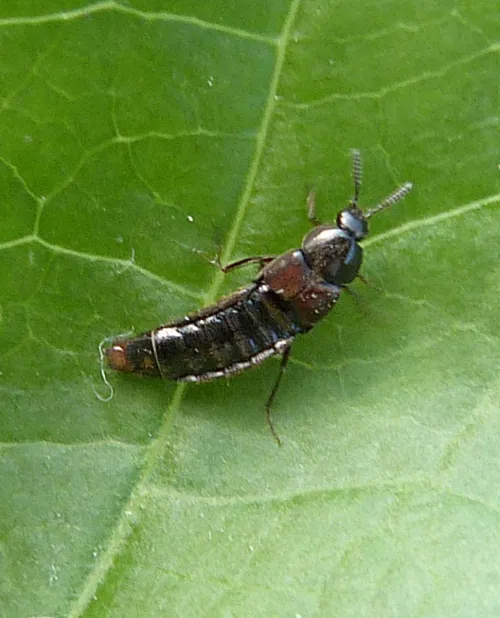
Aleochara lanuginosa
Aleochara lanuginosa
Length 3.5 to 5 mm. A dark blackish rove beetle, the elytra may show a varying amount of red. Found in various habitats including in dung, on carcasses and in grass tussocks. Aleochara larvae feed in the puparia of suitable species of flies, killing
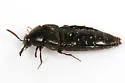
Aleochara lata
Aleochara lata
Identification: very robust, black species with strongly transverse antennomeres 5‒10
Aleochara lustrica
Aleochara lustrica
Identification: Elytra with orange band from humerus to sutural angle, sutural triangle and region of posteriour angles dark. This colour pattern, within subgenus, shared by A. centralis only [southern AZ], which has male tergum VIII (= visible VI) s
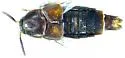
Aleochara puberula
Aleochara puberula
Identification: Puncturation dense, associated setae depressed, giving the beetle a silky sheen. Elytra usually with a pale band from hind margin to about base, curving to shoulders sometimes; terminal segment of antennae frequently lighter. Basal fu
Aleochara taeniata 0
Aleochara taeniata
Identification: Elytra with orange band from humerus to sutural angle, sutural triangle and region of posteriour angles dark. This colour pattern shared by A. puberula only, which has furrows on tergites 1 - 3 shallower, their lateral rims not reachi
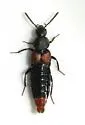
Aleochara valida
Aleochara valida
Identification: the largest of nearctic species, pronotum opaque; tip of abdomen always, elytra usually reddish. Head not wider than long, antennae with segments 6‒10 slightly transverse. A. opacella Sharp [s.AZ‒CA] is similar, but head transverse, a
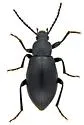
Alethia liebecki
Alethia liebecki
Identification: Holotype comes to lights during the monsoon season; males are uncommon in collections, females exceedingly rare
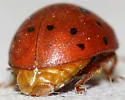
Alfalfa Lady Beetle
Subcoccinella vigintiquatuorpunctata
Identification: Dorsum covered with fine recumbent hairs, rather opaque. May appear to have a silvery sheen. Pale yellow to orange, with 0-12 black spots on each elytron, typically in 4 transverse, curved rows. Spots may fuse. pest of alfalfa ( Medic
Algarobius bottimeri
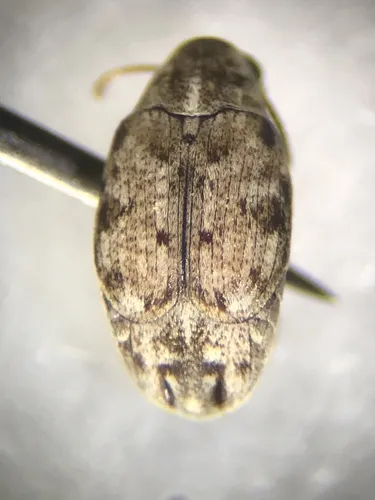
Algarobius bottimeri
Identification: male Algarobius spp. lack sulci and are externally indistinguishable from ea. other females w/ sulci centered one-third from apex Type locality: Bentsen-Rio Grande Valley State Park , Hidalgo Co., Texas Both Algarobius bottimeri and A
Algarobius prosopis
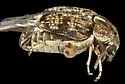
Algarobius prosopis
Identification: male Algarobius spp. lack sulci and are externally indistinguishable from ea. other female w/ sulci nearly confluent with apical margin Type locality: California, Colorado Desert
Allandrus bifasciatus
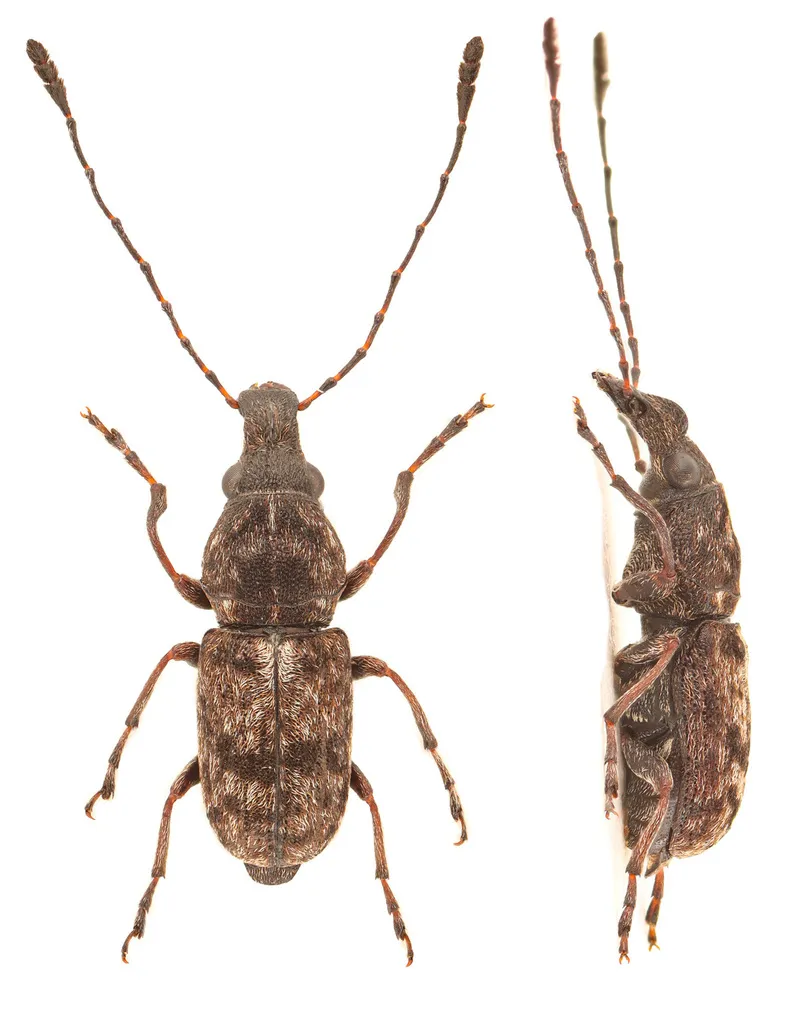
Allandrus bifasciatus
Allandrus bifasciatus is a species of fungus weevil in the beetle family Anthribidae. It is found in North America.
Allandrus populi
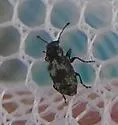
Allandrus populi
Identification: There are undescribed species out west which look very similar (and which I have not been able to work out). Males have much longer antennae; in A. bifasciatus antennae are even longer (in some males, longer than the body). (Barry Val
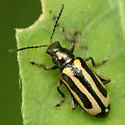
Alligatorweed Flea Beetle
Agasicles hygrophila
extremely effective as biocontrol agent in coastal se. US first released in the US: 1964, CA & SC; later, in several other states (TN-NC-FL-TX) (Buckingham, 2002)
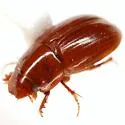
Alloblackburneus cavidomus
Alloblackburneus cavidomus
Identification: Hind tibiae superior apical spur long as half of first tarsal segment; latter as long as following three combined; elytral striae rather deeply punctured, feebly crenulate; interstriae subapically alutaceous thus weakly shiny. Pale re
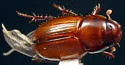
Alloblackburneus troglodytes
Alloblackburneus troglodytes
Identification: first metatarsomere really long. --Paul Skelley, 27.vi.2011 threatened sp. , considered by FL to be a "Species of Greatest Conservation Need" (SGCN)
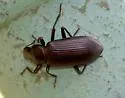
Alobates barbatus
Alobates barbatus
Identification: Mentum with tuft of long yellowish setae
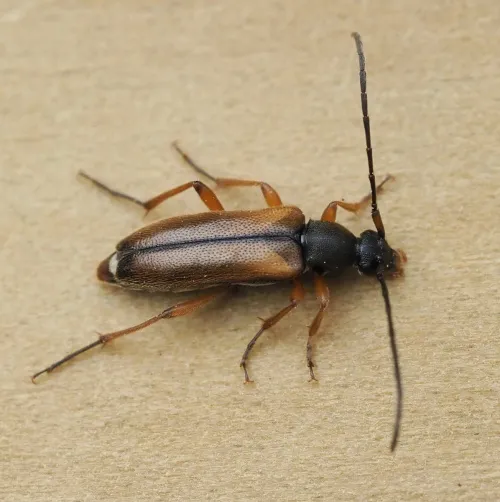
Alosterna tabacicolor
Alosterna tabacicolor
It can be recognised by its pale tan elytra divided by a darker brown mid-line. Feeds on flowers, particularly in well wooded areas. The larvae live in the bark of various trees but especially Oaks. Very common, particularly in southern Britain. No a
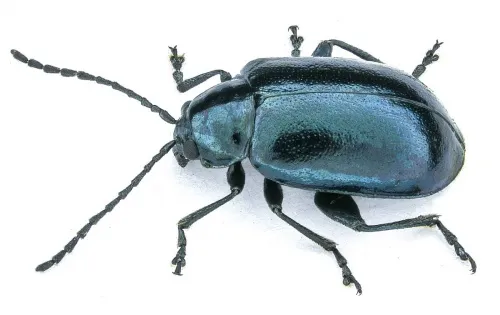
Altica lythri
Altica lythri
This flea beetle is almost identical to other Altica species and they can only be distinguished by dissection, preferably from a male. Like other 'flea' beetles it has powerful back legs enabling it to jump. There are seven native Altica species and
Altica obliterata
Altica obliterata
Identification: subopaque, colour dark blue to almost black; basal depression on pronotum superficial, fading to the sides (thus the name) Holotype
Altica prasina
Altica prasina
Identification: elytra with lateral plica (as member of bimarginata-group), and long intrahumeral depression (as A. ambiens ); colour frequently green (name),but variable.
Altica probata
Altica probata
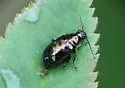
Identification: resembles A. rosae (its western vicariant)
Altica texana
Altica texana
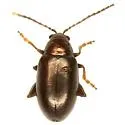
Type Locality: Esperanza Ranch, Brownsville, Cameron Co., TX (Schaeffer 1906)
Altica tombacina
Altica tombacina
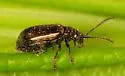
Identification: brassy to purplish species; habitus not very convex, surface with reduced sheen (alutaceous); transverse furrow of pronotum ends into a +/- triangular depression at about 3/4 to side margin.
Altica torquata
Altica torquata
Identification: usually polychrome - elytral margins, and pronotum behind transverse furrow (name!) coloured in a different tone than elytral disc. Monochrome individuals identified by dissection only. the name 'Steel-blue Grapevine Flea Beetle' is m
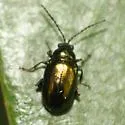
Altica viridana
Altica viridana
Identification: Differs from A. kalmiae in golden green colour Description in Bulletin of the Brooklyn Entomological Society 27: 240
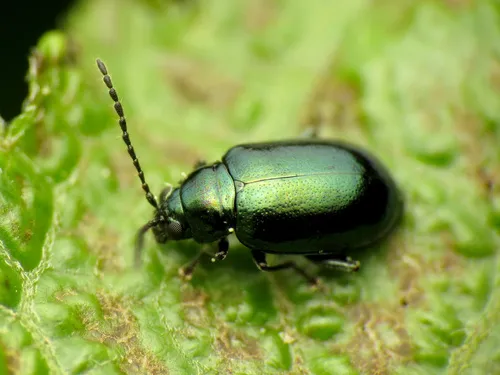
Altica woodsi 0
Altica woodsi
Altica woodsi is a species of flea beetle in the family Chrysomelidae. It is found in North America. It feeds on Vitis riparia and Virginia creeper....
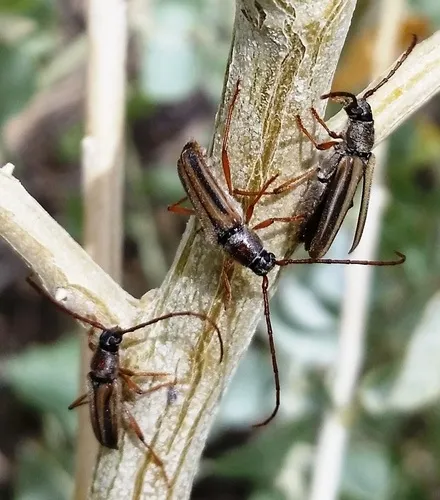
Amannus vittiger
Amannus vittiger
Amannus vittiger is a species of beetle in the family Cerambycidae. It was described by John Lawrence LeConte in 1858.
Amara aeneopolita
Amara aeneopolita
Identification: first two antennomeres pale, rest dark; ABL &ly;7 mm; ♂ metabia with long brush of dense setae; elytron with 2 setae in 7th striae apically; dorsum blackish-bronze, relatively shiny.
Amara alpina
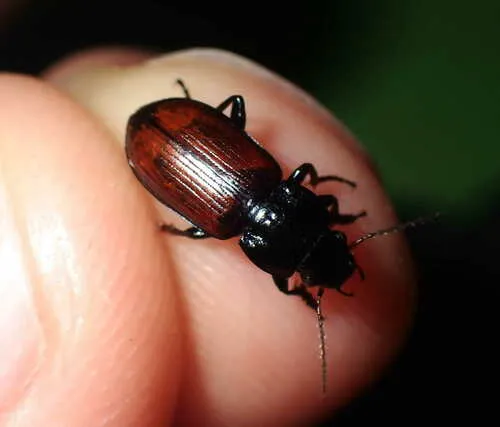
Amara alpina
Amara alpina is a species of beetle of the genus Amara in the family Carabidae. It is native to northern parts of Europe and Asia. It was first described by the Swedish entomologist Gustaf von Paykull in 1790.
Amara anthobia
Amara anthobia
Identification: dorsal habitus earliest record in our area: DC area 1964
Amara apricaria
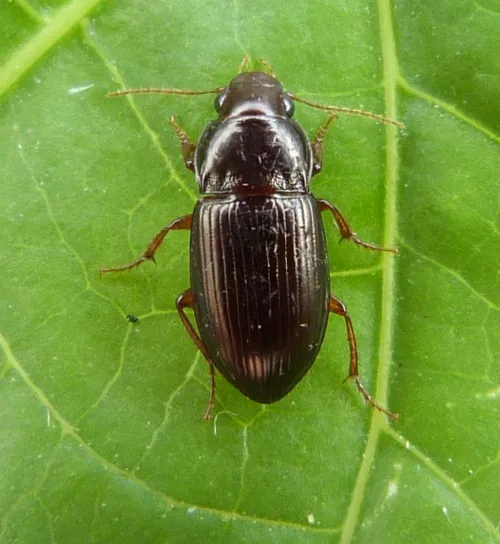
Amara apricaria
A 6.5 to 9mm long brownish black Amara beetle. Open dryish habitats like gardens, field margins and waste ground. All year round, but most likely to be recorded in summer and autumn. Fairly frequent and widespread in much of Britain, although probabl
Amara avida
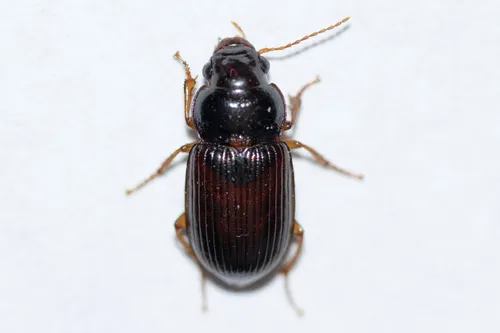
Amara avida
Amara avida is a species of beetle of the genus Amara in the Carabidae family.
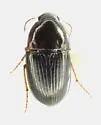
Amara belfragei
Amara belfragei
Identification: Antennae and legs entirely rufo-testaceous Type: Collected by Belfrage at Waco, Texas.
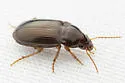
Amara bifrons
Amara bifrons
Identification: images: ▢ ▪ ▢ ▪ ▢ earliest record in our area: NS 1929
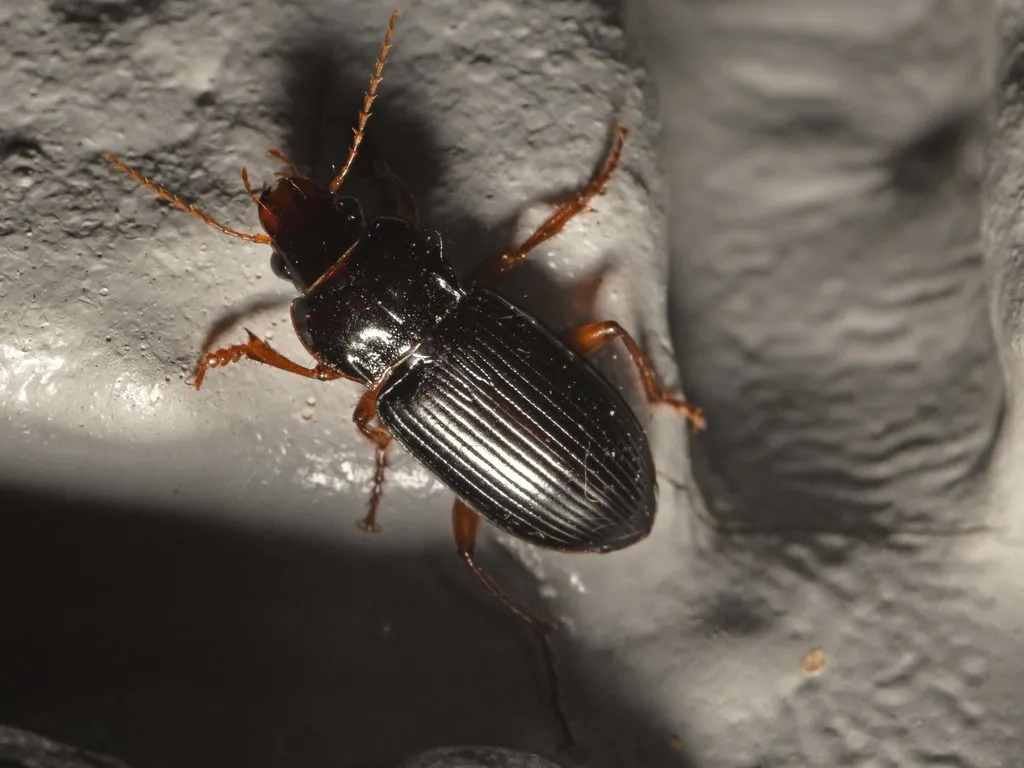
Amara carinata
Amara carinata
Amara carinata is a species of beetle of the genus Amara in the Carabidae family.
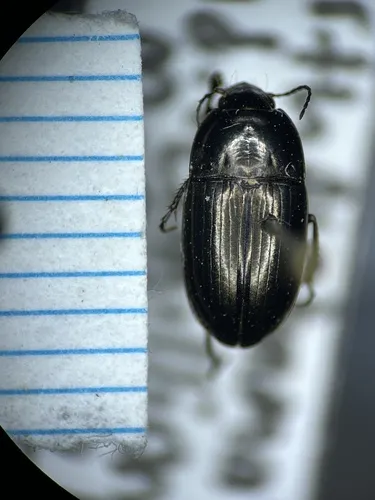
Amara coelebs
Amara coelebs
Amara coelebs is a species of beetle of the genus Amara in the Carabidae family.
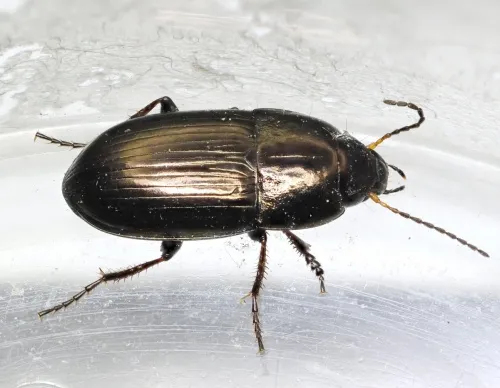
Amara communis
Amara communis
Length 6 to 8mm with a dark brassy appearance. It is one of many similar Amara beetles and detailed examination is needed. Amara communis lacks a scutellary pore, has pale antennal 1-3 segments, punctures around the pronotal foveae and gap along the
Amara crassispina
Amara crassispina
Identification: Holotype clues separating it from sibling species:
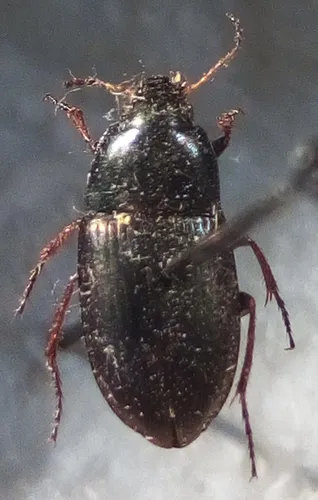
Amara cupreolata
Amara cupreolata
Amara cupreolata is a species of seed-eating ground beetle in the family Carabidae. It is found in North America.
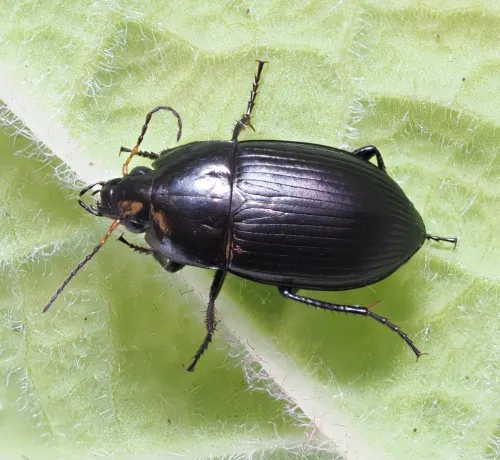
Amara eurynota
Amara eurynota
Length about 9 to 11.5 mm. This is a brassy bronze green beetle. There are several other similarly coloured species, which are a very difficult group to identify, although Amara eurynota is the largest. Widespread and fairly frequent in Britain.
Amara familiaris
Amara familiaris
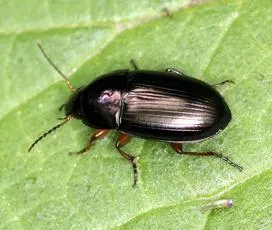
It is small, around 5-7 mm with a dark metallic lustre and red/brown legs. The front corners of the pronotum are sharp which helps to distinguish this from other similar Amara species. Most often seen between spring and summer
Amara glacialis
Amara glacialis
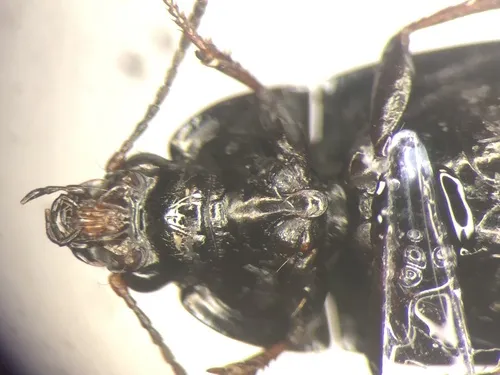
Amara glacialis is a species of seed-eating ground beetle in the subfamily Carabinae. It is found in Siberia and North America.
Amara impuncticollis
Amara impuncticollis
Identification: neotype rarely collected in the northeast
Amara insularis 0
Amara insularis
Identification: syntype • questionably distinct from A. insignis
Amara lunicollis
Amara lunicollis
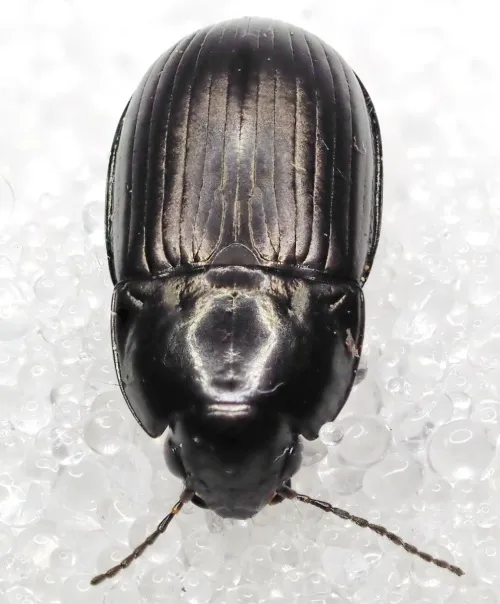
7.5 to 9 mm long. Quite similar to other members of the genus and detailed examination is required. Unless identified by a recognised expert, a photo is required, and the specimen should be examined with a microscope. In the comments box, state the k
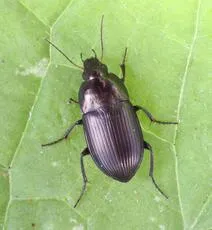
Amara ovata
Amara ovata
One of the many similar Amara beetles, this one is around 9mm and is all black, often with a green/brassy reflection. It differs from the similar A. similis by having all black legs. The pronotum is as wide as the elytra and has evenly rounded sides.
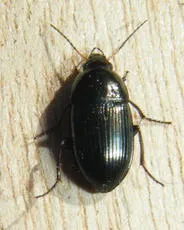
Amara plebeja
Amara plebeja
A 6 to 8 mm long, bronze-black or greenish species. It is one of several similar species and detailed examination may be required to be certain of species identification. Where a photograph is surrounded by a red box it means the subject is likely to
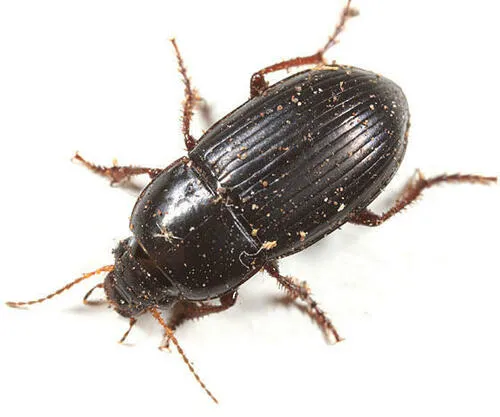
Amara rectangula
Amara rectangula
Amara rectangula is a species of ground beetle in the family Carabidae, found in the United States and Mexico.
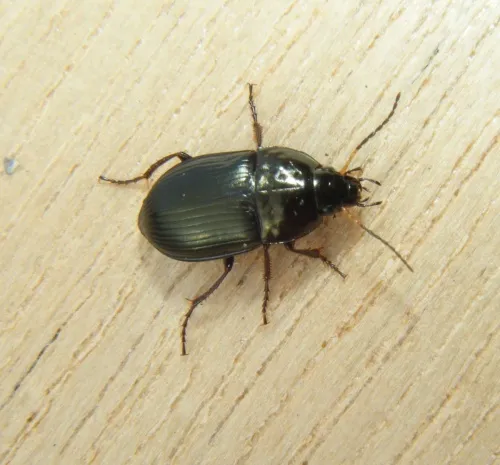
Amara similata
Amara similata
This Amara is 8-9mm with a metallic (brass/copper) sheen. Like A. aenea it has black femora and brown tibiae. It has shallow depressions (foveae) on the pronotum. Detailed examination with a microscope or good lens is needed to separate this species
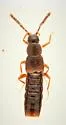
Amarochara forticornis
Amarochara forticornis
Identification: Easily recognized among Canadian congeners by the distal antennomeres <2× as wide as long. Unique within the genus by having a distinct basal impression on abdominal tergite VI.
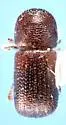
Ambrosiodmus devexulus
Ambrosiodmus devexulus
Identification: Similar to A. obliquus , but slightly smaller, punctures on elytra more prominent, and elytral declivity devoid of any granules.
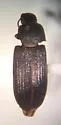
American Black Flour Beetle
Tribolium audax
Identification: similar to, and sometimes confused with, T. madens , a sp. of European origin also present in NA
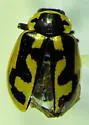
American Lady Beetle
Hippodamia americana
Identification: Distinctive, unique color pattern; cross/dagger-shaped stripe on elytral suture, 2 prong-shaped bands on the sides (may be broken into separate spots). Large unmarked black blotch in centre of pronotum.
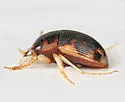
American Round Sand Beetle
Omophron americanum
Identification: color pattern variable; 15-striate elytron, V-shaped pale area on the frons, punctate metasternum and two setae on the mesocoxa make it easy to distinguish ( 3 ) the most common and widespread Omophron in NA ( 6 )
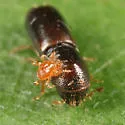
American Utilizable Wood Bark Beetle
Gnathotrichus materiarius
often attacks pines killed by Ips spp. in the south
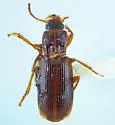
Amerinus linearis
Amerinus linearis
Identification: Pronotum and mandibles unusually narrow and prolonged (for a harpaline); deep basal impressions of pronotum.
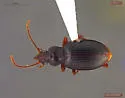
Amerizus spectabilis
Amerizus spectabilis
Amerizus spectabilis, also known as spectacular riverbank ground beetle, is a species of ground beetle in the family Carabidae. It is found in North America along the Pacific coast from Alaska to California.
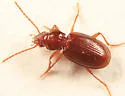
Amerizus wingatei
Amerizus wingatei
Identification: body depigmented (reddish-brown), eyes reduced, mandibles straight and elongated
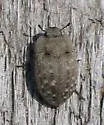
Ammodonus fossor
Ammodonus fossor
Ammodonus fossor (Ammodonus fossor) is a species in the family Tenebrionidae, commonly known as darkling beetles, belonging to the order Coleoptera (Beetles). It is classified within the subfamily Blaptinae, tribe Opatrini, suborder Polyphaga, superf
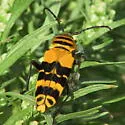
Amorpha Borer
Megacyllene decora
Identification: Extremely variable basal yellow bands mostly fused (left)
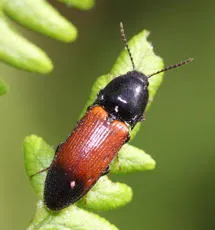
Ampedus balteatus
Ampedus balteatus
Approximately 1cm long. Ampedus balteatus is an attractive black and red click beetle - the predominantly red elytra turning black around two thirds down their length. Fairly wide ranging from broadleaved and mixed woodland to heath land and peat moo
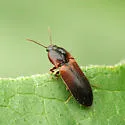
Ampedus brevis
Ampedus brevis
Identification: Closely related to the widespread A. fusculus
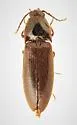
Ampedus deletus
Ampedus deletus
Identification: Coloration somewhat variable, brownish to black (a form is also known with pale hind angles and very light coloration). Closely related and similar to A. nigrinus , separated by the pubescence coloration (dark black in nigrinus , brow
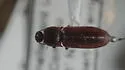
Ampedus fusculus
Ampedus fusculus
Identification: Lectotype • sutural vitta restricted to 3‒4 intervals, vs broadened over posterior ½‒⅔ in the similar western A. brevis
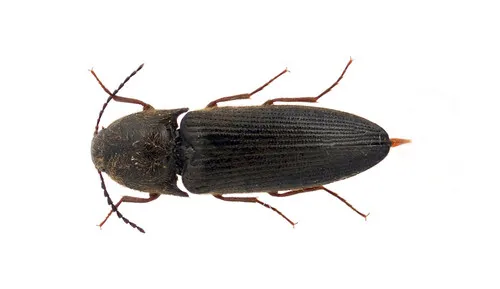
Ampedus impolitus
Ampedus impolitus
Ampedus impolitus (Ampedus impolitus) is a species in the family Elateridae, commonly known as click beetles, belonging to the order Coleoptera (Beetles). It is classified within the subfamily Elaterinae, tribe Ampedini, suborder Polyphaga, superfami